
Can I Take Magnesium and CoQ10 With Eliquis (Apixaban)?
Eliquis raises bleeding risk all by itself, so even a common mineral and an antioxidant deserve a review for any effect on platelets before they join the routine.
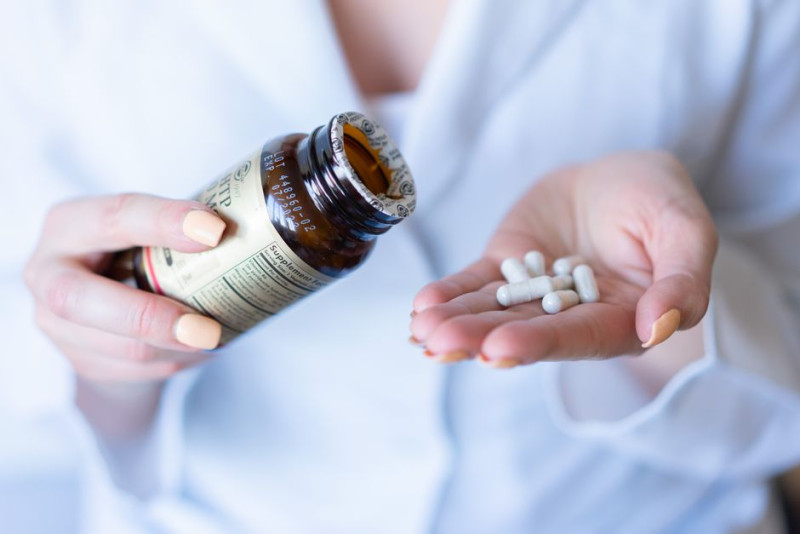

Can I take magnesium and CoQ10 while on Eliquis?
Oct 02, 2026- Most people can take magnesium and CoQ10 with Eliquis without problems, though these combinations haven't been formally studied enough for a definitive safety statement. Magnesium has only a minor interaction rating with Eliquis and hasn't been shown to increase bleeding risk at supplement doses, though your doctor should know you're taking it especially if you have kidney issues. CoQ10 doesn't carry the vitamin K concerns it does with warfarin since Eliquis works through a different mechanism, and it's considered low concern rather than proven safe. Watch for bleeding signs like unexplained bruises, nosebleeds, pink or red urine, or black stools, and have your pharmacist review the specific products you plan to use since combination supplements may contain additional ingredients that matter more than the main active ingredients.
Thanks so much for bringing your question to us!
Most people can take magnesium and CoQ10 along with Eliquis (apixaban) without a problem, although neither combination has been studied enough to make a definitive statement of safety.
Why Magnesium Earns Only a Minor Rating Next to Eliquis
Magnesium is listed as a minor interaction with apixaban in our drug-supplement database, and it's considered unlikely to actually cause trouble.
The rating exists because magnesium can quiet platelet activity in the laboratory, and an infusion of magnesium sulfate in healthy volunteers lengthened bleeding time. Those studies used intravenous magnesium at concentrations well above what a daily capsule produces, and other research found no effect on platelet clumping at all.
At the doses found in ordinary supplements, oral magnesium hasn't been shown to add to bleeding in anyone taking a blood thinner, and I wouldn't expect it to.
There's also no absorption problem to manage.
Magnesium is famous for binding to certain antibiotics, thyroid medicine, and osteoporosis drugs in the stomach, but apixaban isn't one of the medicines it grabs onto, so you don't need to separate the two.
The practical side effects of magnesium are the ones to keep in mind. Higher doses, especially of magnesium citrate or oxide, commonly cause loose stools, and if your kidneys are weak magnesium can build up in the body, so your doctor should know you're taking it.
How CoQ10 Fits With a Factor Xa Blood Thinner
CoQ10 (coenzyme Q10) is a compound your cells make for energy production, and people often take it for heart health or to ease statin-related muscle aches.
The bleeding question around CoQ10 comes almost entirely from warfarin. CoQ10 is chemically similar to vitamin K, and there are case reports of it weakening warfarin's effect and lowering the INR. Eliquis works differently. It blocks a clotting protein called factor Xa directly and has nothing to do with vitamin K, so that particular concern doesn't carry over.
On the clearance side, apixaban is handled by the liver enzyme CYP3A4 and the transporter P-glycoprotein, and only strong blockers or boosters of both pathways change its blood levels. CoQ10 isn't known to affect either one in a meaningful way.
A few laboratory studies hint that CoQ10 may mildly reduce platelet stickiness, but this hasn't translated into reported bleeding problems in people, and the pairing with apixaban simply hasn't been formally studied. I'd call CoQ10 low concern rather than proven safe, which is an honest distinction when a blood thinner is involved.
Signs That Mean a Call to Your Pharmacist or Doctor
Since Eliquis raises bleeding risk on its own, anything stacked on top of it deserves the same watchfulness you'd give the drug alone. The things I'd pay attention to are the usual bleeding signals.
- Bruises that show up without a bump, or bruises that keep spreading
- Nosebleeds or bleeding gums that take longer than usual to stop
- Pink or red urine, or stools that look black and tarry
- Coughing or vomiting anything that resembles blood or coffee grounds, which needs emergency care right away
Keep taking your Eliquis on its regular twice-daily schedule no matter when you take the supplements, since steady dosing is what protects you from clots.
If a combination product is involved (plenty of CoQ10 and magnesium products also pack in fish oil, vitamin E, or ginkgo), those add-on ingredients matter more than the headliners, because they're the ones with stronger antiplatelet effects.
So Can I Go Ahead With Magnesium and CoQ10?
Both supplements sit at the low-concern end of the spectrum for someone on Eliquis, with magnesium rated minor and CoQ10 lacking any established interaction, though neither has been studied enough to call completely risk-free.
Your pharmacist is the right person to glance at the exact bottles you plan to buy and confirm nothing hidden in the ingredient list changes the picture. Let your doctor know you're adding them too, particularly if your kidneys don't work at full strength or you've had bleeding trouble before, since those are the situations where magnesium dosing and your bleeding risk call for a personal judgment.
References & sources
- DailyMed. ELIQUIS prescribing information: Drug Interactions. SPL Set ID e9481622-7cc6-418a-acb6-c5450daae9b0; label effective 2025-04-17. — DailyMed
- Magnesium inhibits human platelets. Blood coagulation & fibrinolysis : an international journal in haemostasis and thrombosis. 1996. PMID: 8735829. — PubMed
- A comprehensive evaluation of apixaban in the treatment of venous thromboembolism. Expert review of hematology. 2020. PMID: 31958251. — PubMed
Dr. Brian Staiger, PharmD
Doctor of Pharmacy, board certified clinical pharmacist (BCPS), American Herbalist Guild, Medication Therapy Management certified
Brian Staiger, PharmD, BCPS, is a licensed pharmacist with more than 13 years of experience across retail pharmacy, clinical pharmacy, medication safety, pharmacy program development, and healthcare administration. He is the founder of HelloPharmacist.com, where he helps patients...
More answers from Brian →