
Can You Take Lion's Mane With Sodium Valproate?
Combining herbal supplements with prescription anticonvulsants is a common source of questions. This one looks at whether lion's mane mushroom can be safely taken alongside sodium valproate.
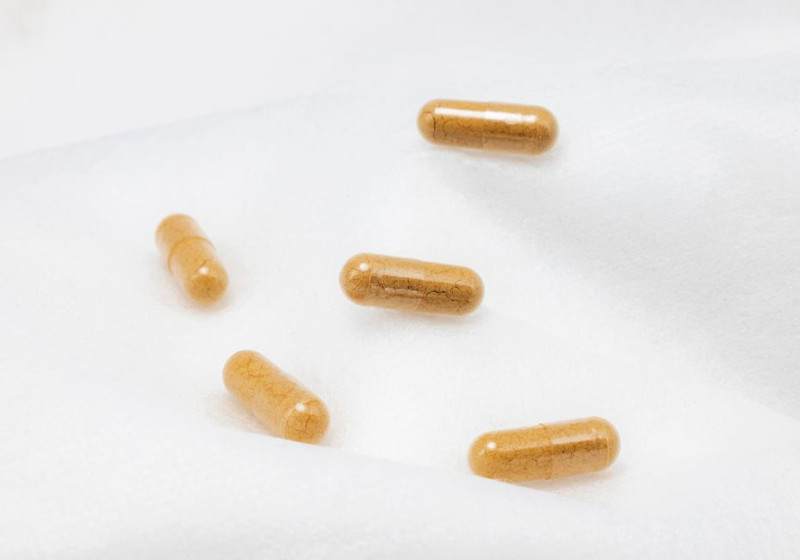

Can lion's mane be taken with sodium valproate?
Sep 02, 2026- Lion's mane mushroom is not expected to interact with sodium valproate because it doesn't significantly affect the liver pathways that break down valproate.
- Since this combination hasn't been formally studied in humans, you should let your doctor or pharmacist know before starting lion's mane while taking valproate.
- Pay attention for any unusual bruising or bleeding, as both substances may have minor theoretical effects on blood clotting.
Hello! I appreciate you using HelloPharmacist!
Lion's mane mushroom doesn't have any well-documented interaction with sodium valproate, and based on how each is handled by the body, a significant interaction isn't expected.
That said, this specific combination hasn't been formally studied in humans, and because valproate treats conditions where consistency really matters, there are a few things I want to talk through.
How Sodium Valproate Is Processed in the Body
Sodium valproate (known in the United States as valproic acid or divalproex, with brand names like Depakote and Depakene) is used for seizure disorders, bipolar disorder, and migraine prevention.
It's broken down in the liver mainly through glucuronidation and a process called beta-oxidation, with only a minor contribution from the CYP enzyme system that's responsible for so many herb-drug interactions.
Its most clinically important interactions are fairly predictable. Enzyme-inducing drugs like carbamazepine, certain antibiotics such as carbapenems, and medications like aspirin that compete for protein binding. Lion's mane doesn't fit into any of those categories, and it isn't known to meaningfully affect the pathways valproate relies on.
Why Lion's Mane Isn't Expected to Cause a Problem
Lion's mane (Hericium erinaceus) is an edible mushroom often taken for cognitive support, and it's rich in antioxidants with possible anti-inflammatory and neuroprotective properties. It hasn't been shown to significantly inhibit or induce liver enzymes in humans, and there's no evidence that it lowers the seizure threshold or interferes with how anticonvulsants work. You can read more about it on our Lion's Mane Mushroom interaction and safety page.
A Couple of Theoretical Points to Keep in Mind
There are two small, theoretical overlaps worth knowing about, even though neither has been confirmed as a real-world problem. Valproate can lower platelet counts and mildly affect clotting in some people, and some laboratory research suggests lion's mane extracts may also slightly slow platelet activity, so it makes sense to mention the combination to your pharmacist and pay attention to any unusual bruising or bleeding.
Separately, animal research suggests lion's mane may lower blood sugar, which mostly matters if you have diabetes or take blood sugar lowering medication. Beyond that, since valproate is often monitored with blood work and steady levels are important for seizure or mood control, your prescriber should always know about any supplement you start while taking it.
Final Words
Overall, lion's mane isn't expected to interact with sodium valproate, and there's no evidence you need to avoid the combination. Since it hasn't been formally studied, let your doctor or pharmacist know you're adding it so they can keep an eye on things at your next visit.
Reach back out anytime; we're always happy to help!
We have more detail in this related resource: Lion's Mane Mushroom drug interactions and safety information.
References & sources
Glossary — Terms in This Answer
- Glucuronidation
- A liver process that breaks down and prepares medications for removal from the body by attaching a glucuronic acid molecule to them.
- Beta-oxidation
- A metabolic pathway in the body that breaks down fatty acids and certain drugs into smaller molecules for energy or elimination.
- CYP enzyme system
- A group of liver enzymes responsible for breaking down many medications and supplements, which is a common source of drug interactions.
- Enzyme-inducing drugs
- Medications that speed up the liver's ability to break down other drugs, potentially making them less effective.
- Protein binding
- When a drug or substance attaches to proteins in the blood, which can affect how much of it is available to work in the body.
- Anticonvulsants
- Medications used to prevent or stop seizures by reducing abnormal electrical activity in the brain.
- Seizure threshold
- The level of brain activity at which a seizure is triggered; lowering it makes seizures more likely to occur.
- Platelet counts
- The number of small blood cells that help form clots and stop bleeding.
Dr. Brian Staiger, PharmD
Doctor of Pharmacy, board certified clinical pharmacist (BCPS), American Herbalist Guild, Medication Therapy Management certified
Brian Staiger, PharmD, BCPS, is a licensed pharmacist with more than 13 years of experience across retail pharmacy, clinical pharmacy, medication safety, pharmacy program development, and healthcare administration. He is the founder of HelloPharmacist.com, where he helps patients...
More answers from Brian →