
Can You Take Magnesium Glycinate With Zoloft?
A reader asks our pharmacist if taking a daily magnesium supplement with an antidepressant like Zoloft (sertraline) is safe.
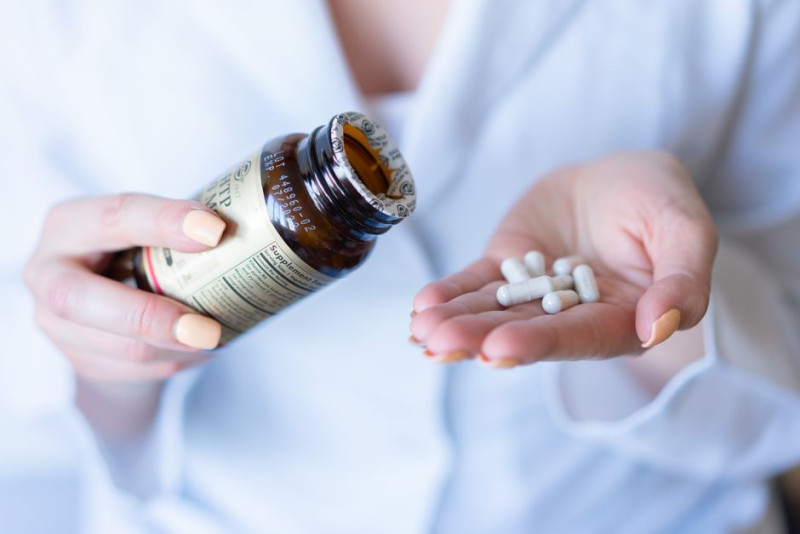

Is it safe to take magnesium glycinate 200 mg with Zoloft 200 mg?
Jul 20, 2026- Magnesium glycinate and Zoloft do not interact because magnesium doesn't affect how your body absorbs or breaks down sertraline. A small study found that people taking magnesium with an antidepressant like sertraline had greater improvement in depression symptoms than those on the antidepressant alone. The most common side effect of magnesium is loose stools or mild stomach upset, and some people find it helpful to take the two medications at different times of day for comfort.
Thanks for bringing this question to HelloPharmacist!
For most people, taking magnesium glycinate 200 mg alongside Zoloft (sertraline) is not a concerning combination. There is no known clinically significant interaction between the two, and magnesium glycinate is one of the better tolerated forms of magnesium available over the counter.
Why These Two Aren't Expected to Interact
Magnesium's most notable drug interactions happen in the gut, where it can bind to certain medications (like some antibiotics and thyroid medications) and block their absorption. Sertraline isn't one of those drugs, and magnesium isn't known to meaningfully change how well it's absorbed.
Magnesium also doesn't affect the liver enzymes that break sertraline down, so it isn't expected to raise or lower the amount of sertraline in your blood.
The interaction concerns highlighted in sertraline's own labeling center on very different types of medications, such as other serotonergic drugs, MAO inhibitors, and highly protein-bound drugs like blood thinners, rather than minerals or common supplements.
What Research Says About Combining Them
Interestingly, this combination (magnesium and Zoloft) has actually been studied (reference below in our references section).
A recent open-label clinical trial gave patients taking antidepressants (including sertraline) magnesium glycinate in addition to their medication, and the group receiving magnesium showed greater improvement in depression scores than those on an antidepressant alone.
It was a small, non-randomized study, so it's preliminary evidence rather than proof, but it does suggest researchers view the combination as reasonable to take together, and possibly even complementary.
Some Tips for Taking Both
A 200 mg dose of magnesium glycinate is on the modest side, and the glycinate form is gentler on the stomach than forms like magnesium oxide or citrate.
The most common side effect of any magnesium supplement is loose stools or mild stomach upset, and since Zoloft can occasionally cause stomach upset too, some people prefer to take them at different times of day, though that's a comfort preference, not a safety requirement.
Final Words
Overall, magnesium glycinate 200 mg and Zoloft 200 mg are considered a low-risk pairing, and there's even some early research supporting their use together.
Thanks again for using HelloPharmacist and feel free to reach out again anytime!
We have more detail in this related resource:
References & sources
Glossary — Terms in This Answer
- Magnesium glycinate
- A form of magnesium supplement where magnesium is bound to the amino acid glycine, making it gentler on the stomach than other magnesium forms.
- Sertraline
- An antidepressant medication (brand name Zoloft) that works by affecting serotonin levels in the brain.
- Drug interaction
- When two substances affect how each other works in the body, potentially changing their effectiveness or safety.
- Absorption
- The process by which a medication or nutrient passes through the digestive system into the bloodstream.
- Liver enzymes
- Proteins in the liver that break down medications so the body can eliminate them.
- Serotonergic drugs
- Medications that affect serotonin, a brain chemical involved in mood and emotion.
- MAO inhibitors
- A class of antidepressant medications that work by blocking an enzyme that breaks down serotonin.
- Protein-bound
- Medications that attach to proteins in the blood, which can affect how they interact with other substances.
Dr. Brian Staiger, PharmD
Doctor of Pharmacy, board certified clinical pharmacist (BCPS), American Herbalist Guild, Medication Therapy Management certified
Brian Staiger, PharmD, BCPS, is a licensed pharmacist with more than 13 years of experience across retail pharmacy, clinical pharmacy, medication safety, pharmacy program development, and healthcare administration. He is the founder of HelloPharmacist.com, where he helps patients...
More answers from Brian →