
Glipizide with Cinnamon Interaction Concerns
Can you take Ceylon cinnamon with glipizide? Our pharmacist discusses their combined use, potential interaction, and blood sugar risks.
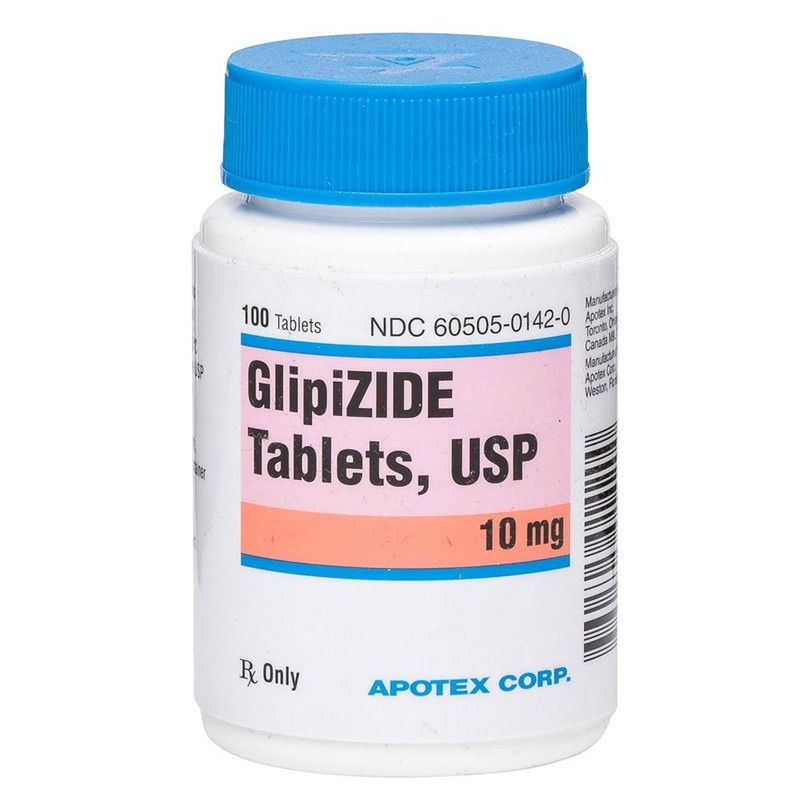

Can I take glipizide and 2,000 mg of Ceylon cinnamon at the same time?
Jul 06, 2026- Ceylon cinnamon may theoretically lower blood sugar when combined with glipizide, potentially increasing the risk of blood sugar dropping too low, though this concern is mainly based on lab and animal studies rather than strong human evidence. The small amount of cinnamon in foods is unlikely to cause problems, but concentrated cinnamon supplements taken daily pose a greater concern. If you start taking a cinnamon supplement, monitor your blood sugar closely and discuss it with your healthcare provider or pharmacist.
Hello!
We have a page on our website that discusses this specific interaction: Ceylon Cinnamon and Glipizide Interaction: Severity & What to Do | HelloPharmacist.
Here is a summary of the interaction:
Theoretically, Ceylon cinnamon may have additive effects when taken with antidiabetic medications such as glipizide. Ceylon cinnamon may help lower blood glucose levels, while glipizide lowers blood sugar by stimulating your pancreas to release more insulin. Taking the two together could, in theory, increase the risk of your blood sugar dropping too low (hypoglycemia).
If your blood sugar falls too low, you may experience symptoms such as shakiness, sweating, dizziness, irritability, or unusual tiredness. That said, it's important to note that this concern is based primarily on laboratory and animal studies rather than strong human clinical evidence. Additionally, the small amount of cinnamon typically used in foods is very unlikely to have a meaningful effect. The greater concern is with concentrated Ceylon cinnamon supplements taken daily.
If you do decide to start a cinnamon supplement, it's a good idea to monitor your blood sugar more closely and discuss it with your healthcare provider or pharmacist. The risk of a problem is relatively small, but it's always a good idea to talk to a health care professional more familiar with your particular situation.
We also highly recommend using our Drug-Supplement Interaction Checker for questions like this.
You can access it from our Ceylon cinnamon ingredient page (Ceylon Cinnamon Drug Interactions, Uses, Side Effects & More | HelloPharmacist), where you can ask about other medications that may interact with cinnamon, or from our main Drug-Supplement Interaction Checker page, where you can ask about virtually any drug and supplement combination.
Unlike a general AI search, our interaction checkers are trained specifically on our extensive, pharmacist-reviewed drug-supplement interaction database, allowing them to provide focused, evidence-based answers.
Thanks again for reaching out!
References & sources
Glossary — Terms in This Answer
- Antidiabetic medications
- Drugs that help lower blood sugar levels in people with diabetes.
- Additive effects
- When two substances work together to create a combined effect that is stronger than either one alone.
- Blood glucose levels
- The amount of sugar present in your bloodstream at any given time.
- Insulin
- A hormone produced by the pancreas that helps your body use and store sugar from food.
- Hypoglycemia
- A condition where blood sugar drops dangerously low.
- Laboratory and animal studies
- Research conducted in controlled settings using test tubes, cells, or animals rather than human subjects.
- Concentrated Ceylon cinnamon supplements
- Purified cinnamon products taken as pills or powders that contain much higher amounts than found in food.
Dr. Brian Staiger, PharmD
Doctor of Pharmacy, board certified clinical pharmacist (BCPS), American Herbalist Guild, Medication Therapy Management certified
Brian Staiger, PharmD, BCPS, is a licensed pharmacist with more than 13 years of experience across retail pharmacy, clinical pharmacy, medication safety, pharmacy program development, and healthcare administration. He is the founder of HelloPharmacist.com, where he helps patients...
More answers from Brian →