
Is There A Difference Between Regular Flonase And Children's Flonase?
In our latest question and answer, our pharmacist discusses the difference between Flonase and Children's Flonase.
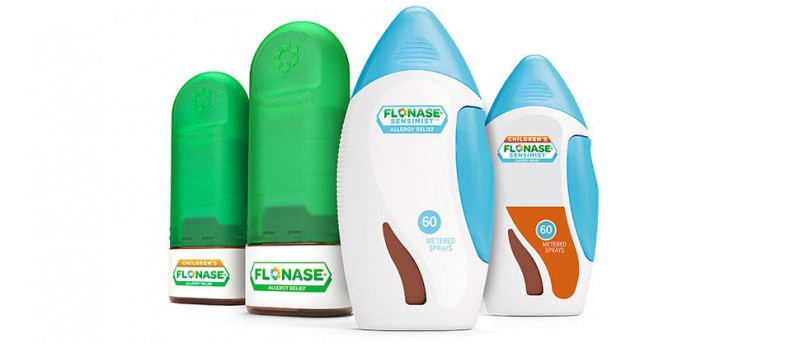

What is the difference between children's Flonase and regular Flonase?
Jan 23, 2023- Both regular Flonase and Children's Flonase contain the same medication at the same strength, but Children's Flonase comes in smaller bottles with different dosage instructions based on age. The main practical difference is that Children's Flonase is dosed at 1 spray per nostril daily for ages 4 to 11, while regular Flonase uses 2 sprays per nostril daily for older children and adults.
Answer
There isn't much of a difference between 'regular' Flonase and Children's Flonase. In fact, both contain the same drug at the same strength (fluticasone propionate 50mcg per spray).
Nevertheless, the main differences are:
- 'Regular' Flonase comes in larger bottles, and thus, has more sprays per bottle.
- 'Regular' Flonase has different dosage recommendations (since the dosage for adults and children is different).
The Difference Is In The Dose And Bottle Size
As mentioned, Flonase and Children's Flonase have the exact same drug at the same strength (fluticasone propionate 50mcg per spray). However, the recommended dosage is different:
- Adults: 2 sprays per nostril once daily (200mcg/day) initially. After 1 week, 1 to 2 sprays per nostril once daily.
- Children and adolescents 12 years and older: 2 sprays per nostril once daily (200mcg/day) initially. After 1 week, 1 to 2 sprays per nostril once daily.
- Children 4 to 11 years: 1 spray per nostril once daily (100mcg/day).
This dosage information is contained in the 'Drug Facts' of Flonase nasal spray products. In the image below, the green product is 'Flonase' and the orange product is 'Children's Flonase'. You can see they contain the same drug (fluticasone propionate 50mcg per spray) and have the same text for dosage directions:

Other Important Points
Aside from the dosage information, Children's Flonase is available in a smaller bottle that contains 72 sprays versus adult sizes, which are available in bottle sizes up to 120 sprays.
Additionally, it is important to note that there is a different Flonase product called Flonase Sensimist. This product is FDA-approved for children 2 years of age and older (unlike Flonase, which is for children 4 years of age and older). So, if your child is 2 or 3 years old, Flonase Sensimist would be the product to use.
Although Flonase and Flonase Sensimist share the 'Flonase' name, they are actually different drugs, as we have detailed in a previous answer.
Final Words
I hope this answered your question! Thanks for reaching out.
References & sources
- Flonase Prescribing Information — AccessFDA
- Flonase Sensimist Labeling — AccessFDA
- Flonase — Flonase Manufacuter Website
Glossary — Terms in This Answer
- Fluticasone propionate
- A corticosteroid medication that reduces inflammation in the nasal passages to relieve allergy symptoms.
- Mcg
- An abbreviation for micrograms, a unit of measurement used to describe very small amounts of medication.
- Dosage
- The specific amount and frequency of a medication that should be taken.
- Nostril
- One of the two openings in the nose through which air passes.
- FDA-approved
- Officially authorized by the U.S. Food and Drug Administration as safe and effective for a specific use.
- Drug Facts
- The standardized information label on over-the-counter medications that lists ingredients, dosage instructions, and warnings.
- Nasal spray
- A medication delivered through the nose in fine mist form using a spray bottle.
- Corticosteroid
- A type of anti-inflammatory medication that reduces swelling and irritation in the body.
Dr. Brian Staiger, PharmD
Doctor of Pharmacy, board certified clinical pharmacist (BCPS), American Herbalist Guild, Medication Therapy Management certified
Brian Staiger, PharmD, BCPS, is a licensed pharmacist with more than 13 years of experience across retail pharmacy, clinical pharmacy, medication safety, pharmacy program development, and healthcare administration. He is the founder of HelloPharmacist.com, where he helps patients...
More answers from Brian →