
Wheat Germ Oil Fortified Ingredients & Drug Interactions
What is this page for?
First and foremost: checking Wheat Germ Oil Fortified against your medications. The heart of this page is the interaction checker and the full interaction report — how this product’s ingredients may interact with prescription and over-the-counter medicines you may be taking.
Around that, we add a pharmacist’s high-level view of the product as a whole — what’s inside, the evidence for its stated use, how transparent the label is, and what safety data exists — so you can see the full picture in one place. It’s educational information from our licensed clinical databases and the clinical staff at HelloPharmacist — not medical advice — and we don’t sell or endorse products. Our editorial policy
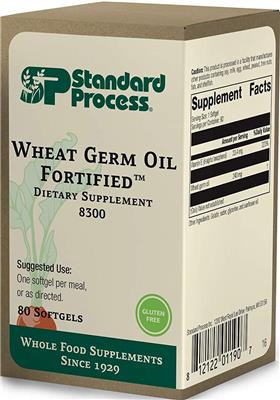
Wheat Germ Oil Fortified is a dietary supplement by SP Standard Process with 2 active ingredients. Its ingredients are commonly taken for general antioxidant support, skin and hair care, heart health.Based on those ingredients, 910 medications have a known interaction with it, the most serious rated moderate. The ingredients most likely to interact are Vitamin E, Wheat Germ Oil. Use the checker below to test your specific medication, or read the full HelloPharmacist Interaction Report.
Check Your Meds Against Wheat Germ Oil Fortified by SP Standard Process
Ask about any prescription or over-the-counter medication and we check it for interactions with Wheat Germ Oil Fortified by SP Standard Process — and tell you which ingredient is responsible.
AI summaries are generated from our interaction database for education only — always confirm with your pharmacist. How we use AI
Ask the Pharmacist
A licensed pharmacist will answer your question by email — free, usually within 24 hours.
Got it — thank you!
A licensed pharmacist will answer within 24 hours. Keep an eye on your email (worth checking spam, just in case).
HelloPharmacist Scorecard of Wheat Germ Oil Fortified by SP Standard Process
Our pharmacy team’s full take, with four database checks built into the cards below — a summary of what is known, not a grade of the product itself.
What’s inside
Full disclosure
This softgel contains 2 active ingredients: vitamin E and wheat germ oil. Vitamin E is a fat-soluble antioxidant your body uses to protect cells from damage.
Wheat germ oil is the nutrient-rich core of wheat kernels and contains natural compounds including vitamins, minerals, and oils. The softgel capsule itself is made from gelatin, water, glycerine, and sunflower oil.
Does it work?
Strong evidence
Vitamin E is established as effective for treating vitamin E deficiency and a rare genetic condition called ataxia with vitamin E deficiency (AVED). It's possibly effective for Alzheimer disease, beta-thalassemia, glucose-6-phosphate dehydrogenase deficiency, and intracranial hemorrhage, though the evidence for these uses is not conclusive.
Wheat germ oil's effectiveness for conditions like bronchitis, benign prostate enlargement, beta-thalassemia, cancer, and common cold has not been established in the data we hold — the evidence is insufficient to rate it for any of these.
How safe is it?
Well-documented data
Vitamin E from usual dietary amounts is generally well-tolerated, but high-dose long-term supplements carry caution: they may raise bleeding risk, and there's concern about a higher rate of hemorrhagic stroke (bleeding in the brain) in male smokers taking synthetic vitamin E over several years, though other studies showed no increased stroke risk. Wheat germ oil is generally well-tolerated as a food, but safety isn't formally established; raw products may carry contamination risk.
Wheat is a major food allergen — if you have wheat sensitivity or allergy, this product is not for you. Both ingredients can cause nausea; wheat germ oil may also cause loss of appetite and constipation.
Meds to double-check
Moderate interaction found
Before taking this product, check with your doctor or pharmacist if you take blood thinners or antiplatelet drugs (like warfarin, aspirin, or clopidogrel) — vitamin E may increase bleeding risk. Double-check if you're on diabetes medications, since wheat germ oil might lower blood sugar further.
If you take chemotherapy (especially alkylating agents or antitumor antibiotics), cyclosporine, niacin, selumetinib, or any medication metabolized through liver enzymes CYP3A4 or CYP1A2, discuss this product with your healthcare provider first.
The bottom line
Scorecard at a glanceFully disclosed formula with strong clinical evidence behind its ingredients' uses. Moderate medication interactions have been identified, and safety information is well characterized.
This product is useful if you have vitamin E deficiency or need wheat germ oil for a specific reason your doctor supports. However, if you take blood thinners, diabetes medications, chemotherapy, cyclosporine, warfarin, selumetinib, or drugs processed through the liver via CYP1A2 or CYP3A4 enzymes, you'll need to check with your own doctor or pharmacist before starting — the interactions could affect how well your medications work or raise your bleeding risk.
Anyone with a wheat allergy should avoid this product.
Educational only — not medical advice; always confirm with your pharmacist. Our editorial policy · How we use AI
Assessment coverage: 2 of 2 active ingredients matched to our full ingredient reviews (monographs). Based on the product label dated Nov 19, 2021.
This Scorecard evaluates available label information, ingredient evidence, and known medication-safety considerations. It does not independently verify product identity, purity, potency, contamination, or manufacturing quality. How these ratings are computed
General information
Key facts about Wheat Germ Oil Fortified, straight from the product label.
| Brand | SP Standard Process |
|---|---|
| Barcode (UPC) | 812122011907 |
| Net contents | 80 Softgel(s) |
| Market status | On market |
| Date entered into DSLD | Nov 19, 2021 |
| DSLD ID | 256611 |
| Product type | Botanical With Nutrients |
| Supplement form | Softgel Capsule |
| Dietary claims / uses | All Other |
| Intended target group(s) | Adult (18 - 50 Years), Gluten Free |
Everything in this section is reproduced from the manufacturer’s own product label — it’s the label speaking, not HelloPharmacist. We show it so you can see exactly what the maker states; we don’t verify or endorse those statements.
Supplement Facts
The label details for Wheat Germ Oil Fortified by SP Standard Process, sourced from the NIH Dietary Supplement Label Database.
Supplement Facts
| Ingredient | Amount | % DV |
|---|---|---|
| Vitamin E | 33.4 mg | 223% |
| Wheat Germ Oil | 240 mg | -- |
Other ingredients: Gelatin, Water, Glycerine, Sunflower Oil
Tap any ingredient to jump to its full detail below.
These statements are the manufacturer’s wording, reproduced from the product label — the label is saying it, not HelloPharmacist. We don’t verify or endorse them.
FDA Statement of Identity
Dietary Supplement
Suggested/Recommended/Usage/Directions
Suggested Use: One softgel per meal, or as directed.
Formulation
Gluten free
General Statements
Whole Food Supplements Since 1929
Precautions
This product is processed in a facility that manufactures other products containing soy, milk, egg, wheat, peanut, tree nuts, fish, and shellfish.
Is this label outdated? Report a formula or label change and our pharmacy team will review it.
Wheat Germ Oil Fortified by SP Standard Process label
The label scan from the NIH Dietary Supplement Label Database. Tap to enlarge.
Label images are published by the NIH Dietary Supplement Label Database for the version of this product on file. Always read your actual product label.
View the full label (PDF)The Ingredients in Wheat Germ Oil Fortified by SP Standard Process
These are the 2 active ingredients this product is made of. Select any to open its full monograph.
Serving size1 Softgel(s) Dosage formSoftgel Capsule Servings per container80 Amounts shown are per serving.
Most supplement products combine several ingredients, and a medication can interact with the product through any one of them. Each ingredient below shows whether it has known drug interactions.
Vitamin E
Interacts with764 drugs
Vitamin E is an essential fat-soluble vitamin and antioxidant that most people get in adequate amounts from a normal diet. Supplements can help correc...
Vitamin E monograph & interactionsWheat Germ Oil
Interacts with272 drugs
Wheatgrass is the young grass of the wheat plant, taken as a juice or powder, and is mainly used as a concentrated source of vitamins and plant nutrie...
Wheat Germ Oil monograph & interactionsOther (inactive) ingredients: Gelatin, Water, Glycerine, Sunflower Oil. These complete the product’s ingredient list but are not active constituents.
Wheat Germ Oil Fortified by SP Standard Process Drug Interactions
HelloPharmacist Interaction Report
Wheat Germ Oil Fortified by SP Standard Process contains vitamin E and wheat germ oil, both of which have documented interactions with medications.
The most serious concern is vitamin E's Moderate-severity interaction with blood thinners (anticoagulants) and antiplatelet drugs — it may increase bleeding risk by interfering with clotting factors and platelet function, especially at higher doses.
Read the full breakdown — every affected drug type, severity by severity
Vitamin E also interacts Moderately with chemotherapy drugs (alkylating agents and antitumor antibiotics), where its antioxidant effects might reduce how well these cancer treatments work. It can speed up metabolism of a broad category of medications processed through the liver (CYP3A4 substrates), potentially lowering their effectiveness.
Additionally, vitamin E may increase blood levels of cyclosporine (an immunosuppressant) and can interact with warfarin specifically — doses over 400 IU daily may raise bleeding risk. A Minor interaction exists with niacin, where vitamin E might reduce its beneficial effects on cholesterol.
Finally, if you're taking selumetinib (a cancer drug that itself contains vitamin E), adding this supplement could push your total vitamin E intake into a range that raises bleeding risk.
Wheat germ oil carries Moderate interactions with diabetes medications — it may lower blood sugar further, raising the risk of low blood sugar (hypoglycemia). It also interacts Moderately with medications processed through a liver enzyme called CYP1A2, potentially reducing their levels and effectiveness.
Altogether, these interactions span 911 individual medications. Use the search tool below to check your exact medications before starting this product.
Check your own medications below · Editorial policy · How we use AI
Want to check YOUR meds against Wheat Germ Oil Fortified?
Ask about interactions with your drugs in plain English — “Can I take it with lisinopril?” — and we find you the answer in seconds, ingredient by ingredient.
Go to the checkerIngredients driving the most interactions
Individual Drug Interactions
The ingredients in Wheat Germ Oil Fortified interact with 910 drugs. Click any drug to see the details.
2 of the 2 ingredients in Wheat Germ Oil Fortified interact with drugs. Each result below shows which ingredient is responsible. Vitamin E Wheat Germ Oil
Acetaminophen, Chlorpheniramine, Guaifenesin, Phenylephrine, SalicylamideRhinogesic GG
How Acetaminophen, Chlorpheniramine, Guaifenesin, Phenylephrine, Salicylamide interacts with Wheat Germ Oil Fortified — through 2 ingredients. Tap an ingredient for the detail:
Vitamin ECytochrome P450 3a4 (cyp3a4) Substrates Moderate
Interaction Summary
Theoretically, vitamin E might induce metabolism of CYP3A4, possibly reducing the levels CYP3A4 substrates.
Read the full Vitamin E + Acetaminophen, Chlorpheniramine, Guaifenesin, Phenylephrine, Salicylamide interactionWheat Germ OilCytochrome P450 1a2 (cyp1a2) Substrates Moderate
Interaction Summary
Theoretically, wheatgrass might decrease the levels and clinical effects of CYP1A2 substrates.
Read the full Wheat Germ Oil + Acetaminophen, Chlorpheniramine, Guaifenesin, Phenylephrine, Salicylamide interactionAcetaminophen, Chlorpheniramine, PhenylephrineAlka-Seltzer PLUS, Histex SR, Protid
How Acetaminophen, Chlorpheniramine, Phenylephrine interacts with Wheat Germ Oil Fortified — through 2 ingredients. Tap an ingredient for the detail:
Wheat Germ OilCytochrome P450 1a2 (cyp1a2) Substrates Moderate
Interaction Summary
Theoretically, wheatgrass might decrease the levels and clinical effects of CYP1A2 substrates.
Read the full Wheat Germ Oil + Acetaminophen, Chlorpheniramine, Phenylephrine interactionVitamin ECytochrome P450 3a4 (cyp3a4) Substrates Moderate
Interaction Summary
Theoretically, vitamin E might induce metabolism of CYP3A4, possibly reducing the levels CYP3A4 substrates.
Read the full Vitamin E + Acetaminophen, Chlorpheniramine, Phenylephrine interactionAcetaminophen, Chlorpheniramine, Phenylephrine, SalicylamideRhinogesic, Rhinogesic JR
How Acetaminophen, Chlorpheniramine, Phenylephrine, Salicylamide interacts with Wheat Germ Oil Fortified — through 2 ingredients. Tap an ingredient for the detail:
Vitamin ECytochrome P450 3a4 (cyp3a4) Substrates Moderate
Interaction Summary
Theoretically, vitamin E might induce metabolism of CYP3A4, possibly reducing the levels CYP3A4 substrates.
Read the full Vitamin E + Acetaminophen, Chlorpheniramine, Phenylephrine, Salicylamide interactionWheat Germ OilCytochrome P450 1a2 (cyp1a2) Substrates Moderate
Interaction Summary
Theoretically, wheatgrass might decrease the levels and clinical effects of CYP1A2 substrates.
Read the full Wheat Germ Oil + Acetaminophen, Chlorpheniramine, Phenylephrine, Salicylamide interactionAcetaminophen, Chlorpheniramine, PhenylpropanolamineAlumadrine, Conex, Sinadrin Max Strength, Sinulin
How Acetaminophen, Chlorpheniramine, Phenylpropanolamine interacts with Wheat Germ Oil Fortified — through 2 ingredients. Tap an ingredient for the detail:
Wheat Germ OilCytochrome P450 1a2 (cyp1a2) Substrates Moderate
Interaction Summary
Theoretically, wheatgrass might decrease the levels and clinical effects of CYP1A2 substrates.
Read the full Wheat Germ Oil + Acetaminophen, Chlorpheniramine, Phenylpropanolamine interactionVitamin ECytochrome P450 3a4 (cyp3a4) Substrates Moderate
Interaction Summary
Theoretically, vitamin E might induce metabolism of CYP3A4, possibly reducing the levels CYP3A4 substrates.
Read the full Vitamin E + Acetaminophen, Chlorpheniramine, Phenylpropanolamine interactionAcetaminophen, Chlorpheniramine, Phenylpropanolamine, OpiumHista-Derfule
How Acetaminophen, Chlorpheniramine, Phenylpropanolamine, Opium interacts with Wheat Germ Oil Fortified — through 2 ingredients. Tap an ingredient for the detail:
Vitamin ECytochrome P450 3a4 (cyp3a4) Substrates Moderate
Interaction Summary
Theoretically, vitamin E might induce metabolism of CYP3A4, possibly reducing the levels CYP3A4 substrates.
Read the full Vitamin E + Acetaminophen, Chlorpheniramine, Phenylpropanolamine, Opium interactionWheat Germ OilCytochrome P450 1a2 (cyp1a2) Substrates Moderate
Interaction Summary
Theoretically, wheatgrass might decrease the levels and clinical effects of CYP1A2 substrates.
Read the full Wheat Germ Oil + Acetaminophen, Chlorpheniramine, Phenylpropanolamine, Opium interactionAcetaminophen, Chlorpheniramine, Phenylpropanolamine, PhenyltoloxamineNorel Plus
How Acetaminophen, Chlorpheniramine, Phenylpropanolamine, Phenyltoloxamine interacts with Wheat Germ Oil Fortified — through 2 ingredients. Tap an ingredient for the detail:
Wheat Germ OilCytochrome P450 1a2 (cyp1a2) Substrates Moderate
Interaction Summary
Theoretically, wheatgrass might decrease the levels and clinical effects of CYP1A2 substrates.
Read the full Wheat Germ Oil + Acetaminophen, Chlorpheniramine, Phenylpropanolamine, Phenyltoloxamine interactionVitamin ECytochrome P450 3a4 (cyp3a4) Substrates Moderate
Interaction Summary
Theoretically, vitamin E might induce metabolism of CYP3A4, possibly reducing the levels CYP3A4 substrates.
Read the full Vitamin E + Acetaminophen, Chlorpheniramine, Phenylpropanolamine, Phenyltoloxamine interactionAcetaminophen, Chlorpheniramine, PseudoephedrineAlka-Seltzer PLUS Liquid Gels, Children's Tylenol Cold, Codimal, Comtrex, Extra Strength Tylenol Allergy Sinus, Lorsin +3 more
How Acetaminophen, Chlorpheniramine, Pseudoephedrine interacts with Wheat Germ Oil Fortified — through 2 ingredients. Tap an ingredient for the detail:
Vitamin ECytochrome P450 3a4 (cyp3a4) Substrates Moderate
Interaction Summary
Theoretically, vitamin E might induce metabolism of CYP3A4, possibly reducing the levels CYP3A4 substrates.
Read the full Vitamin E + Acetaminophen, Chlorpheniramine, Pseudoephedrine interactionWheat Germ OilCytochrome P450 1a2 (cyp1a2) Substrates Moderate
Interaction Summary
Theoretically, wheatgrass might decrease the levels and clinical effects of CYP1A2 substrates.
Read the full Wheat Germ Oil + Acetaminophen, Chlorpheniramine, Pseudoephedrine interactionAcetaminophen, ChlorzoxazoneAcetazone Forte, Extra Strength Tylenol Aches & Strains, Parafon Forte
How Acetaminophen, Chlorzoxazone interacts with Wheat Germ Oil Fortified — through 1 ingredient. Tap an ingredient for the detail:
Wheat Germ OilCytochrome P450 1a2 (cyp1a2) Substrates Moderate
Interaction Summary
Theoretically, wheatgrass might decrease the levels and clinical effects of CYP1A2 substrates.
Read the full Wheat Germ Oil + Acetaminophen, Chlorzoxazone interactionAcetaminophen, Chlorzoxazone, CodeineAcetazone Forte C8, Parafon Forte C8
How Acetaminophen, Chlorzoxazone, Codeine interacts with Wheat Germ Oil Fortified — through 1 ingredient. Tap an ingredient for the detail:
Wheat Germ OilCytochrome P450 1a2 (cyp1a2) Substrates Moderate
Interaction Summary
Theoretically, wheatgrass might decrease the levels and clinical effects of CYP1A2 substrates.
Read the full Wheat Germ Oil + Acetaminophen, Chlorzoxazone, Codeine interactionAcetaminophen, CodeineTylenol No.3, Tylenol w/ Codeine
How Acetaminophen, Codeine interacts with Wheat Germ Oil Fortified — through 1 ingredient. Tap an ingredient for the detail:
Wheat Germ OilCytochrome P450 1a2 (cyp1a2) Substrates Moderate
Interaction Summary
Theoretically, wheatgrass might decrease the levels and clinical effects of CYP1A2 substrates.
Read the full Wheat Germ Oil + Acetaminophen, Codeine interactionAcetaminophen, Codeine, DoxylamineMersyndol
How Acetaminophen, Codeine, Doxylamine interacts with Wheat Germ Oil Fortified — through 1 ingredient. Tap an ingredient for the detail:
Wheat Germ OilCytochrome P450 1a2 (cyp1a2) Substrates Moderate
Interaction Summary
Theoretically, wheatgrass might decrease the levels and clinical effects of CYP1A2 substrates.
Read the full Wheat Germ Oil + Acetaminophen, Codeine, Doxylamine interactionAcetaminophen, Codeine, MethocarbamolAcetaminophen, Codeine, Methocarbamol, Robaxacet 8
How Acetaminophen, Codeine, Methocarbamol interacts with Wheat Germ Oil Fortified — through 1 ingredient. Tap an ingredient for the detail:
Wheat Germ OilCytochrome P450 1a2 (cyp1a2) Substrates Moderate
Interaction Summary
Theoretically, wheatgrass might decrease the levels and clinical effects of CYP1A2 substrates.
Read the full Wheat Germ Oil + Acetaminophen, Codeine, Methocarbamol interactionAcetaminophen, Dexbrompheniramine, PseudoephedrineSinadrin Plus
How Acetaminophen, Dexbrompheniramine, Pseudoephedrine interacts with Wheat Germ Oil Fortified — through 1 ingredient. Tap an ingredient for the detail:
Wheat Germ OilCytochrome P450 1a2 (cyp1a2) Substrates Moderate
Interaction Summary
Theoretically, wheatgrass might decrease the levels and clinical effects of CYP1A2 substrates.
Read the full Wheat Germ Oil + Acetaminophen, Dexbrompheniramine, Pseudoephedrine interactionAcetaminophen, DextromethorphanTylenol Cough Ex Strength
How Acetaminophen, Dextromethorphan interacts with Wheat Germ Oil Fortified — through 2 ingredients. Tap an ingredient for the detail:
Wheat Germ OilCytochrome P450 1a2 (cyp1a2) Substrates Moderate
Interaction Summary
Theoretically, wheatgrass might decrease the levels and clinical effects of CYP1A2 substrates.
Read the full Wheat Germ Oil + Acetaminophen, Dextromethorphan interactionVitamin ECytochrome P450 3a4 (cyp3a4) Substrates Moderate
Interaction Summary
Theoretically, vitamin E might induce metabolism of CYP3A4, possibly reducing the levels CYP3A4 substrates.
Read the full Vitamin E + Acetaminophen, Dextromethorphan interactionAcetaminophen, Dextromethorphan, Doxylamine, PseudoephedrineVicks NyQuil
How Acetaminophen, Dextromethorphan, Doxylamine, Pseudoephedrine interacts with Wheat Germ Oil Fortified — through 2 ingredients. Tap an ingredient for the detail:
Vitamin ECytochrome P450 3a4 (cyp3a4) Substrates Moderate
Interaction Summary
Theoretically, vitamin E might induce metabolism of CYP3A4, possibly reducing the levels CYP3A4 substrates.
Read the full Vitamin E + Acetaminophen, Dextromethorphan, Doxylamine, Pseudoephedrine interactionWheat Germ OilCytochrome P450 1a2 (cyp1a2) Substrates Moderate
Interaction Summary
Theoretically, wheatgrass might decrease the levels and clinical effects of CYP1A2 substrates.
Read the full Wheat Germ Oil + Acetaminophen, Dextromethorphan, Doxylamine, Pseudoephedrine interactionAcetaminophen, Dextromethorphan, Guaifenesin, PhenylephrineConar-A
How Acetaminophen, Dextromethorphan, Guaifenesin, Phenylephrine interacts with Wheat Germ Oil Fortified — through 2 ingredients. Tap an ingredient for the detail:
Wheat Germ OilCytochrome P450 1a2 (cyp1a2) Substrates Moderate
Interaction Summary
Theoretically, wheatgrass might decrease the levels and clinical effects of CYP1A2 substrates.
Read the full Wheat Germ Oil + Acetaminophen, Dextromethorphan, Guaifenesin, Phenylephrine interactionVitamin ECytochrome P450 3a4 (cyp3a4) Substrates Moderate
Interaction Summary
Theoretically, vitamin E might induce metabolism of CYP3A4, possibly reducing the levels CYP3A4 substrates.
Read the full Vitamin E + Acetaminophen, Dextromethorphan, Guaifenesin, Phenylephrine interactionAcetaminophen, Dextromethorphan, Guaifenesin, PhenylpropanolamineAnatuss
How Acetaminophen, Dextromethorphan, Guaifenesin, Phenylpropanolamine interacts with Wheat Germ Oil Fortified — through 2 ingredients. Tap an ingredient for the detail:
Vitamin ECytochrome P450 3a4 (cyp3a4) Substrates Moderate
Interaction Summary
Theoretically, vitamin E might induce metabolism of CYP3A4, possibly reducing the levels CYP3A4 substrates.
Read the full Vitamin E + Acetaminophen, Dextromethorphan, Guaifenesin, Phenylpropanolamine interactionWheat Germ OilCytochrome P450 1a2 (cyp1a2) Substrates Moderate
Interaction Summary
Theoretically, wheatgrass might decrease the levels and clinical effects of CYP1A2 substrates.
Read the full Wheat Germ Oil + Acetaminophen, Dextromethorphan, Guaifenesin, Phenylpropanolamine interactionAcetaminophen, Dextromethorphan, Guaifenesin, PseudoephedrineRobitussin Cold, Severe Cold, Suphedrine Cold/Cough
How Acetaminophen, Dextromethorphan, Guaifenesin, Pseudoephedrine interacts with Wheat Germ Oil Fortified — through 2 ingredients. Tap an ingredient for the detail:
Wheat Germ OilCytochrome P450 1a2 (cyp1a2) Substrates Moderate
Interaction Summary
Theoretically, wheatgrass might decrease the levels and clinical effects of CYP1A2 substrates.
Read the full Wheat Germ Oil + Acetaminophen, Dextromethorphan, Guaifenesin, Pseudoephedrine interactionVitamin ECytochrome P450 3a4 (cyp3a4) Substrates Moderate
Interaction Summary
Theoretically, vitamin E might induce metabolism of CYP3A4, possibly reducing the levels CYP3A4 substrates.
Read the full Vitamin E + Acetaminophen, Dextromethorphan, Guaifenesin, Pseudoephedrine interactionAcetaminophen, Dextromethorphan, Phenylpropanolamine, PyrilamineTheracaps
How Acetaminophen, Dextromethorphan, Phenylpropanolamine, Pyrilamine interacts with Wheat Germ Oil Fortified — through 2 ingredients. Tap an ingredient for the detail:
Vitamin ECytochrome P450 3a4 (cyp3a4) Substrates Moderate
Interaction Summary
Theoretically, vitamin E might induce metabolism of CYP3A4, possibly reducing the levels CYP3A4 substrates.
Read the full Vitamin E + Acetaminophen, Dextromethorphan, Phenylpropanolamine, Pyrilamine interactionWheat Germ OilCytochrome P450 1a2 (cyp1a2) Substrates Moderate
Interaction Summary
Theoretically, wheatgrass might decrease the levels and clinical effects of CYP1A2 substrates.
Read the full Wheat Germ Oil + Acetaminophen, Dextromethorphan, Phenylpropanolamine, Pyrilamine interactionAcetaminophen, Dextromethorphan, PseudoephedrineAlka-Seltzer PLUS Flu Liquid Gels, Non Aspirin Cold Caps, Tylenol Cold, Tylenol Flu Daytime Ex Strength, Tylenol Flu Ex Strength
How Acetaminophen, Dextromethorphan, Pseudoephedrine interacts with Wheat Germ Oil Fortified — through 2 ingredients. Tap an ingredient for the detail:
Wheat Germ OilCytochrome P450 1a2 (cyp1a2) Substrates Moderate
Interaction Summary
Theoretically, wheatgrass might decrease the levels and clinical effects of CYP1A2 substrates.
Read the full Wheat Germ Oil + Acetaminophen, Dextromethorphan, Pseudoephedrine interactionVitamin ECytochrome P450 3a4 (cyp3a4) Substrates Moderate
Interaction Summary
Theoretically, vitamin E might induce metabolism of CYP3A4, possibly reducing the levels CYP3A4 substrates.
Read the full Vitamin E + Acetaminophen, Dextromethorphan, Pseudoephedrine interactionAcetaminophen, Dichloralantipyrine, IsomethepteneAmidrine, Midchlor, Migquin, Migratine
How Acetaminophen, Dichloralantipyrine, Isometheptene interacts with Wheat Germ Oil Fortified — through 1 ingredient. Tap an ingredient for the detail:
Wheat Germ OilCytochrome P450 1a2 (cyp1a2) Substrates Moderate
Interaction Summary
Theoretically, wheatgrass might decrease the levels and clinical effects of CYP1A2 substrates.
Read the full Wheat Germ Oil + Acetaminophen, Dichloralantipyrine, Isometheptene interactionAcetaminophen, Dichloralphenazone, IsomethepteneMidrin
How Acetaminophen, Dichloralphenazone, Isometheptene interacts with Wheat Germ Oil Fortified — through 1 ingredient. Tap an ingredient for the detail:
Wheat Germ OilCytochrome P450 1a2 (cyp1a2) Substrates Moderate
Interaction Summary
Theoretically, wheatgrass might decrease the levels and clinical effects of CYP1A2 substrates.
Read the full Wheat Germ Oil + Acetaminophen, Dichloralphenazone, Isometheptene interactionAcetaminophen, Dichlorophenazone, IsometheptaneIsocom
How Acetaminophen, Dichlorophenazone, Isometheptane interacts with Wheat Germ Oil Fortified — through 1 ingredient. Tap an ingredient for the detail:
Wheat Germ OilCytochrome P450 1a2 (cyp1a2) Substrates Moderate
Interaction Summary
Theoretically, wheatgrass might decrease the levels and clinical effects of CYP1A2 substrates.
Read the full Wheat Germ Oil + Acetaminophen, Dichlorophenazone, Isometheptane interactionAcetaminophen, DiphenhydramineTylenol PM, Tylenol PM Ex Strength
How Acetaminophen, Diphenhydramine interacts with Wheat Germ Oil Fortified — through 1 ingredient. Tap an ingredient for the detail:
Wheat Germ OilCytochrome P450 1a2 (cyp1a2) Substrates Moderate
Interaction Summary
Theoretically, wheatgrass might decrease the levels and clinical effects of CYP1A2 substrates.
Read the full Wheat Germ Oil + Acetaminophen, Diphenhydramine interactionAcetaminophen, Diphenhydramine, PseudoephedrineChildren's Tylenol Allergy, Cold Control, Contac Night Allergy Relief
How Acetaminophen, Diphenhydramine, Pseudoephedrine interacts with Wheat Germ Oil Fortified — through 1 ingredient. Tap an ingredient for the detail:
Wheat Germ OilCytochrome P450 1a2 (cyp1a2) Substrates Moderate
Interaction Summary
Theoretically, wheatgrass might decrease the levels and clinical effects of CYP1A2 substrates.
Read the full Wheat Germ Oil + Acetaminophen, Diphenhydramine, Pseudoephedrine interactionAcetaminophen, Doxylamine, PseudoephedrineEx Strength Tylenol Sinus Nighttime
How Acetaminophen, Doxylamine, Pseudoephedrine interacts with Wheat Germ Oil Fortified — through 1 ingredient. Tap an ingredient for the detail:
Wheat Germ OilCytochrome P450 1a2 (cyp1a2) Substrates Moderate
Interaction Summary
Theoretically, wheatgrass might decrease the levels and clinical effects of CYP1A2 substrates.
Read the full Wheat Germ Oil + Acetaminophen, Doxylamine, Pseudoephedrine interactionAcetaminophen, HydrocodoneAnexsia, Anodynos DHC, Azdone, Co-Gesic, Doucet, Lorcet +9 more
How Acetaminophen, Hydrocodone interacts with Wheat Germ Oil Fortified — through 2 ingredients. Tap an ingredient for the detail:
Wheat Germ OilCytochrome P450 1a2 (cyp1a2) Substrates Moderate
Interaction Summary
Theoretically, wheatgrass might decrease the levels and clinical effects of CYP1A2 substrates.
Read the full Wheat Germ Oil + Acetaminophen, Hydrocodone interactionVitamin ECytochrome P450 3a4 (cyp3a4) Substrates Moderate
Interaction Summary
Theoretically, vitamin E might induce metabolism of CYP3A4, possibly reducing the levels CYP3A4 substrates.
Read the full Vitamin E + Acetaminophen, Hydrocodone interactionAcetaminophen, IbuprofenCombogesic
How Acetaminophen, Ibuprofen interacts with Wheat Germ Oil Fortified — through 2 ingredients. Tap an ingredient for the detail:
Vitamin EAnticoagulant/antiplatelet Drugs Moderate
Interaction Summary
Concomitant use of vitamin E and anticoagulant or antiplatelet agents might increase the risk of bleeding.
Read the full Vitamin E + Acetaminophen, Ibuprofen interactionWheat Germ OilCytochrome P450 1a2 (cyp1a2) Substrates Moderate
Interaction Summary
Theoretically, wheatgrass might decrease the levels and clinical effects of CYP1A2 substrates.
Read the full Wheat Germ Oil + Acetaminophen, Ibuprofen interactionAcetaminophen, MeperidineDemerol APAP
How Acetaminophen, Meperidine interacts with Wheat Germ Oil Fortified — through 1 ingredient. Tap an ingredient for the detail:
Wheat Germ OilCytochrome P450 1a2 (cyp1a2) Substrates Moderate
Interaction Summary
Theoretically, wheatgrass might decrease the levels and clinical effects of CYP1A2 substrates.
Read the full Wheat Germ Oil + Acetaminophen, Meperidine interactionAcetaminophen, MethocarbamolRobaxacet
How Acetaminophen, Methocarbamol interacts with Wheat Germ Oil Fortified — through 1 ingredient. Tap an ingredient for the detail:
Wheat Germ OilCytochrome P450 1a2 (cyp1a2) Substrates Moderate
Interaction Summary
Theoretically, wheatgrass might decrease the levels and clinical effects of CYP1A2 substrates.
Read the full Wheat Germ Oil + Acetaminophen, Methocarbamol interactionEach ingredient & the kinds of drugs it affects
For each ingredient in Wheat Germ Oil Fortified with known interactions, here are the types of medications they can affect. Open any type for the detail — or search your exact drug in the checker above.
Vitamin E
Alkylating Agents
Theoretically, antioxidant effects of vitamin E might reduce the effectiveness of alkylating agents.
There's concern that antioxidants could reduce the activity of chemotherapy drugs which generate free radicals, such as cyclophosphamide, chlorambucil, carmustine, busulfan, and thiotepa. However, some researchers theorize that antioxidants might make chemotherapy more effective by reducing oxidative stress that might interfere with apoptosis (cell death) of cancer cells. More evidence is needed to determine what effect, if any, antioxidants such as vitamin E have on chemotherapy. Advise patients to consult their oncologist before using vitamin E supplements, especially in high doses.
Anticoagulant/Antiplatelet Drugs
Concomitant use of vitamin E and anticoagulant or antiplatelet agents might increase the risk of bleeding.
Vitamin E seems to inhibit of platelet aggregation and antagonize the effects of vitamin K-dependent clotting factors. These effects appear to be dose-dependent, and are probably only likely to be clinically significant with doses of at least 800 units daily. Mixed tocopherols, such as those found in food, might have a greater antiplatelet effect than alpha-tocopherol. RRR alpha-tocopherol (natural vitamin E) 1000 IU daily antagonizes vitamin K-dependent clotting factors. Advise patients to avoid high doses of vitamin E, especially in people with low vitamin K intake or other risk factors for bleeding.
Antitumor Antibiotics
Theoretically, antioxidant effects of vitamin E might reduce the effectiveness of antitumor antibiotics.
There's concern that antioxidants could reduce the activity of antitumor antibiotic drugs such as doxorubicin, which generate free radicals. However, some researchers theorize that antioxidants might make chemotherapy more effective by reducing oxidative stress that might interfere with apoptosis (cell death) of cancer cells. More evidence is needed to determine what effect, if any, antioxidants such as vitamin E have on chemotherapy involving antitumor antibiotics. Advise patients to consult their oncologist before using vitamin E supplements, especially in high doses.
Cyclosporine (Neoral, Sandimmune)
A specific form of vitamin E might increase absorption and levels of cyclosporine.
There is some evidence that one specific formulation of vitamin E (D-alpha-tocopheryl-polyethylene glycol-1000 succinate, TPGS, tocophersolan, Liqui-E) might increase absorption of cyclosporine. This vitamin E formulation forms micelles which seems to increase absorption of cyclosporine by 40% to 72% in some patients. However, this interaction is unlikely to occur with the usual forms of vitamin E.
Cytochrome P450 3A4 (Cyp3A4) Substrates
Theoretically, vitamin E might induce metabolism of CYP3A4, possibly reducing the levels CYP3A4 substrates.
Vitamin E appears to bind with the nuclear receptor, pregnane X receptor (PXR), which results in increased expression of CYP3A4. Although the clinical significance of this is not known, use caution when considering concomitant use of vitamin E and other drugs affected by these enzymes.
Selumetinib (Koselugo)
Taking selumetinib with vitamin E can result in a total daily dose of vitamin E that exceeds safe limits and therefore might increase the risk of bleeding.
Selumetinib contains 48-54 IU vitamin E per capsule. The increased risk of bleeding with vitamin E appears to be dose-dependent. Be cautious when using selumetinib in combination with supplemental vitamin E, especially in patients at higher risk of bleed, such as those with chronic conditions and those taking antiplatelet drugs.
Warfarin (Coumadin)
Using vitamin E with warfarin might increase the risk of bleeding.
Due to interference with production of vitamin K-dependent clotting factors, use of more than 400 IU of vitamin E daily with warfarin might increase prothrombin time (PT), INR, and the risk of bleeding,. At a dose of 1000 IU per day, vitamin E can antagonize vitamin K-dependent clotting factors even in people not taking warfarin. Limited clinical evidence suggests that doses up to 1200 IU daily may be used safely by patients taking warfarin, but this may not be applicable in all patient populations.
Niacin
Vitamin E might decrease the beneficial effects of niacin on high-density lipoprotein (HDL) cholesterol levels.
A combination of niacin and simvastatin (Zocor) effectively raises high-density lipoprotein (HDL) cholesterol levels in people with coronary disease and low HDL levels. Clinical research shows that taking a combination of antioxidants (vitamin C, vitamin E, beta-carotene, and selenium) along with niacin and simvastatin (Zocor) attenuates this rise in HDL, specifically the HDL-2 and apolipoprotein A1 fractions, by more than 50%. Vitamin E alone combined with a statin does not seem to decrease HDL levels. It is not known whether the adverse effect on HDL is due to one of the other antioxidants or to the combination. It also is not known whether it will occur in other patient populations.
Wheat Germ Oil
Antidiabetes Drugs
Theoretically, taking wheatgrass with antidiabetes drugs might lower blood glucose levels and increase the risk of hypoglycemia.
Animal research shows that taking wheatgrass stimulates the release of insulin from beta-cells and lowers blood glucose.
Cytochrome P450 1A2 (Cyp1A2) Substrates
Theoretically, wheatgrass might decrease the levels and clinical effects of CYP1A2 substrates.
In vitro research shows that wheatgrass induces CYP1A2 enzymes.
Brand information
Manufacturer and brand details for Wheat Germ Oil Fortified, from the product label.
SP Standard Process
See all SP Standard Process products- Name
- Standard Process Inc.
- Street Address
- 1200 West Royal Lee Drive
- City
- Palmyra
- State
- WI
- ZipCode
- 53156
Wheat Germ Oil Fortified by SP Standard Process: Common Questions
Does Wheat Germ Oil Fortified by SP Standard Process interact with any medications?
How can one product interact with so many drugs?
Where does this information come from?
Does this product contain wheat? I have a wheat allergy.
What is vitamin E actually for?
Will this supplement give me low blood sugar?
What side effects might I experience?
Is it safe to take this while pregnant or breastfeeding?
Written and reviewed by the HelloPharmacist editorial staff. Our editorial policy
Not sure if Wheat Germ Oil Fortified is safe with your meds?
Our pharmacists answer your medication & supplement questions — free.
Label information is sourced from the NIH Dietary Supplement Label Database and reflects the product version on file; always read your actual product label. This page is for education only and is not a substitute for professional medical advice. Confirm with your pharmacist or doctor before combining supplements and medications.
The Full Monographs Behind Wheat Germ Oil Fortified’s Ingredients
Every ingredient we hold a full HelloPharmacist monograph for — uses, evidence, safety, and the complete interaction list.
Vitamin E
Interacts with 764 drugsVitamin E is an essential fat-soluble vitamin and antioxidant that most people get in adequate amounts from a normal diet. Supplements can help correct a true deficiency, but high-dose vitam...
Read the full Vitamin E monograph → Herb & supplement monographWheatgrass
Interacts with 272 drugsWheatgrass is the young grass of the wheat plant, taken as a juice or powder, and is mainly used as a concentrated source of vitamins and plant nutrients. Solid scientific evidence for most...
Read the full Wheatgrass monograph →Sources & How We Checked
Wheat Germ Oil Fortified's label data comes from the NIH Dietary Supplement Label Database; the ingredient interaction data is from the Natural Medicines database, reviewed by our pharmacists.
- NIH Dietary Supplement Label Database (DSLD) — The official product label on file for this supplement.
- Natural Medicines (Therapeutic Research Center) — Evidence-graded clinical reference behind the ingredient interaction data.
Content is written and reviewed by licensed HelloPharmacist pharmacists. See our data sources and editorial standards for how this information is built and checked.
The 69 references behind this product’s interaction data
Every citation that drives the interaction findings for this product’s ingredients, from the evidence-graded Natural Medicines (TRC Healthcare) database. Open an ingredient to browse its citations — links open the study on PubMed or the publisher’s site.
Vitamin E 64 references
- Kim JM, White RH. Effect of vitamin E on the anticoagulant response to warfarin. Am J Cardiol 1996;77:545-6. PubMed
- Corrigan JJ Jr. The effect of vitamin E on warfarin-induced vitamin K deficiency. Ann N Y Acad Sci 1982;393:361-8. PubMed
- Corrigan JJ Jr. Coagulation problems relating to vitamin E. Am J Pediatr Hematol Oncol 1979;1:169-73.
- Corrigan JJ Jr, Marcus FI. Coagulopathy associated with vitamin E ingestion. JAMA 1974;230:1300-1. DOI
- Labriola D, Livingston R. Possible interactions between dietary antioxidants and chemotherapy. Oncology 1999;13:1003-8.
- Chang T, Benet LZ, Hebert MF. The effect of water-soluble vitamin E on cyclosporine pharmacokinetics in healthy volunteers. Clin Pharmacol Ther 1996;59:297-303. PubMed
- Pan SH, Lopez RR Jr, Sher LS, et al. Enhanced oral cyclosporine absorption with water-soluble vitamin E early after liver transplantation. Pharmacother 1996;16:59-65. DOI
- Anon. Dietary supplementation with n-3 polyunsaturated fatty acids and vitamin E after myocardial infarction: results of the GISSI-Prevenzione trial. Gruppo Italiano per lo Studio della Soprawivenza nell'Infarto miocardico. Lancet 1999;354:447-55. DOI
- Chappell LC, Seed PT, Briley AL, et al. Effect of antioxidants on the occurrence of pre-eclampsia in women at increased risk: a randomised trial. Lancet 1999;354:810-6. DOI
- Yusuf S, Dagenais G, Pogue J, et al. Vitamin E supplementation and cardiovascular events in high-risk patients. The heart outcomes prevention evaluation study investigators. N Engl J Med 2000;342:154-60. PubMed
- Stephens NG, Parsons A, Schofield PM, et al. Randomised controlled trial of vitamin E in patients with coronary disease: Cambridge Heart Antioxidant Study. Lancet 1996;347:781-6.
- The Alpha-Tocopherol, Beta Carotene Cancer Prevention Study Group. The effect of vitamin E and beta carotene on the incidence of lung cancer and other cancers in male smokers. N Engl J Med 1994;330:1029-35. PubMed
- Takahashi O. Haemorrhagic toxicity of a large dose of alpha-, beta-, gamma- and delta-tocopherols, ubiquinone, beta-carotene, retinol acetate and L-ascorbic acid in the rat. Food Chem Toxicol 1995;33:121-8.
- Briggs GB, Freeman RK, Yaffe SJ. Drugs in Pregnancy and Lactation. 5th ed. Philadelphia, PA: Lippincott Williams & Wilkins; 1998.
- Sano M, Ernesto C, Thomas RG, et al. A controlled trial of selegiline, alpha-tocopherol, or both as treatment for Alzheimer's disease. The Alzheimer's Disease Cooperative Study. N Engl J Med 1997;336:1216-22. PubMed
- Liede KE, Haukka JK, Saxen LM, Heinonen OP. Increased tendency towards gingival bleeding caused by joint effect of alpha-tocopherol supplementation and acetylsalicylic acid. Ann Med 1998;30:542-6.
- Food and Nutrition Board, Institute of Medicine. Dietary Reference Intakes for Vitamin C, Vitamin E, Selenium, and Carotenoids. Washington, DC: National Academy Press, 2000. Available at: http://www.nap.edu/books/0309069351/html/.
- Brown BG, Zhao XQ, Chait A, et al. Simvastatin and niacin, antioxidant vitamins, or the combination for the prevention of coronary disease. N Engl J Med 2001;345:1583-93. DOI
- Liu M, Wallmon A, Olsson-Mortlock C, et al. Mixed tocopherols inhibit platelet aggregation in humans: potential mechanisms. Am J Clin Nutr 2003;77:700-6. PubMed
- Sokol RJ, Johnson KE, Karrer FM, et al. Improvement of cyclosporin absorption in children after liver transplantation by means of water-soluble vitamin E. Lancet 1991;338:212-4.. PubMed
- Stein JH, Carlsson CM, Papcke-Benson K, et al. The effects of lipid-lowering and antioxidant vitamin therapies on flow-mediated vasodilation of the brachial artery in older adults with hypercholesterolemia. J Am Coll Cardiol 2001;38:1806-13.. PubMed
- Carlsson CM, Papcke-Benson K, Carnes M, et al. Health-related quality of life and long-term therapy with pravastatin and tocopherol (vitamin E) in older adults. Drugs Aging 2002;19:793-805. . PubMed
- Cheung MC, Zhao XQ, Chait A, et al. Antioxidant supplements block the response of HDL to simvastatin-niacin therapy in patients with coronary artery disease and low HDL. Arterioscler Thromb Vasc Biol 2001;21:1320-6. PubMed
- Schrogie JJ. Coagulopathy and fat-soluble vitamins (letter). JAMA 1975;232:19. DOI
- Celestini A, Pulcinelli FM, Pignatelli P, et al. Vitamin E potentiates the antiplatelet activity of aspirin in collagen-stimulated platelets. Haematologica 2002;87:420-6.
- Stampfer MJ, Jakubowski JA, Faigel D, et al. Vitamin E supplementation effect on human platelet function, arachidonic acid metabolism, and plasma prostacyclin levels. Am J Clin Nutr 1988;47:700-6. PubMed
- Jandak J, Steiner M, Richardson PD. Alpha-tocopherol, an effective inhibitor of platelet adhesion. Blood 1989;73:141-9. DOI
- Freedman JE, Farhat JH, Loscalzo J, Keaney JF. Alpha-tocopherol inhibits aggregation of human platelets by a protein kinase C-dependent mechanism. Circulation 1996;94:2434-40. PubMed
- Steiner M. Vitamin E, a modifier of platelet function: rationale and use in cardiovascular and cerebrovascular disease. Nutr Rev 1999;57:306-9. PubMed
- Brodkin RH, Bleiberg J. Sensitivity to topically applied vitamin E. Arch Dermatol 1965;92:76-7. DOI
- Booth SL, Golly I, Sacheck JM, et al. Effect of vitamin E supplementation on vitamin K status in adults with normal coagulation status. Am J Clin Nutr 2004;80:143-8. PubMed
- Miller ER 3rd, Pastor-Barriuso R, Dalal D, et al. Meta-analysis: High-dosage vitamin E supplementation may increase all-cause mortality. Ann Intern Med 2005;142:60520-53. PubMed
- Lonn E, Bosch J, Yusuf S, et al. HOPE and HOPE-TOO Trial Investigators. Effects of long-term vitamin E supplementation on cardiovascular events and cancer: a randomized controlled trial. JAMA 2005;293:1338-47. PubMed
- Landes N, Pfluger P, Kluth D, et al. Vitamin E activates gene expression via the pregnane X receptor. Biochem Pharmacol 2003;65:269-73. . PubMed
- Brigelius-Flohe R. Vitamin E and drug metabolism. Biochem Biophys Res Commun 2003;305:737-40. PubMed
- Prasad KN. Rationale for using high-dose multiple dietary antioxidants as an adjunct to radiation therapy and chemotherapy. J Nutr 2004;134:3182S-3S. PubMed
- Conklin KA. Cancer chemotherapy and antioxidants. J Nutr 2004;134:3201S-3204S. PubMed
- Schurks M, Glynn RJ, Rist PM, et al. Effects of vitamin E on stroke subtypes: meta-analysis of randomized controlled trials. BMJ 2010;341: c5702. doi: 10.1136/bmj.c5702.
- Lawson KA, Wright ME, Subar A, et al. Multivitamin use and risk of prostate cancer in the National Institutes of Health-AARP Diet and Health Study. J Natl Cancer Inst 2007;99:754-64. PubMed
- Gaziano JM, Glynn RJ, Christen WG, et al. Vitamins E and C in the prevention of prostate total cancer in men: the physicians' health study II randomised controlled trial. JAMA 2009;301:52-62.
- Hayden KM, Welsh-Bohmer KA, Wengreen HJ, et al; Cache County Investigators. Risk of mortality with vitamin E supplements: the Cache County study. Am L Med 2007;120:180-4. PubMed
- Smedts HP, de Vries JH, Rakhshandehroo M, et al. High maternal vitamin E intake by diet or supplements is associated with congenital heart defects in the offspring. BJOG 2009;116:416-23. PubMed
- Klein EA, Thompson IM Jr, Tangen CM, et al. Vitamin E and the risk of prostate cancer: the Selenium and Vitamin E Cancer Prevention Trial (SELECT). JAMA 2011;306:1549-56. PubMed
- Huang, H. Y., Caballero, B., Chang, S., Alberg, A. J., Semba, R. D., Schneyer, C. R., Wilson, R. F., Cheng, T. Y., Vassy, J., Prokopowicz, G., Barnes, G. J., and Bass, E. B. The efficacy and safety of multivitamin and mineral supplement use to prevent ca
- Sesso, H. D., Buring, J. E., Christen, W. G., Kurth, T., Belanger, C., MacFadyen, J., Bubes, V., Manson, J. E., Glynn, R. J., and Gaziano, J. M. Vitamins E and C in the prevention of cardiovascular disease in men: the Physicians' Health Study II randomiz
- Papaioannou, D., Cooper, K. L., Carroll, C., Hind, D., Squires, H., Tappenden, P., and Logan, R. F. Antioxidants in the chemoprevention of colorectal cancer and colorectal adenomas in the general population: a systematic review and meta-analysis. Colorec PubMed
- Cooper, K., Squires, H., Carroll, C., Papaioannou, D., Booth, A., Logan, R. F., Maguire, C., Hind, D., and Tappenden, P. Chemoprevention of colorectal cancer: systematic review and economic evaluation. Health Technol.Assess. 2010;14(32):1-206. PubMed
- Mathew, M. C., Ervin, A. M., Tao, J., and Davis, R. M. Antioxidant vitamin supplementation for preventing and slowing the progression of age-related cataract. Cochrane.Database.Syst.Rev. 2012;6:CD004567. PubMed
- Rahimi, R., Nikfar, S., Rezaie, A., and Abdollahi, M. A meta-analysis on the efficacy and safety of combined vitamin C and E supplementation in preeclamptic women. Hypertens.Pregnancy. 2009;28(4):417-434. PubMed
- Soares, K. V. and McGrath, J. J. Vitamin E for neuroleptic-induced tardive dyskinesia. Cochrane.Database.Syst.Rev. 2001;(4):CD000209. DOI
- Roed-Petersen, J. and Hjorth, N. Contact dermatitis from antioxidants. Br.J.Dermatol. 1976;94(3):233-241. PubMed
- Brion, L. P., Bell, E. F., Raghuveer, T. S., and Soghier, L. What is the appropriate intravenous dose of vitamin E for very-low-birth-weight infants? J.Perinatol. 2004;24(4):205-207. PubMed
- Manny, T., Pettus, J., Hemal, A., Marks, M., and Mirzazadeh, M. Penile sclerosing lipogranulomas and disfigurement from use of "1Super Extenze" among Laotian immigrants. J.Sex Med. 2011;8(12):3505-3510. PubMed
- Musso, G., Cassader, M., Rosina, F., and Gambino, R. Impact of current treatments on liver disease, glucose metabolism and cardiovascular risk in non-alcoholic fatty liver disease (NAFLD): a systematic review and meta-analysis of randomised trials. Diabe PubMed
- Bell, E. F. Upper limit of vitamin E in infant formulas. J.Nutr. 1989;119(12 Suppl):1829-1831. PubMed
- Manzano, D., Aguirre, A., Gardeazabal, J., Eizaguirre, X., and Diaz Perez, J. L. Allergic contact dermatitis from tocopheryl acetate (vitamin E) and retinol palmitate (vitamin A) in a moisturizing cream. Contact Dermatitis 1994;31(5):324.
- Barak, Y., Swartz, M., Shamir, E., Stein, D., and Weizman, A. Vitamin E (alpha-tocopherol) in the treatment of tardive dyskinesia: a statistical meta-analysis. Ann.Clin.Psychiatry 1998;10(3):101-105.
- Chae CU, Albert CM, Moorthy MV, et al. Vitamin E supplementation and the risk of heart failure in women. Circ Heart Fail. 2012;5(2):176-82. PubMed
- Rumbold A, Ota E, Hori H, Miyazaki C, Crowther CA. Vitamin E supplementation in pregnancy. Cochrane Database Syst Rev. 2015;(9):CD004069. PubMed
- Prescribing information: KOSELUGO (selumetinib) capsules. U.S. Food and Drug Administration. Available at: https://www.accessdata.fda.gov/drugsatfda_docs/label/2020/213756s000lbl.pdf.
- Warshaw EM, Ruggiero JL, DeKoven JG, et al. Patch testing with tocopherol and tocopherol acetate: the North American Contact Dermatitis Group experience, 2001 to 2016. Dermatitis. 2021;32(5):308-18. PubMed
- US Preventive Services Task Force, Mangione CM, Barry MJ, et al. Vitamin, Mineral, and Multivitamin Supplementation to Prevent Cardiovascular Disease and Cancer: US Preventive Services Task Force Recommendation Statement. JAMA 2022;327(23):2326-2333. PubMed
- Abrol R, Kaushik R, Goel D, Sama S, Kaushik RM, Kala M. Vitamin E-induced coagulopathy in a young patient: a case report. J Med Case Rep 2023;17(1):107. PubMed
- Abtahi-Naeini B, Rastegarnasab F, Saffaei A. Liquid vitamin E injection for cosmetic facial rejuvenation: A disaster report of lipogranuloma. J Cosmet Dermatol 2022;21(11):5549-5554. PubMed
Wheatgrass 5 references
- Ben-Arye E, Golden E, Wengrower D, et al. Wheat grass juice in the treatment of active distal ulcerative colitis a randomized double-blind placebo-controlled trial. Scand J Gastroenterol 2002;4:444-9.. PubMed
- Mohan Y, Jesuthankaraj GN1, Ramasamy Thangavelu N. Antidiabetic and antioxidant properties of Triticum aestivum in streptozotocin-induced diabetic rats. Adv Pharmacol Sci 2013;2013:716073.
- Shakya G, Randhi PK, Pajaniradje S, Mohankumar K, Rajagopalan R. Hypoglycaemic role of wheatgrass and its effect on carbohydrate metabolic enzymes in type II diabetic rats. Toxicol Ind Health 2016;32(6):1026-32. PubMed
- Food and Drug Administration. Food Allergen Labeling and Consumer Protection Act of 2004 (FALCPA); Public Law 108-282, Title II. Accessed on May 19, 2021. Available at: https://www.fda.gov/food/food-allergensgluten-free-guidance-documents-regulatory-infor
- Haron MH, Dale O, Martin K, et al. Evaluation of the Herb-Drug Interaction Potential of Commonly Used Botanicals on the US Market with Regard to PXR- and AhR-Mediated Influences on CYP3A4 and CYP1A2. J Diet Suppl 2022. PubMed
Parts of this content are provided by the Therapeutic Research Center, LLC.
DISCLAIMER: Currently this does not check for drug-drug interactions. This is not an all-inclusive comprehensive list of potential interactions and is for informational purposes only. Not all interactions are known or well-reported in the scientific literature, and new interactions are continually being reported. Input is needed from a qualified healthcare provider including a pharmacist before starting any therapy. Application of clinical judgment is necessary.
© 2021 Therapeutic Research Center, LLC