
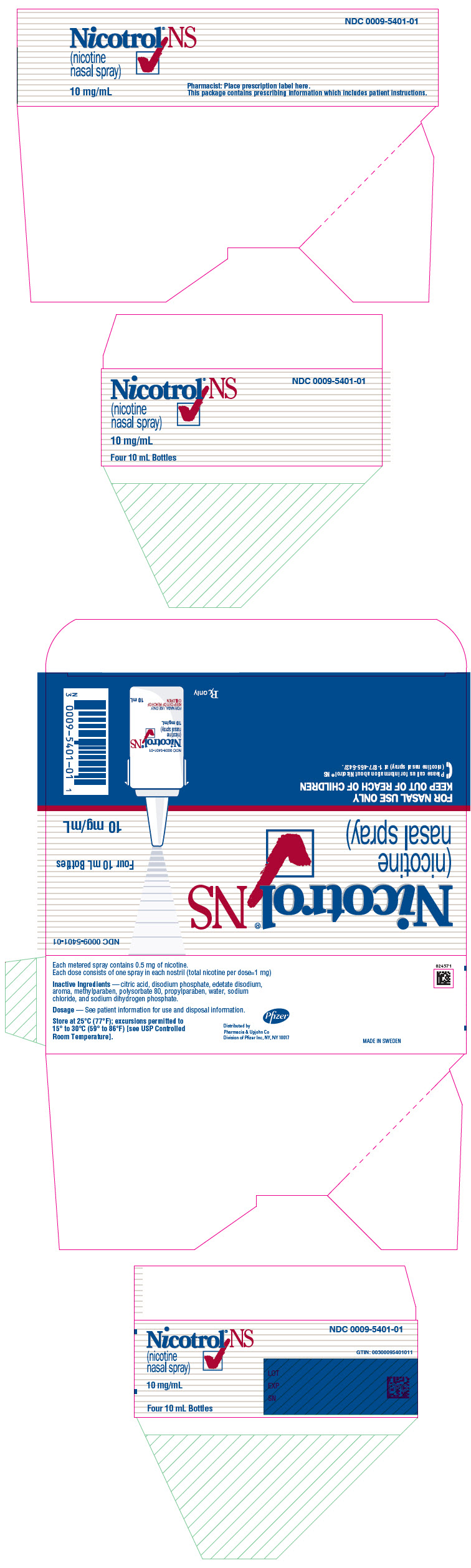
Nicotrol nicotine 10 mg/mL Spray, Metered — NDC 0009-5401-01 (Billing 00009-5401-01)
This is a package of Nicotrol nicotine 10 mg/mL Spray, Metered from Pharmacia & Upjohn Company LLC, marketed since May 1996 and currently FDA-listed; retail pharmacies pay about $12.96 per mL (NADAC). It is this product's only package size.
NDC database record
One package, one record: these facts belong to NDC 0009-5401-01 alone.
- Record
- FDA NDC Directory package listing · Human prescription drug
- Code segments
- 0009 labeler · 5401 product · 01 package
- Package marketed since
- May 22, 1996
- Sample package
- No — commercial package
- Listing certified through
- Dec 31, 2026
- Barcode (UPC-A, from the NDC)
- 3 0009540101 1
- Medicaid fills, this package
- 7,884 prescriptions in the last four reported quarters
- FDA record last changed
- Jul 24, 2026
Other active recalls for Nicotine (different manufacturers) — 1 · tap to view
Identity & classification
Regulatory identifiers FDA, NLM and CMS codes for this package
Drug-database identifiers Medi-Span GPI and First Databank GCN / HICL / AHFS classification
- GSN (GCN sequence number): 022480
- GCN: 03434
- GPI-14 (Medi-Span): 62100005002020
- HICL (First Databank): 006249
- AHFS class code: 12:02.00.00
- RxCUI (RxNorm): 1797886
Where does this data come from?
- FDA openFDA NDC Directory · synced Oct 8, 2026
- FDA label on DailyMed · label index refreshed Oct 6, 2026
- RxNorm (NLM RxNav) · catalog refreshed Oct 1, 2026
- Medi-Span GPI (licensed)
- First Databank (licensed) · refreshed Oct 8, 2026
RxNorm drug class
This medicine belongs to the Cholinergic Nicotinic Agonist class.
Where does this data come from?
- RxClass (NLM) · catalog refreshed Oct 1, 2026
Clinical
- Yes, in a sense — but that's the point. Nicotrol NS delivers a controlled, measured amount of nicotine through the lining of your nose to help take the edge off cravings and withdr...
- What exactly does this spray do — is it just giving me more nicotine?
- Completely normal, and yes, it does get better. Nearly everyone notices nasal irritation when they first start — many describe it as moderate or even severe at first. The good news...
- The spray really burns my nose — is that normal? Will it go away?
Patient education
Supplement & herbal interactions
Some supplements/herbs that may interact with Nicotine — tap one for details:
Where does this data come from?
- MedlinePlus (NLM) · refreshed Oct 1, 2026
- FDA label on DailyMed · label index refreshed Oct 6, 2026
Ask a licensed pharmacist directly — free, answered by our team.
Pricing
A drug doesn't have one price. Each row is a different public payment system, and none is what you'd pay at the counter — that depends on your insurance. The ⓘ on each row explains what it measures.
| Price system | Per mL | Per package |
|---|---|---|
| Retail pharmacies payNADAC · weekly | $12.956 | $518.24 / 40 ml |
| Medicaid paysCMS SDUD · 12 mo | $13.16 | $526.34 / 40 ml |
| Medicare drug plans payPart D · Q2 2026 | $12.99 | $519.62 / 40 ml |
Where does this data come from?
- CMS NADAC weekly file · file of Oct 7, 2026
- CMS ASP pricing files · refreshed Sep 20, 2026
- CMS Medicaid State Drug Utilization Data · through Q1 2026
- CMS Part D plan pricing files · refreshed Sep 24, 2026
- VA National Acquisition Center price file
Packaging — all sizes for this product
| Package NDC | Description | Marketing start | Marketing end | Status |
|---|---|---|---|---|
| 00009-5401-01 You're viewing this Main listing | 4 BOTTLE, SPRAY in 1 BOX / 10 mL in 1 BOTTLE, SPRAY | 1996-05-22 | — | Active |
Therapeutic equivalents
| Product | Labeler | Pack | NADAC/unit | TE | Status | Price vs. this |
|---|---|---|---|---|---|---|
| Nicotrol 10 mg/mLthis 00009-5401-01 | Pharmacia | 4 bottles | $12.956 | — | Availability likely | — |
Where does this data come from?
- FDA openFDA NDC Directory · synced Oct 8, 2026
- FDA Orange Book · refreshed Oct 3, 2026
- CMS NADAC weekly file · file of Oct 7, 2026
Availability & generic status
We did not find an FDA-approved generic match for this exact strength, form and route.
Where does this data come from?
- FDA Orange Book · refreshed Oct 3, 2026
Inactive Ingredients / Excipients
Inactive ingredients, also called excipients, are components of the drug product other than the active ingredient. They may include fillers, dyes, coatings, preservatives, flavors, or other formulation ingredients.
🧪 Avoiding an ingredient? See Nicotine Nasal Spray inactive ingredients by manufacturer: every current product's list side by side, so you can ask your pharmacy for the version that does not list it.
💡 Tap an ingredient (hover on desktop) to see what it is and why it’s used.
-
UNII 2968PHW8QP
A weak organic acid derived from citrus fruits or made through fermentation. It works as a buffer to control pH, a preservative to extend shelf life, and a flavoring agent in medications.
-
UNII 7FLD91C86K
Edetate disodium is a chemical compound that binds and removes certain metal ions. In medicines, it acts as a preservative and stabilizer by preventing metals like calcium from interfering with the product's shelf life and consistency.
-
UNII A2I8C7HI9T
Methylparaben is a preservative derived from benzoic acid that prevents growth of bacteria, fungi, and mold in medicines. It extends the product's shelf life and maintains safety during storage.
-
UNII 6OZP39ZG8H
Polysorbate 80 is a synthetic emulsifier derived from sorbitol and oleic acid. It helps mix oil and water-based ingredients together in medications and improves how the product disperses in the body.
-
UNII Z8IX2SC1OH
Propylparaben is a chemical preservative used to prevent bacterial and fungal growth in medicines and personal care products. It helps extend shelf life and maintain product safety during storage.
-
UNII 451W47IQ8X
Sodium chloride is common table salt. It's used in medicines as a buffer to maintain proper pH, as a filler to add bulk, or to adjust the osmotic balance in liquid formulations.
-
UNII 3980JIH2SW
A salt form of phosphoric acid that acts as a buffer and pH adjuster in medicines. It helps keep the product at the correct acidity level for stability and effectiveness.
-
UNII 059QF0KO0R
Water is a liquid solvent that dissolves and mixes ingredients together in liquid medicines, syrups, and injections. It helps distribute the active drug evenly throughout the product.
8 inactive ingredients listed in the exact product block matched to this NDC.
Where does this data come from?
ingredient classCode="IACT" elements from the exact product block matched by this NDC. Label-section narrative from DailyMed / the openFDA label index is shown separately when available.- FDA label on DailyMed · label index refreshed Oct 6, 2026
- FDA openFDA NDC Directory · synced Oct 8, 2026
Inactive ingredient FAQ
Are inactive ingredients the same for every manufacturer?
Why might an inactive ingredient be missing?
Can inactive ingredients matter?
Manufacturer & labeler
More NDCs from Pharmacia & Upjohn Company LLC labeler code 00009
- Caverject Impulse Alprostadil 20 ug/.5mL Injection, Powder, Lyophilized, For Solution NDC 0009-5182-01
- Triazolam 1 kg/kg Powder NDC 0009-5188-01
- Minoxidil 1 kg/kg Powder NDC 0009-5230-02
- Neomycin Sulfate 1 kg/kg Powder NDC 0009-5238-01
- Hydrocortisone 1 kg/kg Powder NDC 0009-5275-01
- Eplerenone 1 kg/kg Powder NDC 0009-5276-01
- Diflorasone Diacetate 1 kg/kg Powder NDC 0009-5610-01
- Progesterone 1 kg/kg Powder NDC 0009-5620-01
- SOMAVERT pegvisomant Kit NDC 0009-7166-01
- SOMAVERT pegvisomant Kit NDC 0009-7168-01
- SOMAVERT pegvisomant Kit NDC 0009-7188-01
- SOMAVERT pegvisomant Kit NDC 0009-7199-01
Where does this data come from?
- FDA openFDA NDC Directory · synced Oct 8, 2026
- Drugs@FDA
Full prescribing information FDA SPL
🎯 Indications and Usage ▾
INDICATIONS AND USAGE NICOTROL NS is indicated as an aid to smoking cessation for the relief of nicotine withdrawal symptoms. NICOTROL NS therapy should be used as a part of a comprehensive behavioral smoking cessation program. The safety and efficacy of the continued use of NICOTROL NS for periods longer than 6 months have not been adequately studied and such use is not recommended.
⏱️ Dosage and Administration ▾
DOSAGE AND ADMINISTRATION It is important that patients understand the instructions for use of NICOTROL NS, and have their questions answered. They should clearly understand the directions for using NICOTROL NS and safely disposing of the used container. They should be instructed to stop smoking completely when they begin using the product.
Patients should be instructed not to sniff, swallow or inhale through the nose as the spray is being administered. They should also be advised to administer the spray with the head tilted back slightly. The dose of NICOTROL NS, should be individualized on the basis of each patient's nicotine dependence and the occurrence of symptoms of nicotine excess (See Individualization of Dosage ).
Each actuation of NICOTROL NS delivers a metered 50 microliter spray containing 0.5 mg of nicotine. One dose is 1 mg of nicotine (2 sprays, one in each nostril). Patients should be started with 1 or 2 doses per hour, which may be increased up to a maximum recommended dose of 40 mg (80 sprays, somewhat less than 1/2 bottle) per day.
For best results, patients should be encouraged to use at least the recommended minimum of 8 doses per day, as less is unlikely to be effective. In clinical trials, the patients who successfully quit smoking used the product heavily when nicotine withdrawal was at its peak, sometimes up to the recommended maximum of 40 doses per day ( in heavier smokers). Dosing recommendations are summarized in Table 4.
Table 4: Maximum Recommended Duration of Treatment Recommended Doses per Hour Maximum Doses per Hour Maximum Doses per Day 3 months 1–2 One dose=2 sprays (one in each nostril). One dose delivers 1 mg of nicotine to the nasal mucosa. 5 40 No tapering strategy has been shown to be optimal in clinical studies.
Many patients simply stopped using the spray at their last clinic visit. Recommended strategies for discontinuation of use include suggesting that patients: use only 1/2 a dose (1 spray) at a time, use the spray less frequently, keep a tally of daily usage, try to meet a steadily reducing usage target, skip a dose by not medicating every hour, or set a planned "quit date" for stopping use of the spray. Individualization of Dosage The success or failure of smoking cessation is influenced by the quality, intensity and frequency of supportive care.
Patients are more likely to quit smoking if they are seen frequently and participate in formal smoking cessation programs. The goal of NICOTROL NS therapy is complete abstinence. If a patient is unable to stop smoking by the fourth week of therapy, treatment should probably be discontinued.
Patients who fail to quit on any attempt may benefit from interventions to improve their chances for success on subsequent attempts. Patients who were unsuccessful should be counseled and should then probably be given a "therapy holiday" before the next attempt. A new quit attempt should be encouraged when conditions are more favorable.
Based on the clinical trials, a reasonable approach to assisting patients in their attempt to quit smoking is to begin initial treatment, using the recommended dosage (See DOSAGE AND ADMINISTRATION ). Regular use of the spray during the first week of treatment may help patients adapt to the irritant effects of the spray. Dosage can then be adjusted in those subjects with signs or symptoms of nicotine withdrawal or excess.
Patients who are successfully abstinent on NICOTROL NS should be treated at the selected dosage for up to 8 weeks, following which use of the spray should be discontinued over the next 4 to 6 weeks. Some patients may not require gradual reduction of dosage and may abruptly stop treatment successfully. Treatment with NICOTROL NS for longer periods has not been shown to improve outcome, and the safety of use for periods longer than 6 months has not been established.
The symptoms of nicotine withdrawal overlap those of nicotine excess (See CLINICAL PHARMACOLOGY, Pharmacodynamics and ADVERSE REACTIONS ).… [Excerpted — this section continues on DailyMed.]
⛔ Contraindications ▾
CONTRAINDICATIONS Use of NICOTROL NS therapy is contraindicated in patients with known hypersensitivity or allergy to nicotine or to any component of the product.
⚠️ Warnings ▾
WARNINGS Nicotine from any source can be toxic and addictive. Smoking causes lung disease, cancer, and heart disease and may adversely affect pregnant women or the fetus. For any smoker, with or without concomitant disease or pregnancy, the risk of nicotine replacement in a smoking cessation program should be weighed against the hazard of continued smoking, and the likelihood of achieving cessation of smoking without nicotine replacement.
Pregnancy, Warning Tobacco smoke, which has been shown to be harmful to the fetus, contains nicotine, hydrogen cyanide, and carbon monoxide. Nicotine has been shown in animal studies to cause fetal harm. It is therefore presumed that NICOTROL NS can cause fetal harm when administered to a pregnant woman.
The effect of nicotine delivery by NICOTROL NS has not been examined in pregnancy (See PRECAUTIONS, Pregnancy ). Therefore, pregnant smokers should be encouraged to attempt cessation using educational and behavioral interventions before using pharmacological approaches. If NICOTROL NS is used during pregnancy, or if the patient becomes pregnant while using it, the patient should be apprised of the potential hazard to the fetus.
Safety Note Concerning Children The amounts of nicotine that are tolerated by adult smokers can produce signs and symptoms of poisoning and could prove fatal if NICOTROL NS is used or ingested by children or pets. Suspected nicotine poisoning in a child should be considered a medical emergency and treated immediately. A full bottle of NICOTROL NS contains 100 mg of nicotine, some of which will still be in the bottle when it is discarded.
Therefore, patients should be cautioned to keep both used and unused containers of NICOTROL NS out of the reach of children and pets.
🤒 Adverse Reactions ▾
ADVERSE REACTIONS Assessment of adverse events in the 730 patients who participated in controlled clinical trials is complicated by the occurrence of signs and symptoms of nicotine withdrawal in some patients and nicotine excess in others. The incidence of adverse events is confounded by the many minor complaints that smokers commonly have, by continued smoking by many patients and the local irritation from both active drug and the pepper placebo. No serious adverse events were reported during the trials.
Common Smoker's Complaints Common complaints experienced by the smokers in the study (users of both active and placebo spray) include: chest tightness, dyspepsia, paresthesia (tingling) in limbs, constipation, and stomatitis. Tobacco Withdrawal Symptoms Symptoms of tobacco withdrawal were frequent in users of both active and placebo sprays. Common withdrawal symptoms seen in over 5% of patients included: anxiety, irritability, restlessness, cravings, dizziness, impaired concentration, weight increase, emotional lability, somnolence and fatigue, increased sweating, and insomnia.
Less frequently seen probable withdrawal symptoms (under 5%) included: confusion, depression, apathy, tremor, increased appetite, incoordination, and increased dreaming. Anxiety, irritability, restlessness, and tobacco cravings occurred about equally in both groups, while other symptoms tended to be slightly more common on placebo spray. Effects of the Spray NICOTROL NS and the pepper-containing placebo were both associated with irritant side effects on the nasopharyngeal and ocular tissues.
During the first 2 days of treatment, nasal irritation was reported by nearly all (94%) of the patients, the majority of whom rated it as either moderate or severe. Both the frequency and severity of nasal irritation declined with continued use of NICOTROL NS but was still experienced by most (81%) of the patients after 3 weeks of treatment, with most patients rating it as moderate or mild. Other common side effects for both active and placebo groups were: runny nose, throat irritation, watering eyes, sneezing, and coughing.
The following local events were reported somewhat more commonly for active than for placebo spray: nasal congestion, subjective comments related to the taste or use of the dosage form, sinus irritation, transient epistaxis, eye irritation, transient changes in sense of smell, pharyngitis, paresthesia of the nose, mouth or head, numbness of the nose, or mouth, burning of the nose or eyes, earache, facial flushing, transient changes in sense of taste, hoarseness, nasal ulcer or blister. Effects of Nicotine Feelings of dependence on the spray were reported by more patients on active spray than placebo.
Drug-like effects such as calming were also more frequent on active spray (See DRUG ABUSE AND DEPENDENCE ). Other Adverse Effects Adverse events which could not be classified and listed above and which were reported by >1% of patients on active spray are listed in the following table: Adverse Events Not Attributable to Intercurrent Illness Adverse Event Active Placebo HEADACHE 18% 15% BACK PAIN 6% 4% DYSPNEA 5% 6% NAUSEA 5% 5% ARTHRALGIA 5% 1% MENSTRUAL DISORDER 4% 4% PALPITATION 4% 4% FLATULENCE 4% 3% TOOTH DISORDER 4% 1% GUM PROBLEMS 4% 1% MYALGIA 3% 4% ABDOMINAL PAIN 3% 3% CONFUSION 3% 3% ACNE 3% 1% DYSMENORRHEA 3% 0% PRURITUS 2% 3% Adverse events reported with a frequency of <1% among active spray users are listed below: Body as a Whole: edema peripheral, pain, numbness, allergy Gastrointestinal: dry mouth, hiccup, diarrhea Hematologic: purpura Neurological: aphasia, amnesia, migraine, numbness Respiratory: bronchitis, bronchospasm, sputum increased Skin and appendages: rash, purpura Special Senses: vision abnormal Adverse reactions not listed above that have been identified during post-marketing experience with the nicotine nasal spray formulation are listed below: Gastrointestinal disorders: dysphagia General disorders and administration site… [Excerpted — this section continues on DailyMed.]
🔄 Drug Interactions ▾
Drug Interactions The extent of absorption and peak plasma concentration is slightly reduced in patients with the common cold/rhinitis. In addition, the time to peak concentration is prolonged. The use of a nasal vasoconstrictor such as xylometazoline in patients with rhinitis will further prolong the time to peak (See PHARMACOKINETICS ).
Smoking cessation, with or without nicotine replacement, may alter the pharmacokinetics of certain concomitant medications. May Require a Decrease in Dose at Cessation of Smoking Possible Mechanism Acetaminophen, caffeine, imipramine, oxazepam, pentazocine, propranolol, or other beta-blockers, theophylline Deinduction of hepatic enzymes on smoking cessation. Insulin Increase of subcutaneous insulin absorption with smoking cessation.
Adrenergic antagonists (e.g. prazosin, labetalol) Decrease in circulating catecholamines with smoking cessation. May Require an Increase in Dose at Cessation of Smoking Possible Mechanism Adrenergic agonists (e.g. isoproterenol, phenylephrine) Decrease in circulating catecholamines with smoking cessation.
🤰 Pregnancy ▾
Pregnancy The harmful effects of cigarette smoking on maternal and fetal health are clearly established. These include low birth weight, an increased risk of spontaneous abortion, and increased perinatal mortality. The specific effects of NICOTROL NS on fetal development are unknown.
Therefore pregnant smokers should be encouraged to attempt cessation using educational and behavioral interventions before using pharmacological approaches. Spontaneous abortion during nicotine replacement therapy has been reported; as with smoking, nicotine as a contributing factor cannot be excluded. NICOTROL NS should be used during pregnancy only if the likelihood of smoking cessation justifies the potential risk of using it by the pregnant patient, who might continue to smoke.
Teratogenicity Animal Studies Nicotine was shown to produce skeletal abnormalities in the offspring of mice when toxic doses were given to the dams (25 mg/kg IP or SC). Human Studies Nicotine teratogenicity has not been studied in humans except as a component of cigarette smoke (each cigarette smoked delivers about 1 mg of nicotine). It has not been possible to conclude whether cigarette smoking is teratogenic to humans.
Other Effects Animal Studies A nicotine bolus (up to 2 mg/kg) to pregnant rhesus monkeys caused acidosis, hypercarbia, and hypotension (fetal and maternal concentrations were about 20 times those achieved after smoking one cigarette in 5 minutes). Fetal breathing movements were reduced in the fetal lamb after intravenous injection of 0.25 mg/kg nicotine to the ewe (equivalent to smoking 1 cigarette every 20 seconds for 5 minutes). Uterine blood flow was reduced about 30% after infusion of 0.1 µg/kg/min nicotine to pregnant rhesus monkeys (equivalent to smoking about six cigarettes every minute for 20 minutes).
Human Experience Cigarette smoking during pregnancy is associated with an increased risk of spontaneous abortion, low birth weight infants and perinatal mortality. Nicotine and carbon monoxide are considered the most likely mediators of these outcomes. The effects of cigarette smoking on fetal cardiovascular parameters have been studied near term.
Cigarettes increased fetal aortic blood flow and heart rate and decreased uterine blood flow and fetal breathing movements. NICOTROL NS has not been studied in pregnant women.
🧒 Pediatric Use ▾
Pediatric Use NICOTROL NS therapy is not recommended for use in the pediatric population because its safety and effectiveness in children and adolescents who smoke have not been evaluated.
🧓 Geriatric Use ▾
Geriatric Use Clinical studies of NICOTROL NS did not include sufficient numbers of subjects age 65 and over to determine whether they respond differently from younger subjects. Other reports on clinical experience have not identified differences between older and younger patients. In general, dosage selection for an elderly patient should be cautious, usually starting at the low end of the dosage range reflecting the greater frequency of decreased hepatic, renal, or cardiac function, and of concomitant disease.
🆘 Overdosage ▾
OVERDOSAGE The oral LD 50 for nicotine is >5 mg/kg in dogs and >24 mg/kg in rodents. Death is due to respiratory paralysis. The oral minimum acute lethal dose for nicotine in adult humans is reported to be 40 to 60 mg (<1 mg/kg).
A full bottle of NICOTROL NS contains 100 mg of nicotine. Doses of nicotine that are tolerated by adult smokers during treatment may produce severe signs and symptoms of poisoning in children and may prove fatal. Suspected nicotine poisoning in a child should be considered a medical emergency and treated immediately (See WARNINGS, Safety Note Concerning Children ).
NICOTROL NS would be expected to be irritating if sprayed in the eyes, mouth or ears. Eye exposure should be treated with copious irrigation with water for 20 minutes. Large oral nicotine ingestions cause vomiting and the consequences of an overdose will vary; should this occur, patients should contact their physician immediately.
For additional emergency information, call your regional poison center. Signs and Symptoms of Nicotine Toxicity Signs and symptoms of an overdose of NICOTROL NS would be expected to be the same as those of acute nicotine poisoning including: pallor, cold sweat, nausea, salivation, vomiting, abdominal pain, diarrhea, headache, dizziness, disturbed hearing and vision, tremor, mental confusion, and weakness. Prostration, hypotension, arrhythmia, and respiratory failure may ensue with large overdoses.
Lethal doses produce convulsions quickly and death follows as a result of peripheral or central respiratory paralysis or, less frequently, cardiac failure. Overdose from Ingestion If emesis has not occurred, it should be induced in conscious patients with a suitable emetic followed by an appropriate dose of activated charcoal. In unconscious patients with a secure airway, instill activated charcoal via a nasogastric tube.
A saline cathartic or sorbitol may be added to the first dose of activated charcoal. Management of Nicotine Poisoning Administration of nicotine must be stopped immediately and the patient should be treated symptomatically. Other supportive measures include diazepam or barbiturates for seizures, atropine for excessive bronchial secretions or diarrhea, respiratory support for respiratory failure, and vigorous fluid support for hypotension and cardiovascular collapse.
🧬 Clinical Pharmacology ▾
CLINICAL PHARMACOLOGY Pharmacologic Action Nicotine, the chief alkaloid in tobacco products, binds stereo-selectively to nicotinic-cholinergic receptors at the autonomic ganglia, in the adrenal medulla, at neuromuscular junctions, and in the brain. Two types of central nervous system effects are believed to be the basis of nicotine's positively reinforcing properties. A stimulating effect is exerted mainly in the cortex via the locus ceruleus and a reward effect is exerted in the limbic system.
At low doses, the stimulant effects predominate while at high doses the reward effects predominate. Intermittent intravenous administration of nicotine activates neurohormonal pathways, releasing acetylcholine, norepinephrine, dopamine, serotonin, vasopressin, beta-endorphin, growth hormone, and ACTH. Pharmacodynamics The cardiovascular effects of nicotine include peripheral vasoconstriction, tachycardia, and elevated blood pressure.
Acute and chronic tolerance to nicotine develops from smoking tobacco or ingesting nicotine preparations. Acute tolerance (a reduction in response for a given dose) develops rapidly (less than 1 hour), but not at the same rate for different physiologic effects (skin temperature, heart rate, subjective effects). Withdrawal symptoms such as cigarette craving can be reduced in most individuals by plasma nicotine levels lower than those from smoking.
Withdrawal from nicotine in addicted individuals can be characterized by craving, nervousness, restlessness, irritability, mood lability, anxiety, drowsiness, sleep disturbances, impaired concentration, increased appetite, minor somatic complaints (headache, myalgia, constipation, fatigue), and weight gain. Nicotine toxicity is characterized by nausea, abdominal pain, vomiting, diarrhea, diaphoresis, flushing, dizziness, disturbed hearing and vision, confusion, weakness, palpitations, altered respiration and hypotension.
Both smoking and nicotine can increase circulating cortisol and catecholamines, and tolerance does not develop to the catecholamine-releasing effects of nicotine. Changes in the response to a concomitantly administered adrenergic agonist or antagonist should be watched for when nicotine intake is altered during NICOTROL NS therapy and/or smoking cessation (See PRECAUTIONS, Drug Interactions ). Pharmacokinetics Each actuation of NICOTROL NS delivers a metered 50 microliter spray containing approximately 0.5 mg of nicotine.
One dose is considered 1 mg of nicotine (2 sprays, one in each nostril). Absorption Following administration of 2 sprays of NICOTROL NS approximately 53% ± 16% (Mean ± SD) enters the systemic circulation. No significant difference in rate or extent of absorption could be seen due to the deposition of nicotine on different parts of the nasal mucosa.
Plasma concentrations of nicotine obtained from 1 dose (1 mg nicotine) of NICOTROL NS rise rapidly, reaching maximum venous concentrations of 2–12 ng/mL in 4–15 minutes. The apparent absorption half-life of nicotine is approximately 3 minutes. There is wide variation among subjects in their plasma nicotine concentrations from the spray.
As a result, after a 1 mg dose of spray approximately 20% of the subjects reached peak nicotine concentrations similar to those seen after smoking one cigarette (7–17 ng/mL) (See DRUG ABUSE AND DEPENDENCE ). Figure 1 below plots the mean and 5th and 95th percentile nicotine concentrations after a 1 mg single dose of the nasal spray (n=30). Table 1: Trough Plasma Nicotine Concentrations after 11 Hours of Dosing With 1 mg, 2 mg and 3 mg of NICOTROL NS per hour (n=16).
Dose Mean (ng/mL) ± SD (Range) 1 mg every 60 minutes (1 mg/hr) 6 ± 3 (1.7–12) 1 mg every 30 minutes (2 mg/hr) 14 ± 6 (1.5–24) 1 mg every 20 minutes (3 mg/hr) 18 ± 10 (1.2–35) The data from Table 1 is derived from a three-way cross-over study of repeated applications of NICOTROL NS in sixteen smokers (8 male, 8 female) ranging in age from 18 to 48 years. There is a slight deviation from dose-c… [Excerpted — this section continues on DailyMed.]
🧬 Mechanism of Action ▾
Pharmacologic Action Nicotine, the chief alkaloid in tobacco products, binds stereo-selectively to nicotinic-cholinergic receptors at the autonomic ganglia, in the adrenal medulla, at neuromuscular junctions, and in the brain. Two types of central nervous system effects are believed to be the basis of nicotine's positively reinforcing properties. A stimulating effect is exerted mainly in the cortex via the locus ceruleus and a reward effect is exerted in the limbic system.
At low doses, the stimulant effects predominate while at high doses the reward effects predominate. Intermittent intravenous administration of nicotine activates neurohormonal pathways, releasing acetylcholine, norepinephrine, dopamine, serotonin, vasopressin, beta-endorphin, growth hormone, and ACTH.
📦 How Supplied / Storage and Handling ▾
How Supplied NICOTROL ® NS (nicotine nasal spray) 10 mg/mL, is supplied as four 10 mL bottles (NDC 0009-5401-01). Each unit consists of a glass container, mounted with a metered spray pump. A patient information leaflet is enclosed with the package. Store at 25°C (77°F); excursions permitted to 15° to 30°C (59° to 86°F) [see USP Controlled Room Temperature].
📦 Storage and Handling ▾
SAFETY AND HANDLING As with all medicines, especially ones in liquid form, care should be taken in handling NICOTROL NS during periods of opening and closing the container (See WARNINGS and Safety Note Concerning Children ). If it is dropped it may break. If this occurs, the spill should be cleaned up immediately with an absorbent cloth/paper towel.
Care should be taken to avoid contact of the solution with the skin. Broken glass should be picked up carefully, using a broom. The area of the spill should be washed several times.
Absorbent material may be disposed of as any other household waste. Should even a small amount of NICOTROL NS come in contact with the skin, lips, mouth, eyes or ears, the affected area(s) should be immediately rinsed with water only. Disposal Used bottles of NICOTROL NS should be disposed of with their child-resistant caps in place.
Used bottles should be disposed of in such a way as to prevent access by children or pets. See patient information for further information on handling and disposal. How Supplied NICOTROL ® NS (nicotine nasal spray) 10 mg/mL, is supplied as four 10 mL bottles (NDC 0009-5401-01).
Each unit consists of a glass container, mounted with a metered spray pump. A patient information leaflet is enclosed with the package. Store at 25°C (77°F); excursions permitted to 15° to 30°C (59° to 86°F) [see USP Controlled Room Temperature].
📋 Description ▾
DESCRIPTION NICOTROL ® NS (nicotine nasal spray) is an aqueous solution of nicotine intended for administration as a metered spray to the nasal mucosa. Nicotine is a tertiary amine composed of pyridine and a pyrrolidine ring. It is a colorless to pale yellow, freely water-soluble, strongly alkaline, oily, volatile, hygroscopic liquid obtained from the tobacco plant.
Nicotine has a characteristic pungent odor and turns brown on exposure to air or light. Of its two stereoisomers, S(-)nicotine is the more active. It is the prevalent form in tobacco and is the form in NICOTROL NS.
The free alkaloid is absorbed rapidly through skin, mucous membranes, and the respiratory tract. Chemical Name: S-3-(1-methyl-2-pyrrolidinyl) pyridine Molecular Formula: C 10 H 14 N 2 Molecular Weight: 162.23 Ionization Constants: pKa 1 = 7.84, pKa 2 = 3.04 at 15°C Octanol-Water Partition Coefficient: 15:1 at pH 7 Each 10 mL spray bottle contains 100 mg nicotine (10 mg/mL) in an inactive vehicle containing disodium phosphate, sodium dihydrogen phosphate, citric acid, methylparaben, propylparaben, edetate disodium, sodium chloride, polysorbate 80, aroma and water.
The solution is isotonic with a pH of 7. It contains no chlorofluorocarbons. After priming the delivery system for NICOTROL NS, each actuation of the unit delivers a metered dose spray containing approximately 0.5 mg of nicotine.
The size of the droplets produced by the unit is in excess of 8 microns. One NICOTROL NS unit delivers approximately 200 applications. Chemical Structure
💬 Information for Patients ▾
Information To Patient A patient instruction sheet is included in the package of NICOTROL NS dispensed to the patient. Patients should be encouraged to read the instruction sheet carefully and to ask their physician and pharmacist about the proper use of the product (See DOSAGE AND ADMINISTRATION ). It should be explained to patients that they are likely to experience nasal irritation, which may become less bothersome with continued use.
Patients must be advised to keep both used and unused containers out of the reach of children and pets.
⚠️ Precautions ▾
PRECAUTIONS General The patient should be urged to stop smoking completely when initiating NICOTROL NS therapy (See DOSAGE AND ADMINISTRATION ). Patients should be informed that if they continue to smoke while using the product, they may experience adverse effects due to peak nicotine levels higher than those experienced from smoking alone. If there is a clinically significant increase in cardiovascular or other effects attributable to nicotine, the treatment should be discontinued (See WARNINGS ).
Physicians should anticipate that concomitant medications may need dosage adjustment (See Drug Interactions ). Sustained use (beyond 6 months) of NICOTROL NS by patients who stop smoking is not recommended and should be discouraged (See DRUG ABUSE AND DEPENDENCE ). Care should be taken not to spray the eyes while administering NICOTROL NS.
Asthma, Bronchospasm and Reactive Airway Disease Exacerbation of bronchospasm in patients with pre-existing asthma has been reported. Use of NICOTROL NS in patients with severe reactive airway disease is not recommended. In a small clinical study of 33 subjects, use of NICOTROL NS by smokers with chronic rhinitis and sinusitis was associated with irritant effects with no significant impairment in nasal condition.
Effect of NICOTROL NS on the Nasal Mucosa Topical application of either nicotine or tobacco products is irritating to the nasal mucosa and physicians should consider both the risks and benefits to the patient before initiating or continuing NICOTROL NS therapy. The effect of NICOTROL NS on the nasal mucosa was studied in 39 cigarette smokers who used NICOTROL NS for 1 month. When compared to baseline, random biopsies taken after four weeks of treatment revealed 1 patient with persistence of pre-existing dysplasia and 1 patient with a newly found dysplasia.
In both, dysplasia was not seen after a recovery period of eight weeks. Forty-two patients who used NICOTROL NS for more than 6 months underwent follow-up ear, nose and throat examinations 1 to 3 months after discontinuing the use of the spray. Many reported local irritant effects of the spray during spray use, but none showed persistent mucosal injury that the examining physician could attribute to use of the product.
The clinical significance of these findings is not known, but extended use of the product beyond six months is not recommended. Cardiovascular or Peripheral Vascular Diseases The risks of nicotine replacement in patients with cardiovascular and peripheral vascular diseases should be weighed against the benefits of including nicotine replacement in a smoking cessation program for them. Specifically, patients with coronary heart disease (history of myocardial infarction and/or angina pectoris), serious cardiac arrhythmias, or vasospastic diseases (Buerger's disease, Prinzmetal's variant angina and Raynaud's phenomena) should be evaluated carefully before nicotine replacement is prescribed.
Tachycardia occurring in association with nicotine replacement therapy has been reported. No serious cardiovascular events were reported in clinical studies with NICOTROL NS, but if symptoms occur, its use should be discontinued. NICOTROL NS generally should not be used in patients during the immediate post myocardial infarction period, nor in patients with serious arrhythmias, or with severe or worsening angina.
Renal or Hepatic Insufficiency Pharmacokinetic studies in patients with moderate to severe renal impairment or moderate to severe hepatic impairment have shown decreased nicotine clearance. The pharmacokinetics of nicotine have not been studied in the elderly. Given that nicotine is extensively metabolized and that its total system clearance is dependent on liver blood flow, some influence of hepatic impairment on drug kinetics (reduced clearance with potential for increased adverse effects) are anticipated.
Moderate and severe renal impairment would be expected to affect the clearance of nicotine or its metabolites from the circ… [Excerpted — this section continues on DailyMed.]
🍼 Nursing Mothers ▾
Use in Nursing Mothers Caution should be exercised when NICOTROL NS is administered to nursing mothers. The safety of NICOTROL NS therapy in nursing infants has not been examined. Nicotine passes freely into breast milk; the milk to plasma ratio averages 2.9.
Nicotine is absorbed orally. An infant has the ability to clear nicotine by hepatic first-pass clearance; however, the efficiency of removal is probably lowest at birth. Nicotine concentrations in milk can be expected to be lower with NICOTROL NS when used as recommended than with cigarette smoking, as maternal plasma nicotine concentrations are generally reduced with nicotine replacement.
The risk of exposure of the infant to nicotine from NICOTROL NS therapy should be weighed against the risks associated with the infant's exposure to nicotine from continued smoking by the mother (passive smoke exposure and contamination of breast milk with other components of tobacco smoke) and from NICOTROL NS alone, or in combination with continued smoking.
🧬 Pharmacokinetics ▾
Pharmacokinetics Each actuation of NICOTROL NS delivers a metered 50 microliter spray containing approximately 0.5 mg of nicotine. One dose is considered 1 mg of nicotine (2 sprays, one in each nostril). Absorption Following administration of 2 sprays of NICOTROL NS approximately 53% ± 16% (Mean ± SD) enters the systemic circulation.
No significant difference in rate or extent of absorption could be seen due to the deposition of nicotine on different parts of the nasal mucosa. Plasma concentrations of nicotine obtained from 1 dose (1 mg nicotine) of NICOTROL NS rise rapidly, reaching maximum venous concentrations of 2–12 ng/mL in 4–15 minutes. The apparent absorption half-life of nicotine is approximately 3 minutes.
There is wide variation among subjects in their plasma nicotine concentrations from the spray. As a result, after a 1 mg dose of spray approximately 20% of the subjects reached peak nicotine concentrations similar to those seen after smoking one cigarette (7–17 ng/mL) (See DRUG ABUSE AND DEPENDENCE ). Figure 1 below plots the mean and 5th and 95th percentile nicotine concentrations after a 1 mg single dose of the nasal spray (n=30).
Table 1: Trough Plasma Nicotine Concentrations after 11 Hours of Dosing With 1 mg, 2 mg and 3 mg of NICOTROL NS per hour (n=16). Dose Mean (ng/mL) ± SD (Range) 1 mg every 60 minutes (1 mg/hr) 6 ± 3 (1.7–12) 1 mg every 30 minutes (2 mg/hr) 14 ± 6 (1.5–24) 1 mg every 20 minutes (3 mg/hr) 18 ± 10 (1.2–35) The data from Table 1 is derived from a three-way cross-over study of repeated applications of NICOTROL NS in sixteen smokers (8 male, 8 female) ranging in age from 18 to 48 years. There is a slight deviation from dose-concentration proportionality from one dose to three doses of NICOTROL NS per hour as shown in Figure 2.
Sixteen smokers (7 males and 9 females) ranging in age from 22 to 44 years were dosed with 1 mg of NICOTROL NS every hour for 10 hours. The pharmacokinetic parameters that were obtained are presented in Table 2. Table 2: Nicotine Pharmacokinetic Parameters at Steady-State for 1 mg/hour of NICOTROL NS Administered Hourly for Ten Hours (Mean ± SD and Range), (n=16).
Parameter 1 mg (2 sprays) (Range) C avg : average plasma nicotine concentration for the dosing interval of 10–11 hours C max : maximum measured plasma concentration after last dose administration T max : time of maximum plasma concentration after last dose administration C avg (ng/mL) 8 ± 3 (2.5–12) C max (ng/mL) 9 ± 3 (3.1–14) T max (minutes) 13 ± 5 (10–20) Figure 1 Figure 2 Distribution The volume of distribution following IV administration of nicotine is approximately 2 to 3 L/kg. Plasma protein binding of nicotine is <5%.
Therefore, changes in nicotine binding from use of concomitant drugs or alterations of plasma proteins by disease states would not be expected to have significant effects on nicotine kinetics. Metabolism More than 20 metabolites of nicotine have been identified, all of which are less active than the parent compound. The primary urinary metabolites are cotinine (15% of the dose) and trans-3-hydroxycotinine (45% of the dose).
Cotinine has a half-life of 15 to 20 hours and concentrations that exceed nicotine by 10-fold. The major site for the metabolism of nicotine is the liver. The kidney and lung are also sites of nicotine metabolism.
Elimination About 10% of the nicotine absorbed is excreted unchanged in the urine. This may be increased to up to 30% with high urine flow rates and urinary acidification below pH 5. The average plasma clearance is about
1.2L/min in a healthy adult smoker. The apparent elimination half-life of nicotine from NICOTROL NS is 1 to 2 hours. Pharmacokinetic Model The data were well described by a two-compartment model with first-order input.
Based on individual fits (N=18) the following parameters were derived after the administration of a 1 mg dose: Absorption rate constant (Ka) = 14.4 ± 7.3 hr -1 (Mean ± SD), Elimination rate constant (Ke) = 0.60 ± 0.53 hr -1 , D… [Excerpted — this section continues on DailyMed.]
🧬 Pharmacodynamics ▾
Pharmacodynamics The cardiovascular effects of nicotine include peripheral vasoconstriction, tachycardia, and elevated blood pressure. Acute and chronic tolerance to nicotine develops from smoking tobacco or ingesting nicotine preparations. Acute tolerance (a reduction in response for a given dose) develops rapidly (less than 1 hour), but not at the same rate for different physiologic effects (skin temperature, heart rate, subjective effects).
Withdrawal symptoms such as cigarette craving can be reduced in most individuals by plasma nicotine levels lower than those from smoking. Withdrawal from nicotine in addicted individuals can be characterized by craving, nervousness, restlessness, irritability, mood lability, anxiety, drowsiness, sleep disturbances, impaired concentration, increased appetite, minor somatic complaints (headache, myalgia, constipation, fatigue), and weight gain. Nicotine toxicity is characterized by nausea, abdominal pain, vomiting, diarrhea, diaphoresis, flushing, dizziness, disturbed hearing and vision, confusion, weakness, palpitations, altered respiration and hypotension.
Both smoking and nicotine can increase circulating cortisol and catecholamines, and tolerance does not develop to the catecholamine-releasing effects of nicotine. Changes in the response to a concomitantly administered adrenergic agonist or antagonist should be watched for when nicotine intake is altered during NICOTROL NS therapy and/or smoking cessation (See PRECAUTIONS, Drug Interactions ).
🔬 Clinical Studies ▾
CLINICAL TRIALS The efficacy of NICOTROL NS therapy as an aid to smoking cessation was demonstrated in three single-center, placebo-controlled, double-blind trials with a total of 730 patients. One of the trials used NICOTROL NS with individual counseling while the other two used group support. Patients with severe or symptomatic cardiovascular disease, hypertension, asthma, diabetes or severe allergy were not included in the studies.
The amount of NICOTROL NS used was left to the discretion of each patient, with a minimum dose of 8 mg/day and a maximum dose of 40 mg/day. In all three studies, the recommended duration of treatment was 3 months; however in two of these trials, 241 patients were permitted to continue to use the product for up to 1 year, if they wished. Among the 64 patients abstinent from cigarettes at the end of a year, 23 (36%) were still using the spray, and probable dependence on the spray was seen in several patients (See DRUG ABUSE AND DEPENDENCE ).
Quitting was defined as total abstinence from smoking for at least 4 weeks. The "quit rates" are the percentage of all persons initially enrolled who continuously abstained after week 2 or 4. In all three studies, NICOTROL NS was more effective than placebo at 6 weeks, 3 months, 6 months, and 1 year.
The two studies where NICOTROL NS could be used for more than 6 months did not have a better outcome at 1 year than the study in which NICOTROL NS was discontinued at 6 months. Table 3: Quit Rates by Treatment (N=730 smokers in 3 Studies) Group Size (n) At 6 Weeks At 3 Months At 6 Months At 1 Year NICOTROL NS 369 49–58% 41–45% 31–35% 23–27% Placebo 361 21–32% 17–20% 12–15% 10–15% Patients treated with NICOTROL NS had more relief of the urge to smoke and withdrawal symptoms compared with placebo-treated patients. NICOTROL NS allows the patient to vary the dose of nicotine on a short-term basis.
As with other variable dose smoking cessation products, NICOTROL NS may be useful in the management of highly dependent smokers.
🔒 Drug Abuse and Dependence ▾
DRUG ABUSE AND DEPENDENCE NICOTROL NS has a dependence potential intermediate between other nicotine-based therapies and cigarettes. This is the result of differences between cigarettes, NICOTROL NS, nicotine gum and nicotine patches in pharmacokinetic and dosing characteristics commonly associated with abuse and dependence. NICOTROL NS is distinct from other nicotine-based smoking cessation therapies in its greater speed of onset, greater capacity for self-titration of dose, and frequent and rapid fluctuations in plasma nicotine concentration.
Dependence on nicotine nasal spray occurred in the clinical trials. Feelings of dependency on the spray were reported by 32% of active spray users and 13% of placebo spray users. Such dependence may represent transference of tobacco-related nicotine dependence to NICOTROL NS.
Fifteen to 20% of patients used the active spray for longer periods than recommended (6 months to 1 year) and 5% used the spray at a higher dose than recommended. Some of these patients experienced anxiety about stopping the spray and some reported craving for the spray rather than for cigarettes.
📄 Carcinogenesis, Mutagenesis, Impairment of Fertility ▾
Carcinogenesis, Mutagenesis, Impairment Of Fertility Nicotine itself does not appear to be a carcinogen in laboratory animals. However, nicotine and its metabolites increased the incidences of tumors in the cheek pouches of hamsters and forestomach of F344 rats, respectively, when given in combination with tumor-initiators. One study, which could not be replicated, suggested that cotinine, the primary metabolite of nicotine, may cause lymphoreticular sarcoma in the large intestine of rats.
Neither nicotine nor cotinine were mutagenic in the Ames salmonella test. Nicotine-induced repairable DNA damage in an E. coli test system. Nicotine was shown to be genotoxic in a test system using Chinese hamster ovary cells.
In rats and rabbits, implantation can be delayed or inhibited by a reduction in DNA synthesis that appears to be caused by nicotine. Studies have shown a decrease in litter size in rats treated with nicotine during gestation.
📄 Patient Package Insert ▾
Nicotrol ® NS (nicotine nasal spray) An Aid To Help You Stop Smoking PATIENT INFORMATION Read and follow carefully. If you have questions or want more information, ask your doctor or pharmacist. IMPORTANT INFORMATION—Read carefully 1.
NICOTROL ® NS Nasal Spray is designed to help you quit smoking by reducing your urge to smoke. What causes the urge to smoke? It is the nicotine in cigarettes.
NICOTROL ® NS contains nicotine. Your doctor may increase or decrease dosage during the first few weeks. As your body adjusts to not smoking, your doctor will either tell you to stop using NICOTROL ® NS or gradually reduce your dose. • People who use NICOTROL ® NS with a comprehensive behavioral smoking cessation program are more successful in quitting smoking.
This program can include support groups, counseling or specific behavior change techniques. 2. Side Effects— During the first week or so most people experience the following side effects: hot, peppery feeling in back of throat or nose, sneezing, coughing, watery eyes, or runny nose.
Wait 5 minutes before driving. Be sure to use regularly for the first week to help adjust to the side effects. 3.
Because nicotine is addictive, it is possible to become dependent on the Nasal Spray. It is important to use the Nasal Spray only for as long as needed to overcome your smoking habit (as directed by your doctor). Your chance of becoming dependent on the Nasal Spray increases if you use it longer than 6 months.
WARNINGS—Read before using NICOTROL ® NS 1. Commit yourself—NO SMOKING! For NICOTROL ® NS to help, you must be firmly committed to quitting!
Stop smoking as soon as you start using NICOTROL ® NS. Do not smoke or use any other tobacco product at any time while under treatment with NICOTROL ® NS—nicotine overdose can occur. If symptoms of overdose occur, call a doctor or Poison Control Center.
Nicotine overdose symptoms include: • bad headaches • dizziness • upset stomach • drooling • vomiting • diarrhea • cold sweat • weak and irregular pulse • blurred vision • hearing difficulties • mental confusion • weakness and fainting 2. Keep out of reach of children and pets. NICOTROL ® NS can cause serious illness in children and pets—even in very small amounts.
If a child uses or handles NICOTROL ® NS, call a doctor or Poison Control Center. When the bottle is empty, replace cap and throw away out of reach of children and pets. Even empty bottles contain enough nicotine to seriously harm children and pets.
3. Tell your doctor if you have: • chronic nasal problems such as nasal allergies, inflammation, sinusitis or nasal polyps (growths) • heart problems (recent heart attack, irregular heartbeat, severe or worsening heart pain) • high blood pressure • drug allergies • stomach ulcers or heartburn • wheezing or asthma • overactive thyroid • diabetes requiring insulin • kidney or liver disease Tell your doctor about any medicines you are taking—the dosages may need to be changed. Check with your doctor before taking any new medicine while using NICOTROL ® NS.
4. If you are pregnant or breast-feeding, only use this medicine on the advice of your health care provider. Smoking can seriously harm your child.
Try to stop smoking without using any nicotine replacement medicine. This medicine is believed to be safer than smoking. However, the risks to your child from this medicine are not fully known.
FOLLOW DIRECTIONS BEFORE YOU USE — Read information on both sides BEFORE YOU USE—Read information on both sides FOLLOW DOSAGE: WHAT TO EXPECT (First Week): • Use as directed by doctor. • But do not use more than 5 times an hour or 40 times in 24 hours. • Stop smoking completely during NICOTROL ® NS treatment program. • Hot, peppery feeling in back of throat or nose, sneezing, coughing, watery eyes, or runny nose. • To Help Adjust to Spray— use regularly for first week. • Side effects will lessen for most people in a few days— don't stop using the Nasal Spray.
If side effects do not lessen after a week, call y… [Excerpted — this section continues on DailyMed.]
📄 Package Label / Principal Display Panel ▾
PRINCIPAL DISPLAY PANEL - 10 mg/mL Bottle Label NDC 0009-5401-01 Nicotrol ® NS (nicotine nasal spray) 10 mg/mL FOR NASAL USE ONLY KEEP OUT OF REACH OF CHILDREN 10 mL Rx only PRINCIPAL DISPLAY PANEL - 10 mg/mL Bottle Label
PRINCIPAL DISPLAY PANEL - 10 mg/mL Bottle Box NDC 0009-5401-01 Nicotrol ® NS (nicotine nasal spray 10 mg/mL Pharmacist: Place prescription label here. This package contains prescribing information which includes patient instructions. PRINCIPAL DISPLAY PANEL - 10 mg/mL Bottle Box