
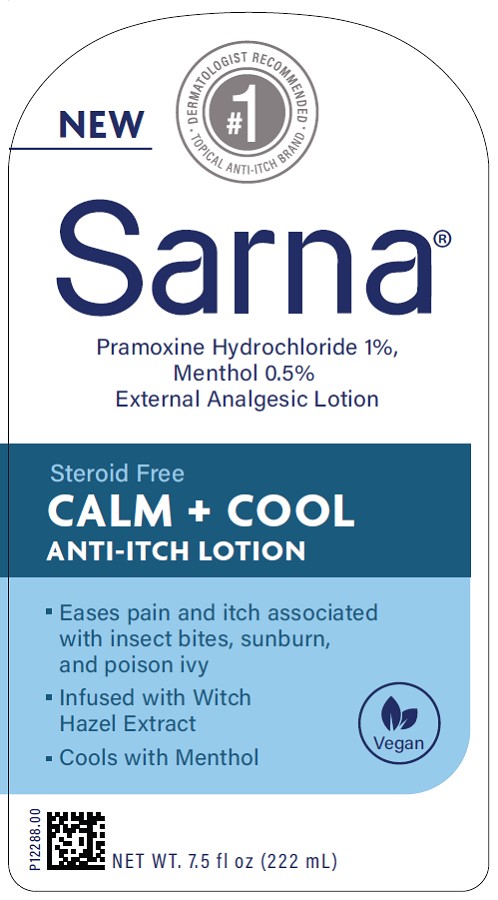
Sarna Pramoxine Hydrochloride, Menthol .5 mg/1000mL; 10 mg/1000mL Lotion, 222 mL — NDC 0316-0234-75 (Billing 00316-0234-75)
This is a package of 222 mL of Sarna Pramoxine Hydrochloride, Menthol .5 mg/1000mL; 10 mg/1000mL Lotion from Crown Laboratories, Inc, marketed since Jan 2024 and currently FDA-listed.
NDC database record
One package, one record: these facts belong to NDC 0316-0234-75 alone.
- Record
- FDA NDC Directory package listing · Human OTC drug
- Code segments
- 0316 labeler · 0234 product · 75 package
- Package marketed since
- Jan 5, 2024
- Sample package
- No — commercial package
- Listing certified through
- Dec 31, 2027
- Billing quantity
- 222 mL per package
- Barcode (UPC-A, from the NDC)
- 3 0316023475 0
- FDA record last changed
- Jul 24, 2026
Identity & classification
Regulatory identifiers FDA, NLM and CMS codes for this package
Drug-database identifiers Medi-Span GPI and First Databank GCN / HICL / AHFS classification
- GSN (GCN sequence number): 085805
- GCN: 55365
- HICL (First Databank): 005867
- AHFS class code: 84:08.00.00
Where does this data come from?
- FDA openFDA NDC Directory · synced Oct 1, 2026
- FDA label on DailyMed · label index refreshed Oct 6, 2026
- RxNorm (NLM RxNav) · catalog refreshed Oct 1, 2026
- Medi-Span GPI (licensed)
- First Databank (licensed) · refreshed Oct 1, 2026
Clinical
Sarna Pramoxine Hydrochloride and Menthol Lotion is a topical OTC product sold under FDA's monograph rules for skin-care lotions. Pramoxine hydrochloride is a local anesthetic typically used to numb minor skin irritation, while menthol is commonly included for its cooling sensation. This lotion is formulated for application directly to the skin to help relieve itching and discomfort associated with minor conditions like insect bites, eczema, or dermatitis.
Patient education
Supplement & herbal interactions
Where does this data come from?
- MedlinePlus (NLM) · refreshed Oct 1, 2026
- FDA label on DailyMed · label index refreshed Oct 6, 2026
Ask a licensed pharmacist directly — free, answered by our team.
Pricing
A drug doesn't have one price. Each row is a different public payment system, and none is what you'd pay at the counter — that depends on your insurance. The ⓘ on each row explains what it measures.
| Price system | Per g | Per package |
|---|---|---|
| Retail pharmacies payNADAC · weekly | Not in the retail survey — common for institutional, discontinued, or low-volume packs. | |
| Medicaid paysCMS SDUD · 12 mo | No recent Medicaid claims on file for this NDC — rare and low-volume NDCs are suppressed in the public data. | |
| Medicare drug plans payPart D · quarterly | No Part D plan price is available for this NDC in our data. | |
Where does this data come from?
- CMS NADAC weekly file
- CMS ASP pricing files · refreshed Sep 20, 2026
- CMS Medicaid State Drug Utilization Data · refreshed Oct 6, 2026
- CMS Part D plan pricing files · refreshed Sep 24, 2026
- VA National Acquisition Center price file
Packaging — all sizes for this product
| Package NDC | Description | Marketing start | Marketing end | Status |
|---|---|---|---|---|
| 00316-0234-12 0316-0234-12 Main listing | 355 mL in 1 BOTTLE, PUMP | 2024-01-05 | — | Active |
| 00316-0234-24 0316-0234-24 | 5 mL in 1 PACKET Sample | 2024-03-13 | — | Active |
| 00316-0234-75 You're viewing this | 222 mL in 1 BOTTLE, PUMP | 2024-01-05 | — | Active |
You're viewing one of 3 pack sizes for this product.
Pack size FAQ
What quantity is in this package?
How does this package differ from NDC 00316-0234-24?
What NDC number is used to bill for this package of Sarna Pramoxine Hydrochloride, Menthol .5 mg/1000mL; 10 mg/1000mL Lotion?
Therapeutic equivalents
| Product | Labeler | Pack | NADAC/unit | TE | Status | Price vs. this |
|---|---|---|---|---|---|---|
| Sarna .5 mg/1000mL; 10 mg/1000mLthis 00316-0234-75 | Crown | 222 ml | — | — | FDA listed | — |
| Gold Bond Intensive Relief Anti-Itch 1 g/100g; .5 g/100g 41167-0507-00 | Chattem, | 155 g | — | — | FDA listed | — |
| Gold Bond Medicated Anti-Itch 1 g/100g; .5 g/100g 84714-0507-00 | Gold | 155 g | — | — | FDA listed | — |
Where does this data come from?
- FDA openFDA NDC Directory · synced Oct 1, 2026
- FDA Orange Book · refreshed Oct 3, 2026
- CMS NADAC weekly file
Availability & generic status
We did not find an FDA-approved generic match for this exact strength, form and route.
Where does this data come from?
- FDA Orange Book · refreshed Oct 3, 2026
Inactive Ingredients / Excipients
Inactive ingredients, also called excipients, are components of the drug product other than the active ingredient. They may include fillers, dyes, coatings, preservatives, flavors, or other formulation ingredients.
💡 Tap an ingredient (hover on desktop) to see what it is and why it’s used.
-
UNII ZY81Z83H0X
Aloe vera leaf is a plant extract derived from the aloe plant. It is used in medicines as a natural moisturizer and skin-soothing agent in topical formulations.
-
UNII LKG8494WBH
Benzyl alcohol is a clear liquid used as a preservative and solvent in medicines. It helps prevent bacterial and fungal growth and dissolves other ingredients to create uniform liquid formulations.
-
UNII 3XUS85K0RA
Butylene glycol is a clear liquid derived from petroleum or plants that acts as a humectant, solvent, and preservative booster in medicines. It helps keep formulations stable, dissolve active ingredients, and maintain moisture in topical products.
-
UNII 00YIU5438U
Caprylyl glycol is a clear liquid derived from coconut oil. In medicines, it acts as a humectant to retain moisture, a preservative booster to prevent microbial growth, and a solvent to help dissolve or mix other ingredients.
-
UNII 4Q93RCW27E
A synthetic polymer made from acrylic acid that's crosslinked for stability. It acts as a thickener and gelling agent in creams and gels, helping the medicine spread evenly and maintain its texture.
-
UNII 936JST6JCN
Cetyl alcohol is a waxy, fatty substance derived from plant or animal sources. It acts as an emulsifier and thickener in medicines, helping blend oil and water components and giving products a smooth, creamy texture.
-
UNII 92RU3N3Y1O
Dimethicone is a silicone-based oil that acts as an anti-foaming agent and lubricant in medicines. It reduces gas bubbles in liquid formulations and helps coat and protect the stomach lining when ingested.
-
UNII 147D247K3P
Ethylhexylglycerin is a synthetic preservative used to prevent bacteria and mold from growing in medicines and personal care products. It helps keep the product safe and stable throughout its shelf life.
-
UNII PDC6A3C0OX
Glycerin is a clear, thick liquid derived from plant oils or fats. It acts as a humectant to retain moisture, a sweetener, and a solvent in medications.
-
UNII 230OU9XXE4
A waxy substance made from glycerin and stearic acid that acts as an emulsifier to blend oily and watery ingredients together. It also helps thicken and stabilize the medicine's texture.
-
UNII T07U1161SV
A plant extract from witch hazel leaves, used in medicines as a natural astringent and skin-soothing agent. It helps reduce irritation and is often included in topical formulations for its mild anti-inflammatory properties.
-
UNII 0RE8K4LNJS
Isopropyl myristate is an oily liquid made from coconut or palm oil. It's used in medicines as an emollient and penetration enhancer to help the medicine absorb through skin or improve spreadability in topical products.
-
UNII 2V16EO95H1
Palmitic acid is a saturated fatty acid derived from plant and animal sources. It serves as an emulsifier and lubricant in medicines, helping ingredients mix smoothly and preventing sticking during manufacturing.
-
UNII YD01N1999R
A waxy substance made from polyethylene glycol and stearic acid. It helps mix oil and water-based ingredients together and serves as an emulsifier and solubilizer in liquid and semi-solid medicines.
-
UNII 2P9L47VI5E
A waxy compound made by combining polyethylene glycol with stearic acid. It acts as an emulsifier and thickener, helping blend oil and water-based ingredients and giving the medicine a smooth, stable consistency.
-
UNII 50C1307PZG
Pentylene glycol is a humectant and preservative helper derived from petroleum or plant sources. It draws moisture into the product and helps prevent bacterial growth, keeping medicines stable during storage.
-
UNII 55X04QC32I
A strong alkaline chemical used to adjust and maintain the pH balance of liquid medicines. It helps keep the medicine stable and ensures it stays effective during storage.
-
UNII 4ELV7Z65AP
Stearic acid is a fatty acid derived from plant or animal sources. It acts as a binder and lubricant in tablets and capsules, helping them hold together and flow smoothly during manufacturing.
-
UNII R0ZB2556P8
Tocopherol is a form of vitamin E derived from plant oils. It acts as an antioxidant in medicines to prevent oils and fats from breaking down and spoiling during storage.
-
UNII 059QF0KO0R
Water is a liquid solvent that dissolves and mixes ingredients together in liquid medicines, syrups, and injections. It helps distribute the active drug evenly throughout the product.
-
UNII 44FQ49X6UN
A polysaccharide (complex carbohydrate) derived from yeast cell walls. In medicines, it acts as a binder to hold tablet ingredients together and may help with tablet structure and stability.
21 inactive ingredients listed in the exact product block matched to this NDC.
Label-section wording can be broader than the structured product block and may mention additional formulation ingredients.
Where does this data come from?
ingredient classCode="IACT" elements from the exact product block matched by this NDC. Label-section narrative from DailyMed / the openFDA label index is shown separately when available.- FDA label on DailyMed · label index refreshed Oct 6, 2026
- FDA openFDA NDC Directory · synced Oct 1, 2026
Inactive ingredient FAQ
Are inactive ingredients the same for every manufacturer?
Why might an inactive ingredient be missing?
Can inactive ingredients matter?
Manufacturer & labeler
More NDCs from Crown Laboratories, Inc labeler code 00316
- Nystatin and Triamcinolone Acetonide 100000 [USP'U]/g; 1 mg/g Cream NDC 0316-0223-15
- Desenex MICONAZOLE NITRATE 20 mg/g Powder NDC 0316-0225-01
- Mineral Ice Pain Relieving Menthol 20 mg/g Gel NDC 0316-0226-08
- PanOxyl benzoyl peroxide 58.7 mg/g Cream NDC 0316-0227-06
- PanOxyl benzoyl peroxide 100 mg/g Cream NDC 0316-0228-01
- Sarna Pramoxine Hydrochloride 10 mg/mL Lotion NDC 0316-0230-12
- Desenex Antifungal Foot Cream Miconazole Nitrate 20 mg/g Cream NDC 0316-0255-01
- Sarna Colloidal Oatmeal 20 mg/mL Lotion NDC 0316-0256-17
- PanOxyl Benzoyl Peroxide 12.6 g/113g Soap NDC 0316-0264-01
- PanOxyl Oil AM Control Moisturizer Zinc Oxide 170 mg/g Lotion NDC 0316-0269-17
- PanOxyl Adapalene 1 mg/g Gel NDC 0316-0284-15
- PanOxyl Pore Refining Acne Mask Sulfur 50 mg/g Lotion NDC 0316-0286-01
Where does this data come from?
- FDA openFDA NDC Directory · synced Oct 1, 2026
- Drugs@FDA
FDA label — Drug Facts FDA SPL
🎯 Indications and Usage ▾
Uses for the temporary relief of pain and itching associated with minor burns, sunburn, minor cuts, scrapes, insect bites, minor skin irritations and rashes due to poison ivy, poison oak, or poison sumac
⏱️ Dosage and Administration ▾
Directions to open, hold cap and turn pump clockwise. Adults and children 2 years of age and older: Apply to affected area not more than 3 to 4 times daily. Children under 2 years of age: do not use, consult a doctor.
⚠️ Warnings ▾
Warnings For external use only. Do not use in the eyes or nose over large areas of the body for prolonged periods When using this product avoid contact with the eyes. if condition worsens, or if symptoms persist for more than 7 days or clear up and occur again within a few days, discontinue use of this product and consult a doctor. Stop use and ask a doctor if redness, irritation, swelling, or pain persists or increases.
Keep out of reach of children. If swallowed, get medical help or contact a Poison Control Center right away.
📦 Storage and Handling ▾
Other information store at 20°–25°C (68°–77°F) [see USP Controlled Room Temperature]
🧪 Active Ingredient ▾
Active Ingredients Menthol 0.5% Pramoxine Hydrochloride 1%
🧪 Inactive Ingredients ▾
Inactive ingredients Aloe Barbadensis Leaf Juice, Benzyl Alcohol, Beta-Glucan, Butylene Glycol, C12-18 Alkanoyl Glycerin/Sebacic Acid Copolymer, Caprylyl Glycol, Carbomer, Cetyl Alcohol, Dimethicone, Ethylhexylglycerin, Glycerin, Glyceryl Stearate, Hamamelis Virginiana (Witch Hazel) Leaf Extract, Isopropyl Myristate, Palmitic Acid, PEG-100 Stearate, PEG-8 Stearate, Pentylene Glycol, Sodium Hydroxide, Stearic Acid, Tocopherol, Water
🎯 Purpose ▾
Purpose External analgesic
📄 Do Not Use ▾
Do not use in the eyes or nose over large areas of the body for prolonged periods
📄 When Using This Product ▾
When using this product avoid contact with the eyes. if condition worsens, or if symptoms persist for more than 7 days or clear up and occur again within a few days, discontinue use of this product and consult a doctor.
📄 Stop Use and Ask a Doctor If ▾
Stop use and ask a doctor if redness, irritation, swelling, or pain persists or increases.
📄 Keep Out of Reach of Children ▾
Keep out of reach of children. If swallowed, get medical help or contact a Poison Control Center right away.
📄 Questions or Comments ▾
Questions? call 1-833-279-6522
📄 Package Label / Principal Display Panel ▾
Sarna Calm + Cool Principal Display Panel #1 DERMATOLOGIST RECOMMENDED TOPICAL ANTI-ITCH BRAND Sarna Pramoxine Hydrochloride 1% Menthol 0.5% External Analgesic Lotion Steroid Free CALM + COOL ANTI-ITCH LOTION Eases pain and itch associated with insect bites, sunburn, and poison ivy Infused with Witch Hazel Extract Cools with Menthol NET WT. 7.5fl oz (222 ml) P12288.00 Sarna Calm_Cool
About this NDC listing & data coverage
What data is (and isn’t) available for this NDC — tap to expand
| NDC identity (package / product / labeler codes) | ✓ Available |
| Labeler | ✓ Available |
| Product & package description | ✓ Available |
| Marketing category & status | ✓ Available |
| Active ingredient / dosage form / route | ✓ Available |
| FDA label (SPL via DailyMed) | ✓ Available |
| Package photos | ✓ Available |
| Inactive ingredients (structured) | ✓ Available |
| NADAC pharmacy acquisition price (CMS) | — Not published for this NDC CMS publishes NADAC only for NDCs reported in its retail-pharmacy survey. |
| Orange Book / therapeutic-equivalence data | — Not published for this NDC Applies only to products approved under an NDA/ANDA; many listings are out of scope. |
| HCPCS J-code billing crosswalk | — Not published for this NDC Most self-administered / retail products have no J-code — that is normal. |
| Medicaid utilization (CMS SDUD) | — Not published for this NDC CMS reports utilization only for NDCs with Medicaid claims above its privacy threshold. |