
Paliperidone 9 mg Tablet, Extended Release, 30-count — NDC 42291-918-30 (Billing 42291-0918-30)
This is a package of 30 tablets of Paliperidone 9 mg Tablet, Extended Release from AvKARE, marketed since Jul 2023 and currently FDA-listed. It is this product's only package size.
NDC database record
One package, one record: these facts belong to NDC 42291-918-30 alone.
- Record
- FDA NDC Directory package listing · Human prescription drug
- Code segments
- 42291 labeler · 918 product · 30 package
- Package marketed since
- Jul 28, 2023
- Sample package
- No — commercial package
- Listing certified through
- Dec 31, 2027
- Billing quantity
- 30 EA per package
- Barcode (UPC)
- 0342291917309, 0342291918306, 0342291916302, 0342291915305
- FDA record last changed
- Jul 24, 2026
Identity & classification
Regulatory identifiers FDA, NLM and CMS codes for this package
Drug-database identifiers Medi-Span GPI and First Databank GCN / HICL / AHFS classification
- GSN (GCN sequence number): 061987
- GCN: 97771
- HICL (First Databank): 034343
- AHFS class code: 28:16.08.04
- RxCUI (RxNorm): 672567
Where does this data come from?
- FDA openFDA NDC Directory · synced Oct 1, 2026
- FDA label on DailyMed · label index refreshed Oct 5, 2026
- RxNorm (NLM RxNav) · catalog refreshed Oct 1, 2026
- Medi-Span GPI (licensed)
- First Databank (licensed) · refreshed Oct 1, 2026
RxNorm drug class
This medicine belongs to the Atypical Antipsychotic class.
Where does this data come from?
- RxClass (NLM) · catalog refreshed Oct 1, 2026
Clinical
- It treats schizophrenia, and in several products schizoaffective disorder. The tablets are used in adults and, for schizophrenia, in teens 12 to 17. The injections are mostly for a...
- Take them by mouth once a day and swallow them whole. Don't chew, split or crush them. Follow your prescriber's directions.
- Common ones include restlessness, tremor or stiffness, fast heartbeat, sleepiness, and weight gain. Tell your doctor if these bother you. Call right away for high fever with stiffn...
- It's best to avoid alcohol. Paliperidone can cause drowsiness and dizziness, and alcohol can make that worse.
Patient education
Supplement & herbal interactions
Some supplements/herbs that may interact with Paliperidone — tap one for details:
Where does this data come from?
- MedlinePlus (NLM) · refreshed Oct 1, 2026
- FDA label on DailyMed · label index refreshed Oct 5, 2026
Ask a licensed pharmacist directly — free, answered by our team.
Pricing
A drug doesn't have one price. Each row is a different public payment system, and none is what you'd pay at the counter — that depends on your insurance. The ⓘ on each row explains what it measures.
| Price system | Per each | Per package |
|---|---|---|
| Retail pharmacies payNADAC · weekly | Not in the retail survey — common for institutional, discontinued, or low-volume packs. | |
| Medicaid paysCMS SDUD · 12 mo | No recent Medicaid claims on file for this NDC — rare and low-volume NDCs are suppressed in the public data. | |
| Medicare drug plans payPart D · Q2 2026 | $2.23 | $66.86 / 30 tablets |
Where does this data come from?
- CMS NADAC weekly file
- CMS ASP pricing files · refreshed Sep 20, 2026
- CMS Medicaid State Drug Utilization Data · refreshed Oct 5, 2026
- CMS Part D plan pricing files · refreshed Sep 24, 2026
- VA National Acquisition Center price file
Packaging — all sizes for this product
| Package NDC | Description | Marketing start | Marketing end | Status |
|---|---|---|---|---|
| 42291-0918-30 You're viewing this Main listing | 30 TABLET, EXTENDED RELEASE in 1 BOTTLE | 2023-07-28 | — | Active |
Therapeutic equivalents
| Product | Labeler | Pack | NADAC/unit | TE | Status | Price vs. this |
|---|---|---|---|---|---|---|
| Paliperidone 9 mg 00904-6937-61 | Major | 1 tablet | $1.056 | AB | Availability likely | — |
| Paliperidone 9 mg 16714-0869-01 | NorthStar | 30 tablets | $1.056 | AB | Availability likely | — |
| Paliperidone 9 mg 27808-0225-01 | Tris | 30 tablets | $1.056 | AB | Availability likely | — |
| Paliperidone 9 mg 31722-0320-30 | Camber | 30 tablets | $1.056 | AB | Availability likely | — |
| Paliperidone 9 mg 43975-0352-03 | ANI | 30 tablets | $1.056 | AB | Availability likely | — |
| Paliperidone 9 mg 47335-0767-83 | Sun | 30 tablets | $1.056 | AB | Availability likely | — |
| paliperidone 9 mg 62332-0806-30 | Alembic | 30 tablets | $1.056 | AB | Availability likely | — |
| Paliperidone 9 mg 65162-0283-03 | Amneal | 30 tablets | $1.056 | AB | Availability likely | — |
| Paliperidone 9 mg 69367-0435-30 | Westminster | 30 tablets | $1.056 | AB | Availability likely | — |
| Paliperidone 9 mg 72819-0160-03 | Archis | 30 tablets | $1.056 | — | Availability likely | — |
| Invega 9 mg 50458-0552-01 | Janssen | 30 tablets | $18.641 | AB | Availability likely | — |
| Paliperidone 9 mg 27241-0279-30 | Ajanta | 30 tablets | — | AB | FDA listed | — |
| Paliperidone 9 mgthis 42291-0918-30 | AvKARE | 30 tablets | — | AB | FDA listed | — |
| paliperidone 9 mg 46708-0806-30 | Alembic | 30 tablets | — | AB | FDA listed | — |
| Paliperidone 9 mg 70518-4267-00 | REMEDYREPACK | 30 tablets | — | AB | FDA listed | — |
| Paliperidone 9 mg 72162-2651-03 | Bryant | 30 tablets | — | AB | FDA listed | — |
| Paliperidone 9 mg 72658-1256-01 | Eskayef | 30 tablets | — | AB | FDA listed | — |
Where does this data come from?
- FDA openFDA NDC Directory · synced Oct 1, 2026
- FDA Orange Book · refreshed Oct 3, 2026
- CMS NADAC weekly file
Availability & generic status
This product is an FDA-approved generic. Other versions of the same drug are listed under Therapeutic equivalents, least expensive first.
Where does this data come from?
- FDA Orange Book · refreshed Oct 3, 2026
What it looks like
Where does this data come from?
- FDA label on DailyMed · label index refreshed Oct 5, 2026
Inactive Ingredients / Excipients
Inactive ingredients, also called excipients, are components of the drug product other than the active ingredient. They may include fillers, dyes, coatings, preservatives, flavors, or other formulation ingredients.
🧪 Avoiding an ingredient? See Paliperidone inactive ingredients by manufacturer: every current product's list side by side, so you can ask your pharmacy for the version that does not list it.
💡 Tap an ingredient (hover on desktop) to see what it is and why it’s used.
-
UNII OP1R32D61U
Microcrystalline cellulose is a purified form of cellulose, a natural fiber from plant sources. It acts as a binder and filler in tablets and capsules, helping hold ingredients together and give the medicine its shape and size.
-
UNII 1K09F3G675
Ferric oxide red is an inorganic iron compound used as a colorant in medicines. It gives tablets, capsules, or other dosage forms a red or reddish tint for identification and appearance.
-
UNII EX438O2MRT
Ferric oxide yellow is a naturally occurring iron compound used as a colorant in medications. It gives tablets, capsules, and other forms a yellow or golden hue for identification and appearance.
-
UNII XM0M87F357
A dark iron oxide compound that gives medicines their black or dark color. It's used as a colorant in tablets and capsules to help identify the product and make it visually distinctive.
-
UNII 88XHZ13131
Fumaric acid is an organic acid used in medications as a buffer and pH regulator. It helps maintain the proper acidity level in the medicine and may aid in tablet disintegration.
-
UNII 3NXW29V3WO
Hypromellose is a plant-based thickener made from cellulose. It's used in medicines as a binder to hold ingredients together, a coating for tablets, and a thickener for liquids.
-
UNII EWQ57Q8I5X
Lactose monohydrate is a natural sugar derived from milk. It serves as a filler and binder in tablets and capsules, helping create the proper size, texture, and consistency of the medicine.
-
UNII 70097M6I30
Magnesium stearate is a salt made from magnesium and stearic acid, a fatty substance. It's used in tablets and capsules as a lubricant and glidant to help ingredients flow smoothly during manufacturing and prevent sticking.
-
UNII 5KY68S2577
A synthetic plastic polymer made from two chemical compounds combined in a specific ratio. It forms a coating on tablets and capsules to control how and where the medication dissolves in the digestive tract.
-
UNII NX76LV5T8J
A synthetic plastic polymer made from methacrylic acid and ethyl acrylate. It's used as a coating or binder to control how and where the medicine dissolves in your digestive system.
-
UNII V46Y6OJ5QB
Polyethylene oxide is a synthetic polymer derived from petroleum. In medicines, it acts as a binder to hold ingredients together, a filler to give the tablet or capsule its size, and a thickener to control how quickly the drug dissolves and releases in your body.
-
UNII 3WJQ0SDW1A
Polyethylene glycol is a synthetic liquid or solid polymer used in medicines as a solvent, lubricant, and humectant. It helps dissolve active ingredients, reduces friction during manufacturing, and retains moisture in the final product.
-
UNII FZ989GH94E
Povidone is a synthetic polymer made from a plastic-like material. It acts as a binder to hold tablet ingredients together and as a disintegrant to help the tablet break apart in your stomach so the medicine can be absorbed.
-
UNII ETJ7Z6XBU4
Silicon dioxide is a naturally occurring mineral used as a glidant and anti-caking agent. It helps powder ingredients flow smoothly and prevents clumping during manufacturing and storage.
-
UNII 7SEV7J4R1U
A powder made from a naturally occurring mineral. In medicines, talc works as a glidant and anti-caking agent, helping tablets and capsules flow smoothly during manufacturing and preventing clumping.
-
UNII 8Z96QXD6UM
Triethyl citrate is a clear liquid derived from citric acid. It acts as a plasticizer and solvent in tablet coatings and film formulations, helping the coating remain flexible and adhere properly to the medicine.
16 inactive ingredients listed in the exact product block matched to this NDC.
Where does this data come from?
ingredient classCode="IACT" elements from the exact product block matched by this NDC. Label-section narrative from DailyMed / the openFDA label index is shown separately when available.- FDA label on DailyMed · label index refreshed Oct 5, 2026
- FDA openFDA NDC Directory · synced Oct 1, 2026
Inactive ingredient FAQ
Are inactive ingredients the same for every manufacturer?
Why might an inactive ingredient be missing?
Can inactive ingredients matter?
Manufacturer & labeler
More NDCs from AvKARE labeler code 42291
- Risperidone 1 mg Tablet NDC 42291-910-50
- Risperidone 2 mg Tablet NDC 42291-911-50
- Risperidone 3 mg Tablet NDC 42291-912-50
- Paliperidone 1.5 mg Tablet, Extended Release NDC 42291-915-30
- Paliperidone 3 mg Tablet, Extended Release NDC 42291-916-30
- Paliperidone 6 mg Tablet, Extended Release NDC 42291-917-30
- Posaconazole 100 mg Tablet, Delayed Release NDC 42291-919-60
- Theophylline 300 mg Tablet, Extended Release NDC 42291-922-01
- Ursodiol 300 mg Capsule NDC 42291-923-01
- olmesartan medoxomil-hydrochlorothiazide 20 mg; 12.5 mg Tablet, Film Coated NDC 42291-924-90
- olmesartan medoxomil-hydrochlorothiazide 40 mg; 12.5 mg Tablet, Film Coated NDC 42291-925-90
- olmesartan medoxomil-hydrochlorothiazide 40 mg; 25 mg Tablet, Film Coated NDC 42291-926-90
Where does this data come from?
- FDA openFDA NDC Directory · synced Oct 1, 2026
- Drugs@FDA
Full prescribing information FDA SPL
🚨 Boxed Warning ▾
WARNING: INCREASED MORTALITY IN ELDERLY PATIENTS WITH DEMENTIA-RELATED PSYCHOSIS Elderly patients with dementia-related psychosis treated with antipsychotic drugs are at an increased risk of death. Paliperidone extended-release tablets are not approved for the treatment of patients with dementia-related psychosis [see Warnings and Precautions (5.1) ]. WARNING: INCREASED MORTALITY IN ELDERLY PATIENTS WITH DEMENTIA-RELATED PSYCHOSIS See full prescribing information for complete boxed warning.
Elderly patients with dementia-related psychosis treated with antipsychotic drugs are at an increased risk of death. Paliperidone is not approved for use in patients with dementia-related psychosis. (5.1)
🎯 Indications and Usage ▾
1 INDICATIONS AND USAGE Paliperidone extended-release tablets are an atypical antipsychotic agent indicated for Treatment of schizophrenia (1.1) Adults: Efficacy was established in three 6-week trials and one maintenance trial. (14.1) Adolescents (ages 12 to 17): Efficacy was established in one 6-week trial. (14.1) Treatment of schizoaffective disorder as monotherapy and as an adjunct to mood stabilizers and/or antidepressants.
(1.2) Efficacy was established in two 6-week trials in adult patients. (14.2)
1.1Schizophrenia Paliperidone extended-release tablets are indicated for the treatment of schizophrenia [see Clinical Studies (14.1) ]. The efficacy of paliperidone extended-release tablets in schizophrenia was established in three 6-week trials in adults and one 6-week trial in adolescents, as well as one maintenance trial in adults.
1.2Schizoaffective Disorder Paliperidone extended-release tablets are indicated for the treatment of schizoaffective disorder as monotherapy and an adjunct to mood stabilizers and/or antidepressant therapy [see Clinical Studies (14.2) ] . The efficacy of paliperidone in schizoaffective disorder was established in two 6-week trials in adults.
1.1Schizophrenia Paliperidone extended-release tablets are indicated for the treatment of schizophrenia [see Clinical Studies (14.1) ]. The efficacy of paliperidone extended-release tablets in schizophrenia was established in three 6-week trials in adults and one 6-week trial in adolescents, as well as one maintenance trial in adults.
1.2Schizoaffective Disorder Paliperidone extended-release tablets are indicated for the treatment of schizoaffective disorder as monotherapy and an adjunct to mood stabilizers and/or antidepressant therapy [see Clinical Studies (14.2) ] . The efficacy of paliperidone in schizoaffective disorder was established in two 6-week trials in adults.
⏱️ Dosage and Administration ▾
2 DOSAGE AND ADMINISTRATION Initial Dose Recommended Dose Maximum Dose Schizophrenia - adults (2.1) 6 mg/day 3 to 12 mg/day 12 mg/day Schizophrenia-adolescents (2.1) Weight < 51 kg 3 mg/day 3 to 6 mg/day 6 mg/day Weight ≥ 51 kg 3 mg/day 3 to 12 mg/day 12 mg/day Schizoaffective disorder - adults (2.2) 6 mg/day 3 to 12 mg/day 12 mg/day Tablet should be swallowed whole and should not be chewed, divided, or crushed. (2.3)
2.1Schizophrenia Adults The recommended dose of paliperidone extended-release tablets for the treatment of schizophrenia in adults is 6 mg administered once daily. Initial dose titration is not required. Although it has not been systematically established that doses above 6 mg have additional benefit, there was a general trend for greater effects with higher doses.
This must be weighed against the dose-related increase in adverse reactions. Thus, some patients may benefit from higher doses, up to 12 mg/day, and for some patients, a lower dose of 3 mg/day may be sufficient. Dose increases above 6 mg/day should be made only after clinical reassessment and generally should occur at intervals of more than 5 days.
When dose increases are indicated, increments of 3 mg/day are recommended. The maximum recommended dose is 12 mg/day. In a longer-term study, paliperidone extended-release tablets have been shown to be effective in delaying time to relapse in patients with schizophrenia who were stabilized on paliperidone extended-release tablets for 6 weeks [see Clinical Studies (14) ].
Paliperidone extended-release tablets should be prescribed at the lowest effective dose for maintaining clinical stability and the physician should periodically reevaluate the long-term usefulness of the drug in individual patients. Adolescents (12 to 17 years of age) The recommended starting dose of paliperidone extended-release tablets for the treatment of schizophrenia in adolescents 12 to 17 years of age is 3 mg administered once daily. Initial dose titration is not required.
Dose increases, if considered necessary, should be made only after clinical reassessment and should occur at increments of 3 mg/day at intervals of more than 5 days. Prescribers should be mindful that, in the adolescent schizophrenia study, there was no clear enhancement to efficacy at the higher doses, i.e., 6 mg for subjects weighing less than 51 kg and 12 mg for subjects weighing 51 kg or greater, while adverse events were dose-related.
2.2Schizoaffective Disorder The recommended dose of paliperidone extended-release tablets for the treatment of schizoaffective disorder in adults is 6 mg administered once daily. Initial dose titration is not required. Some patients may benefit from lower or higher doses within the recommended dose range of 3 to 12 mg once daily.
A general trend for greater effects was seen with higher doses. This trend must be weighed against dose-related increase in adverse reactions. Dosage adjustment, if indicated, should occur only after clinical reassessment.
Dose increases, if indicated, generally should occur at intervals of more than 4 days. When dose increases are indicated, increments of 3 mg/day are recommended. The maximum recommended dose is 12 mg/day.
2.3Administration Instructions Paliperidone extended-release tablets can be taken with or without food. Paliperidone extended-release tablets must be swallowed whole with the aid of liquids. Tablets should not be chewed, divided, or crushed.
The medication is contained within a nonabsorbable shell designed to release the drug at a controlled rate. The tablet shell, along with insoluble core components, is eliminated from the body; patients should not be concerned if they occasionally notice in their stool something that looks like a tablet.
2.4Use with Risperidone Concomitant use of paliperidone extended-release tablets with risperidone has not been studied. Since paliperidone is the major active metabolite of risperidone, consideration should be given to the additive paliperidone… [Excerpted — this section continues on DailyMed.]
💊 Dosage Forms and Strengths ▾
3 DOSAGE FORMS AND STRENGTHS Paliperidone extended-release tablets are available in the following strengths and colors: 1.5 mg: brown, round, biconvex tablets, debossed “AN” over “80” on one side and plain on the other side. 3 mg: white, round, biconvex tablets, debossed “AN” over “81” on one side and plain on the other side. 6 mg: light beige, round, biconvex tablets, debossed “AN” over “82” on one side and plain on the other side.
9 mg: pink, round, biconvex tablets, debossed “AN” over “83” on one side and plain on the other side. Tablets: 1.5 mg, 3 mg, 6 mg, and 9 mg (3)
⛔ Contraindications ▾
4 CONTRAINDICATIONS Paliperidone extended-release tablets are contraindicated in patients with a known hypersensitivity to either paliperidone or risperidone, or to any of the excipients in the paliperidone extended-release tablet formulation. Hypersensitivity reactions, including anaphylactic reactions and angioedema, have been reported in patients treated with risperidone and in patients treated with paliperidone. Paliperidone is a metabolite of risperidone.
Known hypersensitivity to paliperidone, risperidone, or to any excipients in paliperidone. (4)
⚠️ Warnings and Cautions ▾
5 WARNINGS AND PRECAUTIONS Cerebrovascular Adverse Reactions: An increased incidence of cerebrovascular adverse reactions (e.g., stroke, transient ischemic attack, including fatalities) has been seen in elderly patients with dementia-related psychoses treated with atypical antipsychotics. (5.2) Neuroleptic Malignant Syndrome: Manage with immediate discontinuation of drug and close monitoring. (5.3) QT Prolongation: Increase in QT interval, avoid use with drugs that also increase QT interval and in patients with risk factors for prolonged QT interval.
(5.4) Tardive Dyskinesia: Discontinue drug if clinically appropriate. (5.5) Metabolic Changes: Atypical antipsychotic drugs have been associated with metabolic changes that may increase cardiovascular/cerebrovascular risk. These metabolic changes include hyperglycemia, dyslipidemia, and weight gain.
(5.6) Hyperglycemia and Diabetes Mellitus: Monitor patients for symptoms of hyperglycemia including polydipsia, polyuria, polyphagia, and weakness. Monitor glucose regularly in patients with diabetes or at risk for diabetes. (5.6) Dyslipidemia: Undesirable alterations have been observed in patients treated with atypical antipsychotics.
(5.6) Weight Gain: Significant weight gain has been reported. Monitor weight gain. (5.6) Hyperprolactinemia: Prolactin elevations occur and persist during chronic administration.
(5.7) Gastrointestinal Narrowing: Obstructive symptoms may result in patients with gastrointestinal disease. (5.8) Orthostatic Hypotension and Syncope: Use with caution in patients with known cardiovascular or cerebrovascular disease and patients predisposed to hypotension. (5.9) Leukopenia, Neutropenia, and Agranulocytosis: has been reported with antipsychotics, including paliperidone.
Patients with a history of a clinically significant low white blood cell count (WBC) or a drug-induced leukopenia/neutropenia should have their complete blood count (CBC) monitored frequently during the first few months of therapy and discontinuation of paliperidone should be considered at the first sign of a clinically significant decline in WBC in the absence of other causative factors. (5.11) Potential for Cognitive and Motor Impairment: Use caution when operating machinery. (5.12) Seizures: Use cautiously in patients with a history of seizures or with conditions that lower the seizure threshold.
(5.13)
5.1Increased Mortality in Elderly Patients with Dementia-Related Psychosis Elderly patients with dementia-related psychosis treated with antipsychotic drugs are at an increased risk of death. Analyses of 17 placebo-controlled trials (modal duration of 10 weeks), largely in patients taking atypical antipsychotic drugs, revealed a risk of death in drug-treated patients of between 1.6 to 1.7 times the risk of death in placebo-treated patients. Over the course of a typical 10-week controlled trial, the rate of death in drug-treated patients was about 4.5%, compared to a rate of about 2.6% in the placebo group.
Although the causes of death were varied, most of the deaths appeared to be either cardiovascular (e.g., heart failure, sudden death) or infectious (e.g., pneumonia) in nature. Observational studies suggest that, similar to atypical antipsychotic drugs, treatment with conventional antipsychotic drugs may increase mortality. The extent to which the findings of increased mortality in observational studies may be attributed to the antipsychotic drug as opposed to some characteristic(s) of the patients is not clear.
Paliperidone is not approved for the treatment of dementia-related psychosis [see Boxed Warning ].
5.2Cerebrovascular Adverse Reactions, Including Stroke, in Elderly Patients with Dementia-Related Psychosis In placebo-controlled trials with risperidone, aripiprazole, and olanzapine in elderly subjects with dementia, there was a higher incidence of cerebrovascular adverse reactions (cerebrovascular accidents and transient ischemic attacks) including fatalities compared to placebo-tre… [Excerpted — this section continues on DailyMed.]
🤒 Adverse Reactions ▾
6 ADVERSE REACTIONS The following adverse reactions are discussed in more detail in other sections of the labeling: Increased mortality in elderly patients with dementia-related psychosis [see Boxed Warning and Warnings and Precautions (5.1) ] Cerebrovascular adverse reactions, including stroke, in elderly patients with dementia-related psychosis [see Warnings and Precautions (5.2) ] Neuroleptic malignant syndrome [see Warnings and Precautions (5.3) ] QT prolongation [see Warnings and Precautions (5.4) ] Tardive dyskinesia [see Warnings and Precautions (5.5) ] Metabolic changes [see Warnings and Precautions (5.6) ] Hyperprolactinemia [see Warnings and Precautions (5.7) ] Potential for gastrointestinal obstruction [see Warnings and Precautions (5.8) ] Orthostatic hypotension and syncope [see Warnings and Precautions (5.9) ] Falls [see Warnings and Precautions (5.10) ] Leukopenia, neutropenia, and agranulocytosis [see Warnings and Precautions (5.11) ] Potential for cognitive and motor impairment [see Warnings and Precautions (5.12) ] Seizures [see Warnings and Precautions (5.13) ] Dysphagia [see Warnings and Precautions (5.14) ] Priapism [see Warnings and Precautions (5.15) ] Disruption of body temperature regulation [see Warnings and Precautions (5.16) ] Commonly observed adverse reactions (incidence ≥ 5% and at least twice that for placebo) were (6) Adults with schizophrenia: extrapyramidal symptoms, tachycardia, and akathisia.
Adolescents with schizophrenia: somnolence, akathisia, tremor, dystonia, cogwheel rigidity, anxiety, weight increased, and tachycardia. Adults with schizoaffective disorder: extrapyramidal symptoms, somnolence, dyspepsia, constipation, weight increased, and nasopharyngitis. To report SUSPECTED ADVERSE REACTIONS, contact AvKARE at 1-855-361-3993 or FDA at 1-800-FDA-1088 or www.fda.gov/medwatch
6.1Clinical Trials Experience The most common adverse reactions in clinical trials in adult subjects with schizophrenia (reported in 5% or more of subjects treated with paliperidone and at least twice the placebo rate in any of the dose groups) were extrapyramidal symptoms, tachycardia, and akathisia. The most common adverse reactions in clinical trials in adult patients with schizoaffective disorder (reported in 5% or more of subjects treated with paliperidone and at least twice the placebo rate) were extrapyramidal symptoms, somnolence, dyspepsia, constipation, weight increased, and nasopharyngitis.
The most common adverse reactions that were associated with discontinuation from clinical trials in adult subjects with schizophrenia (causing discontinuation in 2% of paliperidone-treated subjects) were nervous system disorders. The most common adverse reactions that were associated with discontinuation from clinical trials in adult subjects with schizoaffective disorder were gastrointestinal disorders, which resulted in discontinuation in 1% of paliperidone-treated subjects [see Adverse Reactions (6) ]. The safety of paliperidone was evaluated in 1205 adult subjects with schizophrenia who participated in three placebo-controlled, 6-week, double-blind trials, of whom 850 subjects received paliperidone at fixed doses ranging from 3 mg to 12 mg once daily.
The information presented in this section was derived from pooled data from these three trials. Additional safety information from the placebo-controlled phase of the long-term maintenance study, in which subjects received paliperidone at daily doses within the range of 3 mg to 15 mg (n=104), is also included. The safety of paliperidone was evaluated in 150 adolescent subjects 12 to 17 years of age with schizophrenia who received paliperidone in the dose range of 1.5 mg to 12 mg/day in a 6-week, double-blind, placebo-controlled trial.
The safety of paliperidone was also evaluated in 622 adult subjects with schizoaffective disorder who participated in two placebo-controlled, 6-week, double-blind trials. In one of these trials, 206 subjects were assigned to one of two… [Excerpted — this section continues on DailyMed.]
🔄 Drug Interactions ▾
7 DRUG INTERACTIONS Centrally-acting drugs: Due to CNS effects, use caution in combination. Avoid alcohol. (7.1) Drugs that may cause orthostatic hypotension: An additive effect may be observed when co-administered with paliperidone.
(7.1) Strong CYP3A4/P-glycoprotein (P-gp) inducers: It may be necessary to increase the dose of paliperidone when a strong inducer of both CYP3A4 and P-gp (e.g., carbamazepine) is co-administered. Conversely, on discontinuation of the strong inducer, it may be necessary to decrease the dose of paliperidone. (7.2) Co-administration of divalproex sodium increased C max and AUC of paliperidone by approximately 50%.
Adjust dose of paliperidone if necessary based on clinical assessment. (7.2)
7.1Potential for Paliperidone to Affect Other Drugs Given the primary CNS effects of paliperidone [see Adverse Reactions (6.1, 6.2) ] , paliperidone should be used with caution in combination with other centrally acting drugs and alcohol. Paliperidone may antagonize the effect of levodopa and other dopamine agonists. Because of its potential for inducing orthostatic hypotension, an additive effect may be observed when paliperidone is administered with other therapeutic agents that have this potential [see Warnings and Precautions (5.9) ].
Paliperidone is not expected to cause clinically important pharmacokinetic interactions with drugs that are metabolized by cytochrome P450 isozymes. In vitro studies in human liver microsomes showed that paliperidone does not substantially inhibit the metabolism of drugs metabolized by cytochrome P450 isozymes, including CYP1A2, CYP2A6, CYP2C8/9/10, CYP2D6, CYP2E1, CYP3A4, and CYP3A5. Therefore, paliperidone is not expected to inhibit clearance of drugs that are metabolized by these metabolic pathways in a clinically relevant manner.
Paliperidone is also not expected to have enzyme inducing properties. Paliperidone is a weak inhibitor of P-glycoprotein (P-gp) at high concentrations. No in vivo data are available and the clinical relevance is unknown.
Pharmacokinetic interaction between lithium and paliperidone is unlikely. In a drug interaction study, co-administration of paliperidone (12 mg once daily for 5 days) with divalproex sodium extended-release tablets (500 mg to 2000 mg once daily) did not affect the steady-state pharmacokinetics (AUC 24h and C max,ss ) of valproate in 13 patients stabilized on valproate. In a clinical study, subjects on stable doses of valproate had comparable valproate average plasma concentrations when paliperidone 3 to 15 mg/day was added to their existing valproate treatment.
7.2Potential for Other Drugs to Affect Paliperidone Paliperidone is not a substrate of CYP1A2, CYP2A6, CYP2C9, and CYP2C19, so that an interaction with inhibitors or inducers of these isozymes is unlikely. While in vitro studies indicate that CYP2D6 and CYP3A4 may be minimally involved in paliperidone metabolism, in vivo studies do not show decreased elimination by these isozymes and they contribute to only a small fraction of total body clearance. In vitro studies have shown that paliperidone is a P-gp substrate.
Co-administration of paliperidone 6 mg once daily with carbamazepine, a strong inducer of both CYP3A4 and P-glycoprotein (P-gp), at 200 mg twice daily caused a decrease of approximately 37% in the mean steady-state C max and AUC of paliperidone. This decrease is caused, to a substantial degree, by a 35% increase in renal clearance of paliperidone. A minor decrease in the amount of drug excreted unchanged in the urine suggests that there was little effect on the CYP metabolism or bioavailability of paliperidone during carbamazepine co-administration.
On initiation of carbamazepine, the dose of paliperidone should be re-evaluated and increased if necessary. Conversely, on discontinuation of carbamazepine, the dose of paliperidone should be re-evaluated and decreased if necessary. Paliperidone is metabolized to a limited extent by CYP2D6 [see Clinical Pharmacology (12… [Excerpted — this section continues on DailyMed.]
👥 Use in Specific Populations ▾
8 USE IN SPECIFIC POPULATIONS Renal impairment: Dosing must be individualized according to renal function status. (2.5) Elderly: Same as for younger adults (adjust dose according to renal function status). (2.4) Pregnancy: May cause extrapyramidal and/or withdrawal symptoms in neonates with third trimester exposure.
(8.1) Pediatric Use: Safety and effectiveness in the treatment of schizophrenia not established in patients less than 12 years of age. Safety and effectiveness in the treatment of schizoaffective disorder not established in patients less than 18 years of age. (8.4)
8.1Pregnancy Pregnancy Exposure Registry There is a pregnancy exposure registry that monitors pregnancy outcomes in women exposed to atypical antipsychotics, including paliperidone, during pregnancy. Healthcare providers are encouraged to register patients by contacting the National Pregnancy Registry for Atypical Antipsychotics at 1-866-961-2388 or online at http://womensmentalhealth.org/clinical-and-research-programs/pregnancyregistry/ . Risk Summary Neonates exposed to antipsychotic drugs during the third trimester of pregnancy are at risk for extrapyramidal and/or withdrawal symptoms following delivery (see Clinical Considerations ) .
Overall, available data from published epidemiologic studies of pregnant women exposed to paliperidone have not established a drug-associated risk of major birth defects, miscarriage, or adverse maternal or fetal outcomes (see Data ) . There are risks to the mother associated with untreated schizophrenia and with exposure to antipsychotics, including paliperidone, during pregnancy (see Clinical Considerations ) . The estimated background risk of major birth defects and miscarriage for the indicated population is unknown.
All pregnancies have a background risk of birth defects, loss, or other adverse outcomes. In the U.S. general population, the estimated background risk of major birth defects and miscarriage in clinically recognized pregnancies is 2% to 4% and 15% to 20%, respectively. In animal reproduction studies, there were no increases in fetal abnormalities when pregnant rats and rabbits were treated with paliperidone during the period of organogenesis with up to 8 times the maximum recommended human dose (MRHD) based on mg/m 2 body surface area.
Additional reproduction toxicity studies were conducted with orally administered risperidone, which is extensively converted to paliperidone (see Animal data ) . Clinical Considerations Disease-associated maternal and/or embryo/fetal risk There is a risk to the mother from untreated schizophrenia, including increased risk of relapse, hospitalization, and suicide. Schizophrenia are associated with increased adverse perinatal outcomes, including preterm birth.
It is not known if this is a direct result of the illness or other comorbid factors. Fetal/Neonatal Adverse Reactions Extrapyramidal and/or withdrawal symptoms, including agitation, hypertonia, hypotonia, tremor, somnolence, respiratory distress, and feeding disorder have been reported in neonates who were exposed to antipsychotic drugs, including paliperidone, during the third trimester of pregnancy. These symptoms have varied in severity.
Monitor neonates for extrapyramidal and/or withdrawal symptoms and manage symptoms appropriately. Some neonates recovered within hours or days without specific treatment; others required prolonged hospitalization. Data Human Data Published data from observational studies, birth registries, and case reports on the use of atypical antipsychotics during pregnancy do not report a clear association with antipsychotics and major birth defects.
A prospective observational study including 6 women treated with risperidone, the parent compound of paliperidone, demonstrated placental passage of risperidone and paliperidone. A retrospective cohort study from a Medicaid database of 9258 women exposed to antipsychotics during pregnancy did not indicate an overall increased risk for major birth… [Excerpted — this section continues on DailyMed.]
🤰 Pregnancy ▾
8.1Pregnancy Pregnancy Exposure Registry There is a pregnancy exposure registry that monitors pregnancy outcomes in women exposed to atypical antipsychotics, including paliperidone, during pregnancy. Healthcare providers are encouraged to register patients by contacting the National Pregnancy Registry for Atypical Antipsychotics at 1-866-961-2388 or online at http://womensmentalhealth.org/clinical-and-research-programs/pregnancyregistry/ . Risk Summary Neonates exposed to antipsychotic drugs during the third trimester of pregnancy are at risk for extrapyramidal and/or withdrawal symptoms following delivery (see Clinical Considerations ) .
Overall, available data from published epidemiologic studies of pregnant women exposed to paliperidone have not established a drug-associated risk of major birth defects, miscarriage, or adverse maternal or fetal outcomes (see Data ) . There are risks to the mother associated with untreated schizophrenia and with exposure to antipsychotics, including paliperidone, during pregnancy (see Clinical Considerations ) . The estimated background risk of major birth defects and miscarriage for the indicated population is unknown.
All pregnancies have a background risk of birth defects, loss, or other adverse outcomes. In the U.S. general population, the estimated background risk of major birth defects and miscarriage in clinically recognized pregnancies is 2% to 4% and 15% to 20%, respectively. In animal reproduction studies, there were no increases in fetal abnormalities when pregnant rats and rabbits were treated with paliperidone during the period of organogenesis with up to 8 times the maximum recommended human dose (MRHD) based on mg/m 2 body surface area.
Additional reproduction toxicity studies were conducted with orally administered risperidone, which is extensively converted to paliperidone (see Animal data ) . Clinical Considerations Disease-associated maternal and/or embryo/fetal risk There is a risk to the mother from untreated schizophrenia, including increased risk of relapse, hospitalization, and suicide. Schizophrenia are associated with increased adverse perinatal outcomes, including preterm birth.
It is not known if this is a direct result of the illness or other comorbid factors. Fetal/Neonatal Adverse Reactions Extrapyramidal and/or withdrawal symptoms, including agitation, hypertonia, hypotonia, tremor, somnolence, respiratory distress, and feeding disorder have been reported in neonates who were exposed to antipsychotic drugs, including paliperidone, during the third trimester of pregnancy. These symptoms have varied in severity.
Monitor neonates for extrapyramidal and/or withdrawal symptoms and manage symptoms appropriately. Some neonates recovered within hours or days without specific treatment; others required prolonged hospitalization. Data Human Data Published data from observational studies, birth registries, and case reports on the use of atypical antipsychotics during pregnancy do not report a clear association with antipsychotics and major birth defects.
A prospective observational study including 6 women treated with risperidone, the parent compound of paliperidone, demonstrated placental passage of risperidone and paliperidone. A retrospective cohort study from a Medicaid database of 9258 women exposed to antipsychotics during pregnancy did not indicate an overall increased risk for major birth defects. There was a small increase in the risk of major birth defects (RR= 1.26, 95% CI 1.02-1.56) and of cardiac malformations (RR=1.26, 95% CI 0.88-1.81) in a subgroup of 1566 women exposed to the parent compound of paliperidone, risperidone, during the first trimester of pregnancy; however, there is no mechanism of action to explain the difference in malformation rates.
Animal Data In animal reproduction studies, there were no increases in fetal abnormalities when pregnant rats and rabbits were treated with paliperidone during the period of organogenesis with up to 8 times… [Excerpted — this section continues on DailyMed.]
🧒 Pediatric Use ▾
8.4Pediatric Use Safety and effectiveness of paliperidone in the treatment of schizophrenia were evaluated in 150 adolescent subjects 12 to 17 years of age with schizophrenia who received paliperidone in the dose range of 1.5 mg to 12 mg/day in a 6-week, double-blind, placebo-controlled trial. Safety and effectiveness of paliperidone for the treatment of schizophrenia in patients < 12 years of age have not been established. Safety and effectiveness of paliperidone for the treatment of schizoaffective disorder in patients < 18 years of age have not been studied.
Juvenile Animal Studies In a study in which juvenile rats were treated with oral paliperidone from days 24 to 73 of age, a reversible impairment of performance in a test of learning and memory was seen, in females only, with a no-effect dose of 0.63 mg/kg/day, which produced plasma levels (AUC) of paliperidone similar to those in adolescents at MRHD of 12 mg/day. No other consistent effects on neurobehavioral or reproductive development were seen up to the highest dose tested (2.5 mg/kg/day), which produced plasma levels of paliperidone 2 to 3 times those in adolescents.
Juvenile dogs were treated for 40 weeks with oral risperidone, which is extensively metabolized to paliperidone in animals and humans, at doses of 0.31, 1.25, or 5 mg/kg/day. Decreased bone length and density were seen with a no-effect dose of 0.31 mg/kg/day, which produced plasma levels (AUC) of risperidone plus paliperidone which were similar to those in children and adolescents receiving the MRHD of risperidone. In addition, a delay in sexual maturation was seen at all doses in both males and females.
The above effects showed little or no reversibility in females after a 12-week drug-free recovery period. The long-term effects of paliperidone on growth and sexual maturation have not been fully evaluated in children and adolescents.
🧓 Geriatric Use ▾
8.5Geriatric Use The safety, tolerability, and efficacy of paliperidone were evaluated in a 6-week placebo-controlled study of 114 elderly subjects with schizophrenia (65 years of age and older, of whom 21 were 75 years of age and older). In this study, subjects received flexible doses of paliperidone (3 mg to 12 mg once daily). In addition, a small number of subjects 65 years of age and older were included in the 6-week placebo-controlled studies in which adult schizophrenic subjects received fixed doses of paliperidone (3 mg to 15 mg once daily) [see Clinical Studies (14) ] .
There were no subjects ≥ 65 years of age in the schizoaffective disorder studies. Overall, of the total number of subjects in schizophrenia clinical studies of paliperidone (n = 1796), including those who received paliperidone or placebo, 125 (7%) were 65 years of age and older and 22 (1.2%) were 75 years of age and older. No overall differences in safety or effectiveness were observed between these subjects and younger subjects, and other reported clinical experience has not identified differences in response between the elderly and younger patients, but greater sensitivity of some older individuals cannot be ruled out.
This drug is known to be substantially excreted by the kidney and clearance is decreased in patients with moderate to severe renal impairment [see Clinical Pharmacology (12.3)] , who should be given reduced doses. Because elderly patients are more likely to have decreased renal function, care should be taken in dose selection, and it may be useful to monitor renal function [see Dosage and Administration (2.5) ].
🆘 Overdosage ▾
10 OVERDOSAGE
10.1Human Experience While experience with paliperidone overdose is limited, among the few cases of overdose reported in pre-marketing trials, the highest estimated ingestion of paliperidone was 405 mg. Observed signs and symptoms included extrapyramidal symptoms and gait unsteadiness. Other potential signs and symptoms include those resulting from an exaggeration of paliperidone’s known pharmacological effects, i.e., drowsiness and somnolence, tachycardia and hypotension, and QT prolongation.
Torsade de pointes and ventricular fibrillation have been reported in a patient in the setting of overdose. Paliperidone is the major active metabolite of risperidone. Overdose experience reported with risperidone can be found in the OVERDOSAGE section of the risperidone package insert.
10.2Management of Overdosage There is no specific antidote to paliperidone, therefore, appropriate supportive measures should be instituted and close medical supervision and monitoring should continue until the patient recovers. Consideration should be given to the extended-release nature of the product when assessing treatment needs and recovery. Multiple drug involvement should also be considered.
In case of acute overdose, establish and maintain an airway and ensure adequate oxygenation and ventilation. Administration of activated charcoal together with a laxative should be considered. The possibility of obtundation, seizures, or dystonic reaction of the head and neck following overdose may create a risk of aspiration with induced emesis.
Cardiovascular monitoring should commence immediately, including continuous electrocardiographic monitoring for possible arrhythmias. If antiarrhythmic therapy is administered, disopyramide, procainamide, and quinidine carry a theoretical hazard of additive QT-prolonging effects when administered in patients with an acute overdose of paliperidone. Similarly, the alpha-blocking properties of bretylium might be additive to those of paliperidone, resulting in problematic hypotension.
Hypotension and circulatory collapse should be treated with appropriate measures, such as intravenous fluids and/or sympathomimetic agents (epinephrine and dopamine should not be used, since beta stimulation may worsen hypotension in the setting of paliperidone-induced alpha blockade). In cases of severe extrapyramidal symptoms, anticholinergic medication should be administered.
10.1Human Experience While experience with paliperidone overdose is limited, among the few cases of overdose reported in pre-marketing trials, the highest estimated ingestion of paliperidone was 405 mg. Observed signs and symptoms included extrapyramidal symptoms and gait unsteadiness. Other potential signs and symptoms include those resulting from an exaggeration of paliperidone’s known pharmacological effects, i.e., drowsiness and somnolence, tachycardia and hypotension, and QT prolongation.
Torsade de pointes and ventricular fibrillation have been reported in a patient in the setting of overdose. Paliperidone is the major active metabolite of risperidone. Overdose experience reported with risperidone can be found in the OVERDOSAGE section of the risperidone package insert.
10.2Management of Overdosage There is no specific antidote to paliperidone, therefore, appropriate supportive measures should be instituted and close medical supervision and monitoring should continue until the patient recovers. Consideration should be given to the extended-release nature of the product when assessing treatment needs and recovery. Multiple drug involvement should also be considered.
In case of acute overdose, establish and maintain an airway and ensure adequate oxygenation and ventilation. Administration of activated charcoal together with a laxative should be considered. The possibility of obtundation, seizures, or dystonic reaction of the head and neck following overdose may create a risk of aspiration with induced emesis.
Cardiovascular monitoring should c… [Excerpted — this section continues on DailyMed.]
🧬 Clinical Pharmacology ▾
12 CLINICAL PHARMACOLOGY
12.1Mechanism of Action Paliperidone is the major active metabolite of risperidone. The mechanism of action of paliperidone in schizophrenia is unclear. However, the drug's therapeutic effect in schizophrenia could be mediated through a combination of central dopamine Type 2 (D 2 ) and serotonin Type 2 (5HT 2A ) receptor antagonism.
12.2Pharmacodynamics In vitro, paliperidone acts as an antagonist at the central dopamine Type 2 (D 2 ) and serotonin Type 2 (5HT 2A ) receptors, with binding affinities (Ki values) of 1.6-2.8 nM for D 2 and 0.8-1.2 nM for 5HT 2A receptors. Paliperidone is also active as an antagonist at the α 1 and α 2 adrenergic receptors and H 1 histaminergic receptors, which may explain some of the other effects of the drug. Paliperidone has no affinity for cholinergic muscarinic or β 1 - and β 2 -adrenergic receptors.
The pharmacological activity of the (+)- and (-)- paliperidone enantiomers is qualitatively and quantitatively similar in vitro .
12.3Pharmacokinetics Following a single dose, the plasma concentrations of paliperidone gradually rise to reach peak plasma concentration (C max ) approximately 24 hours after dosing. The pharmacokinetics of paliperidone following paliperidone administration are dose-proportional within the available dose range. The terminal elimination half-life of paliperidone is approximately 23 hours.
Steady-state concentrations of paliperidone are attained within 4 to 5 days of dosing with paliperidone in most subjects. The mean steady-state peak:trough ratio for a paliperidone dose of 9 mg was 1.7 with a range of 1.2 to 3.1. Following administration of paliperidone, the (+) and (-) enantiomers of paliperidone interconvert, reaching an AUC (+) to (-) ratio of approximately 1.6 at steady-state.
Absorption and Distribution The absolute oral bioavailability of paliperidone following paliperidone extended-release tablet administration is 28%. Administration of a 12 mg paliperidone extended-release tablet to healthy ambulatory subjects with a standard high-fat/high-caloric meal gave mean C max and AUC values of paliperidone that were increased by 60% and 54%, respectively, compared with administration under fasting conditions. Clinical trials establishing the safety and efficacy of paliperidone were carried out in subjects without regard to the timing of meals.
While paliperidone extended-release tablets can be taken without regard to food, the presence of food at the time of paliperidone extended-release tablet administration may increase exposure to paliperidone [see Dosage and Administration (2.3) ]. Based on a population analysis, the apparent volume of distribution of paliperidone is 487 L. The plasma protein binding of racemic paliperidone is 74%.
Metabolism and Elimination Although in vitro studies suggested a role for CYP2D6 and CYP3A4 in the metabolism of paliperidone, in vivo results indicate that these isozymes play a limited role in the overall elimination of paliperidone [see Drug Interactions (7) ]. One week following administration of a single oral dose of 1 mg immediate-release 14 C-paliperidone to 5 healthy volunteers, 59% (range 51% to 67%) of the dose was excreted unchanged into urine, 32% (26% to 41%) of the dose was recovered as metabolites, and 6% to 12% of the dose was not recovered.
Approximately 80% of the administered radioactivity was recovered in urine and 11% in the feces. Four primary metabolic pathways have been identified in vivo , none of which could be shown to account for more than 10% of the dose: dealkylation, hydroxylation, dehydrogenation, and benzisoxazole scission. Population pharmacokinetic analyses found no difference in exposure or clearance of paliperidone between extensive metabolizers and poor metabolizers of CYP2D6 substrates.
Special Populations Renal Impairment The dose of paliperidone should be reduced in patients with moderate or severe renal impairment [see Dosage and Administration (2.5) ] . The dispositi… [Excerpted — this section continues on DailyMed.]
🧬 Mechanism of Action ▾
12.1Mechanism of Action Paliperidone is the major active metabolite of risperidone. The mechanism of action of paliperidone in schizophrenia is unclear. However, the drug's therapeutic effect in schizophrenia could be mediated through a combination of central dopamine Type 2 (D 2 ) and serotonin Type 2 (5HT 2A ) receptor antagonism.
📦 How Supplied / Storage and Handling ▾
16 HOW SUPPLIED/STORAGE AND HANDLING Paliperidone extended-release tablets, 1.5 mg , are supplied as brown, round, biconvex tablets, debossed “AN” over “80” on one side and plain on the other side. They are available as follows: Bottles of 30: NDC 42291-915-30 Paliperidone extended-release tablets, 3 mg , are supplied as white, round, biconvex tablets, debossed “AN” over “81” on one side and plain on the other side. They are available as follows: Bottles of 30: NDC 42291-916-30 Paliperidone extended-release tablets, 6 mg , are supplied as light beige, round, biconvex tablets, debossed “AN” over “82” on one side and plain on the other side.
They are available as follows: Bottles of 30: NDC 42291-917-30 Paliperidone extended-release tablets, 9 mg , are supplied as pink, round, biconvex tablets, debossed “AN” over “83” on one side and plain on the other side. They are available as follows: Bottles of 30: NDC 42291-918-30 Storage and Handling Store at 20° to 25ºC (68° to 77ºF); excursions permitted between 15° to 30ºC (59° to 86ºF) [see USP Controlled Room Temperature]. Protect from moisture.
Keep out of reach of children.
📋 Description ▾
11 DESCRIPTION Paliperidone extended-release tablets contains paliperidone USP, an atypical antipsychotic belonging to the chemical class of benzisoxazole derivatives. Paliperidone, USP contains a racemic mixture of (+)- and (-)- paliperidone. The chemical name is (±)-3-[2-[4-(6-fluoro-1,2-benzisoxazol-3-yl)-1-piperidinyl]ethyl]-6,7,8,9-tetrahydro-9-hydroxy-2-methyl-4H-pyrido[1,2-a]pyrimidin-4-one.
Its molecular formula is C 23 H 27 FN 4 O 3 and its molecular weight is 426.49. The structural formula is: Paliperidone, USP is sparingly soluble in 0.1N HCl and methylene chloride; practically insoluble in water, 0.1N NaOH, and hexane; and slightly soluble in N,N-dimethylformamide. Paliperidone extended-release tablets are intended for oral administration and are available in 1.5 mg (brown), 3 mg (white), 6 mg (light beige), and 9 mg (pink) strengths.
Inactive ingredients are colloidal silicon dioxide, fumaric acid, hypromellose, lactose monohydrate, macrogol, magnesium stearate, methacrylic acid copolymer, microcrystalline cellulose, polyethylene oxides, povidone, talc and triethyl citrate. The 1.5 mg tablets also contain iron oxide black, iron oxide red and iron oxide yellow. The 6 mg tablets also contain iron oxide red and iron oxide yellow.
The 9 mg tablets also contain iron oxide black, iron oxide red and iron oxide yellow. chem structure
💬 Information for Patients ▾
17 PATIENT COUNSELING INFORMATION Physicians are advised to discuss the following issues with patients for whom they prescribe paliperidone. Neuroleptic Malignant Syndrome (NMS) Counsel patients about a potentially fatal adverse reaction, Neuroleptic Malignant Syndrome (NMS), that has been reported in association with administration of antipsychotic drugs. Advise patients, family members, or caregivers to contact their healthcare provider or report to the emergency room if they experience signs and symptoms of NMS, including hyperpyrexia, muscle rigidity, altered mental status including delirium, and evidence of autonomic instability (irregular pulse or blood pressure, tachycardia, diaphoresis, and cardiac dysrhythmia) [see Warnings and Precautions (5.3) ].
Tardive Dyskinesia Counsel patients on the signs and symptoms of tardive dyskinesia and to contact their healthcare provider if these abnormal movements occur [see Warnings and Precautions (5.5) ]. Metabolic Changes Educate patients about the risk of metabolic changes, how to recognize symptoms of hyperglycemia and diabetes mellitus, and the need for specific monitoring, including blood glucose, lipids, and weight [see Warnings and Precautions (5.6) ] . Orthostatic Hypotension Educate patients about the risk of orthostatic hypotension and syncope, particularly at the time of initiating treatment, re-initiating treatment, or increasing the dose [see Warnings and Precautions (5.9) ].
Leukopenia/Neutropenia Advise patients with a pre-existing low WBC or a history of drug-induced leukopenia/neutropenia they should have their CBC monitored while taking paliperidone [see Warnings and Precautions (5.11) ] . Hyperprolactinemia Counsel patients on signs and symptoms of hyperprolactinemia that may be associated with chronic use of paliperidone. Advise them to seek medical attention if they experience any of the following: amenorrhea or galactorrhea in females, erectile dysfunction or gynecomastia in males [see Warnings and Precautions (5.7) ] .
Interference with Cognitive and Motor Performance Caution patients about performing activities requiring mental alertness, such as operating hazardous machinery, or operating a motor vehicle, until they are reasonably certain that paliperidone therapy does not affect them adversely [see Warnings and Precautions (5.12) ]. Priapism Advise patients of the possibility of painful or prolonged penile erections (priapism). Instruct the patient to seek immediate medical attention in the event of priapism [see Warnings and Precautions (5.15) ] .
Heat Exposure and Dehydration Counsel patients on the importance of avoiding overheating and dehydration [see Warnings and Precautions (5.16) ] . Concomitant Medication Advise patients to inform their healthcare providers if they are taking, or plan to take, any prescription or over-the-counter drugs, as there is a potential for interactions [see Drug Interactions (7) ]. Alcohol Advise patients to avoid alcohol while taking paliperidone [see Drug Interactions (7.1) ].
Administration Patients should be informed that paliperidone extended-release tablets should be swallowed whole with the aid of liquids. Tablets should not be chewed, divided, or crushed. The medication is contained within a nonabsorbable shell designed to release the drug at a controlled rate.
The tablet shell, along with insoluble core components, is eliminated from the body; patients should not be concerned if they occasionally notice something that looks like a tablet in their stool [see Dosage and Administration (2.3) ]. Pregnancy Advise patients to notify their healthcare provider if they become pregnant or intend to become pregnant during treatment with paliperidone. Advise patients that paliperidone may cause extrapyramidal and/or withdrawal symptoms in a neonate.
Advise patients that there is a pregnancy registry that monitors pregnancy outcomes in women exposed to paliperidone during pregnancy [see Use in Specific Populations (8.1) ] . L… [Excerpted — this section continues on DailyMed.]
🍼 Nursing Mothers ▾
8.3Females and Males of Reproductive Potential Infertility Females Based on the pharmacologic action of paliperidone (D 2 receptor antagonism), treatment with paliperidone may result in an increase in serum prolactin levels, which may lead to a reversible reduction in fertility in females of reproductive potential [see Warnings and Precautions (5.7) ] .
🧬 Pharmacokinetics ▾
12.3Pharmacokinetics Following a single dose, the plasma concentrations of paliperidone gradually rise to reach peak plasma concentration (C max ) approximately 24 hours after dosing. The pharmacokinetics of paliperidone following paliperidone administration are dose-proportional within the available dose range. The terminal elimination half-life of paliperidone is approximately 23 hours.
Steady-state concentrations of paliperidone are attained within 4 to 5 days of dosing with paliperidone in most subjects. The mean steady-state peak:trough ratio for a paliperidone dose of 9 mg was 1.7 with a range of 1.2 to 3.1. Following administration of paliperidone, the (+) and (-) enantiomers of paliperidone interconvert, reaching an AUC (+) to (-) ratio of approximately 1.6 at steady-state.
Absorption and Distribution The absolute oral bioavailability of paliperidone following paliperidone extended-release tablet administration is 28%. Administration of a 12 mg paliperidone extended-release tablet to healthy ambulatory subjects with a standard high-fat/high-caloric meal gave mean C max and AUC values of paliperidone that were increased by 60% and 54%, respectively, compared with administration under fasting conditions. Clinical trials establishing the safety and efficacy of paliperidone were carried out in subjects without regard to the timing of meals.
While paliperidone extended-release tablets can be taken without regard to food, the presence of food at the time of paliperidone extended-release tablet administration may increase exposure to paliperidone [see Dosage and Administration (2.3) ]. Based on a population analysis, the apparent volume of distribution of paliperidone is 487 L. The plasma protein binding of racemic paliperidone is 74%.
Metabolism and Elimination Although in vitro studies suggested a role for CYP2D6 and CYP3A4 in the metabolism of paliperidone, in vivo results indicate that these isozymes play a limited role in the overall elimination of paliperidone [see Drug Interactions (7) ]. One week following administration of a single oral dose of 1 mg immediate-release 14 C-paliperidone to 5 healthy volunteers, 59% (range 51% to 67%) of the dose was excreted unchanged into urine, 32% (26% to 41%) of the dose was recovered as metabolites, and 6% to 12% of the dose was not recovered.
Approximately 80% of the administered radioactivity was recovered in urine and 11% in the feces. Four primary metabolic pathways have been identified in vivo , none of which could be shown to account for more than 10% of the dose: dealkylation, hydroxylation, dehydrogenation, and benzisoxazole scission. Population pharmacokinetic analyses found no difference in exposure or clearance of paliperidone between extensive metabolizers and poor metabolizers of CYP2D6 substrates.
Special Populations Renal Impairment The dose of paliperidone should be reduced in patients with moderate or severe renal impairment [see Dosage and Administration (2.5) ] . The disposition of a single dose paliperidone 3 mg extended-release tablet was studied in adult subjects with varying degrees of renal function. Elimination of paliperidone decreased with decreasing estimated creatinine clearance.
Total clearance of paliperidone was reduced in subjects with impaired renal function by 32% on average in mild (CrCl = 50 mL/min to < 80 mL/min), 64% in moderate (CrCl = 30 mL/min to < 50 mL/min), and 71% in severe (CrCl = 10 mL/min to < 30 mL/min) renal impairment, corresponding to an average increase in exposure (AUC inf ) of 1.5 fold, 2.6 fold, and 4.8 fold, respectively, compared to healthy subjects. The mean terminal elimination half-life of paliperidone was 24 hours, 40 hours, and 51 hours in subjects with mild, moderate, and severe renal impairment, respectively, compared with 23 hours in subjects with normal renal function (CrCl ≥ 80 mL/min).
Hepatic Impairment In a study in adult subjects with moderate hepatic impairment (Child-Pugh class B), the plasma concentration… [Excerpted — this section continues on DailyMed.]
🧬 Pharmacodynamics ▾
12.2Pharmacodynamics In vitro, paliperidone acts as an antagonist at the central dopamine Type 2 (D 2 ) and serotonin Type 2 (5HT 2A ) receptors, with binding affinities (Ki values) of 1.6-2.8 nM for D 2 and 0.8-1.2 nM for 5HT 2A receptors. Paliperidone is also active as an antagonist at the α 1 and α 2 adrenergic receptors and H 1 histaminergic receptors, which may explain some of the other effects of the drug. Paliperidone has no affinity for cholinergic muscarinic or β 1 - and β 2 -adrenergic receptors.
The pharmacological activity of the (+)- and (-)- paliperidone enantiomers is qualitatively and quantitatively similar in vitro .
🔬 Clinical Studies ▾
14 CLINICAL STUDIES
14.1Schizophrenia Adults The acute efficacy of paliperidone (3 mg to 15 mg once daily) was established in three placebo-controlled and active-controlled (olanzapine), 6-week, fixed-dose trials in non-elderly adult subjects (mean age of 37) who met DSM-IV criteria for schizophrenia. Studies were carried out in North America, Eastern Europe, Western Europe, and Asia. The doses studied among these three trials included 3 mg/day, 6 mg/day, 9 mg/day, 12 mg/day, and 15 mg/day.
Dosing was in the morning without regard to meals. Efficacy was evaluated using the Positive and Negative Syndrome Scale (PANSS), a validated multi-item inventory composed of five factors to evaluate positive symptoms, negative symptoms, disorganized thoughts, uncontrolled hostility/excitement, and anxiety/depression. Efficacy was also evaluated using the Personal and Social Performance (PSP) scale.
The PSP is a validated clinician-rated scale that measures personal and social functioning in the domains of socially useful activities (e.g., work and study), personal and social relationships, self-care, and disturbing and aggressive behaviors. In all 3 studies (n = 1665), paliperidone was superior to placebo on the PANSS at all doses. Mean effects at all doses were fairly similar, although the higher doses in all studies were numerically superior.
Paliperidone was also superior to placebo on the PSP in these trials. An examination of population subgroups did not reveal any evidence of differential responsiveness on the basis of gender, age (there were few patients over 65), or geographic region. There were insufficient data to explore differential effects based on race.
In a longer-term trial, adult outpatients meeting DSM-IV criteria for schizophrenia who had clinically responded (defined as PANSS score ≤ 70 or ≤ 4 on pre-defined PANSS subscales, as well as having been on a stable fixed dose of paliperidone for the last two weeks of an 8-week run-in phase) were entered into a 6-week open-label stabilization phase where they received paliperidone (doses ranging from 3 mg to 15 mg once daily). After the stabilization phase, patients were randomized in a double-blind manner to either continue on paliperidone at their achieved stable dose, or to placebo, until they experienced a relapse of schizophrenia symptoms.
Relapse was pre-defined as significant increase in PANSS (or pre-defined PANSS subscales), hospitalization, clinically significant suicidal or homicidal ideation, or deliberate injury to self or others. An interim analysis of the data showed a significantly longer time to relapse in patients treated with paliperidone compared to placebo, and the trial was stopped early because maintenance of efficacy was demonstrated. Adolescents The efficacy of paliperidone in adolescent subjects with schizophrenia was established in a randomized, double-blind, parallel-group, placebo-controlled, 6-week study using a fixed-dose weight-based treatment group design over the dose range of 1.5 to 12 mg/day.
The study was carried out in the US, India, Romania, Russia, and Ukraine, and involved subjects 12 to 17 years of age meeting DSM-IV criteria for schizophrenia, with diagnosis confirmation using the Kiddie Schedule for Affective Disorders and Schizophrenia-Present and Lifetime Version (K-SADS-PL). Eligible subjects were randomly assigned to 1 of 4 treatment groups: a placebo group or paliperidone Low, Medium, or High dose groups. Doses were administered based on body weight to minimize the risk of exposing lower-weight adolescents to high doses of paliperidone.
Subjects weighing between 29 kg and less than 51 kg at the baseline visit were randomly assigned to receive placebo or 1.5 mg (Low dose), 3 mg (Medium dose), or 6 mg (High dose) of paliperidone daily, and subjects weighing at least 51 kg at the baseline visit were randomly assigned to receive placebo or 1.5 mg (Low dose), 6 mg (Medium dose), or 12 mg (High dose) of paliperidone daily. Dosing was… [Excerpted — this section continues on DailyMed.]
🔒 Drug Abuse and Dependence ▾
9 DRUG ABUSE AND DEPENDENCE
9.1Controlled Substance Paliperidone is not a controlled substance.
9.2Abuse Paliperidone has not been systematically studied in animals or humans for its potential for abuse. It is not possible to predict the extent to which a CNS-active drug will be misused, diverted, and/or abused once marketed. Consequently, patients should be evaluated carefully for a history of drug abuse, and such patients should be observed closely for signs of paliperidone misuse or abuse (e.g., development of tolerance, increases in dose, drug-seeking behavior).
9.3Dependence Paliperidone has not been systematically studied in animals or humans for its potential for tolerance or physical dependence.
🔒 Controlled Substance ▾
9.1Controlled Substance Paliperidone is not a controlled substance.
🧪 Nonclinical Toxicology ▾
13 NONCLINICAL TOXICOLOGY
13.1Carcinogenesis, Mutagenesis, Impairment of Fertility Carcinogenesis Carcinogenicity studies with paliperidone administered orally have not been performed. Carcinogenicity studies with risperidone, which is extensively converted to paliperidone in rats, mice, and humans, were conducted in Swiss albino mice and Wistar rats. Risperidone was administered in the diet at daily doses of 0.63, 2.5, and 10 mg/kg for 18 months to mice and for 25 months to rats.
A maximum tolerated dose was not achieved in male mice. There were statistically significant increases in pituitary gland adenomas, endocrine pancreas adenomas, and mammary gland adenocarcinomas. The no-effect dose for these tumors was less than or equal to the MRHD of risperidone based on mg/m 2 body surface area (see risperidone package insert).
An increase in mammary, pituitary, and endocrine pancreas neoplasms has been found in rodents after chronic administration of other antipsychotic drugs and is considered to be mediated by prolonged dopamine D 2 antagonism and hyperprolactinemia. The relevance of these tumor findings in rodents to human risk is unclear [see Warnings and Precautions (5.7) ]. Mutagenesis No evidence of genotoxic potential for paliperidone was found in the Ames reverse mutation test, the mouse lymphoma assay, or the in vivo rat micronucleus test.
Impairment of Fertility In a study of fertility, the percentage of treated female rats that became pregnant was not affected at oral doses of paliperidone of up to 2.5 mg/kg/day which is 2 times the MRHD based on mg/m 2 body surface area. However, pre- and post-implantation loss was increased, and the number of live embryos was slightly decreased, at 2.5 mg/kg, a dose that also caused slight maternal toxicity. These parameters were not affected at a dose of 0.63 mg/kg, which is half of the MRHD based on mg/m 2 body surface area.
The fertility of male rats was not affected at oral doses of paliperidone of up to 2 times the MRHD of 12 mg/day based on mg/m 2 body surface area, although sperm count and sperm viability studies were not conducted with paliperidone. In a subchronic study in Beagle dogs with risperidone, which is extensively converted to paliperidone in dogs and humans, all doses tested (0.31 mg/kg to 5 mg/kg) resulted in decreases in serum testosterone and in sperm motility and concentration (0.6 to 10 times the MRHD of 16 mg/day for risperidone, based on mg/m 2 body surface area).
Serum testosterone and sperm parameters partially recovered, but remained decreased after the last observation (two months after treatment was discontinued).
📄 Carcinogenesis, Mutagenesis, Impairment of Fertility ▾
13.1Carcinogenesis, Mutagenesis, Impairment of Fertility Carcinogenesis Carcinogenicity studies with paliperidone administered orally have not been performed. Carcinogenicity studies with risperidone, which is extensively converted to paliperidone in rats, mice, and humans, were conducted in Swiss albino mice and Wistar rats. Risperidone was administered in the diet at daily doses of 0.63, 2.5, and 10 mg/kg for 18 months to mice and for 25 months to rats.
A maximum tolerated dose was not achieved in male mice. There were statistically significant increases in pituitary gland adenomas, endocrine pancreas adenomas, and mammary gland adenocarcinomas. The no-effect dose for these tumors was less than or equal to the MRHD of risperidone based on mg/m 2 body surface area (see risperidone package insert).
An increase in mammary, pituitary, and endocrine pancreas neoplasms has been found in rodents after chronic administration of other antipsychotic drugs and is considered to be mediated by prolonged dopamine D 2 antagonism and hyperprolactinemia. The relevance of these tumor findings in rodents to human risk is unclear [see Warnings and Precautions (5.7) ]. Mutagenesis No evidence of genotoxic potential for paliperidone was found in the Ames reverse mutation test, the mouse lymphoma assay, or the in vivo rat micronucleus test.
Impairment of Fertility In a study of fertility, the percentage of treated female rats that became pregnant was not affected at oral doses of paliperidone of up to 2.5 mg/kg/day which is 2 times the MRHD based on mg/m 2 body surface area. However, pre- and post-implantation loss was increased, and the number of live embryos was slightly decreased, at 2.5 mg/kg, a dose that also caused slight maternal toxicity. These parameters were not affected at a dose of 0.63 mg/kg, which is half of the MRHD based on mg/m 2 body surface area.
The fertility of male rats was not affected at oral doses of paliperidone of up to 2 times the MRHD of 12 mg/day based on mg/m 2 body surface area, although sperm count and sperm viability studies were not conducted with paliperidone. In a subchronic study in Beagle dogs with risperidone, which is extensively converted to paliperidone in dogs and humans, all doses tested (0.31 mg/kg to 5 mg/kg) resulted in decreases in serum testosterone and in sperm motility and concentration (0.6 to 10 times the MRHD of 16 mg/day for risperidone, based on mg/m 2 body surface area).
Serum testosterone and sperm parameters partially recovered, but remained decreased after the last observation (two months after treatment was discontinued).
📄 Package Label / Principal Display Panel ▾
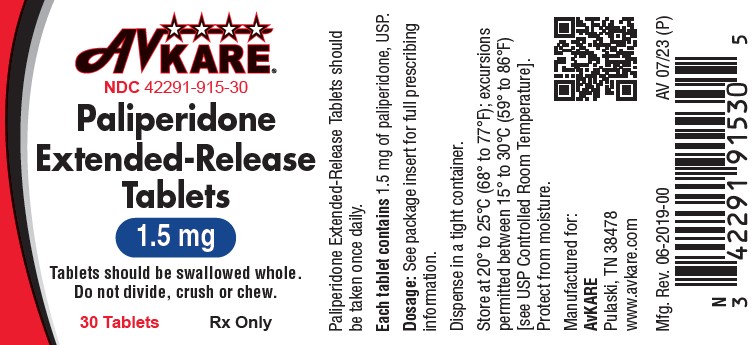
PRINCIPAL DISPLAY PANEL 30 30 30 30
Medicare Part D spend CMS · PART D · 2026 (Q1)
About this NDC listing & data coverage
What data is (and isn’t) available for this NDC — tap to expand
| NDC identity (package / product / labeler codes) | ✓ Available |
| Labeler | ✓ Available |
| Product & package description | ✓ Available |
| Marketing category & status | ✓ Available |
| Active ingredient / dosage form / route | ✓ Available |
| FDA label (SPL via DailyMed) | ✓ Available |
| Package photos | ✓ Available |
| Inactive ingredients (structured) | ✓ Available |
| NADAC pharmacy acquisition price (CMS) | — Not published for this NDC CMS publishes NADAC only for NDCs reported in its retail-pharmacy survey. |
| Orange Book / therapeutic-equivalence data | ✓ Available |
| HCPCS J-code billing crosswalk | — Not published for this NDC Most self-administered / retail products have no J-code — that is normal. |
| Medicaid utilization (CMS SDUD) | — Not published for this NDC CMS reports utilization only for NDCs with Medicaid claims above its privacy threshold. |