
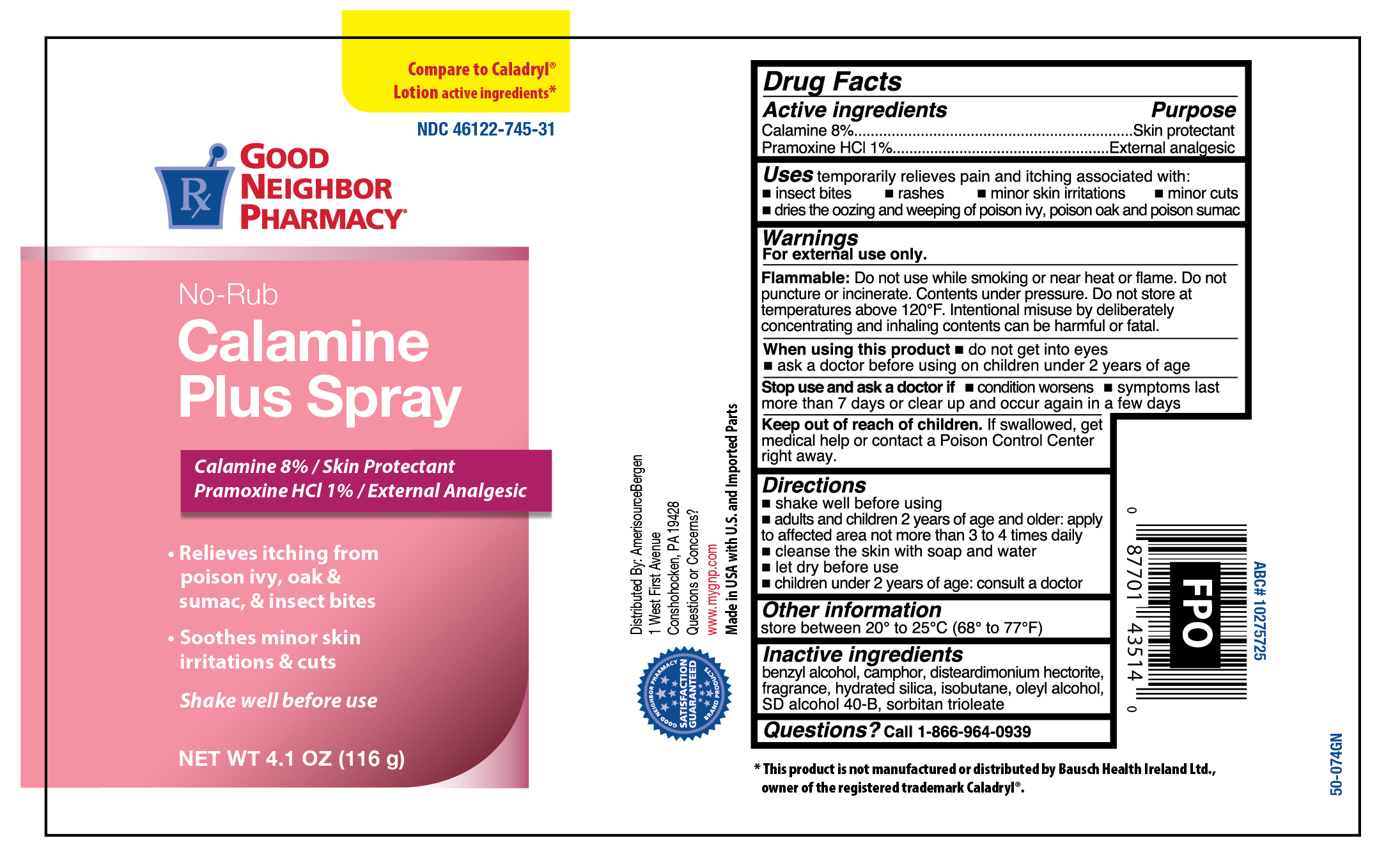
Calamine Plus .345 mg/116g; 24.16 mg/116g; 2.72 mg/116g Aerosol, Spray, 116 g
🆔 Identity & classification
Where does this data come from?
🏭 Manufacturer & labeler
Where does this data come from?
🩺 Clinical
Calamine Plus is an over-the-counter topical spray marketed under FDA's monograph rules for skin-care products. It contains calamine (ferric oxide red and zinc oxide), which are typically used to help soothe minor skin irritation, itching, and minor burns or insect bites. The spray also contains pramoxine hydrochloride, a local anesthetic commonly used to temporarily numb minor skin pain and itching. This product is applied directly to the skin surface.
Patient education
Supplement & herbal interactions
Where does this data come from?
Ask a licensed pharmacist directly — free, answered by our team.
🧪 Inactive Ingredients / Excipients
Inactive ingredients, also called excipients, are components of the drug product other than the active ingredient. They may include fillers, dyes, coatings, preservatives, flavors, or other formulation ingredients.
💡 Tap an ingredient (hover on desktop) to see what it is and why it’s used.
-
UNII 3K9958V90M
A liquid solvent derived from fermentation or chemical synthesis. In medicines, alcohol dissolves active ingredients, helps preserve the product, and improves how the body absorbs certain drugs.
-
UNII LKG8494WBH
Benzyl alcohol is a clear liquid used as a preservative and solvent in medicines. It helps prevent bacterial and fungal growth and dissolves other ingredients to create uniform liquid formulations.
-
UNII 5TJD82A1ET
A cooling crystalline substance made synthetically that is added to medicines as a fragrance, flavoring agent, and mild local irritant to produce a cooling or warming sensation on the skin or mucous membranes.
-
UNII X687XDK09L
A clay mineral processed to carry positive charges, used as a thickener and suspending agent in liquid medicines. It helps keep solid particles evenly distributed throughout the product.
-
UNII Y6O7T4G8P9
Hydrated silica is a fine powder form of silicon dioxide with absorbed water. It works as an anti-caking agent and absorbent in medicines, helping powders stay free-flowing and preventing clumping.
-
UNII BXR49TP611
Isobutane is a liquefied gas used as a propellant in aerosol inhalers and sprays. It helps push the medicine out of the container so you can breathe or spray it as directed.
-
UNII 172F2WN8DV
A fatty alcohol derived from animal or plant oils. It acts as an emollient and helps stabilize emulsions, allowing oil and water to mix evenly in the medication.
-
UNII QE6F49RPJ1
A natural oil derived from sorbitol and oleic acid. It works as an emulsifier and solubilizer to help mix oil and water-based ingredients together and improve how the medicine dissolves or spreads in the body.
8 inactive ingredients listed in the exact product block matched to this NDC.
Label-section wording can be broader than the structured product block and may mention additional formulation ingredients.
Where does this data come from?
ingredient classCode="IACT" elements from the exact product block matched by this NDC. Label-section narrative from DailyMed / the openFDA label index is shown separately when available.Inactive ingredient FAQ
Are inactive ingredients the same for every manufacturer?
Why might an inactive ingredient be missing?
Can inactive ingredients matter?
💲 Pricing
A drug doesn't have one price. Each row is a different public payment system, and none is what you'd pay at the counter — that depends on your insurance. The ⓘ on each row explains what it measures.
| Price system | Per g | Per package |
|---|---|---|
| Retail pharmacies payNADAC · weekly | $0.043 | $5.03 / 116 g |
| Medicaid paysCMS SDUD · 12 mo | No recent Medicaid claims on file for this NDC — rare and low-volume NDCs are suppressed in the public data. | |
| Medicare drug plans payPart D · quarterly | No Part D plan price is available for this NDC in our data. | |
Where does this data come from?
🔁 Therapeutic equivalents
Where does this data come from?
⏳ Availability & generic status
We did not find an FDA-approved generic match for this exact strength, form and route.
Where does this data come from?
🔬 Reported adverse events (FAERS)
Top reported reactions
Reporter sex
Serious outcomes
Where does this data come from?
📦 Packaging — all sizes for this product
| Package NDC | Description | Marketing start | Status |
|---|---|---|---|
| 46122-0745-31 You're viewing this | 116 g in 1 CANISTER (46122-745-31) | 2023-01-03 | Active |
📄 FDA label — Drug Facts FDA SPL
🎯 Indications and Usage ▾
Uses temporarily relieves pain and itching associated with: insect bites rashes minor skin irritations minor cuts dries the oozing and weeping of poison ivy, poison oak and poison sumac
⏱️ Dosage and Administration ▾
Directions shake well before using adults and children 2 years of age and older: apply as needed to the affected area, not more than 3 or 4 times daily cleanse the skin with soap and water let dry before use children under 2 years of age: consult a doctor
⚠️ Warnings ▾
Warnings For external use only. Flammable: Do not use while smoking or near heat or flame. Do not puncture or incinerate. Contents under pressure.
Do not store at temperatures above 120°F. Intentional misuse by deliberately concentrating and inhaling contents can be harmful or fatal. When using this product do not get into eyes ask a doctor before using on children under 2 years of age Stop use and ask a doctor if conditions worsens symtomps last more than 7 days or clear up and occur again in a few days Keep out of reach of children. If swallowed, get medical help or contact a Poison Control Center right away.
🧪 Active Ingredient ▾
Active ingredient Calamine 8% Pramoxine HCl 1%
🧪 Inactive Ingredients ▾
Inactive ingredients benzyl alcohol, camphor, disteardimonium hectorite, fragrance, hydrated silica, isobutane, oleyl alcohol, SD alcohol 40-B, sorbitan trioleate
🎯 Purpose ▾
Purpose Skin protectant External analgesic