
Cephalexin 500 mg Capsule, 4-count — NDC 50090-3199-8 (Billing 50090-3199-08)
This is a package of 4 capsules of Cephalexin 500 mg Capsule from A-S Medication Solutions, marketed since Jan 2011 and currently FDA-listed.
NDC database record
One package, one record: these facts belong to NDC 50090-3199-8 alone.
- Record
- FDA NDC Directory package listing · Human prescription drug
- Code segments
- 50090 labeler · 3199 product · 8 package
- Package marketed since
- Nov 28, 2014
- Sample package
- No — commercial package
- Listing certified through
- Dec 31, 2026
- Billing quantity
- 4 EA per package
- Barcode (UPC-A, from the NDC)
- 3 5009031998 9
- FDA record last changed
- Jul 24, 2026
Other active recalls for Cephalexin (different manufacturers) — 6 · tap to view
Identity & classification
Regulatory identifiers FDA, NLM and CMS codes for this package
Drug-database identifiers Medi-Span GPI and First Databank GCN / HICL / AHFS classification
- GSN (GCN sequence number): 009043
- GCN: 39802
- GPI-14 (Medi-Span): 02100020000110
- HICL (First Databank): 013908
- AHFS class code: 08:12.06.04
- RxCUI (RxNorm): 309112
Where does this data come from?
- FDA openFDA NDC Directory · synced Oct 1, 2026
- FDA label on DailyMed · label index refreshed Oct 5, 2026
- RxNorm (NLM RxNav) · catalog refreshed Oct 1, 2026
- Medi-Span GPI (licensed)
- First Databank (licensed) · refreshed Oct 1, 2026
RxNorm drug class
This medicine belongs to the Cephalosporin Antibacterial class.
Where does this data come from?
- RxClass (NLM) · catalog refreshed Oct 1, 2026
Clinical
- Cephalexin is an antibiotic used to treat bacterial infections — things like strep throat and other respiratory infections, ear infections, skin infections, bone infections, and ur...
- Yes, you can take cephalexin with or without food — it's stable in stomach acid either way. If it upsets your stomach, taking it with a small meal or snack can help. Just try to ta...
- The most common side effects are stomach-related — diarrhea, nausea, vomiting, or indigestion. These are usually mild and manageable. The ones to call your doctor about are: a seve...
- What side effects should I watch out for?
Patient education
Supplement & herbal interactions
Some supplements/herbs that may interact with Cephalexin — tap one for details:
Cephalexin may be associated with lower levels of 7 nutrients — worth a chat with your pharmacist, not a cause for alarm.
Where does this data come from?
- MedlinePlus (NLM) · refreshed Oct 1, 2026
- FDA label on DailyMed · label index refreshed Oct 5, 2026
Ask a licensed pharmacist directly — free, answered by our team.
Pricing
A drug doesn't have one price. Each row is a different public payment system, and none is what you'd pay at the counter — that depends on your insurance. The ⓘ on each row explains what it measures.
| Price system | Per each | Per package |
|---|---|---|
| Retail pharmacies payNADAC · weekly | Not in the retail survey — common for institutional, discontinued, or low-volume packs. | |
| Medicaid paysCMS SDUD · 12 mo | No recent Medicaid claims on file for this NDC — rare and low-volume NDCs are suppressed in the public data. | |
| Medicare drug plans payPart D · Q2 2026 | $0.1952 | $0.78 / 4 capsules |
Where does this data come from?
- CMS NADAC weekly file
- CMS ASP pricing files · refreshed Sep 20, 2026
- CMS Medicaid State Drug Utilization Data · refreshed Oct 5, 2026
- CMS Part D plan pricing files · refreshed Sep 24, 2026
- VA National Acquisition Center price file
Packaging — all sizes for this product
| Package NDC | Description | Marketing start | Marketing end | Status |
|---|---|---|---|---|
| 50090-3199-00 50090-3199-0 Main listing | 20 CAPSULE in 1 BOTTLE | 2017-10-23 | — | Active |
| 50090-3199-01 50090-3199-1 | 28 CAPSULE in 1 BOTTLE | 2017-12-01 | — | Active |
| 50090-3199-02 50090-3199-2 | 40 CAPSULE in 1 BOTTLE | 2017-12-18 | — | Active |
| 50090-3199-05 50090-3199-5 | 10 CAPSULE in 1 BOTTLE | 2018-03-05 | — | Active |
| 50090-3199-06 50090-3199-6 | 30 CAPSULE in 1 BOTTLE | 2017-10-23 | — | Active |
| 50090-3199-07 50090-3199-7 | 100 CAPSULE in 1 BOTTLE | 2018-11-06 | — | Active |
| 50090-3199-08 You're viewing this | 4 CAPSULE in 1 BOTTLE, PLASTIC | 2014-11-28 | — | Active |
| 50090-3199-03 50090-3199-3 | 14 CAPSULE in 1 BOTTLE | 2017-12-04 | — | Active |
You're viewing the smallest of 8 pack sizes for this product.
Pack size FAQ
What quantity is in this package?
How does this package differ from NDC 50090-3199-05?
What NDC number is used to bill for this package of Cephalexin 500 mg Capsule?
Therapeutic equivalents
| Product | Labeler | Pack | NADAC/unit | TE | Status | Price vs. this |
|---|---|---|---|---|---|---|
| Cephalexin 500 mg 00093-3147-01 | Teva | 100 capsules | $0.120 | AB | Discontinued | — |
| Cephalexin 500 mg 00904-7337-06 | Major | 50 capsules | $0.120 | AB | Availability likely | — |
| Cephalexin 500 mg 50268-0152-15 | AvPAK | 50 capsules | $0.120 | AB | Availability likely | — |
| Cephalexin 500 mg 60687-0163-01 | American | 100 capsules | $0.120 | AB | Availability likely | — |
| Cephalexin 500 mg 62135-0711-74 | Chartwell | 40 capsules | $0.120 | AB | Availability likely | — |
| Cephalexin 500 mg 65862-0019-01 | Aurobindo | 100 capsules | $0.120 | AB | Availability likely | — |
| Cephalexin 500 mg 67877-0219-01 | Ascend | 100 capsules | $0.120 | AB | Availability likely | — |
| Cephalexin 500 mg 68180-0122-01 | Lupin | 100 capsules | $0.120 | AB | Availability likely | — |
| Cephalexin 500 mg 42291-0007-50 | AVKARE | 500 capsules | — | AB | FDA listed | — |
| Cephalexin 500 mg 42708-0017-28 | QPharma | 28 capsules | — | AB | FDA listed | — |
| Cephalexin 500 mg 42708-0070-28 | QPharma | 28 capsules | — | AB | FDA listed | — |
| Cephalexin 500 mg 43063-0536-04 | PD-Rx | 4 capsules | — | AB | FDA listed | — |
| Cephalexin 500 mg 43063-0634-40 | PD-Rx | 40 capsules | — | AB | FDA listed | — |
| Cephalexin 500 mg 50090-0079-00 | A-S | 20 capsules | — | AB | FDA listed | — |
| Cephalexin 500 mg 50090-0080-01 | A-S | 12 capsules | — | AB | FDA listed | — |
| Cephalexin 500 mg 50090-0081-00 | A-S | 40 capsules | — | AB | FDA listed | — |
| Cephalexin 500 mgthis 50090-3199-08 | A-S | 4 capsules | — | AB | FDA listed | — |
| Cephalexin 500 mg 50090-3252-00 | A-S | 40 capsules | — | AB | FDA listed | — |
| Cephalexin 500 mg 50090-3427-01 | A-S | 12 capsules | — | AB | FDA listed | — |
| Cephalexin 500 mg 50090-4422-00 | A-S | 20 capsules | — | AB | FDA listed | — |
| Cephalexin 500 mg 50090-5948-00 | A-S | 20 capsules | — | AB | FDA listed | — |
| Cephalexin 500 mg 50090-7026-01 | A-S | 12 capsules | — | AB | FDA listed | — |
| Cephalexin 500 mg 50090-7027-00 | A-S | 100 capsules | — | AB | FDA listed | — |
| Cephalexin 500 mg 50090-7162-01 | A-S | 28 capsules | — | AB | FDA listed | — |
| Cephalexin 500 mg 50090-7223-00 | A-S | 100 capsules | — | AB | FDA listed | — |
| Cephalexin 500 mg 50090-7224-00 | A-S | 100 capsules | — | AB | FDA listed | — |
| Cephalexin 500 mg 51655-0028-20 | Northwind | 20 capsules | — | AB | Discontinued | — |
| Cephalexin 500 mg 55289-0058-04 | PD-Rx | 4 capsules | — | AB | FDA listed | — |
| Cephalexin 500 mg 61919-0606-20 | Direct_Rx | 20 capsules | — | AB | FDA listed | — |
| Cephalexin 500 mg 63187-0046-06 | Proficient | 6 capsules | — | AB | FDA listed | — |
| Cephalexin 500 mg 63629-4219-01 | Bryant | 40 capsules | — | AB | FDA listed | — |
| Cephalexin 500 mg 63629-5740-01 | Bryant | 20 capsules | — | AB | FDA listed | — |
| Cephalexin 500 mg 63629-5741-01 | Bryant | 28 capsules | — | AB | FDA listed | — |
| Cephalexin 500 mg 63629-5742-01 | Bryant | 30 capsules | — | AB | FDA listed | — |
| Cephalexin 500 mg 63629-7740-01 | Bryant | 28 capsules | — | AB | FDA listed | — |
| Cephalexin 500 mg 63629-7742-01 | Bryant | 20 capsules | — | AB | FDA listed | — |
| Cephalexin 500 mg 63629-7743-01 | Bryant | 14 capsules | — | AB | FDA listed | — |
| Cephalexin 500 mg 63629-8184-01 | Bryant | 12 capsules | — | AB | FDA listed | — |
| Cephalexin 500 mg 63629-8856-01 | Bryant | 500 capsules | — | AB | FDA listed | — |
| Cephalexin 500 mg 63629-9200-01 | Bryant | 100 capsules | — | AB | FDA listed | — |
| Cephalexin 500 mg 63629-9201-01 | Bryant | 500 capsules | — | AB | FDA listed | — |
| Cephalexin 500 mg 67046-1245-03 | Coupler | 30 capsules | — | AB | FDA listed | — |
| Cephalexin 500 mg 68071-2249-03 | NuCare | 30 capsules | — | AB | FDA listed | — |
| Cephalexin 500 mg 68071-3532-01 | NuCare | 21 capsules | — | AB | FDA listed | — |
| Cephalexin 500 mg 68071-3538-06 | NuCare | 6 capsules | — | AB | FDA listed | — |
| Cephalexin 500 mg 68071-4355-01 | NuCare | 21 capsules | — | AB | FDA listed | — |
| Cephalexin 500 mg 68071-4406-04 | NuCare | 14 capsules | — | AB | FDA listed | — |
| Cephalexin 500 mg 68071-4429-03 | NuCare | 3 capsules | — | AB | FDA listed | — |
| Cephalexin 500 mg 68788-8538-01 | Preferred | 12 capsules | — | AB | FDA listed | — |
| Cephalexin 500 mg 68788-8740-01 | Preferred | 12 capsules | — | AB | FDA listed | — |
| Cephalexin 500 mg 69043-0009-01 | Cronus | 100 capsules | — | AB | FDA listed | — |
| Cephalexin 500 mg 69778-0931-04 | Pharma-C, | 500 capsules | — | AB | FDA listed | — |
| Cephalexin 500 mg 70518-3059-00 | REMEDYREPACK | 14 capsules | — | AB | FDA listed | — |
| Cephalexin 500 mg 70518-3066-00 | REMEDYREPACK | 30 capsules | — | AB | Discontinued | — |
| Cephalexin 500 mg 70518-3362-00 | REMEDYREPACK | 30 capsules | — | AB | FDA listed | — |
| Cephalexin 500 mg 70518-3378-00 | REMEDYREPACK | 40 capsules | — | AB | FDA listed | — |
| Cephalexin 500 mg 70518-3448-00 | REMEDYREPACK | 100 capsules | — | AB | Discontinued | — |
| Cephalexin 500 mg 70518-3857-00 | REMEDYREPACK | 42 capsules | — | AB | Discontinued | — |
| Cephalexin 500 mg 71205-0591-06 | Proficient | 6 capsules | — | AB | FDA listed | — |
| Cephalexin 500 mg 71205-0672-06 | Proficient | 6 capsules | — | AB | FDA listed | — |
| Cephalexin 500 mg 71335-2685-01 | Bryant | 14 capsules | — | AB | FDA listed | — |
| Cephalexin 500 mg 71335-2704-01 | Bryant | 21 capsules | — | AB | FDA listed | — |
| Cephalexin 500 mg 71335-2976-01 | Bryant | 12 capsules | — | AB | FDA listed | — |
| Cephalexin 500 mg 72162-1830-01 | Bryant | 100 capsules | — | AB | FDA listed | — |
| Cephalexin 500 mg 72162-2145-05 | Bryant | 500 capsules | — | AB | FDA listed | — |
| Cephalexin 500 mg 72287-0310-01 | AMELLA | 100 capsules | — | AB | FDA listed | — |
| Cephalexin 500 mg 72789-0251-82 | PD-Rx | 500 capsules | — | AB | FDA listed | — |
| Cephalexin 500 mg 73614-0202-03 | Brisk | 30 capsules | — | AB | Discontinued | — |
| Cephalexin 500 mg 76420-0052-28 | Asclemed | 28 capsules | — | AB | FDA listed | — |
| Cephalexin 500 mg 76420-0288-01 | Asclemed | 100 capsules | — | AB | FDA listed | — |
| Cephalexin 500 mg 76420-0592-10 | Asclemed | 100 capsules | — | AB | FDA listed | — |
| Cephalexin 500 mg 76420-0736-00 | Asclemed | 100 capsules | — | AB | FDA listed | — |
| Cephalexin 500 mg 76420-0831-10 | Asclemed | 10 capsules | — | AB | FDA listed | — |
| Cephalexin 500 mg 80425-0004-01 | ADVANCED | 28 capsules | — | AB | FDA listed | — |
| Cephalexin 500 mg 80425-0005-01 | ADVANCED | 28 capsules | — | AB | FDA listed | — |
| Cephalexin 500 mg 80425-0006-01 | ADVANCED | 28 capsules | — | AB | FDA listed | — |
| Cephalexin 500 mg 80425-0121-01 | Advanced | 28 capsules | — | AB | FDA listed | — |
| Cephalexin 500 mg 82804-0106-14 | Proficient | 14 capsules | — | AB | FDA listed | — |
| Cephalexin 500 mg 82868-0057-10 | Northwind | 10 capsules | — | AB | FDA listed | — |
| Cephalexin 500 mg 82868-0095-10 | Northwind | 10 capsules | — | AB | FDA listed | — |
| Cephalexin 500 mg 82982-0024-20 | Pharmasource | 20 capsules | — | AB | Discontinued | — |
| Cephalexin 500 mg 85766-0004-14 | Sportpharm | 14 capsules | — | AB | FDA listed | — |
| Cephalexin 500 mg 85766-0191-14 | Sportpharm | 14 capsules | — | AB | FDA listed | — |
| Cephalexin 500 mg 87441-0004-01 | Unit | 30 capsules | — | AB | FDA listed | — |
| Cephalexin 500 mg 85534-0078-00 | HAWAII | 1 capsule | — | AB | FDA listed | — |
| Cephalexin 500 mg 42291-0209-50 | AvKARE | 500 capsules | — | AB | FDA listed | — |
| Cephalexin 500 mg 68788-4143-01 | Preferred | 12 capsules | — | AB | FDA listed | — |
Where does this data come from?
- FDA openFDA NDC Directory · synced Oct 1, 2026
- FDA Orange Book · refreshed Oct 3, 2026
- CMS NADAC weekly file
Availability & generic status
This product is an FDA-approved generic. Other versions of the same drug are listed under Therapeutic equivalents, least expensive first.
Where does this data come from?
- FDA Orange Book · refreshed Oct 3, 2026
What it looks like
Where does this data come from?
- FDA label on DailyMed · label index refreshed Oct 5, 2026
Inactive Ingredients / Excipients
Inactive ingredients, also called excipients, are components of the drug product other than the active ingredient. They may include fillers, dyes, coatings, preservatives, flavors, or other formulation ingredients.
🧪 Avoiding an ingredient? See Cephalexin inactive ingredients by manufacturer: every current product's list side by side, so you can ask your pharmacy for the version that does not list it.
Where does this data come from?
IACT rows and label-wide narrative are kept separate; availability and product-level specificity depend on the submitted label.- FDA label on DailyMed · label index refreshed Oct 5, 2026
- FDA openFDA NDC Directory · synced Oct 1, 2026
Inactive ingredient FAQ
Are inactive ingredients the same for every manufacturer?
Why might an inactive ingredient be missing?
Can inactive ingredients matter?
Manufacturer & labeler
More NDCs from A-S Medication Solutions labeler code 50090
- epinephrine .3 mg/.3mL Injection NDC 50090-3155-0
- Cabergoline .5 mg Tablet NDC 50090-3157-0
- Lisinopril 30 mg Tablet NDC 50090-3175-0
- Ondansetron Hydrochloride 4 mg Tablet, Film Coated NDC 50090-3178-0
- Amoxicillin and Clavulanate Potassium 875 mg; 125 mg Tablet NDC 50090-3179-0
- Ondansetron Hydrochloride 8 mg Tablet, Film Coated NDC 50090-3185-0
- Gabapentin 100 mg Capsule NDC 50090-3200-0
- Cephalexin 250 mg Capsule NDC 50090-3202-0
- Sertraline Hydrochloride 100 mg Tablet, Film Coated NDC 50090-3203-0
- Pravastatin Sodium 80 mg Tablet NDC 50090-3204-0
- Duloxetine Delayed-Release DULOXETINE HYDROCHLORIDE 30 mg Capsule, Delayed Release Pellets NDC 50090-3205-0
- Citalopram Hydrobromide 40 mg Tablet NDC 50090-3208-0
Where does this data come from?
- FDA openFDA NDC Directory · synced Oct 1, 2026
- Drugs@FDA
Full prescribing information FDA SPL
🎯 Indications and Usage ▾
1 INDICATIONS & USAGE Cephalexin is a cephalosporin antibacterial drug indicated for the treatment of the following infections caused by susceptible isolates of designated bacteria: Respiratory tract infection ( 1.1 ) Otitis media ( 1.2 ) Skin and skin structure infections ( 1.3 ) Bone infections (1.4) Genitourinary tract infections ( 1.5 ) To reduce the development of drug-resistant bacteria and maintain the effectiveness of cephalexin and other antibacterial drugs, Cephalexin should be used only to treat infections that are proven or strongly suspected to be caused by bacteria.
(1.6)
1.1Respiratory Tract Infections Cephalexin is indicated for the treatment of respiratory tract infections caused by susceptible isolates of Streptococcus pneumoniae and Streptococcus pyogenes.
1.2Otitis Media Cephalexin is indicated for the treatment of otitis media caused by susceptible isolates of Streptococcus pneumoniae, Haemophilus influenzae, Staphylococcus aureus, Streptococcus pyogenes, and Moraxella catarrhalis.
1.3Skin and Skin Structure Infections Cephalexin is indicated for the treatment of skin and skin structure infections caused by susceptible isolates of the following Gram-positive bacteria: Staphylococcus aureus and Streptococcus pyogenes.
1.4Bone Infections Cephalexin is indicated for the treatment of bone infections caused by susceptible isolates of Staphylococcus aureus and Proteus mirabilis.
1.5Genitourinary Tract Infections Cephalexin is indicated for the treatment of genitourinary tract infections, including acute prostatitis, caused by susceptible isolates of Escherichia coli, Proteus mirabilis, and Klebsiella pneumoniae.
1.6Usage To reduce the development of drug-resistant bacteria and maintain the effectiveness of cephalexin and other antibacterial drugs, Cephalexin should be used only to treat infections that are proven or strongly suspected to be caused by susceptible bacteria. When culture and susceptibility information is available, this information should be considered in selecting or modifying antibacterial therapy. In the absence of such data, local epidemiology and susceptibility patterns may contribute to the empiric selection of therapy.
⏱️ Dosage and Administration ▾
2 DOSAGE & ADMINISTRATION Adults and patients at least 15 years of age The usual dose is 250 mg every 6 hours, but a dose of 500 mg every 12 hours may be administered ( 2.1 ) Pediatric patients (over 1 year of age) Otitis media: 75 to 100 mg/kg in equally divided doses every 6 hours ( 2.2 ) All other indications: 25 to 50 mg/kg given in equally divided doses ( 2.2 ) In severe infections: 50 to 100 mg/kg may be administered in equally divided doses ( 2.2 ) Duration of therapy ranges from 7 to14 days depending on the infection type and severity.
( 2 ) Dosage adjustment is required in patients with severe and end stage renal disease (ESRD) defined as creatinine clearance below 30 mL/min. ( 2.3 )
2.1Adults and Pediatric Patients at Least 15 Years of Age The usual dose of oral Cephalexin capsule, USP is 250 mg every 6 hours, but a dose of 500 mg every 12 hours may be administered. Treatment is administered for 7 to 14 days. For more severe infections larger doses of oral Cephalexin capsules, USP may be needed, up to 4 grams daily in two to four equally divided doses.
2.2Pediatric Patients (over 1 year of age) The recommended total daily dose of oral Cephalexin capsules, USP for pediatric patients is 25 to 50 mg/kg given in equally divided doses for 7 to 14 days. In the treatment of β-hemolytic streptococcal infections, duration of at least 10 days is recommended. In severe infections, a total daily dose of 50 to 100 mg/kg may be administered in equally divided doses.
For the treatment of otitis media, the recommended daily dose is 75 to 100 mg/kg given in equally divided doses.
2.3Dosage Adjustments in Adult and Pediatric Patients at Least 15 Years of Age with Renal Impairment Administer the following dosing regimens for Cephalexin capsules, USP to patients with renal impairment [see Warnings and Precautions (5.4) and Use in Specific Populations (8.6) ] . Table 1. Recommended Dose Regimen for Patients with Renal Impairment Renal function Dose regimen recommendation Creatinine clearance >60mL/min.
No dose adjustment Creatinine clearance 30 to 59 mL/min No dose adjustment; maximum daily dose should not exceed 1 g Creatinine clearance 15 to 29 mL/min 250 mg, every 8 hours or every 12 hours Creatinine clearance 5 to 14 mL/min not yet on dialysis* 250 mg, every 24 hours Creatinine clearance 1 to 4 mL/min not yet on dialysis* 250 mg, every 48 hours or every 60 hours *There is insufficient information to make dose adjustment recommendations in patients on hemodialysis.
💊 Dosage Forms and Strengths ▾
3 DOSAGE FORMS & STRENGTHS 250 mg capsules : a white to off white powder filled into size 2 capsules (dark green cap and dark green body) that are imprinted with “220” on the both cap and body in edible black ink. 500 mg capsules : a white to off white powder filled into size 0 capsules (light green cap and light green body) that are imprinted with “219” on the both cap and body in edible black ink. 333 mg capsules : a white to off white powder filled into size 1 capsules (light green cap and light green body) that are imprinted “CEP” on cap and “333” on body in edible black ink.
750 mg capsules : a white to off white powder filled into size '00 Elongated' capsules (dark green cap and dark green body) that are imprinted “CEP” on cap and “750” on body in edible white ink. Capsules: 250 mg, 333 mg, 500 mg and 750 mg ( 3 )
⛔ Contraindications ▾
4 CONTRAINDICATIONS Cephalexin is contraindicated in patients with known hypersensitivity to cephalexin or other members of the cephalosporin class of antibacterial drugs. Patients with known hypersensitivity to cephalexin or other members of the cephalosporin class of antibacterial drugs. (4)
⚠️ Warnings and Cautions ▾
5 WARNINGS AND PRECAUTIONS Serious hypersensitivity (anaphylactic) reactions : Prior to use, inquire regarding history of hypersensitivity to beta-lactam antibacterial drugs. Discontinue the drug if signs or symptoms of an allergic reaction occur and institute supportive measures. ( 5.1 ) Clostridium difficile-associated diarrhea (CDAD ): Evaluate if diarrhea occurs.
( 5.2 ) Direct Coomb’s Test Seroconversion : If anemia develops during or after cephalexin therapy, evaluate for drug-induced hemolytic anemia. ( 5.3 ) Seizure Potential : Use lower dose in patients with renal impairment. ( 5.4 )
5.1Hypersensitivity Reactions Allergic reactions in the form of rash, urticaria, angioedema, anaphylaxis, erythema multiforme, Stevens- Johnson syndrome, or toxic epidermal necrolysis have been reported with the use of cephalexin. Before therapy with cephalexin is instituted, inquire whether the patient has a history of hypersensitivity reactions to cephalexin, cephalosporins, penicillins, or other drugs. Cross-hypersensitivity among beta-lactam antibacterial drugs may occur in up to 10% of patients with a history of penicillin allergy.
If an allergic reaction to cephalexin occurs, discontinue the drug and institute appropriate treatment.
5.2Clostridium difficile-Associated Diarrhea Clostridium difficile-associated diarrhea (CDAD) has been reported with use of nearly all antibacterial agents, including cephalexin, and may range in severity from mild diarrhea to fatal colitis. Treatment with antibacterial agents alters the normal flora of the colon leading to overgrowth of C. difficile. C. difficile produces toxins A and B, which contribute to the development of CDAD.
Hypertoxin-producing strains of C. difficile cause increased morbidity and mortality, as these infections can be refractory to antimicrobial therapy and may require colectomy. CDAD must be considered in all patients who present with diarrhea following antibiotic use. Careful medical history is necessary since CDAD has been reported to occur over two months after the administration of antibacterial agents.
If CDAD is suspected or confirmed, ongoing antibiotic use not directed against C. difficile may need to be discontinued. Appropriate fluid and electrolyte management, protein supplementation, antibiotic treatment of C. difficile, and surgical evaluation should be instituted as clinically indicated.
5.3Direct Coombs’ Test Seroconversion Positive direct Coombs’ tests have been reported during treatment with the cephalosporin antibacterial drugs including cephalexin. Acute intravascular hemolysis induced by cephalexin therapy has been reported. If anemia develops during or after cephalexin therapy, perform a diagnostic work-up for drug-induced hemolytic anemia, discontinue cephalexin and institute appropriate therapy.
5.4Seizure Potential Several cephalosporins have been implicated in triggering seizures, particularly in patients with renal impairment when the dosage was not reduced. If seizures occur, discontinue cephalexin. Anticonvulsant therapy can be given if clinically indicated.
5.5Prolonged Prothrombin Time Cephalosporins may be associated with prolonged prothrombin time. Those at risk include patients with renal or hepatic impairment, or poor nutritional state, as well as patients receiving a protracted course of antibacterial therapy, and patients receiving anticoagulant therapy. Monitor prothrombin time in patients at risk and manage as indicated.
5.6Development of Drug-Resistant Bacteria Prescribing cephalexin in the absence of a proven or strongly suspected bacterial infection is unlikely to provide benefit to the patient and increases the risk of the development of drug-resistant bacteria. Prolonged use of cephalexin may result in the overgrowth of nonsusceptible organisms. Careful observation of the patient is essential.
If superinfection occurs during therapy, appropriate measures should be taken.
🤒 Adverse Reactions ▾
6 ADVERSE REACTIONS The following serious events are described in greater detail in the Warning and Precautions section: Hypersensitivity reactions [ see Warning and Precautions ( 5.1 ) ] Clostridium difficile-associated diarrhea [ see Warnings and Precautions ( 5.2 ) ] Direct Coombs’ Test Seroconversion [ see Warnings and Precautions ( 5.3 ) ] Seizure Potential [ see Warnings and Precautions ( 5.4 ) ] Effect on Prothrombin Activity [ see Warnings and Precautions ( 5.5 ) ] Development of Drug-Resistant Bacteria [ see Warnings and Precautions ( 5.6 ) ] The most common adverse reactions associated with cephalexin include diarrhea, nausea, vomiting, dyspepsia and abdominal pain.
( 6 ) To report SUSPECTED ADVERSE REACTIONS, contact Ascend Laboratories, LLC at 1-877-ASC-RX01 (877-272-7901) or FDA at 1-800-FDA-1088 or www.fda.gov/medwatch.
6.1Clinical Trials Experience Because clinical trials are conducted under widely varying conditions, adverse reaction rates observed in the clinical trials of a drug cannot be directly compared to rates in the clinical trials of another drug and may not reflect the rates observed in practice In clinical trials, the most frequent adverse reaction was diarrhea. Nausea and vomiting, dyspepsia, gastritis, and abdominal pain have also occurred. As with penicillins and other cephalosporins, transient hepatitis and cholestatic jaundice have been reported.
Other reactions have included hypersensitivity reactions, genital and anal pruritus, genital candidiasis, vaginitis and vaginal discharge, dizziness, fatigue, headache, agitation, confusion, hallucinations, arthralgia, arthritis, and joint disorder. Reversible interstitial nephritis has been reported. Eosinophilia, neutropenia, thrombocytopenia, hemolytic anemia, and slight elevations in aspartate transaminase (AST) and alanine transaminase (ALT) have been reported.
In addition to the adverse reactions listed above that have been observed in patients treated with cephalexin, the following adverse reactions and other altered laboratory tests have been reported for cephalosporin class antibacterial drugs: Other Adverse Reactions: Fever, colitis, aplastic anemia, hemorrhage, renal dysfunction, and toxic nephropathy. Altered Laboratory Tests: Prolonged prothrombin time, increased blood urea nitrogen (BUN), increased creatinine, elevated alkaline phosphatase, elevated bilirubin, elevated lactate dehydrogenase (LDH), pancytopenia, leukopenia, and agranulocytosis.
🔄 Drug Interactions ▾
7 DRUG INTERACTIONS Metformin: increased metformin concentrations. Monitor for hypoglycemia. ( 7.1 ) Probenecid- The renal excretion of cephalexin is inhibited by probenecid. Co-administration of probenecid with cephalexin is not recommended. ( 7.2 ) Administration of cephalexin may result in a false-positive reaction glucose in the urine. ( 7.3 )
7.1Metformin Administration of cephalexin with metformin results in increased plasma metformin concentrations and decreased renal clearance of metformin. Careful patient monitoring and dose adjustment of metformin is recommended in patients concomitantly taking cephalexin and metformin [ see Clinical Pharmacology ( 12.3 )]
7.2Probenecid The renal excretion of cephalexin is inhibited by probenecid. Co-administration of probenecid with cephalexin is not recommended.
7.3Interaction with Laboratory or Diagnostic Testing A false-positive reaction may occur when testing for the presence of glucose in the urine using Benedict’s solution or Fehling’s solution.
👥 Use in Specific Populations ▾
8 USE IN SPECIFIC POPULATIONS Renal Impairment: Monitor patients longer for toxicity and drug interactions due to delayed clearance. ( 8.6 )
8.1Pregnancy Risk Summary Available data from published epidemiologic studies and pharmacovigilance case reports over several decades with cephalosporin use, including cephalexin use in pregnant women have not established drug-associated risks of major birth defects, miscarriage, or adverse maternal or fetal outcomes (see Data). Animal reproduction studies with mice and rats using oral doses of cephalexin that are 0.6- and 1.2-times the maximum recommended human dose (MRHD) based on body surface area during organogenesis revealed no evidence of harm to the fetus (see Data).
The estimated background risk of major birth defects and miscarriage for the indicated population is unknown. All pregnancies have a background risk of birth defect, loss, or other adverse outcomes. In the U.S. general population, the estimated background risk of major birth defects and miscarriage in clinically recognized pregnancies is 2% to 4% and 15% to 20%, respectively.
Data Human Data While available studies cannot definitively establish the absence of risk, published data from epidemiologic studies and postmarketing case reports over several decades have not identified a consistent association with cephalosporin use, including cephalexin, during pregnancy, and major birth defects, miscarriage, or other adverse maternal or fetal outcomes. Available studies have methodologic limitations, including small sample size, retrospective data collection, and inconsistent comparator groups.
Animal Data In animal reproduction studies, pregnant mice and rats administered oral cephalexin doses of 250 or 500 mg/kg/day (approximately 0.6 and 1.2 times the MRHD) based on body surface area, respectively during the period of organogenesis showed no adverse effects on embryofetal development. In a pre-and post-natal developmental toxicity study, pregnant rats that received oral doses of 250 or 500 mg/kg/day of cephalexin from Day 15 of pregnancy to litter Day 21 showed no adverse effects on parturition, litter size, or growth of offspring.
8.2Lactation Risk Summary Data from a published clinical lactation study reports that cephalexin is present in human milk. The Relative Infant Dose (RID) is considered to be <1% of the maternal weight adjusted dose. There are no data on the effects of cephalexin on the breastfed child or on milk production.
The development of health benefits of breastfeeding should be considered along with the mother’s clinical need for cephalexin and any potential adverse effects on the breastfed child from cephalexin or from the underlying maternal condition.
8.4Pediatric Use The safety and effectiveness of cephalexin in pediatric patients was established in clinical trials for the dosages described in the dosage and administration section [see Dosage and Administration ( 2.2 )]
8.5Geriatric Use Of the 701 subjects in 3 published clinical studies of cephalexin, 433 (62%) were 65 and over. No overall differences in safety or effectiveness were observed between these subjects and younger subjects, and other reported clinical experience has not identified differences in responses between the elderly and younger patients. This drug is substantially excreted by the kidney, and the risk of toxic reactions to this drug may be greater in patients with impaired renal function.
Because elderly patients are more likely to have decreased renal function, care should be taken in dose selection [ see Warnings and Precautions ( 5.4 )]
8.6Renal Impairment Cephalexin should be administered with careful monitoring in the presence of renal impairment (creatinine clearance < 30 mL/min, with or without dialysis). Under such conditions, careful clinical observation and laboratory studies renal function monitoring should be conducted because safe dosage may be lower than that usually recommended [see Dosage and Administration (… [Excerpted — this section continues on DailyMed.]
🤰 Pregnancy ▾
8.1Pregnancy Risk Summary Available data from published epidemiologic studies and pharmacovigilance case reports over several decades with cephalosporin use, including cephalexin use in pregnant women have not established drug-associated risks of major birth defects, miscarriage, or adverse maternal or fetal outcomes (see Data). Animal reproduction studies with mice and rats using oral doses of cephalexin that are 0.6- and 1.2-times the maximum recommended human dose (MRHD) based on body surface area during organogenesis revealed no evidence of harm to the fetus (see Data).
The estimated background risk of major birth defects and miscarriage for the indicated population is unknown. All pregnancies have a background risk of birth defect, loss, or other adverse outcomes. In the U.S. general population, the estimated background risk of major birth defects and miscarriage in clinically recognized pregnancies is 2% to 4% and 15% to 20%, respectively.
Data Human Data While available studies cannot definitively establish the absence of risk, published data from epidemiologic studies and postmarketing case reports over several decades have not identified a consistent association with cephalosporin use, including cephalexin, during pregnancy, and major birth defects, miscarriage, or other adverse maternal or fetal outcomes. Available studies have methodologic limitations, including small sample size, retrospective data collection, and inconsistent comparator groups.
Animal Data In animal reproduction studies, pregnant mice and rats administered oral cephalexin doses of 250 or 500 mg/kg/day (approximately 0.6 and 1.2 times the MRHD) based on body surface area, respectively during the period of organogenesis showed no adverse effects on embryofetal development. In a pre-and post-natal developmental toxicity study, pregnant rats that received oral doses of 250 or 500 mg/kg/day of cephalexin from Day 15 of pregnancy to litter Day 21 showed no adverse effects on parturition, litter size, or growth of offspring.
🧒 Pediatric Use ▾
8.4Pediatric Use The safety and effectiveness of cephalexin in pediatric patients was established in clinical trials for the dosages described in the dosage and administration section [see Dosage and Administration ( 2.2 )]
🧓 Geriatric Use ▾
8.5Geriatric Use Of the 701 subjects in 3 published clinical studies of cephalexin, 433 (62%) were 65 and over. No overall differences in safety or effectiveness were observed between these subjects and younger subjects, and other reported clinical experience has not identified differences in responses between the elderly and younger patients. This drug is substantially excreted by the kidney, and the risk of toxic reactions to this drug may be greater in patients with impaired renal function.
Because elderly patients are more likely to have decreased renal function, care should be taken in dose selection [ see Warnings and Precautions ( 5.4 )]
🆘 Overdosage ▾
10 OVERDOSAGE Symptoms of oral overdose may include nausea, vomiting, epigastric distress, diarrhea, and hematuria. In the event of an overdose, institute general supportive measures. Forced diuresis, peritoneal dialysis, hemodialysis, or charcoal hemoperfusion have not been established as beneficial for an overdose of cephalexin.
🧬 Clinical Pharmacology ▾
12 CLINICAL PHARMACOLOGY
12.1Mechanism of Action Cephalexin is a cephalosporin antibacterial drug [see Microbiology ( 12.4 )]
12.3Pharmacokinetics Absorption: Cephalexin is acid stable and may be given without regard to meals. Following doses of 250 mg, 500 mg, and 1 g, average peak serum levels of approximately 9, 18, and 32 mcg/mL, respectively, were obtained at 1 hour. Serum levels were detectable 6 hours after administration (at a level of detection of 0.2 mcg/mL).
Distribution: Cephalexin is approximately 10% to 15% bound to plasma proteins. Excretion: Cephalexin is excreted in the urine by glomerular filtration and tubular secretion. Studies showed that over 90% of the drug was excreted unchanged in the urine within 8 hours.
During this period, peak urine concentrations following the 250 mg, 500 mg, and 1 g doses were approximately 1000, 2200, and 5000 mcg/mL respectively. Drug Interactions: In healthy subjects given single 500 mg doses of cephalexin and metformin, plasma metformin mean C max and AUC increased by an average of 34% and 24%, respectively, and metformin mean renal clearance decreased by 14%. No information is available about the interaction of cephalexin and metformin following multiple doses of either drug.
12.4Microbiology Mechanism of Action Cephalexin is a bactericidal agent that acts by the inhibition of bacterial cell-wall synthesis. Resistance Methicillin-resistant staphylococci and most isolates of enterococci are resistant to cephalexin. Cephalexin is not active against most isolates of Enterobacter spp., Morganella morganii, and Proteus vulgaris.
Cephalexin has no activity against Pseudomonas spp ., or Acinetobacter calcoaceticus . Penicillin-resistant Streptococcus pneumoniae is usually cross-resistant to beta-lactam antibacterial drugs. Antimicrobial Activity Cephalexin has been shown to be active against most isolates of the following bacteria both in vitro and in clinical infections [ see Indications and Usage (1) ] Gram-positive bacteria Staphylococcus aureus (methicillin-susceptible isolates only) Streptococcus pneumoniae (penicillin-susceptible isolates) Gram-negative bacteria Escherichia coli Haemophilus influenzae Klebsiella pneumoniae Moraxella catarrhalis Proteus mirabilis Susceptibility Testing For specific information regarding susceptibility test interpretive criteria and associated test methods and quality control standards recognized by FDA for this drug, please see: https://www.fda.gov/STIC.
🧬 Mechanism of Action ▾
12.1Mechanism of Action Cephalexin is a cephalosporin antibacterial drug [see Microbiology ( 12.4 )]
📦 How Supplied / Storage and Handling ▾
16 HOW SUPPLIED/STORAGE AND HANDLING Product: 50090-3199 NDC: 50090-3199-0 20 CAPSULE in a BOTTLE NDC: 50090-3199-1 28 CAPSULE in a BOTTLE NDC: 50090-3199-2 40 CAPSULE in a BOTTLE NDC: 50090-3199-3 14 CAPSULE in a BOTTLE NDC: 50090-3199-5 10 CAPSULE in a BOTTLE NDC: 50090-3199-6 30 CAPSULE in a BOTTLE NDC: 50090-3199-8 4 CAPSULE in a BOTTLE, PLASTIC NDC: 50090-3199-7 100 CAPSULE in a BOTTLE Product: 50090-3202 NDC: 50090-3202-2 20 CAPSULE in a BOTTLE NDC: 50090-3202-3 28 CAPSULE in a BOTTLE NDC: 50090-3202-4 40 CAPSULE in a BOTTLE NDC: 50090-3202-5 30 CAPSULE in a BOTTLE NDC: 50090-3202-8 4 CAPSULE in a BOTTLE NDC: 50090-3202-0 5 CAPSULE in a BOTTLE NDC: 50090-3202-1 14 CAPSULE in a BOTTLE NDC: 50090-3202-6 8 CAPSULE in a BOTTLE NDC: 50090-3202-7 16 CAPSULE in a BOTTLE NDC: 50090-3202-9 12 CAPSULE in a BOTTLE
📋 Description ▾
11 DESCRIPTION Cephalexin capsules, USP is a semisynthetic cephalosporin antibacterial drug intended for oral administration. It is 7-(D-α-Amino-α-phenylacetamido)-3-methyl-3-cephem-4-carboxylic acid monohydrate. Cephalexin has the molecular formula C 16 H 17 N 3 O 4 S•H 2 O and the molecular weight is 365.41.
Cephalexin has the following structural formula: Each capsule contains cephalexin monohydrate equivalent to 250 mg, 333 mg, 500 mg, or 750 mg of cephalexin. The 250 mg, 333 mg, 500 mg and 750 mg capsules contain anhydrous lactose, colloidal silicon dioxide, magnesium stearate, FD & C Blue No. 1, D & C Yellow No.
10, gelatin, sodium lauryl sulphate, titanium dioxide. In addition, the 250 mg capsule contains FD & C Red No. 40; 333 mg and 750 mg Capsules contains FD & C Yellow No.
6. The imprinting ink contains; shellac, propylene glycol, strong ammonia solution and potassium hydroxide. Also black Iron oxide is used in 250mg, 333mg and 500mg and titanium dioxide is used in 750mg. cephalexin-str
💬 Information for Patients ▾
17 PATIENT COUNSELING INFORMATION Allergic Reactions Advise patients that allergic reactions, including serious allergic reactions, could occur and that serious reactions require immediate treatment. Ask the patient about any previous hypersensitivity reactions to cephalexin, other beta-lactams (including cephalosporins) or other allergens ( 5.1 ) Diarrhea Advise patients that diarrhea is a common problem caused by antibacterial drugs and usually resolves when the drug is discontinued. Sometimes, frequent watery or bloody diarrhea may occur and may be a sign of a more serious intestinal infection.
If severe watery or bloody diarrhea develops, advise patients to contact their healthcare provider Antibacterial Resistance Counsel patients that antibacterial drugs including cephalexin, should only be used to treat bacterial infections. They do not treat viral infections (e.g., the common cold). When cephalexin is prescribed to treat a bacterial infection, tell patients that although it is common to feel better early in the course of therapy, the medication should be taken exactly as directed.
Skipping doses or not completing the full course of therapy may (1) decrease the effectiveness of the immediate treatment and (2) increase the likelihood that bacteria will develop resistance and will not be treatable by cephalexin or other antibacterial drugs in the future. Manufactured by : Alkem Laboratories Ltd., INDIA. Distributed by: Ascend Laboratories, LLC Parsippany, NJ 07054 Revised: November, 2021 PT 1199-11
🧬 Pharmacokinetics ▾
12.3Pharmacokinetics Absorption: Cephalexin is acid stable and may be given without regard to meals. Following doses of 250 mg, 500 mg, and 1 g, average peak serum levels of approximately 9, 18, and 32 mcg/mL, respectively, were obtained at 1 hour. Serum levels were detectable 6 hours after administration (at a level of detection of 0.2 mcg/mL).
Distribution: Cephalexin is approximately 10% to 15% bound to plasma proteins. Excretion: Cephalexin is excreted in the urine by glomerular filtration and tubular secretion. Studies showed that over 90% of the drug was excreted unchanged in the urine within 8 hours.
During this period, peak urine concentrations following the 250 mg, 500 mg, and 1 g doses were approximately 1000, 2200, and 5000 mcg/mL respectively. Drug Interactions: In healthy subjects given single 500 mg doses of cephalexin and metformin, plasma metformin mean C max and AUC increased by an average of 34% and 24%, respectively, and metformin mean renal clearance decreased by 14%. No information is available about the interaction of cephalexin and metformin following multiple doses of either drug.
🧪 Nonclinical Toxicology ▾
13 NONCLINICAL TOXICOLOGY
13.1Carcinogenesis & Mutagenesis & Impairment Of Fertility Lifetime studies in animals have not been performed to evaluate the carcinogenic potential of cephalexin. Tests to determine the mutagenic potential of cephalexin have not been performed. In male and female rats, fertility and reproductive performance were not affected by cephalexin oral doses up to 1.5 times the highest recommended human dose based upon body surface area.
📄 Carcinogenesis, Mutagenesis, Impairment of Fertility ▾
13.1Carcinogenesis & Mutagenesis & Impairment Of Fertility Lifetime studies in animals have not been performed to evaluate the carcinogenic potential of cephalexin. Tests to determine the mutagenic potential of cephalexin have not been performed. In male and female rats, fertility and reproductive performance were not affected by cephalexin oral doses up to 1.5 times the highest recommended human dose based upon body surface area.
📄 Package Label / Principal Display Panel ▾
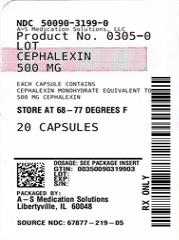
Cephalexin Label Image
Cephalexin Label Image
Medicare Part D spend CMS · PART D · 2026 (Q1)
About this NDC listing & data coverage
What data is (and isn’t) available for this NDC — tap to expand
| NDC identity (package / product / labeler codes) | ✓ Available |
| Labeler | ✓ Available |
| Product & package description | ✓ Available |
| Marketing category & status | ✓ Available |
| Active ingredient / dosage form / route | ✓ Available |
| FDA label (SPL via DailyMed) | ✓ Available |
| Package photos | ✓ Available |
| Inactive ingredients (structured) | — Not published for this NDC The labeler did not submit a structured excipient list, or no SPL is available. |
| NADAC pharmacy acquisition price (CMS) | — Not published for this NDC CMS publishes NADAC only for NDCs reported in its retail-pharmacy survey. |
| Orange Book / therapeutic-equivalence data | ✓ Available |
| HCPCS J-code billing crosswalk | — Not published for this NDC Most self-administered / retail products have no J-code — that is normal. |
| Medicaid utilization (CMS SDUD) | — Not published for this NDC CMS reports utilization only for NDCs with Medicaid claims above its privacy threshold. |