
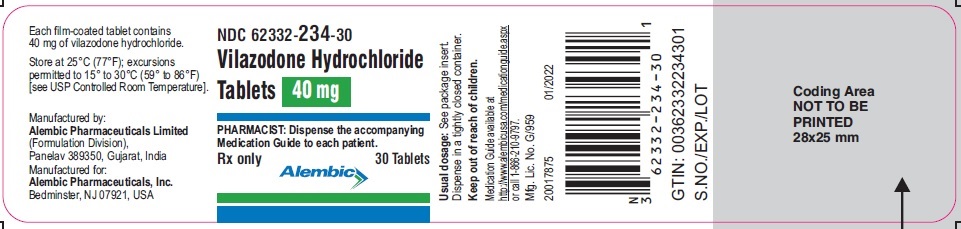
VILAZODONE HYDROCHLORIDE 40 mg Tablet, Film Coated, 90-count
🆔 Identity & classification
Where does this data come from?
🏷️ RxNorm drug class
This medicine belongs to the Other antidepressants class.
Where does this data come from?
🏭 Manufacturer & labeler
Where does this data come from?
🩺 Clinical
Vilazodone is used to treat depression. Vilazodone is in a class of medications called serotonin modulators. It works by increasing the amount of serotonin, a natural substance in the brain that helps maintain mental balance.
Read the full MedlinePlus article ↗- Vilazodone — brand name Viibryd — is an antidepressant approved to treat major depressive disorder (MDD) in adults. MDD is a clinical condition, not just ordinary sadness, and it c...
- Yes, this one genuinely matters. If you take vilazodone without food, your body may absorb up to 50% less of the drug — which could make it significantly less effective. Try to tak...
- Does it really matter if I take it with food?
- The most common ones are digestive: diarrhea, nausea, and sometimes vomiting — especially in the first few weeks. Insomnia, headache, and dizziness are also possible. These often i...
Patient education
Supplement & herbal interactions
Vilazodone may be associated with lower levels of 1 nutrient — worth a chat with your pharmacist, not a cause for alarm.
Where does this data come from?
Ask a licensed pharmacist directly — free, answered by our team.
💊 What it looks like
Where does this data come from?
🧪 Inactive Ingredients / Excipients
Inactive ingredients, also called excipients, are components of the drug product other than the active ingredient. They may include fillers, dyes, coatings, preservatives, flavors, or other formulation ingredients.
💡 Tap an ingredient (hover on desktop) to see what it is and why it’s used.
-
UNII LMI26O6933
Alumina is a white powder form of aluminum oxide. It's used as a filler to add bulk to tablets and capsules, and sometimes as a thickening or anti-caking agent in powdered formulations.
-
UNII H3R47K3TBD
FD&C Blue No. 1 is a synthetic blue dye approved for use in foods and medicines. It serves as a colorant to give the medication its distinctive appearance and help with product identification.
-
UNII 70097M6I30
Magnesium stearate is a salt made from magnesium and stearic acid, a fatty substance. It's used in tablets and capsules as a lubricant and glidant to help ingredients flow smoothly during manufacturing and prevent sticking.
-
UNII OP1R32D61U
Microcrystalline cellulose is a purified form of cellulose, a natural fiber from plant sources. It acts as a binder and filler in tablets and capsules, helping hold ingredients together and give the medicine its shape and size.
-
UNII G2M7P15E5P
Polyethylene glycol 3350 is a synthetic polymer used as a solvent, humectant, and thickening agent in medicines. It helps dissolve other ingredients, retain moisture in the product, and achieve the desired consistency.
-
UNII 532B59J990
Polyvinyl alcohol is a synthetic polymer made from plant-derived materials. It's used as a binder to hold ingredients together, a film-former in coatings, and a thickener in liquid formulations.
-
UNII ETJ7Z6XBU4
Silicon dioxide is a naturally occurring mineral used as a glidant and anti-caking agent. It helps powder ingredients flow smoothly and prevents clumping during manufacturing and storage.
-
UNII 5856J3G2A2
A starch-based powder made from potatoes and processed with sodium. It acts as a disintegrant, helping the tablet or capsule break apart quickly in the stomach so the medicine can be absorbed.
-
UNII 7SEV7J4R1U
A powder made from a naturally occurring mineral. In medicines, talc works as a glidant and anti-caking agent, helping tablets and capsules flow smoothly during manufacturing and preventing clumping.
-
UNII 15FIX9V2JP
Titanium dioxide is a bright white mineral powder commonly used as a colorant and opacifying agent. It makes pills and tablets white or lighter in color and helps make coatings non-transparent.
10 inactive ingredients listed in the exact product block matched to this NDC.
Where does this data come from?
ingredient classCode="IACT" elements from the exact product block matched by this NDC. Label-section narrative from DailyMed / the openFDA label index is shown separately when available.Inactive ingredient FAQ
Are inactive ingredients the same for every manufacturer?
Why might an inactive ingredient be missing?
Can inactive ingredients matter?
💲 Pricing
A drug doesn't have one price. Each row is a different public payment system, and none is what you'd pay at the counter — that depends on your insurance. The ⓘ on each row explains what it measures.
| Price system | Per each | Per package |
|---|---|---|
| Retail pharmacies payNADAC · weekly | Not in the retail survey — common for institutional, discontinued, or low-volume packs. | |
| Medicaid paysCMS SDUD · 12 mo | No recent Medicaid claims on file for this NDC — rare and low-volume NDCs are suppressed in the public data. | |
| Medicare drug plans payPart D · Q2 2026 | $2.06 | $185.09 / 90 tablets |
Where does this data come from?
🔁 Therapeutic equivalents
| Product | Labeler | Pack | NADAC/unit | TE | Status | Price vs. this |
|---|---|---|---|---|---|---|
| Vilazodone Hydrochloride 40 mg 00480-2043-56 | Teva | 30 tablets | $0.900 | AB | Availability likely | — |
| vilazodone hydrochloride 40 mg 60505-4374-03 | Apotex | 30 tablets | $0.900 | AB | Availability likely | — |
| Vilazodone hydrochloride 40 mg 69097-0982-02 | Cipla | 30 tablets | $0.900 | AB | Availability likely | — |
| vilazodone hydrochloride 40 mg 72205-0262-30 | Novadoz | 30 tablets | $0.900 | AB | Availability likely | — |
| vilazodone hydrochloride 40 mg 72603-0815-01 | Northstar | 30 tablets | $0.900 | AB | Availability likely | — |
| Vilazodone hydrochloride 40 mg 76282-0546-30 | Exelan | 30 tablets | $0.900 | AB | Availability likely | — |
| Vilazodone Hydrochloride 40 mg 16729-0354-10 | Accord | 30 tablets | $1.352 | AB | FDA listed | — |
| Viibryd 40 mg 00456-1140-30 | Allergan, | 30 tablets | $12.197 | AB | Availability likely | — |
| Vilazodone Hydrochloride 40 mg 46708-0234-30 | Alembic | 30 tablets | — | AB | FDA listed | — |
| Vilazodone Hydrochloride 40 mg 51407-0917-30 | Golden | 30 tablets | — | AB | FDA listed | — |
| Vilazodone Hydrochloride 40 mgthis 62332-0234-90 | Alembic | 90 tablets | — | AB | FDA listed | — |
| vilazodone hydrochloride 40 mg 68788-8735-03 | Preferred | 30 tablets | — | AB | FDA listed | — |
| vilazodone hydrochloride 40 mg 82804-0128-30 | Proficient | 30 tablets | — | AB | FDA listed | — |
Where does this data come from?
⏳ Availability & generic status
This product is an FDA-approved generic. Other versions of the same drug are listed under Therapeutic equivalents, least expensive first.
Where does this data come from?
💊 Medicaid utilization by pack size
📦 Packaging — all sizes for this product
| Package NDC | Description | Per unit | Per pack | Marketing start | Status |
|---|---|---|---|---|---|
| 62332-0234-30 | 30 TABLET, FILM COATED in 1 BOTTLE (62332-234-30) | $0.8995 / ea | $26.99 | 2022-06-04 | Active |
| 62332-0234-71 | 500 TABLET, FILM COATED in 1 BOTTLE (62332-234-71) | — | — | 2022-06-04 | Active |
| 62332-0234-90 You're viewing this | 90 TABLET, FILM COATED in 1 BOTTLE (62332-234-90) | — | — | 2022-06-04 | Active |
| 62332-0234-91 | 1000 TABLET, FILM COATED in 1 BOTTLE (62332-234-91) | — | — | 2022-06-04 | Active |
You're viewing one of 4 pack sizes for this product.
This pack shows little to no recent Medicaid volume — the 30 tablets pack carries most fills. See all packs ↓
Pack size FAQ
What quantity is in NDC 62332-0234-90?
What is the difference between NDC 62332-0234-90 and NDC 62332-0234-30?
What NDC number is used to bill for this package of VILAZODONE HYDROCHLORIDE 40 mg Tablet, Film Coated?
Prices are the latest CMS NADAC pharmacy acquisition cost per NDC; per-pack figures are per-unit × pack quantity, shown only when the pack is denominated in the same measure NADAC prices.
🧭 About this NDC listing & data coverage
What data is (and isn’t) available for this NDC — tap to expand
| NDC identity (package / product / labeler codes) | ✓ Available |
| Labeler | ✓ Available |
| Product & package description | ✓ Available |
| Marketing category & status | ✓ Available |
| Active ingredient / dosage form / route | ✓ Available |
| FDA label (SPL via DailyMed) | ✓ Available |
| Package photos | ✓ Available |
| Inactive ingredients (structured) | ✓ Available |
| NADAC pharmacy acquisition price (CMS) | — Not published for this NDC CMS publishes NADAC only for NDCs reported in its retail-pharmacy survey. |
| Orange Book / therapeutic-equivalence data | ✓ Available |
| HCPCS J-code billing crosswalk | — Not published for this NDC Most self-administered / retail products have no J-code — that is normal. |
| Medicaid utilization (CMS SDUD) | — Not published for this NDC CMS reports utilization only for NDCs with Medicaid claims above its privacy threshold. |
Questions about this listing
Why is there no price listed?
Is the NDC printed on the package the same as the 11-digit billing NDC?
What do the three segments of this NDC mean?
Is this package still being marketed?
Does this product come in other package sizes?
Who lists this product with the FDA?
Do I need a prescription for this product?
Where does this data come from?
📄 Full prescribing information FDA SPL
🚨 Boxed Warning ▾
WARNING: SUICIDAL THOUGHTS AND BEHAVIORS Antidepressants increased the risk of suicidal thoughts and behaviors in pediatric and young adult patients in short-term studies. Closely monitor all antidepressant-treated patients for clinical worsening and for emergence of suicidal thoughts and behaviors [see Warnings and Precautions (5.1)]. Vilazodone hydrochloride tablets are not approved for use in pediatric patients [see Use in Specific Populations (8.4)].
WARNING: SUICIDAL THOUGHTS AND BEHAVIORS See full prescribing information for complete boxed warning. • Antidepressants increase the risk of suicidal thoughts and behaviors in pediatric and young adult patients (5.1). • Closely monitor all antidepressant-treated patients for clinical worsening and emergence of suicidal thoughts and behaviors (5.1). • Vilazodone hydrochloride tablets are not approved for use in pediatric patients (8.4).
🎯 Indications and Usage ▾
1 INDICATIONS AND USAGE Vilazodone hydrochloride tablets are indicated for the treatment of major depressive disorder (MDD) in adults [see Clinical Studies (14)]. Vilazodone hydrochloride tablets are indicated for the treatment of major depressive disorder (MDD) in adults (1)
⏱️ Dosage and Administration ▾
2 DOSAGE AND ADMINISTRATION • Recommended target dosage: 20 mg to 40 mg once daily with food (2.1, 12.3) • To titrate: start with initial dosage of 10 mg once daily for 7 days, followed by 20 mg once daily. The dose may be increased up to 40 mg once daily after a minimum of 7 days between dosage increases (2.1) • Prior to initiating vilazodone hydrochloride tablets, screen for bipolar disorder (2.2, 5.4) • When discontinuing vilazodone hydrochloride tablets, reduce the dosage gradually (2.4, 5.5)
2.1Dosage for Treatment of Major Depressive Disorder The recommended target dosage for vilazodone hydrochloride tablet is 20 mg to 40 mg orally once daily with food [see Clinical Pharmacology (12.3), Clinical Studies (14)]. To achieve the target dosage, titrate vilazodone hydrochloride tablet as follows: • Start with an initial dosage of 10 mg once daily with food for 7 days, • Then increase to 20 mg once daily with food. • The dose may be increased up to 40 mg once daily with food after a minimum of 7 days between dosage increases.
If a dose is missed, it should be taken as soon as the patient remembers. If it is almost time for the next dose, the patient should skip the missed dose and take the next dose at the regular time. Two doses should not be taken at the same time.
2.2Screen for Bipolar Disorder Prior to Starting Vilazodone Hydrochloride Tablets Prior to initiating treatment with vilazodone hydrochloride tablet or another antidepressant, screen patients for a personal or family history of bipolar disorder, mania, or hypomania [see Warnings and Precautions (5.4)].
2.3Switching to or from a Monoamine Oxidase Inhibitor Antidepressant At least 14 days must elapse between discontinuation of a monoamine oxidase inhibitor (MAOI) antidepressant and initiation of vilazodone hydrochloride tablet. In addition, at least 14 days must elapse after stopping vilazodone hydrochloride tablet before starting an MAOI antidepressant [see Contraindications (4), Warnings and Precautions (5.2)].
2.4Dosage Adjustments with CYP3A4 Inhibitors or Inducers Patients receiving concomitant CYP3A4 inhibitors : During concomitant use of a strong CYP3A4 inhibitor (e.g., itraconazole, clarithromycin, voriconazole), the vilazodone hydrochloride tablet dose should not exceed 20 mg once daily. The original vilazodone hydrochloride tablet dose level, can be resumed when the CYP3A4 inhibitor is discontinued [see Drug Interactions (7)] . Patients receiving concomitant CYP3A4 inducers : Based on clinical response, consider increasing the dosage of vilazodone hydrochloride tablets by 2-fold, up to a maximum 80 mg once daily, over 1 to 2 weeks in patients taking strong CYP3A4 inducers (e.g., carbamazepine, phenytoin, rifampin) for greater than 14 days.
If CYP3A4 inducers are discontinued, gradually reduce the vilazodone hydrochloride tablet dosage to its original level over 1 to 2 weeks [see Drug Interactions (7)] .
2.5Discontinuing Treatment with Vilazodone Hydrochloride Tablets Adverse reactions may occur upon discontinuation of vilazodone hydrochloride tablet [see Warnings and Precautions (5.5)] . A gradual reduction in dosage rather than abrupt cessation is recommended whenever possible. Vilazodone hydrochloride tablet should be down tapered from the 40 mg once daily dose to 20 mg once daily for 4 days, followed by 10 mg once daily for 3 days.
Patients taking vilazodone hydrochloride tablet 20 mg once daily should be tapered to 10 mg once daily for 7 days.
💊 Dosage Forms and Strengths ▾
3 DOSAGE FORMS AND STRENGTHS Vilazodone hydrochloride tablets are available as 10 mg, 20 mg and 40 mg, film-coated tablets. 10 mg : Pink, oval, film-coated, biconvex tablets debossed with ‘497’ on one side and plain on other side. 20 mg : Orange, oval, film-coated, biconvex tablets debossed with ‘498’ on one side and ’L’ on other side.
40 mg : Light blue, oval, film-coated, biconvex tablets debossed with ‘499’ on one side and ’L’ on other side. Tablets: 10 mg, 20 mg, and 40 mg (3)
⛔ Contraindications ▾
4 CONTRAINDICATIONS Vilazodone hydrochloride tablets are contraindicated in: • Patients taking, or within 14 days of stopping, monoamine oxidase inhibitors (MAOIs), including MAOIs such as linezolid or intravenous methylene blue, because of an increased risk of serotonin syndrome [see Warnings and Precautions (5.2), Drug Interactions (7)]. • Concomitant use of monoamine oxidase inhibitors (MAOIs), or use within 14 days of stopping MAOIs (4)
⚠️ Warnings and Cautions ▾
5 WARNINGS AND PRECAUTIONS • Serotonin Syndrome: Increased risk when co-administered with other serotonergic agents, but also when taken alone. If it occurs, discontinue vilazodone hydrochloride tablets and serotonergic agents and initiate supportive treatment (5.2) • Increased Risk of Bleeding: Concomitant use of aspirin, nonsteroidal anti-inflammatory drugs (NSAIDs), other antiplatelet drugs, warfarin, and other anticoagulants may increase this risk (5.3) • Activation of Mania/Hypomania: Screen patients for bipolar disorder (5.4) • Seizures: Can occur with treatment.
Use with caution in patients with a seizure disorder (5.6) • Angle Closure Glaucoma: Avoid use of antidepressants, including vilazodone hydrochloride tablets, in patients with untreated anatomically narrow angles (5.7) • Sexual Dysfunction: Vilazodone hydrochloride tablets may cause symptoms of sexual dysfunction (5.9)
5.1Suicidal Thoughts and Behavior in Adolescents and Young Adults In pooled analyses of placebo-controlled trials of antidepressant drugs (SSRIs and other antidepressant classes) that included approximately 77,000 adult patients, and over 4,500 pediatric patients, the incidence of suicidal thoughts and behaviors in antidepressant-treated patients age 24 years and younger was greater in antidepressant-treated patients than in placebo-treated patients. There was considerable variation in risk of suicidal thoughts and behaviors among drugs, but there was an increased risk identified in young patients for most drugs studied.
There were differences in absolute risk of suicidal thoughts and behaviors across the different indications, with the highest incidence in patients with MDD. The drug-placebo differences in the number of cases of suicidal thoughts and behaviors per 1000 patients treated are provided in Table 1. Table 1: Risk Differences of the Number of Patients with Suicidal Thoughts or Behaviors in the Pooled Placebo-Controlled Trials of Antidepressants in Pediatric and Adult Patients Age Range (years) Drug-Placebo Difference in Number of Patients with Suicidal Thoughts or Behaviors per 1000 Patients Treated Increases Compared to Placebo <18 14 additional patients 18 to 24 5 additional patients Decreases Compared to Placebo 25 to 64 1 fewer patient ≥65 6 fewer patients It is unknown whether the risk of suicidal thoughts and behaviors in children, adolescents, and young adults extends to longer-term use, i.e., beyond four months.
However, there is substantial evidence from placebo-controlled maintenance studies in adults with MDD that antidepressants delay the recurrence of depression and that depression itself is a risk factor for suicidal thoughts and behaviors. Monitor all antidepressant-treated patients for clinical worsening and emergence of suicidal thoughts and behaviors, especially during the initial few months of drug therapy and at times of dosage changes. Counsel family members or caregivers of patients to monitor for changes in behavior and to alert the healthcare provider.
Consider changing the therapeutic regimen, including possibly discontinuing vilazodone hydrochloride tablets, in patients whose depression is persistently worse, or who are experiencing emergent suicidal thoughts or behaviors.
5.2Serotonin Syndrome Serotonin and norepinephrine reuptake inhibitors (SNRIs) and selective serotonin reuptake inhibitor (SSRIs), including vilazodone hydrochloride tablets, can precipitate serotonin syndrome, a potentially life-threatening condition. The risk is increased with concomitant use of other serotonergic drugs (including triptans, tricyclic antidepressants, fentanyl, meperidine, methadone, lithium, tramadol, tryptophan, buspirone, amphetamines, and St. John’s Wort) and with drugs that impair metabolism of serotonin, i.e., MAOIs [see Contraindications (4) and Drug Interactions (7)] .
Serotonin syndrome can also occur when these drugs are used alone. Symptoms of serotonin syndrome were noted in 0.1% of MDD patients treated with vi…
🤒 Adverse Reactions ▾
6 ADVERSE REACTIONS The following adverse reactions are discussed in greater detail in other sections of the labeling: • Suicidal Thoughts and Behaviors in Adolescents and Young Adults [see Warnings and Precautions (5.1)]. • Serotonin Syndrome [see Warnings and Precautions (5.2)]. • Increased Risk of Bleeding [see Warnings and Precautions (5.3)]. • Activation of Mania or Hypomania [see Warnings and Precautions (5.4)]. • Discontinuation Syndrome [see Warnings and Precautions (5.5)]. • Seizures [see Warnings and Precautions (5.6)]. • Angle-Closure Glaucoma [see Warnings and Precautions (5.7)]. • Hyponatremia [see Warnings and Precautions (5.8)]. • Sexual Dysfunction [see Warnings and Precautions (5.9)].
Most common adverse reactions (incidence ≥ 5% and at least twice the rate of placebo): diarrhea, nausea, vomiting, and insomnia (6) To report SUSPECTED ADVERSE REACTIONS, contact Alembic Pharmaceuticals Limited at 1-866-210-9797 or FDA at 1-800-FDA-1088 or www.fda.gov/medwatch .
6.1Clinical Trials Experience Because clinical trials are conducted under widely varying conditions and varying lengths of time, adverse reaction rates observed in the clinical trials of a drug cannot be directly compared to rates in the clinical studies of another drug and may not reflect rates observed in practice. The most commonly observed adverse reactions in vilazodone hydrochloride tablets-treated with major depressive disorder (MDD) in placebo-controlled studies (incidence ≥ 5% and at least twice the rate of placebo) were diarrhea, nausea, vomiting, and insomnia.
Patient Exposure The safety of vilazodone hydrochloride tablets were evaluated in 3,007 patients (18 to 70 years of age) diagnosed with MDD who participated in clinical studies, representing 676 patient-years of exposure. In an open-label 52 week study at 40 mg daily, 599 patients were exposed to vilazodone hydrochloride tablets for a total of 348 patient-years. The adverse reaction information presented below was derived from studies of vilazodone hydrochloride tablets 20 mg and 40 mg daily in patients with MDD including: • Four placebo-controlled 8 to 10-week studies in 2,233 patients, including 1,266 vilazodone hydrochloride tablets -treated patients; and • An open-label 52-week study of 599 vilazodone hydrochloride tablets -treated patients.
These studies included a titration period of 10 mg daily for 7 days, followed by 20 mg daily for 7 days or to 40 mg daily over 2 weeks. In these clinical trials, vilazodone hydrochloride tablets were administered with food. Adverse reactions reported as reasons for discontinuation of treatment In these studies, 7.3% of the vilazodone hydrochloride tablets-treated patients discontinued treatment due to an adverse reaction, compared with 3.5% of placebo-treated patients.
The most common adverse reaction leading to discontinuation in at least 1% of the vilazodone hydrochloride tablets-treated patients in the placebo-controlled studies was nausea (1.4%). Common adverse reactions in placebo-controlled MDD studies Table 2 shows the incidence of common adverse reactions occurring in ≥ 2% of vilazodone hydrochloride tablets-treated patients and greater than the rate of placebo-treated patients in MDD Studies. There were no dose-related adverse reactions between 20 mg and 40 mg reported.
Table 2: Common Adverse Reactions Occurring in ≥2% of Vilazodone Hydrochloride Tablets-Treated Patients and Greater than the Rate of Placebo-Treated Patients System Organ Class Preferred Term Placebo N=967 Vilazodone Hydrochloride Tablets 20 mg/day N=288 Vilazodone Hydrochloride Tablets 40 mg/day N=978 Gastrointestinal disorders Diarrhea 10% 26% 29% Nausea 7% 22% 24% Dry mouth 5% 8% 7% Vomiting 2% 4% 5% Abdominal pain 1 3% 7% 4% Dyspepsia 2% 2% 3% Flatulence 1% 3% 3% Gastroenteritis 1% 1% 2% Abdominal distension 1% 2% 1% Nervous system disorders Headache 2 14% 15% 14% Dizziness 5% 6% 8% Somnolence 2% 4% 5% Paresthesia 1% 1% 2% Psychiatric disorders Insomnia 2% 7% 6% Abnor…
🔄 Drug Interactions ▾
7 DRUG INTERACTIONS • CYP3A4 Inhibitors: The vilazodone hydrochloride tablet dose should not exceed 20 mg once daily when co-administered with strong CYP3A4 inhibitors (2.4, 7) • CYP3A4 Inducers: Consider increasing vilazodone hydrochloride tablets dosage by 2-fold, up to 80 mg once-daily over 1 to 2 weeks when used concomitantly with strong CYP3A4 inducers for greater than 14 days (2.4, 7)
7.1Drugs Having Clinically Important Interactions With Vilazodone Hydrochloride Tablets Table 4: Clinically Important Drug Interactions with Vilazodone Hydrochloride Tablets Concomitant Drug Name or Drug Class Clinical Rationale Clinical Recommendation Monoamine Oxidase Inhibitors (MAOIs) The concomitant use of MAOIs and serotonergic drugs including vilazodone hydrochloride tablets increases the risk of serotonin syndrome. Vilazodone hydrochloride tablets are contraindicated in patients taking MAOIs, including MAOIs such as linezolid or intravenous methylene blue [see Contraindications (4), Dosage and Administration (2.3), and Warnings and Precautions (5.2)].
Other Serotonergic Drugs Concomitant use of vilazodone hydrochloride tablets with other serotonergic drugs (including other SSRIs, SNRIs, triptans, tricyclic antidepressants, opioids, lithium, buspirone, amphetamines, tryptophan, and St. John's Wort) increases the risk of serotonin syndrome. Monitor patients for signs and symptoms of serotonin syndrome, particularly during vilazodone hydrochloride tablets initiation.
If serotonin syndrome occurs, consider discontinuation of vilazodone hydrochloride tablets and/or concomitant serotonergic drugs [see Warnings and Precautions (5.2)]. Antiplatelet Agents and Anticoagulants Serotonin release by platelets plays an important role in hemostasis. The concurrent use of an antiplatelet agent or anticoagulant with vilazodone hydrochloride tablets may potentiate the risk of bleeding.
Inform patients of the increased risk of bleeding with the concomitant use of vilazodone hydrochloride tablets and antiplatelet agents and anticoagulants. For patients taking warfarin, carefully monitor the international normalized ratio (INR) when initiating, titrating, or discontinuing vilazodone hydrochloride tablets [see Warnings and Precautions (5.3)]. Strong CYP3A4 Inhibitors (e.g., itraconazole, clarithromycin, voriconazole) The concomitant use of vilazodone hydrochloride tablets and strong CYP3A4 inhibitors increased the exposure of vilazodone compared to the use of vilazodone hydrochloride tablets alone [see Clinical Pharmacology (12.3)].
The vilazodone hydrochloride tablet dose should not exceed 20 mg once daily with the concomitant use of a strong CYP3A4 inhibitor [see Dosage and Administration (2.4), Clinical Pharmacology (12.3)]. Strong CYP3A4 Inducers (e.g., carbamazepine, phenytoin, rifampin) The concomitant use of vilazodone hydrochloride tablets and strong CYP3A4 inducers decreased the exposure of vilazodone compared to the use of vilazodone hydrochloride tablets alone [see Clinical Pharmacology (12.3)]. Based on clinical response, consider increasing the dosage of vilazodone hydrochloride tablets, over 1 to 2 weeks in patients taking strong CYP3A4 inducers for greater than 14 days [see Dosage and Administration (2.4), Clinical Pharmacology (12.3)].
Digoxin Digoxin is a narrow therapeutic index drug. Concomitant use of vilazodone hydrochloride tablets increased digoxin concentrations [see Clinical Pharmacology (12.3)] . Measure serum digoxin concentrations before initiating concomitant use of vilazodone hydrochloride tablets.
Continue monitoring and reduce digoxin dose as necessary.
7.2Drugs Having No Clinically Important Interactions With Vilazodone Hydrochloride Tablets Based on pharmacokinetic studies, no dosage adjustment is required for drugs that are substrates of CYP1A2, CYP2B6, CYP2C9, CYP2C19, CYP2D6, CYP3A4, and/or P-glycoprotein (except narrow therapeutic index drugs, e.g., digoxin), when vilazodone hydrochloride tablets are administered c…
👥 Use in Specific Populations ▾
8 USE IN SPECIFIC POPULATIONS • Pregnancy: Third trimester use may increase risk for persistent pulmonary hypertension and withdrawal in the newborn (8.1)
8.1Pregnancy Pregnancy Exposure Registry There is a pregnancy exposure registry that monitors pregnancy outcomes in women exposed to antidepressants during pregnancy. Healthcare providers are encouraged to advise patients to register by calling the National Pregnancy Registry for Antidepressants at 1-844-405-6185 or visiting online at https://womensmentalhealth.org/research/pregnancyregistry/antidepressants. Risk Summary Based on data from published observational studies, exposure to SSRIs, particularly in the month before delivery, has been associated with a less than 2-fold increase in the risk of postpartum hemorrhage [see Warnings and Precautions (5.3) and Clinical Considerations] .
There are no adequate and well-controlled studies of vilazodone hydrochloride tablets in pregnant women. The background risk of major birth defects and miscarriage for the indicated population is unknown. However, the background risk in the U.S. general population of major birth defects is 2 to 4% and of miscarriage is 15 to 20% of clinically recognized pregnancies.
In animal reproduction studies, oral administration of vilazodone during the period of organogenesis at doses up to 48 and 17 times the maximum recommended human dose (MRHD) in rats and rabbits, respectively, resulted in decreased fetal body weight gain and delayed skeletal ossification but no teratogenic effects were observed. Decreased fetal body weight and delayed skeletal ossification were not observed at doses up to 10 and 4 times the MRHD in rats and rabbits, respectively [see Data] . Clinical Considerations Disease-associated maternal and/or embryo/fetal risk A prospective, longitudinal study followed 201 pregnant women with a history of major depressive disorder who were euthymic and taking antidepressants at the beginning of pregnancy.
The women who discontinued antidepressants during pregnancy were more likely to experience a relapse of major depression than women who continued antidepressants. Consider the risks of untreated depression when discontinuing or changing treatment with antidepressant medication during pregnancy and postpartum. Maternal Adverse Reactions Use of vilazodone hydrochloride tablets in the month before delivery may be associated with an increased risk of postpartum hemorrhage [see Warnings and Precautions (5.3)] .
Fetal/Neonatal adverse reactions Exposure to SSRIs and SNRIs, including vilazodone hydrochloride tablets, in late pregnancy may lead to an increased risk for neonatal complications requiring prolonged hospitalization, respiratory support, and tube feeding, and/or persistent pulmonary hypertension of the newborn (PPHN). Monitor neonates who were exposed to vilazodone hydrochloride tablets in the third trimester of pregnancy for PPHN and drug discontinuation syndrome [see Data] . Data Human Data Third Trimester Exposure Neonates exposed to SSRIs or SNRIs late in the third trimester, have developed complications requiring prolonged hospitalization, respiratory support, and tube feeding.
These findings are based on post-marketing reports. Such complications can arise immediately upon delivery. Reported clinical findings have included respiratory distress, cyanosis, apnea, seizures, temperature instability, feeding difficulty, vomiting, hypoglycemia, hypotonia, hypertonia, hyperreflexia, tremor, jitteriness, irritability, and constant crying.
These features are consistent with either a direct toxic effect of SSRIs and SNRIs or, possibly, a drug discontinuation syndrome. In some cases, the clinical picture was consistent with serotonin syndrome [see Warnings and Precautions (5.2)] . Exposure during late pregnancy to SSRIs may have an increased risk for persistent pulmonary hypertension of the newborn (PPHN).
PPHN occurs in 1 to 2 per 1,000 live births in the general population and is associate…
🤰 Pregnancy ▾
8.1Pregnancy Pregnancy Exposure Registry There is a pregnancy exposure registry that monitors pregnancy outcomes in women exposed to antidepressants during pregnancy. Healthcare providers are encouraged to advise patients to register by calling the National Pregnancy Registry for Antidepressants at 1-844-405-6185 or visiting online at https://womensmentalhealth.org/research/pregnancyregistry/antidepressants. Risk Summary Based on data from published observational studies, exposure to SSRIs, particularly in the month before delivery, has been associated with a less than 2-fold increase in the risk of postpartum hemorrhage [see Warnings and Precautions (5.3) and Clinical Considerations] .
There are no adequate and well-controlled studies of vilazodone hydrochloride tablets in pregnant women. The background risk of major birth defects and miscarriage for the indicated population is unknown. However, the background risk in the U.S. general population of major birth defects is 2 to 4% and of miscarriage is 15 to 20% of clinically recognized pregnancies.
In animal reproduction studies, oral administration of vilazodone during the period of organogenesis at doses up to 48 and 17 times the maximum recommended human dose (MRHD) in rats and rabbits, respectively, resulted in decreased fetal body weight gain and delayed skeletal ossification but no teratogenic effects were observed. Decreased fetal body weight and delayed skeletal ossification were not observed at doses up to 10 and 4 times the MRHD in rats and rabbits, respectively [see Data] . Clinical Considerations Disease-associated maternal and/or embryo/fetal risk A prospective, longitudinal study followed 201 pregnant women with a history of major depressive disorder who were euthymic and taking antidepressants at the beginning of pregnancy.
The women who discontinued antidepressants during pregnancy were more likely to experience a relapse of major depression than women who continued antidepressants. Consider the risks of untreated depression when discontinuing or changing treatment with antidepressant medication during pregnancy and postpartum. Maternal Adverse Reactions Use of vilazodone hydrochloride tablets in the month before delivery may be associated with an increased risk of postpartum hemorrhage [see Warnings and Precautions (5.3)] .
Fetal/Neonatal adverse reactions Exposure to SSRIs and SNRIs, including vilazodone hydrochloride tablets, in late pregnancy may lead to an increased risk for neonatal complications requiring prolonged hospitalization, respiratory support, and tube feeding, and/or persistent pulmonary hypertension of the newborn (PPHN). Monitor neonates who were exposed to vilazodone hydrochloride tablets in the third trimester of pregnancy for PPHN and drug discontinuation syndrome [see Data] . Data Human Data Third Trimester Exposure Neonates exposed to SSRIs or SNRIs late in the third trimester, have developed complications requiring prolonged hospitalization, respiratory support, and tube feeding.
These findings are based on post-marketing reports. Such complications can arise immediately upon delivery. Reported clinical findings have included respiratory distress, cyanosis, apnea, seizures, temperature instability, feeding difficulty, vomiting, hypoglycemia, hypotonia, hypertonia, hyperreflexia, tremor, jitteriness, irritability, and constant crying.
These features are consistent with either a direct toxic effect of SSRIs and SNRIs or, possibly, a drug discontinuation syndrome. In some cases, the clinical picture was consistent with serotonin syndrome [see Warnings and Precautions (5.2)] . Exposure during late pregnancy to SSRIs may have an increased risk for persistent pulmonary hypertension of the newborn (PPHN).
PPHN occurs in 1 to 2 per 1,000 live births in the general population and is associated with substantial neonatal morbidity and mortality. In a retrospective case-control study of 377 women whose infants were born with PPHN and 836 women who…
🧒 Pediatric Use ▾
8.4Pediatric Use The safety and effectiveness of vilazodone hydrochloride tablets have not been established in pediatric patients for the treatment of MDD. Efficacy was not demonstrated in two adequate and well controlled, 8-week studies including a total of 1002 pediatric patients ages 7 years to 17 years of age with MDD. The following adverse reactions were reported in at least 5% of pediatric patients treated with vilazodone hydrochloride tablets and occurred at a rate at least twice that for pediatric patients receiving placebo: nausea, vomiting, diarrhea, abdominal pain/discomfort, and dizziness.
Antidepressants increased the risk of suicidal thoughts and behaviors in pediatric patients [see Boxed Warning, Warnings and Precautions (5.1), and Adverse Reactions (6.2)] . Juvenile Animal Toxicity Data In a juvenile animal study, male and female rats were treated with vilazodone (10, 50, and 200 mg/kg/day) starting on postnatal day (PND) 21 through 90. A delay in the age of attainment of vaginal patency (i.e., sexual maturation) was observed in females starting at 50 mg/kg/day with a No Observed Adverse Effect Level (NOAEL) of 10 mg/kg/day.
This NOAEL was associated with AUC levels similar to those measured at a maximum dose tested in pediatrics (30 mg). Adverse behavioral effects (lack of habituation in an acoustic startle test) were observed in males at 200 mg/kg and females starting at 50 mg/kg both during drug treatment and the recovery periods. The NOAEL for this finding was 50 mg/kg for males and 10 mg/kg for females, which was associated with AUC levels greater than (males) or similar (females), to those observed with the maximum dose tested in pediatric patients.
An 8% decrease in femur mineral density was observed in female rats at 200 mg/kg, compared to the control group. The NOAEL for this finding was 50 mg/kg, which was associated with an AUC level greater than those measured at the maximum dose tested in pediatrics.
🧓 Geriatric Use ▾
8.5Geriatric Use Based on a pharmacokinetic study, no dosage adjustment of vilazodone hydrochloride tablets are recommended on the basis of age (see Figure 3). Results from pharmacokinetic study of a single 20 mg vilazodone hydrochloride tablet dose in geriatric subjects (> 65 years-old) vs. younger subjects (24 to 55 years-old) demonstrated that the pharmacokinetics were generally similar between the two age groups [see Clinical Pharmacology (12.3)]. Clinical studies of vilazodone hydrochloride tablets did not include sufficient numbers of subjects aged 65 and over to determine whether they respond differently from younger subjects.
Of the 3,007 patients in clinical studies with vilazodone hydrochloride tablets, 65 (2.2%) were 65 years of age or older, and 378 (12.6%) were 55 to 64 years of age. In general, dose selection for an elderly patient should be conservative, usually starting at the low end of the dosing range, reflecting the greater frequency of decreased hepatic, renal, or cardiac function, and of concomitant disease or other drug therapy. Serotonergic antidepressants have been associated with cases of clinically significant hyponatremia in elderly patients, who may be at greater risk for this adverse reaction [see Warnings and Precautions (5.8)] .
No other differences in adverse reactions were observed between geriatric and younger patients.
🆘 Overdosage ▾
10 OVERDOSAGE There is limited clinical trial experience regarding human overdose with vilazodone hydrochloride tablets. The adverse reactions associated with overdose of vilazodone hydrochloride tablets at doses of 200 to 280 mg (5 to 7 times the recommended dosage) as observed in clinical trials included serotonin syndrome, lethargy, restlessness, hallucinations, and disorientation. For current information on the management of poisoning or overdose, contact a poison control center at 1-800-222-1222.
No specific antidotes for vilazodone are known. Removal of vilazodone by dialysis has not been studied; however, the high volume of distribution of vilazodone suggests that dialysis will not be effective in reducing vilazodone plasma concentrations.
🧬 Clinical Pharmacology ▾
12 CLINICAL PHARMACOLOGY
12.1Mechanism of Action The mechanism of action of vilazodone in the treatment of major depressive disorder is not fully understood, but is thought to be related to its enhancement of serotonergic activity in the CNS through selective inhibition of serotonin reuptake. Vilazodone is also a partial agonist at serotonergic 5-HT 1A receptors; however, the net result of this action on serotonergic transmission and its role in vilazodone’s antidepressant effect are unknown.
12.2Pharmacodynamics Vilazodone binds with high affinity to the serotonin reuptake site (Ki= 0.1 nM), but not to the norepinephrine (Ki=56 nM) or dopamine (Ki=37 nM) reuptake sites. Vilazodone potently and selectively inhibits reuptake of serotonin (IC 50 = 1.6 nM). Vilazodone also binds selectively with high affinity to 5-HT 1A receptors (IC 50 =2.1 nM) and is a 5-HT 1A receptor partial agonist.
Cardiac Electrophysiology Treatment with vilazodone hydrochloride tablets did not prolong the QTc interval. The effect of vilazodone hydrochloride tablets [20, 40, 60, and 80 mg (2 times the recommended dosage)] on the QTc interval was evaluated in a randomized, placebo-, and active-controlled (moxifloxacin 400 mg), parallel-group, thorough QTc study in 157 healthy subjects. The study demonstrated an ability to detect small effects.
The upper bound of the 90% confidence interval for the largest placebo-adjusted, baseline-corrected QTc interval was below 10 msec, based on the individual correction method (QTcI). Thus, at doses of 2 times the recommended dosage, vilazodone hydrochloride tablets did not prolong the QTc interval to a clinically relevant extent.
12.3Pharmacokinetics Vilazodone activity is due primarily to the parent drug. The pharmacokinetics of vilazodone (5 mg to 80 mg) are dose-proportional. Accumulation of vilazodone after administration of single vilazodone hydrochloride tablet doses did not vary with dose, and steady-state was achieved in about 3 days.
Elimination of vilazodone is primarily by hepatic metabolism with a terminal half-life of approximately 25 hours. At steady-state, after daily dosing of vilazodone hydrochloride tablets 40 mg under fed conditions, the mean C max value is 156 ng/mL, and the mean AUC ( 0-24 hours ) value is 1645 ng·h/mL. Absorption Vilazodone concentrations peaked at a median of 4 to 5 hours (T max ) after vilazodone hydrochloride tablets administration and decline with a terminal half-life of approximately 25 hours.
The absolute bioavailability of vilazodone is 72% with food. Vilazodone AUC and C max in the fasted state can be decreased by approximately 50% and 60%, respectively, compared to the fed state. Administration without food can result in inadequate drug concentrations and may reduce effectiveness.
Coadministration of vilazodone hydrochloride tablets with ethanol or with a proton pump inhibitor (pantoprazole) did not affect the rate or extent of vilazodone absorption. In addition, neither the Tmax nor terminal elimination rate of vilazodone was altered by coadministration with either pantoprazole or ethanol. Absorption is decreased by approximately 25% if vomiting occurs within 7 hours of ingestion; no replacement dose is needed.
Distribution Vilazodone is widely distributed and approximately 96 to 99% protein-bound. Administration of vilazodone hydrochloride tablets to a patient taking another drug that is highly protein bound may cause increased free concentrations of the other drug, because vilazodone is highly bound to plasma protein. The interaction between vilazodone and other highly protein-bound drugs has not been evaluated.
Metabolism and Elimination Vilazodone hydrochloride tablet is extensively metabolized through CYP and non-CYP pathways (possibly by carboxylesterase), with only 1% of the dose recovered in the urine and 2% of the dose recovered in the feces as unchanged vilazodone. CYP3A4 is primarily responsible for its metabolism among CYP pathways, with minor contribution…
🧬 Mechanism of Action ▾
12.1Mechanism of Action The mechanism of action of vilazodone in the treatment of major depressive disorder is not fully understood, but is thought to be related to its enhancement of serotonergic activity in the CNS through selective inhibition of serotonin reuptake. Vilazodone is also a partial agonist at serotonergic 5-HT 1A receptors; however, the net result of this action on serotonergic transmission and its role in vilazodone’s antidepressant effect are unknown.
📦 How Supplied / Storage and Handling ▾
16 HOW SUPPLIED/STORAGE AND HANDLING Vilazodone hydrochloride tablets 10 mg are pink, oval, film-coated, biconvex tablets debossed with ‘497’ on one side and plain on other side. Bottle of 30 NDC 62332-232-30 Bottle of 90 NDC 62332-232-90 Bottle of 500 NDC 62332-232-71 Bottle of 1000 NDC 62332-232-91 Vilazodone hydrochloride tablets 20 mg are orange, oval, film-coated, biconvex tablets debossed with ‘498’ on one side and ‘L’ on other side. Bottle of 30 NDC 62332-233-30 Bottle of 90 NDC 62332-233-90 Bottle of 500 NDC 62332-233-71 Bottle of 1000 NDC 62332-233-91 Vilazodone hydrochloride tablets 40 mg are light blue, oval, film-coated, biconvex tablets debossed with ‘499’ on one side and ‘L’ on other side.
Bottle of 30 NDC 62332-234-30 Bottle of 90 NDC 62332-234-90 Bottle of 500 NDC 62332-234-71 Bottle of 1000 NDC 62332-234-91 Vilazodone hydrochloride tablets should be stored at 25°C (77°F); excursions permitted to 15° to 30°C (59° to 86°F) [see USP Controlled Room Temperature].
📋 Description ▾
11 DESCRIPTION Vilazodone hydrochloride tablets for oral administration contain vilazodone hydrochloride (HCl), a selective serotonin reuptake inhibitor and a 5HT 1A receptor partial agonist. Vilazodone HCl is 2-benzofurancarboxamide, 5-[4-[4-(5-cyano-1 H -indol-3-yl)butyl]-1-piperazinyl]-, hydrochloride (1:1). Its molecular weight is 477.99.
The structural formula is: Vilazodone hydrochloride tablets are available as 10 mg, 20 mg, and 40 mg film-coated tablets containing 10 mg, 20 mg, and 40 mg of vilazodone HCl, respectively. In addition to the active ingredient, vilazodone hydrochloride tablets contain microcrystalline cellulose, colloidal silicon dioxide, sodium starch glycolate, magnesium stearate, polyvinyl alcohol, polyethylene glycol, talc, titanium dioxide, FD&C Red No. # 40 Al Lake (10 mg only), FD&C Yellow No. # 6 Al Lake (20 mg only) and FD&C Blue No. # 1 Al Lake (40 mg only). vilazodone-fig.jpg
💬 Information for Patients ▾
17 PATIENT COUNSELING INFORMATION Advise the patient to read the FDA-approved patient labeling (Medication Guide). Suicidal Thoughts and Behaviors Advise patients and caregivers to look for the emergence of suicidality, especially early during treatment and when the dosage is adjusted up or down and instruct them to report such symptoms to the healthcare provider [see Boxed Warning and Warnings and Precautions (5.1)] . Dosage and Administration Instruct patients to take vilazodone hydrochloride tablets with food and to follow prescribed dosage instructions [see Dosage and Administration (2.1, 2.3, 2.4, 2.5)].
Serotonin Syndrome Caution patients about the risk of serotonin syndrome, particularly with the concomitant use of vilazodone hydrochloride tablets with other serotonergic drugs including triptans, tricyclic antidepressants, opioids, lithium, tryptophan, buspirone, amphetamines, and St. John’s Wort, and with drugs that impair metabolism of serotonin (in particular, MAOIs, both those intended to treat psychiatric disorders and also others, such as linezolid). Patients should contact their health care provider or report to the emergency room if they experience signs or symptoms of serotonin syndrome [see Warnings and Precautions (5.2) and Drug Interactions (7)] .
Increased Risk of Bleeding Inform patients about the concomitant use of vilazodone hydrochloride tablets with aspirin, NSAIDs, other antiplatelet drugs, warfarin, or other anticoagulants because the combined use of drugs that interfere with serotonin reuptake (e.g., vilazodone hydrochloride tablets) and these medications has been associated with an increased risk of bleeding. Advise them to inform their health care providers if they are taking or planning to take any prescription or over-the-counter medications that increase the risk of bleeding [see Warnings and Precautions (5.3)] .
Activation of Mania/Hypomania Advise patients and their caregivers to observe for signs of activation of mania/hypomania and instruct them to report such symptoms to the healthcare provider [see Warnings and Precautions (5.4)] . Discontinuation Syndrome Advise patients not to abruptly discontinue vilazodone hydrochloride tablets and to discuss any tapering regimen with their healthcare provider. Adverse reactions can occur when vilazodone hydrochloride tablets are discontinued [see Warnings and Precautions (5.5)].
Seizures Caution patients about using vilazodone hydrochloride tablets if they have a history of a seizure disorder [see Warnings and Precautions (5.6)] . Sexual Dysfunction Advise patients that use of vilazodone hydrochloride tablets may cause symptoms of sexual dysfunction in both male and female patients. Inform patients that they should discuss any changes in sexual function and potential management strategies with their healthcare provider [see Warnings and Precautions (5.9)] .
Allergic Reactions Advise patients to notify their healthcare provider if they develop an allergic reaction such as rash, hives, swelling, or difficulty breathing [see Adverse Reactions (6.2)] . Concomitant Medications Advise patients to inform their health care providers if they are taking, or plan to take any prescription or over-the-counter medications since there is a potential for interactions [see Drug Interactions (7.1)]. Pregnancy • Advise pregnant women to notify their healthcare provider if they become pregnant or intend to become pregnant during treatment with vilazodone hydrochloride tablets [see Use in Specific Populations (8.1)]. • Advise patients that vilazodone hydrochloride tablets use late in pregnancy may lead to an increased risk for neonatal complications requiring prolonged hospitalization, respiratory support, tube feeding, and/or persistent pulmonary hypertension of the newborn (PPHN) [see Use in Specific Populations (8.1)] . • Advise patients that there is a pregnancy exposure registry that monitors pregnancy outcomes in women exposed to vilazodone hydrochloride tablets du…
💬 Medication Guide ▾
MEDICATION GUIDE Vilazodone ( vil-AZ-oh-done ) Hydrochloride Tablets, for oral use What is the most important information I should know about vilazodone hydrochloride tablets? Vilazodone hydrochloride tablets may cause serious side effects, including: • Increased risk of suicidal thoughts or actions in some children, adolescents, and young adults. Vilazodone hydrochloride tablets and other antidepressant medicines may increase suicidal thoughts or actions in some people 24 years of age and younger, especially within the first few months of treatment or when the dose is changed.
Vilazodone hydrochloride tablet is not for use in children. o Depression or other serious mental illnesses are the most important causes of suicidal thoughts or actions. Some people may have a higher risk of having suicidal thoughts or actions. These include people who have (or have a family history of) depression, bipolar illness (also called manic-depressive illness) or have a history of suicidal thoughts or actions.
How can I watch for and try to prevent suicidal thoughts and actions? o Pay close attention to any changes, especially sudden changes in mood, behavior, thoughts, or feelings, or if you develop suicidal thoughts or actions. This is very important when an antidepressant medicine is started or when the dose is changed. o Call your healthcare provider right away to report new or sudden changes in mood, behavior, thoughts, or feelings. o Keep all follow-up visits with your healthcare provider as scheduled. Call your healthcare provider between visits as needed, especially if you have concerns about symptoms.
Call your healthcare provider or get emergency medical help right away if you or your family member have any of the following symptoms, especially if they are new, worse, or worry you: • attempts to commit suicide • acting on dangerous impulses • acting aggressive, being angry or violent • thoughts about suicide or dying • new or worse depression • new or worse anxiety • panic attacks • feeling agitated or restless • new or worse irritability • trouble sleeping (insomnia) • an extreme increase in activity • other unusual changes in behavior or or talking (mania) mood What is vilazodone hydrochloride tablet?
Vilazodone hydrochloride tablet is a prescription medicine used to treat a certain type of depression called Major Depressive Disorder (MDD) in adults. It is not known if vilazodone hydrochloride tablet is safe and effective for use in children for the treatment of MDD. Who should not take vilazodone hydrochloride tablets?
Do not take vilazodone hydrochloride tablets if you: • take a Monoamine Oxidase Inhibitor (MAOI) • have stopped taking an MAOI in the last 14 days • are being treated with the antibiotic linezolid or intravenous methylene blue Ask your healthcare provider or pharmacist if you are not sure if you take an MAOI, including the antibiotic linezolid or intravenous methylene blue. Do not start taking an MAOI for at least 14 days after you stop treatment with vilazodone hydrochloride tablets. Before taking vilazodone hydrochloride tablets, tell your healthcare provider about all your medical conditions, including if you: • have or have a family history of suicide, depression, bipolar disorder, mania or hypomania • have or had bleeding problems • have or had seizures or convulsions • have high pressure in the eye (glaucoma) • have or had seizures or convulsions • have low sodium levels in your blood • drink alcohol • are pregnant or plan to become pregnant.
Taking Vilazodone hydrochloride tablets late in pregnancy may lead to an increased risk of certain problems in your newborn. Talk to your healthcare provider about the risks to your baby if you take vilazodone hydrochloride tablets during pregnancy. Tell your healthcare provider right away if you become pregnant or think you may be pregnant during treatment with vilazodone hydrochloride tablets. o There is a pregnancy registry for females who are exposed to vilazodone hydr…