
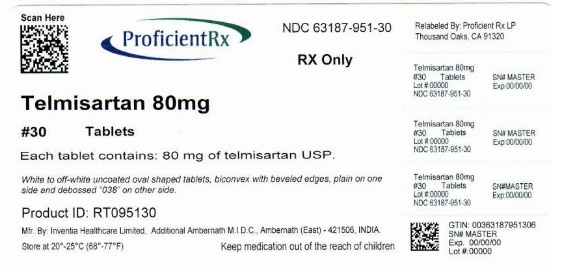
telmisartan 80 mg Tablet, 60-count
🆔 Identity & classification
Where does this data come from?
🏷️ RxNorm drug class
This medicine belongs to the Angiotensin 2 Receptor Blocker class.
Where does this data come from?
🏭 Manufacturer & labeler
Where does this data come from?
🩺 Clinical
Telmisartan is used to treat high blood pressure. Telmisartan is also used to decrease the chance of heart attack, stroke, or death in people 55 years of age or older who are at high risk for cardiovascular disease. Telmisartan is in a class of medications called angiotensin II receptor antagonists. It works by blocking the action of certain natural substances that tighten the blood vessels, allowing the blood to flow more smoothly and the heart to pump more efficiently. Untreated high blood pressure can damage the brain, heart, blood vessels, kidneys and other parts of the body. This damage m...
Read the full MedlinePlus article ↗- Telmisartan is used for two main reasons. First, it treats high blood pressure — bringing your numbers down protects you from strokes and heart attacks. Second, for people 55 and o...
- You take telmisartan once a day, and it can be taken with or without food — whichever fits your routine best. The most important thing is to take it at roughly the same time every...
- When should I take it, and does it matter if I take it with food?
- Most people do fine on telmisartan. Back pain, a stuffy or sore throat, mild diarrhea, or a runny nose are the more common, minor complaints. What you really need to call about rig...
Patient education
Supplement & herbal interactions
Some supplements/herbs that may interact with Telmisartan — tap one for details:
Telmisartan may be associated with lower levels of 1 nutrient — worth a chat with your pharmacist, not a cause for alarm.
Where does this data come from?
Ask a licensed pharmacist directly — free, answered by our team.
💊 What it looks like
Where does this data come from?
🧪 Inactive Ingredients / Excipients
Inactive ingredients, also called excipients, are components of the drug product other than the active ingredient. They may include fillers, dyes, coatings, preservatives, flavors, or other formulation ingredients.
💡 Tap an ingredient (hover on desktop) to see what it is and why it’s used.
-
UNII 70097M6I30
Magnesium stearate is a salt made from magnesium and stearic acid, a fatty substance. It's used in tablets and capsules as a lubricant and glidant to help ingredients flow smoothly during manufacturing and prevent sticking.
-
UNII 3OWL53L36A
A natural sugar alcohol derived from seaweed or synthesized in the lab. It's used as a filler to add bulk, a sweetener in sugar-free formulas, and a disintegrant to help tablets break apart in the stomach.
-
UNII 6HG8UB2MUY
Meglumine is a sugar-alcohol compound used as a solubilizer and pH buffer in medicines. It helps dissolve drugs that don't mix well in water and maintains stable acidity levels in the formulation.
-
UNII FZ989GH94E
Povidone is a synthetic polymer made from a plastic-like material. It acts as a binder to hold tablet ingredients together and as a disintegrant to help the tablet break apart in your stomach so the medicine can be absorbed.
-
UNII 55X04QC32I
A strong alkaline chemical used to adjust and maintain the pH balance of liquid medicines. It helps keep the medicine stable and ensures it stays effective during storage.
-
UNII 7CV7WJK4UI
Sodium stearyl fumarate is a synthetic compound made from stearyl alcohol and fumaric acid. It acts as a lubricant and glidant in tablets and capsules, helping ingredients flow smoothly during manufacturing and preventing sticking.
6 inactive ingredients listed in the exact product block matched to this NDC.
Where does this data come from?
ingredient classCode="IACT" elements from the exact product block matched by this NDC. Label-section narrative from DailyMed / the openFDA label index is shown separately when available.Inactive ingredient FAQ
Are inactive ingredients the same for every manufacturer?
Why might an inactive ingredient be missing?
Can inactive ingredients matter?
💲 Pricing
A drug doesn't have one price. Each row is a different public payment system, and none is what you'd pay at the counter — that depends on your insurance. The ⓘ on each row explains what it measures.
| Price system | Per each | Per package |
|---|---|---|
| Retail pharmacies payNADAC · weekly | Not in the retail survey — common for institutional, discontinued, or low-volume packs. | |
| Medicaid paysCMS SDUD · 12 mo | No recent Medicaid claims on file for this NDC — rare and low-volume NDCs are suppressed in the public data. | |
| Medicare drug plans payPart D · Q2 2026 | $0.3317 | $19.90 / 60 tablets |
Where does this data come from?
🔁 Therapeutic equivalents
| Product | Labeler | Pack | NADAC/unit | TE | Status | Price vs. this |
|---|---|---|---|---|---|---|
| Telmisartan 80 mg 00378-2922-77 | Mylan | 90 tablets | $0.156 | AB | Availability likely | — |
| Telmisartan 80 mg 43547-0285-03 | Solco | 30 tablets | $0.156 | AB | Availability likely | — |
| Telmisartan 80 mg 62135-0537-30 | Chartwell | 30 tablets | $0.156 | AB | Availability likely | — |
| Telmisartan 80 mg 65862-0869-03 | Aurobindo | 30 tablets | $0.156 | AB | Availability likely | — |
| Telmisartan 80 mg 70756-0314-30 | Lifestar | 30 tablets | $0.156 | AB | Availability likely | — |
| Telmisartan 80 mg 72603-0833-01 | NorthStar | 30 tablets | $0.156 | AB | Availability likely | — |
| Telmisartan 80 mg 59746-0441-32 | Jubilant | 30 tablets | $0.268 | AB | FDA listed | — |
| Micardis 80 mg 00597-0041-37 | Boehringer | 30 tablets | $4.482 | — | Discontinued | — |
| Telmisartan 80 mg 33342-0120-07 | Macleods | 30 tablets | — | AB | FDA listed | — |
| Telmisartan 80 mg 42291-0792-30 | AvKARE | 30 tablets | — | AB | FDA listed | — |
| Telmisartan 80 mg 42571-0228-05 | Micro | 500 tablets | — | AB | Discontinued | — |
| Telmisartan 80 mg 46708-0610-10 | Alembic | 100 tablets | — | AB | FDA listed | — |
| Telmisartan 80 mg 50090-5492-00 | A-S | 90 tablets | — | AB | FDA listed | — |
| Telmisartan 80 mg 53746-0293-30 | Amneal | 30 tablets | — | AB | FDA listed | — |
| Telmisartan 80 mg 62332-0089-10 | Alembic | 100 tablets | — | AB | FDA listed | — |
| telmisartan 80 mgthis 63187-0951-60 | Proficient | 60 tablets | — | AB | FDA listed | — |
| Telmisartan 80 mg 65162-0293-03 | Amneal | 30 tablets | — | AB | FDA listed | — |
| telmisartan 80 mg 65841-0806-01 | Zydus | 100 tablets | — | AB | FDA listed | — |
| telmisartan 80 mg 67877-0484-05 | Ascend | 500 tablets | — | AB | FDA listed | — |
| Telmisartan 80 mg 68071-3892-01 | NuCare | 100 tablets | — | AB | FDA listed | — |
| Telmisartan 80 mg 68071-5178-03 | NuCare | 30 tablets | — | AB | FDA listed | — |
| telmisartan 80 mg 68382-0473-01 | Zydus | 100 tablets | — | AB | FDA listed | — |
| Telmisartan 80 mg 68462-0201-01 | Glenmark | 100 tablets | — | AB | FDA listed | — |
| telmisartan 80 mg 68788-8718-03 | Preferred | 30 tablets | — | AB | FDA listed | — |
| Telmisartan 80 mg 70518-2572-01 | REMEDYREPACK | 30 tablets | — | AB | FDA listed | — |
| Telmisartan 80 mg 70518-3556-00 | REMEDYREPACK | 30 tablets | — | AB | Discontinued | — |
| telmisartan 80 mg 70518-3798-00 | REMEDYREPACK | 30 tablets | — | AB | FDA listed | — |
| Telmisartan 80 mg 71209-0051-16 | Cadila | 300 tablets | — | AB | FDA listed | — |
| telmisartan 80 mg 71335-1428-01 | Bryant | 90 tablets | — | AB | FDA listed | — |
| Telmisartan 80 mg 71335-1723-01 | Bryant | 90 tablets | — | AB | FDA listed | — |
| Telmisartan 80 mg 71335-2191-01 | Bryant | 90 tablets | — | AB | FDA listed | — |
| Telmisartan 80 mg 72162-2440-03 | Bryant | 30 tablets | — | AB | FDA listed | — |
| Telmisartan 80 mg 72241-0017-16 | Modavar | 300 tablets | — | AB | FDA listed | — |
Where does this data come from?
⏳ Availability & generic status
This product is an FDA-approved generic. Other versions of the same drug are listed under Therapeutic equivalents, least expensive first.
Where does this data come from?
📊 Medicare Part D spend CMS · PART D · 2026 (Q1)
🔬 Reported adverse events (FAERS)
Top reported reactions
Age at onset
Reporter sex
Serious outcomes
Where does this data come from?
📦 Packaging — all sizes for this product
| Package NDC | Description | Marketing start | Status |
|---|---|---|---|
| 63187-0951-30 | 30 TABLET in 1 BOTTLE (63187-951-30) | 2018-01-01 | Active |
| 63187-0951-60 You're viewing this | 60 TABLET in 1 BOTTLE (63187-951-60) | 2018-01-01 | Active |
| 63187-0951-90 | 90 TABLET in 1 BOTTLE (63187-951-90) | 2018-01-01 | Active |
You're viewing one of 3 pack sizes for this product.
Pack size FAQ
What quantity is in NDC 63187-0951-60?
What is the difference between NDC 63187-0951-60 and NDC 63187-0951-30?
What NDC number is used to bill for this package of telmisartan 80 mg Tablet?
🧭 About this NDC listing & data coverage
What data is (and isn’t) available for this NDC — tap to expand
| NDC identity (package / product / labeler codes) | ✓ Available |
| Labeler | ✓ Available |
| Product & package description | ✓ Available |
| Marketing category & status | ✓ Available |
| Active ingredient / dosage form / route | ✓ Available |
| FDA label (SPL via DailyMed) | ✓ Available |
| Package photos | ✓ Available |
| Inactive ingredients (structured) | ✓ Available |
| NADAC pharmacy acquisition price (CMS) | — Not published for this NDC CMS publishes NADAC only for NDCs reported in its retail-pharmacy survey. |
| Orange Book / therapeutic-equivalence data | ✓ Available |
| HCPCS J-code billing crosswalk | — Not published for this NDC Most self-administered / retail products have no J-code — that is normal. |
| Medicaid utilization (CMS SDUD) | — Not published for this NDC CMS reports utilization only for NDCs with Medicaid claims above its privacy threshold. |
Questions about this listing
Why is there no price listed?
Is the NDC printed on the package the same as the 11-digit billing NDC?
What do the three segments of this NDC mean?
Is this package still being marketed?
Does this product come in other package sizes?
Who lists this product with the FDA?
Do I need a prescription for this product?
Where does this data come from?
📄 Full prescribing information FDA SPL
🚨 Boxed Warning ▾
WARNING: FETAL TOXICITY • When pregnency is detected, discontinue telmisartan as soon as possible [see Warnings and Precautions (5.1) ]. • Drugs that act directly on the renin-angiotensin system can cause injury and death to the developing fetus [see Warniings and Precautions (5.1) ] WARNING: FETAL TOXICITY See full prescribing information for complete boxed warning. • When pregnancy is detected, discontinue telmisartan as soon as possible ( 5.1 ) • Drugs that act directly on the renin-angiotensin system can cause injury and death to the developing fetus ( 5.1 )
🎯 Indications and Usage ▾
1 INDICATIONS & USAGE Telmisartan is an angiotensin II receptor blocker (ARB) indicated for: • Treatment of hypertension, to lower blood pressure. Lowering blood pressure reduces the risk of fatal and nonfatal cardiovascular events, primarily strokes and myocardial infractions. ( 1.1 )
1.1Hypertension Telmisartan is indicated for the treatment of hypertension, to lower blood pressure. Lowering blood pressure reduces the risk of fatal and nonfatal cardiovascular events, primarily strokes and myocardial infarctions. These benefits have been seen in controlled trials of antihypertensive drugs from a wide variety of pharmacologic classes including the class to which this drug principally belongs.
Control of high blood pressure should be part of comprehensive cardiovascular risk management, including, as appropriate, lipid control, diabetes management, antithrombotic therapy, smoking cessation, exercise, and limited sodium intake. Many patients will require more than one drug to achieve blood pressure goals. For specific advice on goals and management, see published guidelines, such as those of the National High Blood Pressure Education Program's Joint National Committee on Prevention, Detection, Evaluation, and Treatment of High Blood Pressure (JNC).
Numerous antihypertensive drugs, from a variety of pharmacologic classes and with different mechanisms of action, have been shown in randomized controlled trials to reduce cardiovascular morbidity and mortality, and it can be concluded that it is blood pressure reduction, and not some other pharmacologic property of the drugs, that is largely responsible for those benefits. The largest and most consistent cardiovascular outcome benefit has been a reduction in the risk of stroke, but reductions in myocardial infarction and cardiovascular mortality also have been seen regularly.
Elevated systolic or diastolic pressure causes increased cardiovascular risk, and the absolute risk increase per mmHg is greater at higher blood pressures, so that even modest reductions of severe hypertension can provide substantial benefit. Relative risk reduction from blood pressure reduction is similar across populations with varying absolute risk, so the absolute benefit is greater in patients who are at higher risk independent of their hypertension (for example, patients with diabetes or hyperlipidemia), and such patients would be expected to benefit from more aggressive treatment to a lower blood pressure goal.
Some antihypertensive drugs have smaller blood pressure effects (as monotherapy) in black patients, and many antihypertensive drugs have additional approved indications and effects (e.g., on angina, heart failure, or diabetic kidney disease). These considerations may guide selection of therapy. It may be used alone or in combination with other antihypertensive agents [see Clinical Studies (14.1) ].
Use of telmisartan and an ACE inhibitor is not recommended [see Warnings and Precautions (5.6) ].
⏱️ Dosage and Administration ▾
2 DOSAGE & ADMINISTRATION • May be administered with or without food ( 2.1 ) Indication Starting Dose Dose Range Hypertension (2.1) 40 mg once once daily 40 to 80 mg once daily
2.1Hypertension Dosage must be individualized. The usual starting dose of telmisartan tablets USP is 40 mg once a day. Blood pressure response is dose-related over the range of 20 to 80 mg [see Clinical Studies (14.1) ].
Most of the antihypertensive effect is apparent within 2 weeks and maximal reduction is generally attained after 4 weeks. When additional blood pressure reduction beyond that achieved with 80 mg telmisartan is required, a diuretic may be added. No initial dosage adjustment is necessary for elderly patients or patients with renal impairment, including those on hemodialysis.
Patients on dialysis may develop orthostatic hypotension; their blood pressure should be closely monitored. Telmisartan tablets USP may be administered with other antihypertensive agents. Telmisartan tablets USP may be administered with or without food.
💊 Dosage Forms and Strengths ▾
3 DOSAGE FORMS & STRENGTHS • 20 mg, white to off-white, uncoated round shaped tablets, flat with beveled edges, plain on one side and debossed “036” on other side. • 40 mg, white to off-white, uncoated oval shaped tablets, biconvex with beveled edges, plain on one side and debossed “037” on other side. • 80 mg, white to off-white, uncoated oval shaped tablets, biconvex with beveled edges, plain on one side and debossed “038” on other side. • Tablets: 20mg, 40mg, 80mg ( 3 )
⛔ Contraindications ▾
4 CONTRAINDICATIONS Telmisartan is contraindicated in patients with known hypersensitivity (e.g., anaphylaxis or angioedema) to telmisartan or any other component of this product [see Adverse Reactions (6.2) ]. Do not co-administer aliskiren with telmisartan in patients with diabetes. [see Drug interactions(7) ]. • Known hypersensitivity (e.g., anaphylaxis or angioedema) to telmisartan or any other component of this product ( 4 ) • Do not co-administer aliskiren with telmisartan in patients with diabetes ( 4 )
⚠️ Warnings and Cautions ▾
5 WARNINGS AND PRECAUTIONS • Avoid fetal or neonatal exposure ( 5.1 ) • Hypotension: Correct any volume or salt depletion before initiating therapy. Observe for signs and symptoms of hypotension ( 5.2 ) • Monitor carefully in patients with impaired hepatic ( 5.4 ) or renal function ( 5.5 ) • Avoid concomitant use of an ACE inhibitor and angiotensin receptor blocker ( 5.6)
5.1Fetal Toxicity Pregnancy Category D Use of drugs that act on the renin-angiotensin system during the second and third trimesters of pregnancy reduces fetal renal function and increases fetal and neonatal morbidity and death. Resulting oligohydramnios can be associated with fetal lung hypoplasia and skeletal deformations. Potential neonatal adverse effects include skull hypoplasia, anuria, hypotension, renal failure, and death.
When pregnancy is detected, discontinue telmisartan as soon as possible [see Use in Specific Populations (8.1) ].
5.2Hypotension In patients with an activated renin-angiotensin system, such as volume- or salt-depleted patients (e.g., those being treated with high doses of diuretics), symptomatic hypotension may occur after initiation of therapy with telmisartan. Either correct this condition prior to administration of telmisartan, or start treatment under close medical supervision with a reduced dose. If hypotension does occur, the patient should be placed in the supine position and, if necessary, given an intravenous infusion of normal saline.
A transient hypotensive response is not a contraindication to further treatment, which usually can be continued without difficulty once the blood pressure has stabilized.
5.3Hyperkalemia Hyperkalemia may occur in patients on ARBs, particularly in patients with advanced renal impairment, heart failure, on renal replacement therapy, or on potassium supplements, potassium-sparing diuretics, potassium-containing salt substitutes or other drugs that increase potassium levels. Consider periodic determinations of serum electrolytes to detect possible electrolyte imbalances, particularly in patients at risk.
5.4Impaired Hepatic Function As the majority of telmisartan is eliminated by biliary excretion, patients with biliary obstructive disorders or hepatic insufficiency can be expected to have reduced clearance. Initiate telmisartan at low doses and titrate slowly in these patients [see Use in Specific Populations (8.6) and Clinical Pharmacology (12.3) ].
5.5Impaired Renal Function As a consequence of inhibiting the renin-angiotensin-aldosterone system, anticipate changes in renal function in susceptible individuals. In patients whose renal function may depend on the activity of the renin-angiotensin-aldosterone system (e.g., patients with severe congestive heart failure or renal dysfunction), treatment with angiotensin-converting enzyme (ACE) inhibitors and angiotensin receptor antagonists has been associated with oliguria and/or progressive azotemia and (rarely) with acute renal failure and/or death.
Similar results have been reported with telmisartan [see Clinical Pharmacology (12.3) ]. In studies of ACE inhibitors in patients with unilateral or bilateral renal artery stenosis, increases in serum creatinine or blood urea nitrogen were observed. There has been no long term use of telmisartan in patients with unilateral or bilateral renal artery stenosis, but anticipate an effect similar to that seen with ACE inhibitors.
5.6Dual Blockade of the Renin-Angiotensin-Aldosterone System Dual blockade of the RAS with angiotensin-receptor blockers, ACE inhibitors, or aliskiren is associated with increased risks of hypotension, hyperkalemia, and changes in renal function (including acute renal failure) compared to monotherapy. Patients receiving the combination of telmisartan and ramipril ( in ONTARGET trial that enrolled 25,620 patients ≥ 55 years old with atherosclerotic disease or diabetes with endorgan damage – added for clarification ) did not obtain any additional benefit compared to monotherapy,…
🤒 Adverse Reactions ▾
6 ADVERSE REACTIONS The following adverse reaction is described elsewhere in labeling: Renal dysfunction upon use with ramipril [see Warnings and Precautions (5.6) ] • Hypertension: The most common adverse events (≥1%) reported in hypertension trials are back pain, sinusitis, and diarrhea ( 6.1 ) To report SUSPECTED ADVERSE REACTIONS, contact Ascend Laboratories, LLC, Parsippany, NJ 07054 at 1-877-272-7901 or FDA at 1-800-FDA-1088 or www.fda.gov/medwatch.
6.1Clinical Trials Experience Because clinical studies are conducted under widely varying conditions, adverse reactions rates observed in the clinical studies of a drug cannot be directly compared to rates in the clinical studies of another drug and may not reflect the rates observed in practice. Hypertension Telmisartan has been evaluated for safety in more than 3700 patients, including 1900 treated for over 6 months and more than 1300 for over one year. Adverse experiences have generally been mild and transient in nature and have infrequently required discontinuation of therapy.
In placebo-controlled trials involving 1041 patients treated with various doses of telmisartan (20 to 160 mg) monotherapy for up to 12 weeks, the overall incidence of adverse events was similar to that in patients treated with placebo. Adverse events occurring at an incidence of ≥1% in patients treated with telmisartan and at a greater rate than in patients treated with placebo, irrespective of their causal association, are presented in Table 1. Table 1 Adverse Events Occurring at an Incidence of ≥1% in Patients Treated with Telmisartan and at a Greater Rate Than Patients Treated with Placebo Telmisartan n=1455 % Placebo n=380 % Upper respiratory tract infection 7 6 Back pain 3 1 Sinusitis 3 2 Diarrhea 3 2 Pharyngitis 1 0 In addition to the adverse events in the table, the following events occurred at a rate of ≥1% but were at least as frequent in the placebo group: influenza-like symptoms, dyspepsia, myalgia, urinary tract infection, abdominal pain, headache, dizziness, pain, fatigue, coughing, hypertension, chest pain, nausea, and peripheral edema.
Discontinuation of therapy because of adverse events was required in 2.8% of 1455 patients treated with telmisartan tablets USP and 6.1% of 380 placebo patients in placebo-controlled clinical trials. The incidence of adverse events was not dose-related and did not correlate with gender, age, or race of patients. The incidence of cough occurring with telmisartan in 6 placebo-controlled trials was identical to that noted for placebo-treated patients (1.6%).
In addition to those listed above, adverse events that occurred in more than 0.3% of 3500 patients treated with telmisartan monotherapy in controlled or open trials are listed below. It cannot be determined whether these events were causally related to telmisartan tablets USP: Autonomic Nervous System: impotence, increased sweating, flushing; Body as a Whole: allergy, fever, leg pain, malaise; Cardiovascular: palpitation, dependent edema, angina pectoris, tachycardia, leg edema, abnormal ECG; CNS: insomnia, somnolence, migraine, vertigo, paresthesia, involuntary muscle contractions, hypoesthesia; Gastrointestinal: flatulence, constipation, gastritis, vomiting, dry mouth, hemorrhoids, gastroenteritis, enteritis, gastroesophageal reflux, toothache, nonspecific gastrointestinal disorders; Metabolic: gout, hypercholesterolemia, diabetes mellitus; Musculoskeletal: arthritis, arthralgia, leg cramps; Psychiatric: anxiety, depression, nervousness; Resistance Mechanism: infection, fungal infection, abscess, otitis media; Respiratory: asthma, bronchitis, rhinitis, dyspnea, epistaxis; Skin: dermatitis, rash, eczema, pruritus; Urinary: micturition frequency, cystitis; Vascular: cerebrovascular disorder; and Special Senses: abnormal vision, conjunctivitis, tinnitus, earache.
During initial clinical studies, a single case of angioedema was reported (among a total of 3781 patients treated). Clinical Laboratory Findi…
🔄 Drug Interactions ▾
7 DRUG INTERACTIONS Aliskiren: Do not co-administer aliskiren with telmisartan in patients with diabetes. Avoid use of aliskiren with telmisartan in patients with renal impairment (GFR <60 mL/min). Digoxin: When telmisartan was co-administered with digoxin, median increases in digoxin peak plasma concentration (49%) and in trough concentration (20%) were observed.
Therefore, monitor digoxin levels when initiating, adjusting, and discontinuing telmisartan for the purpose of keeping the digoxin level within the therapeutic range. Lithium: Reversible increases in serum lithium concentrations and toxicity have been reported during concomitant administration of lithium with angiotensin II receptor antagonists including telmisartan. Therefore, monitor serum lithium levels during concomitant use.
Non-Steroidal Anti-Inflammatory Agents including Selective Cyclooxygenase-2 Inhibitors (COX-2 Inhibitors): In patients who are elderly, volume-depleted (including those on diuretic therapy), or with compromised renal function, co-administration of NSAIDs, including selective COX-2 inhibitors, with angiotensin II receptor antagonists, including telmisartan, may result in deterioration of renal function, including possible acute renal failure. These effects are usually reversible. Monitor renal function periodically in patients receiving telmisartan and NSAID therapy.
The antihypertensive effect of angiotensin II receptor antagonists, including telmisartan may be attenuated by NSAIDs including selective COX-2 inhibitors. Ramipril and Ramiprilat: Co-administration of telmisartan 80 mg once daily and ramipril 10 mg once daily to healthy subjects increases steady-state Cmax and AUC of ramipril 2.3- and 2.1-fold, respectively, and Cmax and AUC of ramiprilat 2.4- and 1.5-fold, respectively. In contrast, Cmax and AUC of telmisartan decrease by 31% and 16%, respectively.
When co-administering telmisartan and ramipril, the response may be greater because of the possibly additive pharmacodynamic effects of the combined drugs, and also because of the increased exposure to ramipril and ramiprilat in the presence of telmisartan. Concomitant use of telmisartan and ramipril is not recommended. Other Drugs: Co-administration of telmisartan did not result in a clinically significant interaction with acetaminophen, amlodipine, glyburide, simvastatin, hydrochlorothiazide, warfarin, or ibuprofen.
Telmisartan is not metabolized by the cytochrome P450 system and had no effects in vitro on cytochrome P450 enzymes, except for some inhibition of CYP2C19. Telmisartan is not expected to interact with drugs that inhibit cytochrome P450 enzymes; it is also not expected to interact with drugs metabolized by cytochrome P450 enzymes, except for possible inhibition of the metabolism of drugs metabolized by CYP2C19. • NSAID : Increased risk of renal impairment and loss of anti-hypertensive effect ( 7 ) • Do not co-administer aliskiren with telmisartan in patients with diabetes ( 7 )
👥 Use in Specific Populations ▾
8 USE IN SPECIFIC POPULATIONS • Nursing Mothers: Choose to discontinue nursing or drug ( 8.3 ) • Geriatric Patients: No overall difference in efficacy or safety vs younger patients, but greater sensitivity of some older individuals cannot be ruled out ( 8.5 )
8.1Pregnancy Pregnancy Category D. [See Warnings and Precautions (5.1) ]. Use of drugs that act on the renin-angiotensin system during the second and third trimesters of pregnancy reduces fetal renal function and increases fetal and neonatal morbidity and death. Resulting oligohydramnios can be associated with fetal lung hypoplasia and skeletal deformations.
Potential neonatal adverse effects include skull hypoplasia, anuria, hypotension, renal failure, and death. When pregnancy is detected, discontinue telmisartan as soon as possible. These adverse outcomes are usually associated with use of these drugs in the second and third trimester of pregnancy.
Most epidemiologic studies examining fetal abnormalities after exposure to antihypertensive use in the first trimester have not distinguished drugs affecting the renin-angiotensin system from other antihypertensive agents. Appropriate management of maternal hypertension during pregnancy is important to optimize outcomes for both mother and fetus. In the unusual case that there is no appropriate alternative to therapy with drugs affecting the renin-angiotensin system for a particular patient, apprise the mother of the potential risk to the fetus.
Perform serial ultrasound examinations to assess the intra-amniotic environment. If oligohydramnios is observed, discontinue telmisartan, unless it is considered lifesaving for the mother. Fetal testing may be appropriate, based on the week of pregnancy.
Patients and physicians should be aware, however, that oligohydramnios may not appear until after the fetus has sustained irreversible injury. Closely observe infants with histories of in utero exposure to telmisartan for hypotension, oliguria, and hyperkalemia [see Use in Specific Populations (8.4) ].
8.3Nursing Mothers It is not known whether telmisartan is excreted in human milk, but telmisartan was shown to be present in the milk of lactating rats. Because of the potential for adverse effects on the nursing infant, decide whether to discontinue nursing or discontinue the drug, taking into account the importance of the drug to the mother.
8.4Pediatric Use Neonates with a history of in utero exposure to telmisartan tablets USP: If oliguria or hypotension occurs, direct attention toward support of blood pressure and renal perfusion. Exchange transfusions or dialysis may be required as a means of reversing hypotension and/or substituting for disordered renal function. Safety and effectiveness in pediatric patients have not been established [see Clinical Pharmacology (12.3) ].
8.5Geriatric Use Of the total number of patients receiving telmisartan tablets USP in hypertension clinical studies, 551 (19%) were 65 to 74 years of age and 130 (4%) were 75 years or older. No overall differences in effectiveness and safety were observed in these patients compared to younger patients and other reported clinical experience has not identified differences in responses between the elderly and younger patients, but greater sensitivity of some older individuals cannot be ruled out.
8.6Hepatic Insufficiency Monitor carefully and uptitrate slowly in patients with biliary obstructive disorders or hepatic insufficiency [see Warnings and Precautions (5.4) ].
🤰 Pregnancy ▾
8.1Pregnancy Pregnancy Category D. [See Warnings and Precautions (5.1) ]. Use of drugs that act on the renin-angiotensin system during the second and third trimesters of pregnancy reduces fetal renal function and increases fetal and neonatal morbidity and death. Resulting oligohydramnios can be associated with fetal lung hypoplasia and skeletal deformations.
Potential neonatal adverse effects include skull hypoplasia, anuria, hypotension, renal failure, and death. When pregnancy is detected, discontinue telmisartan as soon as possible. These adverse outcomes are usually associated with use of these drugs in the second and third trimester of pregnancy.
Most epidemiologic studies examining fetal abnormalities after exposure to antihypertensive use in the first trimester have not distinguished drugs affecting the renin-angiotensin system from other antihypertensive agents. Appropriate management of maternal hypertension during pregnancy is important to optimize outcomes for both mother and fetus. In the unusual case that there is no appropriate alternative to therapy with drugs affecting the renin-angiotensin system for a particular patient, apprise the mother of the potential risk to the fetus.
Perform serial ultrasound examinations to assess the intra-amniotic environment. If oligohydramnios is observed, discontinue telmisartan, unless it is considered lifesaving for the mother. Fetal testing may be appropriate, based on the week of pregnancy.
Patients and physicians should be aware, however, that oligohydramnios may not appear until after the fetus has sustained irreversible injury. Closely observe infants with histories of in utero exposure to telmisartan for hypotension, oliguria, and hyperkalemia [see Use in Specific Populations (8.4) ].
🧒 Pediatric Use ▾
8.4Pediatric Use Neonates with a history of in utero exposure to telmisartan tablets USP: If oliguria or hypotension occurs, direct attention toward support of blood pressure and renal perfusion. Exchange transfusions or dialysis may be required as a means of reversing hypotension and/or substituting for disordered renal function. Safety and effectiveness in pediatric patients have not been established [see Clinical Pharmacology (12.3) ].
🧓 Geriatric Use ▾
8.5Geriatric Use Of the total number of patients receiving telmisartan tablets USP in hypertension clinical studies, 551 (19%) were 65 to 74 years of age and 130 (4%) were 75 years or older. No overall differences in effectiveness and safety were observed in these patients compared to younger patients and other reported clinical experience has not identified differences in responses between the elderly and younger patients, but greater sensitivity of some older individuals cannot be ruled out.
🆘 Overdosage ▾
10 OVERDOSAGE Limited data are available with regard to overdosage in humans. The most likely manifestation of overdosage with telmisartan tablets USP would be hypotension, dizziness and tachycardia; bradycardia could occur from parasympathetic (vagal) stimulation. If symptomatic hypotension should occur, supportive treatment should be instituted. Telmisartan is not removed by hemodialysis.
🧬 Clinical Pharmacology ▾
12 CLINICAL PHARMACOLOGY
12.1Mechanism of Action Angiotensin II is formed from angiotensin I in a reaction catalyzed by angiotensin-converting enzyme (ACE, kininase II). Angiotensin II is the principal pressor agent of the reninangiotensin system, with effects that include vasoconstriction, stimulation of synthesis and release of aldosterone, cardiac stimulation, and renal reabsorption of sodium. Telmisartan blocks the vasoconstrictor and aldosterone-secreting effects of angiotensin II by selectively blocking the binding of angiotensin II to the AT1 receptor in many tissues, such as vascular smooth muscle and the adrenal gland.
Its action is therefore independent of the pathways for angiotensin II synthesis. There is also an AT2 receptor found in many tissues, but AT2 is not known to be associated with cardiovascular homeostasis. Telmisartan has much greater affinity (>3,000 fold) for the AT1 receptor than for the AT2 receptor.
Blockade of the renin-angiotensin system with ACE inhibitors, which inhibit the biosynthesis of angiotensin II from angiotensin I, is widely used in the treatment of hypertension. ACE inhibitors also inhibit the degradation of bradykinin, a reaction also catalyzed by ACE.Because telmisartan does not inhibit ACE (kininase II), it does not affect the response to bradykinin. Whether this difference has clinical relevance is not yet known.
Telmisartan does not bind to or block other hormone receptors or ion channels known to be important in cardiovascular regulation. Blockade of the angiotensin II receptor inhibits the negative regulatory feedback of angiotensin II on renin secretion, but the resulting increased plasma renin activity and angiotensin II circulating levels do not overcome the effect of telmisartan on blood pressure.
12.2Pharmacodynamics In normal volunteers, a dose of telmisartan 80 mg inhibited the pressor response to an intravenous infusion of angiotensin II by about 90% at peak plasma concentrations with approximately 40% inhibition persisting for 24 hours. Plasma concentration of angiotensin II and plasma renin activity (PRA) increased in a dosedependent manner after single administration of telmisartan to healthy subjects and repeated administration to hypertensive patients. The once-daily administration of up to 80 mg telmisartan to healthy subjects did not influence plasma aldosterone concentrations.
In multiple dose studies with hypertensive patients, there were no clinically significant changes in electrolytes (serum potassium or sodium), or in metabolic function (including serum levels of cholesterol, triglycerides, HDL, LDL, glucose, or uric acid). In 30 hypertensive patients with normal renal function treated for 8 weeks with telmisartan 80 mg or telmisartan 80 mg in combination with hydrochlorothiazide 12.5 mg, there were no clinically significant changes from baseline in renal blood flow, glomerular filtration rate, filtration fraction, renovascular resistance, or creatinine clearance.
12.3Pharmacokinetics Following oral administration, peak concentrations (C max ) of telmisartan are reached in 0.5 to 1 hour after dosing. Food slightly reduces the bioavailability of telmisartan, with a reduction in the area under the plasma concentration-time curve (AUC) of about 6% with the 40 mg tablet and about 20% after a 160 mg dose. The absolute bioavailability of telmisartan is dose dependent.
At 40 and 160 mg the bioavailability was 42% and 58%, respectively. The pharmacokinetics of orally administered telmisartan are nonlinear over the dose range 20 to 160 mg, with greater than proportional increases of plasma concentrations (C max and AUC) with increasing doses. Telmisartan shows bi-exponential decay kinetics with a terminal elimination half life of approximately 24 hours.
Trough plasma concentrations of telmisartan with once daily dosing are about 10% to 25% of peak plasma concentrations. Telmisartan has an accumulation index in plasma of 1.5 to 2.0 upon repeated once daily dosing.…
🧬 Mechanism of Action ▾
12.1Mechanism of Action Angiotensin II is formed from angiotensin I in a reaction catalyzed by angiotensin-converting enzyme (ACE, kininase II). Angiotensin II is the principal pressor agent of the reninangiotensin system, with effects that include vasoconstriction, stimulation of synthesis and release of aldosterone, cardiac stimulation, and renal reabsorption of sodium. Telmisartan blocks the vasoconstrictor and aldosterone-secreting effects of angiotensin II by selectively blocking the binding of angiotensin II to the AT1 receptor in many tissues, such as vascular smooth muscle and the adrenal gland.
Its action is therefore independent of the pathways for angiotensin II synthesis. There is also an AT2 receptor found in many tissues, but AT2 is not known to be associated with cardiovascular homeostasis. Telmisartan has much greater affinity (>3,000 fold) for the AT1 receptor than for the AT2 receptor.
Blockade of the renin-angiotensin system with ACE inhibitors, which inhibit the biosynthesis of angiotensin II from angiotensin I, is widely used in the treatment of hypertension. ACE inhibitors also inhibit the degradation of bradykinin, a reaction also catalyzed by ACE.Because telmisartan does not inhibit ACE (kininase II), it does not affect the response to bradykinin. Whether this difference has clinical relevance is not yet known.
Telmisartan does not bind to or block other hormone receptors or ion channels known to be important in cardiovascular regulation. Blockade of the angiotensin II receptor inhibits the negative regulatory feedback of angiotensin II on renin secretion, but the resulting increased plasma renin activity and angiotensin II circulating levels do not overcome the effect of telmisartan on blood pressure.
📦 How Supplied / Storage and Handling ▾
16 HOW SUPPLIED/STORAGE AND HANDLING Telmisartan Tablets, USP are supplied as below: 80 mg, white to off-white uncoated oval shaped tablets, biconvex with beveled edges, plain on one side and debossed “038”on other side. NDC 63187-951-30 bottle of 30 units NDC 63187-951-60 bottle of 60 units NDC 63187-951-90 bottle of 90 units Storage Store at 20° to 25°C (68° to 77°F) [see USP Controlled Room Temperature]. see USP Controlled Room Temperature]. Tablets should not be removed from blisters until immediately before administration.
Dispense in a tightly closed container.
📋 Description ▾
11 DESCRIPTION Telmisartan tablets USP is a non-peptide angiotensin II receptor (type AT1) antagonist. Telmisartan is chemically described as 4'-[(1,4'-dimethyl-2'-propyl [2,6'-bi-1H-benzimidazol]-1'-yl)methyl]-[1,1'-biphenyl]-2-carboxylic acid. Its empirical formula is C33H30N4O2, its molecular weight is 514.63, and its structural formula is: Telmisartan USP is a white to slightly yellowish solid.
It is practically insoluble in water and in the pH range of 3 to 9, sparingly soluble in strong acid (except insoluble in hydrochloric acid), and soluble in strong base. Telmisartan is available as tablets for oral administration, containing 20 mg, 40 mg or 80 mg of telmisartan USP. The tablets contain the following inactive ingredients: magnesium stearate, mannitol, meglumine, povidone, sodium hydroxide and sodium streayl fumarate.
Telmisartan tablets USP are hygroscopic and require protection from moisture. telmisartan-structure
💬 Information for Patients ▾
17 PATIENT COUNSELING INFORMATION See FDA-approved Patient Labeling.
17.1Pregnancy Female patients of childbearing age should be told about the consequences of exposure to telmisartan during pregnancy. Discuss treatment options with women planning to become pregnant. Patients should be asked to report pregnancies to their physicians as soon as possible [see Warnings and Precautions (5.1) ].
Manufactured By: Inventia Healthcare Private Limited Plot No.F1 & F-1/1, Additional Ambernath M.I.D.C., Ambernath (East)-421506, Dist. Thane, Maharashtra, India Distributed by: Ascend Laboratories, LLC Parsippany, NJ 07054 Revised: March 2017 Relabeled by: Proficient Rx LP Thousand Oaks, CA 91320 ATE0215L/02 Patient Information Telmisartan Tablets USP (TEL mi SAR tan) Read this Patient Information before you start taking telmisartan tablets USP and each time you get a refill. There may be new information.
This information does not take the place of talking to your doctor about your medical condition or your treatment. What is the most important information I should know about telmisartan tablets USP? Telmisartan tablets USP can cause harm or death to an unborn baby.
Talk to your doctor about other ways to lower your blood pressure if you plan to become pregnant. If you get pregnant while taking telmisartan, tell your doctor right away. What is telmisartan tablets USP?
Telmisartan tablets USP is a prescription medicine used: • to treat high blood pressure (hypertension) It is not known if telmisartan tablets USP is safe and effective in children. Who should not take telmisartan tablets USP? You should not take telmisartan tablets USP if you are allergic (hypersensitive) to the active ingredient (telmisartan) or any of the other ingredients listed at the end of this leaflet.
For patients with diabetes, if you are taking telmisartan you should not take aliskiren. What should I tell my doctor before taking telmisartan tablets USP? Before you take telmisartan tablets USP, tell your doctor if you: • have liver problems • have kidney problems • have heart problems • have any other medical conditions • are pregnant or are planning to become pregnant.
See “What is the most important information I should know about telmisartan tablets USP?” • are breast-feeding or plan to breast-feed. It is not known if telmisartan tablets USP passes into your breast milk. You and our doctor should decide if you will take telmisartan tablets USP or breast-feed.
You should not do both. Talk with your doctor about the best way to feed your baby if you take telmisartan tablets USP. Tell your doctor about all the medicines you take, including prescription and non-prescription medicines, vitamins, and herbal supplements.
For patients with diabetes, if you are taking telmisartan you should not take aliskiren. Telmisartan tablets USP may affect the way other medicines work, and other medicines may affect how telmisartan works. Especially tell your doctor if you take: • aliskiren • digoxin (Lanoxin ® , Lanoxicaps ® ) • lithium (Eskalith ® , Lithobid ® ) • medicines used to treat pain and arthritis, called non-steroidal anti-inflammatory drugs (NSAIDs), including COX-2 inhibitors • ramipril (Altace ® ) or other medicines used to treat your high blood pressure or heart problem • water pills (diuretic) Know the medicines you take.
Keep a list of them and show it to your doctor or pharmacist when you get a new medicine. How should I take telmisartan tablets USP? • Take telmisartan tablets USP exactly as your doctor tells you to take it. • Your doctor will tell you how much telmisartan tablets USP to take and when to take it. • Do not change your dose unless your doctor tells you to. • Take telmisartan tablets USP one time each day at the same time. • Take telmisartan tablets USP with or without food. • If you miss a dose, take it as soon as you remember.
If it is close to your next dose, do not take the missed dose. Take the next dose at your regular time. • If you take too muc…