
colchicine .6 mg Tablet, 90-count — NDC 63629-8362-9 (Billing 63629-8362-09)
This is a package of 90 tablets of colchicine .6 mg Tablet from Bryant Ranch Prepack, marketed since Feb 2019 and currently FDA-listed.
NDC database record
One package, one record: these facts belong to NDC 63629-8362-9 alone.
- Record
- FDA NDC Directory package listing · Human prescription drug
- Code segments
- 63629 labeler · 8362 product · 9 package
- Package marketed since
- Sep 1, 2022
- Sample package
- No — commercial package
- Listing certified through
- Dec 31, 2027
- Barcode (UPC-A, from the NDC)
- 3 6362983629 1
- FDA record last changed
- Jul 24, 2026
Identity & classification
Regulatory identifiers FDA, NLM and CMS codes for this package
- RxCUI (RxNorm): 197541
Where does this data come from?
- FDA openFDA NDC Directory · synced Oct 8, 2026
- FDA label on DailyMed · label index refreshed Oct 8, 2026
- RxNorm (NLM RxNav) · catalog refreshed Oct 1, 2026
- Medi-Span GPI (licensed)
- First Databank (licensed) · refreshed Oct 8, 2026
RxNorm drug class
This medicine belongs to the Alkaloid class.
Where does this data come from?
- RxClass (NLM) · catalog refreshed Oct 1, 2026
Clinical
- It depends on the product. Most colchicine products — tablets, capsules, and the liquid Gloperba — are used to prevent gout flares in adults. Colcrys tablets and generic colchicine...
- Diarrhea is the most common side effect and it's a real nuisance for many people. Colchicine affects the lining of the gut, and nausea, cramping, and loose stools often come with i...
- Why does colchicine cause so much diarrhea?
- This is one of the most important questions you can ask. Colchicine has some serious drug interactions that have caused deaths — not just discomfort. Certain antibiotics (like clar...
Patient education
Supplement & herbal interactions
Some supplements/herbs that may interact with Colchicine — tap one for details:
Colchicine may be associated with lower levels of 2 nutrients — worth a chat with your pharmacist, not a cause for alarm.
Where does this data come from?
- MedlinePlus (NLM) · refreshed Oct 8, 2026
- FDA label on DailyMed · label index refreshed Oct 8, 2026
Ask a licensed pharmacist directly — free, answered by our team.
Pricing
A drug doesn't have one price. Each row is a different public payment system, and none is what you'd pay at the counter — that depends on your insurance. The ⓘ on each row explains what it measures.
| Price system | Per each | Per package |
|---|---|---|
| Retail pharmacies payNADAC · weekly | Not in the retail survey — common for institutional, discontinued, or low-volume packs. | |
| Medicaid paysCMS SDUD · 12 mo | No recent Medicaid claims on file for this NDC — rare and low-volume NDCs are suppressed in the public data. | |
| Medicare drug plans payPart D · Q2 2026 | $0.3755 | $33.80 / 90 tablets |
Where does this data come from?
- CMS NADAC weekly file
- CMS ASP pricing files · refreshed Sep 20, 2026
- CMS Medicaid State Drug Utilization Data · refreshed Oct 8, 2026
- CMS Part D plan pricing files · refreshed Sep 24, 2026
- VA National Acquisition Center price file
Packaging — all sizes for this product
| Package NDC | Description | Marketing start | Marketing end | Status |
|---|---|---|---|---|
| 63629-8362-01 63629-8362-1 Main listing | 30 TABLET in 1 BOTTLE | 2020-11-16 | — | Active |
| 63629-8362-02 63629-8362-2 | 20 TABLET in 1 BOTTLE | 2022-09-01 | — | Active |
| 63629-8362-03 63629-8362-3 | 3 TABLET in 1 BOTTLE | 2022-09-01 | — | Active |
| 63629-8362-04 63629-8362-4 | 12 TABLET in 1 BOTTLE | 2022-09-01 | — | Active |
| 63629-8362-05 63629-8362-5 | 6 TABLET in 1 BOTTLE | 2022-09-01 | — | Active |
| 63629-8362-06 63629-8362-6 | 9 TABLET in 1 BOTTLE | 2021-12-03 | — | Active |
| 63629-8362-07 63629-8362-7 | 15 TABLET in 1 BOTTLE | 2022-09-01 | — | Active |
| 63629-8362-08 63629-8362-8 | 10 TABLET in 1 BOTTLE | 2022-09-01 | — | Active |
| 63629-8362-09 You're viewing this | 90 TABLET in 1 BOTTLE | 2020-11-16 | — | Active |
You're viewing the largest of 9 pack sizes for this product.
Pack size FAQ
What quantity is in this package?
How does this package differ from NDC 63629-8362-03?
What NDC number is used to bill for this package of colchicine .6 mg Tablet?
Therapeutic equivalents
| Product | Labeler | Pack | NADAC/unit | TE | Status | Price vs. this |
|---|---|---|---|---|---|---|
| Colchicine .6 mg 00904-7120-04 | Major | 1 tablet | $0.122 | AB | Availability likely | — |
| Colchicine .6 mg 16714-0039-01 | Northstar | 30 tablets | $0.122 | — | Availability likely | — |
| Colchicine .6 mg 23155-0855-01 | Heritage | 100 tablets | $0.122 | AB | Discontinued | — |
| Colchicine .6 mg 31722-0899-01 | Camber | 100 tablets | $0.122 | AB | Availability likely | — |
| colchicine .6 mg 43598-0372-01 | Dr.Reddys | 100 tablets | $0.122 | AB | Availability likely | — |
| Colchicine .6 mg 49884-0171-01 | Par | 100 tablets | $0.122 | AB | Availability likely | — |
| Colchicine .6 mg 50268-0187-15 | AvPAK | 50 tablets | $0.122 | AB | Availability likely | — |
| Colchicine .6 mg 59651-0455-01 | Aurobindo | 100 tablets | $0.122 | AB | Availability likely | — |
| Colchicine .6 mg 60687-0727-21 | American | 1 tablet | $0.122 | AB | Availability likely | — |
| Colchicine .6 mg 62135-0789-30 | Chartwell | 30 tablets | $0.122 | AB | Availability likely | — |
| Colchicine .6 mg 65162-0710-03 | Amneal | 30 tablets | $0.122 | AB | Availability likely | — |
| colchicine .6 mg 67877-0589-01 | Ascend | 100 tablets | $0.122 | AB | Availability likely | — |
| Colchicine .6 mg 70010-0002-01 | Granules | 100 tablets | $0.122 | AB | Availability likely | — |
| Colchicine .6 mg 70710-1351-01 | Zydus | 100 tablets | $0.122 | — | Availability likely | — |
| Colchicine .6 mg 64380-0796-04 | Strides | 30 tablets | $0.134 | AB | Discontinued | — |
| Colchicine .6 mg 00378-1086-01 | Mylan | 100 tablets | $0.287 | AB | FDA listed | — |
| Colchicine .6 mg 33342-0341-07 | Macleods | 30 tablets | — | AB | FDA listed | — |
| Colchicine .6 mg 50090-7205-07 | A-S | 4 tablets | — | — | FDA listed | — |
| Colchicine .6 mg 51407-0082-01 | Golden | 100 tablets | — | AB | FDA listed | — |
| colchicine .6 mg 60760-0839-10 | ST. | 10 tablets | — | AB | FDA listed | — |
| Colcrys .6 mg 63187-0292-03 | Proficient | 3 tablets | — | — | FDA listed | — |
| Colchicine .6 mg 63629-2166-01 | Bryant | 100 tablets | — | — | FDA listed | — |
| Colchicine .6 mg 63629-2167-01 | Bryant | 30 tablets | — | — | FDA listed | — |
| colchicine .6 mgthis 63629-8362-09 | Bryant | 90 tablets | — | AB | FDA listed | — |
| colchicine .6 mg 63629-8766-01 | Bryant | 100 tablets | — | AB | FDA listed | — |
| colchicine .6 mg 68071-2567-09 | NuCare | 90 tablets | — | AB | FDA listed | — |
| Colchicine .6 mg 70518-3851-00 | REMEDYREPACK | 9 tablets | — | AB | Discontinued | — |
| colchicine .6 mg 70518-4000-01 | REMEDYREPACK | 9 tablets | — | AB | FDA listed | — |
| colchicine .6 mg 71205-0687-10 | Proficient | 10 tablets | — | AB | FDA listed | — |
| colchicine .6 mg 71335-1738-01 | Bryant | 30 tablets | — | AB | FDA listed | — |
| Colchicine .6 mg 71335-1802-01 | Bryant | 30 tablets | — | — | FDA listed | — |
| Colchicine .6 mg 71335-2791-01 | Bryant | 30 tablets | — | AB | FDA listed | — |
| Colchicine .6 mg 71610-0494-03 | Aphena | 9 tablets | — | AB | FDA listed | — |
| colchicine .6 mg 72162-1855-01 | Bryant | 100 tablets | — | AB | FDA listed | — |
| Colchicine .6 mg 72189-0249-03 | direct | 3 tablets | — | — | FDA listed | — |
| Colchicine .6 mg 72189-0331-03 | Direct | 3 tablets | — | AB | FDA listed | — |
| Colchicine .6 mg 72789-0572-30 | PD-Rx | 30 tablets | — | AB | FDA listed | — |
| colchicine .6 mg 50090-8014-07 | A-S | 4 tablets | — | AB | FDA listed | — |
| Colchicine .6 mg 72189-0687-03 | Direct_Rx | 3 tablets | — | AB | FDA listed | — |
Where does this data come from?
- FDA openFDA NDC Directory · synced Oct 8, 2026
- FDA Orange Book · refreshed Oct 3, 2026
- CMS NADAC weekly file
Availability & generic status
This product is an FDA-approved generic. Other versions of the same drug are listed under Therapeutic equivalents, least expensive first.
Where does this data come from?
- FDA Orange Book · refreshed Oct 3, 2026
What it looks like
Where does this data come from?
- FDA label on DailyMed · label index refreshed Oct 8, 2026
Inactive Ingredients / Excipients
Inactive ingredients, also called excipients, are components of the drug product other than the active ingredient. They may include fillers, dyes, coatings, preservatives, flavors, or other formulation ingredients.
🧪 Avoiding an ingredient? See Colchicine inactive ingredients by manufacturer: every current product's list side by side, so you can ask your pharmacy for the version that does not list it.
💡 Tap an ingredient (hover on desktop) to see what it is and why it’s used.
-
UNII L06K8R7DQK
A synthetic blue dye approved by the FDA for use in medications and foods. It serves as a colorant to make pills and liquids visually distinct and easier to identify.
-
UNII WZB9127XOA
A synthetic red dye used to color medications and make them easier to identify. It serves as a colorant in tablets, capsules, and liquid formulations.
-
UNII 3NXW29V3WO
Hypromellose is a plant-based thickener made from cellulose. It's used in medicines as a binder to hold ingredients together, a coating for tablets, and a thickener for liquids.
-
UNII EWQ57Q8I5X
Lactose monohydrate is a natural sugar derived from milk. It serves as a filler and binder in tablets and capsules, helping create the proper size, texture, and consistency of the medicine.
-
UNII 70097M6I30
Magnesium stearate is a salt made from magnesium and stearic acid, a fatty substance. It's used in tablets and capsules as a lubricant and glidant to help ingredients flow smoothly during manufacturing and prevent sticking.
-
UNII OP1R32D61U
Microcrystalline cellulose is a purified form of cellulose, a natural fiber from plant sources. It acts as a binder and filler in tablets and capsules, helping hold ingredients together and give the medicine its shape and size.
-
UNII VH2XOU12IE
Polydextrose is a synthetic polymer made from dextrose (sugar) that acts as a bulking agent and filler in medicines. It helps give tablets and capsules proper volume and texture while often adding slight sweetness.
-
UNII 3WJQ0SDW1A
Polyethylene glycol is a synthetic liquid or solid polymer used in medicines as a solvent, lubricant, and humectant. It helps dissolve active ingredients, reduces friction during manufacturing, and retains moisture in the final product.
-
UNII 5856J3G2A2
A starch-based powder made from potatoes and processed with sodium. It acts as a disintegrant, helping the tablet or capsule break apart quickly in the stomach so the medicine can be absorbed.
-
UNII O8232NY3SJ
A plant-based carbohydrate derived from corn kernels. It acts as a filler to add bulk, a binder to hold ingredients together, and a disintegrant to help the tablet break apart in your stomach for absorption.
-
UNII 15FIX9V2JP
Titanium dioxide is a bright white mineral powder commonly used as a colorant and opacifying agent. It makes pills and tablets white or lighter in color and helps make coatings non-transparent.
-
UNII XHX3C3X673
Triacetin is a clear, oily liquid made from glycerin and acetic acid. It works as a plasticizer and solvent in medicines, helping soften coatings and improve how liquids mix together in formulations.
12 inactive ingredients listed in the exact product block matched to this NDC.
Where does this data come from?
ingredient classCode="IACT" elements from the exact product block matched by this NDC. Label-section narrative from DailyMed / the openFDA label index is shown separately when available.- FDA label on DailyMed · label index refreshed Oct 8, 2026
- FDA openFDA NDC Directory · synced Oct 8, 2026
Inactive ingredient FAQ
Are inactive ingredients the same for every manufacturer?
Why might an inactive ingredient be missing?
Can inactive ingredients matter?
Manufacturer & labeler
More NDCs from Bryant Ranch Prepack labeler code 63629
- Tramadol Hydrochloride 300 mg Tablet, Extended Release NDC 63629-8324-1
- Flurbiprofen 100 mg Tablet, Film Coated NDC 63629-8338-1
- Methimazole 5 mg Tablet NDC 63629-8347-1
- nystatin 500000 [USP'U]/1 Tablet, Coated NDC 63629-8350-1
- Pilocarpine Hydrochloride 5 mg Tablet, Film Coated NDC 63629-8351-1
- Moxifloxacin 400 mg Tablet, Film Coated NDC 63629-8357-1
- Butalbital, Acetaminophen, and Caffeine 50 mg; 325 mg; 40 mg Tablet NDC 63629-8392-0
- Tadalafil 2.5 mg Tablet, Film Coated NDC 63629-8409-1
- olopatadine hydrochloride 665 ug Spray NDC 63629-8434-1
- Belladonna and Opium 16.2 mg; 30 mg Suppository NDC 63629-8436-1
- pilocarpine hydrchloride 5 mg Tablet, Film Coated NDC 63629-8439-1
- Potassium chloride extended release 750 mg Tablet, Extended Release NDC 63629-8442-1
Where does this data come from?
- FDA openFDA NDC Directory · synced Oct 8, 2026
- Drugs@FDA
Full prescribing information FDA SPL
🎯 Indications and Usage ▾
1 INDICATIONS & USAGE Colchicine tablets are an alkaloid indicated for: · Familial Mediterranean fever (FMF) in adults and children 4 years or older ( 1.2 ).
1.2Familial Mediterranean Fever (FMF) Colchicine tablets are indicated in adults and children four years or older for treatment of familial Mediterranean fever (FMF).
⏱️ Dosage and Administration ▾
2 DOSAGE & ADMINISTRATION The long-term use of colchicine is established for FMF. The recommended dosage of colchicine tablets depends on the patient’s age, renal function, hepatic function and use of coadministered drugs [see Dosage and Administration ( 2.4 , 2.5 , 2.6 )]. Colchicine tablets are administered orally without regard to meals.
Colchicine tablets are not an analgesic medication and should not be used to treat pain from other causes. FMF: Adults and children older than 12 years 1.2 – 2.4 mg; children 6 to 12 years 0.9 – 1.8 mg; children 4 to 6 years 0.3 – 1.8 mg ( 2.2 , 2.3 ). Give total daily dose in one or two divided doses ( 2.2 ).
Increase or decrease the dose as indicated and as tolerated in increments of 0.3 mg/day, not to exceed the maximum recommended daily dose ( 2.2 ). Colchicine tablets are administered orally without regard to meals. See full prescribing information (FPI) for dose adjustment regarding patients with impaired renal function ( 2.5 ), impaired hepatic function ( 2.6 ), the patient’s age ( 2.3 , 8.5 ) or use of coadministered drugs ( 2.4 ).
2.2FMF The recommended dosage of colchicine tablets for FMF in adults is 1.2 mg to 2.4 mg daily. Colchicine tablets should be increased as needed to control disease and as tolerated in increments of 0.3 mg/day to a maximum recommended daily dose. If intolerable side effects develop, the dose should be decreased in increments of 0.3 mg/day. The total daily colchicine tablets dose may be administered in one to two divided doses.
2.3Recommended Pediatric Dosage FMF The recommended dosage of colchicine tablets for FMF in pediatric patients 4 years of age and older is based on age. The following daily doses may be given as a single or divided dose twice daily: · Children 4 to 6 years: 0.3 mg to 1.8 mg daily · Children 6 to 12 years: 0.9 mg to 1.8 mg daily · Adolescents older than 12 years: 1.2 mg to 2.4 mg daily
2.4Dose Modification for Coadministration of Interacting Drugs Concomitant Therapy Coadministration of colchicine tablets with drugs known to inhibit CYP3A4 and/or P-glycoprotein (P-gp) increases the risk of colchicine-induced toxic effects (Table 1) . If patients are taking or have recently completed treatment with drugs listed in Table 1 within the prior 14 days, the dose adjustments are as shown in the table below [see Drug Interactions ( 7 )]. Table 1.
Colchicine tablets Dose Adjustment for Coadministration with Interacting Drugs if No Alternative Available* Strong CYP3A4 Inhibitors † Drug Noted or Anticipated Outcome FMF Original Intended Dosage Adjusted Dose Atazanavir Clarithromycin Darunavir/ Ritonavir ‡ Indinavir Itraconazole Ketoconazole Lopinavir/ Ritonavir ‡ Nefazodone Nelfinavir Ritonavir Saquinavir Telithromycin Tipranavir/Ritonavir ‡ Significant increase in colchicine plasma levels*; fatal colchicine toxicity has been reported with clarithromycin, a strong CYP3A4 inhibitor.
Similarly, significant increase in colchicine plasma levels is anticipated with other strong CYP3A4 inhibitors. Maximum daily dose of 1.2 – 2.4 mg Maximum daily dose of 0.6 mg (may be given as 0.3 mg twice a day) Moderate CYP3A4 Inhibitors FMF Drug Noted or Anticipated Outcome Original Intended Dosage Adjusted Dose Amprenavir ‡ Aprepitant Diltiazem Erythromycin Fluconazole Fosamprenavir ‡ (prodrug of Amprenavir) Grapefruit juice Verapamil Significant increase in colchicine plasma concentration is anticipated. Neuromuscular toxicity has been reported with diltiazem and verapamil interactions.
Maximum daily dose of 1.2 – 2.4 mg Maximum daily dose of 1.2 mg (may be given as 0.6 mg twice a day) P-gp Inhibitors † FMF Drug Noted or Anticipated Outcome Original Intended Dosage Adjusted Dose Cyclosporine Ranolazine Significant increase in colchicine plasma levels*; fatal colchicine toxicity has been reported with cyclosporine, a P-gp inhibitor. Similarly, significant increase in colchicine plasma levels is anticipated with other P-gp inhibitors. Maximum daily dose of 1.2 –… [Excerpted — this section continues on DailyMed.]
💊 Dosage Forms and Strengths ▾
3 DOSAGE FORMS & STRENGTHS Tablets: 0.6 mg colchicine- Purple colored, capsule shaped, film coated tablets debossed with "C6" on one side and scored on the other side. Tablets: 0.6 mg colchicine ( 3 )
⛔ Contraindications ▾
4 CONTRAINDICATIONS Patients with renal or hepatic impairment should not be given colchicine tablets in conjunction with P-gp or strong CYP3A4 inhibitors (this includes all protease inhibitors except fosamprenavir). In these patients, life-threatening and fatal colchicine toxicity has been reported with colchicine taken in therapeutic doses. Patients with renal or hepatic impairment should not be given colchicine tablets in conjunction with P-gp or strong CYP3A4 inhibitors ( 5.3 ).
In these patients, life-threatening and fatal colchicine toxicity has been reported with colchicine taken in therapeutic doses (7).
⚠️ Warnings and Cautions ▾
5 WARNINGS AND PRECAUTIONS · Fatal overdoses have been reported with colchicine in adults and children. Keep colchicine tablets out of the reach of children ( 5.1 , 10 ). · Blood dyscrasias: myelosuppression, leukopenia, granulocytopenia, thrombocytopenia and aplastic anemia have been reported ( 5.2 ). · Monitor for toxicity and if present consider temporary interruption or discontinuation of colchicine ( 5.2 , 5.3 , 5.4 , 6 , 10 ). · Drug interaction P-gp and/or CYP3A4 inhibitors: Coadministration of colchicine with P-gp and/or strong CYP3A4 inhibitors has resulted in life-threatening interactions and death ( 5.3 , 7 ). · Neuromuscular toxicity: Myotoxicity including rhabdomyolysis may occur, especially in combination with other drugs known to cause this effect.
Consider temporary interruption or discontinuation of colchicine tablets ( 5.4 , 7 ).
5.1Fatal Overdose Fatal overdoses, both accidental and intentional, have been reported in adults and children who have ingested colchicine [see Overdosage ( 10 )] . Colchicine tablets should be kept out of the reach of children.
5.2Blood Dyscrasias Myelosuppression, leukopenia, granulocytopenia, thrombocytopenia, pancytopenia and aplastic anemia have been reported with colchicine used in therapeutic doses.
5.3Drug Interactions Colchicine is a P-gp and CYP3A4 substrate. Life-threatening and fatal drug interactions have been reported in patients treated with colchicine given with P-gp and strong CYP3A4 inhibitors. If treatment with a P-gp or strong CYP3A4 inhibitor is required in patients with normal renal and hepatic function, the patient’s dose of colchicine may need to be reduced or interrupted [see Drug Interactions ( 7 )] .
Use of colchicine in conjunction with P-gp or strong CYP3A4 inhibitors (this includes all protease inhibitors except fosamprenavir) is contraindicated in patients with renal or hepatic impairment [see Contraindications ( 4 )].
5.4Neuromuscular Toxicity Colchicine-induced neuromuscular toxicity and rhabdomyolysis have been reported with chronic treatment in therapeutic doses. Patients with renal dysfunction and elderly patients, even those with normal renal and hepatic function, are at increased risk. Concomitant use of atorvastatin, simvastatin, pravastatin, fluvastatin, lovastatin, gemfibrozil, fenofibrate, fenofibric acid or benzafibrate (themselves associated with myotoxicity) or cyclosporine with colchicine tablets may potentiate the development of myopathy [see Drug Interactions ( 7 )] .
Once colchicine is stopped, the symptoms generally resolve within one week to several months.
🤒 Adverse Reactions ▾
6 ADVERSE REACTIONS FMF Gastrointestinal tract adverse effects are the most frequent side effects in patients initiating colchicine tablets, usually presenting within 24 hours, and occurring in up to 20% of patients given therapeutic doses. Typical symptoms include cramping, nausea, diarrhea, abdominal pain and vomiting. These events should be viewed as dose-limiting if severe, as they can herald the onset of more significant toxicity.
FMF: Most common adverse reactions (up to 20%) are abdominal pain, diarrhea, nausea and vomiting. These effects are usually mild, transient and reversible upon lowering the dose ( 6 ). To report SUSPECTED ADVERSE REACTIONS, contact Ascend Laboratories, LLC at 1-877-ASC-RX01 (877-272-7901) or FDA at 1-800-FDA-1088 or www.fda.gov/medwatch.
6.2Postmarketing Experience Serious toxic manifestations associated with colchicine include myelosuppression, disseminated intravascular coagulation and injury to cells in the renal, hepatic, circulatory and central nervous systems. These most often occur with excessive accumulation or overdosage [see Overdosage ( 10 )] . The following adverse reactions have been identified with colchicine.
These have been generally reversible upon temporarily interrupting treatment or lowering the dose of colchicine. Because these reactions are reported voluntarily from a population of uncertain size, it is not always possible to reliably estimate their frequency or establish a causal relationship to drug exposure. Neurological: sensory motor neuropathy Dermatological: alopecia, maculopapular rash, purpura, rash Digestive: abdominal cramping, abdominal pain, diarrhea, lactose intolerance, nausea, vomiting Hematological: leukopenia, granulocytopenia, thrombocytopenia, pancytopenia, aplastic anemia Hepatobiliary: elevated AST, elevated ALT Musculoskeletal: myopathy, elevated CPK, myotonia, muscle weakness, muscle pain, rhabdomyolysis Reproductive: azoospermia, oligospermia
🔄 Drug Interactions ▾
7 DRUG INTERACTIONS Colchicine is a substrate of the efflux transporter P-glycoprotein (P-gp). Of the cytochrome P450 enzymes tested, CYP3A4 was mainly involved in the metabolism of colchicine. If colchicine tablets is administered with drugs that inhibit P-gp, most of which also inhibit CYP3A4, increased concentrations of colchicine are likely.
Fatal drug interactions have been reported. Physicians should ensure that patients are suitable candidates for treatment with colchicine tablets and remain alert for signs and symptoms of toxicities related to increased colchicine exposure as a result of a drug interaction. Signs and symptoms of colchicine tablets toxicity should be evaluated promptly and, if toxicity is suspected, colchicine tablets should be discontinued immediately.
Table 4 provides recommendations as a result of other potentially significant drug interactions. Table 1 provides recommendations for strong and moderate CYP3A4 inhibitors and P-gp inhibitors. Table 4.
Other Potentially Significant Drug Interactions Concomitant Drug Class or Food Noted or Anticipated Outcome Clinical Comment HMG-Co A Reductase Inhibitors: atorvastatin, fluvastatin, lovastatin, pravastatin, simvastatin Pharmacokinetic and/or pharmacodynamic interaction: the addition of one drug to a stable long-term regimen of the other has resulted in myopathy and rhabdomyolysis (including a fatality) Weigh the potential benefits and risks and carefully monitor patients for any signs or symptoms of muscle pain, tenderness, or weakness, particularly during initial therapy; monitoring CPK (creatine phosphokinase) will not necessarily prevent the occurrence of severe myopathy.
Other Lipid-Lowering Drugs: fibrates, gemfibrozil Digitalis Glycosides: digoxin P-gp substrate; rhabdomyolysis has been reported Coadministration of P-gp and/or CYP3A4 inhibitors (e.g., clarithromycin or cyclosporine) have been demonstrated to alter the concentration of colchicine. The potential for drug-drug interactions must be considered prior to and during therapy. See FPI for a complete list of reported and potential interactions ( 2.4 , 5.3 , 7 ).
👥 Use in Specific Populations ▾
8 USE IN SPECIFIC POPULATIONS In the presence of mild to moderate renal or hepatic impairment, adjustment of dosing is not required for treatment of FMF, but patients should be monitored closely ( 8.6 ). In FMF patients, start with 0.3 mg/day, and any increase in dose should be done with close monitoring ( 8.6 ). In patients with severe hepatic impairment, a dose reduction may be needed in FMF patients; ( 8.6 , 8.7 ).
For patients undergoing, dialysis, for FMF patients, the starting dose should be 0.3 mg/day and dosing can be increased with close monitoring ( 8.6 ). Females and Males of Reproductive Potential: Advise males that colchicine may transiently impair fertility ( 8.3 ) Geriatric Use: The recommended dose of colchicine should be based on renal function ( 8.5 ).
8.1Pregnancy Risk Summary Available data from published literature on colchicine use in pregnancy over several decades have not identified any drug associated risks for major birth defects, miscarriage, or adverse maternal or fetal outcomes (see Data). Colchicine crosses the human placenta. Although animal reproductive and developmental studies were not conducted with colchicine, published animal reproduction and development studies indicate that colchicine causes embryofetal toxicity, teratogenicity and altered postnatal development at exposures within or above the clinical therapeutic range.
The estimated background risk of major birth defects and miscarriage for the indicated population is unknown. All pregnancies have a background risk of birth defect, loss, or other adverse outcomes. In the U.S. general population, the estimated background risk of major birth defects and miscarriage in clinically recognized pregnancies is 2 to 4% and 15 to 20%, respectively.
Data Human Data Available data from published observational studies, case series, and case reports over several decades do not suggest an increased risk for major birth defects or miscarriage in pregnant women with rheumatic diseases (such as rheumatoid arthritis, Behcet’s disease, or familial Mediterranean fever (FMF) treated with colchicine at therapeutic doses during pregnancy. Limitations of these data include the lack of randomization and inability to control for confounders such as underlying maternal disease and maternal use of concomitant medications.
8.2Lactation Risk Summary Colchicine is present in human milk (see Data) . Adverse events in breastfed infants have not been reported in the published literature after administration of colchicine to lactating women. There are no data on the effects of colchicine on milk production.
The developmental and health benefits of breastfeeding should be considered along with the mother’s clinical need for colchicine and any potential adverse effects on the breastfed child from colchicine or from the underlying maternal condition. Data Limited published data from case reports and a small lactation study demonstrate that colchicine is present in breastmilk. A systematic review of literature reported no adverse effects in 149 breastfed children.
In a prospective observational cohort study, no gastrointestinal or other symptoms were reported in 38 colchicine-exposed breastfed infants.
8.3Females and Males of Reproductive Potential Infertility Case reports and epidemiology studies in human male subjects on colchicine therapy indicated that infertility from colchicine is rare and may be reversible. A case report indicated that azoospermia was reversed when therapy was stopped. Case reports and epidemiology studies in female subjects on colchicine therapy have not established a clear relationship between colchicine use and female infertility.
However, since the progression of FMF without treatment may result in infertility, the use of colchicine needs to be weighed against the potential risks [see Nonclinical Toxicology ( 13.1 )] .
8.4Pediatric Use The safety and efficacy of colchicine in children of all ages with FMF has been evaluated in uncontrolled stud… [Excerpted — this section continues on DailyMed.]
🤰 Pregnancy ▾
8.1Pregnancy Risk Summary Available data from published literature on colchicine use in pregnancy over several decades have not identified any drug associated risks for major birth defects, miscarriage, or adverse maternal or fetal outcomes (see Data). Colchicine crosses the human placenta. Although animal reproductive and developmental studies were not conducted with colchicine, published animal reproduction and development studies indicate that colchicine causes embryofetal toxicity, teratogenicity and altered postnatal development at exposures within or above the clinical therapeutic range.
The estimated background risk of major birth defects and miscarriage for the indicated population is unknown. All pregnancies have a background risk of birth defect, loss, or other adverse outcomes. In the U.S. general population, the estimated background risk of major birth defects and miscarriage in clinically recognized pregnancies is 2 to 4% and 15 to 20%, respectively.
Data Human Data Available data from published observational studies, case series, and case reports over several decades do not suggest an increased risk for major birth defects or miscarriage in pregnant women with rheumatic diseases (such as rheumatoid arthritis, Behcet’s disease, or familial Mediterranean fever (FMF) treated with colchicine at therapeutic doses during pregnancy. Limitations of these data include the lack of randomization and inability to control for confounders such as underlying maternal disease and maternal use of concomitant medications.
🧒 Pediatric Use ▾
8.4Pediatric Use The safety and efficacy of colchicine in children of all ages with FMF has been evaluated in uncontrolled studies. There does not appear to be an adverse effect on growth in children with FMF treated long-term with colchicine. Safety and effectiveness of colchicine in pediatric patients with gout has not been established.
🧓 Geriatric Use ▾
8.5Geriatric Use Clinical studies with colchicine for treatment of FMF did not include sufficient numbers of patients aged 65 years and older to determine whether they respond differently from younger patients. In general, dose selection for an elderly patient should be cautious, reflecting the greater frequency of decreased renal function, concomitant disease or other drug therapy [see Dosage and Administration ( 2.4 ), Clinical Pharmacology ( 12.3 )].
🆘 Overdosage ▾
10 OVERDOSAGE The exact dose of colchicine that produces significant toxicity is unknown. Fatalities have occurred after ingestion of a dose as low as 7 mg over a four day period, while other patients have survived after ingesting more than 60 mg. A review of 150 patients who overdosed on colchicine found that those who ingested less than 0.5 mg/kg survived and tended to have milder toxicities such as gastrointestinal symptoms, whereas those who took 0.5 to 0.8 mg/kg had more severe reactions such as myelosuppression.
There was 100% mortality in those who ingested more than 0.8 mg/kg. The first stage of acute colchicine toxicity typically begins within 24 hours of ingestion and includes gastrointestinal symptoms such as abdominal pain, nausea, vomiting, diarrhea and significant fluid loss, leading to volume depletion. Peripheral leukocytosis may also be seen.
Life-threatening complications occur during the second stage, which occurs 24 to 72 hours after drug administration, attributed to multiorgan failure and its consequences. Death is usually a result of respiratory depression and cardiovascular collapse. If the patient survives, recovery of multiorgan injury may be accompanied by rebound leukocytosis and alopecia starting about one week after the initial ingestion.
Treatment of colchicine poisoning should begin with gastric lavage and measures to prevent shock. Otherwise, treatment is symptomatic and supportive. No specific antidote is known.
Colchicine is not effectively removed by dialysis [see Clinical Pharmacology ( 12.3 )] .
🧬 Clinical Pharmacology ▾
12 CLINICAL PHARMACOLOGY
12.1Mechanism of Action The mechanism by which colchicine tablets exerts its beneficial effect in patients with FMF has not been fully elucidated; however, evidence suggests that colchicine may interfere with the intracellular assembly of the inflammasome complex present in neutrophils and monocytes that mediates activation of interleukin-1β. Additionally, colchicine disrupts cytoskeletal functions through inhibition of β-tubulin polymerization into microtubules and consequently prevents the activation, degranulation and migration of neutrophils.
12.3Pharmacokinetics Absorption In healthy adults, colchicine is absorbed when given orally, reaching a mean C max of 2.5 ng/mL (range 1.1 to 4.4 ng/mL) in one to two hours (range 0.5 to 3 hours) after a single dose administered under fasting conditions. Following oral administration of colchicine given as 1.8 mg colchicine over one hour to healthy, young adults under fasting conditions, colchicine appears to be readily absorbed, reaching mean maximum plasma concentrations of 6.2 ng/mL at a median 1.81 hours (range: 1.0 to 2.5 hours).
Following administration of the nonrecommended high-dose regimen (4.8 mg over six hours), mean maximal plasma concentrations were 6.8 ng/mL, at a median 4.47 hours (range: 3.1 to 7.5 hours). After ten days on a regimen of 0.6 mg twice daily, peak concentrations are 3.1 to 3.6 ng/mL (range 1.6 to 6.0 ng/mL), occurring 1.3 to 1.4 hours postdose (range 0.5 to 3.0 hours). Mean pharmacokinetic parameter values in healthy adults are shown in Table 5.
Table 5. Mean (%CV) Pharmacokinetic Parameters in Healthy Adults Given colchicine tablets C max (Colchicine ng/mL) T max* (h) Vd/F (L) CL/F (L/hr) t 1/2 (h) Colchicine tablets 0.6 mg Single Dose (N=13) 2.5 (28.7) 1.5 (1.0 – 3.0) 341.5 (54.4) 54.1 (31.0) - Colchicine tablets 0.6 mg Twice Daily x 10 Days (N=13) 3.6 (23.7) 1.3 (0.5 – 3.0) 1150 (18.7) 30.3 (19.0) 26.6 (16.3) * T max mean (range) CL = Dose/AUC 0-t (calculated from mean values) Vd = CL/Ke (calculated from mean values) In some subjects, secondary colchicine peaks are seen, occurring between three and 36 hours postdose and ranging from 39 to 155% of the height of the initial peak.
These observations are attributed to intestinal secretion and reabsorption and/or biliary recirculation. Absolute bioavailability is reported to be approximately 45%. Administration of colchicine tablets with food has no effect on the rate of colchicine absorption but does decrease the extent of colchicine by approximately 15%.
This is without clinical significance. Distribution The mean apparent volume of distribution in healthy young volunteers is approximately 5 to 8 L/kg. Colchicine binding to serum protein is low, 39 ± 5%, primarily to albumin regardless of concentration.
Colchicine crosses the placenta (plasma levels in the fetus are reported to be approximately 15% of the maternal concentration). Colchicine also distributes into breast milk at concentrations similar to those found in the maternal serum [see Use in Specific Populations ( 8.1 , 8.2 )]. Metabolism Colchicine is demethylated to two primary metabolites, 2-O-demethylcolchicine and 3-O-demethylcolchicine (2-and 3-DMC, respectively) and one minor metabolite, 10-O-demethylcolchicine (also known as colchiceine).
In vitro studies using human liver microsomes have shown that CYP3A4 is involved in the metabolism of colchicine to 2-and 3-DMC. Plasma levels of these metabolites are minimal (less than 5% of parent drug). Elimination/Excretion In healthy volunteers (n=12), 40 to 65% of 1 mg orally administered colchicine was recovered unchanged in urine.
Enterohepatic recirculation and biliary excretion are also postulated to play a role in colchicine elimination. Following multiple oral doses (0.6 mg twice daily), the mean elimination half-lives in young healthy volunteers (mean age 25 to 28 years of age) is 26.6 to 31.2 hours. Colchicine is a substrate of P-gp.
Extracorporeal Elimination Colc… [Excerpted — this section continues on DailyMed.]
🧬 Mechanism of Action ▾
12.1Mechanism of Action The mechanism by which colchicine tablets exerts its beneficial effect in patients with FMF has not been fully elucidated; however, evidence suggests that colchicine may interfere with the intracellular assembly of the inflammasome complex present in neutrophils and monocytes that mediates activation of interleukin-1β. Additionally, colchicine disrupts cytoskeletal functions through inhibition of β-tubulin polymerization into microtubules and consequently prevents the activation, degranulation and migration of neutrophils.
📦 How Supplied / Storage and Handling ▾
16 HOW SUPPLIED/STORAGE AND HANDLING
16.1How Supplied Colchicine tablets, USP 0.6 mg are purple colored, capsule shaped, film, coated tablets debossed with “C6” on one side and scored on other side NDC 63629-8362-1: 30 Tablets in a BOTTLE NDC 63629-8362-2: 20 Tablets in a BOTTLE NDC 63629-8362-3: 3 Tablets in a BOTTLE NDC 63629-8362-4: 12 Tablets in a BOTTLE NDC 63629-8362-5: 6 Tablets in a BOTTLE NDC 63629-8362-6: 9 Tablets in a BOTTLE NDC 63629-8362-7: 15 Tablets in a BOTTLE NDC 63629-8362-8: 10 Tablets in a BOTTLE NDC 63629-8362-9: 90 Tablets in a BOTTLE
16.2Storage Store at 20° C to 25°C (68° F to 77°F) [See USP Controlled Room Temperature]. Protect from light. DISPENSE IN TIGHT, LIGHT-RESISTANT CONTAINER. Repackaged/Relabeled by: Bryant Ranch Prepack Burbank, CA 9150
📋 Description ▾
11 DESCRIPTION Colchicine is an alkaloid chemically described as (S)N-(5,6,7,9-tetrahydro-1,2,3, 10-tetramethoxy-9-oxobenzo [alpha] heptalen-7-yl) acetamide with a molecular formula of C 22 H 25 NO 6 and a molecular weight of 399.4. The structural formula of colchicine is given below. Colchicine occurs as a pale yellow powder that is soluble in water.
Colchicine Tablets, USP 0.6 mg are supplied for oral administration as Purple colored, capsule shaped, film coated tablets debossed with “C6” on one side and scored on other side., containing 0.6 mg of the active ingredient colchicine, USP. Inactive ingredients: FD&C Blue #2, FD&C Red #40, hypromellose, lactose monohydrate, magnesium stearate, microcrystalline cellulose, polydextrose, polyethylene glycol, pregelatinized starch, sodium starch glycolate, titanium dioxide and triacetin.
💬 Information for Patients ▾
17 PATIENT COUNSELING INFORMATION Advise the patient to read the FDA-approved patient labeling (Medication Guide). D osing Instructions Patients should be advised to take colchicine tablets as prescribed, even if they are feeling better. Patients should not alter the dose or discontinue treatment without consulting with their doctor.
If a dose of colchicine tablets is missed: For FMF, take the dose as soon as possible and then return to the normal dosing schedule. However, if a dose is skipped the patient should not double the next dose. Fatal Overdose Instruct patient that fatal overdoses, both accidental and intentional, have been reported in adults and children who have ingested colchicine.
Colchicine tablets should be kept out of the reach of children. Blood Dyscrasias Patients should be informed that bone marrow depression with agranulocytosis, aplastic anemia and thrombocytopenia may occur with colchicine tablets. Drug and Food Interactions Patients should be advised that many drugs or other substances may interact with colchicine tablets and some interactions could be fatal.
Therefore, patients should report to their healthcare provider all of the current medications they are taking and check with their healthcare provider before starting any new medications, particularly antibiotics. Patients should also be advised to report the use of nonprescription medication or herbal products. Grapefruit and grapefruit juice may also interact and should not be consumed during colchicine tablets treatment.
Neuromuscular Toxicity Patients should be informed that muscle pain or weakness, tingling or numbness in fingers or toes may occur with colchicine tablets alone or when it is used with certain other drugs. Patients developing any of these signs or symptoms must discontinue colchicine tablets and seek medical evaluation immediately. Infertility Advise males of reproductive potential that colchicine tablets may rarely and transiently impair fertility [see Use in Specific Populations ( 8.3 )].
🍼 Nursing Mothers ▾
8.3Females and Males of Reproductive Potential Infertility Case reports and epidemiology studies in human male subjects on colchicine therapy indicated that infertility from colchicine is rare and may be reversible. A case report indicated that azoospermia was reversed when therapy was stopped. Case reports and epidemiology studies in female subjects on colchicine therapy have not established a clear relationship between colchicine use and female infertility.
However, since the progression of FMF without treatment may result in infertility, the use of colchicine needs to be weighed against the potential risks [see Nonclinical Toxicology ( 13.1 )] .
🧬 Pharmacokinetics ▾
12.3Pharmacokinetics Absorption In healthy adults, colchicine is absorbed when given orally, reaching a mean C max of 2.5 ng/mL (range 1.1 to 4.4 ng/mL) in one to two hours (range 0.5 to 3 hours) after a single dose administered under fasting conditions. Following oral administration of colchicine given as 1.8 mg colchicine over one hour to healthy, young adults under fasting conditions, colchicine appears to be readily absorbed, reaching mean maximum plasma concentrations of 6.2 ng/mL at a median 1.81 hours (range: 1.0 to 2.5 hours).
Following administration of the nonrecommended high-dose regimen (4.8 mg over six hours), mean maximal plasma concentrations were 6.8 ng/mL, at a median 4.47 hours (range: 3.1 to 7.5 hours). After ten days on a regimen of 0.6 mg twice daily, peak concentrations are 3.1 to 3.6 ng/mL (range 1.6 to 6.0 ng/mL), occurring 1.3 to 1.4 hours postdose (range 0.5 to 3.0 hours). Mean pharmacokinetic parameter values in healthy adults are shown in Table 5.
Table 5. Mean (%CV) Pharmacokinetic Parameters in Healthy Adults Given colchicine tablets C max (Colchicine ng/mL) T max* (h) Vd/F (L) CL/F (L/hr) t 1/2 (h) Colchicine tablets 0.6 mg Single Dose (N=13) 2.5 (28.7) 1.5 (1.0 – 3.0) 341.5 (54.4) 54.1 (31.0) - Colchicine tablets 0.6 mg Twice Daily x 10 Days (N=13) 3.6 (23.7) 1.3 (0.5 – 3.0) 1150 (18.7) 30.3 (19.0) 26.6 (16.3) * T max mean (range) CL = Dose/AUC 0-t (calculated from mean values) Vd = CL/Ke (calculated from mean values) In some subjects, secondary colchicine peaks are seen, occurring between three and 36 hours postdose and ranging from 39 to 155% of the height of the initial peak.
These observations are attributed to intestinal secretion and reabsorption and/or biliary recirculation. Absolute bioavailability is reported to be approximately 45%. Administration of colchicine tablets with food has no effect on the rate of colchicine absorption but does decrease the extent of colchicine by approximately 15%.
This is without clinical significance. Distribution The mean apparent volume of distribution in healthy young volunteers is approximately 5 to 8 L/kg. Colchicine binding to serum protein is low, 39 ± 5%, primarily to albumin regardless of concentration.
Colchicine crosses the placenta (plasma levels in the fetus are reported to be approximately 15% of the maternal concentration). Colchicine also distributes into breast milk at concentrations similar to those found in the maternal serum [see Use in Specific Populations ( 8.1 , 8.2 )]. Metabolism Colchicine is demethylated to two primary metabolites, 2-O-demethylcolchicine and 3-O-demethylcolchicine (2-and 3-DMC, respectively) and one minor metabolite, 10-O-demethylcolchicine (also known as colchiceine).
In vitro studies using human liver microsomes have shown that CYP3A4 is involved in the metabolism of colchicine to 2-and 3-DMC. Plasma levels of these metabolites are minimal (less than 5% of parent drug). Elimination/Excretion In healthy volunteers (n=12), 40 to 65% of 1 mg orally administered colchicine was recovered unchanged in urine.
Enterohepatic recirculation and biliary excretion are also postulated to play a role in colchicine elimination. Following multiple oral doses (0.6 mg twice daily), the mean elimination half-lives in young healthy volunteers (mean age 25 to 28 years of age) is 26.6 to 31.2 hours. Colchicine is a substrate of P-gp.
Extracorporeal Elimination Colchicine is not removed by hemodialysis. Special Populations There is no difference between men and women in the pharmacokinetic disposition of colchicine. Pediatric Patients Pharmacokinetics of colchicine was not evaluated in pediatric patients.
Elderly A published report described the pharmacokinetics of 1 mg oral colchicine tablet in four elderly women compared to six young healthy males. The mean age of the four elderly women was 83 years (range 75 to 93), mean weight was 47 kg (38 to 61 kg) and mean creatinine clearance was 46 mL/min (range 25 to 75 mL/min). Mean peak p… [Excerpted — this section continues on DailyMed.]
🔬 Clinical Studies ▾
14 CLINICAL STUDIES The evidence for the efficacy of colchicine in patients with FMF is derived from the published literature. Three randomized, placebo-controlled studies were identified. The three placebo-controlled studies randomized a total of 48 adult patients diagnosed with FMF and reported similar efficacy endpoints as well as inclusion and exclusion criteria.
One of the studies randomized 15 patients with FMF to a six month crossover study during which five patients discontinued due to study noncompliance. The ten patients completing the study experienced five attacks over the course of 90 days while treated with colchicine compared to 59 attacks over the course of 90 days while treated with placebo. Similarly, the second study randomized 22 patients with FMF to a four month crossover study during which nine patients discontinued due to lack of efficacy while receiving placebo or study noncompliance.
The 13 patients completing the study experienced 18 attacks over the course of 60 days while treated with colchicine compared to 68 attacks over the course of 60 days while treated with placebo. The third study was discontinued after an interim analysis of six of the 11 patients enrolled had completed the study; results could not be confirmed. Open-label experience with colchicine in adults and children with FMF is consistent with the randomized, controlled trial experience and was utilized to support information on the safety profile of colchicine and for dosing recommendations.
🔒 Drug Abuse and Dependence ▾
9 DRUG ABUSE AND DEPENDENCE Tolerance, abuse or dependence with colchicine has not been reported.
🧪 Nonclinical Toxicology ▾
13 NONCLINICAL TOXICOLOGY
13.1Carcinogenesis, Mutagenesis, Impairment of Fertility Carcinogenesis Two year studies were conducted in mice and rats to assess the carcinogenic potential of colchicine. No evidence of colchicine-related tumorigenicity was observed in mice or rats at colchicine oral doses up to 3 and 2 mg/kg/day, respectively (approximately six and eight times, respectively, the maximum recommended human dose of 2.4 mg on a mg/m 2 basis). Mutagenesis Colchicine was negative for mutagenicity in the bacterial reverse mutation assay.
In a chromosomal aberration assay in cultured human white blood cells, colchicine treatment resulted in the formation of micronuclei. Since published studies demonstrated that colchicine induces aneuploidy from the process of mitotic nondisjunction without structural DNA changes, colchicine is not considered clastogenic, although micronuclei are formed. Impairment of Fertility No studies of colchicine effects on fertility were conducted with colchicine tablets.
However, published nonclinical studies demonstrated that colchicine-induced disruption of microtubule formation affects meiosis and mitosis. Reproductive studies also reported abnormal sperm morphology and reduced sperm counts in males, and interference with sperm penetration, second meiotic division and normal cleavage in females when exposed to colchicine. Colchicine administered to pregnant animals resulted in fetal death and teratogenicity.
These effects were dose-dependent, with the timing of exposure critical for the effects on embryofetal development. The nonclinical doses evaluated were generally higher than an equivalent human therapeutic dose, but safety margins for reproductive and developmental toxicity could not be determined.
📄 Carcinogenesis, Mutagenesis, Impairment of Fertility ▾
13.1Carcinogenesis, Mutagenesis, Impairment of Fertility Carcinogenesis Two year studies were conducted in mice and rats to assess the carcinogenic potential of colchicine. No evidence of colchicine-related tumorigenicity was observed in mice or rats at colchicine oral doses up to 3 and 2 mg/kg/day, respectively (approximately six and eight times, respectively, the maximum recommended human dose of 2.4 mg on a mg/m 2 basis). Mutagenesis Colchicine was negative for mutagenicity in the bacterial reverse mutation assay.
In a chromosomal aberration assay in cultured human white blood cells, colchicine treatment resulted in the formation of micronuclei. Since published studies demonstrated that colchicine induces aneuploidy from the process of mitotic nondisjunction without structural DNA changes, colchicine is not considered clastogenic, although micronuclei are formed. Impairment of Fertility No studies of colchicine effects on fertility were conducted with colchicine tablets.
However, published nonclinical studies demonstrated that colchicine-induced disruption of microtubule formation affects meiosis and mitosis. Reproductive studies also reported abnormal sperm morphology and reduced sperm counts in males, and interference with sperm penetration, second meiotic division and normal cleavage in females when exposed to colchicine. Colchicine administered to pregnant animals resulted in fetal death and teratogenicity.
These effects were dose-dependent, with the timing of exposure critical for the effects on embryofetal development. The nonclinical doses evaluated were generally higher than an equivalent human therapeutic dose, but safety margins for reproductive and developmental toxicity could not be determined.
📄 Package Label / Principal Display Panel ▾
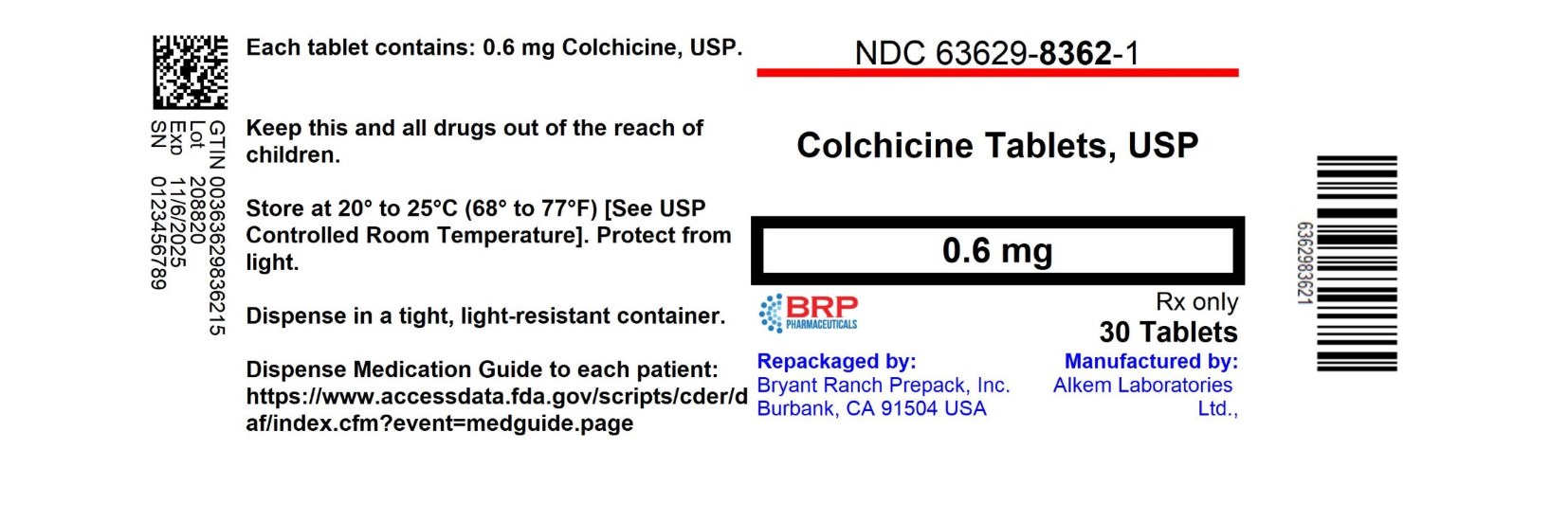
Colchicine 0.6mg Tablets Label
Medicare Part D spend CMS · PART D · 2026 (Q1)
Reported adverse events (FAERS)
Top reported reactions
Age at onset
Reporter sex
Serious outcomes
Where does this data come from?
About this NDC listing & data coverage
What data is (and isn’t) available for this NDC — tap to expand
| NDC identity (package / product / labeler codes) | ✓ Available |
| Labeler | ✓ Available |
| Product & package description | ✓ Available |
| Marketing category & status | ✓ Available |
| Active ingredient / dosage form / route | ✓ Available |
| FDA label (SPL via DailyMed) | ✓ Available |
| Package photos | ✓ Available |
| Inactive ingredients (structured) | ✓ Available |
| NADAC pharmacy acquisition price (CMS) | — Not published for this NDC CMS publishes NADAC only for NDCs reported in its retail-pharmacy survey. |
| Orange Book / therapeutic-equivalence data | ✓ Available |
| HCPCS J-code billing crosswalk | — Not published for this NDC Most self-administered / retail products have no J-code — that is normal. |
| Medicaid utilization (CMS SDUD) | — Not published for this NDC CMS reports utilization only for NDCs with Medicaid claims above its privacy threshold. |