
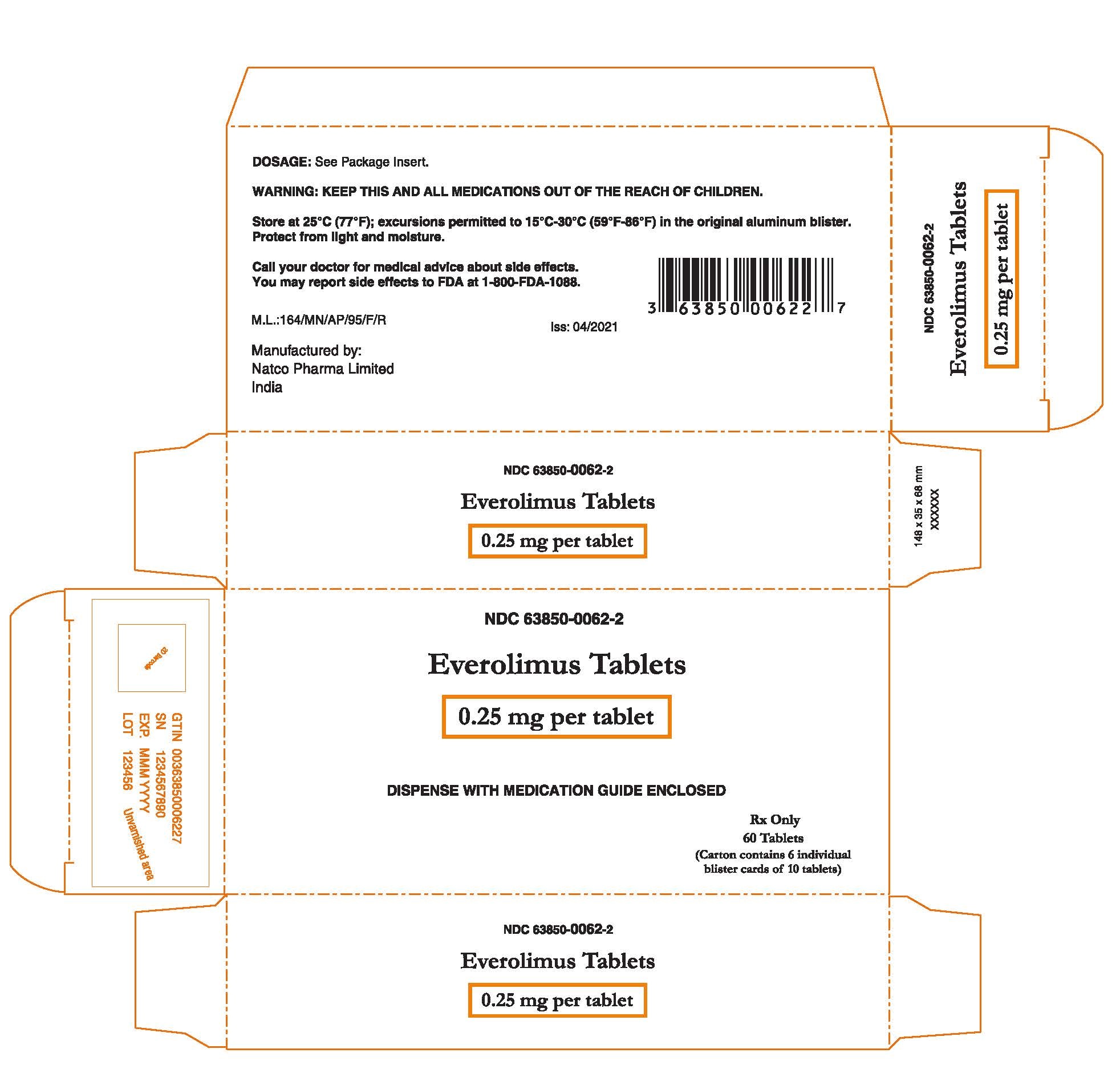
Everolimus .25 mg Tablet, 60-count
🆔 Identity & classification
Where does this data come from?
🏷️ RxNorm drug class
This medicine belongs to the Kinase Inhibitor class.
Where does this data come from?
🏭 Manufacturer & labeler
Where does this data come from?
🩺 Clinical
Everolimus (Afinitor) is used to treat advanced renal cell carcinoma (RCC; cancer that begins in the kidneys) that has already been treated unsuccessfully with other medications. Everolimus (Afinitor) is also used to treat a certain type of advanced breast cancer that has already been treated with at least one other medication. Everolimus (Afinitor) is also used to treat a certain type of cancer of the pancreas, stomach, intestines, or lungs that has spread or progressed and that cannot be treated with surgery. Everolimus (Afinitor) is also used to treat kidney tumors in people with tuberous s...
Read the full MedlinePlus article ↗- Great question. Think of a pathway inside cells that acts like a gas pedal for growth — in cancer and tuberous sclerosis, that pedal gets stuck down and cells grow out of control....
- What exactly is everolimus treating — how does it actually fight cancer or help with TSC?
- Yes — but the key isn't which you choose, it's being consistent. Food — especially a high-fat meal — can significantly lower the peak blood concentration of everolimus. That's not...
- Does it matter if I take everolimus with food or on an empty stomach?
Patient education
Supplement & herbal interactions
Some supplements/herbs that may interact with Everolimus — tap one for details:
Where does this data come from?
Ask a licensed pharmacist directly — free, answered by our team.
💊 What it looks like
Where does this data come from?
🧪 Inactive Ingredients / Excipients
Inactive ingredients, also called excipients, are components of the drug product other than the active ingredient. They may include fillers, dyes, coatings, preservatives, flavors, or other formulation ingredients.
💡 Tap an ingredient (hover on desktop) to see what it is and why it’s used.
-
UNII 3SY5LH9PMK
Anhydrous lactose is a milk sugar with no water content. It acts as a filler and binder in tablets and capsules, adding bulk and helping ingredients stick together.
-
UNII 1P9D0Z171K
BHT is a synthetic antioxidant that prevents fats and oils in medicines from breaking down and becoming rancid. It helps keep the product stable and effective during storage.
-
UNII 68401960MK
Crospovidone is a synthetic polymer made from polyvinylpyrrolidone. It acts as a disintegrant, helping tablets break apart quickly in the stomach so the medicine dissolves and absorbs into the body.
-
UNII 3NXW29V3WO
Hypromellose is a plant-based thickener made from cellulose. It's used in medicines as a binder to hold ingredients together, a coating for tablets, and a thickener for liquids.
-
UNII 70097M6I30
Magnesium stearate is a salt made from magnesium and stearic acid, a fatty substance. It's used in tablets and capsules as a lubricant and glidant to help ingredients flow smoothly during manufacturing and prevent sticking.
5 inactive ingredients listed in the exact product block matched to this NDC.
Where does this data come from?
ingredient classCode="IACT" elements from the exact product block matched by this NDC. Label-section narrative from DailyMed / the openFDA label index is shown separately when available.Inactive ingredient FAQ
Are inactive ingredients the same for every manufacturer?
Why might an inactive ingredient be missing?
Can inactive ingredients matter?
💲 Pricing
A drug doesn't have one price. Each row is a different public payment system, and none is what you'd pay at the counter — that depends on your insurance. The ⓘ on each row explains what it measures.
| Price system | Per each | Per package |
|---|---|---|
| Retail pharmacies payNADAC · weekly | Not in the retail survey — common for institutional, discontinued, or low-volume packs. | |
| Medicaid paysCMS SDUD · 12 mo | No recent Medicaid claims on file for this NDC — rare and low-volume NDCs are suppressed in the public data. | |
| Medicare drug plans payPart D · Q2 2026 | $5.63 | $337.85 / 60 tablets |
Where does this data come from?
🔁 Therapeutic equivalents
| Product | Labeler | Pack | NADAC/unit | TE | Status | Price vs. this |
|---|---|---|---|---|---|---|
| Everolimus .25 mg 00054-0470-21 | Hikma | 60 tablets | $1.976 | AB | Availability likely | — |
| Everolimus .25 mg 49884-0158-02 | Par | 60 tablets | $1.976 | AB | Availability likely | — |
| Everolimus .25 mg 51991-0379-60 | Breckenridge | 600 tablets | $1.976 | AB | Availability likely | — |
| Everolimus .25 mg 67877-0718-31 | Ascend | 60 tablets | $1.976 | AB | Availability likely | — |
| Everolimus .25 mg 70377-0069-11 | Biocon | 60 tablets | $1.976 | AB | Availability likely | — |
| Zortress .25 mg 00078-0417-20 | Novartis | 60 tablets | — | AB | FDA listed | — |
| everolimus .25 mg 59651-0931-60 | Aurobindo | 60 tablets | — | AB | FDA listed | — |
| Everolimus .25 mgthis 63850-0062-02 | Natco | 60 tablets | — | AB | FDA listed | — |
| Everolimus .25 mg 72319-0003-02 | i3 | 60 tablets | — | AB | FDA listed | — |
Where does this data come from?
⏳ Availability & generic status
This product is an FDA-approved generic. Other versions of the same drug are listed under Therapeutic equivalents, least expensive first.
Where does this data come from?
📊 Medicare Part D spend CMS · PART D · 2026 (Q1)
🔬 Reported adverse events (FAERS)
Top reported reactions
Age at onset
Reporter sex
Serious outcomes
Where does this data come from?
📦 Packaging — all sizes for this product
| Package NDC | Description | Marketing start | Status |
|---|---|---|---|
| 63850-0062-02 You're viewing this | 6 BLISTER PACK in 1 CARTON (63850-0062-2) / 10 TABLET in 1 BLISTER PACK (63850-0062-3) | 2021-05-20 | Active |
| 63850-0062-06 | 60 TABLET in 1 BOTTLE (63850-0062-6) | 2023-05-26 | Active |
Pack size FAQ
What quantity is in NDC 63850-0062-02?
What is the difference between NDC 63850-0062-02 and NDC 63850-0062-06?
What NDC number is used to bill for this package of Everolimus .25 mg Tablet?
🧭 About this NDC listing & data coverage
What data is (and isn’t) available for this NDC — tap to expand
| NDC identity (package / product / labeler codes) | ✓ Available |
| Labeler | ✓ Available |
| Product & package description | ✓ Available |
| Marketing category & status | ✓ Available |
| Active ingredient / dosage form / route | ✓ Available |
| FDA label (SPL via DailyMed) | ✓ Available |
| Package photos | ✓ Available |
| Inactive ingredients (structured) | ✓ Available |
| NADAC pharmacy acquisition price (CMS) | — Not published for this NDC CMS publishes NADAC only for NDCs reported in its retail-pharmacy survey. |
| Orange Book / therapeutic-equivalence data | ✓ Available |
| HCPCS J-code billing crosswalk | — Not published for this NDC Most self-administered / retail products have no J-code — that is normal. |
| Medicaid utilization (CMS SDUD) | — Not published for this NDC CMS reports utilization only for NDCs with Medicaid claims above its privacy threshold. |
Questions about this listing
Why is there no price listed?
Is the NDC printed on the package the same as the 11-digit billing NDC?
What do the three segments of this NDC mean?
Is this package still being marketed?
Does this product come in other package sizes?
Who lists this product with the FDA?
Do I need a prescription for this product?
Where does this data come from?
📄 Full prescribing information FDA SPL
🚨 Boxed Warning ▾
WARNING: MALIGNANCIES and SERIOUS INFECTIONS; KIDNEY GRAFT THROMBOSIS; NEPHROTOXICITY; and MORTALITY IN HEART TRANSPLANTATION WARNING: MALIGNANCIES and SERIOUS INFECTIONS; KIDNEY GRAFT THROMBOSIS; NEPHROTOXICITY; and MORTALITY IN HEART TRANSPLANTATION Malignancies and Serious Infections Only physicians experienced in immunosuppressive therapy and management of transplant patients should prescribe everolimus. Patients receiving the drug should be managed in facilities equipped and staffed with adequate laboratory and supportive medical resources.
The physician responsible for maintenance therapy should have complete information requisite for the follow-up of the patient [see Warnings and Precautions (5.1 )]. Increased susceptibility to infection and the possible development of malignancies, such as lymphoma and skin cancer may result from immunosuppression [see Warnings and Precautions (5.2 , 5.3 )]. Kidney Graft Thrombosis An increased risk of kidney arterial and venous thrombosis, resulting in graft loss, was reported, mostly within the first 30 days posttransplantation [see Warnings and Precautions (5.4 )] Nephrotoxicity Increased nephrotoxicity can occur with use of standard doses of cyclosporine in combination with everolimus.
Therefore reduced doses of cyclosporine should be used in combination with everolimus in order to reduce renal dysfunction. It is important to monitor the cyclosporine and everolimus whole blood trough concentrations [see Dosage and Administration (2.4 , 2.5 ), Warnings and Precautions (5.6 ), Clinical Pharmacology (12.7 , 12.8 )]. Mortality in Heart Transplantation Increased mortality, often associated with serious infections, within the first three months posttransplantation was observed in a clinical trial of de novo heart transplant patients receiving immunosuppressive regimens with or without induction therapy.
Use in heart transplantation is not recommended [see Warnings and Precautions (5.7) ]. WARNING: MALIGNANCIES and SERIOUS INFECTIONS, KIDNEY GRAFT THROMBOSIS; NEPHROTOXICITY; and MORTALITY IN HEART TRANSPLANTATION See full prescribing information for complete boxed warning. Only physicians experienced in immunosuppressive therapy and management of transplant patients should use everolimus (5.1) Increased susceptibility to infection and the possible development of malignancies may result from immunosuppression (5.2, 5.3) Increased incidence of kidney graft thrombosis (5.4) Reduced doses of cyclosporine are required for use in combination with everolimus in order to reduce nephrotoxicity (2.4, 2.5, 5.6, 12.7, 12.8) Increased mortality in a heart transplant clinical trial.
Use in heart transplantation is not recommended (5.7)
🎯 Indications and Usage ▾
1 INDICATIONS AND USAGE Everolimus is an mTOR inhibitor immunosuppressant indicated for the prophylaxis of organ rejection in adult patients: Kidney Transplant : at low-moderate immunologic risk. Use in combination with basiliximab, cyclosporine (reduced doses) and corticosteroids. ( 1.1 ) Liver Transplant : Administer no earlier than 30 days posttransplant.
Use in combination with tacrolimus (reduced doses) and corticosteroids. ( 1.2 , 5.5 ) Limitations of Use: Safety and efficacy have not been established in the following: Kidney transplant patients at high immunologic risk ( 1.3 ) Recipients of transplanted organs other than kidney or liver ( 1.3 , 5.7 ) Pediatric patients (less than 18 years) ( 1.3 )
1.1Prophylaxis of Organ Rejection in Kidney Transplantation Everolimus is indicated for the prophylaxis of organ rejection in adult patients at low-moderate immunologic risk receiving a kidney transplant [see Clinical Studies (14.1 )]. Everolimus is to be administered in combination with basiliximab induction and concurrently with reduced doses of cyclosporine and with corticosteroids. Therapeutic drug monitoring (TDM) of everolimus and cyclosporine is recommended for all patients receiving these products [see Dosage and Administration (2.2 , 2.3 )] .
1.2Prophylaxis of Organ Rejection in Liver Transplantation Everolimus is indicated for the prophylaxis of allograft rejection in adult patients receiving a liver transplant. Everolimus is to be administered no earlier than 30 days posttransplant concurrently in combination with reduced doses of tacrolimus and with corticosteroids [see Warnings and Precautions (5.5 ), Clini cal Studies (14.2 )]. TDM of everolimus and tacrolimus is recommended for all patients receiving these products [see Dosage and Administration (2.3 , 2.5 )].
1.3Limitations of Use The safety and efficacy of everolimus has not been established in the following populations dney transplant patients at high immunologic risk Recipients of transplanted organs other than kidney and liver [see Warnings and Precautions (5.7 )] Pediatric patients (less than 18 years).
⏱️ Dosage and Administration ▾
2 DOSAGE AND ADMINISTRATION Patients receiving everolimus may require dose adjustments based on everolimus blood concentrations achieved, tolerability, individual response, change in concomitant medications and the clinical situation. Optimally, dose adjustments of everolimus should be based on trough concentrations obtained 4 or 5 days after a previous dosing change. Dose adjustment is required if the trough concentration is below 3 ng/mL.
The total daily dose of everolimus should be doubled using the available tablet strengths (0.25 mg, 0.5 mg, 0.75 mg, or 1 mg). Dose adjustment is also required if the trough concentration is greater than 8 ng/mL on 2 consecutive measures; the dose of everolimus should be decreased by 0.25 mg twice daily [see Dosage and Administration (2.3 ), Clinical Pharmacology (12.3 )]. Kidney Transplantation: starting oral dose of 0.75 mg twice daily as soon as possible after transplantation (2.1 ) Liver Transplantation: starting oral dose of 1 mg twice daily starting 30 days after transplantation ( 2.2 ) Monitor Everolimus Concentrations: Adjust maintenance dose to achieve trough concentrations within the 3 to 8 ng/mL target range using LC/MS/MS assay method ( 2.1 , 2.2 , 2.3 ) Administer consistently with or without food at the same time as cyclosporine or tacrolimus ( 2.6 , 12.3) Mild hepatic impairment: Reduce initial daily dose by one-third ( 2.7 ) Moderate or Severe Hepatic Impairment: Reduce initial daily dose by one-half ( 2.7 , 12.6 )
2.1Dosage in Adult Kidney Transplant Patients An initial everolimus dose of 0.75 mg orally twice daily (1.5 mg per day) is recommended for adult kidney transplant patients in combination with reduced-dose cyclosporine, administered as soon as possible after transplantation [see Dosage and Administration (2.3 , 2.4 ), Clinical Studies (14.1 )]. Oral prednisone should be initiated once oral medication is tolerated. Steroid doses may be further tapered on an individualized basis depending on the clinical status of patient and function of graft.
2.2Dosage in Adult Liver Transplant Patients Start everolimus at least 30 days posttransplant. An initial dose of 1 mg orally twice daily (2 mg per day) is recommended for adult liver transplant patients in combination with reduced-dose tacrolimus [see Dosage and Administration ( 2.3, 2.5 ), Clinical Studies ( 14.2 )]. Steroid doses may be further tapered on an individualized basis depending on the clinical status of patient and function of graft.
2.3Therapeutic Drug-Monitoring (TDM) - Everolimus Routine everolimus whole blood therapeutic drug concentration monitoring is recommended for all patients. The recommended everolimus therapeutic range is 3 to 8 ng/mL [see Clinical Pharmacology (12.7 )] . Careful attention should be made to clinical signs and symptoms, tissue biopsies, and laboratory parameters.
It is important to monitor everolimus blood concentrations, in patients with hepatic impairment, during concomitant administration of CYP3A4 inducers or inhibitors or cannabidiol, when switching cyclosporine formulations and/or when cyclosporine dosing is reduced according to recommended target concentrations [see Clinical Pharmacology (12.7 , 12.8 )]. There is an interaction of cyclosporine on everolimus, and consequently, everolimus concentrations may decrease if cyclosporine exposure is reduced. There is little to no pharmacokinetic interaction of tacrolimus on everolimus, and thus, everolimus concentrations do not decrease if the tacrolimus exposure is reduced [see Drug Interactions (7), Drug Interactions (7.2 )].
The everolimus recommended therapeutic range of 3 to 8 ng/mL is based on an LC/MS/MS assay method. Currently in clinical practice, everolimus whole blood trough concentrations may be measured by chromatographic or immunoassay methodologies. Because the measured everolimus whole blood trough concentrations depend on the assay used, individual patient sample concentration values from different assays may not be…
💊 Dosage Forms and Strengths ▾
3 DOSAGE FORMS AND STRENGTHS Everolimus tablets are available as 0.25 mg, 0.5 mg, 0.75 mg and 1 mg tablets. Table 1. Description of Everolimus Tablets Dosage Strength 0.25 mg 0.5 mg 0.75 mg 1 mg Appearance White to off white colored, round, flat shaped tablets Imprint ‘E’ on one side and ‘N’ on the other side. ‘EV’ on one side and ‘N’ on the other side. ‘EVR’ on one side and ‘N’ on the other side. ‘EV’ on one side and ‘1’ on the other side.
Everolimus is available as 0.25 mg, 0.5 mg, 0.75 mg, and 1 mg tablets. ( 3 )
⛔ Contraindications ▾
4 CONTRAINDICATIONS Hypersensitivity to everolimus, sirolimus, or to components of the drug product ( 4 ) Hypersensitivity to everolimus, sirolimus, or to components of the drug product ( 4 )
4.1Hypersensitivity Reactions Everolimus is contraindicated in patients with known hypersensitivity to everolimus, sirolimus, or to components of the drug product.
⚠️ Warnings and Cautions ▾
5 WARNINGS AND PRECAUTIONS Angioedema [increased risk with concomitant angiotensin converting enzyme (ACE inhibitors)]: Monitor for symptoms and treat promptly ( 5.8 ) D elayed Wound Healing/Fluid Accumulation : Monitor symptoms; treat promptly to minimize complications ( 5.9 ) I nterstitial Lung Disease (ILD)/Non-Infectious Pneumonitis : Monitor for symptoms or radiologic changes; manage by dose reduction or discontinuation until symptoms resolve; consider use of corticosteroids ( 5.10 ) Hyperlipidemia (elevations of serum cholesterol and triglycerides) : Monitor and consider anti-lipid therapy ( 5.11 ) Proteinuria (increased risk with higher trough concentrations) : Monitor urine protein ( 5.12 ) Polyoma Virus Infections (activation of latent viral infections; BK- virus associated nephropathy): Consider reducing immunosuppression ( 5.13 ) TMA/TTP/HUS (concomitant use with cyclosporine may increase risk) : Monitor for hematologic changes or symptoms ( 5.15 ) New Onset Diabetes After Transplantation : Monitor serum glucose ( 5.16 ) Male Infertility : Azoospermia or oligospermia may occur ( 5.18 , 13.1 ) Immunizations: Avoid live vaccines ( 5.19 ) Embryo-Fetal Toxicity : Advise females of reproductive potential of the potential risk to a fetus and to use effective contraception during treatment with everolimus and for 8 weeks after final dose (5.17 , 8.1 , 8.3 )
5.1Management of Immunosuppression Only physicians experienced in management of systemic immunosuppressant therapy in transplantation should prescribe everolimus. Patients receiving the drug should be managed in facilities equipped and staffed with adequate laboratory and supportive medical resources. The physician responsible for the maintenance therapy should have complete information requisite for the follow-up of the patient.
In limited data with the complete elimination of calcineurin inhibition (CNI), there was an increased risk of acute rejection.
5.2Lymphomas and Other Malignancies Patients receiving immunosuppressants, including everolimus, are at increased risk of developing lymphomas and other malignancies, particularly of the skin. The risk appears to be related to the intensity and duration of immunosuppression rather than to the use of any specific agent. As usual for patients with increased risk for skin cancer, exposure to sunlight and ultraviolet light should be limited by wearing protective clothing and using a sunscreen with a high protection factor.
5.3Serious Infections Patients receiving immunosuppressants, including everolimus, are at increased risk of developing bacterial, viral, fungal, and protozoal infections, including opportunistic infections [see Warnings and Precautions (5.13) , Adverse Reactions (6.1 , 6.2 )]. These infections may lead to serious, including fatal, outcomes. Because of the danger of over-immunosuppression, which can cause increased susceptibility to infection, combination immunosuppressant therapy should be used with caution.
Antimicrobial prophylaxis for Pneumocystis jiroveci (carinii) pneumonia and prophylaxis for cytomegalovirus (CMV) is recommended in transplant recipients.
5.4Kidney Graft Thrombosis An increased risk of kidney arterial and venous thrombosis, resulting in graft loss, has been reported, usually within the first 30 days posttransplantation [see Boxed Warning ] .
5.5Hepatic Artery Thrombosis Mammalian target of rapamycin (mTOR) inhibitors are associated with an increase in hepatic artery thrombosis (HAT). Reported cases mostly have occurred within the first 30 days posttransplant and most also lead to graft loss or death. Therefore, everolimus should not be administered earlier than 30 days after liver transplant.
5.6Everolimus and Calcineurin Inhibitor-Induced Nephrotoxicity In kidney transplant recipients, everolimus with standard dose cyclosporine increases the risk of nephrotoxicity resulting in a lower glomerular filtration rate. Reduced doses of cyclosporine are required for use in combination…
🤒 Adverse Reactions ▾
6 ADVERSE REACTIONS Most common adverse reactions were as follows: Kidney Transplantation (incidence greater than or equal to 20%) : peripheral edema, constipation, hypertension, nausea, anemia, urinary tract infection (UTI), and hyperlipidemia. ( 6.1 ); Liver Transplantation (incidence greater than 10%) : diarrhea, headache, peripheral edema, hypertension, nausea, pyrexia, abdominal pain, leukopenia and hypercholesterolemia. ( 6.1 ) To report SUSPECTED ADVERSE REACTIONS, contact Breckenridge Pharmaceutical, Inc. at 1-800-367-3395 or FDA at 1-800-FDA-1088 or www.fda.gov/medwatch.
6.1Serious and Otherwise Important Adverse Reactions The following adverse reactions are discussed in greater detail in other sections of the label. Hypersensitivity Reactions [see Contraindications (4.1 )] Lymphomas and Other Malignancies [see Boxe d Warning , Warnings and Precautions (5.2 )] Serious Infections [see Warnings and Precautions (5.3 )] Kidney Graft Thrombosis [see Warnings and Precautions (5.4 )] Hepatic Artery Thrombosis [see Warnings and Precautions (5.5 )] Everolimus and Calcineurin Inhibitor-Induced Nephrotoxicity [see Warnings and Precautions (5.6 )] Heart Transplantation [see Warnings and Precautions (5.7 )] Angioedema [see Warnings and Precautions (5.8 )] Wound Healing and Fluid Accumulation [see Warnings and Precautions (5.9 )] Interstitial Lung Disease/Non-Infectious Pneumonitis [see Warnings and Precautions (5.10 )] Hyperlipidemia [see Warnings and Precautions (5.11 )] Proteinuria [see Warnings and Precautions (5.12 )] Polyoma Virus Infections [see Warnings and Precautions (5.13 )] Thrombotic Microangiopathy/Thrombotic Thrombocytopenic Purpura/Hemolytic Uremic Syndrome (TMA/TTP/HUS) [see Warnings and Precautions (5.15 )] New Onset Diabetes After Transplant [see Warnings and Precautions (5.16 )] Male Infertility [see Warnings and Precautions (5.18 )]
6.2Clinical Trials Experience Because clinical trials are conducted under widely varying conditions, the adverse reaction rates observed cannot be directly compared to rates in other trials and may not reflect the rates observed in clinical practice. Kidney Transplantation The data described below reflect exposure to everolimus in an open-label, randomized trial of de novo kidney transplant patients of concentration-controlled everolimus at an initial everolimus starting dose of 1.5 mg per day [target trough concentrations 3 to 8 ng/mL with reduced exposure cyclosporine (N=274) compared to mycophenolic acid (N=273) with standard exposure cyclosporine].
All patients received basiliximab induction therapy and corticosteroids. The population was between 18 and 70 years, more than 43% were 50 years of age or older (mean age was 46 years in the everolimus group, 47 years control group); a majority of recipients were male (64% in the everolimus group, 69% control group); and a majority of patients were Caucasian (70% in the everolimus group, 69% control group). Demographic characteristics were comparable between treatment groups.
The most frequent diseases leading to transplantation were balanced between groups and included hypertension/nephrosclerosis, glomerulonephritis/glomerular disease and diabetes mellitus. Significantly more patients discontinued everolimus 1.5 mg per day treatment (83/277, 30%) than discontinued the control regimen (60/277, 22%). Of those patients who prematurely discontinued treatment, most discontinuations were due to adverse reactions: 18% in the everolimus group compared to 9% in the control group (p-value = 0.004).
This difference was more prominent between treatment groups among female patients. In those patients discontinuing study medication, adverse reactions were collected up to 7 days after study medication discontinuation and serious adverse reactions up to 30 days after study medication discontinuation. Discontinuation of everolimus at a higher dose (3 mg per day) was 95/279, 34%, including 20% due to adverse reactions, and this regimen is not recom…
🔄 Drug Interactions ▾
7 DRUG INTERACTIONS Strong-moderate CYP3A4 inhibitors (e.g., cyclosporine, ketoconazole, erythromycin, verapamil) and CYP3A4 inducers (e.g., rifampin) may affect everolimus concentrations (7.1). Consider everolimus dose adjustment. ( 5.14 ) Therapeutic drug monitoring and dose reduction for everolimus should be considered when everolimus is coadministered with cannabidiol (5.22, 7.13).
7.1Interactions with Strong Inhibitors or Inducers of CYP3A4 and P-glycoprotein Everolimus is mainly metabolized by CYP3A4 in the liver and to some extent in the intestinal wall and is a substrate for the multidrug efflux pump, P-glycoprotein (P-gp). Therefore, absorption and subsequent elimination of systemically absorbed everolimus may be influenced by medicinal products that affect CYP3A4 and/or P-gp. Concurrent treatment with strong inhibitors (e.g., ketoconazole, itraconazole, voriconazole, clarithromycin, telithromycin, ritonavir, boceprevir, telaprevir) and inducers (e.g., rifampin, rifabutin) of CYP3A4 is not recommended.
Inhibitors of P-gp (e.g., digoxin, cyclosporine) may decrease the efflux of everolimus from intestinal cells and increase everolimus blood concentrations. In vitro, everolimus was a competitive inhibitor of CYP3A4 and of CYP2D6, potentially increasing the concentrations of medicinal products eliminated by these enzymes. Thus, caution should be exercised when coadministering everolimus with CYP3A4 and CYP2D6 substrates with a narrow therapeutic index [see Dosage and Administration (2.3 )] .
All in vivo interaction studies were conducted without concomitant cyclosporine. Pharmacokinetic interactions between everolimus and concomitantly administered drugs are discussed below. Drug interaction studies have not been conducted with drugs other than those described below.
7.2Cyclosporine (CYP3A4/P-gp Inhibitor and CYP3A4 Substrate) The steady-state C max and area under the curve (AUC) estimates of everolimus were significantly increased by coadministration of single dose cyclosporine [see Clinical Pharmacology (12.5 )]. Dose adjustment of everolimus might be needed if the cyclosporine dose is altered [see Dosage and Administration (2.3 )] . Everolimus had a clinically minor influence on cyclosporine pharmacokinetics in transplant patients receiving cyclosporine (Neoral).
7.3Ketoconazole and Other Strong CYP3A4 Inhibitors Multiple-dose ketoconazole administration to healthy volunteers significantly increased single dose estimates of everolimus C max , AUC, and half-life. It is recommended that strong inhibitors of CYP3A4 (e.g., ketoconazole, itraconazole, voriconazole, clarithromycin, telithromycin, ritonavir, boceprevir, telaprevir) should not be coadministered with everolimus [see Warnings and Precautions (5.14 ), Clinical Pharmacology (12.5 )].
7.4Erythromycin (Moderate CYP3A4 Inhibitor) Multiple-dose erythromycin administration to healthy volunteers significantly increased single dose estimates of everolimus C max , AUC, and half-life. If erythromycin is coadministered, everolimus blood concentrations should be monitored and a dose adjustment made as necessary [see Clinical Pharmacology (12.5 )].
7.5Verapamil (CYP3A4 and P-gp Substrate) Multiple-dose verapamil administration to healthy volunteers significantly increased single dose estimates of everolimus C max and AUC. Everolimus half-life was not changed. If verapamil is coadministered, everolimus blood concentrations should be monitored and a dose adjustment made as necessary [see Clinical Pharmacology (12.5 )].
7.6Atorvastatin (CYP3A4 Substrate) and Pravastatin (P-gp Substrate) Single-dose administration of everolimus with either atorvastatin or pravastatin to healthy subjects did not influence the pharmacokinetics of atorvastatin, pravastatin and everolimus, as well as total HMG-CoA reductase bioreactivity in plasma to a clinically relevant extent. However, these results cannot be extrapolated to other HMG-CoA reductase inhibitors. Patients should be monitored fo…
👥 Use in Specific Populations ▾
8 USE IN SPECIFIC POPULATIONS Pregnancy : Based on animal data, may cause maternal and fetal harm. ( 8.1 ) Lactation: Breastfeeding not recommended. ( 8.2 ) Females and Males of Reproductive Potential: May impair fertility. ( 8.1 , 8.3 , 13.1 )
8.1Pregnancy Risk Summary Based on animal studies and the mechanism of action [see Clinical Pharmacology (12.1 )], everolimus can cause fetal harm when administered to a pregnant woman. There are limited case reports of everolimus use in pregnant women; however, these reports are insufficient to inform a drug -associated risk of adverse developmental outcomes. Reproductive studies in animals have demonstrated that everolimus was maternally toxic in rabbits, and caused embryo-fetal toxicities in rats and rabbits, at exposures near or below those achieved in human transplant patients.
Advise pregnant women of the potential risk to a fetus. The background risk of major birth defects and miscarriage for the indicated population is unknown; however, in the U.S. general population, the estimated background risk of major birth defects is 2% to 4% and of miscarriage is 15% to 20% of clinically recognized pregnancies. Data Animal Data Everolimus crossed the placenta and was toxic to the conceptus.
Everolimus administered daily to pregnant rats by oral gavage at 0.1 mg/kg (approximately one tenth the exposure in humans administered the lowest starting dose of 0.75 mg twice daily), from before mating through organogenesis, resulted in increased preimplantation loss and embryonic resorptions. These effects occurred in the absence of maternal toxicities. Everolimus administered daily by oral gavage to pregnant rabbits during organogenesis resulted in abortions, maternal toxicity and lethality, and increased fetal resorptions.
At these doses, exposure to everolimus (AUC) was approximately one-tenth-, one-half-, and one- and one-half- fold the exposures in humans administered the starting clinical dose, respectively. In a pre- and post-natal development study in rats, animals were dosed from implantation through lactation. At a dose of 0.1 mg/kg (0.6 mg/m 2 ), there were no adverse effects on delivery and lactation or signs of maternal toxicity; however, there were reductions in body weight (up to 9% reduction) and in survival of offspring (~5%).
There were no drug-related effects on the developmental parameters (morphological development, motor activity, learning, or fertility assessment) in the offspring.
8.2Lactation Risk Summary There is no data regarding the presence of everolimus in human milk, the effects on breastfed infants, or the effects on milk production. Everolimus and/or its metabolites are readily transferred into milk of lactating rats at a concentration 3.5 times higher than in maternal rat serum. In pre-post-natal and juvenile studies in rats, exposure to everolimus during the postnatal period caused developmental toxicity [see Use in Specific Populations (8.1 ), Nonclinical Toxicology (13.2 )] .
Advise lactating women not to breastfeed because of the potential for serious adverse reactions in infants exposed to everolimus.
8.3Females and males of Reproductive Potential Contraception Females should not be pregnant or become pregnant while receiving everolimus. Advise females of reproductive potential that animal studies have been performed showing everolimus to be harmful to the mother and developing fetus [see Use in Specific Populations (8.1 )] . Females of reproductive potential are recommended to use highly effective contraception methods while receiving everolimus and up to 8 weeks after treatment has been stopped.
Infertility Females Amenorrhea occurred in female patients taking everolimus [see Adverse Reactions (6.2 )] . everolimus may cause pre-implantation loss in females based on animal data [see Nonclinical Toxicology (13.1 )]. Female fertility may be compromised by treatment with everolimus. Males Everolimus treatment may impair fertility in males based on human [see…
🤰 Pregnancy ▾
8.1Pregnancy Risk Summary Based on animal studies and the mechanism of action [see Clinical Pharmacology (12.1 )], everolimus can cause fetal harm when administered to a pregnant woman. There are limited case reports of everolimus use in pregnant women; however, these reports are insufficient to inform a drug -associated risk of adverse developmental outcomes. Reproductive studies in animals have demonstrated that everolimus was maternally toxic in rabbits, and caused embryo-fetal toxicities in rats and rabbits, at exposures near or below those achieved in human transplant patients.
Advise pregnant women of the potential risk to a fetus. The background risk of major birth defects and miscarriage for the indicated population is unknown; however, in the U.S. general population, the estimated background risk of major birth defects is 2% to 4% and of miscarriage is 15% to 20% of clinically recognized pregnancies. Data Animal Data Everolimus crossed the placenta and was toxic to the conceptus.
Everolimus administered daily to pregnant rats by oral gavage at 0.1 mg/kg (approximately one tenth the exposure in humans administered the lowest starting dose of 0.75 mg twice daily), from before mating through organogenesis, resulted in increased preimplantation loss and embryonic resorptions. These effects occurred in the absence of maternal toxicities. Everolimus administered daily by oral gavage to pregnant rabbits during organogenesis resulted in abortions, maternal toxicity and lethality, and increased fetal resorptions.
At these doses, exposure to everolimus (AUC) was approximately one-tenth-, one-half-, and one- and one-half- fold the exposures in humans administered the starting clinical dose, respectively. In a pre- and post-natal development study in rats, animals were dosed from implantation through lactation. At a dose of 0.1 mg/kg (0.6 mg/m 2 ), there were no adverse effects on delivery and lactation or signs of maternal toxicity; however, there were reductions in body weight (up to 9% reduction) and in survival of offspring (~5%).
There were no drug-related effects on the developmental parameters (morphological development, motor activity, learning, or fertility assessment) in the offspring.
🧒 Pediatric Use ▾
8.4Pediatric Use The safe and effective use of everolimus in kidney or liver transplant patients younger than 18 years of age has not been established.
🧓 Geriatric Use ▾
8.5Geriatric Use There is limited clinical experience on the use of everolimus in patients of age 65 years or older. There is no evidence to suggest that elderly patients will require a different dosage recommendation from younger adult patients [see Clinical Pharmacology (12.5 )].
🆘 Overdosage ▾
10 OVERDOSAGE Reported experience with overdose in humans is very limited. There is a single case of an accidental ingestion of 1.5 mg everolimus in a 2-year-old child where no adverse reactions were observed. Single doses up to 25 mg have been administered to transplant patients with acceptable acute tolerability.
Single doses up to 70 mg (without cyclosporine) have been given with acceptable acute tolerability. General supportive measures should be followed in all cases of overdose. Everolimus is not considered dialyzable to any relevant degree (less than 10% of everolimus removed within 6 hours of hemodialysis).
In animal studies, everolimus showed a low acute toxic potential. No lethality or severe toxicity was observed after single oral doses of 2000 mg/kg (limit test) in either mice or rats.
🧬 Clinical Pharmacology ▾
12 CLINICAL PHARMACOLOGY
12.1Mechanism of Action Everolimus inhibits antigenic and interleukin (IL-2 and IL-15) stimulated activation and proliferation of T and B lymphocytes. In cells, everolimus binds to a cytoplasmic protein, the FK506 Binding Protein-12 (FKBP-12), to form an immunosuppressive complex (everolimus: FKBP-12) that binds to and inhibits the mammalian target of rapamycin (mTOR), a key regulatory kinase. In the presence of everolimus phosphorylation of p70 S6 ribosomal protein kinase (p70S6K), a substrate of mTOR, is inhibited.
Consequently, phosphorylation of the ribosomal S6 protein and subsequent protein synthesis and cell proliferation are inhibited. The everolimus: FKBP-12 complex has no effect on calcineurin activity. In rats and nonhuman primate models, everolimus effectively reduces kidney allograft rejection resulting in prolonged graft survival.
12.3Pharmacokinetics Everolimus pharmacokinetics have been characterized after oral administration of single and multiple doses to adult kidney transplant patients, hepatically-impaired patients, and healthy subjects. Absorption After oral dosing, peak everolimus concentrations occur 1 to 2 hours post dose. Over the dose range of 0.5 mg to 2 mg twice daily, everolimus Cmax and AUC are dose proportional in transplant patients at steady-state.
Food Effect In 24 healthy subjects, a high-fat breakfast (44.5 g fat) reduced everolimus Cmax by 60%, delayed Tmax by a median 1.3 hours, and reduced AUC by 16% compared with a fasting administration. To minimize variability, everolimus should be taken consistently with or without food [see Dosage and Administration (2.6 )]. Distribution The blood-to-plasma ratio of everolimus is concentration dependent ranging from 17% to 73% over the range of 5 ng/mL to 5000 ng/mL.
Plasma protein binding is approximately 74% in healthy subjects and in patients with moderate hepatic impairment. The apparent distribution volume associated with the terminal phase (Vz/F) from a single-dose pharmacokinetic study in maintenance kidney transplant patients is 342 to 107 L (range: 128 to 589 L). Elimination Metabolism Everolimus is a substrate of CYP3A4 and P-gp.
Following oral administration, everolimus is the main circulating component in human blood. Six main metabolites of everolimus have been detected in human blood, including 3 monohydroxylated metabolites, 2 hydrolytic ring-opened products, and a phosphatidylcholine conjugate of everolimus. These metabolites were also identified in animal species used in toxicity studies, and showed approximately 100 times less activity than everolimus itself.
Excretion After a single dose of radiolabeled everolimus was given to transplant patients receiving cyclosporine, the majority (80%) of radioactivity was recovered from the feces and only a minor amount (5%) was excreted in urine. Parent drug was not detected in urine and feces. Pharmacokinetics in Kidney Transplant Patients Steady-state is reached by Day 4 with an accumulation in blood concentrations of 2- to 3-fold compared with the exposure after the first dose.
Table 4 below provides a summary of the steady-state pharmacokinetic parameters. Table 4. Steady-State Pharmacokinetic Parameters (mean +/- SD) Following the Administration of 0.75 mg Twice Daily 1 population pharmacokinetic analysis C max T max AUC CL/F 1 Vc/F 1 Half-life (T 1/2 ) 11.1 + 4.6 ng/mL 1-2 h 75 + 31 ng٠h/mL
8.8L/h 110 L 30 ± 11h The half-life estimates from 12 maintenance renal transplant patients who received single doses of everolimus capsules at 0.75 mg or 2.5 mg with their maintenance cyclosporine regimen indicate that the pharmacokinetics of everolimus are linear over the clinically-relevant dose range. Results indicate the half-life of everolimus in maintenance renal transplant patients receiving single doses of 0.75 mg or 2.5 mg everolimus during steady-state cyclosporine treatment was 30 ± 11 hours (range: 19 to 53 hours).
12.5 Drug-Drug interactions Everolimus is kno…
🧬 Mechanism of Action ▾
12.1Mechanism of Action Everolimus inhibits antigenic and interleukin (IL-2 and IL-15) stimulated activation and proliferation of T and B lymphocytes. In cells, everolimus binds to a cytoplasmic protein, the FK506 Binding Protein-12 (FKBP-12), to form an immunosuppressive complex (everolimus: FKBP-12) that binds to and inhibits the mammalian target of rapamycin (mTOR), a key regulatory kinase. In the presence of everolimus phosphorylation of p70 S6 ribosomal protein kinase (p70S6K), a substrate of mTOR, is inhibited.
Consequently, phosphorylation of the ribosomal S6 protein and subsequent protein synthesis and cell proliferation are inhibited. The everolimus: FKBP-12 complex has no effect on calcineurin activity. In rats and nonhuman primate models, everolimus effectively reduces kidney allograft rejection resulting in prolonged graft survival.
📦 How Supplied / Storage and Handling ▾
16 HOW SUPPLIED/STORAGE AND HANDLING Everolimus tablets are packed in child-resistant blisters. Table 11. Description of Everolimus Tablets Dosage Strength 0.25 mg 0.5 mg 0.75 mg 1 mg Appearance White to off white colored, round, flat shaped tablets Imprint ‘E’ on one side and ‘N’ on the other side. ‘EV’ on one side and ‘N’ on the other side. ‘EVR’ on one side and ‘N’ on the other side. ‘EV’ on one side and ‘1’ on the other side.
NDC number (Carton) NDC number (Blister) 63850-0062-2 63850-0062-3 63850-0063-2 63850-0063-3 63850-0064-2 63850-0064-3 63850-0107-2 63850-0107-1 NDC Number (Bottles) 63850-0062-6 63850-0063-6 63850-0064-6 63850-0107-3 Each strength is available in boxes of 60 tablets (6 blister strips of 10 tablets each) and bottles of 60 tablets. Storage Store at 20°C to 25°C (68°F to 77°F); excursions permitted between 15°C and 30°C (59°F and 86°F). [see USP Controlled Room Temperature]. Protect from light and moisture.
📋 Description ▾
11 DESCRIPTION Everolimus is a macrolide immunosuppressant. The chemical name of everolimus is (1R, 9S, 12S, 15R, 16E, 18R, 19R, 21R, 23S, 24E, 26E, 28E, 30S, 32S, 35R)-1, 18-dihydroxy-12-{(1R)-2-[(1S,3R,4R)4-(2-hydroxyethoxy)-3-methoxycyclohexyl]-1-methylethyl}-19,30-dimethoxy-15, 17, 21, 23, 29, 35-hexamethyl-11, 36dioxa-4-aza-tricyclo[30.3.1.0 4,9] hexatriaconta-16,24,26,28-tetraene-2, 3,10,14,20-pentaone. The molecular formula is C 53 H 83 NO 14 and the molecular weight is 958.25.
The structural formula is: Everolimus is supplied as tablets for oral administration containing 0.25 mg, 0.5 mg, 0.75 mg, and 1 mg of everolimus together with anhydrous lactose, butylated hydroxytoluene, crospovidone, hypromellose, and magnesium stearate as inactive ingredients. everolimus chemical structure
💬 Information for Patients ▾
17 PATIENT COUNSELING INFORMATION Advise the patient to read the FDA-approved patient labeling (Medication Guide). Administration Inform patients that everolimus should be taken orally twice a day approximately 12 hours apart consistently either with or without food. Inform patients to avoid grapefruit and grapefruit juice, which increase blood drug concentrations of everolimus [see Warnings and Precautions (5.20 )].
Advise patients that everolimus should be used concurrently with reduced doses of cyclosporine and that any change in doses of these medications should be made under physician supervision. A change in the cyclosporine dose may also require a change in the dosage of everolimus. Inform patients of the necessity of repeated laboratory tests according to physician recommendations while they are taking everolimus.
Development of Lymphomas and Other Malignancies Inform patients they are at risk of developing lymphomas and other malignancies, particularly of the skin, due to immunosuppression. Advise patients to limit exposure to sunlight and ultraviolet (UV) light by wearing protective clothing and using a sunscreen with a high protection factor [see Warnings and Precautions (5.2 )]. Increased Risk of Infection Inform patients they are at increased risk of developing a variety of infections, including opportunistic infections, due to immunosuppression.
Advise patients to contact their physician if they develop any symptoms of infection [see Warnings and Precautions (5.3 , 5.13 )]. Kidney Graft Thrombosis Inform patients that everolimus has been associated with an increased risk of kidney arterial and venous thrombosis, resulting in graft loss, usually within the first 30 days posttransplantation [see Warnings and Precautions (5.4 )]. Everolimus and Calcineurin Inhibitor-Induced Nephrotoxicity Advise patients of the risks of impaired kidney function with the combination of everolimus and cyclosporine as well as the need for routine blood concentration monitoring for both drugs.
Advise patients of the importance of serum creatinine monitoring [see Warnings and Precautions (5.6 )]. Angioedema Inform patients of the risk of angioedema and that concomitant use of ACE inhibitors may increase this risk. Advise patients to seek prompt medical attention if symptoms occur [see Warnings and Precautions (5.8 )].
Wound Healing Complications and Fluid Accumulation Inform patients that use of everolimus has been associated with impaired or delayed wound healing, fluid accumulation and the need for careful observation of their incision site [see Warnings and Precautions (5.9 )]. Interstitial Lung Disease (ILD)/Non-Infectious Pneumonitis Inform patients that use of everolimus may increase the risk of non-infectious pneumonitis. Advise patients to seek medical attention if they develop clinical symptoms consistent with pneumonia [see Warnings and Precautions (5.10 )].
Hyperlipidemia Inform patients that use of everolimus has been associated with increased serum cholesterol and triglycerides that may require treatment and the need for monitoring of blood lipid concentrations [see Warnings and Precautions (5.11 )]. Proteinuria Inform patients that use of everolimus has been associated with an increased risk of proteinuria [see Warnings and Precautions (5.12 )]. Pregnancy and Lactation Advise women of childbearing age to avoid becoming pregnant throughout treatment and for 8 weeks after everolimus therapy has stopped.
Everolimus can cause fetal harm if taken during pregnancy. Advise a pregnant woman of the potential risk to a fetus. Also advise not to breastfeed while taking everolimus [see Use in Specific Populations (8.1 , 8.2 )] .
Male and Female Fertility Inform male and female patients that everolimus may impair fertility [see Warnings and Precautions (5.18 ), Use in Specific Populations (8.1, 8.3), Nonclinical Toxicology (13.1)]. Medications That Interfere With Everolimus Tablets Some medications can increase or decrease blood concent…