
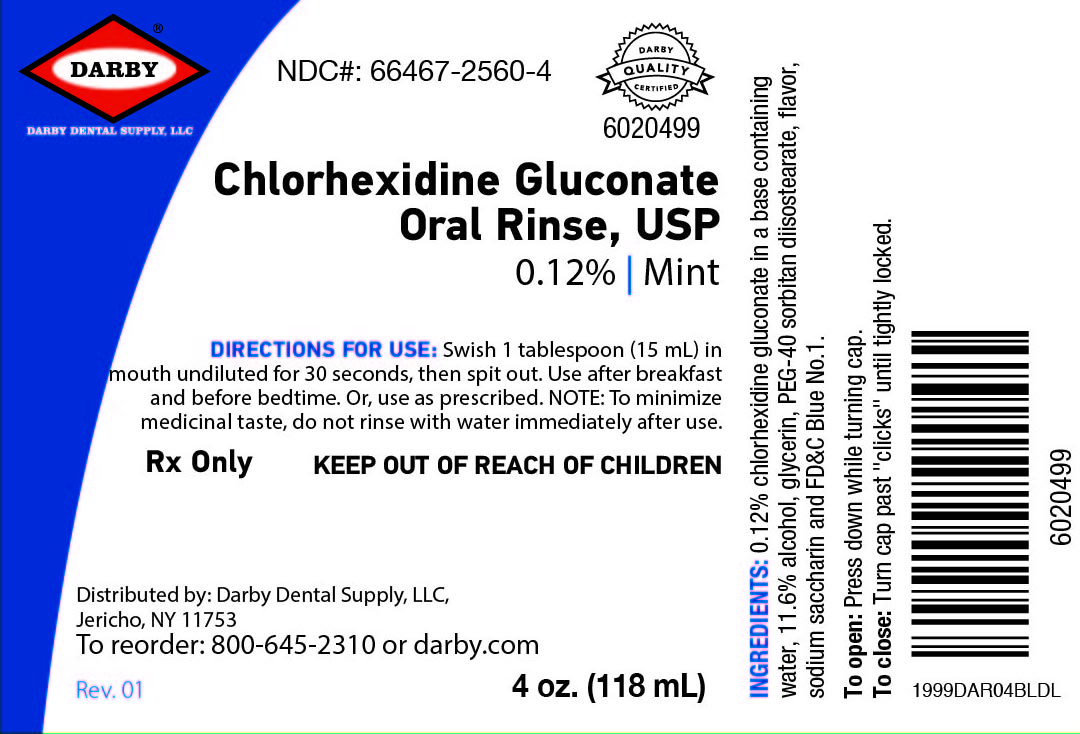
Chlorhexidine Gluconate 1.2 mg/mL Rinse, 118 mL
🆔 Identity & classification
Where does this data come from?
🏷️ RxNorm drug class
This medicine belongs to the Antiinfectives and antiseptics for local oral treatment class.
Where does this data come from?
🏭 Manufacturer & labeler
Where does this data come from?
🩺 Clinical
Chlorhexidine is used to treat gingivitis (redness and swelling of the gums). Chlorhexidine is in a class of medications called anti-infectant agents. It works by decreasing the amount of bacteria in the mouth.
Read the full MedlinePlus article ↗- It's actually a prescription-strength antimicrobial rinse, which is different from over-the-counter mouthwash. Your dentist prescribes it specifically to treat gingivitis — that's...
- What exactly is chlorhexidine rinse for — is it just like a regular mouthwash?
- Yes, tooth and surface staining is one of the most common side effects of chlorhexidine oral rinse. It can also increase tartar buildup on your teeth. The good news is that this is...
- My teeth look like they're staining — is that from the rinse?
Patient education
Supplement & herbal interactions
Where does this data come from?
Ask a licensed pharmacist directly — free, answered by our team.
🧪 Inactive Ingredients / Excipients
Inactive ingredients, also called excipients, are components of the drug product other than the active ingredient. They may include fillers, dyes, coatings, preservatives, flavors, or other formulation ingredients.
💡 Tap an ingredient (hover on desktop) to see what it is and why it’s used.
-
UNII 3K9958V90M
A liquid solvent derived from fermentation or chemical synthesis. In medicines, alcohol dissolves active ingredients, helps preserve the product, and improves how the body absorbs certain drugs.
-
UNII H3R47K3TBD
FD&C Blue No. 1 is a synthetic blue dye approved for use in foods and medicines. It serves as a colorant to give the medication its distinctive appearance and help with product identification.
-
UNII PDC6A3C0OX
Glycerin is a clear, thick liquid derived from plant oils or fats. It acts as a humectant to retain moisture, a sweetener, and a solvent in medications.
-
UNII JL4CCU7I1G
A synthetic emulsifier made from polyethylene glycol and sorbitan, combined with fatty acids. It helps mix oil and water-based ingredients together and improves the texture and spreadability of topical and oral medicines.
-
UNII SB8ZUX40TY
Saccharin sodium is an artificial sweetener made from saccharin salt. It's added to medicines to improve taste, especially in liquid formulations for children or bitter drugs.
-
UNII 059QF0KO0R
Water is a liquid solvent that dissolves and mixes ingredients together in liquid medicines, syrups, and injections. It helps distribute the active drug evenly throughout the product.
6 inactive ingredients listed in the exact product block matched to this NDC.
Label-section wording can be broader than the structured product block and may mention additional formulation ingredients.
Where does this data come from?
ingredient classCode="IACT" elements from the exact product block matched by this NDC. Label-section narrative from DailyMed / the openFDA label index is shown separately when available.Inactive ingredient FAQ
Are inactive ingredients the same for every manufacturer?
Why might an inactive ingredient be missing?
Can inactive ingredients matter?
💲 Pricing
A drug doesn't have one price. Each row is a different public payment system, and none is what you'd pay at the counter — that depends on your insurance. The ⓘ on each row explains what it measures.
| Price system | Per each | Per package |
|---|---|---|
| Retail pharmacies payNADAC · weekly | Not in the retail survey — common for institutional, discontinued, or low-volume packs. | |
| Medicaid paysCMS SDUD · 12 mo | No recent Medicaid claims on file for this NDC — rare and low-volume NDCs are suppressed in the public data. | |
| Medicare drug plans payPart D · Q2 2026 | $0.0247 | $0.02 / 1 bottle |
Where does this data come from?
🔁 Therapeutic equivalents
| Product | Labeler | Pack | NADAC/unit | TE | Status | Price vs. this |
|---|---|---|---|---|---|---|
| Chlorhexidine Gluconate Oral Rinse 1.2 mg/mL 16571-0128-48 | Rising | 473 ml | $0.007 | AT | Availability likely | — |
| Chlorhexidine Gluconate 1.2 mg/mL 00116-2001-04 | Xttrium | 118 ml | $0.017 | AT | Availability likely | — |
| Chlorhexidine Gluconate 0.12% Oral Rinse 1.2 [iU]/mL 00116-0003-15 | Xttrium | 15 ml | — | AT | FDA listed | — |
| Chlorhexidine Gluconate 1.2 mg/mL 00116-0175-16 | Xttrium | 473 ml | — | AT | FDA listed | — |
| Chlorhexidine Gluconate 1.2 mg/mL 00116-0301-15 | Xttrium | 15 ml | — | AT | FDA listed | — |
| NUPRO Chlorhexidine Gluconate 1.2 mg/mL 00116-0800-16 | Xttrium | 473 ml | — | AT | FDA listed | — |
| Acclean Chlorhexidine Gluconate 0.12% Oral Rinse 1.2 mg/mL 00116-4075-01 | Xttrium | 473 ml | — | AT | FDA listed | — |
| Chlorhexidine Gluconate 1.2 mg/mL 00116-6000-04 | Xttrium | 118 ml | — | AT | FDA listed | — |
| Acclean Chlorhexidine Gluconate 0.12% Oral Rinse 1.2 mg/mL 00116-6720-04 | Xttrium | 118 ml | — | AT | FDA listed | — |
| Chlorhexidine Gluconate 1.2 mg/mL 00121-0893-00 | PAI | 10 cups | — | AT | FDA listed | — |
| Periogard Alcohol Free 1.2 mg/mL 00126-0272-16 | Colgate | 473 ml | — | AT | FDA listed | — |
| Periogard Alcohol Free 1.2 mg/mL 00126-0282-16 | Colgate | 473 ml | — | AT | FDA listed | — |
| Chlorhexidine Gluconate 1.2 mg/mL 00374-5080-01 | Lyne | 15 ml | — | AT | FDA listed | — |
| Acclean Chlorhexidine Gluconate 0.12% Oral Rinse 1.2 mg/mL 00404-4075-01 | Henry | 473 ml | — | AT | FDA listed | — |
| Chlorhexidine Gluconate 1.2 mg/mL 00904-7035-80 | Major | 1500 ml | — | AT | FDA listed | — |
| Periogard Alcohol Free 1.2 mg/mL 17856-0272-01 | ATLANTIC | 72 cups | — | AT | FDA listed | — |
| Chlorhexidine Gluconate 1.2 mg/mL 17856-2001-03 | Atlantic | 10 ml | — | AT | FDA listed | — |
| Chlorhexidine Gluconate 1.2 mg/mL 17856-2002-03 | ATLANTIC | 15 ml | — | AT | Discontinued | — |
| Peridex 1.2 mg/mL 48878-0620-01 | Solventum | 473 ml | — | AT | FDA listed | — |
| Chlorhexidine Gluconate 1.2 mg/mL 50090-0722-00 | A-S | 473 ml | — | AT | FDA listed | — |
| Chlorhexidine Gluconate 1.2 mg/mL 53329-0301-24 | Medline | 15 ml | — | AT | FDA listed | — |
| Chlorhexidine Gluconate 0.12% Oral Rinse 1.2 mg/mL 53462-0003-15 | Sage | 15 ml | — | AT | FDA listed | — |
| DASH Chlorhexidine Gluconate 0.12% Oral Rinse 1.2 mg/mL 55154-1980-05 | Cardinal | 5 cups | — | AT | FDA listed | — |
| DASH Chlorhexidine Gluconate 0.12% Oral Rinse 1.2 mg/mL 55154-1981-05 | Cardinal | 5 cups | — | AT | FDA listed | — |
| Major Oral Rinse 1.2 mg/mL 55154-3573-05 | Cardinal | 5 cups | — | AT | FDA listed | — |
| Major Oral Rinse 1.2 mg/mL 55154-3574-05 | Cardinal | 5 cups | — | AT | FDA listed | — |
| Chlorhexidine Gluconate 1.2 mg/mL 59883-0175-16 | Den-mat | 473 ml | — | AT | FDA listed | — |
| Chlorhexidine Gluconate, 0.12% Oral Rinse 1.2 mg/mL 60687-0714-16 | American | 10 cups | — | AT | FDA listed | — |
| Chlorhexidine Gluconate, 0.12% Oral Rinse Solution 1.2 mg/mL 61037-0469-02 | Bajaj | 118 ml | — | AT | FDA listed | — |
| Chlorhexidine Gluconate 0.12% Oral Rinse 1.2 mg/mL 62135-0649-41 | Chartwell | 120 ml | — | AT | FDA listed | — |
| Chlorhexidine Gluconate 0.12% Oral Rinse 1.2 mg/mL 62135-0650-24 | Chartwell | 10 cups | — | AT | FDA listed | — |
| Chlorhexidine Gluconate 1.2 mg/mL 63187-0685-16 | Proficient | 473 ml | — | AT | FDA listed | — |
| Sky Oral Rinse 1.2 mg/mL 63739-0052-57 | McKesson | 600 ml | — | AT | FDA listed | — |
| NUPRO Chlorhexidine Gluconate 1.2 mg/mL 65222-0800-16 | Dentsply | 473 ml | — | AT | FDA listed | — |
| Chlorhexidine Gluconate 1.2 mg/mLthis 66467-2560-04 | Darby | 118 ml | — | AT | FDA listed | — |
| Chlorhexidine Gluconate 1.2 mg/mL 66689-0106-50 | VistaPharm, | 50 cups | — | AT | FDA listed | — |
| Chlorhexidine Gluconate 1.2 mg/mL 66975-0600-04 | Benco | 118 ml | — | AT | FDA listed | — |
| CleanCare Chlorhexidine Gluconate 0.12% Oral Rinse 1.2 mg/mL 67239-0225-00 | Safco | 118 ml | — | AT | FDA listed | — |
| Chlorhexidine Gluconate 1.2 mg/mL 68071-1837-06 | NuCare | 473 ml | — | AT | FDA listed | — |
| Chlorhexidine Gluconate Oral Rinse 1.2 mg/mL 68071-3630-06 | NuCare | 473 ml | — | AT | FDA listed | — |
| Chlorhexidine Gluconate 1.2 mg/mL 68788-9546-04 | Preferred | 473 ml | — | AT | FDA listed | — |
| Chlorhexidine Gluconate 0.12% Oral Rinse 1.2 mg/mL 68999-0650-24 | Chartwell | 10 cups | — | AT | FDA listed | — |
| DASH Chlorhexidine Gluconate 0.12% Oral Rinse 1.2 mg/mL 69339-0138-15 | Natco | 15 ml | — | AT | FDA listed | — |
| Chlorhexidine Gluconate 1.2 mg/mL 70518-4494-00 | REMEDYREPACK | 473 ml | — | AT | FDA listed | — |
| Chlorhexidine Gluconate, 0.12% Oral Rinse Solution 1.2 mg/mL 73141-0512-50 | A2A | 100 cups | — | AT | FDA listed | — |
| Chlorhexidine Gluconate Oral Rinse 1.2 mg/mL 73614-0203-01 | Brisk | 118 ml | — | AT | FDA listed | — |
| Chlorhexidine Gluconate, 0.12% Oral Rinse Solution 1.2 mg/mL 81033-0512-50 | Kesin | 100 cups | — | AT | FDA listed | — |
| Chlorhexidine Gluconate 1.2 mg/mL 00121-1786-16 | PAI | 473 ml | — | AT | FDA listed | — |
Where does this data come from?
⏳ Availability & generic status
This product is an FDA-approved generic. Other versions of the same drug are listed under Therapeutic equivalents, least expensive first.
Where does this data come from?
📊 Medicare Part D spend CMS · PART D · 2026 (Q1)
🔬 Reported adverse events (FAERS)
Top reported reactions
Reporter sex
Serious outcomes
Where does this data come from?
📦 Packaging — all sizes for this product
| Package NDC | Description | Marketing start | Status |
|---|---|---|---|
| 66467-2560-01 | 473 mL in 1 BOTTLE, PLASTIC (66467-2560-1) | 2006-07-02 | Active |
| 66467-2560-04 You're viewing this | 118 mL in 1 BOTTLE, PLASTIC (66467-2560-4) | 2017-08-04 | Active |
You're viewing the smallest of 2 pack sizes for this product.
Pack size FAQ
What quantity is in NDC 66467-2560-04?
What is the difference between NDC 66467-2560-04 and NDC 66467-2560-01?
What NDC number is used to bill for this package of Chlorhexidine Gluconate 1.2 mg/mL Rinse?
🧭 About this NDC listing & data coverage
What data is (and isn’t) available for this NDC — tap to expand
| NDC identity (package / product / labeler codes) | ✓ Available |
| Labeler | ✓ Available |
| Product & package description | ✓ Available |
| Marketing category & status | ✓ Available |
| Active ingredient / dosage form / route | ✓ Available |
| FDA label (SPL via DailyMed) | ✓ Available |
| Package photos | ✓ Available |
| Inactive ingredients (structured) | ✓ Available |
| NADAC pharmacy acquisition price (CMS) | — Not published for this NDC CMS publishes NADAC only for NDCs reported in its retail-pharmacy survey. |
| Orange Book / therapeutic-equivalence data | ✓ Available |
| HCPCS J-code billing crosswalk | — Not published for this NDC Most self-administered / retail products have no J-code — that is normal. |
| Medicaid utilization (CMS SDUD) | — Not published for this NDC CMS reports utilization only for NDCs with Medicaid claims above its privacy threshold. |
Questions about this listing
Why is there no price listed?
Is the NDC printed on the package the same as the 11-digit billing NDC?
What do the three segments of this NDC mean?
Is this package still being marketed?
Does this product come in other package sizes?
Who lists this product with the FDA?
Do I need a prescription for this product?
Where does this data come from?
📄 Full prescribing information FDA SPL
⏱️ Dosage and Administration ▾
Dosage & Administration DOSAGE AND ADMINISTRATION : Chlorhexidine gluconate oral rinse therapy should be initiated directly following a dental prophylaxis. Patients using chlorhexidine gluconate oral rinse should be reevaluated and given a thorough prophylaxis at intervals no longer than six months. Recommended use is twice daily rinsing for 30 seconds, morning and evening after tooth brushing.
Usual dosage is 15 mL (marked in cap) of undiluted chlorhexidine gluconate oral rinse. Patients should be instructed to not rinse with water, or other mouthwashes, brush teeth, or eat immediately after using chlorhexidine gluconate oral rinse. Chlorhexidine gluconate oral rinse is not intended for ingestion and should be expectorated after rinsing.
⛔ Contraindications ▾
Contrainidcations CONTRAINDICATIONS: Chlorhexidine gluconate oral rinse should not be used by persons who are known to be hypersensitive to chlorhexidine gluconate or other formula ingredients.
⚠️ Warnings and Cautions ▾
Warnings and Precautions WARNINGS : The effect of chlorhexidine gluconate oral rinse on periodontitis has not been determined. An increase in supragingival calculus was noted in clinical testing in chlorhexidine gluconate oral rinse users compared with control users. It is not known if chlorhexidine gluconate oral rinse use results in an increase in subgingival calculus.
Calculus deposits should be removed by a dental prophylaxis at intervals not greater than six months. Anaphylaxis, as well as serious allergic reactions, have been reported during postmarketing use with dental products containing chlorhexidine. SEE CONTRAINDICATIONS.
PRECAUTIONS : General: 1. For patients having coexisting gingivitis and periodontitis, the presence or absence of gingival inflammation following treatment with chlorhexidine gluconate oral rinse should not be used as a major indicator of underlying periodontitis. 2.
Chlorhexidine gluconate oral rinse can cause staining of oral surfaces, such as tooth surfaces, restorations, and the dorsum of the tongue. Not all patients will experience a visually significant increase in tooth staining. In clinical testing, 56% of chlorhexidine gluconate oral rinse users exhibited a measurable increase in facial anterior stain, compared to 35% of control users after six months; 15% of chlorhexidine gluconate oral rinse users developed what was judged to be heavy stain, compared to 1% of control users after six months.
Stain will be more pronounced in patients who have heavier accumulations of unremoved plaque. Stain resulting from use of chlorhexidine gluconate oral rinse does not adversely affect health of the gingivae or other oral tissues. Stain can be removed from most tooth surfaces by conventional professional prophylactic techniques.
Additional time may be required to complete the prophylaxis. Discretion should be used when prescribing to patients with anterior facial restorations with rough surfaces or margins. If natural stain cannot be removed from these surfaces by a dental prophylaxis, patients should be excluded from chlorhexidine gluconate oral rinse treatment if permanent discoloration is unacceptable.
Stain in these areas may be difficult to remove by dental prophylaxis and on rare occasions may necessitate replacement of these restorations. 3. Some patients may experience an alteration in taste perception while undergoing treatment with chlorhexidine gluconate oral rinse.
Rare instances of permanent taste alteration following chlorhexidine gluconate oral rinse use have been reported via post-marketing product surveillance.
🤒 Adverse Reactions ▾
Adverse Reactions ADVERSE REACTIONS: The most common side effects associated with chlorhexidine gluconate oral rinses are: 1) an increase in staining of teeth and other oral surfaces; 2) an increase in calculus formation; and 3) an alteration in taste perception; see WARNINGS and PRECAUTIONS. Oral irritation and local allergy-type symptoms have been spontaneously reported as side effects associated with use of chlorhexidine gluconate rinse. The following oral mucosal side effects were reported during placebo-controlled adult clinical trials: aphthous ulcer, grossly obvious gingivitis, trauma, ulceration, erythema, desquamation, coated tongue, keratinization, geographic tongue, mucocele, and short frenum.
Each occurred at a frequency of less than 1%. Among post marketing reports, the most frequent reported oral mucosal symptoms associated with chlorhexidine gluconate oral rinse are stomatitis, gingivitis, glossitis, ulcer, dry mouth, hypesthesia, glossal edema, and paresthesia. Minor irritation and superficial desquamation of the oral mucosa have been noted in patients using chlorhexidine gluconate oral rinse.
There have been cases of parotid gland swelling and inflammation of the salivary glands (sialadenitis) reported in patients using chlorhexidine gluconate oral rinse.
🤰 Pregnancy ▾
Pregnancy Pregnancy : Teratogenic Effects Pregnancy Category B. Reproduction studies have been performed in rats and rabbits at chlorhexidine gluconate doses up to 300 mg/kg/day and 40 mg/kg/day respectively, and have not revealed evidence of harm to fetus. However, adequate and well-controlled studies in pregnant women have not been done.
Because animal reproduction studies are not always predictive of human response, this drug should be used during pregnancy only if clearly needed.
🧒 Pediatric Use ▾
Pediatric Pediatric Use : Clinical effectiveness and safety of chlorhexidine gluconate oral rinse have not been established in children under the age of 18.
🆘 Overdosage ▾
Overdosage OVERDOSAGE: Ingestion of 1 or 2 ounces of chlorhexidine gluconate oral rinse by a small child (~10 kg body weight) might result in gastric distress, including nausea, or signs of alcohol intoxication. Medical attention should be sought if more than 4 ounces of chlorhexidine gluconate oral rinse is ingested by a small child or if signs of alcohol intoxication develop.
🧬 Clinical Pharmacology ▾
Clinical Pharmacology CLINICAL PHARMACOLOGY: Chlorhexidine gluconate oral rinse provides antimicrobial activity during oral rinsing. The clinical significance of chlorhexidine gluconate oral rinse's antimicrobial activities is not clear. Microbiological sampling of plaque has shown a general reduction of counts of certain assayed bacteria, both aerobic and anaerobic, ranging from 54-97% through six months use.
Use of chlorhexidine gluconate oral rinse in a six month clinical study did not result in any significant changes in bacterial resistance, overgrowth of potentially opportunistic organisms or other adverse changes in the oral microbial ecosystem. Three months after chlorhexidine gluconate oral rinse use was discontinued, the number of bacteria in plaque had returned to baseline levels and resistance of plaque bacteria to chlorhexidine gluconate was equal to that at baseline.
📦 How Supplied / Storage and Handling ▾
How Supplied HOW SUPPLIED: Chlorhexidine gluconate oral rinse is supplied as a blue liquid in 1-pint (473 mL) amber plastic bottles with child-resistant dispensing closures, NDC 66467-2560-1.
📦 Storage and Handling ▾
Storage and Handling Store at 20ºC to 25ºC (68ºF to 77ºF), excursions permitted to 15ºC to 30ºC (59ºF to 86ºF) [See USP controlled Room Temperature]. Rx Only Keep out of reach of children. To open : Squeeze smooth areas near bottom of cap and turn. To close : Turn cap until it locks.
🧪 Inactive Ingredients ▾
Inactive Ingredient Ingredients : 11.6% alcohol, glycerin, PEG-40 sorbitan diisostearate, flavor, sodium saccharin and FD&C Blue No. 1
💬 Information for Patients ▾
What to Expect when using Chlorhexidine Gluconate WHAT TO EXPECT WHEN USING CHLORHEXIDINE GLUCONATE ORAL RINSE Your dentist has prescribed chlorhexidine gluconate oral rinse to treat your gingivitis, to help reduce the redness and swelling of your gums, and also to help you control any gum bleeding. Use chlorhexidine gluconate oral rinse regularly, as directed by your dentist, in addition to daily brushing. Spit out after use; chlorhexidine gluconate oral rinse should not be swallowed.
If you develop allergic symptoms such as skin rash, itch, generalized swelling, breathing difficulties, light headedness, rapid heart rate, upset stomach or diarrhea, seek medical attention immediately. Chlorhexidine gluconate oral rinse should not be used by persons who have a sensitivity to it or to its components. Chlorhexidine gluconate oral rinse may cause some tooth discoloration, or increase in tartar (calculus) formation, particularly in areas where stain and tartar usually form.
It is important to see your dentist for removal of any stain or tartar at least every six months or more frequently if your dentist advises. • Both stain and tartar can be removed by your dentist or hygienist. Chlorhexidine gluconate oral rinse may cause permanent discoloration of some front-tooth fillings. • To minimize discoloration, you should brush and floss daily, emphasizing areas which begin to discolor. • Chlorhexidine gluconate oral rinse may taste bitter to some patients and can affect how foods and beverages taste.
This will become less noticeable in most cases with continued use of chlorhexidine gluconate oral rinse. • To avoid taste interference, rinse with chlorhexidine gluconate oral rinse after meals. Do not rinse with water or other mouthwashes immediately after rinsing with chlorhexidine gluconate oral rinse. If you have any questions or comments about chlorhexidine gluconate oral rinse, contact your dentist, pharmacist or call toll free at 1-800-361-2862.
Call your health care provider for medical advice about side effects. You may report side effects to FDA at 1-800-332-1088.