
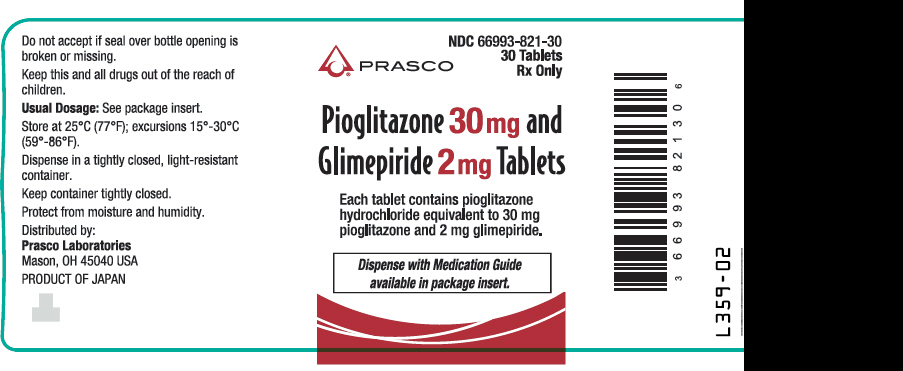
pioglitazone and glimepiride 30 mg; 4 mg Tablet, 30-count — NDC 66993-822-30 (Billing 66993-0822-30)
This is a package of 30 tablets of pioglitazone and glimepiride 30 mg; 4 mg Tablet from Prasco Laboratories, marketed since Aug 2015 and currently FDA-listed; retail pharmacies pay about $10.52 per tablet (NADAC). It is this product's only package size.
NDC database record
One package, one record: these facts belong to NDC 66993-822-30 alone.
- Record
- FDA NDC Directory package listing · Human prescription drug
- Code segments
- 66993 labeler · 822 product · 30 package
- Package marketed since
- Aug 4, 2015
- Sample package
- No — commercial package
- Listing certified through
- Dec 31, 2026
- Billing quantity
- 30 EA per package
- Barcode (UPC)
- 0366993822303, 0366993821306
- Medicaid fills, this package
- 422 prescriptions in the last four reported quarters
- FDA record last changed
- Oct 8, 2026
Identity & classification
Regulatory identifiers FDA, NLM and CMS codes for this package
Drug-database identifiers Medi-Span GPI and First Databank GCN / HICL / AHFS classification
- GSN (GCN sequence number): 061388
- GCN: 97180
- GPI-14 (Medi-Span): 27997802400340
- HICL (First Databank): 033991
- AHFS class code: 68:20.20.00
- RxCUI (RxNorm): 647237
Where does this data come from?
- FDA openFDA NDC Directory · synced Oct 8, 2026
- FDA label on DailyMed · label index refreshed Oct 8, 2026
- RxNorm (NLM RxNav) · catalog refreshed Oct 1, 2026
- Medi-Span GPI (licensed)
- First Databank (licensed) · refreshed Oct 8, 2026
RxNorm drug class
This medicine belongs to the Sulfonylurea class.
Where does this data come from?
- RxClass (NLM) · catalog refreshed Oct 1, 2026
Clinical
- It helps lower blood sugar in adults with type 2 diabetes, along with diet and exercise. It combines two medicines in one tablet. It will not work for type 1 diabetes.
- Swallow it by mouth once a day with your first main meal. Follow your prescriber's directions exactly. Your doctor will likely check liver tests before you begin.
- Common ones include cold-like symptoms, swelling, weight gain, headache, low blood sugar, diarrhea and nausea. Tell me or your doctor if swelling or weight gain comes on fast.
- Call for sudden weight gain, shortness of breath or swelling, since these can mean heart failure. Also call for severe low blood sugar, allergic reactions, dark urine, yellow skin...
Patient education
Supplement & herbal interactions
Where does this data come from?
- MedlinePlus (NLM) · refreshed Oct 8, 2026
- FDA label on DailyMed · label index refreshed Oct 8, 2026
Ask a licensed pharmacist directly — free, answered by our team.
Pricing
A drug doesn't have one price. Each row is a different public payment system, and none is what you'd pay at the counter — that depends on your insurance. The ⓘ on each row explains what it measures.
| Price system | Per ea | Per package |
|---|---|---|
| Retail pharmacies payNADAC · weekly | $10.518 | $315.53 / 30 tablets |
| Medicaid paysCMS SDUD · 12 mo | $10.02 | $300.72 / 30 tablets |
| Medicare drug plans payPart D · Q2 2026 | $8.00 | $239.88 / 30 tablets |
Where does this data come from?
- CMS NADAC weekly file · file of Oct 7, 2026
- CMS ASP pricing files · refreshed Sep 20, 2026
- CMS Medicaid State Drug Utilization Data · through Q1 2026
- CMS Part D plan pricing files · refreshed Sep 24, 2026
- VA National Acquisition Center price file
Packaging — all sizes for this product
| Package NDC | Description | Marketing start | Marketing end | Status |
|---|---|---|---|---|
| 66993-0822-30 You're viewing this Main listing | 30 TABLET in 1 BOTTLE | 2015-08-04 | — | Active |
Therapeutic equivalents
| Product | Labeler | Pack | NADAC/unit | TE | Status | Price vs. this |
|---|---|---|---|---|---|---|
| pioglitazone and glimepiride 30 mg/1; 4 mgthis 66993-0822-30 | Prasco | 30 tablets | $10.518 | AB | Availability likely | — |
| Duetact 30 mg/1; 4 mg 64764-0304-30 | Takeda | 30 tablets | — | AB | FDA listed | — |
Where does this data come from?
- FDA openFDA NDC Directory · synced Oct 8, 2026
- FDA Orange Book · refreshed Oct 3, 2026
- CMS NADAC weekly file · file of Oct 7, 2026
Availability & generic status
The FDA lists approved generic versions of this medicine, but that does not always mean a pharmacy can get one today. Patent rules, launch agreements, supply and pricing can affect when generics actually arrive.
Why the date isn’t exact: Generic timing can change because patents may be challenged, settled, licensed, added, removed, or worked around with a narrower label — and FDA approval does not always mean a pharmacy can get the generic today.
🛈 What do these terms mean?
- Patent
- Legal protection listed in the Orange Book that may delay generic approval or launch. Issued by the U.S. Patent & Trademark Office.
- Substance patent
- Covers the active drug molecule itself — the hardest to design around. A generic generally can’t launch until it expires.
- Formulation (product) patent
- Covers a specific formulation or dosage form. A generic can sometimes work around it with a different formulation.
- Method-of-use patent
- A patent covering one specific approved use of the drug — not necessarily the whole molecule. A generic can sometimes launch with a “skinny label” that carves out the protected use and keeps the others.
- Skinny label
- A generic label that omits a still-patented use when the FDA allows it — letting a generic reach the market for the unprotected uses.
- Exclusivity
- FDA-granted marketing protection, separate from patents — e.g. 5-yr new chemical entity, 7-yr orphan drug, or a +6-month pediatric extension.
- Paragraph IV
- A generic applicant’s formal challenge to a listed patent. It can potentially lead to earlier generic entry, but often involves litigation or a settlement.
- RLD / RS
- Reference Listed Drug — the brand product the FDA uses as the reference for generic applications. Reference Standard — the product the FDA expects generics to compare against in bioequivalence testing.
- TE / AB rating
- FDA therapeutic-equivalence rating. An AB rating generally means the FDA considers a generic therapeutically equivalent to — and substitutable for — the brand.
- LOE (loss of exclusivity)
- The latest patent or exclusivity currently listed — the loss-of-exclusivity / latest-listed-protection date shown on this page. Paragraph-IV challenges and settlements can move the real date earlier; FDA approval and a manufacturer’s decision to market can move it later.
Built from the FDA Orange Book. The bars above are scaled to each protection’s expiry; the red LOE marker is the last one to lapse.
| Patent | Type | Use code | Expires |
|---|---|---|---|
| US 8071130 ↗ | Drug product | — | Jun 8, 2028 |
| US 8071130 ↗ | Drug product | — | Jun 8, 2028 |
| US 7700128 ↗ | Drug product | — | Jan 30, 2027 |
| US 7700128 ↗ | Drug product | — | Jan 30, 2027 |
Is there a generic version of PIOGLITAZONE-GLIMEPIRIDE 30-4?
The FDA approved a generic — why can’t I get it at my pharmacy yet?
Why do different websites show different generic release dates?
What does “FDA listed” mean?
What does a patent or protection date mean here?
What does “current Orange Book estimate” mean?
Can a generic come out before the last patent expires?
Can a generic come out after the listed dates?
What is the difference between patents and exclusivity?
Why are there multiple patent dates?
Where does this data come from?
- FDA Orange Book · refreshed Oct 3, 2026
Inactive Ingredients / Excipients
Inactive ingredients, also called excipients, are components of the drug product other than the active ingredient. They may include fillers, dyes, coatings, preservatives, flavors, or other formulation ingredients.
🧪 Avoiding an ingredient? See Glimepiride / Pioglitazone inactive ingredients by manufacturer: every current product's list side by side, so you can ask your pharmacy for the version that does not list it.
💡 Tap an ingredient (hover on desktop) to see what it is and why it’s used.
-
UNII M28OL1HH48
Croscarmellose sodium is a plant-based substance derived from cellulose. It acts as a disintegrant, helping tablets and capsules break down quickly in the digestive system so the medicine can be absorbed.
-
UNII RFW2ET671P
Hydroxypropyl cellulose is a plant-derived thickening agent made from cellulose. It acts as a binder to hold tablet ingredients together and as a film-former to coat tablets or control how fast the medicine releases.
-
UNII EWQ57Q8I5X
Lactose monohydrate is a natural sugar derived from milk. It serves as a filler and binder in tablets and capsules, helping create the proper size, texture, and consistency of the medicine.
-
UNII 70097M6I30
Magnesium stearate is a salt made from magnesium and stearic acid, a fatty substance. It's used in tablets and capsules as a lubricant and glidant to help ingredients flow smoothly during manufacturing and prevent sticking.
-
UNII OP1R32D61U
Microcrystalline cellulose is a purified form of cellulose, a natural fiber from plant sources. It acts as a binder and filler in tablets and capsules, helping hold ingredients together and give the medicine its shape and size.
-
UNII 6OZP39ZG8H
Polysorbate 80 is a synthetic emulsifier derived from sorbitol and oleic acid. It helps mix oil and water-based ingredients together in medications and improves how the product disperses in the body.
6 inactive ingredients listed in the exact product block matched to this NDC.
Where does this data come from?
ingredient classCode="IACT" elements from the exact product block matched by this NDC. Label-section narrative from DailyMed / the openFDA label index is shown separately when available.- FDA label on DailyMed · label index refreshed Oct 8, 2026
- FDA openFDA NDC Directory · synced Oct 8, 2026
Inactive ingredient FAQ
Are inactive ingredients the same for every manufacturer?
Why might an inactive ingredient be missing?
Can inactive ingredients matter?
Manufacturer & labeler
More NDCs from Prasco Laboratories labeler code 66993
- phentermine and topiramate 11.25 mg; 69 mg Capsule, Extended Release NDC 66993-782-30
- phentermine and topiramate 15 mg; 92 mg Capsule, Extended Release NDC 66993-783-30
- Fluticasone Propionate Diskus 50 ug Powder, Metered NDC 66993-790-97
- Fluticasone Propionate Diskus 100 ug Powder, Metered NDC 66993-791-97
- Fluticasone Propionate Diskus 250 ug Powder, Metered NDC 66993-792-97
- pioglitazone and glimepiride 30 mg; 2 mg Tablet NDC 66993-821-30
- triamterene 50 mg Capsule NDC 66993-831-02
- Triamterene 100 mg Capsule NDC 66993-832-02
- Calcipotriene 50 ug/g Cream NDC 66993-877-61
- calcipotriene 50 ug/g Ointment NDC 66993-878-61
- Betamethasone Dipropionate .5 mg/g Ointment NDC 66993-897-15
- metronidazole 10 mg/g Gel NDC 66993-936-58
Where does this data come from?
- FDA openFDA NDC Directory · synced Oct 8, 2026
- Drugs@FDA
Full prescribing information FDA SPL
🚨 Boxed Warning ▾
WARNING: CONGESTIVE HEART FAILURE Thiazolidinediones, including pioglitazone, which is a component of pioglitazone and glimepiride tablets, cause or exacerbate congestive heart failure in some patients [see Warnings and Precautions (5.1) ] . After initiation of pioglitazone and glimepiride tablets and after dose increases, monitor patients carefully for signs and symptoms of heart failure (e.g., excessive, rapid weight gain, dyspnea, and/or edema). If heart failure develops, it should be managed according to current standards of care and discontinuation or dose reduction of pioglitazone and glimepiride tablets must be considered [see Warnings and Precautions (5.1) ] .
Pioglitazone and glimepiride tablets are not recommended in patients with symptomatic heart failure [see Warnings and Precautions (5.1) ] . Initiation of pioglitazone and glimepiride tablets in patients with established New York Heart Association (NYHA) Class III or IV heart failure is contraindicated [see Contraindications (4) and Warnings and Precautions (5.1) ] . WARNING: CONGESTIVE HEART FAILURE See full prescribing information for complete boxed warning.
Thiazolidinediones, including pioglitazone, which is a component of pioglitazone and glimepiride tablets, cause or exacerbate congestive heart failure in some patients. ( 5.1 ) After initiation of pioglitazone and glimepiride tablets, and after dose increases, monitor patients carefully for signs and symptoms of heart failure (e.g., excessive, rapid weight gain, dyspnea, and/or edema). If heart failure develops, it should be managed according to current standards of care and discontinuation or dose reduction of pioglitazone and glimepiride tablets must be considered.
( 5.1 ) Pioglitazone and glimepiride tablets are not recommended in patients with symptomatic heart failure. ( 5.1 ) Initiation of pioglitazone and glimepiride tablets in patients with established New York Heart Association (NYHA) Class III or IV heart failure is contraindicated. ( 4 , 5.1 )
🎯 Indications and Usage ▾
1 INDICATIONS AND USAGE Pioglitazone and glimepiride tablets are indicated as an adjunct to diet and exercise to improve glycemic control in adults with type 2 diabetes mellitus who are already treated with a thiazolidinedione and sulfonylurea or who have inadequate glycemic control on a thiazolidinedione alone or a sulfonylurea alone [see Clinical Studies (14) ] . Pioglitazone and glimepiride tablets are a thiazolidinedione and a sulfonylurea combination product indicated as an adjunct to diet and exercise to improve glycemic control in adults with type 2 diabetes mellitus when treatment with both pioglitazone and glimepiride is appropriate.
( 1 ) Important Limitations of Use: Not for treatment of type 1 diabetes or diabetic ketoacidosis. ( 1 ) Important Limitations of Use Pioglitazone exerts its antihyperglycemic effect only in the presence of endogenous insulin. Pioglitazone and glimepiride tablets should not be used to treat type 1 diabetes or diabetic ketoacidosis, as it would not be effective in these settings.
Use caution in patients with liver disease [see Warnings and Precautions (5.5) ].
⏱️ Dosage and Administration ▾
2 DOSAGE AND ADMINISTRATION Individualize the starting dose of pioglitazone and glimepiride tablets based on the patient's current regimen. ( 2.1 ) May adjust the dosing based on effectiveness and tolerability while not exceeding the maximum recommended daily dose of pioglitazone 45 mg and glimepiride 8 mg. ( 2.1 ) Pioglitazone and glimepiride tablets should be given in a single dose once daily with meals.
( 2.1 ) Obtain liver tests before starting pioglitazone and glimepiride tablets. If abnormal, use caution when treating with pioglitazone and glimepiride tablets, investigate the probable cause, treat (if possible) and follow appropriately. Monitoring liver tests while on pioglitazone and glimepiride tablets is not recommended in patients without liver disease.
( 5.5 )
2.1Recommendations for All Patients Pioglitazone and glimepiride tablets should be taken once daily with the first main meal. Pioglitazone and glimepiride tablets are available as a 30 mg pioglitazone plus 2 mg glimepiride or a 30 mg pioglitazone plus 4 mg glimepiride tablet. If therapy with a combination tablet containing pioglitazone and glimepiride is considered appropriate the recommended starting dose is: 30 mg/2 mg or 30 mg/4 mg once daily and gradually titrated, as needed, after assessing adequacy of therapeutic response and tolerability, for patients inadequately controlled on glimepiride monotherapy: 30 mg/2 mg or 30 mg/4 mg once daily and gradually titrated, as needed, after assessing adequacy of therapeutic response and tolerability, for patients inadequately controlled on pioglitazone monotherapy: 30 mg/2 mg once daily and gradually titrated, as needed, after assessing adequacy of therapeutic response and tolerability, for patients who are changing from combination therapy of pioglitazone plus glimepiride as separate tablets: pioglitazone and glimepiride tablets should be taken at doses that are as close as possible to the dose of pioglitazone and glimepiride already being taken, for patients currently on a different sulfonylurea monotherapy or switching from combination therapy of pioglitazone plus a different sulfonylurea (e.g., glyburide, glipizide, chlorpropamide, tolbutamide, acetohexamide): 30 mg/2 mg once daily and adjusted after assessing adequacy of therapeutic response.
Observe for hypoglycemia for one to two weeks due to the potential overlapping drug effect. for patients with systolic dysfunction, the lowest approved dose of pioglitazone and glimepiride tablets should be prescribed only after titration from 15 mg to 30 mg of pioglitazone has been safely tolerated. After initiation of pioglitazone and glimepiride tablets or with dose increase, monitor patients carefully for hypoglycemia and adverse reactions related to fluid retention such as weight gain, edema, and signs and symptoms of congestive heart failure [see Boxed Warning and Warnings and Precautions (5.7) ] .
Liver tests (serum alanine and aspartate aminotransferases, alkaline phosphatase, and total bilirubin) should be obtained prior to initiating pioglitazone and glimepiride tablets. Routine periodic monitoring of liver tests during treatment with pioglitazone and glimepiride tablets is not recommended in patients without liver disease. Patients who have liver test abnormalities prior to initiation of pioglitazone and glimepiride tablets or who are found to have abnormal liver tests while taking pioglitazone and glimepiride tablets should be managed as described under Warnings and Precautions [see Warnings and Precautions (5.5) and Clinical Pharmacology (12.3) ] .
2.2Concomitant Use with an Insulin Secretagogue or Insulin If hypoglycemia occurs in a patient coadministered pioglitazone and glimepiride tablets and an insulin secretagogue, the dose of the insulin secretagogue should be reduced . If hypoglycemia occurs in a patient coadministered pioglitazone and glimepiride tablets and insulin, the dose of insulin should be decreased by 10% to 25%. Further adjustments to the i… [Excerpted — this section continues on DailyMed.]
💊 Dosage Forms and Strengths ▾
3 DOSAGE FORMS AND STRENGTHS 30 mg/2 mg tablet: White to off-white, round, convex tablets, debossed with "4833G" on one side and "30/2" on the other 30 mg/4 mg tablet: White to off-white, round, convex tablets, debossed with "4833G" on one side and "30/4" on the other Tablets: 30 mg pioglitazone/2 mg glimepiride. ( 3 ) Tablets: 30 mg pioglitazone/4 mg glimepiride. ( 3 )
⛔ Contraindications ▾
4 CONTRAINDICATIONS Initiation in patients with established NYHA Class III or IV heart failure [see Boxed Warning ] . Use in patients with known hypersensitivity to pioglitazone, glimepiride or any other component of pioglitazone and glimepiride tablets [see Warnings and Precautions (5.3) ] . Use in patients with known history of an allergic reaction to sulfonamide derivatives.
Reported hypersensitivity reactions with glimepiride include cutaneous eruptions with or without pruritus as well as more serious reactions (e.g., anaphylaxis, angioedema, Stevens-Johnson Syndrome, dyspnea) [see Warnings and Precautions (5.3) and Adverse Reactions (6.2) ] Initiation in patients with established New York Heart Association (NYHA) Class III or IV heart failure [see Boxed Warning ] . ( 4 ) Use in patients with known hypersensitivity to pioglitazone, glimepiride or any other component of pioglitazone and glimepiride tablets.
( 4 ) Hypersensitivity to sulfonamide derivatives. ( 4 )
⚠️ Warnings and Cautions ▾
5 WARNINGS AND PRECAUTIONS Congestive heart failure: Fluid retention may occur and can exacerbate or lead to congestive heart failure. Combination use with insulin and use in congestive heart failure NYHA Class I and II may increase risk. Monitor patients for signs and symptoms.
( 5.1 ) Hypoglycemia: May be severe. When insulin or an insulin secretagogue is used with pioglitazone, a lower dose of the insulin or insulin secretagogue may be needed to reduce the risk of hypoglycemia. ( 5.2 ) Hypersensitivity Reactions: Postmarketing reports for glimepiride, a component of pioglitazone and glimepiride tablets, include anaphylaxis, angioedema and Stevens-Johnson Syndrome.
Promptly discontinue pioglitazone and glimepiride tablets, assess for other cases, institute appropriate monitoring and treatment, and initiate alternative treatment for diabetes. ( 5.3 ) Potential increased risk of cardiovascular mortality with sulfonylureas: Inform patients of risk, benefits, and treatment alternatives. ( 5.4 ) Hepatic effects: Postmarketing reports of hepatic failure, sometimes fatal.
Causality cannot be excluded. If liver injury is detected, promptly interrupt pioglitazone and glimepiride tablets and assess patient for probable cause, then treat cause if possible, to resolution or stabilization. Do not restart pioglitazone and glimepiride tablets if liver injury is confirmed and no alternate etiology can be found.
( 5.5 ) Bladder cancer: May increase the risk of bladder cancer. Do not use in patients with active bladder cancer. Use caution when using in patients with a prior history of bladder cancer.
( 5.6 ) Edema: Dose-related edema may occur. ( 5.7 ) Fractures: Increased incidence in female patients. Apply current standards of care for assessing and maintaining bone health.
( 5.8 ) Hemolytic anemia: Can occur if glucose 6-phosphate dehydrogenase (GP6D) deficient. Use with caution in patients with GP6D deficiency. ( 5.9 ) Macular edema: Postmarketing reports.
Recommend regular eye exams in all patients with diabetes according to current standards of care with prompt evaluation for acute visual changes. ( 5.10 ) Macrovascular outcomes: There have been no clinical studies establishing conclusive evidence of macrovascular risk reduction with pioglitazone and glimepiride tablets. ( 5.11 )
5.1Congestive Heart Failure Pioglitazone Pioglitazone, like other thiazolidinediones, can cause dose-related fluid retention when used alone or in combination with other antidiabetic medications and is most common when pioglitazone and glimepiride tablets are used in combination with insulin. Fluid retention may lead to or exacerbate congestive heart failure. Patients should be observed for signs and symptoms of congestive heart failure.
If congestive heart failure develops, it should be managed according to current standards of care and discontinuation or dose reduction of pioglitazone and glimepiride tablets must be considered [see Boxed Warning , Contraindications (4) and Adverse Reactions (6.1) ] .
5.2Hypoglycemia Glimepiride All sulfonylureas, including glimepiride, a component of pioglitazone and glimepiride tablets, can cause severe hypoglycemia [see Adverse Reactions (6.1) ] . The patient's ability to concentrate and react may be impaired as a result of hypoglycemia. These impairments may present a risk in situations where these abilities are especially important, such as driving or operating other machinery.
Severe hypoglycemia can lead to unconsciousness or convulsions and may result in temporary or permanent impairment of brain function or death. Patients must be educated to recognize and manage hypoglycemia. Use caution when initiating and increasing pioglitazone and glimepiride tablet doses in patients who may be predisposed to hypoglycemia (e.g., the elderly, patients with renal impairment, patients on other antidiabetic medications).
Debilitated or malnourished patients and those with adrenal, pituitary, or hepatic impairment are particularly s… [Excerpted — this section continues on DailyMed.]
🤒 Adverse Reactions ▾
6 ADVERSE REACTIONS The following serious adverse reactions are discussed elsewhere in the labeling: Congestive Heart Failure [see Boxed Warning and Warnings and Precautions (5.1) ] Hypoglycemia [see Warnings and Precautions (5.2) ] Edema [see Warnings and Precautions (5.7) ] Fractures [see Warnings and Precautions (5.8) ] Hemolytic Anemia [see Warnings and Precautions (5.9) ] Most common adverse reactions (≥5%) are upper respiratory tract infection, accidental injury, and combined edema/peripheral edema. ( 6.1 ) To report SUSPECTED ADVERSE REACTIONS, contact Takeda Pharmaceuticals at 1-877-825-3327 or FDA at 1-800-FDA-1088 or www.fda.gov/medwatch.
6.1Clinical Trials Experience Because clinical trials are conducted under widely varying conditions, adverse reaction rates observed in the clinical trials of a drug cannot be directly compared to rates in the clinical trials of another drug and may not reflect the rates observed in practice. The adverse events reported in at least 5% of patients in the controlled 16 week clinical studies between placebo plus a sulfonylurea and pioglitazone (15 mg and 30 mg combined) plus sulfonylurea treatment arms were upper respiratory tract infection (15.5% and 16.6%), accidental injury (8.6% and 3.5%), and combined edema/peripheral edema (2.1% and 7.2%), respectively.
The incidence and type of adverse events reported in at least 5% of patients in any combined treatment group from the 24 week study comparing pioglitazone 30 mg plus a sulfonylurea and pioglitazone 45 mg plus a sulfonylurea are shown in Table 1; the rate of adverse events resulting in study discontinuation between the two treatment groups was 6% and 9.7%, respectively. Table 1. Adverse Events that Occurred in ≥5% of Patients in Any Treatment Group During the 24 Week Study Adverse Event Pioglitazone 30 mg + Sulfonylurea N=351 n (%) Pioglitazone 45 mg + Sulfonylurea N=351 n (%) Hypoglycemia 47 (13.4) 55 (15.7) Upper Respiratory Tract Infection 43 (12.3) 52 (14.8) Weight Increased 32 (9.1) 47 (13.4) Edema Lower Limb 20 (5.7) 43 (12.3) Headache 25 (7.1) 14 (4.0) Urinary Tract Infection 20 (5.7) 24 (6.8) Diarrhea 21 (6.0) 15 (4.3) Nausea 18 (5.1) 14 (4.0) Pain in Limb 19 (5.4) 14 (4.0) In US double-blind studies, anemia was reported in ≤2% of patients treated with pioglitazone plus a sulfonylurea [see Warnings and Precautions (5.9) ] .
Pioglitazone Over 8500 patients with type 2 diabetes have been treated with pioglitazone in randomized, double-blind, controlled clinical trials, including 2605 patients with type 2 diabetes and macrovascular disease treated with pioglitazone in the PROactive clinical trial. In these trials, over 6000 patients have been treated with pioglitazone for six months or longer, over 4500 patients have been treated with pioglitazone for one year or longer, and over 3000 patients have been treated with pioglitazone for at least two years.
In six pooled 16 to 26 week placebo-controlled monotherapy and 16 to 24 week add-on combination therapy trials, the incidence of withdrawals due to adverse events was 4.5% for patients treated with pioglitazone and 5.8% for comparator-treated patients. The most common adverse events leading to withdrawal were related to inadequate glycemic control, although the incidence of these events was lower (1.5%) with pioglitazone than with placebo (3.0%). In the PROactive trial, the incidence of withdrawals due to adverse events was 9.0% for patients treated with pioglitazone and 7.7% for placebo-treated patients.
Congestive heart failure was the most common serious adverse event leading to withdrawal occurring in 1.3% of patients treated with pioglitazone and 0.6% of patients treated with placebo. Common Adverse Events: 16 to 26 Week Monotherapy Trials: A summary of the incidence and type of common adverse events reported in three pooled 16 to 26 week placebo-controlled monotherapy trials of pioglitazone is provided in Table 2. Terms that are reported represent those that occurred at a… [Excerpted — this section continues on DailyMed.]
🔄 Drug Interactions ▾
7 DRUG INTERACTIONS Strong CYP2C8 inhibitors (e.g., gemfibrozil) increase pioglitazone concentrations. Limit pioglitazone dose to 15 mg daily. ( 2.3 , 7.1 ) CYP2C8 inducers (e.g., rifampin) may decrease pioglitazone concentrations.
( 7.2 ) Topiramate may decrease pioglitazone concentrations. ( 7.3 ) Certain medications may affect glucose metabolism, requiring pioglitazone and glimepiride tablet dose adjustment and close monitoring of blood glucose. ( 7.4 ) Miconazole: Severe hypoglycemia can occur when pioglitazone and glimepiride tablets and oral miconazole are used concomitantly.
( 7.5 ) CYP2C9 interactions: Inhibitors and inducers may affect glycemic control by altering glimepiride plasma concentrations. ( 7.6 ) Colesevelam: Coadministration may reduce glimepiride absorption. Pioglitazone and glimepiride tablets should be administered at least 4 hours prior to colesevelam.
( 2.4 , 7.7 )
7.1Strong CYP2C8 Inhibitors Pioglitazone An inhibitor of CYP2C8 (e.g., gemfibrozil) significantly increases the exposure (area under the serum concentration-time curve or AUC) and half-life (t ½ ) of pioglitazone. Therefore, the maximum recommended dose of pioglitazone is 15 mg daily if used in combination with gemfibrozil or other strong CYP2C8 inhibitors. Since the minimum dose of pioglitazone in pioglitazone and glimepiride tablets exceeds 15 mg, patients taking concomitant strong CYP2C8 inhibitors should switch to individual components of pioglitazone and glimepiride tablets, unless the prescribing health care provider determines that the benefit of pioglitazone and glimepiride tablets clearly outweighs the risk of increased pioglitazone exposure [see Dosage and Administration (2.3) and Clinical Pharmacology (12.3) ] .
7.2CYP2C8 Inducers Pioglitazone An inducer of CYP2C8 (e.g., rifampin) may significantly decrease the exposure (AUC) of pioglitazone. Therefore, if an inducer of CYP2C8 is started or stopped during treatment with pioglitazone, changes in diabetes treatment may be needed based on clinical response without exceeding the maximum recommended daily dose of 45 mg for pioglitazone [see Clinical Pharmacology (12.3) ] .
7.3Topiramate Pioglitazone A decrease in the exposure of pioglitazone and its active metabolites were noted with concomitant administration of pioglitazone and topiramate [see Clinical Pharmacology (12.3) ] . The clinical relevance of this decrease is unknown; however, when pioglitazone and topiramate are used concomitantly, monitor patients for adequate glycemic control.
7.4Drugs Affecting Glucose Metabolism Glimepiride A number of medications affect glucose metabolism and may require pioglitazone and glimepiride tablet dose adjustment and particularly close monitoring for hypoglycemia or worsening glycemic control. The following are examples of medications that may increase the glucose-lowering effect of sulfonylureas including glimepiride, a component of pioglitazone and glimepiride tablets, increasing the susceptibility to and/or intensity of hypoglycemia: oral anti-diabetic medications, pramlintide acetate, insulin, angiotensin converting enzyme (ACE) inhibitors, H2 receptor antagonists, fibrates, propoxyphene, pentoxifylline, somatostatin analogs, anabolic steroids and androgens, cyclophosphamide, phenyramidol, guanethidine, fluconazole, sulfinpyrazone, tetracyclines, clarithromycin, disopyramide, quinolones, and those drugs that are highly protein-bound, such as fluoxetine, nonsteroidal anti-inflammatory drugs, salicylates, sulfonamides, chloramphenicol, coumarins, probenecid and monoamine oxidase inhibitors.
When these medications are administered to a patient receiving pioglitazone and glimepiride tablets, monitor the patient closely for hypoglycemia. When these medications are withdrawn from a patient receiving pioglitazone and glimepiride tablets, monitor the patient closely for worsening glycemic control. The following are examples of medications that may reduce the glucose-lowering effect of sulfonyl… [Excerpted — this section continues on DailyMed.]
👥 Use in Specific Populations ▾
8 USE IN SPECIFIC POPULATIONS Females and Males of Reproductive Potential: Advise premenopausal females of the potential for an unintended pregnancy. ( 8.3 ) Pediatrics: Not recommended for use in pediatric patients. ( 8.4 ) Geriatric or renally impaired patients: At risk for hypoglycemia with pioglitazone and glimepiride tablets. Use caution in dose selection and titration, and monitor closely. ( 8.5 , 8.6 )
8.1Pregnancy Risk Summary Limited data with pioglitazone and glimepiride tablets or pioglitazone in pregnant women are not sufficient to determine a drug-associated risk for major birth defects or miscarriage. There are clinical considerations related to fetal and neonatal adverse reactions and drug discontinuation if glimepiride is used during pregnancy. There are risks to the mother and fetus associated with poorly controlled diabetes in pregnancy [see Clinical Considerations ].
No adverse developmental effects were observed when pioglitazone was administered to pregnant rats and rabbits during organogenesis at exposures up to 5 and 35 times the 45 mg clinical dose, respectively, based on the body surface area. Administration of glimepiride to pregnant rats and rabbits during organogenesis induced maternal hypoglycemia and also increased fetal mortality at doses 50 (rats) and 0.1 times (rabbits) the 8 mg clinical dose, respectively, based on body surface area [see Data ] . The estimated background risk of major birth defects is 6-10% in women with pre-gestational diabetes with a HbA1c >7 and has been reported to be as high as 20-25% in women with a HbA1c >10.
The estimated background risk of miscarriage for the indicated population is unknown. In the U.S. general population, the estimated background risk of major birth defects and miscarriage in clinically recognized pregnancies is 2-4% and 15-20% respectively. Clinical Considerations Disease-associated maternal and/or embryo/fetal risk Poorly controlled diabetes in pregnancy increases the maternal risk for diabetic ketoacidosis, pre-eclampsia, spontaneous abortions, preterm delivery, still birth and delivery complications.
Poorly controlled diabetes increases the fetal risk for major birth defects, still birth, and macrosomia related morbidity. Fetal/Neonatal Adverse Reaction Neonates of women with gestational diabetes, who are treated with sulfonylureas during pregnancy, may be at increased risk for neonatal intensive care unit admission, and may develop respiratory distress, hypoglycemia, birth injury, and be large for gestational age. Prolonged severe hypoglycemia, lasting 4-10 days, has been reported in neonates born to mothers receiving a sulfonylurea at the time of delivery and has been reported with the use of agents with a prolonged half-life.
Observe newborns for symptoms of hypoglycemia and respiratory distress and manage accordingly. Dose adjustments during pregnancy and the postpartum period Due to reports of prolonged severe hypoglycemia in neonates born to mothers receiving a sulfonylurea at the time of delivery, pioglitazone and glimepiride should be discontinued at least two weeks before expected delivery [see Fetal/Neonatal Adverse Reaction ]. Data Animal Data Pioglitazone and Glimepiride Animal reproduction studies were not conducted with the combined products in pioglitazone and glimepiride tablets.
The following data are based on studies conducted with the individual components of pioglitazone and glimepiride tablets. Pioglitazone Pioglitazone administered to pregnant rats during organogenesis did not cause adverse developmental effects at a dose of 20 mg/kg (~5 times the 45 mg clinical dose), but delayed parturition and reduced embryofetal viability at 40 and 80 mg/kg, or ≥9 times the 45 mg clinical dose, by body surface area. In pregnant rabbits administered pioglitazone during organogenesis, no adverse developmental effects were observed at 80 mg/kg (~35 times the 45 mg clinical dose), but reduced embryofetal viability at 160 mg/kg, or ~69 times… [Excerpted — this section continues on DailyMed.]
🤰 Pregnancy ▾
8.1Pregnancy Risk Summary Limited data with pioglitazone and glimepiride tablets or pioglitazone in pregnant women are not sufficient to determine a drug-associated risk for major birth defects or miscarriage. There are clinical considerations related to fetal and neonatal adverse reactions and drug discontinuation if glimepiride is used during pregnancy. There are risks to the mother and fetus associated with poorly controlled diabetes in pregnancy [see Clinical Considerations ].
No adverse developmental effects were observed when pioglitazone was administered to pregnant rats and rabbits during organogenesis at exposures up to 5 and 35 times the 45 mg clinical dose, respectively, based on the body surface area. Administration of glimepiride to pregnant rats and rabbits during organogenesis induced maternal hypoglycemia and also increased fetal mortality at doses 50 (rats) and 0.1 times (rabbits) the 8 mg clinical dose, respectively, based on body surface area [see Data ] . The estimated background risk of major birth defects is 6-10% in women with pre-gestational diabetes with a HbA1c >7 and has been reported to be as high as 20-25% in women with a HbA1c >10.
The estimated background risk of miscarriage for the indicated population is unknown. In the U.S. general population, the estimated background risk of major birth defects and miscarriage in clinically recognized pregnancies is 2-4% and 15-20% respectively. Clinical Considerations Disease-associated maternal and/or embryo/fetal risk Poorly controlled diabetes in pregnancy increases the maternal risk for diabetic ketoacidosis, pre-eclampsia, spontaneous abortions, preterm delivery, still birth and delivery complications.
Poorly controlled diabetes increases the fetal risk for major birth defects, still birth, and macrosomia related morbidity. Fetal/Neonatal Adverse Reaction Neonates of women with gestational diabetes, who are treated with sulfonylureas during pregnancy, may be at increased risk for neonatal intensive care unit admission, and may develop respiratory distress, hypoglycemia, birth injury, and be large for gestational age. Prolonged severe hypoglycemia, lasting 4-10 days, has been reported in neonates born to mothers receiving a sulfonylurea at the time of delivery and has been reported with the use of agents with a prolonged half-life.
Observe newborns for symptoms of hypoglycemia and respiratory distress and manage accordingly. Dose adjustments during pregnancy and the postpartum period Due to reports of prolonged severe hypoglycemia in neonates born to mothers receiving a sulfonylurea at the time of delivery, pioglitazone and glimepiride should be discontinued at least two weeks before expected delivery [see Fetal/Neonatal Adverse Reaction ]. Data Animal Data Pioglitazone and Glimepiride Animal reproduction studies were not conducted with the combined products in pioglitazone and glimepiride tablets.
The following data are based on studies conducted with the individual components of pioglitazone and glimepiride tablets. Pioglitazone Pioglitazone administered to pregnant rats during organogenesis did not cause adverse developmental effects at a dose of 20 mg/kg (~5 times the 45 mg clinical dose), but delayed parturition and reduced embryofetal viability at 40 and 80 mg/kg, or ≥9 times the 45 mg clinical dose, by body surface area. In pregnant rabbits administered pioglitazone during organogenesis, no adverse developmental effects were observed at 80 mg/kg (~35 times the 45 mg clinical dose), but reduced embryofetal viability at 160 mg/kg, or ~69 times the 45 mg clinical dose, by body surface area.
When pregnant rats received pioglitazone during late gestation and lactation, delayed postnatal development, attributed to decreased body weight occurred in offspring at maternal doses of 10 mg/kg and above or ≥2 times the 45 mg clinical dose, by body surface area. Glimepiride Fetal deaths occurred in rats and rabbits administered glimepiride during the period of… [Excerpted — this section continues on DailyMed.]
🧒 Pediatric Use ▾
8.4Pediatric Use Safety and effectiveness of pioglitazone and glimepiride tablets in pediatric patients have not been established. Pioglitazone and glimepiride tablets are not recommended for use in pediatric patients based on adverse effects observed in adults, including fluid retention and congestive heart failure, fractures, and urinary bladder tumors [see Warnings and Precautions (5.1 , 5.6 , 5.7 , 5.8) ]. Glimepiride The pharmacokinetics, efficacy and safety of glimepiride have been evaluated in pediatric patients with type 2 diabetes as described below.
Glimepiride is not recommended in pediatric patients because of its adverse effects on body weight and hypoglycemia. The pharmacokinetics of a 1 mg single dose of glimepiride was evaluated in 30 patients with type 2 diabetes (male = 7; female = 23) between ages 10 and 17 years. The mean (±SD) AUC (0-last) (339±203 ng∙hr/mL), C max (102±48 ng/mL) and t 1/2 (3.1±1.7 hours) for glimepiride were comparable to historical data from adults (AUC (0-last) 315±96 ng∙hr/mL, C max 103±34 ng/mL and t 1/2 5.3±4.1 hours).
The safety and efficacy of glimepiride in pediatric patients was evaluated in a single-blind, 24 week trial that randomized 272 patients (8 to 17 years of age) with type 2 diabetes to glimepiride (n=135) or metformin (n=137). Both treatment-naïve patients (those treated with only diet and exercise for at least two weeks prior to randomization) and previously treated patients (those previously treated or currently treated with other oral antidiabetic medications for at least three months) were eligible to participate.
Patients who were receiving oral antidiabetic agents at the time of study entry discontinued these medications before randomization without a washout period. Glimepiride was initiated at 1 mg, and then titrated up to 2, 4 or 8 mg (mean last dose 4 mg) through Week 12, targeting a self monitored fasting fingerstick blood glucose <126 mg/dL. Metformin was initiated at 500 mg twice daily and titrated at Week 12 up to 1000 mg twice daily (mean last dose 1365 mg).
After 24 weeks, the overall mean treatment difference in HbA1c between glimepiride and metformin was 0.2%, favoring metformin (95% confidence interval -0.3% to +0.6%). Based on these results, the trial did not meet its primary objective of showing a similar reduction in HbA1c with glimepiride compared to metformin. The profile of adverse reactions in pediatric patients treated with glimepiride was similar to that observed in adults.
Hypoglycemic events documented by blood glucose values <36 mg/dL were observed in 4% of pediatric patients treated with glimepiride and in 1% of pediatric patients treated with metformin. One patient in each treatment group experienced a severe hypoglycemic episode (severity was determined by the investigator based on observed signs and symptoms).
🧓 Geriatric Use ▾
8.5Geriatric Use To minimize the risk of hypoglycemia, the initial dosing, dose increments, and maintenance dosage of pioglitazone and glimepiride tablets should be conservative. During initiation of pioglitazone and glimepiride tablet therapy and any subsequent dose adjustments, geriatric patients should be observed carefully for hypoglycemia. Pioglitazone A total of 92 patients (15.2%) treated with pioglitazone in the three pooled 16 to 26 week double-blind, placebo-controlled, monotherapy trials were ≥65 years old and two patients (0.3%) were ≥75 years old.
In the two pooled 16 to 24 week add-on to sulfonylurea trials, 201 patients (18.7%) treated with pioglitazone were ≥65 years old and 19 (1.8%) were ≥75 years old. In the two pooled 16 to 24 week add-on to metformin trials, 155 patients (15.5%) treated with pioglitazone were ≥65 years old and 19 (1.9%) were ≥75 years old. In the two pooled 16 to 24 week add-on to insulin trials, 272 patients (25.4%) treated with pioglitazone were ≥65 years old and 22 (2.1%) were ≥75 years old.
In PROactive, 1068 patients (41.0%) treated with pioglitazone were ≥65 years old and 42 (1.6%) were ≥75 years old. In pharmacokinetic studies with pioglitazone, no significant differences were observed in pharmacokinetic parameters between elderly and younger patients [see Clinical Pharmacology (12.3) ] . Although clinical experiences have not identified differences in effectiveness and safety between the elderly (≥65 years) and younger patients, these conclusions are limited by small sample sizes for patients ≥75 years old.
Glimepiride In clinical trials of glimepiride, 1053 of 3491 patients (30%) were ≥65 years of age. No overall differences in safety or effectiveness were observed between these patients and younger patients, but greater sensitivity of some older individuals cannot be ruled out. There were no significant differences in glimepiride pharmacokinetics between patients with type 2 diabetes ≤65 years (n=49) and those >65 years (n=42 ) [see Clinical Pharmacology (12.3) ] .
Glimepiride is substantially excreted by the kidney. Elderly patients are more likely to have renal impairment. In addition, hypoglycemia may be difficult to recognize in the elderly [see Dosage and Administration (2.1) and Warnings and Precautions (5.2) ] .
Use caution when initiating pioglitazone and glimepiride tablets and increasing the dose of pioglitazone and glimepiride tablets in this patient population.
🆘 Overdosage ▾
10 OVERDOSAGE Pioglitazone During controlled clinical trials, one case of overdose with pioglitazone was reported. A male patient took 120 mg per day for four days, then 180 mg per day for seven days. The patient denied any clinical symptoms during this period.
In the event of overdosage, appropriate supportive treatment should be initiated according to the patient's clinical signs and symptoms. Glimepiride An overdosage of glimepiride, as with other sulfonylureas, can produce severe hypoglycemia. Mild episodes of hypoglycemia can be treated with oral glucose.
Severe hypoglycemic reactions constitute medical emergencies requiring immediate treatment. Severe hypoglycemia with coma, seizure, or neurological impairment can be treated with glucagon or intravenous glucose. Continued observation and additional carbohydrate intake may be necessary because hypoglycemia may recur after apparent clinical recovery [see Warnings and Precautions (5.2) ] .
🧬 Clinical Pharmacology ▾
12 CLINICAL PHARMACOLOGY
12.1Mechanism of Action Pioglitazone and glimepiride tablets combine 2 antihyperglycemic agents with different mechanisms of action to improve glycemic control in patients with type 2 diabetes: pioglitazone, a member of the thiazolidinedione class, and glimepiride, a member of the sulfonylurea class. Thiazolidinediones are insulin-sensitizing agents that act primarily by enhancing peripheral glucose utilization, whereas sulfonylureas are insulin secretagogues that act primarily by stimulating release of insulin from functioning pancreatic beta cells.
Pioglitazone Pioglitazone is a thiazolidinedione that depends on the presence of insulin for its mechanism of action. Pioglitazone decreases insulin resistance in the periphery and in the liver resulting in increased insulin-dependent glucose disposal and decreased hepatic glucose output. Pioglitazone is not an insulin secretagogue.
Pioglitazone is an agonist for peroxisome proliferator-activated receptor-gamma (PPARγ). PPAR receptors are found in tissues important for insulin action such as adipose tissue, skeletal muscle, and liver. Activation of PPARγ nuclear receptors modulates the transcription of a number of insulin responsive genes involved in the control of glucose and lipid metabolism.
In animal models of diabetes, pioglitazone reduces the hyperglycemia, hyperinsulinemia, and hypertriglyceridemia characteristic of insulin-resistant states such as type 2 diabetes. The metabolic changes produced by pioglitazone result in increased responsiveness of insulin-dependent tissues and are observed in numerous animal models of insulin resistance. Because pioglitazone enhances the effects of circulating insulin (by decreasing insulin resistance), it does not lower blood glucose in animal models that lack endogenous insulin.
Glimepiride Glimepiride primarily lowers blood glucose by stimulating the release of insulin from pancreatic beta cells. Sulfonylureas bind to the sulfonylurea receptor in the pancreatic beta cell plasma membrane, leading to closure of the ATP-sensitive potassium channel, thereby stimulating the release of insulin.
12.2Pharmacodynamics Pioglitazone Clinical studies demonstrate that pioglitazone improves insulin sensitivity in insulin-resistant patients. Pioglitazone enhances cellular responsiveness to insulin, increases insulin-dependent glucose disposal and improves hepatic sensitivity to insulin. In patients with type 2 diabetes, the decreased insulin resistance produced by pioglitazone results in lower plasma glucose concentrations, lower plasma insulin concentrations, and lower HbA1c values.
In controlled clinical trials, pioglitazone had an additive effect on glycemic control when used in combination with a sulfonylurea, metformin, or insulin [see Clinical Studies (14) ] . Patients with lipid abnormalities were included in clinical trials with pioglitazone. Overall, patients treated with pioglitazone had mean decreases in serum triglycerides, mean increases in HDL cholesterol, and no consistent mean changes in LDL and total cholesterol.
There is no conclusive evidence of macrovascular benefit with pioglitazone [see Warnings and Precautions (5.11) and Adverse Reactions (6.1) ] . In a 26 week, placebo-controlled, dose-ranging monotherapy study, mean serum triglycerides decreased in the 15 mg, 30 mg, and 45 mg pioglitazone dose groups compared to a mean increase in the placebo group. Mean HDL cholesterol increased to a greater extent in patients treated with pioglitazone than in the placebo-treated patients.
There were no consistent differences for LDL and total cholesterol in patients treated with pioglitazone compared to placebo (Table 12) . Table 12. Lipids in a 26 Week Placebo-Controlled Monotherapy Dose-Ranging Study Placebo Pioglitazone 15 mg Once Daily Pioglitazone 30 mg Once Daily Pioglitazone 45 mg Once Daily Triglycerides (mg/dL) N=79 N=79 N=84 N=77 Baseline (mean) 263 284 261 260 Percent change from baseline (adjusted mean… [Excerpted — this section continues on DailyMed.]
🧬 Mechanism of Action ▾
12.1Mechanism of Action Pioglitazone and glimepiride tablets combine 2 antihyperglycemic agents with different mechanisms of action to improve glycemic control in patients with type 2 diabetes: pioglitazone, a member of the thiazolidinedione class, and glimepiride, a member of the sulfonylurea class. Thiazolidinediones are insulin-sensitizing agents that act primarily by enhancing peripheral glucose utilization, whereas sulfonylureas are insulin secretagogues that act primarily by stimulating release of insulin from functioning pancreatic beta cells.
Pioglitazone Pioglitazone is a thiazolidinedione that depends on the presence of insulin for its mechanism of action. Pioglitazone decreases insulin resistance in the periphery and in the liver resulting in increased insulin-dependent glucose disposal and decreased hepatic glucose output. Pioglitazone is not an insulin secretagogue.
Pioglitazone is an agonist for peroxisome proliferator-activated receptor-gamma (PPARγ). PPAR receptors are found in tissues important for insulin action such as adipose tissue, skeletal muscle, and liver. Activation of PPARγ nuclear receptors modulates the transcription of a number of insulin responsive genes involved in the control of glucose and lipid metabolism.
In animal models of diabetes, pioglitazone reduces the hyperglycemia, hyperinsulinemia, and hypertriglyceridemia characteristic of insulin-resistant states such as type 2 diabetes. The metabolic changes produced by pioglitazone result in increased responsiveness of insulin-dependent tissues and are observed in numerous animal models of insulin resistance. Because pioglitazone enhances the effects of circulating insulin (by decreasing insulin resistance), it does not lower blood glucose in animal models that lack endogenous insulin.
Glimepiride Glimepiride primarily lowers blood glucose by stimulating the release of insulin from pancreatic beta cells. Sulfonylureas bind to the sulfonylurea receptor in the pancreatic beta cell plasma membrane, leading to closure of the ATP-sensitive potassium channel, thereby stimulating the release of insulin.
📦 How Supplied / Storage and Handling ▾
16 HOW SUPPLIED/STORAGE AND HANDLING Pioglitazone and glimepiride tablets are available in 30 mg pioglitazone plus 2 mg glimepiride or 30 mg pioglitazone plus 4 mg glimepiride tablets as follows: 30 mg/2 mg tablet: white to off-white, round, convex tablets, debossed with 4833G on one side and 30/2 on the other, available in: NDC 66993-821-30 Bottles of 30 30 mg/4 mg tablet: white to off-white, round, convex tablets, debossed with 4833G on one side and 30/4 on the other, available in: NDC 66993-822-30 Bottles of 30 Storage Store at 25°C (77°F); excursions permitted to 15° to 30°C (59° to 86°F) [see USP Controlled Room Temperature].
Keep container tightly closed and protect from moisture and humidity.
📦 Storage and Handling ▾
Storage Store at 25°C (77°F); excursions permitted to 15° to 30°C (59° to 86°F) [see USP Controlled Room Temperature]. Keep container tightly closed and protect from moisture and humidity.
📋 Description ▾
11 DESCRIPTION Pioglitazone and glimepiride tablets are a thiazolidinedione and a sulfonylurea combination product that contains two oral antihyperglycemic agents: pioglitazone and glimepiride. The concomitant use of pioglitazone and a sulfonylurea, the class of drugs that includes glimepiride, has been previously approved based on clinical trials in patients with type 2 diabetes inadequately controlled on a sulfonylurea. Additional efficacy and safety information about pioglitazone and glimepiride monotherapies may be found in the prescribing information for each individual drug.
Pioglitazone is an oral antidiabetic medication. Pioglitazone [(±)-5-[[4-[2-(5-ethyl-2-pyridinyl)ethoxy]phenyl]methyl]-2,4-] thiazolidinedione monohydrochloride contains one asymmetric carbon, and the compound is synthesized and used as the racemic mixture. The two enantiomers of pioglitazone interconvert in vivo .
No differences were found in the pharmacologic activity between the two enantiomers. The structural formula is as shown: pioglitazone hydrochloride Pioglitazone hydrochloride is an odorless, white crystalline powder that has a molecular formula of C 19 H 20 N 2 O 3 S∙HCl and a molecular weight of 392.90 daltons. It is soluble in N,N -dimethylformamide, slightly soluble in anhydrous ethanol, very slightly soluble in acetone and acetonitrile, practically insoluble in water, and insoluble in ether.
Glimepiride is an oral sulfonylurea chemically identified as 1-[[ p -[2-(3-ethyl-4-methyl-2-oxo-3-pyrroline-1-carboxamido)ethyl]phenyl]sulfonyl]-3-(trans-4-methylcyclohexyl)-urea (C 24 H 34 N 4 O 5 S) with a molecular weight of 490.62. Glimepiride is a white to yellowish-white, crystalline, odorless to practically odorless powder and is practically insoluble in water. The structural formula is: glimepiride Pioglitazone and glimepiride tablets are available as a tablet for oral administration containing 30 mg pioglitazone (as the base) with 2 mg glimepiride (30 mg/2 mg) or 30 mg pioglitazone (as the base) with 4 mg glimepiride (30 mg/4 mg) formulated with the following excipients: croscarmellose sodium NF, lactose monohydrate NF, magnesium stearate NF, hydroxypropyl cellulose NF, polysorbate 80 NF, and microcrystalline cellulose NF. chemical structure chemical structure
💬 Information for Patients ▾
17 PATIENT COUNSELING INFORMATION See FDA-approved patient labeling (Medication Guide) . Inform patients that pioglitazone and glimepiride tablets are not recommended for patients with symptoms of heart failure. Inform patients that patients with severe heart failure (NYHA Class III or IV) cannot start pioglitazone and glimepiride tablets as the risks exceed the benefits in such patients.
It is important to instruct patients to adhere to dietary instructions and to have blood glucose and glycosylated hemoglobin tested regularly. During periods of stress such as fever, trauma, infection, or surgery, medication requirements may change and patients should be reminded to seek medical advice promptly. Patients should also be informed of the potential risks and advantages of pioglitazone and glimepiride tablets and of alternative modes of therapy.
Tell patients to promptly report any sign of macroscopic hematuria or other symptoms such as dysuria or urinary urgency that develop or increase during treatment as these may be due to bladder cancer. Prior to initiation of pioglitazone and glimepiride tablet therapy, the risks of hypoglycemia, its symptoms and treatment, and conditions that predispose to its development should be explained to patients and responsible family members [see Warnings and Precautions (5.2) ] . Combination therapy of pioglitazone and glimepiride tablets with other antihyperglycemic agents may also cause hypoglycemia.
Patients who experience an unusually rapid increase in weight or edema or who develop shortness of breath or other symptoms of heart failure while on pioglitazone and glimepiride tablets should immediately report these symptoms to a physician. Tell patients to promptly stop taking pioglitazone and glimepiride tablets and seek immediate medical advice if there is unexplained nausea, vomiting, abdominal pain, fatigue, anorexia, or dark urine as these symptoms may be due to hepatotoxicity. Inform female patients that treatment with pioglitazone, like other thiazolidinediones may result in an unintended pregnancy in some premenopausal anovulatory females due to its effect on ovulation [see Use in Specific Populations (8.3) ] .
Patients should be told to take a single dose of pioglitazone and glimepiride tablets once daily with the first main meal and instructed that any change in dosing should be made only if directed by their physician [see Dosage and Administration (2) ] .
💬 Medication Guide ▾
MEDICATION GUIDE Pioglitazone and Glimepiride Tablets Read this Medication Guide carefully before you start taking pioglitazone and glimepiride tablets and each time you get a refill. There may be new information. This information does not take the place of talking with your doctor about your medical condition or your treatment.
If you have any questions about pioglitazone and glimepiride tablets, ask your doctor or pharmacist. What is the most important information I should know about pioglitazone and glimepiride tablets? Pioglitazone and glimepiride tablets can cause serious side effects, including new or worse heart failure.
Pioglitazone, one of the medicines in pioglitazone and glimepiride tablets, can cause your body to keep extra fluid (fluid retention), which leads to swelling (edema) and weight gain. Extra body fluid can make some heart problems worse or lead to heart failure. Heart failure means your heart does not pump blood well enough Do not take pioglitazone and glimepiride tablets if you have severe heart failure If you have heart failure with symptoms (such as shortness of breath or swelling), even if these symptoms are not severe, pioglitazone and glimepiride tablets may not be right for you Call your doctor right away if you have any of the following: swelling or fluid retention, especially in the ankles or legs shortness of breath or trouble breathing, especially when you lie down an unusually fast increase in weight unusual tiredness Pioglitazone and glimepiride tablets can have other serious side effects.
See " What are the possible side effects of pioglitazone and glimepiride tablets? " What are pioglitazone and glimepiride tablets? Pioglitazone and glimepiride tablets are a prescription medicine used with diet and exercise to improve blood sugar (glucose) control in adults with type 2 diabetes. Pioglitazone and glimepiride tablets contain 2 prescription diabetes medicines called pioglitazone (ACTOS) and glimepiride, a sulfonylurea.
Pioglitazone and glimepiride tablets are not for people with type 1 diabetes. Pioglitazone and glimepiride tablets are not for people with diabetic ketoacidosis (increased ketones in your blood or urine). It is not known if pioglitazone and glimepiride tablets are safe and effective in children under the age of 18.
Pioglitazone and glimepiride tablets are not recommended for use in children. Who should not take pioglitazone and glimepiride tablets? See " What is the most important information I should know about pioglitazone and glimepiride tablets? " Do not take pioglitazone and glimepiride tablets if you: have severe heart failure are allergic to any of the ingredients in pioglitazone and glimepiride tablets.
See the end of this Medication Guide for a complete list of ingredients in pioglitazone and glimepiride tablets have a condition called diabetic ketoacidosis. Diabetic ketoacidosis should be treated with insulin Talk to your doctor before taking pioglitazone and glimepiride tablets if you have any of these conditions. What should I tell my doctor before taking pioglitazone and glimepiride tablets?
Before you take pioglitazone and glimepiride tablets, tell your doctor if you: have heart failure have kidney problems have type 1 ("juvenile") diabetes or had diabetic ketoacidosis have a type of diabetic eye disease that causes swelling in the back of the eye (macular edema) have liver problems have or have had cancer of the bladder are pregnant or plan to become pregnant . It is not known if pioglitazone and glimepiride tablets can harm your unborn baby. Talk to your doctor if you are pregnant or plan to become pregnant about the best way to control your blood glucose levels while pregnant are a premenopausal woman (before the "change of life"), who does not have periods regularly or at all.
Pioglitazone and glimepiride tablets may increase your chance of becoming pregnant. Talk to your doctor about birth control choices while taking pioglitazone and glimepiride tablets. Tel… [Excerpted — this section continues on DailyMed.]
🧬 Pharmacokinetics ▾
12.3Pharmacokinetics Absorption and Bioavailability: Pioglitazone and glimepiride tablets Bioequivalence studies were conducted following a single dose of the pioglitazone and glimepiride 30 mg/2 mg and 30 mg/4 mg tablets and concomitant administration of pioglitazone (30 mg) and glimepiride (2 mg or 4 mg) under fasting conditions in healthy subjects. Based on the area under the curve (AUC) and maximum concentration (C max ) of both pioglitazone and glimepiride, pioglitazone and glimepiride tablets 30 mg/2 mg and 30 mg/4 mg were bioequivalent to pioglitazone 30 mg concomitantly administered with glimepiride (2 mg or 4 mg, respectively).
Food did not change the systemic exposures of glimepiride or pioglitazone following administration of pioglitazone and glimepiride tablets. The presence of food did not significantly alter the time to peak serum concentration (T max ) of glimepiride or pioglitazone and C max of pioglitazone. However, for glimepiride, there was a 22% increase in C max when pioglitazone and glimepiride tablets were administered with food.
Pioglitazone Following once-daily administration of pioglitazone, steady-state serum concentrations of both pioglitazone and its major active metabolites, M-III (keto derivative of pioglitazone) and M-IV (hydroxyl derivative of pioglitazone), are achieved within seven days. At steady-state, M-III and M-IV reach serum concentrations equal to or greater than that of pioglitazone. At steady-state, in both healthy volunteers and patients with type 2 diabetes, pioglitazone comprises approximately 30% to 50% of the peak total pioglitazone serum concentrations (pioglitazone plus active metabolites) and 20% to 25% of the total AUC.
C max , AUC, and trough serum concentrations (C min ) for pioglitazone and M-III and M-IV, increased proportionally with administered doses of 15 mg and 30 mg per day. Following oral administration of pioglitazone, T max of pioglitazone was within two hours. Food delays T max to three to four hours but does not alter the extent of absorption (AUC).
Glimepiride Studies with single oral doses of glimepiride in healthy subjects and with multiple oral doses in patients with type 2 diabetes showed peak drug concentrations (C max ) two to three hours post-dose. When glimepiride was given with meals, the mean C max and AUC were decreased by 8% and 9%, respectively. Glimepiride does not accumulate in serum following multiple dosing.
The pharmacokinetics of glimepiride does not differ between healthy subjects and patients with type 2 diabetes. Clearance (CL/F) of glimepiride after oral administration does not change over the 1 mg to 8 mg dose range, indicating linear pharmacokinetics. In healthy subjects, the intra- and inter-individual variabilities of glimepiride pharmacokinetic parameters were 15% to 23% and 24% to 29%, respectively.
Distribution Pioglitazone The mean apparent volume of distribution (Vd/F) of pioglitazone following single-dose administration is 0.63 ± 0.41 (mean ± SD) L/kg of body weight. Pioglitazone is extensively protein bound (>99%) in human serum, principally to serum albumin. Pioglitazone also binds to other serum proteins, but with lower affinity.
M-III and M-IV are also extensively bound (>98%) to serum albumin. Glimepiride After intravenous (IV) dosing in healthy subjects, Vd/F was
8.8L (113 mL/kg), and the total body clearance (CL) was 47.8 mL/min. Protein binding was greater than 99.5%. Metabolism Pioglitazone Pioglitazone is extensively metabolized by hydroxylation and oxidation; the metabolites also partly convert to glucuronide or sulfate conjugates.
Metabolites M-III and M-IV are the major circulating active metabolites in humans. In vitro data demonstrate that multiple CYP isoforms are involved in the metabolism of pioglitazone which include CYP2C8 and, to a lesser degree, CYP3A4 with additional contributions from a variety of other isoforms including the mainly extrahepatic CYP1A1. In vivo study of pioglitazone in combination wit… [Excerpted — this section continues on DailyMed.]
🧬 Pharmacodynamics ▾
12.2Pharmacodynamics Pioglitazone Clinical studies demonstrate that pioglitazone improves insulin sensitivity in insulin-resistant patients. Pioglitazone enhances cellular responsiveness to insulin, increases insulin-dependent glucose disposal and improves hepatic sensitivity to insulin. In patients with type 2 diabetes, the decreased insulin resistance produced by pioglitazone results in lower plasma glucose concentrations, lower plasma insulin concentrations, and lower HbA1c values.
In controlled clinical trials, pioglitazone had an additive effect on glycemic control when used in combination with a sulfonylurea, metformin, or insulin [see Clinical Studies (14) ] . Patients with lipid abnormalities were included in clinical trials with pioglitazone. Overall, patients treated with pioglitazone had mean decreases in serum triglycerides, mean increases in HDL cholesterol, and no consistent mean changes in LDL and total cholesterol.
There is no conclusive evidence of macrovascular benefit with pioglitazone [see Warnings and Precautions (5.11) and Adverse Reactions (6.1) ] . In a 26 week, placebo-controlled, dose-ranging monotherapy study, mean serum triglycerides decreased in the 15 mg, 30 mg, and 45 mg pioglitazone dose groups compared to a mean increase in the placebo group. Mean HDL cholesterol increased to a greater extent in patients treated with pioglitazone than in the placebo-treated patients.
There were no consistent differences for LDL and total cholesterol in patients treated with pioglitazone compared to placebo (Table 12) . Table 12. Lipids in a 26 Week Placebo-Controlled Monotherapy Dose-Ranging Study Placebo Pioglitazone 15 mg Once Daily Pioglitazone 30 mg Once Daily Pioglitazone 45 mg Once Daily Triglycerides (mg/dL) N=79 N=79 N=84 N=77 Baseline (mean) 263 284 261 260 Percent change from baseline (adjusted mean Adjusted for baseline, pooled center, and pooled center by treatment interaction ) 4.8% -9.0% p <0.05 versus placebo -9.6% -9.3% HDL Cholesterol (mg/dL) N=79 N=79 N=83 N=77 Baseline (mean) 42 40 41 41 Percent change from baseline (adjusted mean ) 8.1% 14.1% 12.2% 19.1% LDL Cholesterol (mg/dL) N=65 N=63 N=74 N=62 Baseline (mean) 139 132 136 127 Percent change from baseline (adjusted mean ) 4.8% 7.2% 5.2% 6.0% Total Cholesterol (mg/dL) N=79 N=79 N=84 N=77 Baseline (mean) 225 220 223 214 Percent change from baseline (adjusted mean ) 4.4% 4.6% 3.3% 6.4% In the two other monotherapy studies (16 weeks and 24 weeks) and in combination therapy studies with sulfonylurea (16 weeks and 24 weeks), metformin (16 weeks and 24 weeks) or insulin (16 weeks and 24 weeks), the results were generally consistent with the data above.
Glimepiride In healthy subjects, the time to reach maximal effect (minimum blood glucose concentrations) was approximately by two to three hours after single oral doses of glimepiride. The effects of HbA1C, fasting plasma glucose, and post-prandial glucose have been assessed in clinical trials.
🔬 Clinical Studies ▾
14 CLINICAL STUDIES There have been no clinical efficacy studies conducted with pioglitazone and glimepiride tablets. However, the efficacy and safety of the separate components have been previously established. The coadministration of pioglitazone and a sulfonylurea, including glimepiride, has been evaluated for efficacy and safety in two clinical studies.
These clinical studies established an added benefit of pioglitazone in glycemic control of patients with inadequately controlled type 2 diabetes while on sulfonylurea therapy. Bioequivalence of pioglitazone and glimepiride tablets with coadministered pioglitazone and glimepiride tablets was demonstrated at the 30 mg/2 mg and 30 mg/4 mg dosage strengths [see Clinical Pharmacology (12.3) ] . Two clinical trials were conducted with pioglitazone in combination with a sulfonylurea.
Both studies included patients with type 2 diabetes on any dose of a sulfonylurea, either alone or in combination with another antidiabetic agent. All other antidiabetic agents were withdrawn at least three weeks prior to starting study treatment. In the first study, 560 patients were randomized to receive 15 mg or 30 mg of pioglitazone or placebo once daily for 16 weeks in addition to their current sulfonylurea regimen.
Treatment with pioglitazone as add-on to sulfonylurea produced statistically significant improvements in HbA1c and FGP at endpoint compared to placebo add-on to sulfonylurea (Table 15) . Table 15. Glycemic Parameters in a 16 Week Placebo-Controlled, Add-on to Sulfonylurea Trial Placebo + Sulfonylurea Pioglitazone 15 mg + Sulfonylurea Pioglitazone 30 mg + Sulfonylurea Total Population HbA1c (%) N=181 N=176 N=182 Baseline (mean) 9.9 10.0
9.9Change from baseline (adjusted mean Adjusted for baseline, pooled center, and pooled center by treatment interaction ) 0.1 -0.8 -1.2 Difference from placebo + sulfonylurea (adjusted mean ) 95% Confidence Interval -0.9 p ≤0.05 versus placebo + sulfonylurea (-1.2, -0.6) -1.3 (-1.6, -1.0) Fasting Plasma Glucose (mg/dL) N=182 N=179 N=186 Baseline (mean) 236 247 239 Change from baseline (adjusted mean ) 6 -34 -52 Difference from placebo + sulfonylurea (adjusted mean ) 95% Confidence Interval -39 (-52, -27) -58 (-70, -46) In the second trial, 702 patients were randomized to receive 30 mg or 45 mg of pioglitazone once daily for 24 weeks in addition to their current sulfonylurea regimen.
The mean reduction from baseline at Week 24 in HbA1c was 1.6% for the 30 mg dose and 1.7% for the 45 mg dose (see Table 16 ) . The mean reduction from baseline at Week 24 in FPG was 52 mg/dL for the 30 mg dose and 56 mg/dL for the 45 mg dose. The therapeutic effect of pioglitazone in combination with sulfonylurea was observed in patients regardless of the sulfonylurea dose.
Table 16. Glycemic Parameters in a 24 Week Add-on to Sulfonylurea Trial Pioglitazone 30 mg + Sulfonylurea Pioglitazone 45 mg + Sulfonylurea 95% CI = 95% confidence interval Total Population HbA1c (%) N=340 N=332 Baseline (mean) 9.8
9.9Change from baseline (adjusted mean Adjusted for baseline, pooled center, and pooled center by treatment interaction ) -1.6 -1.7 Difference from 30 mg daily pioglitazone + sulfonylurea (adjusted mean ) (95% CI) -0.1 (-0.4, 0.1) Fasting Plasma Glucose (mg/dL) N=338 N=329 Baseline (mean) 214 217 Change from baseline (adjusted mean ) -52 -56 Difference from 30 mg daily pioglitazone + sulfonylurea (adjusted mean ) (95% CI) -5 (-12, 3)
🧪 Nonclinical Toxicology ▾
13 NONCLINICAL TOXICOLOGY
13.1Carcinogenesis, Mutagenesis, Impairment of Fertility No animal studies have been conducted with pioglitazone and glimepiride tablets. The following data are based on findings in studies performed with pioglitazone or glimepiride individually. Pioglitazone A two year carcinogenicity study was conducted in male and female rats at oral doses up to 63 mg/kg (approximately 14 times the maximum recommended human oral dose of 45 mg based on mg/m 2 ).
Drug-induced tumors were not observed in any organ except for the urinary bladder of male rats. Benign and/or malignant transitional cell neoplasms were observed in male rats at 4 mg/kg/day and above (approximately equal to the maximum recommended human oral dose based on mg/m 2 ). Urinary calculi with subsequent irritation and hyperplasia were postulated as the mechanism for bladder tumors observed in male rats.
A two year mechanistic study in male rats utilizing dietary acidification to reduce calculi formation was completed in 2009. Dietary acidification decreased but did not abolish the hyperplastic changes in the bladder. The presence of calculi exacerbated the hyperplastic response to pioglitazone but was not considered the primary cause of the hyperplastic changes.
The relevance to humans of the bladder findings in the male rat cannot be excluded. A two-year carcinogenicity study was also conducted in male and female mice at oral doses up to 100 mg/kg/day (approximately 11 times the maximum recommended human oral dose based on mg/m 2 ). No drug-induced tumors were observed in any organ.
Pioglitazone hydrochloride was not mutagenic in a battery of genetic toxicology studies, including the Ames bacterial assay, a mammalian cell forward gene mutation assay (CHO/HPRT and AS52/XPRT), an in vitro cytogenetics assay using CHL cells, an unscheduled DNA synthesis assay, and an in vivo micronucleus assay. No adverse effects upon fertility were observed in male and female rats at oral doses up to 40 mg/kg pioglitazone hydrochloride daily prior to and throughout mating and gestation (approximately nine times the maximum recommended human oral dose based on mg/m 2 ).
Glimepiride Studies in rats at doses of up to 5000 parts per million (ppm) in complete feed (approximately 340 times the maximum recommended human dose, based on surface area) for 30 months showed no evidence of carcinogenesis. In mice, administration of glimepiride for 24 months resulted in an increase in benign pancreatic adenoma formation that was dose-related and was thought to be the result of chronic pancreatic stimulation. No adenoma formation in mice was observed at a dose of 320 ppm in complete feed, or 46 – 54 mg/kg body weight/day.
This is about 35 times the maximum human recommended dose of 8 mg once daily based on surface area. Glimepiride was non-mutagenic in a battery of in vitro and in vivo mutagenicity studies (Ames test, somatic cell mutation, chromosomal aberration, unscheduled DNA synthesis and mouse micronucleus test). There was no effect of glimepiride on male mouse fertility in animals exposed up to 2500 mg/kg body weight (>1,700 times the maximum recommended human dose based on surface area).
Glimepiride had no effect on the fertility of male and female rats administered up to 4000 mg/kg body weight (approximately 4,000 times the maximum recommended human dose based on surface area).
13.2Animal Toxicology and/or Pharmacology Pioglitazone Heart enlargement has been observed in mice (100 mg/kg), rats (4 mg/kg and above), and dogs (3 mg/kg) treated orally with the pioglitazone hydrochloride component of pioglitazone and glimepiride tablets (approximately 11, one, and two times the maximum recommended human oral dose for mice, rats, and dogs, respectively, based on mg/m 2 ). In a one year rat study, drug-related early death due to apparent heart dysfunction occurred at an oral dose of 160 mg/kg/day (approximately 35 times the maximum recommended human oral dose based on mg/m 2 ).… [Excerpted — this section continues on DailyMed.]
📄 Carcinogenesis, Mutagenesis, Impairment of Fertility ▾
13.1Carcinogenesis, Mutagenesis, Impairment of Fertility No animal studies have been conducted with pioglitazone and glimepiride tablets. The following data are based on findings in studies performed with pioglitazone or glimepiride individually. Pioglitazone A two year carcinogenicity study was conducted in male and female rats at oral doses up to 63 mg/kg (approximately 14 times the maximum recommended human oral dose of 45 mg based on mg/m 2 ).
Drug-induced tumors were not observed in any organ except for the urinary bladder of male rats. Benign and/or malignant transitional cell neoplasms were observed in male rats at 4 mg/kg/day and above (approximately equal to the maximum recommended human oral dose based on mg/m 2 ). Urinary calculi with subsequent irritation and hyperplasia were postulated as the mechanism for bladder tumors observed in male rats.
A two year mechanistic study in male rats utilizing dietary acidification to reduce calculi formation was completed in 2009. Dietary acidification decreased but did not abolish the hyperplastic changes in the bladder. The presence of calculi exacerbated the hyperplastic response to pioglitazone but was not considered the primary cause of the hyperplastic changes.
The relevance to humans of the bladder findings in the male rat cannot be excluded. A two-year carcinogenicity study was also conducted in male and female mice at oral doses up to 100 mg/kg/day (approximately 11 times the maximum recommended human oral dose based on mg/m 2 ). No drug-induced tumors were observed in any organ.
Pioglitazone hydrochloride was not mutagenic in a battery of genetic toxicology studies, including the Ames bacterial assay, a mammalian cell forward gene mutation assay (CHO/HPRT and AS52/XPRT), an in vitro cytogenetics assay using CHL cells, an unscheduled DNA synthesis assay, and an in vivo micronucleus assay. No adverse effects upon fertility were observed in male and female rats at oral doses up to 40 mg/kg pioglitazone hydrochloride daily prior to and throughout mating and gestation (approximately nine times the maximum recommended human oral dose based on mg/m 2 ).
Glimepiride Studies in rats at doses of up to 5000 parts per million (ppm) in complete feed (approximately 340 times the maximum recommended human dose, based on surface area) for 30 months showed no evidence of carcinogenesis. In mice, administration of glimepiride for 24 months resulted in an increase in benign pancreatic adenoma formation that was dose-related and was thought to be the result of chronic pancreatic stimulation. No adenoma formation in mice was observed at a dose of 320 ppm in complete feed, or 46 – 54 mg/kg body weight/day.
This is about 35 times the maximum human recommended dose of 8 mg once daily based on surface area. Glimepiride was non-mutagenic in a battery of in vitro and in vivo mutagenicity studies (Ames test, somatic cell mutation, chromosomal aberration, unscheduled DNA synthesis and mouse micronucleus test). There was no effect of glimepiride on male mouse fertility in animals exposed up to 2500 mg/kg body weight (>1,700 times the maximum recommended human dose based on surface area).
Glimepiride had no effect on the fertility of male and female rats administered up to 4000 mg/kg body weight (approximately 4,000 times the maximum recommended human dose based on surface area).
📄 Recent Major Changes ▾
Warnings and Precautions Urinary Bladder Tumors ( 5.6 ) 12/2016
📄 Package Label / Principal Display Panel ▾
PRINCIPAL DISPLAY PANEL - 30 mg/2 mg Tablet Bottle Label NDC 66993-821-30 30 Tablets Rx Only PRASCO Pioglitazone 30 mg and Glimepiride 2 mg Tablets Each tablet contains pioglitazone hydrochloride equivalent to 30 mg pioglitazone and 2 mg glimepiride. Dispense with Medication Guide available in package insert. PRINCIPAL DISPLAY PANEL - 30 mg/2 mg Tablet Bottle Label
NDC 66993-822-30 30 Tablets Rx Only PRASCO Pioglitazone 30 mg and Glimepiride 4 mg Tablets Each tablet contains pioglitazone hydrochloride equivalent to 30 mg pioglitazone and 4 mg glimepiride. Dispense with Medication Guide available in package insert. PRINCIPAL DISPLAY PANEL - 30 mg/4 mg Tablet Bottle Label