
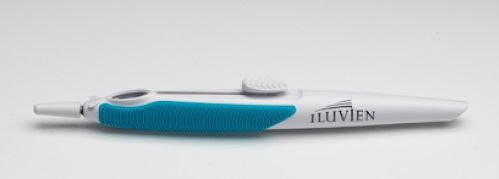
Iluvien fluocinolone acetonide .19 mg Implant, 1 implant — NDC 68611-190-02 (Billing 68611-0190-02)
This is a package of 1 implant of Iluvien fluocinolone acetonide .19 mg Implant from ANI Pharmaceuticals, Inc., marketed since Oct 2014 and currently FDA-listed. It is this product's only package size.
NDC database record
One package, one record: these facts belong to NDC 68611-190-02 alone.
- Record
- FDA NDC Directory package listing · Human prescription drug
- Code segments
- 68611 labeler · 190 product · 02 package
- Package marketed since
- Oct 15, 2014
- Sample package
- No — commercial package
- Listing certified through
- Dec 31, 2027
- Billing quantity
- 1 EA per package
- Barcode (UPC-A, from the NDC)
- 3 6861119002 3
- FDA record last changed
- Jul 24, 2026
Other active recalls for Fluocinolone Acetonide (different manufacturers) — 1 · tap to view
Identity & classification
Regulatory identifiers FDA, NLM and CMS codes for this package
Drug-database identifiers Medi-Span GPI and First Databank GCN / HICL / AHFS classification
- GSN (GCN sequence number): 071018
- GCN: 34698
- GPI-14 (Medi-Span): 86300017102305
- HICL (First Databank): 002896
- AHFS class code: 52:08.08.00
- RxCUI (RxNorm): 1552351
Where does this data come from?
- FDA openFDA NDC Directory · synced Oct 8, 2026
- FDA label on DailyMed · label index refreshed Oct 8, 2026
- RxNorm (NLM RxNav) · catalog refreshed Oct 8, 2026
- Medi-Span GPI (licensed)
- First Databank (licensed) · refreshed Oct 8, 2026
RxNorm drug class
This medicine belongs to the Corticosteroid class.
Where does this data come from?
- RxClass (NLM) · catalog refreshed Oct 8, 2026
Clinical
- It depends on the product. Creams, ointments and solutions calm itchy, inflamed skin. The oils treat atopic dermatitis or, for ear oil, chronic eczematous external otitis. Eye impl...
- Use the smallest amount that covers the area. Creams and ointments are usually a thin film a few times a day, and the oils follow their own schedule. If there's no improvement in 2...
- Tilt your head, gently pull your ear lobe back and up, and use the dropper to put in 5 drops. Stay tilted for about a minute, then pat away extra oil with a cotton ball. It's usual...
- Not the oil, unless your provider tells you to. Skin folds, armpits and groin carry a higher risk of side effects. Keep it out of your eyes, mouth and vagina.
Patient education
Supplement & herbal interactions
Where does this data come from?
- MedlinePlus (NLM) · refreshed Oct 8, 2026
- FDA label on DailyMed · label index refreshed Oct 8, 2026
Ask a licensed pharmacist directly — free, answered by our team.
Pricing
A drug doesn't have one price. Each row is a different public payment system, and none is what you'd pay at the counter — that depends on your insurance. The ⓘ on each row explains what it measures.
| Price system | Per each | Per package |
|---|---|---|
| Retail pharmacies payNADAC · weekly | Not in the retail survey — common for institutional, discontinued, or low-volume packs. | |
| Medicaid paysCMS SDUD · 12 mo | No recent Medicaid claims on file for this NDC — rare and low-volume NDCs are suppressed in the public data. | |
| Medicare drug plans payPart D · quarterly | No Part D plan price is available for this NDC in our data. | |
| Medicare Part B allowsASP · J7313 | $516.406 / J7313 unit | — |
Where does this data come from?
- CMS NADAC weekly file
- CMS ASP pricing files · refreshed Sep 20, 2026
- CMS Medicaid State Drug Utilization Data · refreshed Oct 9, 2026
- CMS Part D plan pricing files · refreshed Sep 24, 2026
- VA National Acquisition Center price file
Billing & reimbursement
Where does this data come from?
- CMS ASP NDC-HCPCS crosswalk · refreshed Sep 22, 2026
- DMEPDAC NDC-HCPCS crosswalk
- openFDA NSDE billing units · refreshed Oct 7, 2026
Packaging — all sizes for this product
| Package NDC | Description | Marketing start | Marketing end | Status |
|---|---|---|---|---|
| 68611-0190-02 You're viewing this Main listing | 1 TRAY in 1 CARTON / 1 APPLICATOR in 1 TRAY / 1 IMPLANT in 1 APPLICATOR | 2014-10-15 | — | Active |
Therapeutic equivalents
| Product | Labeler | Pack | NADAC/unit | TE | Status | Price vs. this |
|---|---|---|---|---|---|---|
| Iluvien .19 mgthis 68611-0190-02 | ANI | 1 implant | — | — | FDA listed | — |
Where does this data come from?
- FDA openFDA NDC Directory · synced Oct 8, 2026
- FDA Orange Book · refreshed Oct 9, 2026
- CMS NADAC weekly file
Availability & generic status
We did not find an FDA-approved generic match for this exact strength, form and route. Patent/protection dates below may affect future generic timing.
Why the date isn’t exact: Generic timing can change because patents may be challenged, settled, licensed, added, removed, or worked around with a narrower label — and FDA approval does not always mean a pharmacy can get the generic today.
Our estimate: November 2028 about 2 years away
How sure: Toss-up. Still unsettled. Just as likely to slip as to hold.
Why then: A patent that protects the brand runs out. After that, approved generics can be sold.
See the full forecast for generic Iluvien →🛈 What do these terms mean?
- Patent
- Legal protection listed in the Orange Book that may delay generic approval or launch. Issued by the U.S. Patent & Trademark Office.
- Substance patent
- Covers the active drug molecule itself — the hardest to design around. A generic generally can’t launch until it expires.
- Formulation (product) patent
- Covers a specific formulation or dosage form. A generic can sometimes work around it with a different formulation.
- Method-of-use patent
- A patent covering one specific approved use of the drug — not necessarily the whole molecule. A generic can sometimes launch with a “skinny label” that carves out the protected use and keeps the others.
- Skinny label
- A generic label that omits a still-patented use when the FDA allows it — letting a generic reach the market for the unprotected uses.
- Exclusivity
- FDA-granted marketing protection, separate from patents — e.g. 5-yr new chemical entity, 7-yr orphan drug, or a +6-month pediatric extension.
- Paragraph IV
- A generic applicant’s formal challenge to a listed patent. It can potentially lead to earlier generic entry, but often involves litigation or a settlement.
- RLD / RS
- Reference Listed Drug — the brand product the FDA uses as the reference for generic applications. Reference Standard — the product the FDA expects generics to compare against in bioequivalence testing.
- TE / AB rating
- FDA therapeutic-equivalence rating. An AB rating generally means the FDA considers a generic therapeutically equivalent to — and substitutable for — the brand.
- LOE (loss of exclusivity)
- The latest patent or exclusivity currently listed — the loss-of-exclusivity / latest-listed-protection date shown on this page. Paragraph-IV challenges and settlements can move the real date earlier; FDA approval and a manufacturer’s decision to market can move it later.
Built from the FDA Orange Book. The bars above are scaled to each protection’s expiry; the red LOE marker is the last one to lapse.
| Patent | Type | Use code | Expires |
|---|---|---|---|
| US 9849027 ↗ | Method of use | U-708 | Nov 7, 2028 |
| US 9849027 ↗ | Method of use | U-4157 | Nov 7, 2028 |
| US 8871241 ↗ | Drug product | — | Aug 12, 2027 |
Is there a generic version of ILUVIEN 0.19 MG IMPLANT?
The FDA approved a generic — why can’t I get it at my pharmacy yet?
Why do different websites show different generic release dates?
What does “FDA listed” mean?
What does a patent or protection date mean here?
What does “current Orange Book estimate” mean?
Can a generic come out before the last patent expires?
Can a generic come out after the listed dates?
What is the difference between patents and exclusivity?
Why are there multiple patent dates?
Where does this data come from?
- FDA Orange Book · refreshed Oct 9, 2026
Inactive Ingredients / Excipients
Inactive ingredients, also called excipients, are components of the drug product other than the active ingredient. They may include fillers, dyes, coatings, preservatives, flavors, or other formulation ingredients.
🧪 Avoiding an ingredient? See Fluocinolone inactive ingredients by manufacturer: every current product's list side by side, so you can ask your pharmacy for the version that does not list it.
💡 Tap an ingredient (hover on desktop) to see what it is and why it’s used.
-
UNII 532B59J990
Polyvinyl alcohol is a synthetic polymer made from plant-derived materials. It's used as a binder to hold ingredients together, a film-former in coatings, and a thickener in liquid formulations.
-
UNII 059QF0KO0R
Water is a liquid solvent that dissolves and mixes ingredients together in liquid medicines, syrups, and injections. It helps distribute the active drug evenly throughout the product.
2 inactive ingredients listed in the exact product block matched to this NDC.
Where does this data come from?
ingredient classCode="IACT" elements from the exact product block matched by this NDC. Label-section narrative from DailyMed / the openFDA label index is shown separately when available.- FDA label on DailyMed · label index refreshed Oct 8, 2026
- FDA openFDA NDC Directory · synced Oct 8, 2026
Inactive ingredient FAQ
Are inactive ingredients the same for every manufacturer?
Why might an inactive ingredient be missing?
Can inactive ingredients matter?
Manufacturer & labeler
More NDCs from ANI Pharmaceuticals, Inc. labeler code 68611
Where does this data come from?
- FDA openFDA NDC Directory · synced Oct 8, 2026
- Drugs@FDA
Full prescribing information FDA SPL
🎯 Indications and Usage ▾
1 INDICATIONS AND USAGE ILUVIEN is a corticosteroid indicated for: the treatment of diabetic macular edema (DME) in patients who have been previously treated with a course of corticosteroids and did not have a clinically significant rise in intraocular pressure. (1.1) the treatment of chronic non-infectious uveitis affecting the posterior segment of the eye. (1.2)
1.1Diabetic Macular Edema ILUVIEN ® is indicated for the treatment of diabetic macular edema (DME) in patients who have been previously treated with a course of corticosteroids and did not have a clinically significant rise in intraocular pressure.
1.2Chronic Non-Infectious Uveitis Affecting the Posterior Segment ILUVIEN ® is indicated for the treatment of chronic non-infectious uveitis affecting the posterior segment of the eye.
⏱️ Dosage and Administration ▾
2 DOSAGE AND ADMINISTRATION For ophthalmic intravitreal injection. (2.1) The intravitreal injection procedure should be carried out under aseptic conditions. (2.2) Following the intravitreal injection, patients should be monitored for elevation in intraocular pressure and for endophthalmitis. (2.2)
2.1General Dosing Information For ophthalmic intravitreal injection. The initial prescription and renewal of the medication order of ILUVIEN should be made by a physician only after examination of the patient with the aid of magnification, such as slit lamp biomicroscopy, and, where appropriate, fluorescein staining.
2.2Administration The intravitreal injection procedure should be carried out under aseptic conditions, which include use of sterile gloves, a sterile drape, a sterile caliper, and a sterile eyelid speculum (or equivalent). Adequate anesthesia and a broad-spectrum microbicide should be given prior to the injection. The injection procedure for ILUVIEN is as follows: The exterior of the tray should not be considered sterile.
An assistant (non-sterile) should remove the tray from the carton and examine the tray and lid for damage. If damaged, do not use unit. If acceptable, the assistant should peel the lid from the tray without touching the interior surface.
Visually check through the viewing window of the preloaded applicator to ensure that there is a drug implant inside. Remove the applicator from the tray with sterile gloved hands touching only the sterile interior tray surface and applicator. Prior to injection, the applicator tip must be kept above the horizontal plane to ensure that the implant is properly positioned within the applicator.
To reduce the amount of air administered with the implant, the administration procedure requires two steps. Before inserting the needle into the eye, remove the protective cap then gently push the applicator button down and slide it to the first stop (at the curved black marks alongside the button track). At the first stop, release the button and it should move to the UP position.
If the button does not rise to the UP position, do not proceed with this unit. Optimal placement of the implant is inferior to the optic disc and posterior to the equator of the eye. Measure 4 millimeters inferotemporal from the limbus with the aid of calipers for point of entry into the sclera.
Inspect the tip of the needle to ensure it is not bent. Gently displace the conjunctiva so that after withdrawing the needle, the conjunctival and scleral needle entry sites will not align. Care should be taken to avoid contact between the needle and the lid margin or lashes.
Insert the needle through the conjunctiva and sclera. To release the implant, while the button is in the UP position, advance the button by sliding it forward to the end of the button track and remove the needle. Note: Ensure that the button reaches the end of the track before removing the needle.
Remove the lid speculum and perform indirect ophthalmoscopy to verify placement of the implant, adequate central retinal artery perfusion and absence of any other complications. Following the injection, patients should be monitored for change in intraocular pressure and for endophthalmitis. Monitoring may consist of a check for perfusion of the optic nerve head immediately after the injection, tonometry within 30 minutes following the injection, and biomicroscopy between two and seven days following the injection.
Patients should be instructed to report without delay any symptoms suggestive of endophthalmitis.
💊 Dosage Forms and Strengths ▾
3 DOSAGE FORMS AND STRENGTHS ILUVIEN is a non-bioerodable intravitreal implant in a drug delivery system containing 0.19 mg fluocinolone acetonide, designed to release fluocinolone acetonide at an initial rate of 0.25 mcg/day and lasting 36 months. Intravitreal implant containing 0.19 mg fluocinolone acetonide in a drug delivery system. (3)
⛔ Contraindications ▾
4 CONTRAINDICATIONS Ocular or Periocular Infections (4.1) Glaucoma (4.2) Hypersensitivity (4.3)
4.1Ocular or Periocular Infections ILUVIEN is contraindicated in patients with active or suspected ocular or periocular infections including most viral disease of the cornea and conjunctiva including active epithelial herpes simplex keratitis (dendritic keratitis), vaccinia, varicella, mycobacterial infections and fungal diseases.
4.2Glaucoma ILUVIEN is contraindicated in patients with glaucoma, who have cup to disc ratios of greater than 0.8.
4.3Hypersensitivity ILUVIEN is contraindicated in patients with known hypersensitivity to any components of this product.
⚠️ Warnings and Cautions ▾
5 WARNINGS AND PRECAUTIONS Intravitreal injections have been associated with endophthalmitis, eye inflammation, increased intraocular pressure, and retinal detachments. Patients should be monitored following the injection. (5.1) Intraocular Pressure (IOP) Increase : Prolonged use of corticosteroids may result in glaucoma with damage to the optic nerve, defects in visual acuity, and fields of vision.
(5.2) Cataracts : Use of corticosteroids may result in posterior subcapsular cataract formation. (5.3) Delayed Healing : The use of corticosteroids after cataract surgery may delay healing and increase the incidence of bleb formation. (5.4) Corneal and Scleral Melting : In those diseases causing thinning of the cornea or sclera, ophthalmic corticosteroids may lead to perforation of the globe.
(5.5) Bacterial Infections : Prolonged use of corticosteroids may suppress the host response and thus increase the hazard of secondary ocular infections. In acute purulent conditions, steroids may mask infection or enhance existing infection. If signs and symptoms fail to improve after 2 days, the patient should be re-evaluated.
(5.6) Viral Infections : Employment of a corticosteroid medication in the treatment of patients with a history of herpes simplex requires great caution. Use of ocular steroids may prolong the course and may exacerbate the severity of many viral infections of the eye (including herpes simplex). (5.7) Fungal Infections : Fungal infections of the cornea are particularly prone to develop coincidentally with long-term local corticosteroid application.
Fungus invasion must be considered in any persistent corneal ulceration where a steroid has been used or is in use. (5.8) Implant Migration : The implant may migrate into the anterior chamber if the posterior lens capsule is not intact. (5.9)
5.1Intravitreal Injection-related Effects Intravitreal injections, including those with ILUVIEN, have been associated with endophthalmitis, eye inflammation, increased or decreased intraocular pressure, and choroidal or retinal detachments. For patients with non-infectious uveitis affecting the posterior segment, hypotony has been observed within 24 hours of injection and has resolved within 2 weeks. Patients should be monitored following the intravitreal injection [see Patient Counseling Information (17) ] .
Patients may experience temporary blurred vision after injection of the implant.
5.2Intraocular Pressure (IOP) Increase Prolonged use of corticosteroids may result in the development of glaucoma with damage to the optic nerve, defects in visual acuity and fields of vision. Steroids should be used with caution in the presence of glaucoma. Intraocular pressure should be routinely monitored during the course of the treatment.
5.3Cataracts The use of corticosteroids may result in posterior subcapsular cataract formation.
5.4Delayed Corneal Wound Healing The use of corticosteroids after cataract surgery may delay healing and increase the incidence of bleb formation.
5.5Corneal and Scleral Melting Various ocular diseases and long-term use of topical corticosteroids have been known to cause corneal and scleral thinning. Use of ophthalmic corticosteroids in the presence of thin corneal or scleral tissue may lead to perforation of the globe.
5.6Bacterial Infections Prolonged use of corticosteroids may suppress the host immune response and thus increase the hazard of secondary ocular infections. Acute purulent or parasitic infections of the eye may be masked or activity enhanced by the presence of corticosteroid medication. If signs and symptoms fail to improve after 2 days, the patient should be reevaluated.
5.7Viral Infections Use of ocular corticosteroids may prolong the course and may exacerbate the severity of many viral infections of the eye (including herpes simplex). Employment of a corticosteroid medication in the treatment of patients with a history of herpes simplex requires great caution; frequent slit lamp microscopy is rec… [Excerpted — this section continues on DailyMed.]
🤒 Adverse Reactions ▾
6 ADVERSE REACTIONS The most common adverse reactions reported are cataract development and increases in intraocular pressure. (6.1) To report SUSPECTED ADVERSE REACTIONS, contact Alimera Sciences, Inc. at 1-844-445-8843 or FDA at 1-800-FDA-1088 or www.fda.gov/medwatch .
6.1Clinical Trials Experience Because clinical trials are conducted under widely varying conditions, adverse reaction rates observed in the clinical trials of a drug cannot be directly compared to rates in the clinical trials of another drug and may not reflect the rates observed in practice. Adverse reactions associated with ophthalmic steroids including ILUVIEN include cataract formation and subsequent cataract surgery, elevated intraocular pressure, which may be associated with optic nerve damage, visual acuity and field defects, secondary ocular infection from pathogens including herpes simplex, and perforation of the globe where there is thinning of the cornea or sclera.
Diabetic Macular Edema ILUVIEN was studied in two multicenter, randomized, sham-controlled, double-masked trials in which patients with diabetic macular edema (DME) were treated with either ILUVIEN (n=375) or sham (n=185). Table 1 summarizes safety data available when the last subject completed the last 36 month follow up visit for the two primary ILUVIEN trials. In these trials, subjects were eligible for retreatment no earlier than 12 months after study entry.
Over the three year follow up period, approximately 75% of the ILUVIEN treated subjects received only one ILUVIEN implant. The most common ocular (study eye) and non-ocular adverse reactions are shown in Tables 1 and 2 : Table 1: Ocular Adverse Reactions Reported by ≥1% of DME Patients and Non-ocular Adverse Reactions Reported by ≥5% of DME Patients 1 Includes cataract, cataract nuclear, cataract subcapsular, cataract cortical and cataract diabetic in patients who were phakic at baseline. Among these patients, 80% of ILUVIEN subjects vs.
27% of sham-controlled subjects underwent cataract surgery. 2 235 of the 375 ILUVIEN subjects were phakic at baseline; 121 of 185 sham-controlled subjects were phakic at baseline. Adverse Reactions ILUVIEN (N=375) n (%) Sham (N=185) n (%) Ocular Cataract 1 192/235 2 (82%) 61/121 2 (50%) Myodesopsia 80 (21%) 17 (9%) Eye pain 57 (15%) 25 (14%) Conjunctival haemorrhage 50 (13%) 21 (11%) Posterior capsule opacification 35 (9%) 6 (3%) Eye irritation 30 (8%) 11 (6%) Vitreous detachment 26 (7%) 12 (7%) Conjunctivitis 14 (4%) 5 (3%) Corneal oedema 13 (4%) 3 (2%) Foreign body sensation in eyes 12 (3%) 4 (2%) Eye pruritus 10 (3%) 3 (2%) Ocular hyperaemia 10 (3%) 3 (2%) Optic atrophy 9 (2%) 2 (1%) Ocular discomfort 8 (2%) 1 (1%) Photophobia 7 (2%) 2 (1%) Retinal exudates 7 (2%) 0 (0%) Anterior chamber cell 6 (2%) 1 (1%) Eye discharge 6 (2%) 1 (1%) Non-ocular Anemia 40 (11%) 10 (5%) Headache 33 (9%) 11 (6%) Renal Failure 32 (9%) 10 (5%) Pneumonia 28 (7%) 8 (4%) Increased Intraocular Pressure (IOP) in DME Patients Table 2: Summary of Elevated IOP Related Adverse Reactions in DME Patients Event ILUVIEN (N=375) n (%) Sham (N=185) n (%) IOP elevation ≥ 10 mmHg from Baseline 127 (34%) 18 (10%) IOP elevation ≥ 30 mmHg 75 (20%) 8 (4%) Any IOP-lowering medication 144 (38%) 26 (14%) Any surgical intervention for elevated intraocular pressure 18 (5%) 1 (1%) Figure 1: Mean IOP in DME Patients Cataracts and Cataract Surgery in DME Patients In the DME studies at baseline, 235 of the 375 ILUVIEN subjects were phakic; 121 of 185 sham-controlled subjects were phakic.
The incidence of cataract development in patients who had a phakic study eye was higher in the ILUVIEN group (82%) compared with Sham (50%). The median time of cataract being reported as an adverse event was approximately 12 months in the ILUVIEN group and 19 months in the Sham group. Among these patients, 80% of ILUVIEN subjects vs.
27% of sham-controlled subjects underwent cataract surgery, generally within the first 18 months (Median Month 15 for both ILUVIE… [Excerpted — this section continues on DailyMed.]
👥 Use in Specific Populations ▾
8 USE IN SPECIFIC POPULATIONS
8.1Pregnancy Risk Summary There are no adequate and well-controlled studies of ILUVIEN use in pregnant women to inform a drug-associated risk. Animal reproduction studies have not been conducted with fluocinolone acetonide. Corticosteroids have been shown to be teratogenic in laboratory animals when administered systemically at relatively low dosage levels.
It is not known whether ILUVIEN can cause fetal harm when administered to a pregnant women or affect reproduction capacity. ILUVIEN should be used during pregnancy only if the potential benefit justifies the potential risk to the fetus. All pregnancies have a background risk of birth defect, loss, or other adverse outcomes.
In the United States general population, the estimated background risk of major birth defects and miscarriage in clinically recognized pregnancies is 2% to 4% and 15% to 20%, respectively.
8.2Lactation Risk Summary Systemically administered corticosteroids that are present in human milk can suppress growth and interfere with endogenous corticosteroid production. Clinical or nonclinical lactation studies have not been conducted with ILUVIEN. The systemic concentration of fluocinolone acetonide following intravitreal treatment with ILUVIEN is low [see Clinical Pharmacology (12.3) ].
It is not known whether intravitreal treatment with ILUVIEN could result in sufficient systemic absorption to produce detectable quantities in human milk, or affect breastfed infants or milk production. Exercise caution when ILUVIEN is administered to a nursing woman. The developmental and health benefits of breastfeeding should be considered, along with the mother’s clinical need for ILUVIEN and any potential adverse effects on the breastfed infant from ILUVIEN or from the underlying maternal condition.
8.4Pediatric Use The safety and effectiveness of ILUVIEN have not been established in pediatric patients.
8.5Geriatric Use No overall differences in safety or effectiveness have been observed between elderly and younger patients.
🤰 Pregnancy ▾
8.1Pregnancy Risk Summary There are no adequate and well-controlled studies of ILUVIEN use in pregnant women to inform a drug-associated risk. Animal reproduction studies have not been conducted with fluocinolone acetonide. Corticosteroids have been shown to be teratogenic in laboratory animals when administered systemically at relatively low dosage levels.
It is not known whether ILUVIEN can cause fetal harm when administered to a pregnant women or affect reproduction capacity. ILUVIEN should be used during pregnancy only if the potential benefit justifies the potential risk to the fetus. All pregnancies have a background risk of birth defect, loss, or other adverse outcomes.
In the United States general population, the estimated background risk of major birth defects and miscarriage in clinically recognized pregnancies is 2% to 4% and 15% to 20%, respectively.
🧒 Pediatric Use ▾
8.4Pediatric Use The safety and effectiveness of ILUVIEN have not been established in pediatric patients.
🧓 Geriatric Use ▾
8.5Geriatric Use No overall differences in safety or effectiveness have been observed between elderly and younger patients.
🧬 Clinical Pharmacology ▾
12 CLINICAL PHARMACOLOGY
12.1Mechanism of Action Corticosteroids inhibit inflammatory responses to a variety of inciting agents including multiple inflammatory cytokines. They inhibit edema, fibrin deposition, capillary dilation, leukocyte migration, capillary proliferation, fibroblast proliferation, deposition of collagen, and scar formation associated with inflammation. Corticosteroids are thought to act by inhibition of phospholipase A 2 via induction of inhibitory proteins collectively called lipocortins.
It is postulated that these proteins control biosynthesis of potent mediators of inflammation such as prostaglandins and leukotrienes by inhibiting release of the common precursor, arachidonic acid. Arachidonic acid is released from membrane phospholipids by phospholipase A 2 .
12.3Pharmacokinetics In a human pharmacokinetic study of ILUVIEN, fluocinolone acetonide concentrations in plasma were below the lower limit of quantitation of the assay (100 pg/mL) at all post-administration time points from Day 7 through Month 36 following intravitreal administration of a 0.2 mcg/day or 0.5 mcg/day fluocinolone acetonide insert.
🧬 Mechanism of Action ▾
12.1Mechanism of Action Corticosteroids inhibit inflammatory responses to a variety of inciting agents including multiple inflammatory cytokines. They inhibit edema, fibrin deposition, capillary dilation, leukocyte migration, capillary proliferation, fibroblast proliferation, deposition of collagen, and scar formation associated with inflammation. Corticosteroids are thought to act by inhibition of phospholipase A 2 via induction of inhibitory proteins collectively called lipocortins.
It is postulated that these proteins control biosynthesis of potent mediators of inflammation such as prostaglandins and leukotrienes by inhibiting release of the common precursor, arachidonic acid. Arachidonic acid is released from membrane phospholipids by phospholipase A 2 .
📦 How Supplied / Storage and Handling ▾
16 HOW SUPPLIED/STORAGE AND HANDLING ILUVIEN® (fluocinolone acetonide intravitreal implant) 0.19 mg is supplied in a sterile, single-use preloaded applicator with a 25-gauge needle, packaged in a tray sealed with a lid inside a carton. NDC 68611-190-02 Storage: Store at 15°C to 30°C (59°F to 86° F).
📦 Storage and Handling ▾
Storage: Store at 15°C to 30°C (59°F to 86° F).
📋 Description ▾
11 DESCRIPTION ILUVIEN is a sterile non-bioerodable intravitreal implant containing 0.19 mg (190 mcg) fluocinolone acetonide in a 36-month sustained-release drug delivery system. ILUVIEN is designed to release fluocinolone acetonide at an initial rate of 0.25 mcg/day. ILUVIEN is preloaded into a single-use applicator to facilitate injection of the implant directly into the vitreous.
The drug substance is a synthetic corticosteroid, fluocinolone acetonide. The chemical name for fluocinolone acetonide is (6α,11β, 16α)-6,9-difluoro-11,21-dihydroxy-16,17-[(1-methylethylidene)bis-(oxy)]-pregna-1,4-diene-3,20-dione. Its chemical structure is: MW 452.50; molecular formula C 24 H 30 F 2 0 6 Fluocinolone acetonide is a white or almost white, microcrystalline powder, practically insoluble in water, soluble in methanol, ethanol, chloroform and acetone, and sparingly soluble in ether.
Each ILUVIEN consists of a light brown 3.5mm x 0.37mm implant containing 0.19 mg of the active ingredient fluocinolone acetonide and the following inactive ingredients: polyimide tube, polyvinyl alcohol, silicone adhesive and water for injection. iluvien-figure-3
💬 Information for Patients ▾
17 PATIENT COUNSELING INFORMATION Steroid-related Effects Advise patients that a cataract may occur after treatment with ILUVIEN. If this occurs, advise patients that their vision will decrease, and they will need an operation to remove the cataract and restore their vision. Advise patients that they may develop increased intraocular pressure with ILUVIEN treatment, and the increased IOP may need to be managed with eye drops, or surgery.
When to Seek Physician Advice Advise patients that in the days following intravitreal injection of ILUVIEN, patients are at risk for potential complications including in particular, but not limited to, the development of endophthalmitis or elevated intraocular pressure. Advise patients that if the eye becomes red, sensitive to light, painful, or develops a change in vision, they should seek immediate care from an ophthalmologist. Driving and Using Machines Inform patients that they may experience temporary blurred vision after injection of the implant.
Advise patients not to drive or use machines until this has been resolved. Manufactured for: Alimera Sciences, Inc. Baudette, MN 56623 Patented. alimera
🧬 Pharmacokinetics ▾
12.3Pharmacokinetics In a human pharmacokinetic study of ILUVIEN, fluocinolone acetonide concentrations in plasma were below the lower limit of quantitation of the assay (100 pg/mL) at all post-administration time points from Day 7 through Month 36 following intravitreal administration of a 0.2 mcg/day or 0.5 mcg/day fluocinolone acetonide insert.
🔬 Clinical Studies ▾
14 CLINICAL STUDIES Diabetic Macular Edema The efficacy of ILUVIEN was assessed in two three year, randomized (2:1, active: sham), multicenter, double-masked, parallel-groups studies that enrolled patients with diabetic macular edema (DME) that had previously been treated with laser photocoagulation. The primary efficacy endpoint in both trials was the proportion of subjects in whom vision had improved by 15 letters or more from baseline after 24 months of follow-up. Table 5: Baseline BCVA (Letters) Study 1 Study 2 ILUVIEN (N=190) Sham (N=95) ILUVIEN (N=186) Sham (N=90) Mean (SD) Median (Range) 53 (13) 57 (19-75) 55 (11) 58 (25-69) 53 (12) 56 (20-70) 55 (11) 58 (21-68) Table 6: Visual Acuity Outcomes at Month 24 (All randomized subjects with LOCF) a Study 1: ILUVIEN , N=190; Sham, N=95 b Study 2: ILUVIEN , N=186; Sham, N=90 Study Outcomes ILUVIEN Sham Estimated Difference (95% CI) 1 a Gain of ≥15 letters in BCVA (n (%)) 51 (27%) 14 (15%) 12.1% (2.6%, 21.6%) Loss of ≥15 letters in BCVA (n (%)) 26 (14%) 5 (5%) 8.4% (1.8%, 15.1%) Mean change from baseline in BCVA (SD) 3.7 (18.7) 3.2 (13.1) 1.8 (-2.8, 6.3) 2 b Gain of ≥15 letters in BCVA (n (%)) 57 (31%) 16 (18%) 13.0% (2.7%, 23.4%) Loss of ≥15 letters in BCVA (n (%)) 22 (12%) 9 (10%) 1.8% (-5.9%, 9.6%) Mean change from baseline in BCVA (SD) 5.2 (18.0) 0.0 (15.6) 6.1 (1.4, 10.8) Visual acuity outcomes by lens status (Phakic or Pseudophakic) at different visits are presented in Figure 3 and Figure 4 .
The occurrence of cataracts impacted visual acuity during the study. Patients who were pseudophakic at baseline achieved greater mean BCVA change from baseline at the Month 24 study visit. Figure 3: Proportion of Subjects with >=15 Letters Improvement from Baseline BCVA in the Study Eye Figure 4: Mean BCVA Change from Baseline The BCVA outcomes for the Pseudophakic and Phakic subgroups from Studies 1 and 2 at Month 24 are presented in Table 7 .
Table 7: Visual Acuity outcomes at Month 24 (Subgroup for pooled data with LOCF) a Pseudophakic : ILUVIEN, N=140; Sham, N=64 b Phakic: ILUVIEN, N=236; Sham, N=121 Lens Status Outcomes ILUVIEN Sham Estimated Difference (95% CI) a Pseudophakic Gain of ≥15 letters in BCVA (n (%)) 39 (28%) 8 (13%) 15.4% (4.4%, 26.3%) Loss of ≥15 letters in BCVA (n (%)) 7 (5%) 7 (11%) -5.9% (-14.4%, 2.5%) Mean change from baseline in BCVA (SD) 7.1 (14.5) 1.5 (17.4) 5.6 (0.7, 10.6) b Phakic Gain of ≥15 letters in BCVA (n (%)) 69 (29%) 22 (18%) 11.1% (2.1%, 20.1%) Loss of ≥15 letters in BCVA (n (%)) 41 (17%) 7 (6%) 11.6% (5.2%, 18%) Mean change from baseline in BCVA (SD) 2.8 (20.1) 1.8 (12.6) 1 (-2.5 ,4.4) Chronic Non-Infectious Uveitis Affecting the Posterior Segment The efficacy of fluocinolone acetonide intravitreal implant was assessed in two randomized (2:1, fluocinolone acetonide intravitreal implant: sham-injection), multi-center, double-masked, parallel-groups studies (NCT #01694186 and #02746991) that enrolled patients with non-infectious uveitis affecting the posterior segment of the eye.
The primary efficacy endpoint in both trials was the proportion of patients who experienced a recurrence of uveitis in the study eye within 6 months of follow-up; recurrence was also assessed at 12 months. Recurrence of uveitis was defined as either deterioration in visual acuity, vitreous haze attributable to non-infectious uveitis or the need for rescue medications. Table 8: Efficacy Results of Recurrence of Uveitis in Randomized Study Eyes Study 1 Study 2 FAc Implant Sham FAc Implant Sham N = 87 N = 42 N = 101 N = 52 Eyes with recurrence within 6 months, n (%) 16 (18%) 33 (79%) 22 (22%) 28 (54%) Difference (95% CI) in recurrence rates 60% (41%, 73%) 32% (15%, 48%) P-value < 0.01 <
0.01Eyes with recurrence within 12 months, n (%) 24 (28%) 36 (86%) 33 (33%) 31 (60%) Difference (95% CI) in recurrence rates 58% (40%, 70%) 27% (9%, 43%) Figure 5: Time to First Recurrence of Uveitis (ITT: All Randomized Patients) iluvien-figure-4 iluvien-figure-5 iluvien-figure-6
🧪 Nonclinical Toxicology ▾
13 NONCLINICAL TOXICOLOGY
13.1Carcinogenesis, Mutagenesis, Impairment of Fertility Long-term animal studies have not been conducted to determine the carcinogenic potential or the effect on fertility of ILUVIEN. Fluocinolone acetonide was not genotoxic in vitro in the Ames test (S. typhimurium and E. coli) and the mouse lymphoma TK assay, or in vivo in the mouse bone marrow micronucleus assay.
📄 Carcinogenesis, Mutagenesis, Impairment of Fertility ▾
13.1Carcinogenesis, Mutagenesis, Impairment of Fertility Long-term animal studies have not been conducted to determine the carcinogenic potential or the effect on fertility of ILUVIEN. Fluocinolone acetonide was not genotoxic in vitro in the Ames test (S. typhimurium and E. coli) and the mouse lymphoma TK assay, or in vivo in the mouse bone marrow micronucleus assay.
📄 Recent Major Changes ▾
Indications and Usage, Chronic Non-Infectious Uveitis Affecting the Posterior Segment (1.2) 03/2025
📄 Package Label / Principal Display Panel ▾
Package Label - Principal Display Panel – Carton Carton
Package Label - Principal Display Panel – Lid Lid
Package Label - Principal Display Panel – Inserter Inserter
Medicare Part D spend CMS · PART D · 2026 (Q1)
Reported adverse events (FAERS)
Top reported reactions
Age at onset
Reporter sex
Where does this data come from?
About this NDC listing & data coverage
What data is (and isn’t) available for this NDC — tap to expand
| NDC identity (package / product / labeler codes) | ✓ Available |
| Labeler | ✓ Available |
| Product & package description | ✓ Available |
| Marketing category & status | ✓ Available |
| Active ingredient / dosage form / route | ✓ Available |
| FDA label (SPL via DailyMed) | ✓ Available |
| Package photos | ✓ Available |
| Inactive ingredients (structured) | ✓ Available |
| NADAC pharmacy acquisition price (CMS) | — Not published for this NDC CMS publishes NADAC only for NDCs reported in its retail-pharmacy survey. |
| Orange Book / therapeutic-equivalence data | ✓ Available |
| HCPCS J-code billing crosswalk | ✓ Available |
| Medicaid utilization (CMS SDUD) | — Not published for this NDC CMS reports utilization only for NDCs with Medicaid claims above its privacy threshold. |