
Sildenafil 20 mg Tablet, 60-count — NDC 71335-1963-5 (Billing 71335-1963-05)
This is a package of 60 tablets of Sildenafil 20 mg Tablet from Bryant Ranch Prepack, marketed since May 2018 and currently FDA-listed.
Identity & classification
Regulatory identifiers FDA, NLM and CMS codes for this package
- RxCUI (RxNorm): 577033
Where does this data come from?
- FDA openFDA NDC Directory · synced Oct 1, 2026
- FDA label on DailyMed · label index refreshed Oct 1, 2026
- RxNorm (NLM RxNav) · catalog refreshed Oct 1, 2026
- Medi-Span GPI (licensed)
- First Databank (licensed) · refreshed Oct 1, 2026
RxNorm drug class
This medicine belongs to the Phosphodiesterase 5 Inhibitor class.
Where does this data come from?
- RxClass (NLM) · catalog refreshed Oct 1, 2026
Clinical
- It depends on the product. Viagra, Vybrique and some sildenafil tablets and oral films treat erectile dysfunction. Revatio and other sildenafil tablets, suspension and injection tr...
- You take it as needed, usually about 1 hour before sex, though anywhere from 30 minutes to 4 hours works. Take it no more than once a day, with or without food. Oral film goes on y...
- How do I take it for erectile dysfunction?
- The common ones are headache, flushing, upset stomach, a stuffy nose and dizziness. Some people notice a color tinge or blur in their vision, which is usually mild and short-lived....
Patient education
Supplement & herbal interactions
Some supplements/herbs that may interact with Sildenafil — tap one for details:
Where does this data come from?
- MedlinePlus (NLM) · refreshed Oct 1, 2026
- FDA label on DailyMed · label index refreshed Oct 1, 2026
Ask a licensed pharmacist directly — free, answered by our team.
Pricing
A drug doesn't have one price. Each row is a different public payment system, and none is what you'd pay at the counter — that depends on your insurance. The ⓘ on each row explains what it measures.
| Price system | Per each | Per package |
|---|---|---|
| Retail pharmacies payNADAC · weekly | Not in the retail survey — common for institutional, discontinued, or low-volume packs. | |
| Medicaid paysCMS SDUD · 12 mo | No recent Medicaid claims on file for this NDC — rare and low-volume NDCs are suppressed in the public data. | |
| Medicare drug plans payPart D · Q2 2026 | $0.4421 | $26.53 / 60 tablets |
Where does this data come from?
- CMS NADAC weekly file
- CMS ASP pricing files · refreshed Sep 20, 2026
- CMS Medicaid State Drug Utilization Data · refreshed Oct 2, 2026
- CMS Part D plan pricing files · refreshed Sep 24, 2026
- VA National Acquisition Center price file
Packaging — all sizes for this product
| Package NDC | Description | Marketing start | Marketing end | Status |
|---|---|---|---|---|
| 71335-1963-00 71335-1963-0 Main listing | 50 TABLET in 1 BOTTLE | 2022-02-14 | — | Active |
| 71335-1963-01 71335-1963-1 | 10 TABLET in 1 BOTTLE | 2022-02-14 | — | Active |
| 71335-1963-02 71335-1963-2 | 30 TABLET in 1 BOTTLE | 2021-10-06 | — | Active |
| 71335-1963-03 71335-1963-3 | 7 TABLET in 1 BOTTLE | 2022-02-14 | — | Active |
| 71335-1963-04 71335-1963-4 | 90 TABLET in 1 BOTTLE | 2021-11-22 | — | Active |
| 71335-1963-05 You're viewing this | 60 TABLET in 1 BOTTLE | 2022-02-14 | — | Active |
| 71335-1963-06 71335-1963-6 | 20 TABLET in 1 BOTTLE | 2021-11-29 | — | Active |
| 71335-1963-07 71335-1963-7 | 270 TABLET in 1 BOTTLE | 2022-02-14 | — | Active |
| 71335-1963-08 71335-1963-8 | 15 TABLET in 1 BOTTLE | 2022-02-14 | — | Active |
| 71335-1963-09 71335-1963-9 | 12 TABLET in 1 BOTTLE | 2022-02-14 | — | Active |
You're viewing one of 10 pack sizes for this product.
Pack size FAQ
What quantity is in this package?
How does this package differ from NDC 71335-1963-03?
What NDC number is used to bill for this package of Sildenafil 20 mg Tablet?
Therapeutic equivalents
| Product | Labeler | Pack | NADAC/unit | TE | Status | Price vs. this |
|---|---|---|---|---|---|---|
| Sildenafil 20 mg 00904-6671-04 | Major | 30 tablets | $0.051 | AB | Availability likely | — |
| Sildenafil 20 mg 27241-0124-03 | Ajanta | 90 tablets | $0.051 | AB | Availability likely | — |
| Sildenafil 20 mg 31722-0776-05 | Camber | 500 tablets | $0.051 | AB | Availability likely | — |
| Sildenafil 20 mg 33342-0121-10 | Macleods | 90 tablets | $0.051 | AB | Availability likely | — |
| Sildenafil 20 mg 33342-0536-10 | Macleods | 90 tablets | $0.051 | AB | Availability likely | — |
| Sildenafil 20 mg 50268-0717-15 | AvPAK | 50 tablets | $0.051 | AB | Availability likely | — |
| Sildenafil 20 mg 60687-0788-21 | American | 1 tablet | $0.051 | AB | Availability likely | — |
| Sildenafil 20 mg 62135-0372-90 | Chartwell | 90 tablets | $0.051 | AB | Availability likely | — |
| Sildenafil 20 mg 65162-0351-09 | Amneal | 90 tablets | $0.051 | AB | Availability likely | — |
| Sildenafil 20 mg 65862-0688-90 | Aurobindo | 90 tablets | $0.051 | AB | Availability likely | — |
| Sildenafil 20 mg 68001-0363-05 | BluePoint | 90 tablets | $0.051 | AB | Availability likely | — |
| Sildenafil 20 mg 68001-0597-05 | BluePoint | 90 tablets | $0.051 | AB | Availability likely | — |
| Sildenafil Citrate 20 mg 72888-0018-00 | Advagen | 1000 tablets | $0.051 | AB | Availability likely | — |
| Sildenafil 20 mg 82009-0094-90 | Quallent | 90 tablets | $0.051 | AB | Availability likely | — |
| Sildenafil 20 mg 13668-0185-05 | Torrent | 500 tablets | $0.077 | AB | FDA listed | — |
| Sildenafil Citrate 20 mg 52817-0295-00 | TruPharma | 1000 tablets | $0.077 | AB | FDA listed | — |
| Sildenafil 20 mg 59762-0033-01 | Mylan | 90 tablets | $0.077 | AB | Discontinued | — |
| Revatio 20 mg 00069-4190-68 | PFIZER | 90 tablets | — | AB | FDA listed | — |
| Sildenafil 20 mg 42291-0937-90 | AvKARE | 90 tablets | — | AB | FDA listed | — |
| Sildenafil 20 mg 43063-0982-10 | PD-Rx | 10 tablets | — | AB | FDA listed | — |
| Sildenafil 20 mg 43353-0345-10 | Aphena | 10 tablets | — | AB | Discontinued | — |
| Sildenafil Citrate 20 mg 50090-3905-00 | A-S | 30 tablets | — | AB | FDA listed | — |
| Sildenafil 20 mg 50090-5236-00 | A-S | 30 tablets | — | AB | FDA listed | — |
| Sildenafil 20 mg 51407-0987-90 | Golden | 90 tablets | — | AB | FDA listed | — |
| Sildenafil 20 mg 51655-0172-20 | Northwind | 20 tablets | — | AB | FDA listed | — |
| Sildenafil Citrate 20 mg 51655-0793-20 | Northwind | 20 tablets | — | AB | FDA listed | — |
| Sildenafil 20 mg 53746-0351-90 | Amneal | 90 tablets | — | AB | FDA listed | — |
| Sildenafil 20 mg 55154-4307-00 | Cardinal | 10 tablets | — | AB | FDA listed | — |
| Revatio 20 mg 58151-0402-77 | Viatris | 90 tablets | — | AB | FDA listed | — |
| Sildenafil 20 mg 59746-0471-05 | Jubilant | 500 tablets | — | AB | FDA listed | — |
| Sildenafil 20 mg 63187-0619-10 | Proficient | 10 tablets | — | AB | FDA listed | — |
| Sildenafil 20 mg 63187-0789-10 | Proficient | 10 tablets | — | AB | FDA listed | — |
| Sildenafil 20 mg 63187-0813-10 | Proficient | 10 tablets | — | AB | FDA listed | — |
| Sildenafil 20 mg 63629-5029-00 | Bryant | 50 tablets | — | AB | FDA listed | — |
| Sildenafil 20 mg 68071-2072-01 | NuCare | 10 tablets | — | AB | FDA listed | — |
| Sildenafil 20 mg 68071-2213-09 | NuCare | 90 tablets | — | AB | FDA listed | — |
| Sildenafil 20 mg 68071-2537-09 | NuCare | 90 tablets | — | AB | FDA listed | — |
| Sildenafil 20 mg 68071-2602-03 | NuCare | 30 tablets | — | AB | FDA listed | — |
| Sildenafil 20 mg 68071-3954-09 | NuCare | 90 tablets | — | AB | FDA listed | — |
| Sildenafil 20 mg 68071-4517-09 | NuCare | 90 tablets | — | AB | FDA listed | — |
| Sildenafil 20 mg 68071-5115-06 | NuCare | 60 tablets | — | AB | FDA listed | — |
| Sildenafil 20 mg 68788-7974-03 | Preferred | 30 tablets | — | AB | FDA listed | — |
| Sildenafil 20 mg 70518-3433-00 | REMEDYREPACK | 30 tablets | — | AB | Discontinued | — |
| Sildenafil 20 mg 70518-4596-00 | REMEDYREPACK | 250 tablets | — | AB | FDA listed | — |
| Sildenafil Citrate 20 mg 71205-0305-10 | Proficient | 10 tablets | — | AB | FDA listed | — |
| Sildenafil 20 mg 71205-0509-30 | Proficient | 30 tablets | — | — | FDA listed | — |
| Sildenafil Citrate 20 mg 71205-0623-30 | Proficient | 30 tablets | — | AB | FDA listed | — |
| Sildenafil 20 mg 71335-1005-01 | Bryant | 10 tablets | — | AB | FDA listed | — |
| Sildenafil 20 mg 71335-1638-01 | Bryant | 10 tablets | — | AB | FDA listed | — |
| Sildenafil 20 mg 71335-1649-00 | Bryant | 50 tablets | — | AB | FDA listed | — |
| Sildenafil 20 mgthis 71335-1963-05 | Bryant | 60 tablets | — | AB | FDA listed | — |
| Sildenafil 20 mg 71335-2657-00 | Bryant | 50 tablets | — | AB | FDA listed | — |
| Sildenafil 20 mg 72162-2363-09 | Bryant | 90 tablets | — | AB | FDA listed | — |
| Sildenafil 20 mg 72189-0298-20 | DirectRx | 20 tablets | — | AB | FDA listed | — |
| Sildenafil 20 mg 72865-0105-90 | XLCare | 90 tablets | — | AB | FDA listed | — |
| Sildenafil 20 mg 76420-0061-30 | Asclemed | 30 tablets | — | AB | FDA listed | — |
| Sildenafil Citrate 20 mg 76420-0613-30 | Asclemed | 30 tablets | — | AB | FDA listed | — |
| Sildenafil Citrate 20 mg 80425-0304-01 | Advanced | 30 tablets | — | AB | FDA listed | — |
| Sildenafil 20 mg 82804-0185-30 | Proficient | 30 tablets | — | AB | FDA listed | — |
| Sildenafil 20 mg 82804-0243-30 | Proficient | 30 tablets | — | AB | FDA listed | — |
| Sildenafil Citrate 20 mg 82868-0094-30 | Northwind | 30 tablets | — | AB | FDA listed | — |
| Sildenafil 20 mg 50090-1766-00 | A-S | 30 tablets | — | AB | FDA listed | — |
Where does this data come from?
- FDA openFDA NDC Directory · synced Oct 1, 2026
- FDA Orange Book · refreshed Sep 3, 2026
- CMS NADAC weekly file
Availability & generic status
This product is an FDA-approved generic. Other versions of the same drug are listed under Therapeutic equivalents, least expensive first.
Where does this data come from?
- FDA Orange Book · refreshed Sep 3, 2026
What it looks like
Where does this data come from?
- FDA label on DailyMed · label index refreshed Oct 1, 2026
Inactive Ingredients / Excipients
Inactive ingredients, also called excipients, are components of the drug product other than the active ingredient. They may include fillers, dyes, coatings, preservatives, flavors, or other formulation ingredients.
Where does this data come from?
IACT rows and label-wide narrative are kept separate; availability and product-level specificity depend on the submitted label.- FDA label on DailyMed · label index refreshed Oct 1, 2026
- FDA openFDA NDC Directory · synced Oct 1, 2026
Inactive ingredient FAQ
Are inactive ingredients the same for every manufacturer?
Why might an inactive ingredient be missing?
Can inactive ingredients matter?
Manufacturer & labeler
Where does this data come from?
- FDA openFDA NDC Directory · synced Oct 1, 2026
- Drugs@FDA
Full prescribing information FDA SPL
🎯 Indications and Usage ▾
1 INDICATIONS AND USAGE Adults Sildenafil tablets, USP are indicated for the treatment of pulmonary arterial hypertension (PAH) (World Health Organization [WHO] Group I) in adults to improve exercise ability and delay clinical worsening [see Clinical Studies ( 14 )]. Pediatric use information is approved for Viatris Specialty LLC's, REVATIO (sildenafil) tablets. However, due to Viatris Specialty LLC's marketing exclusivity rights, this drug product is not labeled with that information.
Adults Sildenafil tablets are a phosphodiesterase-5 (PDE-5) inhibitor indicated for the treatment of pulmonary arterial hypertension (PAH) (World Health Organization [WHO] Group I) in adults to improve exercise ability and delay clinical worsening. ( 1 )
⏱️ Dosage and Administration ▾
2 DOSAGE AND ADMINISTRATION Adults: 20 mg three times a day. ( 2.1 )
2.1Recommended Dosage in Adults Oral Dosage The recommended dosage of sildenafil tablets are 20 mg three times a day. [see Clinical Studies ( 14 )]. Pediatric use information is approved for Viatris Specialty LLC's, REVATIO (sildenafil) tablets. However, due to Viatris Specialty LLC's marketing exclusivity rights, this drug product is not labeled with that information.
💊 Dosage Forms and Strengths ▾
3 DOSAGE FORMS AND STRENGTHS Sildenafil Tablets White, film-coated, circular, biconvex tablets debossed with 'SC' on one side and '20' on other side containing sildenafil citrate equivalent to 20 mg of sildenafil. Tablets: 20 mg ( 3 )
⛔ Contraindications ▾
4 CONTRAINDICATIONS Sildenafil tablets are contraindicated in patients with: Concomitant use of organic nitrates in any form, either regularly or intermittently, because of the greater risk of hypotension [see Warnings and Precautions ( 5.1 )]. Concomitant use of riociguat, a guanylate cyclase stimulator. Phosphodiesterase-5 (PDE-5) inhibitors, including sildenafil, may potentiate the hypotensive effects of riociguat.
Known hypersensitivity to sildenafil or any component of the tablet. Hypersensitivity, including anaphylactic reaction, anaphylactic shock and anaphylactoid reaction, has been reported in association with the use of sildenafil. Use with organic nitrates or riociguat.
( 4 ) History of hypersensitivity reaction to sildenafil or any component of the tablet. ( 4 )
⚠️ Warnings and Cautions ▾
5 WARNINGS AND PRECAUTIONS Vasodilation effects may be more common in patients with hypotension or on antihypertensive therapy. ( 5.1 ) Use in pulmonary veno-occlusive disease (PVOD) may cause pulmonary edema and is not recommended. ( 5.2 ) Hearing or visual impairment: Seek medical attention if sudden decrease or loss of vision or hearing occurs.
( 5.4 , 5.5 ) Pulmonary hypertension (PH) secondary to sickle cell disease: Sildenafil tablets may cause serious vaso-occlusive crises. ( 5.8 )
5.1Hypotension Sildenafil tablets has vasodilatory properties, resulting in mild and transient decreases in blood pressure. Before prescribing sildenafil tablets, carefully consider whether patients with certain underlying conditions could be adversely affected by such vasodilatory effects (e.g., patients on antihypertensive therapy or with resting hypotension [blood pressure less than 90/50], fluid depletion, severe left ventricular outflow obstruction, or autonomic dysfunction). Monitor blood pressure when co-administering blood pressure lowering drugs with sildenafil tablets.
5.2Worsening Pulmonary Vascular Occlusive Disease Pulmonary vasodilators may significantly worsen the cardiovascular status of patients with pulmonary veno-occlusive disease (PVOD). Since there are no clinical data on administration of sildenafil tablets to patients with veno-occlusive disease, administration of sildenafil tablets to such patients is not recommended. Should signs of pulmonary edema occur when sildenafil tablets is administered, consider the possibility of associated PVOD.
5.3Epistaxis The incidence of epistaxis was 13% in patients taking sildenafil tablets with PAH secondary to CTD. This effect was not seen in idiopathic PAH (Sildenafil tablets 3%, placebo 2%) patients. The incidence of epistaxis was also higher in sildenafil tablets-treated patients with a concomitant oral vitamin K antagonist (9% versus 2% in those not treated with concomitant vitamin K antagonist).
The safety of sildenafil tablets is unknown in patients with bleeding disorders or active peptic ulceration.
5.4Visual Loss When used to treat erectile dysfunction, non-arteritic anterior ischemic optic neuropathy (NAION), a cause of decreased vision including permanent loss of vision, has been reported postmarketing in temporal association with the use of PDE-5 inhibitors, including sildenafil. Most patients had underlying anatomic or vascular risk factors for developing NAION, including low cup to disc ratio (“crowded disc”). Advise patients to seek immediate medical attention in the event of a sudden loss of vision in one or both eyes while taking sildenafil tablets.
There are no controlled clinical data on the safety or efficacy of sildenafil tablets in patients with retinitis pigmentosa, a minority of whom have genetic disorders of retinal phosphodiesterases. Therefore, use of sildenafil tablets in patients with retinitis pigmentosa is not recommended.
5.5Hearing Loss Cases of sudden decrease or loss of hearing, which may be accompanied by tinnitus and dizziness, have been reported in temporal association with the use of PDE-5 inhibitors, including sildenafil tablets. In some of the cases, medical conditions and other factors were reported that may have played a role. In many cases, medical follow-up information was limited.
It is not possible to determine whether these reported events are related directly to the use of sildenafil tablets, to the patient’s underlying risk factors for hearing loss, a combination of these factors, or to other factors. Advise patients to seek prompt medical attention in the event of sudden decrease or loss of hearing while taking PDE-5 inhibitors, including sildenafil tablets.
5.6Combination with Other PDE-5 Inhibitors Sildenafil is also marketed as VIAGRA ® . The safety and efficacy of combinations of sildenafil tablets with VIAGRA or other PDE-5 inhibitors have not been studied. Inform patients taking sildenafil tablets not to take VIAGRA or ot… [Excerpted — this section continues on DailyMed.]
🤒 Adverse Reactions ▾
6 ADVERSE REACTIONS The following serious adverse events are discussed elsewhere in the labeling: Hypotension [see Warnings and Precautions ( 5.1 )] Vision loss [see Warnings and Precautions ( 5.4 )] Hearing loss [see Warnings and Precautions ( 5.5 )] Priapism [see Warnings and Precautions ( 5.7 )] Vaso-occlusive Crisis in Patients with Pulmonary Hypertension Secondary to Sickle Cell Disease [see Warnings and Precautions ( 5.8 )] Adults: Headache, dyspepsia, flushing, pain in limb, myalgia, back pain and diarrhea. ( 6.1 , 6.2 ) To report SUSPECTED ADVERSE REACTIONS, contact Ajanta Pharma USA Inc. at 855-664-7744 or FDA at 1-800-FDA-1088 or www.fda.gov/medwatch .
6.1Clinical Trials Experience Because clinical trials are conducted under widely varying conditions, adverse reaction rates observed in the clinical trials of a drug cannot be directly compared to rates in the clinical trials of another drug and may not reflect the rates observed in practice. In a 12-week, placebo-controlled clinical study and an open-label extension study (SUPER-1) in 277 sildenafil tablets-treated adults with PAH (WHO Group I) [see Clinical Studies ( 14 )] the adverse reactions that were reported by at least 10% of sildenafil tablets-treated patients in any dosing group, and were more frequent in sildenafil tablets-treated patients than in placebo-treated patients are shown in Table 1.
Adverse reactions were generally transient and mild to moderate in nature. The overall frequency of discontinuation in sildenafil tablets-treated patients was 3% (20 mg and 40 mg three times a day) and 8% (80 mg three times a day). The overall frequency of discontinuation for placebo was 3%.
Table 1. Most Common Adverse Reactions in Patients Treated with Sildenafil tablets 20 mg, 40 mg, 80 mg and Placebo three times per day in SUPER-1 (More Frequent in Sildenafil tablets- Treated Patients than Placebo-Treated Patients) Sildenafil tablets 20 mg (n = 69) Sildenafil tablets 40 mg (n = 67) Sildenafil tablets 80 mg (n = 71) Placebo (n = 70) Headache 46% 42% 49% 39% Flushing 10% 9% 16% 4% Pain in Limb 7% 15% 9% 6% Myalgia 7% 6% 14% 4% Back Pain 13% 13% 9% 11% Dyspepsia 13% 8% 13% 7% Diarrhea 9% 12% 10% 6% In a placebo-controlled fixed dose titration study (PACES-1) of sildenafil tablets (starting with recommended dose of 20 mg and increased to 40 mg and then 80 mg all three times a day) as an adjunct to intravenous epoprostenol in patients with PAH, no new safety issues were identified except for edema, which occurred in 25% of subjects in the combined sildenafil tablets + epoprostenol group compared with 13% of subjects in the epoprostenol group [see Clinical Studies ( 14 )].
Pediatric use information is approved for Viatris Specialty LLC's, REVATIO (sildenafil) tablets. However, due to Viatris Specialty LLC's marketing exclusivity rights, this drug product is not labeled with that information.
6.2Postmarketing Experience The following adverse reactions have been identified during post approval use of sildenafil (marketed for both PAH and erectile dysfunction). Because these reactions are reported voluntarily from a population of uncertain size, it is not always possible to reliably estimate their frequency or establish a causal relationship to drug exposure. Cardiovascular Events In postmarketing experience with sildenafil at doses indicated for erectile dysfunction, serious cardiovascular, cerebrovascular, and vascular events, including myocardial infarction, sudden cardiac death, ventricular arrhythmia, cerebrovascular hemorrhage, transient ischemic attack, hypertension, pulmonary hemorrhage, and subarachnoid and intracerebral hemorrhages have been reported in temporal association with the use of the drug.
Most, but not all, of these patients had preexisting cardiovascular risk factors. Many of these events were reported to occur during or shortly after sexual activity, and a few were reported to occur shortly after the use of sildenafil without sexual activity. Others… [Excerpted — this section continues on DailyMed.]
🔄 Drug Interactions ▾
7 DRUG INTERACTIONS Nitrates Concomitant use of sildenafil tablets with nitrates in any form is contraindicated [see Contraindications ( 4 )] . Strong CYP3A Inhibitors Concomitant use of sildenafil tablets with strong CYP3A inhibitors is not recommended [see Clinical Pharmacology ( 12.3 )] . Moderate-to-Strong CYP3A Inducers Concomitant use of sildenafil tablets with moderate-to-strong CYP3A inducers (such as bosentan) decreases the sildenafil exposure.
Dose up-titration of sildenafil tablets may be needed when initiating treatment with moderate-to-strong CYP3A inducers. Reduce the dose of sildenafil tablets to 20 mg three times a day when discontinuing treatment with moderate-to-strong CYP3A inducers [see Clinical Pharmacology ( 12.3 ) and Clinical Studies ( 14 )] . Use with strong CYP3A inhibitors: Not recommended.
( 7 , 12.3 ) Concomitant PDE-5 inhibitors: Avoid use with Viagra ® or other PDE-5 inhibitors. ( 5.6 ) Pediatric use information is approved for Viatris Specialty LLC's, REVATIO (sildenafil) tablets. However, due to Viatris Specialty LLC's marketing exclusivity rights, this drug product is not labeled with that information.
👥 Use in Specific Populations ▾
8 USE IN SPECIFIC POPULATIONS
8.1Pregnancy Risk Summary Limited published data from randomized controlled trials, case-controlled trials, and case series do not report a clear association with sildenafil and major birth defects, miscarriage, or adverse maternal or fetal outcomes when sildenafil is used during pregnancy. There are risks to the mother and fetus from untreated pulmonary arterial hypertension (see Clinical Considerations) . Animal reproduction studies conducted with sildenafil showed no evidence of embryo-fetal toxicity or teratogenicity at doses up to 32- and 65-times the recommended human dose (RHD) of 20 mg three times a day in rats and rabbits, respectively (see Data) .
The estimated background risk of major birth defects and miscarriage for the indicated population is unknown. All pregnancies have a background risk of birth defect, loss, or other adverse outcomes. In the U.S. general population, the estimated background risk of major birth defects and miscarriage in clinically recognized pregnancies is 2-4% and 15-20%, respectively.
Clinical Considerations Disease-Associated Maternal and/or Embryo/Fetal Risk Pregnant women with untreated pulmonary arterial hypertension are at risk for heart failure, stroke, preterm delivery, and maternal and fetal death. Data Animal Data No evidence of teratogenicity, embryotoxicity, or fetotoxicity was observed in pregnant rats or rabbits dosed with sildenafil 200 mg/kg/day during organogenesis, a level that is, on a mg/m 2 basis, 32- and 65-times, respectively, the recommended human dose (RHD) of 20 mg three times a day.
In a rat pre- and postnatal development study, the no-observed-adverse-effect dose was 30 mg/kg/day (equivalent to 5-times the RHD on a mg/m 2 basis).
8.2Lactation Risk Summary Limited published data from a case report describe the presence of sildenafil and its active metabolite in human milk. There is insufficient information about the effects of sildenafil on the breastfed infant and no information on the effects of sildenafil on milk production. Limited clinical data during lactation preclude a clear determination of the risk of sildenafil tablets to an infant during lactation.
8.4Pediatric Use The safety and effectiveness of sildenafil tablets have not been established in pediatric patients younger than 1 year of age. Pediatric use information is approved for Viatris Specialty LLC's, REVATIO (sildenafil) tablets. However, due to Viatris Specialty LLC's marketing exclusivity rights, this drug product is not labeled with that information.
8.5Geriatric Use Clinical studies of sildenafil tablets did not include sufficient numbers of patients aged 65 and over to determine whether they respond differently from younger patients. Other reported clinical experience has not identified differences in responses between the elderly and younger patients. In general, dose selection for an elderly patient should be cautious, reflecting the greater frequency of decreased hepatic, renal, or cardiac function, and of concomitant disease or other drug therapy [see Clinical Pharmacology ( 12.3 )].
8.6Patients with Hepatic Impairment No dose adjustment for mild to moderate impairment is required. Severe impairment has not been studied [see Clinical Pharmacology ( 12.3 )].
8.7Patients with Renal Impairment No dose adjustment is required (including severe impairment CLcr <30 mL/min) [see Clinical Pharmacology ( 12.3 )].
🤰 Pregnancy ▾
8.1Pregnancy Risk Summary Limited published data from randomized controlled trials, case-controlled trials, and case series do not report a clear association with sildenafil and major birth defects, miscarriage, or adverse maternal or fetal outcomes when sildenafil is used during pregnancy. There are risks to the mother and fetus from untreated pulmonary arterial hypertension (see Clinical Considerations) . Animal reproduction studies conducted with sildenafil showed no evidence of embryo-fetal toxicity or teratogenicity at doses up to 32- and 65-times the recommended human dose (RHD) of 20 mg three times a day in rats and rabbits, respectively (see Data) .
The estimated background risk of major birth defects and miscarriage for the indicated population is unknown. All pregnancies have a background risk of birth defect, loss, or other adverse outcomes. In the U.S. general population, the estimated background risk of major birth defects and miscarriage in clinically recognized pregnancies is 2-4% and 15-20%, respectively.
Clinical Considerations Disease-Associated Maternal and/or Embryo/Fetal Risk Pregnant women with untreated pulmonary arterial hypertension are at risk for heart failure, stroke, preterm delivery, and maternal and fetal death. Data Animal Data No evidence of teratogenicity, embryotoxicity, or fetotoxicity was observed in pregnant rats or rabbits dosed with sildenafil 200 mg/kg/day during organogenesis, a level that is, on a mg/m 2 basis, 32- and 65-times, respectively, the recommended human dose (RHD) of 20 mg three times a day.
In a rat pre- and postnatal development study, the no-observed-adverse-effect dose was 30 mg/kg/day (equivalent to 5-times the RHD on a mg/m 2 basis).
🧒 Pediatric Use ▾
8.4Pediatric Use The safety and effectiveness of sildenafil tablets have not been established in pediatric patients younger than 1 year of age. Pediatric use information is approved for Viatris Specialty LLC's, REVATIO (sildenafil) tablets. However, due to Viatris Specialty LLC's marketing exclusivity rights, this drug product is not labeled with that information.
🧓 Geriatric Use ▾
8.5Geriatric Use Clinical studies of sildenafil tablets did not include sufficient numbers of patients aged 65 and over to determine whether they respond differently from younger patients. Other reported clinical experience has not identified differences in responses between the elderly and younger patients. In general, dose selection for an elderly patient should be cautious, reflecting the greater frequency of decreased hepatic, renal, or cardiac function, and of concomitant disease or other drug therapy [see Clinical Pharmacology ( 12.3 )].
🆘 Overdosage ▾
10 OVERDOSAGE In studies with healthy volunteers of single doses up to 800 mg, adverse events were similar to those seen at lower doses but rates and severities were increased. In cases of overdose, standard supportive measures should be adopted as required. Renal dialysis is not expected to accelerate clearance as sildenafil is highly bound to plasma proteins and it is not eliminated in the urine.
🧬 Clinical Pharmacology ▾
12 CLINICAL PHARMACOLOGY
12.1Mechanism of Action Sildenafil is an inhibitor of cGMP specific PDE-5 in the smooth muscle of the pulmonary vasculature, where PDE-5 is responsible for degradation of cGMP. Sildenafil, therefore, increases cGMP within pulmonary vascular smooth muscle cells resulting in relaxation. In patients with PAH, this can lead to vasodilation of the pulmonary vascular bed and, to a lesser degree, vasodilatation in the systemic circulation.
Studies in vitro have shown that sildenafil is selective for PDE5. Its effect is more potent on PDE5 than on other known phosphodiesterases (10-fold for PDE6, greater than 80-fold for PDE1, greater than 700-fold for PDE2, PDE3, PDE4, PDE7, PDE8, PDE9, PDE10, and PDE11). The approximately 4,000-fold selectivity for PDE-5 versus PDE3 is important because PDE3 is involved in control of cardiac contractility.
Sildenafil is only about 10 times as potent for PDE5 compared to PDE6, an enzyme found in the retina and involved in the phototransduction pathway of the retina. This lower selectivity is thought to be the basis for abnormalities related to color vision observed with higher doses or plasma levels [see Clinical Pharmacology ( 12.2 )] . In addition to pulmonary vascular smooth muscle and the corpus cavernosum, PDE5 is also found in other tissues including vascular and visceral smooth muscle and in platelets.
The inhibition of PDE5 in these tissues by sildenafil may be the basis for the enhanced platelet anti-aggregatory activity of nitric oxide observed in vitro , and the mild peripheral arterial-venous dilatation in vivo .
12.2Pharmacodynamics Effects of Sildenafil tablets on Hemodynamic Measures Adults Patients on all sildenafil tablets doses achieved a statistically significant reduction in mean pulmonary arterial pressure (mPAP) compared to those on placebo in a study with no background vasodilators [ see SUPER-1 in Clinical Studies ( 14 )] . Data on other hemodynamic measures for the sildenafil tablets 20 mg three times a day and placebo dosing regimens is displayed in Table 2. The relationship between these effects and improvements in 6-minute walk distance is unknown.
Table 2. Changes from Baseline in Hemodynamic Parameters at Week 12 [mean (95% CI)] for the Sildenafil tablets 20 mg Three Times a Day and Placebo Group Placebo (n = 65) * Sildenafil tablets 20 mg three times a day (n = 65) * mPAP (mmHg) 0.6 (-0.8, 2.0) -2.1 (-4.3, 0.0) PVR (dyn.s/cm 5 ) 49 (-54, 153) -122 (-217, -27) SVR (dyn.s/cm 5 ) -78 (-197, 41) -167 (-307, -26) RAP (mmHg) 0.3 (-0.9, 1.5) -0.8 (-1.9, 0.3) CO (L/min) -0.1 (-0.4, 0.2) 0.4 (0.1, 0.7) HR (beats/min) -1.3 (-4.1, 1.4) -3.7 (-5.9, -1.4) mPAP = mean pulmonary arterial pressure; PVR = pulmonary vascular resistance; SVR = systemic vascular resistance; RAP = right atrial pressure; CO = cardiac output; HR = heart rate. *The number of patients per treatment group varied slightly for each parameter due to missing assessments.
Effects of Sildenafil tablets on Blood Pressure Single oral doses of sildenafil 100 mg administered to healthy volunteers produced decreases in supine blood pressure (mean maximum decrease in systolic/diastolic blood pressure of 8/5 mmHg). The decrease in blood pressure was most notable approximately 1-2 hours after dosing and was not different from placebo at 8 hours. Similar effects on blood pressure were noted with 25 mg, 50 mg, and 100 mg doses of sildenafil, therefore the effects are not related to dose or plasma levels within this dosage range.
Larger effects were recorded among patients receiving concomitant nitrates [see Contraindications ( 4 )] . Single oral doses of sildenafil up to 100 mg in healthy volunteers produced no clinically relevant effects on electrocardiogram (ECG). After chronic dosing of 80 mg three times a day to patients with PAH, no clinically relevant effects on ECG were reported.
After chronic dosing of 80 mg three times a day sildenafil to healthy volunteers, the largest mean change from basel… [Excerpted — this section continues on DailyMed.]
🧬 Mechanism of Action ▾
12.1Mechanism of Action Sildenafil is an inhibitor of cGMP specific PDE-5 in the smooth muscle of the pulmonary vasculature, where PDE-5 is responsible for degradation of cGMP. Sildenafil, therefore, increases cGMP within pulmonary vascular smooth muscle cells resulting in relaxation. In patients with PAH, this can lead to vasodilation of the pulmonary vascular bed and, to a lesser degree, vasodilatation in the systemic circulation.
Studies in vitro have shown that sildenafil is selective for PDE5. Its effect is more potent on PDE5 than on other known phosphodiesterases (10-fold for PDE6, greater than 80-fold for PDE1, greater than 700-fold for PDE2, PDE3, PDE4, PDE7, PDE8, PDE9, PDE10, and PDE11). The approximately 4,000-fold selectivity for PDE-5 versus PDE3 is important because PDE3 is involved in control of cardiac contractility.
Sildenafil is only about 10 times as potent for PDE5 compared to PDE6, an enzyme found in the retina and involved in the phototransduction pathway of the retina. This lower selectivity is thought to be the basis for abnormalities related to color vision observed with higher doses or plasma levels [see Clinical Pharmacology ( 12.2 )] . In addition to pulmonary vascular smooth muscle and the corpus cavernosum, PDE5 is also found in other tissues including vascular and visceral smooth muscle and in platelets.
The inhibition of PDE5 in these tissues by sildenafil may be the basis for the enhanced platelet anti-aggregatory activity of nitric oxide observed in vitro , and the mild peripheral arterial-venous dilatation in vivo .
📦 How Supplied / Storage and Handling ▾
16 HOW SUPPLIED/STORAGE AND HANDLING Sildenafil tablets 20 mg, USP are supplied as white, film-coated, circular, biconvex tablets containing sildenafil citrate. Debossing on tablet: SC' on one side and '20' on other side. NDC: 71335-1963-1: 10 Tablets in a BOTTLE NDC: 71335-1963-2: 30 Tablets in a BOTTLE NDC: 71335-1963-3: 7 Tablets in a BOTTLE NDC: 71335-1963-4: 90 Tablets in a BOTTLE NDC: 71335-1963-5: 60 Tablets in a BOTTLE NDC: 71335-1963-6: 20 Tablets in a BOTTLE NDC: 71335-1963-7: 270 Tablets in a BOTTLE NDC: 71335-1963-8: 15 Tablets in a BOTTLE NDC: 71335-1963-9: 12 Tablets in a BOTTLE NDC: 71335-1963-0: 50 Tablets in a BOTTLE Recommended Storage for Sildenafil Tablets: Store at 20°C to 25°C (68°F to 77°F); excursions permitted to 15°C to 30°C (59°F to 86°F) [see USP Controlled Room Temperature].
Repackaged/Relabeled by: Bryant Ranch Prepack, Inc. Burbank, CA 91504
📋 Description ▾
11 DESCRIPTION Sildenafil, phosphodiesterase-5 (PDE-5) inhibitor, is the citrate salt of sildenafil, a selective inhibitor of cyclic guanosine monophosphate (cGMP)-specific phosphodiesterase type-5 (PDE-5). Sildenafil is also marketed as VIAGRA ® for erectile dysfunction. Sildenafil citrate is designated chemically as 1-[[3-(6,7-dihydro-1-methyl-7-oxo-3-propyl-1 H -pyrazolo [4,3- d ] pyrimidin-5-yl)-4-ethoxyphenyl] sulfonyl]-4-methylpiperazine citrate and has the following structural formula: Sildenafil citrate, USP is a white to off-white crystalline powder with a solubility of 3.5 mg/mL in water and a molecular weight of 666.7.
Sildenafil Tablets: Sildenafil tablets, USP is formulated as white, film-coated circular, biconvex tablets for oral administration. Each tablet contains sildenafil citrate USP equivalent to 20 mg of sildenafil. In addition to the active ingredient, sildenafil citrate USP, each tablet contains the following inactive ingredients: anhydrous dibasic calcium phosphate, colloidal silicon dioxide, croscarmellose sodium, hydroxypropyl cellulose, hypromellose, magnesium stearate, microcrystalline cellulose, polyethylene glycol, and titanium dioxide.
💬 Information for Patients ▾
17 PATIENT COUNSELING INFORMATION Advise the patient to read the FDA-approved patient labeling (Patient Information). Inform patients of contraindication of sildenafil tablets with regular and/or intermittent use of organic nitrates. Inform patients that sildenafil is also marketed as VIAGRA for erectile dysfunction.
Advise patients taking sildenafil tablets not to take VIAGRA or other PDE-5 inhibitors. Advise patients to seek immediate medical attention for a sudden loss of vision in one or both eyes while taking sildenafil tablets. Such an event may be a sign of NAION.
Advise patients to seek prompt medical attention in the event of sudden decrease or loss of hearing while taking sildenafil tablets. These events may be accompanied by tinnitus and dizziness. Marketed by: Ajanta Pharma USA Inc.
Bridgewater, NJ 08807. Made in India.
🧬 Pharmacokinetics ▾
12.3Pharmacokinetics Absorption and Distribution Sildenafil is rapidly absorbed after oral administration, with a mean absolute bioavailability of 41% (25 to 63%). Maximum observed plasma concentrations are reached within 30 to 120 minutes (median 60 minutes) of oral dosing in the fasted state. When sildenafil tablets is taken with a high-fat meal, the rate of absorption is reduced, with a mean delay in Tmax of 60 minutes and a mean reduction in C max of 29%.
The mean steady state volume of distribution (Vss) for sildenafil is 105 L, indicating distribution into the tissues. Sildenafil and its major circulating N-desmethyl metabolite are both approximately 96% bound to plasma proteins. Protein binding is independent of total drug concentrations.
Bioequivalence was established between the 20 mg tablet and the 10 mg/mL oral suspension when administered as a 20 mg single oral dose of sildenafil (as citrate). Metabolism and Excretion Sildenafil is cleared predominantly by the CYP3A (major route) and cytochrome P450 2C9 (CYP2C9, minor route) hepatic microsomal isoenzymes. The major circulating metabolite results from N-desmethylation of sildenafil, and is, itself, further metabolized.
This metabolite has a phosphodiesterase selectivity profile similar to sildenafil and an in vitro potency for PDE-5 approximately 50% of the parent drug. In healthy volunteers, plasma concentrations of this metabolite are approximately 40% of those seen for sildenafil, so that the metabolite accounts for about 20% of sildenafil’s pharmacologic effects. In patients with PAH, however, the ratio of the metabolite to sildenafil is higher.
Both sildenafil and the active metabolite have terminal half-lives of about 4 hours. After oral, sildenafil is excreted as metabolites predominantly in the feces (approximately 80% of the administered oral dose) and to a lesser extent in the urine (approximately 13% of the administered oral dose). Population Pharmacokinetics Age, gender, race, and renal and hepatic function were included as factors assessed in the population pharmacokinetic model to evaluate sildenafil pharmacokinetics in patients with PAH.
The dataset available for the population pharmacokinetic evaluation contained a wide range of demographic data and laboratory parameters associated with hepatic and renal function. None of these factors had a significant impact on sildenafil pharmacokinetics in patients with PAH. In patients with PAH, the average steady-state concentrations were 20 to 50% higher when compared to those of healthy volunteers.
There was also a doubling of Cmin levels compared to healthy volunteers. Both findings suggest a lower clearance and/or a higher oral bioavailability of sildenafil in patients with PAH compared to healthy volunteers. Pediatric Patients Pediatric use information is approved for Viatris Specialty LLC's, REVATIO (sildenafil) tablets.
However, due to Viatris Specialty LLC's marketing exclusivity rights, this drug product is not labeled with that information. Geriatric Patients Healthy elderly volunteers (65 years or over) had a reduced clearance of sildenafil, resulting in approximately 84% and 107% higher plasma concentrations of sildenafil and its active N-desmethyl metabolite, respectively, compared to those seen in healthy younger volunteers (18 to 45 years). Due to age-differences in plasma protein binding, the corresponding increase in the AUC of free (unbound) sildenafil and its active N-desmethyl metabolite were 45% and 57%, respectively.
Renal Impairment In volunteers with mild (CLcr = 50-80 mL/min) and moderate (CLcr = 30-49 mL/min) renal impairment, the pharmacokinetics of a single oral dose of sildenafil (50 mg) was not altered. In volunteers with severe (CLcr less than 30 mL/min) renal impairment, sildenafil clearance was reduced, resulting in approximately doubling of AUC and Cmax compared to age-matched volunteers with no renal impairment. In addition, N-desmethyl metabolite AUC and C max values were si… [Excerpted — this section continues on DailyMed.]
🧬 Pharmacodynamics ▾
12.2Pharmacodynamics Effects of Sildenafil tablets on Hemodynamic Measures Adults Patients on all sildenafil tablets doses achieved a statistically significant reduction in mean pulmonary arterial pressure (mPAP) compared to those on placebo in a study with no background vasodilators [ see SUPER-1 in Clinical Studies ( 14 )] . Data on other hemodynamic measures for the sildenafil tablets 20 mg three times a day and placebo dosing regimens is displayed in Table 2. The relationship between these effects and improvements in 6-minute walk distance is unknown.
Table 2. Changes from Baseline in Hemodynamic Parameters at Week 12 [mean (95% CI)] for the Sildenafil tablets 20 mg Three Times a Day and Placebo Group Placebo (n = 65) * Sildenafil tablets 20 mg three times a day (n = 65) * mPAP (mmHg) 0.6 (-0.8, 2.0) -2.1 (-4.3, 0.0) PVR (dyn.s/cm 5 ) 49 (-54, 153) -122 (-217, -27) SVR (dyn.s/cm 5 ) -78 (-197, 41) -167 (-307, -26) RAP (mmHg) 0.3 (-0.9, 1.5) -0.8 (-1.9, 0.3) CO (L/min) -0.1 (-0.4, 0.2) 0.4 (0.1, 0.7) HR (beats/min) -1.3 (-4.1, 1.4) -3.7 (-5.9, -1.4) mPAP = mean pulmonary arterial pressure; PVR = pulmonary vascular resistance; SVR = systemic vascular resistance; RAP = right atrial pressure; CO = cardiac output; HR = heart rate. *The number of patients per treatment group varied slightly for each parameter due to missing assessments.
Effects of Sildenafil tablets on Blood Pressure Single oral doses of sildenafil 100 mg administered to healthy volunteers produced decreases in supine blood pressure (mean maximum decrease in systolic/diastolic blood pressure of 8/5 mmHg). The decrease in blood pressure was most notable approximately 1-2 hours after dosing and was not different from placebo at 8 hours. Similar effects on blood pressure were noted with 25 mg, 50 mg, and 100 mg doses of sildenafil, therefore the effects are not related to dose or plasma levels within this dosage range.
Larger effects were recorded among patients receiving concomitant nitrates [see Contraindications ( 4 )] . Single oral doses of sildenafil up to 100 mg in healthy volunteers produced no clinically relevant effects on electrocardiogram (ECG). After chronic dosing of 80 mg three times a day to patients with PAH, no clinically relevant effects on ECG were reported.
After chronic dosing of 80 mg three times a day sildenafil to healthy volunteers, the largest mean change from baseline in supine systolic and supine diastolic blood pressures was a decrease of 9.0 mmHg and 8.4 mmHg, respectively. After chronic dosing of 80 mg three times a day sildenafil to patients with systemic hypertension, the mean change from baseline in systolic and diastolic blood pressures was a decrease of 9.4 and 9.1 mmHg, respectively. After chronic dosing of 80 mg three times a day sildenafil to patients with PAH, lesser reductions than above in systolic and diastolic blood pressures were observed (a decrease in both of 2 mmHg).
Effects of Sildenafil tablets on Vision At single oral doses of 100 mg and 200 mg, transient dose-related impairment of color discrimination (blue/green) was detected using the Farnsworth-Munsell 100-hue test, with peak effects near the time of peak plasma levels. This finding is consistent with the inhibition of PDE6, which is involved in phototransduction in the retina. An evaluation of visual function at doses up to 200 mg revealed no effects of sildenafil tablets on visual acuity, intraocular pressure, or pupillometry.
Pediatric use information is approved for Viatris Specialty LLC's, REVATIO (sildenafil) tablets. However, due to Viatris Specialty LLC's marketing exclusivity rights, this drug product is not labeled with that information.
🔬 Clinical Studies ▾
14 CLINICAL STUDIES SUPER-1 (NCT00644605) -sildenafil tablets monotherapy [20 mg, 40 mg, and 80 mg three times a day] A randomized, double-blind, placebo-controlled study of sildenafil tablets (SUPER-1) was conducted in 277 patients with PAH (defined as a mean pulmonary artery pressure ≥25 mmHg at rest with a pulmonary capillary wedge pressure <15 mmHg). Patients were predominantly WHO Functional Classes II-III. Allowed background therapy included a combination of anticoagulants, digoxin, calcium channel blockers, diuretics, and oxygen.
The use of prostacyclin analogues, endothelin receptor antagonists, and arginine supplementation were not permitted. Patients who had failed to respond to bosentan were also excluded. Patients with left ventricular ejection fraction less than 45% or left ventricular shortening fraction less than 0.2 also were not studied.
Patients were randomized to receive placebo (n = 70) or sildenafil tablets 20 mg (n = 69), 40 mg (n = 67) or 80 mg (n = 71) three times a day for a period of 12 weeks. They had either primary pulmonary hypertension (PPH) (63%), PAH associated with CTD (30%), or PAH following surgical repair of left-to-right congenital heart lesions (7%). The study population consisted of 25% men and 75% women with a mean age of 49 years (range: 18 to 81 years) and baseline 6-minute walk distance between 100 and 450 meters (mean 343).
The primary efficacy endpoint was the change from baseline at Week 12 (at least 4 hours after the last dose) in the 6-minute walk distance. Placebo-corrected mean increases in walk distance of 45-50 meters were observed with all doses of sildenafil tablets. These increases were significantly different from placebo, but the sildenafil tablets dose groups were not different from each other (see Figure 3), indicating no additional clinical benefit from doses higher than 20 mg three times a day.
The improvement in walk distance was apparent after 4 weeks of treatment and was maintained at Week 8 and Week 12. Figure 3. Change from Baseline in 6-Minute Walk Distance (meters) at Weeks 4, 8, and 12 in SUPER-1 : Mean (95% Confidence Interval) Figure 4 displays subgroup efficacy analyses in SUPER-1 for the change from baseline in 6-Minute Walk Distance at Week 12 including baseline walk distance, disease etiology, functional class, gender, age, and hemodynamic parameters.
Figure 4. Placebo-Corrected Change From Baseline in 6-Minute Walk Distance (meters) at Week 12 by Study Subpopulation in SUPER-1: Mean (95% Confidence Interval) Key: PAH = pulmonary arterial hypertension; CTD = connective tissue disease; PH = pulmonary hypertension; PAP = pulmonary arterial pressure; PVRI = pulmonary vascular resistance index; TID = three times daily. SUPER-2 (NCT00159887) Long-term Treatment of PAH In a long-term follow-up of patients who were treated with sildenafil (n=277), K-M estimates of survival at 1, 2, and 3 years were 94%, 88%, and 79%, respectively.
These uncontrolled observations do not allow comparison with a group not given sildenafil and cannot be used to determine the long term-effect of sildenafil on mortality. PACES-1 (NCT00159861) - Sildenafil tablets Co-administered with Epoprostenol A randomized, double-blind, placebo-controlled study (PACES-1) was conducted in 267 patients with PAH who were taking stable doses of intravenous epoprostenol. Patients had to have a mean pulmonary artery pressure (mPAP) greater than or equal to 25 mmHg and a pulmonary capillary wedge pressure (PCWP) less than or equal to 15 mmHg at rest via right heart catheterization within 21 days before randomization, and a baseline 6-minute walk test distance greater than or equal to 100 meters and less than or equal to 450 meters (mean 349 meters).
Patients were randomized to placebo or sildenafil tablets (in a fixed titration starting from 20 mg to 40 mg and then 80 mg, three times a day) and all patients continued intravenous epoprostenol therapy. At baseline patients had PPH (80%) or PAH secondary… [Excerpted — this section continues on DailyMed.]
🧪 Nonclinical Toxicology ▾
13 NONCLINICAL TOXICOLOGY
13.1Carcinogenesis, Mutagenesis, Impairment of Fertility Sildenafil was not carcinogenic when administered to rats for up to 24 months at 60 mg/kg/day, a dose resulting in total systemic exposure (AUC) to unbound sildenafil and its major metabolite 33- and 37-times, for male and female rats, respectively, the human exposure at the RHD of 20 mg three times a day. Sildenafil was not carcinogenic when administered to male and female mice for up to 21 and 18 months, respectively, at doses up to a maximally tolerated level of 10 mg/kg/day, a dose equivalent to the RHD on a mg/m 2 basis.
Sildenafil was negative in in vitro bacterial and Chinese hamster ovary cell assays to detect mutagenicity, and in vitro human lymphocytes and in vivo mouse micronucleus assays to detect clastogenicity. There was no impairment of fertility in male or female rats given up to 60 mg sildenafil/kg/day, a dose producing a total systemic exposure (AUC) to unbound sildenafil and its major metabolite of 19- and 38- times for males and females, respectively, the human exposure at the RHD of 20 mg three times a day.
📄 Carcinogenesis, Mutagenesis, Impairment of Fertility ▾
13.1Carcinogenesis, Mutagenesis, Impairment of Fertility Sildenafil was not carcinogenic when administered to rats for up to 24 months at 60 mg/kg/day, a dose resulting in total systemic exposure (AUC) to unbound sildenafil and its major metabolite 33- and 37-times, for male and female rats, respectively, the human exposure at the RHD of 20 mg three times a day. Sildenafil was not carcinogenic when administered to male and female mice for up to 21 and 18 months, respectively, at doses up to a maximally tolerated level of 10 mg/kg/day, a dose equivalent to the RHD on a mg/m 2 basis.
Sildenafil was negative in in vitro bacterial and Chinese hamster ovary cell assays to detect mutagenicity, and in vitro human lymphocytes and in vivo mouse micronucleus assays to detect clastogenicity. There was no impairment of fertility in male or female rats given up to 60 mg sildenafil/kg/day, a dose producing a total systemic exposure (AUC) to unbound sildenafil and its major metabolite of 19- and 38- times for males and females, respectively, the human exposure at the RHD of 20 mg three times a day.
📄 Patient Package Insert ▾
PATIENT INFORMATION Sildenafil (sil den' a fil) Tablets, USP What is the most important information I should know about sildenafil tablets? Never take sildenafil tablets with any nitrate or guanylate cyclase stimulator medicines. Your blood pressure could drop quickly to an unsafe level.
Nitrates include: Medicines that treat chest pain (angina) Nitroglycerin in any form including tablets, patches, sprays, and ointments Isosorbide mononitrate or dinitrate Street drugs called “poppers” (amyl nitrate, butyl nitrate or nitrite) Guanylate cyclase stimulators include: Riociguat, a medicine that treats pulmonary arterial hypertension and chronic thromboembolic pulmonary hypertension. Ask your healthcare provider or pharmacist if you are not sure if you are taking a nitrate or a guanylate cyclase stimulator medicine.
See “What are the possible side effects of sildenafil tablets?” for more information about side effects. What are sildenafil tablets? Sildenafil tablets are a prescription medicine used to treat pulmonary arterial hypertension (PAH).
PAH is a type of high blood pressure in the arteries of your lungs. Sildenafil tablets may be used in: adults to improve your ability to exercise and help slow down the worsening of your physical condition. It is not known if sildenafil tablets is safe and effective in children younger than 1 year of age.
Do not take sildenafil tablets if you: take medicines called nitrates. take riociguat, a guanylate cyclase stimulator medicine. are allergic to sildenafil or any of the ingredients in sildenafil tablets. See the end of this leaflet for a complete list of ingredients in sildenafil tablets. Before taking sildenafil tablets, tell your healthcare provider about all of your medical conditions, including if you: have low blood pressure have heart problems have pulmonary veno-occlusive disease (PVOD) have bleeding problems or a stomach (peptic) ulcer.
It is not known if sildenafil tablets is safe in people with bleeding problems or who have a stomach ulcer. have an eye problem called retinitis pigmentosa have ever had sudden loss of vision in one or both eyes, including an eye problem called non-arteritic anterior ischemic optic neuropathy (NAION) have ever had hearing problems such as ringing in the ears, dizziness, or loss of hearing have a deformed penis shape or Peyronie’s disease have any blood cell problems such as sickle cell anemia are pregnant or plan to become pregnant.
It is not known if sildenafil tablets will harm your unborn baby. are breastfeeding or plan to breastfeed. Sildenafil passes into your breast milk. It is not known if it can harm your baby.
Talk with your healthcare provider about the best way to feed your baby during treatment with sildenafil tablets. Tell your healthcare provider about all of the medicines you take , including prescription and over-the-counter medicines, vitamins, and herbal supplements. Sildenafil tablets and certain other medicines may affect each other and can cause side effects.
Especially tell your healthcare provider if you take: nitrates or guanylate cyclase stimulators. See “ What is the most important information I should know about sildenafil tablets?” medicines to treat high blood pressure medicines for erectile dysfunction (impotence). Sildenafil tablets contains sildenafil, which is the same medicine found in another medicine called VIAGRA ® .
VIAGRA is used for the treatment of erectile dysfunction. Do not take VIAGRA or other PDE-5 inhibitors during treatment with sildenafil tablets. Ask your healthcare provider or pharmacist for a list of these medicines if you are not sure.
Know the medicines you take. Keep a list of your medicines and show it to your healthcare provider and pharmacist when you get a new medicine. How should I take sildenafil tablets?
Take or give sildenafil tablets exactly as your healthcare provider tells you. Your healthcare provider may change your dose of sildenafil tablets as needed. Do not change your dose or sto… [Excerpted — this section continues on DailyMed.]
📄 Recent Major Changes ▾
Indications and Usage ( 1 ) 1/2023 Dosage and Administration ( 2.1 , 2.2) 1/2023
📄 Package Label / Principal Display Panel ▾
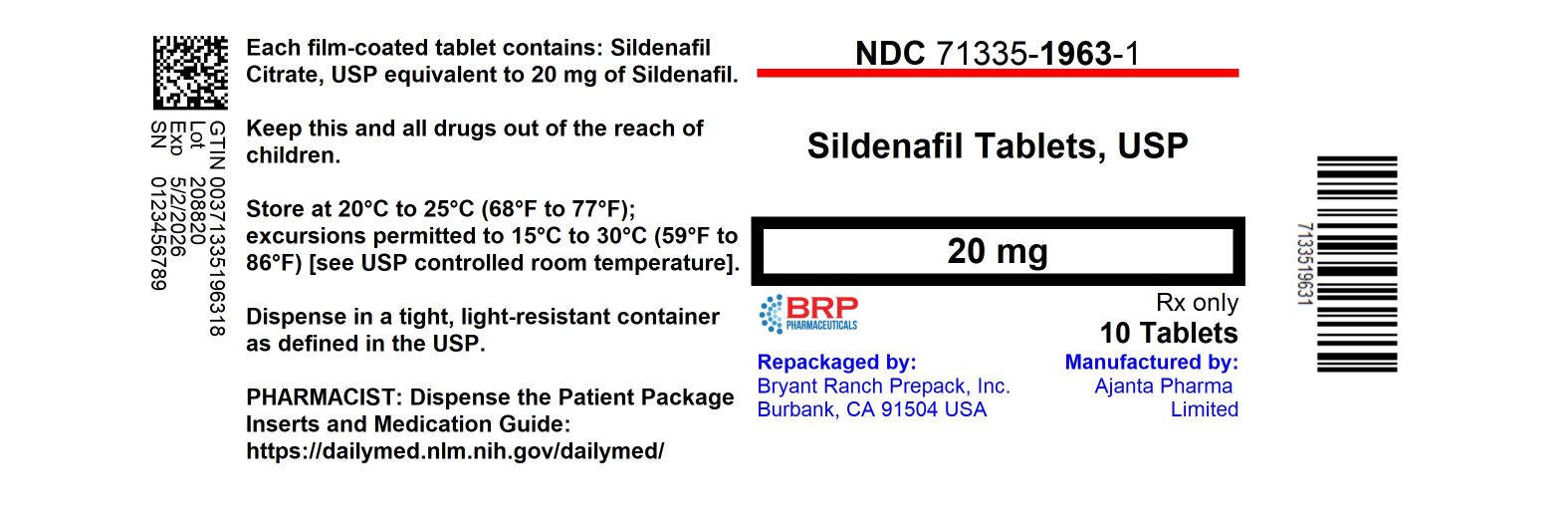
Sildenafil Citrate 20mg Tablet Label
About this NDC listing & data coverage
What data is (and isn’t) available for this NDC — tap to expand
| NDC identity (package / product / labeler codes) | ✓ Available |
| Labeler | ✓ Available |
| Product & package description | ✓ Available |
| Marketing category & status | ✓ Available |
| Active ingredient / dosage form / route | ✓ Available |
| FDA label (SPL via DailyMed) | ✓ Available |
| Package photos | ✓ Available |
| Inactive ingredients (structured) | — Not published for this NDC The labeler did not submit a structured excipient list, or no SPL is available. |
| NADAC pharmacy acquisition price (CMS) | — Not published for this NDC CMS publishes NADAC only for NDCs reported in its retail-pharmacy survey. |
| Orange Book / therapeutic-equivalence data | ✓ Available |
| HCPCS J-code billing crosswalk | — Not published for this NDC Most self-administered / retail products have no J-code — that is normal. |
| Medicaid utilization (CMS SDUD) | — Not published for this NDC CMS reports utilization only for NDCs with Medicaid claims above its privacy threshold. |