
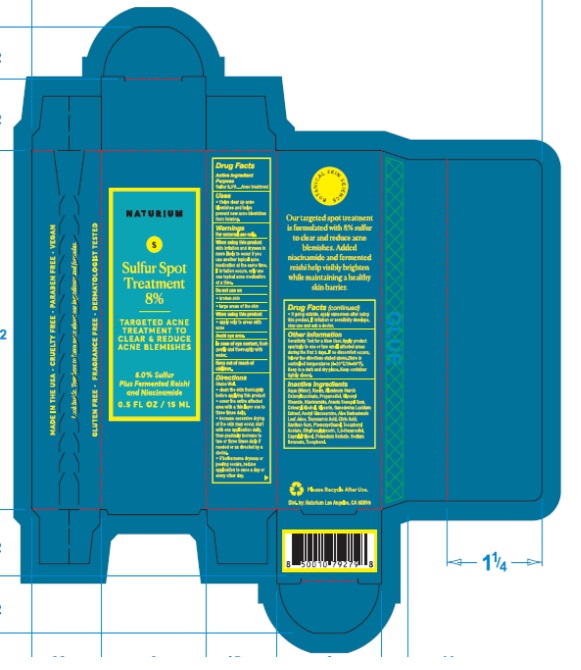
Naturium Sulfur Spot Treatment 8% 80 mg/mL Liquid — NDC 76354-120-01 (Billing 76354-0120-01)
This is a package of Naturium Sulfur Spot Treatment 8% 80 mg/mL Liquid from e.l.f. Cosmetics, Inc, marketed since Jun 2022 and currently FDA-listed. It is this product's only package size.
NDC database record
One package, one record: these facts belong to NDC 76354-120-01 alone.
- Record
- FDA NDC Directory package listing · Human OTC drug
- Code segments
- 76354 labeler · 120 product · 01 package
- Package marketed since
- Jun 17, 2022
- Sample package
- No — commercial package
- Listing certified through
- Dec 31, 2026
- Barcode (UPC-A, from the NDC)
- 3 7635412001 6
- FDA record last changed
- Jul 24, 2026
Identity & classification
Regulatory identifiers FDA, NLM and CMS codes for this package
- RxCUI (RxNorm): 2605592
Where does this data come from?
- FDA openFDA NDC Directory · synced Oct 8, 2026
- FDA label on DailyMed · label index refreshed Oct 8, 2026
- RxNorm (NLM RxNav) · catalog refreshed Oct 8, 2026
- Medi-Span GPI (licensed)
- First Databank (licensed) · refreshed Oct 8, 2026
RxNorm drug class
This medicine belongs to the Preparations containing sulfur class.
Where does this data come from?
- RxClass (NLM) · catalog refreshed Oct 8, 2026
Clinical
Naturium Sulfur Spot Treatment is a topical liquid containing 8% sulfur, an over-the-counter monograph drug. Sulfur is commonly used in skincare products for managing acne and other skin conditions where it functions as a keratolytic and antimicrobial agent. This product is applied directly to the skin and is available without a prescription.
Patient education
Supplement & herbal interactions
Where does this data come from?
- MedlinePlus (NLM) · refreshed Oct 8, 2026
- FDA label on DailyMed · label index refreshed Oct 8, 2026
Ask a licensed pharmacist directly — free, answered by our team.
Pricing
A drug doesn't have one price. Each row is a different public payment system, and none is what you'd pay at the counter — that depends on your insurance. The ⓘ on each row explains what it measures.
| Price system | Per mL | Per package |
|---|---|---|
| Retail pharmacies payNADAC · weekly | Not in the retail survey — common for institutional, discontinued, or low-volume packs. | |
| Medicaid paysCMS SDUD · 12 mo | No recent Medicaid claims on file for this NDC — rare and low-volume NDCs are suppressed in the public data. | |
| Medicare drug plans payPart D · quarterly | No Part D plan price is available for this NDC in our data. | |
Where does this data come from?
- CMS NADAC weekly file
- CMS ASP pricing files · refreshed Sep 20, 2026
- CMS Medicaid State Drug Utilization Data · refreshed Oct 9, 2026
- CMS Part D plan pricing files · refreshed Sep 24, 2026
- VA National Acquisition Center price file
Packaging — all sizes for this product
| Package NDC | Description | Marketing start | Marketing end | Status |
|---|---|---|---|---|
| 76354-0120-01 You're viewing this Main listing | 1 TUBE in 1 CARTON / 15 mL in 1 TUBE | 2022-06-17 | — | Active |
Therapeutic equivalents
| Product | Labeler | Pack | NADAC/unit | TE | Status | Price vs. this |
|---|---|---|---|---|---|---|
| Naturium Sulfur Spot Treatment 8% 80 mg/mLthis 76354-0120-01 | e.l.f. | 1 tube | — | — | FDA listed | — |
Where does this data come from?
- FDA openFDA NDC Directory · synced Oct 8, 2026
- FDA Orange Book · refreshed Oct 3, 2026
- CMS NADAC weekly file
Availability & generic status
We did not find an FDA-approved generic match for this exact strength, form and route.
Where does this data come from?
- FDA Orange Book · refreshed Oct 3, 2026
Inactive Ingredients / Excipients
Inactive ingredients, also called excipients, are components of the drug product other than the active ingredient. They may include fillers, dyes, coatings, preservatives, flavors, or other formulation ingredients.
💡 Tap an ingredient (hover on desktop) to see what it is and why it’s used.
-
UNII 9E8X80D2L0
A synthetic form of vitamin E used as an antioxidant and preservative in medications. It helps prevent the active ingredients from degrading when exposed to oxygen or light.
-
UNII TR046Y3K1G
A liquid alcohol derived from petroleum or plant sources. It acts as a solvent and humectant in medicines, helping dissolve active ingredients and retain moisture in the formulation.
-
UNII 5C5403N26O
Acacia is a natural gum derived from acacia tree sap. It serves as a binder, thickener, and emulsifier to help hold ingredients together, improve texture, and stabilize the medicine.
-
UNII ZY81Z83H0X
Aloe vera leaf is a plant extract derived from the aloe plant. It is used in medicines as a natural moisturizer and skin-soothing agent in topical formulations.
-
UNII I9PJ0O6294
A modified starch derived from corn or potato starch with aluminum salt and octenylsuccinic acid added. It acts as a binder to hold tablet ingredients together and as a thickening agent in liquid formulations.
-
UNII XF417D3PSL
Anhydrous citric acid is a sour, crystalline powder derived from citric acid with water removed. In medicines, it acts as a buffer to control pH, adds tartness to improve taste, and helps tablets disintegrate.
-
UNII 00YIU5438U
Caprylyl glycol is a clear liquid derived from coconut oil. In medicines, it acts as a humectant to retain moisture, a preservative booster to prevent microbial growth, and a solvent to help dissolve or mix other ingredients.
-
UNII 2DMT128M1S
A waxy solid derived from plant or animal sources. It acts as an emulsifier to blend oil and water components, and also thickens the medicine to give it the right texture and consistency.
-
UNII 147D247K3P
Ethylhexylglycerin is a synthetic preservative used to prevent bacteria and mold from growing in medicines and personal care products. It helps keep the product safe and stable throughout its shelf life.
-
UNII J5P04QW0CF
A fungus used as a filler and natural colorant in supplements and medicines. It may help standardize the product's appearance and texture while adding bulk.
-
UNII PDC6A3C0OX
Glycerin is a clear, thick liquid derived from plant oils or fats. It acts as a humectant to retain moisture, a sweetener, and a solvent in medications.
-
UNII 230OU9XXE4
A waxy substance made from glycerin and stearic acid that acts as an emulsifier to blend oily and watery ingredients together. It also helps thicken and stabilize the medicine's texture.
-
UNII 24H4NWX5CO
Kaolin is a naturally occurring clay mineral. It's used in tablets and capsules as a filler and absorbent to add bulk, improve texture, and help bind ingredients together.
-
UNII V956696549
N-Acetylglucosamine is a naturally occurring sugar compound derived from chitin. In medicines, it typically serves as a filler or binding agent to help hold tablet ingredients together and add bulk to the formulation.
-
UNII 25X51I8RD4
Niacinamide is a form of vitamin B3, a water-soluble nutrient. In medicines, it may be added as a nutritional supplement or to support skin health, though its primary role here is as an active ingredient rather than a traditional inactive filler.
-
UNII HIE492ZZ3T
Phenoxyethanol is a synthetic preservative and antimicrobial agent used to prevent bacterial and fungal growth in medicines and cosmetic products, extending shelf life and maintaining product safety.
-
UNII 1VPU26JZZ4
Potassium sorbate is a salt derived from sorbic acid, a naturally occurring preservative. It prevents growth of mold, yeast, and some bacteria, extending the medicine's shelf life.
-
UNII 5965N8W85T
Propanediol is a clear liquid organic compound derived from vegetable sources or synthesized chemically. It acts as a humectant to retain moisture, a solvent to dissolve active ingredients, and a preservative booster in liquid medications and supplements.
-
UNII OJ245FE5EU
Sodium benzoate is a salt derived from benzoic acid, a preservative. It's added to medicines to prevent growth of bacteria, fungi, and other microorganisms that could spoil the product.
-
UNII R0ZB2556P8
Tocopherol is a form of vitamin E derived from plant oils. It acts as an antioxidant in medicines to prevent oils and fats from breaking down and spoiling during storage.
-
UNII 6T84R30KC1
Tranexamic acid is a synthetic compound that helps reduce bleeding by slowing the breakdown of blood clots. In medicines, it acts as an active pharmaceutical ingredient rather than an inactive filler, and is included to provide therapeutic effects related to bleeding control.
-
UNII 059QF0KO0R
Water is a liquid solvent that dissolves and mixes ingredients together in liquid medicines, syrups, and injections. It helps distribute the active drug evenly throughout the product.
-
UNII TTV12P4NEE
Xanthan gum is a thickening and stabilizing ingredient made from fermented corn or other sugars. It's added to medicines to improve texture, prevent separation of liquids and solids, and help the product stay consistent.
23 inactive ingredients listed in the exact product block matched to this NDC.
Label-section wording can be broader than the structured product block and may mention additional formulation ingredients.
Where does this data come from?
ingredient classCode="IACT" elements from the exact product block matched by this NDC. Label-section narrative from DailyMed / the openFDA label index is shown separately when available.- FDA label on DailyMed · label index refreshed Oct 8, 2026
- FDA openFDA NDC Directory · synced Oct 8, 2026
Inactive ingredient FAQ
Are inactive ingredients the same for every manufacturer?
Why might an inactive ingredient be missing?
Can inactive ingredients matter?
Manufacturer & labeler
More NDCs from e.l.f. Cosmetics, Inc labeler code 76354
- Well People Daygleamer Liquid Mineral Sunscreen SPF 34 Zinc Oxide 142.8 mg/mL Lotion NDC 76354-020-01
- Naturium Encapsulated Salicylic Acid Moisturizer 0.75% 7.5 mg/g Lotion NDC 76354-121-01
- Naturium Salicylic Acid Serum 2% 20 mg/mL Liquid NDC 76354-122-01
- Naturium Benzoyl Peroxide Cleanser 5% 50 mg/mL Cream NDC 76354-123-01
- Naturium Salicylic Acid Body 2% 20 mg/mL Aerosol, Spray NDC 76354-124-01
- Naturium UV Reflect Antioxidant SPF 50 Homosalate, Octisalate, Avobenzone 30 mg/mL; 100 mg/mL; 50 mg/mL Lotion NDC 76354-125-01
- elf Sun Boss Gloss SPF 25 Sunscreen Pink Me Girl ZINC OXIDE 100 mg/mL Cream NDC 76354-126-01
Where does this data come from?
- FDA openFDA NDC Directory · synced Oct 8, 2026
- Drugs@FDA
FDA label — Drug Facts FDA SPL
🎯 Indications and Usage ▾
Uses Helps clear up acne blemishes and helps prevent new acne blemishes from forming.
⏱️ Dosage and Administration ▾
Directions Shake Well clean the skin thoroughly before applying this product cover the entire affected area with a thin layer one to three times daily because excessive drying of the skin may occur, start with one application daily, then gradually increase to two or three times daily if needed or as directed by a doctor if bothersome dryness or peeling occurs, reduce application to once a day or every other day. if going outside, apply sunscreen after using this product. If irritation or sensitivity develops, stop use and ask a doctor.
⚠️ Warnings ▾
Warnings For external use only. When using this product skin irritation and dryness is more likely to occur if you use another topical acne medication at the same time. If irritation occurs, only use one topical acne medication at a time. apply only to areas with acne Avoid eye area. In case of eye contact, flush gently and thoroughly with water. Do not use on broken skin large areas of the skin Keep out of reach of children.
🧪 Active Ingredient ▾
Active Ingredient Sulfur 8.0%
🧪 Inactive Ingredients ▾
Inactive Ingredients Aqua (Water), Kaolin, Aluminum Starch Octenylsuccinate, Propanediol, Glyceryl Stearate, Niacinamide, Acacia Senegal Gum, Cetearyl Alcohol, Glycerin, Ganoderma Lucidum Extract, Acetyl Glucosamine, Aloe Barbadensis Leaf Juice, Tranexamic Acid, Citric Acid, Xanthan Gum, Phenoxyethanol, Tocopheryl Acetate, Ethylhexylglycerin, 1,2-Hexanediol, Caprylyl Glycol, Potassium Sorbate, Sodium Benzoate, Tocopherol.
🎯 Purpose ▾
Purpose Acne treatment
📄 Do Not Use ▾
Do not use on broken skin large areas of the skin
📄 When Using This Product ▾
When using this product skin irritation and dryness is more likely to occur if you use another topical acne medication at the same time. If irritation occurs, only use one topical acne medication at a time. apply only to areas with acne Avoid eye area. In case of eye contact, flush gently and thoroughly with water.
📄 Keep Out of Reach of Children ▾
Keep out of reach of children.
📄 Other Information ▾
Other Information Sensitivity Test for a New User. Apply product sparingly to one or two small affected areas during the first 3 days. If no discomfort occurs, follow the directions stated above.Store in controlled temperatures (4-20°C/39-68°F). Keep in a dark and dry place. Keep container tightly closed.
📄 Package Label / Principal Display Panel ▾
Product Packaging 1
Reported adverse events (FAERS)
Top reported reactions
Age at onset
Reporter sex
Serious outcomes
Where does this data come from?
About this NDC listing & data coverage
What data is (and isn’t) available for this NDC — tap to expand
| NDC identity (package / product / labeler codes) | ✓ Available |
| Labeler | ✓ Available |
| Product & package description | ✓ Available |
| Marketing category & status | ✓ Available |
| Active ingredient / dosage form / route | ✓ Available |
| FDA label (SPL via DailyMed) | ✓ Available |
| Package photos | ✓ Available |
| Inactive ingredients (structured) | ✓ Available |
| NADAC pharmacy acquisition price (CMS) | — Not published for this NDC CMS publishes NADAC only for NDCs reported in its retail-pharmacy survey. |
| Orange Book / therapeutic-equivalence data | — Not published for this NDC Applies only to products approved under an NDA/ANDA; many listings are out of scope. |
| HCPCS J-code billing crosswalk | — Not published for this NDC Most self-administered / retail products have no J-code — that is normal. |
| Medicaid utilization (CMS SDUD) | — Not published for this NDC CMS reports utilization only for NDCs with Medicaid claims above its privacy threshold. |