
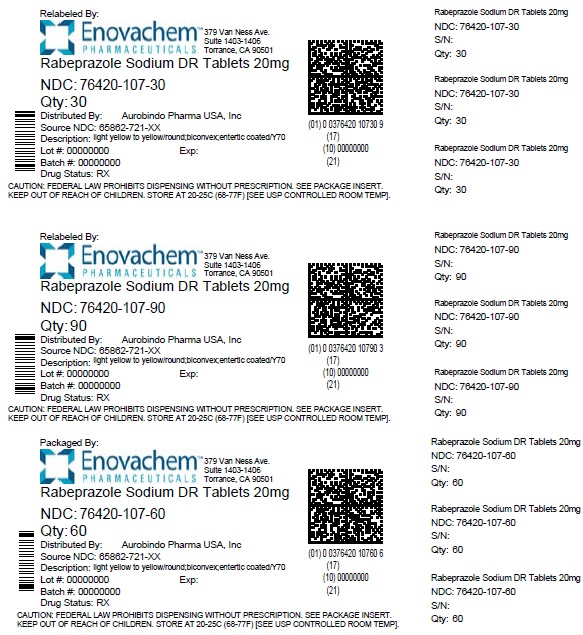
Rabeprazole Sodium 20 mg Tablet, Delayed Release, 30-count — NDC 76420-107-30 (Billing 76420-0107-30)
This is a package of 30 tablets of Rabeprazole Sodium 20 mg Tablet, Delayed Release from Asclemed USA, Inc., marketed since Feb 2017 and currently FDA-listed. It is the main listing for this product, which comes in 3 package sizes.
Identity & classification
Regulatory identifiers FDA, NLM and CMS codes for this package
Drug-database identifiers Medi-Span GPI and First Databank GCN / HICL / AHFS classification
- GSN (GCN sequence number): 040941
- GCN: 94639
- GPI-14 (Medi-Span): 49270076100620
- HICL (First Databank): 018847
- AHFS class code: 56:28.36.00
- RxCUI (RxNorm): 854868
Where does this data come from?
- FDA openFDA NDC Directory · synced Oct 1, 2026
- FDA label on DailyMed · label index refreshed Oct 1, 2026
- RxNorm (NLM RxNav) · catalog refreshed Oct 1, 2026
- Medi-Span GPI (licensed)
- First Databank (licensed) · refreshed Oct 1, 2026
RxNorm drug class
This medicine belongs to the Proton Pump Inhibitor class.
Where does this data come from?
- RxClass (NLM) · catalog refreshed Oct 1, 2026
Clinical
Rabeprazole is used to treat the symptoms of gastroesophageal reflux disease (GERD), a condition in which backward flow of acid from the stomach causes heartburn and possible injury of the esophagus (the tube that connects the throat and stomach) in adults and children 12 year of age and older. Rabeprazole is used to treat damage from GERD, allow the esophagus to heal, and prevent further damage to the esophagus in adults. Rabeprazole is also used to treat conditions in which the stomach produces too much acid, such as Zollinger-Ellison syndrome in adults. Rabeprazole is used to treat ulcers (...
Read the full MedlinePlus article ↗- It lowers stomach acid. Doctors use it for GERD, duodenal ulcers, H. pylori infection with duodenal ulcer disease, and conditions with too much stomach acid like Zollinger-Ellison...
- Swallow the tablet whole. Don’t chew, crush or split it. For most uses, food doesn’t matter. For duodenal ulcers, take it after a meal. For H. pylori, take it with food, twice a da...
- The AcipHex label says to take it as soon as you remember. If it’s almost time for your next dose, skip the missed one. Never take two doses together.
- Most are mild, like pain, sore throat, gas or constipation. Teens may get headache, nausea or diarrhea. Call me or your doctor if you have severe or lasting diarrhea, a bad rash or...
Patient education
Supplement & herbal interactions
Some supplements/herbs that may interact with Rabeprazole Sodium — tap one for details:
Rabeprazole Sodium may be associated with lower levels of 9 nutrients — worth a chat with your pharmacist, not a cause for alarm.
Where does this data come from?
- MedlinePlus (NLM) · refreshed Oct 1, 2026
- FDA label on DailyMed · label index refreshed Oct 1, 2026
Ask a licensed pharmacist directly — free, answered by our team.
Pricing
A drug doesn't have one price. Each row is a different public payment system, and none is what you'd pay at the counter — that depends on your insurance. The ⓘ on each row explains what it measures.
| Price system | Per each | Per package |
|---|---|---|
| Retail pharmacies payNADAC · weekly | Not in the retail survey — common for institutional, discontinued, or low-volume packs. | |
| Medicaid paysCMS SDUD · 12 mo | No recent Medicaid claims on file for this NDC — rare and low-volume NDCs are suppressed in the public data. | |
| Medicare drug plans payPart D · Q2 2026 | $0.3379 | $10.14 / 30 tablets |
Where does this data come from?
- CMS NADAC weekly file
- CMS ASP pricing files · refreshed Sep 20, 2026
- CMS Medicaid State Drug Utilization Data · refreshed Oct 3, 2026
- CMS Part D plan pricing files · refreshed Sep 24, 2026
- VA National Acquisition Center price file
Packaging — all sizes for this product
| Package NDC | Description | Marketing start | Marketing end | Status |
|---|---|---|---|---|
| 76420-0107-30 You're viewing this Main listing | 30 TABLET, DELAYED RELEASE in 1 BOTTLE | 2020-06-26 | — | Active |
| 76420-0107-60 76420-107-60 | 60 TABLET, DELAYED RELEASE in 1 BOTTLE | 2020-06-26 | — | Active |
| 76420-0107-90 76420-107-90 | 90 TABLET, DELAYED RELEASE in 1 BOTTLE | 2020-06-26 | — | Active |
You're viewing the smallest of 3 pack sizes for this product.
Pack size FAQ
What quantity is in this package?
How does this package differ from NDC 76420-0107-60?
What NDC number is used to bill for this package of Rabeprazole Sodium 20 mg Tablet, Delayed Release?
Therapeutic equivalents
| Product | Labeler | Pack | NADAC/unit | TE | Status | Price vs. this |
|---|---|---|---|---|---|---|
| Rabeprazole Sodium 20 mg 62135-0503-30 | Chartwell | 30 tablets | $0.224 | AB | Availability likely | — |
| Rabeprazole Sodium 20 mg 62175-0302-32 | Lannett | 30 tablets | $0.224 | AB | Availability likely | — |
| Rabeprazole Sodium 20 mg 65862-0721-30 | Aurobindo | 30 tablets | $0.224 | — | Availability likely | — |
| Rabeprazole Sodium 20 mg 67877-0443-30 | Ascend | 30 tablets | $0.224 | AB | Availability likely | — |
| Rabeprazole Sodium 20 mg 72888-0059-30 | Advagen | 30 tablets | $0.224 | AB | Availability likely | — |
| Rabeprazole sodium 20 mg 13668-0107-05 | Torrent | 500 tablets | $0.279 | AB | FDA listed | — |
| Rabeprazole Sodium 20 mg 50090-4751-00 | A-S | 30 tablets | — | AB | FDA listed | — |
| Rabeprazole Sodium 20 mg 50090-6887-00 | A-S | 30 tablets | — | AB | FDA listed | — |
| Rabeprazole Sodium 20 mg 51407-0184-05 | Golden | 500 tablets | — | AB | FDA listed | — |
| Rabeprazole Sodium 20 mg 60760-0560-30 | St. | 30 tablets | — | AB | FDA listed | — |
| Rabeprazole Sodium 20 mg 60760-0972-30 | St. | 30 tablets | — | AB | FDA listed | — |
| Rabeprazole Sodium 20 mg 63187-0259-30 | Proficient | 30 tablets | — | AB | FDA listed | — |
| Rabeprazole sodium 20 mg 63187-0555-30 | Proficient | 30 tablets | — | AB | FDA listed | — |
| Rabeprazole Sodium 20 mg 65162-0724-03 | Amneal | 30 tablets | — | AB | FDA listed | — |
| Rabeprazole sodium 20 mg 68788-4060-03 | Preferred | 30 tablets | — | AB | FDA listed | — |
| Rabeprazole Sodium 20 mg 68788-7459-03 | Preferred | 30 tablets | — | AB | FDA listed | — |
| Rabeprazole Sodium 20 mg 68788-8536-03 | Preferred | 30 tablets | — | AB | FDA listed | — |
| Rabeprazole Sodium 20 mg 70518-2590-00 | REMEDYREPACK | 60 tablets | — | AB | FDA listed | — |
| Rabeprazole Sodium 20 mg 70518-3209-00 | REMEDYREPACK | 60 tablets | — | AB | Discontinued | — |
| Rabeprazole Sodium 20 mg 71205-0292-30 | Proficient | 30 tablets | — | AB | FDA listed | — |
| Rabeprazole Sodium 20 mg 71205-0603-30 | Proficient | 30 tablets | — | AB | FDA listed | — |
| Rabeprazole Sodium 20 mg 71335-0244-02 | Bryant | 90 tablets | — | AB | FDA listed | — |
| Rabeprazole Sodium 20 mg 71335-1100-02 | Bryant | 90 tablets | — | AB | FDA listed | — |
| Rabeprazole Sodium 20 mg 71335-1558-02 | Bryant | 90 tablets | — | AB | FDA listed | — |
| Rabeprazole Sodium 20 mg 71335-2304-02 | Bryant | 90 tablets | — | AB | FDA listed | — |
| Rabeprazole Sodium 20 mg 72162-2367-05 | Bryant | 500 tablets | — | AB | FDA listed | — |
| Rabeprazole Sodium 20 mg 72162-2503-03 | Bryant | 30 tablets | — | AB | FDA listed | — |
| Rabeprazole Sodium 20 mg 72189-0142-90 | DIRECT | 90 tablets | — | AB | FDA listed | — |
| Rabeprazole Sodium 20 mg 72189-0169-30 | DIRECT | 30 tablets | — | AB | FDA listed | — |
| Rabeprazole Sodium 20 mgthis 76420-0107-30 | Asclemed | 30 tablets | — | AB | FDA listed | — |
| Rabeprazole Sodium 20 mg 76420-0223-30 | Asclemed | 30 tablets | — | AB | FDA listed | — |
| Rabeprazole Sodium 20 mg 76420-0818-30 | Asclemed | 30 tablets | — | AB | FDA listed | — |
| Rabeprazole Sodium DR 20 mg 80425-0094-01 | Advanced | 30 tablets | — | AB | FDA listed | — |
| Rabeprazole Sodium DR 20 mg 80425-0134-01 | Advanced | 30 tablets | — | AB | FDA listed | — |
| Rabeprazole Sodium 20 mg 80425-0363-01 | Advanced | 30 tablets | — | AB | FDA listed | — |
| Rabeprazole Sodium 20 mg 80425-0449-01 | Advanced | 30 tablets | — | AB | FDA listed | — |
| Aciphex 20 mg 80725-0243-30 | Waylis | 30 tablets | — | AB | FDA listed | — |
| Rabeprazole Sodium 20 mg 85509-1443-03 | PHOENIX | 30 tablets | — | AB | FDA listed | — |
Where does this data come from?
- FDA openFDA NDC Directory · synced Oct 1, 2026
- FDA Orange Book · refreshed Oct 3, 2026
- CMS NADAC weekly file
Availability & generic status
This product is an FDA-approved generic. Other versions of the same drug are listed under Therapeutic equivalents, least expensive first.
Where does this data come from?
- FDA Orange Book · refreshed Oct 3, 2026
What it looks like
Where does this data come from?
- FDA label on DailyMed · label index refreshed Oct 1, 2026
Inactive Ingredients / Excipients
Inactive ingredients, also called excipients, are components of the drug product other than the active ingredient. They may include fillers, dyes, coatings, preservatives, flavors, or other formulation ingredients.
💡 Tap an ingredient (hover on desktop) to see what it is and why it’s used.
-
UNII 68401960MK
Crospovidone is a synthetic polymer made from polyvinylpyrrolidone. It acts as a disintegrant, helping tablets break apart quickly in the stomach so the medicine dissolves and absorbs into the body.
-
UNII 5Z17386USF
A food-derived fat used as an emulsifier and stabilizer. It helps blend oil and water-based ingredients together and keeps the medicine's texture consistent throughout its shelf life.
-
UNII H3UP11403C
Ethylcellulose is a plant-derived polymer that thickens and forms protective coatings on tablets and capsules. It slows medicine release into the body and protects the contents from moisture and air.
-
UNII EX438O2MRT
Ferric oxide yellow is a naturally occurring iron compound used as a colorant in medications. It gives tablets, capsules, and other forms a yellow or golden hue for identification and appearance.
-
UNII XM0M87F357
A dark iron oxide compound that gives medicines their black or dark color. It's used as a colorant in tablets and capsules to help identify the product and make it visually distinctive.
-
UNII 5Y0974F5PW
Hydroxypropyl cellulose is a plant-derived thickener and binder made by chemically treating cellulose. In medicines, it helps hold tablets together, thickens liquids, and can form a protective coating on capsules.
-
UNII G4U024CQK6
Hypromellose phthalate is a plant-derived polymer coating material. It's used to coat tablets or capsules so the medicine dissolves in the intestines rather than the stomach, protecting it from stomach acid or reducing stomach irritation.
-
UNII 2165RE0K14
A plant-based thickener made from cellulose that helps control how quickly the medicine dissolves and releases its active ingredient. It also binds ingredients together and improves the tablet's texture and handling during manufacturing.
-
UNII NBZ3QY004S
Magnesium hydroxide is a mineral compound that acts as a buffer and pH adjuster in medications. It helps neutralize stomach acid and keeps the medicine at the right acidity level for stability and absorption.
-
UNII 3A3U0GI71G
Magnesium oxide is a mineral compound that acts as a buffer and filler in medications. It helps neutralize stomach acid and adds bulk to the tablet or capsule formulation.
-
UNII 70097M6I30
Magnesium stearate is a salt made from magnesium and stearic acid, a fatty substance. It's used in tablets and capsules as a lubricant and glidant to help ingredients flow smoothly during manufacturing and prevent sticking.
-
UNII 3OWL53L36A
A natural sugar alcohol derived from seaweed or synthesized in the lab. It's used as a filler to add bulk, a sweetener in sugar-free formulas, and a disintegrant to help tablets break apart in the stomach.
-
UNII 46N107B71O
Shellac is a natural resin secreted by the lac beetle. It's used as a coating on tablets and capsules to control how quickly the medicine dissolves and to improve appearance and stability.
-
UNII 45P3261C7T
Sodium carbonate is an alkaline mineral salt commonly used in medications as a buffer to help maintain pH balance and improve stability. It may also function as a disintegrant to help tablets break apart in the digestive system.
-
UNII 7SEV7J4R1U
A powder made from a naturally occurring mineral. In medicines, talc works as a glidant and anti-caking agent, helping tablets and capsules flow smoothly during manufacturing and preventing clumping.
-
UNII 15FIX9V2JP
Titanium dioxide is a bright white mineral powder commonly used as a colorant and opacifying agent. It makes pills and tablets white or lighter in color and helps make coatings non-transparent.
16 inactive ingredients listed in the exact product block matched to this NDC.
Where does this data come from?
ingredient classCode="IACT" elements from the exact product block matched by this NDC. Label-section narrative from DailyMed / the openFDA label index is shown separately when available.- FDA label on DailyMed · label index refreshed Oct 1, 2026
- FDA openFDA NDC Directory · synced Oct 1, 2026
Inactive ingredient FAQ
Are inactive ingredients the same for every manufacturer?
Why might an inactive ingredient be missing?
Can inactive ingredients matter?
Manufacturer & labeler
Where does this data come from?
- FDA openFDA NDC Directory · synced Oct 1, 2026
- Drugs@FDA
Full prescribing information FDA SPL
🎯 Indications and Usage ▾
1 INDICATIONS AND USAGE Rabeprazole sodium delayed-release tablets are a proton pump inhibitor (PPI) indicated in adults for: Healing of Erosive or Ulcerative Gastroesophageal Reflux Disease (GERD) ( 1.1 ). Maintenance of Healing of Erosive or Ulcerative GERD ( 1.2 ). Treatment of Symptomatic GERD ( 1.3 ).
Healing of Duodenal Ulcers ( 1.4 ). Helicobacter pylori Eradication to Reduce Risk of Duodenal Ulcer Recurrence ( 1.5 ). Treatment of Pathological Hypersecretory Conditions, Including Zollinger-Ellison Syndrome ( 1.6 ).
In adolescent patients 12 years of age and older for: Short-term Treatment of Symptomatic GERD ( 1.7 ).
1.1Healing of Erosive or Ulcerative GERD in Adults Rabeprazole sodium delayed-release tablets are indicated for short-term (4 to 8 weeks) treatment in the healing and symptomatic relief of erosive or ulcerative gastroesophageal reflux disease (GERD). For those patients who have not healed after 8 weeks of treatment, an additional 8-week course of rabeprazole sodium delayed-release tablets may be considered.
1.2Maintenance of Healing of Erosive or Ulcerative GERD in Adults Rabeprazole sodium delayed-release tablets are indicated for maintaining healing and reduction in relapse rates of heartburn symptoms in patients with erosive or ulcerative gastroesophageal reflux disease (GERD Maintenance). Controlled studies do not extend beyond 12 months.
1.3Treatment of Symptomatic GERD in Adults Rabeprazole sodium delayed-release tablets are indicated for the treatment of daytime and nighttime heartburn and other symptoms associated with GERD in adults for up to 4 weeks.
1.4Healing of Duodenal Ulcers in Adults Rabeprazole sodium delayed-release tablets are indicated for short-term (up to four weeks) treatment in the healing and symptomatic relief of duodenal ulcers. Most patients heal within four weeks.
1.5Helicobacter pylori Eradication to Reduce the Risk of Duodenal Ulcer Recurrence in Adults Rabeprazole sodium delayed-release tablets, in combination with amoxicillin and clarithromycin as a three drug regimen, are indicated for the treatment of patients with H. pylori infection and duodenal ulcer disease (active or history within the past 5 years) to eradicate H. pylori . Eradication of H. pylori has been shown to reduce the risk of duodenal ulcer recurrence. In patients who fail therapy, susceptibility testing should be done.
If resistance to clarithromycin is demonstrated or susceptibility testing is not possible, alternative antimicrobial therapy should be instituted [see Clinical Pharmacology (12.2) and the full prescribing information for clarithromycin ] .
1.6Treatment of Pathological Hypersecretory Conditions, Including Zollinger-Ellison Syndrome in Adults Rabeprazole sodium delayed-release tablets are indicated for the long-term treatment of pathological hypersecretory conditions, including Zollinger-Ellison syndrome.
1.7Treatment of Symptomatic GERD in Adolescent Patients 12 Years of Age and Older Rabeprazole sodium delayed-release tablets are indicated for the treatment of symptomatic GERD in adolescents 12 years of age and above for up to 8 weeks.
⏱️ Dosage and Administration ▾
2 DOSAGE AND ADMINISTRATION Table 1 shows the recommended dosage of rabeprazole sodium delayed-release tablets in adults and adolescent patients 12 years of age and older. The use of rabeprazole sodium delayed-release tablets is not recommended for use in pediatric patients 1 year to less than 12 years of age because the lowest available tablet strength (20 mg) exceeds the recommended dose for these patients. Use another rabeprazole formulation for pediatric patients 1 year to less than 12 years of age.
Table 1: Recommended Dosage and Duration of Rabeprazole Sodium Delayed-Release Tablets in Adults and Adolescents 12 Years of Age and Older * For those patients who have not healed after 8 weeks of treatment, an additional 8-week course of rabeprazole sodium delayed-release tablets may be considered. ** If symptoms do not resolve completely after 4 weeks, an additional course of treatment may be considered. *** Most patients heal within 4 weeks; some patients may require additional therapy to achieve healing. Indication Dosage of Rabeprazole sodium delayed-release tablets Treatment Duration Adults Healing of Erosive or Ulcerative Gastroesophageal Reflux Disease (GERD) 20 mg once daily 4 to 8 weeks* Maintenance of Healing of Erosive or Ulcerative GERD 20 mg once daily Controlled studies do not extend beyond 12 months Symptomatic GERD in Adults 20 mg once daily Up to 4 weeks** Healing of Duodenal Ulcers 20 mg once daily after the morning meal Up to 4 weeks*** Helicobacter pylori Eradication to Reduce the Risk of Duodenal Ulcer Recurrence Rabeprazole Sodium Delayed-Release Tablets 20 mg Amoxicillin 1000 mg Clarithromycin 500 mg Take all three medications twice daily with morning and evening meals; it is important that patients comply with the full 7-day regimen [see Clinical Studies (14.5) ] 7 days Pathological Hypersecretory Conditions, Including Zollinger-Ellison Syndrome Starting dose 60 mg once daily then adjust to patient needs; some patients require divided doses Dosages of 100 mg once daily and 60 mg twice daily have been administered As long as clinically indicated Some patients with Zollinger-Ellison syndrome have been treated continuously for up to one year Adolescents 12 Years of Age and Older Symptomatic GERD 20 mg once daily Up to 8 weeks Administration Instructions Swallow rabeprazole sodium delayed-release tablets whole.
Do not chew, crush, or split tablets. For the treatment of duodenal ulcers take rabeprazole sodium delayed-release tablets after a meal. For Helicobacter pylori eradication take rabeprazole sodium delayed-release tablets with food.
For all other indications rabeprazole sodium delayed-release tablets can be taken with or without food. Take a missed dose as soon as possible. If it is almost time for the next dose, skip the missed dose and go back to the normal schedule.
Do not take two doses at the same time. Indication Recommended Dosage ( 2 ) Healing of Erosive or Ulcerative Gastroesophageal Reflux Disease (GERD) 20 mg once daily for 4 to 8 weeks Maintenance of Healing of Erosive or Ulcerative GERD* studied for 12 months 20 mg once daily* Symptomatic GERD in Adults 20 mg once daily for 4 weeks Healing of Duodenal Ulcers 20 mg once daily after morning meal for up to 4 weeks Helicobacter pylori Eradication to Reduce the Risk of Duodenal Ulcer Recurrence Three Drug Regimen: Rabeprazole Sodium Delayed-Release Tablets 20 mg Amoxicillin 1000 mg Clarithromycin 500 mg All three medications should be taken twice daily with morning and evening meals for 7 days Pathological Hypersecretory Conditions, Including Zollinger-Ellison Syndrome Starting dose 60 mg once daily then adjust to patient needs Symptomatic GERD in Adolescents 12 Years of Age and Older 20 mg once daily for up to 8 weeks Administration Instructions ( 2 ): Swallow rabeprazole sodium delayed-release tablets whole.
Do not chew, crush or split the tablets. For the treatment of duodenal ulcers take rabeprazole sodium delayed-release tablets after a m… [Excerpted — this section continues on DailyMed.]
💊 Dosage Forms and Strengths ▾
3 DOSAGE FORMS AND STRENGTHS Rabeprazole sodium delayed-release tablets are provided in one strength, 20 mg. The tablets are light yellow to yellow, round, biconvex, enteric coated tablets with imprinting ‘Y70’ on one side and plain on other side. Delayed-Release Tablets: 20 mg ( 3 ).
⛔ Contraindications ▾
4 CONTRAINDICATIONS Rabeprazole sodium delayed-release tablets are contraindicated in patients with known hypersensitivity to rabeprazole, substituted benzimidazoles, or to any component of the formulation. Hypersensitivity reactions may include anaphylaxis, anaphylactic shock, angioedema, bronchospasm, acute interstitial nephritis, and urticaria [see Adverse Reactions (6) ] . PPIs, including rabeprazole sodium delayed-release tablets, are contraindicated with rilpivirine-containing products [see Drug Interactions (7) ] .
For information about contraindications of antibacterial agents (clarithromycin and amoxicillin) indicated in combination with rabeprazole sodium delayed-release tablets, refer to the Contraindications section of their package inserts. Patients with a history of hypersensitivity to rabeprazole ( 4 ). PPIs, including rabeprazole sodium delayed-release tablets, are contraindicated in patients receiving rilpivirine-containing products ( 4 , 7 ).
Refer to the Contraindications section of the prescribing information for clarithromycin and amoxicillin, when administered in combination with rabeprazole sodium delayed-release tablets ( 4 ).
⚠️ Warnings and Cautions ▾
5 WARNINGS AND PRECAUTIONS Gastric Malignancy : In adults, symptomatic response to therapy with rabeprazole does not preclude the presence of gastric malignancy. Consider additional follow-up and diagnostic testing ( 5.1 ). Use with Warfarin : Monitor for increases in INR and prothrombin time ( 5.2 , 7 ).
Acute Interstitial Nephritis : Observed in patients taking PPIs ( 5.3 ). Clostridium difficile -Associated Diarrhea : PPI therapy may be associated with increased risk of ( 5.4 ). Bone Fracture : Long-term and multiple daily dose PPI therapy may be associated with an increased risk for osteoporosis-related fractures of the hip, wrist, or spine ( 5.5 ).
Cutaneous and Systemic Lupus Erythematosus : Mostly cutaneous, new onset or exacerbation of existing disease; discontinue rabeprazole sodium delayed-release tablets and refer to specialist for evaluation ( 5.6 ). Cyanocobalamin (Vitamin B-12) Deficiency : Daily long-term use (e.g., longer than 3 years) may lead to malabsorption or a deficiency of cyanocobalamin ( 5.7 ). Hypomagnesemia : Reported rarely with prolonged treatment with PPIs ( 5.8 ).
Interaction with Methotrexate : Concomitant use with PPIs may elevate and/or prolong serum concentrations of methotrexate and/or its metabolite, possibly leading to toxicity. With high dose methotrexate administration, consider a temporary withdrawal of rabeprazole sodium delayed-release tablets ( 5.9 , 7 ). Fundic Gland Polyps : Risk increases with long-term use, especially beyond one year.
Use the shortest duration of therapy ( 5.10 ).
5.1Presence of Gastric Malignancy In adults, symptomatic response to therapy with rabeprazole sodium delayed-release tablets does not preclude the presence of gastric malignancy. Consider additional follow-up and diagnostic testing in adult patients who have a suboptimal response or an early symptomatic relapse after completing treatment with a PPI.
5.2Interaction with Warfarin Steady state interactions of rabeprazole and warfarin have not been adequately evaluated in patients. There have been reports of increased INR and prothrombin time in patients receiving a proton pump inhibitor and warfarin concomitantly. Increases in INR and prothrombin time may lead to abnormal bleeding and even death.
Patients treated with rabeprazole sodium delayed-release tablets and warfarin concomitantly may need to be monitored for increases in INR and prothrombin time [see Drug Interactions (7) ] .
5.3Acute Interstitial Nephritis Acute interstitial nephritis has been observed in patients taking PPIs including rabeprazole sodium delayed-release tablets. Acute interstitial nephritis may occur at any point during PPI therapy and is generally attributed to an idiopathic hypersensitivity reaction. Discontinue rabeprazole sodium delayed-release tablets if acute interstitial nephritis develops [see Contraindications (4) ].
5.4Clostridium difficile -Associated Diarrhea Published observational studies suggest that PPI therapy like rabeprazole sodium delayed-release tablets may be associated with an increased risk of Clostridium difficile -associated diarrhea, especially in hospitalized patients. This diagnosis should be considered for diarrhea that does not improve [see Adverse Reactions (6.2) ] . Patients should use the lowest dose and shortest duration of PPI therapy appropriate to the condition being treated.
Clostridium difficile- associated diarrhea (CDAD) has been reported with use of nearly all antibacterial agents. For more information specific to antibacterial agents (clarithromycin and amoxicillin) indicated for use in combination with rabeprazole sodium delayed-release tablets, refer to Warnings and Precautions sections of the corresponding prescribing information.
5.5Bone Fracture Several published observational studies in adults suggest that PPI therapy may be associated with an increased risk for osteoporosis-related fractures of the hip, wrist, or spine. The risk of fracture was increased in patients who receiv… [Excerpted — this section continues on DailyMed.]
🤒 Adverse Reactions ▾
6 ADVERSE REACTIONS The following serious adverse reactions are described below and elsewhere in labeling: Acute Interstitial Nephritis [see Warnings and Precautions (5.3) ] Clostridium difficile- Associated Diarrhea [see Warnings and Precautions (5.4) ] Bone Fracture [see Warnings and Precautions (5.5) ] Cutaneous and Systemic Lupus Erythematosus [see Warnings and Precautions (5.6) ] Cyanocobalamin (Vitamin B-12) Deficiency [see Warnings and Precautions (5.7) ] Hypomagnesemia [see Warnings and Precautions (5.8) ] Fundic Gland Polyps [see Warnings and Precautions (5.10) ] Most common adverse reactions in adults (>2%) are pain, pharyngitis, flatulence, infection, and constipation ( 6.1 ).
Most common adverse reactions in adolescents (≥2%) are headache, diarrhea, nausea, vomiting, and abdominal pain ( 6.1 ). To report SUSPECTED ADVERSE REACTIONS, contact Aurobindo Pharma USA, Inc. at 1-866-850-2876 or FDA at 1-800-FDA-1088 or www.fda.gov/medwatch
6.1Clinical Studies Experience Because clinical trials are conducted under varying conditions, adverse reaction rates observed in the clinical trials of a drug cannot be directly compared to rates in the clinical trials of another drug and may not reflect the rates observed in practice. Adults The data described below reflect exposure to rabeprazole sodium delayed-release tablets in 1064 adult patients exposed for up to 8 weeks. The studies were primarily placebo- and active-controlled trials in adult patients with Erosive or Ulcerative Gastroesophageal Reflux Disease (GERD), Duodenal Ulcers and Gastric Ulcers.
The population had a mean age of 53 years (range 18 to 89 years) and had a ratio of approximately 60% male: 40% female. The racial distribution was 86% Caucasian, 8% African American, 2% Asian, and 5% other. Most patients received either 10 mg, 20 mg or 40 mg per day of rabeprazole sodium delayed-release tablets.
An analysis of adverse reactions appearing in ≥2% of patients treated with rabeprazole sodium delayed-release tablets (n=1064) and with a greater frequency than placebo (n=89) in controlled North American and European acute treatment trials, revealed the following adverse reactions: pain (3% vs. 1%), pharyngitis (3% vs. 2%), flatulence (3% vs.
1%), infection (2% vs. 1%), and constipation (2% vs. 1%).
Three long-term maintenance studies consisted of a total of 740 adult patients; at least 54% of adult patients were exposed to rabeprazole sodium delayed-release tablets for 6 months and at least 33% were exposed for 12 months. Of the 740 adult patients, 247 (33%) and 241 (33%) patients received 10 mg and 20 mg of rabeprazole sodium delayed-release tablets, respectively, while 169 (23%) patients received placebo and 83 (11%) received omeprazole. The safety profile of rabeprazole in the maintenance studies in adults was consistent with what was observed in the acute studies.
Less common adverse reactions seen in controlled clinical trials (<2% of patients treated with rabeprazole sodium delayed-release tablets and greater than placebo) and for which there is a possibility of a causal relationship to rabeprazole, include the following: headache, abdominal pain, diarrhea, dry mouth, dizziness, peripheral edema, hepatic enzyme increase, hepatitis, hepatic encephalopathy, myalgia, and arthralgia. Combination Treatment with Amoxicillin and Clarithromycin: In clinical trials using combination therapy with rabeprazole plus amoxicillin and clarithromycin (RAC), no adverse reactions unique to this drug combination were observed.
In the U.S. multicenter study, the most frequently reported drug related adverse reactions for patients who received RAC therapy for 7 or 10 days were diarrhea (8% and 7%) and taste perversion (6% and 10%), respectively. No clinically significant laboratory abnormalities particular to the drug combinations were observed. For more information on adverse reactions or laboratory changes with amoxicillin or clarithromycin, refer to their respective prescribing in… [Excerpted — this section continues on DailyMed.]
🔄 Drug Interactions ▾
7 DRUG INTERACTIONS Table 2 includes drugs with clinically important drug interactions and interaction with diagnostics when administered concomitantly with rabeprazole sodium delayed-release tablets and instructions for preventing or managing them. Consult the labeling of concomitantly used drugs to obtain further information about interactions with PPIs. Table 2: Clinically Relevant Interactions Affecting Drugs Co-Administered with Rabeprazole Sodium Delayed-Release Tablets and Interactions with Diagnostics Antiretrovirals Clinical Impact: The effect of PPI on antiretroviral drugs is variable.
The clinical importance and the mechanisms behind these interactions are not always known. • Decreased exposure of some antiretroviral drugs (e.g., rilpivirine, atazanavir, and nelfinavir) when used concomitantly with rabeprazole may reduce antiviral effect and promote the development of drug resistance. • Increased exposure of other antiretroviral drugs (e.g., saquinavir) when used concomitantly with rabeprazole may increase toxicity. • There are other antiretroviral drugs which do not result in clinically relevant interactions with rabeprazole.
Intervention: Rilpivirine-containing products : Concomitant use with rabeprazole sodium delayed-release tablets is contraindicated [see Contraindications (4)] . See prescribing information. Atazanavir : See prescribing information for atazanavir for dosing information.
Nelfinavir : Avoid concomitant use with rabeprazole sodium delayed-release tablets. See prescribing information for nelfinavir. Saquinavir: See the prescribing information for saquinavir and monitor for potential saquinavir toxicities.
Other antiretrovirals : See prescribing information. Warfarin Clinical Impact: Increased INR and prothrombin time in patients receiving PPIs, including rabeprazole, and warfarin concomitantly. Increases in INR and prothrombin time may lead to abnormal bleeding and even death [see Warnings and Precautions (5.2)] .
Intervention: Monitor INR and prothrombin time. Dose adjustment of warfarin may be needed to maintain target INR range. See prescribing information for warfarin.
Methotrexate Clinical Impact: Concomitant use of rabeprazole with methotrexate (primarily at high dose) may elevate and prolong serum levels of methotrexate and/or its metabolite hydroxymethotrexate, possibly leading to methotrexate toxicities. No formal drug interaction studies of methotrexate with PPIs have been conducted [see Warnings and Precautions (5.9)] . Intervention: A temporary withdrawal of rabeprazole sodium delayed-release tablets may be considered in some patients receiving high dose methotrexate administration.
Digoxin Clinical Impact: Potential for increased exposure of digoxin [see Clinical Pharmacology (12.3)] . Intervention: Monitor digoxin concentrations. Dose adjustment of digoxin may be needed to maintain therapeutic drug concentrations.
See prescribing information for digoxin. Drugs Dependent on Gastric pH for Absorption (e.g., iron salts, erlotinib, dasatinib, nilotinib, mycophenolate mofetil, ketoconazole, itraconazole) Clinical Impact: Rabeprazole can reduce the absorption of other drugs due to its effect on reducing intragastric acidity. Intervention: Mycophenolate mofetil (MMF): Co-administration of PPIs in healthy subjects and in transplant patients receiving MMF has been reported to reduce the exposure to the active metabolite, mycophenolic acid (MPA), possibly due to a decrease in MMF solubility at an increased gastric pH.
The clinical relevance of reduced MPA exposure on organ rejection has not been established in transplant patients receiving rabeprazole sodium delayed-release tablets and MMF. Use rabeprazole sodium delayed-release tablets with caution in transplant patients receiving MMF. See the prescribing information for other drugs dependent on gastric pH for absorption.
Combination Therapy with Clarithromycin and Amoxicillin Clinical Impact: Concomitant administration of clarithromycin with… [Excerpted — this section continues on DailyMed.]
👥 Use in Specific Populations ▾
8 USE IN SPECIFIC POPULATIONS Pediatric Use : Dosage strength not appropriate for patients less than 12 years ( 2 , 8.4 ).
8.1Pregnancy Risk Summary There are no available human data on rabeprazole sodium delayed-release tablets use in pregnant women to inform the drug associated risk. The background risk of major birth defects and miscarriage for the indicated populations are unknown. However, the background risk in the U.S. general population of major birth defects is 2 to 4% and of miscarriage is 15 to 20% of clinically recognized pregnancies.
No evidence of adverse developmental effects were seen in animal reproduction studies with rabeprazole administered during organogenesis at 13 and 8 times the human area under the plasma concentration-time curve (AUC) at the recommended dose for GERD, in rats and rabbits, respectively [see Data] . Changes in bone morphology were observed in offspring of rats treated with oral doses of a different PPI through most of pregnancy and lactation. When maternal administration was confined to gestation only, there were no effects on bone physeal morphology in the offspring at any age [see Data] .
Data Animal Data Embryo-fetal developmental studies have been performed in rats during organogenesis at intravenous doses of rabeprazole up to 50 mg/kg/day (plasma AUC of 11.8 mcg•hr/mL, about 13 times the human exposure at the recommended oral dose for GERD) and rabbits at intravenous doses up to 30 mg/kg/day (plasma AUC of 7.3 mcg•hr/mL, about 8 times the human exposure at the recommended oral dose for GERD) and have revealed no evidence of harm to the fetus due to rabeprazole. Administration of rabeprazole to rats in late gestation and during lactation at an oral dose of 400 mg/kg/day (about 195-times the human oral dose based on mg/m 2 ) resulted in decreases in body weight gain of the pups.
A pre- and postnatal developmental toxicity study in rats with additional endpoints to evaluate bone development was performed with a different PPI at about 3.4 to 57 times an oral human dose on a body surface area basis. Decreased femur length, width and thickness of cortical bone, decreased thickness of the tibial growth plate, and minimal to mild bone marrow hypocellularity were noted at doses of this PPI equal to or greater than 3.4 times an oral human dose on a body surface area basis. Physeal dysplasia in the femur was also observed in offspring after in utero and lactational exposure to the PPI at doses equal to or greater than 33.6 times an oral human dose on a body surface area basis.
Effects on maternal bone were observed in pregnant and lactating rats in a pre- and postnatal toxicity study when the PPI was administered at oral doses of 3.4 to 57 times an oral human dose on a body surface area basis. When rats were dosed from gestational day 7 through weaning on postnatal day 21, a statistically significant decrease in maternal femur weight of up to 14% (as compared to placebo treatment) was observed at doses equal to or greater than 33.6 times an oral human dose on a body surface area basis. A follow-up developmental toxicity study in rats with further time points to evaluate pup bone development from postnatal day 2 to adulthood was performed with a different PPI at oral doses of 280 mg/kg/day (about 68 times an oral human dose on a body surface area basis) where drug administration was from either gestational day 7 or gestational day 16 until parturition.
When maternal administration was confined to gestation only, there were no effects on bone physeal morphology in the offspring at any age.
8.2Lactation Risk Summary Lactation studies have not been conducted to assess the presence of rabeprazole in human milk, the effects of rabeprazole on the breastfed infant, or the effects of rabeprazole on milk production. Rabeprazole is present in rat milk. The development and health benefits of breastfeeding should be considered along with the mother’s clinical need for rabeprazole sodium delayed-release… [Excerpted — this section continues on DailyMed.]
🤰 Pregnancy ▾
8.1Pregnancy Risk Summary There are no available human data on rabeprazole sodium delayed-release tablets use in pregnant women to inform the drug associated risk. The background risk of major birth defects and miscarriage for the indicated populations are unknown. However, the background risk in the U.S. general population of major birth defects is 2 to 4% and of miscarriage is 15 to 20% of clinically recognized pregnancies.
No evidence of adverse developmental effects were seen in animal reproduction studies with rabeprazole administered during organogenesis at 13 and 8 times the human area under the plasma concentration-time curve (AUC) at the recommended dose for GERD, in rats and rabbits, respectively [see Data] . Changes in bone morphology were observed in offspring of rats treated with oral doses of a different PPI through most of pregnancy and lactation. When maternal administration was confined to gestation only, there were no effects on bone physeal morphology in the offspring at any age [see Data] .
Data Animal Data Embryo-fetal developmental studies have been performed in rats during organogenesis at intravenous doses of rabeprazole up to 50 mg/kg/day (plasma AUC of 11.8 mcg•hr/mL, about 13 times the human exposure at the recommended oral dose for GERD) and rabbits at intravenous doses up to 30 mg/kg/day (plasma AUC of 7.3 mcg•hr/mL, about 8 times the human exposure at the recommended oral dose for GERD) and have revealed no evidence of harm to the fetus due to rabeprazole. Administration of rabeprazole to rats in late gestation and during lactation at an oral dose of 400 mg/kg/day (about 195-times the human oral dose based on mg/m 2 ) resulted in decreases in body weight gain of the pups.
A pre- and postnatal developmental toxicity study in rats with additional endpoints to evaluate bone development was performed with a different PPI at about 3.4 to 57 times an oral human dose on a body surface area basis. Decreased femur length, width and thickness of cortical bone, decreased thickness of the tibial growth plate, and minimal to mild bone marrow hypocellularity were noted at doses of this PPI equal to or greater than 3.4 times an oral human dose on a body surface area basis. Physeal dysplasia in the femur was also observed in offspring after in utero and lactational exposure to the PPI at doses equal to or greater than 33.6 times an oral human dose on a body surface area basis.
Effects on maternal bone were observed in pregnant and lactating rats in a pre- and postnatal toxicity study when the PPI was administered at oral doses of 3.4 to 57 times an oral human dose on a body surface area basis. When rats were dosed from gestational day 7 through weaning on postnatal day 21, a statistically significant decrease in maternal femur weight of up to 14% (as compared to placebo treatment) was observed at doses equal to or greater than 33.6 times an oral human dose on a body surface area basis. A follow-up developmental toxicity study in rats with further time points to evaluate pup bone development from postnatal day 2 to adulthood was performed with a different PPI at oral doses of 280 mg/kg/day (about 68 times an oral human dose on a body surface area basis) where drug administration was from either gestational day 7 or gestational day 16 until parturition.
When maternal administration was confined to gestation only, there were no effects on bone physeal morphology in the offspring at any age.
🧒 Pediatric Use ▾
8.4Pediatric Use The safety and effectiveness of rabeprazole sodium delayed-release tablets have been established in pediatric patients for adolescent patients 12 years of age and older for the treatment of symptomatic GERD. Use of rabeprazole sodium delayed-release tablets in this age group is supported by adequate and well controlled studies in adults and a multicenter, randomized, open-label, parallel-group study in 111 adolescent patients 12 to 16 years of age. Patients had a clinical diagnosis of symptomatic GERD, or suspected or endoscopically proven GERD and were randomized to either 10 mg or 20 mg once daily for up to 8 weeks for the evaluation of safety and efficacy.
The adverse reaction profile in adolescent patients was similar to that of adults. The related reported adverse reactions that occurred in ≥2% of patients were headache (5%) and nausea (2%). There were no adverse reactions reported in these studies that were not previously observed in adults.
The safety and effectiveness of rabeprazole sodium delayed-release tablets have not been established in pediatric patients for: Healing of Erosive or Ulcerative GERD Maintenance of Healing of Erosive or Ulcerative GERD Treatment of Symptomatic GERD Healing of Duodenal Ulcers Helicobacter pylori Eradication to Reduce the Risk of Duodenal Ulcer Recurrence Treatment of Pathological Hypersecretory Conditions, Including Zollinger-Ellison Syndrome Rabeprazole sodium delayed-release 20 mg tablets are not recommended for use in pediatric patients less than 12 years of age because the tablet strength exceeds the recommended dose for these patients [see Dosage and Administration (2) ].
For pediatric patients 1 year to less than 12 years of age consider another rabeprazole formulation. The safety and effectiveness of a different dosage form and dosage strength of rabeprazole has been established in pediatric patients 1 to 11 years for the treatment of GERD. Juvenile Animal Data Studies in juvenile and young adult rats and dogs were performed.
In juvenile animal studies rabeprazole sodium was administered orally to rats for up to 5 weeks and to dogs for up to 13 weeks, each commencing on Day 7 post-partum and followed by a 13-week recovery period. Rats were dosed at 5, 25, or 150 mg/kg/day and dogs were dosed at 3, 10, or 30 mg/kg/day. The data from these studies were comparable to those reported for young adult animals.
Pharmacologically mediated changes, including increased serum gastrin levels and stomach changes, were observed at all dose levels in both rats and dogs. These observations were reversible over the 13-week recovery periods. Although body weights and/or crown-rump lengths were minimally decreased during dosing, no effects on the development parameters were noted in either juvenile rats or dogs.
When juvenile animals were treated for 28 days with a different PPI at doses equal to or greater than 34 times the daily oral human dose on a body surface area basis, overall growth was affected and treatment-related decreases in body weight (approximately 14%) and body weight gain, and decreases in femur weight and femur length were observed.
🧓 Geriatric Use ▾
8.5Geriatric Use Of the total number of subjects (n=2009) in clinical studies of rabeprazole sodium delayed-release tablets, 19% were 65 years and over, while 4% were 75 years and over. No overall differences in safety or effectiveness were observed between these subjects and younger subjects, and other reported clinical experience has not identified differences in responses between the elderly and younger patients, but greater sensitivity of some older individuals cannot be ruled out.
🆘 Overdosage ▾
10 OVERDOSAGE Seven reports of accidental overdosage with rabeprazole have been received. The maximum reported overdose was 80 mg. There were no clinical signs or symptoms associated with any reported overdose.
Patients with Zollinger-Ellison syndrome have been treated with up to 120 mg rabeprazole once daily. No specific antidote for rabeprazole is known. Rabeprazole is extensively protein bound and is not readily dialyzable.
In the event of overdosage, treatment should be symptomatic and supportive. If over-exposure occurs, call your Poison Control Center at 1-800-222-1222 for current information on the management of poisoning or overdosage.
🧬 Clinical Pharmacology ▾
12 CLINICAL PHARMACOLOGY
12.1Mechanism of Action Rabeprazole belongs to a class of antisecretory compounds (substituted benzimidazole proton-pump inhibitors) that do not exhibit anticholinergic or histamine H 2 -receptor antagonist properties, but suppress gastric acid secretion by inhibiting the gastric H + , K + ATPase at the secretory surface of the gastric parietal cell. Because this enzyme is regarded as the acid (proton) pump within the parietal cell, rabeprazole has been characterized as a gastric proton-pump inhibitor. Rabeprazole blocks the final step of gastric acid secretion.
In gastric parietal cells, rabeprazole is protonated, accumulates, and is transformed to an active sulfenamide. When studied in vitro , rabeprazole is chemically activated at pH 1.2 with a half-life of 78 seconds. It inhibits acid transport in porcine gastric vesicles with a half-life of 90 seconds.
12.2Pharmacodynamics Antisecretory Activity The antisecretory effect begins within one hour after oral administration of 20 mg rabeprazole sodium delayed-release tablets. The median inhibitory effect of rabeprazole on 24 hour gastric acidity is 88% of maximal after the first dose. A 20 mg dose of rabeprazole sodium delayed-release tablets inhibits basal and peptone meal-stimulated acid secretion versus placebo by 86% and 95%, respectively, and increases the percent of a 24-hour period that the gastric pH>3 from 10% to 65% ( see table below ).
This relatively prolonged pharmacodynamic action compared to the short pharmacokinetic half-life (1 to 2 hours) reflects the sustained inactivation of the H + , K + ATPase. Table 3: Gastric Acid Parameters: Rabeprazole Sodium Delayed-Release Tablets versus Placebo After 7 Days of Once Daily Dosing *(p<0.01 versus placebo) Parameter Rabeprazole sodium delayed-release tablets (20 mg once daily) Placebo Basal Acid Output (mmol/hr) 0.4*
2.8Stimulated Acid Output (mmol/hr) 0.6* 13.3 % Time Gastric pH>3 65* 10 Compared to placebo, 10 mg, 20 mg, and 40 mg of rabeprazole sodium delayed-release tablets, administered once daily for 7 days significantly decreased intragastric acidity with all doses for each of four meal-related intervals and the 24-hour time period overall. In this study, there were no statistically significant differences between doses; however, there was a significant dose-related decrease in intragastric acidity. The ability of rabeprazole to cause a dose-related decrease in mean intragastric acidity is illustrated below.
Table 4: AUC Acidity (Mmol • Hr/L): Rabeprazole Sodium Delayed-Release Tablets versus Placebo on Day 7 of Once Daily Dosing (Mean±SD) *(p<0.001 versus placebo) AUC interval (hrs) Rabeprazole sodium delayed-release tablets Placebo (N=24) 10 mg (N=24) 20 mg (N=24) 40 mg (N=24) 08:00 – 13:00 19.6±21.5* 12.9±23* 7.6±14.7* 91.1±39.7 13:00 – 19:00 5.6±9.7* 8.3±29.8* 1.3±5.2* 95.5±48.7 19:00 – 22:00 0.1±0.1* 0.1±0.06* 0.0±0.02* 11.9±12.5 22:00 – 08:00 129.2±84* 109.6±67.2* 76.9±58.4* 479.9±165 AUC 0-24 hours 155.5±90.6* 130.9±81* 85.8±64.3* 678.5±216 After administration of 20 mg rabeprazole sodium delayed-release tablets once daily for eight days, the mean percent of time that gastric pH greater than 3 or gastric pH greater than 4 after a single dose (Day 1) and multiple doses (Day 8) was significantly greater than placebo ( see table below ).
The decrease in gastric acidity and the increase in gastric pH observed with 20 mg rabeprazole sodium delayed-release tablets administered once daily for eight days were compared to the same parameters for placebo, as illustrated below: Table 5: Gastric Acid Parameters Rabeprazole Sodium Delayed-Release Tablets Once Daily Dosing versus Placebo on Day 1 and Day 8 a No inferential statistics conducted for this parameter. b Gastric pH was measured every hour over a 24-hour period. * (p<0.001 versus placebo) Parameter Rabeprazole sodium delayed-release tablets 20 mg once daily Placebo Day 1 Day 8 Day 1 Day 8 Mean AUC 0-24 Acidity 340.8* 176.9* 925.5 86… [Excerpted — this section continues on DailyMed.]
🧬 Mechanism of Action ▾
12.1Mechanism of Action Rabeprazole belongs to a class of antisecretory compounds (substituted benzimidazole proton-pump inhibitors) that do not exhibit anticholinergic or histamine H 2 -receptor antagonist properties, but suppress gastric acid secretion by inhibiting the gastric H + , K + ATPase at the secretory surface of the gastric parietal cell. Because this enzyme is regarded as the acid (proton) pump within the parietal cell, rabeprazole has been characterized as a gastric proton-pump inhibitor. Rabeprazole blocks the final step of gastric acid secretion.
In gastric parietal cells, rabeprazole is protonated, accumulates, and is transformed to an active sulfenamide. When studied in vitro , rabeprazole is chemically activated at pH 1.2 with a half-life of 78 seconds. It inhibits acid transport in porcine gastric vesicles with a half-life of 90 seconds.
📦 How Supplied / Storage and Handling ▾
16 HOW SUPPLIED/STORAGE AND HANDLING Rabeprazole Sodium Delayed-Release Tablets 20 mg are light yellow to yellow, round, biconvex, enteric coated tablets with imprinting ‘Y70’ on one side and plain on other side. Bottles of 30 NDC 76420-107-30 (relabeled from NDC 65862-721-30) Bottles of 60 NDC 76420-107-60 (repackaged from NDC 65862-721-90) Bottles of 90 NDC 76420-107-90 (relabeled from NDC 65862-721-90) Store at 20° to 25°C (68° to 77°F) [see USP Controlled Room Temperature]. Protect from moisture.
📋 Description ▾
11 DESCRIPTION The active ingredient in rabeprazole sodium delayed-release tablets is rabeprazole sodium, which is a proton pump inhibitor. It is a substituted benzimidazole known chemically as 2-[[[4-(3-methoxypropoxy)-3-methyl-2-pyridinyl]-methyl]sulfinyl]-1 H– benzimidazole sodium salt. It has a molecular formula of C 18 H 20 N 3 NaO 3 S and a molecular weight of 381.42.
Rabeprazole sodium is a white to off-white, hygroscopic powder. It is freely soluble in methanol and methylene chloride. The stability of rabeprazole sodium is a function of pH; it is rapidly degraded in acid media, and is more stable under alkaline conditions.
The structural formula is: Figure 1 Rabeprazole sodium is available for oral administration as delayed-release, enteric-coated tablets containing 20 mg of rabeprazole sodium USP. Inactive ingredients of the 20 mg tablet are crospovidone, diacetylated monoglycerides, ethyl cellulose, ferric oxide yellow, hydroxypropyl cellulose, hypromellose phthalate, low substituted hydroxypropyl cellulose, magnesium stearate, mannitol, magnesium oxide, magnesium hydroxide, sodium carbonate, talc, and titanium dioxide. The tablets are printed with edible ink containing black iron oxide and shellac.
Chemical Structure
💬 Information for Patients ▾
17 PATIENT COUNSELING INFORMATION Advise the patient to read the FDA-approved patient labeling (Medication Guide). Acute Interstitial Nephritis Advise the patient or caregiver to call the patient’s healthcare provider immediately if they experience signs and/or symptoms associated with acute interstitial nephritis [see Warnings and Precautions (5.3) ] . Clostridium difficile -Associated Diarrhea Advise the patient or caregiver to immediately call the patient’s healthcare provider if they experience diarrhea that does not improve [see Warnings and Precautions (5.4) ] .
Bone Fracture Advise the patient or caregiver to report any fractures, especially of the hip, wrist or spine, to the patient’s healthcare provider [see Warnings and Precautions (5.5) ] . Cutaneous and Systemic Lupus Erythematosus Advise the patient or caregiver to immediately call the patient’s healthcare provider for any new or worsening of symptoms associated with cutaneous or systemic lupus erythematosus [see Warnings and Precautions (5.6) ] . Cyanocobalamin (Vitamin B-12) Deficiency Advise the patient or caregiver to report any clinical symptoms that may be associated with cyanocobalamin deficiency to the patient’s healthcare provider if they have been receiving rabeprazole sodium delayed-release tablets for longer than 3 years [see Warnings and Precautions (5.7) ] .
Hypomagnesemia Advise the patient or caregiver to report any clinical symptoms that may be associated with hypomagnesemia to the patient’s healthcare provider, if they have been receiving rabeprazole sodium delayed-release tablets for at least 3 months [see Warnings and Precautions (5.8) ] . Drug Interactions Advise patients to report to their healthcare provider if they are taking rilpivirine-containing products [see Contraindications (4)], warfarin, digoxin or high-dose methotrexate [see Warnings and Precautions (5.2 , 5.8 , 5.9 )] .
Administration Swallow rabeprazole sodium delayed-release tablets whole. Do not chew, crush or split the tablets. For the treatment of duodenal ulcers take rabeprazole sodium delayed-release tablets after a meal.
For Helicobacter pylori eradication take rabeprazole sodium delayed-release tablets with food. For all other indications rabeprazole sodium delayed-release tablets can be taken with or without food. Take a missed dose as soon as possible.
If it is almost time for the next dose, skip the missed dose and go back to the normal schedule. Do not take two doses at the same time. Dispense with Medication Guide available at: www.aurobindousa.com/product-medication-guides
💬 Medication Guide ▾
MEDICATION GUIDE Rabeprazole Sodium Delayed-Release Tablets (ra-BEP-ra-zole SOE-dee-um) What is the most important information I should know about rabeprazole sodium delayed-release tablets? You should take rabeprazole sodium delayed-release tablets exactly as prescribed, at the lowest dose possible and for the shortest time needed. Rabeprazole sodium delayed-release tablets may help your acid-related symptoms, but you could still have serious stomach problems.
Talk with your doctor. Rabeprazole sodium delayed-release tablets can cause serious side effects, including: A type of kidney problem (acute interstitial nephritis). Some people who take proton pump inhibitor (PPI) medicines, including rabeprazole sodium delayed-release tablets, may develop a kidney problem called acute interstitial nephritis that can happen at any time during treatment with rabeprazole sodium delayed-release tablets.
Call your doctor right away if you have a decrease in the amount that you urinate or if you have blood in your urine. Diarrhea caused by an infection ( Clostridium difficile ) in your intestines . Call your doctor right away if you have watery stools or stomach pain that does not go away.
You may or may not have a fever. Bone fractures (hip, wrist, or spine). Bone fractures in the hip, wrist, or spine may happen in people who take multiple daily doses of PPI medicines and for a long period of time (a year or longer).
Tell your doctor if you have a bone fracture, especially in the hip, wrist, or spine. Certain types of lupus erythematosus. Lupus erythematosus is an autoimmune disorder (the body’s immune cells attack other cells or organs in the body).
Some people who take PPI medicines, including rabeprazole sodium delayed-release tablets, may develop certain types of lupus erythematosus or have worsening of the lupus they already have. Call your doctor right away if you have new or worsening joint pain or a rash on your cheeks or arms that gets worse in the sun. Talk to your doctor about your risk of these serious side effects.
Rabeprazole sodium delayed-release tablets can have other serious side effects. See “What are the possible side effects of rabeprazole sodium delayed-release tablets?” What are rabeprazole sodium delayed-release tablets? Rabeprazole sodium delayed-release tablets are a prescription medicine called a proton pump inhibitor (PPI).
Rabeprazole sodium delayed-release tablets reduce the amount of acid in your stomach. In adults, rabeprazole sodium delayed-release tablets are used for: 8 weeks up to 16 weeks to heal acid-related damage to the lining of the esophagus (called erosive esophagitis or EE) and to relieve symptoms, such as heartburn pain. maintaining healing of the esophagus and relief of symptoms related to EE. It is not known if rabeprazole sodium delayed-release tablets are safe and effective if used longer than 12 months (1 year). up to 4 weeks to treat daytime and nighttime heartburn and other symptoms that happen with Gastroesophageal Reflux Disease (GERD). up to 4 weeks for the healing and relief of symptoms of duodenal ulcers.
7 days with certain antibiotic medicines to treat an infection and stomach (duodenal) ulcers caused by bacteria called H. pylori . the long-term treatment of conditions where your stomach makes too much acid. This includes a rare condition called Zollinger-Ellison syndrome. In adolescents 12 years of age and older , rabeprazole sodium delayed-release tablets are used for up to 8 weeks to treat symptoms of GERD.
It is not known if rabeprazole sodium delayed-release tablets are safe and effective in children less than 12 years of age for other uses. Rabeprazole sodium delayed-release tablets should not be used in children under 12 years of age. Do not take rabeprazole sodium delayed-release tablets if you are: allergic to rabeprazole, any other PPI medicine, or any of the ingredients in rabeprazole sodium delayed-release tablets.
See the end of this Medication Guide for a complete lis… [Excerpted — this section continues on DailyMed.]
🧬 Pharmacokinetics ▾
12.3Pharmacokinetics After oral administration of 20 mg rabeprazole sodium delayed-release tablets, peak plasma concentrations (C max ) of rabeprazole occur over a range of 2 to 5 hours (T max ). The rabeprazole C max and AUC are linear over an oral dose range of 10 mg to 40 mg. There is no appreciable accumulation when doses of 10 mg to 40 mg are administered every 24 hours; the pharmacokinetics of rabeprazole is not altered by multiple dosing.
Absorption Absolute bioavailability for a 20 mg oral tablet of rabeprazole (compared to intravenous administration) is approximately 52%. When rabeprazole sodium delayed-release tablets are administered with a high fat meal, T max is variable; which concomitant food intake may delay the absorption up to 4 hours or longer. However, the C max and the extent of rabeprazole absorption (AUC) are not significantly altered.
Thus rabeprazole sodium delayed-release tablets may be taken without regard to timing of meals. Distribution Rabeprazole is 96.3% bound to human plasma proteins. Elimination Metabolism: Rabeprazole is extensively metabolized.
A significant portion of rabeprazole is metabolized via systemic nonenzymatic reduction to a thioether compound. Rabeprazole is also metabolized to sulphone and desmethyl compounds via cytochrome P450 in the liver. The thioether and sulphone are the primary metabolites measured in human plasma.
These metabolites were not observed to have significant antisecretory activity. In vitro studies have demonstrated that rabeprazole is metabolized in the liver primarily by cytochromes P450 3A (CYP3A) to a sulphone metabolite and cytochrome P450 2C19 (CYP2C19) to desmethyl rabeprazole. CYP2C19 exhibits a known genetic polymorphism due to its deficiency in some sub-populations (e.g., 3 to 5% of Caucasians and 17 to 20% of Asians).
Rabeprazole metabolism is slow in these sub-populations, therefore, they are referred to as poor metabolizers of the drug. Excretion: Following a single 20 mg oral dose of 14 C-labeled rabeprazole, approximately 90% of the drug was eliminated in the urine, primarily as thioether carboxylic acid; its glucuronide, and mercapturic acid metabolites. The remainder of the dose was recovered in the feces.
Total recovery of radioactivity was 99.8%. No unchanged rabeprazole was recovered in the urine or feces. Specific Populations Geriatric Patients : In 20 healthy elderly subjects administered 20 mg rabeprazole sodium delayed-release tablets once daily for seven days, AUC values approximately doubled and the C max increased by 60% compared to values in a parallel younger control group.
There was no evidence of drug accumulation after once daily administration [see Use in Specific Population (8.5) ] . Pediatric Patients : The pharmacokinetics of rabeprazole was studied in 12 adolescent patients with GERD 12 to 16 years of age, in a multicenter study. Patients received 20 mg rabeprazole sodium delayed-release tablets once daily for five or seven days.
An approximate 40% increase in rabeprazole exposure was noted following 5 to 7 days of dosing compared with the exposure after 1 day dosing. Pharmacokinetic parameters in adolescent patients with GERD 12 to 16 years of age were within the range observed in healthy adult subjects. Male and Female Patients and Racial or Ethnic Groups: In analyses adjusted for body mass and height, rabeprazole pharmacokinetics showed no clinically significant differences between male and female subjects.
In studies that used different formulations of rabeprazole, AUC 0-∞ values for healthy Japanese men were approximately 50 to 60% greater than values derived from pooled data from healthy men in the United States. Patients with Renal Impairment : In 10 patients with stable end-stage renal disease requiring maintenance hemodialysis (creatinine clearance ≤5 mL/min/1.73 m 2 ), no clinically significant differences were observed in the pharmacokinetics of rabeprazole after a single 20 mg dose of rabeprazole sodium delayed… [Excerpted — this section continues on DailyMed.]
🧬 Pharmacodynamics ▾
12.2Pharmacodynamics Antisecretory Activity The antisecretory effect begins within one hour after oral administration of 20 mg rabeprazole sodium delayed-release tablets. The median inhibitory effect of rabeprazole on 24 hour gastric acidity is 88% of maximal after the first dose. A 20 mg dose of rabeprazole sodium delayed-release tablets inhibits basal and peptone meal-stimulated acid secretion versus placebo by 86% and 95%, respectively, and increases the percent of a 24-hour period that the gastric pH>3 from 10% to 65% ( see table below ).
This relatively prolonged pharmacodynamic action compared to the short pharmacokinetic half-life (1 to 2 hours) reflects the sustained inactivation of the H + , K + ATPase. Table 3: Gastric Acid Parameters: Rabeprazole Sodium Delayed-Release Tablets versus Placebo After 7 Days of Once Daily Dosing *(p<0.01 versus placebo) Parameter Rabeprazole sodium delayed-release tablets (20 mg once daily) Placebo Basal Acid Output (mmol/hr) 0.4*
2.8Stimulated Acid Output (mmol/hr) 0.6* 13.3 % Time Gastric pH>3 65* 10 Compared to placebo, 10 mg, 20 mg, and 40 mg of rabeprazole sodium delayed-release tablets, administered once daily for 7 days significantly decreased intragastric acidity with all doses for each of four meal-related intervals and the 24-hour time period overall. In this study, there were no statistically significant differences between doses; however, there was a significant dose-related decrease in intragastric acidity. The ability of rabeprazole to cause a dose-related decrease in mean intragastric acidity is illustrated below.
Table 4: AUC Acidity (Mmol • Hr/L): Rabeprazole Sodium Delayed-Release Tablets versus Placebo on Day 7 of Once Daily Dosing (Mean±SD) *(p<0.001 versus placebo) AUC interval (hrs) Rabeprazole sodium delayed-release tablets Placebo (N=24) 10 mg (N=24) 20 mg (N=24) 40 mg (N=24) 08:00 – 13:00 19.6±21.5* 12.9±23* 7.6±14.7* 91.1±39.7 13:00 – 19:00 5.6±9.7* 8.3±29.8* 1.3±5.2* 95.5±48.7 19:00 – 22:00 0.1±0.1* 0.1±0.06* 0.0±0.02* 11.9±12.5 22:00 – 08:00 129.2±84* 109.6±67.2* 76.9±58.4* 479.9±165 AUC 0-24 hours 155.5±90.6* 130.9±81* 85.8±64.3* 678.5±216 After administration of 20 mg rabeprazole sodium delayed-release tablets once daily for eight days, the mean percent of time that gastric pH greater than 3 or gastric pH greater than 4 after a single dose (Day 1) and multiple doses (Day 8) was significantly greater than placebo ( see table below ).
The decrease in gastric acidity and the increase in gastric pH observed with 20 mg rabeprazole sodium delayed-release tablets administered once daily for eight days were compared to the same parameters for placebo, as illustrated below: Table 5: Gastric Acid Parameters Rabeprazole Sodium Delayed-Release Tablets Once Daily Dosing versus Placebo on Day 1 and Day 8 a No inferential statistics conducted for this parameter. b Gastric pH was measured every hour over a 24-hour period. * (p<0.001 versus placebo) Parameter Rabeprazole sodium delayed-release tablets 20 mg once daily Placebo Day 1 Day 8 Day 1 Day 8 Mean AUC 0-24 Acidity 340.8* 176.9* 925.5 862.4 Median trough pH (23-hr) a 3.77 3.51 1.27 1.38 % Time Gastric pH greater than 3 b 54.6* 68.7* 19.1 21.7 % Time Gastric pH greater than 4 b 44.1* 60.3* 7.6
11.0Effects on Esophageal Acid Exposure In patients with GERD and moderate to severe esophageal acid exposure, a dose of 20 mg and 40 mg per day of rabeprazole sodium delayed-release tablets decreased 24-hour esophageal acid exposure. After seven days of treatment, the percentage of time that the esophageal pH was less than 4 decreased from baselines of 24.7% for 20 mg and 23.7% for 40 mg, to 5.1% and 2.0%, respectively. Normalization of 24-hour intraesophageal acid exposure was correlated to gastric pH greater than 4 for at least 35% of the 24-hour period; this level was achieved in 90% of subjects receiving rabeprazole sodium delayed-release tablets 20 mg and in 100% of subjects receiving rabeprazole sodium delayed-release t… [Excerpted — this section continues on DailyMed.]
🔬 Clinical Studies ▾
14 CLINICAL STUDIES
14.1Healing of Erosive or Ulcerative GERD in Adults In a U.S., multicenter, randomized, double-blind, placebo-controlled study, 103 patients were treated for up to eight weeks with placebo, 10 mg, 20 mg, or 40 mg rabeprazole sodium delayed-release tablets once daily. For this and all studies of GERD healing, only patients with GERD symptoms and at least grade 2 esophagitis (modified Hetzel-Dent grading scale) were eligible for entry. Endoscopic healing was defined as grade 0 or 1.
Each rabeprazole dose was significantly superior to placebo in producing endoscopic healing after four and eight weeks of treatment. The percentage of patients demonstrating endoscopic healing was as follows: Table 7: Healing of Erosive or Ulcerative Gastroesophageal Reflux Disease (GERD) Percentage of Patients Healed * (p<0.001 versus placebo) Week Rabeprazole sodium delayed-release tablets Placebo N=25 10 mg once daily N=27 20 mg once daily N=25 40 mg once daily N=26 4 63%* 56%* 54%* 0% 8 93%* 84%* 85%* 12% In addition, there was a statistically significant difference in favor of the rabeprazole sodium delayed-release tablets 10 mg, 20 mg, and 40 mg doses compared to placebo at Weeks 4 and 8 regarding complete resolution of GERD heartburn frequency (p≤0.026).
All rabeprazole sodium delayed-release tablets groups reported significantly greater rates of complete resolution of GERD daytime heartburn severity compared to placebo at Weeks 4 and 8 (p≤0.036). Mean reductions from baseline in daily antacid dose were statistically significant for all rabeprazole sodium delayed-release tablets groups when compared to placebo at both Weeks 4 and 8 (p≤0.007). In a North American multicenter, randomized, double-blind, active-controlled study of 336 patients, the percentage of patients healed at endoscopy after four and eight weeks of treatment was statistically superior in the patients treated with rabeprazole sodium delayed-release tablets compared to ranitidine: Table 8: Healing of Erosive or Ulcerative Gastroesophageal Reflux Disease (GERD) Percentage of Patients Healed * (p<0.001 versus ranitidine) Week 20 mg Rabeprazole sodium delayed-release tablets once daily N=167 Ranitidine 150 mg four times daily N=169 4 59%* 36% 8 87%* 66% A dose of 20 mg once daily of rabeprazole sodium delayed-release tablets was significantly more effective than ranitidine 150 mg four times daily in the percentage of patients with complete resolution of heartburn at Weeks 4 and 8 (p<0.001).
Rabeprazole sodium delayed-release tablets were also more effective in complete resolution of daytime heartburn (p≤0.025), and nighttime heartburn (p≤0.012) at both Weeks 4 and 8, with significant differences by the end of the first week of the study. The recommended dosage of rabeprazole sodium delayed-release tablets is 20 mg once daily for 4 to 8 weeks.
14.2Long-Term Maintenance of Healing of Erosive or Ulcerative GERD in Adults The long-term maintenance of healing in patients with erosive or ulcerative GERD previously healed with gastric antisecretory therapy was assessed in two U.S., multicenter, randomized, double-blind, placebo-controlled studies of identical design of 52 weeks duration. The two studies randomized 209 and 285 patients, respectively, to receive either 10 mg or 20 mg of rabeprazole sodium delayed-release tablets once daily or placebo. As demonstrated in Tables 10 and 11 below, patients treated with rabeprazole sodium delayed-release tablets were significantly superior to placebo in both studies with respect to the maintenance of healing of GERD and the proportions of patients remaining free of heartburn symptoms at 52 weeks.
The recommended dosage of rabeprazole sodium delayed-release tablets is 20 mg once daily. Table 9: Percent of Patients in Endoscopic Remission * (p<0.001 versus placebo) Rabeprazole sodium delayed-release tablets Placebo 10 mg once daily 20 mg once daily Study 1 N=66 N=67 N=70 Week 4 83%* 96%* 44% Week 13 79%* 93%* 39% Week 26 77%… [Excerpted — this section continues on DailyMed.]
🧪 Nonclinical Toxicology ▾
13 NONCLINICAL TOXICOLOGY
13.1Carcinogenesis, Mutagenesis, Impairment of Fertility In an 88/104-week carcinogenicity study in CD-1 mice, rabeprazole at oral doses up to 100 mg/kg/day did not produce any increased tumor occurrence. The highest tested dose produced a systemic exposure to rabeprazole (AUC) of 1.40 mcg•hr/mL which is 1.6 times the human exposure (plasma AUC 0-∞ = 0.88 mcg•hr/mL) at the recommended dose for GERD (20 mg/day). In a 28-week carcinogenicity study in p53 +/- transgenic mice, rabeprazole at oral doses of 20, 60, and 200 mg/kg/day did not cause an increase in the incidence rates of tumors but produced gastric mucosal hyperplasia at all doses.
The systemic exposure to rabeprazole at 200 mg/kg/day is about 17 to 24 times the human exposure at the recommended dose for GERD. In a 104-week carcinogenicity study in Sprague-Dawley rats, males were treated with oral doses of 5, 15, 30 and 60 mg/kg/day and females with 5, 15, 30, 60, and 120 mg/kg/day. Rabeprazole produced gastric enterochromaffin-like (ECL) cell hyperplasia in male and female rats and ECL cell carcinoid tumors in female rats at all doses including the lowest tested dose.
The lowest dose (5 mg/kg/day) produced a systemic exposure to rabeprazole (AUC) of about 0.1 mcg•hr/mL which is about 0.1 times the human exposure at the recommended dose for GERD. In male rats, no treatment related tumors were observed at doses up to 60 mg/kg/day producing a rabeprazole plasma exposure (AUC) of about 0.2 mcg•hr/mL (0.2 times the human exposure at the recommended dose for GERD). Rabeprazole was positive in the Ames test, the Chinese hamster ovary cell (CHO/HGPRT) forward gene mutation test, and the mouse lymphoma cell (L5178Y/TK+/–) forward gene mutation test.
Its demethylated-metabolite was also positive in the Ames test. Rabeprazole was negative in the in vitro Chinese hamster lung cell chromosome aberration test, the in vivo mouse micronucleus test, and the in vivo and ex vivo rat hepatocyte unscheduled DNA synthesis (UDS) tests. Rabeprazole at intravenous doses up to 30 mg/kg/day (plasma AUC of 8.8 mcg•hr/mL, about 10 times the human exposure at the recommended dose for GERD) was found to have no effect on fertility and reproductive performance of male and female rats.
📄 Carcinogenesis, Mutagenesis, Impairment of Fertility ▾
13.1Carcinogenesis, Mutagenesis, Impairment of Fertility In an 88/104-week carcinogenicity study in CD-1 mice, rabeprazole at oral doses up to 100 mg/kg/day did not produce any increased tumor occurrence. The highest tested dose produced a systemic exposure to rabeprazole (AUC) of 1.40 mcg•hr/mL which is 1.6 times the human exposure (plasma AUC 0-∞ = 0.88 mcg•hr/mL) at the recommended dose for GERD (20 mg/day). In a 28-week carcinogenicity study in p53 +/- transgenic mice, rabeprazole at oral doses of 20, 60, and 200 mg/kg/day did not cause an increase in the incidence rates of tumors but produced gastric mucosal hyperplasia at all doses.
The systemic exposure to rabeprazole at 200 mg/kg/day is about 17 to 24 times the human exposure at the recommended dose for GERD. In a 104-week carcinogenicity study in Sprague-Dawley rats, males were treated with oral doses of 5, 15, 30 and 60 mg/kg/day and females with 5, 15, 30, 60, and 120 mg/kg/day. Rabeprazole produced gastric enterochromaffin-like (ECL) cell hyperplasia in male and female rats and ECL cell carcinoid tumors in female rats at all doses including the lowest tested dose.
The lowest dose (5 mg/kg/day) produced a systemic exposure to rabeprazole (AUC) of about 0.1 mcg•hr/mL which is about 0.1 times the human exposure at the recommended dose for GERD. In male rats, no treatment related tumors were observed at doses up to 60 mg/kg/day producing a rabeprazole plasma exposure (AUC) of about 0.2 mcg•hr/mL (0.2 times the human exposure at the recommended dose for GERD). Rabeprazole was positive in the Ames test, the Chinese hamster ovary cell (CHO/HGPRT) forward gene mutation test, and the mouse lymphoma cell (L5178Y/TK+/–) forward gene mutation test.
Its demethylated-metabolite was also positive in the Ames test. Rabeprazole was negative in the in vitro Chinese hamster lung cell chromosome aberration test, the in vivo mouse micronucleus test, and the in vivo and ex vivo rat hepatocyte unscheduled DNA synthesis (UDS) tests. Rabeprazole at intravenous doses up to 30 mg/kg/day (plasma AUC of 8.8 mcg•hr/mL, about 10 times the human exposure at the recommended dose for GERD) was found to have no effect on fertility and reproductive performance of male and female rats.
📚 References ▾
15 REFERENCES Clinical and Laboratory Standards Institute (CLSI). Methods for Dilution Antimicrobial Susceptibility Tests for Bacteria That Grow Aerobically; Approved Standard —Tenth Edition. CLSI Document M07-A10, Clinical and Laboratory Standards Institute, 950 West Valley Road, Suite 2500, Wayne, Pennsylvania, 19087, USA 2015.
📄 Recent Major Changes ▾
Warnings and Precautions, Fundic Gland Polyps (5.10) 06/2018
📄 Package Label / Principal Display Panel ▾
PACKAGE LABEL.PRINCIPAL DISPLAY PANEL PACKAGE LABEL.PRINCIPAL DISPLAY PANEl
Medicare Part D spend CMS · PART D · 2026 (Q1)
About this NDC listing & data coverage
What data is (and isn’t) available for this NDC — tap to expand
| NDC identity (package / product / labeler codes) | ✓ Available |
| Labeler | ✓ Available |
| Product & package description | ✓ Available |
| Marketing category & status | ✓ Available |
| Active ingredient / dosage form / route | ✓ Available |
| FDA label (SPL via DailyMed) | ✓ Available |
| Package photos | ✓ Available |
| Inactive ingredients (structured) | ✓ Available |
| NADAC pharmacy acquisition price (CMS) | — Not published for this NDC CMS publishes NADAC only for NDCs reported in its retail-pharmacy survey. |
| Orange Book / therapeutic-equivalence data | ✓ Available |
| HCPCS J-code billing crosswalk | — Not published for this NDC Most self-administered / retail products have no J-code — that is normal. |
| Medicaid utilization (CMS SDUD) | — Not published for this NDC CMS reports utilization only for NDCs with Medicaid claims above its privacy threshold. |