
Can You Take Amla With Lisinopril and Verapamil?
Amla, also known as Indian gooseberry, is a popular herbal supplement, and this reader wants to know whether it can be safely combined with two blood pressure medications, lisinopril and verapamil.
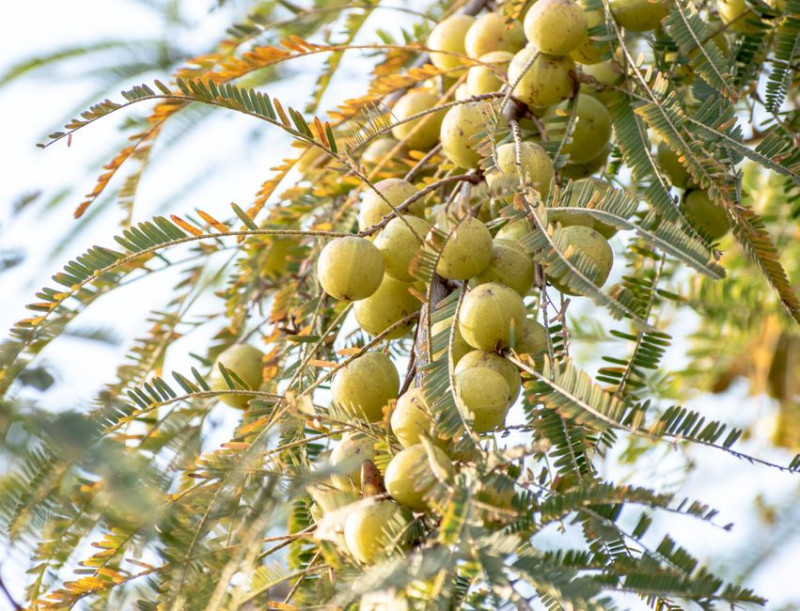

Can I take amla with lisinopril and verapamil?
Jul 18, 2026- Amla (Indian gooseberry) has no major documented interactions with lisinopril or verapamil, though it may have a mild blood pressure lowering effect that could add to what your medications already do.
- Monitor your blood pressure at home a few times a week when starting amla and watch for dizziness, lightheadedness, or unusual fatigue.
- Let your pharmacist or doctor know you're taking amla so they can confirm it's safe with your full medication list.
Hello, and thank you for trusting HelloPharmacist with your question! Amla (Indian gooseberry) isn't known to have a major, documented interaction with either lisinopril or verapamil, and most people can take it without a problem.
There is one point worth understanding before you add it, though, because amla may have a mild blood pressure lowering effect of its own, and both of your medications are already working to bring your pressure down.
How Lisinopril and Verapamil Bring Blood Pressure Down
Lisinopril is an ACE inhibitor, meaning it blocks an enzyme your body uses to make a hormone that tightens blood vessels, so vessels stay relaxed and pressure falls.
Verapamil is a calcium channel blocker that relaxes blood vessels a different way and also slows the heart rate somewhat.
Using the two together is a common and intentional strategy, but it does mean your blood pressure is being lowered through two separate mechanisms at once.
The prescribing information for lisinopril notes that it 'can cause symptomatic hypotension,' meaning pressure that drops low enough to cause dizziness or lightheadedness, and that dosing is titrated to your readings. That's why anything else you add that might nudge blood pressure lower, even mildly, is worth paying attention to.
Where Amla Fits Into the Picture
Amla is a fruit native to India that's rich in vitamin C and antioxidants, and it's most often taken for immune support, cholesterol, digestion, and general wellness.
A few small studies have suggested amla may modestly lower blood pressure and blood sugar, but the evidence is thin and preliminary, so this is a theoretical additive effect rather than a proven problem.
Amla has also been reported in limited research to have mild antiplatelet (blood-thinning) properties, which matters mainly if you also take an anticoagulant or antiplatelet drug, and is another reason to keep your care team in the loop.
On the metabolism side, amla isn't known to meaningfully change how lisinopril or verapamil is absorbed or broken down. You can read more on our Indian gooseberry interactions and safety page for additional detail.
If You Decide to Take Amla
If you add amla, the smart approach is to check your blood pressure at home a few times a week for the first couple of weeks and watch for dizziness, lightheadedness (especially when standing up quickly), or unusual fatigue.
Final Words
Overall, amla isn't expected to cause a serious interaction with lisinopril or verapamil, and the main consideration is a possible mild additive drop in blood pressure. Keep an eye on your home readings when you start, and bring the supplement up with your pharmacist or doctor at your next visit so they can confirm it fits your full medication list. Feel free to reach back out if anything else comes up. We're always glad to help!
We have more detail in this related resource:
References & sources
Glossary — Terms in This Answer
- ACE inhibitor
- A type of blood pressure medication that blocks an enzyme your body uses to make a hormone that tightens blood vessels.
- Calcium channel blocker
- A type of blood pressure medication that relaxes blood vessels and can also slow heart rate.
- Symptomatic hypotension
- Blood pressure that drops low enough to cause noticeable symptoms like dizziness or lightheadedness.
- Titrated
- Adjusted gradually based on individual response or test results.
- Antiplatelet
- Having a blood-thinning effect by reducing the clumping ability of platelets.
- Anticoagulant
- A medication that thins the blood and prevents clots from forming.
- Metabolism
- The process by which your body breaks down and processes substances like medications.
- Antioxidants
- Natural compounds that help protect cells from damage caused by harmful molecules in the body.
Dr. Brian Staiger, PharmD
Doctor of Pharmacy, board certified clinical pharmacist (BCPS), American Herbalist Guild, Medication Therapy Management certified
Brian Staiger, PharmD, BCPS, is a licensed pharmacist with more than 13 years of experience across retail pharmacy, clinical pharmacy, medication safety, pharmacy program development, and healthcare administration. He is the founder of HelloPharmacist.com, where he helps patients...
More answers from Brian →