
Can You Take Berberine, Garlic, and NAC With Eliquis?
A reader taking the blood thinner Eliquis (apixaban) asks whether it is safe to also take berberine, garlic, and NAC (N-acetylcysteine) supplements.
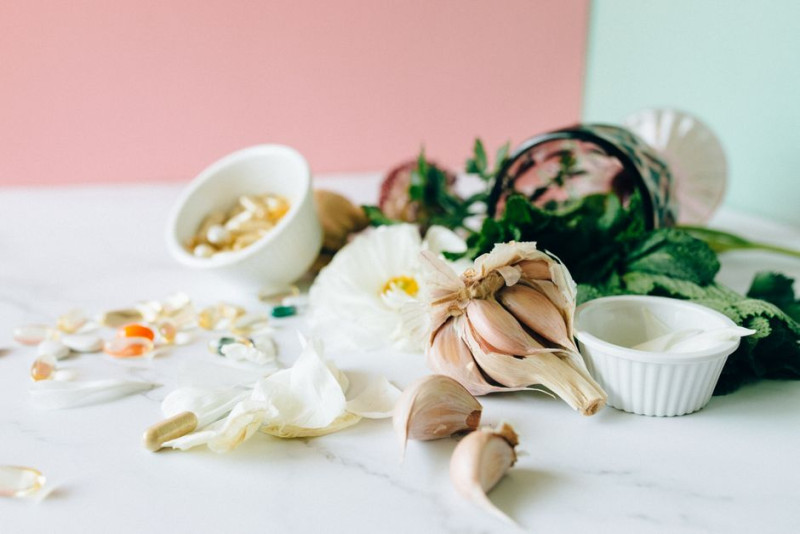

Can berberine, garlic, and NAC be taken with Eliquis?
Jul 15, 2026- NAC is unlikely to interact with Eliquis, but berberine and garlic supplements both have moderate interactions that increase bleeding risk and require approval from your doctor or pharmacist first. Berberine may slow how your body breaks down Eliquis and also has its own blood-thinning effects, while garlic supplements can make your blood thinner on their own. If you do take berberine or garlic with Eliquis, watch for signs of unusual bleeding like bruising, nosebleeds, or dark stools and report them right away.
Hello, and I'm glad you checked on this before combining everything!
These three supplements don't all carry the same level of concern with Eliquis (apixaban). NAC isn't expected to cause a problem, but berberine and garlic both have documented moderate interactions with Eliquis, mainly because each may add to your bleeding risk, and berberine could also raise the amount of Eliquis in your body.
That doesn't automatically mean you can't use them, but it does mean this is a combination your doctor or pharmacist should sign off on first.
Why Eliquis Is Sensitive to Certain Supplements
Eliquis interactions tend to come from two directions. The first is anything that changes how the drug is processed: Eliquis is broken down by the liver enzyme CYP3A4 and moved through the body by a transporter called P-glycoprotein (P-gp), so substances that block or rev up those pathways can raise or lower Eliquis levels.
The second is anything with its own blood-thinning or antiplatelet activity, since stacking that on top of an anticoagulant increases the chance of bleeding. Berberine and garlic each touch at least one of these categories.
Berberine's Two Potential Interactions With Eliquis
Berberine is a plant compound found in goldenseal, barberry, and Oregon grape, and it's popular for blood sugar and cholesterol support. The concern here is twofold.
First, studies show berberine can moderately inhibit CYP3A4, which could theoretically slow the breakdown of Eliquis and increase its levels, and higher levels mean a higher bleeding risk.
Second, laboratory and animal research suggests berberine may inhibit platelet aggregation on its own, which could have an additive effect with an anticoagulant. We classify both of these as moderate interactions, and you can read more on our Berberine with Apixaban interaction page (Berberine and Apixaban Interaction: Severity & What to Do | HelloPharmacist).
Garlic Supplements and Added Bleeding Risk
Garlic in normal food amounts isn't a concern, but concentrated garlic supplements are a different story.
Raw garlic and a variety of garlic extracts have shown antiplatelet activity in human studies, meaning they can make platelets less sticky and modestly impair clotting on their own.
In one clinical trial, aged garlic extract significantly reduced platelet aggregation in healthy adults, and there are published case reports of bleeding events tied to heavy garlic intake.
Layered on top of Eliquis (Garlic with Apixaban), that antiplatelet effect could increase your overall bleeding risk, which is why we also list this as a moderate interaction on our Garlic with Apixaban page.
Where NAC Fits In
NAC (N-acetylcysteine) is the most reassuring of the three. It's an antioxidant precursor to glutathione, and it isn't known to meaningfully inhibit or induce CYP3A4 or P-gp at typical supplement doses, nor does it have clinically established blood-thinning activity at those doses.
The combination hasn't been formally studied with Eliquis, so I can't point to a trial of the two together, but based on how each works, an interaction isn't expected. It's still worth mentioning to your pharmacist so they can confirm it fits your full medication list.
Final Words
To sum things up, NAC is unlikely to be an issue with Eliquis, but berberine and garlic supplements both carry a moderate, bleeding-related interaction risk that deserves a real conversation with your doctor or pharmacist before you start them. If you do take them together, watch for signs of bleeding such as unusual bruising, nosebleeds, or dark stools, and report anything unusual right away.
Thanks for reaching out, and please write back if you have any other questions!
References & sources
- Eliquis Prescribing Information — DailyMed
- Dietary supplementation with aged garlic extract inhibits ADP-induced platelet aggregation in humans. — PubMed
- Changes in platelet function and susceptibility of lipoproteins to oxidation associated with administration of aged garlic extract. Journal of cardiovascular pharmacology. — PubMed
Glossary — Terms in This Answer
- Eliquis
- A prescription blood thinner medication (apixaban) that works by reducing the blood's ability to clot.
- CYP3A4
- A liver enzyme responsible for breaking down many medications, including Eliquis, so they can be removed from your body.
- P-glycoprotein
- A transporter protein that moves drugs like Eliquis through your body and helps eliminate them.
- Anticoagulant
- A medication that prevents blood clots by interfering with the clotting process.
- Antiplatelet activity
- The ability of a substance to make blood platelets (clotting cells) less sticky and less likely to clump together.
- Platelet aggregation
- The process of blood platelets sticking together to form clots.
- NAC
- Short for N-acetylcysteine, an antioxidant supplement that supports the body's natural antioxidant glutathione.
- Berberine
- A plant compound found in herbs like goldenseal and barberry, commonly used as a supplement for blood sugar and cholesterol support.
Dr. Brian Staiger, PharmD
Doctor of Pharmacy, board certified clinical pharmacist (BCPS), American Herbalist Guild, Medication Therapy Management certified
Brian Staiger, PharmD, BCPS, is a licensed pharmacist with more than 13 years of experience across retail pharmacy, clinical pharmacy, medication safety, pharmacy program development, and healthcare administration. He is the founder of HelloPharmacist.com, where he helps patients...
More answers from Brian →