
Nasacort vs. Flonase: Which Is More Likely to Cause Insomnia?
How Nasacort (triamcinolone) and Flonase (fluticasone propionate) compare on systemic absorption, steroid potency, and the potential for sleep problems.
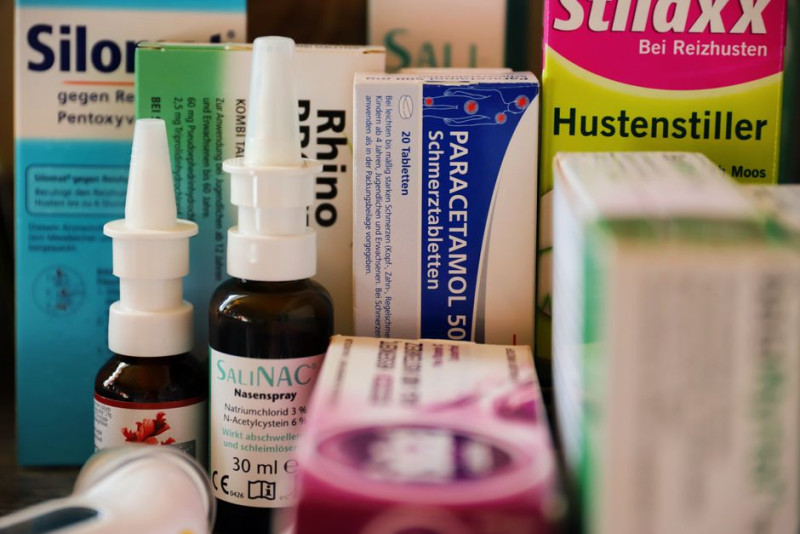

I get insomnia from nasal steroids. Does Nasacort or Flonase cause insomnia more? I know that it is not specified in the side effects. Is one stronger than the other?
Sep 28, 2026- Neither Nasacort nor Flonase are known for causing insomnia, though insomnia is a recognized side effect of systemic steroids. Flonase is absorbed into the body far less than Nasacort, making it the less likely choice if you experience sleep trouble with nasal steroids. If you notice sleep problems after starting a nasal spray, consider whether you're using a decongestant spray or other stimulating medication, or whether timing your dose in the morning instead of at bedtime might help.
This is such a great question! We appreciate you bringing it to HelloPharmacist.
Neither Nasacort nor Flonase are particularly known for causing insomnia, and you're right that it doesn't show up in the side effect lists for either spray.
That said, if you are someone who notices sleep trouble with nasal steroids, there is a meaningful difference between these two that is worth understanding, and it comes down to how much of each drug actually gets into your bloodstream.
Flonase (fluticasone propionate) is absorbed into the body far less than Nasacort (triamcinolone acetonide), so if the insomnia you experience is coming from the steroid itself rather than something else, Flonase would be the less likely of the two to cause it.
Why Insomnia Isn't Listed for Either Nasal Spray
Insomnia is a well-recognized side effect of corticosteroids as a class, and it's listed in the prescribing information for systemic steroids like prednisone and injectable triamcinolone (Kenalog).
Nasal sprays are designed to deliver the steroid directly to the lining of the nose so that only a small amount reaches the rest of the body, which is why sleep changes, mood changes, and the other classic steroid effects are considered uncommon with these products at recommended doses.
Uncommon is not the same as impossible, though.
People do vary in how sensitive they are to even small amounts of steroid, and there are case reports of nasal and inhaled steroids causing sleep and behavioral changes, especially in children and in people using more than the labeled dose.
How the Two Differ in Systemic Absorption
This is where the two products really part ways.
Fluticasone propionate has very low systemic bioavailability when used in the nose, generally cited as under 2 percent of the dose, because the small amount that is swallowed or absorbed gets almost completely broken down by the liver on its first pass.
Triamcinolone acetonide, on the other hand, is an older molecule with a considerably higher fraction reaching the circulation, a number that studies have put in the range of roughly 40 to 50 percent of the nasal dose.
Now, that is 40 to 50 percent of a very small dose (Nasacort delivers 220 micrograms a day at the full adult dose), so the total amount is still tiny compared with a prednisone tablet. Even so, if your body is reacting to steroid exposure with wakefulness, the product that keeps more of the drug out of your bloodstream is the more logical choice on paper, and that's Flonase.
Mometasone (Nasonex) and fluticasone furoate (Flonase Sensimist) sit even lower on systemic absorption than Flonase, so they are also worth trying if you continue to have trouble.
Which One Is Stronger
Fluticasone propionate is the more potent steroid molecule of the two.
It binds the glucocorticoid receptor much more tightly than triamcinolone acetonide does, which is part of why it works well at low doses and why so little needs to be absorbed to be effective in the nasal tissue.
Potency per microgram and clinical strength are different things, though.
Both sprays are dosed to produce a similar level of relief, and head-to-head comparisons of nasal steroids consistently find that they control allergy symptoms about equally well when used correctly and consistently.
So, Flonase is stronger at the receptor and gentler on the rest of your body, while Nasacort is a bit weaker per microgram but lets more into your system. For someone worried about sleep, that combination tilts toward Flonase.
Other Things That Can Masquerade as Steroid Insomnia
Before blaming everything on the steroid, it's worth ruling out a few other culprits.
Decongestant nasal sprays such as Afrin (oxymetazoline) and combination allergy products that contain pseudoephedrine or phenylephrine are far more common causes of a wired, sleepless feeling than any nasal steroid, so double-check anything else you use for congestion.
Timing can matter too.
Nasal steroids are usually used once daily, and using yours in the morning rather than at bedtime is a simple change some people find helpful, since it keeps whatever small systemic exposure there is away from your evening. Poorly controlled allergies themselves fragment sleep, and so does nasal irritation or dripping from the spray, which can feel like insomnia even though the drug isn't acting on your brain.
If none of that explains it, non-steroid options like azelastine (Astepro), cromolyn (NasalCrom), or saline rinses are alternatives a pharmacist can walk you through, as covered in our answer on allergy medicine side effects and options.
Final Words
Insomnia isn't an expected side effect of either spray, but Flonase is absorbed into the body far less than Nasacort, and it's the more potent molecule at the same time, so it would be the less likely of the two to disturb your sleep. If you'd like to try a switch or move your dose to the morning, run it by your pharmacist or doctor first so they can factor in anything else you take.
Thanks for reaching out to us!
References & sources
- KENALOG-40 prescribing information — DailyMed
- Intranasally administered corticosteroids and neuropsychiatric disturbances: a review of the international pharmacovigilance programme of the World Health Organization — https://pubmed.ncbi.nlm.nih.gov/18681087/
- Systemic bioavailability of fluticasone propionate administered as nasal drops and aqueous nasal spray formulations — https://pmc.ncbi.nlm.nih.gov/articles/PMC2014420/
- A Randomized Comparison of the Pharmacokinetics and Bioavailability of Fluticasone Propionate Delivered via Xhance Exhalation Delivery System Versus Flonase Nasal Spray and Flovent HFA Inhalational Aerosol — https://pubmed.ncbi.nlm.nih.gov/31732149/
Dr. Brian Staiger, PharmD
Doctor of Pharmacy, board certified clinical pharmacist (BCPS), American Herbalist Guild, Medication Therapy Management certified
Brian Staiger, PharmD, BCPS, is a licensed pharmacist with more than 13 years of experience across retail pharmacy, clinical pharmacy, medication safety, pharmacy program development, and healthcare administration. He is the founder of HelloPharmacist.com, where he helps patients...
More answers from Brian →