
Ignatius Bean + Granisetron
Granisetron brand names: Kytril, Sustol.
We found no known interaction between Ignatius Bean and Granisetron in our sources. Absence of a documented interaction is not the same as proven safety, and does not guarantee one does not exist. Do not start, stop, or change a medication or supplement based on this page; confirm with your pharmacist or doctor first. Additionally, although there is no interaction, the label for Granisetron states a food rule worth keeping to, and the two are separately associated with some of the same side effects, which would make a new symptom harder to attribute to one or the other.
Ignatius Bean and Granisetron
We checked these two against our interaction database. Here is what we found.
No Known Interaction Found
We did not find a documented interaction between Granisetron and Ignatius Bean in our sources. This does not guarantee that the combination is completely free of risk — there is often limited research on supplements and herbal products, especially around drug interactions.
Worth understanding: our licensed dataset holds no drug-interaction record for Ignatius Bean at all — not against Granisetron, and not against any other medication we track. This verdict therefore rests on the absence of any recorded data, not on research that looked at this combination and found nothing. We cannot rule an interaction out.
If you decide to take both, the practical routine is simple: add one new thing at a time and note the date you started it. If the combination is going to disagree with you, it usually shows in the first days to a couple of weeks — and a start date turns “I’ve been feeling off” into something a pharmacist can actually work with. Do not stop a prescribed medicine on your own.
Always talk with your pharmacist or doctor before making changes to your medications or supplements, particularly if you take several medications or have an ongoing health condition.
Ignatius Bean safety at a glance
Pregnancy & breastfeeding ratings are from Natural Medicines (Therapeutic Research Center) — the full detail is in the Special populations card below. Safety guidance is general; always confirm with your pharmacist or doctor for your situation.
Ignatius Bean in Pregnancy & Breastfeeding
When used orally due to toxic effects.
DISCLAIMER: This tool is intended for informational purposes only, and should not be interpreted as specific medical advice. Patients should consult with a qualified healthcare provider before making decisions about therapies and/or health conditions.© 2026 Therapeutic Research Center
Some Granisetron Products Have a Food Rule — Ignatius Bean Should Not Break It
At least one FDA label for a product containing Granisetron says to take it on an empty stomach. Most supplements — Ignatius Bean included — are taken with a meal, so the easy mistake is swallowing both together at breakfast. Where that rule applies, keep Granisetron on its own and move Ignatius Bean to a meal later in the day.
This may not be true of your version. Food instructions belong to the product, not the ingredient: two Granisetron products can carry different directions, and extended-release forms often differ from immediate-release ones. The label we read is quoted below — check the directions on your own box or bottle, or ask your pharmacist, for how to take the exact product you were given.
Recommended Dosage ( 2.2 ): The recommended dosage in adults is 10 mg administered as a single subcutaneous injection at least 30 minutes before the start of emetogenic chemotherapy on Day 1.
From the Dosage and Administration section of the FDA label we read for Granisetron — where that label names a specific product, the instruction is that product's. Read the label on DailyMed ›
A food rule is not an interaction — it is about how much of the medicine you absorb. The directions that came with your own product, and your pharmacist, outrank anything on this page.
Questions About Ignatius Bean or Granisetron
These are real questions from readers, answered by the pharmacists at HelloPharmacist — written by a person, not generated from a database. Each one covers Ignatius Bean or Granisetron, not necessarily both, but if one is close to what you were about to ask it will usually go further than a database entry can:
Not quite your question? Ask our pharmacists directly — it is free, there is no account required, and answers usually come back within 24 hours.
See Every Supplement That Interacts With Granisetron
This page covers Ignatius Bean only. If you take other supplements — a multivitamin, a sleep aid, something for joints — the Granisetron page lists 38 supplements it has a documented interaction with, worst first, each one explained.
The most serious there right now: Activated Charcoal (major), Lithium (major), 5-htp (moderate), Acetyl-l-carnitine (moderate) and Ayahuasca (moderate).
By severity: 2 major · 25 moderate · 11 minor.
From our pharmacist’s overview on the Granisetron page
“Granisetron (Kytril, Sustol) blocks serotonin signals to stop nausea from chemotherapy and surgery, and this is a list that warrants real caution before you add a supplement to it. Most of the entries raise serotonin themselves, and stacking them on a serotonin-acting drug can push toward serotonin syndrome, a dangerous overload of tha…”
Reviewed by 2 · Jul 18, 2026
Taking Ignatius Bean as Part of a Dietary Supplement Product? Check It for Interactions
We hold 2 real supplement products containing Ignatius Bean, each one broken down to its full ingredient list — and combination products often carry several ingredients besides Ignatius Bean. Even though Ignatius Bean itself has no known interaction with Granisetron, another ingredient on your label might. Find your product and we’ll check every ingredient on its label:
Where Ignatius Bean and Granisetron Sit Against Everything Else
Out of every supplement and medication people look up on HelloPharmacist, here is where these two land this week — and which way each has been moving.
#772 of 1,452 supplements looked up here in the last 7 days
#2,677 of 2,830 medications looked up here in the last 7 days
Position among everything looked up on this site, not a measure of how commonly either one is used or how important it is. A supplement can climb this list because of a news story. It counts every request to the page, automated ones included, and nothing here identifies anyone.
Where does our data come from?
- Source: the Natural Medicines (TRC Healthcare) clinical database — the evidence-graded professional reference for herb & supplement interactions.
- Citation library: 103,510 references behind our interaction content, 65,311 of them resolved to verified PubMed/DOI sources. See every Ignatius Bean reference on this page ↓
- Freshness: we automatically re-check this combination every week — this pair was last verified September 20, 2026. The Ignatius Bean and Granisetron records this page draws on were last updated July 10, 2026.
- What “no known interaction” means: no documented interaction in the sources above — not a guarantee of safety. Supplements are studied far less than prescription drugs, so we say exactly what the evidence supports, and nothing more.
About Ignatius Bean
What is Ignatius Bean?
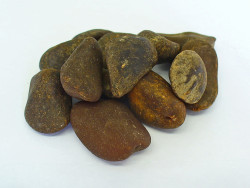
- Grief, sadness, and emotional upset (homeopathic use)
- Anxiety and stress (homeopathic use)
- Mood swings
- Digestive complaints (traditional use)
- Historically used as a stimulant or for paralysis
Ignatius bean is a seed that naturally contains strychnine and brucine, which are highly toxic poisons. The raw seed or crude extracts should never be taken because even small amounts can cause dangerous muscle spasms and death. Today it is mainly seen in highly diluted homeopathic products (Ignatia), and you should talk to a pharmacist or doctor before using anything made from this plant.
Strychnos ignatii · Loganiaceae · Seed (the dried ripe seed, called the bean) · Homeopathic pellets and dilutions (Ignatia amara); raw seed is not used as a regular supplement
An interaction check asks whether these two react with each other — it does not ask whether Ignatius Bean is a good idea for someone in your situation. Here is what our Ignatius Bean record says about it on its own.
Ignatius Bean: dosing
There is no safe established dose of crude Ignatius bean. Because the seed contains strychnine, taking measured amounts of the raw plant is dangerous and is not recommended under any circumstances.Homeopathic Ignatia products come in their own dilutions and pellet strengths, with directions on the label.
From our Ignatius Bean monograph — the full record covers uses, side effects and every documented interaction.
About Granisetron
What Is Granisetron Used For?
Brand names: Kytril, Sustol
Granisetron is used to prevent nausea and vomiting linked to emetogenic (nausea-causing) cancer chemotherapy — including high-dose cisplatin — and radiation therapy, including total body irradiation and fractionated abdominal radiation. Granisetron hydrochloride tablets and Granisol oral solution are approved for both the chemotherapy and radiation indications. Sancuso skin patch is approved for prevention of nausea and vomiting in adults receiving moderately and/or highly emetogenic chemotherapy regimens of up to 5 consecutive days.
Granisetron hydrochloride injection (intravenous) is also used to prevent and treat postoperative nausea and vomiting in adults. Sustol (subcutaneous injection) is used in combination with other anti-nausea medicines in adults specifically for the prevention of acute and delayed nausea and vomiting associated with moderately emetogenic chemotherapy or anthracycline and cyclophosphamide combination chemotherapy regimens.
Other Drugs & Ignatius Bean
Browse every other medication we’ve checked against Ignatius Bean — both the ones with a known interaction and the ones without. Select any drug for the full detail.
No drugs match “”.
No interaction 2,829 drugs checked — show the list
We also checked Ignatius Bean against these medications and found no known interaction in our sources. Open any page to confirm.
- Apixaban ›
- Levothyroxine ›
- Amlodipine ›
- Methylphenidate ›
- Warfarin ›
- Sertraline ›
- Testosterone ›
- Losartan Potassium ›
- Ivermectin ›
- Abemaciclib ›
- Aspirin ›
- Acetaminophen ›
- Metoprolol ›
- Rosuvastatin ›
- Rivaroxaban ›
- Escitalopram ›
- Clopidogrel ›
- Atorvastatin ›
- Tadalafil ›
- Docusate ›
- Tirzepatide ›
- Ibuprofen ›
- Methamphetamine ›
- Hydroxyurea ›
- Warfarin Sodium ›
- Valacyclovir ›
- Sumatriptan ›
- Semaglutide ›
- Prednisone ›
- Lisdexamfetamine ›
- Propranolol ›
- Metformin ›
- Amitriptyline ›
- Amoxicillin ›
- Lisinopril ›
- Isotretinoin ›
- Amlodipine Besylate ›
- Methotrexate ›
- Bendamustine ›
- Bupropion ›
- Amphetamine ›
- Doxycycline ›
- Fluoxetine ›
- Acyclovir ›
- Azithromycin ›
- Lamotrigine ›
- Pregabalin ›
- Dextroamphetamine ›
- Gabapentin ›
- Acetaminophen, Codeine ›
- Clonazepam ›
- Quetiapine ›
- Levothyroxine, Liothyronine ›
- Naproxen ›
- Omeprazole ›
- Letrozole ›
- Methylene Blue ›
- Duloxetine ›
- Buspirone ›
- Citalopram ›
Showing the 60 most looked-up of 2,829 medications checked with no known interaction — see the full Ignatius Bean list.
Ignatius Bean References
The 6 references that drive our Ignatius Bean monograph and interaction data, from the evidence-graded Natural Medicines (TRC Healthcare) database. Citations with a link open the study on PubMed or the publisher’s site.
- Ellenhorn MJ, et al. Ellenhorn's Medical Toxicology: Diagnoses and Treatment of Human Poisoning. 2nd ed. Baltimore, MD: Williams & Wilkins, 1997.
- Gruenwald J, Brendler T, Jaenicke C. PDR for Herbal Medicines. 1st ed. Montvale, NJ: Medical Economics Company, Inc., 1998.
- Hardman JG, Limbird LL, Molinoff PB, eds. Goodman and Gillman's The Pharmacological Basis of Therapeutics, 9th ed. New York, NY: McGraw-Hill, 1996.
- Hardman J, Limbird L. Goodman and Gillman's The Pharmacological Basis of Therapeutics, 9th ed. New York, NY: McGraw-Hill, 1996.
- Ellenhorn M. Ellenhorn's Medical Toxicology: Diagnoses and Treatment of Human Poisoning. Baltimore, MD: Williams & Wilkins, 1997.
- Gruenwald J. PDR for Herbal Medicines. 1st ed ed. Montvale, NJ: Medical Economics Company, Inc., 1998.
Medication overviews come from MedlinePlus (NIH); supplement label data from the NIH Dietary Supplement Label Database. Content is written and reviewed by licensed HelloPharmacist pharmacists — see our data sources and editorial standards.
Taking Ignatius Bean and Granisetron Together: Common Questions
Is it safe to take Ignatius Bean with Granisetron?
Do Ignatius Bean and Granisetron have any of the same side effects?
Should I take Ignatius Bean and Granisetron at the same time of day?
Does Granisetron interact with any supplements?
Written and reviewed by the HelloPharmacist editorial staff. Our editorial policy
Keep Exploring
Still Have a Question About Granisetron and Ignatius Bean?
Our pharmacists answer your medication & supplement questions — free.
This information is for education only and is not a substitute for professional medical advice. Always check with your pharmacist or doctor before starting, stopping, or combining supplements and medications.