
Organic Earl Grey Loose Leaf Ingredients & Drug Interactions
by FGO
What is this page for?
First and foremost: checking Organic Earl Grey Loose Leaf against your medications. The heart of this page is the interaction checker and the full interaction report — how this product’s ingredients may interact with prescription and over-the-counter medicines you may be taking.
Around that, we add a pharmacist’s high-level view of the product as a whole — what’s inside, the evidence for its stated use, how transparent the label is, and what safety data exists — so you can see the full picture in one place. It’s educational information from our licensed clinical databases and the clinical staff at HelloPharmacist — not medical advice — and we don’t sell or endorse products. Our editorial policy
Organic Earl Grey Loose Leaf is a dietary supplement by FGO with 3 active ingredients. Its ingredients are commonly taken for mental alertness and energy, heart health support, blood pressure and cholesterol.Based on those ingredients, 825 medications have a known interaction with it, the most serious rated major. The ingredients most likely to interact are Keemun Black Tea, Bergamot Oil. Use the checker below to test your specific medication, or read the full HelloPharmacist Interaction Report.
Check Your Meds Against Organic Earl Grey Loose Leaf by FGO
Ask about any prescription or over-the-counter medication and we check it for interactions with Organic Earl Grey Loose Leaf by FGO — and tell you which ingredient is responsible.
AI summaries are generated from our interaction database for education only — always confirm with your pharmacist. How we use AI
Ask the Pharmacist
A licensed pharmacist will answer your question by email — free, usually within 24 hours.
Got it — thank you!
A licensed pharmacist will answer within 24 hours. Keep an eye on your email (worth checking spam, just in case).
HelloPharmacist Scorecard of Organic Earl Grey Loose Leaf by FGO
Our pharmacy team’s full take, with four database checks built into the cards below — a summary of what is known, not a grade of the product itself.
What’s inside
Full disclosure
This blend contains 3 active ingredients: two black teas — Keemun and Assam — and bergamot oil, which gives Earl Grey its signature floral citrus note. Both black teas are the source of the product's caffeine content.
Bergamot oil is pressed from the rind of a citrus fruit and is a traditional flavoring in this tea style.
Does it work?
Couldn't assess
Black tea is likely effective for mental alertness — that's the caffeine at work. The blend is also possibly effective for heart attack (MI) prevention, bone strength (osteoporosis), low blood pressure, and ovarian cancer risk reduction, though the evidence for these is less established.
Bergamot in the mix is possibly effective for high cholesterol (hyperlipidemia), but we don't have enough reliable evidence yet to rate it for fatty liver disease or autism spectrum disorder.
How safe is it?
Well-documented data
Black tea is generally well tolerated in moderate amounts by healthy adults, though high intake can cause problems. In moderate amounts, common side effects from the caffeine include jitteriness, insomnia, nausea, stomach irritation, rapid heartbeat, tremors, and increased urination.
Rare serious effects include irregular heartbeat and chest pain. Because caffeine passes into breast milk, keep your intake moderate if you're nursing — talk with your provider.
During pregnancy, limit caffeine intake; high amounts may be harmful, so stick to moderate tea consumption and check with your doctor. Bergamot oil, when used topically, can cause sun-related skin reactions and is possibly unsafe in pregnancy; there isn't enough safety data for breastfeeding, so it's safer to avoid it if you're nursing.
Meds to double-check
Major interaction found
Before you start this tea, double-check if you take ephedrine (a stimulant) — that's a Major concern and you'll want to avoid this combination. If you're on any of these medications, check with your pharmacist: blood thinners (warfarin), antiseizure drugs (valproate), diabetes medications, antipsychotics (clozapine), certain antidepressants (fluvoxamine), heartburn meds (cimetidine), alcohol-related drugs (disulfiram), or heart stress-test agents (dipyridamole).
The bottom line
Scorecard at a glanceFully disclosed formula with no assessable stated purpose. Major medication interactions have been identified, and safety information is well characterized.
If you love Earl Grey and don't take any of the medications listed above, this tea is a pleasant way to get a boost of mental alertness. But if you're on ephedrine, any blood thinner, diabetes medication, antipsychotic, or antidepressant, check with your pharmacist first — some of these interactions are serious.
Pregnant or breastfeeding? Talk to your provider about how much is safe for you.
Educational only — not medical advice; always confirm with your pharmacist. Our editorial policy · How we use AI
Assessment coverage: 3 of 3 active ingredients matched to our full ingredient reviews (monographs). Based on the product label dated Nov 22, 2024.
This Scorecard evaluates available label information, ingredient evidence, and known medication-safety considerations. It does not independently verify product identity, purity, potency, contamination, or manufacturing quality. How these ratings are computed
General information
Key facts about Organic Earl Grey Loose Leaf, straight from the product label.
| Brand | FGO |
|---|---|
| Barcode (UPC) | X002BE4ZJB |
| Net contents | 16 Ounce(s); 453 Gram(s) |
| Market status | On market |
| Date entered into DSLD | Nov 22, 2024 |
| DSLD ID | 321111 |
| Product type | Botanical |
| Supplement form | Other (e.g. Tea Bag) |
| Dietary claims / uses | All Other, Structure/Function |
| Intended target group(s) | Adult (18 - 50 Years), Organic |
Everything in this section is reproduced from the manufacturer’s own product label — it’s the label speaking, not HelloPharmacist. We show it so you can see exactly what the maker states; we don’t verify or endorse those statements.
Supplement Facts
The label details for Organic Earl Grey Loose Leaf by FGO, sourced from the NIH Dietary Supplement Label Database.
Supplement Facts
| Ingredient | Amount | % DV |
|---|---|---|
| Calories | 0 Calorie(s) | -- |
| Keemun Black Tea | 1160 mg | -- |
| Assam Tea | 800 mg | -- |
| Bergamot Oil | 40 mg | -- |
Tap any ingredient to jump to its full detail below.
These statements are the manufacturer’s wording, reproduced from the product label — the label is saying it, not HelloPharmacist. We don’t verify or endorse them.
Suggested/Recommended/Usage/Directions
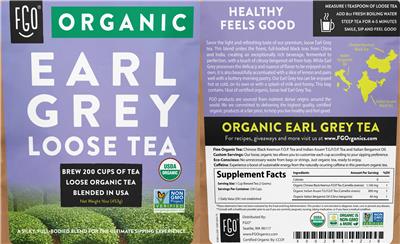
Brew 200 cups of tea
Measure 1 teaspoon of loose tea Add 8 oz fresh boiling water Steep tea for 4-5 minutes Smile, sip and feel good
While Earl Grey possesses the delicacy and nuance of flavor to be enjoyed on its own, it is also beautifully accentuated with a slice of lemon and pairs well with a buttery morning pastry. Our Earl Grey Tea can be enjoyed hot or cold, on its own or with a splash of milk and honey.
Formula
Loose Organic Tea
Savor the light and refreshing taste of our premium, loose Ear Grey tea. This blend unites the finest, full-bodied black teas from China and India, creating an exceptionally rich beverage, fermented to perfection, with a touch of citrusy bergamot oil from Italy.
This bag contains 16 oz of certified organic, loose leaf Earl Grey Tea. Italian Bergamot Oil Chinese Keemun Black tea Indian Assam Black tea
Fine Organic Tea: Chinese Black Keemun F.O.P. Tea and Indian Assam T.G.F.O.P. Tea. and Italian Bergamot Oil.
Caffeine: Experience a boost of sustainable energy from the naturally-occurring caffeine in this premium organic tea.
Formulation
Blended in USA A silky, full-bodied blend for the ultimate sipping experience
USDA Organic
Non GMO Project Verified nongmoproject.org
Custom servings: Our loose, organic tea allows you to customize each cup according to your sipping preference. Eco-conscious: No unnecessary waste from bags or strings. Just organic tea, ready to enjoy.
Certified Organic by: CCOF Certified Organic CCOF Organic is Non-GMO & more
Certified Organic CCOF Organic is Non-GMO & more
Seals/Symbols
USDA Organic Non GMO Project Verified nongmoproject.org
Certified Organic CCOF Organic is Non-GMO & more
General Statements
Healthy feels good
FGO products are sourced from nutrient dense origins around the world. We are committed to delivering the highest quality, certified organic products at a fair price, to help you live healthy and feel good. For recipes, giveaways and more visit us at www.FGOrganics.com
FDA Disclaimer Statement
These statements have not been evaluated by the Food and Drug Administration. This product is not intended to diagnose, treat, cure or prevent any disease.
Precautions
Consult with a healthcare provider prior to use if you are currently pregnant, nursing, taking medication, or if you have a medical condition.
Is this label outdated? Report a formula or label change and our pharmacy team will review it.
Organic Earl Grey Loose Leaf by FGO label
The label scan from the NIH Dietary Supplement Label Database. Tap to enlarge.
Label images are published by the NIH Dietary Supplement Label Database for the version of this product on file. Always read your actual product label.
View the full label (PDF)The Ingredients in Organic Earl Grey Loose Leaf by FGO
These are the 3 active ingredients this product is made of. Select any to open its full monograph.
Serving size2 Gram(s) Dosage formOther (e.g. Tea Bag) Servings per container226 Amounts shown are per serving.
Most supplement products combine several ingredients, and a medication can interact with the product through any one of them. Each ingredient below shows whether it has known drug interactions.
Keemun Black Tea
Interacts with694 drugs
Black tea is a popular caffeinated drink made from the fully oxidized leaves of the Camellia sinensis plant, and it contains caffeine and antioxidant...
Keemun Black Tea monograph & interactionsAssam Tea
Interacts with694 drugs
Black tea is a popular caffeinated drink made from the fully oxidized leaves of the Camellia sinensis plant, and it contains caffeine and antioxidant...
Assam Tea monograph & interactionsBergamot Oil
Interacts with410 drugs
Bergamot is a Mediterranean citrus fruit, and its standardized extract is most often used to support cholesterol and heart health, with some early but...
Bergamot Oil monograph & interactionsOrganic Earl Grey Loose Leaf by FGO Drug Interactions
HelloPharmacist Interaction Report
FGO's Organic Earl Grey Loose Leaf contains black tea (two varieties) and bergamot oil, and it does interact with a number of medications.
The most serious concern is with ephedrine (a stimulant medication). Black tea has caffeine, and taking it with ephedrine carries a Major risk of serious, life-threatening effects including high blood pressure, heart attack, stroke, seizures, and even death — you'll want to avoid this combination altogether.
Read the full breakdown — every affected drug type, severity by severity
Beyond that, the black tea in this blend interacts with several other drug types at Moderate severity. These include anticonvulsants (valproate), heartburn medications (cimetidine), antipsychotics (clozapine), certain antidepressants (fluvoxamine), blood thinners (warfarin), alcohol-related medications (disulfiram), and heart stress-test agents (dipyridamole).
The bergamot oil adds two more Moderate-level interactions: photosensitizing drugs (drugs that increase sun sensitivity) and diabetes medications.
Although we hold no pregnancy or breastfeeding data for the bergamot ingredient itself, both black tea varieties in this product contain caffeine, which does pass into breast milk and may affect your baby — moderation and a conversation with your provider are important if you're pregnant or nursing. Altogether, these interactions span 823 individual medications.
Use the medication checker below to look up your exact drugs before you brew a cup.
Check your own medications below · Editorial policy · How we use AI
Want to check YOUR meds against Organic Earl Grey Loose Leaf?
Ask about interactions with your drugs in plain English — “Can I take it with lisinopril?” — and we find you the answer in seconds, ingredient by ingredient.
Go to the checkerIngredients driving the most interactions
Individual Drug Interactions
The ingredients in Organic Earl Grey Loose Leaf interact with 825 drugs. Click any drug to see the details.
2 of the 3 ingredients in Organic Earl Grey Loose Leaf interact with drugs. Each result below shows which ingredient is responsible. Keemun Black Tea Bergamot Oil
Aminophylline, Amobarbital, EphedrineAmesec
How Aminophylline, Amobarbital, Ephedrine interacts with Organic Earl Grey Loose Leaf — through 1 ingredient. Tap an ingredient for the detail:
Assam TeaStimulant Drugs, Ephedrine Major
Interaction Summary
Theoretically, concomitant use might increase stimulant adverse effects.
Read the full Assam Tea + Aminophylline, Amobarbital, Ephedrine interactionCarbetapentane Tannate, Chlorpheniramine Tannate, Ephedrine Tannate, Phenylephrine TannateQuadratuss, Ry Tuss, Rynatuss, Tri Tannate Plus
How Carbetapentane Tannate, Chlorpheniramine Tannate, Ephedrine Tannate, Phenylephrine Tannate interacts with Organic Earl Grey Loose Leaf — through 2 ingredients. Tap an ingredient for the detail:
Assam TeaStimulant Drugs, Ephedrine Major
Interaction Summary
Theoretically, concomitant use might increase stimulant adverse effects.
Read the full Assam Tea + Carbetapentane Tannate, Chlorpheniramine Tannate, Ephedrine Tannate, Phenylephrine Tannate interactionBergamot OilPhotosensitizing Drugs Moderate
Interaction Summary
Theoretically, topical bergamot essential oil might increase the risk of side effects when used along with photosensitizing drugs.
Read the full Bergamot Oil + Carbetapentane Tannate, Chlorpheniramine Tannate, Ephedrine Tannate, Phenylephrine Tannate interactionDyphylline, Ephedrine, Guaifenesin, PhenobarbitalLufyllin-EPG
How Dyphylline, Ephedrine, Guaifenesin, Phenobarbital interacts with Organic Earl Grey Loose Leaf — through 1 ingredient. Tap an ingredient for the detail:
Assam TeaStimulant Drugs, Phenobarbital (luminal) +1 Major
Interaction Summary
Theoretically, concomitant use might increase stimulant adverse effects.
Read the full Assam Tea + Dyphylline, Ephedrine, Guaifenesin, Phenobarbital interactionEphedrine, Guaifenesin (otc Drug)Ephedrine Formula 400, Ephedrine Plus Tabs
How Ephedrine, Guaifenesin (otc Drug) interacts with Organic Earl Grey Loose Leaf — through 1 ingredient. Tap an ingredient for the detail:
Assam TeaEphedrine, Stimulant Drugs Major
Interaction Summary
Theoretically, concomitant use might increase the risk for simulant adverse effects.
Read the full Assam Tea + Ephedrine, Guaifenesin (otc Drug) interactionEphedrine, Guaifenesin, Phenobarbital, TheophyllineMudrane GG
How Ephedrine, Guaifenesin, Phenobarbital, Theophylline interacts with Organic Earl Grey Loose Leaf — through 1 ingredient. Tap an ingredient for the detail:
Assam TeaStimulant Drugs, Theophylline +2 Major
Interaction Summary
Theoretically, concomitant use might increase stimulant adverse effects.
Read the full Assam Tea + Ephedrine, Guaifenesin, Phenobarbital, Theophylline interactionEphedrine, Hydroxyzine, TheophyllineAmi Rax, Marax
How Ephedrine, Hydroxyzine, Theophylline interacts with Organic Earl Grey Loose Leaf — through 2 ingredients. Tap an ingredient for the detail:
Assam TeaEphedrine, Stimulant Drugs +1 Major
Interaction Summary
Theoretically, concomitant use might increase the risk for simulant adverse effects.
Read the full Assam Tea + Ephedrine, Hydroxyzine, Theophylline interactionBergamot OilPhotosensitizing Drugs Moderate
Interaction Summary
Theoretically, topical bergamot essential oil might increase the risk of side effects when used along with photosensitizing drugs.
Read the full Bergamot Oil + Ephedrine, Hydroxyzine, Theophylline interactionEphedrine, Phenobarbital, Potassium Iodide, TheophyllineMudrane, Quadrinal
How Ephedrine, Phenobarbital, Potassium Iodide, Theophylline interacts with Organic Earl Grey Loose Leaf — through 1 ingredient. Tap an ingredient for the detail:
Assam TeaStimulant Drugs, Theophylline +2 Major
Interaction Summary
Theoretically, concomitant use might increase stimulant adverse effects.
Read the full Assam Tea + Ephedrine, Phenobarbital, Potassium Iodide, Theophylline interactionEphedrine, Phenobarbital, TheophyllineTedral
How Ephedrine, Phenobarbital, Theophylline interacts with Organic Earl Grey Loose Leaf — through 1 ingredient. Tap an ingredient for the detail:
Assam TeaPhenobarbital (luminal), Ephedrine +2 Major
Interaction Summary
Theoretically, black tea might reduce the effects of phenobarbital and increase the risk for convulsions.
Read the full Assam Tea + Ephedrine, Phenobarbital, Theophylline interactionAbametapirXeglyze
How Abametapir interacts with Organic Earl Grey Loose Leaf — through 1 ingredient. Tap an ingredient for the detail:
Assam TeaCytochrome P450 1a2 (cyp1a2) Inhibitors Moderate
Interaction Summary
Theoretically, concomitant use might increase the levels and adverse effects of caffeine.
Read the full Assam Tea + Abametapir interactionAbciximabReoPro
How Abciximab interacts with Organic Earl Grey Loose Leaf — through 1 ingredient. Tap an ingredient for the detail:
Assam TeaAnticoagulant/antiplatelet Drugs Moderate
Interaction Summary
Theoretically, black tea may increase the risk of bleeding if used with anticoagulant or antiplatelet drugs.
Read the full Assam Tea + Abciximab interactionAbiraterone
How Abiraterone interacts with Organic Earl Grey Loose Leaf — through 1 ingredient. Tap an ingredient for the detail:
Assam TeaCytochrome P450 1a2 (cyp1a2) Inhibitors Moderate
Interaction Summary
Theoretically, concomitant use might increase the levels and adverse effects of caffeine.
Read the full Assam Tea + Abiraterone interactionAbrocitinibCibinqo
How Abrocitinib interacts with Organic Earl Grey Loose Leaf — through 1 ingredient. Tap an ingredient for the detail:
Assam TeaAnticoagulant/antiplatelet Drugs Moderate
Interaction Summary
Theoretically, black tea may increase the risk of bleeding if used with anticoagulant or antiplatelet drugs.
Read the full Assam Tea + Abrocitinib interactionAcarboseGlucobay, Prandase, Precose
How Acarbose interacts with Organic Earl Grey Loose Leaf — through 2 ingredients. Tap an ingredient for the detail:
Bergamot OilAntidiabetes Drugs Moderate
Interaction Summary
Theoretically, taking bergamot with antidiabetes drugs might increase the risk of hypoglycemia.
Read the full Bergamot Oil + Acarbose interactionAssam TeaAntidiabetes Drugs Minor
Interaction Summary
Theoretically, taking black tea with antidiabetes drugs might interfere with blood glucose control.
Read the full Assam Tea + Acarbose interactionAcenocoumarolSintrom
How Acenocoumarol interacts with Organic Earl Grey Loose Leaf — through 1 ingredient. Tap an ingredient for the detail:
Assam TeaAnticoagulant/antiplatelet Drugs Moderate
Interaction Summary
Theoretically, black tea may increase the risk of bleeding if used with anticoagulant or antiplatelet drugs.
Read the full Assam Tea + Acenocoumarol interactionAcepromazineAtravet
How Acepromazine interacts with Organic Earl Grey Loose Leaf — through 2 ingredients. Tap an ingredient for the detail:
Bergamot OilPhotosensitizing Drugs Moderate
Interaction Summary
Theoretically, topical bergamot essential oil might increase the risk of side effects when used along with photosensitizing drugs.
Read the full Bergamot Oil + Acepromazine interactionAssam TeaPhenothiazines Minor
Interaction Summary
Theoretically, phenothiazines might increase the levels and adverse effects of caffeine.
Read the full Assam Tea + Acepromazine interactionAcetaminophen, AspirinGemnisyn
How Acetaminophen, Aspirin interacts with Organic Earl Grey Loose Leaf — through 1 ingredient. Tap an ingredient for the detail:
Assam TeaAnticoagulant/antiplatelet Drugs Moderate
Interaction Summary
Theoretically, black tea may increase the risk of bleeding if used with anticoagulant or antiplatelet drugs.
Read the full Assam Tea + Acetaminophen, Aspirin interactionAcetaminophen, Aspirin, CaffeineExcedrin, Excedrin Extra Strength, Excedrin Migraine
How Acetaminophen, Aspirin, Caffeine interacts with Organic Earl Grey Loose Leaf — through 1 ingredient. Tap an ingredient for the detail:
Assam TeaAnticoagulant/antiplatelet Drugs, Stimulant Drugs Moderate
Interaction Summary
Theoretically, black tea may increase the risk of bleeding if used with anticoagulant or antiplatelet drugs.
Read the full Assam Tea + Acetaminophen, Aspirin, Caffeine interactionAcetaminophen, Brompheniramine, PhenylpropanolamineDimetapp Cold and Flu
How Acetaminophen, Brompheniramine, Phenylpropanolamine interacts with Organic Earl Grey Loose Leaf — through 2 ingredients. Tap an ingredient for the detail:
Assam TeaStimulant Drugs, Phenylpropanolamine Moderate
Interaction Summary
Theoretically, concomitant use might increase stimulant adverse effects.
Read the full Assam Tea + Acetaminophen, Brompheniramine, Phenylpropanolamine interactionBergamot OilPhotosensitizing Drugs Moderate
Interaction Summary
Theoretically, topical bergamot essential oil might increase the risk of side effects when used along with photosensitizing drugs.
Read the full Bergamot Oil + Acetaminophen, Brompheniramine, Phenylpropanolamine interactionAcetaminophen, Butalbital, CaffeineEsgic, Esgic Plus, Fiogesic, Fioricet, Repan, Tecnal +1 more
How Acetaminophen, Butalbital, Caffeine interacts with Organic Earl Grey Loose Leaf — through 1 ingredient. Tap an ingredient for the detail:
Assam TeaStimulant Drugs Moderate
Interaction Summary
Theoretically, concomitant use might increase stimulant adverse effects.
Read the full Assam Tea + Acetaminophen, Butalbital, Caffeine interactionAcetaminophen, Butalbital, Caffeine, CodeineEsgic with Codeine, Fioricet w/ Codeine
How Acetaminophen, Butalbital, Caffeine, Codeine interacts with Organic Earl Grey Loose Leaf — through 1 ingredient. Tap an ingredient for the detail:
Assam TeaStimulant Drugs Moderate
Interaction Summary
Theoretically, concomitant use might increase stimulant adverse effects.
Read the full Assam Tea + Acetaminophen, Butalbital, Caffeine, Codeine interactionAcetaminophen, Caffeine, Chlorpheniramine, Hydrocodone, PhenylephrineHycomine Compound
How Acetaminophen, Caffeine, Chlorpheniramine, Hydrocodone, Phenylephrine interacts with Organic Earl Grey Loose Leaf — through 2 ingredients. Tap an ingredient for the detail:
Assam TeaStimulant Drugs Moderate
Interaction Summary
Theoretically, concomitant use might increase stimulant adverse effects.
Read the full Assam Tea + Acetaminophen, Caffeine, Chlorpheniramine, Hydrocodone, Phenylephrine interactionBergamot OilPhotosensitizing Drugs Moderate
Interaction Summary
Theoretically, topical bergamot essential oil might increase the risk of side effects when used along with photosensitizing drugs.
Read the full Bergamot Oil + Acetaminophen, Caffeine, Chlorpheniramine, Hydrocodone, Phenylephrine interactionAcetaminophen, Caffeine, CodeineGesic C15, Gesic C30, Gesic C8, Lenoltec 1, Lenoltec 2, Lenoltec 3 +1 more
How Acetaminophen, Caffeine, Codeine interacts with Organic Earl Grey Loose Leaf — through 1 ingredient. Tap an ingredient for the detail:
Assam TeaStimulant Drugs Moderate
Interaction Summary
Theoretically, concomitant use might increase stimulant adverse effects.
Read the full Assam Tea + Acetaminophen, Caffeine, Codeine interactionAcetaminophen, Caffeine, Codeine, SalicylamideCodalan No.1, Codalan No.2, Codalan No.3
How Acetaminophen, Caffeine, Codeine, Salicylamide interacts with Organic Earl Grey Loose Leaf — through 1 ingredient. Tap an ingredient for the detail:
Assam TeaStimulant Drugs Moderate
Interaction Summary
Theoretically, concomitant use might increase stimulant adverse effects.
Read the full Assam Tea + Acetaminophen, Caffeine, Codeine, Salicylamide interactionAcetaminophen, Caffeine, DihydrocodeineDHC Plus, Panlor DC, Panlor SS
How Acetaminophen, Caffeine, Dihydrocodeine interacts with Organic Earl Grey Loose Leaf — through 1 ingredient. Tap an ingredient for the detail:
Assam TeaStimulant Drugs Moderate
Interaction Summary
Theoretically, concomitant use might increase stimulant adverse effects.
Read the full Assam Tea + Acetaminophen, Caffeine, Dihydrocodeine interactionAcetaminophen, Caffeine, IsomethepteneMigralam
How Acetaminophen, Caffeine, Isometheptene interacts with Organic Earl Grey Loose Leaf — through 1 ingredient. Tap an ingredient for the detail:
Assam TeaStimulant Drugs Moderate
Interaction Summary
Theoretically, concomitant use might increase stimulant adverse effects.
Read the full Assam Tea + Acetaminophen, Caffeine, Isometheptene interactionAcetaminophen, Caffeine, PyrilamineMidol Max Strength Menstrual
How Acetaminophen, Caffeine, Pyrilamine interacts with Organic Earl Grey Loose Leaf — through 1 ingredient. Tap an ingredient for the detail:
Assam TeaStimulant Drugs, Diuretic Drugs Moderate
Interaction Summary
Theoretically, concomitant use might increase stimulant adverse effects.
Read the full Assam Tea + Acetaminophen, Caffeine, Pyrilamine interactionAcetaminophen, Chlorpheniramine Maleate, Dextromethorphan HbrVicks Formula 44M Cough, Cold & Flu Relief
How Acetaminophen, Chlorpheniramine Maleate, Dextromethorphan Hbr interacts with Organic Earl Grey Loose Leaf — through 1 ingredient. Tap an ingredient for the detail:
Bergamot OilPhotosensitizing Drugs Moderate
Interaction Summary
Theoretically, topical bergamot essential oil might increase the risk of side effects when used along with photosensitizing drugs.
Read the full Bergamot Oil + Acetaminophen, Chlorpheniramine Maleate, Dextromethorphan Hbr interactionAcetaminophen, Chlorpheniramine, Codeine, PhenylephrineColrex
How Acetaminophen, Chlorpheniramine, Codeine, Phenylephrine interacts with Organic Earl Grey Loose Leaf — through 2 ingredients. Tap an ingredient for the detail:
Assam TeaStimulant Drugs Moderate
Interaction Summary
Theoretically, concomitant use might increase stimulant adverse effects.
Read the full Assam Tea + Acetaminophen, Chlorpheniramine, Codeine, Phenylephrine interactionBergamot OilPhotosensitizing Drugs Moderate
Interaction Summary
Theoretically, topical bergamot essential oil might increase the risk of side effects when used along with photosensitizing drugs.
Read the full Bergamot Oil + Acetaminophen, Chlorpheniramine, Codeine, Phenylephrine interactionAcetaminophen, Chlorpheniramine, DextromethorphanCoricidin II Extra Strength Cold and Flu
How Acetaminophen, Chlorpheniramine, Dextromethorphan interacts with Organic Earl Grey Loose Leaf — through 1 ingredient. Tap an ingredient for the detail:
Bergamot OilPhotosensitizing Drugs Moderate
Interaction Summary
Theoretically, topical bergamot essential oil might increase the risk of side effects when used along with photosensitizing drugs.
Read the full Bergamot Oil + Acetaminophen, Chlorpheniramine, Dextromethorphan interactionAcetaminophen, Chlorpheniramine, Dextromethorphan HydrobromideCoricidin HBP Maximum Strength Flu
How Acetaminophen, Chlorpheniramine, Dextromethorphan Hydrobromide interacts with Organic Earl Grey Loose Leaf — through 1 ingredient. Tap an ingredient for the detail:
Bergamot OilPhotosensitizing Drugs Moderate
Interaction Summary
Theoretically, topical bergamot essential oil might increase the risk of side effects when used along with photosensitizing drugs.
Read the full Bergamot Oil + Acetaminophen, Chlorpheniramine, Dextromethorphan Hydrobromide interactionEach ingredient & the kinds of drugs it affects
For each ingredient in Organic Earl Grey Loose Leaf with known interactions, here are the types of medications they can affect. Open any type for the detail — or search your exact drug in the checker above.
Keemun Black Tea
Ephedrine
Theoretically, concomitant use might increase the risk for simulant adverse effects.
Black tea contains caffeine. There is evidence that using ephedrine with caffeine might increase the risk of serious life-threatening or debilitating adverse effects such as hypertension, myocardial infarction, stroke, seizures, and death. Tell patients to avoid taking caffeine with ephedrine and other stimulants.
Adenosine (Adenocard)
Theoretically, black tea might decrease the vasodilatory effects of adenosine and interfere with its use prior to stress testing.
Black tea contains caffeine. Caffeine is a competitive inhibitor of adenosine at the cellular level. However, caffeine does not seem to affect supplemental adenosine because high interstitial levels of adenosine overcome the antagonistic effects of caffeine. It is recommended that methylxanthines such as caffeine, as well as methylxanthine-containing products, be stopped 24 hours prior to pharmacological stress tests. However, methylxanthines appear more likely to interfere with dipyridamole (Persantine) than adenosine-induced stress testing.
Anticoagulant/Antiplatelet Drugs
Theoretically, black tea may increase the risk of bleeding if used with anticoagulant or antiplatelet drugs.
Black tea contains caffeine. Caffeine is reported to have antiplatelet activity. Theoretically, the caffeine in black tea might increase the risk of bleeding when used concomitantly with antiplatelet drugs. However, this interaction has not been reported in humans.
Beta-Adrenergic Agonists
Theoretically, concomitant use of large amounts of black tea might increase cardiac inotropic effects of beta-agonists.
Black tea contains caffeine. Caffeine can increase cardiac inotropic effects of beta-agonists.
Carbamazepine (Tegretol)
Theoretically, black tea might reduce the effects of carbamazepine and increase the risk for convulsion.
Black tea contains caffeine. Animal research suggests that caffeine can lower the anticonvulsant effects of carbamazepine and can induce seizures when taken in doses above 400 mg/kg. Human research has shown that taking caffeine 300 mg in three divided doses along with carbamazepine 200 mg reduces the bioavailability of carbamazepine by 32% and prolongs the plasma half-life of carbamazepine 2-fold in healthy individuals.
Cimetidine (Tagamet)
Theoretically, concomitant use might increase the effects and adverse effects of caffeine in black tea.
Black tea contains caffeine. Cimetidine can reduces caffeine clearance by 31% to 42%.
Clozapine (Clozaril)
Theoretically, black tea might increase the levels and adverse effects of clozapine and acutely exacerbate psychotic symptoms.
Concomitant administration of black tea and clozapine might theoretically cause acute exacerbation of psychotic symptoms due to the caffeine in black tea. Caffeine can increase the effects and toxicity of clozapine. Caffeine doses of 400-1000 mg daily inhibit clozapine metabolism. Clozapine is metabolized by cytochrome P450 1A2 (CYP1A2). Researchers speculate that caffeine might inhibit CYP1A2. However, there is no reliable evidence that caffeine affects CYP1A2. There is also speculation that genetic factors might make some patients be more sensitive to the interaction between clozapine and caffeine.
Contraceptive Drugs
Theoretically, concomitant use might increase the effects and adverse effects of caffeine found in black tea.
Black tea contains caffeine. Oral contraceptive drugs can decrease caffeine clearance by 40% to 65%.
Cytochrome P450 1A2 (Cyp1A2) Inhibitors
Theoretically, concomitant use might increase the levels and adverse effects of caffeine.
Black tea contains caffeine. Caffeine is metabolized by CYP1A2,. Theoretically, drugs that inhibit CYP1A2 may decrease the clearance rate of caffeine from black tea and increase caffeine levels.
Dipyridamole (Persantine)
Theoretically, black tea might decrease the vasodilatory effects of dipyridamole and interfere with its use prior to stress testing.
Black tea contains caffeine. Caffeine is a methylxanthine that may inhibit dipyridamole-induced vasodilation. It is recommended that methylxanthines such as caffeine, as well as methylxanthine-containing products such as black tea, be stopped 24 hours prior to pharmacological stress tests. Methylxanthines appear more likely to interfere with dipyridamole (Persantine) than adenosine-induced stress testing.
Disulfiram (Antabuse)
Theoretically, disulfiram might increase the risk of adverse effects from caffeine.
Black tea contains caffeine. In human research, disulfiram decreases the clearance and increases the half-life of caffeine.
Diuretic Drugs
Theoretically, using black tea with diuretic drugs might increase the risk of hypokalemia.
Black tea contains caffeine. Caffeine, especially in excessive amounts, can reduce potassium levels due to stimulation of the sodium-potassium pump. Diuretics can also cause lower potassium levels.
Estrogens
Theoretically, estrogens might increase the levels and adverse effects of caffeine.
Black tea contains caffeine. Estrogen inhibits caffeine metabolism.
Ethosuximide (Zarontin)
Theoretically, black tea might reduce the effects of ethosuximide and increase the risk for convulsions.
Black tea contains caffeine. Animal research suggests that caffeine 92.4 mg/kg can decrease the anticonvulsant activity of ethosuximide. However, this effect has not been observed in humans.
Felbamate (Felbatol)
Theoretically, black tea might reduce the effects of felbamate and increase the risk for convulsions.
Black tea contains caffeine. Animal research suggests that a high dose of caffeine 161.7 mg/kg can decrease the anticonvulsant activity of felbamate. However, this effect has not been observed in humans.
Flutamide (Eulexin)
Theoretically, black tea might increase the levels and adverse effects of flutamide.
Black tea contains caffeine. In vitro evidence suggests that caffeine can inhibit the metabolism of flutamide. Theoretically, concomitant use of caffeine and flutamide might increase serum concentrations of flutamide and increase the risk of adverse effects.
Fluvoxamine (Luvox)
Theoretically, fluvoxamine might increase the levels and adverse effects of caffeine.
Black tea contains caffeine. Fluvoxamine reduces caffeine metabolism.
Lithium
Theoretically, abrupt black tea withdrawal might increase the levels and adverse effects of lithium.
Black tea contains caffeine. Abrupt caffeine withdrawal can increase serum lithium levels. Two cases of lithium tremor that worsened with abrupt coffee withdrawal have been reported.
Monoamine Oxidase Inhibitors (Maois)
Theoretically, concomitant use might increase the risk of a hypertensive crisis.
Black tea contains caffeine. Caffeine has been shown to inhibit monoamine oxidase (MAO) A and B in laboratory studies. Concomitant intake of large amounts of caffeine with MAOIs might precipitate a hypertensive crisis. In a case report, a patient that consumed 10-12 cups of caffeinate coffee and took the MAOI tranylcypromine presented with severe hypertension. Hypertension was resolved after the patients switched to drinking decaffeinated coffee.
Nicotine
Theoretically, concomitant use might increase the risk of hypertension.
Black tea contains caffeine. Concomitant use of caffeine and nicotine has been shown to have additive cardiovascular effects, including increased heart rate and blood pressure. Blood pressure was increased by 10.8/12.4 mmHg when the agents were used concomitantly.
Organic Anion-Transporting Polypeptide Substrates (Oatp)
Theoretically, black tea might reduce the absorption of organic anion-transporting polypeptide (OATP) substrates.
In vitro, black tea extract inhibits organic anion-transporting polypeptide (OATP)2B1. OATP2B1 is expressed in the small intestine and liver and is responsible for the uptake of drugs and other compounds. In an animal model, black tea extract was found to inhibit the absorption of rosuvastatin, a substrate of OATP2B1. However, this effect has not been reported in humans.
Pentobarbital (Nembutal)
Theoretically, black tea might decrease the effects of pentobarbital.
Black tea contains caffeine. Theoretically, caffeine might negate the hypnotic effects of pentobarbital.
Phenobarbital (Luminal)
Theoretically, black tea might reduce the effects of phenobarbital and increase the risk for convulsions.
Black tea contains caffeine. Animal research suggests that caffeine can decrease the anticonvulsant activity of phenobarbital. The exact mechanism of this interaction is unclear.
Phenylpropanolamine
Theoretically, phenylpropanolamine might increase the risk of hypertension, as well as the levels and adverse effects of caffeine.
Black tea contains caffeine. Concomitant use of phenylpropanolamine and caffeine might cause an additive increase in blood pressure. Phenylpropanolamine also seems to increase caffeine serum levels.
Phenytoin (Dilantin)
Theoretically, black tea might reduce the effects of phenytoin and increase the risk for convulsions.
Black tea contains caffeine. Animal research suggests that caffeine can decrease the anticonvulsant activity of phenytoin. The effect does not seem to be related to the seizure threshold-lowering effects of caffeine. However, the exact mechanism of this interaction is unclear.
Bergamot Oil
Antidiabetes Drugs
Theoretically, taking bergamot with antidiabetes drugs might increase the risk of hypoglycemia.
Animal research suggests that bergamot juice has hypoglycemic effects.
Photosensitizing Drugs
Theoretically, topical bergamot essential oil might increase the risk of side effects when used along with photosensitizing drugs.
Bergamot contains bergapten, which has photosensitizing effects.
Brand information
Manufacturer and brand details for Organic Earl Grey Loose Leaf, from the product label.
FGO
See all FGO products- Name
- FGO
- City
- Seattle
- State
- WA
- ZipCode
- 98117
- Web Address
- www.FGOrganics.com
Organic Earl Grey Loose Leaf by FGO: Common Questions
Does Organic Earl Grey Loose Leaf by FGO interact with any medications?
How can one product interact with so many drugs?
Where does this information come from?
Does this tea have caffeine?
Can I drink this if I'm pregnant or breastfeeding?
What's bergamot oil and why is it in here?
What are the common side effects from drinking this tea?
Is this tea safe to drink every day?
Written and reviewed by the HelloPharmacist editorial staff. Our editorial policy
Not sure if Organic Earl Grey Loose Leaf is safe with your meds?
Our pharmacists answer your medication & supplement questions — free.
Label information is sourced from the NIH Dietary Supplement Label Database and reflects the product version on file; always read your actual product label. This page is for education only and is not a substitute for professional medical advice. Confirm with your pharmacist or doctor before combining supplements and medications.
The Full Monographs Behind Organic Earl Grey Loose Leaf’s Ingredients
Every ingredient we hold a full HelloPharmacist monograph for — uses, evidence, safety, and the complete interaction list.
Black Tea
Interacts with 694 drugsBlack tea is a popular caffeinated drink made from the fully oxidized leaves of the Camellia sinensis plant, and it contains caffeine and antioxidant plant compounds. Moderate tea drinking i...
Read the full Black Tea monograph → Herb & supplement monographBergamot
Interacts with 410 drugsBergamot is a Mediterranean citrus fruit, and its standardized extract is most often used to support cholesterol and heart health, with some early but promising research. The essential oil i...
Read the full Bergamot monograph →Sources & How We Checked
Organic Earl Grey Loose Leaf's label data comes from the NIH Dietary Supplement Label Database; the ingredient interaction data is from the Natural Medicines database, reviewed by our pharmacists.
- NIH Dietary Supplement Label Database (DSLD) — The official product label on file for this supplement.
- Natural Medicines (Therapeutic Research Center) — Evidence-graded clinical reference behind the ingredient interaction data.
Content is written and reviewed by licensed HelloPharmacist pharmacists. See our data sources and editorial standards for how this information is built and checked.
The 167 references behind this product’s interaction data
Every citation that drives the interaction findings for this product’s ingredients, from the evidence-graded Natural Medicines (TRC Healthcare) database. Open an ingredient to browse its citations — links open the study on PubMed or the publisher’s site.
Black Tea 150 references
- McEvoy GK, ed. AHFS Drug Information. Bethesda, MD: American Society of Health-System Pharmacists, 1998.
- Hertog MGL, Sweetnam PM, Fehily AM, et al. Antioxidant flavonols and ischemic heart disease in a Welsh population of men: the Caerphilly Study. Am J Clin Nutr 1997;65:1489-94. PubMed
- Harder S, Fuhr U, Staib AH, Wolff T. Ciprofloxacin-caffeine: a drug interaction established using in vivo and in vitro investigations. Am J Med 1989;87:89S-91S. PubMed
- Carbo M, Segura J, De la Torre R, et al. Effect of quinolones on caffeine disposition. Clin Pharmacol Ther 1989;45:234-40. PubMed
- Healy DP, Polk RE, Kanawati L, et al. Interaction between oral ciprofloxacin and caffeine in normal volunteers. Antimicrob Agents Chemother 1989;33:474-8. PubMed
- Mester R, Toren P, Mizrachi I, et al. Caffeine withdrawal increases lithium blood levels. Biol Psychiatry 1995;37:348-50. PubMed
- Jefferson JW. Lithium tremor and caffeine intake: two cases of drinking less and shaking more. J Clin Psychiatry 1988;49:72-3.
- Lasswell WL Jr, Weber SS, Wilkins JM. In vitro interaction of neuroleptics and tricylic antidepressants with coffee, tea, and gallotannic acid. J Pharm Sci 1984;73:1056-8. PubMed
- Kulhanek F, Linde OK, Meisenberg G. Precipitation of antipsychotic drugs in interaction with coffee or tea. Lancet 1979;2:1130.
- Merhav H, Amitai Y, Palti H, Godfrey S. Tea drinking and microcytic anemia in infants. Am J Clin Nutr 1985;41:1210-3.
- Joeres R, Klinker H, Heusler H, et al. Influence of mexiletine on caffeine elimination. Pharmacol Ther 1987;33:163-9. PubMed
- Vahedi K, Domingo V, Amarenco P, Bousser MG. Ischemic stroke in a sportsman who consumed MaHuang extract and creatine monohydrate for bodybuilding. J Neurol Neurosurg Psychiatr 2000;68:112-3.
- Wakabayashi K, Kono S, Shinchi K, et al. Habitual coffee consumption and blood pressure: A study of self-defense officials in Japan. Eur J Epidemiol 1998;14:669-73. PubMed
- Hodgson JM, Puddey IB, Burke V, et al. Effects on blood pressure of drinking green and black tea. J Hypertens 1999;17:457-63. PubMed
- Rapuri PB, Gallagher JC, Kinyamu HK, Ryschon KL. Caffeine intake increases the rate of bone loss in elderly women and interacts with vitamin D receptor genotypes. Am J Clin Nutr 2001;74:694-700. PubMed
- The National Toxicology Program (NTP). Caffeine. Center for the Evaluation of Risks to Human Reproduction (CERHR). Available at: http://cerhr.niehs.nih.gov/common/caffeine.html.
- Klebanoff MA, Levine RJ, DerSimonian R, et al. Maternal serum paraxanthine, a caffeine metabolite, and the risk of spontaneous abortion. N Engl J Med 1999;341:1639-44. PubMed
- Eskenazi B. Caffeine—filtering the facts. N Engl J Med 1999;341:1688-9. PubMed
- Fernandes O, Sabharwal M, Smiley T, et al. Moderate to heavy caffeine consumption during pregnancy and relationship to spontaneous abortion and abnormal fetal growth: a meta-analysis. Reprod Toxicol 1998;12:435-44. PubMed
- Pollock BG, Wylie M, Stack JA, et al. Inhibition of caffeine metabolism by estrogen replacement therapy in postmenopausal women. J Clin Pharmacol 1999;39:936-40. PubMed
- Nurminen ML, Niittynen L, Korpela R, Vapaatalo H. Coffee, caffeine and blood pressure: a critical review. Eur J Clin Nutr 1999;53:831-9. PubMed
- Dews PB, Curtis GL, Hanford KJ, O'Brien CP. The frequency of caffeine withdrawal in a population-based survey and in a controlled, blinded pilot experiment. J Clin Pharmacol 1999;39:1221-32. PubMed
- FDA. Proposed rule: dietary supplements containing ephedrine alkaloids. Available at: www.verity.fda.gov (Accessed 25 January 2000).
- Weisburger JH. Tea and health: the underlying mechanisms. Proc Soc Exp Biol Med 1999;220:271-5. PubMed
- Briggs GB, Freeman RK, Yaffe SJ. Drugs in Pregnancy and Lactation. 5th ed. Philadelphia, PA: Lippincott Williams & Wilkins; 1998.
- Hagg S, Spigset O, Mjorndal T, Dahlqvist R. Effect of caffeine on clozapine pharmacokinetics in healthy volunteers. Br J Clin Pharmacol 2000;49:59-63. PubMed
- Watson JM, Jenkins EJ, Hamilton P, et al. Influence of caffeine on the frequency and perception of hypoglycemia in free-living patients with type 1 diabetes. Diabetes Care 2000;23:455-9. PubMed
- Lloyd T, Johnson-Rollings N, Eggli DF, et al. Bone status among postmenopausal women with different habitual caffeine intakes: a longitudinal investigation. J Am Coll Nutr 2000;19:256-61. PubMed
- American Academy of Pediatrics. The transfer of drugs and other chemicals into human milk. Pediatrics 2001;108:776-89. PubMed
- Sinclair CJ, Geiger JD. Caffeine use in sports. A pharmacological review. J Sports Med Phys Fitness 2000;40:71-9.
- Haller CA, Benowitz NL. Adverse cardiovascular and central nervous system events associated with dietary supplements containing ephedra alkaloids. N Engl J Med 2000;343:1833-8. PubMed
- Ali M, Afzal M. A potent inhibitor of thrombin stimulated platelet thromboxane formation from unprocessed tea. Prostaglandins Leukot Med 1987;27:9-13. PubMed
- Ardlie NG, Glew G, Schultz BG, Schwartz CJ. Inhibition and reversal of platelet aggregation by methyl xanthines. Thromb Diath Haemorrh 1967;18:670-3. DOI
- Olthof MR, Hollman PC, Zock PL, Katan MB. Consumption of high doses of chlorogenic acid, present in coffee, or of black tea increases plasma total homocysteine concentrations in humans. Am J Clin Nutr 2001;73:532-8. PubMed
- Hartman TJ, Tangrea JA, Pietinen P, et al. Tea and coffee consumption and risk of colon and rectal cancer in middle-aged Finnish men. Nutr Cancer 1998;31:41-8. PubMed
- Ferrini RL, Barrett-Connor E. Caffeine intake and endogenous sex steroid levels in postmenopausal women. The Rancho Bernardo Study. Am J Epidemiol 1996:144:642-4. PubMed
- Bell DG, Jacobs I, Ellerington K. Effect of caffeine and ephedrine ingestion on anaerobic exercise performance. Med Sci Sports Exerc 2001;33:1399-403. PubMed
- Horner NK, Lampe JW. Potential mechanisms of diet therapy for fibrocystic breast conditions show inadequate evidence of effectiveness. J Am Diet Assoc 2000;100:1368-80. PubMed
- Bracken MB, Triche EW, Belanger K, et al. Association of maternal caffeine consumption with decrements in fetal growth. Am J Epidemiol 2003;157:456-66.. PubMed
- Shekelle PG, Hardy ML, Morton SC, et al. Efficacy and safety of ephedra and ephedrine for weight loss and athletic performance: a meta-analysis. JAMA 2003;289:1537-45.. PubMed
- McGowan JD, Altman RE, Kanto WP Jr. Neonatal withdrawal symptoms after chronic maternal ingestion of caffeine. South Med J 1988;81:1092-4.. PubMed
- Nehlig A, Debry G. Consequences on the newborn of chronic maternal consumption of coffee during gestation and lactation: a review. J Am Coll Nutr 1994;13:6-21.. PubMed
- Massey LK. Is caffeine a risk factor for bone loss in the elderly? Am J Clin Nutr 2001;74:569-70. PubMed
- Dreher HM. The effect of caffeine reduction on sleep quality and well-being in persons with HIV. J Psychosom Res 2003;54:191-8.. PubMed
- Kockler DR, McCarthy MW, Lawson CL. Seizure activity and unresponsiveness after hydroxycut ingestion. Pharmacotherapy 2001;21:647-51.. PubMed
- Nix D, Zelenitsky S, Symonds W, et al. The effect of fluconazole on the pharmacokinetics of caffeine in young and elderly subjects. Clin Pharmacol Ther 1992;51:183. DOI
- Greenblatt DJ, von Moltke LL, Perloff ES, et al. Interaction of flurbiprofen with cranberry juice, grape juice, tea, and fluconazole: in vitro and clinical studies. Clin Pharmacol Ther 2006;79:125-33. PubMed
- Infante S, Baeza ML, Calvo M, et al. Anaphylaxis due to caffeine. Allergy 2003;58:681-2. PubMed
- Massey LK, Whiting SJ. Caffeine, urinary calcium, calcium metabolism and bone. J Nutr 1993;123:1611-4. PubMed
- Nawrot P, Jordan S, Eastwood J, et al. Effects of caffeine on human health. Food Addit Contam 2003;20:1-30. PubMed
- May DC, Jarboe CH, VanBakel AB, Williams WM. Effects of cimetidine on caffeine disposition in smokers and nonsmokers. Clin Pharmacol Ther 1982;31:656-61. PubMed
- Abernethy DR, Todd EL. Impairment of caffeine clearance by chronic use of low-dose oestrogen-containing oral contraceptives. Eur J Clin Pharmacol 1985;28:425-8. PubMed
- Brown NJ, Ryder D, Branch RA. A pharmacodynamic interaction between caffeine and phenylpropanolamine. Clin Pharmacol Ther 1991;50:363-71. PubMed
- Sanderink GJ, Bournique B, Stevens J, et al. Involvement of human CYP1A isoenzymes in the metabolism and drug interactions of riluzole in vitro. Pharmacol Exp Ther 1997;282:1465-72. DOI
- Wahllander A, Paumgartner G. Effect of ketoconazole and terbinafine on the pharmacokinetics of caffeine in healthy volunteers. Eur J Clin Pharmacol 1989;37:279-83. PubMed
- Carrillo JA, Benitez J. Clinically significant pharmacokinetic interactions between dietary caffeine and medications. Clin Pharmacokinet 2000;39:127-53. PubMed
- Underwood DA. Which medications should be held before a pharmacologic or exercise stress test? Cleve Clin J Med 2002;69:449-50. PubMed
- Aqel RA, Zoghbi GJ, Trimm JR, et al. Effect of caffeine administered intravenously on intracoronary-administered adenosine-induced coronary hemodynamics in patients with coronary artery disease. Am J Cardiol 2004;93:343-6. PubMed
- Zheng XM, Williams RC. Serum caffeine levels after 24-hour abstention: clinical implications on dipyridamole (201)Tl myocardial perfusion imaging. J Nucl Med Technol 2002;30:123-7.
- Institute of Medicine. Caffeine for the Sustainment of Mental Task Performance: Formulations for Military Operations. Washington, DC: National Academy Press, 2001. Available at: http://books.nap.edu/books/0309082587/html/index.html. DOI
- Holmgren P, Norden-Pettersson L, Ahlner J. Caffeine fatalities--four case reports. Forensic Sci Int 2004;139:71-3. PubMed
- Dews PB, O'Brien CP, Bergman J. Caffeine: behavioral effects of withdrawal and related issues. Food Chem Toxicol 2002;40:1257-61. PubMed
- Beach CA, Mays DC, Guiler RC, et al. Inhibition of elimination of caffeine by disulfiram in normal subjects and recovering alcoholics. Clin Pharmacol Ther 1986;39:265-70. PubMed
- Sato J, Nakata H, Owada E, et al. Influence of usual intake of dietary caffeine on single-dose kinetics of theophylline in healthy human subjects. Eur J Clin Pharmacol 1993;44:295-8. PubMed
- Benowitz NL, Osterloh J, Goldschlager N, et al. Massive catecholamine release from caffeine poisoning. JAMA 1982;248:1097-8. DOI
- Leson CL, McGuigan MA, Bryson SM. Caffeine overdose in an adolescent male. J Toxicol Clin Toxicol 1988;26:407-15. PubMed
- Juliano LM, Griffiths RR. A critical review of caffeine withdrawal: empirical validation of symptoms and signs, incidence, severity, and associated features. Psychopharmacology (Berl) 2004;176:1-29. PubMed
- Winkelmayer WC, Stampfer MJ, Willett WC, Curhan GC. Habitual caffeine intake and the risk of hypertension in women. JAMA 2005;294:2330-5. PubMed
- Raaska K, Raitasuo V, Laitila J, Neuvonen PJ. Effect of caffeine-containing versus decaffeinated coffee on serum clozapine concentrations in hospitalised patients. Basic Clin Pharmacol Toxicol 2004;94:13-8. DOI
- Forrest WH Jr, Bellville JW, Brown BW Jr. The interaction of caffeine with pentobarbital as a nighttime hypnotic. Anesthesiology 1972;36:37-41. PubMed
- Lake CR, Rosenberg DB, Gallant S, et al. Phenylpropanolamine increases plasma caffeine levels. Clin Pharmacol Ther 1990;47:675-85. PubMed
- Correa A, Stolley A, Liu Y. Prenatal tea consumption and risks of anencephaly and spina bifida. Ann Epidemiol 2000;10:476-7. PubMed
- Weng X, Odouli R, Li DK. Maternal caffeine consumption during pregnancy and the risk of miscarriage: a prospective cohort study. Am J Obstet Gynecol 2008;198:279.e1-8. PubMed
- Savitz DA, Chan RL, Herring AH, et al. Caffeine and miscarriage risk. Epidemiology 2008;19:55-62. PubMed
- Parker DL, Hoffmann TK, Tucker MA, et al. Interaction between warfarin and black tea. Ann Pharmacother 2009;43:150-1. PubMed
- Shet, M. S., McPhaul, M., Fisher, C. W., Stallings, N. R., and Estabrook, R. W. Metabolism of the antiandrogenic drug (Flutamide) by human CYP1A2. Drug Metab Dispos. 1997;25(11):1298-1303.
- Stille, W., Harder, S., Mieke, S., Beer, C., Shah, P. M., Frech, K., and Staib, A. H. Decrease of caffeine elimination in man during co-administration of 4-quinolones. J.Antimicrob.Chemother. 1987;20(5):729-734. PubMed
- Kot, M. and Daniel, W. A. Effect of diethyldithiocarbamate (DDC) and ticlopidine on CYP1A2 activity and caffeine metabolism: an in vitro comparative study with human cDNA-expressed CYP1A2 and liver microsomes. Pharmacol Rep. 2009;61(6):1216-1220. PubMed
- Gasior, M., Borowicz, K., Buszewicz, G., Kleinrok, Z., and Czuczwar, S. J. Anticonvulsant activity of phenobarbital and valproate against maximal electroshock in mice during chronic treatment with caffeine and caffeine discontinuation. Epilepsia 1996;37(3 PubMed
- Jankiewicz, K., Chroscinska-Krawczyk, M., Blaszczyk, B., and Czuczwar, S. J. [Caffeine and antiepileptic drugs: experimental and clinical data]. Przegl.Lek. 2007;64(11):965-967.
- Luszczki, J. J., Zuchora, M., Sawicka, K. M., Kozinska, J., and Czuczwar, S. J. Acute exposure to caffeine decreases the anticonvulsant action of ethosuximide, but not that of clonazepam, phenobarbital and valproate against pentetrazole-induced seizures i
- Chroscinska-Krawczyk, M., Jargiello-Baszak, M., Walek, M., Tylus, B., and Czuczwar, S. J. Caffeine and the anticonvulsant potency of antiepileptic drugs: experimental and clinical data. Pharmacol.Rep. 2011;63(1):12-18. PubMed
- Vaz, J., Kulkarni, C., David, J., and Joseph, T. Influence of caffeine on pharmacokinetic profile of sodium valproate and carbamazepine in normal human volunteers. Indian J.Exp.Biol. 1998;36(1):112-114.
- Gasior, M., Swiader, M., Przybylko, M., Borowicz, K., Turski, W. A., Kleinrok, Z., and Czuczwar, S. J. Felbamate demonstrates low propensity for interaction with methylxanthines and Ca2+ channel modulators against experimental seizures in mice. Eur.J Phar PubMed
- Mohiuddin, M., Azam, A. T., Amran, M. S., and Hossain, M. A. In vive effects of gliclazide and metformin on the plasma concentration of caffeine in healthy rats. Pak.J Biol Sci 5-1-2009;12(9):734-737.
- Mays, D. C., Camisa, C., Cheney, P., Pacula, C. M., Nawoot, S., and Gerber, N. Methoxsalen is a potent inhibitor of the metabolism of caffeine in humans. Clin.Pharmacol.Ther. 1987;42(6):621-626. PubMed
- Wojcikowski, J. and Daniel, W. A. Perazine at therapeutic drug concentrations inhibits human cytochrome P450 isoenzyme 1A2 (CYP1A2) and caffeine metabolism--an in vitro study. Pharmacol Rep. 2009;61(5):851-858. PubMed
- Daniel, W. A., Syrek, M., Rylko, Z., and Kot, M. Effects of phenothiazine neuroleptics on the rate of caffeine demethylation and hydroxylation in the rat liver. Pol.J Pharmacol 2001;53(6):615-621.
- Norager, C. B., Jensen, M. B., Weimann, A., and Madsen, M. R. Metabolic effects of caffeine ingestion and physical work in 75-year old citizens. A randomized, double-blind, placebo-controlled, cross-over study. Clin Endocrinol (Oxf) 2006;65(2):223-228. PubMed
- Wang, X. and Yeung, J. H. Effects of the aqueous extract from Salvia miltiorrhiza Bunge on caffeine pharmacokinetics and liver microsomal CYP1A2 activity in humans and rats. J Pharm Pharmacol 2010;62(8):1077-1083.
- Azcona O, Barbanoi MJ, Torrent J, Jane F. Evaluation of the central effects of alcohol and caffeine interaction. Br J Clin Pharmacol 1995;40:393-400. PubMed
- Harder S, Staib AH, Beer C, et al. 4-quinolones inhibit biotransformation of caffeine. Eur J Clin Pharmacol 1988;35:651-6. PubMed
- Zhang LL, Zhang JR, Guo K, et al. Effects of fluoroquinolones on CYP4501A and 3A in male broilers. Res Vet Sci 2011;90:99-105. PubMed
- Cesana M, Broccali G, Imbimbo BP, Crema A. Effect of single doses of rufloxacin on the disposition of theophylline and caffeine after single administration. Int J Clin Pharmacol Ther Toxicol 1991:29:133-8.
- Broughton LJ, Rogers HJ. Decreased systemic clearance of caffeine due to cimetidine. Br J Clin Pharmacol 1981;12:155-9. PubMed
- Kot M, Daniel WA. Caffeine as a marker substrate for testing cytochrome P450 activity in human and rat. Pharmacol Rep 2008;60:789-97.
- Kjaerstad MB, Nielsen F, Nohr-Jensen L, et al. Systemic uptake of miconazole during vaginal suppository use and effect on CYP1A2 and CYP3A4 associated enzyme activities in women. Eur J Clin Pharmacol 2010;66:1189-97. PubMed
- Goh BC, Reddy NJ, Dandamudi UB, et al. An evaluation of the drug interaction potential of pazopanib, an oral vascular endothelial growth factor receptor tyrosine kinase inhibitor, using a modified Cooperstown 5+1 cocktail in patients with advanced solid t
- Chen Y, Kang Z, Yan J, et al. Liu wei di huang wan, a well-known traditional Chinese medicine induces CYP1A2 while suppressing CYP2A6 and N-acetyltransferase 2 acivities in man. J Ethnopharmacol 2010;132:213-8.
- Suzuki S, Murayama Y, Sugiyama E, et al. Estimating pediatric doses of drugs metabolized by cytochrome P450 (CYP) isozymes, based on physiological liver development and serum protein levels. Yakugaku Zasshi 2010;130:613-20. PubMed
- Chien CF, Wu YT, Lee WC, et al. Herb-drug interaction of Andrographis paniculata extract and andrographolide on the pharmacokinetics of theophylline in rats. Chem Biol Interact 2010;184:458-65. PubMed
- Mills BM, Zaya MJ, Walters RR, et al. Current cytochrome P450 phenotyping methods applied to metabolic drug -drug interaction prediction in dogs. Drug Metab Dispos 2010;38:396-404. PubMed
- Turpault S, Brian W, Van Horn R, et al. Pharmacokinetic assessment of a five-probe cocktail for CYPs 1A2, 2C9, 2C19, 2D6, and 3A. Br J Clin Pharmacol 2009;68:928-35. PubMed
- Filimonova AA, Ziganshina LE, Ziganshin AU, Chichirov AA. On the possibility of patient phenotyping on the basis of cytochrome p-450 1A2 isoenzyme activity using caffeine as the test substrate. Eksp Klin Farmakol 2009;72:61-5.
- Jenkins J, Williams D, Deng Y, et al. Eltrombopag, an oral thrombopoietin receptor agonist, has no impact on the pharmacokinetic profile of probe drugs for cytochrome P450 isoenzymes CYP3A4, CYP1A2, CYP2C9 and CYP2C19 in healthy men: a cocktail analysis.
- Smits P, Straatman C, Pijpers E, Thien T. Dose-dependent inhibition of the hemodynamic response to dipyridamole by caffeine. Clin Pharmacol Ther 1991;50:529-37. PubMed
- Zelenitsky SA, Norman A, Nix DE. The effects of fluconazole on the pharmacokinetics of caffeine in young and elderly subjects. J Infect Dis Pharmacother 1995;1:1-11.
- Joeres R, Richter E. Mexiletine and caffeine elimination. N Engl J Med 1987;317:117. PubMed
- Jonkman JH, Sollie FA, Sauter R, Steinijans VW. The influence of caffeine on the steady-state pharmacokinetics of theophylline. Clin Pharmacol Ther 1991;49:248-55. PubMed
- Weathersbee PS, Olsen LK, Lodge JR. Caffeine and pregnancy. A retrospective survey. Postgrad Med 1977;62:64-9. PubMed
- Fortier I, Marcoux S, Beaulac-Baillargeon L. Relation of caffeine intake during pregnancy to intrauterine growth retardation and preterm birth. Am J Epidemiol 1993;137:931-40. PubMed
- Woodward, M. and Tunstall-Pedoe, H. Coffee and tea consumption in the Scottish Heart Health Study follow up: conflicting relations with coronary risk factors, coronary disease, and all cause mortality. J.Epidemiol.Community Health 1999;53(8):481-487. PubMed
- Steptoe, A., Gibson, E. L., Vuononvirta, R., Hamer, M., Wardle, J., Rycroft, J. A., Martin, J. F., and Erusalimsky, J. D. The effects of chronic tea intake on platelet activation and inflammation: a double-blind placebo controlled trial. Atherosclerosis PubMed
- Heilbrun, L. K., Nomura, A., and Stemmermann, G. N. Black tea consumption and cancer risk: a prospective study. Br.J.Cancer 1986;54(4):677-683. PubMed
- Kinlen, L. J. and McPherson, K. Pancreas cancer and coffee and tea consumption: a case-control study. Br.J.Cancer 1984;49(1):93-96. PubMed
- Smits, P., Temme, L., and Thien, T. The cardiovascular interaction between caffeine and nicotine in humans. Clin Pharmacol Ther 1993;54(2):194-204. PubMed
- Cnattingius, S., Signorello, L. B., Anneren, G., Clausson, B., Ekbom, A., Ljunger, E., Blot, W. J., McLaughlin, J. K., Petersson, G., Rane, A., and Granath, F. Caffeine intake and the risk of first-trimester spontaneous abortion. N.Engl.J.Med. 12-21-2000 PubMed
- Clausson, B., Granath, F., Ekbom, A., Lundgren, S., Nordmark, A., Signorello, L. B., and Cnattingius, S. Effect of caffeine exposure during pregnancy on birth weight and gestational age. Am.J.Epidemiol. 3-1-2002;155(5):429-436. DOI
- MacKenzie, T., Comi, R., Sluss, P., Keisari, R., Manwar, S., Kim, J., Larson, R., and Baron, J. A. Metabolic and hormonal effects of caffeine: randomized, double-blind, placebo-controlled crossover trial. Metabolism 2007;56(12):1694-1698. PubMed
- Barr, H. M. and Streissguth, A. P. Caffeine use during pregnancy and child outcome: a 7-year prospective study. Neurotoxicol.Teratol. 1991;13(4):441-448. PubMed
- Moisey, L. L., Robinson, L. E., and Graham, T. E. Consumption of caffeinated coffee and a high carbohydrate meal affects postprandial metabolism of a subsequent oral glucose tolerance test in young, healthy males. Br.J Nutr. 2010;103(6):833-841. PubMed
- Fenster, L., Eskenazi, B., Windham, G. C., and Swan, S. H. Caffeine consumption during pregnancy and fetal growth. Am.J.Public Health 1991;81(4):458-461. PubMed
- Simmonds, M. J., Minahan, C. L., and Sabapathy, S. Caffeine improves supramaximal cycling but not the rate of anaerobic energy release. Eur.J Appl Physiol 2010;109(2):287-295. PubMed
- Buscemi, S., Verga, S., Batsis, J. A., Donatelli, M., Tranchina, M. R., Belmonte, S., Mattina, A., Re, A., and Cerasola, G. Acute effects of coffee on endothelial function in healthy subjects. Eur.J Clin Nutr. 2010;64(5):483-489. PubMed
- Rigato, I., Blarasin, L., and Kette, F. Severe hypokalemia in 2 young bicycle riders due to massive caffeine intake. Clin J Sport Med. 2010;20(2):128-130. PubMed
- Banko, L. T., Haq, S. A., Rainaldi, D. A., Klem, I., Siegler, J., Fogel, J., Sacchi, T. J., and Heitner, J. F. Incidence of caffeine in serum of patients undergoing dipyridamole myocardial perfusion stress test by an intensive versus routine caffeine his
- Ernest, D., Chia, M., and Corallo, C. E. Profound hypokalaemia due to Nurofen Plus and Red Bull misuse. Crit Care Resusc. 2010;12(2):109-110. DOI
- Fenster, L., Eskenazi, B., Windham, G. C., and Swan, S. H. Caffeine consumption during pregnancy and spontaneous abortion. Epidemiology 1991;2(3):168-174. PubMed
- Clausen, T. Hormonal and pharmacological modification of plasma potassium homeostasis. Fundam.Clin Pharmacol 2010;24(5):595-605. PubMed
- Perera, V., Gross, A. S., and McLachlan, A. J. Caffeine and paraxanthine HPLC assay for CYP1A2 phenotype assessment using saliva and plasma. Biomed.Chromatogr. 2010;24(10):1136-1144. PubMed
- Orozco-Gregorio, H., Mota-Rojas, D., Bonilla-Jaime, H., Trujillo-Ortega, M. E., Becerril-Herrera, M., Hernandez-Gonzalez, R., and Villanueva-Garcia, D. Effects of administration of caffeine on metabolic variables in neonatal pigs with peripartum asphyxia PubMed
- Smits, P., Lenders, J. W., and Thien, T. Caffeine and theophylline attenuate adenosine-induced vasodilation in humans. Clin.Pharmacol.Ther. 1990;48(4):410-418. PubMed
- Caan, B. J. and Goldhaber, M. K. Caffeinated beverages and low birthweight: a case-control study. Am.J.Public Health 1989;79(9):1299-1300. PubMed
- Martin, T. R. and Bracken, M. B. The association between low birth weight and caffeine consumption during pregnancy. Am.J.Epidemiol. 1987;126(5):813-821. PubMed
- Srisuphan, W. and Bracken, M. B. Caffeine consumption during pregnancy and association with late spontaneous abortion. Am.J Obstet.Gynecol. 1986;154(1):14-20. PubMed
- Dlugosz, L., Belanger, K., Hellenbrand, K., Holford, T. R., Leaderer, B., and Bracken, M. B. Maternal caffeine consumption and spontaneous abortion: a prospective cohort study. Epidemiology 1996;7(3):250-255. PubMed
- Jeppesen, U., Loft, S., Poulsen, H. E., and Brsen, K. A fluvoxamine-caffeine interaction study. Pharmacogenetics 1996;6(3):213-222. PubMed
- Cook, D. G., Peacock, J. L., Feyerabend, C., Carey, I. M., Jarvis, M. J., Anderson, H. R., and Bland, J. M. Relation of caffeine intake and blood caffeine concentrations during pregnancy to fetal growth: prospective population based study. BMJ 11-30-1996 PubMed
- Izzo, A. A. and Ernst, E. Interactions between herbal medicines and prescribed drugs: an updated systematic review. Drugs 2009;69(13):1777-1798. PubMed
- Alemdaroglu, N. C., Dietz, U., Wolffram, S., Spahn-Langguth, H., and Langguth, P. Influence of green and black tea on folic acid pharmacokinetics in healthy volunteers: potential risk of diminished folic acid bioavailability. Biopharm.Drug Dispos. 2008;2 PubMed
- Smits, P., Corstens, F. H., Aengevaeren, W. R., Wackers, F. J., and Thien, T. False-negative dipyridamole-thallium-201 myocardial imaging after caffeine infusion. J Nucl.Med. 1991;32(8):1538-1541. DOI
- van der Hoeven N, Visser I, Schene A, van den Born BJ. Severe hypertension related to caffeinated coffee and tranylcypromine: a case report. Ann Intern Med. 2014 May 6;160(9):657-8. doi: 10.7326/L14-5009-8. No abstract available. PubMed
- Bahorun T, Luximon-Ramma A, Neergheen-Bhujun VS, Gunness TK, Googoolye K, Auger C, Crozier A, Aruoma OI. The effect of black tea on risk factors of cardiovascular disease in a normal population. Prev Med. 2012 ;54 Suppl:S98-102. PubMed
- Wikoff D, Welsh BT, Henderson R, et al. Systematic review of the potential adverse effects of caffeine consumption in healthy adults, pregnant women, adolescents, and children. Food Chem Toxicol 2017;109:585-648. PubMed
- Lin S, Xu G, Chen Z, Liu X, Li J, Ma L, Wang X. Tea drinking and the risk of esophageal cancer: focus on tea type and drinking temperature. Eur J Cancer Prev. 2020. doi: 10.1097/CEJ.0000000000000568. PubMed
- Kondo A, Narumi K, Okuhara K, et al. Black tea extract and theaflavin derivatives affect the pharmacokinetics of rosuvastatin by modulating organic anion transporting polypeptide (OATP) 2B1 activity. Biopharm Drug Dispos. 2019;40(8):302-306. PubMed
- Zheng KH, Zhu K, Wactawski-Wende J, et al. Caffeine intake from coffee and tea and invasive breast cancer incidence among postmenopausal women in the Women's Health Initiative. Int J Cancer 2021;149(12):2032-2044. PubMed
- Wang S, Li X, Yang Y, et al. Does coffee, tea and caffeine consumption reduce the risk of incident breast cancer? A systematic review and network meta-analysis. Public Health Nutr 2021;24(18):6377-6389. PubMed
- Alshabi AM, Alkahtani SA, Shaikh IA, Habeeb MS. Caffeine modulates pharmacokinetic and pharmacodynamic profiles of pioglitazone in diabetic rats: Impact on therapeutics. Saudi Med J 2021;42(2):151-160. PubMed
- Gleason JL, Sundaram R, Mitro SD, et al. Association of maternal caffeine consumption during pregnancy with child growth. JAMA Netw Open. 2022;5(10):e2239609. PubMed
Bergamot 17 references
- The Review of Natural Products by Facts and Comparisons. St. Louis, MO: Wolters Kluwer Co., 1999.
- Gruenwald J, Brendler T, Jaenicke C. PDR for Herbal Medicines. 1st ed. Montvale, NJ: Medical Economics Company, Inc., 1998.
- Naganuma M, Hirose S, Nakayama Y, et al. A study of the phototoxicity of lemon oil. Arch Dermatol Res 1985;278:31-6. . PubMed
- Kaddu, S., Kerl, H., and Wolf, P. Accidental bullous phototoxic reactions to bergamot aromatherapy oil. J.Am.Acad.Dermatol. 2001;45(3):458-461. PubMed
- Finsterer, J. Earl Grey tea intoxication. Lancet 4-27-2002;359(9316):1484. PubMed
- Gruson, L. M. and Chang, M. W. Berloque dermatitis mimicking child abuse. Arch.Pediatr.Adolesc.Med. 2002;156(11):1091-1093. PubMed
- Weisenseel, P. and Woitalla, S. [Toxic mustard plaster dematitis and phototoxic dematitis after application of bergamot oil]. MMW.Fortschr.Med. 12-15-2005;147(51-52):53, 55.
- Placzek, M., Fromel, W., Eberlein, B., Gilbertz, K. P., and Przybilla, B. Evaluation of phototoxic properties of fragrances. Acta Derm.Venereol. 2007;87(4):312-316. PubMed
- Mollace, V., Sacco, I., Janda, E., Malara, C., Ventrice, D., Colica, C., Visalli, V., Muscoli, S., Ragusa, S., Muscoli, C., Rotiroti, D., and Romeo, F. Hypolipemic and hypoglycaemic activity of bergamot polyphenols: from animal models to human studies. F PubMed
- Morliere, P., Huppe, G., Averbeck, D., Young, A. R., Santus, R., and Dubertret, L. In vitro photostability and photosensitizing properties of bergamot oil. Effects of a cinnamate sunscreen. J.Photochem.Photobiol.B 1990;7(2-4):199-208. PubMed
- Young, A. R., Walker, S. L., Kinley, J. S., Plastow, S. R., Averbeck, D., Morliere, P., and Dubertret, L. Phototumorigenesis studies of 5-methoxypsoralen in bergamot oil: evaluation and modification of risk of human use in an albino mouse skin model. J.P PubMed
- Girard, J., Unkovic, J., Delahayes, J., and Lafille, C. [Phototoxicity of Bergamot oil. Comparison between humans and guinea pigs]. Dermatologica 1979;158(4):229-243.
- Zaynoun, S. T., Johnson, B. E., and Frain-Bell, W. A study of oil of bergamot and its importance as a phototoxic agent. II. Factors which affect the phototoxic reaction induced by bergamot oil and psoralen derivatives. Contact Dermatitis 1977;3(5):225-23 PubMed
- Zacher, K. D. and Ippen, H. [Contact dermatitis caused by bergamot oil]. Derm.Beruf.Umwelt. 1984;32(3):95-97.
- Yasui, Y. and Hirone, T. Action spectrum for bergamot-oil phototoxicity measured by sunburn cell counting. J.Dermatol. 1994;21(5):319-322. PubMed
- Zaynoun, S. T., Johnson, B. E., and Frain-Bell, W. A study of oil of bergamot and its importance as a phototoxic agent. I. Characterization and quantification of the photoactive component. Br.J.Dermatol. 1977;96(5):475-482. PubMed
- Bruno A, Pandolfo G, Crucitti M, Cedro C, Zoccali RA, Muscatello MRA. Bergamot Polyphenolic Fraction Supplementation Improves Cognitive Functioning in Schizophrenia: Data From an 8-Week, Open-Label Pilot Study. J Clin Psychopharmacol 2017;37(4):468-71. PubMed
Parts of this content are provided by the Therapeutic Research Center, LLC.
DISCLAIMER: Currently this does not check for drug-drug interactions. This is not an all-inclusive comprehensive list of potential interactions and is for informational purposes only. Not all interactions are known or well-reported in the scientific literature, and new interactions are continually being reported. Input is needed from a qualified healthcare provider including a pharmacist before starting any therapy. Application of clinical judgment is necessary.
© 2021 Therapeutic Research Center, LLC