
Pramipexole .125 mg Tablet, 500-count — NDC 31722-906-05 (Billing 31722-0906-05)
This is a package of 500 tablets of Pramipexole .125 mg Tablet from Camber Pharmaceuticals, Inc., marketed since Aug 2015 and currently FDA-listed. It is the main listing for this product, which comes in 3 package sizes.
NDC database record
One package, one record: these facts belong to NDC 31722-906-05 alone.
- Record
- FDA NDC Directory package listing · Human prescription drug
- Code segments
- 31722 labeler · 906 product · 05 package
- Package marketed since
- Aug 1, 2015
- Sample package
- No — commercial package
- Listing certified through
- Dec 31, 2026
- Barcode (UPC)
- 0331722906906
- FDA record last changed
- Jul 24, 2026
Identity & classification
Regulatory identifiers FDA, NLM and CMS codes for this package
Drug-database identifiers Medi-Span GPI and First Databank GCN / HICL / AHFS classification
- GSN (GCN sequence number): 031781
- GCN: 19873
- GPI-14 (Medi-Span): 73203060100305
- HICL (First Databank): 013455
- AHFS class code: 28:36.20.08
- RxCUI (RxNorm): 858625
Where does this data come from?
- FDA openFDA NDC Directory · synced Oct 8, 2026
- FDA label on DailyMed · label index refreshed Oct 8, 2026
- RxNorm (NLM RxNav) · catalog refreshed Oct 1, 2026
- Medi-Span GPI (licensed)
- First Databank (licensed) · refreshed Oct 8, 2026
RxNorm drug class
This medicine belongs to the Nonergot Dopamine Agonist class.
Where does this data come from?
- RxClass (NLM) · catalog refreshed Oct 1, 2026
Clinical
Pramipexole is used alone or with other medications to treat the symptoms of Parkinson's disease (PD; a disorder of the nervous system that causes difficulties with movement, muscle control, and balance), including shaking of parts of the body, stiffness, slowed movements, and problems with balance. Pramipexole is also used to treat restless legs syndrome (RLS; a condition that causes discomfort in the legs and a strong urge to move the legs, especially at night and when sitting or lying down). Pramipexole is in a class of medications called dopamine agonists. It works by acting in place of do...
Read the full MedlinePlus article ↗- It treats Parkinson’s disease. The immediate-release tablet is also approved for moderate-to-severe primary Restless Legs Syndrome. The extended-release tablet is for Parkinson’s d...
- Take it by mouth, with or without food, exactly as prescribed. Extended-release tablets are once daily and must be swallowed whole. Your dose is raised slowly, so don’t change it o...
- Be careful. Some people fell asleep suddenly during daily activities, including driving, sometimes with no warning. If you feel sleepy, don’t drive, and tell your doctor right away...
- Common ones are nausea, dizziness, sleepiness, trouble sleeping, constipation and weakness. Call your doctor if you have hallucinations, fainting, or new strong urges to gamble, sp...
Patient education
Supplement & herbal interactions
Some supplements/herbs that may interact with Pramipexole — tap one for details:
Where does this data come from?
- MedlinePlus (NLM) · refreshed Oct 8, 2026
- FDA label on DailyMed · label index refreshed Oct 8, 2026
Ask a licensed pharmacist directly — free, answered by our team.
Pricing
A drug doesn't have one price. Each row is a different public payment system, and none is what you'd pay at the counter — that depends on your insurance. The ⓘ on each row explains what it measures.
| Price system | Per each | Per package |
|---|---|---|
| Retail pharmacies payNADAC · weekly | Not in the retail survey — common for institutional, discontinued, or low-volume packs. | |
| Medicaid paysCMS SDUD · 12 mo | No recent Medicaid claims on file for this NDC — rare and low-volume NDCs are suppressed in the public data. | |
| Medicare drug plans payPart D · Q2 2026 | $0.1159 | $57.95 / 500 tablets |
Where does this data come from?
- CMS NADAC weekly file
- CMS ASP pricing files · refreshed Sep 20, 2026
- CMS Medicaid State Drug Utilization Data · refreshed Oct 8, 2026
- CMS Part D plan pricing files · refreshed Sep 24, 2026
- VA National Acquisition Center price file
Packaging — all sizes for this product
| Package NDC | Description | Marketing start | Marketing end | Status |
|---|---|---|---|---|
| 31722-0906-05 You're viewing this Main listing | 500 TABLET in 1 BOTTLE | 2015-08-01 | — | Active |
| 31722-0906-10 31722-906-10 | 1000 TABLET in 1 BOTTLE | 2015-08-01 | — | Active |
| 31722-0906-90 31722-906-90 | 90 TABLET in 1 BOTTLE | 2015-08-01 | — | Active |
You're viewing one of 3 pack sizes for this product.
Pack size FAQ
What quantity is in this package?
How does this package differ from NDC 31722-0906-90?
What NDC number is used to bill for this package of Pramipexole .125 mg Tablet?
Therapeutic equivalents
| Product | Labeler | Pack | NADAC/unit | TE | Status | Price vs. this |
|---|---|---|---|---|---|---|
| Pramipexole Dihydrochloride .125 mg 13668-0091-05 | Torrent | 500 tablets | $0.039 | AB | Availability likely | — |
| Pramipexole Dihydrochloride .125 mg 50228-0126-10 | ScieGen | 1000 tablets | $0.039 | AB | Availability likely | — |
| Pramipexole Dihydrochloride .125 mg 57237-0180-90 | Rising | 90 tablets | $0.039 | AB | Availability likely | — |
| pramipexole dihydrochloride .125 mg 64380-0746-05 | Strides | 90 tablets | $0.039 | AB | Availability likely | — |
| pramipexole dihydrochloride .125 mg 29300-0207-10 | Unichem | 1000 tablets | — | — | FDA listed | — |
| Pramipexole .125 mgthis 31722-0906-05 | Camber | 500 tablets | — | AB | FDA listed | — |
| Pramipexole dihydrochloride .125 mg 33342-0031-06 | Macleods | 30 tablets | — | — | FDA listed | — |
| Pramipexole Dihydrochloride .125 mg 46708-0003-90 | Alembic | 90 tablets | — | — | FDA listed | — |
| Pramipexole Dihydrochloride .125 mg 46708-0611-90 | Alembic | 90 tablets | — | — | FDA listed | — |
| Pramipexole Dihydrochloride .125 mg 60429-0085-90 | Golden | 90 tablets | — | AB | FDA listed | — |
| Pramipexole Dihydrochloride .125 mg 62332-0003-90 | Alembic | 90 tablets | — | — | FDA listed | — |
| Pramipexole Dihydrochloride .125 mg 63629-5042-01 | Bryant | 30 tablets | — | AB | FDA listed | — |
| Pramipexole Dihydrochloride .125 mg 65862-0604-78 | Aurobindo | 100 tablets | — | AB | FDA listed | — |
| Pramipexole dihydrochloride .125 mg 68462-0330-05 | Glenmark | 500 tablets | — | AB | FDA listed | — |
| Pramipexole Dihydrochloride .125 mg 71335-1537-01 | Bryant | 30 tablets | — | AB | Discontinued | — |
Where does this data come from?
- FDA openFDA NDC Directory · synced Oct 8, 2026
- FDA Orange Book · refreshed Oct 3, 2026
- CMS NADAC weekly file
Availability & generic status
This product is an FDA-approved generic. Other versions of the same drug are listed under Therapeutic equivalents, least expensive first.
Where does this data come from?
- FDA Orange Book · refreshed Oct 3, 2026
What it looks like
Where does this data come from?
- FDA label on DailyMed · label index refreshed Oct 8, 2026
Inactive Ingredients / Excipients
Inactive ingredients, also called excipients, are components of the drug product other than the active ingredient. They may include fillers, dyes, coatings, preservatives, flavors, or other formulation ingredients.
🧪 Avoiding an ingredient? See Pramipexole inactive ingredients by manufacturer: every current product's list side by side, so you can ask your pharmacy for the version that does not list it.
💡 Tap an ingredient (hover on desktop) to see what it is and why it’s used.
-
UNII 70097M6I30
Magnesium stearate is a salt made from magnesium and stearic acid, a fatty substance. It's used in tablets and capsules as a lubricant and glidant to help ingredients flow smoothly during manufacturing and prevent sticking.
-
UNII 3OWL53L36A
A natural sugar alcohol derived from seaweed or synthesized in the lab. It's used as a filler to add bulk, a sweetener in sugar-free formulas, and a disintegrant to help tablets break apart in the stomach.
-
UNII FZ989GH94E
Povidone is a synthetic polymer made from a plastic-like material. It acts as a binder to hold tablet ingredients together and as a disintegrant to help the tablet break apart in your stomach so the medicine can be absorbed.
-
UNII ETJ7Z6XBU4
Silicon dioxide is a naturally occurring mineral used as a glidant and anti-caking agent. It helps powder ingredients flow smoothly and prevents clumping during manufacturing and storage.
-
UNII O8232NY3SJ
A plant-based carbohydrate derived from corn kernels. It acts as a filler to add bulk, a binder to hold ingredients together, and a disintegrant to help the tablet break apart in your stomach for absorption.
5 inactive ingredients listed in the exact product block matched to this NDC.
Where does this data come from?
ingredient classCode="IACT" elements from the exact product block matched by this NDC. Label-section narrative from DailyMed / the openFDA label index is shown separately when available.- FDA label on DailyMed · label index refreshed Oct 8, 2026
- FDA openFDA NDC Directory · synced Oct 8, 2026
Inactive ingredient FAQ
Are inactive ingredients the same for every manufacturer?
Why might an inactive ingredient be missing?
Can inactive ingredients matter?
Manufacturer & labeler
More NDCs from Camber Pharmaceuticals, Inc. labeler code 31722
- Olmesartan medoxomil, amlodipine and hydrochlorothiazide 20 mg; 5 mg; 12.5 mg Tablet, Film Coated NDC 31722-892-30
- Olmesartan medoxomil, amlodipine and hydrochlorothiazide 40 mg; 5 mg; 12.5 mg Tablet, Film Coated NDC 31722-893-30
- Olmesartan medoxomil, amlodipine and hydrochlorothiazide 40 mg; 5 mg; 25 mg Tablet, Film Coated NDC 31722-894-30
- Olmesartan medoxomil, amlodipine and hydrochlorothiazide 40 mg; 10 mg; 12.5 mg Tablet, Film Coated NDC 31722-895-30
- Olmesartan medoxomil, amlodipine and hydrochlorothiazide 40 mg; 10 mg; 25 mg Tablet, Film Coated NDC 31722-896-30
- Colchicine .6 mg Tablet, Film Coated NDC 31722-899-01
- Pramipexole .25 mg Tablet NDC 31722-907-05
- Pramipexole .5 mg Tablet NDC 31722-908-05
- Pramipexole .75 mg Tablet NDC 31722-909-05
- Pramipexole 1 mg Tablet NDC 31722-910-05
- Pramipexole 1.5 mg Tablet NDC 31722-911-05
- Oxycodone Hydrochloride 15 mg Tablet NDC 31722-917-01
Where does this data come from?
- FDA openFDA NDC Directory · synced Oct 8, 2026
- Drugs@FDA
Full prescribing information FDA SPL
🎯 Indications and Usage ▾
1 INDICATIONS & USAGE PRAMIPEXOLE DIHYDROCHLORIDE tablets is a non-ergot dopamine agonist indicated for the treatment of • the signs and symptoms of idiopathic Parkinson's disease (PD) ( 1.1 )
1.1Parkinson's Disease Pramipexole dihydrochloride tablets are indicated for the treatment of the signs and symptoms of idiopathic Parkinson's disease.
⏱️ Dosage and Administration ▾
2 DOSAGE AND ADMINISTRATION Parkinson's Disease-Normal Renal Function* ( 2.2 ) Week Dosage (mg) Total Daily Dose (mg) 1 0.125 TID 0.375 2
0.25TID 0.75 3
0.5TID 1.5 4
0.75TID 2.25 5 1 TID 3 6
1.25TID 3.75 7
1.5TID 4.5 * Doses should not be increased more frequently than every 5-7 days. Titrate to effective dose. If used with levodopa, may need to reduce levodopa dose. Parkinson's Disease-Impaired Renal Function ( 2.2 ) Creatinine Clearance Starting Dose (mg) Maximum Dose (mg) > 50 mL/min 0.125 TID
1.5TID 30 to 50 mL/min 0.125 BID
0.75TID 15 to 30 mL/min 0.125 QD
1.5 QD < 15 mL/min and hemodialysis patients Data not available
2.1General Dosing Considerations Pramipexole dihydrochloride tablets are taken orally, with or without food. If a significant interruption in therapy with pramipexole dihydrochloride tablets has occurred, re-titration of therapy may be warranted.
2.2Parkinson's Disease In all clinical studies, dosage was initiated at a subtherapeutic level to avoid intolerable adverse effects and orthostatic hypotension. Pramipexole dihydrochloride tablets should be titrated gradually in all patients. The dose should be increased to achieve a maximum therapeutic effect, balanced against the principal side effects of dyskinesia, hallucinations, somnolence, and dry mouth.
Dosing in Patients with Normal Renal Function Initial Treatment Doses should be increased gradually from a starting dose of 0.375 mg/day given in three divided doses and should not be increased more frequently than every 5 to 7 days. A suggested ascending dosage schedule that was used in clinical studies is shown in the following table: Table 1 Ascending Dosage Schedule of pramipexole dihydrochloride tablets for Parkinson's Disease Parkinson's Disease-Normal Renal Function*(2.2) Week Dosage (mg) Total Daily Dose (mg) 1 0.125 TID 0.375 2
0.25TID 0.75 3
0.5TID 1.5 4
0.75TID 2.25 5 1 TID 3 6
1.25TID 3.75 7
1.5TID 4.5 *Doses should not be increased more frequently than every 5-7 days. Titrate to effective dose. If used with levodopa, may need to reduce levodopa dose.
Maintenance Treatment Pramipexole dihydrochloride tablets were effective and well tolerated over a dosage range of 1.5 to 4.5 mg/day administered in equally divided doses three times per day with or without concomitant levodopa (approximately 800 mg/day). In a fixed-dose study in early Parkinson's disease patients, doses of 3 mg, 4.5 mg, and 6 mg per day of pramipexole dihydrochloride tablets were not shown to provide any significant benefit beyond that achieved at a daily dose of 1.5 mg/day. However, in the same fixed-dose study, the following adverse events were dose related: postural hypotension, nausea, constipation, somnolence, and amnesia.
The frequency of these events was generally 2-fold greater than placebo for pramipexole doses greater than 3 mg/day. The incidence of somnolence reported with pramipexole at a dose of 1.5 mg/day was comparable to placebo. When pramipexole dihydrochloride tablets are used in combination with levodopa, a reduction of the levodopa dosage should be considered.
In a controlled study in advanced Parkinson's disease, the dosage of levodopa was reduced by an average of 27% from baseline. Dosing in Patients with Renal Impairment Table 2 Dosing of pramipexole dihydrochloride tablets in Parkinson's Disease Patients with Renal Impairment Renal Status Starting Dose (mg) Maximum Dose (mg) Normal to mild impairment (creatinine Cl >50 mL/min) 0.125 TID
1.5TID Moderate impairment (creatinine Cl =30 to 50 mL/min) 0.125 BID
0.75TID Severe impairment (creatinine Cl =15 to <30 mL/min) 0.125 QD
1.5QD Very severe impairment (creatinine Cl <15 mL/min and hemodialysis patients) The use of pramipexole dihydrochloride tablets has not been adequately studied in this group of patients Discontinuation of Treatment Pramipexole dihydrochloride tablets should be tapered off at a rate of 0.75 mg per day until the daily dose has been reduced to 0.75 mg. Thereafter, the dose s… [Excerpted — this section continues on DailyMed.]
💊 Dosage Forms and Strengths ▾
3 DOSAGE FORMS & STRENGTHS 0.125 mg: white to off-white, round, flat, beveled edge uncoated tablets, debossed with 'SG' on one side '126' on other side. 0.25 mg: white to off white, oval, flat, beveled edge uncoated functional scored tablets debossed on one side with 'S' on the left side of bisect and 'G'on the right side of bisect and other side '1' on the left side and '27' on the right side of the bisect. 0.5 mg: white to off white, oval, flat, beveled edge uncoated functional scored tablets debossed on one side with'S' on the left side of bisect and'G'on the right side of bisect and other side'1'on the left side and '28' on the right side of the bisect.
0.75mg: white to off white, oval, flat, beveled edge uncoated tablets, debossed with 'SG' on one side '129'on other side. 1.0 mg: white to off white, oval, flat, beveled edge uncoated functional scored tablets debossed on one side with 'S' on the left side of bisect and 'G' on the right side of bisect and other side '1' on the left side and '30' on the right side of the bisect. 1.5 mg: white to off white, oval, flat, beveled edge uncoated functional scored tablets debossed on one side with 'S' on the left side of bisect and 'G' on the right side of bisect and other side '1' on the left side and '31' on the right side of the bisect.
Tablets: 0.125 mg, 0.25 mg (functional scored tablets), 0.5 mg (functional scored tablets), 0.75 mg, 1 mg (functional scored tablets), and 1.5 mg (functional scored tablets) ( 3 ).
⛔ Contraindications ▾
4 CONTRAINDICATIONS None. None (4)
⚠️ Warnings and Cautions ▾
5 WARNINGS AND PRECAUTIONS • Falling asleep during activities of daily living: Sudden onset of sleep may occur without warning. Advise patients to report symptoms to the prescriber. ( 5.1 ) • Symptomatic orthostatic hypotension.
Monitor during dose escalation ( 5.2 ) • Impulse control/Compulsive behaviors: Patients may experience compulsive behaviors and other intense urges ( 5.3 ) • Hallucinations: May occur. Risk increases with age. ( 5.4 ) • Dyskinesia: May be caused or exacerbated by PRAMIPEXOLE DIHYDROCHLORIDE tablets ( 5.5 ) • Renal Impairment: Requires dose reduction ( 2.2 , 12.3 ) • Events reported with dopaminergic therapy: Include withdrawal-emergent hyperpyrexia and confusion, fibrotic complications, and melanoma ( 5.9 )
5.1Falling Asleep During Activities of Daily Living Patients treated with pramipexole have reported falling asleep while engaged in activities of daily living, including the operation of motor vehicles which sometimes resulted in accidents. Although many of these patients reported somnolence while on pramipexole tablets, some perceived that they had no warning signs such as excessive drowsiness, and believed that they were alert immediately prior to the event. Some of these events had been reported as late as one year after the initiation of treatment.
Somnolence is a common occurrence in patients receiving pramipexole at doses above 1.5 mg/day (0.5 mg TID) for Parkinson's disease. Many clinical experts believe that falling asleep while engaged in activities of daily living always occurs in a setting of pre-existing somnolence, although patients may not give such a history. For this reason, prescribers should continually reassess patients for drowsiness or sleepiness, especially since some of the events occur well after the start of treatment.
Prescribers should also be aware that patients may not acknowledge drowsiness or sleepiness until directly questioned about drowsiness or sleepiness during specific activities. Before initiating treatment with pramipexole dihydrochloride tablets, advise patients of the potential to develop drowsiness and specifically asked about factors that may increase the risk with pramipexole dihydrochloride tablets such as the use of concomitant sedating medications or alcohol, the presence of sleep disorders, and concomitant medications that increase pramipexole plasma levels (e.g., cimetidine) [see Clinical Pharmacology (12.3)].
If a patient develops significant daytime sleepiness or episodes of falling asleep during activities that require active participation (e.g., conversations, eating, etc.), pramipexole dihydrochloride tablets should ordinarily be discontinued. If a decision is made to continue pramipexole dihydrochloride tablets, advise patients not to drive and to avoid other potentially dangerous activities. While dose reduction reduces the degree of somnolence, there is insufficient information to establish that dose reduction will eliminate episodes of falling asleep while engaged in activities of daily living.
5.2Symptomatic Orthostatic Hypotension Dopamine agonists, in clinical studies and clinical experience, appear to impair the systemic regulation of blood pressure, with resulting orthostatic hypotension, especially during dose escalation. Parkinson's disease patients, in addition, appear to have an impaired capacity to respond to an orthostatic challenge. For these reasons, Parkinson's disease patients being treated with dopaminergic agonists ordinarily require careful monitoring for signs and symptoms of orthostatic hypotension, especially during dose escalation, and should be informed of this risk.
In clinical trials of pramipexole, however, and despite clear orthostatic effects in normal volunteers, the reported incidence of clinically significant orthostatic hypotension was not greater among those assigned to pramipexole tablets than among those assigned to placebo. This result, especially with the higher doses used in Parkinson's disease, is clea… [Excerpted — this section continues on DailyMed.]
🤒 Adverse Reactions ▾
6 ADVERSE REACTIONS The following adverse reactions are discussed in greater detail in other sections of the labeling: •Falling Asleep During Activities of Daily Living [see Warnings and Precautions (5.1)]. •Symptomatic Orthostatic Hypotension [see Warnings and Precautions (5.2)]. •Impulse Control/Compulsive Behaviors [see Warnings and Precautions (5.3)]. •Hallucinations [see Warnings and Precautions ( 5.4 )]. •Dyskinesia [see Warnings and Precautions ( 5.5)]. •Renal Impairment [see Warnings and Precautions (5.6)]. •Rhabdomyolysis [see Warnings and Precautions (5.7)]. •Retinal Pathology [see Warnings and Precautions ( 5.8)]. •Events Reported with Dopaminergic Therapy [see Warnings and Precautions (5.9)].
Most common adverse events (incidence >5% and greater than placebo): • Early PD without levodopa: nausea, dizziness, somnolence, insomnia, constipation, asthenia, and hallucinations ( 6.1 ). • Advanced PD with levodopa: postural (orthostatic) hypotension, dyskinesia, extrapyramidal syndrome, insomnia, dizziness, hallucinations, accidental injury, dream abnormalities, confusion, constipation, asthenia, somnolence, dystonia, gait abnormality, hypertonia, dry mouth, amnesia, and urinary frequency ( 6.1 ). To report SUSPECTED ADVERSE REACTIONS, contact Hetero Labs Limited at 866-495-1995 or FDA at 1-800-FDA-1088 or www.fda.gov/medwatch.
6.1Clinical Trials Experience Because clinical trials are conducted under widely varying conditions, adverse event rates observed in the clinical trials of a drug cannot be directly compared to rates in the clinical trials of another drug and may not reflect the rates observed in clinical practice. Parkinson's Disease During the premarketing development of pramipexole, patients with either early or advanced Parkinson's disease were enrolled in clinical trials. Apart from the severity and duration of their disease, the two populations differed in their use of concomitant levodopa therapy.
Patients with early disease did not receive concomitant levodopa therapy during treatment with pramipexole; those with advanced Parkinson's disease all received concomitant levodopa treatment. Because these two populations may have differential risks for various adverse events, this section will, in general, present adverse-event data for these two populations separately. Because the controlled trials performed during premarketing development all used a titration design, with a resultant confounding of time and dose, it was impossible to adequately evaluate the effects of dose on the incidence of adverse events.
Early Parkinson's Disease In the three double-blind, placebo-controlled trials of patients with early Parkinson's disease, the most commonly observed adverse events (>5%) that were numerically more frequent in the group treated with pramipexole dihydrochloride tablets were nausea, dizziness, somnolence, insomnia, constipation, asthenia, and hallucinations. Approximately 12% of 388 patients with early Parkinson's disease and treated with pramipexole dihydrochloride tablets who participated in the double-blind, placebo-controlled trials discontinued treatment due to adverse events compared with 11% of 235 patients who received placebo.
The adverse events most commonly causing discontinuation of treatment were related to the nervous system (hallucinations [3.1% on pramipexole dihydrochloride tablets vs 0.4% on placebo]; dizziness [2.1% on pramipexole dihydrochloride tablets vs 1% on placebo]; somnolence [1.6% on pramipexole dihydrochloride tablets vs 0% on placebo]; extrapyramidal syndrome [1.6% on pramipexole dihydrochloride tablets vs 6.4% on placebo]; headache and confusion [1.3% and 1.0%, respectively, on pramipexole dihydrochloride tablets vs 0% on placebo]); and gastrointestinal system (nausea [2.1% on pramipexole dihydrochloride tablets vs 0.4% on placebo]).
Adverse-event Incidence in Controlled Clinical Studies in Early Parkinson's Disease: Table 4 lists treatment-emergent adverse events that occurred… [Excerpted — this section continues on DailyMed.]
🔄 Drug Interactions ▾
7 DRUG INTERACTIONS See also Dosage and Administration (2.2) and Clinical Pharmacology ( 12.3 ) Dopamine antagonists may diminish the effectiveness of pramipexole ( 7.1 ).
7.1Dopamine Antagonists Since pramipexole is a dopamine agonist, it is possible that dopamine antagonists, such as the neuroleptics (phenothiazines, butyrophenones, thioxanthenes) or metoclopramide, may diminish the effectiveness of pramipexole dihydrochloride tablets.
7.2Drug/Laboratory Test Interactions There are no known interactions between pramipexole and laboratory tests.
👥 Use in Specific Populations ▾
8 USE IN SPECIFIC POPULATIONS Pregnancy: Based on animal data, may cause fetal harm ( 8.1 ). Pediatric use: Safety and effectiveness in pediatric patients have not been established ( 8.4 ) See 17 for PATIENT COUNSELING INFORMATION and FDA-approved patient labeling
8.1Pregnancy Risk Summary There are no adequate data on the developmental risk associated with the use of pramipexole in pregnant women. No adverse developmental effects were observed in animal studies in which pramipexole was administered to rabbits during pregnancy. Effects on embryofetal development could not be adequately assessed in pregnant rats; however, postnatal growth was inhibited at clinically relevant exposures [see Data].
In the U.S. general population, the estimated background risk of major birth defects and of miscarriage in clinically recognized pregnancies is 2-4% and 15-20%, respectively. The background risk of major birth defects and miscarriage for the indicated population is unknown. Data Animal Data Oral administration of pramipexole (0.1, 0.5, or 1.5 mg/kg/day) to pregnant rats during the period of organogenesis resulted in a high incidence of total resorption of embryos at the highest dose tested.
This increase in embryolethality is thought to result from the prolactin-lowering effect of pramipexole; prolactin is necessary for implantation and maintenance of early pregnancy in rats but not rabbits or humans. Because of pregnancy disruption and early embryonic loss in this study, the teratogenic potential of pramipexole could not be adequately assessed in rats. The highest no-effect dose for embryolethality in rats was associated with maternal plasma drug exposures (AUC) approximately equal to those in humans receiving the maximum recommended human dose (MRHD) of 4.5 mg/day.
There were no adverse effects on embryo-fetal development following oral administration of pramipexole (0.1, 1, and 10 mg/kg/day) to pregnant rabbits during organogenesis (plasma AUC up to approximately 70 times that in humans at the MRHD). Postnatal growth was inhibited in the offspring of rats treated with pramipexole (0.1, 0.5, or 1.5 mg/kg/day) during the latter part of pregnancy and throughout lactation. The no-effect dose for adverse effects on offspring growth (0.1 mg/kg/day) was associated with maternal plasma drug exposures lower than that in humans at the MRHD
8.2Lactation Risk Summary There are no data on the presence of pramipexole in human milk, the effects of pramipexole on the breastfed infant, or the effects of pramipexole on milk production. However, inhibition of lactation is expected because pramipexole inhibits secretion of prolactin in humans. Pramipexole or metabolites, or both, are present in rat milk [see Data].
The developmental and health benefits of breastfeeding should be considered along with the mother’s clinical need for pramipexole and any potential adverse effects on the breastfed infant from pramipexole or from the underlying maternal condition. Data In a study of radio-labeled pramipexole, pramipexole or metabolites, or both, were present in rat milk at concentrations three to six times higher than those in maternal plasma.
8.4Pediatric Use Safety and effectiveness of pramipexole dihydrochloride tablets in pediatric patients has not been established.
8.5Geriatric Use Pramipexole total oral clearance is approximately 30% lower in subjects older than 65 years compared with younger subjects, because of a decline in pramipexole renal clearance due to an age-related reduction in renal function. This resulted in an increase in elimination half-life from approximately 8.5 hours to 12 hours. In clinical studies with Parkinson’s disease patients, 38.7% of patients were older than 65 years.
There were no apparent differences in efficacy or safety between older and younger patients, except that the relative risk of hallucination associated with the use of pramipexole dihydrochloride tablets was increased in the elderly.
8.6Patients with Renal I… [Excerpted — this section continues on DailyMed.]
🤰 Pregnancy ▾
8.1Pregnancy Risk Summary There are no adequate data on the developmental risk associated with the use of pramipexole in pregnant women. No adverse developmental effects were observed in animal studies in which pramipexole was administered to rabbits during pregnancy. Effects on embryofetal development could not be adequately assessed in pregnant rats; however, postnatal growth was inhibited at clinically relevant exposures [see Data].
In the U.S. general population, the estimated background risk of major birth defects and of miscarriage in clinically recognized pregnancies is 2-4% and 15-20%, respectively. The background risk of major birth defects and miscarriage for the indicated population is unknown. Data Animal Data Oral administration of pramipexole (0.1, 0.5, or 1.5 mg/kg/day) to pregnant rats during the period of organogenesis resulted in a high incidence of total resorption of embryos at the highest dose tested.
This increase in embryolethality is thought to result from the prolactin-lowering effect of pramipexole; prolactin is necessary for implantation and maintenance of early pregnancy in rats but not rabbits or humans. Because of pregnancy disruption and early embryonic loss in this study, the teratogenic potential of pramipexole could not be adequately assessed in rats. The highest no-effect dose for embryolethality in rats was associated with maternal plasma drug exposures (AUC) approximately equal to those in humans receiving the maximum recommended human dose (MRHD) of 4.5 mg/day.
There were no adverse effects on embryo-fetal development following oral administration of pramipexole (0.1, 1, and 10 mg/kg/day) to pregnant rabbits during organogenesis (plasma AUC up to approximately 70 times that in humans at the MRHD). Postnatal growth was inhibited in the offspring of rats treated with pramipexole (0.1, 0.5, or 1.5 mg/kg/day) during the latter part of pregnancy and throughout lactation. The no-effect dose for adverse effects on offspring growth (0.1 mg/kg/day) was associated with maternal plasma drug exposures lower than that in humans at the MRHD
🧒 Pediatric Use ▾
8.4Pediatric Use Safety and effectiveness of pramipexole dihydrochloride tablets in pediatric patients has not been established.
🧓 Geriatric Use ▾
8.5Geriatric Use Pramipexole total oral clearance is approximately 30% lower in subjects older than 65 years compared with younger subjects, because of a decline in pramipexole renal clearance due to an age-related reduction in renal function. This resulted in an increase in elimination half-life from approximately 8.5 hours to 12 hours. In clinical studies with Parkinson’s disease patients, 38.7% of patients were older than 65 years.
There were no apparent differences in efficacy or safety between older and younger patients, except that the relative risk of hallucination associated with the use of pramipexole dihydrochloride tablets was increased in the elderly.
🆘 Overdosage ▾
10 OVERDOSAGE There is no clinical experience with significant overdosage. One patient took 11 mg/day of pramipexole for 2 days in a clinical trial for an investigational use. Blood pressure remained stable although pulse rate increased to between 100 and 120 beats/minute.
No other adverse events were reported related to the increased dose. There is no known antidote for overdosage of a dopamine agonist. If signs of central nervous system stimulation are present, a phenothiazine or other butyrophenone neuroleptic agent may be indicated; the efficacy of such drugs in reversing the effects of overdosage has not been assessed.
Management of overdose may require general supportive measures along with gastric lavage, intravenous fluids, and electrocardiogram monitoring.
🧬 Clinical Pharmacology ▾
12 CLINICAL PHARMACOLOGY
12.1Mechanism of Action Pramipexole is a non-ergot dopamine agonist with high relative in vitro specificity and full intrinsic activity at the D2 subfamily of dopamine receptors, binding with higher affinity to D3 than to D2 or D4 receptor subtypes. Parkinson's Disease The precise mechanism of action of pramipexole as a treatment for Parkinson's disease is unknown, although it is believed to be related to its ability to stimulate dopamine receptors in the striatum. This conclusion is supported by electrophysiologic studies in animals that have demonstrated that pramipexole influences striatal neuronal firing rates via activation of dopamine receptors in the striatum and the substantia nigra, the site of neurons that send projections to the striatum.
The relevance of D3 receptor binding in Parkinson's disease is unknown.
12.2Pharmacodynamics The effect of pramipexole on the QT interval of the ECG was investigated in a clinical study in 60 healthy male and female volunteers. All subjects initiated treatment with 0.375 mg extended release pramipexole tablets administered once daily, and were up-titrated every 3 days to 2.25 mg and 4.5 mg daily. No dose- or exposure-related effect on mean QT intervals was observed; however the study did not have a valid assessment of assay sensitivity.
The effect of pramipexole on QTc intervals at higher exposures achieved either due to drug interactions (e.g., with cimetidine), renal impairment, or at higher doses has not been systematically evaluated. Although mean values remained within normal reference ranges throughout the study, supine systolic blood pressure (SBP), diastolic blood pressure (DBP), and pulse rate for subjects treated with pramipexole generally increased during the rapid up-titration phase, by 10 mmHg, 7 mmHg, and 10 bpm higher than placebo, respectively.
Higher SBP, DBP, and pulse rates compared to placebo were maintained until the pramipexole doses were tapered; values on the last day of tapering were generally similar to baseline values. Such effects have not been observed in clinical studies with Parkinson's disease patients, who were titrated according to labeled recommendations.
12.3Pharmacokinetics Pramipexole displays linear pharmacokinetics over the clinical dosage range. Its terminal half-life is about 8 hours in young healthy volunteers and about 12 hours in elderly volunteers. Steady-state concentrations are achieved within 2 days of dosing.
Absorption Pramipexole is rapidly absorbed, reaching peak concentrations in approximately 2 hours. The absolute bioavailability of pramipexole is greater than 90%, indicating that it is well absorbed and undergoes little presystemic metabolism. Food does not affect the extent of pramipexole absorption, although the time of maximum plasma concentration (T max ) is increased by about 1 hour when the drug is taken with a meal.
Distribution Pramipexole is extensively distributed, having a volume of distribution of about 500 L (coefficient of variation [CV]=20%). It is about 15% bound to plasma proteins. Pramipexole distributes into red blood cells as indicated by an erythrocyte-to-plasma ratio of approximately 2.
Metabolism Pramipexole is metabolized only to a negligible extent (<10%). No specific active metabolite has been identified in human plasma or urine. Elimination Urinary excretion is the major route of pramipexole elimination, with 90% of a pramipexole dose recovered in urine, almost all as unchanged drug.
The renal clearance of pramipexole is approximately 400 mL/min (CV=25%), approximately three times higher than the glomerular filtration rate. Thus, pramipexole is secreted by the renal tubules, probably by the organic cation transport system. Pharmacokinetics in Specific Populations Because therapy with pramipexole dihydrochloride tablets is initiated at a low dose and gradually titrated upward according to clinical tolerability to obtain the optimum therapeutic effect, adjustment of the init… [Excerpted — this section continues on DailyMed.]
🧬 Mechanism of Action ▾
12.1Mechanism of Action Pramipexole is a non-ergot dopamine agonist with high relative in vitro specificity and full intrinsic activity at the D2 subfamily of dopamine receptors, binding with higher affinity to D3 than to D2 or D4 receptor subtypes. Parkinson's Disease The precise mechanism of action of pramipexole as a treatment for Parkinson's disease is unknown, although it is believed to be related to its ability to stimulate dopamine receptors in the striatum. This conclusion is supported by electrophysiologic studies in animals that have demonstrated that pramipexole influences striatal neuronal firing rates via activation of dopamine receptors in the striatum and the substantia nigra, the site of neurons that send projections to the striatum.
The relevance of D3 receptor binding in Parkinson's disease is unknown.
📦 How Supplied / Storage and Handling ▾
16 HOW SUPPLIED/STORAGE AND HANDLING
16.1How Supplied Pramipexole dihydrochloride tablets are available as follows: 0.125 mg, white to off-white, round, flat, beveled edge uncoated tablets, debossed with 'SG' on one side '126' on other side. NDC 31722-906-90: Bottles of 90 tablets NDC 31722-906-05: Bottles of 500 tablets NDC 31722-906-10: Bottles of 1000 tablets 0.25 mg, white to off white, oval, flat, beveled edge uncoated functional scored tablets debossed on one side with 'S' on the left side of bisect and 'G' on the right side of bisect and other side '1' on the left side and '27' on the right side of the bisect.
NDC 31722-907-90: Bottles of 90 tablets NDC 31722-907-05: Bottles of 500 tablets NDC 31722-907-10: Bottles of 1000 tablets 0.5 mg, white to off white, oval, flat, beveled edge uncoated functional scored tablets debossed on one side with 'S' on the left side of bisect and 'G' on the right side of bisect and other side '1' on the left side and '28' on the right side of the bisect. NDC 31722-908-90: Bottles of 90 tablets NDC 31722-908-05: Bottles of 500 tablets NDC 31722-908-10: Bottles of 1000 tablets 0.75 mg, white to off white, oval, flat, beveled edge uncoated tablets, debossed with 'SG' on one side '129' on other side.
NDC 31722-909-90: Bottles of 90 tablets NDC 31722-909-05: Bottles of 500 tablets NDC 31722-909-10: Bottles of 1000 tablets 1.0 mg, white to off white, oval, flat, beveled edge uncoated functional scored tablets debossed on one side with 'S' on the left side of bisect and 'G' on the right side of bisect and other side '1' on the left side and '30' on the right side of the bisect. NDC 31722-910-90: Bottles of 90 tablets NDC 31722-910-05: Bottles of 500 tablets NDC 31722-910-10: Bottles of 1000 tablets 1.5 mg, white to off white, oval, flat, beveled edge uncoated functional scored tablets debossed on one side with 'S' on the left side of bisect and 'G' on the right side of bisect and other side '1' on the left side and '31' on the right side of the bisect.
NDC 31722-911-90: Bottles of 90 tablets NDC 31722-911-05: Bottles of 500 tablets NDC 31722-11-10: Bottles of 1000 tablets
16.2Storage and Handling Store at 20 ºC to 25ºC (68 ºF to 77ºF); (see USP controlled Room Temperature). Protect from light. Store in a safe place out of the reach of children.
📋 Description ▾
11 DESCRIPTION Pramipexole dihydrochloride tablets contain pramipexole dihydrochloride a nonergot dopamine agonist. The chemical name of pramipexole dihydrochloride is (S)-2-amino-4,5,6,7-tetrahydro-6(propylamino)benzothiazole dihydrochloride monohydrate. Its empirical formula is C 10 H 17 N 3 S•2HCl•H2O, and its molecular weight is 302.27.
The structural formula is: Pramipexole dihydrochloride is a white to almost white crystalline powder. Melting occurs in the range of 296˚C to 301˚C, with decomposition. Pramipexole Dihydrochloride is freely soluble in water, soluble in methanol, sparingly soluble to slightly soluble in ethanol (96%) and practically insoluble in methylene chloride.
Pramipexole dihydrochloride tablets, for oral administration, contain 0.125 mg, 0.25 mg, 0.5 mg, 0.75 mg, 1 mg, or 1.5 mg of pramipexole dihydrochloride, USP. Inactive ingredients consist of mannitol, corn starch, colloidal silicon dioxide, povidone, and magnesium stearate. pramipexolestructure
💬 Information for Patients ▾
17 PATIENT COUNSELING INFORMATION Advise the patient to read the FDA-approved patient labeling (Patient Information). Dosing Instructions Instruct patients to take pramipexole dihydrochloride tablets only as prescribed. If a dose is missed, advise patients not to double their next dose.
Pramipexole dihydrochloride tablets can be taken with or without food. If patients develop nausea, advise that taking pramipexole dihydrochloride tablets with food may reduce the occurrence of nausea. Pramipexole is the active ingredient that is in both pramipexole dihydrochloride tablets and extended-release pramipexole tablets.
Ensure that patients do not take both extended-release pramipexole and pramipexole dihydrochloride tablets. Sedating Effects Alert patients to the potential sedating effects associated with pramipexole dihydrochloride tablets, including somnolence and the possibility of falling asleep while engaged in activities of daily living. Since somnolence is a frequent adverse reaction with potentially serious consequences, patients should neither drive a car nor engage in other potentially dangerous activities until they have gained sufficient experience with pramipexole dihydrochloride tablets to gauge whether or not it affects their mental and/or motor performance adversely.
Advise patients that if increased somnolence or new episodes of falling asleep during activities of daily living (e.g., conversations or eating) are experienced at any time during treatment, they should not drive or participate in potentially dangerous activities until they have contacted their physician. Because of possible additive effects, advise caution when patients are taking other sedating medications or alcohol in combination with pramipexole dihydrochloride tablets and when taking concomitant medications that increase plasma levels of pramipexole (e.g., cimetidine) [see Warnings and Precautions ( 5.1 )] .
Impulse Control Symptoms Including Compulsive Behaviors Alert patients and their caregivers to the possibility that they may experience intense urges to spend money uncontrollably, intense urges to gamble, increased sexual urges, binge eating and/or other intense urges and the inability to control these urges while taking pramipexole dihydrochloride tablets [see Warnings and Precautions ( 5.3 )]. Hallucinations and Pyschotic-like Behavior Inform patients that hallucinations and other psychotic-like behavior can occur and that the elderly are at a higher risk than younger patients with Parkinson's disease [see Warnings and Precautions ( 5.4 )].
Postural (Orthostatic) Hypotension Advise patients that they may develop postural (orthostatic) hypotension, with or without symptoms such as dizziness, nausea, fainting or blackouts, and sometimes, sweating. Hypotension may occur more frequently during initial therapy. Accordingly, caution patients against rising rapidly after sitting or lying down, especially if they have been doing so for prolonged periods and especially at the initiation of treatment with Pramipexole dihydrochloride tablets [see Warnings and Precautions ( 5.2 )].
Pregnancy Because the teratogenic potential of pramipexole has not been completely established in laboratory animals, and because experience in humans is limited, advise women to notify their physicians if they become pregnant or intend to become pregnant during therapy [see Use in Specific Populations ( 8.1 )]. Lactation Because of the possibility that pramipexole may be excreted in breast milk, advise women to notify their physicians if they intend to breast-feed or are breast-feeding an infant [see Use in Specific Populations ( 8.2 )].
Manufactured for: Camber Pharmaceuticals, Inc. Piscataway, NJ 08854 Manufactured by: ScieGen Pharmaceuticals, Inc. Hauppauge, NY 11788 USA Rev.
08/16 pramopexoleaddress1 pramopexoleaddress1 pramopexoleaddress1
🧬 Pharmacokinetics ▾
12.3Pharmacokinetics Pramipexole displays linear pharmacokinetics over the clinical dosage range. Its terminal half-life is about 8 hours in young healthy volunteers and about 12 hours in elderly volunteers. Steady-state concentrations are achieved within 2 days of dosing.
Absorption Pramipexole is rapidly absorbed, reaching peak concentrations in approximately 2 hours. The absolute bioavailability of pramipexole is greater than 90%, indicating that it is well absorbed and undergoes little presystemic metabolism. Food does not affect the extent of pramipexole absorption, although the time of maximum plasma concentration (T max ) is increased by about 1 hour when the drug is taken with a meal.
Distribution Pramipexole is extensively distributed, having a volume of distribution of about 500 L (coefficient of variation [CV]=20%). It is about 15% bound to plasma proteins. Pramipexole distributes into red blood cells as indicated by an erythrocyte-to-plasma ratio of approximately 2.
Metabolism Pramipexole is metabolized only to a negligible extent (<10%). No specific active metabolite has been identified in human plasma or urine. Elimination Urinary excretion is the major route of pramipexole elimination, with 90% of a pramipexole dose recovered in urine, almost all as unchanged drug.
The renal clearance of pramipexole is approximately 400 mL/min (CV=25%), approximately three times higher than the glomerular filtration rate. Thus, pramipexole is secreted by the renal tubules, probably by the organic cation transport system. Pharmacokinetics in Specific Populations Because therapy with pramipexole dihydrochloride tablets is initiated at a low dose and gradually titrated upward according to clinical tolerability to obtain the optimum therapeutic effect, adjustment of the initial dose based on gender, weight, race, or age is not necessary.
However, renal insufficiency, which can cause a large decrease in the ability to eliminate pramipexole, may necessitate dosage adjustment [see Dosage and Administration (2.2)]. Gender Pramipexole clearance is about 30% lower in women than in men, but this difference can be accounted for by differences in body weight. There is no difference in half-life between males and females.
Age Pramipexole clearance decreases with age as the half-life and clearance are about 40% longer and 30% lower, respectively, in elderly (aged 65 years or older) compared with young healthy volunteers (aged less than 40 years). This difference is most likely due to the reduction in renal function with age, since pramipexole clearance is correlated with renal function, as measured by creatinine clearance. Race No racial differences in metabolism and elimination have been identified.
Parkinson's Disease Patients A cross-study comparison of data suggests that the clearance of pramipexole may be reduced by about 30% in Parkinson's disease patients compared with healthy elderly volunteers. The reason for this difference appears to be reduced renal function in Parkinson's disease patients, which may be related to their poorer general health. The pharmacokinetics of pramipexole were comparable between early and advanced Parkinson's disease patients.
Hepatic Impairment The influence of hepatic insufficiency on pramipexole pharmacokinetics has not been evaluated. Because approximately 90% of the recovered dose is excreted in the urine as unchanged drug, hepatic impairment would not be expected to have a significant effect on pramipexole elimination. Renal Impairment Clearance of pramipexole was about 75% lower in patients with severe renal impairment (creatinine clearance approximately 20 mL/min) and about 60% lower in patients with moderate impairment (creatinine clearance approximately 40 mL/min) compared with healthy volunteers [see Warnings and Precautions (5.6) and Dosage and Administration (2.2)].
In patients with varying degrees of renal impairment, pramipexole clearance correlates well with creatinine clearance. Therefore, c… [Excerpted — this section continues on DailyMed.]
🧬 Pharmacodynamics ▾
12.2Pharmacodynamics The effect of pramipexole on the QT interval of the ECG was investigated in a clinical study in 60 healthy male and female volunteers. All subjects initiated treatment with 0.375 mg extended release pramipexole tablets administered once daily, and were up-titrated every 3 days to 2.25 mg and 4.5 mg daily. No dose- or exposure-related effect on mean QT intervals was observed; however the study did not have a valid assessment of assay sensitivity.
The effect of pramipexole on QTc intervals at higher exposures achieved either due to drug interactions (e.g., with cimetidine), renal impairment, or at higher doses has not been systematically evaluated. Although mean values remained within normal reference ranges throughout the study, supine systolic blood pressure (SBP), diastolic blood pressure (DBP), and pulse rate for subjects treated with pramipexole generally increased during the rapid up-titration phase, by 10 mmHg, 7 mmHg, and 10 bpm higher than placebo, respectively.
Higher SBP, DBP, and pulse rates compared to placebo were maintained until the pramipexole doses were tapered; values on the last day of tapering were generally similar to baseline values. Such effects have not been observed in clinical studies with Parkinson's disease patients, who were titrated according to labeled recommendations.
🔬 Clinical Studies ▾
14 CLINICAL STUDIES
14.1Parkinson's Disease The effectiveness of pramipexole dihydrochloride tablets in the treatment of Parkinson's disease was evaluated in a multinational drug development program consisting of seven randomized, controlled trials. Three were conducted in patients with early Parkinson's disease who were not receiving concomitant levodopa, and four were conducted in patients with advanced Parkinson's disease who were receiving concomitant levodopa. Among these seven studies, three studies provide the most persuasive evidence of pramipexole's effectiveness in the management of patients with Parkinson's disease who were and were not receiving concomitant levodopa.
Two of these three trials enrolled patients with early Parkinson's disease (not receiving levodopa), and one enrolled patients with advanced Parkinson's disease who were receiving maximally tolerated doses of levodopa. In all studies, the Unified Parkinson's Disease Rating Scale (UPDRS), or one or more of its subparts, served as the primary outcome assessment measure. The UPDRS is a four-part multi-item rating scale intended to evaluate mentation (part I), Activities of Daily Living (ADL) (part II), motor performance (part III), and complications of therapy (part IV).
Part II of the UPDRS contains 13 questions relating to ADL, which are scored from 0 (normal) to 4 (maximal severity) for a maximum (worst) score of 52. Part III of the UPDRS contains 27 questions (for 14 items) and is scored as described for part II. It is designed to assess the severity of the cardinal motor findings in patients with Parkinson's disease (e.g., tremor, rigidity, bradykinesia, postural instability, etc.), scored for different body regions, and has a maximum (worst) score of 108.
Studies in Patients with Early Parkinson's Disease Patients (N=599) in the two studies of early Parkinson's disease had a mean disease duration of 2 years, limited or no prior exposure to levodopa (generally none in the preceding 6 months), and were not experiencing the "on-off" phenomenon and dyskinesia characteristic of later stages of the disease. One of the two early Parkinson's disease studies (N=335) was a double-blind, placebo-controlled, parallel trial consisting of a 7-week dose-escalation period and a 6-month maintenance period.
Patients could be on selegiline, anticholinergics, or both, but could not be on levodopa products or amantadine. Patients were randomized to pramipexole dihydrochloride tablets or placebo. Patients treated with pramipexole dihydrochloride tablets had a starting daily dose of 0.375 mg and were titrated to a maximally tolerated dose, but no higher than 4.5 mg/day in three divided doses.
At the end of the 6-month maintenance period, the mean improvement from baseline on the UPDRS part II (ADL) total score was 1.9 in the group receiving pramipexole dihydrochloride tablets and -0.4 in the placebo group, a difference that was statistically significant. The mean improvement from baseline on the UPDRS part III total score was 5.0 in the group receiving pramipexole dihydrochloride tablets and -0.8 in the placebo group, a difference that was also statistically significant. A statistically significant difference between groups in favor of pramipexole dihydrochloride tablets was seen beginning at week 2 of the UPDRS part II (maximum dose 0.75 mg/day) and at week 3 of the UPDRS part III (maximum dose 1.5 mg/day).
The second early Parkinson's disease study (N=264) was a double-blind, placebo-controlled, parallel trial consisting of a 6-week dose-escalation period and a 4-week maintenance period. Patients could be on selegiline, anticholinergics, amantadine, or any combination of these, but could not be on levodopa products. Patients were randomized to 1 of 4 fixed doses of pramipexole dihydrochloride tablets (1.5 mg, 3.0 mg, 4.5 mg, or 6.0 mg per day) or placebo.
At the end of the 4-week maintenance period, the mean improvement from baseline on the UPDRS part II total score wa… [Excerpted — this section continues on DailyMed.]
🧪 Nonclinical Toxicology ▾
13 NONCLINICAL TOXICOLOGY
13.1Carcinogenesis & Mutagenesis & Impairment Of Fertility Two-year carcinogenicity studies with pramipexole have been conducted in mice and rats. Pramipexole was administered in the diet to mice at doses up to 10 mg/kg/day (or approximately 10 times the maximum recommended human dose (MRHD) for Parkinson’s disease of 4.5 mg/day on a mg/m2 basis). Pramipexole was administered in the diet to rats at doses up to 8 mg/kg/day.
These doses were associated with plasma AUCs up to approximately 12 times that in humans at the MRHD. No significant increases in tumors occurred in either species. Pramipexole was not mutagenic or clastogenic in a battery of in vitro (bacterial reverse mutation, V79/HGPRT gene mutation, chromosomal aberration in CHO cells) and in vivo (mouse micronucleus) assays.
In rat fertility studies, pramipexole at a dose of 2.5 mg/kg/day (5 times the MRHD on a mg/m2 basis), prolonged estrus cycles and inhibited implantation. These effects were associated with reductions in serum levels of prolactin, a hormone necessary for implantation and maintenance of early pregnancy in rats.
13.2Animal Pharmacology & OR Toxicology Retinal Pathology in Rats Pathologic changes (degeneration and loss of photoreceptor cells) were observed in the retina of albino rats in the 2-year carcinogenicity study with pramipexole. These findings were first observed during week 76 and were dose-dependent in animals receiving 2 or 8 mg/kg/day (plasma AUCs equal to 2.5 and 12.5 times that in humans at the MRHD). In a similar study of pigmented rats with 2 years exposure to pramipexole at 2 or 8 mg/kg/day, retinal degeneration was not observed.
Animals given drug had thinning in the outer nuclear layer of the retina that was only slightly greater (by morphometric analysis) than that seen in control rats. Investigative studies demonstrated that pramipexole reduced the rate of disk shedding from the photoreceptor rod cells of the retina in albino rats, which was associated with enhanced sensitivity to the damaging effects of light. In a comparative study, degeneration and loss of photoreceptor cells occurred in albino rats after 13 weeks of treatment with 25 mg/kg/day of pramipexole (54 times the MRHD on a mg/m2 basis) and constant light (100 lux) but not in pigmented rats exposed to the same dose and higher light intensities (500 lux).
Thus, the retina of albino rats is considered to be uniquely sensitive to the damaging effects of pramipexole and light. Similar changes in the retina did not occur in a 2-year carcinogenicity study in albino mice treated with 0.3, 2, or 10 mg/kg/day (0.3, 2.2 and 11 times the MRHD on a mg/m2 basis). Evaluation of the retinas of monkeys given 0.1, 0.5, or 2.0 mg/kg/day of pramipexole (0.4, 2.2, and 8.6 times the MRHD on a mg/m2 basis) for 12 months and minipigs given 0.3, 1, or 5 mg/kg/day of pramipexole for 13 weeks also detected no changes.
The potential significance of this effect in humans has not been established, but cannot be disregarded because disruption of a mechanism that is universally present in vertebrates (i.e., disk shedding) may be involved. Fibro-osseous Proliferative Lesions in Mice An increased incidence of fibro-osseous proliferative lesions occurred in the femurs of female mice treated for 2 years with 0.3, 2.0, or 10 mg/kg/day (0.3, 2.2, and 11 times the MRHD on a mg/m2 basis). Similar lesions were not observed in male mice or rats and monkeys of either sex that were treated chronically with pramipexole.
The significance of this lesion to humans is not known.
📄 Carcinogenesis, Mutagenesis, Impairment of Fertility ▾
13.1Carcinogenesis & Mutagenesis & Impairment Of Fertility Two-year carcinogenicity studies with pramipexole have been conducted in mice and rats. Pramipexole was administered in the diet to mice at doses up to 10 mg/kg/day (or approximately 10 times the maximum recommended human dose (MRHD) for Parkinson’s disease of 4.5 mg/day on a mg/m2 basis). Pramipexole was administered in the diet to rats at doses up to 8 mg/kg/day.
These doses were associated with plasma AUCs up to approximately 12 times that in humans at the MRHD. No significant increases in tumors occurred in either species. Pramipexole was not mutagenic or clastogenic in a battery of in vitro (bacterial reverse mutation, V79/HGPRT gene mutation, chromosomal aberration in CHO cells) and in vivo (mouse micronucleus) assays.
In rat fertility studies, pramipexole at a dose of 2.5 mg/kg/day (5 times the MRHD on a mg/m2 basis), prolonged estrus cycles and inhibited implantation. These effects were associated with reductions in serum levels of prolactin, a hormone necessary for implantation and maintenance of early pregnancy in rats.
📄 Package Label / Principal Display Panel ▾
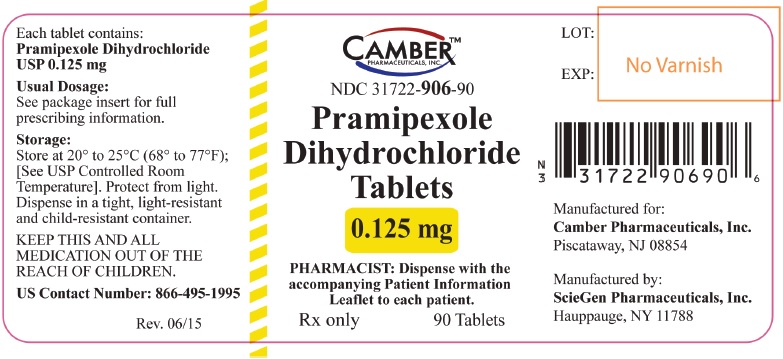
PACKAGE LABEL.PRINCIPAL DISPLAY PANEL Pramipexole Tablets 0.125 mg 90s Pramipexole Tablets 0.25 mg 90s Pramipexole Tablets 0.5 mg 90s Pramipexole Tablets 0.75 mg 90s Pramipexole Tablets 1 mg 90s Pramipexole Tablets 1.5 mg 90s pramipexole0.125mg90s pramipexole0.25mg90s pramipexole0.5mg90s pramipexole0.75mg90s pramipexole1mg90s pramipexole1.5mg90s
Reported adverse events (FAERS)
Top reported reactions
Age at onset
Reporter sex
Serious outcomes
Where does this data come from?
About this NDC listing & data coverage
What data is (and isn’t) available for this NDC — tap to expand
| NDC identity (package / product / labeler codes) | ✓ Available |
| Labeler | ✓ Available |
| Product & package description | ✓ Available |
| Marketing category & status | ✓ Available |
| Active ingredient / dosage form / route | ✓ Available |
| FDA label (SPL via DailyMed) | ✓ Available |
| Package photos | ✓ Available |
| Inactive ingredients (structured) | ✓ Available |
| NADAC pharmacy acquisition price (CMS) | — Not published for this NDC CMS publishes NADAC only for NDCs reported in its retail-pharmacy survey. |
| Orange Book / therapeutic-equivalence data | ✓ Available |
| HCPCS J-code billing crosswalk | — Not published for this NDC Most self-administered / retail products have no J-code — that is normal. |
| Medicaid utilization (CMS SDUD) | — Not published for this NDC CMS reports utilization only for NDCs with Medicaid claims above its privacy threshold. |