
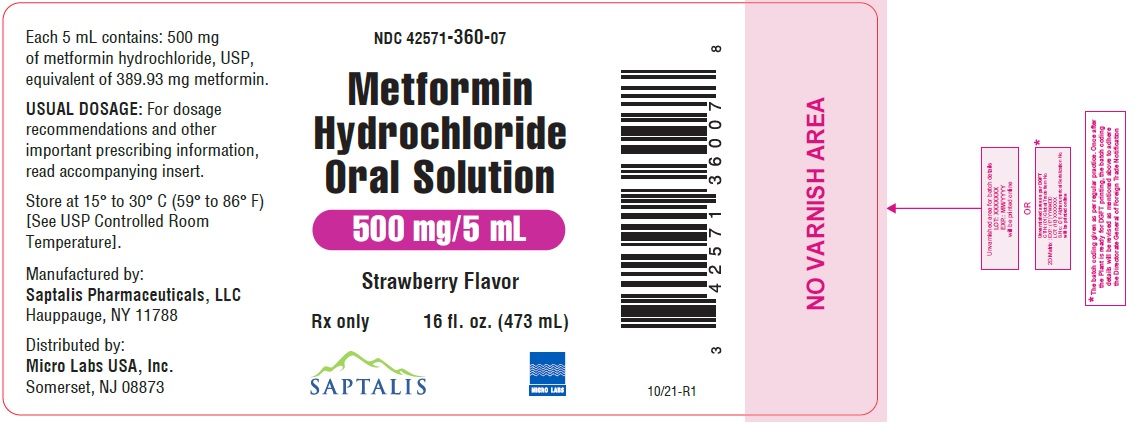
Metformin Hydrochloride Oral Solution 500 mg/5mL Solution, 473 mL
Other active recalls for Metformin Hydrochloride (different manufacturers) — 2 · tap to view
🆔 Identity & classification
Where does this data come from?
🏷️ RxNorm drug class
This medicine belongs to the Biguanide class.
Where does this data come from?
🏭 Manufacturer & labeler
Where does this data come from?
🩺 Clinical
Metformin is used alone or with other medications, including insulin, to treat type 2 diabetes (condition in which the body does not use insulin normally and, therefore, cannot control the amount of sugar in the blood). Metformin is in a class of drugs called biguanides. Metformin helps to control the amount of glucose (sugar) in your blood. It decreases the amount of glucose you absorb from your food and the amount of glucose made by your liver. Metformin also increases your body's response to insulin, a natural substance that controls the amount of glucose in the blood. Metformin is not used...
Read the full MedlinePlus article ↗- Metformin works in three ways: it lowers the amount of sugar your liver dumps into your bloodstream, slows how much sugar your gut absorbs from food, and helps your body respond to...
- What exactly is metformin doing for my diabetes?
- Yes, this is very common — diarrhea, nausea, and stomach discomfort are the most frequently reported side effects, and they're often worst when you first start or when your dose go...
- My stomach has been a mess since I started metformin. Is that normal? Will it get better?
Patient education
Supplement & herbal interactions
Some supplements/herbs that may interact with Metformin Hydrochloride — tap one for details:
Metformin Hydrochloride may be associated with lower levels of 4 nutrients — worth a chat with your pharmacist, not a cause for alarm.
Where does this data come from?
Ask a licensed pharmacist directly — free, answered by our team.
💊 What it looks like
Where does this data come from?
🧪 Inactive Ingredients / Excipients
Inactive ingredients, also called excipients, are components of the drug product other than the active ingredient. They may include fillers, dyes, coatings, preservatives, flavors, or other formulation ingredients.
💡 Tap an ingredient (hover on desktop) to see what it is and why it’s used.
-
UNII 8SKN0B0MIM
Benzoic acid is a naturally occurring organic acid used as a preservative in medicines and foods. It helps prevent bacterial and fungal growth to extend shelf life and maintain product stability.
-
UNII QTT17582CB
A strong acid used to adjust and maintain the proper pH level in liquid medicines, ensuring stability and preventing breakdown of active ingredients.
-
UNII HM5Z15LEBN
Potassium bicarbonate is a salt that acts as a buffer and pH regulator in medicines. It helps maintain a stable acid-alkaline balance so the drug stays effective and doesn't irritate the stomach or mouth.
-
UNII 96K6UQ3ZD4
Sucralose is a synthetic sweetener made from sugar. It's added to medicines to improve taste without adding calories, helping make bitter or unpleasant-tasting drugs easier to take.
-
UNII 059QF0KO0R
Water is a liquid solvent that dissolves and mixes ingredients together in liquid medicines, syrups, and injections. It helps distribute the active drug evenly throughout the product.
-
UNII TTV12P4NEE
Xanthan gum is a thickening and stabilizing ingredient made from fermented corn or other sugars. It's added to medicines to improve texture, prevent separation of liquids and solids, and help the product stay consistent.
6 inactive ingredients listed in the exact product block matched to this NDC.
Where does this data come from?
ingredient classCode="IACT" elements from the exact product block matched by this NDC. Label-section narrative from DailyMed / the openFDA label index is shown separately when available.Inactive ingredient FAQ
Are inactive ingredients the same for every manufacturer?
Why might an inactive ingredient be missing?
Can inactive ingredients matter?
💲 Pricing
A drug doesn't have one price. Each row is a different public payment system, and none is what you'd pay at the counter — that depends on your insurance. The ⓘ on each row explains what it measures.
| Price system | Per mL | Per package |
|---|---|---|
| Retail pharmacies payNADAC · weekly | $0.373 | $176.43 / 473 ml |
| Medicaid paysCMS SDUD · 12 mo | $0.6616 | $312.94 / 473 ml |
| Medicare drug plans payPart D · Q2 2026 | $0.4216 | $199.42 / 473 ml |
Where does this data come from?
🔁 Therapeutic equivalents
| Product | Labeler | Pack | NADAC/unit | TE | Status | Price vs. this |
|---|---|---|---|---|---|---|
| Metformin Hydrochloride 500 mg/5mL 31722-0042-47 | Camber | 1 bottle | $0.373 | AB | Availability likely | — |
| Metformin Hydrochloride Oral Solution 500 mg/5mLthis 42571-0360-07 | MICRO | 473 ml | $0.373 | AB | Availability likely | — |
| Metformin Hydrochloride 500 mg/5mL 66689-0318-16 | VistaPharm, | 1 bottle | $0.373 | AB | Availability likely | — |
| Riomet 500 mg/5mL 10631-0206-01 | Sun | 118 ml | — | — | FDA listed | — |
| Riomet 500 mg/5mL 10631-0238-01 | Sun | 118 ml | — | — | FDA listed | — |
| Metformin Hydrochloride Oral Solution 500 mg/5mL 52817-0820-50 | TRUPHARMA, | 10 cups | — | AB | FDA listed | — |
| Metformin Hydrochloride Oral Solution 500 mg/5mL 52817-0821-50 | TRUPHARMA, | 10 cups | — | AB | FDA listed | — |
| Metformin Hydrochloride Oral Solution 500 mg/5mL 69452-0380-55 | Bionpharma | 118 ml | — | AB | FDA listed | — |
| Metformin Hydrochloride Oral Solution 500 mg/5mL 71656-0017-04 | Saptalis | 118 ml | — | AB | FDA listed | — |
Where does this data come from?
⏳ Availability & generic status
This product is an FDA-approved generic. Other versions of the same drug are listed under Therapeutic equivalents, least expensive first.
Where does this data come from?
🗺️ Medicaid utilization & spend
💊 Medicaid utilization by pack size
🔬 Reported adverse events (FAERS)
Top reported reactions
Age at onset
Reporter sex
Serious outcomes
Where does this data come from?
📦 Packaging — all sizes for this product
| Package NDC | Description | Per unit | Per pack | Marketing start | Status |
|---|---|---|---|---|---|
| 42571-0360-07 You're viewing this | 473 mL in 1 BOTTLE (42571-360-07) | $0.3730 / mL | $176.41 | 2020-04-20 | Active |
| 42571-0360-10 | 118 mL in 1 BOTTLE (42571-360-10) | — | — | 2020-04-20 | Active |
You're viewing the largest of 2 pack sizes for this product.
In Medicaid, this is the most-dispensed pack of this product — about 100% of fills over the last four reported quarters. See all packs ↓
Pack size FAQ
What quantity is in NDC 42571-0360-07?
What is the difference between NDC 42571-0360-07 and NDC 42571-0360-10?
What NDC number is used to bill for this package of Metformin Hydrochloride Oral Solution 500 mg/5mL Solution?
Prices are the latest CMS NADAC pharmacy acquisition cost per NDC; per-pack figures are per-unit × pack quantity, shown only when the pack is denominated in the same measure NADAC prices.
📄 Full prescribing information FDA SPL
🚨 Boxed Warning ▾
WARNING: LACTIC ACIDOSIS Postmarketing cases of metformin-associated lactic acidosis have resulted in death, hypothermia, hypotension, and resistant bradyarrhythmias. The onset of metformin ‑ associated lactic acidosis is often subtle, accompanied only by nonspecific symptoms such as malaise, myalgias, respiratory distress, somnolence, and abdominal pain. Metformin ‑ associated lactic acidosis was characterized by elevated blood lactate levels (>5 mmol/Liter), anion gap acidosis (without evidence of ketonuria or ketonemia), an increased lactate/pyruvate ratio; and metformin plasma levels generally > 5 mcg/mL [see Warnings and Precautions ( 5.1 ) ].
Risk factors for metformin-associated lactic acidosis include renal impairment, concomitant use of certain drugs (e.g. carbonic anhydrase inhibitors such as topiramate), age 65 years old or greater, having a radiological study with contrast, surgery and other procedures, hypoxic states (e.g., acute congestive heart failure), excessive alcohol intake, and hepatic impairment. Steps to reduce the risk of and manage metformin-associated lactic acidosis in these high-risk groups are provided [see Dosage and Administration ( 2.3 ), Contraindications ( 4 ), Warnings and Precautions ( 5.1 ) ].
If metformin-associated lactic acidosis is suspected, immediately discontinue metformin hydrochloride oral solution and institute general supportive measures in a hospital setting. Prompt hemodialysis is recommended [see Warnings and Precautions ( 5.1 ) ]. WARNING: LACTIC ACIDOSIS See full prescribing information for complete boxed warning Postmarketing cases of metformin-associated lactic acidosis have resulted in death, hypothermia, hypotension, and resistant bradyarrhythmias.
Symptoms included malaise, myalgias, respiratory distress, somnolence, and abdominal pain. Laboratory abnormalities included elevated blood lactate levels, anion gap acidosis, increased lactate/pyruvate ratio; and metformin plasma levels generally > 5 mcg/mL. ( 5.1 ) Risk factors include renal impairment, concomitant use of certain drugs, age ≥ 65 years old, radiological studies with contrast, surgery and other procedures, hypoxic states, excessive alcohol intake, and hepatic impairment.
Steps to reduce the risk of and manage metformin-associated lactic acidosis in these high-risk groups are provided in the Full Prescribing Information. ( 5.1 ) If lactic acidosis is suspected, discontinue metformin hydrochloride oral solution and institute general supportive measures in a hospital setting. Prompt hemodialysis is recommended.
( 5.1 )
🎯 Indications and Usage ▾
1 INDICATIONS AND USAGE Metformin hydrochloride oral solution is indicated as an adjunct to diet and exercise to improve glycemic control in adults and pediatric patients 10 years of age and older with type 2 diabetes mellitus. Metformin hydrochloride is a biguanide indicated as an adjunct to diet and exercise to improve glycemic control in adults and pediatric patients 10 years of age and older with type 2 diabetes mellitus. ( 1 )
⏱️ Dosage and Administration ▾
2 DOSAGE AND ADMINISTRATION Adult Dosage for Metformin Hydrochloride Oral Solution : Starting dose: 500 mg (5 mL) orally twice a day or 850 mg (8.5 mL) once a day, with meals ( 2.1 ) Increase the dose in increments of 500 mg (5 mL) weekly or 850 mg (8.5 mL) every 2 weeks, up to a maximum dose of 2,550 mg (25.5 mL) per day, given in divided doses ( 2.1 ) Doses above 2,000 mg (20 mL) may be better tolerated given in divided doses 3 times a day with meals ( 2.1 ) Pediatric Dosage for Metformin Hydrochloride Oral Solution : Starting dose: 500 mg (5 mL) orally twice a day, with meals ( 2.2 ) Increase dosage in increments of 500 mg (5 mL) weekly up to a maximum of 2,000 mg (20 mL) per day, given in divided doses twice daily ( 2.2 ) Renal Impairment : Prior to initiation, assess renal function with estimated glomerular filtration rate (eGFR) ( 2.3 ) Do not use in patients with eGFR below 30 mL/minute/1.73 m 2 ( 2.3 ) Initiation is not recommended in patients with eGFR between 30 to 45 mL/minute/1.73 m 2 ( 2.3 ) Assess risk/benefit of continuing metformin hydrochloride oral solution if eGFR falls below 45 mL/minute/1.73 m 2 ( 2.3 ) Discontinue if eGFR falls below 30 mL/minute/1.73 m 2 ( 2.3 ) Discontinuation for Iodinated Contrast Imaging Procedures: Metformin hydrochloride oral solution may need to be discontinued at time of, or prior to, iodinated contrast imaging procedures ( 2.4 )
2.1Adult Dosage Measure the metformin hydrochloride oral solution dose in the metformin hydrochloride oral solution specific dosing cup. The recommended starting dose of metformin hydrochloride oral solution is 500 mg (5 mL) orally twice a day or 850 mg (8.5 mL) once a day, given with meals. Increase the dose in increments of 500 mg (5 mL) weekly or 850 mg (8.5 mL) every 2 weeks on the basis of glycemic control and tolerability, up to a maximum dose of 2,550 mg (25.5 mL) per day, given in divided doses.
Doses above 2,000 mg (20 mL) may be better tolerated given in divided doses 3 times a day with meals.
2.2Pediatric Dosage Measure the metformin hydrochloride oral solution dose in the metformin hydrochloride oral solution specific dosing cup. The recommended starting dose of metformin hydrochloride oral solution for pediatric patients 10 years of age and older is 500 mg (5 mL) orally twice a day, given with meals. Increase dosage in increments of 500 mg (5 mL) weekly on the basis of glycemic control and tolerability, up to a maximum of 2,000 mg (20 mL) per day, given in divided doses twice daily.
2.3Recommendations for Use in Renal Impairment Assess renal function prior to initiation of metformin hydrochloride oral solution and periodically thereafter. Metformin hydrochloride oral solution is contraindicated in patients with an estimated glomerular filtration rate (eGFR) below 30 mL/minute/1.73 m 2 . Initiation of metformin hydrochloride oral solution in patients with an eGFR between 30 to 45 mL/minute/1.73 m 2 is not recommended.
In patients taking metformin hydrochloride oral solution whose eGFR later falls below 45 mL/min/1.73 m 2 , assess the benefit risk of continuing therapy. Discontinue metformin hydrochloride oral solution if the patient’s eGFR later falls below 30 mL/minute/1.73 m 2 [see Warnings and Precautions ( 5.1 ) ].
2.4Discontinuation for Iodinated Contrast Imaging Procedures Discontinue metformin hydrochloride oral solution at the time of, or prior to, an iodinated contrast imaging procedure in patients with an eGFR between 30 and 60 mL/min/1.73 m 2 ; in patients with a history of liver disease, alcoholism, or heart failure; or in patients who will be administered intra-arterial iodinated contrast. Re-evaluate eGFR 48 hours after the imaging procedure; restart metformin hydrochloride oral solution if renal function is stable.
💊 Dosage Forms and Strengths ▾
3 DOSAGE FORMS AND STRENGTHS Oral solution: 500 mg per 5 mL (100 mg/mL) clear solution in strawberry flavor Oral Solution: 500 mg per 5 mL (100 mg/mL) in strawberry flavor ( 3 )
⛔ Contraindications ▾
4 CONTRAINDICATIONS Metformin hydrochloride oral solution is contraindicated in patients with: Severe renal impairment (eGFR below 30 mL/min/1.73 m 2 ) [see Warnings and Precautions ( 5.1 ) ]. Hypersensitivity to metformin. Acute or chronic metabolic acidosis, including diabetic ketoacidosis, with or without coma.
Severe renal impairment (eGFR below 30 mL/min/1.73 m 2 ) ( 4 , 5.1 ) Hypersensitivity to metformin ( 4 ) Acute or chronic metabolic acidosis, including diabetic ketoacidosis, with or without coma. ( 4 )
⚠️ Warnings and Cautions ▾
5 WARNINGS AND PRECAUTIONS Lactic acidosis: See boxed warning. ( 5.1 ) Vitamin B 12 deficiency: Metformin may lower vitamin B 12 levels. Measure hematological parameters annually and vitamin B 12 at 2 to 3-year intervals and manage any abnormalities.
( 5.2 ) Hypoglycemia with Concomitant Use with Insulin and Insulin Secretagogues: Increased risk of hypoglycemia when used in combination with insulin and/or an insulin secretagogue. Lower dose of insulin or insulin secretagogue may be required ( 5.3 )
5.1Lactic Acidosis There have been postmarketing cases of metformin-associated lactic acidosis, including fatal cases. These cases had a subtle onset and were accompanied by nonspecific symptoms such as malaise, myalgias, abdominal pain, respiratory distress, or increased somnolence; however, hypotension and resistant bradyarrhythmias have occurred with severe acidosis. Metformin-associated lactic acidosis was characterized by elevated blood lactate concentrations (> 5 mmol/L), anion gap acidosis (without evidence of ketonuria or ketonemia), and an increased lactate: pyruvate ratio; metformin plasma levels were generally > 5 mcg/mL.
Metformin decreases liver uptake of lactate increasing lactate blood levels which may increase the risk of lactic acidosis, especially in patients at risk. If metformin-associated lactic acidosis is suspected, general supportive measures should be instituted promptly in a hospital setting, along with immediate discontinuation of metformin hydrochloride oral solution. In metformin hydrochloride oral solution-treated patients with a diagnosis or strong suspicion of lactic acidosis, prompt hemodialysis is recommended to correct the acidosis and remove accumulated metformin (metformin hydrochloride is dialyzable with a clearance of up to 170 mL/min under good hemodynamic conditions).
Hemodialysis has often resulted in reversal of symptoms and recovery. Educate patients and their families about the symptoms of lactic acidosis and, if these symptoms occur, instruct them to discontinue metformin hydrochloride oral solution and report these symptoms to their healthcare provider. For each of the known and possible risk factors for metformin-associated lactic acidosis, recommendations to reduce the risk of and manage metformin-associated lactic acidosis are provided below: Renal impairment —The postmarketing metformin-associated lactic acidosis cases primarily occurred in patients with significant renal impairment.
The risk of metformin accumulation and metformin-associated lactic acidosis increases with the severity of renal impairment because metformin is substantially excreted by the kidney. Clinical recommendations based upon the patient’s renal function include [see Dosage and Administration ( 2.3 ), Clinical Pharmacology ( 12.3 ) ]: Before initiating metformin hydrochloride oral solution, obtain an estimated glomerular filtration rate (eGFR). Metformin hydrochloride oral solution is contraindicated in patients with an eGFR less than 30 mL/min/1.73 m 2 [see Contraindications ( 4 ) ].
Initiation of metformin hydrochloride oral solution is not recommended in patients with eGFR between 30 to 45 mL/min/1.73 m 2 . Obtain an eGFR at least annually in all patients taking metformin hydrochloride oral solution. In patients at risk for the development of renal impairment (e.g., the elderly), renal function should be assessed more frequently.
In patients taking metformin hydrochloride oral solution whose eGFR falls below 45 mL/min/1.73 m 2 , assess the benefit and risk of continuing therapy. Drug interactions — The concomitant use of metformin hydrochloride oral solution with specific drugs may increase the risk of metformin-associated lactic acidosis: those that impair renal function, result in significant hemodynamic change, interfere with acid-base balance, or increase metformin accumulation. Consider more frequent monitoring of patients [see Drug Interactions ( 7 )] .
Age 65 or greater — The risk of metformin-assoc…
🤒 Adverse Reactions ▾
6 ADVERSE REACTIONS The following adverse reactions are also discussed elsewhere in the labeling: Lactic Acidosis [see Boxed Warning and Warnings and Precautions ( 5.1 )] Vitamin B 12 Deficiency [see Warnings and Precautions ( 5.2 ) ] Hypoglycemia [see Warnings and Precautions ( 5.3 )] The most common adverse reactions are diarrhea, nausea/vomiting, flatulence, asthenia, indigestion, abdominal discomfort, and headache. ( 6.1 ) To report SUSPECTED ADVERSE REACTIONS, contact Saptalis Pharmaceuticals, LLC at 1-833-727-8254 or FDA at 1-800-FDA-1088 or http://www.fda.gov/medwatch
6.1Clinical Studies Experience Because clinical trials are conducted under widely varying conditions, adverse reaction rates observed in the clinical trials of a drug cannot be directly compared to rates in the clinical trials of another drug and may not reflect the rates observed in practice. In a U.S. clinical trial of metformin HCl tablets in patients with type 2 diabetes mellitus, a total of 141 patients received metformin HCl tablets up to 2,550 mg per day. Adverse reactions reported in greater than 5% of patients treated with metformin HCl tablets and that were more common than in placebo-treated patients, are listed in Table 1.
Table 1: Adverse Reactions from a Clinical Trial of Metformin HCl Tablets Occurring > 5% and More Common than Placebo in Patients with Type 2 Diabetes Mellitus Metformin HCl Tablets (n = 141) Placebo (n = 145) Diarrhea 53% 12% Nausea/Vomiting 26% 8% Flatulence 12% 6% Asthenia 9% 6% Indigestion 7% 4% Abdominal Discomfort 6% 5% Headache 6% 5% Diarrhea led to discontinuation of metformin HCl tablets in 6% of patients. Additionally, the following adverse reactions were reported in ≥ 1% to ≤ 5% of patients treated with metformin HCl tablets and were more commonly reported than placebo: abnormal stools, hypoglycemia, myalgia, lightheaded, dyspnea, nail disorder, rash, sweating increased, taste disorder, chest discomfort, chills, flu syndrome, flushing, palpitation.
Pediatric Patients In clinical trials with metformin HCl tablets in pediatric patients with type 2 diabetes mellitus, the profile of adverse reactions was similar to that observed in adults. Laboratory Tests Vitamin B 12 Concentrations In clinical trials of 29-week duration with metformin HCl tablets, a decrease to subnormal levels of previously normal serum vitamin B 12 levels was observed in approximately 7% of patients.
6.2Postmarketing Experience The following adverse reactions have been identified during post approval use of metformin. Because these reactions are reported voluntarily from a population of uncertain size, it is not always possible to reliably estimate their frequency or establish a causal relationship to drug exposure. Cholestatic, hepatocellular, and mixed hepatocellular liver injury have been reported with postmarketing use of metformin.
🔄 Drug Interactions ▾
7 DRUG INTERACTIONS Table 2 presents clinically significant drug interactions with metformin hydrochloride oral solution. Table 2: Clinically Significant Drug Interactions with Metformin Hydrochloride Oral Solution Carbonic Anhydrase Inhibitors Clinical Impact: Carbonic anhydrase inhibitors frequently cause a decrease in serum bicarbonate and induce non-anion gap, hyperchloremic metabolic acidosis. Concomitant use of these drugs with metformin hydrochloride oral solution may increase the risk for lactic acidosis.
Intervention: Consider more frequent monitoring of these patients. Examples: Topiramate, zonisamide, acetazolamide or dichlorphenamide. Drugs that Reduce Metformin Hydrochloride Oral Solution Clearance Clinical Impact: Concomitant use of drugs that interfere with common renal tubular transport systems involved in the renal elimination of metformin (e.g., organic cationic transporter-2 [OCT 2 ]/ multidrug and toxin extrusion [MATE] inhibitors) could increase systemic exposure to metformin and may increase the risk for lactic acidosis [see Clinical Pharmacology ( 12.3 )] .
Intervention: Consider the benefits and risks of concomitant use with metformin hydrochloride oral solution. Examples: Ranolazine, vandetanib, dolutegravir, and cimetidine. Alcohol Clinical Impact: Alcohol is known to potentiate the effect of metformin on lactate metabolism.
Intervention: Warn patients against excessive alcohol intake while receiving metformin hydrochloride oral solution. Insulin Secretagogues or Insulin Clinical Impact: Co-administration of metformin hydrochloride oral solution with an insulin secretagogue (e.g., sulfonylurea) or insulin may increase the risk of hypoglycemia. Intervention: Patients receiving an insulin secretagogue or insulin may require lower doses of the insulin secretagogue or insulin.
Drugs Affecting Glycemic Control Clinical Impact: Certain drugs tend to produce hyperglycemia and may lead to loss of glycemic control. Intervention: When such drugs are administered to a patient receiving metformin hydrochloride oral solution, observe the patient closely for loss of blood glucose control. When such drugs are withdrawn from a patient receiving metformin hydrochloride oral solution, observe the patient closely for hypoglycemia.
Examples: Thiazides and other diuretics, corticosteroids, phenothiazines, thyroid products, estrogens, oral contraceptives, phenytoin, nicotinic acid, sympathomimetics, calcium channel blockers, and isoniazid. Carbonic anhydrase inhibitors may increase risk of lactic acidosis. Consider more frequent monitoring ( 7 ) Drugs that reduce metformin clearance (such as ranolazine, vandetanib, dolutegravir, and cimetidine) may increase the accumulation of metformin.
Consider the benefits and risks of concomitant use ( 7 ) Alcohol can potentiate the effect of metformin on lactate metabolism. Warn patients against excessive alcohol intake ( 7 )
👥 Use in Specific Populations ▾
8 USE IN SPECIFIC POPULATIONS Females and Males of Reproductive Potential: Advise premenopausal females of the potential for an unintended pregnancy. ( 8.3 ) Geriatric Use: Assess renal function more frequently. ( 8.5 ) Hepatic Impairment: Avoid use in patients with hepatic impairment. ( 8.7 )
8.1Pregnancy Risk Summary Limited data with metformin hydrochloride oral solution in pregnant women are not sufficient to determine a drug-associated risk for major birth defects or miscarriage. Published studies with metformin use during pregnancy have not reported a clear association with metformin and major birth defect or miscarriage risk [see Data] . There are risks to the mother and fetus associated with poorly controlled diabetes mellitus in pregnancy [see Clinical Considerations] .
No adverse developmental effects were observed when metformin was administered to pregnant Sprague Dawley rats and rabbits during the period of organogenesis at doses up to 2- and 5-times, respectively, a 2,550 mg clinical dose, based on body surface area [see Data] . The estimated background risk of major birth defects is 6 to 10% in women with pre-gestational diabetes mellitus with an HbA1C >7 and has been reported to be as high as 20 to 25% in women with a HbA1C >10. The estimated background risk of miscarriage for the indicated population is unknown.
In the U.S. general population, the estimated background risk of major birth defects and miscarriage in clinically recognized pregnancies is 2 to 4% and 15 to 20%, respectively. Clinical Considerations Disease-associated maternal and/or embryo/fetal risk Poorly-controlled diabetes mellitus in pregnancy increases the maternal risk for diabetic ketoacidosis, pre-eclampsia, spontaneous abortions, preterm delivery, stillbirth and delivery complications. Poorly controlled diabetes mellitus increases the fetal risk for major birth defects, stillbirth, and macrosomia related morbidity.
Data Human Data Published data from post-marketing studies have not reported a clear association with metformin and major birth defects, miscarriage, or adverse maternal or fetal outcomes when metformin was used during pregnancy. However, these studies cannot definitely establish the absence of any metformin- associated risk because of methodological limitations, including small sample size and inconsistent comparator groups. Animal Data Metformin hydrochloride did not adversely affect development outcomes when administered to pregnant rats and rabbits at doses up to 600 mg/kg/day.
This represents an exposure of about 2 and 5 times a 2,550 mg clinical dose based on body surface area comparisons for rats and rabbits, respectively. Determination of fetal concentrations demonstrated a partial placental barrier to metformin.
8.2Lactation Risk Summary Limited published studies report that metformin is present in human milk [see Data] . However, there is insufficient information to determine the effects of metformin on the breastfed infant and no available information on the effects of metformin on milk production. Therefore, the developmental and health benefits of breastfeeding should be considered along with the mother’s clinical need for metformin hydrochloride oral solution and any potential adverse effects on the breastfed child from metformin hydrochloride oral solution or from the underlying maternal condition.
Data Published clinical lactation studies report that metformin is present in human milk which resulted in infant doses approximately 0.11% to 1% of the maternal weight-adjusted dosage and a milk/plasma ratio ranging between 0.13 and 1. However, the studies were not designed to definitely establish the risk of use of metformin during lactation because of small sample size and limited adverse event data collected in infants.
8.3Females and Males of Reproductive Potential Discuss the potential for unintended pregnancy with premenopausal women as therapy with metformin hydrochloride oral solution may result in ovulatio…
🤰 Pregnancy ▾
8.1Pregnancy Risk Summary Limited data with metformin hydrochloride oral solution in pregnant women are not sufficient to determine a drug-associated risk for major birth defects or miscarriage. Published studies with metformin use during pregnancy have not reported a clear association with metformin and major birth defect or miscarriage risk [see Data] . There are risks to the mother and fetus associated with poorly controlled diabetes mellitus in pregnancy [see Clinical Considerations] .
No adverse developmental effects were observed when metformin was administered to pregnant Sprague Dawley rats and rabbits during the period of organogenesis at doses up to 2- and 5-times, respectively, a 2,550 mg clinical dose, based on body surface area [see Data] . The estimated background risk of major birth defects is 6 to 10% in women with pre-gestational diabetes mellitus with an HbA1C >7 and has been reported to be as high as 20 to 25% in women with a HbA1C >10. The estimated background risk of miscarriage for the indicated population is unknown.
In the U.S. general population, the estimated background risk of major birth defects and miscarriage in clinically recognized pregnancies is 2 to 4% and 15 to 20%, respectively. Clinical Considerations Disease-associated maternal and/or embryo/fetal risk Poorly-controlled diabetes mellitus in pregnancy increases the maternal risk for diabetic ketoacidosis, pre-eclampsia, spontaneous abortions, preterm delivery, stillbirth and delivery complications. Poorly controlled diabetes mellitus increases the fetal risk for major birth defects, stillbirth, and macrosomia related morbidity.
Data Human Data Published data from post-marketing studies have not reported a clear association with metformin and major birth defects, miscarriage, or adverse maternal or fetal outcomes when metformin was used during pregnancy. However, these studies cannot definitely establish the absence of any metformin- associated risk because of methodological limitations, including small sample size and inconsistent comparator groups. Animal Data Metformin hydrochloride did not adversely affect development outcomes when administered to pregnant rats and rabbits at doses up to 600 mg/kg/day.
This represents an exposure of about 2 and 5 times a 2,550 mg clinical dose based on body surface area comparisons for rats and rabbits, respectively. Determination of fetal concentrations demonstrated a partial placental barrier to metformin.
🧒 Pediatric Use ▾
8.4Pediatric Use The safety and effectiveness of metformin hydrochloride oral solution for the treatment of type 2 diabetes mellitus have been established in pediatric patients 10 to 16 years old. Safety and effectiveness of metformin hydrochloride oral solution have not been established in pediatric patients less than 10 years old. Use of metformin hydrochloride oral solution in pediatric patients 10 to 16 years old for the treatment of type 2 diabetes mellitus is supported by evidence from adequate and well-controlled studies of metformin HCl tablets in adults with additional data from a controlled clinical study of metformin HCl tablets in pediatric patients 10 to 16 years old with type 2 diabetes mellitus, which demonstrated a similar response in glycemic control to that seen in adults [see Clinical Studies ( 14 )] .
In this study, adverse reactions were similar to those described in adults. A maximum daily dose of 2,000 mg of metformin hydrochloride oral solution is recommended. [See Dosage and Administration ( 2.2 ). ]
🧓 Geriatric Use ▾
8.5Geriatric Use Controlled clinical studies of metformin HCl tablets did not include sufficient numbers of elderly patients to determine whether they respond differently from younger patients. In general, dose selection for an elderly patient should be cautious, usually starting at the low end of the dosing range, reflecting the greater frequency of decreased hepatic, renal, or cardiac function, and of concomitant disease or other drug therapy and the higher risk of lactic acidosis. Assess renal function more frequently in elderly patients [see Warnings and Precautions ( 5.1 ) ].
🆘 Overdosage ▾
10 OVERDOSAGE Overdose of metformin hydrochloride has occurred, including ingestion of amounts greater than 50 grams. Hypoglycemia was reported in approximately 10% of cases, but no causal association with metformin has been established. Lactic acidosis has been reported in approximately 32% of metformin overdose cases [see Warnings and Precautions ( 5.1 ) ].
Metformin is dialyzable with a clearance of up to 170 mL/min under good hemodynamic conditions. Therefore, hemodialysis may be useful for removal of accumulated drug from patients in whom metformin overdosage is suspected.
🧬 Clinical Pharmacology ▾
12 CLINICAL PHARMACOLOGY
12.1Mechanism of Action Metformin is an antihyperglycemic agent which improves glucose tolerance in patients with type 2 diabetes mellitus, lowering both basal and postprandial plasma glucose. Metformin decreases hepatic glucose production, decreases intestinal absorption of glucose, and improves insulin sensitivity by increasing peripheral glucose uptake and utilization. With metformin therapy, insulin secretion remains unchanged while fasting insulin levels and day-long plasma insulin response may decrease.
12.3Pharmacokinetics Absorption Two pharmacokinetic studies performed in healthy volunteers to evaluate the bioavailability of metformin hydrochloride oral solution in comparison with metformin HCl tablets under fasting and fed conditions showed that the rate and extent of absorption of metformin hydrochloride oral solution was found to be comparable to that of metformin HCl tablets under fasting or fed conditions (see Table 3). Table 3: Select Mean (± S.D.) Pharmacokinetic Parameters Following Single Oral Doses of 1,000 mg Metformin Hydrochloride Oral Solution and Metformin HCl Tablets in healthy, nondiabetic adults (n = 36) under fed and fasting conditions Formulation C max (ng/mL) AUC 0- (ng.h/mL) T max (h) Study 1- Fasting state Metformin Hydrochloride Oral Solution 1,540.1 ± 451.1 9,069.6 ± 2,593.6 2.2 ±
0.5Metformin HCl Tablets 1,885.1 ± 498.5 11,100.1 ± 2,733.1 2.5 ±
0.6T/R Ratio X 100 (90% confidence interval) 81.2 (76.3 to 86.4) 81.2 (76.9 to 85.6) - Study 2- Fed State Metformin Hydrochloride Oral Solution 1,235.3 ± 177.7 8,950.1 ± 1,381.2 4.1 ±
0.8Metformin HCl Tablets 1,361 ± 298.8 9,307.7 ± 1,839.8 3.7 ±
0.8T/R Ratio X 100 (90% confidence interval) 91.8 (87.4 to 96.5) 97.0 (92.9 to 101.2) - T-test product (Metformin hydrochloride oral solution) R-reference product (immediate release metformin HCl tablets) Studies using single oral doses of metformin HCl tablets 500 mg to 1,500 mg, and 850 mg to 2,550 mg, indicate that there is a lack of dose proportionality with increasing doses, which is due to decreased absorption rather than an alteration in elimination. At usual clinical doses and dosing schedules of metformin, steady state plasma concentrations of metformin are reached within 24 to 48 hours and are generally < 1 mcg/mL.
Effect of food: The food-effect study assessed the effects of a high fat/high calorie meal and a low fat/low calorie meal on the bioavailability of metformin hydrochloride oral solution in comparison with administration in the fasted state, in healthy volunteers. The extent of absorption was increased by approximately 16% and 13% with the low fat/low calorie meal and the high fat/high calorie meal, respectively, compared with the administration in the fasted state. The rate and extent of absorption with high fat/high calorie and low fat/ low calorie meal were similar.
The mean t max was 2.5 hours under fasting conditions as compared to 3.9 hours with both low fat/ low calorie meal and high fat/high calorie meals (see Table 4). Table 4: Select Mean (± S.D.) Metformin Pharmacokinetic Parameters Following Single Oral Doses of 1,000 mg Metformin Hydrochloride Oral Solution in healthy, nondiabetic adults (n = 33) under fed (high fat/high calorie meal and low fat/low calorie meal) and fasting conditions (study 3) Meal type C max (ng/mL) AUC 0- (ng.h/mL) t max (h) Fasting (F) 1,641.5 ± 551.8 9,982.9 ± 2,544.5 2.5 ±
0.9Low fat/ low calorie meal (L) 1,525.8 ± 396.7 11,542.0 ± 2,947.5 3.9 ±
0.6High fat/high calorie meal (H) 1,432.5 ± 346.8 11,184.5 ± 2,446.1 3.9 ±
0.8L/F Ratio X 100 (90% confidence interval) 94.6 (84.0 to 106.5) 115.6 (103.6 to 128.9) - H/F Ratio X 100 (90% confidence interval) 89.4 (79.4 to 100.6) 112.6 (100.9 to 125.6) - L/H Ratio X 100 (90% confidence interval) 105.8 (94.0 to 119.2) 102.7 (92.0 to 114.6) - Distribution The apparent volume of distribution (V/F) of metformin following single oral doses of metformin HCl 850 mg averaged 654 ± 358 L.…
🧬 Mechanism of Action ▾
12.1Mechanism of Action Metformin is an antihyperglycemic agent which improves glucose tolerance in patients with type 2 diabetes mellitus, lowering both basal and postprandial plasma glucose. Metformin decreases hepatic glucose production, decreases intestinal absorption of glucose, and improves insulin sensitivity by increasing peripheral glucose uptake and utilization. With metformin therapy, insulin secretion remains unchanged while fasting insulin levels and day-long plasma insulin response may decrease.
📦 How Supplied / Storage and Handling ▾
16 HOW SUPPLIED/STORAGE AND HANDLING How Supplied Metformin hydrochloride oral solution 500 mg per 5 mL (100 mg/mL) is supplied in HDPE bottles with child-resistant caps and a dosing cup as follows: Flavor Appearance Size NDC Strawberry clear, colorless liquid 4 ounce (118 mL) 42571-360-10 16 ounce (473 mL) 42571-360-07 Storage Store at 15° to 30° C (59° to 86° F) [See USP Controlled Room Temperature].
📋 Description ▾
11 DESCRIPTION Metformin hydrochloride oral solution contains the biguanidine antihyperglycemic agent metformin in the form of monohydrochloride salt. Metformin hydrochloride, USP is N , N -dimethylimidodicarbonimidic diamide hydrochloride. The structural formula is shown as: Metformin hydrochloride, USP is a white crystalline powder with a molecular formula of C 4 H 11 N 5 •HCl and a molecular weight of 165.62.
The pKa of metformin is 12.4. The pH of a 1% aqueous solution of metformin hydrochloride is 6.68. It is freely soluble in water; slightly soluble in alcohol; practically insoluble in acetone and in methylene chloride.
Metformin hydrochloride oral solution contains 500 mg of metformin hydrochloride, USP (the equivalent of 389.93 mg metformin) per 5 mL and the following inactive ingredients: Benzoic Acid, hydrochloric acid, potassium bicarbonate, purified water, strawberry flavor, sucralose, and xanthan gum. structure
💬 Information for Patients ▾
17 PATIENT COUNSELING INFORMATION Advise the patient to read the FDA-approved patient labeling ( Patient Information ). Administration: Instruct patients or caregivers to use the supplied dosing cup to measure the prescribed amount of medication. Inform patients that additional metformin hydrochloride oral solution dosing cups or oral dosing syringes may be obtained from their pharmacy.
Lactic Acidosis: Explain the risks of lactic acidosis, its symptoms, and conditions that predispose to its development. Advise patients to discontinue metformin hydrochloride oral solution immediately and to promptly notify their healthcare provider if unexplained hyperventilation, myalgias, malaise, unusual somnolence or other nonspecific symptoms occur. Counsel patients against excessive alcohol intake and inform patients about importance of regular testing of renal function while receiving metformin hydrochloride oral solution.
Instruct patients to inform their doctor that they are taking metformin hydrochloride oral solution prior to any surgical or radiological procedure, as temporary discontinuation may be required [see Warnings and Precautions ( 5.1 )] . Hypoglycemia Inform patients that hypoglycemia may occur when metformin hydrochloride oral solution is co-administered with oral sulfonylureas and insulin. Explain to patients receiving concomitant therapy the risks of hypoglycemia, its symptoms and treatment, and conditions that predispose to its development [see Warnings and Precautions ( 5.3 )] .
Vitamin B 12 Deficiency: Inform patients about importance of regular hematological parameters while receiving metformin hydrochloride oral solution [see Warnings and Precautions ( 5.2 )] . Females of Reproductive Age: Inform females that treatment with metformin hydrochloride oral solution may result in ovulation in some premenopausal anovulatory women which may lead to unintended pregnancy [see Use in Specific Populations ( 8.3 )] . Distributed by: Micro Labs USA, Inc.
Somerset, NJ 08873 Manufactured by: Saptalis Pharmaceuticals, LLC Hauppauge, NY 11788 October 2021-R1