
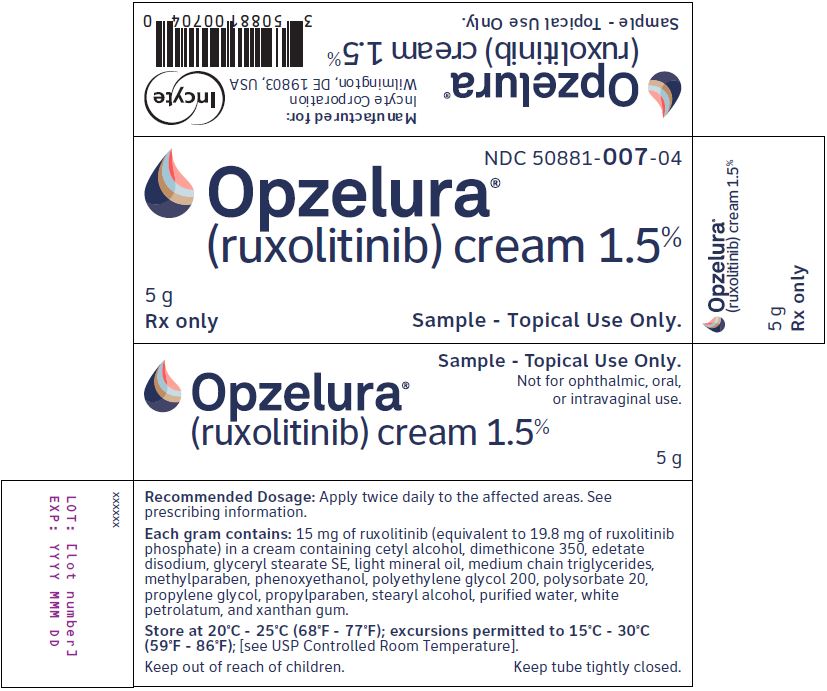
OPZELURA ruxolitinib 15 mg/g Cream
🆔 Identity & classification
Where does this data come from?
🏷️ RxNorm drug class
This medicine belongs to the Kinase Inhibitor class.
Where does this data come from?
🏭 Manufacturer & labeler
Where does this data come from?
🩺 Clinical
Ruxolitinib topical is used to treat the symptoms of eczema (atopic dermatitis; a skin disease that causes the skin to be dry and itchy and to sometimes develop red, scaly rashes) and vitiligo (condition that causes skin to lose color). Ruxolitinib is in a class of medications called Janus kinase (JAK) inhibitors. It works by decreasing the activity of the immune system.
Read the full MedlinePlus article ↗- Opzelura cream is used to treat two skin conditions. If you have mild to moderate atopic dermatitis (eczema) and other prescription creams haven't helped enough, Opzelura may be an...
- What exactly is Opzelura cream used for?
- Apply a thin layer of Opzelura cream to the affected areas twice a day, morning and evening. It's only for the skin — keep it away from your eyes, mouth, and any internal use. Don'...
- For eczema, many people notice improvement within a few weeks. You should stop using the cream once your symptoms — itching, rash, redness — have resolved. If things haven't improv...
Patient education
Supplement & herbal interactions
Some supplements/herbs that may interact with Ruxolitinib — tap one for details:
Where does this data come from?
Ask a licensed pharmacist directly — free, answered by our team.
🧪 Inactive Ingredients / Excipients
Inactive ingredients, also called excipients, are components of the drug product other than the active ingredient. They may include fillers, dyes, coatings, preservatives, flavors, or other formulation ingredients.
💡 Tap an ingredient (hover on desktop) to see what it is and why it’s used.
-
UNII 936JST6JCN
Cetyl alcohol is a waxy, fatty substance derived from plant or animal sources. It acts as an emulsifier and thickener in medicines, helping blend oil and water components and giving products a smooth, creamy texture.
-
UNII 2Y53S6ATLU
Dimethicone 350 is a silicone-based oil. It works as a lubricant and anti-foaming agent to help the medicine flow smoothly during manufacturing and reduce unwanted bubbles in the final product.
-
UNII 7FLD91C86K
Edetate disodium is a chemical compound that binds and removes certain metal ions. In medicines, it acts as a preservative and stabilizer by preventing metals like calcium from interfering with the product's shelf life and consistency.
-
UNII FCZ5MH785I
A waxy substance made from glycerin and stearic acid. It works as an emulsifier to help mix oil and water ingredients together, and as a thickener to give the medicine its proper texture and consistency.
-
UNII N6K5787QVP
Light mineral oil is a clear, odorless liquid derived from petroleum. In medicines, it acts as a lubricant and emollient to help the product spread smoothly and improve texture.
-
UNII C9H2L21V7U
A fat derived from coconut or palm oil containing shorter fatty acid chains. It serves as a solvent and carrier to help dissolve or suspend active ingredients, improving absorption and stability in liquid formulations.
-
UNII A2I8C7HI9T
Methylparaben is a preservative derived from benzoic acid that prevents growth of bacteria, fungi, and mold in medicines. It extends the product's shelf life and maintains safety during storage.
-
UNII HIE492ZZ3T
Phenoxyethanol is a synthetic preservative and antimicrobial agent used to prevent bacterial and fungal growth in medicines and cosmetic products, extending shelf life and maintaining product safety.
-
UNII E4GA8884NN
Phosphoric acid is a weak mineral acid used in medicines as a buffer and pH adjuster. It helps stabilize the product and control its acidity level.
-
UNII R95B8J264J
Polyethylene glycol 200 is a clear, colorless liquid made from petroleum. It acts as a solvent and humectant in medicines, helping dissolve active ingredients and retain moisture to keep the product stable.
-
UNII 7T1F30V5YH
A synthetic emulsifier derived from sorbitol and oleic acid. It helps mix oil and water-based ingredients together and keeps them from separating in liquid formulations.
-
UNII 6DC9Q167V3
Propylene glycol is a clear liquid derived from petroleum or vegetable sources. It acts as a solvent, humectant, and preservative in medicines, helping dissolve active ingredients and maintain product stability.
-
UNII Z8IX2SC1OH
Propylparaben is a chemical preservative used to prevent bacterial and fungal growth in medicines and personal care products. It helps extend shelf life and maintain product safety during storage.
-
UNII 2KR89I4H1Y
Stearyl alcohol is a waxy, fatty substance derived from natural oils or made synthetically. It acts as an emulsifier and thickener in medicines, helping mix ingredients together and give the product the right texture.
-
UNII 059QF0KO0R
Water is a liquid solvent that dissolves and mixes ingredients together in liquid medicines, syrups, and injections. It helps distribute the active drug evenly throughout the product.
-
UNII B6E5W8RQJ4
White petrolatum is a purified mineral oil product used as a lubricant and skin protectant in medications. It helps pills slide through manufacturing equipment and can soften or protect the skin when applied topically.
-
UNII TTV12P4NEE
Xanthan gum is a thickening and stabilizing ingredient made from fermented corn or other sugars. It's added to medicines to improve texture, prevent separation of liquids and solids, and help the product stay consistent.
17 inactive ingredients listed in the exact product block matched to this NDC.
Where does this data come from?
ingredient classCode="IACT" elements from the exact product block matched by this NDC. Label-section narrative from DailyMed / the openFDA label index is shown separately when available.Inactive ingredient FAQ
Are inactive ingredients the same for every manufacturer?
Why might an inactive ingredient be missing?
Can inactive ingredients matter?
💲 Pricing
A drug doesn't have one price. Each row is a different public payment system, and none is what you'd pay at the counter — that depends on your insurance. The ⓘ on each row explains what it measures.
| Price system | Per g | Per package |
|---|---|---|
| Retail pharmacies payNADAC · weekly | Not in the retail survey — common for institutional, discontinued, or low-volume packs. | |
| Medicaid paysCMS SDUD · 12 mo | No recent Medicaid claims on file for this NDC — rare and low-volume NDCs are suppressed in the public data. | |
| Medicare drug plans payPart D · Q2 2026 | $34.59 | $172.96 / 5 g |
Where does this data come from?
🔁 Therapeutic equivalents
| Product | Labeler | Pack | NADAC/unit | TE | Status | Price vs. this |
|---|---|---|---|---|---|---|
| Opzelura 15 mg/gthis 50881-0007-04 | Incyte | 1 tube | — | — | FDA listed | — |
Where does this data come from?
⏳ Availability & generic status
We did not find an FDA-approved generic match for this exact strength, form and route. Patent/protection dates below may affect future generic timing.
Why the date isn’t exact: Generic timing can change because patents may be challenged, settled, licensed, added, removed, or worked around with a narrower label — and FDA approval does not always mean a pharmacy can get the generic today.
🛈 What do these terms mean?
- Patent
- Legal protection listed in the Orange Book that may delay generic approval or launch. Issued by the U.S. Patent & Trademark Office.
- Substance patent
- Covers the active drug molecule itself — the hardest to design around. A generic generally can’t launch until it expires.
- Formulation (product) patent
- Covers a specific formulation or dosage form. A generic can sometimes work around it with a different formulation.
- Method-of-use patent
- A patent covering one specific approved use of the drug — not necessarily the whole molecule. A generic can sometimes launch with a “skinny label” that carves out the protected use and keeps the others.
- Skinny label
- A generic label that omits a still-patented use when the FDA allows it — letting a generic reach the market for the unprotected uses.
- Exclusivity
- FDA-granted marketing protection, separate from patents — e.g. 5-yr new chemical entity, 7-yr orphan drug, or a +6-month pediatric extension.
- Paragraph IV
- A generic applicant’s formal challenge to a listed patent. It can potentially lead to earlier generic entry, but often involves litigation or a settlement.
- RLD / RS
- Reference Listed Drug — the brand product the FDA uses as the reference for generic applications. Reference Standard — the product the FDA expects generics to compare against in bioequivalence testing.
- TE / AB rating
- FDA therapeutic-equivalence rating. An AB rating generally means the FDA considers a generic therapeutically equivalent to — and substitutable for — the brand.
- LOE (loss of exclusivity)
- The latest patent or exclusivity currently listed — the loss-of-exclusivity / latest-listed-protection date shown on this page. Paragraph-IV challenges and settlements can move the real date earlier; FDA approval and a manufacturer’s decision to market can move it later.
Built from the FDA Orange Book. The bars above are scaled to each protection’s expiry; the red LOE marker is the last one to lapse.
| Patent | Type | Use code | Expires |
|---|---|---|---|
| US 8822481 ↗ | Method of use | U-3404 | Jun 12, 2028 |
| US 9079912 ↗ | Method of use | U-3404 | Dec 12, 2026 |
| US 10610530 ↗ | Method of use | U-3404 | Jun 12, 2028 |
| US 10869870 ↗ | Method of use | U-3404 | May 20, 2031 |
| US 9974790 ↗ | Method of use | U-3404 | Dec 12, 2026 |
| US 12233067 ↗ | Method of use | U-4151 | Jul 28, 2040 |
| US 11219624 ↗ | Method of use | U-3229 | May 20, 2031 |
| US 9079912 ↗ | Method of use | U-3229 | Dec 12, 2026 |
| US 9974790 ↗ | Method of use | U-3229 | Dec 12, 2026 |
| US 10610530 ↗ | Method of use | U-3229 | Jun 12, 2028 |
| US 10639310 ↗ | Method of use | U-3229 | Dec 12, 2026 |
| US 10869870 ↗ | Method of use | U-3229 | May 20, 2031 |
| US 11510923 ↗ | Method of use | U-3505 | Sep 4, 2040 |
| US 11602536 ↗ | Method of use | U-3550 | May 5, 2041 |
| US 11590138 ↗ | Method of use | U-3551 | Jun 10, 2040 |
| US 11590137 ↗ | Method of use | U-3505 | Sep 4, 2040 |
| US 11590136 ↗ | Method of use | U-3229 | May 20, 2031 |
| US 11590136 ↗ | Method of use | U-3404 | May 20, 2031 |
| US 8822481 ↗ | Method of use | U-3229 | Jun 12, 2028 |
| US 12589096 ↗ | Method of use | U-3505 | Sep 4, 2040 |
| US 8722693 ↗ | Drug substance | — | Jun 12, 2028 |
| US 7598257 ↗ | Drug substance | — | Dec 24, 2027 |
| US 12544381 ↗ | Drug product | — | May 20, 2031 |
| US 12564593 ↗ | Drug product | — | May 20, 2031 |
| US 8415362 ↗ | Drug substance | — | Dec 24, 2027 |
| US 10758543 ↗ | Drug product | — | May 20, 2031 |
| US 12226419 ↗ | Drug product | — | May 20, 2031 |
| US 11571425 ↗ | Drug product | — | May 20, 2031 |
| US 11219624*PED ↗ | Drug product | — | Nov 20, 2031 |
| US 7598257*PED ↗ | Drug product | — | Jun 24, 2028 |
| US 8415362*PED ↗ | Drug product | — | Jun 24, 2028 |
| US 8722693*PED ↗ | Drug product | — | Dec 12, 2028 |
| US 10758543*PED ↗ | Drug product | — | Nov 20, 2031 |
| US 8822481*PED ↗ | Drug product | — | Dec 12, 2028 |
| US 9079912*PED ↗ | Drug product | — | Jun 12, 2027 |
| US 9974790*PED ↗ | Drug product | — | Jun 12, 2027 |
| US 10610530*PED ↗ | Drug product | — | Dec 12, 2028 |
| US 10639310*PED ↗ | Drug product | — | Jun 12, 2027 |
| US 10869870*PED ↗ | Drug product | — | Nov 20, 2031 |
| Code | What it grants | Expires |
|---|---|---|
| I-896 | New indication (3-year) | Jul 18, 2025 |
| NPP | New Patient Population | Sep 18, 2028 |
| PED | Pediatric Exclusivity (+6 months) | Jan 18, 2026 |
Is there a generic version of OPZELURA 1.5% CREAM?
The FDA approved a generic — why can’t I get it at my pharmacy yet?
Why do different websites show different generic release dates?
What does “FDA listed” mean?
What does a patent or protection date mean here?
What does “current Orange Book estimate” mean?
Can a generic come out before the last patent expires?
Can a generic come out after the listed dates?
What is the difference between patents and exclusivity?
Why are there multiple patent dates?
Where does this data come from?
💊 Medicaid utilization by pack size
📊 Medicare Part D spend CMS · PART D · 2026 (Q1)
📦 Packaging — all sizes for this product
| Package NDC | Description | Per unit | Per pack | Marketing start | Status |
|---|---|---|---|---|---|
| 50881-0007-04 You're viewing this | 1 TUBE in 1 CARTON (50881-007-04) / 5 g in 1 TUBE | — | — | 2021-09-21 | Active |
| 50881-0007-05 | 1 TUBE in 1 CARTON (50881-007-05) / 60 g in 1 TUBE | $34.00 / g | $2,039.89 | 2021-09-21 | Active |
| 50881-0007-07 | 1 TUBE in 1 CARTON (50881-007-07) / 100 g in 1 TUBE | — | — | 2022-04-15 | Active |
| 50881-0007-14 | 1 TUBE in 1 CARTON (50881-007-14) / 3 g in 1 TUBE | — | — | 2025-11-10 | Active |
This pack shows little to no recent Medicaid volume — a different pack size carries most fills. See all packs ↓
Pack size FAQ
What quantity is in NDC 50881-0007-04?
What NDC number is used to bill for this package of OPZELURA ruxolitinib 15 mg/g Cream?
Prices are the latest CMS NADAC pharmacy acquisition cost per NDC; per-pack figures are per-unit × pack quantity, shown only when the pack is denominated in the same measure NADAC prices.
🧭 About this NDC listing & data coverage
What data is (and isn’t) available for this NDC — tap to expand
| NDC identity (package / product / labeler codes) | ✓ Available |
| Labeler | ✓ Available |
| Product & package description | ✓ Available |
| Marketing category & status | ✓ Available |
| Active ingredient / dosage form / route | ✓ Available |
| FDA label (SPL via DailyMed) | ✓ Available |
| Package photos | ✓ Available |
| Inactive ingredients (structured) | ✓ Available |
| NADAC pharmacy acquisition price (CMS) | — Not published for this NDC CMS publishes NADAC only for NDCs reported in its retail-pharmacy survey. |
| Orange Book / therapeutic-equivalence data | ✓ Available |
| HCPCS J-code billing crosswalk | — Not published for this NDC Most self-administered / retail products have no J-code — that is normal. |
| Medicaid utilization (CMS SDUD) | — Not published for this NDC CMS reports utilization only for NDCs with Medicaid claims above its privacy threshold. |
Questions about this listing
Why is there no price listed?
Is the NDC printed on the package the same as the 11-digit billing NDC?
What do the three segments of this NDC mean?
Is this package still being marketed?
Does this product come in other package sizes?
Who lists this product with the FDA?
Do I need a prescription for this product?
Where does this data come from?
📄 Full prescribing information FDA SPL
🚨 Boxed Warning ▾
WARNING: SERIOUS INFECTIONS, MORTALITY, MALIGNANCY, MAJOR ADVERSE CARDIOVASCULAR EVENTS, AND THROMBOSIS SERIOUS INFECTIONS Patients treated with oral Janus kinase inhibitors for inflammatory conditions are at risk for developing serious infections that may lead to hospitalization or death [see Warnings and Precautions ( 5.1 ) and Adverse Reactions ( 6.1 )] . Reported infections include: Active tuberculosis, which may present with pulmonary or extrapulmonary disease. Invasive fungal infections, including cryptococcosis, and pneumocystosis.
Bacterial, viral, including herpes zoster, and other infections due to opportunistic pathogens. Avoid use of OPZELURA in patients with an active, serious infection, including localized infections. If a serious infection develops, interrupt OPZELURA until the infection is controlled.
The risks and benefits of treatment with OPZELURA should be carefully considered prior to initiating therapy in patients with chronic or recurrent infection. Patients should be closely monitored for the development of signs and symptoms of infection during and after treatment with OPZELURA [see Warnings and Precautions ( 5.1 )] . MORTALITY In a large, randomized, postmarketing safety study in rheumatoid arthritis (RA) patients 50 years of age and older with at least one cardiovascular risk factor comparing an oral JAK inhibitor to tumor necrosis factor (TNF) blocker treatment, a h igher rate of all-cause mortality, including sudden cardiovascular death, was observed with the JAK inhibitor [see Warnings and Precautions ( 5.2 )] .
MALIGNANCIES Malignancies were reported in patients treated with OPZELURA. Lymphoma and other malignancies have been observed in patients receiving JAK inhibitors used to treat inflammatory conditions. In RA patients treated with an oral JAK inhibitor, a higher rate of malignancies (excluding non-melanoma skin cancer (NMSC)) was observed when compared with TNF blockers.
Patients who are current or past smokers are at additional increased risk [see Warnings and Precautions ( 5.3 )] . MAJOR ADVERSE CARDIOVASCULAR EVENTS (MACE) In RA patients 50 years of age and older with at least one cardiovascular risk factor treated with an oral JAK inhibitor, a higher rate of major adverse cardiovascular events ( MACE) ( defined as cardiovascular death, myocardial infarction, and stroke) , was observed when compared with TNF blockers. Patients who are current or past smokers are at additional increased risk.
Discontinue OPZELURA in patients who have experienced a myocardial infarction or stroke [see Warnings and Precautions ( 5.4 )] . THROMBOSIS Thromboembolic events were observed in trials with OPZELURA. Thrombosis, including pulmonary embolism (PE), deep venous thrombosis (DVT), and arterial thrombosis have been reported in patients receiving JAK inhibitors used to treat inflammatory conditions.
Many of these adverse reactions were serious and some resulted in death. In RA patients 50 years of age and older with at least one cardiovascular risk factor treated with an oral JAK inhibitor, a higher rate of thrombosis was observed when compared with TNF blockers. Avoid OPZELURA in patients at risk.
If symptoms of thrombosis occur, discontinue OPZELURA and treat appropriately [see Warnings and Precautions ( 5.5 )] . WARNING: SERIOUS INFECTIONS, MORTALITY, MALIGNANCY, MAJOR ADVERSE CARDIOVASCULAR EVENTS (MACE), AND THROMBOSIS See full prescribing information for complete boxed warning. Serious infections leading to hospitalization or death, including tuberculosis and bacterial, invasive fungal, viral, and other opportunistic infections, have occurred in patients receiving Janus kinase inhibitors for inflammatory conditions.
( 5.1 ) Higher rate of all-cause mortality, including sudden cardiovascular death have been observed in patients treated with Janus kinase inhibitors for inflammatory conditions. ( 5.2 ) Lymphoma and other malignancies have been observed in patients treated with Janus kinase inhibitors fo…
🎯 Indications and Usage ▾
1 INDICATIONS AND USAGE OPZELURA is a Janus kinase (JAK) inhibitor indicated for: the topical short-term and non-continuous chronic treatment of mild to moderate atopic dermatitis in non-immunocompromised adult and pediatric patients 2 years of age and older whose disease is not adequately controlled with topical prescription therapies or when those therapies are not advisable. ( 1.1 ) the topical treatment of nonsegmental vitiligo in adult and pediatric patients 12 years of age and older. ( 1.2 ) Limitations of Use Use of OPZELURA in combination with therapeutic biologics, other JAK inhibitors or potent immunosuppressants such as azathioprine or cyclosporine is not recommended.
( 1.3 )
1.1Atopic Dermatitis OPZELURA is indicated for the topical short-term and non-continuous chronic treatment of mild to moderate atopic dermatitis in non-immunocompromised adult and pediatric patients 2 years of age and older whose disease is not adequately controlled with topical prescription therapies or when those therapies are not advisable.
1.2Nonsegmental Vitiligo OPZELURA is indicated for the topical treatment of nonsegmental vitiligo in adult and pediatric patients 12 years of age and older.
1.3Limitations of Use Use of OPZELURA in combination with therapeutic biologics, other Janus kinase (JAK) inhibitors, or potent immunosuppressants such as azathioprine or cyclosporine is not recommended.
⏱️ Dosage and Administration ▾
2 DOSAGE AND ADMINISTRATION Atopic Dermatitis Apply a thin layer of OPZELURA topically twice daily to affected areas of up to 20% body surface area. ( 2.1 ) Do not use OPZELURA with occlusive dressings. ( 2.1 ) Adult and Pediatric Patients 12 Years of Age and Older Do not use more than one 60 gram tube of OPZELURA per week or one 100 gram tube per 2 weeks.
( 2.1 ) Pediatric Patients 2 to 11 Years of Age Do not use more than one 60 gram tube of OPZELURA per 2 weeks. ( 2.1 ) Nonsegmental Vitiligo Apply a thin layer of OPZELURA topically twice daily to affected areas of up to 10% body surface area. ( 2.2 ) Do not use more than one 60 gram tube of OPZELURA per week or one 100 gram tube per 2 weeks.
( 2.2 )
2.1Recommended Dosage and Administration for Atopic Dermatitis OPZELURA is for topical use only. OPZELURA is not for ophthalmic, oral, or intravaginal use. Instruct patients to apply a thin layer of OPZELURA twice daily to affected areas of up to 20% body surface area.
Do not use OPZELURA with occlusive dressings. Stop using when signs and symptoms (e.g., itch, rash, and redness) of atopic dermatitis resolve. If signs and symptoms do not improve within 8 weeks, patients should be re-examined by their healthcare provider [see Clinical Studies ( 14.1 )] .
Adult and Pediatric Patients 12 Years of Age and Older Do not use more than one 60 gram tube of OPZELURA per week or one 100 gram tube per 2 weeks. Pediatric Patients 2 to 11 Years of Age Do not use more than one 60 gram tube of OPZELURA per 2 weeks.
2.2Recommended Dosage and Administration for Nonsegmental Vitiligo OPZELURA is for topical use only. OPZELURA is not for ophthalmic, oral, or intravaginal use. Instruct patients to apply a thin layer of OPZELURA twice daily to affected areas of up to 10% body surface area.
Do not use more than one 60 gram tube of OPZELURA per week or one 100 gram tube per 2 weeks. Satisfactory patient response may require treatment with OPZELURA for more than 24 weeks. If the patient does not find the repigmentation meaningful by 24 weeks, the patient should be re‑evaluated by the healthcare provider [see Clinical Studies ( 14.2 )] .
💊 Dosage Forms and Strengths ▾
3 DOSAGE FORMS AND STRENGTHS Cream: 15 mg of ruxolitinib per gram (1.5%) of white to off-white cream supplied in 60 g and 100 g tubes Cream: 1.5% ruxolitinib supplied in 60 g and 100 g tubes ( 3 )
⛔ Contraindications ▾
4 CONTRAINDICATIONS None. None. ( 4 )
⚠️ Warnings and Cautions ▾
5 WARNINGS AND PRECAUTIONS Serious Infections: Serious bacterial, mycobacterial, fungal and viral infections have occurred. Regularly monitor patients for infection and manage it promptly. ( 5.1 ) Non-melanoma Skin Cancers .
Basal cell and squamous cell carcinoma have occurred. Perform periodic skin examinations during treatment and following treatment as appropriate. ( 5.3 ) Thrombosis.
Thromboembolic events have occurred. ( 5.5 ) Cytopenias: Thrombocytopenia, anemia, neutropenia, lymphopenia, and leukopenia have occurred. Perform CBC monitoring as clinically indicated.
( 5.6 ) Potential Risks Related to JAK Inhibition: Treatment with oral JAK inhibitors has been associated with increases in lipid parameters including total cholesterol, low-density lipoprotein (LDL) cholesterol, and triglycerides. Treatment with oral JAK inhibitors has been associated with hypoglycemia in patients with diabetes. ( 5.7 )
5.1Serious Infections Serious and sometimes fatal infections due to bacterial, mycobacterial, invasive fungal, viral, or other opportunistic pathogens have been reported in patients receiving oral JAK inhibitors. Serious lower respiratory tract infections were reported in the clinical development program with topical ruxolitinib. Avoid use of OPZELURA in patients with an active, serious infection, including localized infections.
Consider the risks and benefits of treatment prior to initiating OPZELURA in patients: with chronic or recurrent infection with a history of a serious or an opportunistic infection who have been exposed to tuberculosis who have resided or traveled in areas of endemic tuberculosis or endemic mycoses; or with underlying conditions that may predispose them to infection. Closely monitor patients for the development of signs and symptoms of infection during and after treatment with OPZELURA. Interrupt OPZELURA if a patient develops a serious infection, an opportunistic infection, or sepsis.
Do not resume OPZELURA until the infection is controlled. Tuberculosis No cases of active tuberculosis (TB) were reported in clinical trials with OPZELURA. Cases of active TB were reported in clinical trials of oral JAK inhibitors used to treat inflammatory conditions.
Consider evaluating patients for latent and active TB infection prior to administration of OPZELURA. During OPZELURA use, monitor patients for the development of signs and symptoms of TB. Viral Reactivation Viral reactivation, including cases of herpes virus reactivation (e.g., herpes zoster), were reported in clinical trials with JAK inhibitors used to treat inflammatory conditions including OPZELURA.
If a patient develops herpes zoster, consider interrupting OPZELURA treatment until the episode resolves. Hepatitis B and C The impact of JAK inhibitors used to treat inflammatory conditions including OPZELURA on chronic viral hepatitis reactivation is unknown. Patients with a history of hepatitis B or C infection were excluded from clinical trials.
Hepatitis B viral load (HBV-DNA titer) increases, with or without associated elevations in alanine aminotransferase and aspartate aminotransferase, have been reported in patients with chronic HBV infections taking oral ruxolitinib. OPZELURA initiation is not recommended in patients with active hepatitis B or hepatitis C.
5.2Mortality In a large, randomized, postmarketing safety study of an oral JAK inhibitor in rheumatoid arthritis (RA) patients 50 years of age and older with at least one cardiovascular risk factor, a higher rate of all-cause mortality, including sudden cardiovascular death, was observed in patients treated with the JAK inhibitor compared with TNF blockers. Consider the benefits and risks for the individual patient prior to initiating or continuing therapy with OPZELURA.
5.3Malignancy and Lymphoproliferative Disorders Malignancies, including lymphomas, were observed in clinical trials of oral JAK inhibitors used to treat inflammatory conditions. Patients who are current or past smokers are at…
🤒 Adverse Reactions ▾
6 ADVERSE REACTIONS In atopic dermatitis, the most common adverse reactions (incidence ≥ 1%) are nasopharyngitis, diarrhea, bronchitis, ear infection, eosinophil count increased, urticaria, folliculitis, tonsillitis, rhinorrhea, upper respiratory tract infection, COVID-19, application site reactions, pyrexia, and white blood cell decreased. ( 6 ) In nonsegmental vitiligo, the most common adverse reactions (incidence ≥ 1%) are application site acne, application site pruritus, nasopharyngitis, headache, urinary tract infection, application site erythema, and pyrexia.
( 6 ) To report SUSPECTED ADVERSE REACTIONS, contact Incyte Corporation at 1-855-463-3463 or FDA at 1-800-FDA-1088 or www.fda.gov/medwatch .
6.1Clinical Trials Experience Because clinical trials are conducted under widely varying conditions, adverse reaction rates observed in the clinical trials of a drug cannot be directly compared to rates in the clinical trials of another drug and may not reflect the rates observed in practice. Adverse Reactions in Adult and Pediatric Subjects 2 Years of Age and Older with Atopic Dermatitis Adult and Pediatric Subjects 12 Years of Age and Older In two double-blind, vehicle-controlled clinical trials (TRuE-AD1 and TRuE-AD2), 499 adult and pediatric subjects 12 years of age and older with atopic dermatitis were treated topically with OPZELURA twice daily for 8 weeks [see Clinical Studies ( 14.1 )] .
The adverse reactions reported by ≥ 1% of OPZELURA treated subjects and at a greater incidence than in the vehicle arm are listed in Table 1. Table 1: Adverse Reactions Occurring in ≥ 1% of Adult and Pediatric Subjects 12 Years of Age and Older Treated with OPZELURA for Atopic Dermatitis through Week 8 in TRuE-AD1 and TRuE-AD2 Adverse Reaction OPZELURA (N = 499) n (%) Vehicle (N = 250) n (%) Nasopharyngitis 13 (3) 2 (1) Bronchitis 4 (1) 0 (0) Ear infection 4 (1) 0 (0) Eosinophil count increased 4 (1) 0 (0) Urticaria 4 (1) 0 (0) Diarrhea 3 (1) 1 (< 1) Folliculitis 3 (1) 0 (0) Tonsillitis 3 (1) 0 (0) Rhinorrhea 3 (1) 1 (< 1) Adverse reactions that occurred in TRuE-AD1 and TRuE-AD2 in < 1% of subjects in the OPZELURA group and none in the vehicle group were: neutropenia, allergic conjunctivitis, pyrexia, seasonal allergy, herpes zoster, otitis externa, Staphylococcal infection, and acneiform dermatitis.
No clinically meaningful differences in safety or effectiveness were observed between adult and pediatric subjects 12 to 17 years of age. Pediatric Subjects 2 to 11 Years of Age In a double-blind, vehicle-controlled clinical trial (TRuE-AD3), 130 pediatric subjects 2 to 11 years of age with mild to moderate atopic dermatitis were treated topically with OPZELURA twice daily for 8 weeks [see Clinical Studies ( 14.1 )] . The adverse reactions reported by ≥ 1% of subjects treated with OPZELURA and at a greater incidence than in the vehicle arm are listed in Table 2.
Table 2: Adverse Reactions Occurring in ≥ 1% Pediatric Subjects 2 to 11 Years of Age Treated with OPZELURA for Atopic Dermatitis through Week 8 in TRuE-AD3 Adverse Reaction OPZELURA (N = 130) n (%) Vehicle (N = 65) n (%) Upper respiratory tract infection Upper respiratory tract infection includes upper respiratory tract infection, nasopharyngitis, rhinorrhea, oropharyngeal pain, respiratory tract congestion, viral upper respiratory tract infection 20 (15) 7 (11) COVID-19 6 (5) 2 (3) Application site reaction Application site reaction includes application site pain, application site irritation, application site discomfort, application site pruritus 6 (5) 1 (2) Pyrexia 3 (2) 0 (0) White blood cell decreased White blood cell decreased includes white blood cell decreased, leukopenia 2 (2) 0 (0) Subjects with cytopenias (defined as hemoglobin < 10 g/dL, absolute neutrophil count (ANC) < 1000/μL, and platelet count < 100,000/μL) at screening were excluded from the trial.
The impact of OPZELURA on blood cell counts in this population has not been studied. Adverse Reactions in Adult and Pe…
🔄 Drug Interactions ▾
7 DRUG INTERACTIONS Drug interaction studies with OPZELURA have not been conducted. Ruxolitinib is known to be a substrate for cytochrome P450 3A4 (CYP3A4). Inhibitors of CYP3A4 may increase ruxolitinib systemic concentrations whereas inducers of CYP3A4 may decrease ruxolitinib systemic concentrations [see Clinical Pharmacology ( 12.3 )] .
Strong Inhibitors of CYP3A4 Avoid concomitant use of OPZELURA with strong inhibitors of CYP3A4 as there is a potential to increase the systemic exposure of ruxolitinib and could increase the risk of OPZELURA adverse reactions [see Clinical Pharmacology ( 12.3 )] .
👥 Use in Specific Populations ▾
8 USE IN SPECIFIC POPULATIONS Lactation : Advise not to breastfeed. ( 8.2 )
8.1Pregnancy Pregnancy Exposure Registry There is a pregnancy registry that monitors pregnancy outcomes in pregnant persons exposed to OPZELURA during pregnancy. Pregnant persons exposed to OPZELURA and healthcare providers should report OPZELURA exposure by calling 1-855-463-3463 or visiting www.opzelura.pregnancy.incyte.com. Risk Summary Available data from pregnancies reported in clinical trials with OPZELURA are not sufficient to evaluate a drug-associated risk for major birth defects, miscarriage, or other adverse maternal or fetal outcomes.
In animal reproduction studies, oral administration of ruxolitinib to pregnant rats and rabbits during the period of organogenesis resulted in adverse developmental outcomes at doses associated with maternal toxicity (see Data) . The background risks of major birth defects and miscarriage for the indicated populations are unknown. All pregnancies carry some risk of birth defects, loss, or other adverse outcomes.
The background risk in the U.S. general population of major birth defects and miscarriage is 2-4% and 15-20%, respectively. Data Animal Data Ruxolitinib was administered orally to pregnant rats or rabbits during the period of organogenesis, at doses of 15, 30, or 60 mg/kg/day in rats and 10, 30, or 60 mg/kg/day in rabbits. There were no treatment-related malformations at any dose.
A decrease in fetal weight of approximately 9% was noted in rats at the highest and maternally toxic dose of 60 mg/kg/day. This dose resulted in systemic exposure approximately 22 times the clinical systemic exposure at the maximum recommended human dose (MRHD; the clinical systemic exposure from ruxolitinib cream, 1.5% applied twice daily to 25-40% atopic dermatitis-affected body surface area is used for calculation of multiples of human exposure). In rabbits, lower fetal weights of approximately 8% and increased late resorptions were noted at the highest and maternally toxic dose of 60 mg/kg/day.
This dose resulted in systemic exposure approximately 70% the MRHD clinical systemic exposure. In a pre-and post-natal development study in rats, pregnant animals were dosed with ruxolitinib from implantation through lactation at doses up to 30 mg/kg/day. There were no drug-related adverse effects on embryofetal survival, postnatal growth, development parameters or offspring reproductive function at the highest dose evaluated (3.1 times the MRHD clinical systemic exposure).
8.2Lactation Risk Summary There are no data on the presence of ruxolitinib in human milk, the effects on the breastfed child, or the effects on milk production. Ruxolitinib was present in the milk of lactating rats (see Data ) . When a drug is present in animal milk, it is likely that the drug will be present in human milk.
Because of the serious adverse findings in adults, including risks of serious infections, thrombocytopenia, anemia, and neutropenia, advise women not to breastfeed during treatment with OPZELURA and for approximately four weeks after the last dose (approximately 5‑6 elimination half-lives). Data Lactating rats were administered a single dose of [14C]-labeled ruxolitinib (30 mg/kg) on postnatal Day 10, after which plasma and milk samples were collected for up to 24 hours. The AUC for total radioactivity in milk was approximately 13 times the maternal plasma AUC.
Additional analysis showed the presence of ruxolitinib and several of its metabolites in milk, all at levels higher than those in maternal plasma.
8.4Pediatric Use Atopic Dermatitis The safety and effectiveness of OPZELURA for the topical short-term and non-continuous chronic treatment of mild to moderate atopic dermatitis have been established in non-immunocompromised pediatric patients ages 2 years and older whose disease is not adequately controlled with topical prescription therapies or when those therapies are not advisable. Use of OPZELURA in this age group is supported by evi…
🤰 Pregnancy ▾
8.1Pregnancy Pregnancy Exposure Registry There is a pregnancy registry that monitors pregnancy outcomes in pregnant persons exposed to OPZELURA during pregnancy. Pregnant persons exposed to OPZELURA and healthcare providers should report OPZELURA exposure by calling 1-855-463-3463 or visiting www.opzelura.pregnancy.incyte.com. Risk Summary Available data from pregnancies reported in clinical trials with OPZELURA are not sufficient to evaluate a drug-associated risk for major birth defects, miscarriage, or other adverse maternal or fetal outcomes.
In animal reproduction studies, oral administration of ruxolitinib to pregnant rats and rabbits during the period of organogenesis resulted in adverse developmental outcomes at doses associated with maternal toxicity (see Data) . The background risks of major birth defects and miscarriage for the indicated populations are unknown. All pregnancies carry some risk of birth defects, loss, or other adverse outcomes.
The background risk in the U.S. general population of major birth defects and miscarriage is 2-4% and 15-20%, respectively. Data Animal Data Ruxolitinib was administered orally to pregnant rats or rabbits during the period of organogenesis, at doses of 15, 30, or 60 mg/kg/day in rats and 10, 30, or 60 mg/kg/day in rabbits. There were no treatment-related malformations at any dose.
A decrease in fetal weight of approximately 9% was noted in rats at the highest and maternally toxic dose of 60 mg/kg/day. This dose resulted in systemic exposure approximately 22 times the clinical systemic exposure at the maximum recommended human dose (MRHD; the clinical systemic exposure from ruxolitinib cream, 1.5% applied twice daily to 25-40% atopic dermatitis-affected body surface area is used for calculation of multiples of human exposure). In rabbits, lower fetal weights of approximately 8% and increased late resorptions were noted at the highest and maternally toxic dose of 60 mg/kg/day.
This dose resulted in systemic exposure approximately 70% the MRHD clinical systemic exposure. In a pre-and post-natal development study in rats, pregnant animals were dosed with ruxolitinib from implantation through lactation at doses up to 30 mg/kg/day. There were no drug-related adverse effects on embryofetal survival, postnatal growth, development parameters or offspring reproductive function at the highest dose evaluated (3.1 times the MRHD clinical systemic exposure).
🧒 Pediatric Use ▾
8.4Pediatric Use Atopic Dermatitis The safety and effectiveness of OPZELURA for the topical short-term and non-continuous chronic treatment of mild to moderate atopic dermatitis have been established in non-immunocompromised pediatric patients ages 2 years and older whose disease is not adequately controlled with topical prescription therapies or when those therapies are not advisable. Use of OPZELURA in this age group is supported by evidence from adequate and well-controlled trials in adults and pediatric subjects ages 2 years and older with mild to moderate atopic dermatitis [see Clinical Studies ( 14.1 )].
Trials included 92 subjects 12 to 17 years of age and 130 subjects 2 to 11 years of age treated with OPZELURA. Application site reactions, pyrexia, and decreased white blood cell were reported more frequently in pediatric subjects ages 2 to 11 years compared to adults and pediatric subjects ages 12 years and older [see Adverse Reactions ( 6.1 )] . The safety and effectiveness of OPZELURA have not been established in pediatric patients younger than 2 years of age with atopic dermatitis.
Nonsegmental Vitiligo The safety and effectiveness of OPZELURA for the topical treatment of nonsegmental vitiligo have been established in pediatric patients ages 12 years and older. Use of OPZELURA in this age group is supported by evidence from TRuE-V1 and TRuE-V2, which included 55 subjects ages 12 to 17 years with nonsegmental vitiligo [see Clinical Studies ( 14.2 ) ] . The safety and effectiveness of OPZELURA have not been established in pediatric patients younger than 12 years of age with nonsegmental vitiligo.
Juvenile Animal Toxicity Data Oral administration of ruxolitinib to juvenile rats resulted in effects on growth and bone measures. When administered starting at postnatal day 7 (the equivalent of a human newborn) at doses of 1.5 to 75 mg/kg/day, evidence of fractures occurred at doses ≥ 30 mg/kg/day, and effects on body weight and other bone measures [e.g., bone mineral content, peripheral quantitative computed tomography, and x-ray analysis] occurred at doses ≥ 5 mg/kg/day. When administered starting at postnatal day 21 (the equivalent of a human 2-3 years of age) at doses of 5 to 60 mg/kg/day, effects on body weight and bone occurred at doses ≥ 15 mg/kg/day, which were considered adverse at 60 mg/kg/day.
Males were more severely affected than females in all age groups, and effects were generally more severe when administration was initiated earlier in the postnatal period. These findings were observed at systemic exposures that are at least 45% the MRHD in pediatric subjects 2 to 11 years of age (the clinical systemic exposure from ruxolitinib cream, 1.5% applied twice daily to 35-50% atopic dermatitis-affected body surface area in pediatric subjects 2 to 11 years of age is used for the calculation of multiples of human exposure in this subsection).
🧓 Geriatric Use ▾
8.5Geriatric Use Of the 1249 total subjects with atopic dermatitis in clinical trials with OPZELURA, 115 (9%) were 65 years of age and older [see Clinical Studies ( 14.1 ) ] . No clinically meaningful differences in safety or effectiveness were observed between subjects less than 65 years and subjects 65 years and older. Of the 831 total subjects enrolled with nonsegmental vitiligo in clinical trials with OPZELURA, 65 (8%) were 65 years of age and older [see Clinical Studies ( 14.2 )] .
Clinical trials of OPZELURA in subjects with nonsegmental vitiligo did not include sufficient numbers of subjects 65 years of age and older to determine whether they respond differently from younger adult subjects.
🧬 Clinical Pharmacology ▾
12 CLINICAL PHARMACOLOGY
12.1Mechanism of Action Ruxolitinib, a Janus kinase (JAK) inhibitor, inhibits JAK1 and JAK2 which mediate the signaling of a number of cytokines and growth factors that are important for hematopoiesis and immune function. JAK signaling involves recruitment of STATs (signal transducers and activators of transcription) to cytokine receptors, activation and subsequent localization of STATs to the nucleus leading to modulation of gene expression. The relevance of inhibition of specific JAK enzymes to therapeutic effectiveness is not currently known.
12.2Pharmacodynamics The pharmacodynamics of OPZELURA is unknown. Cardiac Electrophysiology Under the conditions of clinical use, OPZELURA is not expected to prolong the QT interval.
12.3Pharmacokinetics In Trial INCB18424-103, the pharmacokinetics of ruxolitinib were evaluated in 20 adult subjects and 21 pediatric subjects 13 years of age and older with atopic dermatitis with a mean ± SD BSA involvement of 37.5 ± 16.1% (range 25% to 90%). Subjects applied approximately 1.5 mg/cm 2 of OPZELURA (dose range was approximately 1.2 grams to 37.6 grams per application) twice daily for 28 days. Absorption Plasma concentrations of ruxolitinib were quantifiable in all subjects.
In adult subjects, the mean ± SD maximum plasma concentration (C max ) and area under the concentration time curve from 0 to 12 hours post dose (AUC 0–12 ) for ruxolitinib on Day 1 were 449 ± 883 nM and 3215 ± 6184 h*nM, respectively. There is no evidence of ruxolitinib accumulation after daily application of OPZELURA for 28 days in subjects with atopic dermatitis. Distribution Plasma protein binding is approximately 97%.
Elimination The mean terminal half-life of ruxolitinib following topical application of OPZELURA was estimated in 9 subjects and is approximately 116 hours. Metabolism Ruxolitinib is primarily metabolized by CYP3A4 and to a lesser extent by CYP2C9 in vitro. Excretion Ruxolitinib and its metabolites are primarily excreted by urine (74%) and feces (22%).
Less than 1% is excreted as unchanged drug. Specific Populations Pediatric Patients In Trial INCB18424-103, in subjects 13 to 17 years of age with atopic dermatitis, the mean ± SD C max and AUC 0–12 for ruxolitinib on Day 1 were 110 ± 255 nM and 801 ± 2019 h*nM, respectively. In Trial INCB18424-109, the pharmacokinetics of ruxolitinib was evaluated in 27 subjects 2 to 11 years of age with atopic dermatitis with a mean ± SD BSA involvement of 58.9 ± 20.6% (range 35% to 92%).
The mean ± SD daily dose of the cream was 8.5 ± 6.3 g. Plasma concentrations of ruxolitinib were quantifiable in all subjects. The mean ± SD steady state plasma concentration (C ss ) and projected area under the concentration time curve from 0 to 12 hours post dose (AUC 0-12h ) for ruxolitinib were 84.1 ± 183 nM and 1009.2 ± 2196 h*nM, respectively in subjects 7 to less than 12 years of age (n = 12) and 109 ± 122 nM and 1308 ± 1464 h*nM, respectively in subjects 2 to less than 7 years of age (n = 15).
There is no evidence of ruxolitinib accumulation after twice daily application of OPZELURA for 28 days in subjects 2 years to 17 years of age with atopic dermatitis. Drug Interactions Clinical Studies Drug interaction studies with OPZELURA have not been conducted. Strong CYP3A4 inhibitors : The C max and AUC of ruxolitinib increased 33% and 91%, respectively, with administration of 10 mg single dose orally following ketoconazole 200 mg twice daily for four days, compared to receiving the oral ruxolitinib dose alone in healthy subjects.
Mild or moderate CYP3A4 inhibitors : There was an 8% and 27% increase in the C max and AUC of ruxolitinib, respectively, with the administration of 10 mg single dose orally following erythromycin, a moderate CYP3A4 inhibitor, at 500 mg twice daily for 4 days, compared to receiving the oral ruxolitinib dose alone in healthy subjects. There are no clinical studies conducted with mild CYP3A4 inhibitor. CYP3A4 inducers: The C max and…
🧬 Mechanism of Action ▾
12.1Mechanism of Action Ruxolitinib, a Janus kinase (JAK) inhibitor, inhibits JAK1 and JAK2 which mediate the signaling of a number of cytokines and growth factors that are important for hematopoiesis and immune function. JAK signaling involves recruitment of STATs (signal transducers and activators of transcription) to cytokine receptors, activation and subsequent localization of STATs to the nucleus leading to modulation of gene expression. The relevance of inhibition of specific JAK enzymes to therapeutic effectiveness is not currently known.
📦 How Supplied / Storage and Handling ▾
16 HOW SUPPLIED/STORAGE AND HANDLING How Supplied OPZELURA is a white to off-white cream containing 1.5% ruxolitinib and is supplied in 60 g and 100 g tubes. 60 g tube: NDC 50881-007-05 100 g tube: NDC 50881-007-07 Storage and Handling Store OPZELURA at 20ºC to 25ºC (68ºF to 77ºF); excursions permitted from 15ºC to 30ºC (59ºF to 86ºF) [see USP Controlled Room Temperature] .
📋 Description ▾
11 DESCRIPTION Ruxolitinib phosphate is a Janus kinase inhibitor with the chemical name ( R )-3-(4-(7 H -pyrrolo[2,3- d ]pyrimidin-4-yl)-1 H -pyrazol-1-yl)-3-cyclopentylpropanenitrile phosphate and a molecular weight of 404.36 g/mol. Ruxolitinib phosphate has the following structural formula: Ruxolitinib phosphate is a white to off-white to light yellow to light pink powder. OPZELURA (ruxolitinib) cream is a white to off-white oil-in-water, solubilized emulsion cream for topical use.
Each gram of OPZELURA contains 15 mg of ruxolitinib (equivalent to 19.8 mg of ruxolitinib phosphate) in a cream containing cetyl alcohol, dimethicone 350, edetate disodium, glyceryl stearate SE, light mineral oil, medium chain triglycerides, methylparaben, phenoxyethanol, phosphoric acid, polyethylene glycol 200, polysorbate 20, propylene glycol, propylparaben, stearyl alcohol, purified water, white petrolatum, and xanthan gum. structural formula
💬 Information for Patients ▾
17 PATIENT COUNSELING INFORMATION Advise the patient or caregivers to read the FDA-approved patient labeling (Medication Guide). Infections Inform patients that they may be at increased risk for developing infections, including serious infections, when taking Janus kinase inhibitors. Instruct patients to tell their healthcare provider if they develop any signs or symptoms of an infection [see Warnings and Precautions ( 5.1 )] .
Advise patients that Janus kinase inhibitors increase the risk of herpes zoster, and some cases can be serious [see Warnings and Precautions ( 5.1 )] . Malignancies and Lymphoproliferative Disorders Inform patients that Janus kinase inhibitors may increase the risk for developing lymphomas and other malignancies including skin cancer [see Warnings and Precautions ( 5.3 ) ]. Instruct patients to inform their health care provider if they have ever had any type of cancer.
Inform patients that periodic skin examinations should be performed while using OPZELURA. Advise patients that exposure to sunlight, and UV light should be limited by wearing protective clothing and using a broad-spectrum sunscreen [see Warnings and Precautions ( 5.3 )] . Major Adverse Cardiovascular Events Advise patients that events of major adverse cardiovascular events (MACE) including non-fatal myocardial infarction, non-fatal stroke, and cardiovascular death, have been reported in clinical studies with Janus kinase inhibitors used to treat inflammatory conditions.
Instruct all patients, especially current or past smokers or patients with other cardiovascular risk factors, to be alert for the development of signs and symptoms of cardiovascular events [see Warnings and Precautions ( 5.4 )] . Thrombosis Advise patients that events of DVT and PE have been reported in clinical studies with Janus kinase inhibitors used to treat inflammatory conditions. Instruct patients to tell their healthcare provider if they develop any signs or symptoms of a DVT or PE [see Warnings and Precautions ( 5.5 )] .
Cytopenias Advise patients of the risk of thrombocytopenia, anemia, neutropenia, lymphopenia, and leukopenia with OPZELURA. Instruct patients to tell their healthcare provider if they develop any signs or symptoms of thrombocytopenia, anemia, neutropenia, lymphopenia, or leukopenia [see Warnings and Precautions ( 5.6 )] . Administration Instructions Advise patients or caregivers that OPZELURA is for topical use only [see Dosage and Administration ( 2.1 , 2.2 )].
Atopic Dermatitis Adult and Pediatric Patients 12 Years of Age and Older : Advise patients or caregivers to limit treatment to one 60 gram tube of OPZELURA per week or one 100 gram tube per 2 weeks [see Dosage and Administration ( 2.1 )] . Pediatric Patients 2 to 11 Years of Age: Advise patients or caregivers to limit treatment to one 60 gram tube of OPZELURA per 2 weeks [see Dosage and Administration ( 2.1 )] . Nonsegmental Vitiligo Advise patients or caregivers to limit treatment to one 60 gram tube of OPZELURA per week or one 100 gram tube per 2 weeks [see Dosage and Administration ( 2.2 ) ] .
Pregnancy Registry Inform patients to report their pregnancy to Incyte Corporation at 1-855-463-3463 or by visiting www.opzelura.pregnancy.incyte.com [see Use in Specific Populations ( 8.1 )]. Lactation Advise a patient not to breastfeed during treatment with OPZELURA and for about four weeks after the last dose [see Use in Specific Populations ( 8.2 )]. Manufactured for: Incyte Corporation 1801 Augustine Cut-off Wilmington, DE 19803 OPZELURA is a registered trademark of Incyte.
All rights reserved. Patent Information: www.incyte.com/patents © 2021-2026 Incyte Corporation. All rights reserved.
💬 Medication Guide ▾
MEDICATION GUIDE OPZELURA ® ( OP-zuh-LUR-ah ) (ruxolitinib) c ream Important: OPZELURA is for use on the skin only. Do not use OPZELURA in your eyes, mouth, or vagina. What is the most important information I should know about OPZELURA?
OPZELURA may cause serious side effects, including: Serious Infections. OPZELURA contains ruxolitinib. Ruxolitinib belongs to a class of medicines called Janus kinase (JAK) inhibitors.
JAK inhibitors are medicines that affect your immune system. JAK inhibitors can lower the ability of your immune system to fight infections. Some people have had serious infections while taking JAK inhibitors by mouth, including tuberculosis (TB), and infections caused by bacteria, fungi, or viruses that can spread throughout the body.
Some people have been hospitalized or died from these infections. Some people have had serious infections of their lungs while using OPZELURA. Your healthcare provider should watch you closely for signs and symptoms of TB during treatment with OPZELURA.
OPZELURA should not be used in people with an active, serious infection, including localized infections. You should not start using OPZELURA if you have any kind of infection unless your healthcare provider tells you it is okay. You may be at a higher risk of developing shingles (herpes zoster) while using OPZELURA.
Before starting OPZELURA, tell your healthcare provider if you : are being treated for an infection have had an infection that does not go away or that keeps coming back have diabetes, chronic lung disease, HIV, or a weak immune system have TB or have been in close contact with someone with TB have had shingles (herpes zoster) have or have had hepatitis B or C live in an area, or have lived in an area, or have traveled to certain parts of the country (such as the Ohio and Mississippi River valleys and the Southwest) where there is an increased chance for getting certain kinds of fungal infections.
These infections may happen or become more severe if you use OPZELURA. Ask your healthcare provider if you do not know if you have lived in an area where these infections are common. think you have an infection or have symptoms of an infection such as: fever, sweating, or chills muscle aches cough or shortness of breath blood in your phlegm weight loss warm, red, or painful skin or sores on your body diarrhea or stomach pain burning when you urinate or urinating more often than usual feeling very tired After starting OPZELURA, call your healthcare provider right away if you have any symptoms of an infection.
OPZELURA can make you more likely to get infections or make worse any infections that you have. If you get a serious infection, your healthcare provider may stop your treatment with OPZELURA until your infection is controlled. Increased risk of death due to any reason ( all causes).
Increased risk of death has happened in people 50 years of age and older who have at least 1 heart disease (cardiovascular) risk factor and are taking a medicine in the class of medicines called JAK inhibitors by mouth. Cancer and immune system problems. OPZELURA may increase your risk of certain cancers by changing the way your immune system works.
Lymphoma and other cancers have happened in people taking a medicine in the class of medicines called JAK inhibitors by mouth. People taking JAK inhibitors by mouth have a higher risk of certain cancers including lymphoma and lung cancer, especially if they are a current or past smoker. Some people have had skin cancers while using OPZELURA.
Your healthcare provider will regularly check your skin during your treatment with OPZELURA. Limit the amount of time you spend in the sunlight. Wear protective clothing when you are in the sun and use a broad-spectrum sunscreen.
Tell your healthcare provider if you have ever had any type of cancer. Increased risk of major cardiovascular events. Increased risk of major cardiovascular events such as heart attack, stroke, or death have happened in people 50 years o…