
Glimepiride 4 mg Tablet, 500-count — NDC 55111-322-05 (Billing 55111-0322-05)
This is a package of 500 tablets of Glimepiride 4 mg Tablet from Dr. Reddy's Laboratories Limited, marketed since Oct 2005 and currently FDA-listed; retail pharmacies pay about $0.0507 per tablet (NADAC). It is the main listing for this product, which comes in 4 package sizes.
Other active recalls for Glimepiride (different manufacturers) — 2 · tap to view
Identity & classification
Regulatory identifiers FDA, NLM and CMS codes for this package
Drug-database identifiers Medi-Span GPI and First Databank GCN / HICL / AHFS classification
- GSN (GCN sequence number): 025181
- GCN: 05833
- GPI-14 (Medi-Span): 27200027000340
- HICL (First Databank): 010485
- AHFS class code: 68:20.20.00
- RxCUI (RxNorm): 199245
Where does this data come from?
- FDA openFDA NDC Directory · synced Oct 1, 2026
- FDA label on DailyMed · label index refreshed Oct 1, 2026
- RxNorm (NLM RxNav) · catalog refreshed Oct 1, 2026
- Medi-Span GPI (licensed)
- First Databank (licensed) · refreshed Oct 1, 2026
RxNorm drug class
This medicine belongs to the Sulfonylurea class.
Where does this data come from?
- RxClass (NLM) · catalog refreshed Oct 1, 2026
Clinical
Glimepiride is used along with diet and exercise, and sometimes with other medications, to treat type 2 diabetes (condition in which the body does not use insulin normally and, therefore, cannot control the amount of sugar in the blood). Glimepiride lowers blood sugar by causing the pancreas to produce insulin (a natural substance that is needed to break down sugar in the body) and helping the body use insulin efficiently. This medication will only help lower blood sugar in people whose bodies produce insulin naturally. Glimepiride is not used to treat type 1 diabetes (condition in which the b...
Read the full MedlinePlus article ↗- Glimepiride helps lower your blood sugar if you have type 2 diabetes. It works by prompting your pancreas to release more insulin, which helps move sugar out of your bloodstream an...
- What exactly is glimepiride supposed to do for me?
- Yes, timing with food really matters here. You should take glimepiride with your breakfast or your first main meal of the day — every day. Taking it with a meal helps reduce the ri...
- When should I take it, and does it matter if I take it with food?
Patient education
Supplement & herbal interactions
Some supplements/herbs that may interact with Glimepiride — tap one for details:
Glimepiride may be associated with lower levels of 1 nutrient — worth a chat with your pharmacist, not a cause for alarm.
Where does this data come from?
- MedlinePlus (NLM) · refreshed Oct 1, 2026
- FDA label on DailyMed · label index refreshed Oct 1, 2026
Ask a licensed pharmacist directly — free, answered by our team.
Pricing
A drug doesn't have one price. Each row is a different public payment system, and none is what you'd pay at the counter — that depends on your insurance. The ⓘ on each row explains what it measures.
| Price system | Per ea | Per package |
|---|---|---|
| Retail pharmacies payNADAC · weekly | $0.051 | $25.35 / 500 tablets |
| Medicaid paysCMS SDUD · 12 mo | $0.1343 | $67.15 / 500 tablets |
| Medicare drug plans payPart D · Q2 2026 | $0.1093 | $54.65 / 500 tablets |
Where does this data come from?
- CMS NADAC weekly file · file of Sep 30, 2026
- CMS ASP pricing files · refreshed Sep 20, 2026
- CMS Medicaid State Drug Utilization Data · through Q1 2026
- CMS Part D plan pricing files · refreshed Sep 24, 2026
- VA National Acquisition Center price file
Packaging — all sizes for this product
| Package NDC | Description | Per unit | Per pack | Marketing start | Marketing end | Status |
|---|---|---|---|---|---|---|
| 55111-0322-01 55111-322-01 | 100 TABLET in 1 BOTTLE | $0.0507 / ea | $5.07 | 2005-10-06 | — | Active |
| 55111-0322-05 You're viewing this Main listing | 500 TABLET in 1 BOTTLE | $0.0507 / ea | $25.35 | 2005-10-06 | — | Active |
| 55111-0322-30 55111-322-30 | 30 TABLET in 1 BOTTLE | — | — | 2005-10-06 | — | Active |
| 55111-0322-78 55111-322-78 | 100 BLISTER PACK in 1 CARTON / 1 TABLET in 1 BLISTER PACK | — | — | 2005-10-06 | — | Active |
This pack effectively ties for the lowest per-ea cost of the 2 priced pack sizes ($0.0507 NADAC).
In Medicaid, this is the most-dispensed pack of this product — about 62% of fills over the last four reported quarters. See all packs ↓
Pack size FAQ
What quantity is in this package?
How does this package differ from NDC 55111-0322-30?
What NDC number is used to bill for this package of Glimepiride 4 mg Tablet?
Prices are the latest CMS NADAC pharmacy acquisition cost per NDC; per-pack figures are per-unit × pack quantity, shown only when the pack is denominated in the same measure NADAC prices.
Therapeutic equivalents
| Product | Labeler | Pack | NADAC/unit | TE | Status | Price vs. this |
|---|---|---|---|---|---|---|
| Glimepiride 4 mg 16729-0003-01 | Accord | 100 tablets | $0.048 | AB | FDA listed | save 5% |
| Glimepiride 4 mg 16571-0775-01 | Rising | 100 tablets | $0.051 | AB | Availability likely | — |
| Glimepiride 4 mg 42571-0103-01 | Micro | 100 tablets | $0.051 | AB | Availability likely | — |
| Glimepiride 4 mg 43547-0396-10 | Solco | 100 tablets | $0.051 | AB | Availability likely | — |
| Glimepiride 4 mg 50268-0360-15 | AvPAK | 50 tablets | $0.051 | AB | Availability likely | — |
| Glimepiride 4 mgthis 55111-0322-05 | Dr. | 500 tablets | $0.051 | AB | Availability likely | — |
| Glimepiride 4 mg 61442-0117-01 | Carlsbad | 100 tablets | $0.051 | AB | Availability likely | — |
| Glimepiride 4 mg 68001-0586-00 | BluePoint | 100 tablets | $0.051 | AB | Availability likely | — |
| Glimepiride 4 mg 68084-0327-01 | American | 100 tablets | $0.051 | AB | Availability likely | — |
| Glimepiride 4 mg 71921-0216-01 | Florida | 100 tablets | $0.051 | AB | Availability likely | — |
| Glimepiride 4 mg 00615-8334-39 | NCS | 30 tablets | — | AB | FDA listed | — |
| Glimepiride 4 mg 43063-0122-90 | PD-Rx | 90 tablets | — | AB | FDA listed | — |
| Glimepiride 4 mg 43063-0587-30 | PD-Rx | 30 tablets | — | AB | FDA listed | — |
| Glimepiride 4 mg 43063-0699-90 | PD-Rx | 90 tablets | — | AB | FDA listed | — |
| Glimepiride 4 mg 50090-1006-00 | A-S | 30 tablets | — | AB | FDA listed | — |
| Glimepiride 4 mg 50090-6322-00 | A-S | 30 tablets | — | AB | FDA listed | — |
| Glimepiride 4 mg 50090-6852-00 | A-S | 90 tablets | — | AB | FDA listed | — |
| Glimepiride 4 mg 50090-7406-00 | A-S | 30 tablets | — | AB | FDA listed | — |
| Glimepiride 4 mg 50090-7407-00 | A-S | 90 tablets | — | AB | FDA listed | — |
| Glimepiride 4 mg 50090-7823-00 | A-S | 90 tablets | — | AB | FDA listed | — |
| Glimepiride 4 mg 51655-0120-26 | Northwind | 90 tablets | — | AB | FDA listed | — |
| Glimepiride 4 mg 51655-0489-26 | Northwind | 90 tablets | — | AB | FDA listed | — |
| Glimepiride 4 mg 60429-0920-01 | Golden | 100 tablets | — | AB | FDA listed | — |
| Glimepiride 4 mg 60760-0800-90 | St. | 90 tablets | — | AB | FDA listed | — |
| Glimepiride 4 mg 60760-0845-90 | ST. | 90 tablets | — | AB | FDA listed | — |
| Glimepiride 4 mg 63187-0486-30 | Proficient | 30 tablets | — | AB | FDA listed | — |
| Glimepiride 4 mg 65862-0581-01 | Aurobindo | 100 tablets | — | AB | FDA listed | — |
| Glimepiride 4 mg 68071-2228-06 | NuCare | 60 tablets | — | AB | FDA listed | — |
| Glimepiride 4 mg 68788-8432-03 | Preferred | 30 tablets | — | AB | FDA listed | — |
| Glimepiride 4 mg 70518-4485-00 | REMEDYREPACK | 100 tablets | — | AB | FDA listed | — |
| Glimepiride 4 mg 71205-0773-30 | Proficient | 30 tablets | — | AB | FDA listed | — |
| Glimepiride 4 mg 71335-0180-01 | Bryant | 30 tablets | — | AB | FDA listed | — |
| Glimepiride 4 mg 71335-2409-01 | Bryant | 30 tablets | — | AB | FDA listed | — |
| Glimepiride 4 mg 71335-9654-01 | Bryant | 30 tablets | — | AB | FDA listed | — |
| Glimepiride 4 mg 71610-0236-60 | Aphena | 90 tablets | — | AB | FDA listed | — |
| Glimepiride 4 mg 72189-0585-90 | Direct_rx | 90 tablets | — | AB | FDA listed | — |
| Glimepiride 4 mg 72789-0048-30 | PD-Rx | 30 tablets | — | AB | FDA listed | — |
| Glimepiride 4 mg 68788-4191-03 | Preferred | 30 tablets | — | AB | FDA listed | — |
Where does this data come from?
- FDA openFDA NDC Directory · synced Oct 1, 2026
- FDA Orange Book · refreshed Sep 3, 2026
- CMS NADAC weekly file · file of Sep 30, 2026
Availability & generic status
This product is an FDA-approved generic. Other versions of the same drug are listed under Therapeutic equivalents, least expensive first.
Where does this data come from?
- FDA Orange Book · refreshed Sep 3, 2026
What it looks like
Where does this data come from?
- FDA label on DailyMed · label index refreshed Oct 1, 2026
Inactive Ingredients / Excipients
Inactive ingredients, also called excipients, are components of the drug product other than the active ingredient. They may include fillers, dyes, coatings, preservatives, flavors, or other formulation ingredients.
💡 Tap an ingredient (hover on desktop) to see what it is and why it’s used.
-
UNII OP1R32D61U
Microcrystalline cellulose is a purified form of cellulose, a natural fiber from plant sources. It acts as a binder and filler in tablets and capsules, helping hold ingredients together and give the medicine its shape and size.
-
UNII 35SW5USQ3G
A synthetic yellow dye used to color medicines. It helps make tablets, capsules, and liquids visually distinct so patients can easily identify their medication.
-
UNII H3R47K3TBD
FD&C Blue No. 1 is a synthetic blue dye approved for use in foods and medicines. It serves as a colorant to give the medication its distinctive appearance and help with product identification.
-
UNII EWQ57Q8I5X
Lactose monohydrate is a natural sugar derived from milk. It serves as a filler and binder in tablets and capsules, helping create the proper size, texture, and consistency of the medicine.
-
UNII 70097M6I30
Magnesium stearate is a salt made from magnesium and stearic acid, a fatty substance. It's used in tablets and capsules as a lubricant and glidant to help ingredients flow smoothly during manufacturing and prevent sticking.
-
UNII FZ989GH94E
Povidone is a synthetic polymer made from a plastic-like material. It acts as a binder to hold tablet ingredients together and as a disintegrant to help the tablet break apart in your stomach so the medicine can be absorbed.
-
UNII 5856J3G2A2
A starch-based powder made from potatoes and processed with sodium. It acts as a disintegrant, helping the tablet or capsule break apart quickly in the stomach so the medicine can be absorbed.
7 inactive ingredients listed in the exact product block matched to this NDC.
Where does this data come from?
ingredient classCode="IACT" elements from the exact product block matched by this NDC. Label-section narrative from DailyMed / the openFDA label index is shown separately when available.- FDA label on DailyMed · label index refreshed Oct 1, 2026
- FDA openFDA NDC Directory · synced Oct 1, 2026
Inactive ingredient FAQ
Are inactive ingredients the same for every manufacturer?
Why might an inactive ingredient be missing?
Can inactive ingredients matter?
Manufacturer & labeler
Where does this data come from?
- FDA openFDA NDC Directory · synced Oct 1, 2026
- Drugs@FDA
Full prescribing information FDA SPL
🎯 Indications and Usage ▾
1 INDICATIONS AND USAGE Glimepiride tablets are indicated as an adjunct to diet and exercise to improve glycemic control in adults with type 2 diabetes mellitus [see Clinical Studies ( 14.1 ) ]. Limitations of Use Glimepiride tablets should not be used for the treatment of type 1 diabetes mellitus or diabetic ketoacidosis, as it would not be effective in these settings. Glimepiride tablets are a sulfonylurea indicated as an adjunct to diet and exercise to improve glycemic control in adults with type 2 diabetes mellitus ( 1 ).
Limitations of Use : Not for treating type 1 diabetes mellitus or diabetic ketoacidosis ( 1 ).
⏱️ Dosage and Administration ▾
2 DOSAGE AND ADMINISTRATION Recommended starting dose is 1 or 2 mg once daily. Increase in 1 or 2 mg increments no more frequently than every 1 to 2 weeks based on glycemic response. Maximum recommended dose is 8 mg once daily. ( 2.1 ) Administer with breakfast or first meal of the day. ( 2.1 ) Use 1 mg starting dose and titrate slowly in patients at increased risk for hypoglycemia (e.g., elderly, patients with renal impairment). ( 2.1 )
2.1Recommended Dosing Glimepiride tablets should be administered with breakfast or the first main meal of the day. The recommended starting dose of glimepiride tablets are 1 mg or 2 mg once daily. Patients at increased risk for hypoglycemia (e.g., the elderly or patients with renal impairment) should be started on 1 mg once daily [see Warnings and Precautions ( 5.1 ) and Use in Specific Populations ( 8.5 , 8.6 ) ].
After reaching a daily dose of 2 mg, further dose increases can be made in increments of 1 mg or 2 mg based upon the patient’s glycemic response. Uptitration should not occur more frequently than every 1 to 2 weeks. A conservative titration scheme is recommended for patients at increased risk for hypoglycemia [see Warnings and Precautions ( 5.1 ) and Use in Specific Populations ( 8.5 , 8.6 ) ].
The maximum recommended dose is 8 mg once daily. Patients being transferred to glimepiride tablets from longer half-life sulfonylureas (e.g., chlorpropamide) may have overlapping drug effect for 1 to 2 weeks and should be appropriately monitored for hypoglycemia. When colesevelam is coadministered with glimepiride, maximum plasma concentration and total exposure to glimepiride is reduced.
Therefore, glimepiride tablets should be administered at least 4 hours prior to colesevelam.
💊 Dosage Forms and Strengths ▾
3 DOSAGE FORMS AND STRENGTHS Glimepiride tablets USP, are formulated as tablets of: Glimepiride tablets USP, 1 mg are peach, oval, flat beveled edged, uncoated tablets debossed “RDY” on one side and “320” separating “3” and “20” with bisect line scoring on the other side. Glimepiride tablets USP, 2 mg are green, oval, flat beveled edged, uncoated tablets debossed “RDY” on one side and “321” separating “3” and “21” with bisect line scoring on the other side. Glimepiride tablets USP, 4 mg are blue, oval, flat beveled edged, uncoated tablets debossed “RDY” on one side and “322” separating “3” and “22” with bisect line scoring on the other side.
Tablets (scored): 1 mg, 2 mg, 4 mg (3)
⛔ Contraindications ▾
4 CONTRAINDICATIONS Glimepiride tablets are contraindicated in patients with a history of a hypersensitivity reaction to: Glimepiride or any of the product’s ingredients [see Warnings and Precautions ( 5.2 ) ]. Sulfonamide derivatives: Patients who have developed an allergic reaction to sulfonamide derivatives may develop an allergic reaction to glimepiride. Do not use glimepiride in patients who have a history of an allergic reaction to sulfonamide derivatives.
Hypersensitivity to glimepiride or any of the product’s ingredients ( 4 ) Hypersensitivity to sulfonamide derivatives ( 4 )
⚠️ Warnings and Cautions ▾
5 WARNINGS AND PRECAUTIONS Hypoglycemia: May be severe. Ensure proper patient selection, dosing, and instructions, particularly in at-risk populations (e.g., elderly, renally impaired) and when used with other anti-diabetic medications ( 5.1 ). Hypersensitivity Reactions: Postmarketing reports include anaphylaxis, angioedema and Stevens-Johnson Syndrome.
If a reaction is suspected, promptly discontinue glimepiride, assess for other potential causes for the reaction, and institute alternative treatment for diabetes ( 5.2) . Hemolytic Anemia: Can occur if glucose 6-phosphate dehydrogenase (G6PD) deficient. Consider a non-sulfonylurea alternative.
( 5.3 ) Potential Increased Risk of Cardiovascular Mortality with Sulfonylureas: Inform patient of risks, benefits and treatment alternatives ( 5.4 ). Macrovascular Outcomes: No clinical studies establishing conclusive evidence of macrovascular risk reduction with glimepiride or any other anti-diabetic drug ( 5.5 ).
5.1Hypoglycemia All sulfonylureas, including glimepiride, can cause severe hypoglycemia [see Adverse Reactions ( 6.1 ) ]. The patient's ability to concentrate and react may be impaired as a result of hypoglycemia. These impairments may present a risk in situations where these abilities are especially important, such as driving or operating other machinery.
Severe hypoglycemia can lead to unconsciousness or convulsions and may result in temporary or permanent impairment of brain function or death. Patients must be educated to recognize and manage hypoglycemia. Use caution when initiating and increasing glimepiride tablets doses in patients who may be predisposed to hypoglycemia (e.g., the elderly, patients with renal impairment, patients on other anti-diabetic medications).
Debilitated or malnourished patients, and those with adrenal, pituitary, or hepatic impairment are particularly susceptible to the hypoglycemic action of glucose-lowering medications. Hypoglycemia is also more likely to occur when caloric intake is deficient, after severe or prolonged exercise, or when alcohol is ingested. Early warning symptoms of hypoglycemia may be different or less pronounced in patients with autonomic neuropathy, the elderly, and in patients who are taking beta-adrenergic blocking medications or other sympatholytic agents.
These situations may result in severe hypoglycemia before the patient is aware of the hypoglycemia.
5.2Hypersensitivity Reactions There have been postmarketing reports of hypersensitivity reactions in patients treated with glimepiride, including serious reactions such as anaphylaxis, angioedema, and Stevens-Johnson Syndrome [see Adverse Reactions ( 6.2 ) ]. If a hypersensitivity reaction is suspected, promptly discontinue glimepiride, assess for other potential causes for the reaction, and institute alternative treatment for diabetes.
5.3Hemolytic Anemia Sulfonylureas can cause hemolytic anemia in patients with glucose 6-phosphate dehydrogenase (G6PD) deficiency. Because glimepiride tablets are a sulfonylurea, use caution in patients with G6PD deficiency and consider the use of a non-sulfonylurea alternative. There are also postmarketing reports of hemolytic anemia in patients receiving glimepiride who did not have known G6PD deficiency [see Adverse Reactions ( 6.2 ) ].
5.4Increased Risk of Cardiovascular Mortality with Sulfonylureas The administration of oral hypoglycemic drugs has been reported to be associated with increased cardiovascular mortality as compared to treatment with diet alone or diet plus insulin. This warning is based on the study conducted by the University Group Diabetes Program (UGDP), a long-term, prospective clinical trial designed to evaluate the effectiveness of glucose-lowering drugs in preventing or delaying vascular complications in patients with non-insulin-dependent diabetes.
The study involved 823 patients who were randomly assigned to one of four treatment groups. UGDP reported that patients treated for 5 to 8 years with diet plus… [Excerpted — this section continues on DailyMed.]
🤒 Adverse Reactions ▾
6 ADVERSE REACTIONS The following serious adverse reactions are discussed in more detail below and elsewhere in the labeling: Hypoglycemia [see Warnings and Precautions ( 5.1 ) ] Hemolytic anemia [see Warnings and Precautions ( 5.3 ) ] In clinical trials, the most common adverse reactions with glimepiride were hypoglycemia, dizziness, asthenia, headache, and nausea. Common adverse reactions in clinical trials (≥5% and more common than with placebo) include hypoglycemia, headache, nausea, and dizziness ( 6.1 ). To report SUSPECTED ADVERSE REACTIONS, contact Dr.
Reddy’s Laboratories, Inc. at 1-888-375-3784 or FDA at 1-800-FDA-1088 or www.fda.gov/medwatch .
6.1Clinical Trials Experience Because clinical trials are conducted under widely varying conditions, adverse reaction rates observed in the clinical trials of a drug cannot be directly compared to rates in the clinical trials of another drug and may not reflect the rates observed in practice. Approximately 2,800 patients with type 2 diabetes have been treated with glimepiride in the controlled clinical trials. In these trials, approximately 1,700 patients were treated with glimepiride for at least 1 year.
Table 1 summarizes adverse events, other than hypoglycemia, that were reported in 11 pooled placebo-controlled trials, whether or not considered to be possibly or probably related to study medication. Treatment duration ranged from 13 weeks to 12 months. Terms that are reported represent those that occurred at an incidence of ≥5% among glimepiride-treated patients and more commonly than in patients who received placebo.
Table 1: Eleven Pooled Placebo-Controlled Trials ranging from 13 weeks to 12 months: Adverse Events (excluding hypoglycemia) Occurring in ≥5% of glimepiride-treated Patients and at a Greater Incidence than with Placebo* Glimepiride N=745 % Placebo N=294 % Headache 8.2
7.8Accidental Injury † 5.8
3.4Flu Syndrome 5.4
4.4 Nausea 5
3.4Dizziness 5 2.4 * Glimepiride doses ranged from 1 to 16 mg administered daily †Insufficient information to determine whether any of the accidental injury events were associated with hypoglycemia Hypoglycemia In a randomized, double-blind, placebo-controlled monotherapy trial of 14 weeks duration, patients already on sulfonylurea therapy underwent a 3-week washout period then were randomized to glimepiride tablets 1 mg, 4 mg, 8 mg, or placebo. Patients randomized to glimepiride tablets 4 mg or 8 mg underwent forced-titration from an initial dose of 1 mg to these final doses, as tolerated [see Clinical Studies ( 14.1 )].
The overall incidence of possible hypoglycemia (defined by the presence of at least one symptom that the investigator believed might be related to hypoglycemia; a concurrent glucose measurement was not required) was 4% for glimepiride tablets 1 mg, 17% for glimepiride tablets 4 mg, 16% for glimepiride tablets 8 mg and 0% for placebo. All of these events were self-treated. In a randomized, double-blind, placebo-controlled monotherapy trial of 22 weeks duration, patients received a starting dose of either 1 mg glimepiride tablets or placebo daily.
The dose of glimepiride tablets was titrated to a target fasting plasma glucose of 90 to 150 mg/dL. Final daily doses of glimepiride tablets were 1, 2, 3, 4, 6, or 8 mg [see Clinical Studies ( 14.1 ) ]. The overall incidence of possible hypoglycemia (as defined above for the 14-week trial) for glimepiride vs. placebo was 19.7% vs.
3.2%. All of these events were self-treated. Weight gain Glimepiride, like all sulfonylureas, can cause weight gain [see Clinical Studies ( 14.1 ) ].
Allergic Reactions In clinical trials, allergic reactions, such as pruritus, erythema, urticaria, and morbilliform or maculopapular eruptions, occurred in less than 1% of glimepiride-treated patients. These may resolve despite continued treatment with glimepiride. There are postmarketing reports of more serious allergic reactions (e.g., dyspnea, hypotension, shock) [see Warnings and Precautions ( 5.2… [Excerpted — this section continues on DailyMed.]
🔄 Drug Interactions ▾
7 DRUG INTERACTIONS Certain medications may affect glucose metabolism, requiring glimepiride tablets dose adjustment and close monitoring of blood glucose ( 7.1 ). Miconazole: Severe hypoglycemia can occur when glimepiride and oral miconazole are used concomitantly. ( 7.2 ).
Cytochrome P450 2C9 interactions: Inhibitors and inducers of cytochrome P450 2C9 may affect glycemic control by altering glimepiride plasma concentrations ( 7.3 ). Colesevelam: Coadministration may reduce glimepiride absorption. Glimepiride should be administered at least 4 hours prior to colesevelam ( 2.1 , 7.4 ).
7.1Drugs Affecting Glucose Metabolism A number of medications affect glucose metabolism and may require glimepiride tablets dose adjustment and particularly close monitoring for hypoglycemia or worsening glycemic control. The following are examples of medications that may increase the glucose-lowering effect of sulfonylureas including glimepiride, increasing the susceptibility to and/or intensity of hypoglycemia: oral anti-diabetic medications, pramlintide acetate, insulin, angiotensin converting enzyme (ACE) inhibitors, H 2 receptor antagonists, fibrates, propoxyphene, pentoxifylline, somatostatin analogs, anabolic steroids and androgens, cyclophosphamide, phenyramidol, guanethidine, fluconazole, sulfinpyrazone, tetracyclines, clarithromycin, disopyramide, quinolones, and those drugs that are highly protein-bound, such as fluoxetine, nonsteroidal anti-inflammatory drugs, salicylates, sulfonamides, chloramphenicol, coumarins, probenecid and monoamine oxidase inhibitors.
When these medications are administered to a patient receiving glimepiride, monitor the patient closely for hypoglycemia. When these medications are withdrawn from a patient receiving glimepiride, monitor the patient closely for worsening glycemic control. The following are examples of medications that may reduce the glucose-lowering effect of sulfonylureas including glimepiride, leading to worsening glycemic control: danazol, glucagon, somatropin, protease inhibitors, atypical antipsychotic medications (e.g., olanzapine and clozapine), barbiturates, diazoxide, laxatives, rifampin, thiazides and other diuretics, corticosteroids, phenothiazines, thyroid hormones, estrogens, oral contraceptives, phenytoin, nicotinic acid, sympathomimetics (e.g., epinephrine, albuterol, terbutaline), and isoniazid.
When these medications are administered to a patient receiving glimepiride, monitor the patient closely for worsening glycemic control. When these medications are withdrawn from a patient receiving glimepiride, monitor the patient closely for hypoglycemia. Beta-blockers, clonidine, and reserpine may lead to either potentiation or weakening of glimepiride’s glucose-lowering effect.
Both acute and chronic alcohol intake may potentiate or weaken the glucose-lowering action of glimepiride in an unpredictable fashion. The signs of hypoglycemia may be reduced or absent in patients taking sympatholytic drugs such as beta-blockers, clonidine, guanethidine, and reserpine.
7.2Miconazole A potential interaction between oral miconazole and sulfonylureas leading to severe hypoglycemia has been reported. Whether this interaction also occurs with other dosage forms of miconazole is not known.
7.3Cytochrome P450 2C9 Interactions There may be an interaction between glimepiride and inhibitors (e.g., fluconazole) and inducers (e.g., rifampin) of cytochrome P450 2C9. Fluconazole may inhibit the metabolism of glimepiride, causing increased plasma concentrations of glimepiride which may lead to hypoglycemia. Rifampin may induce the metabolism of glimepiride, causing decreased plasma concentrations of glimepiride which may lead to worsening glycemic control.
7.4Concomitant Administration of Colesevelam Colesevelam can reduce the maximum plasma concentration and total exposure of glimepiride when the two are coadministered. However, absorption is not reduced when glimepiride is administered 4 hours prior to… [Excerpted — this section continues on DailyMed.]
👥 Use in Specific Populations ▾
8 USE IN SPECIFIC POPULATIONS Pediatric Patients: Not recommended because of adverse effects on body weight and hypoglycemia ( 8.4 ). Geriatric or Renally Impaired Patients: At risk for hypoglycemia with glimepiride. Use caution in dose selection and titration, and monitor closely ( 8.5 , 8.6 ).
8.1Pregnancy Risk Summary Available data from a small number of published studies and postmarketing experience with glimepiride use in pregnancy over decades have not identified any drug associated risks for major birth defects, miscarriage, or adverse maternal outcomes. However, sulfonylureas (including glimepiride) cross the placenta and have been associated with neonatal adverse reactions such as hypoglycemia. Therefore, glimepiride tablets should be discontinued at least two weeks before expected delivery (see Clinical Considerations).
Poorly controlled diabetes in pregnancy is also associated with risks to the mother and fetus (see Clinical Considerations ). In animal studies (see Data) , there were no effects on embryo-fetal development following administration of glimepiride to pregnant rats and rabbits at oral doses approximately 4,000 times and 60 times the maximum human dose based on body surface area, respectively. However, fetotoxicity was observed in rats and rabbits at doses 50 times and 0.1 times the maximum human dose, respectively.
The estimated background risk of major birth defects is 6% to 10% in women with pregestational diabetes with a HbA1c >7% and has been reported to be as high as 20% to 25% in women with a HbA1c >10%. The estimated background risk of miscarriage for the indicated population is unknown. In the U.S. general population, the estimated background risk of major birth defects and miscarriage in clinically recognized pregnancies is 2% to 4% and 15% to 20%, respectively.
Clinical Considerations Disease-associated maternal and/or embryo-fetal risk Poorly controlled diabetes in pregnancy increases the maternal risk for diabetic ketoacidosis, preeclampsia, spontaneous abortions, preterm delivery, and delivery complications. Poorly controlled diabetes increases the fetal risk for major birth defects, still birth, and macrosomia-related morbidity. Fetal/neonatal adverse reactions Neonates of women with gestational diabetes who are treated with sulfonylureas during pregnancy may be at increased risk for neonatal intensive care admission and may develop respiratory distress, hypoglycemia, birth injury, and be large for gestational age.
Prolonged severe hypoglycemia, lasting 4 to 10 days, has been reported in neonates born to mothers receiving a sulfonylurea at the time of delivery and has been reported with the use of agents with a prolonged half-life. Observe newborns for symptoms of hypoglycemia and respiratory distress and manage accordingly. Dose adjustments during pregnancy and the postpartum period Due to reports of prolonged severe hypoglycemia in neonates born to mothers receiving a sulfonylurea at the time of delivery, glimepiride tablets should be discontinued at least two weeks before expected delivery (see Fetal/Neonatal Adverse Reactions ).
Data Animal data In animal studies, there was no increase in congenital anomalies, but an increase in fetal deaths occurred in rats and rabbits at glimepiride doses 50 times (rats) and 0.1 times (rabbits) the maximum recommended human dose (based on body surface area). This fetotoxicity was observed only at doses inducing maternal hypoglycemia and is believed to be directly related to the pharmacologic (hypoglycemic) action of glimepiride, as has been similarly noted with other sulfonylureas.
8.2Lactation Risk Summary Breastfed infants of lactating women using glimepiride tablets should be monitored for symptoms of hypoglycemia (see Clinical Considerations) . It is not known whether glimepiride is excreted in human milk and there are no data on the effects of glimepiride on milk production. Glimepiride is present in rat milk [see Data] . The developmental an… [Excerpted — this section continues on DailyMed.]
🤰 Pregnancy ▾
8.1Pregnancy Risk Summary Available data from a small number of published studies and postmarketing experience with glimepiride use in pregnancy over decades have not identified any drug associated risks for major birth defects, miscarriage, or adverse maternal outcomes. However, sulfonylureas (including glimepiride) cross the placenta and have been associated with neonatal adverse reactions such as hypoglycemia. Therefore, glimepiride tablets should be discontinued at least two weeks before expected delivery (see Clinical Considerations).
Poorly controlled diabetes in pregnancy is also associated with risks to the mother and fetus (see Clinical Considerations ). In animal studies (see Data) , there were no effects on embryo-fetal development following administration of glimepiride to pregnant rats and rabbits at oral doses approximately 4,000 times and 60 times the maximum human dose based on body surface area, respectively. However, fetotoxicity was observed in rats and rabbits at doses 50 times and 0.1 times the maximum human dose, respectively.
The estimated background risk of major birth defects is 6% to 10% in women with pregestational diabetes with a HbA1c >7% and has been reported to be as high as 20% to 25% in women with a HbA1c >10%. The estimated background risk of miscarriage for the indicated population is unknown. In the U.S. general population, the estimated background risk of major birth defects and miscarriage in clinically recognized pregnancies is 2% to 4% and 15% to 20%, respectively.
Clinical Considerations Disease-associated maternal and/or embryo-fetal risk Poorly controlled diabetes in pregnancy increases the maternal risk for diabetic ketoacidosis, preeclampsia, spontaneous abortions, preterm delivery, and delivery complications. Poorly controlled diabetes increases the fetal risk for major birth defects, still birth, and macrosomia-related morbidity. Fetal/neonatal adverse reactions Neonates of women with gestational diabetes who are treated with sulfonylureas during pregnancy may be at increased risk for neonatal intensive care admission and may develop respiratory distress, hypoglycemia, birth injury, and be large for gestational age.
Prolonged severe hypoglycemia, lasting 4 to 10 days, has been reported in neonates born to mothers receiving a sulfonylurea at the time of delivery and has been reported with the use of agents with a prolonged half-life. Observe newborns for symptoms of hypoglycemia and respiratory distress and manage accordingly. Dose adjustments during pregnancy and the postpartum period Due to reports of prolonged severe hypoglycemia in neonates born to mothers receiving a sulfonylurea at the time of delivery, glimepiride tablets should be discontinued at least two weeks before expected delivery (see Fetal/Neonatal Adverse Reactions ).
Data Animal data In animal studies, there was no increase in congenital anomalies, but an increase in fetal deaths occurred in rats and rabbits at glimepiride doses 50 times (rats) and 0.1 times (rabbits) the maximum recommended human dose (based on body surface area). This fetotoxicity was observed only at doses inducing maternal hypoglycemia and is believed to be directly related to the pharmacologic (hypoglycemic) action of glimepiride, as has been similarly noted with other sulfonylureas.
🧒 Pediatric Use ▾
8.4Pediatric Use The pharmacokinetics, efficacy and safety of glimepiride have been evaluated in pediatric patients with type 2 diabetes as described below. Glimepiride tablets are not recommended in pediatric patients because of its adverse effects on body weight and hypoglycemia. The pharmacokinetics of a 1 mg single dose of glimepiride was evaluated in 30 patients with type 2 diabetes (male = 7; female = 23) between ages 10 and 17 years.
The mean (± SD) AUC (0-last) (339±203 ng•hr/mL), C max (102±48 ng/mL) and t 1/2 (3.1±1.7 hours) for glimepiride were comparable to historical data from adults (AUC (0-last) 315±96 ng•hr/mL, C max 103±34 ng/mL and t 1/2 5.3±4.1 hours). The safety and efficacy of glimepiride in pediatric patients was evaluated in a single-blind, 24-week trial that randomized 272 patients (8 to 17 years of age) with type 2 diabetes to glimepiride (n=135) or metformin (n=137). Both treatment-naïve patients (those treated with only diet and exercise for at least 2 weeks prior to randomization) and previously treated patients (those previously treated or currently treated with other oral antidiabetic medications for at least 3 months) were eligible to participate.
Patients who were receiving oral antidiabetic agents at the time of study entry discontinued these medications before randomization without a washout period. Glimepiride was initiated at 1 mg, and then titrated up to 2, 4 or 8 mg (mean last dose 4 mg) through Week 12, targeting a self-monitored fasting fingerstick blood glucose < 126 mg/dL. Metformin was initiated at 500 mg twice daily and titrated at Week 12 up to 1000 mg twice daily (mean last dose 1365 mg).
After 24 weeks, the overall mean treatment difference in HbA 1c between glimepiride and metformin was 0.2%, favoring metformin (95% confidence interval -0.3% to +0.6%). Based on these results, the trial did not meet its primary objective of showing a similar reduction in HbA 1c with glimepiride compared to metformin. Table 2: Change from Baseline in HbA 1C and Body Weight in Pediatric Patients Taking Glimepiride or Metformin Metformin Glimepiride Treatment-Naïve Patients* N=69 N=72 HbA 1C (%) Baseline (mean) 8.2
8.3Change from baseline (adjusted LS mean) † -1.2 -1 Adjusted Treatment Difference ‡ (95%CI) 0.2 (-0.3; 0.6) Previously Treated Patients* N=57 N=55 HbA 1C (%) Baseline (mean) 9
8.7Change from baseline (adjusted LS mean) † -0.2
0.2Adjusted Treatment Difference ‡ (95%CI) 0.4 (-0.4; 1.2) Body Weight (kg)* N=126 N=129 Baseline (mean) 67.3
66.5Change from baseline (adjusted LS mean) † 0.7 2 Adjusted Treatment Difference ‡ (95% CI) 1.3 (0.3; 2.3) * Intent-to-treat population using last-observation-carried-forward for missing data (Glimepiride, n=127; metformin, n=126) † adjusted for baseline HbA 1c and Tanner Stage ‡ Difference is glimepiride – metformin with positive differences favoring metformin The profile of adverse reactions in pediatric patients treated with glimepiride was similar to that observed in adults [see Adverse Reactions ( 6 ) ]. Hypoglycemic events documented by blood glucose values <36 mg/dL were observed in 4% of pediatric patients treated with glimepiride and in 1% of pediatric patients treated with metformin.
One patient in each treatment group experienced a severe hypoglycemic episode (severity was determined by the investigator based on observed signs and symptoms).
🧓 Geriatric Use ▾
8.5Geriatric Use In clinical trials of glimepiride, 1053 of 3491 patients (30%) were >65 years of age. No overall differences in safety or effectiveness were observed between these patients and younger patients, but greater sensitivity of some older individuals cannot be ruled out. There were no significant differences in glimepiride pharmacokinetics between patients with type 2 diabetes ≤65 years (n=49) and those >65 years (n=42) [see Clinical Pharmacology ( 12.3 ) ].
Glimepiride is substantially excreted by the kidney. Elderly patients are more likely to have renal impairment. In addition, hypoglycemia may be difficult to recognize in the elderly [see Dosage and Administration ( 2.1 ) and Warnings and Precautions ( 5.1 ) ].
Use caution when initiating glimepiride and increasing the dose of glimepiride tablets in this patient population.
🆘 Overdosage ▾
10 OVERDOSAGE An overdosage of glimepiride tablets, as with other sulfonylureas, can produce severe hypoglycemia. Mild episodes of hypoglycemia can be treated with oral glucose. Severe hypoglycemic reactions constitute medical emergencies requiring immediate treatment.
Severe hypoglycemia with coma, seizure, or neurological impairment can be treated with glucagon or intravenous glucose. Continued observation and additional carbohydrate intake may be necessary because hypoglycemia may recur after apparent clinical recovery [see Warnings and Precautions ( 5.1 ) ].
🧬 Clinical Pharmacology ▾
12 CLINICAL PHARMACOLOGY
12.1Mechanism of Action Glimepiride primarily lowers blood glucose by stimulating the release of insulin from pancreatic beta cells. Sulfonylureas bind to the sulfonylurea receptor in the pancreatic beta-cell plasma membrane, leading to closure of the ATP-sensitive potassium channel, thereby stimulating the release of insulin.
12.2Pharmacodynamics In healthy subjects, the time to reach maximal effect (minimum blood glucose concentrations) was approximately 2 to 3 hours after single oral doses of glimepiride tablets. The effects of glimepiride on HbA 1c , fasting plasma glucose, and postprandial glucose have been assessed in clinical trials [see Clinical Studies ( 14 ) ].
12.3Pharmacokinetics Absorption Studies with single oral doses of glimepiride in healthy subjects and with multiple oral doses in patients with type 2 diabetes showed peak drug concentrations (C max ) 2 to 3 hours postdose. When glimepiride was given with meals, the mean C max and AUC (area under the curve) were decreased by 8% and 9%, respectively. Glimepiride does not accumulate in serum following multiple dosing.
The pharmacokinetics of glimepiride does not differ between healthy subjects and patients with type 2 diabetes. Clearance of glimepiride after oral administration does not change over the 1 mg to 8 mg dose range, indicating linear pharmacokinetics. In healthy subjects, the intraindividual and interindividual variabilities of glimepiride pharmacokinetic parameters were 15% to 23% and 24% to29%, respectively.
Distribution After intravenous dosing in healthy subjects, the volume of distribution (Vd) was
8.8L (113 mL/kg), and the total body clearance (CL) was 47.8 mL/min. Protein binding was greater than 99.5%. Metabolism Glimepiride is completely metabolized by oxidative biotransformation after either an intravenous or oral dose.
The major metabolites are the cyclohexyl hydroxy methyl derivative (M1) and the carboxyl derivative (M2). Cytochrome P450 2C9 is involved in the biotransformation of glimepiride to M1. M1 is further metabolized to M2 by one or several cytosolic enzymes.
M2 is inactive. In animals, M1 possesses about one-third of the pharmacological activity of glimepiride, but it is unclear whether M1 results in clinically meaningful effects on blood glucose in humans. Excretion When 14 C-glimepiride was given orally to 3 healthy male subjects, approximately 60% of the total radioactivity was recovered in the urine in 7 days.
M1 and M2 accounted for 80% to 90% of the radioactivity recovered in the urine. The ratio of M1 to M2 in the urine was approximately 3:2 in two subjects and 4:1 in one subject. Approximately 40% of the total radioactivity was recovered in feces.
M1 and M2 accounted for about 70% (ratio of M1 to M2 was 1:3) of the radioactivity recovered in feces. No parent drug was recovered from urine or feces. After intravenous dosing in patients, no significant biliary excretion of glimepiride or its M1 metabolite was observed.
Specific Populations Geriatric Patients A comparison of glimepiride pharmacokinetics in patients with type 2 diabetes ≤65 years and those >65 years was evaluated in a multiple-dose study using glimepiride tablets 6 mg daily. There were no significant differences in glimepiride pharmacokinetics between the two age groups. The mean AUC at steady state for the older patients was approximately 13% lower than that for the younger patients; the mean weight-adjusted clearance for the older patients was approximately 11% higher than that for the younger patients.
Gender There were no differences between males and females in the pharmacokinetics of glimepiride when adjustment was made for differences in body weight. Race No studies have been conducted to assess the effects of race on glimepiride pharmacokinetics but in placebo-controlled trials of glimepiride in patients with type 2 diabetes, the reduction in HbA 1C was comparable in Caucasians (n = 536), blacks (n = 63), and Hispanics (n =… [Excerpted — this section continues on DailyMed.]
🧬 Mechanism of Action ▾
12.1Mechanism of Action Glimepiride primarily lowers blood glucose by stimulating the release of insulin from pancreatic beta cells. Sulfonylureas bind to the sulfonylurea receptor in the pancreatic beta-cell plasma membrane, leading to closure of the ATP-sensitive potassium channel, thereby stimulating the release of insulin.
📦 How Supplied / Storage and Handling ▾
16 HOW SUPPLIED/STORAGE AND HANDLING Glimepiride tablets USP, are available in the following strengths and package sizes: Glimepiride tablets USP, 1 mg are peach, oval, flat beveled edged, uncoated tablets debossed “RDY” on one side and “320” separating “3” and “20” with bisect line scoring on the other side and are supplied in bottles of 30, 100, 500 and unit dose package of 100 (10 x 10). Bottles of 30 NDC 55111-320-30 Bottles of 100 NDC 55111-320-01 Bottles of 500 NDC 55111-320-05 Unit dose package of 100 (10 x 10) NDC 55111-320-78 Glimepiride tablets USP, 2 mg are green, oval, flat beveled edged, uncoated tablets debossed “RDY” on one side and “321” separating “3” and “21” with bisect line scoring on the other side and are supplied in bottles of 30, 100, 500 and unit dose package of 100 (10 x 10).
Bottles of 30 NDC 55111-321-30 Bottles of 100 NDC 55111-321-01 Bottles of 500 NDC 55111-321-05 Unit dose package of 100 (10 x 10) NDC 55111-321-78 Glimepiride tablets USP, 4 mg are blue, oval, flat beveled edged, uncoated tablets debossed “RDY” on one side and “322” separating “3” and “22” with bisect line scoring on the other side and are supplied in bottles of 30, 100, 500 and unit dose package of 100 (10 x 10). Bottles of 30 NDC 55111-322-30 Bottles of 100 NDC 55111-322-01 Bottles of 500 NDC 55111-322-05 Unit dose package of 100 (10 x 10) NDC 55111-322-78 Store at 20°-25°C (68°-77°F) [see USP Controlled Room Temperature].
Dispense in well-closed containers with safety closures.
📋 Description ▾
11 DESCRIPTION Glimepiride tablets USP, are an oral sulfonylurea that contains the active ingredient glimepiride USP. Chemically, glimepiride USP is identified as 1-[[p-[2-(3-ethyl-4-methyl-2-oxo-3-pyrroline-1-carboxamido) ethyl]phenyl]sulfonyl]-3-(trans-4-methylcyclohexyl)urea (C 24 H 34 N 4 O 5 S) with a molecular weight of 490.62. Glimepiride USP is a white to almost white powder, soluble in dimethyl formamide, sparingly soluble in methylene chloride, practically insoluble in water.
The structural formula is: Glimepiride tablets meets USP drug release test 2. Glimepiride tablets USP, contain the active ingredient glimepiride USP and the following inactive ingredients: lactose monohydrate, magnesium stearate, microcrystalline cellulose, povidone and sodium starch glycolate. In addition, glimepiride 1 mg tablets contain ferric oxide red, glimepiride 2 mg tablets contain lake blend green (contains D&C yellow # 10 aluminium lake and FD&C blue #1/ brilliant blue FCF aluminium lake) and glimepiride 4 mg tablets contain lake blend blue (contains D&C yellow # 10 aluminium lake and FD&C blue # 1/ brilliant blue FCF aluminium lake).
💬 Information for Patients ▾
17 PATIENT COUNSELING INFORMATION Hypoglycemia Explain the symptoms and treatment of hypoglycemia as well as conditions that predispose to hypoglycemia. Inform patients that their ability to concentrate and react may be impaired as a result of hypoglycemia and that this may present a risk in situations where these abilities are especially important, such as driving or operating other machinery [see Warnings and Precautions ( 5.1 ) ]. Hypersensitivity Reactions Inform patients that hypersensitivity reactions may occur with glimepiride and that if a reaction occurs to seek medical treatment and discontinue glimepiride [see Warnings and Precautions ( 5.2 )].
Pregnancy Advise females of reproductive potential to inform their prescriber of a known or suspected pregnancy [see Use in Specific Populations ( 8.1 )]. Lactation Advise breastfeeding women taking glimepiride tablets to monitor breastfed infants for signs of hypoglycemia (e.g., jitters, cyanosis, apnea, hypothermia, excessive sleepiness, poor feeding, seizures) [see Use in Specific Populations ( 8.2 ). )]. Rx only Manufactured by: Dr.
Reddy’s Laboratories Limited Bachupally - 500 090 INDIA Revised: 1217or Manufactured by Dr. Reddy's Laboratories Limited Srikakulam - 532 409 INDIA Revised: 0119
🧬 Pharmacokinetics ▾
12.3Pharmacokinetics Absorption Studies with single oral doses of glimepiride in healthy subjects and with multiple oral doses in patients with type 2 diabetes showed peak drug concentrations (C max ) 2 to 3 hours postdose. When glimepiride was given with meals, the mean C max and AUC (area under the curve) were decreased by 8% and 9%, respectively. Glimepiride does not accumulate in serum following multiple dosing.
The pharmacokinetics of glimepiride does not differ between healthy subjects and patients with type 2 diabetes. Clearance of glimepiride after oral administration does not change over the 1 mg to 8 mg dose range, indicating linear pharmacokinetics. In healthy subjects, the intraindividual and interindividual variabilities of glimepiride pharmacokinetic parameters were 15% to 23% and 24% to29%, respectively.
Distribution After intravenous dosing in healthy subjects, the volume of distribution (Vd) was
8.8L (113 mL/kg), and the total body clearance (CL) was 47.8 mL/min. Protein binding was greater than 99.5%. Metabolism Glimepiride is completely metabolized by oxidative biotransformation after either an intravenous or oral dose.
The major metabolites are the cyclohexyl hydroxy methyl derivative (M1) and the carboxyl derivative (M2). Cytochrome P450 2C9 is involved in the biotransformation of glimepiride to M1. M1 is further metabolized to M2 by one or several cytosolic enzymes.
M2 is inactive. In animals, M1 possesses about one-third of the pharmacological activity of glimepiride, but it is unclear whether M1 results in clinically meaningful effects on blood glucose in humans. Excretion When 14 C-glimepiride was given orally to 3 healthy male subjects, approximately 60% of the total radioactivity was recovered in the urine in 7 days.
M1 and M2 accounted for 80% to 90% of the radioactivity recovered in the urine. The ratio of M1 to M2 in the urine was approximately 3:2 in two subjects and 4:1 in one subject. Approximately 40% of the total radioactivity was recovered in feces.
M1 and M2 accounted for about 70% (ratio of M1 to M2 was 1:3) of the radioactivity recovered in feces. No parent drug was recovered from urine or feces. After intravenous dosing in patients, no significant biliary excretion of glimepiride or its M1 metabolite was observed.
Specific Populations Geriatric Patients A comparison of glimepiride pharmacokinetics in patients with type 2 diabetes ≤65 years and those >65 years was evaluated in a multiple-dose study using glimepiride tablets 6 mg daily. There were no significant differences in glimepiride pharmacokinetics between the two age groups. The mean AUC at steady state for the older patients was approximately 13% lower than that for the younger patients; the mean weight-adjusted clearance for the older patients was approximately 11% higher than that for the younger patients.
Gender There were no differences between males and females in the pharmacokinetics of glimepiride when adjustment was made for differences in body weight. Race No studies have been conducted to assess the effects of race on glimepiride pharmacokinetics but in placebo-controlled trials of glimepiride in patients with type 2 diabetes, the reduction in HbA 1C was comparable in Caucasians (n = 536), blacks (n = 63), and Hispanics (n = 63). Renal Impairment In a single-dose, open-label study, glimepiride tablets 3 mg was administered to patients with mild, moderate and severe renal impairment as estimated by creatinine clearance (CLcr): Group I consisted of 5 patients with mild renal impairment (CLcr > 50 mL/min), Group II consisted of 3 patients with moderate renal impairment (CLcr = 20 to 50 mL/min) and Group III consisted of 7 patients with severe renal impairment (CLcr < 20 mL/min).
Although glimepiride serum concentrations decreased with decreasing renal function, Group III had a 2.3-fold higher mean AUC for M1 and an 8.6-fold higher mean AUC for M2 compared to corresponding mean AUCs in Group I. The apparent terminal half-l… [Excerpted — this section continues on DailyMed.]
🧬 Pharmacodynamics ▾
12.2Pharmacodynamics In healthy subjects, the time to reach maximal effect (minimum blood glucose concentrations) was approximately 2 to 3 hours after single oral doses of glimepiride tablets. The effects of glimepiride on HbA 1c , fasting plasma glucose, and postprandial glucose have been assessed in clinical trials [see Clinical Studies ( 14 ) ].
🔬 Clinical Studies ▾
14 CLINICAL STUDIES
14.1Monotherapy A total of 304 patients with type 2 diabetes already treated with sulfonylurea therapy participated in a 14-week, multicenter, randomized, double-blind, placebo-controlled trial evaluating the safety and efficacy of glimepiride monotherapy. Patients discontinued their sulfonylurea therapy then entered a 3-week placebo washout period followed by randomization into 1 of 4 treatment groups: placebo (n=74), glimepiride tablets 1 mg (n=78), glimepiride tablets 4 mg (n=76) and glimepiride tablets 8 mg (n=76).
All patients randomized to glimepiride tablets started 1 mg daily. Patients randomized to glimepiride tablets 4 mg or 8 mg had blinded, forced titration of the glimepiride tablets dose at weekly intervals, first to 4 mg and then to 8 mg, as long as the dose was tolerated, until the randomized dose was reached. Patients randomized to the 4 mg dose reached the assigned dose at Week 2.
Patients randomized to the 8 mg dose reached the assigned dose at Week 3. Once the randomized dose level was reached, patients were to be maintained at that dose until Week 14. Approximately 66% of the placebo-treated patients completed the trial compared to 81% of patients treated with glimepiride 1 mg and 92% of patients treated with glimepiride 4 mg or 8 mg.
Compared to placebo, treatment with glimepiride tablets 1 mg, 4 mg, and 8 mg daily provided statistically significant improvements in HbA 1C compared to placebo (Table 3). Table 3: 14-week Monotherapy Trial Comparing Glimepiride to Placebo in Patients Previously Treated With Sulfonylurea Therapy a Placebo (N=74) Glimepiride 1 mg (N=78) 4 mg (N=76) 8 mg (N=76) HbA 1C (%) n=59 n=65 n=65 n=68 Baseline (mean) 8 7.9 7.9 8 Change from Baseline (adjusted mean b ) 1.5 0.3 -0.3 -0.4 Difference from Placebo (adjusted mean b ) 95% confidence interval -1.2* (-1.5, -0.8) -1.8* (-2.1, -1.4) -1.8* (-2.2, -1.5) Mean Baseline Weight (kg) n=67 n=76 n=75 n=73 Baseline (mean) 85.7 84.3 86.1
85.5Change from Baseline (adjusted mean b ) -2.3 -0.2 0.5 1 Difference from Placebo (adjusted mean b ) 95% confidence interval 2* (1.4, 2.7) 2.8* (2.1, 3.5) 3.2* (2.5, 4) a Intent-to-treat population using last observation on study b Least squares mean adjusted for baseline value *p≤0.001 A total of 249 patients who were treatment-naïve or who had received limited treatment with antidiabetic therapy in the past were randomized to receive 22 weeks of treatment with either glimepiride (n=123) or placebo (n=126) in a multicenter, randomized, double-blind, placebo-controlled, dose-titration trial.
The starting dose of glimepiride tablets was 1 mg daily and was titrated upward or downward at 2-week intervals to a goal FPG of 90 to 150 mg/dL. Blood glucose levels for both FPG and PPG were analyzed in the laboratory. Following 10 weeks of dose adjustment, patients were maintained at their optimal dose (1, 2, 3, 4, 6, or 8 mg) for the remaining 12 weeks of the trial.
Treatment with glimepiride provided statistically significant improvements in HbA 1C and FPG compared to placebo (Table 4). Table 4: 22-Week Monotherapy Trial Comparing Glimepiride to Placebo in Patients Who Were Treatment-Naïve or Who Had No Recent Treatment with Antidiabetic Therapy a Placebo (N=126) Glimepiride (N=123) HbA 1C (%) n=97 n=106 Baseline (mean) 9.1
9.3Change from Baseline (adjusted mean b ) -1.1* -2.2* Difference from Placebo (adjusted mean b ) 95% confidence interval -1.1* (-1.5, -0.8) Body Weight (kg) n=122 n=119 Baseline (mean) 86.5
87.1Change from Baseline (adjusted mean b ) -0.9
1.8Difference from Placebo (adjusted mean b ) 95% confidence interval 2.7 (1.9, 3.6) a Intent to treat population using last observation on study b Least squares mean adjusted for baseline value *p≤0.0001
🧪 Nonclinical Toxicology ▾
13 NONCLINICAL TOXICOLOGY
13.1Carcinogenesis, Mutagenesis, Impairment Of Fertility Studies in rats at doses of up to 5000 parts per million (ppm) in complete feed (approximately 340 times the maximum recommended human dose, based on surface area) for 30 months showed no evidence of carcinogenesis. In mice, administration of glimepiride for 24 months resulted in an increase in benign pancreatic adenoma formation that was dose-related and was thought to be the result of chronic pancreatic stimulation. No adenoma formation in mice was observed at a dose of 320 ppm in complete feed, or 46 to 54 mg/kg body weight/day.
This is at least 28 times the maximum human recommended dose of 8 mg once daily based on surface area. Glimepiride was non-mutagenic in a battery of in vitro and in vivo mutagenicity studies (Ames test, somatic cell mutation, chromosomal aberration, unscheduled DNA synthesis, and mouse micronucleus test). There was no effect of glimepiride on male mouse fertility in animals exposed up to 2,500 mg/kg body weight (>1,500 times the maximum recommended human dose based on surface area).
Glimepiride had no effect on the fertility of male and female rats administered up to 4,000 mg/kg body weight (approximately 4,000 times the maximum recommended human dose based on surface area).
📄 Carcinogenesis, Mutagenesis, Impairment of Fertility ▾
13.1Carcinogenesis, Mutagenesis, Impairment Of Fertility Studies in rats at doses of up to 5000 parts per million (ppm) in complete feed (approximately 340 times the maximum recommended human dose, based on surface area) for 30 months showed no evidence of carcinogenesis. In mice, administration of glimepiride for 24 months resulted in an increase in benign pancreatic adenoma formation that was dose-related and was thought to be the result of chronic pancreatic stimulation. No adenoma formation in mice was observed at a dose of 320 ppm in complete feed, or 46 to 54 mg/kg body weight/day.
This is at least 28 times the maximum human recommended dose of 8 mg once daily based on surface area. Glimepiride was non-mutagenic in a battery of in vitro and in vivo mutagenicity studies (Ames test, somatic cell mutation, chromosomal aberration, unscheduled DNA synthesis, and mouse micronucleus test). There was no effect of glimepiride on male mouse fertility in animals exposed up to 2,500 mg/kg body weight (>1,500 times the maximum recommended human dose based on surface area).
Glimepiride had no effect on the fertility of male and female rats administered up to 4,000 mg/kg body weight (approximately 4,000 times the maximum recommended human dose based on surface area).
📄 Package Label / Principal Display Panel ▾
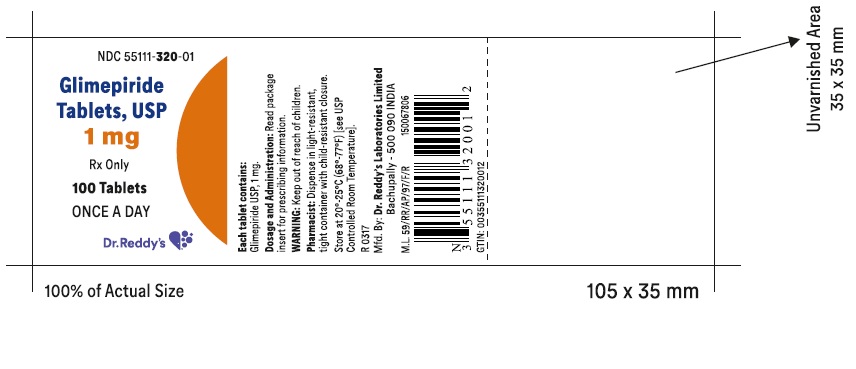
PACKAGE LABEL.PRINCIPAL DISPLAY PANEL SECTION Glimepiride tablets USP, 1 mg - Container Label Unvarnished Area consists of: 2D Barcode, Lot Number, Expiry Date and Serial Number.
Glimepiride tablets USP, 2 mg - Container Label Unvarnished Area consists of: 2D Barcode, Lot Number, Expiry Date and Serial Number.
Glimepiride tablets USP, 4 mg - Container Label Unvarnished Area consists of: 2D Barcode, Lot Number, Expiry Date and Serial Number.
Glimepiride Tablets USP, 1 mg - Carton label
Glimepiride Tablets USP, 2 mg - Carton label
Glimepiride Tablets USP, 4 mg - Carton label