
Cimetidine 400 mg Tablet, Film Coated, 60-count — NDC 55289-581-60 (Billing 55289-0581-60)
This is a package of 60 tablets of Cimetidine 400 mg Tablet, Film Coated from PD-Rx Pharmaceuticals, Inc., marketed since May 1994 and currently FDA-listed.
NDC database record
One package, one record: these facts belong to NDC 55289-581-60 alone.
- Record
- FDA NDC Directory package listing · Human prescription drug
- Code segments
- 55289 labeler · 581 product · 60 package
- Package marketed since
- Nov 2, 2015
- Sample package
- No — commercial package
- Listing certified through
- Dec 31, 2026
- Billing quantity
- 60 EA per package
- Barcode (UPC-A, from the NDC)
- 3 5528958160 4
- FDA record last changed
- Jul 24, 2026
Identity & classification
Regulatory identifiers FDA, NLM and CMS codes for this package
Drug-database identifiers Medi-Span GPI and First Databank GCN / HICL / AHFS classification
- GSN (GCN sequence number): 011667
- GCN: 46752
- GPI-14 (Medi-Span): 49200010000315
- HICL (First Databank): 004518
- AHFS class code: 04:92.00.00
- RxCUI (RxNorm): 197507
Where does this data come from?
- FDA openFDA NDC Directory · synced Oct 8, 2026
- FDA label on DailyMed · label index refreshed Oct 6, 2026
- RxNorm (NLM RxNav) · catalog refreshed Oct 1, 2026
- Medi-Span GPI (licensed)
- First Databank (licensed) · refreshed Oct 8, 2026
RxNorm drug class
This medicine belongs to the Histamine-2 Receptor Antagonist class.
Where does this data come from?
- RxClass (NLM) · catalog refreshed Oct 1, 2026
Clinical
Cimetidine is used to treat ulcers; gastroesophageal reflux disease (GERD), a condition in which backward flow of acid from the stomach causes heartburn and injury of the food pipe (esophagus); and conditions where the stomach produces too much acid, such as Zollinger-Ellison syndrome. Over-the-counter cimetidine is used to prevent and treat symptoms of heartburn associated with acid indigestion and sour stomach. Cimetidine is in a class of medications called H2 blockers. It decreases the amount of acid made in the stomach.
Read the full MedlinePlus article ↗- It lowers stomach acid. The over-the-counter tablets relieve and prevent heartburn. Prescription forms treat duodenal and gastric ulcers, erosive GERD and conditions with too much...
- Swallow it by mouth. For over-the-counter tablets, take one with water to relieve heartburn, or up to 30 minutes before a meal that triggers it. Don't take more than 2 tablets in 2...
- Mild diarrhea, headache, dizziness or sleepiness are possible. Call your doctor if you feel confused, develop a severe rash, or notice signs of allergic reaction.
- Check with me first. Cimetidine can raise levels of several drugs, including warfarin, phenytoin, theophylline and lidocaine. Ketoconazole should be taken at least 2 hours before i...
Patient education
Supplement & herbal interactions
Some supplements/herbs that may interact with Cimetidine — tap one for details:
Cimetidine may be associated with lower levels of 7 nutrients — worth a chat with your pharmacist, not a cause for alarm.
Where does this data come from?
- MedlinePlus (NLM) · refreshed Oct 1, 2026
- FDA label on DailyMed · label index refreshed Oct 6, 2026
Ask a licensed pharmacist directly — free, answered by our team.
Pricing
A drug doesn't have one price. Each row is a different public payment system, and none is what you'd pay at the counter — that depends on your insurance. The ⓘ on each row explains what it measures.
| Price system | Per each | Per package |
|---|---|---|
| Retail pharmacies payNADAC · weekly | Not in the retail survey — common for institutional, discontinued, or low-volume packs. | |
| Medicaid paysCMS SDUD · 12 mo | No recent Medicaid claims on file for this NDC — rare and low-volume NDCs are suppressed in the public data. | |
| Medicare drug plans payPart D · Q2 2026 | $0.4545 | $27.27 / 60 tablets |
Where does this data come from?
- CMS NADAC weekly file
- CMS ASP pricing files · refreshed Sep 20, 2026
- CMS Medicaid State Drug Utilization Data · refreshed Oct 8, 2026
- CMS Part D plan pricing files · refreshed Sep 24, 2026
- VA National Acquisition Center price file
Packaging — all sizes for this product
| Package NDC | Description | Marketing start | Marketing end | Status |
|---|---|---|---|---|
| 55289-0581-10 55289-581-10 Main listing | 10 TABLET, FILM COATED in 1 BOTTLE, PLASTIC | 2015-11-02 | — | Active |
| 55289-0581-20 55289-581-20 | 20 TABLET, FILM COATED in 1 BOTTLE, PLASTIC | 2015-11-02 | — | Active |
| 55289-0581-30 55289-581-30 | 30 TABLET, FILM COATED in 1 BOTTLE, PLASTIC | 2015-11-02 | — | Active |
| 55289-0581-60 You're viewing this | 60 TABLET, FILM COATED in 1 BOTTLE, PLASTIC | 2015-11-02 | — | Active |
| 55289-0581-90 55289-581-90 | 90 TABLET, FILM COATED in 1 BOTTLE, PLASTIC | 2015-11-02 | — | Active |
You're viewing one of 5 pack sizes for this product.
Pack size FAQ
What quantity is in this package?
How does this package differ from NDC 55289-0581-10?
What NDC number is used to bill for this package of Cimetidine 400 mg Tablet, Film Coated?
Therapeutic equivalents
| Product | Labeler | Pack | NADAC/unit | TE | Status | Price vs. this |
|---|---|---|---|---|---|---|
| Cimetidine 400 mg 00093-8204-01 | Teva | 100 tablets | $0.319 | AB | Availability likely | — |
| Cimetidine 400 mg 00378-0372-01 | Mylan | 100 tablets | $0.319 | AB | Availability likely | — |
| Cimetidine 400 mg 62135-0632-90 | Chartwell | 90 tablets | $0.319 | AB | Availability likely | — |
| Cimetidine 400 mg 69452-0325-20 | Bionpharma | 100 tablets | $0.319 | AB | Availability likely | — |
| Cimetidine 400 mg 50090-0500-00 | A-S | 30 tablets | — | AB | FDA listed | — |
| Cimetidine 400 mg 50090-3574-00 | A-S | 30 tablets | — | AB | FDA listed | — |
| Cimetidine 400 mg 51655-0697-51 | Northwind | 40 tablets | — | AB | FDA listed | — |
| Cimetidine 400 mgthis 55289-0581-60 | PD-Rx | 60 tablets | — | AB | FDA listed | — |
| Cimetidine 400 mg 59651-0825-62 | Aurobindo | 30000 tablets | — | AB | FDA listed | — |
| Cimetidine 400 mg 63187-0333-30 | Proficient | 30 tablets | — | AB | FDA listed | — |
Where does this data come from?
- FDA openFDA NDC Directory · synced Oct 8, 2026
- FDA Orange Book · refreshed Oct 3, 2026
- CMS NADAC weekly file
Availability & generic status
This product is an FDA-approved generic. Other versions of the same drug are listed under Therapeutic equivalents, least expensive first.
Where does this data come from?
- FDA Orange Book · refreshed Oct 3, 2026
What it looks like
Where does this data come from?
- FDA label on DailyMed · label index refreshed Oct 6, 2026
Inactive Ingredients / Excipients
Inactive ingredients, also called excipients, are components of the drug product other than the active ingredient. They may include fillers, dyes, coatings, preservatives, flavors, or other formulation ingredients.
🧪 Avoiding an ingredient? See Cimetidine inactive ingredients by manufacturer: every current product's list side by side, so you can ask your pharmacy for the version that does not list it.
💡 Tap an ingredient (hover on desktop) to see what it is and why it’s used.
-
UNII M28OL1HH48
Croscarmellose sodium is a plant-based substance derived from cellulose. It acts as a disintegrant, helping tablets and capsules break down quickly in the digestive system so the medicine can be absorbed.
-
UNII 40UAA97IT9
Crospovidone is a synthetic polymer derived from povidone. It absorbs liquid quickly and swells, helping tablets and capsules break apart and dissolve faster in your stomach.
-
UNII 35SW5USQ3G
A synthetic yellow dye used to color medicines. It helps make tablets, capsules, and liquids visually distinct so patients can easily identify their medication.
-
UNII H3R47K3TBD
FD&C Blue No. 1 is a synthetic blue dye approved for use in foods and medicines. It serves as a colorant to give the medication its distinctive appearance and help with product identification.
-
UNII H77VEI93A8
A synthetic yellow dye used to color medications. It helps identify the drug and make it visually distinctive, with no effect on how the medicine works.
-
UNII 3NXW29V3WO
Hypromellose is a plant-based thickener made from cellulose. It's used in medicines as a binder to hold ingredients together, a coating for tablets, and a thickener for liquids.
-
UNII 1DI56QDM62
A natural fatty substance from soybeans that helps mix oil and water-based ingredients together. It acts as an emulsifier and lubricant in medicines to improve texture and help the product break down properly in your body.
-
UNII 70097M6I30
Magnesium stearate is a salt made from magnesium and stearic acid, a fatty substance. It's used in tablets and capsules as a lubricant and glidant to help ingredients flow smoothly during manufacturing and prevent sticking.
-
UNII PNR0YF693Y
A plant-based powder made from purified wood cellulose. It acts as a filler to add bulk, a binder to hold ingredients together, and a disintegrant to help the tablet break apart in the stomach.
-
UNII VH2XOU12IE
Polydextrose is a synthetic polymer made from dextrose (sugar) that acts as a bulking agent and filler in medicines. It helps give tablets and capsules proper volume and texture while often adding slight sweetness.
-
UNII 3WJQ0SDW1A
Polyethylene glycol is a synthetic liquid or solid polymer used in medicines as a solvent, lubricant, and humectant. It helps dissolve active ingredients, reduces friction during manufacturing, and retains moisture in the final product.
-
UNII FZ989GH94E
Povidone is a synthetic polymer made from a plastic-like material. It acts as a binder to hold tablet ingredients together and as a disintegrant to help the tablet break apart in your stomach so the medicine can be absorbed.
-
UNII C269C4G2ZQ
Sodium alginate is a natural thickener and gelling agent derived from seaweed. In medicines, it acts as a binder to hold ingredients together, a thickener to adjust texture, and a disintegrant to help the tablet or capsule break apart for absorption.
-
UNII 368GB5141J
A detergent and foaming agent derived from coconut or palm oil. In medications, it helps break down and mix oil and water-based ingredients, aids in tablet disintegration, and improves how the drug dissolves and spreads in the mouth or digestive system.
-
UNII O8232NY3SJ
A plant-based carbohydrate derived from corn kernels. It acts as a filler to add bulk, a binder to hold ingredients together, and a disintegrant to help the tablet break apart in your stomach for absorption.
-
UNII 15FIX9V2JP
Titanium dioxide is a bright white mineral powder commonly used as a colorant and opacifying agent. It makes pills and tablets white or lighter in color and helps make coatings non-transparent.
-
UNII XHX3C3X673
Triacetin is a clear, oily liquid made from glycerin and acetic acid. It works as a plasticizer and solvent in medicines, helping soften coatings and improve how liquids mix together in formulations.
-
UNII CHI530446X
Vanillin is a natural or synthetic aromatic compound that gives vanilla flavor. It's used in medicines as a flavoring agent to mask bitter tastes and improve how the medicine tastes.
18 inactive ingredients listed in the exact product block matched to this NDC.
Where does this data come from?
ingredient classCode="IACT" elements from the exact product block matched by this NDC. Label-section narrative from DailyMed / the openFDA label index is shown separately when available.- FDA label on DailyMed · label index refreshed Oct 6, 2026
- FDA openFDA NDC Directory · synced Oct 8, 2026
Inactive ingredient FAQ
Are inactive ingredients the same for every manufacturer?
Why might an inactive ingredient be missing?
Can inactive ingredients matter?
Manufacturer & labeler
More NDCs from PD-Rx Pharmaceuticals, Inc. labeler code 55289
- Triamterene and Hydrochlorothiazide 75 mg; 50 mg Tablet NDC 55289-488-01
- Docusate Sodium 100 mg Capsule NDC 55289-493-01
- Alprazolam 2 mg Tablet NDC 55289-523-01
- Prazosin Hydrochloride 1 mg Capsule NDC 55289-536-60
- Chlorpheniramine Maleate 4 mg Tablet NDC 55289-560-01
- Acetaminophen Regular strength 325 mg Tablet NDC 55289-563-01
- Dexamethasone 4 mg Tablet NDC 55289-582-04
- Dicloxacillin Sodium 250 mg Capsule NDC 55289-592-10
- Phentermine Hydrochloride 30 mg Capsule NDC 55289-624-07
- Chlorzoxazone 500 mg Tablet NDC 55289-633-10
- MethylPREDNISolone 4 mg Tablet NDC 55289-649-30
- temazepam 30 mg Capsule NDC 55289-660-01
Where does this data come from?
- FDA openFDA NDC Directory · synced Oct 8, 2026
- Drugs@FDA
Full prescribing information FDA SPL
🎯 Indications and Usage ▾
INDICATIONS AND USAGE Cimetidine tablets are indicated in: 1. Short-term treatment of active duodenal ulcer. Most patients heal within 4 weeks and there is rarely reason to use cimetidine tablets at full dosage for longer than 6 to 8 weeks (see DOSAGE AND ADMINISTRATION: Duodenal Ulcer ).
Concomitant antacids should be given as needed for relief of pain. However, simultaneous administration of cimetidine tablets and antacids is not recommended, since antacids have been reported to interfere with the absorption of cimetidine. 2.
Maintenance therapy for duodenal ulcer patients at reduced dosage after healing of active ulcer. Patients have been maintained on continued treatment with cimetidine tablets 400 mg at bedtime for periods of up to 5 years. 3.
Short-term treatment of active benign gastric ulcer. There is no information concerning usefulness of treatment periods of longer than 8 weeks. 4.
Erosive gastroesophageal reflux (GERD). Erosive esophagitis diagnosed by endoscopy. Treatment is indicated for 12 weeks for healing of lesions and control of symptoms.
The use of cimetidine tablets beyond 12 weeks has not been established (see DOSAGE AND ADMINISTRATION: GERD ). 5. The treatment of pathological hypersecretory conditions (i.e., Zollinger-Ellison Syndrome, systemic mastocytosis, multiple endocrine adenomas).
⏱️ Dosage and Administration ▾
DOSAGE AND ADMINISTRATION Duodenal Ulcer Active Duodenal Ulcer Clinical studies have indicated that suppression of nocturnal acid is the most important factor in duodenal ulcer healing (see CLINICAL PHARMACOLOGY: Antisecretory Activity: Acid Secretion ). This is supported by recent clinical trials (see CLINICAL TRIALS: Duodenal Ulcer: Active Duodenal Ulcer ). Therefore, there is no apparent rationale, except for familiarity with use, for treating with anything other than a once-daily at bedtime dosage regimen.
In a U.S. dose-ranging study of 400 mg at bedtime, 800 mg at bedtime and 1600 mg at bedtime, a continuous dose-response relationship for ulcer healing was demonstrated. However, 800 mg at bedtime is the dose of choice for most patients, as it provides a high healing rate (the difference between 800 mg at bedtime and 1,600 mg at bedtime being small), maximal pain relief, a decreased potential for drug interactions (see PRECAUTIONS: Drug Interactions ) and maximal patient convenience. Patients unhealed at 4 weeks, or those with persistent symptoms, have been shown to benefit from 2 to 4 weeks of continued therapy.
It has been shown that patients who both have an endoscopically demonstrated ulcer larger than 1.0 cm and are also heavy smokers (i.e., smoke 1 pack of cigarettes or more per day) are more difficult to heal. There is some evidence which suggests that more rapid healing can be achieved in this subpopulation with 1,600 mg of cimetidine tablets at bedtime. While early pain relief with either 800 mg at bedtime or 1,600 mg at bedtime is equivalent in all patients, 1,600 mg at bedtime provides an appropriate alternative when it is important to ensure healing within 4 weeks for this subpopulation.
Alternatively, approximately 94% of all patients will also heal in 8 weeks with 800 mg of cimetidine tablets at bedtime. Other regimens of cimetidine tablets in the United States which have been shown to be effective are: 300 mg 4 times daily, with meals and at bedtime, the original regimen with which U.S. physicians have the most experience, and 400 mg twice daily, in the morning and at bedtime (see CLINICAL TRIALS: Duodenal Ulcer: Active Duodenal Ulcer ). Concomitant antacids should be given as needed for relief of pain.
However, simultaneous administration of cimetidine tablets and antacids is not recommended, since antacids have been reported to interfere with the absorption of cimetidine. While healing with cimetidine tablets often occurs during the first week or two, treatment should be continued for 4 to 6 weeks unless healing has been demonstrated by endoscopic examination. Maintenance Therapy for Duodenal Ulcer In those patients requiring maintenance therapy, the recommended adult oral dose is 400 mg at bedtime.
Active Benign Gastric Ulcer The recommended adult oral dosage for short-term treatment of active benign gastric ulcer is 800 mg at bedtime, or 300 mg 4 times a day with meals and at bedtime. Controlled clinical studies were limited to 6 weeks of treatment (see CLINICAL TRIALS ). A dose of 800 mg at bedtime is the preferred regimen for most patients based upon convenience and reduced potential for drug interactions.
Symptomatic response to cimetidine tablets does not preclude the presence of a gastric malignancy. It is important to follow gastric ulcer patients to assure rapid progress to complete healing. Erosive Gastroesophageal Reflux Disease (GERD) The recommended adult oral dosage for the treatment of erosive esophagitis that has been diagnosed by endoscopy is 1,600 mg daily in divided doses (800 mg twice daily or 400 mg 4 times daily) for 12 weeks.
The use of cimetidine tablets beyond 12 weeks has not been established. Pathological Hypersecretory Conditions (such as Zollinger-Ellison Syndrome) Recommended adult oral dosage: 300 mg 4 times a day with meals and at bedtime. In some patients it may be necessary to administer higher doses more frequently.
Doses should be adjusted to individual patient needs, b… [Excerpted — this section continues on DailyMed.]
⛔ Contraindications ▾
CONTRAINDICATIONS Cimetidine tablets are contraindicated for patients known to have hypersensitivity to the product.
🤒 Adverse Reactions ▾
ADVERSE REACTIONS Adverse effects reported in patients taking cimetidine tablets are described as follows by body system. Incidence figures of 1 in 100 and greater are generally derived from controlled clinical studies. Gastrointestinal Diarrhea (usually mild) has been reported in approximately 1 in 100 patients.
CNS Headaches, ranging from mild to severe, have been reported in 3.5% of 924 patients taking 1,600 mg/day, 2.1% of 2,225 patients taking 800 mg/day and 2.3% of 1,897 patients taking placebo. Dizziness and somnolence (usually mild) have been reported in approximately 1 in 100 patients on either 1,600 mg/day or 800 mg/day. Reversible confusional states, e.g., mental confusion, agitation, psychosis, depression, anxiety, hallucinations, disorientation, have been reported predominantly, but not exclusively, in severely ill patients.
They have usually developed within 2 to 3 days of initiation of treatment with cimetidine tablets and have cleared within 3 to 4 days of discontinuation of the drug. Endocrine Gynecomastia has been reported in patients treated for 1 month or longer. In patients being treated for pathological hypersecretory states, this occurred in about 4% of cases while in all others the incidence was 0.3% to 1% in various studies.
No evidence of induced endocrine dysfunction was found, and the condition remained unchanged or returned toward normal with continuing treatment with cimetidine tablets. Reversible impotence has been reported in patients with pathological hypersecretory disorders, e.g., Zollinger-Ellison Syndrome, receiving cimetidine tablets, particularly in high doses, for at least 12 months (range 12 to 79 months, mean 38 months). However, in large-scale surveillance studies at regular dosage, the incidence has not exceeded that commonly reported in the general population.
Hematologic Decreased white blood cell counts in patients treated with cimetidine tablets (approximately 1 per 100,000 patients), including agranulocytosis (approximately 3 per million patients), have been reported, including a few reports of recurrence on rechallenge. Most of these reports were in patients who had serious concomitant illnesses and received drugs and/or treatment known to produce neutropenia. Thrombocytopenia (approximately 3 per million patients) and, very rarely, cases of pancytopenia or aplastic anemia have also been reported.
As with some other H 2 -receptor antagonists, there have been extremely rare reports of immune hemolytic anemia. Hepatobiliary Dose-related increases in serum transaminase have been reported. In most cases they did not progress with continued therapy and returned to normal at the end of therapy.
There have been rare reports of cholestatic or mixed cholestatic-hepatocellular effects. These were usually reversible. Because of the predominance of cholestatic features, severe parenchymal injury is considered highly unlikely.
However, as in the occasional liver injury with other H 2 -receptor antagonists, in exceedingly rare circumstances fatal outcomes have been reported. There has been reported a single case of biopsy-proven periportal hepatic fibrosis in a patient receiving cimetidine tablets. Rare cases of pancreatitis, which cleared on withdrawal of the drug, have been reported.
Hypersensitivity Rare cases of fever and allergic reactions including anaphylaxis and hypersensitivity vasculitis, which cleared on withdrawal of the drug, have been reported. Renal Small, possibly dose-related increases in plasma creatinine, presumably due to competition for renal tubular secretion, are not uncommon and do not signify deteriorating renal function. Rare cases of interstitial nephritis and urinary retention, which cleared on withdrawal of the drug, have been reported.
Cardiovascular Rare cases of bradycardia, tachycardia and AV heart block have been reported with H 2 -receptor antagonists. Musculoskeletal There have been rare reports of reversible arthralgia and myalgia; exacerbation of joint s… [Excerpted — this section continues on DailyMed.]
🔄 Drug Interactions ▾
Drug Interactions Cimetidine tablets, apparently through an effect on certain microsomal enzyme systems, has been reported to reduce the hepatic metabolism of warfarin-type anticoagulants, phenytoin, propranolol, nifedipine, chlordiazepoxide, diazepam, certain tricyclic antidepressants, lidocaine, theophylline, and metronidazole, thereby delaying elimination and increasing blood levels of these drugs. Clinically significant effects have been reported with the warfarin anticoagulants; therefore, close monitoring of prothrombin time is recommended, and adjustment of the anticoagulant dose may be necessary when cimetidine tablets are administered concomitantly.
Interaction with phenytoin, lidocaine, and theophylline has also been reported to produce adverse clinical effects. However, a crossover study in healthy subjects receiving either 300 mg 4 times daily or 800 mg at bedtime of cimetidine tablets concomitantly with a 300 mg twice-daily dose of theophylline extended-release tablets demonstrated less alteration in steady-state theophylline peak serum levels with the 800 mg at bedtime regimen, particularly in subjects aged 54 years and older. Data beyond 10 days are not available.
(Note: All patients receiving theophylline should be monitored appropriately, regardless of concomitant drug therapy.) Dosage of the drugs mentioned above and other similarly metabolized drugs, particularly those of low therapeutic ratio or in patients with renal and/or hepatic impairment, may require adjustment when starting or stopping the concomitant administration of cimetidine tablets to maintain optimum therapeutic blood levels. Alteration of pH may affect absorption of certain drugs (e.g., ketoconazole). If these products are needed, they should be given at least 2 hours before cimetidine administration.
Additional clinical experience may reveal other drugs affected by the concomitant administration of cimetidine tablets.
🤰 Pregnancy ▾
Pregnancy Teratogenic Effects. Pregnancy Category B Reproduction studies have been performed in rats, rabbits and mice at doses up to 40 times the normal human dose and have revealed no evidence of impaired fertility or harm to the fetus due to cimetidine tablets. There are, however, no adequate and well-controlled studies in pregnant women.
Because animal reproductive studies are not always predictive of human response, this drug should be used during pregnancy only if clearly needed.
🧒 Pediatric Use ▾
Pediatric Use Clinical experience in children is limited. Therefore, therapy with cimetidine tablets cannot be recommended for children under 16, unless, in the judgement of the physician, anticipated benefits outweigh the potential risks. In very limited experience, doses of 20 to 40 mg/kg/day have been used.
🆘 Overdosage ▾
OVERDOSAGE Studies in animals indicate that toxic doses are associated with respiratory failure and tachycardia that may be controlled by assisted respiration and the administration of a beta-blocker. Reported acute ingestions orally of up to 20 grams have been associated with transient adverse effects similar to those encountered in normal clinical experience. The usual measures to remove unabsorbed material from the gastrointestinal tract, clinical monitoring, and supportive therapy should be employed.
There have been reports of severe CNS symptoms, including unresponsiveness, following ingestion of between 20 and 40 grams of cimetidine, and extremely rare reports following concomitant use of multiple CNS-active medications and ingestion of cimetidine at doses less than 20 grams. An elderly, terminally ill dehydrated patient with organic brain syndrome receiving concomitant antipsychotic agents and 4,800 mg of cimetidine intravenously over a 24-hour period experienced mental deterioration with reversal on discontinuation of cimetidine.
There have been two deaths in adults who were reported to have ingested over 40 grams orally on a single occasion.
🧬 Clinical Pharmacology ▾
CLINICAL PHARMACOLOGY Cimetidine tablets competitively inhibits the action of histamine at the histamine H 2 receptors of the parietal cells and thus is a histamine H 2 -receptor antagonist. Cimetidine is not an anticholinergic agent. Studies have shown that cimetidine tablets inhibit both daytime and nocturnal basal gastric acid secretion.
Cimetidine tablets also inhibit gastric acid secretion stimulated by food, histamine, pentagastrin, caffeine and insulin. Antisecretory Activity 1) Acid Secretion Nocturnal An 800 mg oral dose of cimetidine tablets at bedtime reduces mean hourly H + activity by greater than 85% over an 8-hour period in duodenal ulcer patients, with no effect on daytime acid secretion. A 1,600 mg oral dose of cimetidine tablets at bedtime produces 100% inhibition of mean hourly H + activity over an 8-hour period in duodenal ulcer patients, but also reduces H + activity by 35% for an additional 5 hours into the following morning.
Cimetidine tablets given as 400 mg twice daily and 300 mg 4 times daily decreases nocturnal acid secretion in a dose-related manner, i.e., 47% to 83% over a 6- to 8-hour period and 54% over a 9-hour period, respectively. Food Stimulated During the first hour after a standard experimental meal, a 300 mg oral dose of cimetidine tablets inhibited gastric acid secretion in duodenal ulcer patients by at least 50%. During the subsequent 2 hours cimetidine tablets inhibited gastric acid secretion by at least 75%.
The effect of a 300 mg breakfast dose of cimetidine tablets continued for at least 4 hours and there was partial suppression of the rise in gastric acid secretion following the luncheon meal in duodenal ulcer patients. This suppression of gastric acid output was enhanced and could be maintained by another 300 mg dose of cimetidine tablets given with lunch. In another study, a 300 mg dose of cimetidine tablets given with the meal increased gastric pH as compared with placebo.
Table 1. Mean Gastric pH Cimetidine Placebo 1 hour 3.5 2.6 2 hours 3.1 1.6 3 hours 3.8 1.9 4 hours 6.1 2.2 24-Hour Mean H+ Activity Cimetidine tablets dosed at 800 mg at bedtime, 400 mg twice daily, and 300 mg 4 times daily, all provide a similar, moderate (less than 60%) level of 24-hour acid suppression. However, the 800 mg bedtime dose regimen exerts its entire effect on nocturnal acid, and does not affect daytime gastric physiology.
Chemically Stimulated Cimetidine tablets administered orally significantly inhibited gastric acid secretion stimulated by betazole (an isomer of histamine), pentagastrin, caffeine and insulin as follows: Table 2. Cimetidine Tablets Inhibition of Stimulated Gastric Acid Secretion Stimulant Stimulant Dose Cimetidine Tablets % Inhibition Betazole 1.5 mg/kg (sc) 300 mg (po) 85% at 2 1/2 hours Pentagastrin 6 mcg/kg/hr (iv) 100 mg/hr (iv) 60% at 1 hour Caffeine 5 mg/kg/hr (iv) 300 mg (po) 100% at 1 hour Insulin 0.03 units/kg/hr (iv) 100 mg/hr (iv) 82% at 1 hour When food and betazole were used to stimulate secretion, inhibition of hydrogen ion concentration usually ranged from 45% to 75% and the inhibition of volume ranged from 30% to 65%.
2) Pepsin 300 mg of cimetidine tablets taken orally reduced total pepsin output as a result of the decrease in volume of gastric juice. 3) Intrinsic Factor Intrinsic factor secretion was studied with betazole as a stimulant. Cimetidine tablets dosed at 300 mg orally inhibited the rise in intrinsic factor concentration produced by betazole, but some intrinsic factor was secreted at all times.
Other Lower Esophageal Sphincter Pressure and Gastric Emptying Cimetidine tablets has no effect on lower esophageal sphincter (LES) pressure or the rate of gastric emptying. Pharmacokinetics Cimetidine tablets are rapidly absorbed after oral administration and peak levels occur in 45 to 90 minutes. The half-life of cimetidine tablets is approximately 2 hours.
Blood concentrations remain above that required to provide 80% inhibition of basal gastric acid secretio… [Excerpted — this section continues on DailyMed.]
📦 How Supplied / Storage and Handling ▾
HOW SUPPLIED Cimetidine Tablets, USP are available containing 400 mg of cimetidine, USP. The 400 mg tablets are green, film-coated, five-sided, house-shaped, partially scored tablets debossed with M on one side and 372 on the other side. They are available as follows: NDC 55289-581-10 bottles of 10 tablets NDC 55289-581-20 bottles of 20 tablets NDC 55289-581-30 bottles of 30 tablets NDC 55289-581-60 bottles of 60 tablets NDC 55289-581-90 bottles of 90 tablets Store at 20° to 25°C (68° to 77°F). [See USP Controlled Room Temperature.] Protect from light.
Dispense in a tight, light-resistant container as defined in the USP using a child-resistant closure.
📋 Description ▾
DESCRIPTION Cimetidine is a histamine H 2 -receptor antagonist. Chemically it is N" -cyano- N -methyl- N' -[2-[[(5-methyl-1 H -imidazol-4-yl)methyl]thio]-ethyl]guanidine. Its structural formula is: Cimetidine contains an imidazole ring, and is chemically related to histamine.
Cimetidine has a bitter taste and characteristic odor. Structural Formula Solubility Characteristics Cimetidine is soluble in alcohol, slightly soluble in water, very slightly soluble in chloroform and insoluble in ether. Each tablet, for oral administration, contains 200 mg, 300 mg, 400 mg or 800 mg cimetidine, USP.
Inactive ingredients are: croscarmellose sodium, crospovidone, hypromellose, lecithin, magnesium stearate, microcrystalline cellulose, polydextrose, polyethylene glycol, povidone, pregelatinized starch (corn), sodium alginate, sodium lauryl sulfate, titanium dioxide, triacetin, vanillin, FD&C Blue No. 1 Aluminum Lake, FD&C Yellow No. 6 Aluminum Lake and D&C Yellow No.
10 Aluminum Lake.
⚠️ Precautions ▾
PRECAUTIONS General Rare instances of cardiac arrhythmias and hypotension have been reported following the rapid administration of cimetidine hydrochloride injection by intravenous bolus. Symptomatic response to treatment with cimetidine tablets do not preclude the presence of a gastric malignancy. There have been rare reports of transient healing of gastric ulcers despite subsequently documented malignancy.
Reversible confusional states (see ADVERSE REACTIONS ) have been observed on occasion, predominantly, but not exclusively, in severely ill patients. Advancing age (50 or more years) and preexisting liver and/or renal disease appear to be contributing factors. In some patients these confusional states have been mild and have not required discontinuation of cimetidine tablets.
In cases where discontinuation was judged necessary, the condition usually cleared within 3 to 4 days of drug withdrawal. Drug Interactions Cimetidine tablets, apparently through an effect on certain microsomal enzyme systems, has been reported to reduce the hepatic metabolism of warfarin-type anticoagulants, phenytoin, propranolol, nifedipine, chlordiazepoxide, diazepam, certain tricyclic antidepressants, lidocaine, theophylline, and metronidazole, thereby delaying elimination and increasing blood levels of these drugs.
Clinically significant effects have been reported with the warfarin anticoagulants; therefore, close monitoring of prothrombin time is recommended, and adjustment of the anticoagulant dose may be necessary when cimetidine tablets are administered concomitantly. Interaction with phenytoin, lidocaine, and theophylline has also been reported to produce adverse clinical effects. However, a crossover study in healthy subjects receiving either 300 mg 4 times daily or 800 mg at bedtime of cimetidine tablets concomitantly with a 300 mg twice-daily dose of theophylline extended-release tablets demonstrated less alteration in steady-state theophylline peak serum levels with the 800 mg at bedtime regimen, particularly in subjects aged 54 years and older.
Data beyond 10 days are not available. (Note: All patients receiving theophylline should be monitored appropriately, regardless of concomitant drug therapy.) Dosage of the drugs mentioned above and other similarly metabolized drugs, particularly those of low therapeutic ratio or in patients with renal and/or hepatic impairment, may require adjustment when starting or stopping the concomitant administration of cimetidine tablets to maintain optimum therapeutic blood levels. Alteration of pH may affect absorption of certain drugs (e.g., ketoconazole).
If these products are needed, they should be given at least 2 hours before cimetidine administration. Additional clinical experience may reveal other drugs affected by the concomitant administration of cimetidine tablets. Carcinogenesis, Mutagenesis, Impairment of Fertility In a 24-month toxicity study conducted in rats, at dose levels of 150, 378 and 950 mg/kg/day (approximately 8 to 48 times the recommended human dose), there was a small increase in the incidence of benign Leydig cell tumors in each dose group; when the combined drug-treated groups and control groups were compared, this increase reached statistical significance.
In a subsequent 24-month study, there were no differences between the rats receiving 150 mg/kg/day and the untreated controls. However, a statistically significant increase in benign Leydig cell tumor incidence was seen in the rats that received 378 and 950 mg/kg/day. These tumors were common in control groups as well as treated groups and the difference became apparent only in aged rats.
Cimetidine has demonstrated a weak antiandrogenic effect. In animal studies this was manifested as reduced prostate and seminal vesicle weights. However, there was no impairment of mating performance or fertility, nor any harm to the fetus in these animals at doses 8 to 48 times the full therapeutic dose of cimetidine tablets, as compared w… [Excerpted — this section continues on DailyMed.]
🍼 Nursing Mothers ▾
Nursing Mothers Cimetidine is secreted in human milk and, as a general rule, nursing should not be undertaken while a patient is on a drug.
🧬 Pharmacokinetics ▾
Pharmacokinetics Cimetidine tablets are rapidly absorbed after oral administration and peak levels occur in 45 to 90 minutes. The half-life of cimetidine tablets is approximately 2 hours. Blood concentrations remain above that required to provide 80% inhibition of basal gastric acid secretion for 4 to 5 hours following a dose of 300 mg.
Following parenteral administration, most of the drug is excreted as the parent compound in the urine, the principle route of excretion of cimetidine tablets. After oral administration, the drug is extensively metabolized in which the sulfoxide is the major metabolite. Following a single oral dose, 48% of the drug is recovered from the urine after 24 hours as the parent compound.
🔬 Clinical Studies ▾
CLINICAL TRIALS Duodenal Ulcer Cimetidine tablets have been shown to be effective in the treatment of active duodenal ulcer and, at reduced dosage, in maintenance therapy following healing of active ulcers. Active Duodenal Ulcer Cimetidine tablets accelerate the rate of duodenal ulcer healing. Healing rates reported in U.S. and foreign controlled trials with cimetidine tablets are summarized below, beginning with the regimen providing the lowest nocturnal dose.
Table 3. Duodenal Ulcer Healing Rates with Various Dosage Regimens of Cimetidine Tablets Averages from controlled clinical trials. Regimen 300 mg 4 times daily 400 mg twice daily 800 mg at bedtime 1600 mg at bedtime Week 4 68% 73% 80% 86% Week 6 80% 80% 89% - Week 8 - 92% 94% - A U.S., double-blind, placebo-controlled, dose-ranging study demonstrated that all once-daily at bedtime regimens of cimetidine tablets were superior to placebo in ulcer healing and that 800 mg of cimetidine tablets at bedtime healed 75% of patients at 4 weeks.
The healing rate with 800 mg at bedtime was significantly superior to 400 mg at bedtime (66%) and not significantly different from 1600 mg at bedtime (81%). In the U.S. dose-ranging trial, over 80% of patients receiving 800 mg of cimetidine tablets at bedtime experienced nocturnal pain relief after one day. Relief from daytime pain was reported in approximately 70% of patients after 2 days.
As with ulcer healing, the 800 mg dose at bedtime was superior to 400 mg at bedtime and not different from 1,600 mg at bedtime. In foreign, double-blind studies with 800 mg of cimetidine tablets at bedtime, 79% to 85% of patients were healed at 4 weeks. While short-term treatment with cimetidine tablets can result in complete healing of the duodenal ulcer, acute therapy will not prevent ulcer recurrence after cimetidine tablets have been discontinued.
Some follow-up studies have reported that the rate of recurrence once therapy was discontinued was slightly higher for patients healed on cimetidine tablets than for patients healed on other forms of therapy; however, the patients treated with cimetidine tablets generally had more severe disease. Maintenance Therapy in Duodenal Ulcer Treatment with a reduced dose of cimetidine tablets have been proven effective as maintenance therapy following healing of active duodenal ulcers. In numerous placebo-controlled studies conducted worldwide, the percent of patients with observed ulcers at the end of 1 year’s therapy with 400 mg of cimetidine tablets at bedtime was significantly lower (10% to 45%) than in patients receiving placebo (44% to 70%).
Thus, from 55% to 90% of patients were maintained free of observed ulcers at the end of 1 year with 400 mg of cimetidine tablets at bedtime. Factors such as smoking, duration and severity of disease, gender, and genetic traits may contribute to variations in actual percentages. Trials of other anti-ulcer therapy, whether placebo-controlled, positive-controlled or open, have demonstrated a range of results similar to that seen with cimetidine tablets.
Active Benign Gastric Ulcer Cimetidine tablets have been shown to be effective in the short-term treatment of active benign gastric ulcer. In a multicenter, double-blind U.S. study, patients with endoscopically confirmed benign gastric ulcer were treated with 300 mg of cimetidine tablets 4 times a day or with placebo for 6 weeks. Patients were limited to those with ulcers ranging from 0.5 to 2.5 cm in size.
Endoscopically confirmed healing at 6 weeks was seen in significantly* more patients treated with cimetidine tablets than in patients receiving placebo, as shown below: Table 4. Rate of Endoscopically Confirmed Gastric Ulcer Healing Cimetidine Tablets (300 mg, 4 times daily) Placebo Week 2 14/63 (22%) 7/63 (11%) Total at week 6 43/65 (66%) p < 0.05 30/67 (45%) In a similar multicenter U.S. study of the 800 mg bedtime oral regimen, the endoscopically confirmed healing rates were: Table 5. Rate of Endoscopically Confirmed G… [Excerpted — this section continues on DailyMed.]
📄 Carcinogenesis, Mutagenesis, Impairment of Fertility ▾
Carcinogenesis, Mutagenesis, Impairment of Fertility In a 24-month toxicity study conducted in rats, at dose levels of 150, 378 and 950 mg/kg/day (approximately 8 to 48 times the recommended human dose), there was a small increase in the incidence of benign Leydig cell tumors in each dose group; when the combined drug-treated groups and control groups were compared, this increase reached statistical significance. In a subsequent 24-month study, there were no differences between the rats receiving 150 mg/kg/day and the untreated controls.
However, a statistically significant increase in benign Leydig cell tumor incidence was seen in the rats that received 378 and 950 mg/kg/day. These tumors were common in control groups as well as treated groups and the difference became apparent only in aged rats. Cimetidine has demonstrated a weak antiandrogenic effect.
In animal studies this was manifested as reduced prostate and seminal vesicle weights. However, there was no impairment of mating performance or fertility, nor any harm to the fetus in these animals at doses 8 to 48 times the full therapeutic dose of cimetidine tablets, as compared with controls. The cases of gynecomastia seen in patients treated for 1 month or longer may be related to this effect.
In human studies, cimetidine tablets have been shown to have no effect on spermatogenesis, sperm count, motility, morphology or in vitro fertilizing capacity.
📄 Package Label / Principal Display Panel ▾
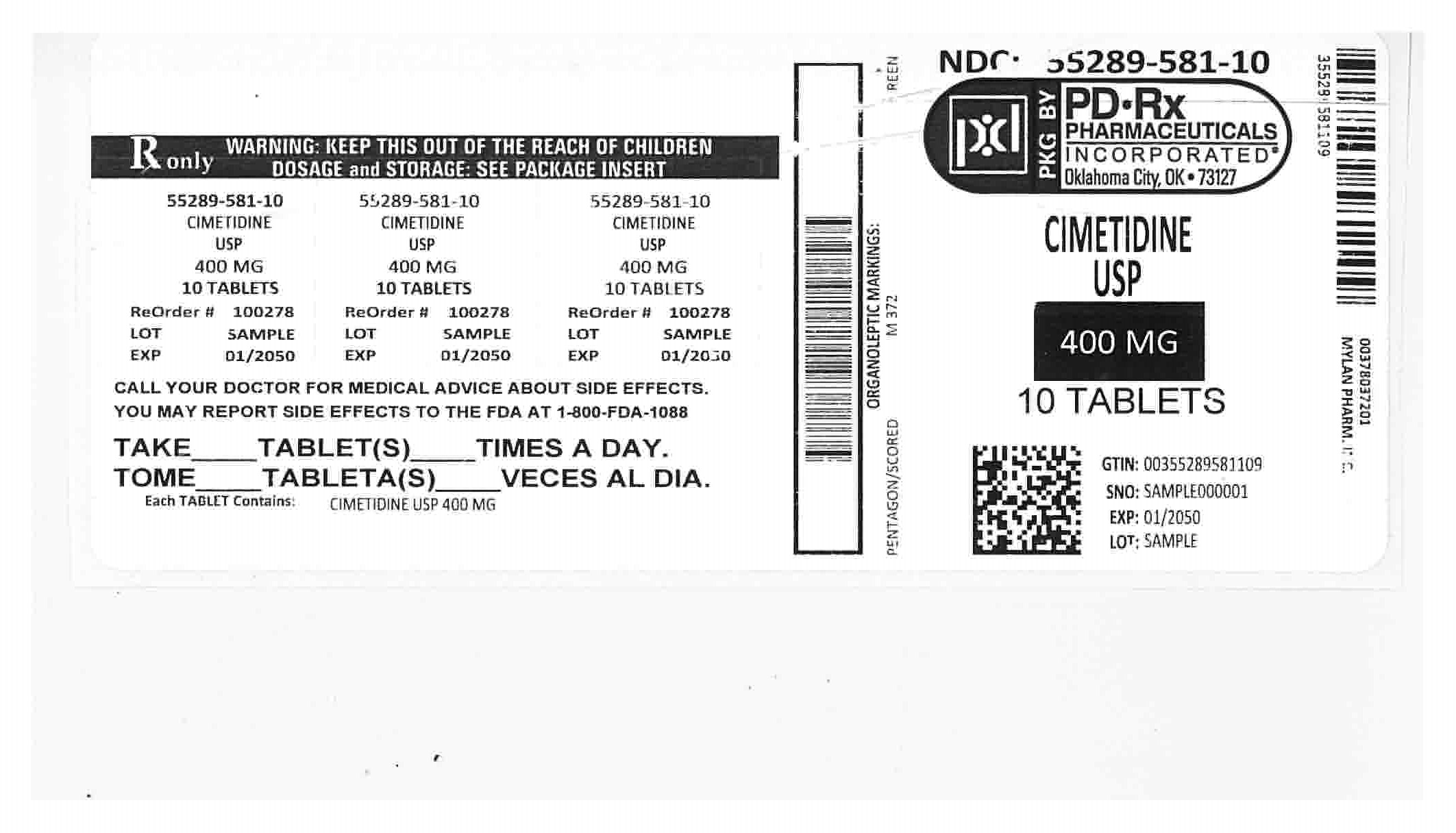
PRINCIPAL DISPLAY PANEL - 400 mg Cimetidine Tablets, USP 400 mg image
Medicare Part D spend CMS · PART D · 2026 (Q1)
About this NDC listing & data coverage
What data is (and isn’t) available for this NDC — tap to expand
| NDC identity (package / product / labeler codes) | ✓ Available |
| Labeler | ✓ Available |
| Product & package description | ✓ Available |
| Marketing category & status | ✓ Available |
| Active ingredient / dosage form / route | ✓ Available |
| FDA label (SPL via DailyMed) | ✓ Available |
| Package photos | ✓ Available |
| Inactive ingredients (structured) | ✓ Available |
| NADAC pharmacy acquisition price (CMS) | — Not published for this NDC CMS publishes NADAC only for NDCs reported in its retail-pharmacy survey. |
| Orange Book / therapeutic-equivalence data | ✓ Available |
| HCPCS J-code billing crosswalk | — Not published for this NDC Most self-administered / retail products have no J-code — that is normal. |
| Medicaid utilization (CMS SDUD) | — Not published for this NDC CMS reports utilization only for NDCs with Medicaid claims above its privacy threshold. |