
Glipizide 5 mg Tablet, Extended Release, 100-count — NDC 59651-781-01 (Billing 59651-0781-01)
This is a package of 100 tablets of Glipizide 5 mg Tablet, Extended Release from Aurobindo Pharma Limited, marketed since Mar 2023 and currently FDA-listed; retail pharmacies pay about $0.0738 per tablet (NADAC).
Identity & classification
Regulatory identifiers FDA, NLM and CMS codes for this package
Drug-database identifiers Medi-Span GPI and First Databank GCN / HICL / AHFS classification
- GSN (GCN sequence number): 021840
- GCN: 10844
- GPI-14 (Medi-Span): 27200030007510
- HICL (First Databank): 000803
- AHFS class code: 68:20.20.00
Where does this data come from?
- FDA openFDA NDC Directory · synced Oct 1, 2026
- FDA label on DailyMed · label index refreshed Oct 1, 2026
- RxNorm (NLM RxNav) · catalog refreshed Oct 1, 2026
- Medi-Span GPI (licensed)
- First Databank (licensed) · refreshed Oct 1, 2026
Clinical
Glipizide is used along with diet and exercise, and sometimes with other medications, to treat type 2 diabetes (condition in which the body does not use insulin normally and, therefore, cannot control the amount of sugar in the blood). Glipizide is in a class of medications called sulfonylureas. Glipizide lowers blood sugar by causing the pancreas to produce insulin (a natural substance that is needed to break down sugar in the body) and helping the body use insulin efficiently. This medication will only help lower blood sugar in people whose bodies produce insulin naturally. Glipizide is not...
Read the full MedlinePlus article ↗- Glipizide helps lower your blood sugar by prompting your pancreas to release more insulin — especially after meals. It's used in type 2 diabetes alongside diet and exercise, not as...
- What exactly is glipizide supposed to do for my diabetes?
- The regular tablet works relatively quickly and is usually taken about 30 minutes before a meal. The extended-release tablet (including the brand Glucotrol XL) releases the medicin...
- What's the difference between the regular tablet and the extended-release tablet?
Patient education
Supplement & herbal interactions
Some supplements/herbs that may interact with Glipizide — tap one for details:
Glipizide may be associated with lower levels of 1 nutrient — worth a chat with your pharmacist, not a cause for alarm.
Where does this data come from?
- MedlinePlus (NLM) · refreshed Oct 1, 2026
- FDA label on DailyMed · label index refreshed Oct 1, 2026
Ask a licensed pharmacist directly — free, answered by our team.
Pricing
A drug doesn't have one price. Each row is a different public payment system, and none is what you'd pay at the counter — that depends on your insurance. The ⓘ on each row explains what it measures.
| Price system | Per ea | Per package |
|---|---|---|
| Retail pharmacies payNADAC · weekly | $0.074 | $7.38 / 100 tablets |
| Medicaid paysCMS SDUD · 12 mo | $0.1748 | $17.48 / 100 tablets |
| Medicare drug plans payPart D · Q2 2026 | $0.1810 | $18.10 / 100 tablets |
Where does this data come from?
- CMS NADAC weekly file · file of Sep 30, 2026
- CMS ASP pricing files · refreshed Sep 20, 2026
- CMS Medicaid State Drug Utilization Data · through Q1 2026
- CMS Part D plan pricing files · refreshed Sep 24, 2026
- VA National Acquisition Center price file
Packaging — all sizes for this product
| Package NDC | Description | Per unit | Per pack | Marketing start | Marketing end | Status |
|---|---|---|---|---|---|---|
| 59651-0781-01 You're viewing this | 100 TABLET, EXTENDED RELEASE in 1 BOTTLE | $0.0738 / ea | $7.38 | 2023-03-03 | — | Active |
| 59651-0781-05 59651-781-05 Main listing | 500 TABLET, EXTENDED RELEASE in 1 BOTTLE | $0.0738 / ea | $36.88 | 2023-03-03 | — | Active |
| 59651-0781-30 59651-781-30 | 30 TABLET, EXTENDED RELEASE in 1 BOTTLE | — | — | 2023-03-03 | — | Active |
| 59651-0781-71 59651-781-71 | 7000 TABLET, EXTENDED RELEASE in 1 BAG | — | — | — | — | Active |
You're viewing one of 4 pack sizes for this product.
This pack has the lowest per-ea cost of the 2 priced pack sizes ($0.0738 NADAC).
This pack accounts for about 42% of this product's recent Medicaid fills; most go to the 500 tablets pack. See all packs ↓
Pack size FAQ
What quantity is in this package?
How does this package differ from NDC 59651-0781-30?
What NDC number is used to bill for this package of Glipizide 5 mg Tablet, Extended Release?
Prices are the latest CMS NADAC pharmacy acquisition cost per NDC; per-pack figures are per-unit × pack quantity, shown only when the pack is denominated in the same measure NADAC prices.
Therapeutic equivalents
| Product | Labeler | Pack | NADAC/unit | TE | Status | Price vs. this |
|---|---|---|---|---|---|---|
| Glipizide 5 mg 16714-0895-01 | Northstar | 100 tablets | $0.074 | AB | Availability likely | — |
| Glipizide 5 mgthis 59651-0781-01 | Aurobindo | 100 tablets | $0.074 | — | Availability likely | — |
| Glipizide 5 mg 60687-0881-01 | American | 1 tablet | $0.074 | AB | Availability likely | — |
| Glipizide 5 mg 64980-0280-01 | Rising | 100 tablets | $0.074 | AB | Availability likely | — |
| Glipizide 5 mg 59651-0269-01 | Aurobindo | 100 tablets | $0.074 | — | Discontinued | — |
| Glucotrol XL 5 mg 00049-0174-02 | Roerig | 100 tablets | $0.376 | AB | Availability likely | +409% |
| Glipizide 5 mg 50090-5040-00 | A-S | 30 tablets | — | AB | FDA listed | — |
| Glipizide 5 mg 50090-6746-00 | A-S | 30 tablets | — | AB | FDA listed | — |
| Glipizide 5 mg 51655-0337-26 | Northwind | 90 tablets | — | AB | FDA listed | — |
| Glipizide 5 mg 60760-0794-30 | St. | 30 tablets | — | AB | FDA listed | — |
| Glipizide 5 mg 70518-1063-00 | REMEDYREPACK | 30 tablets | — | AB | FDA listed | — |
| Glipizide 5 mg 70518-3898-00 | REMEDYREPACK | 90 tablets | — | AB | FDA listed | — |
| Glipizide 5 mg 71335-1031-01 | Bryant | 90 tablets | — | AB | FDA listed | — |
| Glipizide 5 mg 71335-9742-01 | Bryant | 90 tablets | — | AB | FDA listed | — |
| Glipizide 5 mg 82868-0025-90 | Northwind | 90 tablets | — | AB | FDA listed | — |
| glipizide 5 mg 00049-1581-01 | Roerig | 150000 tablets | — | — | FDA listed | — |
Where does this data come from?
- FDA openFDA NDC Directory · synced Oct 1, 2026
- FDA Orange Book · refreshed Sep 3, 2026
- CMS NADAC weekly file · file of Sep 30, 2026
Availability & generic status
FDA-approved generic versions are listed, and recent pricing/market data suggests they may be available — see Therapeutic equivalents.
Where does this data come from?
- FDA Orange Book · refreshed Sep 3, 2026
What it looks like
Where does this data come from?
- FDA label on DailyMed · label index refreshed Oct 1, 2026
Inactive Ingredients / Excipients
Inactive ingredients, also called excipients, are components of the drug product other than the active ingredient. They may include fillers, dyes, coatings, preservatives, flavors, or other formulation ingredients.
💡 Tap an ingredient (hover on desktop) to see what it is and why it’s used.
-
UNII 0ZBX0N59RZ
A plasticizer derived from citric acid that is added to tablet coatings and film formulations. It increases flexibility and durability of the coating layer, helping the tablet withstand handling and moisture without cracking.
-
UNII 5138Q19F1X
Ammonia is a colorless gas made from nitrogen and hydrogen. It's used in medicines as a pH buffer to maintain the correct acidity level and help keep the product stable.
-
UNII XM0M87F357
A dark iron oxide compound that gives medicines their black or dark color. It's used as a colorant in tablets and capsules to help identify the product and make it visually distinctive.
-
UNII ZYD53NBL45
Hydroxyethyl cellulose is a plant-based thickening agent derived from cellulose. It helps control the texture and consistency of liquid or semi-solid medicines, and may also help keep ingredients evenly mixed throughout the product.
-
UNII UKE75GEA7F
Hydroxypropyl cellulose is a plant-based polymer used as a binder and thickener. It helps hold tablet ingredients together, controls how fast the medicine dissolves, and improves the texture of liquid formulations.
-
UNII EWQ57Q8I5X
Lactose monohydrate is a natural sugar derived from milk. It serves as a filler and binder in tablets and capsules, helping create the proper size, texture, and consistency of the medicine.
-
UNII 70097M6I30
Magnesium stearate is a salt made from magnesium and stearic acid, a fatty substance. It's used in tablets and capsules as a lubricant and glidant to help ingredients flow smoothly during manufacturing and prevent sticking.
-
UNII 74G4R6TH13
A synthetic polymer made by combining two plastic-like chemicals. It forms a coating on tablets or capsules that dissolves at a specific point in the digestive tract, controlling where and when the medicine releases.
-
UNII B697894SGQ
Polyethylene glycol 400 is a clear, thick liquid made from petroleum-derived polymers. It acts as a solvent and humectant in medicines, helping dissolve active ingredients and retain moisture in the formulation.
-
UNII 6DC9Q167V3
Propylene glycol is a clear liquid derived from petroleum or vegetable sources. It acts as a solvent, humectant, and preservative in medicines, helping dissolve active ingredients and maintain product stability.
-
UNII 46N107B71O
Shellac is a natural resin secreted by the lac beetle. It's used as a coating on tablets and capsules to control how quickly the medicine dissolves and to improve appearance and stability.
11 inactive ingredients listed in the exact product block matched to this NDC.
Where does this data come from?
ingredient classCode="IACT" elements from the exact product block matched by this NDC. Label-section narrative from DailyMed / the openFDA label index is shown separately when available.- FDA label on DailyMed · label index refreshed Oct 1, 2026
- FDA openFDA NDC Directory · synced Oct 1, 2026
Inactive ingredient FAQ
Are inactive ingredients the same for every manufacturer?
Why might an inactive ingredient be missing?
Can inactive ingredients matter?
Manufacturer & labeler
Where does this data come from?
- FDA openFDA NDC Directory · synced Oct 1, 2026
- Drugs@FDA
Full FDA label FDA SPL
🎯 Indications and Usage ▾
1 INDICATIONS AND USAGE Glipizide extended-release tablets are indicated as an adjunct to diet and exercise to improve glycemic control in adults with type 2 diabetes mellitus. Glipizide extended-release tablets is a sulfonylurea indicated as an adjunct to diet and exercise to improve glycemic control in adults with type 2 diabetes mellitus Limitations of Use: Not for treatment of type 1 diabetes or diabetic ketoacidosis
1.1Limitations of Use Glipizide extended-release tablets are not recommended for the treatment of type 1 diabetes mellitus or diabetic ketoacidosis.
⏱️ Dosage and Administration ▾
2 DOSAGE AND ADMINISTRATION Recommended starting dose is 5 mg once daily. Dose adjustment can be made based on the patient’s glycemic control. Maximum recommended dose is 20 mg once daily ( 2.1 ). Administer with breakfast or the first meal of the day ( 2.1 ). For combination therapy with other blood-glucose-lowering agents, initiate the agent at the lowest recommended dose, and observe patients for hypoglycemia ( 2.2 ).
2.1Recommended Dosing Glipizide extended-release tablets should be administered orally with breakfast or the first main meal of the day. The recommended starting dose of glipizide extended-release tablets is 5 mg once daily. Start patients at increased risk for hypoglycemia (e.g., the elderly or patients with hepatic insufficiency) at 2.5 mg [see Use in Specific Population (8.5, 8.6) ] .
Dosage adjustment can be made based on the patient’s glycemic control. The maximum recommended dose is 20 mg once daily. Patients receiving immediate release glipizide may be switched to glipizide extended-release tablets once daily at the nearest equivalent total daily dose.
2.2Use with Other Glucose Lowering Agents When adding glipizide extended-release tablets to other anti-diabetic drugs, initiate glipizide extended-release tablets at 5 mg once daily. Start patients at increased risk for hypoglycemia at a lower dose. When colesevelam is coadministered with glipizide ER, maximum plasma concentration and total exposure to glipizide is reduced.
Therefore, glipizide extended-release tablets should be administered at least 4 hours prior to colesevelam.
💊 Dosage Forms and Strengths ▾
3 DOSAGE FORMS AND STRENGTHS Glipizide Extended-Release Tablets 2.5 mg are white to off-white, round, biconvex film- coated tablets imprinted with ‘G’ over ‘2.5’ on one side with black ink. Glipizide Extended-Release Tablets 5 mg are white to off-white, round, biconvex film- coated tablets imprinted with ‘G 5’ on one side with black ink. Glipizide Extended-Release Tablets 10 mg are white to off-white, round, biconvex film-coated tablets imprinted with ‘G’ over ‘10’ with black ink.
Tablets: 2.5 mg, 5 mg, 10 mg ( 3 ).
⛔ Contraindications ▾
4 CONTRAINDICATIONS Glipizide is contraindicated in patients with: • Known hypersensitivity to glipizide or any of the product’s ingredients. • Hypersensitivity to sulfonamide derivatives. Known hypersensitivity to glipizide or any of the product’s ingredients ( 4 ). Hypersensitivity to sulfonamide derivatives ( 4 ).
⚠️ Warnings and Cautions ▾
5 WARNINGS AND PRECAUTIONS • Hypoglycemia: May be severe. Ensure proper patient selection, dosing, and instructions, particularly in at-risk populations (e.g., elderly, renally impaired) and when used with other anti-diabetic medications ( 5.1 ). • Hemolytic Anemia: Can occur if glucose 6-phosphate dehydrogenase (G6PD) deficient. Consider a non-sulfonylurea alternative ( 5.2 ). • Potential Increased Risk of Cardiovascular Mortality with Sulfonylureas: Inform patient of risks, benefits and treatment alternatives ( 5.3 ). • Macrovascular Outcomes: No clinical studies have established conclusive evidence of macrovascular risk reduction with glipizide extended-release tablets or any other anti-diabetic drug ( 5.4 ).
5.1Hypoglycemia All sulfonylurea drugs, including glipizide extended-release tablets, are capable of producing severe hypoglycemia [see Adverse Reactions (6) ] . Concomitant use of glipizide extended-release tablets with other anti-diabetic medication can increase the risk of hypoglycemia. A lower dose of glipizide extended-release tablets may be required to minimize the risk of hypoglycemia when combining it with other anti-diabetic medications.
Educate patients to recognize and manage hypoglycemia. When initiating and increasing glipizide extended-release tablets in patients who may be predisposed to hypoglycemia (e.g., the elderly, patients with renal impairment, patients on other anti-diabetic medications) start at 2.5 mg. Debilitated or malnourished patients, and those with adrenal, pituitary, or hepatic impairment are particularly susceptible to the hypoglycemic action of anti-diabetic medications.
Hypoglycemia is also more likely to occur when caloric intake is deficient, after severe or prolonged exercise, or when alcohol is ingested. The patient's ability to concentrate and react may be impaired as a result of hypoglycemia. Early warning symptoms of hypoglycemia may be different or less pronounced in patients with autonomic neuropathy, the elderly, and in patients who are taking beta-adrenergic blocking medications or other sympatholytic agents.
These situations may result in severe hypoglycemia before the patient is aware of the hypoglycemia . These impairments may present a risk in situations where these abilities are especially important, such as driving or operating other machinery. Severe hypoglycemia can lead to unconsciousness or convulsions and may result in temporary or permanent impairment of brain function or death.
5.2Hemolytic Anemia Treatment of patients with glucose 6-phosphate dehydrogenase (G6PD) deficiency with sulfonylurea agents, including glipizide extended-release tablets, can lead to hemolytic anemia. Avoid use of glipizide extended-release tablets in patients with G6PD deficiency. In post marketing reports, hemolytic anemia has also been reported in patients who did not have known G6PD deficiency.
5.3Increased Risk of Cardiovascular Mortality with Sulfonylureas The administration of oral hypoglycemic drugs has been reported to be associated with increased cardiovascular mortality as compared to treatment with diet alone or diet plus insulin. This warning is based on the study conducted by the University Group Diabetes Program (UGDP), a long-term prospective clinical trial designed to evaluate the effectiveness of glucose-lowering drugs in preventing or delaying vascular complications in patients with type 2 diabetes mellitus.
The study involved 823 patients who were randomly assigned to one of four treatment groups. UGDP reported that patients treated for 5 to 8 years with diet plus a fixed dose of tolbutamide (1.5 grams per day) had a rate of cardiovascular mortality approximately 2½ times that of patients treated with diet alone. A significant increase in total mortality was not observed, but the use of tolbutamide was discontinued based on the increase in cardiovascular mortality, thus limiting the opportunity for the study to show an increase in overall mortality.
Despite controv… [Excerpted — this section continues on DailyMed.]
🤒 Adverse Reactions ▾
6 ADVERSE REACTIONS The followingserious adverse reactions are discussedinmoredetail below and elsewhereinthe labeling: Hypoglycemia [see Warnings and Precautions (5.1) ] Hemolyticanemia [see Warnings and Precautions (5.2) ] Most common adverse reactions (incidence > 3%) are dizziness, diarrhea, nervousness, tremor, hypoglycemia and flatulence ( 6.1 ). To report SUSPECTED ADVERSE REACTIONS, contact Aurobindo Pharma USA, Inc. at 1-866-850-2876 or FDA at 1-800-FDA-1088 or www.fda.gov/medwatch .
6.1Clinical Trials Experience Because clinical trials are conducted under widely varying conditions, adverse reaction rates observed in the clinical trials of a drug cannot be directly compared to rates in the clinical trials of another drug and may not reflect the rates observed in practice. In clinical trials, 580 patients from 31 to 87 years of age received glipizide extended-release tablets in doses from 5 mg to 60 mg in both controlled and open trials. The dosages above 20 mg are not recommended dosages.
In these trials, approximately 180 patients were treated with glipizide extended-release tablets for at least 6 months. Table 1 summarizes the incidence of adverse reactions, other than hypoglycemia, that were reported in pooled double-blind, placebo-controlled trials in ≥3% of glipizide extended-release tablets-treated patients and more commonly than in patients who received placebo. Table 1: Incidence (%) of Adverse Reactions Reported in ≥3% of Patients Treated in Placebo-Controlled Clinical Trials and More Commonly in Patients Treated with glipizide extended-release tablets (Excluding Hypoglycemia) Glipizide extended-release tablets (%) (N=278) Placebo (%) (N=69) Adverse Effect Dizziness 6.8
5.8Diarrhea 5.4
0.0Nervousness 3.6
2.9Tremor 3.6
0.0Flatulence 3.2
1.4Hypoglycemia Of the 580 patients that received glipizide extended-release tablets in clinical trials, 3.4% had hypoglycemia documented by a blood-glucose measurement <60 mg/dL and/or symptoms believed to be associated with hypoglycemia and 2.6% of patients discontinued for this reason. Hypoglycemia was not reported for any placebo patients. Gastrointestinal Reactions In clinical trials, the incidence of gastrointestinal (GI) side effects (nausea, vomiting, constipation, dyspepsia), occurred in less than 3% of glipizide extended-release tablets-treated patients and were more common in glipizide extended-release tablets-treated patients than those receiving placebo.
Dermatologic Reactions In clinical trials, allergic skin reactions, i.e., urticaria occurred in less than 1.5% of treated patients and were more common in glipizide extended-release tablets treated patients than those receiving placebo. These may be transient and may disappear despite continued use of glipizide XL; if skin reactions persist, the drug should be discontinued. Laboratory Tests Mildtomoderateelevations of ALT, LDH, alkalinephosphatase, BUN andcreatininehave been noted.Therelationship of theseabnormalitiestoglipizideisuncertain.
6.2Postmarketing Experience The following adverse reactions have been identified during post approval use of glipizide extended-release tablets. Because these reactions are reported voluntarily from a population of uncertain size, it is not always possible to reliably estimate their frequency or establish a causal relationship to drug exposure. • Abdominal pain • Cholestatic and hepatocellular forms of liver injury accompanied by jaundice • Leukopenia, agranulocytosis, thrombocytopenia, hemolytic anemia [see Warnings and Precautions (5.2) ] , aplastic anemia, pancytopenia • Hepatic porphyria and disulfiram-like reactions • Hyponatremia and the syndrome of inappropriate antidiuretic hormone (SIADH) secretion • Rash • There have been reports of gastrointestinal irritation and gastrointestinal bleeding with use of another drug with this extended release formulation.
🔄 Drug Interactions ▾
7 DRUG INTERACTIONS • Certain medications may affect glucose metabolism, requiring glipizide extended-release tablets dose adjustment and close monitoring of blood glucose ( 7.1 ). • Miconazole: Monitor patients closely. Severe hypoglycemia can occur when glipizide and oral miconazole are used concomitantly ( 7.2 , 12.3 ). • Fluconazole: Monitor patients closely. An increase in glipizide AUC was seen after fluconazole administration ( 7.3 , 12.3 ). • Colesevelam: Glipizide extended-release tablets should be administered at least 4 hours prior to colesevelam ( 7.4 , 12.3 ).
7.1Drugs Affecting Glucose Metabolism A number of medications affect glucose metabolism and may require glipizide extended-release tablets dose adjustment and close monitoring for hypoglycemia or worsening glycemic control. The following are examples of medication that may increase the glucose lowering effect of glipizide extended-release tablets, increase the susceptibility to and/or intensity of hypoglycemia: antidiabetic agents, ACE inhibitors, angiotensin II receptor blocking agents, disopyramide, fibrates, fluoxetine, monoamine oxidase inhibitors, pentoxifylline, pramlintide, propoxyphene, salicylates, somatostatin analogs (e.g., octreotide), sulfonamide antibiotics, nonsteroidal anti-inflammatory agents, chloramphenicol, probenecid, coumarins, voriconazole, H2 receptor antagonists, and quinolones.
When these medications are administered to a patient receiving glipizide extended-release tablets, monitor the patient closely for hypoglycemia. When these medications are discontinued from a patient receiving glipizide extended-release tablets, monitor the patient closely for worsening glycemic control. The following are examples of medication that may reduce the glucose-lowering effect of glipizide extended-release tablets, leading to worsening glycemic control: atypical antipsychotics (e.g., olanzapine and clozapine), corticosteroids, danazol, diuretics, estrogens, glucagon, isoniazid, niacin, oral contraceptives, phenothiazines, progestogens (e.g., in oral contraceptives), protease inhibitors, somatropin, sympathomimetic agents (e.g., albuterol, epinephrine, terbutaline), thyroid hormones, phenytoin, nicotinic acid, and calcium channel blocking drugs.
When such drugs are administered to patients receiving glipizide extended-release tablets, monitor the patients closely for worsening glycemic control. When these medications are discontinued from patients receiving glipizide extended-release tablets, monitor the patient closely for hypoglycemia. Alcohol, beta-blockers, clonidine, and reserpine may lead to either potentiation or weakening of the glucose-lowering effect.
Increased frequency of monitoring may be required when glipizide extended-release tablets is co-administered with these drugs. The signs of hypoglycemia may be reduced or absent in patients taking sympatholytic drugs such as beta-blockers, clonidine, guanethidine, and reserpine. Increased frequency of monitoring may be required when glipizide extended-release tablets is co-administered with these drugs.
7.2Miconazole Monitor patients closely for hypoglycemia when glipizide extended-release tablets are co-administered with miconazole. A potential interaction between oral miconazole and oral hypoglycemic agents leading to severe hypoglycemia has been reported [see Clinical Pharmacology (12.3) ] .
7.3Fluconazole Monitor patients closely for hypoglycemia when glipizide extended-release tablets are co-administered with fluconazole. Concomitant treatment with fluconazole increases plasma concentrations of glipizide, which may lead to hypoglycemia [see Clinical Pharmacology (12.3) ] .
7.4Colesevelam Glipizide extended-release tablets should be administered at least 4 hours prior to the administration of colesevelam. Colesevelam can reduce the maximum plasma concentration and total exposure of glipizide when the two are coadministered [see Clinical Pharmacology (12.3) ] .
👥 Use in Specific Populations ▾
8 USE IN SPECIFIC POPULATIONS • Geriatric, Hepatically Impaired Patients: At risk for hypoglycemia with glipizide extended-release tablets. Use caution in dose selection and titration, and monitor closely ( 8.5 , 8.6 ).
8.1Pregnancy Risk Summary Available data from a small number of published studies and postmarketing experience with glipizide extended-release tablets use in pregnancy over decades have not identified any drug associated risks for major birth defects, miscarriage, or adverse maternal outcomes. However, sulfonylureas (including glipizide) cross the placenta and have been associated with neonatal adverse reactions such as hypoglycemia. Therefore, glipizide extended-release tablets should be discontinued at least two weeks before expected delivery (see Clinical Considerations).
Poorly controlled diabetes in pregnancy is also associated with risks to the mother and fetus (see Clinical Considerations). In animal studies, there were no effects on embryofetal development following administration of glipizide to pregnant rats and rabbits during organogenesis at doses 833 times and 8 times the human dose based on body surface area, respectively. However, increased pup mortality was observed in rats administered glipizide from gestation day 15 throughout lactation at doses 2 times the maximum human dose based on body surface area (see Data).
The estimated background risk of major birth defects is 6 to 10% in women with pre-gestational diabetes with a HbA1c >7 and has been reported to be as high as 20 to 25% in women with HbA1c >10. The estimated background risk of miscarriage for the indicated population is unknown. In the U.S. general population, the estimated background risk of major birth defects and miscarriage in clinically recognized pregnancies is 2 to 4% and 15 to 20%, respectively.
Clinical Considerations Disease-Associated Maternal and/or Embryo/Fetal Risk Poorly-controlled diabetes in pregnancy increases the maternal risk for diabetic ketoacidosis, pre-eclampsia, miscarriage, preterm delivery, stillbirth, and delivery complications. Poorly controlled diabetes increases the fetal risk for major birth defects, stillbirth, and macrosomia related morbidity. Fetal/Neonatal Adverse Reactions Neonates of women with gestational diabetes who are treated with sulfonylureas during pregnancy may be at increased risk for neonatal intensive care admission and may develop respiratory distress, hypoglycemia, birth injury, and be large for gestational age.
Prolonged severe hypoglycemia, lasting 4 to 10 days, has been reported in neonates born to mothers receiving a sulfonylurea at the time of delivery and has been reported with the use of agents with a prolonged half-life. Observe newborns for symptoms of hypoglycemia and respiratory distress and manage accordingly. Dose adjustments during pregnancy and the postpartum period Due to reports of prolonged severe hypoglycemia in neonates born to mothers receiving a sulfonylurea at the time of delivery, glipizide extended-release tablets should be discontinued at least two weeks before expected delivery (see Fetal/Neonatal Adverse Reactions).
Data Animal Data In teratology studies in rats and rabbits, pregnant animals received daily oral doses of glipizide during the period of organogenesis at doses up to 2000 mg/kg/day and 10 mg/kg/day (approximately 833 and 8 times the human dose based on body surface area), respectively. There were no adverse effects on embryo-fetal development at any of the doses tested. In a peri- and postnatal study in pregnant rats, there was a reduced number of pups born alive following administration of glipizide from gestation day 15 throughout lactation through weaning at doses ≥5 mg/kg/day (about 2 times the recommended maximum human dose based on body surface area).
8.2Lactation Risk Summary Breastfed infants of lactating women using glipizide extended-release tablets should be monitored for symptoms of hypoglycemia (see Clinical Considerations). Alt… [Excerpted — this section continues on DailyMed.]
🤰 Pregnancy ▾
8.1Pregnancy Risk Summary Available data from a small number of published studies and postmarketing experience with glipizide extended-release tablets use in pregnancy over decades have not identified any drug associated risks for major birth defects, miscarriage, or adverse maternal outcomes. However, sulfonylureas (including glipizide) cross the placenta and have been associated with neonatal adverse reactions such as hypoglycemia. Therefore, glipizide extended-release tablets should be discontinued at least two weeks before expected delivery (see Clinical Considerations).
Poorly controlled diabetes in pregnancy is also associated with risks to the mother and fetus (see Clinical Considerations). In animal studies, there were no effects on embryofetal development following administration of glipizide to pregnant rats and rabbits during organogenesis at doses 833 times and 8 times the human dose based on body surface area, respectively. However, increased pup mortality was observed in rats administered glipizide from gestation day 15 throughout lactation at doses 2 times the maximum human dose based on body surface area (see Data).
The estimated background risk of major birth defects is 6 to 10% in women with pre-gestational diabetes with a HbA1c >7 and has been reported to be as high as 20 to 25% in women with HbA1c >10. The estimated background risk of miscarriage for the indicated population is unknown. In the U.S. general population, the estimated background risk of major birth defects and miscarriage in clinically recognized pregnancies is 2 to 4% and 15 to 20%, respectively.
Clinical Considerations Disease-Associated Maternal and/or Embryo/Fetal Risk Poorly-controlled diabetes in pregnancy increases the maternal risk for diabetic ketoacidosis, pre-eclampsia, miscarriage, preterm delivery, stillbirth, and delivery complications. Poorly controlled diabetes increases the fetal risk for major birth defects, stillbirth, and macrosomia related morbidity. Fetal/Neonatal Adverse Reactions Neonates of women with gestational diabetes who are treated with sulfonylureas during pregnancy may be at increased risk for neonatal intensive care admission and may develop respiratory distress, hypoglycemia, birth injury, and be large for gestational age.
Prolonged severe hypoglycemia, lasting 4 to 10 days, has been reported in neonates born to mothers receiving a sulfonylurea at the time of delivery and has been reported with the use of agents with a prolonged half-life. Observe newborns for symptoms of hypoglycemia and respiratory distress and manage accordingly. Dose adjustments during pregnancy and the postpartum period Due to reports of prolonged severe hypoglycemia in neonates born to mothers receiving a sulfonylurea at the time of delivery, glipizide extended-release tablets should be discontinued at least two weeks before expected delivery (see Fetal/Neonatal Adverse Reactions).
Data Animal Data In teratology studies in rats and rabbits, pregnant animals received daily oral doses of glipizide during the period of organogenesis at doses up to 2000 mg/kg/day and 10 mg/kg/day (approximately 833 and 8 times the human dose based on body surface area), respectively. There were no adverse effects on embryo-fetal development at any of the doses tested. In a peri- and postnatal study in pregnant rats, there was a reduced number of pups born alive following administration of glipizide from gestation day 15 throughout lactation through weaning at doses ≥5 mg/kg/day (about 2 times the recommended maximum human dose based on body surface area).
🧒 Pediatric Use ▾
8.4Pediatric Use Safety and effectiveness in children have not been established.
🧓 Geriatric Use ▾
8.5Geriatric Use There were no overall differences in effectiveness or safety between younger and older patients, but greater sensitivity of some individuals cannot be ruled out. Elderly patients are particularly susceptible to the hypoglycemic action of anti-diabetic agents. Hypoglycemia may be difficult to recognize in these patients.
Therefore, dosing should be conservative to avoid hypoglycemia [see Dosage and Administration (2.1) , Warnings and Precautions (5.1) and Clinical Pharmacology (12.3) ].
🆘 Overdosage ▾
10 OVERDOSAGE Overdosage of sulfonylureas including glipizide extended-release tablets can produce severe hypoglycemia. Mild hypoglycemic symptoms without loss of consciousness or neurologic findings should be treated with oral glucose. Severe hypoglycemic reactions with coma, seizure, or other neurological impairment are medical emergencies requiring immediate treatment.
The patient should be treated with glucagon or intravenous glucose. Patients should be closely monitored for a minimum of 24 to 48 hours since hypoglycemia may recur after apparent clinical recovery. Clearance of glipizide from plasma may be prolonged in persons with liver disease.
Because of the extensive protein binding of glipizide, dialysis is unlikely to be of benefit.
🧬 Clinical Pharmacology ▾
12 CLINICAL PHARMACOLOGY
12.1Mechanism of Action Glipizide primarily lowers blood glucose by stimulating the release of insulin from the pancreas, an effect dependent upon functioning beta cells in the pancreatic islets. Sulfonylureas bind to the sulfonylurea receptor in the pancreatic beta-cell plasma membrane, leading to closure of the ATP-sensitive potassium channel, thereby stimulating the release of insulin.
12.2Pharmacodynamics The insulinotropic response to a meal is enhanced with glipizide extended-release tablets administration in diabetic patients. The postprandial insulin and C-peptide responses continue to be enhanced after at least 6 months of treatment. In two randomized, double-blind, dose-response studies comprising a total of 347 patients, there was no significant increase in fasting insulin in all glipizide extended-release tablets-treated patients combined compared to placebo, although minor elevations were observed at some doses.
In studies of glipizide extended-release tablets in subjects with type 2 diabete mellitus, once daily administration produced reductions in hemoglobin A1c, fasting plasma glucose and postprandial glucose. The relationship between dose and reduction in hemoglobin A1c was not established, however subjects treated with 20 mg had a greater reduction in fasting plasma glucose compared to subjects treated with 5 mg.
12.3Pharmacokinetics Absorption The absolute bioavailability of glipizide was 100% after single oral doses in patients with type 2 diabetes mellitus. Beginning 2 to 3 hours after administration of glipizide extended-release tablets, plasma drug concentrations gradually rise reaching maximum concentrations within 6 to 12 hours after dosing. With subsequent once daily dosing of glipizide extended-release tablets, plasma glipizide concentrations are maintained throughout the 24 hour dosing interval with less peak to trough fluctuation than that observed with twice daily dosing of immediate release glipizide.
The mean relative bioavailability of glipizide in 21 males with type 2 diabetes mellitus after administration of 20 mg glipizide extended-release tablets, compared to immediate release glipizide (10 mg given twice daily), was 90% at steady-state. Steady-state plasma concentrations were achieved by at least the fifth day of dosing with glipizide extended-release tablets in 21 males with type 2 diabetes mellitus and patients younger than 65 years. No accumulation of drug was observed in patients with type 2 diabetes mellitus during chronic dosing with glipizide extended-release tablets.
Administration of glipizide extended-release tablets with food has no effect on the 2 to 3 hour lag time in drug absorption. In a single dose, food effect study in 21 healthy male subjects, the administration of glipizide extended-release tablets immediately before a high fat breakfast resulted in a 40% increase in the glipizide mean C max value, which was significant, but the effect on the AUC was not significant. There was no change in glucose response between the fed and fasting state.
Markedly reduced GI retention times of the glipizide extended-release tablets over prolonged periods (e.g., short bowel syndrome) may influence the pharmacokinetic profile of the drug and potentially result in lower plasma concentrations. In a multiple dose study in 26 males with type 2 diabetes mellitus, the pharmacokinetics of glipizide were linear with glipizide extended-release tablets in that the plasma drug concentrations increased proportionately with dose. In a single dose study in 24 healthy subjects, four 5 mg, two 10 mg, and one 20 mg glipizide extended-release tablets were bioequivalent.
In a separate single dose study in 36 healthy subjects, four 2.5 mg glipizide extended-release tablets were bioequivalent to one 10 mg glipizide extended-release tablet. Distribution The mean volume of distribution was approximately 10 liters after single intravenous doses in patients with type 2 diabetes mellit… [Excerpted — this section continues on DailyMed.]
🧬 Mechanism of Action ▾
12.1Mechanism of Action Glipizide primarily lowers blood glucose by stimulating the release of insulin from the pancreas, an effect dependent upon functioning beta cells in the pancreatic islets. Sulfonylureas bind to the sulfonylurea receptor in the pancreatic beta-cell plasma membrane, leading to closure of the ATP-sensitive potassium channel, thereby stimulating the release of insulin.
📦 How Supplied / Storage and Handling ▾
16 HOW SUPPLIED/STORAGE AND HANDLING Glipizide Extended-Release Tablets, 2.5 mg are white to off-white, round, biconvex film- coated tablets imprinted with ‘G’ over ‘2.5’ on one side with black ink. Bottles of 30 NDC 59651-780-30 Glipizide Extended-Release Tablets, 5 mg are white to off-white, round, biconvex film- coated tablets imprinted with ‘G 5’ on one side with black ink. Bottles of 30 NDC 59651-781-30 Bottles of 100 NDC 59651-781-01 Bottles of 500 NDC 59651-781-05 Glipizide Extended-Release Tablets, 10 mg are white to off-white, round, biconvex film-coated tablets imprinted with ‘G’ over ‘10’ with black ink.
Bottles of 30 NDC 59651-782-30 Bottles of 100 NDC 59651-782-01 Bottles of 500 NDC 59651-782-05 Bottles of 1,000 NDC 59651-782-99 Recommended Storage: The tablets should be protected from moisture and humidity. Store at 20° to 25°C (68° to 77°F) [see USP Controlled Room Temperature].
📋 Description ▾
11 DESCRIPTION Glipizide extended-release tablets (glipizide) is an oral sulfonylurea. The Chemical Abstracts name of glipizide is 1-cyclohexyl-3-[[p-[2-(5-methylpyrazinecarboxamido)ethyl] phenyl]sulfonyl]urea. The molecular formula is C 21 H 27 N 5 O 4 S; the molecular weight is 445.55; the structural formula is shown below: Glipizide is a white or almost white crystalline odorless powder with a pKa of 5.9.
It is insoluble in water and alcohols, but soluble in
0.1N NaOH; it is freely soluble in dimethylformamide. Inert ingredients in the 2.5 mg, 5 mg and 10 mg formulations are: acetyltributyl citrate, ammonium hydroxide, hydroxyethyl cellulose, hydroxypropyl cellulose, iron oxide black, lactose monohydrate, magnesium stearate, methacrylic acid and methyl methacrylate copolymer (1:1), polyethylene glycol, propylene glycol and shellac glaze in ethanol. System Components and Performance Glipizide extended-release tablets are formulated as a polymer matrix based once-a-day controlled release tablet for oral use and is designed to deliver 2.5 mg, 5 mg or 10 mg of glipizide.
Chemical Structure
💬 Information for Patients ▾
17 PATIENT COUNSELING INFORMATION Advise the patient to read the FDA-approved patient labeling (Patient Information). Inform patients of the potential adverse reactions of glipizide extended-release tablets including hypoglycemia. Explain the risks of hypoglycemia, its symptoms and treatment, and conditions that predispose to its development to patients and responsible family members.
Also inform patients about the importance of adhering to dietary instructions, of a regular exercise program, and of regular testing of glycemic control. Inform patients that glipizide extended-release tablets should be swallowed whole. Inform patients that they should not chew, divide or crush tablets.
Pregnancy Advise females of reproductive potential to inform their prescriber of a known or suspected pregnancy [see Use in Specific Populations (8.1) ]. Lactation Advise breastfeeding women taking glipizide extended-release tablets to monitor breastfed infants for signs of hypoglycemia (e.g., jitters, cyanosis, hypothermia, excessive sleepiness, poor feeding, seizures) [see Use in Specific Populations (8.2) ].
🍼 Nursing Mothers ▾
8.2Lactation Risk Summary Breastfed infants of lactating women using glipizide extended-release tablets should be monitored for symptoms of hypoglycemia (see Clinical Considerations). Although glipizide was undetectable in human milk in one small clinical lactation study; this result is not conclusive because of the limitations of the assay used in the study. There are no data on the effects of glipizide on milk production.
The developmental and health benefits of breastfeeding should be considered along with the mother’s clinical need for glipizide extended-release tablets and any potential adverse effects on the breastfed child from glipizide extended-release tablets or from the underlying maternal condition. Clinical Considerations Monitoring for adverse reactions Monitor breastfed infants for signs of hypoglycemia (e.g., jitters, cyanosis, apnea, hypothermia, excessive sleepiness, poor feeding, seizures).
🧬 Pharmacokinetics ▾
12.3Pharmacokinetics Absorption The absolute bioavailability of glipizide was 100% after single oral doses in patients with type 2 diabetes mellitus. Beginning 2 to 3 hours after administration of glipizide extended-release tablets, plasma drug concentrations gradually rise reaching maximum concentrations within 6 to 12 hours after dosing. With subsequent once daily dosing of glipizide extended-release tablets, plasma glipizide concentrations are maintained throughout the 24 hour dosing interval with less peak to trough fluctuation than that observed with twice daily dosing of immediate release glipizide.
The mean relative bioavailability of glipizide in 21 males with type 2 diabetes mellitus after administration of 20 mg glipizide extended-release tablets, compared to immediate release glipizide (10 mg given twice daily), was 90% at steady-state. Steady-state plasma concentrations were achieved by at least the fifth day of dosing with glipizide extended-release tablets in 21 males with type 2 diabetes mellitus and patients younger than 65 years. No accumulation of drug was observed in patients with type 2 diabetes mellitus during chronic dosing with glipizide extended-release tablets.
Administration of glipizide extended-release tablets with food has no effect on the 2 to 3 hour lag time in drug absorption. In a single dose, food effect study in 21 healthy male subjects, the administration of glipizide extended-release tablets immediately before a high fat breakfast resulted in a 40% increase in the glipizide mean C max value, which was significant, but the effect on the AUC was not significant. There was no change in glucose response between the fed and fasting state.
Markedly reduced GI retention times of the glipizide extended-release tablets over prolonged periods (e.g., short bowel syndrome) may influence the pharmacokinetic profile of the drug and potentially result in lower plasma concentrations. In a multiple dose study in 26 males with type 2 diabetes mellitus, the pharmacokinetics of glipizide were linear with glipizide extended-release tablets in that the plasma drug concentrations increased proportionately with dose. In a single dose study in 24 healthy subjects, four 5 mg, two 10 mg, and one 20 mg glipizide extended-release tablets were bioequivalent.
In a separate single dose study in 36 healthy subjects, four 2.5 mg glipizide extended-release tablets were bioequivalent to one 10 mg glipizide extended-release tablet. Distribution The mean volume of distribution was approximately 10 liters after single intravenous doses in patients with type 2 diabetes mellitus. Glipizide is 98 to 99% bound to serum proteins, primarily to albumin.
Metabolism The major metabolites of glipizide are products of aromatic hydroxylation and have no hypoglycemic activity. A minor metabolite, an acetylamino-ethyl benzene derivative, which accounts for less than 2% of a dose, is reported to have 1/10 to 1/3 as much hypoglycemic activity as the parent compound. Elimination Glipizide is eliminated primarily by hepatic biotransformation: less than 10% of a dose is excreted as unchanged drug in urine and feces; approximately 90% of a dose is excreted as biotransformation products in urine (80%) and feces (10%).
The mean total body clearance of glipizide was approximately 3 liters per hour after single intravenous doses in patients with type 2 diabetes mellitus. The mean terminal elimination half-life of glipizide ranged from 2 to 5 hours after single or multiple doses in patients with type 2 diabetes mellitus. Specific Populations Pediatric: Studies characterizing the pharmacokinetics of glipizide in pediatric patients have not been performed.
Geriatric: There were no differences in the pharmacokinetics of glipizide after single dose administration to older diabetic subjects compared to younger healthy subjects [see Use in Specific Populations (8.5) ]. Renal Impairment: The pharmacokinetics of glipizide has not been evaluated in patients wit… [Excerpted — this section continues on DailyMed.]
🧬 Pharmacodynamics ▾
12.2Pharmacodynamics The insulinotropic response to a meal is enhanced with glipizide extended-release tablets administration in diabetic patients. The postprandial insulin and C-peptide responses continue to be enhanced after at least 6 months of treatment. In two randomized, double-blind, dose-response studies comprising a total of 347 patients, there was no significant increase in fasting insulin in all glipizide extended-release tablets-treated patients combined compared to placebo, although minor elevations were observed at some doses.
In studies of glipizide extended-release tablets in subjects with type 2 diabete mellitus, once daily administration produced reductions in hemoglobin A1c, fasting plasma glucose and postprandial glucose. The relationship between dose and reduction in hemoglobin A1c was not established, however subjects treated with 20 mg had a greater reduction in fasting plasma glucose compared to subjects treated with 5 mg.
🧪 Nonclinical Toxicology ▾
13 NONCLINICAL TOXICOLOGY
13.1Carcinogenesis, Mutagenesis, Impairment of Fertility A twenty month study inrats and an eighteenmonth study in mice at doses upto 75 times the maximum human dose revealednoevidence of drug-relatedcarcinogenicity.Bacterialand invivo mutagenicity tests were uniformly negative.Studiesinrats of both sexes at doses upto 20 times the human dose based on body surface area, showednoeffects on fertility.
📄 Carcinogenesis, Mutagenesis, Impairment of Fertility ▾
13.1Carcinogenesis, Mutagenesis, Impairment of Fertility A twenty month study inrats and an eighteenmonth study in mice at doses upto 75 times the maximum human dose revealednoevidence of drug-relatedcarcinogenicity.Bacterialand invivo mutagenicity tests were uniformly negative.Studiesinrats of both sexes at doses upto 20 times the human dose based on body surface area, showednoeffects on fertility.
📚 References ▾
15 REFERENCES 1. Diabetes , 19, SUPP. 2: 747–830, 1970
📄 Patient Package Insert ▾
PATIENT INFORMATION Glipizide Extended-Release Tablets (glip' i zide) What are glipizide extended-release tablets? Glipizide extended-release tablets are a prescription medicine you take by mouth used along with diet and exercise to lower blood sugar in adults with type 2 diabetes mellitus. Glipizide extended-release tablets are not for people with type 1 diabetes or people with diabetic ketoacidosis.
It is not known if glipizide extended-release tablets are safe and effective in children under 18 years of age. Who Should Not Take glipizide extended-release tablets? Do not use glipizide extended-release tablets if you: have a condition called diabetic ketoacidosis have ever had an allergic reaction to glipizide or any of the other ingredients in glipizide extended-release tablets.
See the end of this Patient Information for a complete list of ingredients in glipizide extended-release tablets. What should I tell my doctor before taking glipizide extended-release tablets? Before you take glipizide extended-release tablets, tell your healthcare provider if you: Have ever had a condition called diabetic ketoacidosis Have kidney or liver problems Have had a blockage or narrowing of your intestines due to illness or past surgery Have chronic (continuing) diarrhea Have glucose-6-phosphate dehydrogenase (G6PD) deficiency.
This condition usually runs in families. People with G6PD deficiency who take glipizide extended-release tablets may develop hemolytic anemia (fast breakdown of red blood cells). Are pregnant or might be pregnant.
It is not known if glipizide extended-release tablets will harm your unborn baby. If you are pregnant, talk to your healthcare provider about the best way to control your blood sugar while you are pregnant. You should not take glipizide extended-release tablets during the last two weeks of pregnancy.
Are breastfeeding or plan to breastfeed. It is not known if glipizide passes into your breast milk. You and your healthcare provider should decide the best way to feed your baby during treatment with glipizide extended-release tablets.
Tell your doctor about all the medicines you take , including prescription and over-the-counter medicines, vitamins, and herbal supplements. Glipizide extended-release tablets may affect the way other medicines work, and other medicines may affect how glipizide extended-release tablets work. Some medicines can affect how well glipizide extended-release tablets work or may affect you blood sugar level.
Know the medicines you take. Keep a list of them and show it to your healthcare provider and pharmacist when you get a new medicine. How should I take glipizide extended-release tablets?
Take glipizide extended-release tablets exactly as your healthcare provider tells you to take them. Your healthcare provider will tell you how much glipizide extended-release tablets to take and when to take them. Take glipizide extended-release tablets by mouth, 1 time each day with breakfast or your first meal of the day.
Each glipizide extended-release tablet will release the medicine slowly over 24 hours. This is why you take it only 1 time each day. Swallow the glipizide extended-release tablets whole.
Do not break, crush, dissolve, chew, or cut the tablet in half. This will damage the tablet and release too much medicine into your body at one time. It is important to take glipizide extended-release tablets every day to help keep your blood sugar level under good control.
Your healthcare provider may change your dose depending on your blood sugar test results. If your blood sugar level is not under control, call your healthcare provider. Do not change your dose unless your healthcare provider tells you to.
If you take too much glipizide extended-release tablets, call your healthcare provider or go to the nearest emergency room right away. Your healthcare provider may tell you to take glipizide extended-release tablets with other diabetes medicines. Low blood sugar can happen more often when gli… [Excerpted — this section continues on DailyMed.]
📄 Package Label / Principal Display Panel ▾
PACKAGE LABEL-PRINCIPAL DISPLAY PANEL - 2.5 mg (30 Tablets Bottle) NDC 59651-780-30 glipiZIDE Extended-Release Tablets 2.5 mg Rx only 30 Tablets AUROBINDO PACKAGE LABEL-PRINCIPAL DISPLAY PANEL - 2.5 mg (30 Tablet Container)
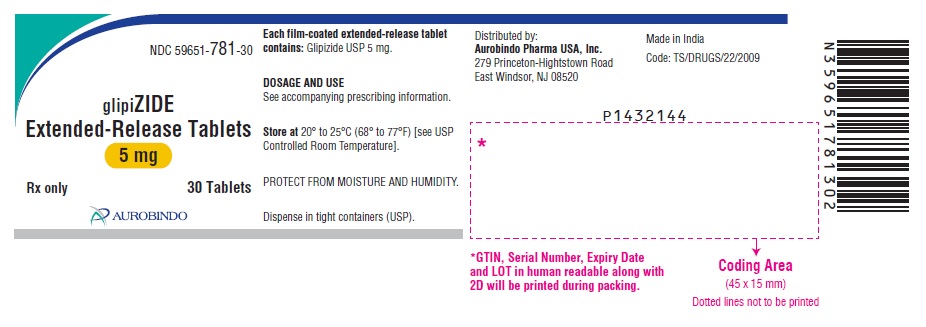
PACKAGE LABEL-PRINCIPAL DISPLAY PANEL - 5 mg (30 Tablets Bottle) NDC 59651-781-30 glipiZIDE Extended-Release Tablets 5 mg Rx only 30 Tablets AUROBINDO PACKAGE LABEL-PRINCIPAL DISPLAY PANEL - 5 mg (30 Tablet Container)
PACKAGE LABEL-PRINCIPAL DISPLAY PANEL - 10 mg (30 Tablets Bottle) NDC 59651-782-30 glipiZIDE Extended-Release Tablets 10 mg Rx only 30 Tablets AUROBINDO PACKAGE LABEL-PRINCIPAL DISPLAY PANEL - 10 mg (30 Tablet Container)
Medicaid utilization & spend
Medicaid utilization by pack size
Medicare Part D spend CMS · PART D · 2026 (Q1)
About this NDC listing & data coverage
What "drug for further processing" means
FDA lists this package under the "drug for further processing" marketing category: Aurobindo Pharma Limited supplies it to other companies for further processing or repackaging (blister cards that are later repackaged or co-packaged are a common example). The units themselves are a finished dosage form — which is why pricing or Medicaid data can still appear — but this exact package code may not be the presentation a retail pharmacy dispenses.
What data is (and isn’t) available for this NDC — tap to expand
| NDC identity (package / product / labeler codes) | ✓ Available |
| Labeler | ✓ Available |
| Product & package description | ✓ Available |
| Marketing category & status | ✓ Available |
| Active ingredient / dosage form / route | ✓ Available |
| FDA label (SPL via DailyMed) | ✓ Available |
| Package photos | ✓ Available |
| Inactive ingredients (structured) | ✓ Available |
| NADAC pharmacy acquisition price (CMS) | ✓ Available |
| Orange Book / therapeutic-equivalence data | — Not published for this NDC Applies only to products approved under an NDA/ANDA; many listings are out of scope. |
| HCPCS J-code billing crosswalk | — Not published for this NDC Most self-administered / retail products have no J-code — that is normal. |
| Medicaid utilization (CMS SDUD) | ✓ Available |