
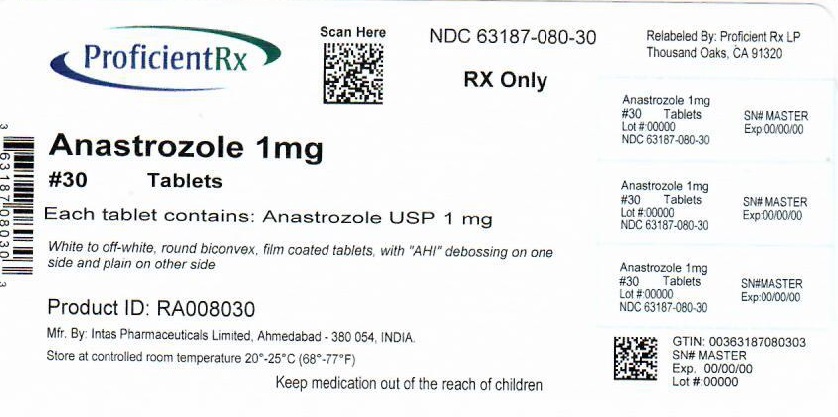
Anastrozole 1 mg Tablet, 20-count
🆔 Identity & classification
Where does this data come from?
🏷️ RxNorm drug class
This medicine belongs to the Aromatase Inhibitor class.
Where does this data come from?
🏭 Manufacturer & labeler
Where does this data come from?
🩺 Clinical
Anastrozole is used with other treatments, such as surgery or radiation, to treat early breast cancer in women who have experienced menopause (change of life; end of monthly menstrual periods). This medication is also used in women, who have experienced menopause, as a first treatment of breast cancer that has spread within the breast or to other areas of the body. This medication is also used to treat breast cancer in women whose breast cancer has worsened after taking tamoxifen (Nolvadex). Anastrozole is in a class of medications called nonsteroidal aromatase inhibitors. It works by decreasi...
Read the full MedlinePlus article ↗- Great question. After menopause, your body still makes small amounts of estrogen through an enzyme called aromatase — and many breast cancers use that estrogen as fuel to grow. Ana...
- What exactly is anastrozole doing in my body to fight breast cancer?
- You can take it either way — with or without food. Food does slow down how quickly your body absorbs it, but the total amount that gets into your system stays the same. Pick whatev...
- Can I take anastrozole with food, or does it have to be on an empty stomach?
Patient education
Supplement & herbal interactions
Some supplements/herbs that may interact with Anastrozole — tap one for details:
Where does this data come from?
Ask a licensed pharmacist directly — free, answered by our team.
💊 What it looks like
Where does this data come from?
🧪 Inactive Ingredients / Excipients
Inactive ingredients, also called excipients, are components of the drug product other than the active ingredient. They may include fillers, dyes, coatings, preservatives, flavors, or other formulation ingredients.
💡 Tap an ingredient (hover on desktop) to see what it is and why it’s used.
-
UNII 2S7830E561
Crospovidone is a synthetic polymer derived from povidone. It acts as a disintegrant, helping the tablet or capsule break apart quickly in the stomach so the active ingredient can be absorbed.
-
UNII R75537T0T4
Hypromellose 2910 is a plant-derived thickening agent made from cellulose. It serves as a binder that holds tablet ingredients together, a film-coating for pills, and a viscosity controller in liquids.
-
UNII EWQ57Q8I5X
Lactose monohydrate is a natural sugar derived from milk. It serves as a filler and binder in tablets and capsules, helping create the proper size, texture, and consistency of the medicine.
-
UNII 70097M6I30
Magnesium stearate is a salt made from magnesium and stearic acid, a fatty substance. It's used in tablets and capsules as a lubricant and glidant to help ingredients flow smoothly during manufacturing and prevent sticking.
-
UNII 5655G9Y8AQ
A synthetic liquid polymer used as a solvent and humectant in medications. It helps dissolve active ingredients, maintain moisture in the formulation, and improve how the medicine flows and is absorbed.
-
UNII 5856J3G2A2
A starch-based powder made from potatoes and processed with sodium. It acts as a disintegrant, helping the tablet or capsule break apart quickly in the stomach so the medicine can be absorbed.
-
UNII 15FIX9V2JP
Titanium dioxide is a bright white mineral powder commonly used as a colorant and opacifying agent. It makes pills and tablets white or lighter in color and helps make coatings non-transparent.
7 inactive ingredients listed in the exact product block matched to this NDC.
Where does this data come from?
ingredient classCode="IACT" elements from the exact product block matched by this NDC. Label-section narrative from DailyMed / the openFDA label index is shown separately when available.Inactive ingredient FAQ
Are inactive ingredients the same for every manufacturer?
Why might an inactive ingredient be missing?
Can inactive ingredients matter?
💲 Pricing
A drug doesn't have one price. Each row is a different public payment system, and none is what you'd pay at the counter — that depends on your insurance. The ⓘ on each row explains what it measures.
| Price system | Per each | Per package |
|---|---|---|
| Retail pharmacies payNADAC · weekly | Not in the retail survey — common for institutional, discontinued, or low-volume packs. | |
| Medicaid paysCMS SDUD · 12 mo | No recent Medicaid claims on file for this NDC — rare and low-volume NDCs are suppressed in the public data. | |
| Medicare drug plans payPart D · Q2 2026 | $0.3837 | $7.67 / 20 tablets |
Where does this data come from?
🔁 Therapeutic equivalents
| Product | Labeler | Pack | NADAC/unit | TE | Status | Price vs. this |
|---|---|---|---|---|---|---|
| Anastrozole 1 mg 69117-0003-01 | Yiling | 30 tablets | $0.108 | AB | FDA listed | — |
| Anastrozole 1 mg 00093-7536-56 | Teva | 30 tablets | $0.140 | AB | Availability likely | — |
| Anastrozole 1 mg 16729-0035-10 | Accord | 30 tablets | $0.140 | AB | Availability likely | — |
| Anastrozole 1 mg 23155-0857-03 | Avet | 30 tablets | $0.140 | AB | Availability likely | — |
| Anastrozole 1 mg 50268-0075-15 | AvPAK | 50 tablets | $0.140 | AB | Availability likely | — |
| Anastrozole 1 mg 51991-0620-10 | Breckenridge | 1000 tablets | $0.140 | AB | Availability likely | — |
| Anastrozole 1 mg 59651-0236-30 | Aurobindo | 30 tablets | $0.140 | AB | Availability likely | — |
| Anastrozole 1 mg 60687-0112-21 | American | 1 tablet | $0.140 | AB | Availability likely | — |
| Anastrozole 1 mg 62135-0490-30 | Chartwell | 30 tablets | $0.140 | AB | Availability likely | — |
| Anastrozole 1 mg 68001-0155-04 | BluePoint | 30 tablets | $0.140 | AB | Availability likely | — |
| Anastrozole 1 mg 68382-0209-06 | Zydus | 30 tablets | $0.140 | AB | Availability likely | — |
| Arimidex 1 mg 62559-0670-30 | ANI | 30 tablets | $52.862 | AB | Availability likely | — |
| Anastrozole 1 mg 24979-0725-06 | Upsher-Smith | 30 tablets | — | AB | FDA listed | — |
| Anastrozole 1 mg 42291-0016-30 | AvKARE | 30 tablets | — | AB | FDA listed | — |
| Anastrozole 1 mg 42291-0085-30 | AvKARE | 30 tablets | — | AB | FDA listed | — |
| Anastrozole 1 mg 43063-0383-06 | PD-Rx | 6 tablets | — | AB | FDA listed | — |
| Anastrozole 1 mg 50090-2453-00 | A-S | 30 tablets | — | AB | FDA listed | — |
| Anastrozole 1 mg 50090-5002-00 | A-S | 30 tablets | — | AB | FDA listed | — |
| Anastrozole 1 mgthis 63187-0080-20 | Proficient | 20 tablets | — | AB | FDA listed | — |
| Anastrozole 1 mg 63629-5269-00 | Bryant | 28 tablets | — | AB | FDA listed | — |
| Anastrozole 1 mg 63850-0010-01 | Natco | 30 tablets | — | AB | FDA listed | — |
| Anastrozole 1 mg 65841-0743-06 | Zydus | 30 tablets | — | AB | FDA listed | — |
| Anastrozole 1 mg 68071-1543-09 | NuCare | 90 tablets | — | AB | FDA listed | — |
| Anastrozole 1 mg 68071-1682-03 | NuCare | 30 tablets | — | AB | FDA listed | — |
| Anastrozole 1 mg 68071-2791-05 | NuCare | 15 tablets | — | AB | FDA listed | — |
| Anastrozole 1 mg 68071-3838-09 | NuCare | 90 tablets | — | AB | FDA listed | — |
| Anastrozole 1 mg 68071-3853-07 | NuCare | 12 tablets | — | AB | FDA listed | — |
| Anastrozole 1 mg 68071-3999-03 | NuCare | 30 tablets | — | AB | FDA listed | — |
| Anastrozole 1 mg 68071-4038-03 | NuCare | 30 tablets | — | AB | FDA listed | — |
| Anastrozole 1 mg 68071-5203-03 | NuCare | 30 tablets | — | AB | FDA listed | — |
| Anastrozole 1 mg 71335-1879-00 | Bryant | 28 tablets | — | AB | FDA listed | — |
| Anastrozole 1 mg 71335-3145-00 | Bryant | 28 tablets | — | AB | FDA listed | — |
| Anastrozole 1 mg 72189-0415-30 | Direct_Rx | 30 tablets | — | AB | FDA listed | — |
| Anastrozole 1 mg 72789-0008-15 | PD-Rx | 15 tablets | — | AB | FDA listed | — |
| Anastrozole 1 mg 72789-0342-15 | PD-Rx | 15 tablets | — | AB | FDA listed | — |
| Anastrozole 1 mg 72789-0575-15 | PD-Rx | 15 tablets | — | AB | FDA listed | — |
| Anastrozole 1 mg 76420-0004-12 | Asclemed | 120 tablets | — | AB | FDA listed | — |
| Anastrozole 1 mg 82804-0162-30 | Proficient | 30 tablets | — | AB | FDA listed | — |
| Anastrozole 1 mg 87063-0224-05 | ASCLEMED | 500 tablets | — | AB | FDA listed | — |
| Anastrozole 1 mg 72189-0682-30 | Direct_Rx | 30 tablets | — | AB | FDA listed | — |
Where does this data come from?
⏳ Availability & generic status
This product is an FDA-approved generic. Other versions of the same drug are listed under Therapeutic equivalents, least expensive first.
Where does this data come from?
📊 Medicare Part D spend CMS · PART D · 2026 (Q1)
📦 Packaging — all sizes for this product
| Package NDC | Description | Marketing start | Status |
|---|---|---|---|
| 63187-0080-18 | 18 TABLET in 1 BOTTLE, PLASTIC (63187-080-18) | 2022-03-25 | Active |
| 63187-0080-30 | 30 TABLET in 1 BOTTLE, PLASTIC (63187-080-30) | 2018-11-01 | Active |
| 63187-0080-60 | 60 TABLET in 1 BOTTLE, PLASTIC (63187-080-60) | 2022-03-25 | Active |
| 63187-0080-90 | 90 TABLET in 1 BOTTLE, PLASTIC (63187-080-90) | 2022-03-25 | Active |
| 63187-0080-20 You're viewing this | 20 TABLET in 1 BOTTLE, PLASTIC (63187-080-20) | 2023-05-02 | Active |
You're viewing one of 5 pack sizes for this product.
Pack size FAQ
What quantity is in NDC 63187-0080-20?
What is the difference between NDC 63187-0080-20 and NDC 63187-0080-18?
What NDC number is used to bill for this package of Anastrozole 1 mg Tablet?
🧭 About this NDC listing & data coverage
What data is (and isn’t) available for this NDC — tap to expand
| NDC identity (package / product / labeler codes) | ✓ Available |
| Labeler | ✓ Available |
| Product & package description | ✓ Available |
| Marketing category & status | ✓ Available |
| Active ingredient / dosage form / route | ✓ Available |
| FDA label (SPL via DailyMed) | ✓ Available |
| Package photos | ✓ Available |
| Inactive ingredients (structured) | ✓ Available |
| NADAC pharmacy acquisition price (CMS) | — Not published for this NDC CMS publishes NADAC only for NDCs reported in its retail-pharmacy survey. |
| Orange Book / therapeutic-equivalence data | ✓ Available |
| HCPCS J-code billing crosswalk | — Not published for this NDC Most self-administered / retail products have no J-code — that is normal. |
| Medicaid utilization (CMS SDUD) | — Not published for this NDC CMS reports utilization only for NDCs with Medicaid claims above its privacy threshold. |
Questions about this listing
Why is there no price listed?
Is the NDC printed on the package the same as the 11-digit billing NDC?
What do the three segments of this NDC mean?
Is this package still being marketed?
Does this product come in other package sizes?
Who lists this product with the FDA?
Do I need a prescription for this product?
Where does this data come from?
📄 Full prescribing information FDA SPL
🎯 Indications and Usage ▾
1 INDICATIONS AND USAGE Anastrozole is an aromatase inhibitor indicated for: • Adjuvant treatment of postmenopausal women with hormone receptor-positive early breast cancer ( 1.1 ) • First-line treatment of postmenopausal women with hormone receptor-positive or hormone receptor unknown locally advanced or metastatic breast cancer ( 1.2 ) • Treatment of advanced breast cancer in postmenopausal women with disease progression following tamoxifen therapy. Patients with ER-negative disease and patients who did not respond to previous tamoxifen therapy rarely responded to anastrozole ( 1.3 )
1.1Adjuvant Treatment Anastrozole tablets are indicated for adjuvant treatment of postmenopausal women with hormone receptor-positive early breast cancer.
1.2First-Line Treatment Anastrozole tablets are indicated for the first-line treatment of postmenopausal women with hormone receptor-positive or hormone receptor unknown locally advanced or metastatic breast cancer.
1.3Second-Line Treatment Anastrozole tablets are indicated for the treatment of advanced breast cancer in postmenopausal women with disease progression following tamoxifen therapy. Patients with ER-negative disease and patients who did not respond to previous tamoxifen therapy rarely responded to anastrozole tablets.
⏱️ Dosage and Administration ▾
2 DOSAGE AND ADMINISTRATION One 1 mg tablet taken once daily ( 2.1 )
2.1Recommended Dose The dose of anastrozole tablet is one 1 mg tablet taken once a day. For patients with advanced breast cancer, anastrozole tablets should be continued until tumor progression. Anastrozole tablets can be taken with or without food.
For adjuvant treatment of early breast cancer in postmenopausal women, the optimal duration of therapy is unknown. In the ATAC trial, anastrozole was administered for five years [see Clinical Studies ( 14.1 )]. No dosage adjustment is necessary for patients with renal impairment or for elderly patients [see Use in Specific Populations ( 8.6 )].
2.2Patients with Hepatic Impairment No changes in dose are recommended for patients with mild-to-moderate hepatic impairment. Anastrozole has not been studied in patients with severe hepatic impairment [see Use in Specific Populations ( 8.7 )].
💊 Dosage Forms and Strengths ▾
3 DOSAGE FORMS AND STRENGTHS The tablets are white to off-white, round biconvex, film coated tablets, with “AHI” debossing on one side and plain on other side. 1 mg tablets ( 3 )
⛔ Contraindications ▾
4 CONTRAINDICATIONS • Women of premenopausal endocrine status, including pregnant women ( 4.1 , 8.1 ) • Patients with demonstrated hypersensitivity to anastrozole or any excipient ( 4.2 )
4.1Pregnancy and Premenopausal Women Anastrozole may cause fetal harm when administered to a pregnant woman and offers no clinical benefit to premenopausal women with breast cancer. Anastrozole is contraindicated in women who are or may become pregnant. There are no adequate and well-controlled studies in pregnant women using anastrozole.
If anastrozole is used during pregnancy, or if the patient becomes pregnant while taking this drug, the patient should be apprised of the potential hazard to a fetus or potential risk for loss of the pregnancy [see Use in Specific Populations ( 8.1 )].
4.2Hypersensitivity Anastrozole is contraindicated in any patient who has shown a hypersensitivity reaction to the drug or to any of the excipients. Observed reactions include anaphylaxis, angioedema, and urticaria [see Adverse Reactions ( 6.2 )].
⚠️ Warnings and Cautions ▾
5 WARNINGS AND PRECAUTIONS • In women with pre-existing ischemic heart disease, an increased incidence of ischemic cardiovascular events occurred with anastrozole use compared to tamoxifen use. Consider risks and benefits. ( 5.1 , 6.1 ) • Decreases in bone mineral density may occur. Consider bone mineral density monitoring. ( 5.2 , 6.1 ) • Increases in total cholesterol may occur. Consider cholesterol monitoring. ( 5.3 , 6.1 )
5.1Ischemic Cardiovascular Events In women with pre-existing ischemic heart disease, an increased incidence of ischemic cardiovascular events was observed with anastrozole in the ATAC trial (17% of patients on anastrozole and 10% of patients on tamoxifen). Consider risk and benefits of anastrozole therapy in patients with pre-existing ischemic heart disease [see Adverse Reactions ( 6.1 )].
5.2Bone Effects Results from the ATAC trial bone substudy at 12 and 24 months demonstrated that patients receiving anastrozole had a mean decrease in both lumbar spine and total hip bone mineral density (BMD) compared to baseline. Patients receiving tamoxifen had a mean increase in both lumbar spine and total hip BMD compared to baseline. Consider bone mineral density monitoring in patients treated with anastrozole [see Adverse Reactions ( 6.1 )] .
5.3Cholesterol During the ATAC trial, more patients receiving anastrozole were reported to have elevated serum cholesterol compared to patients receiving tamoxifen (9% versus 3.5%, respectively) [see Adverse Reactions ( 6.1 )].
🤒 Adverse Reactions ▾
6 ADVERSE REACTIONS Serious adverse reactions with anastrozole occurring in less than 1 in 10,000 patients, are: 1) skin reactions such as lesions, ulcers, or blisters; 2) allergic reactions with swelling of the face, lips, tongue, and/or throat. This may cause difficulty in swallowing and/or breathing; and 3) changes in blood tests of the liver function, including inflammation of the liver with symptoms that may include a general feeling of not being well, with or without jaundice, liver pain or liver swelling [see Adverse Reactions ( 6.2 )].
Common adverse reactions (occurring with an incidence of ≥10%) in women taking anastrozole included: hot flashes, asthenia, arthritis, pain, arthralgia, pharyngitis, hypertension, depression, nausea and vomiting, rash, osteoporosis, fractures, back pain, insomnia, pain, headache, bone pain, peripheral edema, increased cough, dyspnea, pharyngitis and lymphedema. In the ATAC trial, the most common reported adverse reaction (>0.1%) leading to discontinuation of therapy for both treatment groups was hot flashes, although there were fewer patients who discontinued therapy as a result of hot flashes in the anastrozole group.
Because clinical trials are conducted under widely varying conditions, adverse reaction rates observed in the clinical trials of a drug cannot be directly compared to rates in the clinical trials of another drug and may not reflect the rates observed in practice. • In the early breast cancer (ATAC) study, the most common (occurring with an incidence of ≥10%) side effects occurring in women taking anastrozole included: hot flashes, asthenia, arthritis, pain, arthralgia, pharyngitis, hypertension, depression, nausea and vomiting, rash, osteoporosis, fractures, back pain, insomnia, headache, peripheral edema and lymphedema, regardless of causality.
( 6.1 ) • In the advanced breast cancer studies, the most common (occurring with an incidence of >10%) side effects occurring in women taking anastrozole included: hot flashes, nausea, asthenia, pain, headache, back pain, bone pain, increased cough, dyspnea, pharyngitis and peripheral edema. ( 6.1 ) To report SUSPECTED ADVERSE REACTIONS, contact Accord Healthcare Inc. at 1-866-941-7875 or FDA at 1-800-FDA-1088 or www.fda.gov/medwatch
6.1Clinical Trials Experience Adjuvant Therapy Adverse reaction data for adjuvant therapy are based on the ATAC trial [see Clinical Studies (14.1)]. The median duration of adjuvant treatment for safety evaluation was 59.8 months and 59.6 months for patients receiving anastrozole 1 mg and tamoxifen 20 mg, respectively. Adverse reactions occurring with an incidence of at least 5% in either treatment group during treatment or within 14 days of the end of treatment are presented in Table 1.
Table 1 -Adverse reactions occurring with an incidence of at least 5% in either treatment group during treatment, or within 14 days of the end of treatment in the ATAC trial The combination arm was discontinued due to lack of efficacy benefit at 33 months of follow-up. Body system and adverse reactions by COSTART COSTART Coding Symbols for Thesaurus of Adverse Reaction Terms. preferred term A patient may have had more than 1 adverse reaction, including more than 1 adverse reaction in the same body system. Anastrozole 1 mg (N N=Number of patients receiving the treatment. = 3092) Tamoxifen 20 mg (N = 3094) Body as a whole Asthenia 575 (19) 544 (18) Pain 533 (17) 485 (16) Back pain 321 (10) 309 (10) Headache 314 (10) 249 (8) Abdominal pain 271 (9) 276 (9) Infection 285 (9) 276 (9) Accidental injury 311 (10) 303 (10) Flu syndrome 175 (6) 195 (6) Chest pain 200 (7) 150 (5) Neoplasm 162 (5) 144 (5) Cyst 138 (5) 162 (5) Cardiovascular Vasodilatation 1104 (36) 1264 (41) Hypertension 402 (13) 349 (11) Digestive Nausea 343 (11) 335 (11) Constipation 249 (8) 252 (8) Diarrhea 265 (9) 216 (7) Dyspepsia 206 (7) 169 (6) Gastrointestinal disorder 210 (7) 158 (5) Hemic and lymphatic Lymphedema 304 (10) 341 (11) Anemia 113 (4) 159 (5) M…
🔄 Drug Interactions ▾
7 DRUG INTERACTIONS • Tamoxifen: Do not use in combination with anastrozole. No additional benefit seen over tamoxifen monotherapy ( 7.1 , 14.1 ). • Estrogen-containing products: Combination use may diminish activity of anastrozole ( 7.2 ).
7.1Tamoxifen Co-administration of anastrozole and tamoxifen in breast cancer patients reduced anastrozole plasma concentration by 27%. However, the co-administration of anastrozole and tamoxifen did not affect the pharmacokinetics of tamoxifen or N-desmethyltamoxifen. At a median follow-up of 33 months, the combination of anastrozole and tamoxifen did not demonstrate any efficacy benefit when compared with tamoxifen in all patients as well as in the hormone receptor-positive subpopulation.
This treatment arm was discontinued from the trial. [see Clinical Studies ( 14.1 )] . Based on clinical and pharmacokinetic results from the ATAC trial, tamoxifen should not be administered with anastrozole.
7.2Estrogen Estrogen-containing therapies should not be used with anastrozole as they may diminish its pharmacological action.
7.3Warfarin In a study conducted in 16 male volunteers, anastrozole did not alter the exposure (as measured by C max and AUC), and anticoagulant activity (as measured by prothrombin time, activated partial thromboplastin time, and thrombin time) of both R- and S-warfarin.
7.4Cytochrome P450 Based on in vitro and in vivo results, it is unlikely that co-administration of anastrozole 1 mg will affect other drugs as a result of inhibition of cytochrome P450 [see Clinical Pharmacology ( 12.3 )].
👥 Use in Specific Populations ▾
8 USE IN SPECIFIC POPULATIONS • Pediatric patients: Efficacy has not been demonstrated for pubertal boys of adolescent age with gynecomastia or girls with McCune Albright Syndrome and progressive precocious puberty. ( 8.4 )
8.1Pregnancy PREGNANCY CATEGORY X [see Contraindications ( 4.1 )] Anastrozole may cause fetal harm when administered to a pregnant woman and offers no clinical benefit to premenopausal women with breast cancer. Anastrozole is contraindicated in women who are or may become pregnant. In animal studies, anastrozole caused pregnancy failure, increased pregnancy loss, and signs of delayed fetal development.
There are no studies of anastrozole use in pregnant women. If anastrozole is used during pregnancy, or if the patient becomes pregnant while receiving this drug, the patient should be apprised of the potential hazard to the fetus and potential risk for pregnancy loss. In animal reproduction studies, pregnant rats and rabbits received anastrozole during organogenesis at doses equal to or greater than 1 (rats) and 1/3 (rabbits) the recommended human dose on a mg/m 2 basis.
In both species, anastrozole crossed the placenta, and there was increased pregnancy loss (increased pre- and/or post-implantation loss, increased resorption, and decreased numbers of live fetuses). In rats, these effects were dose related, and placental weights were significantly increased. Fetotoxicity, including delayed fetal development (i.e., incomplete ossification and depressed fetal body weights), occurred in rats at anastrozole doses that produced peak plasma levels 19 times higher than serum levels in humans at the therapeutic dose (AUC 0-24hr 9 times higher).
In rabbits, anastrozole caused pregnancy failure at doses equal to or greater than 16 times the recommended human dose on a mg/m 2 basis [see Animal Toxicology and/or Pharmacology ( 13.2 )].
8.3Nursing Mothers It is not known if anastrozole is excreted in human milk. Because many drugs are excreted in human milk and because of the tumorigenicity shown for anastrozole in animal studies, or the potential for serious adverse reactions in nursing infants, a decision should be made whether to discontinue nursing or to discontinue the drug, taking into account the importance of the drug to the mother.
8.4Pediatric Use Clinical studies in pediatric patients included a placebo-controlled trial in pubertal boys of adolescent age with gynecomastia and a single-arm trial in girls with McCune-Albright Syndrome and progressive precocious puberty. The efficacy of anastrozole in the treatment of pubertal gynecomastia in adolescent boys and in the treatment of precocious puberty in girls with McCune-Albright Syndrome has not been demonstrated. Gynecomastia Study A randomized, double-blind, placebo-controlled, multi-center study enrolled 80 boys with pubertal gynecomastia aged 11 to 18 years.
Patients were randomized to a daily regimen of either anastrozole 1 mg or placebo. After 6 months of treatment there was no statistically significant difference in the percentage of patients who experienced a ≥50% reduction in gynecomastia (primary efficacy analysis). Secondary efficacy analyses (absolute change in breast volume, the percentage of patients who had any reduction in the calculated volume of gynecomastia, breast pain resolution) were consistent with the primary efficacy analysis.
Serum estradiol concentrations at Month 6 of treatment were reduced by 15.4% in the anastrozole group and 4.5% in the placebo group. Adverse reactions that were assessed as treatment-related by the investigators occurred in 16.3% of the anastrozole-treated patients and 8.1% of the placebo-treated patients with the most frequent being acne (7% anastrozole and 2.7% placebo) and headache (7% anastrozole and 0% placebo); all other adverse reactions showed small differences between treatment groups. One patient treated with anastrozole discontinued the trial because of testicular enlargement.
The mean baseline-subtrac…
🤰 Pregnancy ▾
8.1Pregnancy PREGNANCY CATEGORY X [see Contraindications ( 4.1 )] Anastrozole may cause fetal harm when administered to a pregnant woman and offers no clinical benefit to premenopausal women with breast cancer. Anastrozole is contraindicated in women who are or may become pregnant. In animal studies, anastrozole caused pregnancy failure, increased pregnancy loss, and signs of delayed fetal development.
There are no studies of anastrozole use in pregnant women. If anastrozole is used during pregnancy, or if the patient becomes pregnant while receiving this drug, the patient should be apprised of the potential hazard to the fetus and potential risk for pregnancy loss. In animal reproduction studies, pregnant rats and rabbits received anastrozole during organogenesis at doses equal to or greater than 1 (rats) and 1/3 (rabbits) the recommended human dose on a mg/m 2 basis.
In both species, anastrozole crossed the placenta, and there was increased pregnancy loss (increased pre- and/or post-implantation loss, increased resorption, and decreased numbers of live fetuses). In rats, these effects were dose related, and placental weights were significantly increased. Fetotoxicity, including delayed fetal development (i.e., incomplete ossification and depressed fetal body weights), occurred in rats at anastrozole doses that produced peak plasma levels 19 times higher than serum levels in humans at the therapeutic dose (AUC 0-24hr 9 times higher).
In rabbits, anastrozole caused pregnancy failure at doses equal to or greater than 16 times the recommended human dose on a mg/m 2 basis [see Animal Toxicology and/or Pharmacology ( 13.2 )].
🧒 Pediatric Use ▾
8.4Pediatric Use Clinical studies in pediatric patients included a placebo-controlled trial in pubertal boys of adolescent age with gynecomastia and a single-arm trial in girls with McCune-Albright Syndrome and progressive precocious puberty. The efficacy of anastrozole in the treatment of pubertal gynecomastia in adolescent boys and in the treatment of precocious puberty in girls with McCune-Albright Syndrome has not been demonstrated. Gynecomastia Study A randomized, double-blind, placebo-controlled, multi-center study enrolled 80 boys with pubertal gynecomastia aged 11 to 18 years.
Patients were randomized to a daily regimen of either anastrozole 1 mg or placebo. After 6 months of treatment there was no statistically significant difference in the percentage of patients who experienced a ≥50% reduction in gynecomastia (primary efficacy analysis). Secondary efficacy analyses (absolute change in breast volume, the percentage of patients who had any reduction in the calculated volume of gynecomastia, breast pain resolution) were consistent with the primary efficacy analysis.
Serum estradiol concentrations at Month 6 of treatment were reduced by 15.4% in the anastrozole group and 4.5% in the placebo group. Adverse reactions that were assessed as treatment-related by the investigators occurred in 16.3% of the anastrozole-treated patients and 8.1% of the placebo-treated patients with the most frequent being acne (7% anastrozole and 2.7% placebo) and headache (7% anastrozole and 0% placebo); all other adverse reactions showed small differences between treatment groups. One patient treated with anastrozole discontinued the trial because of testicular enlargement.
The mean baseline-subtracted change in testicular volume after 6 months of treatment was + 6.6 ± 7.9 cm 3 in the anastrozole-treated patients and + 5.2 ± 8.0 cm 3 in the placebo group. McCune-Albright Syndrome Study A multi-center, single-arm, open-label study was conducted in 28 girls with McCune-Albright Syndrome and progressive precocious puberty aged 2 to <10 years. All patients received a 1 mg daily dose of anastrozole.
The trial duration was 12 months. Patients were enrolled on the basis of a diagnosis of typical (27/28) or atypical (1/27) McCune-Albright Syndrome, precocious puberty, history of vaginal bleeding, and/or advanced bone age. Patients’ baseline characteristics included the following: a mean chronological age of 5.9 ± 2.0 years, a mean bone age of 8.6 ± 2.6 years, a mean growth rate of 7.9 ± 2.9 cm/year and a mean Tanner stage for breast of 2.7 ± 0.81.
Compared to pre-treatment data there were no on-treatment statistically significant reductions in the frequency of vaginal bleeding days, or in the rate of increase of bone age (defined as a ratio between the change in bone age over the change of chronological age). There were no clinically significant changes in Tanner staging,mean ovarian volume, mean uterine volume and mean predicted adult height. A small but statistically significant reduction of growth rate from 7.9 ± 2.9 cm/year to 6.5 ± 2.8 cm/year was observed but the absence of a control group precludes attribution of this effect to treatment or to other confounding factors such as variations in endogenous estrogen levels commonly seen in McCune-Albright Syndrome patients.
Five patients (18%) experienced adverse reactions that were considered possibly related to anastrozole. These were nausea, acne, pain in an extremity, increased alanine transaminase and aspartate transaminase, and allergic dermatitis. Pharmacokinetics in Pediatric Patients Following 1 mg once daily multiple administration in pediatric patients, the mean time to reach the maximum anastrozole concentration was 1 hr.
The mean (range) disposition parameters of anastrozole in pediatric patients were described by a CL/F of
1.54L/h (0.77 to
4.53 L/h) and V/F of
98.4L (50.7 to 330.0 L). The terminal elimination half-life was 46.8 h, which was similar to that observed in postmenopausal…
🧓 Geriatric Use ▾
8.5Geriatric Use In studies 0030 and 0027, about 50% of patients were 65 or older. Patients ≥ 65 years of age had moderately better tumor response and time to tumor progression than patients < 65 years of age regardless of randomized treatment. In studies 0004 and 0005, 50% of patients were 65 or older.
Response rates and time to progression were similar for the over 65 and younger patients. In the ATAC study, 45% of patients were 65 years of age or older. The efficacy of anastrozole compared to tamoxifen in patients who were 65 years or older (N=1413 for anastrozole and N=1410 for tamoxifen, the hazard ratio for disease-free survival was 0.93 [95% CI: 0.80, 1.08]) was less than efficacy observed in patients who were less than 65 years of age (N=1712 for anastrozole and N=1706 for tamoxifen, the hazard ratio for disease-free survival was 0.79 [95% CI: 0.67, 0.94]).
The pharmacokinetics of anastrozole is not affected by age.
🆘 Overdosage ▾
10 OVERDOSAGE Clinical trials have been conducted with anastrozole, up to 60 mg in a single dose given to healthy male volunteers and up to 10 mg daily given to postmenopausal women with advanced breast cancer; these dosages were tolerated. A single dose of anastrozole that results in life-threatening symptoms has not been established. There is no specific antidote to overdosage and treatment must be symptomatic.
In the management of an overdose, consider that multiple agents may have been taken. Vomiting may be induced if the patient is alert. Dialysis may be helpful because anastrozole is not highly protein bound.
General supportive care, including frequent monitoring of vital signs and close observation of the patient, is indicated.
🧬 Clinical Pharmacology ▾
12 CLINICAL PHARMACOLOGY
12.1Mechanism of Action The growth of many cancers of the breast is stimulated or maintained by estrogens. In postmenopausal women, estrogens are mainly derived from the action of the aromatase enzyme, which converts adrenal androgens (primarily androstenedione and testosterone) to estrone and estradiol. The suppression of estrogen biosynthesis in peripheral tissues and in the cancer tissue itself can therefore be achieved by specifically inhibiting the aromatase enzyme.
Anastrozole is a selective non-steroidal aromatase inhibitor. It significantly lowers serum estradiol concentrations and has no detectable effect on formation of adrenal corticosteroids or aldosterone.
12.2Pharmacodynamics Effect on Estradiol Mean serum concentrations of estradiol were evaluated in multiple daily dosing trials with 0.5, 1, 3, 5, and 10 mg of anastrozole in postmenopausal women with advanced breast cancer. Clinically significant suppression of serum estradiol was seen with all doses. Doses of 1 mg and higher resulted in suppression of mean serum concentrations of estradiol to the lower limit of detection (3.7 pmol/L).
The recommended daily dose, anastrozole 1 mg, reduced estradiol by approximately 70% within 24 hours and by approximately 80% after 14 days of daily dosing. Suppression of serum estradiol was maintained for up to 6 days after cessation of daily dosing with anastrozole 1 mg. The effect of anastrozole in premenopausal women with early or advanced breast cancer has not been studied.
Because aromatization of adrenal androgens is not a significant source of estradiol in premenopausal women, anastrozole would not be expected to lower estradiol levels in premenopausal women. Effect on Corticosteroids In multiple daily dosing trials with 3, 5, and 10 mg, the selectivity of anastrozole was assessed by examining effects on corticosteroid synthesis. For all doses, anastrozole did not affect cortisol or aldosterone secretion at baseline or in response to ACTH.
No glucocorticoid or mineralocorticoid replacement therapy is necessary with anastrozole. Other Endocrine Effects In multiple daily dosing trials with 5 and 10 mg, thyroid stimulating hormone (TSH) was measured; there was no increase in TSH during the administration of anastrozole. Anastrozole does not possess direct progestogenic, androgenic, or estrogenic activity in animals, but does perturb the circulating levels of progesterone, androgens, and estrogens.
12.3Pharmacokinetics Absorption Inhibition of aromatase activity is primarily due to anastrozole, the parent drug. Absorption of anastrozole is rapid and maximum plasma concentrations typically occur within 2 hours of dosing under fasted conditions. Studies with radiolabeled drug have demonstrated that orally administered anastrozole is well absorbed into the systemic circulation.
Food reduces the rate but not the overall extent of anastrozole absorption. The mean C max of anastrozole decreased by 16% and the median T max was delayed from 2 to 5 hours when anastrozole was administered 30 minutes after food. The pharmacokinetics of anastrozole are linear over the dose range of 1 to 20 mg, and do not change with repeated dosing.
The pharmacokinetics of anastrozole were similar in patients and healthy volunteers. Distribution Steady-state plasma levels are approximately 3- to 4-fold higher than levels observed after a single dose of anastrozole. Plasma concentrations approach steady-state levels at about 7 days of once daily dosing.
Anastrozole is 40% bound to plasma proteins in the therapeutic range. Metabolism Metabolism of anastrozole occurs by N-dealkylation, hydroxylation and glucuronidation. Three metabolites of anastrozole (triazole, a glucuronide conjugate of hydroxy-anastrozole, and a glucuronide conjugate of anastrozole itself) have been identified in human plasma and urine.
The major circulating metabolite of anastrozole, triazole, lacks pharmacologic activity. Anastrozole inhibited reactions cat…
🧬 Mechanism of Action ▾
12.1Mechanism of Action The growth of many cancers of the breast is stimulated or maintained by estrogens. In postmenopausal women, estrogens are mainly derived from the action of the aromatase enzyme, which converts adrenal androgens (primarily androstenedione and testosterone) to estrone and estradiol. The suppression of estrogen biosynthesis in peripheral tissues and in the cancer tissue itself can therefore be achieved by specifically inhibiting the aromatase enzyme.
Anastrozole is a selective non-steroidal aromatase inhibitor. It significantly lowers serum estradiol concentrations and has no detectable effect on formation of adrenal corticosteroids or aldosterone.
📦 How Supplied / Storage and Handling ▾
16 HOW SUPPLIED/STORAGE AND HANDLING Anastrozole tablets, 1 mg are white to off-white, round biconvex, film coated tablets, with “AHI” debossing on one side and plain on other side and are supplied as follows: Bottles of 18 tablets (NDC 63187-080-18) Bottles of 20 tablets (NDC 63187-080-20) Bottles of 30 tablets (NDC 63187-080-30) Bottles of 60 tablets (NDC 63187-080-60) Bottles of 90 tablets (NDC 63187-080-90) Storage Store at controlled room temperature, 20 to 25°C (68 to 77°F) [see USP].
📦 Storage and Handling ▾
Storage Store at controlled room temperature, 20 to 25°C (68 to 77°F) [see USP].
📋 Description ▾
11 DESCRIPTION Anastrozole tablets for oral administration contain 1 mg of anastrozole, a non-steroidal aromatase inhibitor. It is chemically described as 1,3-Benzenediacetonitrile, a, a, a', a'-tetramethyl-5-(1H-1,2,4-triazol-1-ylmethyl). Its molecular formula is C 17 H 19 N 5 and its structural formula is: Anastrozole is an off-white powder with a molecular weight of 293.4.
Anastrozole has moderate aqueous solubility (0.5 mg/mL at 25°C); solubility is independent of pH in the physiological range. Anastrozole is freely soluble in methanol, acetone, ethanol, and tetrahydrofuran, and very soluble in acetonitrile. Each tablet contains as inactive ingredients: lactose monohydrate, magnesium stearate, hypromellose, macrogol, povidone, sodium starch glycolate, and titanium dioxide.
Chemical Structure for anastrozole
💬 Information for Patients ▾
17 PATIENT COUNSELING INFORMATION “See FDA approved patient labeling (Patient Information).”
17.1Pregnancy Patients should be advised that anastrozole may cause fetal harm. They should also be advised that anastrozole is not for use in premenopausal women; therefore, if they become pregnant, they should stop taking anastrozole tablets and immediately contact their doctor.
17.2Allergic (Hypersensitivity) Reactions Patients should be informed of the possibility of serious allergic reactions with swelling of the face, lips, tongue and/or throat (angioedema) which may cause difficulty in swallowing and/or breathing and to seek medical attention immediately.
17.3Ischemic Cardiovascular Events Patients with pre-existing ischemic heart disease should be informed that an increased incidence of cardiovascular events has been observed with anastrozole use compared to tamoxifen use. If patients have new or worsening chest pain or shortness of breath they should seek medical attention immediately.
17.4Bone Effects Patients should be informed that anastrozole lowers the level of estrogen. This may lead to a loss of the mineral content of bones, which might decrease bone strength. A possible consequence of decreased mineral content of bones is an increase in the risk of fractures.
17.5Cholesterol Patients should be informed that an increased level of cholesterol might be seen while receiving anastrozole.
17.6Tamoxifen Patients should be advised not to take anastrozole with tamoxifen.
17.7Missed Doses Inform patients that if they miss a dose, take it as soon as they remember. If it is almost time for their next dose, skip the missed dose and take the next regularly scheduled dose. Patients should not take two doses at the same time.