
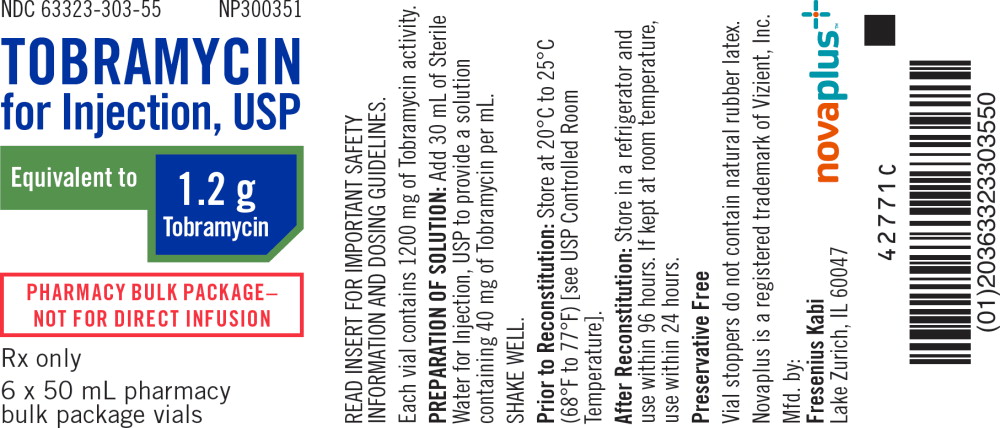
Tobramycin 1200 mg/30mL Injection, Powder, For Solution — NDC 63323-303-55 (Billing 63323-0303-55)
This is a package of Tobramycin 1200 mg/30mL Injection, Powder, For Solution from Fresenius Kabi USA, LLC, marketed since Nov 2005 and currently FDA-listed.
NDC database record
One package, one record: these facts belong to NDC 63323-303-55 alone.
- Record
- FDA NDC Directory package listing · Human prescription drug
- Code segments
- 63323 labeler · 303 product · 55 package
- Listing certified through
- Dec 31, 2026
- Barcode (UPC)
- 0363323303211
- FDA record last changed
- Jul 24, 2026
Identity & classification
Regulatory identifiers FDA, NLM and CMS codes for this package
Drug-database identifiers Medi-Span GPI and First Databank GCN / HICL / AHFS classification
- GSN (GCN sequence number): 009308
- GCN: 41160
- GPI-14 (Medi-Span): 07000070102105
- HICL (First Databank): 004034
- AHFS class code: 08:12.02.00
- RxCUI (RxNorm): 597823
Where does this data come from?
- FDA openFDA NDC Directory · synced Oct 8, 2026
- FDA label on DailyMed · label index refreshed Oct 6, 2026
- RxNorm (NLM RxNav) · catalog refreshed Oct 1, 2026
- Medi-Span GPI (licensed)
- First Databank (licensed) · refreshed Oct 8, 2026
RxNorm drug class
This medicine belongs to the Aminoglycoside Antibacterial class.
Where does this data come from?
- RxClass (NLM) · catalog refreshed Oct 1, 2026
Clinical
Tobramycin injection is used to treat certain serious infections that are caused by bacteria. Tobramycin injection is in a class of medications called aminoglycoside antibiotics. It works by killing bacteria. Antibiotics such as tobramycin injection will not work for colds, flu, or other viral infections. Taking antibiotics when they are not needed increases your risk of getting an infection later that resists antibiotic treatment.
Read the full MedlinePlus article ↗- It treats serious bacterial infections, such as bloodstream, lung, brain and spinal cord (meningitis), abdominal, skin, bone and complicated urinary tract infections. It only works...
- A nurse or other healthcare professional gives it as a shot in the muscle or through an IV, usually a few times a day. Most courses last about 7 to 10 days. You will have blood tes...
- Pain where the shot is given, nausea, headache, fever or rash can happen. Tell your team right away about ringing in the ears, hearing loss, dizziness, spinning feelings, less urin...
- Yes. Tell your team about other drugs that can harm the kidneys or ears, water pills, and any muscle relaxants used in surgery. Combining them raises the risk of serious problems....
Patient education
Supplement & herbal interactions
Tobramycin may be associated with lower levels of 8 nutrients — worth a chat with your pharmacist, not a cause for alarm.
Where does this data come from?
- MedlinePlus (NLM) · refreshed Oct 1, 2026
- FDA label on DailyMed · label index refreshed Oct 6, 2026
Ask a licensed pharmacist directly — free, answered by our team.
Pricing
A drug doesn't have one price. Each row is a different public payment system, and none is what you'd pay at the counter — that depends on your insurance. The ⓘ on each row explains what it measures.
| Price system | Per mL | Per package |
|---|---|---|
| Retail pharmacies payNADAC · weekly | Not in the retail survey — common for institutional, discontinued, or low-volume packs. | |
| Medicaid paysCMS SDUD · 12 mo | No recent Medicaid claims on file for this NDC — rare and low-volume NDCs are suppressed in the public data. | |
| Medicare drug plans payPart D · Q2 2026 | $0.9575 | $172.35 / 180 ml |
| Medicare Part B allowsASP · J3260 | $2.186 / J3260 unit | — |
Where does this data come from?
- CMS NADAC weekly file
- CMS ASP pricing files · refreshed Sep 20, 2026
- CMS Medicaid State Drug Utilization Data · refreshed Oct 8, 2026
- CMS Part D plan pricing files · refreshed Sep 24, 2026
- VA National Acquisition Center price file
Billing & reimbursement
Where does this data come from?
- CMS ASP NDC-HCPCS crosswalk · refreshed Sep 22, 2026
- DMEPDAC NDC-HCPCS crosswalk
- openFDA NSDE billing units · refreshed Oct 7, 2026
Packaging — all sizes for this product
| Package NDC | Description | Marketing start | Marketing end | Status |
|---|---|---|---|---|
| 63323-0303-55 You're viewing this | 6 VIAL, PHARMACY BULK PACKAGE in 1 TRAY / 30 mL in 1 VIAL, PHARMACY BULK PACKAGE | 2005-11-23 | — | Active |
| 63323-0303-51 63323-303-51 Main listing | 6 VIAL, PHARMACY BULK PACKAGE in 1 TRAY / 30 mL in 1 VIAL, PHARMACY BULK PACKAGE | 2005-11-23 | — | Active |
Pack size FAQ
What quantity is in this package?
What NDC number is used to bill for this package of Tobramycin 1200 mg/30mL Injection, Powder, For Solution?
Therapeutic equivalents
| Product | Labeler | Pack | NADAC/unit | TE | Status | Price vs. this |
|---|---|---|---|---|---|---|
| Tobramycin 40 mg/mL 63323-0306-26 | Fresenius | 25 vials | $0.655 | AP | Discontinued | — |
| Tobramycin 40 mg/mL 00409-3578-01 | Hospira, | 25 vials | $0.832 | AP | Availability likely | — |
| Tobramycin 40 mg/mL 36000-0244-25 | Baxter | 25 vials | $0.832 | AP | Availability likely | — |
| Tobramycin 40 mg/mL 67457-0473-22 | Mylan | 25 vials | $0.832 | AP | Availability likely | — |
| Tobramycin 40 mg/mL 36000-0242-01 | Baxter | 1 vial | — | AP | FDA listed | — |
| Tobramycin 1.2 g/30mL 39822-0412-01 | XGen | 1 vial | — | AP | FDA listed | — |
| Tobramycin 1.2 g/30mL 55150-0470-06 | Eugia | 6 vials | — | AP | FDA listed | — |
| Tobramycin 1200 mg/30mLthis 63323-0303-55 | Fresenius | 6 vials | — | AP | FDA listed | — |
| Tobramycin 40 mg/mL 67457-0428-30 | Mylan | 10 vials | — | AP | FDA listed | — |
| Tobramycin 40 mg/mL 68083-0241-01 | Gland | 1 vial | — | AP | FDA listed | — |
| Tobramycin 40 mg/mL 68083-0254-25 | Gland | 25 vials | — | AP | FDA listed | — |
| Tobramycin 1.2 g/30mL 68083-0312-06 | Gland | 6 vials | — | AP | FDA listed | — |
| tobramycin 1200 mg/30mL 70436-0110-36 | Slate | 30 ml | — | AP | FDA listed | — |
| Tobramycin 1.2 g/30mL 70700-0173-86 | Xiromed | 1 vial | — | AP | FDA listed | — |
| Tobramycin 1.2 g/30mL 72266-0163-06 | Fosun | 6 vials | — | AP | FDA listed | — |
| Tobramycin 1.2 g/30mL 72603-0160-06 | Northstar | 6 vials | — | AP | FDA listed | — |
Where does this data come from?
- FDA openFDA NDC Directory · synced Oct 8, 2026
- FDA Orange Book · refreshed Oct 3, 2026
- CMS NADAC weekly file
Availability & generic status
The FDA lists approved generic versions of this medicine, but that does not always mean a pharmacy can get one today. Patent rules, launch agreements, supply and pricing can affect when generics actually arrive.
Where does this data come from?
- FDA Orange Book · refreshed Oct 3, 2026
Inactive Ingredients / Excipients
Inactive ingredients, also called excipients, are components of the drug product other than the active ingredient. They may include fillers, dyes, coatings, preservatives, flavors, or other formulation ingredients.
🧪 Avoiding an ingredient? See Tobramycin Injection inactive ingredients by manufacturer: every current product's list side by side, so you can ask your pharmacy for the version that does not list it.
💡 Tap an ingredient (hover on desktop) to see what it is and why it’s used.
-
UNII 059QF0KO0R
Water is a liquid solvent that dissolves and mixes ingredients together in liquid medicines, syrups, and injections. It helps distribute the active drug evenly throughout the product.
1 inactive ingredient listed in the exact product block matched to this NDC.
Where does this data come from?
ingredient classCode="IACT" elements from the exact product block matched by this NDC. Label-section narrative from DailyMed / the openFDA label index is shown separately when available.- FDA label on DailyMed · label index refreshed Oct 6, 2026
- FDA openFDA NDC Directory · synced Oct 8, 2026
Inactive ingredient FAQ
Are inactive ingredients the same for every manufacturer?
Why might an inactive ingredient be missing?
Can inactive ingredients matter?
Manufacturer & labeler
More NDCs from Fresenius Kabi USA, LLC labeler code 63323
- Naropin ROPIVACAINE HYDROCHLORIDE 10 mg/mL Injection, Solution NDC 63323-288-10
- Polocaine-MPF MEPIVACAINE HYDROCHLORIDE 15 mg/mL Injection, Solution NDC 63323-293-37
- Polocaine-MPF MEPIVACAINE HYDROCHLORIDE 20 mg/mL Injection, Solution NDC 63323-294-27
- Vancomycin Hydrochloride 5 g/100mL Injection, Powder, Lyophilized, For Solution NDC 63323-295-61
- Polocaine MEPIVACAINE HYDROCHLORIDE 20 mg/mL Injection, Solution NDC 63323-296-57
- Piperacillin and Tazobactam 3 g/15mL; .375 g/15mL Injection, Powder, For Solution NDC 63323-300-30
- Piperacillin and Tazobactam 36 g/180mL; 4.5 g/180mL Injection, Powder, For Solution NDC 63323-304-74
- Tobramycin 10 mg/mL Injection, Solution NDC 63323-305-02
- Tobramycin 40 mg/mL Injection, Solution NDC 63323-306-02
- Piperacillin and Tazobactam 2 g/10mL; .25 g/10mL Injection, Powder, For Solution NDC 63323-309-20
- Vancomycin Hydrochloride 10 g/100mL Injection, Powder, Lyophilized, For Solution NDC 63323-314-61
- Ganciclovir 500 mg/10mL Injection, Powder, Lyophilized, For Solution NDC 63323-315-10
Where does this data come from?
- FDA openFDA NDC Directory · synced Oct 8, 2026
- Drugs@FDA
Full prescribing information FDA SPL
🚨 Boxed Warning ▾
WARNING: NEPHROTOXICITY, OTOTOXICITY AND EMBRYO-FETAL TOXICITY WARNING: NEPHROTOXICITY, OTOTOXICITY, NEURO MUSCULAR BLOCKADE AND FETAL HARM See full prescribing information for complete boxed warning. Nephrotoxicity Tobramycin for Injection may cause acute kidney injury. Monitor renal function and serum tobramycin concentrations in all patients.
Reduce the dose or discontinue the Tobramycin for Injection if renal impairment occurs. ( 5.1 ) Ototoxicity Tobramycin for Injection may cause irreversible auditory and vestibular toxicity. Monitor for symptoms of ototoxicity, and for renal function and serum tobramycin levels in all patients.
Reduce the dose or discontinue the Tobramycin for Injection if impairment of renal function occurs. Discontinue Tobramycin for Injection if ototoxicity occurs. ( 5.2 ) Neuromuscular Blockade Aminoglycosides have been associated with neuromuscular blockade.
During therapy with Tobramycin for Injection, monitor for adverse reactions associated with neuromuscular blockade, particularly in high-risk patients ( 5.5 ) Embryo-Fetal Toxicity Tobramycin for Injection and other aminoglycosides can cause fetal harm when administered to a pregnant woman. Apprise pregnant women of the potential hazard to the fetus. ( 5.3 , 8.1 ) Nephrotoxicity Tobramycin for Injection can result in acute kidney injury, including acute renal failure.
Risk factors that may contribute to nephrotoxicity include tobramycin accumulation (increasing serum trough levels), high peak concentrations (above 12 mcg/mL), total cumulative dose, advanced age, volume depletion and concurrent or sequential use of other nephrotoxic drugs. Avoid concurrent or sequential use of other potentially nephrotoxic drugs. Monitor serum tobramycin levels and renal function in all patients during drug treatment.
Reduce the dose or discontinue the Tobramycin for Injection if renal impairment occurs [see Warnings and Precautions ( 5.1 )] . Ototoxicity Tobramycin for Injection can cause irreversible auditory and vestibular toxicity that may continue to develop after the drug has been discontinued. Risk factors include high serum concentrations, prolonged therapy, renal impairment, concurrent and sequential use of other nephrotoxic or ototoxic drugs (e.g. aminoglycosides), and extremes of age.
Avoid concurrent or sequential use with other potentially ototoxic drugs. Monitor for signs and symptoms of auditory and vestibular toxicity. Reduce the dose or discontinue the Tobramycin for Injection if renal impairment occurs.
Discontinue the Tobramycin for Injection if ototoxicity occurs. [see Warnings and Precautions ( 5.2 )]. Neuromuscular Blockade Aminoglycosides have been associated with neuromuscular blockade. During therapy with Tobramycin for Injection, monitor for adverse reactions associated with neuromuscular blockade, particularly in high-risk patients, such as patients with underlying neuromuscular disorders (including myasthenia gravis) or in patients concomitantly receiving neuromuscular blocking agents [see Warnings and Precautions ( 5.5 )].
Embryo-Fetal Toxicity Tobramycin and other aminoglycosides can cause fetal harm when administered to a pregnant woman. If Tobramycin for Injection is used during pregnancy or if the patient becomes pregnant while taking tobramycin, apprise the patient of the potential hazard to the fetus [see Warnings and Precautions ( 5.3 ) and Use in Specific Populations ( 8.1 )].
🎯 Indications and Usage ▾
1 INDICATIONS AND USAGE Tobramycin for Injection, is an aminoglycoside antibacterial indicated for the treatment of serious bacterial infections caused by susceptible isolates of the designated bacteria in the diseases listed below ( 1.1 ): Septicemia in the pediatric patient and adults caused by P. aeruginosa , E. coli , and Klebsiella species (spp). Lower respiratory tract infections caused by P. aeruginosa, Klebsiella spp, Enterobacter spp, Serratia spp, E. coli, and S. aureus Serious central nervous system infections (meningitis) caused by susceptible organisms.
Intra-abdominal infections, including peritonitis, caused by E. coli, Klebsiella spp., and Enterobacter spp. Skin, bone, and skin structure infections caused by P. aeruginosa, Proteus spp, E. coli, Klebsiella spp., Enterobacter spp., and S. aureus. Complicated urinary tract infections caused by P. aeruginosa , Proteus spp., (indole-positive and indole-negative), E. coli , Klebsiella spp., Enterobacter spp., Serratia spp., S. aureus , Providencia spp., and Citrobacter spp.
To reduce the development of drug-resistant bacteria and maintain the effectiveness of Tobramycin for Injection and other antibacterial drugs, Tobramycin for Injection should be used only to treat or prevent infections that are proven or strongly suspected to be caused by bacteria ( 1.2 ).
1.1Septicemia Tobramycin for Injection is indicated for the treatment of septicemia caused by susceptible isolates of P. aeruginosa, E. coli, and Klebsiella spp., in adult and pediatric patients.
1.2Lower Respiratory Tract Infections Tobramycin for Injection is indicated for the treatment of lower respiratory tract infections caused by susceptible isolates of P. aeruginosa, Klebsiella spp., Enterobacter spp., Serratia spp., E. coli, and S. aureus in adult and pediatric patients.
1.3Central Nervous System Infections (Meningitis) Tobramycin for Injection is indicated for the treatment of bacterial meningitis caused by susceptible bacteria in adult and pediatric patients.
1.4Intra-abdominal Infections Tobramycin for Injection is indicated for the treatment of intra-abdominal infections, including peritonitis, caused by susceptible isolates of E. coli, Klebsiella spp., and Enterobacter spp. in adult and pediatric patients.
1.5Skin and Skin Structure Infections Tobramycin for Injection is indicated for the treatment of skin and skin structure infections caused by susceptible isolates of P. aeruginosa, Proteus spp., E. coli, Klebsiella spp., Enterobacter spp., and S. aureus in adult and pediatric patients.
1.6Bone Infections Tobramycin for Injection is indicated for the treatment of bone infections caused by susceptible isolates of P. aeruginosa, Proteus spp., E. coli, Klebsiella spp., Enterobacter spp., and S. aureus in adult and pediatric patients
1.7Complicated and Recurrent Urinary Tract Infections Tobramycin for Injection is indicated for the treatment of complicated urinary tract infections caused by susceptible isolates of P. aeruginosa, Proteus spp., (indole-positive and indole-negative), E. coli, Klebsiella spp., Enterobacter spp., Serratia spp., S. aureus, Providencia spp., and Citrobacter spp. in adult and pediatric patients
1.8Usage To reduce the development of drug-resistant bacteria and maintain the effectiveness of Tobramycin for Injection and other antibacterial drugs, Tobramycin for Injection should be used only to treat or prevent infections that are proven or strongly suspected to be caused by susceptible bacteria. When culture and susceptibility information are available, they should be considered in selecting or modifying antibacterial therapy. In the absence of such data, local epidemiology and susceptibility patterns may contribute to the empiric selection of therapy.
⏱️ Dosage and Administration ▾
2 DOSAGE AND ADMINISTRATION PHARMACY BULK PACKAGE-Not for Direct Infusion: Dispense single doses to many patients in a pharmacy admixture program. Pharmacy bulk package vial must be reconstituted and diluted prior to intravenous administration ( 2.1 , 2.8 ) Recommended adult dosages are as follows: Serious Infections: Administer 3 mg/kg/day in 3 equal doses (i.e. 1 mg/kg every 8 hours) Life-threatening Infections: Administer up to 5 mg/kg in 3 or 4 equal doses See full prescribing information for the recommended dosage for pediatric patients ( 2.3 ), patients with cystic fibrosis ( 2.5 ), patients with renal impairment ( 2.6 ), and obese patients ( 2.7 ).
2.1Important Preparation and Administration Instructions Pharmacy Bulk Package-Not for Direct Infusion Tobramycin for Injection Pharmacy Bulk Package is intended for dispensing of single doses to many patients in a hospital pharmacy admixture service. It should only be prepared in an aseptic work area, such as a laminar flow hood. Tobramycin for Injection Pharmacy Bulk Package vial must be reconstituted and diluted prior to intravenous administration [see Dosage and Administration ( 2.8 )] .
After reconstitution, the closure may be penetrated only one time using a suitable sterile transfer device or dispensing set, which allows measured dispensing of the contents. Use of a syringe and needle is not recommended as it may cause leakage. After penetration, the entire contents of the bulk vial must be dispensed within 24 hours.
Do not administer Tobramycin for Injection as a direct, undiluted intravenous injection.
2.2Dosage for Adult Patients with Normal Renal Function Tobramycin for Injection may be given intramuscularly or intravenously. Recommended dosages are the same for both routes. The recommended dosage is as follows: Adult Patients Adults with Serious Infections 3 mg/kg/day administered in 3 equal doses of 1 mg/kg every 8 hours.
Adults with Life-Threatening Infections Up to 5 mg/kg/day may be administered in 3 or 4 equal doses (see Table 1 ). The dosage should be reduced to 3 mg/kg/day as soon as clinically indicated. To prevent increased toxicity due to excessive serum concentrations, dosage should not exceed 5 mg/kg/day unless serum concentrations are monitored [see Boxed Warning , Warnings and Precautions ( 5.2 )].
Table 1 DOSAGE SCHEDULE GUIDE FOR ADULTS WITH NORMAL RENAL FUNCTION (Dosage at 8-Hour Intervals) For Patient Weighing Usual Dose for Serious Infections 1 mg/kg Every 8 hours (h) kg lb (Total, 3 mg/kg/day) mg/dose mL/dose* q8h 120 264 120 mg 3 mL 115 253 115 mg 2.9 mL 110 242 110 mg 2.75 mL 105 231 105 mg 2.6 mL 100 220 100 mg 2.5 mL 95 209 95 mg 2.4 mL 90 198 90 mg 2.25 mL 85 187 85 mg 2.1 mL 80 176 80 mg 2 mL 75 165 75 mg 1.9 mL 70 154 70 mg 1.75 mL 65 143 65 mg 1.6 mL 60 132 60 mg 1.5 mL 55 121 55 mg 1.4 mL 50 110 50 mg 1.25 mL 45 99 45 mg 1.1 mL 40 88 40 mg 1 mL *Applicable to all product forms except the Tobramycin Injection, USP, (Pediatric).
For Patient Weighing Maximum Dose for Life- Threatening Infections (Reduce as soon as possible) 1.66 mg/kg Every 8 hours kg lb (Total, 5 mg/kg/day) mg/dose mL/dose* Every 8h 120 264 200 mg 5 mL 115 253 191 mg 4.75 mL 110 242 183 mg 4.5 mL 105 231 175 mg 4.4 mL 100 220 166 mg 4.2 mL 95 209 158 mg 4 mL 90 198 150 mg 3.75 mL 85 187 141 mg 3.5 mL 80 176 133 mg 3.3 mL 75 165 125 mg 3.1 mL 70 154 116 mg 2.9 mL 65 143 108 mg 2.7 mL 60 132 100 mg 2.5 mL 55 121 91 mg 2.25 mL 50 110 83 mg 2.1 mL 45 99 75 mg 1.9 mL 40 88 66 mg 1.6 mL
2.3Dosage for Pediatric Patients Pediatric Patients (Greater than 1 Week of Age): 6 to 7.5 mg/kg/day administered in 3 or 4 equally divided doses (2 to 2.5 mg/kg every 8 hours or 1.5 to 1.9 mg/kg every 6 hours). Premature or Full-Term Neonates (1 Week of Age or Less): Up to 4 mg/kg/day may be administered in 2 equal doses every 12 hours.
2.4Duration of Treatment for Adult and Pediatric Patients The usual duration of treatment for adult and pediatric patients is 7 to10 days. A longer course… [Excerpted — this section continues on DailyMed.]
💊 Dosage Forms and Strengths ▾
3 DOSAGE FORMS AND STRENGTHS Tobramycin for Injection, USP is supplied as a sterile dry powder in a pharmacy bulk package vial containing tobramycin sulfate equivalent to 1.2 g of tobramycin. The contents of the vial should be diluted with 30 mL of Sterile Water for Injection, USP, to provide a solution containing 40 mg of tobramycin per mL. Tobramycin for Injection, USP is supplied as a dry powder in a bulk package vial.
Reconstitute the contents of the vial with 30 mL of Sterile Water for Injection, USP, to provide a solution containing 40 mg of tobramycin per mL ( 3 ).
⛔ Contraindications ▾
4 CONTRAINDICATIONS Tobramycin for Injection is contraindicated in patients with a history of hypersensitivity to tobramycin or any other aminoglycoside [see Warnings and Precautions ( 5.4 )] . A history of hypersensitivity or serious toxic reactions to any aminoglycoside ( 4 ).
⚠️ Warnings and Cautions ▾
5 WARNINGS AND PRECAUTIONS Nephrotoxicity and ototoxicity: See Boxed Warning ( 5.1 , 5.2 ) Allergic Reactions: anaphylaxis, exfoliative dermatitis, toxic epidermal necrolysis, erythema multiforme, and Stevens-Johnson Syndrome have been reported in patients on Tobramycin for Injection therapy. If an allergic reaction occurs, discontinue the drug and institute appropriate therapy ( 5.4 ) Neuromuscular Blockade: Respiratory paralysis can occur at high doses or with concurrent use of neuromuscular blocking agents. If neuromuscular blockade occurs, consider administration of calcium salts but mechanical assistance may be necessary.
( 5.5 ) Clostridioides difficile -associated diarrhea (CDAD): Evaluate patients if diarrhea occurs. ( 5.6 )
5.1Nephrotoxicity Systemic exposure to Tobramycin for Injection and other aminoglycosides can cause nephrotoxicity, primarily manifested as acute tubular necrosis. Signs of nephrotoxicity include rising blood urea nitrogen (BUN) and creatinine (Cr), decreased urinary output, and sodium, potassium, bicarbonate, magnesium, phosphate and calcium urinary losses. Aminoglycoside-induced nephrotoxicity may occur during therapy but may not become apparent until the first few days after cessation of therapy and usually is reversible.
The risk for nephrotoxicity increases with tobramycin accumulation (indicated by rising trough levels above 2 mcg/mL), excessive peak concentrations (above 12 mcg/mL), total cumulative dose, advanced age, volume depletion, concurrent or sequential use of other nephrotoxic drugs and in patients with diabetes. Monitor serum tobramycin concentrations in all patients and avoid peak levels above 12 mcg/mL and trough levels above 2 mcg/mL [see Dosage and Administration ( 2.9 )] . Monitor renal function, serum electrolytes, potassium, sodium, magnesium, calcium and phosphate, urine output and urinalysis during therapy in all patients.
Reduce the dose or discontinue treatment if renal impairment occurs.
5.2Ototoxicity Ototoxicity with use of Tobramycin for Injection Tobramycin for Injection can cause both auditory and vestibular eighth nerve damage. The auditory changes are irreversible, are usually bilateral, and may be partial or total. Symptoms of ototoxicity can include dizziness, vertigo, tinnitus, roaring in the ears and hearing loss.
Ototoxicity symptoms may manifest during therapy or after tobramycin has been discontinued. The risk of ototoxicity increases with higher peak and trough serum tobramycin concentrations, in patients who receive high doses or prolonged or prior treatment with tobramycin or other aminoglycosides, in patients with renal impairment, patients receiving with other nephrotoxic or ototoxic drugs and in the extremes of age. To decrease the risk of ototoxicity, use as short a duration of therapy as clinically appropriate, adequately hydrate patients, limit the use of other ototoxic drugs, and closely monitor tobramycin concentrations during therapy [see Dosage and Administration ( 2.9 )] .
Monitor patients for signs and symptoms of auditory or vestibular toxicity and consider serial audiograms in high-risk patients. Discontinue tobramycin in patients with evidence of auditory or vestibular toxicity. Risk of Ototoxicity Due to Mitochondrial DNA Variants Cases of ototoxicity with aminoglycosides have been observed in patients with certain variants in the mitochondrially encoded 12S rRNA gene (MT-RNR1) , particularly the m.1555A>G variant.
Ototoxicity occurred in some patients even when their aminoglycoside serum levels were within the recommended range. Mitochondrial DNA variants are present in less than 1% of the general US population, and the proportion of the variant carriers who may develop ototoxicity as well as the severity of ototoxicity is unknown. In case of known maternal history of ototoxicity due to aminoglycoside use or a known mitochondrial DNA variant in the patient, consider alternative treatments other than aminoglycosides unless the increase… [Excerpted — this section continues on DailyMed.]
🤒 Adverse Reactions ▾
6 ADVERSE REACTIONS The following serious adverse reactions are described below and elsewhere in the labeling: Nephrotoxicity [see Boxed Warning and Warnings and Precautions ( 5.1 )] Ototoxicity [see Boxed Warning and Warnings and Precautions ( 5.2 )] Embryo-Fetal Toxicity [see Boxed Warning and Warnings and Precautions ( 5.3 )] Allergic Reactions [see Warnings and Precautions ( 5.4 )] Neuromuscular Blockade [see Warnings and Precautions ( 5.5 )] The following adverse reactions associated with the use of Tobramycin for Injection were identified in clinical studies or postmarketing reports.
Because some of these reactions were reported voluntarily from a population of uncertain size, it is not always possible to reliably estimate their frequency or establish a causal relationship to drug exposure. Blood and Lymphatic System Disorders: anemia, granulocytopenia, leukopenia, leukocytosis, eosinophilia and thrombocytopenia Ear and Labyrinth Disorders: Tinnitus, hearing loss, vertigo Gastrointestinal Disorders: nausea, vomiting, diarrhea General Disorders and Administration Site Conditions: fever, lethargy, pain at the injection site Immune system disorders: Anaphylaxis, hypersensitivity reactions Laboratory Investigations: elevated blood urea nitrogen, elevated serum creatinine, hyponatremia, hypokalemia, hypomagnesemia, hypocalcemia, hypophosphatemia, urinary casts, increased serum transaminases (AST, ALT); increased serum LDH and bilirubin Nervous System Disorders: headache, numbness, paresthesia, muscle twitching, convulsions, mental confusion, and disorientation Skin and Subcutaneous Tissue Disorders: rash, itching, urticaria Most common adverse reactions are ototoxicity and nephrotoxicity.
( 6 ) To report SUSPECTED ADVERSE REACTIONS, contact Fresenius Kabi USA, LLC at 1-800-551-7176 or FDA at 1-800-FDA-1088 or www.fda.gov/medwatch.
🔄 Drug Interactions ▾
7 DRUG INTERACTIONS
7.1Drugs with Nephrotoxic or Ototoxic Potential Avoid concurrent and/or sequential use of Tobramycin for Injection with other drugs with nephrotoxic and/or ototoxic potential.
7.2Diuretics Some diuretics can enhance aminoglycoside toxicity by altering concentrations in serum and tissue and causing dehydration. Monitor serum concentrations, renal function, serum electrolytes, sodium, magnesium, calcium and phosphate, urine output and urinalysis, and signs of auditory or vestibular toxicity in patients concomitantly administered diuretics.
7.3Drugs with Neuromuscular Blockade or Neurotoxic Potential Prolonged respiratory paralysis may occur in patients concomitantly receiving neuromuscular blocking agents with Tobramycin for Injection [see Boxed Warning , Warnings and Precautions ( 5.5 )] . If neuromuscular blockade occurs, it may be reversed by the administration of calcium salts but mechanical assistance may be necessary. In addition, avoid concurrent and/or sequential use of Tobramycin for Injection with other neurotoxic drugs.
👥 Use in Specific Populations ▾
8 USE IN SPECIFIC POPULATIONS
8.1Pregnancy Risk Summary Aminoglycosides, including Tobramycin for Injection, can cause fetal harm when administered to a pregnant woman. Published literature reports that use of streptomycin, an aminoglycoside, can cause total, irreversible, bilateral congenital deafness when administered to a pregnant woman [see Warnings and Precautions ( 5.3 )]. In animal reproduction studies with subcutaneous administration of tobramycin in pregnant rats and rabbits during organogenesis, there were no adverse developmental outcomes at doses up to 3.2 times and 1.3 times the maximum recommended clinical dose based on body surface area; however, ototoxicity was not evaluated in the offspring from these studies (see Data ).
Advise pregnant women of the potential risk to a fetus. The estimated background risk of major birth defects and miscarriage for the indicated populations are unknown. All pregnancies have a background risk of birth defects, loss, or other adverse outcomes.
In the U.S. general population, the estimated background risk of major birth defects and miscarriage in clinically recognized pregnancies is 2 to 4% and 15 to 20% respectively. Data Animal Data Subcutaneous administration of tobramycin at doses of up to 100 mg/kg/day (rat) or 20 mg/kg/day (rabbit) during organogenesis was not associated with adverse developmental outcomes. These doses are 3.2 and 1.3 times the maximum recommended clinical daily dose of 5 mg/kg based on body surface area.
Doses of tobramycin ≥40 mg/kg/day were maternally toxic to rabbits and precluded the evaluation of adverse developmental outcomes. Ototoxicity was not evaluated in offspring during nonclinical reproductive toxicity studies with tobramycin.
8.2Lactation Risk Summary Limited published data with Tobramycin for Injection in lactating women indicate that tobramycin is present in human milk. There are no data on the effects of Tobramycin for Injection on milk production. Tobramycin may cause alteration in the intestinal flora of the breastfeeding infant.
Advise a woman to monitor the breastfed infant for loose or bloody stools and candidiasis (thrush, diaper rash). The developmental and health benefits of breastfeeding should be considered along with the mother's clinical need for Tobramycin for Injection and any potential adverse effects on the breastfed infant from Tobramycin for Injection or from the underlying maternal condition.
8.4Pediatric Use Use Tobramycin for Injection with caution in premature infants and neonates because of their renal immaturity and the resulting prolongation of serum half-life. For pediatric dosing information [see Dosage and Administration ( 2.3 )]. Similar to adults, monitor renal function and serum tobramycin concentrations in pediatric patients receiving Tobramycin for Injection.
8.5Geriatric Use Elderly patients may be at a higher risk of developing nephrotoxicity and ototoxicity while receiving Tobramycin for Injection [see Warnings and Precautions ( 5.1 )]. Tobramycin is known to be substantially excreted by the kidney, and the risk of adverse reactions to this drug may be greater in patients with impaired renal function. Because elderly patients are more likely to have decreased renal function, care should be taken in dose selection, and it may be useful to monitor renal function and serum tobramycin levels [see Dosage and Administration ( 2.6 ) and Warnings and Precautions ( 5.1 )].
8.6Patients with Renal Impairment The dosage schedule of Tobramycin for Injection should be adjusted according to the degree of renal impairment and serum concentration [see Dosage and Administration ( 2.6 )]. In patients undergoing hemodialysis, 25% to 70% of the administered dose may be removed, depending on the duration and type of dialysis.
🤰 Pregnancy ▾
8.1Pregnancy Risk Summary Aminoglycosides, including Tobramycin for Injection, can cause fetal harm when administered to a pregnant woman. Published literature reports that use of streptomycin, an aminoglycoside, can cause total, irreversible, bilateral congenital deafness when administered to a pregnant woman [see Warnings and Precautions ( 5.3 )]. In animal reproduction studies with subcutaneous administration of tobramycin in pregnant rats and rabbits during organogenesis, there were no adverse developmental outcomes at doses up to 3.2 times and 1.3 times the maximum recommended clinical dose based on body surface area; however, ototoxicity was not evaluated in the offspring from these studies (see Data ).
Advise pregnant women of the potential risk to a fetus. The estimated background risk of major birth defects and miscarriage for the indicated populations are unknown. All pregnancies have a background risk of birth defects, loss, or other adverse outcomes.
In the U.S. general population, the estimated background risk of major birth defects and miscarriage in clinically recognized pregnancies is 2 to 4% and 15 to 20% respectively. Data Animal Data Subcutaneous administration of tobramycin at doses of up to 100 mg/kg/day (rat) or 20 mg/kg/day (rabbit) during organogenesis was not associated with adverse developmental outcomes. These doses are 3.2 and 1.3 times the maximum recommended clinical daily dose of 5 mg/kg based on body surface area.
Doses of tobramycin ≥40 mg/kg/day were maternally toxic to rabbits and precluded the evaluation of adverse developmental outcomes. Ototoxicity was not evaluated in offspring during nonclinical reproductive toxicity studies with tobramycin.
🧒 Pediatric Use ▾
8.4Pediatric Use Use Tobramycin for Injection with caution in premature infants and neonates because of their renal immaturity and the resulting prolongation of serum half-life. For pediatric dosing information [see Dosage and Administration ( 2.3 )]. Similar to adults, monitor renal function and serum tobramycin concentrations in pediatric patients receiving Tobramycin for Injection.
🧓 Geriatric Use ▾
8.5Geriatric Use Elderly patients may be at a higher risk of developing nephrotoxicity and ototoxicity while receiving Tobramycin for Injection [see Warnings and Precautions ( 5.1 )]. Tobramycin is known to be substantially excreted by the kidney, and the risk of adverse reactions to this drug may be greater in patients with impaired renal function. Because elderly patients are more likely to have decreased renal function, care should be taken in dose selection, and it may be useful to monitor renal function and serum tobramycin levels [see Dosage and Administration ( 2.6 ) and Warnings and Precautions ( 5.1 )].
🆘 Overdosage ▾
10 OVERDOSAGE
10.1Signs and Symptoms Acute overdosage with Tobramycin for Injection can result in more severe manifestations of the types of toxicities known to occur with recommended doses, e.g., renal damage, ototoxicity, neuromuscular blockade. The severity of the signs and symptoms following a tobramycin overdose are dependent on the dose administered, the patient's renal function, state of hydration, age and whether or not other medications with similar toxicities are being administered concurrently. [see Warnings and Precautions ( 5.1 , 5.2 , 5.5 )] for signs and symptoms related to neurotoxicity, nephrotoxicity and neuromuscular blockade; and Adverse Reactions ( 6 )].
If tobramycin were ingested, toxicity would be less likely because aminoglycosides are minimally absorbed from an intact gastrointestinal tract.
10.2Treatment In all cases of suspected overdosage with Tobramycin for Injection, call your Regional Poison Control Center or the National Poison Control center at 1-800-222-1222 or www.poison.org to obtain the most up-to-date information about the treatment of overdose. This recommendation is made because, in general, information regarding the treatment of overdosage may change more rapidly than the package insert. Management of Tobramycin for Injection overdosage is symptomatic and supportive.
Maintain airway, provide adequate hydration and monitor renal function, serum electrolytes, and tobramycin concentrations until the serum tobramycin level falls below 2 mcg/mL. Tobramycin is removed by hemodialysis.
🧬 Clinical Pharmacology ▾
12 CLINICAL PHARMACOLOGY
12.1Mechanism of Action Tobramycin sulfate is an aminoglycoside antibacterial drug [see Microbiology ( 12.4 )].
12.3Pharmacokinetics In patients with normal renal function, except neonates, tobramycin administered every 8 hours does not accumulate in serum. The serum elimination half-life in patients with normal renal function is 2 hours. However, in patients with renal impairment and in neonates, serum concentrations of the antibacterial are usually higher and can be measured for longer periods of time than in adults with normal renal function.
Thus, the dosage of Tobramycin for Injection for patients with renal impairment and neonates must be adjusted accordingly [see Dosage and Administration ( 2.3 , 2.6 )]. Absorption Following intramuscular administration, peak serum concentrations of tobramycin occur between 30 and 90 minutes. Following an intramuscular dose of 1 mg/kg of body weight, maximum serum concentrations reach about 4 mcg/mL, and measurable concentrations persist for as long as 8 hours.
Therapeutic serum concentrations are generally considered to range from 4 to 6 mcg/mL. When Tobramycin for Injection is administered by intravenous infusion over a 1-hour period, the serum concentrations are similar to those obtained by intramuscular administration. Tobramycin is poorly absorbed from the gastrointestinal tract.
Distribution Based on ultrafiltration studies, practically no serum protein binding of tobramycin occurs. Tobramycin can be detected in tissues and body fluids after parenteral administration. Concentrations of tobramycin in bile and stools ordinarily have been low, which suggests minimal biliary excretion.
The concentration of tobramycin in cerebrospinal fluid following parenteral administration is low, and concentrations are dependent on dose, rate of penetration, and degree of meningeal inflammation. Tobramycin has also been detected in sputum, peritoneal fluid, synovial fluid, and abscess fluids, and it crosses the placental membranes. Concentrations in the renal cortex are several times higher than serum concentrations.
Metabolism Following parenteral administration, minimal, metabolic transformation occurs, and tobramycin is eliminated almost exclusively by glomerular filtration. Excretion Peak urine concentrations ranging from 75 to 100 mcg/mL have been observed following the intramuscular injection of a single dose of 1 mg/kg. After several days of treatment, the amount of tobramycin excreted in the urine approaches the daily dose administered.
Renal clearance is similar to that of endogenous creatinine. In patients with normal renal function, up to 84% of the dose is recoverable from the urine in 8 hours and up to 93% in 24 hours. When renal function is impaired, excretion of tobramycin is slowed, and accumulation of the drug may cause toxic blood concentrations.
Drug Interactions Probenecid does not affect the renal tubular transport of tobramycin.
12.4Microbiology Mechanism of Action Tobramycin is an aminoglycoside that inhibits protein synthesis by binding to the aminoacyl site (A) of the 16S RNA within the bacterial 30S ribosomal subunit. Tobramycin is bactericidal against susceptible bacteria. Resistance Resistance to aminoglycosides includes production of aminoglycoside modifying enzymes (AMEs), alteration of the ribosomal target through production of 16S rRNA methyltransferases, up-regulation of efflux pumps and reduced permeability into bacterial cell due to loss of outer membrane porins.
Aminoglycosides are generally not active against most gram-positive organisms, including Streptococcus pyogenes , Streptococcus pneumoniae , and enterococci. Cross-resistance between aminoglycosides may occur. Interaction with Other Antimicrobials In vitro studies have shown that an aminoglycoside combined with an antibacterial that interferes with cell-wall synthesis, such as penicillin, results in a synergistic bactericidal effect in some isolates of Enterococcus faecalis .
T… [Excerpted — this section continues on DailyMed.]
🧬 Mechanism of Action ▾
12.1Mechanism of Action Tobramycin sulfate is an aminoglycoside antibacterial drug [see Microbiology ( 12.4 )].
📦 How Supplied / Storage and Handling ▾
16 HOW SUPPLIED/STORAGE AND HANDLING
16.1How Supplied Tobramycin for Injection, USP is supplied as a sterile dry powder containing tobramycin sulfate equivalent to 1.2 g tobramycin in a 50 mL Pharmacy Bulk Package Vial packaged in trays of 6. Product Code Unit of Sale Strength Each NP300351 NDC 63323-303-55 Unit of 6 1.2 g in 50 mL NDC 63323-303-21 50 mL Pharmacy Bulk Package Vial Vial stoppers do not contain natural rubber latex.
16.2Storage and Handling Prior to reconstitution, the vial should be stored at 20°C to 25°C (68°F to 77°F) [see USP Controlled Room Temperature]. After reconstitution, the solution should be kept in a refrigerator and used within 96 hours. If kept at room temperature, the solution must be used within 24 hours [see Dosage and Administration ( 2.1 , 2.8 )] .
16.1How Supplied Tobramycin for Injection, USP is supplied as a sterile dry powder containing tobramycin sulfate equivalent to 1.2 g tobramycin in a 50 mL Pharmacy Bulk Package Vial packaged in trays of 6. Product Code Unit of Sale Strength Each NP300351 NDC 63323-303-55 Unit of 6 1.2 g in 50 mL NDC 63323-303-21 50 mL Pharmacy Bulk Package Vial Vial stoppers do not contain natural rubber latex.
📦 Storage and Handling ▾
16.2Storage and Handling Prior to reconstitution, the vial should be stored at 20°C to 25°C (68°F to 77°F) [see USP Controlled Room Temperature]. After reconstitution, the solution should be kept in a refrigerator and used within 96 hours. If kept at room temperature, the solution must be used within 24 hours [see Dosage and Administration ( 2.1 , 2.8 )] .
📋 Description ▾
11 DESCRIPTION Tobramycin sulfate, a water-soluble aminoglycoside antibacterial, drug derived from the actinomycete Streptomyces tenebrarius. Tobramycin for Injection, USP is supplied as a sterile powder in a pharmacy bulk package vial for intravenous use. It is intended for reconstitution with 30 mL of Sterile Water for Injection, USP.
Each vial contains tobramycin sulfate equivalent to 1.2 g of tobramycin. After reconstitution, the solution will contain 40 mg of tobramycin per mL. The product contains no preservative or sodium bisulfite.
Tobramycin sulfate is O-3-amino-3-deoxy-α-D-glucopyranosyl-(1→4)-O-[2,6-diamino-2,3,6-trideoxy-α-D-ribo-hexopyranosyl-(1→6)]-2-deoxy-L-streptamine, sulfate (2:5)(salt) and has the molecular formula (C 18 H 37 N 5 O 9 ) 2 •5H 2 SO 4 . The molecular weight is 1425.42 g/mol. The molecular weight of the free base is 467.51 g/mol.
The structural formula of tobramycin, free base, is as follows: Figure 2: Tobramycin Structure Figure 2: Tobramycin Structure
💬 Information for Patients ▾
17 PATIENT COUNSELING INFORMATION Serious Allergic Reactions Advise patients that serious allergic reactions could occur with Tobramycin for Injection. Advise patients to report fever, swelling, difficulty breathing, wheezing, decrease blood pressure or dizziness, or skin rash. If an allergic reaction occurs, discontinue the drug and institute appropriate therapy immediately.
Impairment of Kidney Function Advise patients that Tobramycin for Injection may cause impairment in kidney function and that periodic blood draws are required to monitor kidney function and tobramycin drug levels. Hearing Loss and Impaired Balance Advise patients that Tobramycin for Injection may cause serious and irreversible hearing loss and impaired balance. Advise patients to report hearing loss, ringing or roaring in the ears, dizziness or imbalance.
Antibacterial Resistance Counsel patients that antibacterial drugs, including Tobramycin for Injection should be used to treat bacterial infections only. They do not treat viral infections (e.g., the common cold). When Tobramycin for Injection is prescribed to treat a bacterial infection, patients should be told that although it is common to feel better early in the course of therapy, the medication should be administered exactly as directed.
Skipping doses or not completing the full course of therapy may (1) decrease the effectiveness of the immediate treatment and (2) increase the likelihood that bacteria will develop resistance and will not be treatable by Tobramycin for Injection or other antibacterial drugs in the future. Diarrhea Counsel patients that diarrhea is a common problem caused by antibacterials, and it usually ends when the antibacterial is discontinued. Sometimes after starting treatment with antibacterials, patients can develop watery and bloody stools (with or without stomach cramps and fever) even as late as 2 or more months after having taken their last dose of the antibacterial.
If this occurs, patients should contact their physician as soon as possible. Embryofetal Toxicity Advise pregnant women that aminoglycosides, including Tobramycin for Injection, can cause irreversible congenital deafness when administered to a pregnant woman [see Warnings and Precautions ( 5.3 ) and Use in Specific Populations ( 8.1 )]. Lactation Advise a woman to monitor their breastfed infants for diarrhea and/or bloody stools [see Use in Specific Populations ( 8.2 )].
Novaplus is a registered trademark of Vizient, Inc. Manufactured by: Fresenius Kabi Lake Zurich, IL 60047 www.fresenius-kabi.com/us 451027D Novaplus Logo
🧬 Pharmacokinetics ▾
12.3Pharmacokinetics In patients with normal renal function, except neonates, tobramycin administered every 8 hours does not accumulate in serum. The serum elimination half-life in patients with normal renal function is 2 hours. However, in patients with renal impairment and in neonates, serum concentrations of the antibacterial are usually higher and can be measured for longer periods of time than in adults with normal renal function.
Thus, the dosage of Tobramycin for Injection for patients with renal impairment and neonates must be adjusted accordingly [see Dosage and Administration ( 2.3 , 2.6 )]. Absorption Following intramuscular administration, peak serum concentrations of tobramycin occur between 30 and 90 minutes. Following an intramuscular dose of 1 mg/kg of body weight, maximum serum concentrations reach about 4 mcg/mL, and measurable concentrations persist for as long as 8 hours.
Therapeutic serum concentrations are generally considered to range from 4 to 6 mcg/mL. When Tobramycin for Injection is administered by intravenous infusion over a 1-hour period, the serum concentrations are similar to those obtained by intramuscular administration. Tobramycin is poorly absorbed from the gastrointestinal tract.
Distribution Based on ultrafiltration studies, practically no serum protein binding of tobramycin occurs. Tobramycin can be detected in tissues and body fluids after parenteral administration. Concentrations of tobramycin in bile and stools ordinarily have been low, which suggests minimal biliary excretion.
The concentration of tobramycin in cerebrospinal fluid following parenteral administration is low, and concentrations are dependent on dose, rate of penetration, and degree of meningeal inflammation. Tobramycin has also been detected in sputum, peritoneal fluid, synovial fluid, and abscess fluids, and it crosses the placental membranes. Concentrations in the renal cortex are several times higher than serum concentrations.
Metabolism Following parenteral administration, minimal, metabolic transformation occurs, and tobramycin is eliminated almost exclusively by glomerular filtration. Excretion Peak urine concentrations ranging from 75 to 100 mcg/mL have been observed following the intramuscular injection of a single dose of 1 mg/kg. After several days of treatment, the amount of tobramycin excreted in the urine approaches the daily dose administered.
Renal clearance is similar to that of endogenous creatinine. In patients with normal renal function, up to 84% of the dose is recoverable from the urine in 8 hours and up to 93% in 24 hours. When renal function is impaired, excretion of tobramycin is slowed, and accumulation of the drug may cause toxic blood concentrations.
Drug Interactions Probenecid does not affect the renal tubular transport of tobramycin.
🧪 Nonclinical Toxicology ▾
13 NONCLINICAL TOXICOLOGY
13.1Carcinogenesis, Mutagenesis, Impairment of Fertility Carcinogenesis Carcinogenicity studies in animals have not been conducted with Tobramycin for Injection. Mutagenesis Tobramycin has been evaluated for genotoxicity in a battery of in vitro and in vivo tests . The Ames bacterial reversion test, conducted with 5 tester strains, failed to show a significant increase in revertants with or without metabolic activation in all strains.
Tobramycin was negative in the mouse lymphoma forward mutation assay, did not induce chromosomal aberrations in Chinese hamster ovary cells, and was negative in the mouse micronucleus test. Impairment of Fertility Subcutaneous administration of up to 100 mg/kg of tobramycin (3.2 times the maximum recommended clinical dose of 5 mg/kg/day based on body surface area) did not affect mating behavior or cause impairment of fertility in male or female rats.
📄 Carcinogenesis, Mutagenesis, Impairment of Fertility ▾
13.1Carcinogenesis, Mutagenesis, Impairment of Fertility Carcinogenesis Carcinogenicity studies in animals have not been conducted with Tobramycin for Injection. Mutagenesis Tobramycin has been evaluated for genotoxicity in a battery of in vitro and in vivo tests . The Ames bacterial reversion test, conducted with 5 tester strains, failed to show a significant increase in revertants with or without metabolic activation in all strains.
Tobramycin was negative in the mouse lymphoma forward mutation assay, did not induce chromosomal aberrations in Chinese hamster ovary cells, and was negative in the mouse micronucleus test. Impairment of Fertility Subcutaneous administration of up to 100 mg/kg of tobramycin (3.2 times the maximum recommended clinical dose of 5 mg/kg/day based on body surface area) did not affect mating behavior or cause impairment of fertility in male or female rats.
📄 Recent Major Changes ▾
Warnings and Precautions, Ototoxicity ( 5.2 ) 2/2023
📄 Package Label / Principal Display Panel ▾
PACKAGE LABEL - PRINCIPAL DISPLAY - Tobramycin 1.2 g Vial Label NDC 63323-303-21 NP300351 Tobramycin for Injection, USP Equivalent to 1.2 g Tobramycin PHARMACY BULK PACKAGE - NOT FOR DIRECT INFUSION Rx only PACKAGE LABEL - PRINCIPAL DISPLAY - Tobramycin 1.2 g Vial Label
PACKAGE LABEL - PRINCIPAL DISPLAY - Tobramycin 1.2 g Tray Label NDC 63323-303-55 NP300351 Tobramycin for Injection, USP Equivalent to 1.2 g Tobramycin PHARMACY BULK PACKAGE - NOT FOR DIRECT INFUSION Rx only 6 x 50 mL pharmacy bulk package vials PACKAGE LABEL - PRINCIPAL DISPLAY - Tobramycin 1.2 g Tray Label
Medicaid utilization by pack size
Medicare Part D spend CMS · PART D · 2026 (Q1)
Reported adverse events (FAERS)
Top reported reactions
Age at onset
Reporter sex
Serious outcomes
Where does this data come from?
About this NDC listing & data coverage
What data is (and isn’t) available for this NDC — tap to expand
| NDC identity (package / product / labeler codes) | ✓ Available |
| Labeler | ✓ Available |
| Product & package description | ✓ Available |
| Marketing category & status | ✓ Available |
| Active ingredient / dosage form / route | ✓ Available |
| FDA label (SPL via DailyMed) | ✓ Available |
| Package photos | ✓ Available |
| Inactive ingredients (structured) | ✓ Available |
| NADAC pharmacy acquisition price (CMS) | — Not published for this NDC CMS publishes NADAC only for NDCs reported in its retail-pharmacy survey. |
| Orange Book / therapeutic-equivalence data | ✓ Available |
| HCPCS J-code billing crosswalk | ✓ Available |
| Medicaid utilization (CMS SDUD) | — Not published for this NDC CMS reports utilization only for NDCs with Medicaid claims above its privacy threshold. |