
Bergamot With Eliquis Interaction Discussion
In our latest question and answer, the pharmacist discusses the interaction between Eliquis and Bergamot.

Is there an interaction between bergamot and Eliquis?
Oct 08, 2025- Most standardized bergamot supplements contain very little bergamottin and are unlikely to meaningfully affect how your body breaks down Eliquis. There is no clinical evidence that bergamot changes Eliquis levels or increases bleeding risk. If you take bergamot while on Eliquis, let your healthcare provider know and avoid products made from whole bergamot fruit or juice.
Answer
Hello! Thanks for reaching out to us. We're happy to answer this for you.
Bergamot has become a popular supplement, especially among people looking to support healthy cholesterol levels.
It is a fruit that contains several plant compounds, including flavonoids such as naringin, neoeriocitrin, and neohesperidin. These compounds are believed to help improve lipid profiles through a few proposed mechanisms, such as modestly reducing cholesterol production in the liver and supporting cholesterol removal through the digestive tract.
While these effects have been observed in some studies, the exact mechanisms are still being studied, and more research is needed to confirm how bergamot works in humans.
Bergamot Interactions
When it comes to drug interactions, bergamot is generally considered safe to take alongside most prescription medications, including Eliquis (apixaban). Understanding why starts with how Eliquis is broken down in the body.
Eliquis is primarily metabolized by an enzyme in the liver and intestines called CYP3A4, and it’s also transported by proteins known as P-gp and BCRP. These pathways help control how quickly the drug is processed and cleared. Because CYP3A4 is involved in breaking down many medications, it’s one of the most common sources of supplement and food-drug interactions.
Grapefruit juice is the classic example of a 'natural' product that can cause problems with CYP3A4 drugs. It contains high levels of plant chemicals called furanocoumarins (including bergamottin) that strongly inhibit CYP3A4. When this enzyme is blocked, less of a drug like Eliquis is broken down, and blood levels can rise, potentially increasing the risk of bleeding.
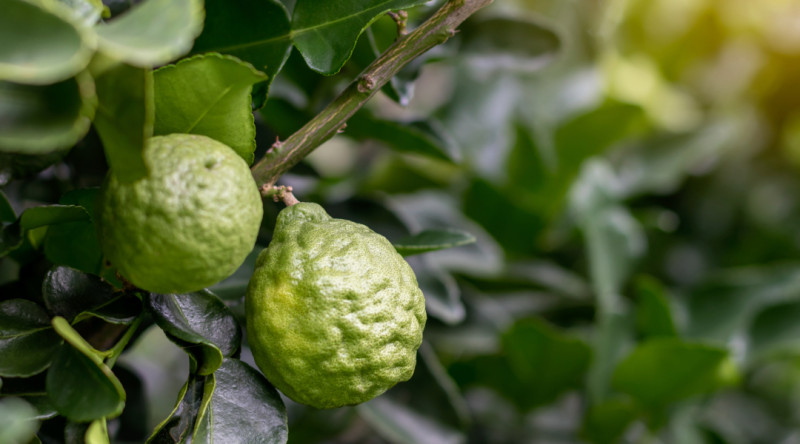
Bergamot, which is a different citrus fruit, also naturally contains bergamottin, but the amount varies widely depending on the type of product.
Most standardized bergamot supplements contain very little or no bergamottin because these furanocoumarins are typically removed during processing.
In contrast, products made from bergamot juice or whole fruit extracts could contain higher levels and, in theory, behave more like grapefruit. This difference is important: the low furanocoumarin extracts found in most dietary supplements are unlikely to meaningfully inhibit CYP3A4 or alter how Eliquis is metabolized.
Currently, there’s no clinical evidence showing that bergamot changes Eliquis levels or increases bleeding risk. Our own interaction checker does not list an interaction (Bergamot - Apixaban Interaction Details | HelloPharmacist). This is certainly good news, but it also means the combination hasn’t been formally studied, so data are limited. If you choose to take bergamot while on Eliquis, let your healthcare provider know and continue routine monitoring as recommended.
Final Words
To reiterate, bergamot supplements, particularly standardized polyphenol extracts, don’t appear to interact with Eliquis in a meaningful way, but formal research on this combination is limited. If you’re using or considering bergamot, avoid formulations made from whole fruit or juice, and let your healthcare provider know.
We appreciate you reaching out to us and feel free to contact us again in the future!
References & sources
Glossary — Terms in This Answer
- Flavonoids
- Plant compounds that have antioxidant properties and are believed to have health benefits.
- Lipid profiles
- Measurements of different types of fats in your blood, including cholesterol and triglycerides.
- Metabolized
- The process by which your body breaks down a substance, such as a medication or supplement.
- CYP3A4
- An enzyme in the liver and intestines responsible for breaking down many medications.
- Furanocoumarins
- Plant chemicals found in certain citrus fruits that can block the enzyme that breaks down many drugs.
- Bergamottin
- A specific plant chemical in bergamot and grapefruit that can interfere with how the body processes certain medications.
- Polyphenol
- A type of plant compound with antioxidant properties often found in extracts and supplements.
Dr. Brian Staiger, PharmD
Doctor of Pharmacy, board certified clinical pharmacist (BCPS), American Herbalist Guild, Medication Therapy Management certified
Brian Staiger, PharmD, BCPS, is a licensed pharmacist with more than 13 years of experience across retail pharmacy, clinical pharmacy, medication safety, pharmacy program development, and healthcare administration. He is the founder of HelloPharmacist.com, where he helps patients...
More answers from Brian →