
Is It Safe to Take Wormwood With Eliquis (Apixaban)?
A reader taking the blood thinner Eliquis (apixaban) wants to know whether it is safe to add wormwood, an herbal supplement with a long history in traditional medicine, to their routine.
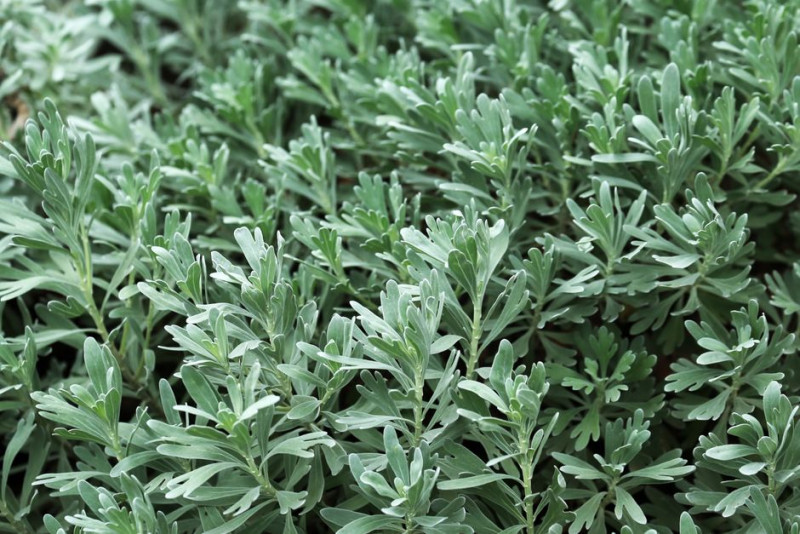

Is it safe to take wormwood with apixaban (Eliquis)?
Jul 20, 2026- Wormwood and Eliquis have not been formally studied together, so while there is no documented interaction, the lack of safety data means you should get approval from your doctor or pharmacist before combining them.
- Eliquis works through liver enzymes and transporters that some herbal products can affect, and wormwood's effects on these pathways have not been well studied in humans.
- Watch for signs of unusual bleeding such as bruising, nosebleeds, or blood in urine or stool if you take both, and report these to your doctor right away.
Hello! I'm glad you checked on this before combining the two.
Wormwood and Eliquis (apixaban) haven't been formally studied together, and while there's no well-documented interaction between them, that lack of data isn't the same as proof of safety.
Wormwood contains some potent plant compounds and hasn't been well characterized in terms of how it affects drug metabolism, and Eliquis is a medication where even modest changes in blood levels can matter, so this really is a combination your doctor or pharmacist should sign off on before you start, or at the very least be aware of.
Why Eliquis Is Risky With Some Herbal Products
Eliquis interactions tend to come from two directions.
The first is anything that changes how the drug is processed in the body.
Eliquis is broken down by the liver enzyme CYP3A4 and moved around by a transporter protein called P-glycoprotein (P-gp), so substances that strongly block those pathways can raise apixaban levels and increase bleeding risk, while substances that increase their activity can lower apixaban levels and leave you less protected against clots.
St. John's wort is the classic herbal example of the second problem, and the prescribing information for Eliquis specifically warns against it.
The second direction is anything that has its own blood-thinning or antiplatelet activity, since stacking that on top of an anticoagulant adds to the chance of bleeding.
Where Wormwood Fits
Wormwood (Artemisia absinthium) is a bitter herb traditionally used for digestive complaints and, historically, for parasitic infections.
It's probably best known for its role in absinthe and for containing thujone, a compound that can be toxic to the nervous system in larger amounts.
The honest answer here is that wormwood's effects on CYP3A4, P-gp, and blood clotting simply aren't well studied in humans. We don't have good clinical data showing that it either raises or lowers apixaban levels, and it has no clearly documented blood-thinning activity of its own, but we also can't rule those effects out.
Since Eliquis already carries a meaningful bleeding risk on its own, any unstudied herbal add-on deserves a cautious approach. If you do take the two together, watch for warning signs like unusual bruising, nosebleeds, blood in the urine or stool, or bleeding that's slow to stop, and report anything like that to your doctor promptly.
Final Words
We have more detail in this related resource: Wormwood drug interactions and safety information.
Thanks again for reaching out to us!
References & sources
- DailyMed. These highlights do not include all the information needed to use ELIQUIS safely and effectively. See full prescribing information for ELIQUIS. ELIQUIS® (apixaban) tablets, for oral useELIQUIS® (apixaban) tablets for oral suspensionELIQUIS® prescribing information: Drug Interactions. SPL Set ID e9481622-7cc6-418a-acb6-c5450daae9b0; label effective 2025-04-17. — DailyMed
- Bioactive Compounds, Pharmacological Actions, and Pharmacokinetics of Wormwood (Artemisia absinthium) — PubMed
NDC Codes for the Medications in This Answer
Every package, labeler and price for each medication in the FDA's National Drug Code directory.
Glossary — Terms in This Answer
- Apixaban
- A prescription blood thinner medication that works by preventing blood clots from forming.
- CYP3A4
- A liver enzyme that breaks down many medications, including Eliquis, to help the body eliminate them.
- P-glycoprotein
- A transport protein in the body that moves drugs around and helps eliminate them from the system.
- Anticoagulant
- A medication that prevents blood clots by interfering with the clotting process.
- Antiplatelet
- A substance that reduces the ability of blood cells called platelets to stick together and form clots.
- Thujone
- A toxic compound found in wormwood that can damage the nervous system in high doses.
- Artemisia absinthium
- The scientific name for the wormwood plant, a bitter herb traditionally used for digestive issues.
- Drug metabolism
- The process by which the body breaks down and processes a medication so it can be eliminated.
Dr. Brian Staiger, PharmD
Doctor of Pharmacy, board certified clinical pharmacist (BCPS), American Herbalist Guild, Medication Therapy Management certified
Brian Staiger, PharmD, BCPS, is a licensed pharmacist with more than 13 years of experience across retail pharmacy, clinical pharmacy, medication safety, pharmacy program development, and healthcare administration. He is the founder of HelloPharmacist.com, where he helps patients...
More answers from Brian →