
Breast Health Formula Ingredients & Drug Interactions
What is this page for?
First and foremost: checking Breast Health Formula against your medications. The heart of this page is the interaction checker and the full interaction report — how this product’s ingredients may interact with prescription and over-the-counter medicines you may be taking.
Around that, we add a pharmacist’s high-level view of the product as a whole — what’s inside, the evidence for its stated use, how transparent the label is, and what safety data exists — so you can see the full picture in one place. It’s educational information from our licensed clinical databases and the clinical staff at HelloPharmacist — not medical advice — and we don’t sell or endorse products. Our editorial policy
Breast Health Formula is a dietary supplement by Life Extension with 11 active ingredients. Its ingredients are commonly taken for bone health and osteoporosis, correcting vitamin d deficiency, immune system support.Based on those ingredients, 1,344 medications have a known interaction with it, the most serious rated major. The ingredients most likely to interact are Vitamin D3, Flax Lignan Seed Extract, Isoflavones. Use the checker below to test your specific medication, or read the full HelloPharmacist Interaction Report.
Check Your Meds Against Breast Health Formula by Life Extension
Ask about any prescription or over-the-counter medication and we check it for interactions with Breast Health Formula by Life Extension — and tell you which ingredient is responsible.
AI summaries are generated from our interaction database for education only — always confirm with your pharmacist. How we use AI
Ask the Pharmacist
A licensed pharmacist will answer your question by email — free, usually within 24 hours.
Got it — thank you!
A licensed pharmacist will answer within 24 hours. Keep an eye on your email (worth checking spam, just in case).
HelloPharmacist Scorecard of Breast Health Formula by Life Extension
Our pharmacy team’s full take, with four database checks built into the cards below — a summary of what is known, not a grade of the product itself.
What’s inside
Partial disclosure
This formula contains 11 active ingredients. The backbone is Vitamin D3 and Calcium, both key for bone health.
You're also getting Iodine for thyroid support, and several plant compounds: Indole-3-Carbinol and Diindolylmethane (DIM) from cruciferous vegetables, Watercress extract, Broccoli seed extract, Flax Lignan seed extract, and Isoflavones. The product also includes Wasabi powder, HMRLignan, a proprietary Cruciferous Vegetable Blend, and a Proprietary Enterolactone Precursors Blend.
The inactive ingredients — Cellulose, Microcrystalline Cellulose, Stearic Acid, Corn Starch, Maltodextrin, and Silica — are standard capsule fillers and binders.
Does it work?
Moderate evidence
The evidence varies widely by ingredient and condition. Vitamin D3 has solid evidence for treating bone disorders like rickets, osteomalacia, and renal bone disease.
Calcium is established for osteoporosis. Iodine is proven for iodine deficiency and radiation exposure, though evidence for oral mucositis and gum disease is weaker.
For breast health specifically — the product's main claim — the evidence is thin. Indole-3-carbinol, diindolylmethane, broccoli, flax lignans, and isoflavones all show insufficient reliable evidence for breast cancer prevention or treatment.
Flaxseed does have possibly effective evidence for cholesterol, blood sugar, breast pain, and blood pressure. The bottom line: you have proven ingredients for bone and general health, but the breast-specific benefits remain unproven.
How safe is it?
Well-documented data
At recommended doses, the ingredients are generally well tolerated. Vitamin D3 is safe at normal amounts but can cause toxicity at very high doses, leading to high blood calcium (hypercalcemia).
Calcium is also safe at recommended doses; common side effects are constipation and gas. Iodine is safe in normal dietary amounts but can cause thyroid problems at high doses.
Indole-3-carbinol and diindolylmethane have been associated with diarrhea, nausea, headache, and rash; long-term safety data are limited. Watercress and broccoli extracts are generally safe in food amounts, though raw watercress can carry parasitic contamination and broccoli extracts may cause loose stools at high doses.
Flaxseed commonly causes bloating, gas, and diarrhea if you increase fiber intake too quickly. For pregnancy, vitamin D and calcium are likely safe at recommended doses, but iodine safety in pregnancy is mixed (likely safe but use only amounts your doctor advises).
Indole-3-carbinol should be avoided in pregnancy. Data for most ingredients during breastfeeding are incomplete; check with your doctor before using while nursing.
Meds to double-check
Major interaction found
Before taking this product, double-check if you're on HIV integrase inhibitors (dolutegravir or elvitegravir — Major interaction with calcium), thiazide diuretics, verapamil, digoxin, or diltiazem (Moderate interactions with vitamin D or calcium involving heart rhythm and high blood calcium), lithium (iodine and watercress), warfarin or other blood thinners (watercress and flaxseed), thyroid medications (iodine), levothyroxine (calcium), antidiabetes drugs (flaxseed), estrogen therapy (indole-3-carbinol, DIM, isoflavones), or methotrexate (isoflavones). This list is not exhaustive — use the medication checker on this page.
The bottom line
Scorecard at a glancePartially disclosed formula with some supporting evidence for its stated purpose. Major medication interactions have been identified, and safety information is well characterized.
This product makes sense for someone wanting foundational bone support with vitamin D and calcium, plus additional nutrients from plant sources. If you're taking any prescription medication — especially HIV drugs, thyroid hormone, blood thinners, heart rhythm drugs, or diabetes medications — you need to check your specific drugs with the tool below before starting.
Talk to your pharmacist about spacing doses if you're on levothyroxine or any integrase inhibitor.
Educational only — not medical advice; always confirm with your pharmacist. Our editorial policy · How we use AI
Assessment coverage: 9 of 11 active ingredients matched to our full ingredient reviews (monographs). Based on the product label dated May 21, 2025.
This Scorecard evaluates available label information, ingredient evidence, and known medication-safety considerations. It does not independently verify product identity, purity, potency, contamination, or manufacturing quality. How these ratings are computed
General information
Key facts about Breast Health Formula, straight from the product label.
| Brand | Life Extension |
|---|---|
| Barcode (UPC) | 737870194262 |
| Net contents | 60 Capsule(s) |
| Market status | On market |
| Date entered into DSLD | May 21, 2025 |
| DSLD ID | 328303 |
| Product type | Other Combinations |
| Supplement form | Capsule |
| Dietary claims / uses | All Other, Structure/Function |
| Intended target group(s) | Adult Female (18 - 50 Years), Gluten Free |
Everything in this section is reproduced from the manufacturer’s own product label — it’s the label speaking, not HelloPharmacist. We show it so you can see exactly what the maker states; we don’t verify or endorse those statements.
Supplement Facts
The label details for Breast Health Formula by Life Extension, sourced from the NIH Dietary Supplement Label Database.
Supplement Facts
| Ingredient | Amount | % DV |
|---|---|---|
| Vitamin D3 | 25 mcg | 125% |
| Iodine | 2 mg | 1333% |
| Calcium | 16.5 mg | 1% |
| Indole-3-Carbinol | 100 mg | -- |
| 3,3'-Diindolylmethane | 14 mg | -- |
| Wasabi, Powder | 0 NP | -- |
| Proprietary Cruciferous Vegetable Blend | 550 mg | -- |
| Proprietary Enterolactone Precursors Blend | 65 mg | -- |
| HMRLignan | 0 NP | -- |
| Watercress Whole Herb Extract | 0 NP | -- |
| Broccoli Plant, Seed Super Concentrate Extract | 0 NP | -- |
| Flax Lignan Seed Extract | 0 NP | -- |
| Isoflavones | 35 mg | -- |
Other ingredients: Cellulose, Microcrystalline Cellulose, Stearic Acid, Corn Starch, Maltodextrin, Silica
Tap any ingredient to jump to its full detail below.
These statements are the manufacturer’s wording, reproduced from the product label — the label is saying it, not HelloPharmacist. We don’t verify or endorse them.
General Statements
Scan for product info
Suggested/Recommended/Usage/Directions
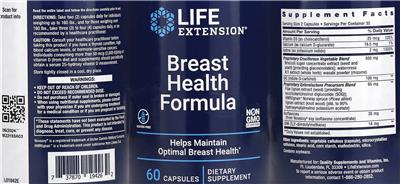
Read the entire label and follow the directions carefully prior to use. Directions: Take two (2) capsules daily for individuals weighing up to 160 lbs., and for those weighing over 160 lbs., take three (3) to four (4) capsules daily, or as recommended by a healthcare practitioner.
Precautions
Caution: Consult your healthcare practitioner before taking this product if you have a thyroid condition, high blood calcium levels, or hormone-sensitive cancers. Individuals consuming more than 50 mcg (2,000 IU)/day of vitamin D (from diet and supplements) should periodically obtain a serum 25-hydroxy vitamin D measurement.
Warnings: Keep out of reach of children.
Do not exceed recommended dose. Do not purchase if outer seal is broken or damaged.
When using nutritional supplements, please consult with your physician if you are undergoing treatment for a medical condition or if you are pregnant or lactating.
Contains soybeans.
To report a serious adverse event or obtain product information, contact 1-866-280-2852.
Storage
Store tightly closed in a cool, dry place.
FDA Disclaimer Statement
These statements have not been evaluated by the Food and Drug Administration. This product is not intended to diagnose, treat, cure, or prevent any disease.
Brand IP Statement(s)
Novasoy is a registered trademark of Archer Daniels Midland Company, HMRlignan is a trademark used under sublicense from Linnea S.A.
Formulation
Gluten free Non GMO LE Certified
Helps maintain optimal breast health
Seals/Symbols
Non GMO LE Certified
FDA Statement of Identity
Dietary Supplement
Is this label outdated? Report a formula or label change and our pharmacy team will review it.
Breast Health Formula by Life Extension label
The label scan from the NIH Dietary Supplement Label Database. Tap to enlarge.
Label images are published by the NIH Dietary Supplement Label Database for the version of this product on file. Always read your actual product label.
View the full label (PDF)The Ingredients in Breast Health Formula by Life Extension
These are the 11 active ingredients this product is made of. Select any to open its full monograph.
Serving size2 Capsule(s) Dosage formCapsule Servings per container30 Amounts shown are per serving.
Most supplement products combine several ingredients, and a medication can interact with the product through any one of them. Each ingredient below shows whether it has known drug interactions.
Vitamin D3
Interacts with717 drugs
Vitamin D is a fat-soluble vitamin that helps your body absorb calcium and is important for healthy bones, muscles, and immune function. Many people,...
Vitamin D3 monograph & interactionsIodine
Interacts with7 drugs
Iodine is an essential mineral your body needs to make thyroid hormones, and most people get enough from iodized salt, dairy, and seafood. Supplements...
Iodine monograph & interactionsCalcium
Interacts with168 drugs
Calcium is an essential mineral your body needs for strong bones, nerve signaling, and muscle function, and supplements can help fill gaps when diet f...
Calcium monograph & interactionsIndole-3-Carbinol
Interacts with294 drugs
Indole-3-carbinol (I3C) is a compound formed when you eat cruciferous vegetables like broccoli and cabbage, and it is sold as a supplement mainly for...
Indole-3-Carbinol monograph & interactions3,3'-Diindolylmethane
Interacts with269 drugs
Diindolylmethane (DIM) is a compound made when your body digests cruciferous vegetables, and it is sold as a supplement mainly for hormone balance and...
3,3'-Diindolylmethane monograph & interactionsProprietary Cruciferous Vegetable Blend
- › Wasabi, Powder
- › Watercress Whole Herb Extract
- › Broccoli Plant, Seed Super Concentrate Extract
Proprietary Enterolactone Precursors Blend
- › HMRLignan
- › Flax Lignan Seed Extract
Isoflavones
Interacts with586 drugs
Kudzu is a fast-growing vine whose root has long been used in traditional Chinese medicine and is now studied mostly for reducing alcohol intake. Earl...
Isoflavones monograph & interactionsOther (inactive) ingredients: Cellulose, Microcrystalline Cellulose, Stearic Acid, Corn Starch, Maltodextrin, Silica. These complete the product’s ingredient list but are not active constituents.
Breast Health Formula by Life Extension Drug Interactions
HelloPharmacist Interaction Report
Breast Health Formula by Life Extension does interact with a number of medications.
Calcium in this product has the most serious interactions — it can significantly reduce levels of two HIV integrase inhibitors, dolutegravir and elvitegravir, by up to 40%, which could compromise their effectiveness. Spacing these antiretrovirals 2+ hours away from calcium is necessary.
Read the full breakdown — every affected drug type, severity by severity
Calcium also interacts with several other important drugs at moderate severity: it reduces absorption of the thyroid hormone levothyroxine and the heart rhythm drug sotalol (separate doses by at least 4 hours for levothyroxine, 2–6 hours for sotalol), may lower levels of the cholesterol drug atorvastatin, and can increase the risk of dangerously high calcium levels if combined with the psoriasis drug calcipotriene or the calcium channel blocker diltiazem. Vitamin D3 carries similar moderate-severity concerns with thiazide diuretics, verapamil, digoxin, diltiazem, and the psoriasis drug calcipotriene — all involving the risk of high blood calcium — as well as with the statin atorvastatin.
Additionally, iodine interacts with lithium (additive thyroid-suppressing effects), antithyroid medications, and amiodarone (an arrhythmia drug containing high iodine). Watercress extract may increase lithium levels, reduce the effect of warfarin (a blood thinner), and increase side effects of the muscle relaxant chlorzoxazone.
Indole-3-carbinol and diindolylmethane (DIM) both carry moderate interactions with estrogen therapies and anticoagulants/antiplatelet drugs. Broccoli and flaxseed extracts may reduce the effectiveness of certain cancer drugs and blood pressure or diabetes medications, respectively.
Isoflavones (kudzu) interact with multiple drug classes including anticoagulants, estrogens, methotrexate, and diabetes medications.
Altogether, these interactions span 1,322 individual medications. We could not check wasabi powder or the proprietary blends (HMRLignan, Proprietary Cruciferous Vegetable Blend, and Proprietary Enterolactone Precursors Blend) for interactions.
Please search your exact medications using the tool on this page to see if any are affected.
Check your own medications below · Editorial policy · How we use AI
Want to check YOUR meds against Breast Health Formula?
Ask about interactions with your drugs in plain English — “Can I take it with lisinopril?” — and we find you the answer in seconds, ingredient by ingredient.
Go to the checkerIngredients driving the most interactions
Individual Drug Interactions
The ingredients in Breast Health Formula interact with 1,344 drugs. Click any drug to see the details.
9 of the 11 ingredients in Breast Health Formula interact with drugs. Each result below shows which ingredient is responsible. Vitamin D3 Flax Lignan Seed Extract Isoflavones Indole-3-Carbinol 3,3'-Diindolylmethane Broccoli Plant, Seed Super Concentrate Extract Calcium Iodine Watercress Whole Herb Extract
CeftriaxoneRocephin
How Ceftriaxone interacts with Breast Health Formula — through 2 ingredients. Tap an ingredient for the detail:
CalciumCeftriaxone (rocephin) Major
Interaction Summary
Co-administration of intravenous calcium and ceftriaxone can result in precipitation of a ceftriaxone-calcium salt in the lungs and kidneys.
Read the full Calcium + Ceftriaxone interactionFlax Lignan Seed ExtractAntibiotic Drugs Moderate
Interaction Summary
Theoretically, antibiotics might interfere with the metabolism of flaxseed constituents, which could potentially alter the effects of flaxseed.
Read the full Flax Lignan Seed Extract + Ceftriaxone interactionCobicistat, Elvitegravir, Emtricitabine, Tenofovir Alafenamide FumarateGenvoya
How Cobicistat, Elvitegravir, Emtricitabine, Tenofovir Alafenamide Fumarate interacts with Breast Health Formula — through 3 ingredients. Tap an ingredient for the detail:
CalciumElvitegravir (vitekta), Bictegravir/emtricitabine/tenofovir Alafenamide (biktarvy) Major
Interaction Summary
Calcium seems to reduce levels of elvitegravir.
Read the full Calcium + Cobicistat, Elvitegravir, Emtricitabine, Tenofovir Alafenamide Fumarate interactionIsoflavonesHepatotoxic Drugs Moderate
Interaction Summary
Theoretically, concomitant use might have additive hepatotoxic effects.
Read the full Isoflavones + Cobicistat, Elvitegravir, Emtricitabine, Tenofovir Alafenamide Fumarate interactionVitamin D3Cytochrome P450 3a4 (cyp3a4) Substrates Minor
Interaction Summary
Vitamin D might induce CYP3A4 enzymes and reduce the bioavailability of CYP3A4 substrates.
Read the full Vitamin D3 + Cobicistat, Elvitegravir, Emtricitabine, Tenofovir Alafenamide Fumarate interactionDolutegravirTivicay
How Dolutegravir interacts with Breast Health Formula — through 1 ingredient. Tap an ingredient for the detail:
CalciumDolutegravir (tivicay) Major
Interaction Summary
Calcium seems to reduce levels of dolutegravir.
Read the full Calcium + Dolutegravir interactionDolutegravir, Emtricitabine, Tenofovir AlafenamideDolutegravir, Emtricitabine, Tenofovir Alafenamide
How Dolutegravir, Emtricitabine, Tenofovir Alafenamide interacts with Breast Health Formula — through 2 ingredients. Tap an ingredient for the detail:
CalciumDolutegravir (tivicay), Bictegravir/emtricitabine/tenofovir Alafenamide (biktarvy) Major
Interaction Summary
Calcium seems to reduce levels of dolutegravir.
Read the full Calcium + Dolutegravir, Emtricitabine, Tenofovir Alafenamide interactionIsoflavonesHepatotoxic Drugs Moderate
Interaction Summary
Theoretically, concomitant use might have additive hepatotoxic effects.
Read the full Isoflavones + Dolutegravir, Emtricitabine, Tenofovir Alafenamide interactionDolutegravir, RilpivirineJuluca
How Dolutegravir, Rilpivirine interacts with Breast Health Formula — through 2 ingredients. Tap an ingredient for the detail:
CalciumDolutegravir (tivicay) Major
Interaction Summary
Calcium seems to reduce levels of dolutegravir.
Read the full Calcium + Dolutegravir, Rilpivirine interactionVitamin D3Cytochrome P450 3a4 (cyp3a4) Substrates Minor
Interaction Summary
Vitamin D might induce CYP3A4 enzymes and reduce the bioavailability of CYP3A4 substrates.
Read the full Vitamin D3 + Dolutegravir, Rilpivirine interactionElvitegravirVitekta
How Elvitegravir interacts with Breast Health Formula — through 2 ingredients. Tap an ingredient for the detail:
CalciumElvitegravir (vitekta) Major
Interaction Summary
Calcium seems to reduce levels of elvitegravir.
Read the full Calcium + Elvitegravir interactionVitamin D3Cytochrome P450 3a4 (cyp3a4) Substrates Minor
Interaction Summary
Vitamin D might induce CYP3A4 enzymes and reduce the bioavailability of CYP3A4 substrates.
Read the full Vitamin D3 + Elvitegravir interactionElvitegravir, Cobicistat, Emtricitabine, Tenofovir Disoproxil FumarateStribild
How Elvitegravir, Cobicistat, Emtricitabine, Tenofovir Disoproxil Fumarate interacts with Breast Health Formula — through 3 ingredients. Tap an ingredient for the detail:
CalciumElvitegravir (vitekta), Bictegravir/emtricitabine/tenofovir Alafenamide (biktarvy) Major
Interaction Summary
Calcium seems to reduce levels of elvitegravir.
Read the full Calcium + Elvitegravir, Cobicistat, Emtricitabine, Tenofovir Disoproxil Fumarate interactionIsoflavonesHepatotoxic Drugs Moderate
Interaction Summary
Theoretically, concomitant use might have additive hepatotoxic effects.
Read the full Isoflavones + Elvitegravir, Cobicistat, Emtricitabine, Tenofovir Disoproxil Fumarate interactionVitamin D3Cytochrome P450 3a4 (cyp3a4) Substrates Minor
Interaction Summary
Vitamin D might induce CYP3A4 enzymes and reduce the bioavailability of CYP3A4 substrates.
Read the full Vitamin D3 + Elvitegravir, Cobicistat, Emtricitabine, Tenofovir Disoproxil Fumarate interaction6-mercaptopurinePurinethol
How 6-mercaptopurine interacts with Breast Health Formula — through 1 ingredient. Tap an ingredient for the detail:
IsoflavonesHepatotoxic Drugs Moderate
Interaction Summary
Theoretically, concomitant use might have additive hepatotoxic effects.
Read the full Isoflavones + 6-mercaptopurine interactionAbacavir Sulfate, Dolutegravir, LamivudineTriumeq
How Abacavir Sulfate, Dolutegravir, Lamivudine interacts with Breast Health Formula — through 1 ingredient. Tap an ingredient for the detail:
IsoflavonesHepatotoxic Drugs Moderate
Interaction Summary
Theoretically, concomitant use might have additive hepatotoxic effects.
Read the full Isoflavones + Abacavir Sulfate, Dolutegravir, Lamivudine interactionAbacavir, LamivudineEpzicom
How Abacavir, Lamivudine interacts with Breast Health Formula — through 1 ingredient. Tap an ingredient for the detail:
IsoflavonesHepatotoxic Drugs Moderate
Interaction Summary
Theoretically, concomitant use might have additive hepatotoxic effects.
Read the full Isoflavones + Abacavir, Lamivudine interactionAbciximabReoPro
How Abciximab interacts with Breast Health Formula — through 3 ingredients. Tap an ingredient for the detail:
Flax Lignan Seed ExtractAnticoagulant/antiplatelet Drugs Moderate
Interaction Summary
Theoretically, using flaxseed in combination with anticoagulant or antiplatelet drugs might have additive effects and increase the risk of bleeding.
Read the full Flax Lignan Seed Extract + Abciximab interactionIndole-3-carbinolAnticoagulant/antiplatelet Drugs Moderate
Interaction Summary
Theoretically, indole-3-carbinol might increase the risk of bleeding when used with antiplatelet or anticoagulant drugs.
Read the full Indole-3-carbinol + Abciximab interactionIsoflavonesAnticoagulant/antiplatelet Drugs Moderate
Interaction Summary
Theoretically, kudzu may increase the risk of bleeding if used with antiplatelet or anticoagulant drugs.
Read the full Isoflavones + Abciximab interactionAbiraterone
How Abiraterone interacts with Breast Health Formula — through 2 ingredients. Tap an ingredient for the detail:
IsoflavonesHepatotoxic Drugs Moderate
Interaction Summary
Theoretically, concomitant use might have additive hepatotoxic effects.
Read the full Isoflavones + Abiraterone interactionVitamin D3Cytochrome P450 3a4 (cyp3a4) Substrates Minor
Interaction Summary
Vitamin D might induce CYP3A4 enzymes and reduce the bioavailability of CYP3A4 substrates.
Read the full Vitamin D3 + Abiraterone interactionAbiraterone AcetateYonsa, Zytiga
How Abiraterone Acetate interacts with Breast Health Formula — through 2 ingredients. Tap an ingredient for the detail:
IsoflavonesHepatotoxic Drugs Moderate
Interaction Summary
Theoretically, concomitant use might have additive hepatotoxic effects.
Read the full Isoflavones + Abiraterone Acetate interactionVitamin D3Cytochrome P450 3a4 (cyp3a4) Substrates Minor
Interaction Summary
Vitamin D might induce CYP3A4 enzymes and reduce the bioavailability of CYP3A4 substrates.
Read the full Vitamin D3 + Abiraterone Acetate interactionAbrocitinibCibinqo
How Abrocitinib interacts with Breast Health Formula — through 3 ingredients. Tap an ingredient for the detail:
Flax Lignan Seed ExtractAnticoagulant/antiplatelet Drugs Moderate
Interaction Summary
Theoretically, using flaxseed in combination with anticoagulant or antiplatelet drugs might have additive effects and increase the risk of bleeding.
Read the full Flax Lignan Seed Extract + Abrocitinib interactionIndole-3-carbinolAnticoagulant/antiplatelet Drugs Moderate
Interaction Summary
Theoretically, indole-3-carbinol might increase the risk of bleeding when used with antiplatelet or anticoagulant drugs.
Read the full Indole-3-carbinol + Abrocitinib interactionIsoflavonesAnticoagulant/antiplatelet Drugs Moderate
Interaction Summary
Theoretically, kudzu may increase the risk of bleeding if used with antiplatelet or anticoagulant drugs.
Read the full Isoflavones + Abrocitinib interactionAcarboseGlucobay, Prandase, Precose
How Acarbose interacts with Breast Health Formula — through 2 ingredients. Tap an ingredient for the detail:
IsoflavonesHepatotoxic Drugs, Antidiabetes Drugs Moderate
Interaction Summary
Theoretically, concomitant use might have additive hepatotoxic effects.
Read the full Isoflavones + Acarbose interactionFlax Lignan Seed ExtractAntidiabetes Drugs Moderate
Interaction Summary
Theoretically, flaxseed might have additive effects when used with antidiabetes drugs and increase the risk for hypoglycemia.
Read the full Flax Lignan Seed Extract + Acarbose interactionAcebutololRhotral, Sectral
How Acebutolol interacts with Breast Health Formula — through 2 ingredients. Tap an ingredient for the detail:
Flax Lignan Seed ExtractAntihypertensive Drugs Moderate
Interaction Summary
Theoretically, flaxseed might have additive effects when used with antihypertensive drugs and increase the risk of hypotension.
Read the full Flax Lignan Seed Extract + Acebutolol interactionIsoflavonesHepatotoxic Drugs Moderate
Interaction Summary
Theoretically, concomitant use might have additive hepatotoxic effects.
Read the full Isoflavones + Acebutolol interactionAcenocoumarolSintrom
How Acenocoumarol interacts with Breast Health Formula — through 3 ingredients. Tap an ingredient for the detail:
Flax Lignan Seed ExtractAnticoagulant/antiplatelet Drugs Moderate
Interaction Summary
Theoretically, using flaxseed in combination with anticoagulant or antiplatelet drugs might have additive effects and increase the risk of bleeding.
Read the full Flax Lignan Seed Extract + Acenocoumarol interactionIndole-3-carbinolAnticoagulant/antiplatelet Drugs Moderate
Interaction Summary
Theoretically, indole-3-carbinol might increase the risk of bleeding when used with antiplatelet or anticoagulant drugs.
Read the full Indole-3-carbinol + Acenocoumarol interactionIsoflavonesAnticoagulant/antiplatelet Drugs Moderate
Interaction Summary
Theoretically, kudzu may increase the risk of bleeding if used with antiplatelet or anticoagulant drugs.
Read the full Isoflavones + Acenocoumarol interactionAcetaminophenChildren's Tylenol, Children's Tylenol Meltaways, Tylenol, Tylenol Ex Strength
How Acetaminophen interacts with Breast Health Formula — through 4 ingredients. Tap an ingredient for the detail:
IsoflavonesHepatotoxic Drugs Moderate
Interaction Summary
Theoretically, concomitant use might have additive hepatotoxic effects.
Read the full Isoflavones + Acetaminophen interactionIndole-3-carbinolCytochrome P450 1a2 (cyp1a2) Substrates Moderate
Interaction Summary
Theoretically, indole-3-carbinol might increase the metabolism of CYP1A2 substrates and lower serum concentrations.
Read the full Indole-3-carbinol + Acetaminophen interactionBroccoli Plant, Seed Super Concentrate ExtractCytochrome P450 1a2 (cyp1a2) Substrates Moderate
Interaction Summary
Theoretically, broccoli might reduce the levels and effects of drugs metabolized by CYP1A2.
Read the full Broccoli Plant, Seed Super Concentrate Extract + Acetaminophen interaction3,3'-diindolylmethaneCytochrome P450 1a2 (cyp1a2) Substrates Minor
Interaction Summary
Theoretically, diindolylmethane might lower serum levels of CYP1A2 substrates.
Read the full 3,3'-diindolylmethane + Acetaminophen interactionAcetaminophen, AspirinGemnisyn
How Acetaminophen, Aspirin interacts with Breast Health Formula — through 5 ingredients. Tap an ingredient for the detail:
Broccoli Plant, Seed Super Concentrate ExtractCytochrome P450 1a2 (cyp1a2) Substrates Moderate
Interaction Summary
Theoretically, broccoli might reduce the levels and effects of drugs metabolized by CYP1A2.
Read the full Broccoli Plant, Seed Super Concentrate Extract + Acetaminophen, Aspirin interactionIsoflavonesHepatotoxic Drugs, Anticoagulant/antiplatelet Drugs Moderate
Interaction Summary
Theoretically, concomitant use might have additive hepatotoxic effects.
Read the full Isoflavones + Acetaminophen, Aspirin interactionIndole-3-carbinolCytochrome P450 1a2 (cyp1a2) Substrates, Anticoagulant/antiplatelet Drugs Moderate
Interaction Summary
Theoretically, indole-3-carbinol might increase the metabolism of CYP1A2 substrates and lower serum concentrations.
Read the full Indole-3-carbinol + Acetaminophen, Aspirin interactionFlax Lignan Seed ExtractAnticoagulant/antiplatelet Drugs Moderate
Interaction Summary
Theoretically, using flaxseed in combination with anticoagulant or antiplatelet drugs might have additive effects and increase the risk of bleeding.
Read the full Flax Lignan Seed Extract + Acetaminophen, Aspirin interaction3,3'-diindolylmethaneCytochrome P450 1a2 (cyp1a2) Substrates Minor
Interaction Summary
Theoretically, diindolylmethane might lower serum levels of CYP1A2 substrates.
Read the full 3,3'-diindolylmethane + Acetaminophen, Aspirin interactionAcetaminophen, Aspirin, CaffeineExcedrin, Excedrin Extra Strength, Excedrin Migraine
How Acetaminophen, Aspirin, Caffeine interacts with Breast Health Formula — through 6 ingredients. Tap an ingredient for the detail:
Flax Lignan Seed ExtractAnticoagulant/antiplatelet Drugs Moderate
Interaction Summary
Theoretically, using flaxseed in combination with anticoagulant or antiplatelet drugs might have additive effects and increase the risk of bleeding.
Read the full Flax Lignan Seed Extract + Acetaminophen, Aspirin, Caffeine interactionIsoflavonesHepatotoxic Drugs, Caffeine +1 Moderate
Interaction Summary
Theoretically, concomitant use might have additive hepatotoxic effects.
Read the full Isoflavones + Acetaminophen, Aspirin, Caffeine interactionBroccoli Plant, Seed Super Concentrate ExtractCytochrome P450 1a2 (cyp1a2) Substrates Moderate
Interaction Summary
Theoretically, broccoli might reduce the levels and effects of drugs metabolized by CYP1A2.
Read the full Broccoli Plant, Seed Super Concentrate Extract + Acetaminophen, Aspirin, Caffeine interactionIndole-3-carbinolAnticoagulant/antiplatelet Drugs, Cytochrome P450 1a2 (cyp1a2) Substrates Moderate
Interaction Summary
Theoretically, indole-3-carbinol might increase the risk of bleeding when used with antiplatelet or anticoagulant drugs.
Read the full Indole-3-carbinol + Acetaminophen, Aspirin, Caffeine interactionVitamin D3Cytochrome P450 3a4 (cyp3a4) Substrates Minor
Interaction Summary
Vitamin D might induce CYP3A4 enzymes and reduce the bioavailability of CYP3A4 substrates.
Read the full Vitamin D3 + Acetaminophen, Aspirin, Caffeine interaction3,3'-diindolylmethaneCytochrome P450 1a2 (cyp1a2) Substrates Minor
Interaction Summary
Theoretically, diindolylmethane might lower serum levels of CYP1A2 substrates.
Read the full 3,3'-diindolylmethane + Acetaminophen, Aspirin, Caffeine interactionAcetaminophen, Brompheniramine, PhenylpropanolamineDimetapp Cold and Flu
How Acetaminophen, Brompheniramine, Phenylpropanolamine interacts with Breast Health Formula — through 4 ingredients. Tap an ingredient for the detail:
Indole-3-carbinolCytochrome P450 1a2 (cyp1a2) Substrates Moderate
Interaction Summary
Theoretically, indole-3-carbinol might increase the metabolism of CYP1A2 substrates and lower serum concentrations.
Read the full Indole-3-carbinol + Acetaminophen, Brompheniramine, Phenylpropanolamine interactionIsoflavonesHepatotoxic Drugs Moderate
Interaction Summary
Theoretically, concomitant use might have additive hepatotoxic effects.
Read the full Isoflavones + Acetaminophen, Brompheniramine, Phenylpropanolamine interactionBroccoli Plant, Seed Super Concentrate ExtractCytochrome P450 1a2 (cyp1a2) Substrates Moderate
Interaction Summary
Theoretically, broccoli might reduce the levels and effects of drugs metabolized by CYP1A2.
Read the full Broccoli Plant, Seed Super Concentrate Extract + Acetaminophen, Brompheniramine, Phenylpropanolamine interaction3,3'-diindolylmethaneCytochrome P450 1a2 (cyp1a2) Substrates Minor
Interaction Summary
Theoretically, diindolylmethane might lower serum levels of CYP1A2 substrates.
Read the full 3,3'-diindolylmethane + Acetaminophen, Brompheniramine, Phenylpropanolamine interactionAcetaminophen, ButalbitalAxocet, Bancap, Bucet, Butex Forte, Esgic CF, Orbivan CF +5 more
How Acetaminophen, Butalbital interacts with Breast Health Formula — through 4 ingredients. Tap an ingredient for the detail:
IsoflavonesHepatotoxic Drugs Moderate
Interaction Summary
Theoretically, concomitant use might have additive hepatotoxic effects.
Read the full Isoflavones + Acetaminophen, Butalbital interactionIndole-3-carbinolCytochrome P450 1a2 (cyp1a2) Substrates Moderate
Interaction Summary
Theoretically, indole-3-carbinol might increase the metabolism of CYP1A2 substrates and lower serum concentrations.
Read the full Indole-3-carbinol + Acetaminophen, Butalbital interactionBroccoli Plant, Seed Super Concentrate ExtractCytochrome P450 1a2 (cyp1a2) Substrates Moderate
Interaction Summary
Theoretically, broccoli might reduce the levels and effects of drugs metabolized by CYP1A2.
Read the full Broccoli Plant, Seed Super Concentrate Extract + Acetaminophen, Butalbital interaction3,3'-diindolylmethaneCytochrome P450 1a2 (cyp1a2) Substrates Minor
Interaction Summary
Theoretically, diindolylmethane might lower serum levels of CYP1A2 substrates.
Read the full 3,3'-diindolylmethane + Acetaminophen, Butalbital interactionAcetaminophen, Butalbital, CaffeineEsgic, Esgic Plus, Fiogesic, Fioricet, Repan, Tecnal +1 more
How Acetaminophen, Butalbital, Caffeine interacts with Breast Health Formula — through 5 ingredients. Tap an ingredient for the detail:
Broccoli Plant, Seed Super Concentrate ExtractCytochrome P450 1a2 (cyp1a2) Substrates Moderate
Interaction Summary
Theoretically, broccoli might reduce the levels and effects of drugs metabolized by CYP1A2.
Read the full Broccoli Plant, Seed Super Concentrate Extract + Acetaminophen, Butalbital, Caffeine interactionIsoflavonesHepatotoxic Drugs, Caffeine Moderate
Interaction Summary
Theoretically, concomitant use might have additive hepatotoxic effects.
Read the full Isoflavones + Acetaminophen, Butalbital, Caffeine interactionIndole-3-carbinolCytochrome P450 1a2 (cyp1a2) Substrates Moderate
Interaction Summary
Theoretically, indole-3-carbinol might increase the metabolism of CYP1A2 substrates and lower serum concentrations.
Read the full Indole-3-carbinol + Acetaminophen, Butalbital, Caffeine interactionVitamin D3Cytochrome P450 3a4 (cyp3a4) Substrates Minor
Interaction Summary
Vitamin D might induce CYP3A4 enzymes and reduce the bioavailability of CYP3A4 substrates.
Read the full Vitamin D3 + Acetaminophen, Butalbital, Caffeine interaction3,3'-diindolylmethaneCytochrome P450 1a2 (cyp1a2) Substrates Minor
Interaction Summary
Theoretically, diindolylmethane might lower serum levels of CYP1A2 substrates.
Read the full 3,3'-diindolylmethane + Acetaminophen, Butalbital, Caffeine interactionAcetaminophen, Butalbital, Caffeine, CodeineEsgic with Codeine, Fioricet w/ Codeine
How Acetaminophen, Butalbital, Caffeine, Codeine interacts with Breast Health Formula — through 5 ingredients. Tap an ingredient for the detail:
IsoflavonesCaffeine, Hepatotoxic Drugs Moderate
Interaction Summary
Theoretically, taking kudzu with caffeine might increase levels of caffeine.
Read the full Isoflavones + Acetaminophen, Butalbital, Caffeine, Codeine interactionBroccoli Plant, Seed Super Concentrate ExtractCytochrome P450 1a2 (cyp1a2) Substrates Moderate
Interaction Summary
Theoretically, broccoli might reduce the levels and effects of drugs metabolized by CYP1A2.
Read the full Broccoli Plant, Seed Super Concentrate Extract + Acetaminophen, Butalbital, Caffeine, Codeine interactionIndole-3-carbinolCytochrome P450 1a2 (cyp1a2) Substrates Moderate
Interaction Summary
Theoretically, indole-3-carbinol might increase the metabolism of CYP1A2 substrates and lower serum concentrations.
Read the full Indole-3-carbinol + Acetaminophen, Butalbital, Caffeine, Codeine interactionVitamin D3Cytochrome P450 3a4 (cyp3a4) Substrates Minor
Interaction Summary
Vitamin D might induce CYP3A4 enzymes and reduce the bioavailability of CYP3A4 substrates.
Read the full Vitamin D3 + Acetaminophen, Butalbital, Caffeine, Codeine interaction3,3'-diindolylmethaneCytochrome P450 1a2 (cyp1a2) Substrates Minor
Interaction Summary
Theoretically, diindolylmethane might lower serum levels of CYP1A2 substrates.
Read the full 3,3'-diindolylmethane + Acetaminophen, Butalbital, Caffeine, Codeine interactionAcetaminophen, Butalbital, CodeineBancap w/ Codeine
How Acetaminophen, Butalbital, Codeine interacts with Breast Health Formula — through 4 ingredients. Tap an ingredient for the detail:
IsoflavonesHepatotoxic Drugs Moderate
Interaction Summary
Theoretically, concomitant use might have additive hepatotoxic effects.
Read the full Isoflavones + Acetaminophen, Butalbital, Codeine interactionBroccoli Plant, Seed Super Concentrate ExtractCytochrome P450 1a2 (cyp1a2) Substrates Moderate
Interaction Summary
Theoretically, broccoli might reduce the levels and effects of drugs metabolized by CYP1A2.
Read the full Broccoli Plant, Seed Super Concentrate Extract + Acetaminophen, Butalbital, Codeine interactionIndole-3-carbinolCytochrome P450 1a2 (cyp1a2) Substrates Moderate
Interaction Summary
Theoretically, indole-3-carbinol might increase the metabolism of CYP1A2 substrates and lower serum concentrations.
Read the full Indole-3-carbinol + Acetaminophen, Butalbital, Codeine interaction3,3'-diindolylmethaneCytochrome P450 1a2 (cyp1a2) Substrates Minor
Interaction Summary
Theoretically, diindolylmethane might lower serum levels of CYP1A2 substrates.
Read the full 3,3'-diindolylmethane + Acetaminophen, Butalbital, Codeine interactionAcetaminophen, Butalbital, Codeine PhosphatePhrenilin #3
How Acetaminophen, Butalbital, Codeine Phosphate interacts with Breast Health Formula — through 4 ingredients. Tap an ingredient for the detail:
Indole-3-carbinolCytochrome P450 1a2 (cyp1a2) Substrates Moderate
Interaction Summary
Theoretically, indole-3-carbinol might increase the metabolism of CYP1A2 substrates and lower serum concentrations.
Read the full Indole-3-carbinol + Acetaminophen, Butalbital, Codeine Phosphate interactionIsoflavonesHepatotoxic Drugs Moderate
Interaction Summary
Theoretically, concomitant use might have additive hepatotoxic effects.
Read the full Isoflavones + Acetaminophen, Butalbital, Codeine Phosphate interactionBroccoli Plant, Seed Super Concentrate ExtractCytochrome P450 1a2 (cyp1a2) Substrates Moderate
Interaction Summary
Theoretically, broccoli might reduce the levels and effects of drugs metabolized by CYP1A2.
Read the full Broccoli Plant, Seed Super Concentrate Extract + Acetaminophen, Butalbital, Codeine Phosphate interaction3,3'-diindolylmethaneCytochrome P450 1a2 (cyp1a2) Substrates Minor
Interaction Summary
Theoretically, diindolylmethane might lower serum levels of CYP1A2 substrates.
Read the full 3,3'-diindolylmethane + Acetaminophen, Butalbital, Codeine Phosphate interactionAcetaminophen, Caffeine, Chlorpheniramine, Hydrocodone, PhenylephrineHycomine Compound
How Acetaminophen, Caffeine, Chlorpheniramine, Hydrocodone, Phenylephrine interacts with Breast Health Formula — through 5 ingredients. Tap an ingredient for the detail:
Broccoli Plant, Seed Super Concentrate ExtractCytochrome P450 1a2 (cyp1a2) Substrates Moderate
Interaction Summary
Theoretically, broccoli might reduce the levels and effects of drugs metabolized by CYP1A2.
Read the full Broccoli Plant, Seed Super Concentrate Extract + Acetaminophen, Caffeine, Chlorpheniramine, Hydrocodone, Phenylephrine interactionIsoflavonesHepatotoxic Drugs, Caffeine Moderate
Interaction Summary
Theoretically, concomitant use might have additive hepatotoxic effects.
Read the full Isoflavones + Acetaminophen, Caffeine, Chlorpheniramine, Hydrocodone, Phenylephrine interactionIndole-3-carbinolCytochrome P450 1a2 (cyp1a2) Substrates Moderate
Interaction Summary
Theoretically, indole-3-carbinol might increase the metabolism of CYP1A2 substrates and lower serum concentrations.
Read the full Indole-3-carbinol + Acetaminophen, Caffeine, Chlorpheniramine, Hydrocodone, Phenylephrine interactionVitamin D3Cytochrome P450 3a4 (cyp3a4) Substrates Minor
Interaction Summary
Vitamin D might induce CYP3A4 enzymes and reduce the bioavailability of CYP3A4 substrates.
Read the full Vitamin D3 + Acetaminophen, Caffeine, Chlorpheniramine, Hydrocodone, Phenylephrine interaction3,3'-diindolylmethaneCytochrome P450 1a2 (cyp1a2) Substrates Minor
Interaction Summary
Theoretically, diindolylmethane might lower serum levels of CYP1A2 substrates.
Read the full 3,3'-diindolylmethane + Acetaminophen, Caffeine, Chlorpheniramine, Hydrocodone, Phenylephrine interactionAcetaminophen, Caffeine, CodeineGesic C15, Gesic C30, Gesic C8, Lenoltec 1, Lenoltec 2, Lenoltec 3 +1 more
How Acetaminophen, Caffeine, Codeine interacts with Breast Health Formula — through 5 ingredients. Tap an ingredient for the detail:
Indole-3-carbinolCytochrome P450 1a2 (cyp1a2) Substrates Moderate
Interaction Summary
Theoretically, indole-3-carbinol might increase the metabolism of CYP1A2 substrates and lower serum concentrations.
Read the full Indole-3-carbinol + Acetaminophen, Caffeine, Codeine interactionBroccoli Plant, Seed Super Concentrate ExtractCytochrome P450 1a2 (cyp1a2) Substrates Moderate
Interaction Summary
Theoretically, broccoli might reduce the levels and effects of drugs metabolized by CYP1A2.
Read the full Broccoli Plant, Seed Super Concentrate Extract + Acetaminophen, Caffeine, Codeine interactionIsoflavonesHepatotoxic Drugs, Caffeine Moderate
Interaction Summary
Theoretically, concomitant use might have additive hepatotoxic effects.
Read the full Isoflavones + Acetaminophen, Caffeine, Codeine interaction3,3'-diindolylmethaneCytochrome P450 1a2 (cyp1a2) Substrates Minor
Interaction Summary
Theoretically, diindolylmethane might lower serum levels of CYP1A2 substrates.
Read the full 3,3'-diindolylmethane + Acetaminophen, Caffeine, Codeine interactionVitamin D3Cytochrome P450 3a4 (cyp3a4) Substrates Minor
Interaction Summary
Vitamin D might induce CYP3A4 enzymes and reduce the bioavailability of CYP3A4 substrates.
Read the full Vitamin D3 + Acetaminophen, Caffeine, Codeine interactionAcetaminophen, Caffeine, Codeine, SalicylamideCodalan No.1, Codalan No.2, Codalan No.3
How Acetaminophen, Caffeine, Codeine, Salicylamide interacts with Breast Health Formula — through 5 ingredients. Tap an ingredient for the detail:
IsoflavonesCaffeine, Hepatotoxic Drugs Moderate
Interaction Summary
Theoretically, taking kudzu with caffeine might increase levels of caffeine.
Read the full Isoflavones + Acetaminophen, Caffeine, Codeine, Salicylamide interactionBroccoli Plant, Seed Super Concentrate ExtractCytochrome P450 1a2 (cyp1a2) Substrates Moderate
Interaction Summary
Theoretically, broccoli might reduce the levels and effects of drugs metabolized by CYP1A2.
Read the full Broccoli Plant, Seed Super Concentrate Extract + Acetaminophen, Caffeine, Codeine, Salicylamide interactionIndole-3-carbinolCytochrome P450 1a2 (cyp1a2) Substrates Moderate
Interaction Summary
Theoretically, indole-3-carbinol might increase the metabolism of CYP1A2 substrates and lower serum concentrations.
Read the full Indole-3-carbinol + Acetaminophen, Caffeine, Codeine, Salicylamide interaction3,3'-diindolylmethaneCytochrome P450 1a2 (cyp1a2) Substrates Minor
Interaction Summary
Theoretically, diindolylmethane might lower serum levels of CYP1A2 substrates.
Read the full 3,3'-diindolylmethane + Acetaminophen, Caffeine, Codeine, Salicylamide interactionVitamin D3Cytochrome P450 3a4 (cyp3a4) Substrates Minor
Interaction Summary
Vitamin D might induce CYP3A4 enzymes and reduce the bioavailability of CYP3A4 substrates.
Read the full Vitamin D3 + Acetaminophen, Caffeine, Codeine, Salicylamide interactionAcetaminophen, Caffeine, DihydrocodeineDHC Plus, Panlor DC, Panlor SS
How Acetaminophen, Caffeine, Dihydrocodeine interacts with Breast Health Formula — through 5 ingredients. Tap an ingredient for the detail:
Broccoli Plant, Seed Super Concentrate ExtractCytochrome P450 1a2 (cyp1a2) Substrates Moderate
Interaction Summary
Theoretically, broccoli might reduce the levels and effects of drugs metabolized by CYP1A2.
Read the full Broccoli Plant, Seed Super Concentrate Extract + Acetaminophen, Caffeine, Dihydrocodeine interactionIsoflavonesCaffeine, Hepatotoxic Drugs Moderate
Interaction Summary
Theoretically, taking kudzu with caffeine might increase levels of caffeine.
Read the full Isoflavones + Acetaminophen, Caffeine, Dihydrocodeine interactionIndole-3-carbinolCytochrome P450 1a2 (cyp1a2) Substrates Moderate
Interaction Summary
Theoretically, indole-3-carbinol might increase the metabolism of CYP1A2 substrates and lower serum concentrations.
Read the full Indole-3-carbinol + Acetaminophen, Caffeine, Dihydrocodeine interactionVitamin D3Cytochrome P450 3a4 (cyp3a4) Substrates Minor
Interaction Summary
Vitamin D might induce CYP3A4 enzymes and reduce the bioavailability of CYP3A4 substrates.
Read the full Vitamin D3 + Acetaminophen, Caffeine, Dihydrocodeine interaction3,3'-diindolylmethaneCytochrome P450 1a2 (cyp1a2) Substrates Minor
Interaction Summary
Theoretically, diindolylmethane might lower serum levels of CYP1A2 substrates.
Read the full 3,3'-diindolylmethane + Acetaminophen, Caffeine, Dihydrocodeine interactionEach ingredient & the kinds of drugs it affects
For each ingredient in Breast Health Formula with known interactions, here are the types of medications they can affect. Open any type for the detail — or search your exact drug in the checker above.
Vitamin D3
Aluminum
Vitamin D might increase aluminum absorption and toxicity, but this has only been reported in people with renal failure.
The protein that transports calcium across the intestinal wall can also bind and transport aluminum. This protein is stimulated by vitamin D, which may therefore increase aluminum absorption. This mechanism may contribute to increased aluminum levels and toxicity in people with renal failure, when they take vitamin D and aluminum-containing phosphate binders chronically.
Atorvastatin (Lipitor)
Vitamin D might reduce absorption of atorvastatin.
A small, low-quality clinical study shows that taking vitamin D reduces levels of atorvastatin and its active metabolites by up to 55%. However, while atorvastatin levels decreased, total cholesterol, low-density lipoprotein (LDL) cholesterol, and high-density lipoprotein (HDL) cholesterol levels did not substantially change. Atorvastatin is metabolized in the gut by CYP3A4 enzymes, and researchers theorized that vitamin D might induce CYP3A4, causing reduced levels of atorvastatin. However, this proposed mechanism was not specifically studied.
Calcipotriene (Dovonex)
Taking calcipotriene with vitamin D increases the risk for hypercalcemia.
Calcipotriene is a vitamin D analog used topically for psoriasis. It can be absorbed in sufficient amounts to cause systemic effects, including hypercalcemia. Theoretically, combining calcipotriene with vitamin D supplements might increase the risk of hypercalcemia.
Digoxin (Lanoxin)
Theoretically, hypercalcemia induced by high-dose vitamin D can increase the risk of arrhythmia from digoxin.
High doses of vitamin D can cause hypercalcemia. Hypercalcemia increases the risk of fatal cardiac arrhythmias with digoxin. Avoid vitamin D doses above the tolerable upper intake level (4000 IU daily for adults) and monitor serum calcium levels in people taking vitamin D and digoxin concurrently.
Diltiazem (Cardizem, Others)
Theoretically, hypercalcemia induced by high-dose vitamin D can reduce the therapeutic effects of diltiazem for arrhythmia.
High doses of vitamin D can cause hypercalcemia. Hypercalcemia can reduce the effectiveness of verapamil in atrial fibrillation. Theoretically this could also occur with diltiazem. Avoid vitamin D doses above the tolerable upper intake level (4000 IU daily for adults) and monitor serum calcium levels in people taking vitamin D and diltiazem concurrently.
Thiazide Diuretics
Theoretically, taking thiazide diuretics and high-dose vitamin D can increase the risk of hypercalcemia.
Thiazide diuretics decrease urinary calcium excretion, which could lead to hypercalcemia if vitamin D supplements are taken concurrently. This has been reported in people being treated with vitamin D for hypoparathyroidism, and also in elderly people with normal parathyroid function who were taking a thiazide, vitamin D, and calcium-containing antacids daily.
Verapamil (Calan, Others)
Hypercalcemia induced by high-dose vitamin D can reduce the therapeutic effects of verapamil for arrhythmia.
Hypercalcemia due to high doses of vitamin D can reduce the effectiveness of verapamil in atrial fibrillation. Avoid vitamin D doses above the tolerable upper intake level (4000 IU daily for adults) and monitor serum calcium levels in people taking vitamin D and verapamil concurrently.
Cytochrome P450 3A4 (Cyp3A4) Substrates
Vitamin D might induce CYP3A4 enzymes and reduce the bioavailability of CYP3A4 substrates.
There is some concern that vitamin D might induce CYP3A4. In vitro research suggests that vitamin D induces CYP3A4 transcription. Additionally, observational research has found that increased UV light exposure and serum vitamin D levels are associated with decreased serum levels of CYP3A4 substrates such as tacrolimus and sirolimus, while no association between UV light exposure or vitamin D levels and levels of mycophenolic acid, a non-CYP3A4 substrate, was found. A small, low-quality clinical study shows that taking vitamin D reduces levels of the CYP3A4 substrate atorvastatin and its active metabolites by up to 55%; however, the clinical effects of atorvastatin were not reduced. While researchers theorized that vitamin D might induce CYP3A4, this proposed mechanism was not specifically studied.
Flax Lignan Seed Extract
Antibiotic Drugs
Theoretically, antibiotics might interfere with the metabolism of flaxseed constituents, which could potentially alter the effects of flaxseed.
Some potential benefits of flaxseed are thought to be due to its lignan content. Secoisolariciresinol diglucoside (SDG), a major lignan precursor, is found in high concentrations in flaxseed. SDG is converted by bacteria in the colon to the lignans enterolactone and enterodiol. Antibiotics alter the flora of the colon, which could theoretically alter the metabolism of flaxseed.
Anticoagulant/Antiplatelet Drugs
Theoretically, using flaxseed in combination with anticoagulant or antiplatelet drugs might have additive effects and increase the risk of bleeding.
Some clinical evidence suggests that the oil contained in flaxseed can decrease platelet aggregation.
Antidiabetes Drugs
Theoretically, flaxseed might have additive effects when used with antidiabetes drugs and increase the risk for hypoglycemia.
Some clinical research suggests that flaxseed can lower blood glucose levels.
Antihypertensive Drugs
Theoretically, flaxseed might have additive effects when used with antihypertensive drugs and increase the risk of hypotension.
Clinical research shows that daily flaxseed consumption, especially for longer than 12 weeks, modestly reduces blood pressure.
Estrogens
Theoretically, taking flaxseed might decrease the effects of estrogens.
Flaxseed contains lignans with mild estrogenic and possible antiestrogenic effects. The lignans seem to compete with circulating endogenous estrogen and might reduce estrogen binding to estrogen receptors, resulting in an anti-estrogen effect. It is unclear if this effect transfers to exogenously administered estrogens.
Isoflavones
Anticoagulant/Antiplatelet Drugs
Theoretically, kudzu may increase the risk of bleeding if used with antiplatelet or anticoagulant drugs.
Kudzu isoflavones are reported to have antiplatelet activity.
Caffeine
Theoretically, taking kudzu with caffeine might increase levels of caffeine.
In healthy males injected with the kudzu constituent puerarin, caffeine clearance and metabolism is inhibited. This effect has been attributed to inhibition of cytochrome P450 1A2 (CYP1A2) enzyme, which is involved in caffeine metabolism. It is unclear if taking kudzu orally would have this same effect.
Estrogens
Theoretically, kudzu might alter the effects of estrogen therapy.
Some research suggests that kudzu has estrogenic effects. This may enhance or inhibit the effects of estrogen therapy.
Hepatotoxic Drugs
Theoretically, concomitant use might have additive hepatotoxic effects.
There is some concern that kudzu can adversely affect the liver.
Methotrexate (Trexall, Others)
Theoretically, taking kudzu with methotrexate might increase the risk of methotrexate toxicity.
Preclinical research suggests that kudzu extract greatly reduces the elimination and increases the toxicity of methotrexate. Kudzu might inhibit organic anion transporters (OATs) that are responsible for hepatobiliary and renal excretion of anions, similar to the interaction between methotrexate and non-steroidal anti-inflammatory drugs (NSAIDs).
Tamoxifen (Nolvadex)
Theoretically, kudzu might interfere with tamoxifen activity.
Some research suggests that kudzu may have estrogenic effects.
Antidiabetes Drugs
Theoretically, taking kudzu with antidiabetes drugs might increase the risk of hypoglycemia.
Kudzu might lower blood glucose levels and have additive effects in patients treated with antidiabetic agents. The dose of diabetes medications might need to be adjusted.
Indole-3-Carbinol
Anticoagulant/Antiplatelet Drugs
Theoretically, indole-3-carbinol might increase the risk of bleeding when used with antiplatelet or anticoagulant drugs.
In vitro research shows that indole-3-carbinol inhibits platelet aggregation.
Cytochrome P450 1A2 (Cyp1A2) Substrates
Theoretically, indole-3-carbinol might increase the metabolism of CYP1A2 substrates and lower serum concentrations.
Animal research shows that indole-3-carbinol induces CYP1A2 enzymes.
Estrogens
Indole-3-carbinol might interfere with the effects of estrogen therapy.
Preliminary clinical and in vitro evidence shows that indole-3-carbinol has antiestrogenic activity.
3,3'-Diindolylmethane
Diuretic Drugs
Theoretically, diindolylmethane might increase the risk of hyponatremia if used with sodium-depleting diuretics.
Large doses of diindolylmethane (600 mg daily) have been associated with two cases of asymptomatic hyponatremia in clinical research.
Estrogens
Theoretically, diindolylmethane might increase or decrease the effects of estrogens.
Diindolylmethane might have mild estrogenic or antiestrogenic effects. Theoretically, large amounts of diindolylmethane might interfere with hormone replacement therapy.
Cytochrome P450 1A2 (Cyp1A2) Substrates
Theoretically, diindolylmethane might lower serum levels of CYP1A2 substrates.
In vitro evidence suggests that diindolylmethane can induce CYP1A2. Theoretically, it might increase metabolism of CYP1A2 substrates and lower serum concentrations. This interaction has not been reported in humans.
Broccoli Plant, Seed Super Concentrate Extract
Cytochrome P450 1A2 (Cyp1A2) Substrates
Theoretically, broccoli might reduce the levels and effects of drugs metabolized by CYP1A2.
Pharmacokinetic research in humans shows that eating 500 grams of fresh broccoli daily for 6-12 days can increase CYP1A2 activity by 10% to 200%. Induction of CYP1A2 activity by broccoli is attributed to its glucosinolate constituents.
Cytochrome P450 2A6 (Cyp2A6) Substrates
Theoretically, broccoli might reduce the levels and effects of drugs metabolized by CYP2A6.
Pharmacokinetic research in humans shows that eating 500 grams of broccoli daily for 6 days increases CYP2A6 activity by 135% to 550%. Induction of CYP2A6 activity is attributed to its glucosinolate constituents.
Calcium
Ceftriaxone (Rocephin)
Co-administration of intravenous calcium and ceftriaxone can result in precipitation of a ceftriaxone-calcium salt in the lungs and kidneys.
Avoid administering intravenous calcium in any form, such as parenteral nutrition or Lactated Ringers, within 48 hours of intravenous ceftriaxone. Case reports in neonates show that administering intravenous ceftriaxone and calcium can result in precipitation of a ceftriaxone-calcium salt in the lungs and kidneys. In several cases, neonates have died as a result of this interaction. So far there are no reports in adults; however, there is still concern that this interaction might occur in adults.
Dolutegravir (Tivicay)
Calcium seems to reduce levels of dolutegravir.
Advise patients to take dolutegravir either 2 hours before or 6 hours after taking calcium supplements. Pharmacokinetic research suggests that taking calcium carbonate 1200 mg concomitantly with dolutegravir 50 mg reduces plasma levels of dolutegravir by almost 40%. Calcium appears to decrease levels of dolutegravir through chelation.
Elvitegravir (Vitekta)
Calcium seems to reduce levels of elvitegravir.
Advise patients to take elvitegravir either 2 hours before or 2 hours after taking calcium supplements. Pharmacokinetic research suggests that taking calcium along with elvitegravir can reduce blood levels of elvitegravir through chelation.
Aluminum
Calcium citrate might increase aluminum absorption and toxicity. Other types of calcium do not increase aluminum absorption.
Calcium citrate can increase the absorption of aluminum when taken with aluminum hydroxide. The increase in aluminum levels may become toxic, particularly in individuals with kidney disease. However, the effect of calcium citrate on aluminum absorption is due to the citrate anion rather than calcium cation. Calcium acetate does not appear to increase aluminum absorption.
Bictegravir/Emtricitabine/Tenofovir Alafenamide (Biktarvy)
Calcium might decrease levels of bictegravir/emtricitabine/tenofovir alafenamide by reducing its absorption when taken in a fasting state.
Advise patients that bictegravir/emtricitabine/tenofovir alafenamide and calcium can be taken together if taken with food. However, if taken on an empty stomach, bictegravir/emtricitabine/tenofovir alafenamide should not be taken with, or 2 hours after, calcium containing products.
Bisphosphonates
Calcium reduces the absorption of bisphosphonates.
Advise patients to take bisphosphonates at least 30 minutes before calcium, but preferably at a different time of day. Calcium supplements decrease absorption of bisphosphonates.
Calcipotriene (Dovonex)
Taking calcipotriene with calcium might increase the risk for hypercalcemia.
Calcipotriene is a vitamin D analog used topically for psoriasis. It can be absorbed in sufficient amounts to cause systemic effects, including hypercalcemia. Theoretically, combining calcipotriene with calcium supplements might increase the risk of hypercalcemia.
Digoxin (Lanoxin)
Using intravenous calcium with digoxin might increase the risk of fatal cardiac arrhythmias.
Hypercalcemia increases the risk of fatal cardiac arrhythmias with digoxin. However, one retrospective analysis of clinical data suggests that intravenous calcium does not increase the risk of dysrhythmias or mortality in patients receiving digoxin.
Diltiazem (Cardizem, Others)
Theoretically, calcium may reduce the therapeutic effects of diltiazem.
Hypercalcemia can reduce the effectiveness of verapamil in atrial fibrillation. Theoretically, calcium might increase this risk of hypercalcemia and reduce the effectiveness of diltiazem.
Levothyroxine (Synthroid, Others)
Calcium seems to reduce the absorption and effectiveness of levothyroxine.
Advise patients to take levothyroxine and calcium supplements at least 4 hours apart. Calcium reduces levothyroxine absorption, probably by forming insoluble complexes. Calcium carbonate supplements reduce effectiveness of levothyroxine in patients with hypothyroidism.
Lithium
Theoretically, concomitant use of calcium and lithium may increase this risk of hypercalcemia.
Clinical research suggests that long-term use of lithium may cause hypercalcemia in 10% to 60% of patients. Theoretically, concomitant use of lithium and calcium supplements may further increase this risk.
Quinolone Antibiotics
Calcium seems to reduce the absorption of quinolone antibiotics.
Advise patients to take oral quinolones at least 2 hours before or 4-6 hours after calcium supplements or calcium-fortified foods. Taking calcium at the same time as oral quinolones can reduce quinolone absorption. Calcium binds to quinolones in the gut.
Raltegravir (Isentress)
Calcium may reduce levels of raltegravir.
Pharmacokinetic research shows that taking a single dose of calcium carbonate 3000 mg along with raltegravir 400 mg twice daily modestly decreases the mean area under the curve of raltegravir, but the decrease does not necessitate a dose adjustment of raltegravir. However, a case of elevated HIV-1 RNA levels and documented resistance to raltegravir has been reported for a patient taking calcium carbonate 1 gram three times daily plus vitamin D3 (cholecalciferol) 400 IU three times daily in combination with raltegravir 400 mg twice daily for 11 months. It is thought that calcium reduced raltegravir levels by chelation, leading to treatment failure.
Sotalol (Betapace)
Calcium seems to reduce the absorption of sotalol.
Advise patients to separate doses by at least 2 hours before or 4-6 hours after calcium. Calcium appears to reduce the absorption of sotalol, probably by forming insoluble complexes.
Tetracycline Antibiotics
Calcium seems to reduce the absorption of tetracycline antibiotics.
Advise patients to take oral tetracyclines at least 2 hours before, or 4-6 hours after calcium supplements. Taking calcium at the same time as oral tetracyclines can reduce tetracycline absorption. Calcium binds to tetracyclines in the gut.
Thiazide Diuretics
Taking calcium along with thiazides might increase the risk of hypercalcemia and renal failure.
Thiazides reduce calcium excretion by the kidneys. Using thiazides along with moderately large amounts of calcium carbonate increases the risk of milk-alkali syndrome (hypercalcemia, metabolic alkalosis, renal failure). Patients may need to have their serum calcium levels and/or parathyroid function monitored regularly.
Verapamil (Calan, Others)
Theoretically, calcium may reduce the therapeutic effects of verapamil.
Hypercalcemia can reduce the effectiveness of verapamil in atrial fibrillation. Theoretically, use of calcium supplements may increase this risk of hypercalcemia and reduce the effectiveness of verapamil.
Calcium Channel Blockers
Intravenous calcium may decrease the effects of calcium channel blockers; oral calcium is unlikely to have this effect.
Intravenous calcium is used to decrease the effects of calcium channel blockers in the management of overdose. Intravenous calcium gluconate has been used before intravenous verapamil (Isoptin) to prevent or reduce the hypotensive effects without affecting the antiarrhythmic effects. But there is no evidence that dietary or supplemental calcium when taken orally interacts with calcium channel blockers.
Iodine
Amiodarone (Cordarone)
Combining iodine with amiodarone might cause excessively high iodine levels.
Amiodarone contains 37.3% iodine and can increase iodine levels. Concomitant use with iodine might increase the risk of having excessive iodine levels and adversely affecting thyroid function. Monitor thyroid function.
Antithyroid Drugs
Iodine might alter the effects of antithyroid drugs.
Iodine in high doses has been reported to cause both hyperthyroidism and hypothyroidism, depending on the individual's past medical history. Taking iodine while using antithyroid drugs could alter the effects of the antithyroid drugs.
Lithium
Combining iodine with lithium might have additive hypothyroid effects.
Lithium can inhibit thyroid function. Several case reports suggest that concomitant use of lithium and potassium iodide can reduce thyroid function in otherwise healthy adults. Monitor thyroid function.
Watercress Whole Herb Extract
Chlorzoxazone (Parafon Forte, Paraflex)
Watercress might reduce the metabolism of chlorzoxazone and increase its effects and side effects. Clinical research in healthy volunteers shows that a single ingestion of watercress 50 grams increases the chlorzoxazone plasma concentration-time curve by about 56% and increases its half-life by about 53%.
Lithium
Watercress is thought to have diuretic properties. Theoretically, due to these potential diuretic effects, watercress might reduce excretion and increase levels of lithium.
Warfarin (Coumadin)
Watercress contains vitamin K. Consuming large amounts of watercress might antagonize the anticoagulant effects of warfarin.
Brand information
Manufacturer and brand details for Breast Health Formula, from the product label.
Life Extension
See all Life Extension products- Name
- Quality Supplements and Vitamins, Inc.
- City
- Ft. Lauderdale
- State
- FL
- ZipCode
- 33309
- Phone Number
- 1-866-280-2852
- Web Address
- LifeExtension.com
Breast Health Formula by Life Extension: Common Questions
Does Breast Health Formula by Life Extension interact with any medications?
How can one product interact with so many drugs?
Where does this information come from?
Can I take this while I'm pregnant?
Does this supplement actually help with breast health?
What's in the 'proprietary blends' — should I be concerned?
Will this cause gas or digestive upset?
Can I take this if I'm on levothyroxine (thyroid medication)?
Is this safe while breastfeeding?
Written and reviewed by the HelloPharmacist editorial staff. Our editorial policy
Not sure if Breast Health Formula is safe with your meds?
Our pharmacists answer your medication & supplement questions — free.
Label information is sourced from the NIH Dietary Supplement Label Database and reflects the product version on file; always read your actual product label. This page is for education only and is not a substitute for professional medical advice. Confirm with your pharmacist or doctor before combining supplements and medications.
The Full Monographs Behind Breast Health Formula’s Ingredients
Every ingredient we hold a full HelloPharmacist monograph for — uses, evidence, safety, and the complete interaction list.
Vitamin D
Interacts with 717 drugsVitamin D is a fat-soluble vitamin that helps your body absorb calcium and is important for healthy bones, muscles, and immune function. Many people, especially those with low sun exposure,...
Read the full Vitamin D monograph → Herb & supplement monographIodine
Interacts with 7 drugsIodine is an essential mineral your body needs to make thyroid hormones, and most people get enough from iodized salt, dairy, and seafood. Supplements help when you are truly deficient, but...
Read the full Iodine monograph → Herb & supplement monographCalcium
Interacts with 168 drugsCalcium is an essential mineral your body needs for strong bones, nerve signaling, and muscle function, and supplements can help fill gaps when diet falls short. Most people do best getting...
Read the full Calcium monograph → Herb & supplement monographIndole-3-carbinol
Interacts with 294 drugsIndole-3-carbinol (I3C) is a compound formed when you eat cruciferous vegetables like broccoli and cabbage, and it is sold as a supplement mainly for hormone-related and cell-protective effe...
Read the full Indole-3-carbinol monograph → Herb & supplement monographDiindolylmethane
Interacts with 269 drugsDiindolylmethane (DIM) is a compound made when your body digests cruciferous vegetables, and it is sold as a supplement mainly for hormone balance and cancer prevention. Although early lab s...
Read the full Diindolylmethane monograph → Herb & supplement monographWatercress
Interacts with 6 drugsWatercress is a nutrient-rich leafy green that provides vitamins A, C, and K plus minerals and antioxidant plant compounds. Eaten as a food it is generally safe and healthy for most people,...
Read the full Watercress monograph → Herb & supplement monographBroccoli
Interacts with 187 drugsBroccoli is a nutritious cruciferous vegetable rich in fiber, vitamins, and plant compounds like sulforaphane that have drawn scientific interest for health benefits. Eating broccoli as food...
Read the full Broccoli monograph → Herb & supplement monographFlaxseed
Interacts with 597 drugsFlaxseed is a nutritious food rich in fiber, omega-3 fats (ALA), and plant compounds called lignans. It is most reliably helpful for constipation and may modestly lower cholesterol, but evid...
Read the full Flaxseed monograph → Herb & supplement monographKudzu
Interacts with 586 drugsKudzu is a fast-growing vine whose root has long been used in traditional Chinese medicine and is now studied mostly for reducing alcohol intake. Early research is promising for cutting back...
Read the full Kudzu monograph →Sources & How We Checked
Breast Health Formula's label data comes from the NIH Dietary Supplement Label Database; the ingredient interaction data is from the Natural Medicines database, reviewed by our pharmacists.
- NIH Dietary Supplement Label Database (DSLD) — The official product label on file for this supplement.
- Natural Medicines (Therapeutic Research Center) — Evidence-graded clinical reference behind the ingredient interaction data.
Content is written and reviewed by licensed HelloPharmacist pharmacists. See our data sources and editorial standards for how this information is built and checked.
The 233 references behind this product’s interaction data
Every citation that drives the interaction findings for this product’s ingredients, from the evidence-graded Natural Medicines (TRC Healthcare) database. Open an ingredient to browse its citations — links open the study on PubMed or the publisher’s site.
Vitamin D 25 references
- McEvoy GK, ed. AHFS Drug Information. Bethesda, MD: American Society of Health-System Pharmacists, 1998.
- Tatro DS, ed. Drug Interactions Facts. Facts and Comparisons Inc., St. Louis, MO. 1999.
- Koutkia P, Chen TC, Holick MF. Vitamin D intoxication associated with an over-the-counter supplement. N Engl J Med 2001;345:66-7. PubMed
- Bar-Or D, Yoel G. Calcium and calciferol antagonize effect of verapamil in atrial fibrillation. Br Med J 1981;282:1585-6.
- Demontis R, Leflon A, Fournier A, et al. 1 alpha(OH) vitamin D3 increases plasma aluminum in hemodialyzed patients taking AI(OH)3. Clin Nephrol 1986;26:146-9.
- Crowe M, Wollner L, Griffiths RA. Hypercalcemia following vitamin D and thiazide therapy in the elderly. Practitioner 1984;228:312-3.
- Parfitt AM. Thiazide-induced hypercalcemia in vitamin D-treated hypoparathyroidism. Ann Intern Med 1972;77:557-63. PubMed
- Thiazide diuretics and the risk of osteoporosis. Pharmacist's Letter/Prescriber's Letter 2003;19(11):191105.
- Moon J. The role of vitamin D in toxic metal absorption. J Am Coll Nutr 1994;13:559-64.
- Demontis R, Reissi D, Noel C, et al. Indirect clinical evidence that 1alphaOH vitamin D<SUB>3</SUB> increases the intestinal absorption of aluminum. Clin Nephrol 1989;31:123-7.
- Adler AJ, Berlyne GM. Duodenal aluminum absorption in the rat: effect of vitamin D. Am J Physiol 1985;249:G209-13. PubMed
- Schwartz JB. Effects of vitamin D supplementation in atorvastatin-treated patients: A new drug interaction with an unexpected consequence. Clin Pharmacol Ther 2009;85:198-203. PubMed
- Dietary reference intakes for calcium and vitamin D. Institute of Medicine, November 30, 2010. Available at: http://www.iom.edu/~/media/Files/Report%20Files/2010/Dietary-Reference-Intakes-for-Calcium-and-Vitamin-D/Vitamin%20D%20and%20Calcium%202010%20Repo
- Cox KA, Dunn MA. Aluminum toxicity alters the regulation of calbindin-D28k protein and mRNA expression in chick intestine. J Nutr 2001;131:2007-13. PubMed
- Escribano, J., Balaguer, A., Pagone, F., Feliu, A., and Roque, I. Figuls. Pharmacological interventions for preventing complications in idiopathic hypercalciuria. Cochrane.Database.Syst.Rev. 2009;(1):CD004754. PubMed
- Carlton, S., Clopton, D., and Cappuzzo, K. A. Vitamin D deficiency: appropriate replenishment therapies and the effects of vitamin D toxicity. Consult Pharm 2010;25(3):171-177. PubMed
- Wang, H., Xia, N., Yang, Y., and Peng, D. Q. Influence of vitamin D supplementation on plasma lipid profiles: a meta-analysis of randomized controlled trials. Lipids Health Dis. 2012;11:42. PubMed
- Turner AN, Carr Reese P, Fields KS, Anderson J, Ervin M, Davis JA, Fichorova RN, Roberts MW, Klebanoff MA, Jackson RD. A blinded, randomized controlled trial of high-dose vitamin D supplementation to reduce recurrence of bacterial vaginosis. Am J Obstet G PubMed
- Weiner M, Epstein FH. Signs and symptoms of electrolyte disorders. Yale J Biol Med. 1970;43(2):76-109.
- Lappe J, Watson P, Travers-Gustafson D, Recker R, Garland C, Gorham E, Baggerly K, McDonnell SL. Effect of Vitamin D and Calcium Supplementation on Cancer Incidence in Older Women: A Randomized Clinical Trial. JAMA. 2017 Mar 28;317(12):1234-1243. PubMed
- Roth DE, Leung M, Mesfin E, Qamar H, Watterworth J, Papp E. Vitamin D supplementation during pregnancy: state of the evidence from a systematic review of randomised trials. BMJ. 2017;359:j5237. PubMed
- Murai IH, Fernandes AL, Sales LP, et al. Effect of a single high dose of vitamin D3 on hospital length of stay in patients with moderate to severe COVID-19: A randomized clinical trial. JAMA. 2021.
- Wang Z, Schuetz EG, Xu Y, Thummel KE. Interplay between vitamin D and the drug metabolizing enzyme CYP3A4. J Steroid Biochem Mol Biol 2013;136:54-8. PubMed
- Doyle D, Browne U, Brickley A, Murphy D. Vitamin D-induced hypercalcaemia and acute kidney injury in sarcoidosis. BMJ Case Rep 2023;16(1):e250580. PubMed
- Williamson A, Martineau AR, Sheikh A, Jolliffe D, Griffiths CJ. Vitamin D for the management of asthma. Cochrane Database Syst Rev 2023;2(2):CD011511. PubMed
Iodine 26 references
- McEvoy GK, ed. AHFS Drug Information. Bethesda, MD: American Society of Health-System Pharmacists, 1998.
- Goodman GA, Rall TW, Nies AS, Taylor P. The Pharmacological Basis of Therapeutics, 9th ed.
- Ghent WR, Eskin BA, Low DA, Hill LP. Iodine replacement in fibrocystic disease of the breast. Can J Surg 1993;36:453-60.
- Potassium iodide for nuclear exposure. Pharmacist's Letter/Prescriber's Letter 2001;17(12):171214.
- Food and Nutrition Board, Institute of Medicine. Dietary Reference Intakes for Vitamin A, Vitamin K, Arsenic, Boron, Chromium, Copper, Iodine, Iron, Manganese, Molybdenum, Nickel, Silicon, Vanadium, and Zinc. Washington, DC: National Academy Press, 2002.
- Cabezas C, Bustamante B, Holgado W, Begue RE. Treatment of cutaneous sporotrichosis with one daily dose of potassium iodide. Pediatr Infect Dis J 1996;15:352-4. PubMed
- Sterling JB, Heymann WR. Potassium iodide in dermatology: a 19th century drug for the 21st century-uses, pharmacology, adverse effects, and contraindications. J Am Acad Dermatol 2000;43:691-7. PubMed
- Yarrington CD, Pearce EN. Dietary iodine in pregnancy and postpartum. Clin Obstet Gynecol 2011;54:459-70. PubMed
- Goel, S., Mandhani, A., Srivastava, A., Kapoor, R., Gogoi, S., Kumar, A., and Bhandari, M. Is povidone iodine an alternative to silver nitrate for renal pelvic instillation sclerotherapy in chyluria? BJU.Int 2004;94(7):1082-1085. PubMed
- Teng, W., Shan, Z., Teng, X., Guan, H., Li, Y., Teng, D., Jin, Y., Yu, X., Fan, C., Chong, W., Yang, F., Dai, H., Yu, Y., Li, J., Chen, Y., Zhao, D., Shi, X., Hu, F., Mao, J., Gu, X., Yang, R., Tong, Y., Wang, W., Gao, T., and Li, C. Effect of iodine int
- Crawford, B. A., Cowell, C. T., Emder, P. J., Learoyd, D. L., Chua, E. L., Sinn, J., and Jack, M. M. Iodine toxicity from soy milk and seaweed ingestion is associated with serious thyroid dysfunction. Med J Aust. 10-4-2010;193(7):413-415. PubMed
- Ohkuma, M. Molluscum contagiosum treated with iodine solution and salicylic acid plaster. Int J Dermatol. 1990;29(6):443-445. PubMed
- Connelly KJ, Boston BA, Pearce EN, Sesser D, Snyder D, Braverman LE, Pino S, LaFranchi SH. Congenital hypothyroidism caused by excess prenatal maternal iodine ingestion. J Pediatr. 2012 Oct;161(4):760-2. PubMed
- Kasahara T, Narumi S, Okasora K, Takaya R, Tamai H, Hasegawa T. Delayed onset congenital hypothyroidism in a patient with DUOX2 mutations and maternal iodine excess. Am J Med Genet A. 2013 Jan;161A(1):214-7.
- Murcia M, Rebagliato M, Iñiguez C, Lopez-Espinosa MJ, Estarlich M, Plaza B, Barona-Vilar C, Espada M, Vioque J, Ballester F. Effect of iodine supplementation during pregnancy on infant neurodevelopment at 1 year of age. Am J Epidemiol. 2011 Apr 1;173(7):8 PubMed
- Sang Z, Wang PP, Yao Z, Shen J, Halfyard B, Tan L, Zhao N, Wu Y, Gao S, Tan J, Liu J, Chen Z, Zhang W. Exploration of the safe upper level of iodine intake in euthyroid Chinese adults: a randomized double-blind trial. Am J Clin Nutr. 2012 Feb;95(2):367-73 PubMed
- Speeckaert MM, Speeckaert R, Wierckx K, Delanghe JR, Kaufman JM. Value and pitfalls in iodine fortification and supplementation in the 21st century. Br J Nutr. 2011 Oct;106(7):964-73. PubMed
- Yun SE, Kang Y, Bae EJ, Hwang K, Jang HN, Cho HS, Chang SH, Park DJ. Iodine-induced thyrotoxic hypokalemic paralysis after ingestion of Salicornia herbace. Ren Fail. 2014 Apr;36(3):461-3.
- Iodine Hypersensitivity. Pharmacist's Letter/Prescriber's Letter 2011; 27(5):270504.
- Hammel JA, Selby JC. Pustular eruption in a patient with cancer treated with complementary and alternative medicine. JAMA Dermatology 2017 October; E1. doi: 10.1001/jamadermatol.2017.3749. [Epub ahead of print] PubMed
- Gil GS, Smith BW, Guerra JR, Williams WT. Acute Delirium in a Hypothyroid Patient Precipitated by Iodine Supplements Use. Am J Ther. 2018;25(6):e717-e718. PubMed
- Hamby T, Kunnel N, Dallas JS, Wilson DP. Maternal iodine excess: an uncommon cause of acquired neonatal hypothyroidism. J Pediatr Endocrinol Metab. 2018;31(9):1061-1064. PubMed
- Censi S, Watutantrige-Fernando S, Groccia G, et al. The Effects of Iodine Supplementation in Pregnancy on Iodine Status, Thyroglobulin Levels and Thyroid Function Parameters: Results from a Randomized Controlled Clinical Trial in a Mild-to-Moderate Iodine
- Rovner MS, Wolf BJ, Rubin M, et al. Instillation of 5% Povidone-Iodine Ophthalmic Drops Decreases the Respiratory Rate in Children Undergoing Strabismus Surgery: A Randomized Controlled Trial. J Pediatr Ophthalmol Strabismus. 2019;56(6):378-382. PubMed
- Guenezan J, Garcia M, Strasters D, et al. Povidone Iodine Mouthwash, Gargle, and Nasal Spray to Reduce Nasopharyngeal Viral Load in Patients With COVID-19: A Randomized Clinical Trial. JAMA Otolaryngol Head Neck Surg. 2021;147(4):400-401. PubMed
- Li F, Wan S, Zhang L, et al. A Meta-Analysis of the Effect of Iodine Excess on the Intellectual Development of Children in Areas with High Iodine Levels in their Drinking Water. Biol Trace Elem Res 2022;200(4):1580-1590. PubMed
Calcium 62 references
- Shils M, Olson A, Shike M. Modern Nutrition in Health and Disease. 8th ed. Philadelphia, PA: Lea and Febiger, 1994.
- Hernandez-Avila M, Gonzalez-Cossio T, Hernandez-Avila JE, et al. Dietary calcium supplements to lower blood lead levels in lactating women: a randomized placebo-controlled trial. Epidemiology 2003;14:206-12.. PubMed
- Thys-Jacobs S, Ceccarelli S, Bierman A, et al. Calcium supplementation in premenstrual syndrome: a randomized crossover trial. J Gen Intern Med 1989;4:183-9. PubMed
- Maton PN, Burton ME. Antacids revisited: a review of their clinical pharmacology and recommended therapeutic use. Drugs 1999;57:855-70.
- Clemens JD, Feinstein AR. Calcium carbonate and constipation: a historical review of medical mythopoeia. Gastroenterology 1977;72:957-61. DOI
- Saunders D, Sillery J, Chapman R. Effect of calcium carbonate and aluminum hydroxide on human intestinal function. Dig Dis Sci 1988;33:409-13. PubMed
- Friedman PA, Bushinsky DA. Diuretic effects on calcium metabolism. Semin Nephrol 1999;19:551-6.
- Koo WK, Walters JC, Esterlitz J, et al. Maternal calcium supplementation and fetal bone mineralization. Obstet Gynecol 1999;94:577-82. DOI
- Raman L, Rajalakshmi K, Krishnamachari KAVR, et al. Effect of calcium supplementation to undernourished mothers during pregnancy on the bone density of the neonates. Am J Clin Nutr 1978; 31:466-9. DOI
- Murry JJ, Healy MD. Drug-mineral interactions: a new responsibility for the hospital dietician. J Am Diet Assoc 1991;91:66-73.
- Chan JM, Giovannucci E, Andersson SO, et al. Dairy products, calcium, phosphorous, vitamin D, and risk of prostate cancer. Cancer Causes Control 1998;9:559-66.
- Butner LE, Fulco PP, Feldman G, et al. Calcium carbonate-induced hypothyroidism. Ann Intern Med 2000:132:595. PubMed
- Schneyer CR. Calcium carbonate and reduction of levothyroxine efficacy. JAMA 1998;279:750. PubMed
- Moser LR, Smythe MA, Tisdale JE. The use of calcium salts in the prevention and management of verapamil-induced hypotension. Ann Pharmacother 2000;34:622-9. PubMed
- Singh N, Singh PN, Hershman JM. Effect of calcium carbonate on the absorption of levothyroxine. JAMA 2000;283:2822-5. PubMed
- Kahela P, Anttila M, Tikkanen R, Sundquist H. Effect of food, food constituents and fluid volume on the bioavailability of sotalol. Acta Pharmacol Toxicol (Copenh) 1979;44:7-12.. PubMed
- Pletz MW, Petzold P, Allen A, et al. Effect of calcium carbonate on bioavailability of orally administered gemifloxacin. Antimicrob Agents Chemother 2003;47:2158-60.. PubMed
- Bar-Or D, Yoel G. Calcium and calciferol antagonize effect of verapamil in atrial fibrillation. Br Med J 1981;282:1585-6.
- Decktor DL, Robinson M, Maton PN, et al. Effects of aluminum/magnesium hydroxide and calcium carbonate on esophageal and gastric pH in subjects with heartburn. Am J Ther 1995;2:546-52. PubMed
- Simoneau G. Absence of rebound effect with calcium carbonate. Eur J Drug Metab Pharmacokinet 1996;21:351-7. PubMed
- Peters ML, Leonard M, Licata AA. Role of alendronate and risedronate in preventing and treating osteoporosis. Cleve Clin J Med 2001;68:945-51. PubMed
- Bourke JF, Mumford R, Whittaker P, et al. The effects of topical calcipotriol on systemic calcium homeostasis in patients with chronic plaque psoriasis. J Am Acad Dermatol 1997;37:929-34.
- Gueguen L, Pointillart A. The bioavailability of dietary calcium. J Am Coll Nutr 2000;19:119s-136s. PubMed
- Vella A, Gerber TC, Hayes DL, Reeder GS. Digoxin, hypercalcaemia, and cardiac conduction. Postgrad Med J 1999;75:554-6. PubMed
- Bania TC, Blaufeux B, Hughes S, et al. Calcium and digoxin vs. calcium alone for severe verapamil toxicity. Acad Emerg Med 2000;7:1089-96. PubMed
- Tseng M, Breslow RA, Graubard BI, Ziegler RG. Dairy, calcium, and vitamin D intakes and prostate cancer risk in the National Health and Nutrition Examination Epidemiologic Follow-up Study cohort. Am J Clin Nutr 2005;81:1147-54. PubMed
- Weingarten MA, Zalmanovici A, Yaphe J. Dietary calcium supplementation for preventing colorectal cancer and adenomatous polyps. Cochrane Database Syst Rev 2004;(1):CD003548. PubMed
- Tavani A, Bertuccio P, Bosetti C, et al. Dietary intake of calcium, vitamin D, phosphorus and the risk of prostate cancer. Eur Urol 2005;48:27-33. PubMed
- Giovannucci E, Liu Y, Stampfer MJ, Willett WC. A prospective study of calcium intake and incident and fatal prostate cancer. Cancer Epidemiol Biomarkers Prev 2006;15:203-10. PubMed
- Rocephin (ceftriaxone) and calcium interaction. Pharmacist's Letter / Prescriber's Letter 2007;23(10):231005.
- Bolland MJ, Barber PA, Doughty RN, et al. Vascular events in healthy older women receiving calcium supplementation: randomised control trial. BMJ 2008;336:262-6.
- Bolland MJ, Avenell A, Baron JA, et al. Effect of calcium supplements on risk of myocardial infarction and cardiovascular events: meta-analysis. BMJ 2010;341:c3691. PubMed
- Calcium supplementation and vascular events. Pharmacist's Letter / Prescriber's Letter 2008;24(3):240306.
- Dietary reference intakes for calcium and vitamin D. Institute of Medicine, November 30, 2010. Available at: http://www.iom.edu/~/media/Files/Report%20Files/2010/Dietary-Reference-Intakes-for-Calcium-and-Vitamin-D/Vitamin%20D%20and%20Calcium%202010%20Repo
- Coburn JW, Mischel MG, Goodman WG, et al. Calcium citrate markedly enhances aluminum absorption from aluminum hydroxide. Am J Kidney Dis. 1991;17(6):708-11. PubMed
- Bradley JS, Wassel RT, Lee L, et al. Intravenous ceftriaxone and calcium in the neonate: assessing the risk for cardiopulmonary adverse events. Pediatrics. 2009;123(4):e609-13. PubMed
- Kays MB, Overholser BR, Mueller BA, et al. Effects of sevelamer hydrochloride and calcium acetate on the oral bioavailability of ciprofloxacin. Am J Kidney Dis. 2003;42(6):1253-9. PubMed
- Neuhofel, A. L., Wilton, J. H., Victory, J. M., Hejmanowsk, L. G., and Amsden, G. W. Lack of bioequivalence of ciprofloxacin when administered with calcium-fortified orange juice: a new twist on an old interaction. J Clin Pharmacol. 2002;42(4):461-466. DOI
- Dickinson, H. O., Nicolson, D. J., Cook, J. V., Campbell, F., Beyer, F. R., Ford, G. A., and Mason, J. Calcium supplementation for the management of primary hypertension in adults. Cochrane.Database.Syst.Rev. 2006;(2):CD004639. PubMed
- Jones, B. J. and Twomey, P. J. Requesting patterns for serum calcium concentration in patients on long-term lithium therapy. Int J Clin Pract. 2009;63(1):170-172. PubMed
- Levine, M., Nikkanen, H., and Pallin, D. J. The effects of intravenous calcium in patients with digoxin toxicity. J Emerg.Med. 2011;40(1):41-46. PubMed
- Castelo-Branco, C., Ciria-Recasens, M., Cancelo-Hidalgo, M. J., Palacios, S., Haya-Palazuelos, J., Carbonell-Abello, J., Blanch-Rubio, J., Martinez-Zapata, M. J., Manasanch, J., and Perez-Edo, L. Efficacy of ossein-hydroxyapatite complex compared with ca
- Li K, Kaaks R, Linseisen J, Rohrmann S. Associations of dietary calcium intake and calcium supplementation with myocardial infarction and stroke risk and overall cardiovascular mortality in the Heidelberg cohort of the European Prospective Investigation i
- Chung M, Tang AM, Fu Z. Calcium Intake and Cardiovascular Disease Risk: An Updated Systematic Review and Meta-analysis. Ann Intern Med. 2016 Oct 25. PubMed
- Nolan CR, Califano JR, Butzin CA. Influence of calcium acetate or calcium citrate on intestinal aluminum absorption. Kidney Int. 1990;38(5):937-41. PubMed
- Lewis JR, Radavelli-Bagatini S, Rejnmark L, et al. The effects of calcium supplementation on verified coronary heart disease hospitalization and death in postmenopausal women: a collaborative meta-analysis of randomized controlled trials. J Bone Miner Res PubMed
- Jalloh MA, Gregory PJ, Hein D, et al. Dietary supplement interactions with antiretrovirals: a systematic review. Int J STD AIDS. 2017 Jan;28(1):4-15. PubMed
- Lappe J, Watson P, Travers-Gustafson D, Recker R, Garland C, Gorham E, Baggerly K, McDonnell SL. Effect of Vitamin D and Calcium Supplementation on Cancer Incidence in Older Women: A Randomized Clinical Trial. JAMA. 2017 Mar 28;317(12):1234-1243. PubMed
- Grove ML, Cook D. Calcium and heart attacks. Doesn't apply to most calcium prescriptions. BMJ. 2010;341:c5003. PubMed
- Insentress [package insert]. Whitehouse Station, NJ: Merck Sharp & Dohme Corp.; 2014.
- Roberts JL, Kiser JJ, Hindman JT, Meditz AL. Virologic failure with a raltegravir-containing antiretroviral regimen and concomitant calcium administration. Pharmacotherapy 2011;31(10):298e-302e. DOI
- Vitekta [package insert]. Foster City, CA: Gilead Sciences, Inc.; 2014.
- Storan ER, O'Gorman SM, Murphy A, Laing M. Case Report of Calciphylaxis Secondary to Calcium and Vitamin D<sub>3</sub> Supplementation. J Cutan Med Surg. 2017;21(2):162-163. DOI
- Jenkins DJA, Spence JD, Giovannucci EL, et al. Supplemental vitamins and minerals for CVD prevention and treatment. J Am Coll Cardiol 2018;71(22):2570-84. PubMed
- Borkenhagen JF, Connor EL, Stafstrom CE. Neonatal hypocalcemic seizures due to excessive maternal calcium ingestion. Pediatr Neurol 2013;48(6):469-71. PubMed
- WHO recommendations on antenatal care for a positive pregnancy experience. Geneva: World Health Organization; 2016 (http://www.who.int/reproductivehealth/publications/maternal_perinatal_health/ anc-positive-pregnancy-experience/en/).
- Aune D, Navarro Rosenblatt DA, Chan DS, et al. Dairy products, calcium, and prostate cancer risk: a systematic review and meta-analysis of cohort studies. Am J Clin Nutr. 2015;101(1):87-117. PubMed
- Lan T, Park Y, Colditz GA, et al. Adolescent dairy product and calcium intake in relation to later prostate cancer risk and mortality in the NIH-AARP Diet and Health Study. Cancer Causes Control. 2020;31(10):891-904. PubMed
- Zhang Y, Li Y, Liu J, et al. Association of Vitamin D or Calcium Supplementation with Cardiovascular Outcomes and Mortality: A Meta-Analysis with Trial Sequential Analysis. J Nutr Health Aging 2021;25(2):263-270. PubMed
- Myung SK, Kim HB, Lee YJ, Choi YJ, Oh SW. Calcium Supplements and Risk of Cardiovascular Disease: A Meta-Analysis of Clinical Trials. Nutrients 2021;13(2):368. PubMed
- Hetaimish B. Neonatal Calcinosis Cutis After Treatment of Hypocalcemia with Calcium Gluconate: A Report of 2 Cases. Am J Case Rep 2024;25:e943397. PubMed
- US Food and Drug Administration (FDA). Biktarvy Prescribing Information. October 2024. Available at: https://www.accessdata.fda.gov/drugsatfda_docs/label/2024/210251Orig1s020lbl.pdf. Accessed July 16, 2025.
Indole-3-carbinol 9 references
- Rosen CA, Woodson GE, Thompson JW, et al. Preliminary results of the use of indole-3-carbinol for recurrent respiratory papillomatosis. Otolaryngol Head Neck Surg 1998;118:810-5. PubMed
- Bell MC, Crowley-Nowick P, Bradlow HL, et al. Placebo-controlled trial of indole-3-carbinol in the treatment of CIN. Gynecol Oncol 2000;78:123-9. PubMed
- He YH, Friesen MD, Ruch RJ, Schut HA. Indole-3-carbinol as a chemopreventive agent in 2-amino-1-methyl-6-phenylimidazo[4,5-b]pyridine (PhIP) carcinogenesis: inhibition of PhIP-DNA adduct formation, acceleration of PhIP metabolism, and induction of cytoch
- Kim, Y. S. and Milner, J. A. Targets for indole-3-carbinol in cancer prevention. J.Nutr.Biochem. 2005;16(2):65-73. PubMed
- Anon. Indole-3-carbinol. Monograph. Alternative Medicine Review 2005;10(4):337-42.
- McAlindon TE, Gulin J, Chen T, et al. Indole-3-carbinol in women with SLE: effect on estrogen metabolism and disease activity. Lupus 2001;10:779-83. PubMed
- Reed GA, Peterson KS, Smith HJ, et al. A phase I study of indole-3-carbinol in women: tolerability and effects. Cancer Epidemiol Biomarkers Prev 2005;14:1953-60. PubMed
- Bradlow HL, Michnovicz JJ, Halper M, et al. Long-term responses of women to indole-3-carbinol or a high fiber diet. Cancer Epidemiol Biomarkers Prev 1994;3:591-5.
- Paliwal P, Chauhan G, Gautam D, Dash D, Patne SCU, Krishnamurthy S. Indole-3-carbinol improves neurobehavioral symptoms in a cerebral ischemic stroke model. Naunyn Schmiedebergs Arch Pharmacol. 2018;391(6):613-625. PubMed
Diindolylmethane 14 references
- Natl Inst Health, Natl Inst Environmental Health Sci. Indole-3-carbinol. Available at: http://ntp-server.niehs.nih.gov.
- Balk JL. Indole-3-carbinol for cancer prevention. Altern Med Alert 2000; 3:105-7.
- Riby JE, Chang GHF, Firestone GL, Bjeldanes LF. Ligand-independent activation of estrogen receptor function by 3,3'-diindolylmethane in human breast cancer cells. Biochem Pharmacol 2000;60:167-77. PubMed
- Lake BG, Tredger JM, Renwick AB, et al. 3'3-diindolylmethane induces CYP1A2 in cultured precision-cut human liver slices. Xenobiotica 1998;28:803-11. PubMed
- Dalessandri, K. M., Firestone, G. L., Fitch, M. D., Bradlow, H. L., and Bjeldanes, L. F. Pilot study: effect of 3,3'-diindolylmethane supplements on urinary hormone metabolites in postmenopausal women with a history of early-stage breast cancer. Nutr Canc PubMed
- Reed, G. A., Arneson, D. W., Putnam, W. C., Smith, H. J., Gray, J. C., Sullivan, D. K., Mayo, M. S., Crowell, J. A., and Hurwitz, A. Single-dose and multiple-dose administration of indole-3-carbinol to women: pharmacokinetics based on 3,3'-diindolylmetha
- Reed, G. A., Sunega, J. M., Sullivan, D. K., Gray, J. C., Mayo, M. S., Crowell, J. A., and Hurwitz, A. Single-dose pharmacokinetics and tolerability of absorption-enhanced 3,3'-diindolylmethane in healthy subjects. Cancer Epidemiol.Biomarkers Prev. 2008; PubMed
- Del Priore G., Gudipudi, D. K., Montemarano, N., Restivo, A. M., Malanowska-Stega, J., and Arslan, A. A. Oral diindolylmethane (DIM): pilot evaluation of a nonsurgical treatment for cervical dysplasia. Gynecol.Oncol. 2010;116(3):464-467. PubMed
- Heath, E. I., Heilbrun, L. K., Li, J., Vaishampayan, U., Harper, F., Pemberton, P., and Sarkar, F. H. A phase I dose-escalation study of oral BR-DIM (BioResponse 3,3'- Diindolylmethane) in castrate-resistant, non-metastatic prostate cancer. Am.J.Transl.R
- Jellinck, P. H., Forkert, P. G., Riddick, D. S., Okey, A. B., Michnovicz, J. J., and Bradlow, H. L. Ah receptor binding properties of indole carbinols and induction of hepatic estradiol hydroxylation. Biochem.Pharmacol. 3-9-1993;45(5):1129-1136. PubMed
- Bui PV, Moualla M, Upson DJ. A Possible Association of Diindolylmethane with Pulmonary Embolism and Deep Venous Thrombosis. Case Rep Med. 2016;2016:7527098. PubMed
- Castañon A, Tristram A, Mesher D, Powell N, Beer H, Ashman S, Rieck G, Fielder H, Fiander A, Sasieni P. Effect of diindolylmethane supplementation on low-grade cervical cytological abnormalities: double-blind, randomised, controlled trial. Br J Cancer. 20 PubMed
- Le TM, Sanders CJ, van de Corput L, van Erpecum KJ, Röckmann H. Drug rash with eosinophilia and systemic symptoms caused by the dietary supplement diindolylmethane. J Allergy Clin Immunol Pract. 2016 Jan-Feb;4(1):175-6. PubMed
- Pence ST, Mehta K, Crum-Bailey J. The Serious Side of Supplements: An Ischemic Stroke in a Healthy 38-year-old Female. Mil Med 2022. PubMed
Watercress 34 references
- Gruenwald J, Brendler T, Jaenicke C. PDR for Herbal Medicines. 1st ed. Montvale, NJ: Medical Economics Company, Inc., 1998.
- Brinker F. Herb Contraindications and Drug Interactions. 2nd ed. Sandy, OR: Eclectic Medical Publications, 1998.
- Leclercq I, Desager JP, Horsmans Y. Inhibition of chlorzoxazone metabolism, a clinical probe for CYP2E1, by a single ingestion of watercress. Clin Pharmacol Ther 1998;64:144-9. PubMed
- Bolton-Smith C, Price RJ, Fenton ST, et al. Compilation of a provisional UK database for the phylloquinone (vitamin K1) content of foods. Br J Nutr 2000;83:389-99.
- Rondelaud, D., Dreyfuss, G., Bouteille, B., and Darde, M. L. Changes in human fasciolosis in a temperate area: about some observations over a 28-year period in central France. Parasitol.Res 2000;86(9):753-757. PubMed
- Sanchez-Sosa, S., Rojas-Ortega, S., Reed-San Roman, G., and Torres-Santana, M. A. [Massive hepatobiliary fascioliasis]. Rev Gastroenterol.Mex. 2000;65(4):179-183.
- van Daele, P. L., Madretsma, G. S., and van Agtmael, M. A. [Stomach ache and fever after consumption of watercress in Turkey: fascioliasis]. Ned.Tijdschr.Geneeskd. 9-29-2001;145(39):1896-1899.
- Cosme, A., Ojeda, E., Cilla, G., Torrado, J., Alzate, L., Beristain, X., Orive, V., and Arenas, J. [Fasciola hepatica. study of a series of 37 patients]. Gastroenterol.Hepatol. 2001;24(8):375-380.
- Martinez-Bebert, K., Rodriguez-Baez, R., Pila-Perez, R., Pila-Pelaez, R., and Tamakloe, K. [Hepatic hematoma caused by fascioliasis]. Gac.Med Mex. 2002;138(3):271-274.
- Dreyfuss, G., Vignoles, P., Abrous, M., and Rondelaud, D. Unusual snail species involved in the transmission of Fasciola hepatica in watercress beds in central France. Parasite 2002;9(2):113-120.
- Christmann, M., Henrich, R., Mayer, G., and Ell, C. [Infection with fasciola hepatica causing elevated liver-enzyme results and eosinophilia - serologic and endoscopic diagnosis and therapy]. Z.Gastroenterol. 2002;40(9):801-806.
- Cosme, A., Ojeda, E., Poch, M., Bujanda, L., Castiella, A., and Fernandez, J. Sonographic findings of hepatic lesions in human fascioliasis. J Clin Ultrasound 2003;31(7):358-363. PubMed
- Sapunar, J., Latorre, R., Guerra, M., and Defilippi, C. [Clinical considerations on 2 cases of hepatic fascioliasis. Importance of the imaging examinations]. Bol.Chil.Parasitol. 1992;47(3-4):70-76.
- de Gorgolas, M., Torres, R., Verdejo, C., Garay, J., Robledo, A., Ponte, M. C., and Fernandez Guerrero, M. L. [Fasciola hepatica infestation. Biopathology and new diagnostic and therapeutic aspects]. Enferm.Infecc.Microbiol.Clin 1992;10(9):514-519.
- Carrada-Bravo, T. [Fascioliasis: diagnosis, epidemiology and treatment]. Rev Gastroenterol.Mex. 2003;68(2):135-142.
- Yilmaz, H. and Godekmerdan, A. Human fasciolosis in Van province, Turkey. Acta Trop. 2004;92(2):161-162.
- Dobrucali, A., Yigitbasi, R., Erzin, Y., Sunamak, O., Polat, E., and Yakar, H. Fasciola hepatica infestation as a very rare cause of extrahepatic cholestasis. World J Gastroenterol. 10-15-2004;10(20):3076-3077. PubMed
- Alvarez-Chacon, R., Garcia-Rosales, J. J., de la Cruz-Otero MC, Wong-Chio, M., Cabrera-Bravo, M., Gomez-Gomez, J. V., and Gamez-Aranda, V. [Fascioliasis in children. A study of 10 cases]. Bol.Med Hosp.Infant Mex. 1992;49(6):365-371.
- Mailles, A., Capek, I., Ajana, F., Schepens, C., Ilef, D., and Vaillant, V. Commercial watercress as an emerging source of fascioliasis in Northern France in 2002: results from an outbreak investigation. Epidemiol.Infect. 2006;134(5):942-945.
- Cruz, Lopez O., Adan, Pimentel A., Tamariz Cruz, O. J., Munoz, Lopez A., Cruz Lopez, M. C., Cruz Lopez, M. E., and Munoz, Lopez S. [Hepatic fasciolasis diagnosed in state phase]. Rev Gastroenterol Mex. 2006;71(1):59-62.
- el Shazly, A. M., Handousa, A. E., Youssef, M. E., Rizk, H., and Hamouda, M. M. Human fascioliasis: a parasitic health problem in Dakahlia Governorate, Egypt. J Egypt.Soc Parasitol. 1991;21(2):553-559.
- Cosme, A., Alzate, L., Orive, V., Recasens, M., Torrado, J., Ruiz, I., and Arenas, J. [Laparoscopic findings in liver fascioliasis. Study of 13 cases]. Rev Esp.Enferm.Dig. 1990;78(6):359-362.
- Diaz, J., Pina, B., Lastre, M., Rivera, L., and Perez, O. [Epidemic human fascioliasis. Cuba 1983. VI. Clinical study of 40 children in the Hospital Provincial of Sagua la Grande]. G.E.N. 1990;44(4):385-388.
- Borie, C., Corona, S., Garin, A., Olea, P., Salcedo, M., Perez, C., and Apt, W. [A family outbreak of acute hepatic fascioliasis]. Rev Med Chil. 1990;118(1):67-72.
- Diamond, S. P., Wiener, S. G., and Marks, J. G., Jr. Allergic contact dermatitis to nasturtium. Dermatol.Clin. 1990;8(1):77-80. DOI
- Delasalle, P., Beytout, J., Cambon, M., and Bommelaer, G. [Distomatosis: diagnosis and treatment]. Rev Prat. 1-21-1990;40(3):230-236.
- Rivera, J. V. and Bermudez, R. H. Radionuclide imaging of the liver in human fascioliasis. Clin Nucl.Med 1984;9(8):450-453. PubMed
- Croese, J., Chapman, G., and Gallagher, N. D. Evolution of fascioliasis after eating wild watercress. Aust.N.Z.J.Med. 1982;12(5):525-527. PubMed
- Bendezu, P., Frame, A., and Hillyer, G. V. Human fascioliasis in Corozal, Puerto Rico. J Parasitol. 1982;68(2):297-299. DOI
- Derrick, E. and Darley, C. Contact dermatitis to nasturtium. Br.J Dermatol 1997;136(2):290-291. PubMed
- Narain, K., Biswas, D., Rajguru, S. K., and Mahanta, J. Human distomatosis due to Fasciola hepatica infection in Assam, India. J Commun.Dis 1997;29(2):161-165.
- Brinker, F. Herb Contraindications and Drug Interactions. 1998;2nd edition.
- Gruenwald, J. PDR for Herbal Medicines. 1998;1st ed.
- Clemente M, Miguel MD, Felipe KB, et al. Effect of watercress extract supplementation on lipid profile and oxidative stress markers in overweight people with physical disability: A randomized, double-blind, and placebo-controlled trial. Phytother Res. 202 PubMed
Broccoli 5 references
- Kristal AR, Lampe JW. Brassica vegetables and prostate cancer risk: a review of the epidemiological evidence. Nutr Cancer 2002;42:1-9. PubMed
- Chakrabarti A, Prais L, Foulds IS. Allergic contact dermatitis to broccoli. Br J Dermatol 2003;148:172-3. PubMed
- Hakooz, N. and Hamdan, I. Effects of dietary broccoli on human in vivo caffeine metabolism: a pilot study on a group of Jordanian volunteers. Curr Drug Metab 2007;8(1):9-15. PubMed
- Kall MA, Vang O, Clausen J. Effects of dietary broccoli on human drug metabolising activity. Cancer Lett. 1997;114(1-2):169-70. PubMed
- Bauman JE, Hsu CH, Centuori S, et al. Randomized Crossover Trial Evaluating Detoxification of Tobacco Carcinogens by Broccoli Seed and Sprout Extract in Current Smokers. Cancers (Basel). 2022;14(9):2129. Published 2022 Apr 24. PubMed
Flaxseed 37 references
- Kolonel LN, Nomura AM, Cooney RV. Dietary fat and prostate cancer: current status. J Natl Cancer Inst 1999;91:414-28. PubMed
- Ramon JM, Bou R, Romea S, et al. Dietary fat intake and prostate cancer risk: a case-control study in Spain. Cancer Causes Control 2000;11:679-85. PubMed
- Thompson LU, Rickard SE, Cheung F, et al. Variability in anticancer lignan levels in flaxseed. Nutr Cancer 1997;27:26-30. PubMed
- Nordstrom DC, Honkanen VE, Nasu Y, et al. Alpha-linolenic acid in the treatment of rheumatoid arthritis. A double-blind, placebo-controlled and randomized study: flaxseed vs. safflower seed. Rheumatol Int 1995;14:231-4. PubMed
- Cunnane SC, Ganguli S, Menard C, et al. High alpha-linolenic acid flaxseed (Linum usitatissimum): some nutritional properties in humans. Br J Nutr 1993;69:443-53.
- Clark WF, Parbtani A, Huff MW, et al. Flaxseed: a potential treatment for lupus nephritis. Kidney Int 1995;48:475-80. PubMed
- Cunnane SC, Hamadeh MJ, Liede AC, et al. Nutritional attributes of traditional flaxseed in healthy young adults. Am J Clin Nutr 1995;61:62-8. PubMed
- De Stefani E, Deneo-Pellegrini H, Boffetta P, et al. Alpha-linolenic acid and risk of prostate cancer: a case-control study in Uruguay. Cancer Epidemiol Biomarkers Prev 2000;9:335-8.
- Giovannucci E, Rimm EB, Colditz GA, et al. A prospective study of dietary fat and risk of prostate cancer. J Natl Cancer Inst 1993;85:1571-9. PubMed
- Clark WF, Kortas C, Heidenheim P, et al. Flaxseed in lupus nephritis: a two-year nonplacebo-controlled crossover study. J Am Coll Nutr 2001;20:143-8. PubMed
- Serraino M, Thompson LU. The effect of flaxseed supplementation on early risk markers for mammary carcinogenesis. Cancer Lett 1991;60:135-42. PubMed
- Rickard SE, Yuan YV, Thompson LU. Plasma insulin-like growth factor I levels in rats are reduced by dietary supplementation of flaxseed or its lignan secoisolariciresinol diglycoside. Cancer Lett 2000;161:47-55. PubMed
- Mousavi Y, Adlercreutz H. Enterolactone and estradiol inhibit each other's proliferative effect on MCF-7 breast cancer cells in culture. J Steroid Biochem Mol Biol 1992;41:615-9.. PubMed
- Adlercreutz H, Fotsis T, Bannwart C, et al. Determination of urinary lignans and phytoestrogen metabolites, potential antiestrogens and anticarcinogens, in urine of women on various habitual diets. J Steroid Biochem 1986;25:791-7.. PubMed
- Rose DP. Dietary fiber and breast cancer. Nutr Cancer 1990;13:1-8.. PubMed
- Lemay A, Dodin S, Kadri N, et al. Flaxseed dietary supplement versus hormone replacement therapy in hypercholesterolemic menopausal women. Obstet Gynecol 2002;100:495-504.. DOI
- Brooks JD, Ward WE, Lewis JE, et al. Supplementation with flaxseed alters estrogen metabolism in postmenopausal women to a greater extent than does supplementation with an equal amount of soy. Am J Clin Nutr 2004;79:318-25.. PubMed
- Laaksonen DE, Laukkanen JA, Niskanen L, et al. Serum linoleic and total polyunsaturated fatty acids in relation to prostate and other cancers: a population-based cohort study. Int J Cancer 2004;111:444-50.. PubMed
- Dodin S, Lemay A, Jacques H, et al. The effects of flaxseed dietary supplement on lipid profile, bone mineral density, and symptoms in menopausal women: a randomized, double-blind, wheat germ placebo-controlled clinical trial. J Clin Endocrinol Metab 2005 PubMed
- Brouwer IA, Katan MB, Zock PL. Dietary alpha-linolenic acid is associated with reduced risk of fatal coronary heart disease, but increased prostate cancer risk: a meta-analysis. J Nutr 2004;134:919-22.
- Demark-Wahnefried W, Polascik TJ, George SL, et al. Flaxseed supplementation (not dietary fat restriction) reduces prostate cancer proliferation rates in men presurgery. Cancer Epidemiol Biomarkers Prev 2008;17:3577-87. PubMed
- Thompson LU, Chen JM, Li T, et al. Dietary flaxseed alters tumor biological markers in postmenopausal breast cancer. Clin Cancer Res 2005;11:3828-35. PubMed
- Mani UV, Mani I, Biswas M, Kumar SN. An open-label study on the effect of flax seed powder (Linum usitatissimum) supplementation in the management of diabetes mellitus. J Diet Suppl 2011;8:257-65.
- Rhee Y, Brunt A. Flaxseed supplementation improved insulin resistance in obese glucose intolerant people: a randomized crossover design. Nutr J 2011;10:44. PubMed
- Cornish SM, Chilibeck PD, Paus-Jennsen L, et al. A randomized controlled trial of the effects of flaxseed lignan complex on metabolic syndrome composite score and bone mineral in older adults. Appl Physiol Nutr Metab 2009;34:89-98. PubMed
- Cockerell KM, Watkins AS, Reeves LB, et al. Effects of linseeds on the symptoms of irritable bowel syndrome: a pilot randomised controlled trial. J Hum Nutr Diet 2012;25:435-43. PubMed
- Colli MC, Bracht A, Soares AA, et al. Evaluation of the efficacy of flaxseed meal and flaxseed extract in reducing menopausal symptoms. J Med Food 2012;15:840-5. PubMed
- Allman, M. A., Pena, M. M., and Pang, D. Supplementation with flaxseed oil versus sunflowerseed oil in healthy young men consuming a low fat diet: effects on platelet composition and function. Eur.J Clin.Nutr. 1995;49(3):169-178.
- Simbalista RL, Sauerbronn AV, Aldrighi JM, Areas JA. Consumption of a flaxseed-rich food is not more effective than a placebo in alleviating the climacteric symptoms of postmenopausal women. J Nutr 2010;140:293-7. PubMed
- Patade A, Devareddy L, Lucas EA, et al. Flaxseed reduces total and LDL cholesterol concentrations in Native American postmenopausal women. J Womens Health (Larchmt) 2008;17:355-66. PubMed
- Rodriguez-Leyva D, Weighell W, Edel AL, LaVallee R, Dibrov E, Pinneker R, Maddaford TG, Ramjiawan B, Aliani M, Guzman R, Pierce GN. Potent antihypertensive action of dietary flaxseed in hypertensive patients. Hypertension. 2013 Dec;62(6):1081-9. PubMed
- Bloedon LT, Balikai S, Chittams J, et al. Flaxseed and cardiovascular risk factors: results from a double blind, randomized, controlled clinical trial. J Am Coll Nutr 2008;27:65-74. PubMed
- Ursoniu S, Sahebkar A, Andrica F, Serban C, Banach M; Lipid and Blood Pressure Meta-analysis Collaboration Group. Effects of flaxseed supplements on blood pressure: a systematic review and meta-analysis of controlled clinical trial. Clin Nutr. 2016 Jun;3 PubMed
- Mohammadi-Sartang M, Sohrabi Z, Barati-Bodaji R, Raeisi-Dehkordi H, Mazloom Z. Flaxseed supplementation on glucose control and insulin sensitivity: a systematic review and meta-analysis of 25 randomized, placebo-controlled trials. Nutr Rev. 2018 Feb 1;76( PubMed
- Haidari F, Banaei-Jahromi N, Zakerkish M, Ahmadi K. The effects of flaxseed supplementation on metabolic status in women with polycystic ovary syndrome: a randomized open-labeled controlled clinical trial. Nutr J. 2020;19(1):8. PubMed
- Villarreal-Renteria AI, Herrera-Echauri DD, Rodríguez-Rocha NP, et al. Effect of flaxseed (Linum usitatissimum) supplementation on glycemic control and insulin resistance in prediabetes and type 2 diabetes: A systematic review and meta-analysis of randomi
- Li L, Li H, Gao Y, Vafaei S, Zhang X, Yang M. Effect of flaxseed supplementation on blood pressure: a systematic review, and dose-response meta-analysis of randomized clinical trials. Food Funct 2023;14(2):675-690. PubMed
Kudzu 21 references
- Woo J, Lau E, Ho SC, et al. Comparison of Pueraria lobata with hormone replacement therapy in treating the adverse health consequences of menopause. Menopause 2003;10:352-61. PubMed
- Akita H, Sowa J, Makiura M, et al. Maculopapular drug eruption due to the Japanese herbal medicine Kakkonto (kudzu or arrowroot decoction). Contact Dermatitis 2003;48:348-9. PubMed
- Luo ZR, Zheng B. [Effect of Puerarin on platelet activating factors CD63 and CD62P, plasminogen activator inhibitor and C-reactive protein in patients with unstable angia pectoris]. Zhongguo Zhong Xi Yi Jie He Za Zhi 2001;21:31-3 .
- Lee KT, Sohn IC, Kim DH, et al. Hypoglycemic and hypolipidemic effects of tectorigenin and kaikasaponin III in the streptozotocin-lnduced diabetic rat and their antioxidant activity in vitro. Arch Pharm Res 2000;23:461-6.
- Yu Z, Zhang G, Zhao H. [Effects of Puerariae isoflavone on blood viscosity, thrombosis and platelet function]. Zhong Yao Cai 1997;20:468-9.
- Hsu FL, Liu IM, Kuo DH, et al. Antihyperglycemic effect of puerarin in streptozotocin-induced diabetic rats. J Nat Prod 2003;66:788-92. PubMed
- Chiang HM, Fang SH, Wen KC, et al. Life-threatening interaction between the root extract of Pueraria lobata and methotrexate in rats. Toxicol Appl Pharmacol 2005;209:263-8.
- Zheng, J., Chen, B., Jiang, B., Zeng, L., Tang, Z. R., Fan, L., and Zhou, H. H. The effects of puerarin on CYP2D6 and CYP1A2 activities in vivo. Arch Pharm Res 2010;33(2):243-246. PubMed
- Hsu, H. H., Chang, C. K., Su, H. C., Liu, I. M., and Cheng, J. T. Stimulatory effect of puerarin on alpha1A-adrenoceptor to increase glucose uptake into cultured C2C12 cells of mice. Planta Med 2002;68(11):999-1003.
- Zheng, G., Zhang, X., Zheng, J., Meng, Q., and Zheng, D. [Estrogen-like effects of puerarin and total isoflavones from Pueraria lobata]. Zhong.Yao Cai. 2002;25(8):566-568.
- Qi, B. L. and Qi, B. M. [Effect of the purariae-isofiavones on estrogen level in normal and ovariectomized rats]. Zhongguo Zhong.Yao Za Zhi. 2002;27(11):850-852.
- Akita, H., Sowa, J., Makiura, M., Akamatsu, H., and Matsunaga, K. Maculopapular drug eruption due to the Japanese herbal medicine Kakkonto (kudzu or arrowroot decoction). Contact Dermatitis 2003;48(6):348-349. PubMed
- Manonai, J., Chittacharoen, A., Theppisai, U., and Theppisai, H. Effect of Pueraria mirifica on vaginal health. Menopause. 2007;14(5):919-924. PubMed
- Chandeying, V. and Sangthawan, M. Efficacy comparison of Pueraria mirifica (PM) against conjugated equine estrogen (CEE) with/without medroxyprogesterone acetate (MPA) in the treatment of climacteric symptoms in perimenopausal women: phase III study. J M
- Virojchaiwong, P., Suvithayasiri, V., and Itharat, A. Comparison of Pueraria mirifica 25 and 50 mg for menopausal symptoms. Arch.Gynecol.Obstet. 2011;284(2):411-419. PubMed
- Hou, Q., Ao, X., Li, G., and Zhang, Y. [Puerarin combined with avandia for diabetic nephropathy]. Zhong.Nan.Da.Xue Xue Bao Yi Xue Ban. 2012;37(1):73-77.
- Kim HJ, Kim H, Ahn JH, Suk JH. Liver injury induced by herbal extracts containing mistletoe and kudzu. J Altern Complement Med 2015;21(3):180-5. PubMed
- Santosh N, Mohan K, Royana S, Yamini TB. Hepatotoxicity of tubers of Indian Kudzu (Pueraria tuberosa) in rats. Food Chem Toxicol. 2010 Apr;48(4):1066-71. PubMed
- Teschke R, Zhang L, Long H, Schwarzenboeck A, Schmidt-Taenzer W, Genthner A, Wolff A, Frenzel C, Schulze J, Eickhoff A. Traditional Chinese Medicine and herbal hepatotoxicity: a tabular compilation of reported cases. Ann Hepatol. 2015 Jan-Feb;14(1):7-19. DOI
- Wang D, Qiu L, Wu X, Wei H, Xu F. Evaluation of kudzu root extract-induced hepatotoxicity. J Ethnopharmacol. 2015 Dec 24;176:321-6. PubMed
- Warinsiriruk P, Tantitham C, Cherdshewasart W, Shobeiri SA, Manonai J. Effects of Pueraria mirifica on vaginal artery vascularization in postmenopausal women with genitourinary syndrome of menopause. Maturitas 2022;160:4-10. PubMed
Parts of this content are provided by the Therapeutic Research Center, LLC.
DISCLAIMER: Currently this does not check for drug-drug interactions. This is not an all-inclusive comprehensive list of potential interactions and is for informational purposes only. Not all interactions are known or well-reported in the scientific literature, and new interactions are continually being reported. Input is needed from a qualified healthcare provider including a pharmacist before starting any therapy. Application of clinical judgment is necessary.
© 2021 Therapeutic Research Center, LLC