
Lemongrass Ingredients & Drug Interactions
What is this page for?
First and foremost: checking Lemongrass against your medications. The heart of this page is the interaction checker and the full interaction report — how this product’s ingredients may interact with prescription and over-the-counter medicines you may be taking.
Around that, we add a pharmacist’s high-level view of the product as a whole — what’s inside, the evidence for its stated use, how transparent the label is, and what safety data exists — so you can see the full picture in one place. It’s educational information from our licensed clinical databases and the clinical staff at HelloPharmacist — not medical advice — and we don’t sell or endorse products. Our editorial policy
Lemongrass is a dietary supplement by Zongle Therapeutics with 1 active ingredient. Its ingredients are commonly taken for digestive upset, anxiety and stress, antimicrobial/antifungal.Based on those ingredients, 710 medications have a known interaction with it, the most serious rated moderate. The ingredients most likely to interact are Lemongrass. Use the checker below to test your specific medication, or read the full HelloPharmacist Interaction Report.
Check Your Meds Against Lemongrass by Zongle Therapeutics
Ask about any prescription or over-the-counter medication and we check it for interactions with Lemongrass by Zongle Therapeutics — and tell you which ingredient is responsible.
AI summaries are generated from our interaction database for education only — always confirm with your pharmacist. How we use AI
Ask the Pharmacist
A licensed pharmacist will answer your question by email — free, usually within 24 hours.
Got it — thank you!
A licensed pharmacist will answer within 24 hours. Keep an eye on your email (worth checking spam, just in case).
HelloPharmacist Scorecard of Lemongrass by Zongle Therapeutics
Our pharmacy team’s full take, with four database checks built into the cards below — a summary of what is known, not a grade of the product itself.
What’s inside
Full disclosure
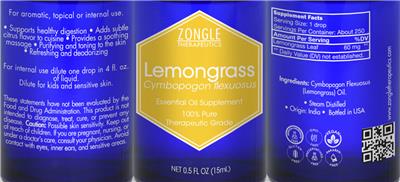
This product contains one active ingredient: lemongrass. The liquid form includes steam-distilled lemongrass oil as an inactive ingredient (the vehicle that carries the active lemongrass).
Does it work?
Not established
The evidence we hold does not establish that lemongrass is effective for any of the conditions it's marketed toward—headache, common cold, cough, diabetes, epilepsy, or fatigue. All six uses are listed as having insufficient reliable evidence to rate.
How safe is it?
Some data gaps
Lemongrass is likely safe in food amounts, but this product is a concentrated liquid extract, and concentrated forms have less safety data behind them. Medicinal or concentrated amounts should be avoided due to limited safety information and traditional safety concerns.
Lemongrass is rated likely unsafe in pregnancy—the safety data advises against use during pregnancy. We hold no data on safety during breastfeeding, so talk with your doctor or pharmacist for personalized advice if you're nursing.
Meds to double-check
Moderate interaction found
Before you start, double-check your medications against these three drug types with your pharmacist: pentobarbital and other sedatives (risk of increased drowsiness and side effects), CYP3A4 substrates like certain cholesterol and blood pressure medications (risk of higher levels and side effects), and glucuronidated drugs (risk of lower effectiveness). The interaction data we hold covers a very broad range of medications, so even if your drug isn't in one of these categories, it's worth confirming.
The bottom line
Scorecard at a glanceFully disclosed formula with no established evidence rating for its marketed use. Moderate medication interactions have been identified, and some safety-information gaps remain.
Because we don't have reliable evidence that lemongrass works for its marketed uses, and because it interacts with a very large number of medications through multiple pathways, this isn't a straightforward choice. If you're considering it, check your medications first using the tool on this page, and talk it over with your doctor or pharmacist—especially if you take any sedatives, heart drugs, blood pressure medications, or other prescription drugs.
Educational only — not medical advice; always confirm with your pharmacist. Our editorial policy · How we use AI
Assessment coverage: 1 of 1 active ingredient matched to our full ingredient reviews (monographs). Based on the product label dated Oct 24, 2022.
This Scorecard evaluates available label information, ingredient evidence, and known medication-safety considerations. It does not independently verify product identity, purity, potency, contamination, or manufacturing quality. How these ratings are computed
General information
Key facts about Lemongrass, straight from the product label.
| Brand | Zongle Therapeutics |
|---|---|
| Net contents | 0.5 Fluid Ounce(s); 15 mL |
| Market status | On market |
| Date entered into DSLD | Oct 24, 2022 |
| DSLD ID | 277112 |
| Product type | Botanical |
| Supplement form | Liquid |
| Dietary claims / uses | All Other, Structure/Function |
| Intended target group(s) | Vegan, Vegetarian, Adult (18 - 50 Years), Gluten Free |
Everything in this section is reproduced from the manufacturer’s own product label — it’s the label speaking, not HelloPharmacist. We show it so you can see exactly what the maker states; we don’t verify or endorse those statements.
Supplement Facts
The label details for Lemongrass by Zongle Therapeutics, sourced from the NIH Dietary Supplement Label Database.
Supplement Facts
| Ingredient | Amount | % DV |
|---|---|---|
| Lemongrass | 60 mg | -- |
Other ingredients: Lemongrass Oil, Steam-Distilled
Tap any ingredient to jump to its full detail below.
These statements are the manufacturer’s wording, reproduced from the product label — the label is saying it, not HelloPharmacist. We don’t verify or endorse them.
Suggested/Recommended/Usage/Directions
For aromatic, topical or internal use.
For internal use dilute one drop in 4 fl. oz. of liquid. Dilute for kids or sensitive skin.
Formulation
Supports healthy digestion Provides a soothing massage Purifying and toning to the skin Refreshing and deodorizing
100% pure Therapeutic Grade
Origin: India Bottled in USA
Artificial ingredients free GMO free Gluten free Preservatives free Paraben free
Vegan
FDA Disclaimer Statement
These statements have not been evaluated by the Food and Drug Administration. This product is not intended to diagnose, treat, cure, or prevent any disease.
Precautions
Caution: Possible skin sensitivity.
Keep out of reach of children.
If you are pregnant, nursing, or under a doctor's care, consult your physician.
Avoid contact with eyes, inner ears, and sensitive areas.
Formula
Cymbopogon flexuosus
Adds subtle citrus flavor to cuisine.
FDA Statement of Identity
Essential Oil Supplement
Is this label outdated? Report a formula or label change and our pharmacy team will review it.
Lemongrass by Zongle Therapeutics label
The label scan from the NIH Dietary Supplement Label Database. Tap to enlarge.
Label images are published by the NIH Dietary Supplement Label Database for the version of this product on file. Always read your actual product label.
View the full label (PDF)The Ingredients in Lemongrass by Zongle Therapeutics
This is the 1 active ingredient this product is made of. Select it to open its full monograph.
Serving size1 Drop(s) Dosage formLiquid Servings per container250 Amounts shown are per serving.
Lemongrass
Interacts with710 drugs
Lemongrass is a fragrant tropical grass widely used as a cooking herb, a tea, and an aromatherapy oil. It is generally considered safe in the small am...
Lemongrass monograph & interactionsOther (inactive) ingredients: Lemongrass Oil, Steam-Distilled. These complete the product’s ingredient list but are not active constituents.
Lemongrass by Zongle Therapeutics Drug Interactions
HelloPharmacist Interaction Report
Zongle Therapeutics Lemongrass is a single-ingredient liquid product that does interact with medications — specifically through lemongrass's effects on how your body processes certain drugs.
The most serious concern is with pentobarbital (Nembutal), a sedative medication, where lemongrass may strengthen both the intended effect and unwanted side effects.
Read the full breakdown — every affected drug type, severity by severity
Lemongrass can also affect two broad drug categories. It may slow the breakdown of CYP3A4 substrates (a large group of medications your liver processes through a specific enzyme), potentially raising their levels in your bloodstream.
On the flip side, it may speed up the clearance of glucuronidated drugs (those your body eliminates through a different enzyme pathway), which could lower their effectiveness.
Altogether, these interactions span 709 individual medications. Because many common drugs fall into these categories—everything from some blood pressure and cholesterol medications to certain immunosuppressants and cancer treatments—it's important to check your exact medications with the search tool on this page before you start.
Check your own medications below · Editorial policy · How we use AI
Want to check YOUR meds against Lemongrass?
Ask about interactions with your drugs in plain English — “Can I take it with lisinopril?” — and we find you the answer in seconds, ingredient by ingredient.
Go to the checkerIngredients driving the most interactions
Individual Drug Interactions
The ingredients in Lemongrass interact with 710 drugs. Click any drug to see the details.
1 of the 1 ingredient in Lemongrass interact with drugs. Each result below shows which ingredient is responsible. Lemongrass
Ado-trastuzumab EmtansineKadcyla
How Ado-trastuzumab Emtansine interacts with Lemongrass — through 1 ingredient. Tap an ingredient for the detail:
LemongrassCytochrome P450 3a4 (cyp3a4) Substrates Moderate
Interaction Summary
Theoretically, lemongrass might decrease the metabolism of CYP3A4 substrates.
Read the full Lemongrass + Ado-trastuzumab Emtansine interactionAbemaciclibVerzenio
How Abemaciclib interacts with Lemongrass — through 1 ingredient. Tap an ingredient for the detail:
LemongrassCytochrome P450 3a4 (cyp3a4) Substrates Moderate
Interaction Summary
Theoretically, lemongrass might decrease the metabolism of CYP3A4 substrates.
Read the full Lemongrass + Abemaciclib interactionAbiraterone
How Abiraterone interacts with Lemongrass — through 1 ingredient. Tap an ingredient for the detail:
LemongrassCytochrome P450 3a4 (cyp3a4) Substrates Moderate
Interaction Summary
Theoretically, lemongrass might decrease the metabolism of CYP3A4 substrates.
Read the full Lemongrass + Abiraterone interactionAbiraterone AcetateYonsa, Zytiga
How Abiraterone Acetate interacts with Lemongrass — through 1 ingredient. Tap an ingredient for the detail:
LemongrassCytochrome P450 3a4 (cyp3a4) Substrates Moderate
Interaction Summary
Theoretically, lemongrass might decrease the metabolism of CYP3A4 substrates.
Read the full Lemongrass + Abiraterone Acetate interactionAcalabrutinibCalquence
How Acalabrutinib interacts with Lemongrass — through 1 ingredient. Tap an ingredient for the detail:
LemongrassCytochrome P450 3a4 (cyp3a4) Substrates Moderate
Interaction Summary
Theoretically, lemongrass might decrease the metabolism of CYP3A4 substrates.
Read the full Lemongrass + Acalabrutinib interactionAcetaminophenChildren's Tylenol, Children's Tylenol Meltaways, Tylenol, Tylenol Ex Strength
How Acetaminophen interacts with Lemongrass — through 1 ingredient. Tap an ingredient for the detail:
LemongrassGlucuronidated Drugs Moderate
Interaction Summary
Theoretically, lemongrass might increase the clearance and decrease the levels of glucuronidated drugs.
Read the full Lemongrass + Acetaminophen interactionAcetaminophen, AspirinGemnisyn
How Acetaminophen, Aspirin interacts with Lemongrass — through 1 ingredient. Tap an ingredient for the detail:
LemongrassGlucuronidated Drugs Moderate
Interaction Summary
Theoretically, lemongrass might increase the clearance and decrease the levels of glucuronidated drugs.
Read the full Lemongrass + Acetaminophen, Aspirin interactionAcetaminophen, Aspirin, CaffeineExcedrin, Excedrin Extra Strength, Excedrin Migraine
How Acetaminophen, Aspirin, Caffeine interacts with Lemongrass — through 1 ingredient. Tap an ingredient for the detail:
LemongrassGlucuronidated Drugs, Cytochrome P450 3a4 (cyp3a4) Substrates Moderate
Interaction Summary
Theoretically, lemongrass might increase the clearance and decrease the levels of glucuronidated drugs.
Read the full Lemongrass + Acetaminophen, Aspirin, Caffeine interactionAcetaminophen, Brompheniramine, PhenylpropanolamineDimetapp Cold and Flu
How Acetaminophen, Brompheniramine, Phenylpropanolamine interacts with Lemongrass — through 1 ingredient. Tap an ingredient for the detail:
LemongrassGlucuronidated Drugs Moderate
Interaction Summary
Theoretically, lemongrass might increase the clearance and decrease the levels of glucuronidated drugs.
Read the full Lemongrass + Acetaminophen, Brompheniramine, Phenylpropanolamine interactionAcetaminophen, ButalbitalAxocet, Bancap, Bucet, Butex Forte, Esgic CF, Orbivan CF +5 more
How Acetaminophen, Butalbital interacts with Lemongrass — through 1 ingredient. Tap an ingredient for the detail:
LemongrassGlucuronidated Drugs Moderate
Interaction Summary
Theoretically, lemongrass might increase the clearance and decrease the levels of glucuronidated drugs.
Read the full Lemongrass + Acetaminophen, Butalbital interactionAcetaminophen, Butalbital, CaffeineEsgic, Esgic Plus, Fiogesic, Fioricet, Repan, Tecnal +1 more
How Acetaminophen, Butalbital, Caffeine interacts with Lemongrass — through 1 ingredient. Tap an ingredient for the detail:
LemongrassGlucuronidated Drugs, Cytochrome P450 3a4 (cyp3a4) Substrates Moderate
Interaction Summary
Theoretically, lemongrass might increase the clearance and decrease the levels of glucuronidated drugs.
Read the full Lemongrass + Acetaminophen, Butalbital, Caffeine interactionAcetaminophen, Butalbital, Caffeine, CodeineEsgic with Codeine, Fioricet w/ Codeine
How Acetaminophen, Butalbital, Caffeine, Codeine interacts with Lemongrass — through 1 ingredient. Tap an ingredient for the detail:
LemongrassCytochrome P450 3a4 (cyp3a4) Substrates, Glucuronidated Drugs Moderate
Interaction Summary
Theoretically, lemongrass might decrease the metabolism of CYP3A4 substrates.
Read the full Lemongrass + Acetaminophen, Butalbital, Caffeine, Codeine interactionAcetaminophen, Butalbital, CodeineBancap w/ Codeine
How Acetaminophen, Butalbital, Codeine interacts with Lemongrass — through 1 ingredient. Tap an ingredient for the detail:
LemongrassGlucuronidated Drugs Moderate
Interaction Summary
Theoretically, lemongrass might increase the clearance and decrease the levels of glucuronidated drugs.
Read the full Lemongrass + Acetaminophen, Butalbital, Codeine interactionAcetaminophen, Butalbital, Codeine PhosphatePhrenilin #3
How Acetaminophen, Butalbital, Codeine Phosphate interacts with Lemongrass — through 1 ingredient. Tap an ingredient for the detail:
LemongrassGlucuronidated Drugs Moderate
Interaction Summary
Theoretically, lemongrass might increase the clearance and decrease the levels of glucuronidated drugs.
Read the full Lemongrass + Acetaminophen, Butalbital, Codeine Phosphate interactionAcetaminophen, Caffeine, Chlorpheniramine, Hydrocodone, PhenylephrineHycomine Compound
How Acetaminophen, Caffeine, Chlorpheniramine, Hydrocodone, Phenylephrine interacts with Lemongrass — through 1 ingredient. Tap an ingredient for the detail:
LemongrassCytochrome P450 3a4 (cyp3a4) Substrates, Glucuronidated Drugs Moderate
Interaction Summary
Theoretically, lemongrass might decrease the metabolism of CYP3A4 substrates.
Read the full Lemongrass + Acetaminophen, Caffeine, Chlorpheniramine, Hydrocodone, Phenylephrine interactionAcetaminophen, Caffeine, CodeineGesic C15, Gesic C30, Gesic C8, Lenoltec 1, Lenoltec 2, Lenoltec 3 +1 more
How Acetaminophen, Caffeine, Codeine interacts with Lemongrass — through 1 ingredient. Tap an ingredient for the detail:
LemongrassGlucuronidated Drugs, Cytochrome P450 3a4 (cyp3a4) Substrates Moderate
Interaction Summary
Theoretically, lemongrass might increase the clearance and decrease the levels of glucuronidated drugs.
Read the full Lemongrass + Acetaminophen, Caffeine, Codeine interactionAcetaminophen, Caffeine, Codeine, SalicylamideCodalan No.1, Codalan No.2, Codalan No.3
How Acetaminophen, Caffeine, Codeine, Salicylamide interacts with Lemongrass — through 1 ingredient. Tap an ingredient for the detail:
LemongrassCytochrome P450 3a4 (cyp3a4) Substrates, Glucuronidated Drugs Moderate
Interaction Summary
Theoretically, lemongrass might decrease the metabolism of CYP3A4 substrates.
Read the full Lemongrass + Acetaminophen, Caffeine, Codeine, Salicylamide interactionAcetaminophen, Caffeine, DihydrocodeineDHC Plus, Panlor DC, Panlor SS
How Acetaminophen, Caffeine, Dihydrocodeine interacts with Lemongrass — through 1 ingredient. Tap an ingredient for the detail:
LemongrassCytochrome P450 3a4 (cyp3a4) Substrates, Glucuronidated Drugs Moderate
Interaction Summary
Theoretically, lemongrass might decrease the metabolism of CYP3A4 substrates.
Read the full Lemongrass + Acetaminophen, Caffeine, Dihydrocodeine interactionAcetaminophen, Caffeine, IsomethepteneMigralam
How Acetaminophen, Caffeine, Isometheptene interacts with Lemongrass — through 1 ingredient. Tap an ingredient for the detail:
LemongrassGlucuronidated Drugs, Cytochrome P450 3a4 (cyp3a4) Substrates Moderate
Interaction Summary
Theoretically, lemongrass might increase the clearance and decrease the levels of glucuronidated drugs.
Read the full Lemongrass + Acetaminophen, Caffeine, Isometheptene interactionAcetaminophen, Caffeine, PyrilamineMidol Max Strength Menstrual
How Acetaminophen, Caffeine, Pyrilamine interacts with Lemongrass — through 1 ingredient. Tap an ingredient for the detail:
LemongrassCytochrome P450 3a4 (cyp3a4) Substrates, Glucuronidated Drugs Moderate
Interaction Summary
Theoretically, lemongrass might decrease the metabolism of CYP3A4 substrates.
Read the full Lemongrass + Acetaminophen, Caffeine, Pyrilamine interactionAcetaminophen, Chlorpheniramine Maleate, Dextromethorphan HbrVicks Formula 44M Cough, Cold & Flu Relief
How Acetaminophen, Chlorpheniramine Maleate, Dextromethorphan Hbr interacts with Lemongrass — through 1 ingredient. Tap an ingredient for the detail:
LemongrassGlucuronidated Drugs, Cytochrome P450 3a4 (cyp3a4) Substrates Moderate
Interaction Summary
Theoretically, lemongrass might increase the clearance and decrease the levels of glucuronidated drugs.
Read the full Lemongrass + Acetaminophen, Chlorpheniramine Maleate, Dextromethorphan Hbr interactionAcetaminophen, Chlorpheniramine, Codeine, PhenylephrineColrex
How Acetaminophen, Chlorpheniramine, Codeine, Phenylephrine interacts with Lemongrass — through 1 ingredient. Tap an ingredient for the detail:
LemongrassGlucuronidated Drugs, Cytochrome P450 3a4 (cyp3a4) Substrates Moderate
Interaction Summary
Theoretically, lemongrass might increase the clearance and decrease the levels of glucuronidated drugs.
Read the full Lemongrass + Acetaminophen, Chlorpheniramine, Codeine, Phenylephrine interactionAcetaminophen, Chlorpheniramine, DextromethorphanCoricidin II Extra Strength Cold and Flu
How Acetaminophen, Chlorpheniramine, Dextromethorphan interacts with Lemongrass — through 1 ingredient. Tap an ingredient for the detail:
LemongrassCytochrome P450 3a4 (cyp3a4) Substrates, Glucuronidated Drugs Moderate
Interaction Summary
Theoretically, lemongrass might decrease the metabolism of CYP3A4 substrates.
Read the full Lemongrass + Acetaminophen, Chlorpheniramine, Dextromethorphan interactionAcetaminophen, Chlorpheniramine, Dextromethorphan HydrobromideCoricidin HBP Maximum Strength Flu
How Acetaminophen, Chlorpheniramine, Dextromethorphan Hydrobromide interacts with Lemongrass — through 1 ingredient. Tap an ingredient for the detail:
LemongrassGlucuronidated Drugs, Cytochrome P450 3a4 (cyp3a4) Substrates Moderate
Interaction Summary
Theoretically, lemongrass might increase the clearance and decrease the levels of glucuronidated drugs.
Read the full Lemongrass + Acetaminophen, Chlorpheniramine, Dextromethorphan Hydrobromide interactionAcetaminophen, Chlorpheniramine, Dextromethorphan, PhenylpropanolamineMulti Symptom Cold Relief
How Acetaminophen, Chlorpheniramine, Dextromethorphan, Phenylpropanolamine interacts with Lemongrass — through 1 ingredient. Tap an ingredient for the detail:
LemongrassCytochrome P450 3a4 (cyp3a4) Substrates, Glucuronidated Drugs Moderate
Interaction Summary
Theoretically, lemongrass might decrease the metabolism of CYP3A4 substrates.
Read the full Lemongrass + Acetaminophen, Chlorpheniramine, Dextromethorphan, Phenylpropanolamine interactionAcetaminophen, Chlorpheniramine, Dextromethorphan, PseudoephedrineChildren's Tylenol Cold Plus Cough, Tylenol Cold Ex Strength
How Acetaminophen, Chlorpheniramine, Dextromethorphan, Pseudoephedrine interacts with Lemongrass — through 1 ingredient. Tap an ingredient for the detail:
LemongrassGlucuronidated Drugs, Cytochrome P450 3a4 (cyp3a4) Substrates Moderate
Interaction Summary
Theoretically, lemongrass might increase the clearance and decrease the levels of glucuronidated drugs.
Read the full Lemongrass + Acetaminophen, Chlorpheniramine, Dextromethorphan, Pseudoephedrine interactionAcetaminophen, Chlorpheniramine, Guaifenesin, Phenylephrine, SalicylamideRhinogesic GG
How Acetaminophen, Chlorpheniramine, Guaifenesin, Phenylephrine, Salicylamide interacts with Lemongrass — through 1 ingredient. Tap an ingredient for the detail:
LemongrassCytochrome P450 3a4 (cyp3a4) Substrates, Glucuronidated Drugs Moderate
Interaction Summary
Theoretically, lemongrass might decrease the metabolism of CYP3A4 substrates.
Read the full Lemongrass + Acetaminophen, Chlorpheniramine, Guaifenesin, Phenylephrine, Salicylamide interactionAcetaminophen, Chlorpheniramine, PhenylephrineAlka-Seltzer PLUS, Histex SR, Protid
How Acetaminophen, Chlorpheniramine, Phenylephrine interacts with Lemongrass — through 1 ingredient. Tap an ingredient for the detail:
LemongrassCytochrome P450 3a4 (cyp3a4) Substrates, Glucuronidated Drugs Moderate
Interaction Summary
Theoretically, lemongrass might decrease the metabolism of CYP3A4 substrates.
Read the full Lemongrass + Acetaminophen, Chlorpheniramine, Phenylephrine interactionAcetaminophen, Chlorpheniramine, Phenylephrine, SalicylamideRhinogesic, Rhinogesic JR
How Acetaminophen, Chlorpheniramine, Phenylephrine, Salicylamide interacts with Lemongrass — through 1 ingredient. Tap an ingredient for the detail:
LemongrassGlucuronidated Drugs, Cytochrome P450 3a4 (cyp3a4) Substrates Moderate
Interaction Summary
Theoretically, lemongrass might increase the clearance and decrease the levels of glucuronidated drugs.
Read the full Lemongrass + Acetaminophen, Chlorpheniramine, Phenylephrine, Salicylamide interactionAcetaminophen, Chlorpheniramine, PhenylpropanolamineAlumadrine, Conex, Sinadrin Max Strength, Sinulin
How Acetaminophen, Chlorpheniramine, Phenylpropanolamine interacts with Lemongrass — through 1 ingredient. Tap an ingredient for the detail:
LemongrassCytochrome P450 3a4 (cyp3a4) Substrates, Glucuronidated Drugs Moderate
Interaction Summary
Theoretically, lemongrass might decrease the metabolism of CYP3A4 substrates.
Read the full Lemongrass + Acetaminophen, Chlorpheniramine, Phenylpropanolamine interactionEach ingredient & the kinds of drugs it affects
For each ingredient in Lemongrass with known interactions, here are the types of medications it can affect. Open any type for the detail — or search your exact drug in the checker above.
Lemongrass
Cytochrome P450 3A4 (Cyp3A4) Substrates
Theoretically, lemongrass might decrease the metabolism of CYP3A4 substrates.
Animal research shows that lemongrass and its constituent citral inhibit CYP3A4.
Glucuronidated Drugs
Theoretically, lemongrass might increase the clearance and decrease the levels of glucuronidated drugs.
Animal research shows that lemongrass and its constituent citral induce uridine diphosphoglucuronosyl transferase (UGT), the major phase 2 enzyme that is responsible for glucuronidation.
Pentobarbital (Nembutal)
Theoretically, lemongrass might increase the effects and adverse effects of pentobarbital.
Animal research shows that high doses of lemongrass essential oil increases sleep time and decreases time to fall asleep in animals administered pentobarbital.
Brand information
Manufacturer and brand details for Lemongrass, from the product label.
Zongle Therapeutics
See all Zongle Therapeutics products- Name
- Zongle Therapeutics LLC
- Web Address
- www.zongletherapeutics.com
Lemongrass by Zongle Therapeutics: Common Questions
Does Lemongrass by Zongle Therapeutics interact with any medications?
How can one product interact with so many drugs?
Where does this information come from?
Is lemongrass safe to take while pregnant?
Does this lemongrass liquid actually work for colds or headaches?
Why does the label say to avoid medicinal amounts?
What's the difference between this liquid and lemongrass tea?
Written and reviewed by the HelloPharmacist editorial staff. Our editorial policy
Not sure if Lemongrass is safe with your meds?
Our pharmacists answer your medication & supplement questions — free.
Label information is sourced from the NIH Dietary Supplement Label Database and reflects the product version on file; always read your actual product label. This page is for education only and is not a substitute for professional medical advice. Confirm with your pharmacist or doctor before combining supplements and medications.
The Full Monographs Behind Lemongrass’s Ingredients
Every ingredient we hold a full HelloPharmacist monograph for — uses, evidence, safety, and the complete interaction list.
Sources & How We Checked
Lemongrass's label data comes from the NIH Dietary Supplement Label Database; the ingredient interaction data is from the Natural Medicines database, reviewed by our pharmacists.
- NIH Dietary Supplement Label Database (DSLD) — The official product label on file for this supplement.
- Natural Medicines (Therapeutic Research Center) — Evidence-graded clinical reference behind the ingredient interaction data.
Content is written and reviewed by licensed HelloPharmacist pharmacists. See our data sources and editorial standards for how this information is built and checked.
The 2 references behind this product’s interaction data
Every citation that drives the interaction findings for this product’s ingredients, from the evidence-graded Natural Medicines (TRC Healthcare) database. Open an ingredient to browse its citations — links open the study on PubMed or the publisher’s site.
Lemongrass 2 references
- McGuffin M, Hobbs C, Upton R, Goldberg A, eds. American Herbal Products Association's Botanical Safety Handbook. Boca Raton, FL: CRC Press, LLC 1997.
- Li CC, Yu HF, Chang CH, Liu YT, Yao HT. Effects of lemongrass oil and citral on hepatic drug-metabolizing enzymes, oxidative stress, and acetaminophen toxicity in rats. J Food Drug Anal 2018;26(1):432-8. PubMed
Parts of this content are provided by the Therapeutic Research Center, LLC.
DISCLAIMER: Currently this does not check for drug-drug interactions. This is not an all-inclusive comprehensive list of potential interactions and is for informational purposes only. Not all interactions are known or well-reported in the scientific literature, and new interactions are continually being reported. Input is needed from a qualified healthcare provider including a pharmacist before starting any therapy. Application of clinical judgment is necessary.
© 2021 Therapeutic Research Center, LLC