
Maximum Essential Omega-3 Natural Mint Ingredients & Drug Interactions
What is this page for?
First and foremost: checking Maximum Essential Omega-3 Natural Mint against your medications. The heart of this page is the interaction checker and the full interaction report — how this product’s ingredients may interact with prescription and over-the-counter medicines you may be taking.
Around that, we add a pharmacist’s high-level view of the product as a whole — what’s inside, the evidence for its stated use, how transparent the label is, and what safety data exists — so you can see the full picture in one place. It’s educational information from our licensed clinical databases and the clinical staff at HelloPharmacist — not medical advice — and we don’t sell or endorse products. Our editorial policy
Maximum Essential Omega-3 Natural Mint is a dietary supplement by ProCaps Laboratories with 7 active ingredients. Its ingredients are commonly taken for high triglycerides, heart health, joint pain and inflammation.Based on those ingredients, 1,262 medications have a known interaction with it, the most serious rated moderate. The ingredients most likely to interact are Peppermint Oil, Spearmint Oil, Fish Oil. Use the checker below to test your specific medication, or read the full HelloPharmacist Interaction Report.
Check Your Meds Against Maximum Essential Omega-3 Natural Mint by ProCaps Laboratories
Ask about any prescription or over-the-counter medication and we check it for interactions with Maximum Essential Omega-3 Natural Mint by ProCaps Laboratories — and tell you which ingredient is responsible.
AI summaries are generated from our interaction database for education only — always confirm with your pharmacist. How we use AI
Ask the Pharmacist
A licensed pharmacist will answer your question by email — free, usually within 24 hours.
Got it — thank you!
A licensed pharmacist will answer within 24 hours. Keep an eye on your email (worth checking spam, just in case).
HelloPharmacist Scorecard of Maximum Essential Omega-3 Natural Mint by ProCaps Laboratories
Our pharmacy team’s full take, with four database checks built into the cards below — a summary of what is known, not a grade of the product itself.
What’s inside
Full disclosure
This product contains 7 ingredients, of which the active ones are the omega-3 fatty acids — eicosapentaenoic acid, docosahexaenoic acid, docosapentaenoic acid, and alpha-linolenic acid — plus fish oil as the source. The formula also includes peppermint oil and spearmint oil for flavor.
These omega-3s are the working ingredients; the rest are inactive components used to make the capsule.
Does it work?
Strong evidence
The fish oil in this product is effective for lowering high triglycerides (hypertriglyceridemia). It's possibly effective for cachexia (severe weight loss), heart failure, kidney damage from cyclosporine use, and nonalcoholic fatty liver disease.
Peppermint oil is likely effective for irritable bowel syndrome and possibly effective for indigestion, chemotherapy-related nausea, and colonic spasm. Spearmint oil doesn't have reliable evidence yet for the conditions tested — age-related cognitive decline, memory, gas, IBS, nausea after surgery, or osteoarthritis.
The omega-3 fatty acids themselves (the main actives here) don't have separate effectiveness ratings on file.
How safe is it?
Well-documented data
Fish oil is generally well tolerated at typical supplement doses. The most common side effects are abdominal pain, fishy aftertaste, heartburn, loose stools, and nausea.
Rare but serious effects include atrial fibrillation at doses of 3 grams or more daily and, in very high intakes (over 46 grams daily), increased stroke risk. Fish oil also carries antiplatelet effects at high doses — it may thin blood slightly.
One case of anaphylaxis was reported in someone with shellfish allergy. Peppermint and spearmint oils are generally well tolerated at culinary or tea amounts.
At high concentrations, peppermint oil can cause burning and irritation. Both oils can trigger allergic reactions in sensitive people.
For pregnancy and breastfeeding: Fish oil is likely safe in pregnancy when used under doctor guidance, though some evidence is conflicting. Omega-3s pass into breast milk, so discuss appropriate amounts with your healthcare provider.
Peppermint oil is likely safe in pregnancy and lactation. Spearmint oil has no pregnancy or lactation safety data on file — check with your provider.
Meds to double-check
Moderate interaction found
Blood pressure medications (antihypertensives), immunosuppressants like cyclosporine, tacrolimus, and sirolimus, and birth control pills warrant a Moderate-severity check. If you take a blood thinner (anticoagulant) like warfarin or an antiplatelet drug, flag that for your pharmacist — the interaction is Minor but worth verifying.
Also check any medications your liver metabolizes heavily, since peppermint oil theoretically could affect them. We could not verify the omega-3 fatty acids themselves for interactions, so their full interaction profile is unknown.
The bottom line
Scorecard at a glanceFully disclosed formula with clinical evidence supporting its stated purpose. Moderate medication interactions have been identified, and safety information is well characterized.
This omega-3 product is well established for lowering high triglycerides and possibly helpful for heart failure and fatty liver disease. If you're on a blood thinner, blood pressure medication, birth control, or especially an immunosuppressant like cyclosporine or tacrolimus, you need to check your specific medications with the tool below or talk to your pharmacist before starting.
If you have a shellfish allergy, mention it.
Educational only — not medical advice; always confirm with your pharmacist. Our editorial policy · How we use AI
Assessment coverage: 3 of 7 active ingredients matched to our full ingredient reviews (monographs). Based on the product label dated Jul 25, 2018.
This Scorecard evaluates available label information, ingredient evidence, and known medication-safety considerations. It does not independently verify product identity, purity, potency, contamination, or manufacturing quality. How these ratings are computed
General information
Key facts about Maximum Essential Omega-3 Natural Mint, straight from the product label.
| Brand | ProCaps Laboratories |
|---|---|
| Net contents | 360 Easy-To-Swallow Capsule(s) |
| Market status | On market |
| Date entered into DSLD | Jul 25, 2018 |
| DSLD ID | 179250 |
| Product type | Botanical With Nutrients |
| Supplement form | Capsule |
| Dietary claims / uses | Nutrient, All Other, Structure/Function |
| Intended target group(s) | Adult (18 - 50 Years), Gluten Free, Dairy Free, Sugar Free |
Everything in this section is reproduced from the manufacturer’s own product label — it’s the label speaking, not HelloPharmacist. We show it so you can see exactly what the maker states; we don’t verify or endorse those statements.
Supplement Facts
The label details for Maximum Essential Omega-3 Natural Mint by ProCaps Laboratories, sourced from the NIH Dietary Supplement Label Database.
Supplement Facts
| Ingredient | Amount | % DV |
|---|---|---|
| Calories | 12 Calorie(s) | -- |
| Calories from Fat | 12 Calorie(s) | -- |
| Eicosapentaenoic Acid | 350 mg | -- |
| Docosahexaenoic Acid | 450 mg | -- |
| Total Fat | 1.35 Gram(s) | 2% |
| Total Omega-3 Fatty Acids | 1000 mg | -- |
| Docosapentaenoic Acid | 50 mg | -- |
| Alpha-Linolenic Acid | 100 mg | -- |
| Cholesterol | 2 mg | 1% |
| Fish Oil | 1150 mg | -- |
| Peppermint Oil | 11 mg | -- |
| Spearmint Oil | 11 mg | -- |
Other ingredients: Soft-Gelatin Capsule
Tap any ingredient to jump to its full detail below.
These statements are the manufacturer’s wording, reproduced from the product label — the label is saying it, not HelloPharmacist. We don’t verify or endorse them.
Suggested/Recommended/Usage/Directions
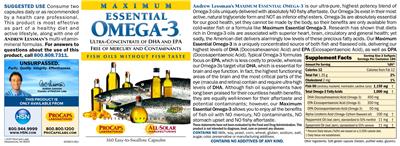
Suggested Use Consume two capsules daily or as recommended by a health care professional.
General Statements
This product is most effective as part of a healthy diet and active lifestyle, along with one of Andrew Lessman's multi-vitamin-mineral formulas. For answers to questions about the use of this product, call 800.808.7311. Unsurpassed. Purity. Quality. Integrity. Effectiveness. Andrew Lessman Founder of ProCaps Labs
All-Solar manufacturing
Our Omega-3s exist in their most active, natural triglyceride form and not as inferior ethyl esters. Omega-3s are absolutely essential for our good health, yet they cannot be made by the body, so their benefits are only available from cold-water fish or a formula like Maximum Essential Omega-3. Research has shown that diets rich in Omega-3 oils are associated with superior heart, brain, circulatory and general health; yet sadly, the American diet delivers alarmingly low levels of these precious fatty acids.
In fact, the highest functioning areas of the brain and the most critical parts of the eye (macula and retina) contain and require ultra-high levels of DHA.
Brand IP Statement(s)
This product is only available from HSN 800.944.9999 www.HSN.com ProCaps Laboratories 800.800.1200 ProCapsLabs.com 2017 ProCaps Labs
General
605823-06U
Formula
Ultra-Concentrate of DHA and EPA
Fish oils without fish taste
Andrew Lessman's Maximum Essential Omega-3 is our ultra-pure, highest potency blend of Omega-3 oils uniquely delivered with absolutely no fishy aftertaste.
Our Maximum Essential Omega-3 is a uniquely concentrated source of both fish and flaxseed oils, delivering our highest levels of DHA (Docosahexaenoic Acid) and EPA (Eicosapentaenoic Acid), as well as DPA (Docosapentaenoic Acid). Typical Omega-3 formulas focus on EPA, which is less costly to provide, whereas our Omega-3s target vital DHA, which is essential for brain and eye function.
Formulation
Free of Mercury and Contaminants
Although fish oil supplements have long been praised for their countless health benefits, they are equally well-known for their aftertaste and potential contaminants; however, our Maximum Essential Omega-3 allows you to enjoy all the benefits of fish oil with no mercury, no contaminants, no stomach upset and no fishy aftertaste.
Contains no milk, soy, yeast, corn, wheat, gluten, sodium, salt, sugar, color, preservative or manufacturing additives. Contains no additives of any kind.
FDA Statement of Identity
Dietary Supplement
FDA Disclaimer Statement
These statements have not been evaluated by the Food and Drug Administration. This product is not intended to diagnose, treat, cure or prevent any disease.
Is this label outdated? Report a formula or label change and our pharmacy team will review it.
Maximum Essential Omega-3 Natural Mint by ProCaps Laboratories label
The label scan from the NIH Dietary Supplement Label Database. Tap to enlarge.
Label images are published by the NIH Dietary Supplement Label Database for the version of this product on file. Always read your actual product label.
View the full label (PDF)The Ingredients in Maximum Essential Omega-3 Natural Mint by ProCaps Laboratories
These are the 7 active ingredients this product is made of. Select any to open its full monograph.
Serving size2 Softgel(s) Dosage formCapsule Servings per container180 Amounts shown are per serving.
Most supplement products combine several ingredients, and a medication can interact with the product through any one of them. Each ingredient below shows whether it has known drug interactions.
Total Omega-3 Fatty Acids
- › Eicosapentaenoic Acid
- › Docosahexaenoic Acid
- › Docosapentaenoic Acid
Alpha-Linolenic Acid
Fish Oil
Interacts with327 drugs
Fish oil provides omega-3 fatty acids (EPA and DHA) that are best known for lowering high triglyceride levels. The evidence for other heart and health...
Fish Oil monograph & interactionsPeppermint Oil
Interacts with798 drugs
Peppermint is a popular herb with the best evidence supporting enteric-coated peppermint oil for easing IBS symptoms. It is generally well tolerated f...
Peppermint Oil monograph & interactionsSpearmint Oil
Interacts with581 drugs
Spearmint is a common culinary mint that is generally safe in food and tea amounts. Early research suggests possible benefits for digestion, mild horm...
Spearmint Oil monograph & interactionsOther (inactive) ingredients: Soft-Gelatin Capsule. These complete the product’s ingredient list but are not active constituents.
Maximum Essential Omega-3 Natural Mint by ProCaps Laboratories Drug Interactions
HelloPharmacist Interaction Report
Maximum Essential Omega-3 Natural Mint by ProCaps Laboratories contains fish oil, peppermint oil, and spearmint oil — three ingredients with documented drug interactions.
The most serious concern involves fish oil and several immunosuppressant medications (cyclosporine, tacrolimus, and sirolimus), all Moderate severity: fish oil may raise blood levels of these drugs, increasing the risk of side effects. Kidney transplant patients on these medications should check with their pharmacist before use.
Read the full breakdown — every affected drug type, severity by severity
Fish oil also interacts Moderately with blood pressure medications (antihypertensives) — it can lower blood pressure itself, so combining it with these drugs might lower your pressure too much. It may also interfere with how well birth control pills work at lowering triglycerides, and theoretically could reduce the absorption of the weight-loss drug orlistat if taken together.
Fish oil carries a Minor interaction with blood thinners (anticoagulants) like warfarin and with antiplatelet drugs: high doses might increase bleeding risk, though the evidence is conflicting.
Peppermint oil is documented to interact Moderately with several medications your liver breaks down, including CYP2C19, CYP2C9, and CYP3A4 substrates — in theory, it could raise their levels in your blood. It also carries a Moderate interaction with cyclosporine.
A Minor interaction exists with CYP1A2 substrates, though clinical evidence is limited. Spearmint oil has Moderate interactions with sedating medications (CNS depressants) and theoretically with drugs that can damage the liver (hepatotoxic drugs).
We couldn't check the omega-3 fatty acids themselves (eicosapentaenoic acid, docosahexaenoic acid, docosapentaenoic acid, and alpha-linolenic acid) — we hold no interaction data for them. Check your exact medications using the search tool on this page.
Check your own medications below · Editorial policy · How we use AI
Want to check YOUR meds against Maximum Essential Omega-3 Natural Mint?
Ask about interactions with your drugs in plain English — “Can I take it with lisinopril?” — and we find you the answer in seconds, ingredient by ingredient.
Go to the checkerIngredients driving the most interactions
Individual Drug Interactions
The ingredients in Maximum Essential Omega-3 Natural Mint interact with 1,262 drugs. Click any drug to see the details.
3 of the 7 ingredients in Maximum Essential Omega-3 Natural Mint interact with drugs. Each result below shows which ingredient is responsible. Peppermint Oil Spearmint Oil Fish Oil
6-mercaptopurinePurinethol
How 6-mercaptopurine interacts with Maximum Essential Omega-3 Natural Mint — through 1 ingredient. Tap an ingredient for the detail:
Spearmint OilHepatotoxic Drugs Moderate
Interaction Summary
Theoretically, high doses of spearmint might increase the risk of liver damage when taken with hepatotoxic drugs.
Read the full Spearmint Oil + 6-mercaptopurine interactionAdo-trastuzumab EmtansineKadcyla
How Ado-trastuzumab Emtansine interacts with Maximum Essential Omega-3 Natural Mint — through 1 ingredient. Tap an ingredient for the detail:
Peppermint OilCytochrome P450 3a4 (cyp3a4) Substrates Moderate
Interaction Summary
Theoretically, peppermint might increase the levels of CYP3A4 substrates.
Read the full Peppermint Oil + Ado-trastuzumab Emtansine interactionAbacavir Sulfate, Dolutegravir, LamivudineTriumeq
How Abacavir Sulfate, Dolutegravir, Lamivudine interacts with Maximum Essential Omega-3 Natural Mint — through 1 ingredient. Tap an ingredient for the detail:
Spearmint OilHepatotoxic Drugs Moderate
Interaction Summary
Theoretically, high doses of spearmint might increase the risk of liver damage when taken with hepatotoxic drugs.
Read the full Spearmint Oil + Abacavir Sulfate, Dolutegravir, Lamivudine interactionAbacavir, LamivudineEpzicom
How Abacavir, Lamivudine interacts with Maximum Essential Omega-3 Natural Mint — through 1 ingredient. Tap an ingredient for the detail:
Spearmint OilHepatotoxic Drugs Moderate
Interaction Summary
Theoretically, high doses of spearmint might increase the risk of liver damage when taken with hepatotoxic drugs.
Read the full Spearmint Oil + Abacavir, Lamivudine interactionAbemaciclibVerzenio
How Abemaciclib interacts with Maximum Essential Omega-3 Natural Mint — through 1 ingredient. Tap an ingredient for the detail:
Peppermint OilCytochrome P450 3a4 (cyp3a4) Substrates Moderate
Interaction Summary
Theoretically, peppermint might increase the levels of CYP3A4 substrates.
Read the full Peppermint Oil + Abemaciclib interactionAbiraterone
How Abiraterone interacts with Maximum Essential Omega-3 Natural Mint — through 2 ingredients. Tap an ingredient for the detail:
Spearmint OilHepatotoxic Drugs Moderate
Interaction Summary
Theoretically, high doses of spearmint might increase the risk of liver damage when taken with hepatotoxic drugs.
Read the full Spearmint Oil + Abiraterone interactionPeppermint OilCytochrome P450 3a4 (cyp3a4) Substrates Moderate
Interaction Summary
Theoretically, peppermint might increase the levels of CYP3A4 substrates.
Read the full Peppermint Oil + Abiraterone interactionAbiraterone AcetateYonsa, Zytiga
How Abiraterone Acetate interacts with Maximum Essential Omega-3 Natural Mint — through 2 ingredients. Tap an ingredient for the detail:
Spearmint OilHepatotoxic Drugs Moderate
Interaction Summary
Theoretically, high doses of spearmint might increase the risk of liver damage when taken with hepatotoxic drugs.
Read the full Spearmint Oil + Abiraterone Acetate interactionPeppermint OilCytochrome P450 3a4 (cyp3a4) Substrates Moderate
Interaction Summary
Theoretically, peppermint might increase the levels of CYP3A4 substrates.
Read the full Peppermint Oil + Abiraterone Acetate interactionAbrocitinibCibinqo
How Abrocitinib interacts with Maximum Essential Omega-3 Natural Mint — through 2 ingredients. Tap an ingredient for the detail:
Peppermint OilCytochrome P450 2c19 (cyp2c19) Substrates, Cytochrome P450 2c9 (cyp2c9) Substrates Moderate
Interaction Summary
Theoretically, peppermint might increase the levels of CYP2C19 substrates.
Read the full Peppermint Oil + Abrocitinib interactionFish OilAnticoagulant/antiplatelet Drugs Minor
Interaction Summary
Fish oil may have antiplatelet effects and may increase the risk of bleeding if used with anticoagulant or antiplatelet drugs.
Read the full Fish Oil + Abrocitinib interactionAcalabrutinibCalquence
How Acalabrutinib interacts with Maximum Essential Omega-3 Natural Mint — through 1 ingredient. Tap an ingredient for the detail:
Peppermint OilCytochrome P450 3a4 (cyp3a4) Substrates Moderate
Interaction Summary
Theoretically, peppermint might increase the levels of CYP3A4 substrates.
Read the full Peppermint Oil + Acalabrutinib interactionAcarboseGlucobay, Prandase, Precose
How Acarbose interacts with Maximum Essential Omega-3 Natural Mint — through 1 ingredient. Tap an ingredient for the detail:
Spearmint OilHepatotoxic Drugs Moderate
Interaction Summary
Theoretically, high doses of spearmint might increase the risk of liver damage when taken with hepatotoxic drugs.
Read the full Spearmint Oil + Acarbose interactionAcebutololRhotral, Sectral
How Acebutolol interacts with Maximum Essential Omega-3 Natural Mint — through 2 ingredients. Tap an ingredient for the detail:
Spearmint OilHepatotoxic Drugs Moderate
Interaction Summary
Theoretically, high doses of spearmint might increase the risk of liver damage when taken with hepatotoxic drugs.
Read the full Spearmint Oil + Acebutolol interactionFish OilAntihypertensive Drugs Moderate
Interaction Summary
Theoretically, taking fish oil with antihypertensive drugs might increase the risk of hypotension.
Read the full Fish Oil + Acebutolol interactionAcepromazineAtravet
How Acepromazine interacts with Maximum Essential Omega-3 Natural Mint — through 1 ingredient. Tap an ingredient for the detail:
Spearmint OilCns Depressants Moderate
Interaction Summary
Theoretically, spearmint might alter the sedative effects of CNS depressants.
Read the full Spearmint Oil + Acepromazine interactionAcetaminophenChildren's Tylenol, Children's Tylenol Meltaways, Tylenol, Tylenol Ex Strength
How Acetaminophen interacts with Maximum Essential Omega-3 Natural Mint — through 2 ingredients. Tap an ingredient for the detail:
Spearmint OilHepatotoxic Drugs Moderate
Interaction Summary
Theoretically, high doses of spearmint might increase the risk of liver damage when taken with hepatotoxic drugs.
Read the full Spearmint Oil + Acetaminophen interactionPeppermint OilCytochrome P450 1a2 (cyp1a2) Substrates Minor
Interaction Summary
Theoretically, peppermint might increase the levels of CYP1A2 substrates.
Read the full Peppermint Oil + Acetaminophen interactionAcetaminophen, AspirinGemnisyn
How Acetaminophen, Aspirin interacts with Maximum Essential Omega-3 Natural Mint — through 3 ingredients. Tap an ingredient for the detail:
Spearmint OilHepatotoxic Drugs Moderate
Interaction Summary
Theoretically, high doses of spearmint might increase the risk of liver damage when taken with hepatotoxic drugs.
Read the full Spearmint Oil + Acetaminophen, Aspirin interactionPeppermint OilCytochrome P450 1a2 (cyp1a2) Substrates Minor
Interaction Summary
Theoretically, peppermint might increase the levels of CYP1A2 substrates.
Read the full Peppermint Oil + Acetaminophen, Aspirin interactionFish OilAnticoagulant/antiplatelet Drugs Minor
Interaction Summary
Fish oil may have antiplatelet effects and may increase the risk of bleeding if used with anticoagulant or antiplatelet drugs.
Read the full Fish Oil + Acetaminophen, Aspirin interactionAcetaminophen, Aspirin, CaffeineExcedrin, Excedrin Extra Strength, Excedrin Migraine
How Acetaminophen, Aspirin, Caffeine interacts with Maximum Essential Omega-3 Natural Mint — through 3 ingredients. Tap an ingredient for the detail:
Spearmint OilHepatotoxic Drugs Moderate
Interaction Summary
Theoretically, high doses of spearmint might increase the risk of liver damage when taken with hepatotoxic drugs.
Read the full Spearmint Oil + Acetaminophen, Aspirin, Caffeine interactionPeppermint OilCytochrome P450 1a2 (cyp1a2) Substrates, Cytochrome P450 3a4 (cyp3a4) Substrates Moderate
Interaction Summary
Theoretically, peppermint might increase the levels of CYP1A2 substrates.
Read the full Peppermint Oil + Acetaminophen, Aspirin, Caffeine interactionFish OilAnticoagulant/antiplatelet Drugs Minor
Interaction Summary
Fish oil may have antiplatelet effects and may increase the risk of bleeding if used with anticoagulant or antiplatelet drugs.
Read the full Fish Oil + Acetaminophen, Aspirin, Caffeine interactionAcetaminophen, Brompheniramine, PhenylpropanolamineDimetapp Cold and Flu
How Acetaminophen, Brompheniramine, Phenylpropanolamine interacts with Maximum Essential Omega-3 Natural Mint — through 2 ingredients. Tap an ingredient for the detail:
Spearmint OilHepatotoxic Drugs Moderate
Interaction Summary
Theoretically, high doses of spearmint might increase the risk of liver damage when taken with hepatotoxic drugs.
Read the full Spearmint Oil + Acetaminophen, Brompheniramine, Phenylpropanolamine interactionPeppermint OilCytochrome P450 1a2 (cyp1a2) Substrates Minor
Interaction Summary
Theoretically, peppermint might increase the levels of CYP1A2 substrates.
Read the full Peppermint Oil + Acetaminophen, Brompheniramine, Phenylpropanolamine interactionAcetaminophen, ButalbitalAxocet, Bancap, Bucet, Butex Forte, Esgic CF, Orbivan CF +5 more
How Acetaminophen, Butalbital interacts with Maximum Essential Omega-3 Natural Mint — through 2 ingredients. Tap an ingredient for the detail:
Spearmint OilHepatotoxic Drugs Moderate
Interaction Summary
Theoretically, high doses of spearmint might increase the risk of liver damage when taken with hepatotoxic drugs.
Read the full Spearmint Oil + Acetaminophen, Butalbital interactionPeppermint OilCytochrome P450 1a2 (cyp1a2) Substrates Minor
Interaction Summary
Theoretically, peppermint might increase the levels of CYP1A2 substrates.
Read the full Peppermint Oil + Acetaminophen, Butalbital interactionAcetaminophen, Butalbital, CaffeineEsgic, Esgic Plus, Fiogesic, Fioricet, Repan, Tecnal +1 more
How Acetaminophen, Butalbital, Caffeine interacts with Maximum Essential Omega-3 Natural Mint — through 2 ingredients. Tap an ingredient for the detail:
Spearmint OilHepatotoxic Drugs Moderate
Interaction Summary
Theoretically, high doses of spearmint might increase the risk of liver damage when taken with hepatotoxic drugs.
Read the full Spearmint Oil + Acetaminophen, Butalbital, Caffeine interactionPeppermint OilCytochrome P450 3a4 (cyp3a4) Substrates, Cytochrome P450 1a2 (cyp1a2) Substrates Moderate
Interaction Summary
Theoretically, peppermint might increase the levels of CYP3A4 substrates.
Read the full Peppermint Oil + Acetaminophen, Butalbital, Caffeine interactionAcetaminophen, Butalbital, Caffeine, CodeineEsgic with Codeine, Fioricet w/ Codeine
How Acetaminophen, Butalbital, Caffeine, Codeine interacts with Maximum Essential Omega-3 Natural Mint — through 2 ingredients. Tap an ingredient for the detail:
Peppermint OilCytochrome P450 1a2 (cyp1a2) Substrates, Cytochrome P450 3a4 (cyp3a4) Substrates Moderate
Interaction Summary
Theoretically, peppermint might increase the levels of CYP1A2 substrates.
Read the full Peppermint Oil + Acetaminophen, Butalbital, Caffeine, Codeine interactionSpearmint OilHepatotoxic Drugs, Cns Depressants Moderate
Interaction Summary
Theoretically, high doses of spearmint might increase the risk of liver damage when taken with hepatotoxic drugs.
Read the full Spearmint Oil + Acetaminophen, Butalbital, Caffeine, Codeine interactionAcetaminophen, Butalbital, CodeineBancap w/ Codeine
How Acetaminophen, Butalbital, Codeine interacts with Maximum Essential Omega-3 Natural Mint — through 2 ingredients. Tap an ingredient for the detail:
Spearmint OilHepatotoxic Drugs, Cns Depressants Moderate
Interaction Summary
Theoretically, high doses of spearmint might increase the risk of liver damage when taken with hepatotoxic drugs.
Read the full Spearmint Oil + Acetaminophen, Butalbital, Codeine interactionPeppermint OilCytochrome P450 1a2 (cyp1a2) Substrates Minor
Interaction Summary
Theoretically, peppermint might increase the levels of CYP1A2 substrates.
Read the full Peppermint Oil + Acetaminophen, Butalbital, Codeine interactionAcetaminophen, Butalbital, Codeine PhosphatePhrenilin #3
How Acetaminophen, Butalbital, Codeine Phosphate interacts with Maximum Essential Omega-3 Natural Mint — through 2 ingredients. Tap an ingredient for the detail:
Spearmint OilCns Depressants, Hepatotoxic Drugs Moderate
Interaction Summary
Theoretically, spearmint might alter the sedative effects of CNS depressants.
Read the full Spearmint Oil + Acetaminophen, Butalbital, Codeine Phosphate interactionPeppermint OilCytochrome P450 1a2 (cyp1a2) Substrates Minor
Interaction Summary
Theoretically, peppermint might increase the levels of CYP1A2 substrates.
Read the full Peppermint Oil + Acetaminophen, Butalbital, Codeine Phosphate interactionAcetaminophen, Caffeine, Chlorpheniramine, Hydrocodone, PhenylephrineHycomine Compound
How Acetaminophen, Caffeine, Chlorpheniramine, Hydrocodone, Phenylephrine interacts with Maximum Essential Omega-3 Natural Mint — through 2 ingredients. Tap an ingredient for the detail:
Peppermint OilCytochrome P450 1a2 (cyp1a2) Substrates, Cytochrome P450 3a4 (cyp3a4) Substrates Moderate
Interaction Summary
Theoretically, peppermint might increase the levels of CYP1A2 substrates.
Read the full Peppermint Oil + Acetaminophen, Caffeine, Chlorpheniramine, Hydrocodone, Phenylephrine interactionSpearmint OilCns Depressants, Hepatotoxic Drugs Moderate
Interaction Summary
Theoretically, spearmint might alter the sedative effects of CNS depressants.
Read the full Spearmint Oil + Acetaminophen, Caffeine, Chlorpheniramine, Hydrocodone, Phenylephrine interactionAcetaminophen, Caffeine, CodeineGesic C15, Gesic C30, Gesic C8, Lenoltec 1, Lenoltec 2, Lenoltec 3 +1 more
How Acetaminophen, Caffeine, Codeine interacts with Maximum Essential Omega-3 Natural Mint — through 2 ingredients. Tap an ingredient for the detail:
Peppermint OilCytochrome P450 3a4 (cyp3a4) Substrates, Cytochrome P450 1a2 (cyp1a2) Substrates Moderate
Interaction Summary
Theoretically, peppermint might increase the levels of CYP3A4 substrates.
Read the full Peppermint Oil + Acetaminophen, Caffeine, Codeine interactionSpearmint OilHepatotoxic Drugs, Cns Depressants Moderate
Interaction Summary
Theoretically, high doses of spearmint might increase the risk of liver damage when taken with hepatotoxic drugs.
Read the full Spearmint Oil + Acetaminophen, Caffeine, Codeine interactionAcetaminophen, Caffeine, Codeine, SalicylamideCodalan No.1, Codalan No.2, Codalan No.3
How Acetaminophen, Caffeine, Codeine, Salicylamide interacts with Maximum Essential Omega-3 Natural Mint — through 2 ingredients. Tap an ingredient for the detail:
Spearmint OilCns Depressants, Hepatotoxic Drugs Moderate
Interaction Summary
Theoretically, spearmint might alter the sedative effects of CNS depressants.
Read the full Spearmint Oil + Acetaminophen, Caffeine, Codeine, Salicylamide interactionPeppermint OilCytochrome P450 3a4 (cyp3a4) Substrates, Cytochrome P450 1a2 (cyp1a2) Substrates Moderate
Interaction Summary
Theoretically, peppermint might increase the levels of CYP3A4 substrates.
Read the full Peppermint Oil + Acetaminophen, Caffeine, Codeine, Salicylamide interactionAcetaminophen, Caffeine, DihydrocodeineDHC Plus, Panlor DC, Panlor SS
How Acetaminophen, Caffeine, Dihydrocodeine interacts with Maximum Essential Omega-3 Natural Mint — through 2 ingredients. Tap an ingredient for the detail:
Peppermint OilCytochrome P450 1a2 (cyp1a2) Substrates, Cytochrome P450 3a4 (cyp3a4) Substrates Moderate
Interaction Summary
Theoretically, peppermint might increase the levels of CYP1A2 substrates.
Read the full Peppermint Oil + Acetaminophen, Caffeine, Dihydrocodeine interactionSpearmint OilCns Depressants, Hepatotoxic Drugs Moderate
Interaction Summary
Theoretically, spearmint might alter the sedative effects of CNS depressants.
Read the full Spearmint Oil + Acetaminophen, Caffeine, Dihydrocodeine interactionAcetaminophen, Caffeine, IsomethepteneMigralam
How Acetaminophen, Caffeine, Isometheptene interacts with Maximum Essential Omega-3 Natural Mint — through 2 ingredients. Tap an ingredient for the detail:
Spearmint OilHepatotoxic Drugs Moderate
Interaction Summary
Theoretically, high doses of spearmint might increase the risk of liver damage when taken with hepatotoxic drugs.
Read the full Spearmint Oil + Acetaminophen, Caffeine, Isometheptene interactionPeppermint OilCytochrome P450 3a4 (cyp3a4) Substrates, Cytochrome P450 1a2 (cyp1a2) Substrates Moderate
Interaction Summary
Theoretically, peppermint might increase the levels of CYP3A4 substrates.
Read the full Peppermint Oil + Acetaminophen, Caffeine, Isometheptene interactionAcetaminophen, Caffeine, PyrilamineMidol Max Strength Menstrual
How Acetaminophen, Caffeine, Pyrilamine interacts with Maximum Essential Omega-3 Natural Mint — through 2 ingredients. Tap an ingredient for the detail:
Peppermint OilCytochrome P450 1a2 (cyp1a2) Substrates, Cytochrome P450 3a4 (cyp3a4) Substrates Moderate
Interaction Summary
Theoretically, peppermint might increase the levels of CYP1A2 substrates.
Read the full Peppermint Oil + Acetaminophen, Caffeine, Pyrilamine interactionSpearmint OilHepatotoxic Drugs Moderate
Interaction Summary
Theoretically, high doses of spearmint might increase the risk of liver damage when taken with hepatotoxic drugs.
Read the full Spearmint Oil + Acetaminophen, Caffeine, Pyrilamine interactionAcetaminophen, Chlorpheniramine Maleate, Dextromethorphan HbrVicks Formula 44M Cough, Cold & Flu Relief
How Acetaminophen, Chlorpheniramine Maleate, Dextromethorphan Hbr interacts with Maximum Essential Omega-3 Natural Mint — through 2 ingredients. Tap an ingredient for the detail:
Spearmint OilHepatotoxic Drugs Moderate
Interaction Summary
Theoretically, high doses of spearmint might increase the risk of liver damage when taken with hepatotoxic drugs.
Read the full Spearmint Oil + Acetaminophen, Chlorpheniramine Maleate, Dextromethorphan Hbr interactionPeppermint OilCytochrome P450 1a2 (cyp1a2) Substrates, Cytochrome P450 3a4 (cyp3a4) Substrates Moderate
Interaction Summary
Theoretically, peppermint might increase the levels of CYP1A2 substrates.
Read the full Peppermint Oil + Acetaminophen, Chlorpheniramine Maleate, Dextromethorphan Hbr interactionAcetaminophen, Chlorpheniramine, Codeine, PhenylephrineColrex
How Acetaminophen, Chlorpheniramine, Codeine, Phenylephrine interacts with Maximum Essential Omega-3 Natural Mint — through 2 ingredients. Tap an ingredient for the detail:
Peppermint OilCytochrome P450 3a4 (cyp3a4) Substrates, Cytochrome P450 1a2 (cyp1a2) Substrates Moderate
Interaction Summary
Theoretically, peppermint might increase the levels of CYP3A4 substrates.
Read the full Peppermint Oil + Acetaminophen, Chlorpheniramine, Codeine, Phenylephrine interactionSpearmint OilHepatotoxic Drugs, Cns Depressants Moderate
Interaction Summary
Theoretically, high doses of spearmint might increase the risk of liver damage when taken with hepatotoxic drugs.
Read the full Spearmint Oil + Acetaminophen, Chlorpheniramine, Codeine, Phenylephrine interactionAcetaminophen, Chlorpheniramine, DextromethorphanCoricidin II Extra Strength Cold and Flu
How Acetaminophen, Chlorpheniramine, Dextromethorphan interacts with Maximum Essential Omega-3 Natural Mint — through 2 ingredients. Tap an ingredient for the detail:
Spearmint OilHepatotoxic Drugs Moderate
Interaction Summary
Theoretically, high doses of spearmint might increase the risk of liver damage when taken with hepatotoxic drugs.
Read the full Spearmint Oil + Acetaminophen, Chlorpheniramine, Dextromethorphan interactionPeppermint OilCytochrome P450 3a4 (cyp3a4) Substrates, Cytochrome P450 1a2 (cyp1a2) Substrates Moderate
Interaction Summary
Theoretically, peppermint might increase the levels of CYP3A4 substrates.
Read the full Peppermint Oil + Acetaminophen, Chlorpheniramine, Dextromethorphan interactionEach ingredient & the kinds of drugs it affects
For each ingredient in Maximum Essential Omega-3 Natural Mint with known interactions, here are the types of medications they can affect. Open any type for the detail — or search your exact drug in the checker above.
Peppermint Oil
Cyclosporine (Neoral, Sandimmune)
Theoretically, peppermint oil might increase the levels and adverse effects of cyclosporine.
In animal research, peppermint oil inhibits cyclosporine metabolism and increases cyclosporine levels. Inhibition of cytochrome P450 3A4 (CYP3A4) may be partially responsible for this interaction. An interaction between peppermint oil and cyclosporine has not been reported in humans.
Cytochrome P450 2C19 (Cyp2C19) Substrates
Theoretically, peppermint might increase the levels of CYP2C19 substrates.
In vitro research shows that peppermint oil inhibits CYP2C19. So far, this interaction has not been reported in humans.
Cytochrome P450 2C9 (Cyp2C9) Substrates
Theoretically, peppermint might increase the levels of CYP2C9 substrates.
In vitro research shows that peppermint oil inhibits CYP2C9. So far, this interaction has not been reported in humans.
Cytochrome P450 3A4 (Cyp3A4) Substrates
Theoretically, peppermint might increase the levels of CYP3A4 substrates.
Clinical research in healthy volunteers shows that a single dose of peppermint oil 600 mg inhibits CYP3A4 enzymes and increases the AUC of felodipine, a CYP3A4 substrate. However, in vitro research suggests that peppermint oil only inhibits CYP3A4 at very high concentrations.
Cytochrome P450 1A2 (Cyp1A2) Substrates
Theoretically, peppermint might increase the levels of CYP1A2 substrates.
In vitro and animal research shows that peppermint oil and peppermint leaf inhibit CYP1A2. However, in clinical research, peppermint tea did not significantly affect the metabolism of caffeine, a CYP1A2 substrate. It is possible that the 6-day duration of treatment may have been too short to identify a difference.
Spearmint Oil
Cns Depressants
Theoretically, spearmint might alter the sedative effects of CNS depressants.
Animal research suggests that (-)-carvone, a major constituent of spearmint, has sedative effects. However, in humans, chewing spearmint-flavored gum induced arousal effects.
Hepatotoxic Drugs
Theoretically, high doses of spearmint might increase the risk of liver damage when taken with hepatotoxic drugs.
Animal research suggests that drinking spearmint tea for 30 days can increase markers of liver damage, including aspartate aminotransferase (AST) and alanine aminotransferase (ALT), and cause liver degeneration and necrosis, in a dose-dependent manner. This effect has not been reported in humans.
Fish Oil
Antihypertensive Drugs
Theoretically, taking fish oil with antihypertensive drugs might increase the risk of hypotension.
Clinical evidence indicates that fish oils can modestly lower blood pressure and might have additive effects in patients treated with antihypertensives.
Contraceptive Drugs
Theoretically, taking fish oil with contraceptive drugs might decrease the triglyceride-lowering effects of fish oil.
There is some evidence that contraceptive drugs might interfere with the triglyceride lowering effects of fish oils.
Cyclosporine (Neoral, Sandimmune)
Taking fish oil with cyclosporine might increase levels and adverse effects of cyclosporine.
In kidney transplant recipients on a general immunosuppressive regimen, taking omega-3 fatty acids daily seems to increase peak blood levels of cyclosporine when compared with placebo. This increase was as much as 20% after one month. However, the area under the curve was not significantly affected.
Orlistat (Xenical, Alli)
Theoretically, taking fish oil with orlistat might decrease the absorption of fish oil fatty acids.
Orlistat binds lipase in the gastrointestinal tract and reduces fat absorption. Theoretically, taking fish oil with orlistat might decrease absorption of fish oil fatty acids. To avoid this potential interaction, recommend separating administration of orlistat and fish oil by at least 2 hours.
Sirolimus (Rapamune)
Taking fish oil with sirolimus might increase levels and adverse effects of sirolimus.
Pharmacokinetic research shows that omega-3 fatty acids increase exposure to sirolimus in kidney transplant patients on a calcineurin inhibitor-free immunosuppressive regimen. A 25% dose reduction in sirolimus was required to keep patients within the expected trough-concentration window. Researchers hypothesize that this may be due to inhibition of cytochrome P450 3A4 (CYP3A4) by fish oil, although this has not been confirmed in clinical research.
Tacrolimus (Prograf)
Taking fish oil with tacrolimus might increase levels and adverse effects of tacrolimus.
In a small group of patients, taking fish oil 2.6 grams (Omacor) daily for 4 weeks increased the 8-hour area under the curve of tacrolimus by 25% when compared with baseline. Peak levels were increased by approximately 22%. Researchers hypothesize that this may be due either to an increase in bioavailability or to inhibition of cytochrome P450 3A4 (CYP3A4) by fish oil, although this has not been confirmed in clinical research.
Anticoagulant/Antiplatelet Drugs
Fish oil may have antiplatelet effects and may increase the risk of bleeding if used with anticoagulant or antiplatelet drugs. However, evidence is conflicting.
While fish oil may not be a potent inhibitor of platelet function, high doses of fish oil might have antiplatelet effects. Theoretically, concomitant use of fish oil with anticoagulant or antiplatelet drugs may increase the risk of bleeding. However, the most rigorous research shows that short-term doses of fish oil 10 grams daily or long-term doses of 1.5 grams daily for up to 52 weeks does not increase the risk of bleeding or affect coagulation parameters in chronically ill and vulnerable patients. Other controlled research shows that fish oil does not affect platelet function or increase the risk of bleeding. Some research even suggests that perioperative fish oil use decreases bleeding risk. Some research suggests fish oil does not have additive antiplatelet effects when combined with aspirin, but other clinical evidence suggests that adding fish oil to low-dose aspirin treatment increases antiplatelet effects in patients who are aspirin-resistant. Also, some clinical research seems to show that fish oil has additive antiplatelet effects when used with aspirin and clopidogrel compared to aspirin and clopidogrel alone.
Platinum Agents
Theoretically, taking fish oil with platinum agents can cause resistance to platinum agents, potentially decreasing their effectiveness.
Platinum-induced fatty acids (PIFAs) are fatty acids secreted from human and mouse stem cells when exposed to platinum-based chemotherapy. Animal research suggests that PIFAs cause resistance to chemotherapy by stimulating lysophospholipid production in the spleen, which interferes with the DNA damage caused by certain chemotherapy drugs. One PIFA, known as 16:4(n-3), has been found in both raw fish and some commercially available fish oil products. Mackerel and herring have high PIFA concentrations, while salmon and tuna have low PIFA concentrations. Levels of PIFA in commercial fish oil products ranged from 0.2- 5.7 microMol. Animal research shows that PIFA-containing fish oil products cause resistance to cisplatin, fluorouracil, irinotecan, and oxaliplatin. It is unclear if all commercially available fish oil products contain PIFAs. Additionally, it is argued that levels of PIFA found in some fish oil products are too low to be of clinical concern. Furthermore, a lack of chemotherapy resistance in countries with high fish intake, such as Greenland, Japan, and Norway, suggest that this interaction may not be clinically significant.
Warfarin (Coumadin)
Fish oil may have antiplatelet effects and might increase the risk of bleeding if used with warfarin.
Fish oil has antiplatelet effects at high doses. Case reports show elevated INR in patients taking warfarin and fish oil 1-2 grams daily. However, some clinical research shows that taking fish oil 3-6 grams daily does not significantly increase INR in patients taking warfarin.
Brand information
Manufacturer and brand details for Maximum Essential Omega-3 Natural Mint, from the product label.
ProCaps Laboratories
See all ProCaps Laboratories products- Name
- ProCaps Labs
- City
- Henderson
- State
- NV
- ZipCode
- 89011
- Phone Number
- 800-800-1200
- Web Address
- ProCapsLabs.com
Maximum Essential Omega-3 Natural Mint by ProCaps Laboratories: Common Questions
Does Maximum Essential Omega-3 Natural Mint by ProCaps Laboratories interact with any medications?
How can one product interact with so many drugs?
Where does this information come from?
Does this really help with triglycerides?
Can I take this if I'm on a blood thinner?
What are the most common side effects?
Is it safe in pregnancy?
Why does this have peppermint and spearmint in it?
Can I take this if I'm allergic to shellfish?
Written and reviewed by the HelloPharmacist editorial staff. Our editorial policy
Not sure if Maximum Essential Omega-3 Natural Mint is safe with your meds?
Our pharmacists answer your medication & supplement questions — free.
Label information is sourced from the NIH Dietary Supplement Label Database and reflects the product version on file; always read your actual product label. This page is for education only and is not a substitute for professional medical advice. Confirm with your pharmacist or doctor before combining supplements and medications.
The Full Monographs Behind Maximum Essential Omega-3 Natural Mint’s Ingredients
Every ingredient we hold a full HelloPharmacist monograph for — uses, evidence, safety, and the complete interaction list.
Fish Oil
Interacts with 327 drugsFish oil provides omega-3 fatty acids (EPA and DHA) that are best known for lowering high triglyceride levels. The evidence for other heart and health benefits is mixed, and it is generally...
Read the full Fish Oil monograph → Herb & supplement monographPeppermint
Interacts with 798 drugsPeppermint is a popular herb with the best evidence supporting enteric-coated peppermint oil for easing IBS symptoms. It is generally well tolerated for most adults, but it can cause heartbu...
Read the full Peppermint monograph → Herb & supplement monographSpearmint
Interacts with 581 drugsSpearmint is a common culinary mint that is generally safe in food and tea amounts. Early research suggests possible benefits for digestion, mild hormone-related issues (such as excess facia...
Read the full Spearmint monograph →Sources & How We Checked
Maximum Essential Omega-3 Natural Mint's label data comes from the NIH Dietary Supplement Label Database; the ingredient interaction data is from the Natural Medicines database, reviewed by our pharmacists.
- NIH Dietary Supplement Label Database (DSLD) — The official product label on file for this supplement.
- Natural Medicines (Therapeutic Research Center) — Evidence-graded clinical reference behind the ingredient interaction data.
Content is written and reviewed by licensed HelloPharmacist pharmacists. See our data sources and editorial standards for how this information is built and checked.
The 218 references behind this product’s interaction data
Every citation that drives the interaction findings for this product’s ingredients, from the evidence-graded Natural Medicines (TRC Healthcare) database. Open an ingredient to browse its citations — links open the study on PubMed or the publisher’s site.
Fish Oil 157 references
- Prisco D, Paniccia R, Bandinelli B, et al. Effect of medium-term supplementation with a moderate dose of n-3 polyunsaturated fatty acids on blood pressure in mild hypertensive patients. Thromb Res 1998;1:105-12.
- Allard JP, Kurian R, Aghdassi E, Muggli R, et al. Lipid peroxidation during n-3 fatty acid and vitamin E supplementation in humans. Lipids 1997;32:535-41.. PubMed
- Toft I, Bonaa KH, Ingebretsen OC, et al. Effects of n-3 polyunsaturated fatty acids on glucose homeostasis and blood pressure in essential hypertension. A randomized, controlled trial. Ann Intern Med 1995;123:911-8.
- Onwude JL, Lilford RJ, Hjartardottir H, et al. A randomised double blind placebo controlled trial of fish oil in high risk pregnancy. Br J Obstet Gynaecol 1995;102:95-100. PubMed
- Bulstra-Ramakers MT, Huisjes HJ, Visser GH. The effects of 3g eicosapentaenoic acid daily on recurrence of intrauterine growth retardation and pregnancy induced hypertension. Br J Obstet Gynaecol 1995;102:123-6. PubMed
- Sacks FM, Hebert P, Appel LJ, et al. Short report: the effect of fish oil on blood pressure and high-density lipoprotein-cholesterol levels in phase I of the trials of hypertension prevention. J Hypertens 1994;12:209-13.
- Vandongen R, Mori TA, Burke V, et al. Effects on blood pressure of omega 3 fats in subjects at increased risk of cardiovascular disease. Hypertension 1993;22:371-9. PubMed
- Hawthorne AB, Daneshmend TK, Hawkey CJ, et al. Treatment of ulcerative colitis with fish oil supplementation: a prospective 12 month randomised controlled trial. Gut 1992;33:922-8. PubMed
- D'Almeida A, Carter JP, Anatol A, Prost C. Effects of a combination of evening primrose oil (gamma linolenic acid) and fish oil (eicosapentaenoic + docahexaenoic acid) versus magnesium, and versus placebo in preventing pre-eclampsia. Women Health 1992;19 PubMed
- FDA. Center for Food Safety and Applied Nutrition. Letter regarding dietary supplement health claim for omega-3 fatty acids and coronary heart disease. Available at: http://www.fda.gov/ohrms/dockets/dockets/95s0316/95s-0316-Rpt0272-38-Appendix-D-Reference
- Montori VM, Farmer A, Wollan PC, Dinneen SF. Fish oil supplementation in type 2 diabetes: a quantitative systemic review (abstract). Diabetes Care 2000;23:1407-15.
- Anon. Dietary supplementation with n-3 polyunsaturated fatty acids and vitamin E after myocardial infarction: results of the GISSI-Prevenzione trial. Gruppo Italiano per lo Studio della Soprawivenza nell'Infarto miocardico. Lancet 1999;354:447-55. DOI
- Adler A, Holub BJ. Effect of garlic and fish-oil supplementation on serum lipid and lipoprotein concentrations in hypercholesterolemic men. Am J Clin Nutr 1997;65:445-50. PubMed
- Higdon JV, Liu J, Du S, et al. Supplementation of postmenopausal women with fish oil rich in eicosapentaenoic acid and docosahexaenoic acid is not associated with greater in vivo lipid peroxidation compared with oils rich in oleate and linoleate as asses
- Kastrup EK. Drug Facts and Comparisons. 1998 ed. St. Louis, MO: Facts and Comparisons, 1998.
- Belluzzi A, Brignola C, Campieri M, et al. Effect of an enteric-coated fish-oil preparation on relapses in Crohn's disease. N Engl J Med 1996;334:1557-60. PubMed
- Belluzzi A, Brignola C, Campieri M, et al. Effects of new fish oil derivative on fatty acid phospholipid-membrane pattern in a group of Crohn's disease patients. Dig Dis Sci 1994;39:2589-94. PubMed
- Mahan LK, Escott-Stump S. Krause's Food, Nutrition, and Diet Therapy. 9th edition. W.B. Saunders Co., Philadelphia, PA, 1996.
- Yetiv JZ. Clinical applications of fish oils. JAMA 1988;260:665-70. DOI
- de Deckere EAM, Korver O, Verschuren PM, Katan MB. Health aspects of fish and n-3 polyunsaturated fatty acids from plant and marine origin. Eur J Clin Nutr 1998;52:749-53. PubMed
- Sorensen NS, Marckmann P, Hoy CE, et al. Effect of fish-oil-enriched margarine on plasma lipids, low-density-lipoprotein particle composition, size, and susceptibility to oxidation. Am J Clin Nutr 1998;68:235-41. PubMed
- Kelley DS, Rudolph IL. Effect of individual fatty acids of omega-6 and omega-3 type on human immune status and role of eicosanoids. Nutrition 2000;16:143-5.
- Meydani SN, Dinarello CA. Influence of dietary fatty acids on cytokine production and its clinical implications. Nutr Clin Pract 1993;8:65-72. PubMed
- Caicoya M. Fish consumption and stroke: a community case-control study in Asturias, Spain. Neuroepidemiology 2002;21:107-14. PubMed
- Leaf A. On the reanalysis of the GISSI-Prevenzione. Circulation 2002;105:1874-5. PubMed
- Dewailly E, Blanchet C, Lemieux S, et al. n-3 Fatty acids and cardiovascular disease risk factors among the Inuit of Nunavik. Am J Clin Nutr 2001;74:464-73. PubMed
- Connor WE. n-3 Fatty acids from fish and fish oil: panacea or nostrum? Am J Clin Nutr 2001;74;415-6. PubMed
- Maresta A, Balduccelli M, Varani E, et al. Prevention of postcoronary angioplasty restenosis by omega-3 fatty acids: main results of the Esapent for Prevention of Restenosis Italian Study (ESPRIT). Am Heart J 143:E5. PubMed
- Deutch B, Jorgensen EB, Hansen JC. n-3 PUFA from fish or seal oil reduce atherogenic risk indicators in Danish women. Nutr Res 2000;20:1065-77. DOI
- Higgins S, McCarthy SN, Corridan BM, et al. Measurement of free cholesterol, cholesteryl esters and cholesteryl linoleate hydroperoxide in copper-oxidised low density lipoprotein in healthy volunteers supplemented with a low dose of n-3 polyunsaturated f
- Calder PC. N-3 polyunsaturated fatty acids, inflammation and immunity: pouring oil on troubled waters or another fishy tale? Nutr Res 2001;21:309-41. DOI
- Lacaille B, Julien P, Deshaies Y, et al. Responses of plasma lipoproteins and sex hormones to the consumption of lean fish incorporated in a prudent-type diet in normolipidemic men. J Am Coll Nutr 2000;19:745-53. PubMed
- Pedersen HS, Mulvad G, Seidelin KN, et al. N-3 fatty acids as a risk factor for haemorrhagic stroke. Lancet 1999;353:812-3. PubMed
- Higdon JV, Du SH, Lee YS, et al. Supplementation of postmenopausal women with fish oil does not increase overall oxidation of LDL ex vivo compared to dietary oils rich in oleate and linoleate. J Lipid Res 2001;42:407-18. DOI
- Olsen SF, Sorensen JD, Secher NJ, et al. Randomised controlled trial of effect of fish-oil supplementation on pregnancy duration. Lancet 1992;339:1003-7. PubMed
- Ito Y, Suzuki K, Imai H, et al. Effects of polyunsaturated fatty acids on atrophic gastritis in a Japanese population. Cancer Lett 2001;163:171-8. PubMed
- Bender NK, Kraynak MA, Chiquette E, et al. Effects of marine fish oils on the anticoagulation status of patients receiving chronic warfarin therapy. J Thromb Thrombolysis 1998;5:257-61.. PubMed
- Suzukawa M, Abbey M, Howe PR, Nestel PJ. Effects of fish oil fatty acids on low density lipoprotein size, oxidizability, and uptake by macrophages. J Lipid Res 1995;36:473-84.. DOI
- Su KP, Huang SY, Chiu CC, Shen WW. Omega-3 fatty acids in major depressive disorder. A preliminary double-blind, placebo-controlled trial. Eur Neuropsychopharmacol 2003;13:267-71..
- Wang C, Chung M, Lichtenstein A, et al. Effects of omega-3 fatty acids on cardiovascular disease. Evid Rep Technol Assess (Summ) 2004 Mar;(94):1-8.
- US Food and Drug Administration, Center for Food Safety and Applied Nutrition, Office of Seafood. Mercury levels in seafood species. Available at: http://www.cfsan.fda.gov/~frf/sea-mehg.html.
- US Environmental Protection Agency. Fish Advisories web page. Available at: http://www.epa.gov/waterscience/fish.
- Dunstan JA, Roper J, Mitoulas L, et al. The effect of supplementation with fish oil during pregnancy on breast milk immunoglobulin A, soluble CD14, cytokine levels and fatty acid composition. Clin Exp Allergy 2004;34:1237-42. PubMed
- Lauritzen L, Jorgensen MH, Mikkelsen TB, et al. Maternal fish oil supplementation in lactation: effect on visual acuity and n-3 fatty acid content of infant erythrocytes. Lipids 2004;39:195-206. PubMed
- Dunstan JA, Mori TA, Barden A et al. Fish oil supplementation in pregnancy modifies neonatal allergen-specific immune responses and clinical outcomes in infants at high risk of atopy: a randomized, controlled trial. J Allergy Clin Immunol 2003;112:1178-84 PubMed
- Olsen SF, Secher NJ, Tabor A, et al. Randomised clinical trials of fish oil supplementation in high risk pregnancies. Fish Oil Trials In Pregnancy (FOTIP) Team. BJOG 2000;107:382-95. PubMed
- Stern AH. A review of the studies of the cardiovascular health effects of methylmercury with consideration of their suitability for risk assessment. Environ Res 2005;98:133-42. PubMed
- Harris WS. Fish oil supplementation: evidence for health benefits. Cleve Clin J Med 2004;71:208-10, 212, 215-8 passim. PubMed
- Raitt MH, Connor WE, Morris C, et al. Fish oil supplementation and risk of ventricular tachycardia and ventricular fibrillation in patients with implantable defibrillators: a randomized controlled trial. JAMA 2005;293:2884-91. DOI
- Svaneborg N, Kristensen SD, Hansen LM, et al. The acute and short-time effect of supplementation with the combination of n-3 fatty acids and acetylsalicylic acid on platelet function and plasma lipids. Thromb Res 2002;105:311-6. PubMed
- Lauritzen L, Hoppe C, Straarup EM, Michaelsen KF. Maternal fish oil supplementation in lactation and growth during the first 2.5 years of life. Pediatr Res 2005;58:235-42. PubMed
- Dunstan JA, Mori TA, Barden A, et al. Effects of n-3 polyunsaturated fatty acid supplementation in pregnancy on maternal and fetal erythrocyte fatty acid composition. Eur J Clin Nutr 2004;58:429-37. PubMed
- Dunstan JA, Simmer K, Dixon G, Prescott SL. Cognitive assessment at 2 1/2 years following fish oil supplementation in pregnancy: a randomized controlled trial. Arch Dis Child Fetal Neonatal Ed 2008;93(1):F45-50.
- McKenney JM, Sica D. Prescription omega-3 fatty acids for the treatment of hypertriglyceridemia. Am J Health-Syst Pharm 2007;64:595-605. PubMed
- Malinowski JM, Metka K. Elevation of low-density lipoprotein cholesterol concentration with over-the-counter fish oil supplementation. Ann Pharmacother 2007;41:1296-300. PubMed
- Gissi-HF Investigators; Tavazzi L, Maggioni AP, Marchioli R, et al. Effect of n-3 polyunsaturated fatty acids in patients with chronic heart failure (the GISSI-HF trial): a randomised, double-blind, placebo-controlled trial. Lancet 2008;372:1223-30. PubMed
- Lucas M, Asselin G, Merette C, et al. Effects of ethyl-eicosapentaenoic acid omega-3 fatty acid supplementation on hot flashes and quality of life among middle-aged women: a double-blind, placebo-controlled, randomized clinical trial. Menopause 2009;16:3 PubMed
- Holland S, Silberstein SD, Freitag F, et al. Evidence-based guideline update: NSAIDs and other complementary treatments for episodic migraine prevention in adults: Report of the Quality Standards Subcommittee of the American Academy of Neurology and the A
- Kwak SM, Myung SK, Lee YJ, Seo HG. Efficacy of omega-3 fatty acid supplements (eicosapentaenoic acid and docosahexaenoic acid) in the secondary prevention of cardiovascular disease: a meta-analysis of randomized, double-blind, placebo-controlled trials. A PubMed
- Armaganijan L, Lopes RD, Healey JS, et al. Do omega-3 fatty acids prevent atrial fibrillation after open heart surgery? A meta-analysis of randomized controlled trials. Clinics (Sao Paulo) 2011;66:1923-8.
- Jalili M, Dehpour AR. Extremely prolonged INR associated with warfarin in combination with both trazodone and omega-3 fatty acids. Arch Med Res. 2007 Nov;38(8):901-4. PubMed
- von Houwelingen R, Nordøy A, van der Beek E, et al. Effect of a moderate fish intake on blood pressure, bleeding time, hematology, and clinical chemistry in healthy males. Am J Clin Nutr. 1987 Sep;46(3):424-36. PubMed
- Goodnight SH Jr, Harris WS, Connor WE. The effects of dietary omega 3 fatty acids on platelet composition and function in man: a prospective, controlled study. Blood. 1981 Nov;58(5):880-5. DOI
- Gajos G1, Rostoff P, Undas A, et al. Effects of polyunsaturated omega-3 fatty acids on responsiveness to dual antiplatelet therapy in patients undergoing percutaneous coronary intervention: the OMEGA-PCI (OMEGA-3 fatty acids after pci to modify responsive
- Lev EI, Solodky A, Harel N, et al. Treatment of aspirin-resistant patients with omega-3 fatty acids versus aspirin dose escalation. J Am Coll Cardiol. 2010 Jan 12;55(2):114-21. DOI
- Sanders, T. A., Gleason, K., Griffin, B., and Miller, G. J. Influence of an algal triacylglycerol containing docosahexaenoic acid (22 : 6n-3) and docosapentaenoic acid (22 : 5n-6) on cardiovascular risk factors in healthy men and women. Br J Nutr 2006;95
- Persson, C., Glimelius, B., Ronnelid, J., and Nygren, P. Impact of fish oil and melatonin on cachexia in patients with advanced gastrointestinal cancer: a randomized pilot study. Nutrition 2005;21(2):170-178. PubMed
- Cobiac, L., Nestel, P. J., Wing, L. M., and Howe, P. R. A low-sodium diet supplemented with fish oil lowers blood pressure in the elderly. J Hypertens. 1992;10(1):87-92. PubMed
- Maclean, C. H., Mojica, W. A., Morton, S. C., Pencharz, J., Hasenfeld, Garland R., Tu, W., Newberry, S. J., Jungvig, L. K., Grossman, J., Khanna, P., Rhodes, S., and Shekelle, P. Effects of omega-3 fatty acids on lipids and glycemic control in type II di
- Schachter, H. M., Kourad, K., Merali, Z., Lumb, A., Tran, K., and Miguelez, M. Effects of omega-3 fatty acids on mental health. Evid.Rep.Technol.Assess.(Summ.) 2005;(116):1-11.
- Reisman, J., Schachter, H. M., Dales, R. E., Tran, K., Kourad, K., Barnes, D., Sampson, M., Morrison, A., Gaboury, I., and Blackman, J. Treating asthma with omega-3 fatty acids: where is the evidence? A systematic review. BMC.Complement Altern Med 2006;6 PubMed
- Caniato, R. N., Alvarenga, M. E., and Garcia-Alcaraz, M. A. Effect of omega-3 fatty acids on the lipid profile of patients taking clozapine. Aust N Z J Psychiatry 2006;40(8):691-697. DOI
- Amminger, G. P., Berger, G. E., Schafer, M. R., Klier, C., Friedrich, M. H., and Feucht, M. Omega-3 fatty acids supplementation in children with autism: a double-blind randomized, placebo-controlled pilot study. Biol.Psychiatry 2-15-2007;61(4):551-553. PubMed
- Bowden, R. G., Wilson, R. L., Gentile, M., Ounpraseuth, S., Moore, P., and Leutholtz, B. C. Effects of omega-3 fatty acid supplementation on vascular access thrombosis in polytetrafluorethylene grafts. J Ren Nutr 2007;17(2):126-131. PubMed
- Lim, A. K., Manley, K. J., Roberts, M. A., and Fraenkel, M. B. Fish oil for kidney transplant recipients. Cochrane Database Syst Rev 2007;(2):CD005282. DOI
- Freund-Levi, Y., Basun, H., Cederholm, T., Faxen-Irving, G., Garlind, A., Grut, M., Vedin, I., Palmblad, J., Wahlund, L. O., and Eriksdotter-Jonhagen, M. Omega-3 supplementation in mild to moderate Alzheimer's disease: effects on neuropsychiatric symptom
- Davidson, M. H., Stein, E. A., Bays, H. E., Maki, K. C., Doyle, R. T., Shalwitz, R. A., Ballantyne, C. M., and Ginsberg, H. N. Efficacy and tolerability of adding prescription omega-3 fatty acids 4 g/d to simvastatin 40 mg/d in hypertriglyceridemic patie
- Freeman, M. P., Davis, M., Sinha, P., Wisner, K. L., Hibbeln, J. R., and Gelenberg, A. J. Omega-3 fatty acids and supportive psychotherapy for perinatal depression: a randomized placebo-controlled study. J.Affect.Disord. 2008;110(1-2):142-148. PubMed
- van de Rest, O., Geleijnse, J. M., Kok, F. J., van Staveren, W. A., Dullemeijer, C., Olderikkert, M. G., Beekman, A. T., and de Groot, C. P. Effect of fish oil on cognitive performance in older subjects: a randomized, controlled trial. Neurology 8-5-2008 PubMed
- Turnbull, T., Cullen-Drill, M., and Smaldone, A. Efficacy of omega-3 fatty acid supplementation on improvement of bipolar symptoms: a systematic review. Arch Psychiatr.Nurs 2008;22(5):305-311. PubMed
- Lucas, M., Asselin, G., Merette, C., Poulin, M. J., and Dodin, S. Ethyl-eicosapentaenoic acid for the treatment of psychological distress and depressive symptoms in middle-aged women: a double-blind, placebo-controlled, randomized clinical trial. Am.J.Cl PubMed
- Buydens-Branch, Branchey, M., and Hibbeln, J. R. Low plasma levels of docosahexaenoic acid are associated with an increased relapse vulnerability in substance abusers. Am J Addict. 2009;18(1):73-80. PubMed
- van de Rest, O., Geleijnse, J. M., Kok, F. J., van Staveren, W. A., Olderikkert, M. G., Beekman, A. T., and de Groot, L. C. Effect of fish oil supplementation on quality of life in a general population of older Dutch subjects: a randomized, double-blind,
- Harper, M., Thom, E., Klebanoff, M. A., Thorp, J., Jr., Sorokin, Y., Varner, M. W., Wapner, R. J., Caritis, S. N., Iams, J. D., Carpenter, M. W., Peaceman, A. M., Mercer, B. M., Sciscione, A., Rouse, D. J., Ramin, S. M., and Anderson, G. D. Omega-3 fatty
- Mallah, H. S., Brown, M. R., Rossi, T. M., and Block, R. C. Parenteral fish oil-associated burr cell anemia. J Pediatr 2010;156(2):324-326. PubMed
- Bahadori, B., Uitz, E., Thonhofer, R., Trummer, M., Pestemer-Lach, I., McCarty, M., and Krejs, G. J. omega-3 Fatty acids infusions as adjuvant therapy in rheumatoid arthritis. JPEN J Parenter.Enteral Nutr 2010;34(2):151-155. PubMed
- Turner, D., Shah, P. S., Steinhart, A. H., Zlotkin, S., and Griffiths, A. M. Maintenance of remission in inflammatory bowel disease using omega-3 fatty acids (fish oil): a systematic review and meta-analyses. Inflamm.Bowel.Dis. 2011;17(1):336-345. PubMed
- Ng, R. C., Hirata, C. K., Yeung, W., Haller, E., and Finley, P. R. Pharmacologic treatment for postpartum depression: a systematic review. Pharmacotherapy 2010;30(9):928-941. PubMed
- Salomon, P., Kornbluth, A. A., and Janowitz, H. D. Treatment of ulcerative colitis with fish oil n--3-omega-fatty acid: an open trial. J Clin Gastroenterol 1990;12(2):157-161.
- Glaum, M., Metzelthin, E., Junker, S., Luley, C., and Klor, H. U. [Comparative effect of oral fat loads with saturated, omega-6 and omega- 3 fatty acids before and after fish oil capsule therapy in healthy probands]. Klin.Wochenschr 1990;68 Suppl 22:103-
- Bonaa, K. H., Bjerve, K. S., Straume, B., Gram, I. T., and Thelle, D. Effect of eicosapentaenoic and docosahexaenoic acids on blood pressure in hypertension. A population-based intervention trial from the Tromso study. N Engl J Med 3-22-1990;322(12):795- DOI
- Singer, P., Melzer, S., Goschel, M., and Augustin, S. Fish oil amplifies the effect of propranolol in mild essential hypertension. Hypertension 1990;16(6):682-691. PubMed
- Mills, S. C., von Roon, A. C., Tekkis, P. P., and Orchard, T. R. Crohn's disease. Clin.Evid.(Online.) 2011;2011
- Salvig, J. D. and Lamont, R. F. Evidence regarding an effect of marine n-3 fatty acids on preterm birth: a systematic review and meta-analysis. Acta Obstet.Gynecol.Scand. 2011;90(8):825-838. PubMed
- Oliver, C. and Jahnke, N. Omega-3 fatty acids for cystic fibrosis. Cochrane.Database.Syst.Rev. 2011;(8):CD002201. PubMed
- van der Meij, B. S., van Bokhorst-de van der Schueren MA, Langius, J. A., Brouwer, I. A., and van Leeuwen, P. A. n-3 PUFAs in cancer, surgery, and critical care: a systematic review on clinical effects, incorporation, and washout of oral or enteral compa
- Martinez-Victoria, E. and Yago, M. D. Omega 3 polyunsaturated fatty acids and body weight. Br.J.Nutr. 2012;107 Suppl 2:S107-S116. PubMed
- Delgado-Lista, J., Perez-Martinez, P., Lopez-Miranda, J., and Perez-Jimenez, F. Long chain omega-3 fatty acids and cardiovascular disease: a systematic review. Br.J.Nutr. 2012;107 Suppl 2:S201-S213. PubMed
- Tur, J. A., Bibiloni, M. M., Sureda, A., and Pons, A. Dietary sources of omega 3 fatty acids: public health risks and benefits. Br.J.Nutr. 2012;107 Suppl 2:S23-S52. PubMed
- Cabre, E., Manosa, M., and Gassull, M. A. Omega-3 fatty acids and inflammatory bowel diseases - a systematic review. Br.J.Nutr. 2012;107 Suppl 2:S240-S252. PubMed
- Knapp, H. R. and FitzGerald, G. A. The antihypertensive effects of fish oil. A controlled study of polyunsaturated fatty acid supplements in essential hypertension. N Engl J Med 4-20-1989;320(16):1037-1043. PubMed
- Zucker, M. L., Bilyeu, D. S., Helmkamp, G. M., Harris, W. S., and Dujovne, C. A. Effects of dietary fish oil on platelet function and plasma lipids in hyperlipoproteinemic and normal subjects. Atherosclerosis 1988;73(1):13-22. PubMed
- Demke, D. M., Peters, G. R., Linet, O. I., Metzler, C. M., and Klott, K. A. Effects of a fish oil concentrate in patients with hypercholesterolemia. Atherosclerosis 1988;70(1-2):73-80. PubMed
- Lungershausen, Y. K., Abbey, M., Nestel, P. J., and Howe, P. R. Reduction of blood pressure and plasma triglycerides by omega-3 fatty acids in treated hypertensives. J Hypertens. 1994;12(9):1041-1045. DOI
- Weksler, B. B. Omega 3 fatty acids have multiple antithrombotic effects. World Rev Nutr Diet 1994;76:47-50. PubMed
- Lawrence, R. and Sorrell, T. Eicosapentaenoic acid in cystic fibrosis: evidence of a pathogenetic role for leukotriene B4. Lancet 8-21-1993;342(8869):465-469. PubMed
- Henderson, W. R., Jr., Astley, S. J., McCready, M. M., Kushmerick, P., Casey, S., Becker, J. W., and Ramsey, B. W. Oral absorption of omega-3 fatty acids in patients with cystic fibrosis who have pancreatic insufficiency and in healthy control subjects. DOI
- Appel, L. J., Miller, E. R., III, Seidler, A. J., and Whelton, P. K. Does supplementation of diet with 'fish oil' reduce blood pressure? A meta-analysis of controlled clinical trials. Arch Intern Med 6-28-1993;153(12):1429-1438. DOI
- Contacos, C., Barter, P. J., and Sullivan, D. R. Effect of pravastatin and omega-3 fatty acids on plasma lipids and lipoproteins in patients with combined hyperlipidemia. Arterioscler.Thromb. 1993;13(12):1755-1762. PubMed
- Morris, M. C., Sacks, F., and Rosner, B. Does fish oil lower blood pressure? A meta-analysis of controlled trials. Circulation 1993;88(2):523-533. PubMed
- Morris, M. C., Taylor, J. O., Stampfer, M. J., Rosner, B., and Sacks, F. M. The effect of fish oil on blood pressure in mild hypertensive subjects: a randomized crossover trial. Am J Clin Nutr 1993;57(1):59-64. PubMed
- Loeschke, K., Ueberschaer, B., Pietsch, A., Gruber, E., Ewe, K., Wiebecke, B., Heldwein, W., and Lorenz, R. n-3 fatty acids only delay early relapse of ulcerative colitis in remission. Dig.Dis.Sci. 1996;41(10):2087-2094. PubMed
- Busnach, G., Stragliotto, E., Minetti, E., Perego, A., Brando, B., Broggi, M. L., and Civati, G. Effect of n-3 polyunsaturated fatty acids on cyclosporine pharmacokinetics in kidney graft recipients: a randomized placebo- controlled study. J Nephrol. 199
- Schachter, HM, Reisman, J, Tran, K, Dales, B, Kourad, K, Barnes, D, Sampson, M, Morrison, A, Gaboury, I, and Blackman, J. Health effects of omega-3 fatty acids on asthma. Evid.Rep.Technol.Assess.(Summ.) 2004;(91):1-7.
- Sydenham E, Dangour AD Lim WS. Omega 3 fatty acid for the prevention of cognitive decline and dementia. Cochrane Database Syst Rev. 2012;6:CD005379. PubMed
- Deutch B, Jorgensen EB, and Hansen JC. Menstrual discomfort in Danish women reduced by dietary supplements of omega-3 PUFA and B12 (fish oil or seal oil capsules). Nutr Res 2000;20(5):621-631. DOI
- Kuenzel U and Bertsch S. Clinical experiences with a standardized commercial fish oil product containing 33.5% omega-3 fatty acids - field trial with 3958 hyperlipemic patients in general practitioner practice. In: Chandra RK. Health Effects of Fish and F
- Knapp, H. R. Dietary fatty acids in human thrombosis and hemostasis. Am J Clin Nutr 1997;65(5 Suppl):1687S-1698S. PubMed
- Archer, S. L., Green, D., Chamberlain, M., Dyer, A. R., and Liu, K. Association of dietary fish and n-3 fatty acid intake with hemostatic factors in the coronary artery risk development in young adults (CARDIA) study. Arterioscler Thromb.Vasc.Biol 1998;1 PubMed
- Kromann, N. and Green, A. Epidemiological studies in the Upernavik district, Greenland. Incidence of some chronic diseases 1950-1974. Acta Med Scand 1980;208(5):401-406. DOI
- Lev-Tzion R, Griffiths AM, Leder O, Turner D. Omega 3 fatty acids (fish oil) for maintenance of remission in Crohn's disease. Cochrane Database Syst Rev 2014;2:CD006320. PubMed
- Mozaffarian D, Wu JH, de Oliveira Otto MC, Sandesara CM, Metcalf RG, Latini R, Libby P, Lombardi F, O'Gara PT, Page RL, Silletta MG, Tavazzi L, Marchioli R. Fish oil and post-operative atrial fibrillation: a meta-analysis of randomized controlled trials. PubMed
- Nigam A1, Talajic M, Roy D, Nattel S, Lambert J, Nozza A, Jones P, Ramprasath VR, O'Hara G, Kopecky S, Brophy JM, Tardif JC; AFFORD Investigators. Fish oil for the reduction of atrial fibrillation recurrence, inflammation, and oxidative stress. J Am Coll
- Oliveira JM, Rondó PH, Yudkin JS, Souza JM, Pereira TN, Catalani AW, Picone CM, Segurado AA. Effects of fish oil on lipid profile and other metabolic outcomes in HIV-infected patients on antiretroviral therapy: a randomized placebo-controlled trial. Int J PubMed
- Souied EH, Delcourt C, Querques G, Bassols A, Merle B, Zourdani A, Smith T, Benlian P; Nutritional AMD Treatment 2 Study Group. Oral docosahexaenoic acid in the prevention of exudative age-related macular degeneration: the Nutritional AMD Treatment 2 stud DOI
- Turk E, Karagulle E, Koksal H, Togan T, Erinanc OH, Dogru O, Moray G. Bilateral breast necrosis due to local injection of fish oil. Breast J 2013;19(2):196-8. PubMed
- Xin W, Wei W, Lin Z, Zhang X, Yang H, Zhang T, Li B, Mi S. Fish oil and atrial fibrillation after cardiac surgery: a meta-analysis of randomized controlled trials. PLoS One 2013;8(9):e72913. PubMed
- Briggs GG, Freeman RK, and Yaffe SJ. Drugs in Pregnancy and Lactation: A Reference Guide to Fetal and Neonatal Risk 10th edition. Lippinscott Williamns & Wilkins. Vol 25. No. 4, December 2012.
- Kmet A, Unger J, Jahangir K, Kolber MR. Fish-oil capsule ingestion: a case of recurrent anaphylaxis. Can Fam Physician 2012;58(7):e379-81.
- Daenen LG, Cirkel GA, Houthuijzen JM, et al. Increased plasma levels of chemoresistance-inducing fatty acid 16:4(n-3) after consumption of fish and fish oil. JAMA Oncol 2015;1(3):350-8. PubMed
- Mazurak VC, Calder PC, van der Meij BS. Let them eat fish. JAMA Oncol 2015;1(6):840.
- Baracos V. Let them eat fish. JAMA Oncol 2015;1(6):840-1.
- Roodhart JM, Daenen LG, Stigter EC, et al. Mesenchymal stem cells induce resistance to chemotherapy through the release of platinum-induced fatty acids. Cancer Cell 2011;20(3):370-83.
- Houthuijzen JM, Daenen LG, Roodhart JM, et al. Lysophospholipids secreted by splenic macrophages induce chemotherapy resistance via interference with the DNA damage response. Nat Commun 2014;5:5275. PubMed
- Jeansen S, Witkamp RF, Garthoff JA, van Helvoort A, Calder PC. Fish oil LC-PUFAs do not affect blood coagulation parameters and bleeding manifestations: Analysis of 8 clinical studies with selected patient groups on omega-3-enriched medical nutrition. Cli PubMed
- Vinding RK, Stokholm J, Sevelsted A, et al. Fish oil supplementation in pregnancy increases gestational age, size for gestational age, and birth weight in infants: A randomized controlled trial. J Nutr. 2019;149(4):628-634. PubMed
- McNamara RK, Strawn JR, Tallman MJ, et al. Effects of fish oil monotherapy on depression and prefrontal neurochemistry in adolescents at high risk for bipolar I disorder: A 12-week placebo-controlled proton magnetic resonance spectroscopy trial. J Child A PubMed
- Nicholls SJ, Lincoff AM, Garcia M, et al. Effect of high-dose omega-3 fatty acids vs corn oil on major adverse cardiovascular events in patients at high cardiovascular risk: The STRENGTH randomized clinical trial. JAMA. 2020e2022258.
- Riddell JK, Malin AJ, Flora D, McCague H, Till C. Association of water fluoride and urinary fluoride concentrations with attention deficit hyperactivity disorder in Canadian youth. Environ Int. 2019;133(Pt B):105190. PubMed
- Suradom C, Suttajit S, Oon-Arom A, Maneeton B, Srisurapanont M. Omega-3 polyunsaturated fatty acid (n-3 PUFA) supplementation for prevention and treatment of perinatal depression: a systematic review and meta-analysis of randomized-controlled trials. Nord PubMed
- Robertsen I, Åsberg A, Jenssen TG, et al. Increased systemic exposure of once daily tacrolimus in renal transplant recipients on marine omega-3 fatty acid supplementation. Transpl Int. 2021. PubMed
- Cortinovis M, Gotti E, Remuzzi G, Perico N, Cattaneo D, Baldelli S. Omega-3 polyunsaturated fatty acids affect sirolimus exposure in kidney transplant recipients on calcineurin inhibitor-free regimen. Transplantation. 2010;89(1):126-7. PubMed
- Lombardi M, Carbone S, Del Buono MG, et al. Omega-3 fatty acids supplementation and risk of atrial fibrillation: an updated meta-analysis of randomized controlled trials. Eur Heart J Cardiovasc Pharmacother 2021;7(4):e69-e70. PubMed
- Gencer B, Djousse L, Al-Ramady OT, Cook NR, Manson JE, Albert CM. Effect of long-term marine ɷ-3 fatty acids supplementation on the risk of atrial fibrillation in randomized controlled trials of cardiovascular outcomes: A systematic review and meta-a
- Elsadek AE, Maksoud YHA, Suliman HA, et al. Omega-3 supplementation in children with ADHD and intractable epilepsy. J Clin Neurosci 2021;94:237-243. PubMed
- Liu Z, Luo Y, Ren J, et al. Association between fish oil supplementation and cancer risk according to fatty fish consumption: A large prospective population-based cohort study using UK Biobank. Int J Cancer 2022;150(4):562-571.
- Fradet S, Pelletier JF, Singbo N, et al. Effects of omega-3 fatty acids supplementation on perioperative blood loss and complications after radical prostatectomy. Clin Nutr ESPEN 2022;47:221-226. PubMed
- Khan SU, Lone AN, Khan MS, et al. Effect of omega-3 fatty acids on cardiovascular outcomes: A systematic review and meta-analysis. EClinicalMedicine 2021;38:100997. PubMed
- Li Y, Liao LM, Sinha R, et al. Fish intake and risk of melanoma in the NIH-AARP diet and health study. Cancer Causes Control. 2022;33(7):921-8. PubMed
- Satokar VV, Derraik JGB, Harwood M, et al. Fish oil supplementation during pregnancy and postpartum in mothers with overweight and obesity to improve body composition and metabolic health during infancy: A double-blind randomized controlled trial. Am J Cl PubMed
- Moussa H, Robitaille K, Pelletier JF, et al. Effects of concentrated long-chain omega-3 polyunsaturated fatty acid supplementation on quality of life after radical prostatectomy: A phase II randomized placebo-controlled trial (RCT-EPA). Nutrients 2023;15( PubMed
- European Medicines Agency. Meeting highlights from the Pharmacovigilance Risk Assessment Committee (PRAC) 25-28 September 2023. September 29, 2023. Available at: https://www.ema.europa.eu/en/news/meeting-highlights-pharmacovigilance-risk-assessment-commit
- Myhre PL, Berge T, Kalstad AA, et al. Omega-3 fatty acid supplements and risk of atrial fibrillation and 'micro-atrial fibrillation': A secondary analysis from the OMEMI trial. Clin Nutr 2023;42(9):1657-1660. PubMed
- Sarrafi S, Pourzeinali S, Shakouri SK, Farshbaf-Khalili A, Ostadrahimi A. The effectiveness of perinatal omega-3 supplements in neurodevelopment and physical growth of 9- and 12-month-old infants: A follow-up of a clinical trial. Curr Pediatr Rev 2024. PubMed
- Vinding RK, Sevelsted A, Horner D, et al. Fish oil supplementation during pregnancy, anthropometrics, and metabolic health at age ten: A randomized clinical trial. Am J Clin Nutr 2024;119(4):960-968.
- Chen G, Qian ZM, Zhang J, et al. Regular use of fish oil supplements and course of cardiovascular diseases: prospective cohort study. BMJ Med 2024;3(1):e000451. PubMed
- Wang HF, Liu WC, Zailani H, et al. A 12-week randomized double-blind clinical trial of eicosapentaenoic acid intervention in episodic migraine. Brain Behav Immun 2024;118:459-467. PubMed
Peppermint 41 references
- Liu JH, Chen GH, Yeh HZ, et al. Enteric-coated peppermint-oil capsules in the treatment of irritable bowel syndrome: a prospective, randomized trial. J Gastroenterol 1997;32:765-8. PubMed
- Pittler MH, Ernst E. Peppermint oil for irritable bowel syndrome: a critical review and metaanalysis. Am J Gastroenterol 1998;93:1131-5. PubMed
- Kline RM, Kline JJ, Di Palma J, Barbero GJ. Enteric-coated, pH-dependent peppermint oil capsules for the treatment of irritable bowel syndrome in children. J Pediatr 2001;138:125-8. PubMed
- Madisch A, Heydenreich CJ, Wieland V, et al. Treatment of functional dyspepsia with a fixed peppermint oil and caraway oil combination preparation as compared to cisapride. A multicenter, reference-controlled, double-blind equivalence study. Arzneimittel
- May B, Kuntz HD, Kieser M, Kohler S. Efficacy of a fixed peppermint oil/caraway oil combination in non-ulcer dyspepsia. Arzneimittelforschung 1996;46:1149-53.
- Micklefield GH, Greving I, May B. Effects of peppermint oil and caraway oil on gastroduodenal motility. Phytother Res 2000;14:20-3. DOI
- Morton CA, Garioch J, Todd P, et al. Contact sensitivity to menthol and peppermint in patients with intra-oral symptoms. Contact Dermatitis 1995;32:281-4. PubMed
- May B, Kohler S, Schneider B. Efficacy and tolerability of a fixed combination of peppermint oil and caraway oil in patients suffering from functional dyspepsia. Aliment Pharmacol Ther 2000;14:1671-7. PubMed
- Nash P, Gould SR, Bernardo DE. Peppermint oil does not relieve the pain of irritable bowel syndrome. Br J Clin Pract 1986;40:292-3. DOI
- Rees WD, Evans BK, Rhodes J. Treating irritable bowel syndrome with peppermint oil. Br Med J 1979;2:835-6. PubMed
- Davies SJ, Harding LM, Baranowski AP. A novel treatment of postherpetic neuralgia using peppermint oil. Clin J Pain 2002;18:200-2. PubMed
- Weston CF. Anal burning and peppermint oil. Postgrad Med J 1987;63:717. PubMed
- Dresser GK, Wacher V, Wong S, et al. Evaluation of peppermint oil and ascorbyl palmitate as inhibitors of cytochrome P4503A4 activity in vitro and in vivo. Clin Pharmacol Ther 2002;72:247-55. PubMed
- Wacher VJ, Wong S, Wong HT. Peppermint oil enhances cyclosporine oral bioavailability in rats: comparison with D-alpha-tocopheryl poly(ethylene glycol 1000) succinate (TPGS) and ketoconazole. J Pharm Sci 2002;91:77-90.
- Lawson MJ, Knight RE, Tran K, et al. Failure of enteric-coated peppermint oil in the irritable bowel syndrome: a randomized double-blind crossover study. J Gastroenterol Hepatol 1988;3:235-8. DOI
- Unger M, Frank A. Simultaneous determination of the inhibitory potency of herbal extracts on the activity of six major cytochrome P450 enzymes using liquid chromatography/mass spectrometry and automated online extraction. Rapid Commun Mass Spectrom 2004;1 PubMed
- Maliakal PP, Wanwimolruk S. Effect of herbal teas on hepatic drug metabolizing enzymes in rats. J Pharm Pharmacol 2001;53:1323-9. PubMed
- Rogers SN, Pahor AL. A form of stomatitis induced by excessive peppermint consumption. Dent Update 1995;22:36-7.
- Cappello G, Spezzaferro M, Grossi L, et al. Peppermint oil (Mintoil) in the treatment of irritable bowel syndrome: a prospective double blind placebo-controlled randomized trial. Dig Liver Dis 2007;39:530-6. PubMed
- Moghadam BK, Gier R, and Thurlow T. Extensive oral mucosal ulcerations caused by misuse of a commercial mouthwash. Cutis 1999;64:131-134.
- Andersen, K. E. Contact allergy to toothpaste flavors. Contact Dermatitis 1978;4(4):195-198. PubMed
- Barnard, D. R. Repellency of essential oils to mosquitoes (Diptera: Culicidae). J Med Entomol. 1999;36(5):625-629. PubMed
- Tamir, S., Davidovich, Z., Attal, P., and Eliashar, R. Peppermint oil chemical burn. Otolaryngol.Head Neck Surg. 2005;133(5):801-802. PubMed
- Kalavala, M., Hughes, T. M., Goodwin, R. G., Anstey, A. V., and Stone, N. M. Allergic contact dermatitis to peppermint foot spray. Contact Dermatitis 2007;57(1):57-58. PubMed
- Vermaat, H., van Meurs, T., Rustemeyer, T., Bruynzeel, D. P., and Kirtschig, G. Vulval allergic contact dermatitis due to peppermint oil in herbal tea. Contact Dermatitis 2008;58(6):364-365. PubMed
- Merat, S., Khalili, S., Mostajabi, P., Ghorbani, A., Ansari, R., and Malekzadeh, R. The effect of enteric-coated, delayed-release peppermint oil on irritable bowel syndrome. Dig.Dis.Sci. 2010;55(5):1385-1390. PubMed
- Tran, A., Pratt, M., and DeKoven, J. Acute allergic contact dermatitis of the lips from peppermint oil in a lip balm. Dermatitis 2010;21(2):111-115. DOI
- Hitz, Lindenmuller, I and Lambrecht, J. T. Oral care. Curr Probl.Dermatol 2011;40:107-115.
- Shavakhi, A., Ardestani, S. K., Taki, M., Goli, M., and Keshteli, A. H. Premedication with peppermint oil capsules in colonoscopy: a double blind placebo-controlled randomized trial study. Acta Gastroenterol Belg 2012;75(3):349-353.
- Lech, Y., Olesen, K. M., Hey, H., Rask-Pedersen, E., Vilien, M., and Ostergaard, O. [Treatment of irritable bowel syndrome with peppermint oil. A double- blind study with a placebo]. Ugeskr.Laeger 10-3-1988;150(40):2388-2389.
- Parys, B. T. Chemical burns resulting from contact with peppermint oil mar: a case report. Burns Incl.Therm.Inj. 1983;9(5):374-375. PubMed
- Bayat R, Borici-Mazi R. A case of anaphylaxis to peppermint. Allergy Asthma Clin Immunol. 2014;10(1):6. PubMed
- Rich G, Shah A, Koloski N, et al. A randomized placebo-controlled trial on the effects of Menthacarin, a proprietary peppermint- and caraway-oil-preparation, on symptoms and quality of life in patients with functional dyspepsia. Neurogastroenterol Motil 2 PubMed
- Douros A, Bronder E, Andersohn F, et al. Herb-Induced Liver Injury in the Berlin Case-Control Surveillance Study. Int J Mol Sci 2016;17(1). PubMed
- Begas E, Tsioutsiouliti A, Kouvaras E, et al. Effects of peppermint tea consumption on the activities of CYP1A2, CYP2A6, Xanthine Oxidase, N-acetyltranferase-2 and UDP-glucuronosyltransferases-1A1/1A6 in healthy volunteers. Food Chem Toxicol 2017;100:80-9 PubMed
- Cash BD, Epstein MS, Shah SM. A Novel Delivery System of Peppermint Oil Is an Effective Therapy for Irritable Bowel Syndrome Symptoms. Dig Dis Sci 2016;61(2):560-71. PubMed
- Elsaie LT, El Mohsen AM, Ibrahim IM, Mohey-Eddin MH, Elsaie ML. Effectiveness of topical peppermint oil on symptomatic treatment of chronic pruritus. Clin Cosmet Investig Dermatol 2016;9:333-8. PubMed
- Wu J, Xu R, Zhan R, et al. Effective symptomatic treatment for severe and intractable pruritus associated with severe burn-induced hypertrophic scars: A prospective, multicenter, controlled trial. Burns 2016;42(5):1059-66. PubMed
- Weerts ZZRM, Masclee AAM, Witteman BJM, et al. Efficacy and safety of peppermint oil in a randomized, double-blind trial of patients with irritable bowel syndrome. Gastroenterology. 2020;158(1):123-136. PubMed
- Nee J, Ballou S, Kelley JM, et al. Peppermint Oil Treatment for Irritable Bowel Syndrome: A Randomized Placebo-Controlled Trial. Am J Gastroenterol 2021;116(11):2279-2285. PubMed
- Ingrosso MR, Ianiro G, Nee J, et al. Systematic review and meta-analysis: efficacy of peppermint oil in irritable bowel syndrome. Aliment Pharmacol Ther 2022;56(6):932-41. PubMed
Spearmint 20 references
- Electronic Code of Federal Regulations. Title 21. Part 182 -- Substances Generally Recognized As Safe. Available at: https://www.accessdata.fda.gov/scripts/cdrh/cfdocs/cfcfr/CFRSearch.cfm?CFRPart=182
- Akdogan M, Ozguner M, Aydin G, Gokalp O. Investigation of biochemical and histopathological effects of Mentha piperita Labiatae and Mentha spicata Labiatae on liver tissue in rats. Hum Exp Toxicol 2004;23:21-8.
- Poon, T. S. and Freeman, S. Cheilitis caused by contact allergy to anethole in spearmint flavoured toothpaste. Australas.J Dermatol. 2006;47(4):300-301. PubMed
- Andersen, K. E. Contact allergy to toothpaste flavors. Contact Dermatitis 1978;4(4):195-198. PubMed
- de Sousa, D. P., Farias Nobrega, F. F., and de Almeida, R. N. Influence of the chirality of (R)-(-)- and (S)-(+)-carvone in the central nervous system: a comparative study. Chirality 5-5-2007;19(4):264-268.
- Larsen, W., Nakayama, H., Fischer, T., Elsner, P., Frosch, P., Burrows, D., Jordan, W., Shaw, S., Wilkinson, J., Marks, J., Jr., Sugawara, M., Nethercott, M., and Nethercott, J. Fragrance contact dermatitis: a worldwide multicenter investigation (Part II PubMed
- Guney, M., Oral, B., Karahanli, N., Mungan, T., and Akdogan, M. The effect of Mentha spicata Labiatae on uterine tissue in rats. Toxicol.Ind.Health 2006;22(8):343-348.
- Masumoto, Y., Morinushi, T., Kawasaki, H., Ogura, T., and Takigawa, M. Effects of three principal constituents in chewing gum on electroencephalographic activity. Psychiatry Clin.Neurosci. 1999;53(1):17-23. PubMed
- Bulat, R., Fachnie, E., Chauhan, U., Chen, Y., and Tougas, G. Lack of effect of spearmint on lower oesophageal sphincter function and acid reflux in healthy volunteers. Aliment.Pharmacol Ther. 1999;13(6):805-812. PubMed
- Francalanci, S., Sertoli, A., Giorgini, S., Pigatto, P., Santucci, B., and Valsecchi, R. Multicentre study of allergic contact cheilitis from toothpastes. Contact Dermatitis 2000;43(4):216-222. PubMed
- Bonamonte, D., Mundo, L., Daddabbo, M., and Foti, C. Allergic contact dermatitis from Mentha spicata (spearmint). Contact Dermatitis 2001;45(5):298.
- Tomson, N., Murdoch, S., and Finch, T. M. The dangers of making mint sauce. Contact Dermatitis 2004;51(2):92-93. PubMed
- Clayton, R. and Orton, D. Contact allergy to spearmint oil in a patient with oral lichen planus. Contact Dermatitis 2004;51(5-6):314-315. PubMed
- Dal Sacco, D., Gibelli, D., and Gallo, R. Contact allergy in the burning mouth syndrome: a retrospective study on 38 patients. Acta Derm.Venereol. 2005;85(1):63-64. PubMed
- Goncalves, J. C., Oliveira, Fde S., Benedito, R. B., de Sousa, D. P., de Almeida, R. N., and de Araujo, D. A. Antinociceptive activity of (-)-carvone: evidence of association with decreased peripheral nerve excitability. Biol Pharm Bull. 2008;31(5):1017- PubMed
- Ormerod, A. D. and Main, R. A. Sensitisation to "sensitive teeth" toothpaste. Contact Dermatitis 1985;13(3):192-193. PubMed
- Skrebova, N., Brocks, K., and Karlsmark, T. Allergic contact cheilitis from spearmint oil. Contact Dermatitis 1998;39(1):35. PubMed
- Damiani E, Aloia AM, Priore MG, et al. Allergy to mint (Mentha spicata). J Investig Allergol Clin Immunol 2012;22:309-10.
- Connelly AE, Tucker AJ, Tulk H, et al. High-rosmarinic acid spearmint tea in the management of knee osteoarthritis symptoms. J Med Food 2014;17:1361-7. PubMed
- Lasrado JA, Nieman KM, Fonseca BA, et al. Safety and tolerability of a dried aqueous spearmint extract. Regul Toxicol Pharmacol 2017;86:167-176. PubMed
Parts of this content are provided by the Therapeutic Research Center, LLC.
DISCLAIMER: Currently this does not check for drug-drug interactions. This is not an all-inclusive comprehensive list of potential interactions and is for informational purposes only. Not all interactions are known or well-reported in the scientific literature, and new interactions are continually being reported. Input is needed from a qualified healthcare provider including a pharmacist before starting any therapy. Application of clinical judgment is necessary.
© 2021 Therapeutic Research Center, LLC