
Peak Thyroid Support Ingredients & Drug Interactions
What is this page for?
First and foremost: checking Peak Thyroid Support against your medications. The heart of this page is the interaction checker and the full interaction report — how this product’s ingredients may interact with prescription and over-the-counter medicines you may be taking.
Around that, we add a pharmacist’s high-level view of the product as a whole — what’s inside, the evidence for its stated use, how transparent the label is, and what safety data exists — so you can see the full picture in one place. It’s educational information from our licensed clinical databases and the clinical staff at HelloPharmacist — not medical advice — and we don’t sell or endorse products. Our editorial policy
Peak Thyroid Support is a dietary supplement by Peak Pure & Natural with 6 active ingredients. Its ingredients are commonly taken for mental focus and alertness, coping with stress, fatigue and sleep loss.Based on those ingredients, 1,460 medications have a known interaction with it, the most serious rated moderate. The ingredients most likely to interact are Sensoril, Selenium, Zinc. Use the checker below to test your specific medication, or read the full HelloPharmacist Interaction Report.
Check Your Meds Against Peak Thyroid Support by Peak Pure & Natural
Ask about any prescription or over-the-counter medication and we check it for interactions with Peak Thyroid Support by Peak Pure & Natural — and tell you which ingredient is responsible.
AI summaries are generated from our interaction database for education only — always confirm with your pharmacist. How we use AI
Ask the Pharmacist
A licensed pharmacist will answer your question by email — free, usually within 24 hours.
Got it — thank you!
A licensed pharmacist will answer within 24 hours. Keep an eye on your email (worth checking spam, just in case).
HelloPharmacist Scorecard of Peak Thyroid Support by Peak Pure & Natural
Our pharmacy team’s full take, with four database checks built into the cards below — a summary of what is known, not a grade of the product itself.
What’s inside
Full disclosure
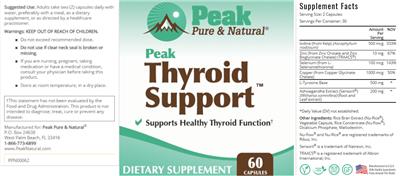
Peak Thyroid Support contains six active ingredients: L-Tyrosine (an amino acid that serves as a building block for thyroid hormones), Selenium (a mineral involved in thyroid enzyme function), Copper (another mineral supporting thyroid metabolism), Iodine (essential for thyroid hormone synthesis), Sensoril (a standardized ashwagandha extract traditionally used for stress and sleep), and Zinc (a mineral with multiple roles in immune and thyroid function). The capsules also contain inactive ingredients including rice, vegetable capsule material, flow agents, dicalcium phosphate, and maltodextrin.
Does it work?
Strong evidence
The evidence base varies by ingredient. L-Tyrosine is effective for phenylketonuria (PKU) and possibly effective for cognitive function and memory, though possibly ineffective for athletic performance.
Selenium is likely effective for selenium deficiency and possibly effective for autoimmune thyroiditis (Hashimoto's), which relates to thyroid health. Iodine is likely effective for iodine deficiency and radiation exposure, both core to thyroid function.
Copper is likely effective for copper deficiency. Zinc is effective for zinc deficiency and possibly effective for age-related macular degeneration.
Sensoril (ashwagandha) is possibly effective for insomnia, anxiety, stress, and generalized anxiety disorder. The product as a whole is marketed for thyroid support, but the strength of evidence for the combination's effect on thyroid function itself is not specified in the data we hold.
How safe is it?
Well-documented data
Most ingredients in this product are generally well tolerated at standard doses. L-Tyrosine is well tolerated orally, though fatigue, headache, heartburn, and nausea have been reported; higher doses can cause these effects more readily.
Selenium is safe at the recommended dietary allowance but can be toxic in excess — chronic excess can cause hair loss, nail changes, skin rashes, and in rare cases liver or kidney damage. Iodine is well tolerated in normal amounts but can cause thyroid problems (including goiter, hypothyroidism, or hyperthyroidism) at high doses; it may also trigger allergic reactions in sensitive individuals.
Copper and zinc are safe in recommended amounts but can accumulate to toxic levels with long-term high-dose use. Sensoril (ashwagandha) is generally well tolerated short-term but has rare reports of liver damage, and case reports describe hyperthyroidism after long-term use.
The product should be avoided during pregnancy because ashwagandha is traditionally thought to carry miscarriage risk, and iodine in excess can harm fetal thyroid development. Ashwagandha should be avoided while breastfeeding due to insufficient safety data, and high-dose iodine and selenium should also be avoided during lactation.
Meds to double-check
Moderate interaction found
Before taking Peak Thyroid Support, double-check these medication types with the search tool below: thyroid hormones (additive effects from multiple ingredients); antithyroid drugs and lithium (iodine interference); levodopa for Parkinson's (tyrosine competition); quinolone, tetracycline, and cephalosporin antibiotics (zinc and other minerals reduce absorption); blood thinners and antiplatelet drugs like warfarin (selenium bleeding risk); blood pressure medications (ashwagandha may lower pressure further); diabetes medications (ashwagandha may lower blood sugar); benzodiazepines and other sedatives (ashwagandha additive effects); and any medication metabolized by the liver (rare ashwagandha hepatotoxicity risk). No interactions are documented for the inactive ingredients.
The bottom line
Scorecard at a glanceFully disclosed formula with clinical evidence supporting its stated purpose. Moderate medication interactions have been identified, and safety information is well characterized.
Peak Thyroid Support is designed for people seeking nutritional support for thyroid health through key minerals (iodine, selenium, zinc, copper) and amino acid (tyrosine) precursors, plus ashwagandha for stress resilience. Anyone taking thyroid medication, blood pressure drugs, diabetes medications, antibiotics, blood thinners, or CNS-active drugs should check their specific medications with the tool below before starting.
Pregnant or breastfeeding individuals should not use this product. Talk to your pharmacist or doctor before adding this to your regimen if you have any chronic health condition or take prescription medications.
Educational only — not medical advice; always confirm with your pharmacist. Our editorial policy · How we use AI
Assessment coverage: 6 of 6 active ingredients matched to our full ingredient reviews (monographs). Based on the product label dated May 21, 2025.
This Scorecard evaluates available label information, ingredient evidence, and known medication-safety considerations. It does not independently verify product identity, purity, potency, contamination, or manufacturing quality. How these ratings are computed
General information
Key facts about Peak Thyroid Support, straight from the product label.
| Brand | Peak Pure & Natural |
|---|---|
| Net contents | 60 Capsule(s) |
| Market status | On market |
| Date entered into DSLD | May 21, 2025 |
| DSLD ID | 333620 |
| Product type | Botanical With Nutrients |
| Supplement form | Capsule |
| Dietary claims / uses | All Other, Structure/Function |
| Intended target group(s) | Vegetarian, Adult (18 - 50 Years), Gluten Free |
Everything in this section is reproduced from the manufacturer’s own product label — it’s the label speaking, not HelloPharmacist. We show it so you can see exactly what the maker states; we don’t verify or endorse those statements.
Supplement Facts
The label details for Peak Thyroid Support by Peak Pure & Natural, sourced from the NIH Dietary Supplement Label Database.
Supplement Facts
| Ingredient | Amount | % DV |
|---|---|---|
| L-Tyrosine | 500 mg | -- |
| Selenium | 100 mcg | 143% |
| Copper | 1000 mcg | 50% |
| Iodine | 500 mcg | 333% |
| Sensoril | 200 mg | -- |
| Zinc | 10 mg | 67% |
Other ingredients: Nu-Rice, Vegetable Capsule, Nu-Flow, Dicalcium Phosphate, Maltodextrin
Tap any ingredient to jump to its full detail below.
These statements are the manufacturer’s wording, reproduced from the product label — the label is saying it, not HelloPharmacist. We don’t verify or endorse them.
Suggested/Recommended/Usage/Directions
Suggested use: Adults take two (2) capsules daily with water, preferably with a meal, as a dietary supplement, or as directed by a healthcare practitioner.
Precautions
Warnings: Keep out of reach of children.
Do not exceed recommended dose. Do not use if clear neck seal is broken or missing.
If you are nursing, pregnant, taking medication or have a medical condition, consult your physician before taking this product.
Storage
Store at room temperature, in a dry place.
FDA Disclaimer Statement
This statement has not been evaluated by the Food and Drug Administration. This product is not intended to diagnose, treat, cure or prevent any disease.
Formulation
Supports healthy thyroid function
V (Vegetarian)
Non GMO GF (Gluten free)
FDA Statement of Identity
Dietary Supplement
Brand IP Statement(s)
Nu-flow and Nu-Rice are registered trademarks of Ribus, Inc. Sensoril is a trademark of Natreon, Inc. TRAACS is a registered trademark of Albion International, Inc.
Seals/Symbols
V (Vegetarian) Clean Label Manufactured in U.S.A. with quality ingredients from around the world
Is this label outdated? Report a formula or label change and our pharmacy team will review it.
Peak Thyroid Support by Peak Pure & Natural label
The label scan from the NIH Dietary Supplement Label Database. Tap to enlarge.
Label images are published by the NIH Dietary Supplement Label Database for the version of this product on file. Always read your actual product label.
View the full label (PDF)The Ingredients in Peak Thyroid Support by Peak Pure & Natural
These are the 6 active ingredients this product is made of. Select any to open its full monograph.
Serving size2 Capsule(s) Dosage formCapsule Servings per container30 Amounts shown are per serving.
Most supplement products combine several ingredients, and a medication can interact with the product through any one of them. Each ingredient below shows whether it has known drug interactions.
L-Tyrosine
Interacts with21 drugs
L-tyrosine is an amino acid your body uses to make brain chemicals like dopamine and norepinephrine. Some studies suggest it may help mental performan...
L-Tyrosine monograph & interactionsSelenium
Interacts with321 drugs
Selenium is an essential trace mineral your body needs in small amounts for thyroid function, antioxidant defense, and immune health. Most people who...
Selenium monograph & interactionsCopper
Interacts with31 drugs
Copper is an essential trace mineral your body needs in small amounts for making red blood cells, supporting nerves and bones, and helping enzymes wor...
Copper monograph & interactionsIodine
Interacts with7 drugs
Iodine is an essential mineral your body needs to make thyroid hormones, and most people get enough from iodized salt, dairy, and seafood. Supplements...
Iodine monograph & interactionsSensoril
Interacts with1,372 drugs
Ashwagandha is an Ayurvedic herb most often taken to help with stress, anxiety, and sleep, and some small studies suggest it may help, though the evid...
Sensoril monograph & interactionsZinc
Interacts with67 drugs
Zinc is an essential mineral that your body needs for immune function, wound healing, taste, and smell. Most people get enough from food, but suppleme...
Zinc monograph & interactionsOther (inactive) ingredients: Nu-Rice, Vegetable Capsule, Nu-Flow, Dicalcium Phosphate, Maltodextrin. These complete the product’s ingredient list but are not active constituents.
Peak Thyroid Support by Peak Pure & Natural Drug Interactions
HelloPharmacist Interaction Report
Peak Thyroid Support by Peak Pure & Natural contains six active ingredients, several of which interact with medications.
The most serious interaction involves Sensoril (ashwagandha), which can increase the effects of thyroid hormone medications — a Moderate-severity concern for anyone already taking levothyroxine or other thyroid replacements.
Read the full breakdown — every affected drug type, severity by severity
L-Tyrosine, also in this product, interacts with levodopa (Parkinson's medication) at Moderate severity by competing for absorption and potentially reducing its effectiveness; separate dosing by at least 2 hours if you take both. Tyrosine may also have additive effects with thyroid hormones.
Iodine in this formula interacts with lithium (a mood stabilizer), antithyroid drugs, and amiodarone (a heart rhythm medication) — all Moderate severity — because iodine can affect thyroid function in unpredictable ways.
Selenium, copper, and zinc each carry multiple Moderate-severity interactions with antibiotics (quinolones, tetracyclines, cephalexin), blood thinners, and other drug classes. Selenium may increase bleeding risk with anticoagulants or antiplatelet drugs and can interact with barbiturates and warfarin.
Zinc reduces absorption of several antibiotics and the HIV drug ritonavir if taken at the same time; separate dosing by 2–6 hours depending on the antibiotic. Sensoril also has Moderate interactions with CNS depressants, blood pressure drugs, and blood sugar medications, and a rare serious risk of liver damage.
Altogether, these interactions span 1,439 individual medications. Use the medication checker on this page to confirm whether any of your prescriptions or over-the-counter drugs are affected before you start.
Check your own medications below · Editorial policy · How we use AI
Want to check YOUR meds against Peak Thyroid Support?
Ask about interactions with your drugs in plain English — “Can I take it with lisinopril?” — and we find you the answer in seconds, ingredient by ingredient.
Go to the checkerIngredients driving the most interactions
Individual Drug Interactions
The ingredients in Peak Thyroid Support interact with 1,460 drugs. Click any drug to see the details.
6 of the 6 ingredients in Peak Thyroid Support interact with drugs. Each result below shows which ingredient is responsible. Sensoril Selenium Zinc Copper L-Tyrosine Iodine
AmoxicillinAmix, Amoram, Amoxident, Amoxil Capsules, Amoxil Injection, Galenamox +3 more
How Amoxicillin interacts with Peak Thyroid Support — through 1 ingredient. Tap an ingredient for the detail:
SensorilHepatotoxic Drugs Moderate
Interaction Summary
Theoretically, taking ashwagandha with hepatotoxic drugs might increase the risk of liver damage.
Read the full Sensoril + Amoxicillin interactionAmoxicillin VeterinaryBiomox
How Amoxicillin Veterinary interacts with Peak Thyroid Support — through 1 ingredient. Tap an ingredient for the detail:
SensorilHepatotoxic Drugs Moderate
Interaction Summary
Theoretically, taking ashwagandha with hepatotoxic drugs might increase the risk of liver damage.
Read the full Sensoril + Amoxicillin Veterinary interactionAmoxicillin, Clavulanate PotassiumAugmentin, Augmentin '125/31 SF', Augmentin '250/62 SF', Augmentin XR, Augmentin-Duo 400/57, Clavulin
How Amoxicillin, Clavulanate Potassium interacts with Peak Thyroid Support — through 1 ingredient. Tap an ingredient for the detail:
SensorilHepatotoxic Drugs Moderate
Interaction Summary
Theoretically, taking ashwagandha with hepatotoxic drugs might increase the risk of liver damage.
Read the full Sensoril + Amoxicillin, Clavulanate Potassium interactionAmoxicillin, Omeprazole Magnesium, RifabutinTalicia
How Amoxicillin, Omeprazole Magnesium, Rifabutin interacts with Peak Thyroid Support — through 1 ingredient. Tap an ingredient for the detail:
SensorilHepatotoxic Drugs, Cytochrome P450 3a4 (cyp3a4) Substrates Moderate
Interaction Summary
Theoretically, taking ashwagandha with hepatotoxic drugs might increase the risk of liver damage.
Read the full Sensoril + Amoxicillin, Omeprazole Magnesium, Rifabutin interactionAmphotericin, TetracyclineMysteclin-F
How Amphotericin, Tetracycline interacts with Peak Thyroid Support — through 2 ingredients. Tap an ingredient for the detail:
ZincTetracycline Antibiotics Moderate
Interaction Summary
Zinc might reduce levels of tetracycline antibiotics.
Read the full Zinc + Amphotericin, Tetracycline interactionSensorilHepatotoxic Drugs Moderate
Interaction Summary
Theoretically, taking ashwagandha with hepatotoxic drugs might increase the risk of liver damage.
Read the full Sensoril + Amphotericin, Tetracycline interactionAnacaulase-bcdbNexoBrid
How Anacaulase-bcdb interacts with Peak Thyroid Support — through 1 ingredient. Tap an ingredient for the detail:
SeleniumAnticoagulant/antiplatelet Drugs Moderate
Interaction Summary
Selenium may have antiplatelet effects and may increase the risk of bleeding if used with anticoagulant or antiplatelet drugs.
Read the full Selenium + Anacaulase-bcdb interactionAnagrelideAgrylin
How Anagrelide interacts with Peak Thyroid Support — through 2 ingredients. Tap an ingredient for the detail:
SeleniumAnticoagulant/antiplatelet Drugs Moderate
Interaction Summary
Selenium may have antiplatelet effects and may increase the risk of bleeding if used with anticoagulant or antiplatelet drugs.
Read the full Selenium + Anagrelide interactionSensorilCytochrome P450 1a2 (cyp1a2) Substrates Minor
Interaction Summary
Theoretically, ashwagandha might decrease the levels and clinical effects of CYP1A2 substrates.
Read the full Sensoril + Anagrelide interactionAnidulafunginEraxis
How Anidulafungin interacts with Peak Thyroid Support — through 1 ingredient. Tap an ingredient for the detail:
SensorilHepatotoxic Drugs Moderate
Interaction Summary
Theoretically, taking ashwagandha with hepatotoxic drugs might increase the risk of liver damage.
Read the full Sensoril + Anidulafungin interactionAnifrolumab-fniaSaphnelo
How Anifrolumab-fnia interacts with Peak Thyroid Support — through 2 ingredients. Tap an ingredient for the detail:
SensorilImmunosuppressants Moderate
Interaction Summary
Theoretically, taking ashwagandha might decrease the effects of immunosuppressants.
Read the full Sensoril + Anifrolumab-fnia interactionSeleniumImmunosuppressants Moderate
Interaction Summary
Theoretically, selenium supplementation may reduce the effectiveness of immunosuppressant therapy.
Read the full Selenium + Anifrolumab-fnia interactionAnisindioneMiradon
How Anisindione interacts with Peak Thyroid Support — through 1 ingredient. Tap an ingredient for the detail:
SeleniumAnticoagulant/antiplatelet Drugs Moderate
Interaction Summary
Selenium may have antiplatelet effects and may increase the risk of bleeding if used with anticoagulant or antiplatelet drugs.
Read the full Selenium + Anisindione interactionAntidiabetes, Dipeptidyl Peptidase-4 (dpp-iv) InhibitorGlyxambi
How Antidiabetes, Dipeptidyl Peptidase-4 (dpp-iv) Inhibitor interacts with Peak Thyroid Support — through 1 ingredient. Tap an ingredient for the detail:
SensorilAntidiabetes Drugs Moderate
Interaction Summary
Theoretically, taking ashwagandha with antidiabetes drugs might increase the risk of hypoglycemia.
Read the full Sensoril + Antidiabetes, Dipeptidyl Peptidase-4 (dpp-iv) Inhibitor interactionAntithrombin IiiThrombate III
How Antithrombin Iii interacts with Peak Thyroid Support — through 1 ingredient. Tap an ingredient for the detail:
SeleniumAnticoagulant/antiplatelet Drugs Moderate
Interaction Summary
Selenium may have antiplatelet effects and may increase the risk of bleeding if used with anticoagulant or antiplatelet drugs.
Read the full Selenium + Antithrombin Iii interactionAntithymocyte GlobulinThymoglobulin
How Antithymocyte Globulin interacts with Peak Thyroid Support — through 2 ingredients. Tap an ingredient for the detail:
SeleniumImmunosuppressants Moderate
Interaction Summary
Theoretically, selenium supplementation may reduce the effectiveness of immunosuppressant therapy.
Read the full Selenium + Antithymocyte Globulin interactionSensorilImmunosuppressants Moderate
Interaction Summary
Theoretically, taking ashwagandha might decrease the effects of immunosuppressants.
Read the full Sensoril + Antithymocyte Globulin interactionApixabanEliquis
How Apixaban interacts with Peak Thyroid Support — through 2 ingredients. Tap an ingredient for the detail:
SeleniumAnticoagulant/antiplatelet Drugs Moderate
Interaction Summary
Selenium may have antiplatelet effects and may increase the risk of bleeding if used with anticoagulant or antiplatelet drugs.
Read the full Selenium + Apixaban interactionSensorilCytochrome P450 3a4 (cyp3a4) Substrates Minor
Interaction Summary
Theoretically, ashwagandha might decrease the levels and clinical effects of CYP3A4 substrates.
Read the full Sensoril + Apixaban interactionAprobarbital, Butabarbital, PhenobarbitalTriple Barbital
How Aprobarbital, Butabarbital, Phenobarbital interacts with Peak Thyroid Support — through 2 ingredients. Tap an ingredient for the detail:
SeleniumBarbiturates Moderate
Interaction Summary
Theoretically, selenium might prolong the sedating effects of barbiturates.
Read the full Selenium + Aprobarbital, Butabarbital, Phenobarbital interactionSensorilCns Depressants Moderate
Interaction Summary
Theoretically, taking ashwagandha might increase the sedative effects of CNS depressants.
Read the full Sensoril + Aprobarbital, Butabarbital, Phenobarbital interactionAprocitentanTryvio
How Aprocitentan interacts with Peak Thyroid Support — through 1 ingredient. Tap an ingredient for the detail:
SensorilAntihypertensive Drugs, Hepatotoxic Drugs Moderate
Interaction Summary
Theoretically, taking ashwagandha with antihypertensive drugs might increase the risk of hypotension.
Read the full Sensoril + Aprocitentan interactionArgatrobanArgatroban
How Argatroban interacts with Peak Thyroid Support — through 1 ingredient. Tap an ingredient for the detail:
SeleniumAnticoagulant/antiplatelet Drugs Moderate
Interaction Summary
Selenium may have antiplatelet effects and may increase the risk of bleeding if used with anticoagulant or antiplatelet drugs.
Read the full Selenium + Argatroban interactionAripiprazoleAbilify, Abilify Maintena, Abilify Mycite
How Aripiprazole interacts with Peak Thyroid Support — through 1 ingredient. Tap an ingredient for the detail:
SensorilSerotonergic Drugs, Cytochrome P450 3a4 (cyp3a4) Substrates +1 Moderate
Interaction Summary
Some animal studies have reported that ashwagandha can enhance serotonergic transmission by altering certain serotonin (5-HT) receptors.
Read the full Sensoril + Aripiprazole interactionAripiprazole LauroxilAristada, Aristada Initio Kit
How Aripiprazole Lauroxil interacts with Peak Thyroid Support — through 1 ingredient. Tap an ingredient for the detail:
SensorilCns Depressants, Cytochrome P450 3a4 (cyp3a4) Substrates +1 Moderate
Interaction Summary
Theoretically, taking ashwagandha might increase the sedative effects of CNS depressants.
Read the full Sensoril + Aripiprazole Lauroxil interactionAsparaginase Erwinia Chrysanthemi (recombinant)-rywnRylaze
How Asparaginase Erwinia Chrysanthemi (recombinant)-rywn interacts with Peak Thyroid Support — through 1 ingredient. Tap an ingredient for the detail:
SensorilHepatotoxic Drugs Moderate
Interaction Summary
Theoretically, taking ashwagandha with hepatotoxic drugs might increase the risk of liver damage.
Read the full Sensoril + Asparaginase Erwinia Chrysanthemi (recombinant)-rywn interactionAspirinAngettes 75, ASA, Asaphen, Aspirin, Caprin, Cartia +8 more
How Aspirin interacts with Peak Thyroid Support — through 1 ingredient. Tap an ingredient for the detail:
SeleniumAnticoagulant/antiplatelet Drugs Moderate
Interaction Summary
Selenium may have antiplatelet effects and may increase the risk of bleeding if used with anticoagulant or antiplatelet drugs.
Read the full Selenium + Aspirin interactionAspirin, Aluminum Hydroxide, Codeine Phosphate, Magnesium HydroxideAscriptin Codeine #3
How Aspirin, Aluminum Hydroxide, Codeine Phosphate, Magnesium Hydroxide interacts with Peak Thyroid Support — through 1 ingredient. Tap an ingredient for the detail:
SeleniumAnticoagulant/antiplatelet Drugs Moderate
Interaction Summary
Selenium may have antiplatelet effects and may increase the risk of bleeding if used with anticoagulant or antiplatelet drugs.
Read the full Selenium + Aspirin, Aluminum Hydroxide, Codeine Phosphate, Magnesium Hydroxide interactionAspirin, ButalbitalAxotal
How Aspirin, Butalbital interacts with Peak Thyroid Support — through 1 ingredient. Tap an ingredient for the detail:
SeleniumAnticoagulant/antiplatelet Drugs, Barbiturates Moderate
Interaction Summary
Selenium may have antiplatelet effects and may increase the risk of bleeding if used with anticoagulant or antiplatelet drugs.
Read the full Selenium + Aspirin, Butalbital interactionAspirin, Butalbital, CaffeineFiorinal
How Aspirin, Butalbital, Caffeine interacts with Peak Thyroid Support — through 2 ingredients. Tap an ingredient for the detail:
SeleniumAnticoagulant/antiplatelet Drugs Moderate
Interaction Summary
Selenium may have antiplatelet effects and may increase the risk of bleeding if used with anticoagulant or antiplatelet drugs.
Read the full Selenium + Aspirin, Butalbital, Caffeine interactionSensorilCytochrome P450 3a4 (cyp3a4) Substrates, Cytochrome P450 1a2 (cyp1a2) Substrates Minor
Interaction Summary
Theoretically, ashwagandha might decrease the levels and clinical effects of CYP3A4 substrates.
Read the full Sensoril + Aspirin, Butalbital, Caffeine interactionAspirin, Butalbital, Caffeine, Codeine PhosphateFiorinal w/ Codeine
How Aspirin, Butalbital, Caffeine, Codeine Phosphate interacts with Peak Thyroid Support — through 2 ingredients. Tap an ingredient for the detail:
SeleniumAnticoagulant/antiplatelet Drugs Moderate
Interaction Summary
Selenium may have antiplatelet effects and may increase the risk of bleeding if used with anticoagulant or antiplatelet drugs.
Read the full Selenium + Aspirin, Butalbital, Caffeine, Codeine Phosphate interactionSensorilCytochrome P450 3a4 (cyp3a4) Substrates, Cns Depressants +1 Moderate
Interaction Summary
Theoretically, ashwagandha might decrease the levels and clinical effects of CYP3A4 substrates.
Read the full Sensoril + Aspirin, Butalbital, Caffeine, Codeine Phosphate interactionAspirin, Butalbital, Caffeine, PhenacetinMarnal
How Aspirin, Butalbital, Caffeine, Phenacetin interacts with Peak Thyroid Support — through 2 ingredients. Tap an ingredient for the detail:
SeleniumAnticoagulant/antiplatelet Drugs Moderate
Interaction Summary
Selenium may have antiplatelet effects and may increase the risk of bleeding if used with anticoagulant or antiplatelet drugs.
Read the full Selenium + Aspirin, Butalbital, Caffeine, Phenacetin interactionSensorilCytochrome P450 1a2 (cyp1a2) Substrates, Cytochrome P450 3a4 (cyp3a4) Substrates Minor
Interaction Summary
Theoretically, ashwagandha might decrease the levels and clinical effects of CYP1A2 substrates.
Read the full Sensoril + Aspirin, Butalbital, Caffeine, Phenacetin interactionAspirin, CaffeineAnacin
How Aspirin, Caffeine interacts with Peak Thyroid Support — through 2 ingredients. Tap an ingredient for the detail:
SeleniumAnticoagulant/antiplatelet Drugs Moderate
Interaction Summary
Selenium may have antiplatelet effects and may increase the risk of bleeding if used with anticoagulant or antiplatelet drugs.
Read the full Selenium + Aspirin, Caffeine interactionSensorilCytochrome P450 3a4 (cyp3a4) Substrates, Cytochrome P450 1a2 (cyp1a2) Substrates Minor
Interaction Summary
Theoretically, ashwagandha might decrease the levels and clinical effects of CYP3A4 substrates.
Read the full Sensoril + Aspirin, Caffeine interactionAspirin, Caffeine, Codeine PhosphateAnacin w/ Codeine
How Aspirin, Caffeine, Codeine Phosphate interacts with Peak Thyroid Support — through 2 ingredients. Tap an ingredient for the detail:
SensorilCytochrome P450 1a2 (cyp1a2) Substrates, Cytochrome P450 3a4 (cyp3a4) Substrates +1 Moderate
Interaction Summary
Theoretically, ashwagandha might decrease the levels and clinical effects of CYP1A2 substrates.
Read the full Sensoril + Aspirin, Caffeine, Codeine Phosphate interactionSeleniumAnticoagulant/antiplatelet Drugs Moderate
Interaction Summary
Selenium may have antiplatelet effects and may increase the risk of bleeding if used with anticoagulant or antiplatelet drugs.
Read the full Selenium + Aspirin, Caffeine, Codeine Phosphate interactionAspirin, Caffeine, Dihydrocodeine BitartrateSynalgos DC
How Aspirin, Caffeine, Dihydrocodeine Bitartrate interacts with Peak Thyroid Support — through 2 ingredients. Tap an ingredient for the detail:
SensorilCns Depressants, Cytochrome P450 3a4 (cyp3a4) Substrates +1 Moderate
Interaction Summary
Theoretically, taking ashwagandha might increase the sedative effects of CNS depressants.
Read the full Sensoril + Aspirin, Caffeine, Dihydrocodeine Bitartrate interactionSeleniumAnticoagulant/antiplatelet Drugs Moderate
Interaction Summary
Selenium may have antiplatelet effects and may increase the risk of bleeding if used with anticoagulant or antiplatelet drugs.
Read the full Selenium + Aspirin, Caffeine, Dihydrocodeine Bitartrate interactionAspirin, Caffeine, Dover's PwdAcedoval, Dovacet
How Aspirin, Caffeine, Dover's Pwd interacts with Peak Thyroid Support — through 2 ingredients. Tap an ingredient for the detail:
SeleniumAnticoagulant/antiplatelet Drugs Moderate
Interaction Summary
Selenium may have antiplatelet effects and may increase the risk of bleeding if used with anticoagulant or antiplatelet drugs.
Read the full Selenium + Aspirin, Caffeine, Dover's Pwd interactionSensorilCytochrome P450 3a4 (cyp3a4) Substrates, Cytochrome P450 1a2 (cyp1a2) Substrates Minor
Interaction Summary
Theoretically, ashwagandha might decrease the levels and clinical effects of CYP3A4 substrates.
Read the full Sensoril + Aspirin, Caffeine, Dover's Pwd interactionEach ingredient & the kinds of drugs it affects
For each ingredient in Peak Thyroid Support with known interactions, here are the types of medications they can affect. Open any type for the detail — or search your exact drug in the checker above.
Sensoril
Antidiabetes Drugs
Theoretically, taking ashwagandha with antidiabetes drugs might increase the risk of hypoglycemia.
There is preliminary clinical evidence suggesting that ashwagandha might lower blood glucose levels. Theoretically, ashwagandha might have additive effects when used with antidiabetes drugs and increase the risk of hypoglycemia.
Antihypertensive Drugs
Theoretically, taking ashwagandha with antihypertensive drugs might increase the risk of hypotension.
Animal research suggests that ashwagandha might lower systolic and diastolic blood pressure. Theoretically, ashwagandha might have additive effects when used with antihypertensive drugs and increase the risk of hypotension.
Benzodiazepines
Theoretically, taking ashwagandha might increase the sedative effects of benzodiazepines.
There is preliminary evidence that ashwagandha might have an additive effect with diazepam (Valium) and clonazepam (Klonopin). This may also occur with other benzodiazepines.
Cns Depressants
Theoretically, taking ashwagandha might increase the sedative effects of CNS depressants.
Ashwagandha seems to have sedative effects. Theoretically, this may potentiate the effects of barbiturates, other sedatives, and anxiolytics.
Hepatotoxic Drugs
Theoretically, taking ashwagandha with hepatotoxic drugs might increase the risk of liver damage.
Ashwagandha has been linked to cases of acute hepatitis, liver failure, hepatic encephalopathy, autoimmune hepatitis, the need for liver transplantation, and death due to liver failure.
Immunosuppressants
Theoretically, taking ashwagandha might decrease the effects of immunosuppressants.
Ashwagandha has demonstrated immunostimulant effects in humans. Animal research has shown that ashwagandha can attenuate the immunosuppression caused by cyclophosphamide.
Thyroid Hormone
Ashwagandha might increase the effects and adverse effects of thyroid hormone.
Concomitant use of ashwagandha with thyroid hormones may cause additive therapeutic and adverse effects. Preliminary clinical research and animal studies suggest that ashwagandha boosts thyroid hormone synthesis and secretion. In one clinical study, ashwagandha increased triiodothyronine (T3) and thyroxine (T4) levels by 41.5% and 19.6%, respectively, and reduced serum TSH levels by 17.4% from baseline in adults with subclinical hypothyroidism.
Cytochrome P450 1A2 (Cyp1A2) Substrates
Theoretically, ashwagandha might decrease the levels and clinical effects of CYP1A2 substrates.
In vitro research shows that ashwagandha extract induces CYP1A2 enzymes.
Cytochrome P450 3A4 (Cyp3A4) Substrates
Theoretically, ashwagandha might decrease the levels and clinical effects of CYP3A4 substrates.
In vitro research shows that ashwagandha extract induces CYP3A4 enzymes.
Serotonergic Drugs
Some animal studies have reported that ashwagandha can enhance serotonergic transmission by altering certain serotonin (5-HT) receptors. However, there is no evidence to suggest that ashwagandha increases the risk of serotonin-related effects, and there have been no published case reports of serotonin syndrome when combined with other serotonergic drugs. Nevertheless, due to the lack of extensive studies on the matter and the fact that ashwagandha appears to affect serotonergic pathways, it would be prudent to exercise caution when combining it with drugs that affect serotonin. [References: - Effects of Withania somnifera (Ashwaga ndha) on Stress and the Stress-Related Neuropsychiatric Disorders Anxiety, Depression, and Insomnia. Curr Neuropharmacol. 2021 Sep 14; 19: 1468–1495. - A Prospective, Randomized Double-Blind, Placebo-Controlled Study of Safety and Efficacy of a High-Concentration Full-Spectrum Extract of Ashwagandha Root in Reducing Stress and Anxiety in Adults. https://www.ncbi.nlm.nih.gov/pmc/articles/PMC3573577/]
Selenium
Anticoagulant/Antiplatelet Drugs
Selenium may have antiplatelet effects and may increase the risk of bleeding if used with anticoagulant or antiplatelet drugs.
Clinical research suggests that taking selenium 10 mcg/kg/day can increase bleeding times by increasing prostacyclin production, which inhibits platelet activity. Other clinical research suggests that taking selenium 75 mcg daily, in combination with ascorbic acid 600 mg, alpha-tocopherol 300 mg, and beta-carotene 27 mg, reduces platelet aggregation.
Barbiturates
Theoretically, selenium might prolong the sedating effects of barbiturates.
Laboratory research suggests that selenium can inhibit the hepatic metabolism of barbiturates. Selenium seems to prolong the sedative effect of pentobarbital in animal models.
Immunosuppressants
Theoretically, selenium supplementation may reduce the effectiveness of immunosuppressant therapy.
In vitro research and preliminary clinical evidence suggests that selenium may stimulate the immune system.
Warfarin (Coumadin)
Theoretically, selenium might interfere with warfarin activity.
Animal research suggests that selenium can increase warfarin activity. Selenium might interact with warfarin by displacing it from albumin binding sites, reducing its metabolism in the liver, or by decreasing production of vitamin K-dependent clotting factors. Selenium can also prolong bleeding times in humans by increasing prostacyclin production, which inhibits platelet activity.
Contraceptive Drugs
Contraceptive drugs might increase levels of selenium, although the clinical significance of this effect is unclear.
Some research suggests that oral contraceptives increase serum selenium levels in women taking oral contraceptives; however, other research shows no change in selenium levels. It is suggested that an increase could be due to increased carrier proteins, indicating a redistribution of selenium rather than a change in total body selenium.
Niacin
Selenium might reduce the beneficial effects of niacin on high-density lipoprotein (HDL) levels.
A combination of niacin and simvastatin (Zocor) effectively raises HDL cholesterol levels in patients with coronary disease and low HDL levels. Clinical research shows that taking a combination of antioxidants (vitamin C, vitamin E, beta-carotene, and selenium) along with niacin and simvastatin (Zocor) attenuates this rise in HDL, specifically the HDL-2 and apolipoprotein A1 fractions, by more than 50% in patients with coronary disease. It is not known whether this adverse effect is due to a single antioxidant such as selenium, or to the combination. It also is not known whether it will occur in other patient populations.
Zinc
Bictegravir/Emtricitabine/Tenofovir Alafenamide (Biktarvy)
Theoretically, zinc might decrease levels of bictegravir/emtricitabine/tenofovir alafenamide by reducing its absorption.
Advise patients that bictegravir/emtricitabine/tenofovir alafenamide should be taken at least 2 hours before or 6 hours after zinc containing products.
Cephalexin (Keflex)
Zinc might decrease cephalexin levels by chelating with cephalexin in the gut and preventing its absorption.
A pharmacokinetic study shows that zinc sulfate 250 mg taken concomitantly with cephalexin 500 mg decreases peak levels of cephalexin by 31% and reduces the exposure to cephalexin by 27%. Also, taking zinc sulfate 3 hours before cephalexin decreases peak levels of cephalexin by 11% and reduces the exposure to cephalexin by 18%. By decreasing cephalexin levels, zinc might increase the risk of treatment failure. This effect does not occur when zinc is taken 3 hours after the cephalexin dose. To avoid an interaction, advise patients take zinc sulfate 3 hours after taking cephalexin.
Cisplatin (Platinol-Aq)
Theoretically, zinc might interfere with the therapeutic effects of cisplatin.
Animal research suggests that zinc stimulates tumor cell production of the protein metallothionein, which binds and inactivates cisplatin. It is not known whether zinc supplements or high dietary zinc intake can cause clinically significant interference with cisplatin therapy. Cisplatin might also increase zinc excretion.
Integrase Inhibitors
Theoretically, taking zinc along with integrase inhibitors might decrease the levels and clinical effects of these drugs.
Zinc is a divalent cation. Pharmacokinetic studies have shown that other divalent cations such as calcium and iron can decrease blood levels of the integrase inhibitor dolutegravir through chelation.
Penicillamine (Cuprimine, Depen)
Zinc might reduce the levels and clinical effects of penicillamine.
By forming an insoluble complex with penicillamine, zinc interferes with penicillamine absorption and activity. Zinc supplements reduce the efficacy of low-dose penicillamine (0.5-1 gram/day), but do not seem to affect higher doses (1-2.75 gram/day), provided dosing times are separated. Advise patients to take zinc and penicillamine at least 2 hours apart.
Quinolone Antibiotics
Zinc can decrease the levels and clinical effects of quinolones antibiotics.
Quinolones form complexes with zinc in the gastrointestinal tract, reducing absorption of both the quinolone and zinc if taken at the same time. Advise patients to take these drugs at least 2 hours before, or 4-6 hours after, zinc supplements.
Ritonavir (Norvir)
Zinc modestly reduces levels of ritonavir.
Clinical research shows that zinc might reduce serum ritonavir levels by chelating with ritonavir in the gut and preventing its absorption. In patients with HIV, ritonavir is taken with atazanavir to prevent the metabolism and increase the effects of atazanavir. A pharmacokinetic study shows that, in patients being treated with atazanavir/ritonavir, co-administration of zinc sulfate (Solvazinc tablets) 125 mg as a single dose or as multiple daily doses for 2 weeks reduces plasma levels of ritonavir by about 16%. However, atazanavir levels still remains high enough to prevent HIV virus replication. Therefore, the decrease in ritonavir levels is not likely to be clinically significant.
Tetracycline Antibiotics
Zinc might reduce levels of tetracycline antibiotics.
Tetracyclines form complexes with zinc in the gastrointestinal tract, which can reduce absorption of both the tetracycline and zinc when taken at the same time. Taking zinc sulfate 200 mg with tetracycline reduces absorption of the antibiotic by 30% to 40%. Demeclocycline and minocycline cause a similar interaction. However, doxycycline does not seem to interact significantly with zinc. Advise patients to take tetracyclines at least 2 hours before, or 4-6 hours after, zinc supplements to avoid any interactions.
Amiloride (Midamor)
Amiloride can modestly reduce zinc excretion and increase zinc levels.
Clinical research shows that amiloride can reduce urinary zinc excretion, especially at doses of 10 mg per day or more. This zinc-sparing effect can help to counteract zinc losses caused by thiazide diuretics, but it is unlikely to cause zinc toxicity at usual amiloride doses. The other potassium-sparing diuretics, spironolactone (Aldactone) and triamterene (Dyrenium), do not seem to have a zinc-sparing effect.
Atazanavir (Reyataz)
Zinc modestly reduces levels of atazanavir, although this effect does not seem to be clinically significant.
Clinical research shows that zinc might decrease serum atazanavir levels by chelating with atazanavir in the gut and preventing its absorption. Although a single dose of zinc sulfate (Solvazinc tablets) 125 mg orally does not affect atazanavir concentrations in patients being treated with atazanavir/ritonavir, co-administration of zinc sulfate 125 mg daily for 2 weeks reduces plasma levels of atazanavir by about 22% in these patients. However, despite this decrease, atazanavir levels still remain at high enough concentrations for the prevention of HIV virus replication.
Copper
Penicillamine (Cuprimine, Depen)
Theoretically, taking copper with penicillamine might decrease the absorption of penicillamine; separate dosing by at least 2 hours.
Copper chelates penicillamine, which decreases its absorption and may reduce its clinical effects.
Contraceptive Drugs
Theoretically, taking copper with contraceptive drugs might increase the levels and toxic effects of copper.
A meta-analysis of clinical studies suggests that chronic use of oral contraceptives increases serum copper levels by a mean of 57 mcg/dL. In most people, this resulted in levels above the normal reference range for copper.
L-Tyrosine
Levodopa
Theoretically, tyrosine might decrease the effectiveness of levodopa.
Tyrosine and levodopa compete for absorption in the proximal duodenum by the large neutral amino acid (LNAA) transport system. Advise patients to separate doses of tyrosine and levodopa by at least 2 hours.
Thyroid Hormone
Theoretically, tyrosine might have additive effects with thyroid hormone medications.
Tyrosine is a precursor to thyroxine and might increase levels of thyroid hormones.
Iodine
Amiodarone (Cordarone)
Combining iodine with amiodarone might cause excessively high iodine levels.
Amiodarone contains 37.3% iodine and can increase iodine levels. Concomitant use with iodine might increase the risk of having excessive iodine levels and adversely affecting thyroid function. Monitor thyroid function.
Antithyroid Drugs
Iodine might alter the effects of antithyroid drugs.
Iodine in high doses has been reported to cause both hyperthyroidism and hypothyroidism, depending on the individual's past medical history. Taking iodine while using antithyroid drugs could alter the effects of the antithyroid drugs.
Lithium
Combining iodine with lithium might have additive hypothyroid effects.
Lithium can inhibit thyroid function. Several case reports suggest that concomitant use of lithium and potassium iodide can reduce thyroid function in otherwise healthy adults. Monitor thyroid function.
Brand information
Manufacturer and brand details for Peak Thyroid Support, from the product label.
Peak Pure & Natural
See all Peak Pure & Natural products- Name
- Peak Pure & Natural
- Street Address
- P.O. Box 24638
- City
- West Palm Beach
- State
- FL
- ZipCode
- 33416
- Phone Number
- 1-866-773-6899
- Web Address
- www.PeakNatural.com
Peak Thyroid Support by Peak Pure & Natural: Common Questions
Does Peak Thyroid Support by Peak Pure & Natural interact with any medications?
How can one product interact with so many drugs?
Where does this information come from?
Can I take Peak Thyroid Support if I'm on levothyroxine?
Will this product help my thyroid condition?
What are the most common side effects?
Can I take this while pregnant?
Is this safe to take with antibiotics?
Can I breastfeed while taking Peak Thyroid Support?
Written and reviewed by the HelloPharmacist editorial staff. Our editorial policy
Not sure if Peak Thyroid Support is safe with your meds?
Our pharmacists answer your medication & supplement questions — free.
Label information is sourced from the NIH Dietary Supplement Label Database and reflects the product version on file; always read your actual product label. This page is for education only and is not a substitute for professional medical advice. Confirm with your pharmacist or doctor before combining supplements and medications.
The Full Monographs Behind Peak Thyroid Support’s Ingredients
Every ingredient we hold a full HelloPharmacist monograph for — uses, evidence, safety, and the complete interaction list.
Tyrosine
Interacts with 21 drugsL-tyrosine is an amino acid your body uses to make brain chemicals like dopamine and norepinephrine. Some studies suggest it may help mental performance during short-term stress, sleep loss,...
Read the full Tyrosine monograph → Herb & supplement monographSelenium
Interacts with 321 drugsSelenium is an essential trace mineral your body needs in small amounts for thyroid function, antioxidant defense, and immune health. Most people who eat a varied diet get enough, and supple...
Read the full Selenium monograph → Herb & supplement monographCopper
Interacts with 31 drugsCopper is an essential trace mineral your body needs in small amounts for making red blood cells, supporting nerves and bones, and helping enzymes work. Most people get enough copper from fo...
Read the full Copper monograph → Herb & supplement monographIodine
Interacts with 7 drugsIodine is an essential mineral your body needs to make thyroid hormones, and most people get enough from iodized salt, dairy, and seafood. Supplements help when you are truly deficient, but...
Read the full Iodine monograph → Herb & supplement monographAshwagandha
Interacts with 1,372 drugsAshwagandha is an Ayurvedic herb most often taken to help with stress, anxiety, and sleep, and some small studies suggest it may help, though the evidence is still limited. It is generally w...
Read the full Ashwagandha monograph → Herb & supplement monographZinc
Interacts with 67 drugsZinc is an essential mineral that your body needs for immune function, wound healing, taste, and smell. Most people get enough from food, but supplements can help correct or prevent a defici...
Read the full Zinc monograph →Sources & How We Checked
Peak Thyroid Support's label data comes from the NIH Dietary Supplement Label Database; the ingredient interaction data is from the Natural Medicines database, reviewed by our pharmacists.
- NIH Dietary Supplement Label Database (DSLD) — The official product label on file for this supplement.
- Natural Medicines (Therapeutic Research Center) — Evidence-graded clinical reference behind the ingredient interaction data.
Content is written and reviewed by licensed HelloPharmacist pharmacists. See our data sources and editorial standards for how this information is built and checked.
The 197 references behind this product’s interaction data
Every citation that drives the interaction findings for this product’s ingredients, from the evidence-graded Natural Medicines (TRC Healthcare) database. Open an ingredient to browse its citations — links open the study on PubMed or the publisher’s site.
Tyrosine 4 references
- Meyer JS, Welch KM, Deshmukh VD, et al. Neurotransmitter precursor amino acids in the treatment of multi-infarct dementia and Alzheimer's disease. J Amer Geriat Soc 1977;25:289-98.
- DiPiro JT, Talbert RL, Yee GC, et al; eds. Pharmacotherapy: A pathophysiologic approach. 4th ed. Stamford, CT: Appleton & Lange, 1999.
- Wood DR, Reimherr FW, Wender PH. Amino acid precursors for the treatment of attention deficit disorder, residual type. Psychopharmacol Bull 1985;21:146-9.
- van Spronsen FJ, van Rijn M, Bekhof J. Phenylketonuria: tyrosine supplementation in phenylalanine-restricted diets. Am J Clin Nutr 2001;73:153-7. PubMed
Selenium 36 references
- Food and Nutrition Board, Institute of Medicine. Dietary Reference Intakes for Vitamin C, Vitamin E, Selenium, and Carotenoids. Washington, DC: National Academy Press, 2000. Available at: http://www.nap.edu/books/0309069351/html/.
- Brown BG, Zhao XQ, Chait A, et al. Simvastatin and niacin, antioxidant vitamins, or the combination for the prevention of coronary disease. N Engl J Med 2001;345:1583-93. DOI
- Trafikowska U, Zachara BA, Wiacek M, et al. Selenium supply and glutathione peroxidase activity in breastfed Polish infants. Acta Paediatr 1996;85:1143-5. PubMed
- Duffield-Lillico AJ, Slate EH, Reid ME, et al. Selenium supplementation and secondary prevention of nonmelanoma skin cancer in a randomized trial. J Natl Cancer Inst 2003;95:1477-81.. PubMed
- Cheung MC, Zhao XQ, Chait A, et al. Antioxidant supplements block the response of HDL to simvastatin-niacin therapy in patients with coronary artery disease and low HDL. Arterioscler Thromb Vasc Biol 2001;21:1320-6. PubMed
- Schiavon R, Freeman GE, Guidi GC, et al. Selenium enhances prostacyclin production by cultured endothelial cells: possible explanation for increased bleeding times in volunteers taking selenium as a dietary supplement. Thromb Res 1984;34:389-96. PubMed
- Davila JC, Edds GT, Osuna O, Simpson CF. Modification of the effects of aflatoxin B1 and warfarin in young pigs given selenium. Am J Vet Res 1983;44:1877-83. DOI
- Heese HD, Lawrence MA, Dempster WS, Pocock F. Reference concentrations of serum selenium and manganese in healthy nulliparas. S Afr Med J 1988;73:163-5.
- Lloyd B, Lloyd RS, Clayton BE. Effect of smoking, alcohol and other factors on the selenium status of a healthy population. J Epidemiol Commun Health 1983;37:213-7. PubMed
- Capel ID, Jenner M, Williams DC, et al. The effect of prolonged oral contraceptive steroid use on erythrocyte glutathione peroxidase activity. J Steroid Biochem 1981;14:729-32. PubMed
- Contempre B, Dumont JE, Ngo B, et al. Effect of selenium supplementation in hypothyroid subjects of an iodine and selenium deficient area: the possible danger of indiscriminate supplementation of iodine-deficient subjects with selenium. J Clin Endocrinol PubMed
- Hofbauer LC, Spitzweg C, Magerstadt RA, Heufelder AE. Selenium-induced thyroid dysfunction. Postgrad Med J 1997;73:103-4. PubMed
- Debski B, Milner JA. Dietary selenium supplementation prolongs pentobarbital induced hypnosis. J Nutr Biochem 2004;15:548-53. PubMed
- Ishikawa M, Sasaki M, Koiwai K, et al. Inhibition of hepatic mixed-function oxidase enzymes in mice by acute and chronic treatment with selenium. J Pharmacobiodyn 1992;15:377-85. PubMed
- Lippmann SM, Klein EA, Goodman PJ, et al. Effect of selenium and vitamin E on risk of prostate cancer and other cancers: the selenium and vitamin E cancer prevention trial (SELECT). JAMA 2009;301:39-51. DOI
- Reid SM, Middleton P, Cossich MC, Crowther CA. Interventions for clinical and subclinical hypothyroidism in pregnancy. Cochrane Database Syst Rev 2010;(7):CD007752. PubMed
- Vinceti, M., Wei, E. T., Malagoli, C., Bergomi, M., and Vivoli, G. Adverse health effects of selenium in humans. Rev.Environ.Health 2001;16(4):233-251. PubMed
- Abrams, C. K., Siram, S. M., Galsim, C., Johnson-Hamilton, H., Munford, F. L., and Mezghebe, H. Selenium deficiency in long-term total parenteral nutrition. Nutr Clin Pract 1992;7(4):175-178. PubMed
- Spiller, H. A. and Pfiefer, E. Two fatal cases of selenium toxicity. Forensic Sci Int 8-24-2007;171(1):67-72. PubMed
- Negro, R., Greco, G., Mangieri, T., Pezzarossa, A., Dazzi, D., and Hassan, H. The influence of selenium supplementation on postpartum thyroid status in pregnant women with thyroid peroxidase autoantibodies. J Clin Endocrinol.Metab 2007;92(4):1263-1268. PubMed
- Alexander, J. Selenium. Novartis.Found.Symp 2007;282:143-149.
- Salonen, J. T., Salonen, R., Seppanen, K., Rinta-Kiikka, S., Kuukka, M., Korpela, H., Alfthan, G., Kantola, M., and Schalch, W. Effects of antioxidant supplementation on platelet function: a randomized pair-matched, placebo-controlled, double-blind trial
- Kupka, R., Mugusi, F., Aboud, S., Msamanga, G. I., Finkelstein, J. L., Spiegelman, D., and Fawzi, W. W. Randomized, double-blind, placebo-controlled trial of selenium supplements among HIV-infected pregnant women in Tanzania: effects on maternal and chil
- Kamble, P., Mohsin, N., Jha, A., Date, A., Upadhaya, A., Mohammad, E., Khalil, M., Pakkyara, A., and Budruddin, M. Selenium intoxication with selenite broth resulting in acute renal failure and severe gastritis. Saudi.J Kidney Dis.Transpl. 2009;20(1):106
- Peretz, A., Neve, J., Desmedt, J., Duchateau, J., Dramaix, M., and Famaey, J. P. Lymphocyte response is enhanced by supplementation of elderly subjects with selenium-enriched yeast. Am.J Clin.Nutr. 1991;53(5):1323-1328. PubMed
- Kumpulainen, J., Salmenpera, L., Siimes, M. A., Koivistoinen, P., and Perheentupa, J. Selenium status of exclusively breast-fed infants as influenced by maternal organic or inorganic selenium supplementation. Am.J Clin.Nutr. 1985;42(5):829-835. PubMed
- Han, L. and Zhou, S. M. Selenium supplement in the prevention of pregnancy induced hypertension. Chin Med J (Engl) 1994;107(11):870-871.
- Kiremidjian-Schumacher, L., Roy, M., Wishe, H. I., Cohen, M. W., and Stotzky, G. Supplementation with selenium and human immune cell functions. II. Effect on cytotoxic lymphocytes and natural killer cells. Biol.Trace Elem.Res. 1994;41(1-2):115-127. PubMed
- Srivastava, A. K., Gupta, B. N., Bihari, V., and Gaur, J. S. Generalized hair loss and selenium exposure. Vet.Hum.Toxicol. 1995;37(5):468-469.
- Sudfeld CR, Aboud S, Kupka R, et al. Effect of selenium supplementation on HIV-1 RNA detection in breast milk of Tanzanian women. Nutrition 2014;30(9):1081-4. PubMed
- Rees K, Hartley L, Day C, et al. Selenium supplementation for the primary prevention of cardiovascular disease. Cochrane Database Syst Rev 2013;1:CD009671. PubMed
- Thompson PA, Ashbeck EL, Roe DJ, et al. Selenium Supplementation for Prevention of Colorectal Adenomas and Risk of Associated Type 2 Diabetes. J Natl Cancer Inst. 2016;108(12). PubMed
- Wichman J, Winther KH, Bonnema SJ, Hegedüs L. Selenium supplementation significantly reduces thyroid autoantibody levels in patients with chronic autoimmune thyroiditis: a systematic review and meta-analysis. Thyroid 2016;26(12):1681-92. PubMed
- Vinceti M, Filippini T, Rothman KJ. Selenium exposure and the risk of type 2 diabetes: a systematic review and meta-analysis. Eur J Epidemiol. 2018 Sep;33(9):789-810. Epub 2018 Jul 5. Review. PubMed
- Fallah S, Sani FV, Firoozrai M. Effect of contraceptive pill on the selenium and zinc status of healthy subjects. Contraception. 2009;80(1):40-3. PubMed
- Malpas CB, Vivash L, Genc S, et al. A Phase IIa Randomized Control Trial of VEL015 (Sodium Selenate) in Mild-Moderate Alzheimer's Disease. J Alzheimers Dis. 2016;54(1):223-232. PubMed
Copper 11 references
- Murry JJ, Healy MD. Drug-mineral interactions: a new responsibility for the hospital dietician. J Am Diet Assoc 1991;91:66-73.
- Campbell IA, Elmes PC. Ethambutol and the eye: zinc and copper (letter). Lancet 1975;2:711. DOI
- Segal S, Kaminski S. Drug-nutrient interactions. American Druggist 1996 Jul;42-8.
- Kozak SF, Inderlied CB, Hsu HY, et al. The role of copper on ethambutol's antimicrobial action and implications for ethambutol-induced optic neuropathy. Diag Microbiol Infect Dis 1998;30:83-7. PubMed
- Food and Nutrition Board, Institute of Medicine. Dietary Reference Intakes for Vitamin A, Vitamin K, Arsenic, Boron, Chromium, Copper, Iodine, Iron, Manganese, Molybdenum, Nickel, Silicon, Vanadium, and Zinc. Washington, DC: National Academy Press, 2002.
- Cantilena LR, Klaassen CD. The effect of chelating agents on the excretion of endogenous metals. Toxicol Appl Pharmacol 1982;63:344-50.
- Babic Z, Tariba B, Kovacic J, Pizent A, Varnai VM, Macan J. Relevance of serum copper elevation induced by oral contraceptives: a meta-analysis. Contraception. 2013 Jun;87(6):790-800. PubMed
- Qui Q, Zhang F, Zhu W, Wu J, Liang M. Copper in diabetes mellitus: a meta-analysis and systematic review of plasma and serum studies. Biol Trace Elem Res 2017;177(1):53-63.
- Walker-Smith PK, Keith DJ, Kennedy CT, Sansom JE. Allergic contact dermatitis caused by copper. Contact Dermatitis 2016;75(3):186-7. PubMed
- Gallentine A. Third-degree burn on the neuropathic lower extremity in a patient with diabetes while wearing a copper-containing compression sock: a case report. Wound Manag Prev 2021;67(12):26-29. DOI
- Chung KJ, Chin YM, Wong MS, Sanmugam A, Singaravel S, Nah SA. Effectiveness of table salt versus copper sulphate in treating umbilical granuloma: A pilot randomized controlled trial. J Pediatr Surg 2022;57(2):261-265. PubMed
Iodine 26 references
- McEvoy GK, ed. AHFS Drug Information. Bethesda, MD: American Society of Health-System Pharmacists, 1998.
- Goodman GA, Rall TW, Nies AS, Taylor P. The Pharmacological Basis of Therapeutics, 9th ed.
- Ghent WR, Eskin BA, Low DA, Hill LP. Iodine replacement in fibrocystic disease of the breast. Can J Surg 1993;36:453-60.
- Potassium iodide for nuclear exposure. Pharmacist's Letter/Prescriber's Letter 2001;17(12):171214.
- Food and Nutrition Board, Institute of Medicine. Dietary Reference Intakes for Vitamin A, Vitamin K, Arsenic, Boron, Chromium, Copper, Iodine, Iron, Manganese, Molybdenum, Nickel, Silicon, Vanadium, and Zinc. Washington, DC: National Academy Press, 2002.
- Cabezas C, Bustamante B, Holgado W, Begue RE. Treatment of cutaneous sporotrichosis with one daily dose of potassium iodide. Pediatr Infect Dis J 1996;15:352-4. PubMed
- Sterling JB, Heymann WR. Potassium iodide in dermatology: a 19th century drug for the 21st century-uses, pharmacology, adverse effects, and contraindications. J Am Acad Dermatol 2000;43:691-7. PubMed
- Yarrington CD, Pearce EN. Dietary iodine in pregnancy and postpartum. Clin Obstet Gynecol 2011;54:459-70. PubMed
- Goel, S., Mandhani, A., Srivastava, A., Kapoor, R., Gogoi, S., Kumar, A., and Bhandari, M. Is povidone iodine an alternative to silver nitrate for renal pelvic instillation sclerotherapy in chyluria? BJU.Int 2004;94(7):1082-1085. PubMed
- Teng, W., Shan, Z., Teng, X., Guan, H., Li, Y., Teng, D., Jin, Y., Yu, X., Fan, C., Chong, W., Yang, F., Dai, H., Yu, Y., Li, J., Chen, Y., Zhao, D., Shi, X., Hu, F., Mao, J., Gu, X., Yang, R., Tong, Y., Wang, W., Gao, T., and Li, C. Effect of iodine int
- Crawford, B. A., Cowell, C. T., Emder, P. J., Learoyd, D. L., Chua, E. L., Sinn, J., and Jack, M. M. Iodine toxicity from soy milk and seaweed ingestion is associated with serious thyroid dysfunction. Med J Aust. 10-4-2010;193(7):413-415. PubMed
- Ohkuma, M. Molluscum contagiosum treated with iodine solution and salicylic acid plaster. Int J Dermatol. 1990;29(6):443-445. PubMed
- Connelly KJ, Boston BA, Pearce EN, Sesser D, Snyder D, Braverman LE, Pino S, LaFranchi SH. Congenital hypothyroidism caused by excess prenatal maternal iodine ingestion. J Pediatr. 2012 Oct;161(4):760-2. PubMed
- Kasahara T, Narumi S, Okasora K, Takaya R, Tamai H, Hasegawa T. Delayed onset congenital hypothyroidism in a patient with DUOX2 mutations and maternal iodine excess. Am J Med Genet A. 2013 Jan;161A(1):214-7.
- Murcia M, Rebagliato M, Iñiguez C, Lopez-Espinosa MJ, Estarlich M, Plaza B, Barona-Vilar C, Espada M, Vioque J, Ballester F. Effect of iodine supplementation during pregnancy on infant neurodevelopment at 1 year of age. Am J Epidemiol. 2011 Apr 1;173(7):8 PubMed
- Sang Z, Wang PP, Yao Z, Shen J, Halfyard B, Tan L, Zhao N, Wu Y, Gao S, Tan J, Liu J, Chen Z, Zhang W. Exploration of the safe upper level of iodine intake in euthyroid Chinese adults: a randomized double-blind trial. Am J Clin Nutr. 2012 Feb;95(2):367-73 PubMed
- Speeckaert MM, Speeckaert R, Wierckx K, Delanghe JR, Kaufman JM. Value and pitfalls in iodine fortification and supplementation in the 21st century. Br J Nutr. 2011 Oct;106(7):964-73. PubMed
- Yun SE, Kang Y, Bae EJ, Hwang K, Jang HN, Cho HS, Chang SH, Park DJ. Iodine-induced thyrotoxic hypokalemic paralysis after ingestion of Salicornia herbace. Ren Fail. 2014 Apr;36(3):461-3.
- Iodine Hypersensitivity. Pharmacist's Letter/Prescriber's Letter 2011; 27(5):270504.
- Hammel JA, Selby JC. Pustular eruption in a patient with cancer treated with complementary and alternative medicine. JAMA Dermatology 2017 October; E1. doi: 10.1001/jamadermatol.2017.3749. [Epub ahead of print] PubMed
- Gil GS, Smith BW, Guerra JR, Williams WT. Acute Delirium in a Hypothyroid Patient Precipitated by Iodine Supplements Use. Am J Ther. 2018;25(6):e717-e718. PubMed
- Hamby T, Kunnel N, Dallas JS, Wilson DP. Maternal iodine excess: an uncommon cause of acquired neonatal hypothyroidism. J Pediatr Endocrinol Metab. 2018;31(9):1061-1064. PubMed
- Censi S, Watutantrige-Fernando S, Groccia G, et al. The Effects of Iodine Supplementation in Pregnancy on Iodine Status, Thyroglobulin Levels and Thyroid Function Parameters: Results from a Randomized Controlled Clinical Trial in a Mild-to-Moderate Iodine
- Rovner MS, Wolf BJ, Rubin M, et al. Instillation of 5% Povidone-Iodine Ophthalmic Drops Decreases the Respiratory Rate in Children Undergoing Strabismus Surgery: A Randomized Controlled Trial. J Pediatr Ophthalmol Strabismus. 2019;56(6):378-382. PubMed
- Guenezan J, Garcia M, Strasters D, et al. Povidone Iodine Mouthwash, Gargle, and Nasal Spray to Reduce Nasopharyngeal Viral Load in Patients With COVID-19: A Randomized Clinical Trial. JAMA Otolaryngol Head Neck Surg. 2021;147(4):400-401. PubMed
- Li F, Wan S, Zhang L, et al. A Meta-Analysis of the Effect of Iodine Excess on the Intellectual Development of Children in Areas with High Iodine Levels in their Drinking Water. Biol Trace Elem Res 2022;200(4):1580-1590. PubMed
Ashwagandha 32 references
- McGuffin M, Hobbs C, Upton R, Goldberg A, eds. American Herbal Products Association's Botanical Safety Handbook. Boca Raton, FL: CRC Press, LLC 1997.
- Upton R, ed. Ashwagandha Root (Withania somnifera): Analytical, quality control, and therapuetic monograph. Santa Cruz, CA: American Herbal Pharmacopoeia 2000:1-25.
- Davis L, Kuttan G. Effect of Withania somnifera on cyclophosphamide-induced urotoxicity. Cancer Lett 2000;148:9-17. PubMed
- Davis L, Kuttan G. Suppressive effect of cyclophosphamide-induced toxicity by Withania somnifera extract in mice. J Ethnopharmacol 1998;62:209-14. PubMed
- Mishra LC, Singh BB, Dagenais S. Scientific basis for the therapeutic use of Withania somnifera (ashwagandha): a review. Altern Med Rev 2000;5:334-46. DOI
- Andallu B, Radhika B. Hypoglycemic, diuretic and hypocholesterolemic effect of winter cherry (Withania somnifera, Dunal) root. Indian J Exp Biol 2000;38:607-9.
- Kulkarni RR, Patki PS, Jog VP, et al. Treatment of osteoarthritis with a herbomineral formulation: a double-blind, placebo-controlled, cross-over study. J Ethnopharmacol 1991;33:91-5. PubMed
- Ahumada F, Aspee F, Wikman G, Hancke J. Withania somnifera exract. Its effects on arterial blood pressure in anaesthetized dogs. Phytother Res 1991;5:111-14.
- Panda S, Kar A. Withania somnifera and Bauhinia purpurea in the regulation of circulating thyroid hormone concentrations in female mice. J Ethnopharmacol 1999;67:233-39. PubMed
- Panda S, Kar A. Changes in thyroid hormone concentrations after administration of ashwagandha root extract to adult male mice. J Pharm Pharmacol 1998;50:1065-68. PubMed
- Sehgal, V. N., Verma, P., and Bhattacharya, S. N. Fixed-drug eruption caused by ashwagandha (Withania somnifera): a widely used Ayurvedic drug. Skinmed. 2012;10(1):48-49.
- Agnihotri AP, Sontakke SD, Thawani VR, Saoji A, Goswami VS. Effects of Withania somnifera in patients of schizophrenia: a randomized, double blind, placebo controlled pilot trial study. Indian J Pharmacol. 2013;45(4):417-8. PubMed
- Biswal BM, Sulaiman SA, Ismail HC, Zakaria H, Musa KI. Effect of Withania somnifera (Ashwagandha) on the development of chemotherapy-induced fatigue and quality of life in breast cancer patients. Integr Cancer Ther. 2013;12(4):312-22.
- Sharma AK, Basu I, Singh S. Efficacy and safety of Ashwagandha root extract in subclinical hypothyroid patients: a double-blind, randomized placebo-controlled trial. J Altern Complement Med. 2018 Mar;24(3):243-248. PubMed
- Durg S, Bavage S, Shivaram SB. Withania somnifera (Indian ginseng) in diabetes mellitus: A systematic review and meta-analysis of scientific evidence from experimental research to clinical application. Phytother Res. 2020;34(5):1041-1059.
- Björnsson HK, Björnsson ES, Avula B, et al. Ashwagandha-induced liver injury: A case series from Iceland and the US Drug-Induced Liver Injury Network. Liver Int. 2020;40(4):825-829. PubMed
- Tharakan A, Shukla H, Benny IR, Tharakan M, George L, Koshy S. Immunomodulatory Effect of Withania somnifera (Ashwagandha) Extract-A Randomized, Double-Blind, Placebo Controlled Trial with an Open Label Extension on Healthy Participants. J Clin Med 2021;1 PubMed
- Ireland PJ, Hardy T, Burt AD, Donnelly MC. Drug-induced hepatocellular injury due to herbal supplement ashwagandha. J R Coll Physicians Edinb. 2021;51(4):363-365. PubMed
- Kamal HI, Patel K, Brdak A, Heffernan J, Ahmad N. Ashwagandha as a unique cause of thyrotoxicosis presenting with supraventricular tachycardia. Cureus. 2022 Mar 25;14(3):e23494. PubMed
- Suryawanshi G, Abdallah M, Thomson M, Desai N, Chauhan A, Lim N. Ashwagandha-Associated Acute Liver Failure Requiring Liver Transplantation. Am J Ther 2023;30(1):e80-e83. PubMed
- Pusec CM, Wolsky R, Llerena C, Sura P. A Case of Supplement-Induced Hepatitis. Cureus 2022;14(10):e30433. PubMed
- Ajgaonkar A, Jain M, Debnath K. Efficacy and Safety of Ashwagandha (Withania somnifera) Root Extract for Improvement of Sexual Health in Healthy Women: A Prospective, Randomized, Placebo-Controlled Study. Cureus 2022;14(10):e30787. PubMed
- Haron MH, Dale O, Martin K, et al. Evaluation of the Herb-Drug Interaction Potential of Commonly Used Botanicals on the US Market with Regard to PXR- and AhR-Mediated Influences on CYP3A4 and CYP1A2. J Diet Suppl 2022. PubMed
- Lubarska M, Halasinski P, Hryhorowicz S, et al. Liver Dangers of Herbal Products: A Case Report of Ashwagandha-Induced Liver Injury. Int J Environ Res Public Health 2023;20(5):3921. PubMed
- Tóth M, Benedek AE, Longerich T, Seitz HK. Ashwagandha-induced acute liver injury: A case report. Clin Case Rep 2023;11(3):e7078.
- Bokan G, Glamocanin T, Mavija Z, et al. Herb-Induced Liver Injury by Ayurvedic Ashwagandha as Assessed for Causality by the Updated RUCAM: An Emerging Cause. Pharmaceuticals (Basel) 2023;16(8):1129. PubMed
- Patel PA, Sanborn E, Then R, Williams DM. Recurrent Reversible Cerebral Vasoconstriction Syndrome: A Report of Two Cases. Cureus 2023;15(8):e42992. PubMed
- Majeed M, Nagabhushanam K, Murali A, Vishwanathan DT, Mamidala RV, Mundkur L. A Standardized Withania somniferra (Linn.) Root Extract with Piperine Alleviates the Symptoms of Anxiety and Depression by Increasing Serotonin Levels: A Double-Blind, Randomize
- Philips CA, Valsan A, Theruvath AH, et al. Ashwagandha-induced liver injury-A case series from India and literature review. Hepatol Commun 2023;7(10):e0270. PubMed
- Hayashi M, Hamada H, Azuma SI, Hayashi K. Painless Thyroiditis by Withania somnifera (Ashwagandha). Cureus 2024;16(3):e55352. PubMed
- Vazirani S, Kothari A, Fujimoto J, Gomez M. Supplements Are Not a Synonym for Safe: Suspected Liver Injury From Ashwagandha. Fed Pract 2023;40(9):315-319. PubMed
- Patel M, Newell R, Hillier M, Ramalingam R. Herbal remedies as a potential cause of hypoadrenalism. Br J Hosp Med (Lond) 2024;85(6):1-4. PubMed
Zinc 88 references
- Barceloux DG. Zinc. J Toxicol Clin Toxicol 1999;37:279-92.
- Eby GA, Davis DR, Halcomb WW. Reduction in duration of common colds by zinc gluconate lozenges in a double-blind study. Antimicrob Agents Chemother 1984;25:20-4. DOI
- Smith DS, Helzner EC, Nuttall CE Jr, et al. Failure of zinc gluconate in treatment of acute upper respiratory tract infections. Antimicrob Agents Chemother 1989;33:646-8. PubMed
- Blondeau JM. Expanded activity and utility of the new fluoroquinolones: a review. Clin Ther 1999;21:3-40. PubMed
- Reyes AJ, Olhaberry JV, Leary WP, et al. Urinary zinc excretion, diuretics, zinc deficiency and some side-effects of diuretics. S Afr Med J 1983;64:936-41.
- Kugelmas M. Preliminary observation: oral zinc sulfate replacement is effective in treating muscle cramps in cirrhotic patients. J Am Coll Nutr 2000;19:13-5. PubMed
- Hebel SK, ed. Drug Facts and Comparisons. 52nd ed. St. Louis: Facts and Comparisons, 1998.
- Chan S, Gerson B, Subramaniam S. The role of copper, molybdenum, selenium, and zinc in nutrition and health. Clin Lab Med 1998;18:673-85. DOI
- Brewer GJ, Yuzbasiyan-Gurkan V, Johnson V, et al. Treatment of Wilson's disease with zinc: XI. Interaction with other anticopper agents. J Am Coll Nutr 1993;12:26-30. PubMed
- Fosmire GJ. Zinc toxicity. Am J Clin Nutr 1990;51:225-7.
- Lomaestro BM, Bailie GR. Absorption interactions with fluoroquinolones. 1995 update. Drug Saf 1995;12:314-33. PubMed
- Hansten PD, Horn JR. Drug Interactions Analysis and Management. Vancouver, WA: Applied Therapeutics Inc., 1997 and updates.
- Seelig MS. Auto-immune complications of D-penicillamine - A possible result of zinc and magnesium depletion and of pyridoxine inactivation. J Am Coll Nutr 1982;1:207-14. PubMed
- Neuvonen PJ. Interactions with the absorption of tetracyclines. Drugs 1976;11:45-54.. PubMed
- Hirt M, Nobel S, Barron E. Zinc nasal gel for the treatment of common cold symptoms: A double-blind, placebo-controlled trial. Ear Nose Throat J 2000;79:778-82.. DOI
- Simkin PA. Oral zinc sulphate in rheumatoid arthritis. Lancet 1976;2:539-42. PubMed
- Wray D. A double-blind trial of systemic zinc sulfate in recurrent aphthous stomatitis. Oral Surg Oral Med Oral Pathol 1982;53:469-72. PubMed
- Douglas RM, Miles HB, Moore BW, et al. Failure of effervescent zinc acetate lozenges to alter the course of upper respiratory tract infections in Australian adults. Antimicrob Agents Chemother 1987;31:1263-5. PubMed
- Lagiou P, Wuu J, Trichopoulou A, et al. Diet and benign prostatic hyperplasia: a study in Greece. Urology 1999;54:284-90. PubMed
- Ewing CI, Gibbs AC, Ashcroft C, David TJ. Failure of oral zinc supplementation in atopic eczema. Eur J Clin Nutr 1991;45:507-10.
- Food and Nutrition Board, Institute of Medicine. Dietary Reference Intakes for Vitamin A, Vitamin K, Arsenic, Boron, Chromium, Copper, Iodine, Iron, Manganese, Molybdenum, Nickel, Silicon, Vanadium, and Zinc. Washington, DC: National Academy Press, 2002.
- Age-Related Eye Disease Study Research Group. A randomized, placebo-controlled, clinical trial of high-dose supplementation with vitamins C and E, beta carotene, and zinc for age-related macular degeneration and vision loss. AREDS report no. 8. Arch Oph
- Greenberg JE, Lynn M, Kirsner RS, et al. Mucocutaneous pigmented macule as a result of zinc deposition. J Cutan Pathol 2002;29:613-5. PubMed
- Godfrey HR, Godfrey NJ, Godfrey JC, Riley D. A randomized clinical trial on the treatment of oral herpes with topical zinc oxide/glycine. Altern Ther Health Med 2001;7:49-56.
- Turner RB. Ineffectiveness of intranasal zinc gluconate for prevention of experimental rhinovirus colds. Clin Infect Dis 2001;33:1865-70. PubMed
- Belongia EA, Berg R, Liu K. A randomized trial of zinc nasal spray for the treatment of upper respiratory illness in adults. Am J Med 2001;111:103-8. PubMed
- Mossad SB. Effect of zincum gluconicum nasal gel on the duration and symptom severity of the common cold in otherwise healthy adults. QJM 2003;96:35-43. DOI
- Leitzmann MF, Stampfer MJ, Wu K, et al. Zinc supplement use and risk of prostate cancer. J Natl Cancer Inst 2003;95:1004-7.. PubMed
- Jafek BW, Linschoten M, Murrow BW. Zicam Induced Anosmia. American Rhinologic Society 49th Annual Fall Scientific Meeting abstract. Orlando, Florida. September 20, 2003. http://app.american-rhinologic.org/programs/2003ARSFallProgram071503.pdf (Accessed 24
- Uebayashi H, Hatanaka T, Kanemura F, Tonosaki K. Acute anosmia in the mouse: behavioral discrimination among the four basic taste substances. Physiol Behav 2001;72:291-6.. PubMed
- Barrett S. Zicam Marketers Sued. United States District Court Western District of Michigan Southern Division, Filed October 14, 2003, Case No. 4:03CV0146.
- Bilici M, Yildirim F, Kandil S, et al. Double-blind, placebo-controlled study of zinc sulfate in the treatment of attention deficit hyperactivity disorder. Prog Neuropsychopharmacol Biol Psychiatry 2004;28:181-90.. PubMed
- Polk RE, Healy DP, Sahai J, et al. Effect of ferrous sulfate and multivitamins with zinc on absorption of ciprofloxacin in normal volunteers. Antimicrob Agents Chemother 1989;33:1841-4. PubMed
- Mery C, Delrieu F, Ghozlan R, et al. Controlled trial of D-penicillamine in rheumatoid arthritis. Dose effect and the role of zinc. Scand J Rheumatol 1976;5:241-7. PubMed
- Penttila O, Hurme H, Neuvonen PJ. Effect of zinc sulfate on the absorption of tetracycline and doxycycline in man. Eur J Clin Pharmacol 1975;9:131-4.
- Kondo Y, Yamagata K, Satoh M, et al. Optimal administration schedule of cisplatin for bladder tumor with minimal induction of metallothionein. J Urol 2003;170:2467-70. PubMed
- Doz F, Berens ME, Deschepper CF, et al. Experimental basis for increasing the therapeutic index of cis-diamminedicarboxylatocyclobutaneplatinum(II) in brain tumor therapy by a high-zinc diet. Cancer Chemother Pharmacol 1992;29:219-26.
- Wester PO. Urinary zinc excretion during treatment with different diuretics. Acta Med Scand 1980;208:209-12. PubMed
- Golik A, Modai D, Weissgarten J, et al. Hydrochlorothiazide-amiloride causes excessive urinary zinc excretion. Clin Pharmacol Ther 1987;42:42-4. PubMed
- Leary WP, Reyes AJ, Van der Byl K. Urinary magnesium and zinc excretion after two different single doses of amiloride in healthy adults. Curr Ther Res 1983;34:205-16.
- McBride K, Slotnick B, Margolis FL. Does intranasal application of zinc sulfate produce anosmia in the mouse? An olfactometric and anatomical study. Chem Senses 2003;28:659-70. PubMed
- Burd GD. Morphological study of the effects of intranasal zinc sulfate irrigation on the mouse olfactory epithelium and olfactory bulb. Microsc Res Tech 1993;24:195-213. PubMed
- Ducray A, Bondier JR, Michel G, et al. Recovery following peripheral destruction of olfactory neurons in young and adult mice. Eur J Neurosci 2002;15:1907-17. PubMed
- Mayer AD, Rosenblatt JS. Peripheral olfactory deafferentation of the primary olfactory system in rats using ZnSO4 nasal spray with special reference to maternal behavior. Physiol Behav 1993;53:587-92. PubMed
- DeCook CA, Hirsch AR. Anosmia due to inhalational zinc: a case report (abstract). Chem Senses 2000;25:659.
- Tisdall FF, Brown A, Defries RD. Persistent anosmia following zinc sulfate nasal spraying. JPed 1938;18:60-2. DOI
- Lawson KA, Wright ME, Subar A, et al. Multivitamin use and risk of prostate cancer in the National Institutes of Health-AARP Diet and Health Study. J Natl Cancer Inst 2007;99:754-64. PubMed
- Public Health Advisory. Loss of sense of smell with intranasal cold remedies containing zinc. U.S. Food and Drug Administration, June 16, 2009. Available at: http://www.fda.gov/Drugs/DrugSafety/PublicHealthAdvisories/ucm166059.htm (Accessed 16 June 2009)
- Dooren JC. FDA warns against use of Zicam. The Wall Street Journal, June 16, 2009. Available at: http://online.wsj.com/article/SB124516778692319231.html#mod=djemHL?mg=com-wsj (Accessed 16 June 2009).
- Alexander TH, Davidson TM. Intranasal zinc and anosmia: the zinc-induced anosmia syndrome. Laryngoscope 2006;116:217-20.
- Health Canada / GlaxoSmithKline Consumer Healthcare. Association of long-term, excessive use of zinc-containing Poli-Grip products with myeloneuropathy and blood dyscrasias. February 18, 2010. Available at: http://hc-sc.gc.ca/dhp-mps/alt_formats/pdf/medef
- GlaxoSmithKline Consumer Advisory. GlaxoSmithKline (GSK) warns about a potential health risk associated with long-term, excessive use of GSK's zinc-containing denture adhesives Super Polygrip Original, Ultra Fresh and Extra Care. February 18, 2010. Availa
- Science M, Johnstone J, Roth DE, et al. Zinc for the treatment of the common cold: a systematic review and meta-analysis of randomized controlled trials. CMAJ 2012;184:E551-61. PubMed
- Castilla-Higuero, L., Romero-Gomez, M., Suarez, E., and Castro, M. Acute hepatitis after starting zinc therapy in a patient with presymptomatic Wilson's disease. Hepatology 2000;32(4 Pt 1):877. PubMed
- Sharquie, K. E., Najim, R. A., Farjou, I. B., and Al Timimi, D. J. Oral zinc sulphate in the treatment of acute cutaneous leishmaniasis. Clin.Exp.Dermatol. 2001;26(1):21-26. PubMed
- Dreno, B., Moyse, D., Alirezai, M., Amblard, P., Auffret, N., Beylot, C., Bodokh, I., Chivot, M., Daniel, F., Humbert, P., Meynadier, J., and Poli, F. Multicenter randomized comparative double-blind controlled clinical trial of the safety and efficacy of
- Moore, R. Bleeding gastric erosion after oral zinc sulphate. Br.Med J 3-25-1978;1(6115):754. PubMed
- Jafek, B. W., Linschoten, M. R., and Murrow, B. W. Anosmia after intranasal zinc gluconate use. Am J Rhinol. 2004;18(3):137-141. DOI
- Simonart, T. and de, Maertelaer, V. Systemic treatments for cutaneous warts: a systematic review. J Dermatolog.Treat. 2012;23(1):72-77. PubMed
- Cochran, R. J., Tucker, S. B., and Flannigan, S. A. Topical zinc therapy for acne vulgaris. Int.J Dermatol. 1985;24(3):188-190. DOI
- Morgan, A. A. Bleeding gastric erosion after oral zinc sulphate. Br.Med.J. 5-13-1978;1(6122):1283-1284. PubMed
- Murphy, J. V. Intoxication following ingestion of elemental zinc. JAMA 6-22-1970;212(12):2119-2120.
- Lang, C. J., Rabas-Kolominsky, P., Engelhardt, A., Kobras, G., and Konig, H. J. Fatal deterioration of Wilson's disease after institution of oral zinc therapy. Arch Neurol. 1993;50(10):1007-1008. PubMed
- Fjellner, B. Drug-induced lupus erythematosus aggravated by oral zinc therapy. Acta Derm.Venereol. 1979;59(4):368-370. DOI
- Varas Lorenzo, M. J. Zinc acexamate and ranitidine in the short- and mid-term management of gastroduodenal ulcers. Curr Ther Res 21986;39:19-29.
- Bosch, F. and Jimenez, E. Post-marketing surveillance of zinc acexamate in peptic ulcer treatment. Clin Trials J 1990;27:301-312.
- DeCook, C. A. and Hirsch, A. R. Anosmia due to inhalational zinc: a case report (abstract). Chem Senses 2000;25:659.
- Crown LA, May JA. Zinc toxicity: denture adhesives, bone marrow failure and polyneuropathy. Tenn Med. 2012 Feb;105(2):39-40, 42.
- Dadamio J, Van Tournout M, Teughels W, Dekeyser C, Coucke W, Quirynen M. Efficacy of different mouthrinse formulations in reducing oral malodour: a randomized clinical trial. J Clin Periodontol. 2013 May;40(5):505-13. PubMed
- Moyle G, Else L, Jackson A, Back D, Yapa MH, Seymour N, Ringner-Nackter L, Karolia Z, Gazzard B, Boffito M. Coadministration of atazanavir-ritonavir and zinc sulfate: impact on hyperbilirubinemia and pharmacokinetics. Antimicrob Agents Chemother. 2013 Aug PubMed
- Zittel S, Ufer F, Gerloff C, Münchau A, Rosenkranz M. Severe myelopathy after denture cream use--is copper deficiency or excess zinc the cause? Clin Neurol Neurosurg. 2014 Jun;121:17-8. PubMed
- Jalloh MA, Gregory PJ, Hein D, et al. Dietary supplement interactions with antiretrovirals: a systematic review. Int J STD AIDS. 2017 Jan;28(1):4-15. PubMed
- Guidelines for the Use of Antiretroviral Agents in HIV-1-Infected Adults and Adolescents: Drug Interactions between Integrase Inhibitors and Other Drugs. AIDSinfo. July 14, 2016. Available at: https://aidsinfo.nih.gov/guidelines/html/1/adult-and-adolescen
- Ding Y, Jia YY, Li F, et al. The effect of staggered administration of zinc sulfate on the pharmacokinetics of oral cephalexin. Br J Clin Pharmacol. 2012 Mar;73(3):422-7. PubMed
- Fallah R, Sabbaghzadegan S, Karbasi SA, Binesh F. Efficacy of zinc sulfate supplement on febrile seizure recurrence prevention in children with normal serum zinc level: A randomised clinical trial. Nutrition. 2015;31(11-12):1358-61. PubMed
- Lazzerini M, Wanzira H. Oral zinc for treating diarrhoea in children. Cochrane Database Syst Rev. 2016;12:CD005436. PubMed
- Mahmoud AM, Al-Alem U, Dabbous F, et al. Zinc intake and risk of prostate cancer: Case-control study and meta-analysis. PLoS One. 2016;11(11):e0165956. PubMed
- Nagraj SK, George RP, Shetty N, Levenson D, Ferraiolo DM, Shrestha A. Interventions for managing taste disturbances. Cochrane Database Syst Rev. 2017 Dec 20;12(12):CD010470. PubMed
- Yee BE, Richards P, Sui JY, Marsch AF. Serum zinc levels and efficacy of zinc treatment in acne vulgaris: A systematic review and meta-analysis. Dermatol Ther. 2020:e14252. PubMed
- Janyajirawong R, Vilaichone RK, Sethasine S. Efficacy of zinc supplement in minimal hepatic encephalopathy: A prospective, randomized controlled study (Zinc-MHE Trial). Asian Pac J Cancer Prev 2021;22(9):2879-2887. PubMed
- Nakano M, Nakamura Y, Miyazaki A, Takahashi J. Zinc pharmacotherapy for elderly osteoporotic patients with zinc deficiency in a clinical setting. Nutrients 2021;13(6):1814. PubMed
- Tolino E, Skroza N, Mambrin A, et al. An open-label study comparing oral zinc to lymecycline in the treatment of acne vulgaris. J Clin Aesthet Dermatol 2021;14(5):56-58.
- Hunter J, Arentz S, Goldenberg J, et al. Zinc for the prevention or treatment of acute viral respiratory tract infections in adults: a rapid systematic review and meta-analysis of randomised controlled trials. BMJ Open. 2021;11(11):e047474. PubMed
- Yamazaki K, Kageyama H, Fujiyama T, Ito T, Urano S, Honda T. A case of systemic contact dermatitis due to zinc supplements. Int J Dermatol 2022. PubMed
- Magham K, Han J, Eilbert W, Bunney EB. Severe copper deficiency anemia caused by zinc supplement use. Am J Emerg Med 2023;72:222. PubMed
- Sivakumar RR, Chinnaiah Govindareddy D, Sahoo J, Bobby Z, Chinnakali P. Effect of daily zinc supplementation for 12 weeks on serum thyroid auto-antibody levels in children and adolescents with autoimmune thyroiditis - a randomized controlled trial. J Pedi PubMed
- AlDhasee O, AlMalki H, AlKharashi N, AlJeraisy N, Al Deeb M. Acute zinc sulfate overdose: clinical presentation and management. BMJ Case Rep 2025;18(1):e263899. PubMed
- US Food and Drug Administration (FDA). Biktarvy Prescribing Information. October 2024. Available at: https://www.accessdata.fda.gov/drugsatfda_docs/label/2024/210251Orig1s020lbl.pdf. Accessed July 16, 2025.
Parts of this content are provided by the Therapeutic Research Center, LLC.
DISCLAIMER: Currently this does not check for drug-drug interactions. This is not an all-inclusive comprehensive list of potential interactions and is for informational purposes only. Not all interactions are known or well-reported in the scientific literature, and new interactions are continually being reported. Input is needed from a qualified healthcare provider including a pharmacist before starting any therapy. Application of clinical judgment is necessary.
© 2021 Therapeutic Research Center, LLC