
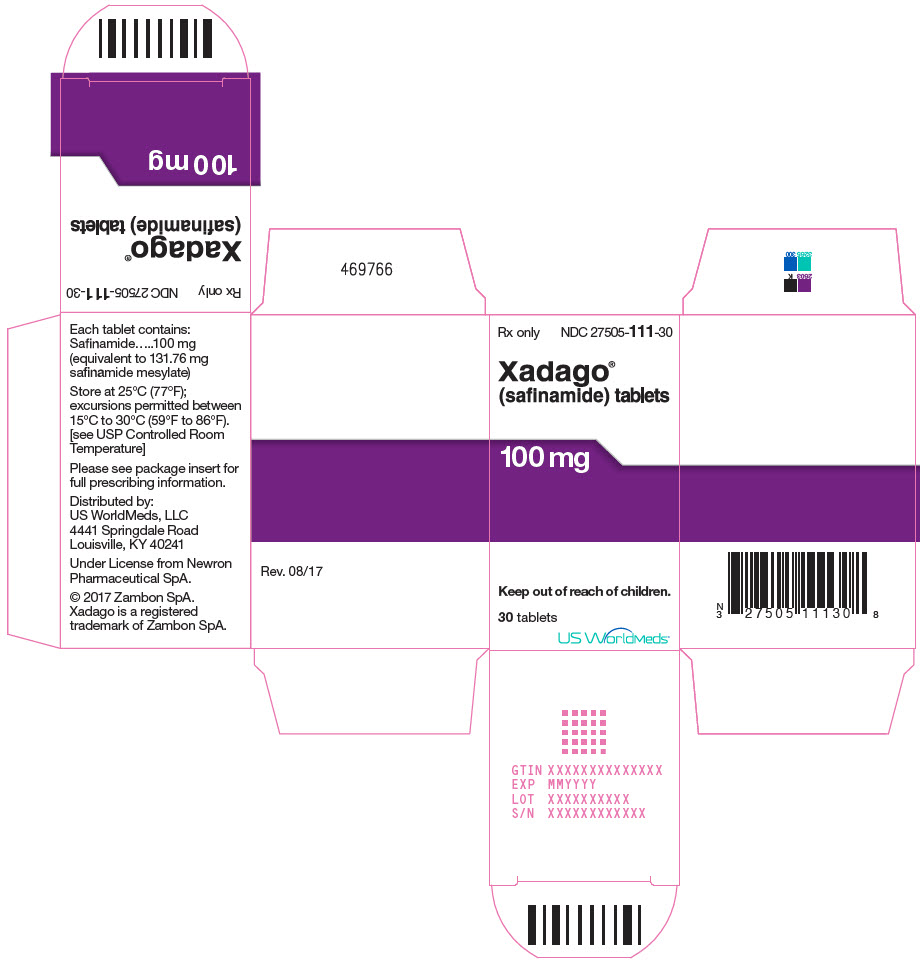
Xadago safinamide mesylate 100 mg Tablet, Film Coated, 30-count
🆔 Identity & classification
Where does this data come from?
🏷️ RxNorm drug class
This medicine belongs to the Monoamine Oxidase Type B Inhibitor class.
Where does this data come from?
🏭 Manufacturer & labeler
Where does this data come from?
🩺 Clinical
- Levodopa/carbidopa is indeed the cornerstone of Parkinson's treatment, but over time many people start experiencing 'off' periods — times when the medication seems to wear off befo...
- Why did my doctor add Xadago to my levodopa? I thought levodopa was the main treatment.
- The biggest ones are other MAO inhibitors (like certain antidepressants or the antibiotic linezolid), opioid pain medicines like tramadol or codeine, most antidepressants in the tr...
- There's a long list of medications I can't take with this. What are the most important ones to watch out for?
Patient education
Supplement & herbal interactions
Some supplements/herbs that may interact with Safinamide Mesylate — tap one for details:
Where does this data come from?
Ask a licensed pharmacist directly — free, answered by our team.
💊 What it looks like
Where does this data come from?
🧪 Inactive Ingredients / Excipients
Inactive ingredients, also called excipients, are components of the drug product other than the active ingredient. They may include fillers, dyes, coatings, preservatives, flavors, or other formulation ingredients.
💡 Tap an ingredient (hover on desktop) to see what it is and why it’s used.
-
UNII 68401960MK
Crospovidone is a synthetic polymer made from polyvinylpyrrolidone. It acts as a disintegrant, helping tablets break apart quickly in the stomach so the medicine dissolves and absorbs into the body.
-
UNII 1K09F3G675
Ferric oxide red is an inorganic iron compound used as a colorant in medicines. It gives tablets, capsules, or other dosage forms a red or reddish tint for identification and appearance.
-
UNII 3NXW29V3WO
Hypromellose is a plant-based thickener made from cellulose. It's used in medicines as a binder to hold ingredients together, a coating for tablets, and a thickener for liquids.
-
UNII 70097M6I30
Magnesium stearate is a salt made from magnesium and stearic acid, a fatty substance. It's used in tablets and capsules as a lubricant and glidant to help ingredients flow smoothly during manufacturing and prevent sticking.
-
UNII V8A1AW0880
Mica is a naturally occurring mineral that's ground into fine powder. It's used in medicines as a colorant and anti-caking agent to improve appearance and prevent clumping in tablets or powders.
-
UNII OP1R32D61U
Microcrystalline cellulose is a purified form of cellulose, a natural fiber from plant sources. It acts as a binder and filler in tablets and capsules, helping hold ingredients together and give the medicine its shape and size.
-
UNII 30IQX730WE
Polyethylene glycol 6000 is a synthetic polymer made from ethylene glycol units. It acts as a binder, filler, and solubilizer in medicines to help hold ingredients together, add bulk, and improve how well active drugs dissolve and absorb.
-
UNII ETJ7Z6XBU4
Silicon dioxide is a naturally occurring mineral used as a glidant and anti-caking agent. It helps powder ingredients flow smoothly and prevents clumping during manufacturing and storage.
-
UNII 15FIX9V2JP
Titanium dioxide is a bright white mineral powder commonly used as a colorant and opacifying agent. It makes pills and tablets white or lighter in color and helps make coatings non-transparent.
9 inactive ingredients listed in the exact product block matched to this NDC.
Where does this data come from?
ingredient classCode="IACT" elements from the exact product block matched by this NDC. Label-section narrative from DailyMed / the openFDA label index is shown separately when available.Inactive ingredient FAQ
Are inactive ingredients the same for every manufacturer?
Why might an inactive ingredient be missing?
Can inactive ingredients matter?
💲 Pricing
A drug doesn't have one price. Each row is a different public payment system, and none is what you'd pay at the counter — that depends on your insurance. The ⓘ on each row explains what it measures.
| Price system | Per ea | Per package |
|---|---|---|
| Retail pharmacies payNADAC · weekly | $36.326 | $1,089.77 / 30 tablets |
| Medicaid paysCMS SDUD · 12 mo | No recent Medicaid claims on file for this NDC — rare and low-volume NDCs are suppressed in the public data. | |
| Medicare drug plans payPart D · quarterly | No Part D plan price is available for this NDC in our data. | |
Where does this data come from?
🔁 Therapeutic equivalents
| Product | Labeler | Pack | NADAC/unit | TE | Status | Price vs. this |
|---|---|---|---|---|---|---|
| Xadago 100 mgthis 27505-0111-30 | MDD | 30 tablets | $36.326 | AB | Availability likely | — |
Where does this data come from?
⏳ Availability & generic status
The FDA lists approved generic versions of this medicine, but that does not always mean a pharmacy can get one today. Patent rules, launch agreements, supply and pricing can affect when generics actually arrive.
Why the date isn’t exact: Generic timing can change because patents may be challenged, settled, licensed, added, removed, or worked around with a narrower label — and FDA approval does not always mean a pharmacy can get the generic today.
🛈 What do these terms mean?
- Patent
- Legal protection listed in the Orange Book that may delay generic approval or launch. Issued by the U.S. Patent & Trademark Office.
- Substance patent
- Covers the active drug molecule itself — the hardest to design around. A generic generally can’t launch until it expires.
- Formulation (product) patent
- Covers a specific formulation or dosage form. A generic can sometimes work around it with a different formulation.
- Method-of-use patent
- A patent covering one specific approved use of the drug — not necessarily the whole molecule. A generic can sometimes launch with a “skinny label” that carves out the protected use and keeps the others.
- Skinny label
- A generic label that omits a still-patented use when the FDA allows it — letting a generic reach the market for the unprotected uses.
- Exclusivity
- FDA-granted marketing protection, separate from patents — e.g. 5-yr new chemical entity, 7-yr orphan drug, or a +6-month pediatric extension.
- Paragraph IV
- A generic applicant’s formal challenge to a listed patent. It can potentially lead to earlier generic entry, but often involves litigation or a settlement.
- RLD / RS
- Reference Listed Drug — the brand product the FDA uses as the reference for generic applications. Reference Standard — the product the FDA expects generics to compare against in bioequivalence testing.
- TE / AB rating
- FDA therapeutic-equivalence rating. An AB rating generally means the FDA considers a generic therapeutically equivalent to — and substitutable for — the brand.
- LOE (loss of exclusivity)
- The latest patent or exclusivity currently listed — the loss-of-exclusivity / latest-listed-protection date shown on this page. Paragraph-IV challenges and settlements can move the real date earlier; FDA approval and a manufacturer’s decision to market can move it later.
Built from the FDA Orange Book. The bars above are scaled to each protection’s expiry; the red LOE marker is the last one to lapse.
| Patent | Type | Use code | Expires |
|---|---|---|---|
| US 8278485 ↗ | Drug substance | U-1993 | Jun 8, 2027 |
| US 8283380 ↗ | Method of use | U-1993 | Mar 21, 2031 |
| US 8076515 ↗ | Drug substance | U-1993 | Dec 10, 2028 |
| US 8076515 ↗ | Drug substance | U-1993 | Dec 10, 2028 |
| US 8278485 ↗ | Drug substance | U-1993 | Jun 8, 2027 |
| US 8283380 ↗ | Method of use | U-1993 | Mar 21, 2031 |
Is there a generic version of XADAGO 100 MG TABLET?
The FDA approved a generic — why can’t I get it at my pharmacy yet?
Why do different websites show different generic release dates?
What does “FDA listed” mean?
What does a patent or protection date mean here?
What does “current Orange Book estimate” mean?
Can a generic come out before the last patent expires?
Can a generic come out after the listed dates?
What is the difference between patents and exclusivity?
Why are there multiple patent dates?
Where does this data come from?
📊 Medicare Part D spend CMS · PART D · 2026 (Q1)
🔬 Reported adverse events (FAERS)
Top reported reactions
Age at onset
Reporter sex
Serious outcomes
Where does this data come from?
📦 Packaging — all sizes for this product
| Package NDC | Description | Per unit | Per pack | Marketing start | Status |
|---|---|---|---|---|---|
| 27505-0111-14 | 1 BLISTER PACK in 1 CARTON (27505-111-14) / 14 TABLET, FILM COATED in 1 BLISTER PACK | — | — | 2017-05-08 | Active |
| 27505-0111-30 You're viewing this | 1 BOTTLE in 1 CARTON (27505-111-30) / 30 TABLET, FILM COATED in 1 BOTTLE | $36.33 / ea | $1,089.77 | 2017-05-08 | Active |
| 27505-0111-90 | 1 BOTTLE in 1 CARTON (27505-111-90) / 90 TABLET, FILM COATED in 1 BOTTLE | — | — | 2017-05-08 | Active |
Pack size FAQ
What quantity is in NDC 27505-0111-30?
What is the difference between NDC 27505-0111-30 and NDC 27505-0111-14?
What NDC number is used to bill for this package of Xadago safinamide mesylate 100 mg Tablet, Film Coated?
Prices are the latest CMS NADAC pharmacy acquisition cost per NDC; per-pack figures are per-unit × pack quantity, shown only when the pack is denominated in the same measure NADAC prices.
📄 Full prescribing information FDA SPL
🎯 Indications and Usage ▾
1 INDICATIONS AND USAGE XADAGO is indicated as adjunctive treatment to levodopa/carbidopa in patients with Parkinson's disease (PD) experiencing "off" episodes. XADAGO is a monoamine oxidase type B (MAO-B) inhibitor indicated as adjunctive treatment to levodopa/carbidopa in patients with Parkinson's disease (PD) experiencing "off" episodes ( 1 )
⏱️ Dosage and Administration ▾
2 DOSAGE AND ADMINISTRATION Start with 50 mg administered orally once daily at the same time of day; after two weeks, the dose may be increased to 100 mg once daily, based on individual need and tolerability ( 2.1 ) Hepatic Impairment: Do not exceed 50 mg once daily in patients with moderate hepatic impairment; contraindicated in patients with severe hepatic impairment ( 2.2 , 4 )
2.1Dosing Information The recommended starting dosage of XADAGO is 50 mg administered orally once daily (at the same time of day), without regard to meals. After two weeks, the dosage may be increased to 100 mg once daily, based on individual need and tolerability. Daily dosages of XADAGO above 100 mg have not been shown to provide additional benefit, and higher dosages increase the risk for adverse reactions.
XADAGO has been shown to be effective only in combination with levodopa/carbidopa [see Indications and Usage (1) ] . If a dose is missed, the next dose should be taken at the same time the next day. XADAGO 100 mg should be tapered by decreasing the dose to 50 mg for one week before stopping [see Warnings and Precautions (5.7) ] .
2.2Dosing in Patients with Hepatic Impairment In patients with moderate hepatic impairment (Child-Pugh B: 7-9), the maximum recommended dosage of XADAGO is 50 mg orally once daily. XADAGO is contraindicated in patients with severe hepatic impairment (Child-Pugh C: 10-15) [see Use in Specific Populations (8.6) and Clinical Pharmacology (12.3) ] . If a patient taking 50 mg XADAGO progresses from moderate to severe hepatic impairment, discontinue XADAGO.
💊 Dosage Forms and Strengths ▾
3 DOSAGE FORMS AND STRENGTHS 50 mg tablets: Orange to copper with metallic gloss, round, biconcave shaped embossed with "50" on one side 100 mg tablets: Orange to copper with metallic gloss, round, biconcave shaped embossed with "100" on one side Tablets: 50 mg and 100 mg ( 3 )
⛔ Contraindications ▾
4 CONTRAINDICATIONS XADAGO is contraindicated in patients with: Concomitant use of other drugs in the monoamine oxidase inhibitor (MAOI) class or other drugs that are potent inhibitors of monoamine oxidase, including linezolid. The combination may result in increased blood pressure, including hypertensive crisis [see Warnings and Precautions (5.1) and Drug Interactions (7.1) ] . Concomitant use of opioid drugs (e.g., meperidine and its derivatives, methadone, propoxyphene, or tramadol); serotonin-norepinephrine reuptake inhibitors (SNRIs), tricyclic, tetracyclic, or triazolopyridine antidepressants; cyclobenzaprine; methylphenidate, amphetamine, and their derivatives; or St John's wort.
Concomitant use could result in life-threatening serotonin syndrome [see Warnings and Precautions (5.2) and Drug Interactions (7.2 , 7.3 , 7.5) ] . Concomitant use of dextromethorphan. The combination of MAOIs and dextromethorphan has been reported to cause episodes of psychosis or abnormal behavior [see Drug Interactions (7.4) ] .
A history of a hypersensitivity to safinamide. Reactions have included swelling of the tongue and oral mucosa, and dyspnea. Severe hepatic impairment (Child-Pugh C: 10-15) [see Use in Specific Populations (8.6) ] .
XADAGO is contraindicated in patients with: Concomitant use of the following drugs: Other monoamine oxidase inhibitors or other drugs that are potent inhibitors of monoamine oxidase (e.g., linezolid) ( 4 , 7.1 ) Opioid drugs (e.g., tramadol, meperidine and related derivatives); serotonin-norepinephrine reuptake inhibitors; tri-or tetra-cyclic or triazolopyridine antidepressants; cyclobenzaprine; methylphenidate, amphetamine, and their derivatives; St. John's wort ( 4 , 7.2 , 7.3 , 7.5 ) Dextromethorphan ( 4 , 7.4 ) A history of a hypersensitivity to safinamide ( 4 ) Severe hepatic impairment (Child-Pugh C: 10-15) ( 4 )
⚠️ Warnings and Cautions ▾
5 WARNINGS AND PRECAUTIONS May cause or exacerbate hypertension ( 5.1 ) May cause serotonin syndrome when used with MAO inhibitors, antidepressants, or opioid drugs ( 5.2 ) May cause falling asleep during activities of daily living ( 5.3 ) May cause or exacerbate dyskinesia; consider levodopa dose reduction ( 5.4 ) May cause hallucinations and psychotic behavior ( 5.5 ) May cause problems with impulse control/compulsive behaviors ( 5.6 ) May cause withdrawal-emergent hyperpyrexia and confusion ( 5.7 )
5.1Hypertension XADAGO may cause hypertension or exacerbate existing hypertension. In clinical trials, the incidence of hypertension was 7% for XADAGO 50 mg, 5% for XADAGO 100 mg, and 4% for placebo. Monitor patients for new onset hypertension or hypertension that is not adequately controlled after starting XADAGO.
Medication adjustment may be necessary if elevation of blood pressure is sustained. Monitor for hypertension if XADAGO is prescribed concomitantly with sympathomimetic medications, including prescription or nonprescription nasal, oral, and ophthalmic decongestants and cold remedies [see Drug Interactions (7.5) ] . XADAGO is a selective inhibitor of MAO-B at the recommended dosages of 50 mg or 100 mg daily.
Selectivity for inhibiting MAO-B decreases above the recommended daily dosages [see Clinical Pharmacology (12.2) ] . Therefore, XADAGO should not be used at daily dosages exceeding those recommended because of the risks of hypertension, exacerbation of existing hypertension, or hypertensive crisis. Dietary tyramine restriction is not required during treatment with recommended doses of XADAGO.
However, use with certain foods that contain very high amounts (i.e., more than 150 mg) of tyramine could cause severe hypertension, resulting from an increased sensitivity to tyramine in patients taking recommended dosages of XADAGO, and patients should be advised to avoid such foods. Isoniazid has some monoamine oxidase inhibiting activity. Monitor for hypertension and reaction to dietary tyramine in patients treated concomitantly with isoniazid and XADAGO [see Drug Interactions (7.1 , 7.6) ] .
5.2Serotonin Syndrome The development of a potentially life-threatening serotonin syndrome has been reported in patients on concomitant treatment with MAOIs (including selective MAO-B inhibitors), serotonin-norepinephrine reuptake inhibitors (SNRIs), tricyclic antidepressants, tetracyclic antidepressants, triazolopyridine antidepressants, cyclobenzaprine, opioid drugs (e.g., meperidine and meperidine derivatives, propoxyphene, tramadol), and methylphenidate, amphetamine, and their derivatives. Concomitant use of XADAGO with these drugs is contraindicated.
In clinical trials, serotonin syndrome was reported in a patient treated with XADAGO and a selective serotonin reuptake inhibitor (SSRI). Use the lowest effective dose of SSRIs in patients treated with concomitant XADAGO. Serotonin syndrome symptoms may include mental status changes (e.g., agitation, hallucinations, delirium, and coma), autonomic instability (e.g., tachycardia, labile blood pressure, dizziness, diaphoresis, flushing, hyperthermia), neuromuscular symptoms (e.g., tremor, rigidity, myoclonus, hyperreflexia, incoordination), seizures, and/or gastrointestinal symptoms (e.g., nausea, vomiting, diarrhea).
5.3Falling Asleep During Activities of Daily Living Patients treated with dopaminergic medications have reported falling asleep while engaged in activities of daily living, including the operation of motor vehicles, which sometimes has resulted in accidents. Patients may not perceive warning signs, such as excessive drowsiness, or they may report feeling alert immediately prior to the event. In clinical studies, sleep attacks/sudden onset of sleep were reported in patients treated with XADAGO 100 mg/day.
If a patient develops daytime sleepiness or episodes of falling asleep during activities that require full attention (e.g., driving a motor vehicle, conversations, eating…
🤒 Adverse Reactions ▾
6 ADVERSE REACTIONS The following serious adverse reactions are discussed in greater detail in other sections of labeling: Hypertension [see Warnings and Precautions (5.1) ] Serotonin Syndrome [see Warnings and Precautions (5.2) ] Falling Asleep During Activities of Daily Living [see Warnings and Precautions (5.3) ] Dyskinesia [see Warnings and Precautions (5.4) ] Hallucinations / Psychotic Behavior [see Warnings and Precautions (5.5) ] Impulse Control / Compulsive Behaviors [see Warnings and Precautions (5.6) ] Withdrawal-Emergent Hyperpyrexia and Confusion [see Warnings and Precautions (5.7) ] Retinal Pathology [see Warnings and Precautions (5.8) ] Most common adverse reactions (incidence on XADAGO 100 mg/day at least 2% greater than placebo) were dyskinesia, fall, nausea, and insomnia ( 6.1 ) To report SUSPECTED ADVERSE REACTIONS, contact MDD US Operations, LLC, at 1-888-492-3246 or FDA at 1-800-FDA-1088 or www.fda.gov/medwatch.
6.1Clinical Trials Experience Clinical trials are conducted under widely varying conditions; therefore, adverse reactions observed in the clinical trials of a drug cannot be directly compared to the incidence in the clinical trials of another drug and may not reflect the incidence observed in clinical practice. Common Adverse Reactions in Placebo-Controlled PD Studies Table 1 shows the incidence of adverse reactions with an incidence of at least 2% on XADAGO 100 mg/day and greater than placebo in controlled studies in PD (Study 1 and Study 2).
The most common adverse reactions associated with XADAGO treatment in which the incidence for XADAGO 100 mg/day was at least 2% greater than the incidence for placebo were dyskinesia, fall, nausea, and insomnia. Adverse Reactions Reported as Reason for Discontinuation from Study In pooled placebo-controlled studies (Study 1 and Study 2) in patients with PD taking a stable dose of carbidopa/levodopa with or without other PD medications, there was an increase in the incidence of XADAGO-treated patients who discontinued from the study because of adverse reactions.
The incidence of patients discontinuing from Study 1 and Study 2 for any adverse reaction was 5% for XADAGO 50 mg/day, 6% for XADAGO 100 mg/day, and 4% for placebo. The most frequently reported adverse reaction causing study discontinuation was dyskinesia (1% of patients treated with XADAGO 50 mg/day or XADAGO 100 mg/day vs. 0% for placebo).
Table 1: Percentage of Patients with Adverse Reactions with an Incidence ≥ 2% in the XADAGO 100 mg/day Group and Greater than Placebo in Studies 1 and 2. XADAGO 50 mg/day (N = 223) XADAGO 100 mg/day (N = 498) Placebo (N = 497) Adverse Reaction % % % Dyskinesia 21 17 9 Fall 4 6 4 Nausea 3 6 4 Insomnia 1 4 2 Orthostatic hypotension 2 2 1 Anxiety 2 2 1 Cough 2 2 1 Dyspepsia 0 2 1 Abnormal Laboratory Changes In Study 1 and Study 2, the proportion of patients who experienced a shift from normal to above the upper limit of normal for serum alanine aminotransferase (ALT) was 5% for XADAGO 50 mg, 7% for XADAGO 100 mg, and 3% for placebo.
No patient treated with XADAGO experienced an increase in ALT that was 3 times the upper limit of normal or higher. The proportion of patients with a shift from normal to above the upper limit of normal for serum aspartate aminotransferase (AST) was 7% for XADAGO 50 mg, 6% for XADAGO 100 mg, and 3% for placebo. The incidence of patients with an increase in AST to at least 3 times the upper limit of normal was similar for XADAGO and placebo.
6.2Postmarketing Experience The following adverse reactions have been identified during post-approval use of safinamide. Because these reactions are reported voluntarily from a population of uncertain size, it is not always possible to reliably estimate their frequency or establish a causal relationship to drug exposure. Immune System Disorders: Hypersensitivity: A postmarketing report describes a patient who developed a hypersensitivity reaction consisting of swelling of the tongue and gingiva, dyspne…
🔄 Drug Interactions ▾
7 DRUG INTERACTIONS Selective Serotonin Reuptake Inhibitors: Monitor patients for serotonin syndrome ( 7.3 ) Sympathomimetic Medications: Monitor patients for hypertension ( 7.5 ) Tyramine: Risk of severe hypertension ( 7.6 )
7.1MAO Inhibitors (MAOIs) XADAGO is contraindicated for use with other drugs in the MAOIs class or other drugs that are potent inhibitors of monoamine oxidase (e.g., linezolid, an oxazolidinone antibacterial, which also has reversible nonselective MAO inhibition activity). Co-administration increases the risk of nonselective MAO inhibition, which may lead to hypertensive crisis [see Contraindications (4) and Warnings and Precautions (5.1) ] . At least 14 days should elapse between discontinuation of XADAGO and initiation of treatment with other MAOIs.
Isoniazid has some monoamine oxidase inhibiting activity. Monitor for hypertension and reaction to dietary tyramine in patients treated concomitantly with isoniazid and XADAGO.
7.2Opioid Drugs Because serious, sometimes fatal reactions have been precipitated with concomitant use of opioid drugs (e.g., meperidine and its derivatives, methadone, propoxyphene, or tramadol) and MAOIs, including selective MAO-B inhibitors, concomitant use of these drugs is contraindicated [see Warnings and Precautions (5.2) ] . At least 14 days should elapse between discontinuation of XADAGO and initiation of treatment with these drugs.
7.3Serotonergic Drugs Concomitant use of XADAGO with SNRIs; triazolopyridine, tricyclic or tetracyclic antidepressants; cyclobenzaprine (a skeletal muscle relaxant that is a tricyclic antidepressant derivative); or St. John's wort is contraindicated [see Warnings and Precautions (5.2) ] . At least 14 days should elapse between discontinuation of XADAGO and initiation of treatment with these drugs.
Monitor patients for symptoms of serotonin syndrome if SSRIs are used by patients treated with XADAGO [see Warnings and Precautions (5.2) ] .
7.4Dextromethorphan The combination of MAOIs and dextromethorphan has been reported to cause episodes of psychosis or bizarre behavior. Therefore, in view of XADAGO's MAO inhibitory activity, dextromethorphan is contraindicated for use with XADAGO.
7.5Sympathomimetic Medications Severe hypertensive reactions have followed the administration of sympathomimetics and nonselective MAOIs. Hypertensive crisis has been reported in patients taking the recommended doses of selective MAO-B inhibitors and sympathomimetic medications. Concomitant use of XADAGO with methylphenidate, amphetamine, and their derivatives is contraindicated [see Warnings and Precautions (5.1 , 5.2) ] .
Monitor patients for hypertension if XADAGO is prescribed concomitantly with prescription or nonprescription sympathomimetic medications, including nasal, oral, or ophthalmic decongestants and cold remedies [see Warnings and Precautions (5.1) ] .
7.6Tyramine MAO in the gastrointestinal tract and liver (primarily type A) provides protection from exogenous amines (e.g., tyramine). If tyramine were absorbed intact, it could lead to severe hypertension, including hypertensive crisis. Aged, fermented, cured, smoked, and pickled foods containing large amounts of exogenous amines (e.g., aged cheese, pickled herring) may cause release of norepinephrine resulting in a rise in blood pressure (Tyramine Reaction).
Patients should be advised to avoid foods containing a large amount of tyramine while taking recommended doses of XADAGO [see Warnings and Precautions (5.1) ] . Selectivity for inhibiting MAO-B decreases in a dose-related manner above the highest recommended daily dosage, which may increase the risk for hypertension [see Clinical Pharmacology (12.2) ] . In addition, isoniazid has some monoamine oxidase inhibiting activity.
Monitor for hypertension and reaction to dietary tyramine in patients treated with isoniazid and XADAGO [see Warnings and Precautions (5.1) ] .
7.7 Dopaminergic Antagonists Dopamine antagonists, such as antipsychotics or metoclo…
👥 Use in Specific Populations ▾
8 USE IN SPECIFIC POPULATIONS Pregnancy: Based on animal data, may cause fetal harm ( 8.1 ).
8.1Pregnancy Risk Summary There are no adequate data on the developmental risk associated with the use of XADAGO in pregnant women. In animals, developmental toxicity, including teratogenic effects, was observed when safinamide was administered during pregnancy at clinically relevant doses. Developmental toxicity was observed at doses lower than those used clinically when safinamide was administered during pregnancy in combination with levodopa/carbidopa.
The background risk of major birth defects and miscarriage for the indicated population is unknown. In the U.S. general population, the estimated background risk of major birth defects and miscarriage in clinically recognized pregnancies is 2% to 4% and 15% to 20%, respectively. Data Animal Data In an embryofetal development study in rats, oral administration of safinamide (0, 50, 100, or 150 mg/kg/day) throughout organogenesis resulted in dose-related increases in fetal abnormalities (primarily urogenital malformations) at all doses.
A no-effect dose for adverse effects on embryofetal development was not established. The lowest dose tested (50 mg/kg/day) is approximately 5 times the maximum recommended human dose (MRHD) of 100 mg on a body surface area (mg/m 2 ) basis. In a combination embryofetal development study of safinamide and levodopa (LD)/carbidopa (CD) in rats (80/20 mg/kg/day LD/CD in combination with 0, 25, 50, or 100 mg/kg/day safinamide or 100 mg/kg/day safinamide alone), increased incidences of fetal visceral and skeletal malformations and variations were observed at all doses of safinamide in combination with CD/LD and with safinamide alone.
The lowest dose of safinamide tested (25 mg/kg/day) is approximately 2 times the MRHD on a mg/m 2 basis. In embryofetal development studies in rabbits, no developmental toxicity was observed at up to the highest oral dose of safinamide tested (100 mg/kg/day). However, when safinamide (0, 4, 12, or 40 mg/kg/day) was administered throughout organogenesis in a combination study of safinamide with LD/CD (80/20 mg/kg/day LD/CD), there was an increased incidence of embryofetal death and cardiac and skeletal malformations, compared to LD/CD alone.
A no-effect dose for safinamide was not established; the lowest effect dose of safinamide tested (4 mg/kg/day) is less than the MRHD on a mg/m 2 basis. In a rat pre- and postnatal development study, oral administration of safinamide (0, 4, 12.5, or 37.5 mg/kg/day) throughout pregnancy and lactation resulted in skin discoloration of the offspring, presumed to be due to hepatobiliary toxicity, at the mid and high doses and decreased body weight and increased postnatal mortality in offspring at the highest dose tested.
The no-effect dose (4 mg/kg/day) for adverse developmental effects is less than the MRHD on a mg/m 2 basis.
8.2Lactation Risk Summary There is no information regarding the presence of XADAGO or its metabolites in human milk, the effects on the breastfed infant, or the effects on milk production. The developmental and health benefits of breastfeeding should be considered along with the mothers' clinical need for XADAGO and any potential adverse effects on the breastfed infant from XADAGO or from the underlying maternal condition. Data Animal Data Skin discoloration, presumed to be caused by hyperbilirubinemia resulting from hepatobiliary toxicity, was observed in rat pups indirectly exposed to safinamide through the milk during the lactation period.
8.4Pediatric Use Safety and effectiveness in pediatric patients have not been established.
8.5Geriatric Use Of the 1516 subjects exposed to XADAGO in clinical studies, 38% were 65 and over, while 4% were 75 and over. No overall differences in safety or effectiveness were observed between these patients and younger patients, and other reported clinical experience has not identified differences in responses between the elderly and younge…
🤰 Pregnancy ▾
8.1Pregnancy Risk Summary There are no adequate data on the developmental risk associated with the use of XADAGO in pregnant women. In animals, developmental toxicity, including teratogenic effects, was observed when safinamide was administered during pregnancy at clinically relevant doses. Developmental toxicity was observed at doses lower than those used clinically when safinamide was administered during pregnancy in combination with levodopa/carbidopa.
The background risk of major birth defects and miscarriage for the indicated population is unknown. In the U.S. general population, the estimated background risk of major birth defects and miscarriage in clinically recognized pregnancies is 2% to 4% and 15% to 20%, respectively. Data Animal Data In an embryofetal development study in rats, oral administration of safinamide (0, 50, 100, or 150 mg/kg/day) throughout organogenesis resulted in dose-related increases in fetal abnormalities (primarily urogenital malformations) at all doses.
A no-effect dose for adverse effects on embryofetal development was not established. The lowest dose tested (50 mg/kg/day) is approximately 5 times the maximum recommended human dose (MRHD) of 100 mg on a body surface area (mg/m 2 ) basis. In a combination embryofetal development study of safinamide and levodopa (LD)/carbidopa (CD) in rats (80/20 mg/kg/day LD/CD in combination with 0, 25, 50, or 100 mg/kg/day safinamide or 100 mg/kg/day safinamide alone), increased incidences of fetal visceral and skeletal malformations and variations were observed at all doses of safinamide in combination with CD/LD and with safinamide alone.
The lowest dose of safinamide tested (25 mg/kg/day) is approximately 2 times the MRHD on a mg/m 2 basis. In embryofetal development studies in rabbits, no developmental toxicity was observed at up to the highest oral dose of safinamide tested (100 mg/kg/day). However, when safinamide (0, 4, 12, or 40 mg/kg/day) was administered throughout organogenesis in a combination study of safinamide with LD/CD (80/20 mg/kg/day LD/CD), there was an increased incidence of embryofetal death and cardiac and skeletal malformations, compared to LD/CD alone.
A no-effect dose for safinamide was not established; the lowest effect dose of safinamide tested (4 mg/kg/day) is less than the MRHD on a mg/m 2 basis. In a rat pre- and postnatal development study, oral administration of safinamide (0, 4, 12.5, or 37.5 mg/kg/day) throughout pregnancy and lactation resulted in skin discoloration of the offspring, presumed to be due to hepatobiliary toxicity, at the mid and high doses and decreased body weight and increased postnatal mortality in offspring at the highest dose tested.
The no-effect dose (4 mg/kg/day) for adverse developmental effects is less than the MRHD on a mg/m 2 basis.
🧒 Pediatric Use ▾
8.4Pediatric Use Safety and effectiveness in pediatric patients have not been established.
🧓 Geriatric Use ▾
8.5Geriatric Use Of the 1516 subjects exposed to XADAGO in clinical studies, 38% were 65 and over, while 4% were 75 and over. No overall differences in safety or effectiveness were observed between these patients and younger patients, and other reported clinical experience has not identified differences in responses between the elderly and younger patients, but greater sensitivity of some older individuals cannot be ruled out.
🆘 Overdosage ▾
10 OVERDOSAGE There is no human experience with XADAGO overdose. There is no known antidote to XADAGO nor any specific treatment for XADAGO overdose. If an overdose occurs, XADAGO treatment should be discontinued and supportive treatment should be administered as clinically indicated.
In cases of overdose with XADAGO, dietary tyramine restriction should be observed for several weeks. The Poison Control Center should be called at 1-800-222-1222 for the most current treatment guidelines.
🧬 Clinical Pharmacology ▾
12 CLINICAL PHARMACOLOGY
12.1Mechanism of Action The precise mechanism by which XADAGO exerts its therapeutic effects in PD is unknown. XADAGO is an inhibitor of monoamine oxidase B (MAO-B). Inhibition of MAO-B activity, by blocking the catabolism of dopamine, is thought to result in an increase in dopamine levels and a subsequent increase in dopaminergic activity in the brain.
12.2Pharmacodynamics XADAGO inhibits monoamine oxidase B (MAO-B), with more than 1000-fold selectivity over MAO-A. In clinical studies, complete inhibition (>90%) of MAO-B was measured at doses > 20 mg. Tyramine Challenge Test In an oral tyramine challenge study, XADAGO produced a distinct but relatively small increase in tyramine sensitivity to increase blood pressure.
The results suggest that XADAGO at a dose of 50 mg or 100 mg is relatively selective for inhibiting MAO-B and can be used without dietary tyramine restriction. Relative selectivity of XADAGO for inhibiting MAO-B decreases above the highest recommended daily dosage (100 mg) [see Warnings and Precautions (5.1) and Drug Interactions (7.6) ] . Cardiac Electrophysiology The effect of XADAGO on the QTc interval was evaluated in a randomized placebo and positive controlled double-blind, multiple-dose parallel thorough QTc study in 240 healthy subjects.
At a dose of 350 mg (3.5 times the maximum recommended dosage), XADAGO did not prolong the QTc interval.
12.3Pharmacokinetics Pharmacokinetics of safinamide is linear over a range of 50 mg to 300 mg (3 times the maximum recommended daily dose). Steady state is reached within 5 to 6 days. Absorption After single and multiple oral dosing under fasting conditions, T max of safinamide ranges from 2 to 3 hours.
Absolute bioavailability of safinamide is 95% after oral administration, and first pass metabolism is negligible. A slight delay in T max was observed in the fed state relative to the fasted condition, but there was no effect on safinamide AUC 0−∞ and C max [see Dosage and Administration (2.1) ] . Distribution The volume of distribution (Vss) is approximately 165 L, indicating extensive extravascular distribution.
Safinamide is not highly protein bound (unbound fraction is 11 to 12%). Metabolism and Excretion In humans, safinamide is almost exclusively eliminated via metabolism (~5% of the drug is eliminated unchanged, mainly in urine), through three main metabolic pathways. One pathway involves hydrolytic oxidation of the amide moiety leading to the primary metabolite 'safinamide acid' (NW-1153).
Another pathway is oxidative cleavage of the ether bond forming 'O- debenzylated safinamide' (NW-1199). Finally, the 'N-dealkylated acid' (NW-1689) is formed by oxidative cleavage of the amine bond of either safinamide or the primary safinamide acid metabolite (NW-1153). The 'N-dealkylated acid' (NW-1689) undergoes further conjugation with glucuronic acid yielding its acyl glucuronide.
NW-1689 is the main circulating metabolite in human plasma, exceeding the exposure of the parent (161% of parent). NW-1689 AG and NW-1153 account for about 18% and 11% of the parent drug exposure, respectively. None of the metabolites has pharmacological activity.
Safinamide is predominantly metabolized by non-microsomal enzymes (cytosolic amidases/MAO-A); CYP3A4 and other CYP iso-enzymes play only a minor role in its overall biotransformation. The total clearance of safinamide was determined to be
4.6L/h. Terminal half-life is 20-26 h. The primary route of excretion is through the kidney (76% of safinamide dose recovered in the urine, primarily in the form of inactive metabolites).
Specific Populations Age: Geriatric Population: There are limited clinical data on the use of XADAGO in the elderly (>75 years). These data suggest that the pharmacokinetics of safinamide is not affected by age [see Use in Specific Populations (8.5) ] . Race: The pharmacokinetics of safinamide is not influenced by race.
Sex: The pharmacokinetics of safinamide is not influenced by sex. He…
🧬 Mechanism of Action ▾
12.1Mechanism of Action The precise mechanism by which XADAGO exerts its therapeutic effects in PD is unknown. XADAGO is an inhibitor of monoamine oxidase B (MAO-B). Inhibition of MAO-B activity, by blocking the catabolism of dopamine, is thought to result in an increase in dopamine levels and a subsequent increase in dopaminergic activity in the brain.
📦 How Supplied / Storage and Handling ▾
16 HOW SUPPLIED/STORAGE AND HANDLING
16.1How Supplied 50 mg (orange to copper colored with metallic gloss, round film-coated, biconcave shaped tablet embossed with "50" on one side; approximately 7 mm in diameter). Bottles of 30 tablets NDC 27505-110-30 Bottles of 90 tablets NDC 27505-110-90 100 mg (orange to copper colored with metallic gloss, round film-coated, biconcave shaped tablet embossed with "100" on one side; approximately 9 mm in diameter). Bottles of 30 tablets NDC 27505-111-30 Bottles of 90 tablets NDC 27505-111-90
16.2Storage and Handling Store at 25°C (77°F); excursions permitted between 15°C to 30°C (59°F to 86°F) [see USP controlled room temperature].
📦 Storage and Handling ▾
16.2Storage and Handling Store at 25°C (77°F); excursions permitted between 15°C to 30°C (59°F to 86°F) [see USP controlled room temperature].
📋 Description ▾
11 DESCRIPTION XADAGO tablets contain safinamide, which is a MAO-B inhibitor, as the mesylate salt. Safinamide mesylate is (S)-2- [[4-[(3-fluorophenyl) methoxy]phenyl]methyl]aminopropanamide methanesulfonate (1:1) and its structural formula is below. The molecular formula of safinamide mesylate is C 17 H 19 FN 2 O 2 ∙CH 4 O 3 S and its molecular weight is 398.45.
Safinamide mesylate is a white to off-white crystalline powder. Safinamide mesylate is freely soluble in water, methanol and dimethyl sulfoxide. Safinamide mesylate is sparingly soluble in ethanol and is practically insoluble in ethyl acetate.
In aqueous buffers that span a pH range of 1.2 to 7.5, safinamide mesylate is highly soluble at pH 1.2 and 4.5, but shows low solubility (<0.4 mg/mL) at pH 6.8 and 7.5. XADAGO is available as 50 mg and 100 mg film-coated tablets for oral administration. Each XADAGO tablet contains 65.88 mg or 131.76 mg of safinamide mesylate, equivalent to 50 mg or 100 mg, respectively, of safinamide free base.
The tablets also contain the following inactive ingredients: colloidal silicon dioxide, crospovidone, hypromellose, iron oxide (red), magnesium stearate, microcrystalline cellulose, polyethylene glycol 6000, potassium aluminum silicate, and titanium dioxide. Chemical Structure
💬 Information for Patients ▾
17 PATIENT COUNSELING INFORMATION Advise the patient to read the FDA-approved patient labeling (Patient Information). Hypertension Advise patients that treatment with recommended doses of XADAGO may be associated with elevations of blood pressure or onset of hypertension. Tell patients who experience elevation of blood pressure while taking XADAGO to contact their healthcare provider.
Explain the risk of using higher than recommended daily doses of XADAGO, and provide a brief description of the tyramine associated hypertensive reaction. Advise patients to avoid certain foods (e.g., aged cheese) containing a very large amount of tyramine while taking recommended doses of XADAGO because of the potential for large increases in blood pressure. If patients eat foods very rich in tyramine and do not feel well soon after eating, they should contact their healthcare provider [see Warnings and Precautions (5.1) ] .
Serotonin Syndrome Tell patients to inform their physician if they are taking, or plan to take, any prescription or over-the-counter drugs, especially antidepressants and over-the-counter cold medications, because there is a potential for interaction with XADAGO. Because patients should not use meperidine or certain other analgesics with XADAGO, they should contact their healthcare provider before taking new medications including antidepressants, analgesics, and prescription or nonprescription decongestants [see Contraindications (4) and Warnings and Precautions (5.2) ] .
Falling Asleep During Activities of Daily Living and Somnolence Inform patients about the potential for sedating effects associated with XADAGO and other dopaminergic medications, including somnolence and particularly to the possibility of falling asleep while engaged in activities of daily living. Because somnolence can be a frequent adverse reaction with potentially serious consequences, patients should not operate a motor vehicle or engage in other potentially dangerous activities until they have gained sufficient experience with XADAGO.
Advise patients that if increased somnolence or new episodes of falling asleep during activities of daily living (e.g., watching television, passenger in a car, etc.) are experienced at any time during treatment, they should not drive or participate in potentially dangerous activities until they have contacted their physician. Patients should not drive, operate machinery, or work at heights during treatment if they have previously experienced somnolence and/or have fallen asleep without warning prior to use of XADAGO.
Because of possible additive effects, advise patients about the potential for increased somnolence when patients are taking other sedating medications, alcohol, or other central nervous system depressants (e.g., benzodiazepines, antipsychotics, antidepressants) in combination with XADAGO [see Warnings and Precautions (5.3) ] . Dyskinesia Advise patients taking XADAGO as adjunct to levodopa that there is a possibility of dyskinesia or increased dyskinesia [see Warnings and Precautions (5.4) ] . Hallucinations / Psychotic Behavior Inform patients that hallucinations or other manifestations of psychotic behavior can occur when taking XADAGO.
Advise patients that, if they have a major psychotic disorder, that XADAGO should not ordinarily be used because of the risk of exacerbating the psychosis. Patients with a major psychotic disorder should also be aware that many treatments for psychosis may decrease the effectiveness of XADAGO [see Warnings and Precautions (5.5) and Drug Interactions (7.7) ] . Impulse Control/Compulsive Behaviors Advise patients that they may experience intense urges to gamble, increased sexual urges, other intense urges, and the inability to control these urges while taking XADAGO.
Although it is not proven that the medications caused these events, these urges were reported to have stopped in some cases when the dose was reduced or the medication was stopped. Prescribers should ask patient…