
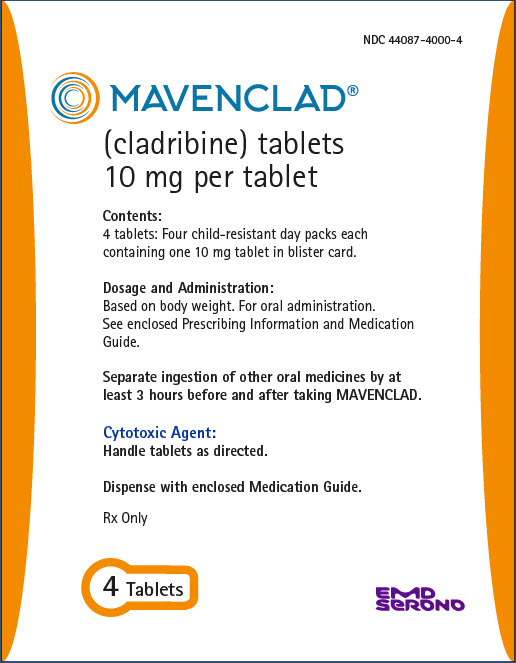
Mavenclad Cladribine 10 mg Tablet, 9-count
🆔 Identity & classification
Where does this data come from?
🏷️ RxNorm drug class
This medicine belongs to the Purine Antimetabolite class.
Where does this data come from?
🏭 Manufacturer & labeler
Where does this data come from?
🩺 Clinical
- It's actually both, depending on the form. The oral tablets (brand name Mavenclad) are approved to treat relapsing forms of multiple sclerosis in adults — specifically for people w...
- What exactly is cladribine used for — is it a chemotherapy or an MS drug?
- Not exactly like a daily pill. The oral tablets are taken in a structured course — two yearly treatment courses, and each course is split into two short cycles of daily dosing. So...
- How do I actually take the MS tablets — do I take them every day?
Patient education
Supplement & herbal interactions
Some supplements/herbs that may interact with Cladribine — tap one for details:
Where does this data come from?
Ask a licensed pharmacist directly — free, answered by our team.
🧪 Inactive Ingredients / Excipients
Inactive ingredients, also called excipients, are components of the drug product other than the active ingredient. They may include fillers, dyes, coatings, preservatives, flavors, or other formulation ingredients.
💡 Tap an ingredient (hover on desktop) to see what it is and why it’s used.
-
UNII 1I96OHX6EK
A cyclic carbohydrate derived from plant starch that acts as a solubilizer and stabilizer. It helps dissolve poorly water-soluble drugs and protects active ingredients from degradation in the formulation.
-
UNII 70097M6I30
Magnesium stearate is a salt made from magnesium and stearic acid, a fatty substance. It's used in tablets and capsules as a lubricant and glidant to help ingredients flow smoothly during manufacturing and prevent sticking.
-
64.04 mg
UNII 506T60A25R
Sorbitol is a natural sugar alcohol derived from glucose. It serves as a sweetener, humectant, and bulking agent in medications to improve taste and help maintain moisture in the product.
3 inactive ingredients listed in the exact product block matched to this NDC.
Where does this data come from?
ingredient classCode="IACT" elements from the exact product block matched by this NDC. Label-section narrative from DailyMed / the openFDA label index is shown separately when available.Inactive ingredient FAQ
Are inactive ingredients the same for every manufacturer?
Why might an inactive ingredient be missing?
Can inactive ingredients matter?
💲 Pricing
A drug doesn't have one price. Each row is a different public payment system, and none is what you'd pay at the counter — that depends on your insurance. The ⓘ on each row explains what it measures.
| Price system | Per each | Per package |
|---|---|---|
| Retail pharmacies payNADAC · weekly | Not in the retail survey — common for institutional, discontinued, or low-volume packs. | |
| Medicaid paysCMS SDUD · 12 mo | No recent Medicaid claims on file for this NDC — rare and low-volume NDCs are suppressed in the public data. | |
| Medicare drug plans payPart D · Q2 2026 | $11,096.34 | $99,867.02 / 9 tablet |
Where does this data come from?
🔁 Therapeutic equivalents
| Product | Labeler | Pack | NADAC/unit | TE | Status | Price vs. this |
|---|---|---|---|---|---|---|
| Mavenclad 10 mgthis 44087-4000-09 | EMD | 9 tablets | — | AB | FDA listed | — |
| Cladribine 10 mg 00781-8201-37 | Sandoz | 9 tablets | — | AB | FDA listed | — |
| Cladribine 10 mg 62049-0286-04 | Genvion | 4 tablets | — | AB | FDA listed | — |
| Cladribine 10 mg 60505-4791-01 | Apotex | 10 tablets | — | AB | FDA listed | — |
Where does this data come from?
⏳ Availability & generic status
The FDA lists approved generic versions of this medicine, but that does not always mean a pharmacy can get one today. Patent rules, launch agreements, supply and pricing can affect when generics actually arrive.
Why the date isn’t exact: Generic timing can change because patents may be challenged, settled, licensed, added, removed, or worked around with a narrower label — and FDA approval does not always mean a pharmacy can get the generic today.
🛈 What do these terms mean?
- Patent
- Legal protection listed in the Orange Book that may delay generic approval or launch. Issued by the U.S. Patent & Trademark Office.
- Substance patent
- Covers the active drug molecule itself — the hardest to design around. A generic generally can’t launch until it expires.
- Formulation (product) patent
- Covers a specific formulation or dosage form. A generic can sometimes work around it with a different formulation.
- Method-of-use patent
- A patent covering one specific approved use of the drug — not necessarily the whole molecule. A generic can sometimes launch with a “skinny label” that carves out the protected use and keeps the others.
- Skinny label
- A generic label that omits a still-patented use when the FDA allows it — letting a generic reach the market for the unprotected uses.
- Exclusivity
- FDA-granted marketing protection, separate from patents — e.g. 5-yr new chemical entity, 7-yr orphan drug, or a +6-month pediatric extension.
- Paragraph IV
- A generic applicant’s formal challenge to a listed patent. It can potentially lead to earlier generic entry, but often involves litigation or a settlement.
- RLD / RS
- Reference Listed Drug — the brand product the FDA uses as the reference for generic applications. Reference Standard — the product the FDA expects generics to compare against in bioequivalence testing.
- TE / AB rating
- FDA therapeutic-equivalence rating. An AB rating generally means the FDA considers a generic therapeutically equivalent to — and substitutable for — the brand.
- LOE (loss of exclusivity)
- The latest patent or exclusivity currently listed — the loss-of-exclusivity / latest-listed-protection date shown on this page. Paragraph-IV challenges and settlements can move the real date earlier; FDA approval and a manufacturer’s decision to market can move it later.
Built from the FDA Orange Book. The bars above are scaled to each protection’s expiry; the red LOE marker is the last one to lapse.
| Patent | Type | Use code | Expires |
|---|---|---|---|
| US 12533408 ↗ | Method of use | U-4395 | Sep 10, 2041 |
| US 10849919 ↗ | Method of use | U-3411 | Nov 23, 2038 |
| US 12539329 ↗ | Method of use | U-4399 | Sep 10, 2041 |
Is there a generic version of MAVENCLAD 10 MG X 9 TABLET PK?
The FDA approved a generic — why can’t I get it at my pharmacy yet?
Why do different websites show different generic release dates?
What does “FDA listed” mean?
What does a patent or protection date mean here?
What does “current Orange Book estimate” mean?
Can a generic come out before the last patent expires?
Can a generic come out after the listed dates?
What is the difference between patents and exclusivity?
Why are there multiple patent dates?
Where does this data come from?
📊 Medicare Part D spend CMS · PART D · 2026 (Q1)
📦 Packaging — all sizes for this product
| Package NDC | Description | Marketing start | Status |
|---|---|---|---|
| 44087-4000-00 | 5 BLISTER PACK in 1 CARTON (44087-4000-0) / 2 TABLET in 1 BLISTER PACK | 2019-04-01 | Active |
| 44087-4000-04 | 4 BLISTER PACK in 1 CARTON (44087-4000-4) / 1 TABLET in 1 BLISTER PACK | 2019-04-01 | Active |
| 44087-4000-05 | 5 BLISTER PACK in 1 CARTON (44087-4000-5) / 1 TABLET in 1 BLISTER PACK | 2019-04-01 | Active |
| 44087-4000-06 | 6 BLISTER PACK in 1 CARTON (44087-4000-6) / 1 TABLET in 1 BLISTER PACK | 2019-04-01 | Active |
| 44087-4000-07 | 7 BLISTER PACK in 1 CARTON (44087-4000-7) / 1 TABLET in 1 BLISTER PACK | 2019-04-01 | Active |
| 44087-4000-08 | 8 BLISTER PACK in 1 CARTON (44087-4000-8) / 1 TABLET in 1 BLISTER PACK | 2019-04-01 | Active |
| 44087-4000-09 You're viewing this | 9 BLISTER PACK in 1 CARTON (44087-4000-9) / 1 TABLET in 1 BLISTER PACK | 2019-04-01 | Active |
Pack size FAQ
What quantity is in NDC 44087-4000-09?
What is the difference between NDC 44087-4000-09 and NDC 44087-4000-04?
What NDC number is used to bill for this package of Mavenclad Cladribine 10 mg Tablet?
🧭 About this NDC listing & data coverage
What data is (and isn’t) available for this NDC — tap to expand
| NDC identity (package / product / labeler codes) | ✓ Available |
| Labeler | ✓ Available |
| Product & package description | ✓ Available |
| Marketing category & status | ✓ Available |
| Active ingredient / dosage form / route | ✓ Available |
| FDA label (SPL via DailyMed) | ✓ Available |
| Package photos | ✓ Available |
| Inactive ingredients (structured) | ✓ Available |
| NADAC pharmacy acquisition price (CMS) | — Not published for this NDC CMS publishes NADAC only for NDCs reported in its retail-pharmacy survey. |
| Orange Book / therapeutic-equivalence data | ✓ Available |
| HCPCS J-code billing crosswalk | — Not published for this NDC Most self-administered / retail products have no J-code — that is normal. |
| Medicaid utilization (CMS SDUD) | — Not published for this NDC CMS reports utilization only for NDCs with Medicaid claims above its privacy threshold. |
Questions about this listing
Why is there no price listed?
Is the NDC printed on the package the same as the 11-digit billing NDC?
What do the three segments of this NDC mean?
Is this package still being marketed?
Does this product come in other package sizes?
Who lists this product with the FDA?
Do I need a prescription for this product?
Where does this data come from?
📄 Full prescribing information FDA SPL
🚨 Boxed Warning ▾
WARNING: MALIGNANCIES AND RISK OF TERATOGENICITY Malignancies Treatment with MAVENCLAD may increase the risk of malignancy. MAVENCLAD is contraindicated in patients with current malignancy. In patients with prior malignancy or with increased risk of malignancy, evaluate the benefits and risks of the use of MAVENCLAD on an individual patient basis.
Follow standard cancer screening guidelines in patients treated with MAVENCLAD [see Contraindications (4) and Warnings and Precautions (5.1) ] . Risk of Teratogenicity MAVENCLAD is contraindicated for use in pregnant women and in females and males of reproductive potential who do not plan to use effective contraception because of the potential for fetal harm. Malformations and embryolethality occurred in animals.
Exclude pregnancy before the start of treatment with MAVENCLAD in females of reproductive potential. Advise females and males of reproductive potential to use effective contraception during MAVENCLAD dosing and for 6 months after the last dose in each treatment course for females, and 14 weeks for males. Stop MAVENCLAD if the patient becomes pregnant [see Contraindications (4) , Warnings and Precautions (5.2) , and Use in Specific Populations (8.1 , 8.3) ] .
WARNING: MALIGNANCIES and RISK OF TERATOGENICITY See full prescribing information for complete boxed warning. Malignancies MAVENCLAD may increase the risk of malignancy. MAVENCLAD is contraindicated in patients with current malignancy; evaluate the benefits and risks on an individual basis for patients with prior or increased risk of malignancy.
( 5.1 ) Risk of Teratogenicity MAVENCLAD is contraindicated for use in pregnant women and in women and men of reproductive potential who do not plan to use effective contraception because of the risk of fetal harm. ( 5.2 )
🎯 Indications and Usage ▾
1 INDICATIONS AND USAGE MAVENCLAD is indicated for the treatment of relapsing forms of multiple sclerosis (MS), to include relapsing-remitting disease and active secondary progressive disease, in adults. Because of its safety profile, use of MAVENCLAD is generally recommended for patients who have had an inadequate response to, or are unable to tolerate, an alternate drug indicated for the treatment of MS [see Warnings and Precautions (5) ]. Limitations of Use MAVENCLAD is not recommended for use in patients with clinically isolated syndrome (CIS) because of its safety profile [see Warnings and Precautions (5) ].
MAVENCLAD is a purine antimetabolite indicated for the treatment of relapsing forms of multiple sclerosis (MS), to include relapsing-remitting disease and active secondary progressive disease, in adults. Because of its safety profile, use of MAVENCLAD is generally recommended for patients who have had an inadequate response to, or are unable to tolerate, an alternate drug indicated for the treatment of MS . ( 1 , 5 ) Limitations of Use MAVENCLAD is not recommended for use in patients with clinically isolated syndrome (CIS) because of its safety profile .
( 1 , 5 )
⏱️ Dosage and Administration ▾
2 DOSAGE AND ADMINISTRATION Assessments are required prior to starting each MAVENCLAD treatment course. ( 2.1 ) Cumulative dosage of 3.5 mg/kg administered orally and divided into 2 treatment courses (1.75 mg/kg per treatment course). Each treatment course is divided into 2 treatment cycles. ( 2.2 ) MAVENCLAD is a cytotoxic drug. ( 2.4 ) Separate administration from any other oral drug by at least 3 hours. ( 2.4 )
2.1Assessments Prior to Starting Each MAVENCLAD Treatment Course Cancer Screening Follow standard cancer screening guidelines because of the risk of malignancies [see Boxed Warning and Warnings and Precautions (5.1) ] . Pregnancy Exclude pregnancy prior to treatment with MAVENCLAD in females of reproductive potential [see Contraindications (4) , Warnings and Precautions (5.2) , and Use in Specific Populations (8.1 , 8.3) ] . Complete Blood Count (CBC) Obtain a CBC with differential including lymphocyte count [see Dosage and Administration (2.5) and Warnings and Precautions (5.3) ] .
Lymphocytes must be: within normal limits before initiating the first treatment course at least 800 cells per microliter before initiating the second treatment course If necessary, delay the second treatment course for up to 6 months to allow for recovery of lymphocytes to at least 800 cells per microliter. If this recovery takes more than 6 months, the patient should not receive further treatment with MAVENCLAD. Infections [see Warnings and Precautions (5.4) ] Exclude HIV infection.
Perform tuberculosis screening. Screen for hepatitis B and C. Evaluate for acute infection.
Consider a delay in MAVENCLAD treatment until any acute infection is fully controlled. Vaccination of patients who are seronegative for VZV is recommended prior to initiation of MAVENCLAD. Vaccination of patients who are seropositive to VZV is recommended with zoster vaccine recombinant, adjuvanted.
Patients may be administered zoster vaccine recombinant, adjuvanted at any time prior to or during the year 1 or year 2 course of MAVENCLAD treatment. These patients may also be administered the vaccine if their lymphocyte counts are ≤ 500 cells per microliter. Administer all immunizations (except as noted for VZV) according to immunization guidelines prior to starting MAVENCLAD.
Administer live-attenuated or live vaccines at least 4 to 6 weeks prior to starting MAVENCLAD. Obtain a baseline (within 3 months) magnetic resonance imaging prior to the first treatment course because of the risk of progressive multifocal leukoencephalopathy (PML). Liver Injury Obtain serum aminotransferase, alkaline phosphatase, and total bilirubin levels prior to each treatment cycle and course [see Warnings and Precautions (5.7) ].
2.2Recommended Dosage The recommended cumulative dosage of MAVENCLAD is 3.5 mg per kg body weight administered orally and divided into 2 yearly treatment courses (1.75 mg per kg per treatment course) (see Table 1 ). Each treatment course is divided into 2 treatment cycles: Administration of First Treatment Course First Course/First Cycle: start any time. First Course/Second Cycle: administer 23 to 27 days after the last dose of First Course/First Cycle.
Administration of Second Treatment Course Second Course/First Cycle: administer at least 43 weeks after the last dose of First Course/Second Cycle. Second Course/Second Cycle: administer 23 to 27 days after the last dose of Second Course/First Cycle. Table 1 Dose of MAVENCLAD per Cycle by Patient Weight in Each Treatment Course Weight Range Dose in mg (Number of 10 mg Tablets) per Cycle kg First Cycle Second Cycle 40 The use of MAVENCLAD in patients weighing less than 40 kg has not been investigated. to less than 50 40 mg (4 tablets) 40 mg (4 tablets) 50 to less than 60 50 mg (5 tablets) 50 mg (5 tablets) 60 to less than 70 60 mg (6 tablets) 60 mg (6 tablets) 70 to less than 80 70 mg (7 tablets) 70 mg (7 tablets) 80 to less than 90 80 mg (8 tablets) 70 mg (7 tablets) 90 to less than 100 90 mg (9 tablets) 80 mg (8 ta…
💊 Dosage Forms and Strengths ▾
3 DOSAGE FORMS AND STRENGTHS MAVENCLAD is available as 10 mg tablets. The tablets are uncoated, white, round, biconvex, and engraved with a "C" on one side and "10" on the other side. Tablets: 10 mg ( 3 )
⛔ Contraindications ▾
4 CONTRAINDICATIONS MAVENCLAD is contraindicated: in patients with current malignancy [see Warnings and Precautions (5.1) ]. in pregnant women and in females and males of reproductive potential who do not plan to use effective contraception during MAVENCLAD dosing and for 6 months after the last dose in each treatment course for females, and 14 weeks for males. May cause fetal harm [see Warnings and Precautions (5.2) and Use in Specific Populations (8.1 , 8.3) ] . in patients infected with the human immunodeficiency virus (HIV ) [see Warnings and Precautions (5.4) ]. in patients with active chronic infections (e.g., hepatitis or tuberculosis) [see Warnings and Precautions (5.4) ]. in patients with a history of hypersensitivity to cladribine [see Warnings and Precautions (5.8) ]. in females intending to breastfeed on a MAVENCLAD treatment day and for 10 days after the last dose [see Use in Specific Populations (8.2) ].
Patients with current malignancy. ( 4 ) Pregnant women, and females and males of reproductive potential who do not plan to use effective contraception during MAVENCLAD dosing and for 6 months after the last dose in each treatment course for females, and 14 weeks for males. ( 4 , 8.3 ) HIV infection.
( 4 ) Active chronic infections (e.g., hepatitis or tuberculosis). ( 4 ) History of hypersensitivity to cladribine. ( 4 , 5.8 ) Females intending to breastfeed on a MAVENCLAD treatment day and for 10 days after the last dose.
( 4 , 8.2 )
⚠️ Warnings and Cautions ▾
5 WARNINGS AND PRECAUTIONS Lymphopenia: Monitor lymphocyte counts before, during and after treatment. ( 5.3 ) Infections: Serious, including life-threatening and fatal infections, have occurred. Screen patients for active and latent infections; delay treatment until infection is fully resolved or controlled.
Vaccination of patients seronegative to varicella zoster virus (VZV) is recommended prior to treatment. Vaccination of patients seropositive to VZV with zoster vaccine recombinant, adjuvanted, is recommended prior to or during treatment. Administer anti-herpes prophylaxis in patients with lymphocyte counts less than 200 cells per microliter.
Monitor for infections. ( 5.4 ) Hematologic toxicity: Monitor complete blood count before, during and after treatment. ( 5.5 ) Graft-versus-host-disease with blood transfusion: Irradiation of cellular blood components is recommended.
( 5.6 ) Liver injury: Clinically significant liver injury has occurred. Obtain tests prior to treatment. Discontinue if clinically significant injury is suspected.
( 5.7 )
5.1Malignancies Treatment with MAVENCLAD may increase the risk of malignancy. In controlled and extension clinical studies worldwide, malignancies occurred more frequently in MAVENCLAD-treated patients [10 events in 3,754 patient-years (0.27 events per 100 patient-years)], compared to placebo patients [3 events in 2,275 patient-years (0.13 events per 100 patient-years)]. Malignancy cases in MAVENCLAD patients included metastatic pancreatic carcinoma, malignant melanoma (2 cases), ovarian cancer, compared to malignancy cases in placebo patients, all of which were curable by surgical resection [basal cell carcinoma, cervical carcinoma in situ (2 cases)].
The incidence of malignancies in United States MAVENCLAD clinical study patients was higher than the rest of the world [4 events in 189 patient-years (2.21 events per 100 patient-years) compared to 0 events in United States placebo patients]; however, the United States results were based on a limited amount of patient data. After the completion of 2 treatment courses, do not administer additional MAVENCLAD treatment during the next 2 years [see Dosage and Administration (2.2) ]. In clinical studies, patients who received additional MAVENCLAD treatment within 2 years after the first 2 treatment courses had an increased incidence of malignancy [7 events in 790 patient-years (0.91 events per 100 patient-years) calculated from the start of cladribine treatment in Year 3].
The risk of malignancy with reinitiating MAVENCLAD more than 2 years after the completion of 2 treatment courses has not been studied. MAVENCLAD is contraindicated in patients with current malignancy. In patients with prior malignancy or with increased risk of malignancy, evaluate the benefits and risks of the use of MAVENCLAD on an individual patient basis.
Follow standard cancer screening guidelines in patients treated with MAVENCLAD.
5.2Risk of Teratogenicity MAVENCLAD may cause fetal harm when administered to pregnant women. Malformations and embryolethality occurred in animals [see Use in Specific Populations (8.1) ]. Advise women of the potential risk to a fetus during MAVENCLAD dosing and for 6 months after the last dose in each treatment course.
In females of reproductive potential, pregnancy should be excluded before initiation of each treatment course of MAVENCLAD and prevented by the use of effective contraception during MAVENCLAD dosing and for at least 6 months after the last dose of each treatment course. Women who become pregnant during treatment with MAVENCLAD should discontinue treatment [see Use in Specific Populations (8.1 , 8.3) ]. MAVENCLAD is contraindicated for use in pregnant women and in women and men of reproductive potential who do not plan to use effective contraception.
5.3Lymphopenia MAVENCLAD causes a dose-dependent reduction in lymphocyte count. In clinical studies, 87% of MAVENCLAD-treated patients experienced lymphopenia. The lowest absolu…
🤒 Adverse Reactions ▾
6 ADVERSE REACTIONS The following serious adverse reactions and potential risks are discussed, or discussed in greater detail, in other sections of the labeling: Malignancies [see Warnings and Precautions (5.1) ] Risk of Teratogenicity [see Warnings and Precautions (5.2) ] Lymphopenia [see Warnings and Precautions (5.3) ] Infections [see Warnings and Precautions (5.4) ] Hematologic Toxicity [see Warnings and Precautions (5.5) ] Graft-Versus-Host Disease With Blood Transfusion [see Warnings and Precautions (5.6) ] Liver Injury [see Warnings and Precautions (5.7) ] Hypersensitivity [see Warnings and Precautions (5.8) ] Cardiac Failure [see Warnings and Precautions (5.9) ] Most common adverse reactions (incidence > 20%) are upper respiratory tract infection, headache, and lymphopenia.
( 6.1 ) To report SUSPECTED ADVERSE REACTIONS, contact EMD Serono at 1-800-283-8088 ext. 5563 or FDA at 1-800-FDA-1088 or www.fda.gov/medwatch.
6.1Clinical Trials Experience Because clinical studies are conducted under widely varying conditions, adverse reaction rates observed in the clinical trials of a drug cannot be directly compared to rates in the clinical studies of another drug and may not reflect the rates observed in practice. In the clinical trial program of cladribine in MS, 1,976 patients received cladribine for a total of 9,509 patient years. The mean time on study including follow-up was approximately 4.8 years, and approximately 24% of cladribine-treated patients had approximately 8 years of time on study including follow-up.
Of these, 923 patients aged 18 to 66 years received MAVENCLAD as monotherapy at a cumulative dose of 3.5 mg per kg. Table 2 shows adverse reactions in Study 1 [see Clinical Studies (14) ] with an incidence of at least 5% for MAVENCLAD and higher than placebo. The most common (> 20%) adverse reactions reported in Study 1 are upper respiratory tract infection, headache, and lymphopenia.
Table 2 Adverse Reactions in Study 1 with an Incidence of at Least 5% for MAVENCLAD and Higher than Placebo MAVENCLAD (N=440) % Placebo (N=435) % Upper respiratory tract infection 38 32 Headache 25 19 Lymphopenia 24 2 Nausea 10 9 Back pain 8 6 Arthralgia and arthritis 7 5 Insomnia 6 4 Bronchitis 5 3 Hypertension 5 3 Fever 5 3 Depression 5 3 Hypersensitivity In clinical studies, 11% of MAVENCLAD patients had hypersensitivity adverse reactions, compared to 7% of placebo patients [see Warnings and Precautions (5.8) ]. Alopecia Alopecia occurred in 3% of MAVENCLAD-treated patients compared to 1% of placebo patients.
Myelodysplastic Syndrome Cases of myelodysplastic syndrome have been reported in patients that had received parenteral cladribine at a higher dosage than that approved for MAVENCLAD. These cases occurred several years after treatment. Herpes Meningoencephalitis Fatal herpes meningoencephalitis occurred in one MAVENCLAD-treated patient, at a higher dosage and longer duration of therapy than the approved MAVENCLAD dosage and in combination with interferon beta-1a treatment.
Stevens-Johnson syndrome (SJS) and toxic epidermal necrolysis (TEN) SJS and TEN are identified risks of parenteral cladribine for the treatment of oncologic indications. Seizures In clinical studies, serious events of seizure occurred in 0.3% of MAVENCLAD-treated patients compared to 0 placebo patients. Serious events included generalized tonic-clonic seizures and status epilepticus.
It is unknown whether these events were related to the effects of multiple sclerosis alone, to MAVENCLAD, or to a combination of both.
6.2Postmarketing Experience The following adverse reactions have been identified during postapproval use of MAVENCLAD. Because these reactions are reported voluntarily from a population of uncertain size, it is not always possible to reliably estimate their frequency or establish a causal relationship to drug exposure. Infections and Infestations: nocardiosis, varicella zoster, histoplasmosis, cryptococcosis, and toxoplasmosis [see Warnings an…
🔄 Drug Interactions ▾
7 DRUG INTERACTIONS Table 3 Drug Interactions with MAVENCLAD
7.1Immunomodulatory, Immunosuppressive, or Myelosuppressive Drugs Clinical Impact Concomitant use of MAVENCLAD with immunomodulatory, immunosuppressive, or myelosuppressive drugs may increase the risk of adverse reactions because of the additive effects on the immune system [see Warnings and Precautions (5.4) ] . Prevention or Management Concomitant use with myelosuppressive or other immunosuppressive drugs is not recommended. Acute short- term therapy with corticosteroids can be administered.
In patients who have previously been treated with immunomodulatory or immunosuppressive drugs, consider potential additive effect, the mode of action, and duration of effect of the other drugs prior to initiation of MAVENCLAD.
7.2Interferon-Beta Clinical Impact Concomitant use of MAVENCLAD with interferon-beta did not change the exposure of cladribine to a clinically significant effect; however, lymphopenia risk may be increased [see Warnings and Precautions (5.3) ]. Prevention or Management Concomitant use is not recommended.
7.3Hematotoxic Drugs Clinical Impact Concomitant use of MAVENCLAD with hematotoxic drugs may increase the risk of adverse reactions because of the additive hematological effects [see Warnings and Precautions (5.5) ]. Prevention or Management Monitor hematological parameters.
7.4Antiviral and Antiretroviral Drugs Clinical Impact Compounds that require intracellular phosphorylation to become active (e.g., lamivudine, zalcitabine, ribavirin, stavudine, and zidovudine) could interfere with the intracellular phosphorylation and activity of cladribine. Prevention or Management Avoid concomitant use .
7.5Potent ENT, CNT and BCRP Transporter Inhibitors Clinical Impact Cladribine is a substrate of breast cancer resistance protein (BCRP), equilibrative nucleoside (ENT1), and concentrative nucleoside (CNT3) transport proteins. The bioavailability, intracellular distribution, and renal elimination of cladribine may be altered by potent ENT1, CNT3, and BCRP transporter inhibitors. Prevention or Management Avoid co-administration of potent ENT1, CNT3, or BCRP transporter inhibitors (e.g., ritonavir, eltrombopag, curcumin, cyclosporine, dilazep, nifedipine, nimodipine, cilostazol, sulindac, dipyridamole, or reserpine) during the 4 to 5 day MAVENCLAD treatment cycles.
If this is not possible, consider selection of alternative concomitant drugs with no or minimal ENT1, CNT3, or BCRP transporter inhibiting properties. If this is not possible, dose reduction to the minimum mandatory dose of drugs containing these compounds, separation in the timing of administration, and careful patient monitoring is recommended.
7.6Potent BCRP and P-gp Transporter Inducers Clinical Impact Possible decrease in cladribine exposure if potent BCRP or P-gp transporter inducers are co-administered. Prevention or Management Consider a possible decrease in cladribine efficacy if potent BCRP (e.g., corticosteroids) or P-gp (e.g., rifampicin, St. John's Wort) transporter inducers are co-administered.
Immunosuppressive drugs: Consider overlapping effects on immune system, when used sequentially. Concomitant use not recommended. ( 7.1 ) Hematotoxic drugs: Monitor patients for additive effects on the hematological profile.
( 7.3 ) Antiviral and antiretroviral drugs: Avoid concomitant use. ( 7.4 ) BCRP or ENT/CNT inhibitors: May alter bioavailability of cladribine. Avoid concomitant use.
( 7.5 )
👥 Use in Specific Populations ▾
8 USE IN SPECIFIC POPULATIONS
8.1Pregnancy Risk Summary MAVENCLAD is contraindicated in pregnant women and in females and males of reproductive potential who do not plan to use effective contraception. There are no adequate data on the developmental risk associated with use of MAVENCLAD in pregnant women. Cladribine was embryolethal when administered to pregnant mice and produced malformations in mice and rabbits [see Data ] .
The observed developmental effects are consistent with the effects of cladribine on DNA [see Contraindications (4) and Warnings and Precautions (5.2) ]. In the U.S. general population, the estimated background risk of major birth defects and miscarriage in clinically recognized pregnancies is 2% to 4% and 15% to 20%, respectively. The background risk of major birth defects and miscarriage for the indicated population is unknown.
There is a pregnancy safety study that monitors the pregnancy and infant outcomes following exposure to cladribine. Physicians and patients are encouraged to report pregnancies of female patients with multiple sclerosis exposed to oral cladribine during pregnancy or within 6 months before conception as well as pregnancies fathered by male patients with multiple sclerosis who had taken oral cladribine within 14 weeks before conception by calling EMD Serono's Adverse Event reporting line at 1-800-283-8088 ext. 5563 or by faxing 1-781-681-2961.
Data Animal Data When cladribine was administered intravenously (0, 0.5, 1.5, or 3 mg/kg/day) to pregnant mice during the period of organogenesis, fetal growth retardation and malformations (including exencephaly and cleft palate) and embryofetal death were observed at the highest dose tested. An increase in skeletal variations was observed at all but the lowest dose tested. There was no evidence of maternal toxicity.
When cladribine was administered intravenously (0, 0.3, 1, and 3 mg/kg/day) to pregnant rabbits during the period of organogenesis, fetal growth retardation and a high incidence of craniofacial and limb malformations were observed at the highest dose tested, in the absence of maternal toxicity. When cladribine was administered intravenously (0, 0.5, 1.5, or 3.0 mg/kg/day) to mice throughout pregnancy and lactation, skeletal anomalies and embryolethality were observed at all but the lowest dose tested.
8.2Lactation Risk Summary MAVENCLAD is contraindicated in breastfeeding females because of the potential for serious adverse reactions in breastfed infants, including infections and hematologic toxicity [see Contraindications (4) and Warnings and Precautions (5) ] . Advise women not to breastfeed during dosing with MAVENCLAD and for 10 days after the last dose [see Clinical Pharmacology (12.3) ] . Literature data shows that cladribine is present in human milk.
There are no data on the effects on the breastfed infant, or the effects on milk production.
8.3Females and Males of Reproductive Potential Pregnancy Testing In females of reproductive potential, pregnancy should be excluded before the initiation of each treatment course of MAVENCLAD [see Use in Specific Populations (8.1) ]. Contraception Females Females of reproductive potential should prevent pregnancy by use of effective contraception during MAVENCLAD dosing and for at least 6 months after the last dose in each treatment course. Females who become pregnant during MAVENCLAD therapy should discontinue treatment [see Warnings and Precautions (5.2) ].
Males As cladribine interferes with DNA synthesis, adverse effects on human gametogenesis could be expected. Therefore, male patients of reproductive potential should take precautions to prevent pregnancy of their partner during MAVENCLAD dosing and for at least 14 weeks after the last dose in each treatment course [see Warnings and Precautions (5.2) and Nonclinical Toxicology (13.1) ].
8.4Pediatric Use The safety and effectiveness in pediatric patients (below 18 years of age) have not been established. Use of MAVENCLAD is no…
🤰 Pregnancy ▾
8.1Pregnancy Risk Summary MAVENCLAD is contraindicated in pregnant women and in females and males of reproductive potential who do not plan to use effective contraception. There are no adequate data on the developmental risk associated with use of MAVENCLAD in pregnant women. Cladribine was embryolethal when administered to pregnant mice and produced malformations in mice and rabbits [see Data ] .
The observed developmental effects are consistent with the effects of cladribine on DNA [see Contraindications (4) and Warnings and Precautions (5.2) ]. In the U.S. general population, the estimated background risk of major birth defects and miscarriage in clinically recognized pregnancies is 2% to 4% and 15% to 20%, respectively. The background risk of major birth defects and miscarriage for the indicated population is unknown.
There is a pregnancy safety study that monitors the pregnancy and infant outcomes following exposure to cladribine. Physicians and patients are encouraged to report pregnancies of female patients with multiple sclerosis exposed to oral cladribine during pregnancy or within 6 months before conception as well as pregnancies fathered by male patients with multiple sclerosis who had taken oral cladribine within 14 weeks before conception by calling EMD Serono's Adverse Event reporting line at 1-800-283-8088 ext. 5563 or by faxing 1-781-681-2961.
Data Animal Data When cladribine was administered intravenously (0, 0.5, 1.5, or 3 mg/kg/day) to pregnant mice during the period of organogenesis, fetal growth retardation and malformations (including exencephaly and cleft palate) and embryofetal death were observed at the highest dose tested. An increase in skeletal variations was observed at all but the lowest dose tested. There was no evidence of maternal toxicity.
When cladribine was administered intravenously (0, 0.3, 1, and 3 mg/kg/day) to pregnant rabbits during the period of organogenesis, fetal growth retardation and a high incidence of craniofacial and limb malformations were observed at the highest dose tested, in the absence of maternal toxicity. When cladribine was administered intravenously (0, 0.5, 1.5, or 3.0 mg/kg/day) to mice throughout pregnancy and lactation, skeletal anomalies and embryolethality were observed at all but the lowest dose tested.
🧒 Pediatric Use ▾
8.4Pediatric Use The safety and effectiveness in pediatric patients (below 18 years of age) have not been established. Use of MAVENCLAD is not recommended in pediatric patients because of the risk of malignancies [see Warnings and Precautions (5.1) ].
🧓 Geriatric Use ▾
8.5Geriatric Use Clinical studies with MAVENCLAD did not include sufficient numbers of patients aged 65 and over to determine whether they respond differently from younger patients. Other reported clinical experience has not identified differences in responses between the elderly and younger patients. Caution is recommended when MAVENCLAD is used in elderly patients, taking into account the potential greater frequency of decreased hepatic, renal, or cardiac function, concomitant diseases, and other drug therapy.
🆘 Overdosage ▾
10 OVERDOSAGE There is no experience with overdose of MAVENCLAD. Lymphopenia is known to be dose- dependent. Particularly close monitoring of hematological parameters is recommended in patients who have been exposed to an overdose of MAVENCLAD [see Warnings and Precautions (5.3 , 5.5) ].
There is no known specific antidote to an overdose of MAVENCLAD. Treatment consists of careful observation and initiation of appropriate supportive measures. Discontinuation of MAVENCLAD may need to be considered.
Because of the rapid and extensive intracellular and tissue distribution, hemodialysis is unlikely to eliminate cladribine to a significant extent.
🧬 Clinical Pharmacology ▾
12 CLINICAL PHARMACOLOGY
12.1Mechanism of Action The mechanism by which cladribine exerts its therapeutic effects in patients with multiple sclerosis has not been fully elucidated but is thought to involve cytotoxic effects on B and T lymphocytes through impairment of DNA synthesis, resulting in depletion of lymphocytes.
12.2Pharmacodynamics MAVENCLAD causes a dose-dependent reduction in lymphocyte count. The lowest absolute lymphocyte counts occurred approximately 2 to 3 months after the start of each treatment cycle and were lower with each additional treatment cycle. At the end of Year 2, 2% of patients continued to have absolute lymphocyte counts less than 500 cells per microliter.
The median time to recovery from lymphocyte counts less than 500 cells per microliter to at least 800 cells per microliter was approximately 28 weeks [see Warnings and Precautions (5.3) ] .
12.3Pharmacokinetics Cladribine is a prodrug that becomes active upon phosphorylation to its 2-chlorodeoxyadenosine triphosphate (Cd-ATP) metabolite. The pharmacokinetic parameters presented below were assessed following oral administration of cladribine 10 mg, unless otherwise specified. The cladribine mean maximum concentration (C max ) was in the range of 22 to 29 ng/ mL and corresponding mean AUC was in the range of 80 to 101 ng∙h/mL.
The Cmax and AUC of cladribine increased proportionally across a dose range from 3 to 20 mg. No accumulation of cladribine concentration in plasma was observed after repeated dosing. Absorption The bioavailability of cladribine was approximately 40%.
Following fasted administration of cladribine, the median time to maximum concentration (T max ) was 0.5 h (range 0.5 to 1.5 hours). Effect of Food Following administration of cladribine with a high fat meal, the geometric mean C max decreased by 29% and AUC was unchanged. The T max was prolonged to 1.5 hours (range 1 to 3 hours).
This difference is not expected to be clinically significant. Distribution Cladribine mean apparent volume of distribution ranges from 480 to 490 liters. The plasma protein binding of cladribine is 20% and is independent of concentration, in vitro.
Intracellular concentrations of cladribine and/or its metabolites in human lymphocytes were approximately 30 to 40 times extracellular , in vitro. Cladribine has the potential to penetrate the blood brain barrier. A cerebrospinal fluid/plasma concentration ratio of approximately 0.25 was observed in cancer patients.
Elimination Cladribine estimated terminal half-life is approximately 1 day. The intracellular half-life of the cladribine phosphorylated metabolites cladribine monophosphate (Cd-AMP) is 15 hours and Cd- ATP is 10 hours. Cladribine estimated median apparent renal clearance is 22.2 liter per hour and non-renal clearance is 23.4 liter per hour.
Metabolism Cladribine is a prodrug that is phosphorylated to Cd-AMP by deoxycytidine kinase (and also by deoxyguanosine kinase in the mitochondria) in lymphocytes. Cd-AMP is further phosphorylated to cladribine diphosphate (Cd-ADP) and the active moiety Cd-ATP. The dephosphorylation and deactivation of Cd-AMP is catalyzed by cytoplasmic 5'-nucleotidase (5'-Ntase).
The metabolism of cladribine in whole blood has not been fully characterized. However, extensive whole blood and negligible hepatic enzyme metabolism was observed, in vitro. Excretion After administration of 10 mg oral cladribine in MS patients, 28.5 [20] (mean [SD]) percent of the dose was excreted unchanged via the renal route.
Renal clearance exceeded the glomerular filtration rate, indicating active renal secretion of cladribine. Specific Populations No studies have been conducted to evaluate the pharmacokinetics of cladribine in elderly or in patients with renal or hepatic impairment. There were no clinically significant differences in the pharmacokinetics of cladribine based on age (range 18 to 65 years) or gender.
The effect of hepatic impairment on the pharmacokinetics of cladribine is un…
🧬 Mechanism of Action ▾
12.1Mechanism of Action The mechanism by which cladribine exerts its therapeutic effects in patients with multiple sclerosis has not been fully elucidated but is thought to involve cytotoxic effects on B and T lymphocytes through impairment of DNA synthesis, resulting in depletion of lymphocytes.
📦 How Supplied / Storage and Handling ▾
16 HOW SUPPLIED/STORAGE AND HANDLING
16.1How Supplied MAVENCLAD tablets, 10 mg, are uncoated, white, round, biconvex, and engraved with a "C" on one side and "10" on the other side. Each tablet is packaged in a child-resistant day pack containing one or two tablets in a blister card. Dispense one box for each treatment cycle with a Medication Guide [see Dosage and Administration (2.2) ].
Presentations NDC 44087-4000-4 Box of 4 tablets: Four day packs each containing one tablet. NDC 44087-4000-5 Box of 5 tablets: Five day packs each containing one tablet. NDC 44087-4000-6 Box of 6 tablets: One day pack containing two tablets.
Four day packs each containing one tablet. NDC 44087-4000-7 Box of 7 tablets: Two day packs each containing two tablets. Three day packs each containing one tablet.
NDC 44087-4000-8 Box of 8 tablets: Three day packs each containing two tablets. Two day packs each containing one tablet. NDC 44087-4000-9 Box of 9 tablets: Four day packs each containing two tablets.
One day pack containing one tablet. NDC 44087-4000-0 Box of 10 tablets: Five day packs each containing two tablets.
16.2Storage and Handling Store at controlled room temperature, 20°C to 25°C (68°F to 77°F); excursions permitted to 15°C to 30°C (59°F to 86°F) [see USP Controlled Room Temperature] . Store in original package in order to protect from moisture. MAVENCLAD is a cytotoxic drug. Follow applicable special handling and disposal procedures [see References (15) ]. 1
📦 Storage and Handling ▾
16.2Storage and Handling Store at controlled room temperature, 20°C to 25°C (68°F to 77°F); excursions permitted to 15°C to 30°C (59°F to 86°F) [see USP Controlled Room Temperature] . Store in original package in order to protect from moisture. MAVENCLAD is a cytotoxic drug. Follow applicable special handling and disposal procedures [see References (15) ]. 1
📋 Description ▾
11 DESCRIPTION MAVENCLAD contains the nucleoside metabolic inhibitor cladribine, which is a white or almost white, non-hydroscopic, crystalline powder with the molecular formula C10H12ClN5O3 and molecular weight 285.69. It differs in structure from the naturally occurring nucleoside, deoxyadenosine, by the substitution of chlorine for hydrogen in the 2-position of the purine ring. The chemical name of cladribine is 2-chloro-2′-deoxy-adenosine.
The structural formula is shown below: Cladribine is stable at slightly basic and at neutral pH. The main degradation pathway is hydrolysis and at acidic pH significant decomposition occurs with time. The ionization behavior of the molecule over the pH range 0 to 12 is characterized by a single pKa of approximately 1.21.
MAVENCLAD is provided as 10 mg tablets for oral use. Each MAVENCLAD 10 mg tablet contains cladribine as an active ingredient and hydroxypropyl betadex, magnesium stearate, and sorbitol as inactive ingredients. Chemical Structure
💬 Information for Patients ▾
17 PATIENT COUNSELING INFORMATION Advise the patient to read the FDA-approved patient labeling (Medication Guide). Malignancies Inform patients that MAVENCLAD may increase their risk of malignancies. Instruct patients to follow standard cancer screening guidelines [see Dosage and Administration (2) and Warnings and Precautions (5.1) ].
Risk of Teratogenicity Inform patients that MAVENCLAD may cause fetal harm. Discuss with females of reproductive potential whether they are pregnant, might be pregnant, or are trying to become pregnant. Before initiating each treatment course, inform patients about the potential risk to the fetus if female patients or partners of male patients get pregnant during MAVENCLAD dosing or within 6 months after the last dose for female patients, and within 14 weeks after the last dose for male patients, in each treatment course [see Warnings and Precautions (5.2) and Use in Specific Populations (8.1 , 8.3) ].
Instruct females of reproductive potential to use effective contraception during MAVENCLAD dosing and for at least 6 months after the last dose in each treatment course to avoid pregnancy. Instruct males of reproductive potential to take precautions to prevent pregnancy of their partner during MAVENCLAD dosing and for at least 14 weeks after the last dose in each treatment course. Advise patients that female patients or partners of male patients who get pregnant to immediately inform their healthcare provider.
Advise patients that there is a pregnancy safety study that monitors the pregnancy outcomes in female patients exposed to cladribine during pregnancy or within 6 months before conception, as well as pregnancies fathered by male patients exposed to cladribine within 14 weeks before conception, and they can report the pregnancy by calling EMD Serono's Adverse Event reporting line at 1-800-283-8088 ext. 5563 or by faxing 1-781-681-2961 [see Use in Specific Populations (8.1) ] . Lactation Inform women that they cannot breastfeed on a MAVENCLAD treatment day and for 10 days after the last dose [see Use in Specific Populations (8.2) ].
Lymphopenia and Other Hematologic Toxicity Inform patients that MAVENCLAD decreases lymphocyte counts and may also decrease counts of other blood cells. A blood test should be obtained before starting a treatment course, 2 and 6 months after start of treatment in each treatment course, periodically thereafter, and when clinically needed. Advise patients to keep all appointments for lymphocyte monitoring during and after MAVENCLAD treatment [see Dosage and Administration (2.5) and Warnings and Precautions (5.3 , 5.5) ].
Infections Inform patients that infections, some of which were serious, have been reported in patients receiving MAVENCLAD. Instruct patients to notify their healthcare provider promptly if fever or other signs of infection such as aching, painful muscles, headache, generally feeling unwell or loss of appetite occur while on therapy or after a course of treatment [see Warnings and Precautions (5.4) ] . Advise patients that PML has happened with parenteral cladribine used in oncologic indications.
Inform the patient that PML is characterized by a progression of deficits and usually leads to death or severe disability over weeks or months. Instruct the patient of the importance of contacting their doctor if they develop any symptoms suggestive of PML. Inform the patient that typical symptoms associated with PML are diverse, progress over days to weeks, and include progressive weakness on one side of the body or clumsiness of limbs, disturbance of vision, and changes in thinking, memory, and orientation leading to confusion and personality changes [see Warnings and Precautions (5.4) ].
Advise patients that some vaccines containing live virus (live attenuated vaccines) should be avoided during and after treatment with MAVENCLAD. Advise patients to complete any live or live-attenuated vaccinations at least 4 to 6 weeks prior to initiation of MAVENCLAD. Ins…
💬 Medication Guide ▾
This Medication Guide has been approved by the U.S. Food and Drug Administration. Revised: 5/2026 MEDICATION GUIDE MAVENCLAD ® (MAY-ven-klad) (cladribine) tablets, for oral use What is the most important information I should know about MAVENCLAD?
MAVENCLAD can cause serious side effects, including: Risk of cancer (malignancies). Treatment with MAVENCLAD may increase your risk of developing cancer. Talk to your healthcare provider about your risk of developing cancer if you receive MAVENCLAD.
You should follow your healthcare provider's instructions about screening for cancer. MAVENCLAD may cause birth defects if used during pregnancy. Females must not be pregnant when they start treatment with MAVENCLAD or become pregnant during MAVENCLAD dosing and within 6 months after the last dose of each yearly treatment course.
Stop your treatment with MAVENCLAD and call your healthcare provider right away if you become pregnant during treatment with MAVENCLAD. For females who are able to become pregnant: Your healthcare provider should order a pregnancy test for you before you begin your first and second yearly treatment course of MAVENCLAD to make sure that you are not pregnant. Your healthcare provider will decide when to do the test.
Use effective birth control (contraception) on the days on which you take MAVENCLAD and for at least 6 months after the last dose of each yearly treatment course. Ask your healthcare provider which contraception method is right for you. For males with female partners who are able to become pregnant: Use effective birth control (contraception) during the days on which you take MAVENCLAD and for at least 14 weeks after the last dose of each yearly treatment course.
MAVENCLAD Pregnancy Safety Study For females treated with MAVENCLAD: if you become pregnant while taking MAVENCLAD or during the 6 months after your last dose. For males treated with MAVENCLAD with a female partner: if your partner becomes pregnant while you are taking MAVENCLAD or during the 14 weeks after your last dose. The purpose of this program is to assess the effect of MAVENCLAD exposure on pregnancy and infant outcomes.
Either you or your healthcare provider can report your information by calling 1-800-283-8088 ext. 5563 or by fax 1-781-681-2961. What is MAVENCLAD?
MAVENCLAD is a prescription medicine used to treat relapsing forms of multiple sclerosis (MS), to include relapsing-remitting disease and active secondary progressive disease, in adults. Because of its risks, MAVENCLAD is generally used in people who have tried another MS medicine that they could not tolerate or that has not worked well enough. MAVENCLAD is not recommended for use in people with clinically isolated syndrome (CIS).
It is not known if MAVENCLAD is safe and effective in children under 18 years of age. Do not take MAVENCLAD if you: have cancer (malignancy). are pregnant, plan to become pregnant, or are a woman of childbearing age or a man able to father a child and you are not using birth control. See " What is the most important information I should know about MAVENCLAD? " are human immunodeficiency virus (HIV) positive. have active infections, including tuberculosis (TB), hepatitis B or C. are allergic to cladribine. are breastfeeding.
See " Before you take MAVENCLAD, tell your healthcare provider about all of your medical conditions, including if you: " Before you take MAVENCLAD, tell your healthcare provider about all of your medical conditions, including if you: think you have an infection. have heart failure. have liver or kidney problems. have taken, take, or plan to take medicines that affect your immune system or your blood cells, or other treatments for MS. Certain medicines can increase your risk of getting an infection. have had a recent vaccination or are scheduled to receive any vaccinations.
You should not receive live or live-attenuated vaccines within the 4 to 6 weeks before you start your treatment with MAVENCLAD. You should not receive these ty…