
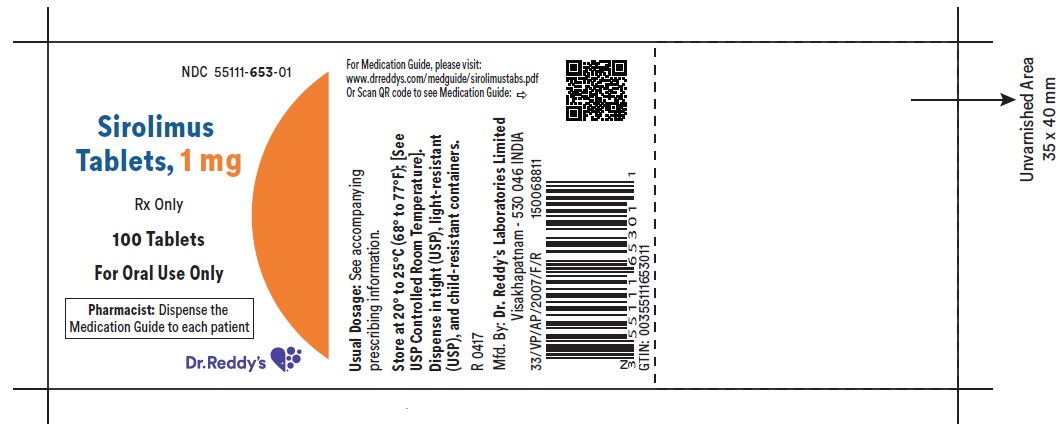
Sirolimus 1 mg Tablet, 100-count — NDC 55111-653-01 (Billing 55111-0653-01)
This is a package of 100 tablets of Sirolimus 1 mg Tablet from Dr. Reddy's Laboratories Limited, marketed since Oct 2014 and currently FDA-listed; retail pharmacies pay about $0.7230 per tablet (NADAC). It is the main listing for this product, which comes in 2 package sizes.
Identity & classification
Regulatory identifiers FDA, NLM and CMS codes for this package
Drug-database identifiers Medi-Span GPI and First Databank GCN / HICL / AHFS classification
- GSN (GCN sequence number): 048291
- GCN: 13696
- GPI-14 (Medi-Span): 99404070000320
- HICL (First Databank): 020519
- AHFS class code: 84:06.28.00
- RxCUI (RxNorm): 349208
Where does this data come from?
- FDA openFDA NDC Directory · synced Oct 1, 2026
- FDA label on DailyMed · label index refreshed Oct 1, 2026
- RxNorm (NLM RxNav) · catalog refreshed Oct 1, 2026
- Medi-Span GPI (licensed)
- First Databank (licensed) · refreshed Oct 1, 2026
RxNorm drug class
This medicine belongs to the Kinase Inhibitor class.
Where does this data come from?
- RxClass (NLM) · catalog refreshed Oct 1, 2026
Clinical
Sirolimus is used in combination with other medications to prevent rejection of kidney transplants. It is also used to treat lymphangioleiomyomatosis (LAM; a rare lung condition). Sirolimus is in a class of medications called immunosuppressants. It works by suppressing the body's immune system.
Read the full MedlinePlus article ↗- Oral sirolimus helps prevent your body from rejecting a transplanted kidney if you are 13 or older. It is also used for LAM, a rare lung disease. Other sirolimus products treat a t...
- Take oral sirolimus once a day, the same way each time, either always with food or always without. Swallow tablets whole and do not crush, chew or split them. Never take it with gr...
- Swelling, high blood pressure, high cholesterol, stomach upset, headache and acne are common. Call your doctor right away for fever or other signs of infection, new cough or troubl...
- What side effects are normal, and when should I call?
Patient education
Supplement & herbal interactions
Some supplements/herbs that may interact with Sirolimus — tap one for details:
Where does this data come from?
- MedlinePlus (NLM) · refreshed Oct 1, 2026
- FDA label on DailyMed · label index refreshed Oct 1, 2026
Ask a licensed pharmacist directly — free, answered by our team.
Pricing
A drug doesn't have one price. Each row is a different public payment system, and none is what you'd pay at the counter — that depends on your insurance. The ⓘ on each row explains what it measures.
| Price system | Per ea | Per package |
|---|---|---|
| Retail pharmacies payNADAC · weekly | $0.723 | $72.30 / 100 tablets |
| Medicaid paysCMS SDUD · 12 mo | $2.62 | $261.59 / 100 tablets |
| Medicare drug plans payPart D · Q2 2026 | $3.75 | $375.42 / 100 tablets |
| Medicare Part B allowsASP · J7520 | $0.744 / J7520 unit | — |
Where does this data come from?
- CMS NADAC weekly file · file of Sep 30, 2026
- CMS ASP pricing files · refreshed Sep 20, 2026
- CMS Medicaid State Drug Utilization Data · through Q1 2026
- CMS Part D plan pricing files · refreshed Sep 24, 2026
- VA National Acquisition Center price file
Billing & reimbursement
Where does this data come from?
- CMS ASP NDC-HCPCS crosswalk · refreshed Sep 22, 2026
- DMEPDAC NDC-HCPCS crosswalk
- openFDA NSDE billing units · refreshed Sep 7, 2026
Packaging — all sizes for this product
| Package NDC | Description | Per unit | Per pack | Marketing start | Marketing end | Status |
|---|---|---|---|---|---|---|
| 55111-0653-01 You're viewing this Main listing | 100 TABLET in 1 BOTTLE | $0.7230 / ea | $72.30 | 2014-10-27 | — | Active |
| 55111-0653-30 55111-653-30 | 30 TABLET in 1 BOTTLE | — | — | 2014-10-27 | — | Active |
You're viewing the largest of 2 pack sizes for this product.
In Medicaid, this is the most-dispensed pack of this product — about 100% of fills over the last four reported quarters. See all packs ↓
Pack size FAQ
What quantity is in this package?
How does this package differ from NDC 55111-0653-30?
What NDC number is used to bill for this package of Sirolimus 1 mg Tablet?
Prices are the latest CMS NADAC pharmacy acquisition cost per NDC; per-pack figures are per-unit × pack quantity, shown only when the pack is denominated in the same measure NADAC prices.
Therapeutic equivalents
| Product | Labeler | Pack | NADAC/unit | TE | Status | Price vs. this |
|---|---|---|---|---|---|---|
| Sirolimus 1 mg 00904-7248-04 | Major | 30 tablets | $0.723 | AB | Availability likely | — |
| sirolimus 1 mg 16714-0188-01 | NORTHSTAR | 100 tablets | $0.723 | AB | Availability likely | — |
| Sirolimus 1 mg 50268-0718-13 | AvPAK | 30 tablets | $0.723 | AB | Availability likely | — |
| Sirolimus 1 mgthis 55111-0653-01 | Dr. | 100 tablets | $0.723 | AB | Availability likely | — |
| Sirolimus 1 mg 59762-1002-01 | Mylan | 100 tablets | $0.723 | AB | Availability likely | — |
| Sirolimus 1 mg 67877-0747-01 | Ascend | 100 tablets | $0.723 | AB | Availability likely | — |
| Sirolimus 1 mg 68084-0915-25 | American | 30 tablets | $0.723 | AB | Availability likely | — |
| sirolimus 1 mg 68382-0351-01 | Zydus | 100 tablets | $0.723 | AB | Availability likely | — |
| sirolimus 1 mg 68462-0683-01 | Glenmark | 100 tablets | $0.723 | AB | Availability likely | — |
| sirolimus 1 mg 65841-0772-01 | Zydus | 100 tablets | — | AB | FDA listed | — |
| Sirolimus 1 mg 70518-3795-00 | REMEDYREPACK | 100 tablets | — | AB | FDA listed | — |
Where does this data come from?
- FDA openFDA NDC Directory · synced Oct 1, 2026
- FDA Orange Book · refreshed Sep 3, 2026
- CMS NADAC weekly file · file of Sep 30, 2026
Availability & generic status
This product is an FDA-approved generic. Other versions of the same drug are listed under Therapeutic equivalents, least expensive first.
Where does this data come from?
- FDA Orange Book · refreshed Sep 3, 2026
What it looks like
Where does this data come from?
- FDA label on DailyMed · label index refreshed Oct 1, 2026
Inactive Ingredients / Excipients
Inactive ingredients, also called excipients, are components of the drug product other than the active ingredient. They may include fillers, dyes, coatings, preservatives, flavors, or other formulation ingredients.
💡 Tap an ingredient (hover on desktop) to see what it is and why it’s used.
-
UNII H4N855PNZ1
Alpha-tocopherol is a form of vitamin E, a fat-soluble antioxidant derived from natural or synthetic sources. In medicines, it prevents oils and fats from breaking down and becoming rancid, protecting the product's stability and shelf life.
-
UNII 5138Q19F1X
Ammonia is a colorless gas made from nitrogen and hydrogen. It's used in medicines as a pH buffer to maintain the correct acidity level and help keep the product stable.
-
UNII R12CBM0EIZ
A natural wax derived from a Brazilian palm tree, used as a coating and polish on tablets and capsules. It creates a smooth, shiny finish that protects the medicine and improves appearance.
-
UNII OP1R32D61U
Microcrystalline cellulose is a purified form of cellulose, a natural fiber from plant sources. It acts as a binder and filler in tablets and capsules, helping hold ingredients together and give the medicine its shape and size.
-
UNII 7Z8S9VYZ4B
Ethylcellulose is a plant-derived thickener and film-former made by chemically modifying cellulose. It's used as a binder to hold tablet ingredients together, a coating to control how quickly medicine is released, or a thickener in liquid formulations.
-
UNII WZB9127XOA
A synthetic red dye used to color medications and make them easier to identify. It serves as a colorant in tablets, capsules, and liquid formulations.
-
UNII R75537T0T4
Hypromellose 2910 is a plant-derived thickening agent made from cellulose. It serves as a binder that holds tablet ingredients together, a film-coating for pills, and a viscosity controller in liquids.
-
UNII EWQ57Q8I5X
Lactose monohydrate is a natural sugar derived from milk. It serves as a filler and binder in tablets and capsules, helping create the proper size, texture, and consistency of the medicine.
-
UNII 70097M6I30
Magnesium stearate is a salt made from magnesium and stearic acid, a fatty substance. It's used in tablets and capsules as a lubricant and glidant to help ingredients flow smoothly during manufacturing and prevent sticking.
-
UNII 3OWL53L36A
A natural sugar alcohol derived from seaweed or synthesized in the lab. It's used as a filler to add bulk, a sweetener in sugar-free formulas, and a disintegrant to help tablets break apart in the stomach.
-
UNII LQA7B6G8JG
A synthetic polymer made by combining water-soluble compounds. It acts as a surfactant and solubilizer to help mix oil and water-based ingredients, improving the medicine's texture and how active ingredients dissolve.
-
UNII 3WJQ0SDW1A
Polyethylene glycol is a synthetic liquid or solid polymer used in medicines as a solvent, lubricant, and humectant. It helps dissolve active ingredients, reduces friction during manufacturing, and retains moisture in the final product.
-
UNII FZ989GH94E
Povidone is a synthetic polymer made from a plastic-like material. It acts as a binder to hold tablet ingredients together and as a disintegrant to help the tablet break apart in your stomach so the medicine can be absorbed.
-
UNII 6DC9Q167V3
Propylene glycol is a clear liquid derived from petroleum or vegetable sources. It acts as a solvent, humectant, and preservative in medicines, helping dissolve active ingredients and maintain product stability.
-
UNII 46N107B71O
Shellac is a natural resin secreted by the lac beetle. It's used as a coating on tablets and capsules to control how quickly the medicine dissolves and to improve appearance and stability.
-
UNII C151H8M554
A natural sugar derived from sugar cane or sugar beets. It's used as a sweetener, filler, and binder to improve taste, add bulk, and help hold tablet or capsule ingredients together.
-
UNII 15FIX9V2JP
Titanium dioxide is a bright white mineral powder commonly used as a colorant and opacifying agent. It makes pills and tablets white or lighter in color and helps make coatings non-transparent.
17 inactive ingredients listed in the exact product block matched to this NDC.
Where does this data come from?
ingredient classCode="IACT" elements from the exact product block matched by this NDC. Label-section narrative from DailyMed / the openFDA label index is shown separately when available.- FDA label on DailyMed · label index refreshed Oct 1, 2026
- FDA openFDA NDC Directory · synced Oct 1, 2026
Inactive ingredient FAQ
Are inactive ingredients the same for every manufacturer?
Why might an inactive ingredient be missing?
Can inactive ingredients matter?
Manufacturer & labeler
Where does this data come from?
- FDA openFDA NDC Directory · synced Oct 1, 2026
- Drugs@FDA
Full prescribing information FDA SPL
🚨 Boxed Warning ▾
WARNING: IMMUNOSUPPRESSION, USE IS NOT RECOMMENDED IN LIVER OR LUNG TRANSPLANT PATIENTS Increased susceptibility to infection and the possible development of lymphoma and other malignancies may result from immunosuppression Increased susceptibility to infection and the possible development of lymphoma may result from immunosuppression. O nly physicians experienced in immunosuppressive therapy and management of renal transplant patients should use sirolimus for prophylaxis of organ rejection in patients receiving renal transplants.
Patients receiving the drug should be managed in facilities equipped and staffed with adequate laboratory and supportive medical resources. The physician responsible for maintenance therapy should have complete information requisite for the follow-up of the patient [see Warnings and Precautions ( 5.1 ) ]. The safety and efficacy of sirolimus as immunosuppressive therapy have not been established in liver or lung transplant patients, and therefore, such use is not recommended [see Warnings and Precautions ( 5.2 , 5.3 ) ].
Liver Transplantation — Excess Mortality, Graft Loss, and Hepatic Artery Thrombosis (HAT) The use of sirolimus in combination with tacrolimus was associated with excess mortality and graft loss in a study in de novo liver transplant patients. Many of these patients had evidence of infection at or near the time of death. In this and another study in de novo liver transplant patients, the use of sirolimus in combination with cyclosporine or tacrolimus was associated with an increase in HAT; most cases of HAT occurred within 30 days post-transplantation and most led to graft loss or death [see Warnings and Precautions (5.2) ] .
Lung Transplantation — Bronchial Anastomotic Dehiscence Cases of bronchial anastomotic dehiscence, most fatal, have been reported in de novo lung transplant patients when sirolimus has been used as part of an immunosuppressive regimen [see Warnings and Precautions ( 5.3 ) ]. WARNING: IMMUNOSUPPRESSION, USE IS NOT RECOMMENDED IN LIVER OR LUNG TRANSPLANT PATIENTS See full prescribing information for complete boxed warning. Increased susceptibility to infection and the possible development of lymphoma and other malignancies may result from immunosuppression ( 5.1 ) .
Only physicians experienced in immunosuppressive therapy and management of renal transplant patients should use sirolimus for prophylaxis of organ rejection in patients receiving renal transplants . The safety and efficacy of sirolimus as immunosuppressive therapy have not been established in liver or lung transplant patients, and therefore, such use is not recommended ( 5.2 , 5.3 ) . - Liver Transplantation – Excess mortality, graft loss, and hepatic artery thrombosis ( 5.2 ) . - Lung Transplantation – Bronchial anastomotic dehiscence ( 5.3 ) .
🎯 Indications and Usage ▾
1 INDICATIONS AND USAGE Sirolimus is an mTOR inhibitor immunosuppressant indicated for the prophylaxis of organ rejection in patients aged ≥13 years receiving renal transplants: Patients at low-to moderate-immunologic risk: Use initially with cyclosporine (CsA) and corticosteroids. CsA withdrawal is recommended 2 to 4 months after transplantation ( 1.1 ). Patients at high-immunologic risk: Use in combination with CsA and corticosteroids for the first 12 months following transplantation (1.1) .
Safety and efficacy of CsA withdrawal has not been established in high risk patients ( 1.1 , 1.2 , 14.3 ). Sirolimus is an mTOR inhibitor indicated for the treatment of patients with lymphangioleiomyomatosis ( 1.3 ).
1.1Prophylaxis of Organ Rejection in Renal Transplantation Sirolimus tablets are indicated for the prophylaxis of organ rejection in patients aged 13 years or older receiving renal transplants. In patients at low- to moderate-immunologic risk , it is recommended that sirolimus tablets be used initially in a regimen with cyclosporine and corticosteroids; cyclosporine should be withdrawn 2 to 4 months after transplantation [see Dosage and Administration ( 2.2 ) ]. In patients at high-immunologic risk (defined as Black recipients and/or repeat renal transplant recipients who lost a previous allograft for immunologic reason and/or patients with high panel-reactive antibodies [PRA; peak PRA level > 80%]), it is recommended that sirolimus tablets be used in combination with cyclosporine and corticosteroids for the first year following transplantation [see Dosage and Administration ( 2.3 ), Clinical Studies ( 14.3 ) ].
1.2Limitations of Use in Renal Transplantation Cyclosporine withdrawal has not been studied in patients with Banff Grade 3 acute rejection or vascular rejection prior to cyclosporine withdrawal, those who are dialysis-dependent, those with serum creatinine >4.5 mg/dL, Black patients, patients of multi-organ transplants, secondary transplants, or those with high levels of panel-reactive antibodies [see Clinical Studies (14.2) ]. In patients at high-immunologic risk, the safety and efficacy of sirolimus tablets used in combination with cyclosporine and corticosteroids has not been studied beyond one year; therefore after the first 12 months following transplantation, any adjustments to the immunosuppressive regimen should be considered on the basis of the clinical status of the patient [see Clinical Studies ( 14.3 ) ].
In pediatric patients , the safety and efficacy of sirolimus tablets have not been established in patients <13 years old, or in pediatric (<18 years) renal transplant patients considered at high-immunologic risk [see Adverse Reactions ( 6.5 ), Clinical Studies ( 14.6 ) ]. The safety and efficacy of de novo use of sirolimus tablets without cyclosporine have not been established in renal transplant patients [see Warnings and Precautions ( 5.12 ) ]. The safety and efficacy of conversion from calcineurin inhibitors to sirolimus tablets in maintenance renal transplant patients have not been established [see Clinical Studies ( 14.4 ) ].
1.3Treatment of Patients with Lymphangioleiomyomatosis Sirolimus tablets are indicated for the treatment of patients with lymphangioleiomyomatosis (LAM).
⏱️ Dosage and Administration ▾
2 DOSAGE AND ADMINISTRATION Sirolimus tablets are to be administered orally once daily, consistently with or without food [see Dosage and Administration ( 2.5 ), Clinical Pharmacology (12.3) ]. Tablets should not be crushed, chewed or split. Patients unable to take the tablets should be prescribed the solution and instructed in its use.
Renal Transplant Patients: • Administer once daily by mouth, consistently with or without food (2) . • Administer the initial dose as soon as possible after transplantation and 4 hours after CsA ( 2.1 , 7.1 ). • Adjust the sirolimus maintenance dose to achieve sirolimus trough concentrations within the target-range ( 2.5 ). • Hepatic impairment: Reduce maintenance dose in patients with hepatic impairment ( 2.7 , 8.6 , 12.3 ). In renal transplant patients at low- to moderate-immunologic risk: • Sirolimus and CsA Combination Therapy: One loading dose of 6 mg on day 1, followed by daily maintenance doses of 2 mg ( 2.2). • Sirolimus Following CsA Withdrawal: 2 to 4 months post-transplantation, withdraw CsA over 4 to 8 weeks ( 2.2).
In renal transplant patients at high-immunologic risk: • Sirolimus and CsA Combination Therapy (for the first 12 months post-transplantation): One loading dose of up to 15 mg on day 1, followed by daily maintenance doses of 5 mg ( 2.3 ). Lymphangioleiomyomatosis Patients: Administer once daily by mouth, consistently with or without food ( 2 ). Recommended initial sirolimus dose is 2 mg/day ( 2.4 ).
Adjust the sirolimus dose to achieve sirolimus trough concentrations between 5 to 15 ng/mL (2.4). Hepatic impairment: Reduce maintenance dose in patients with hepatic impairment ( 2.7 , 8.6 , 12.3 ). Therapeutic drug monitoring is recommended for all patients ( 2.5 , 5.17 ).
2.1General Dosing Guidance for Renal Transplant Patients The initial dose of sirolimus tablets should be administered as soon as possible after transplantation. It is recommended that sirolimus tablets be taken 4 hours after administration of cyclosporine oral solution (MODIFIED) and or/cyclosporine capsules (MODIFIED) [see Drug Interactions (7.2) ]. Frequent sirolimus tablets dose adjustments based on non-steady-state sirolimus concentrations can lead to overdosing or underdosing because sirolimus has a long half-life.
Once sirolimus tablets maintenance dose is adjusted, patients should continue on the new maintenance dose for at least 7 to 14 days before further dosage adjustment with concentration monitoring. In most patients, dose adjustments can be based on simple proportion: new sirolimus tablets dose = current dose x (target concentration/current concentration). A loading dose should be considered in addition to a new maintenance dose when it is necessary to increase sirolimus trough concentrations: sirolimus tablets loading dose = 3 x (new maintenance dose - current maintenance dose).
The maximum sirolimus tablets dose administered on any day should not exceed 40 mg. If an estimated daily dose exceeds 40 mg due to the addition of a loading dose, the loading dose should be administered over 2 days. Sirolimus trough concentrations should be monitored at least 3 to 4 days after a loading dose(s).
Two milligrams (2 mg) of Rapamune Oral Solution have been demonstrated to be clinically equivalent to 2 mg sirolimus tablets; hence, at this dose these two formulations are interchangeable. However, it is not known if higher doses of Rapamune Oral Solution are clinically equivalent to higher doses of sirolimus tablets on a mg-to-mg basis [see Clinical Pharmacology ( 12.3 ) ].
2.2Renal Transplant Patients at Low- to Moderate-Immunologic Risk Sirolimus Tablets and Cyclosporine Combination Therapy For de novo renal transplant patients, it is recommended that Rapamune Oral Solution and sirolimus tablets be used initially in a regimen with cyclosporine and corticosteroids. A loading dose of sirolimus tablets equivalent to 3 times the maintenance dose should be given, i.e. a daily maintenance dose of 2 mg should… [Excerpted — this section continues on DailyMed.]
💊 Dosage Forms and Strengths ▾
3 DOSAGE FORMS AND STRENGTHS Tablets: 1 mg, 2 mg (3.2) .
3.2Sirolimus Tablets Sirolimus tablets 1 mg are white, triangular shaped tablets imprinted with in red color on one side and plain on the other side. Sirolimus tablets 2 mg are creamish yellow, triangular shaped tablets imprinted with in red color on one side and plain on the other side.
⛔ Contraindications ▾
4 CONTRAINDICATIONS Sirolimus tablets are contraindicated in patients with a hypersensitivity to sirolimus [see Warnings and Precautions ( 5.4 ) ]. Hypersensitivity to sirolimus (4) .
⚠️ Warnings and Cautions ▾
5 WARNINGS AND PRECAUTIONS Hypersensitivity Reactions (5.4) Angioedema (5.5) Fluid Accumulation and Impairment of Wound Healing (5.6) Hyperlipidemia (5.7) Decline in Renal Function (5.8) Proteinuria (5.9) Latent Viral Infections (5.10) Interstitial Lung Disease/Non-Infectious Pneumonitis (5.11) De Novo Use Without Cyclosporine (5.12) Increased Risk of Calcineurin Inhibitor-Induced. Hemolytic Uremic Syndrome/ Thrombotic Thrombocytopenic Purpura/ Thrombotic Microangiopathy (5.13) Embryo-Fetal Toxicity: Can cause fetal harm.
Use of highly effective contraception is recommended for females of reproductive potential during treatment and for 12 weeks after final dose of sirolimus ( 5.15 , 8.1 ) Male Infertility: Azoospermia or oligospermia may occur ( 5.16 , 13.1 ) Immunizations: Avoid live vaccines ( 5.19 )
5.1Increased Susceptibility to Infection and the Possible Development of Lymphoma Increased susceptibility to infection and the possible development of lymphoma and other malignancies, particularly of the skin, may result from immunosuppression. The rates of lymphoma/lymphoproliferative disease observed in Studies 1 and 2 were 0.7 to 3.2% (for sirolimus-treated patients) versus 0.6 to 0.8% (azathioprine and placebo control) [see Adverse Reactions (6.1) and (6.2) ]. Oversuppression of the immune system can also increase susceptibility to infection, including opportunistic infections such as tuberculosis, fatal infections, and sepsis.
Only physicians experienced in immunosuppressive therapy and management of organ transplant patients should use sirolimus for prophylaxis of organ rejection in patients receiving renal transplants. Patients receiving the drug should be managed in facilities equipped and staffed with adequate laboratory and supportive medical resources. The physician responsible for maintenance therapy should have complete information requisite for the follow-up of the patient.
5.2Liver Transplantation - Excess Mortality, Graft Loss, and Hepatic Artery Thrombosis The safety and efficacy of sirolimus as immunosuppressive therapy have not been established in liver transplant patients; therefore, such use is not recommended. The use of sirolimus has been associated with adverse outcomes in patients following liver transplantation, including excess mortality, graft loss and hepatic artery thrombosis (HAT). In a study in de novo liver transplant patients, the use of sirolimus in combination with tacrolimus was associated with excess mortality and graft loss (22% in combination versus 9% on tacrolimus alone).
Many of these patients had evidence of infection at or near the time of death. In this and another study in de novo liver transplant patients, the use of sirolimus in combination with cyclosporine or tacrolimus was associated with an increase in HAT (7% in combination versus 2% in the control arm); most cases of HAT occurred within 30 days post-transplantation, and most led to graft loss or death. In a clinical study in stable liver transplant patients 6 to 144 months post-liver transplantation and receiving a CNI-based regimen, an increased number of deaths was observed in the group converted to a sirolimus-based regimen compared to the group who was continued on a CNI- based regimen, although the difference was not statistically significant (3.8% versus 1.4%) [see Clinical Studies (14.5) ].
5.3Lung Transplantation - Bronchial Anastomotic Dehiscence Cases of bronchial anastomotic dehiscence, most fatal, have been reported in de novo lung transplant patients when sirolimus has been used as part of an immunosuppressive regimen. The safety and efficacy of sirolimus as immunosuppressive therapy have not been established in lung transplant patients; therefore, such use is not recommended.
5.4Hypersensitivity Reactions Hypersensitivity reactions, including anaphylactic/anaphylactoid reactions, angioedema, exfoliative dermatitis and hypersensitivity vasculitis, have been associated with the administration of sirolimus [s… [Excerpted — this section continues on DailyMed.]
🤒 Adverse Reactions ▾
6 ADVERSE REACTIONS The following adverse reactions are discussed in greater detail in other sections of the label. Increased susceptibility to infection, lymphoma, and malignancy [see Boxed Warning , Warnings and Precautions (5.1) ] Excess mortality, graft loss, and hepatic artery thrombosis in liver transplant patients [see Boxed Warning , Warnings and Precautions (5.2) ] Bronchial anastomotic dehiscence in lung transplant patients [see Boxed Warning , Warnings and Precautions (5.3) ] Hypersensitivity reactions [see Warnings and Precautions (5.4) ] Exfoliative dermatitis [see Warnings and Precautions (5.4) ] Angioedema [see Warnings and Precautions (5.5) ] Fluid accumulation and impairment of wound healing [see Warnings and Precautions (5.6) ] Hypertriglyceridemia, hypercholesterolemia [see Warnings and Precautions (5.7) ] Decline in renal function in long-term combination of cyclosporine with sirolimus [see Warnings and Precautions (5.8) ] Proteinuria [see Warnings and Precautions (5.9) ] Interstitial lung disease [see Warnings and Precautions (5.11) ] Increased risk of calcineurin inhibitor-induced HUS/TTP/TMA [see Warnings and Precautions (5.13) ] Embryo-fetal toxicity [see Warnings and Precautions ( 5.15 ) ] Male infertility [see Warnings and Precautions ( 5.16 ) ] The most common (≥30%) adverse reactions observed with sirolimus in clinical studies for organ rejection prophylaxis in recipients of renal transplantation are: peripheral edema, hypertriglyceridemia, hypertension, hypercholesterolemia, creatinine increased, constipation, abdominal pain, diarrhea, headache, fever, urinary tract infection, anemia, nausea, arthralgia, pain, and thrombocytopenia.
The most common (≥20%) adverse reactions observed with sirolimus in the clinical study for the treatment of LAM are: stomatitis, diarrhea, abdominal pain, nausea, nasopharyngitis, acne, chest pain, peripheral edema, upper respiratory tract infection, headache, dizziness, myalgia, and hypercholesterolemia. The following adverse reactions resulted in a rate of discontinuation of >5% in clinical trials for renal transplant rejection prophylaxis: creatinine increased, hypertriglyceridemia, and TTP.In patients with LAM, 11% of subjects discontinued due to adverse reactions, with no single adverse reaction leading to discontinuation in more than one patient being treated with sirolimus.
Prophylaxis of organ rejection in patients receiving renal transplants: Most common adverse reactions (incidence ≥30%) are peripheral edema, hypertriglyceridemia, hypertension, hypercholesterolemia, creatinine increased, abdominal pain, diarrhea, headache, fever, urinary tract infection, anemia, nausea, arthralgia, pain, and thrombocytopenia (6) . Lymphangioleiomyomatosis: Most common adverse reactions (incidence ≥20%) are stomatitis, diarrhea, abdominal pain, nausea, nasopharyngitis, acne, chest pain, peripheral edema, upper respiratory tract infection, headache, dizziness, myalgia, and hypercholesterolemia ( 6.6 ).
To report SUSPECTED ADVERSE REACTIONS, contact Dr. Reddy’s Laboratories Inc., at 1-888-375-3784 or FDA at 1-800-FDA-1088 or www.fda.gov/medwatch.
6.1Clinical Studies Experience in Prophylaxis of Organ Rejection Following Renal Transplantation The safety and efficacy of Rapamune Oral Solution for the prevention of organ rejection following renal transplantation were assessed in two randomized, double-blind, multicenter, controlled trials [see Clinical Studies (14.1) ]. The safety profiles in the two studies were similar. The incidence of adverse reactions in the randomized, double-blind, multicenter, placebo-controlled trial (Study 2) in which 219 renal transplant patients received Rapamune Oral Solution 2 mg/day, 208 received Rapamune Oral Solution 5 mg/day, and 124 received placebo is presented in Table 1 below.
The study population had a mean age of 46 years (range 15 to 71 years), the distribution was 67% male, and the composition by race was: White (78%), Black (11%), Asian (3… [Excerpted — this section continues on DailyMed.]
🔄 Drug Interactions ▾
7 DRUG INTERACTIONS Sirolimus is known to be a substrate for both cytochrome P-450 3A4 (CYP3A4) and p-glycoprotein (P-gp). Inducers of CYP3A4 and P-gp may decrease sirolimus concentrations whereas inhibitors of CYP3A4 and P-gp may increase sirolimus concentrations. Avoid concomitant use with strong CYP3A4/P-gp inducers or strong CYP3A4/P-gp inhibitors that decrease or increase sirolimus concentrations ( 7.4 , 12.3 ).
Therapeutic drug monitoring and dose reduction for sirolimus should be considered when sirolimus is co-administered with cannabidiol ( 5.21 , 7.5 ). See full prescribing information for complete list of clinically significant drug interactions ( 12.3).
7.1Use with Cyclosporine Cyclosporine, a substrate and inhibitor of CYP3A4 and P-gp, was demonstrated to increase sirolimus concentrations when co-administered with sirolimus. In order to diminish the effect of this interaction with cyclosporine, it is recommended that sirolimus be taken 4 hours after administration of cyclosporine oral solution (MODIFIED) and/or cyclosporine capsules (MODIFIED). If cyclosporine is withdrawn from combination therapy with sirolimus, higher doses of sirolimus are needed to maintain the recommended sirolimus trough concentration ranges [see Dosage and Administration (2.2) , Clinical Pharmacology (12.3) ].
7.2Strong Inducers and Strong Inhibitors of CYP3A4 and P-gp Avoid concomitant use of sirolimus with strong inducers (e.g., rifampin, rifabutin) and strong inhibitors (e.g., ketoconazole, voriconazole, itraconazole, erythromycin, telithromycin, clarithromycin) of CYP3A4 and P-gp. Alternative agents with lesser interaction potential with sirolimus should be considered [see Warnings and Precautions ( 5.20 ), Clinical Pharmacology ( 12.3 ) ].
7.3Grapefruit Juice Because grapefruit juice inhibits the CYP3A4-mediated metabolism of sirolimus, it must not be taken with sirolimus [see Clinical Pharmacology ( 12.3 )].
7.4Weak and Moderate Inducers or Inhibitors of CYP3A4 and P-gp Exercise caution when using sirolimus with drugs or agents that are modulators of CYP3A4 and P-gp. The dosage of sirolimus and/or the co-administered drug may need to be adjusted [see Clinical Pharmacology (12.3) ]. Drugs that could increase sirolimus blood concentrations: Bromocriptine, cimetidine, cisapride, clotrimazole, danazol, diltiazem, fluconazole, letermovir, protease inhibitors (e.g., HIV and hepatitis C that include drugs such as ritonavir, indinavir, boceprevir, and telaprevir), metoclopramide, nicardipine, troleandomycin, verapamil Drugs and other agents that could decrease sirolimus concentrations: Carbamazepine, phenobarbital, phenytoin, rifapentine, St.
John's Wort ( Hypericum perforatum ) Drugs with concentrations that could increase when given with sirolimus: Verapamil
7.5Cannabidiol The blood levels of sirolimus may increase upon concomitant use with cannabidiol. When cannabidiol and sirolimus are co-administered, closely monitor for an increase in sirolimus blood levels and for adverse reactions suggestive of sirolimus toxicity. A dose reduction of sirolimus should be considered as needed when sirolimus is co-administered with cannabidiol [see Dosage and Administration (2.5 ) and Warnings and Precautions ( 5.21 )].
👥 Use in Specific Populations ▾
8 USE IN SPECIFIC POPULATIONS Pregnancy: Based on animal data can cause fetal harm ( 5.15 , 8.1 ). Lactation: Potential for serious adverse effects in breastfed infants based on mechanism of action ( 8.2 ). Females and Males of Reproductive Potential: May impair fertility ( 8.1 , 8.3 , 13.1 ).
8.1Pregnancy Risk Summary Based on animal studies and the mechanism of action, sirolimus can cause fetal harm when administered to a pregnant woman [see Data , Clinical Pharmacology ( 12.1 ) ]. There are limited data on the use of sirolimus during pregnancy; however, these data are insufficient to inform a drug-associated risk of adverse developmental outcomes. In animal studies, sirolimus was embryo/fetotoxic in rats at sub-therapeutic doses [ see Data ].
Advise pregnant women of the potential risk to a fetus. The estimated background risk of major birth defects and miscarriage for the indicated population is unknown. In the U.S. general population, the estimated background risk of major birth defects and miscarriage in clinically recognized pregnancies is 2 to 4% and 15 to 20%, respectively.
Data Animal Data Sirolimus crossed the placenta and was toxic to the conceptus. In rat embryo-fetal development studies, pregnant rats were administered sirolimus orally during the period of organogenesis (Gestational Day 6 to 15). Sirolimus produced embryo-fetal lethality at 0.5 mg/kg (2.5-fold the clinical dose of 2 mg, on a body surface area basis) and reduced fetal weight at 1 mg/kg (5-fold the clinical dose of 2 mg).
The no observed adverse effect level (NOAEL) for fetal toxicity in rats was 0.1 mg/kg (0.5-fold the clinical dose of 2 mg). Maternal toxicity (weight loss) was observed at 2 mg/kg (10-fold the clinical dose of 2 mg). The NOAEL for maternal toxicity was 1 mg/kg.
In combination with cyclosporine, rats had increased embryo-fetal mortality compared with sirolimus alone. In rabbit embryo-fetal development studies, pregnant rabbits were administered sirolimus orally during the period of organogenesis (Gestational Day 6 to 18). There were no effects on embryo-fetal development at doses up to 0.05 mg/kg (0.5-fold the clinical dose of 2 mg, on a body surface area basis); however, at doses of 0.05 mg/kg and above, the ability to sustain a successful pregnancy was impaired (i.e., embryo-fetal abortion or early resorption).
Maternal toxicity (decreased body weight) was observed at 0.05 mg/kg. The NOAEL for maternal toxicity was 0.025 mg/kg (0.25-fold the clinical dose of 2 mg). In a pre- and post-natal development study in rats, pregnant females were dosed during gestation and lactation (Gestational Day 6 through Lactation Day 20).
An increased incidence of dead pups, resulting in reduced live litter size, occurred at 0.5 mg/kg (2.5-fold the clinical dose of 2 mg/kg on a body surface area basis). At 0.1 mg/kg (0.5-fold the clinical dose of 2 mg), there were no adverse effects on offspring. Sirolimus did not cause maternal toxicity or affect developmental parameters in the surviving offspring (morphological development, motor activity, learning, or fertility assessment) at 0.5 mg/kg, the highest dose tested.
8.2Lactation Risk Summary It is not known whether sirolimus is present in human milk. There are no data on its effects on the breastfed infant or milk production. The pharmacokinetic and safety profiles of sirolimus in infants are not known.
Sirolimus is present in the milk of lactating rats. There is potential for serious adverse effects from sirolimus in breastfed infants based on mechanism of action [see Clinical Pharmacology ( 12.1 ) ]. The developmental and health benefits of breastfeeding should be considered along with the mother’s clinical need for sirolimus and any potential adverse effects on the breastfed child from sirolimus.
8.3Females and Males of Reproductive Potential Contraception Females should not be pregnant or become pregnant while receiving sirolimus. Advise females of reproductive potential that animal studies hav… [Excerpted — this section continues on DailyMed.]
🤰 Pregnancy ▾
8.1Pregnancy Risk Summary Based on animal studies and the mechanism of action, sirolimus can cause fetal harm when administered to a pregnant woman [see Data , Clinical Pharmacology ( 12.1 ) ]. There are limited data on the use of sirolimus during pregnancy; however, these data are insufficient to inform a drug-associated risk of adverse developmental outcomes. In animal studies, sirolimus was embryo/fetotoxic in rats at sub-therapeutic doses [ see Data ].
Advise pregnant women of the potential risk to a fetus. The estimated background risk of major birth defects and miscarriage for the indicated population is unknown. In the U.S. general population, the estimated background risk of major birth defects and miscarriage in clinically recognized pregnancies is 2 to 4% and 15 to 20%, respectively.
Data Animal Data Sirolimus crossed the placenta and was toxic to the conceptus. In rat embryo-fetal development studies, pregnant rats were administered sirolimus orally during the period of organogenesis (Gestational Day 6 to 15). Sirolimus produced embryo-fetal lethality at 0.5 mg/kg (2.5-fold the clinical dose of 2 mg, on a body surface area basis) and reduced fetal weight at 1 mg/kg (5-fold the clinical dose of 2 mg).
The no observed adverse effect level (NOAEL) for fetal toxicity in rats was 0.1 mg/kg (0.5-fold the clinical dose of 2 mg). Maternal toxicity (weight loss) was observed at 2 mg/kg (10-fold the clinical dose of 2 mg). The NOAEL for maternal toxicity was 1 mg/kg.
In combination with cyclosporine, rats had increased embryo-fetal mortality compared with sirolimus alone. In rabbit embryo-fetal development studies, pregnant rabbits were administered sirolimus orally during the period of organogenesis (Gestational Day 6 to 18). There were no effects on embryo-fetal development at doses up to 0.05 mg/kg (0.5-fold the clinical dose of 2 mg, on a body surface area basis); however, at doses of 0.05 mg/kg and above, the ability to sustain a successful pregnancy was impaired (i.e., embryo-fetal abortion or early resorption).
Maternal toxicity (decreased body weight) was observed at 0.05 mg/kg. The NOAEL for maternal toxicity was 0.025 mg/kg (0.25-fold the clinical dose of 2 mg). In a pre- and post-natal development study in rats, pregnant females were dosed during gestation and lactation (Gestational Day 6 through Lactation Day 20).
An increased incidence of dead pups, resulting in reduced live litter size, occurred at 0.5 mg/kg (2.5-fold the clinical dose of 2 mg/kg on a body surface area basis). At 0.1 mg/kg (0.5-fold the clinical dose of 2 mg), there were no adverse effects on offspring. Sirolimus did not cause maternal toxicity or affect developmental parameters in the surviving offspring (morphological development, motor activity, learning, or fertility assessment) at 0.5 mg/kg, the highest dose tested.
🧒 Pediatric Use ▾
8.4Pediatric Use Renal Transplant The safety and efficacy of sirolimus in pediatric patients <13 years have not been established. The safety and efficacy of Rapamune Oral Solution and sirolimus tablets have been established for prophylaxis of organ rejection in renal transplantation in children ≥13 years judged to be at low- to moderate-immunologic risk. Use of Rapamune Oral Solution and sirolimus tablets in this subpopulation of children ≥13 years is supported by evidence from adequate and well-controlled trials of Rapamune Oral Solution in adults with additional pharmacokinetic data in pediatric renal transplantation patients [see Clinical Pharmacology (12.3) ].
Safety and efficacy information from a controlled clinical trial in pediatric and adolescent (<18 years of age) renal transplant patients judged to be at high-immunologic risk, defined as a history of one or more acute rejection episodes and/or the presence of chronic allograft nephropathy, do not support the chronic use of Rapamune Oral Solution or sirolimus tablets in combination with calcineurin inhibitors and corticosteroids, due to the higher incidence of lipid abnormalities and deterioration of renal function associated with these immunosuppressive regimens compared to calcineurin inhibitors, without increased benefit with respect to acute rejection, graft survival, or patient survival [see Clinical Studies (14.6) ].
Lymphangioleiomyomatosis The safety and efficacy of sirolimus in pediatric patients <18 years have not been established.
🧓 Geriatric Use ▾
8.5Geriatric Use Clinical studies of sirolimus oral solution or tablets did not include sufficient numbers of patients ≥65 years to determine whether they respond differently from younger patients. Data pertaining to sirolimus trough concentrations suggest that dose adjustments based upon age in geriatric renal patients are not necessary. Differences in responses between the elderly and younger patients have not been identified.
In general, dose selection for an elderly patient should be cautious, usually starting at the low end of the dosing range, reflecting the greater frequency of decreased hepatic, or cardiac function, and of concomitant disease or other drug therapy.
🆘 Overdosage ▾
10 OVERDOSAGE Reports of overdose with sirolimus have been received; however, experience has been limited. In general, the adverse effects of overdose are consistent with those listed in the adverse reactions section [see Adverse Reactions (6) ]. General supportive measures should be followed in all cases of overdose.
Based on the low aqueous solubility and high erythrocyte and plasma protein binding of sirolimus, it is anticipated that sirolimus is not dialyzable to any significant extent. In mice and rats, the acute oral LD 50 was greater than 800 mg/kg.
🧬 Clinical Pharmacology ▾
12 CLINICAL PHARMACOLOGY
12.1Mechanism of Action Sirolimus inhibits T-lymphocyte activation and proliferation that occurs in response to antigenic and cytokine (Interleukin [IL]-2, IL-4, and IL-15) stimulation by a mechanism that is distinct from that of other immunosuppressants. Sirolimus also inhibits antibody production. In cells, sirolimus binds to the immunophilin, FK Binding Protein-12 (FKBP-12), to generate an immunosuppressive complex.
The sirolimus:FKBP-12 complex has no effect on calcineurin activity. This complex binds to and inhibits the activation of the mammalian target of rapamycin (mTOR), a key regulatory kinase. This inhibition suppresses cytokine-driven T-cell proliferation, inhibiting the progression from the G 1 to the S phase of the cell cycle.
Mammalian target of rapamycin (mTOR) inhibitors such as sirolimus have been shown in vitro to inhibit production of certain growth factors that may affect angiogenesis, fibroblast proliferation, and vascular permeability. Studies in experimental models show that sirolimus prolongs allograft (kidney, heart, skin, islet, small bowel, pancreatico-duodenal, and bone marrow) survival in mice, rats, pigs, and/or primates. Sirolimus reverses acute rejection of heart and kidney allografts in rats and prolongs the graft survival in presensitized rats.
In some studies, the immunosuppressive effect of sirolimus lasts up to 6 months after discontinuation of therapy. This tolerization effect is alloantigen-specific. In rodent models of autoimmune disease, sirolimus suppresses immune-mediated events associated with systemic lupus erythematosus, collagen-induced arthritis, autoimmune type I diabetes, autoimmune myocarditis, experimental allergic encephalomyelitis, graft-versus-host disease, and autoimmune uveoretinitis.
Lymphangioleiomyomatosis involves lung tissue infiltration with smooth muscle-like cells that harbor inactivating mutations of the tuberous sclerosis complex (TSC) gene (LAM cells). Loss of TSC gene function activates the mTOR signaling pathway, resulting in cellular proliferation and release of lymphangiogenic growth factors. Sirolimus inhibits the activated mTOR pathway and thus the proliferation of LAM cells.
12.2Pharmacodynamics Orally-administered sirolimus, at doses of 2 mg/day and 5 mg/day, significantly reduced the incidence of organ rejection in low- to moderate-immunologic risk renal transplant patients at 6 months following transplantation compared with either azathioprine or placebo [see Clinical Studies (14.1) ]. There was no demonstrable efficacy advantage of a daily maintenance dose of 5 mg with a loading dose of 15 mg over a daily maintenance dose of 2 mg with a loading dose of 6 mg. Therapeutic drug monitoring should be used to maintain sirolimus drug levels within the target-range [see Dosage and Administration (2.5) ].
12.3Pharmacokinetics Sirolimus pharmacokinetics activity have been determined following oral administration in healthy subjects, pediatric patients, hepatically impaired patients, and renal transplant patients. The pharmacokinetic parameters of sirolimus in low- to moderate-immunologic risk adult renal transplant patients following multiple dosing with sirolimus 2 mg daily, in combination with cyclosporine and corticosteroids, is summarized in Table 4. TABLE 4: MEAN ± SD STEADY STATE SIROLIMUS PHARMACOKINETIC PARAMETERS IN LOW- TO MODERATE-IMMUNOLOGIC RISK ADULT RENAL TRANSPLANT PATIENTS FOLLOWING SIROLIMUS 2 MG DAILY a,b Multiple Dose (daily dose) Solution Tablets C max (ng/mL) 14.4 ± 5.3 15.0 ± 4.9 t max (hr) 2.1 ± 0.8 3.5 ±
2.4AUC (ng•h/mL) 194 ± 78 230 ± 67 C min (ng/mL) c 7.1 ± 3.5 7.6 ±
3.1CL/F (mL/h/kg) 173 ± 50 139 ± 63 a: In presence of cyclosporine administered 4 hours before sirolimus dosing. b: Based on data collected at months 1 and 3 post-transplantation. c: Average C min over 6 months. Whole blood trough sirolimus concentrations, as measured by LC/MS/MS in renal transplant patients, were significantly correlated… [Excerpted — this section continues on DailyMed.]
🧬 Mechanism of Action ▾
12.1Mechanism of Action Sirolimus inhibits T-lymphocyte activation and proliferation that occurs in response to antigenic and cytokine (Interleukin [IL]-2, IL-4, and IL-15) stimulation by a mechanism that is distinct from that of other immunosuppressants. Sirolimus also inhibits antibody production. In cells, sirolimus binds to the immunophilin, FK Binding Protein-12 (FKBP-12), to generate an immunosuppressive complex.
The sirolimus:FKBP-12 complex has no effect on calcineurin activity. This complex binds to and inhibits the activation of the mammalian target of rapamycin (mTOR), a key regulatory kinase. This inhibition suppresses cytokine-driven T-cell proliferation, inhibiting the progression from the G 1 to the S phase of the cell cycle.
Mammalian target of rapamycin (mTOR) inhibitors such as sirolimus have been shown in vitro to inhibit production of certain growth factors that may affect angiogenesis, fibroblast proliferation, and vascular permeability. Studies in experimental models show that sirolimus prolongs allograft (kidney, heart, skin, islet, small bowel, pancreatico-duodenal, and bone marrow) survival in mice, rats, pigs, and/or primates. Sirolimus reverses acute rejection of heart and kidney allografts in rats and prolongs the graft survival in presensitized rats.
In some studies, the immunosuppressive effect of sirolimus lasts up to 6 months after discontinuation of therapy. This tolerization effect is alloantigen-specific. In rodent models of autoimmune disease, sirolimus suppresses immune-mediated events associated with systemic lupus erythematosus, collagen-induced arthritis, autoimmune type I diabetes, autoimmune myocarditis, experimental allergic encephalomyelitis, graft-versus-host disease, and autoimmune uveoretinitis.
Lymphangioleiomyomatosis involves lung tissue infiltration with smooth muscle-like cells that harbor inactivating mutations of the tuberous sclerosis complex (TSC) gene (LAM cells). Loss of TSC gene function activates the mTOR signaling pathway, resulting in cellular proliferation and release of lymphangiogenic growth factors. Sirolimus inhibits the activated mTOR pathway and thus the proliferation of LAM cells.
📦 How Supplied / Storage and Handling ▾
16 HOW SUPPLIED/STORAGE AND HANDLING Since sirolimus is not absorbed through the skin, there are no special precautions. Do not use sirolimus tablets after the expiration date. The expiration date refers to the last day of that month.
16.2Sirolimus Tablets Sirolimus Tablets are available as follows: 1 mg, white, triangular shaped tablets imprinted with in red color on one side and plain on the other side. They are supplied in bottles of 30's and 100's. Bottles of 30 NDC 55111-653-30 Bottles of 100 NDC 55111-653-01 2 mg, creamish yellow, triangular shaped tablets imprinted with in red color on one side and plain on the other side.
They are supplied in bottles of 30's and 100's. Bottles of 30 NDC 55111-654-30 Bottles of 100 NDC 55111-654-01 Sirolimus tablets should be stored at 20°C to 25°C [USP Controlled Room Temperature] (68°F to 77°F). Dispense in a tight, light-resistant container as defined in the USP.
📋 Description ▾
11 DESCRIPTION Sirolimus is an mTOR inhibitor immunosuppressive agent. Sirolimus is a macrocyclic lactone produced by Streptomyces hygroscopicus. The chemical name of sirolimus (also known as rapamycin) is (3S,6R,7E,9R,10R,12R,14S,15E,17E,19E,21S,23S,26R,27R,34aS)9,10,12,13,14,21,22,23,24,25,26,27,32,33,34, 34a-hexadecahydro-9,27-dihydroxy-3-[(1R)-2 [(1S,3R,4R)-4-hydroxy-3-methoxycyclohexyl]-1-methylethyl]-10,21-dimethoxy-6,8,12,14,20,26 hexamethyl-23,27-epoxy-3H-pyrido[2,1-c][1,4] oxaazacyclohentriacontine-1,5,11,28,29 (4H,6H,31H)-pentone.
Its molecular formula is C 51 H 79 NO 13 and its molecular weight is 914.2. The structural formula of sirolimus is illustrated as follows. Sirolimus is a white to off-white powder and is insoluble in water, but freely soluble in chloroform, acetone and acetonitrile.
Sirolimus tablets are available as a white, triangular shaped tablet containing 1 mg sirolimus, and as a creamish yellow, triangular shaped tablet containing 2 mg sirolimus. The inactive ingredients in sirolimus tablets includes, carnauba wax, ethyl cellulose, hydroxypropyl methylcellulose 5 cps, lactose monohydrate, magnesium stearate, mannitol, microcrystalline cellulose (avicel pH 105), microcrystalline cellulose (avicel pH 200), poloxamer 188, polyethylene glycol 20000, polyethylene glycol 8000, sucrose, titanium dioxide, vitamin E preparation, seal coating agent opaglos clear NA 7150, and imprinting ink opacode red (S-1-15052).
The 2 mg dosage strength also contains iron oxide red and iron oxide yellow. Seal coating agent opaglos clear NA 7150 contains, acetylated monoglyceride, industrial methylated spirit 74 OP, povidone, and shellac. Imprinting ink opacode red (S-1-15052) contains, ammonium hydroxide, FD&C Red # 40, propylene glycol, shellac glaze, and titanium dioxide.
💬 Information for Patients ▾
17 PATIENT COUNSELING INFORMATION Advise patients, their families, and their caregivers to read the Medication Guide and assist them in understanding its contents. The complete text of the Medication Guide is reprinted at the end of the document. See FDA-Approved Medication Guide.
17.1Dosage Patients should be given complete dosage instructions [see FDA-Approved Medication Guide ].
17.2Skin Cancer Events Advise patients that exposure to sunlight and ultraviolet (UV) light should be limited by wearing protective clothing and using a broad spectrum sunscreen with a high protection factor because of the increased risk for skin cancer [see Warnings and Precautions ( 5.18 ) ] .
17.3Pregnancy and Lactation Advise female patients of reproductive potential to avoid becoming pregnant throughout treatment and for 12 weeks after sirolimus therapy has stopped. Sirolimus can cause fetal harm if taken during pregnancy. Advise a pregnant woman of the potential risk to her fetus.
Before making a decision to breastfeed, inform the patient that the effects of breastfeeding in infants while taking this drug are unknown, but there is potential for serious adverse effects [ see Warnings and Precautions ( 5.15 ), Use in Specific Populations ( 8.1 , 8.2 , 8.3 ) ].
17.4Infertility Inform male and female patients that sirolimus may impair fertility [see Warnings and Precaution s ( 5.16 ), Adverse Reactions ( 6.7 ), Use in Specific Populations ( 8.1 , 8.3 ), Nonclinical Toxicology ( 13.1 )] .
💬 Medication Guide ▾
MEDICATION GUIDE Sirolimus(sir-OH-li-mus) Tablets What is the most important information I should know about sirolimus tablets? Sirolimus tablets can cause serious side effects, including: 1. Increased risk of getting infections.
Serious infections can happen including infections caused by viruses, bacteria, and fungi (yeast). Your doctor may put you on medicine to help prevent some of these infections. Call your doctor right away if you have symptoms of infection including fever or chills while taking sirolimus tablets.
2. Increased risk of getting certain cancers. People who take sirolimus tablets have a higher risk of getting lymphoma, and other cancers, especially skin cancer.
Talk with your doctor about your risk for cancer. Sirolimus has not been shown to be safe and effective in people who have had liver or lung transplants. Serious complications and death may happen in people who take sirolimus after a liver or lung transplant.
You should not take sirolimus tablets if you have had a liver or lung transplant without talking with your doctor. See the section “What are the possible side effects of sirolimus tablets?” for information about other side effects of sirolimus tablets. What is sirolimus?
Sirolimus is a prescription medicine used to prevent rejection (anti-rejection medicine) in people 13 years of age and older who have received a kidney transplant. Rejection is when your body’s immune system recognizes the new organ as a “foreign” threat and attacks it. Sirolimus is used with other medicines called cyclosporine (Gengraf, Neoral, Sandimmune), and corticosteroids.
Your doctor will decide: if sirolimus is right for you, and how to best use it with cyclosporine and corticosteroids after your transplant. It is not known if sirolimus tablets are safe and effective in children under 13 years of age. Sirolimus is a prescription medicine also used to treat lymphangioleiomyomatosis (LAM).
LAM is a rare progressive l.ung disease that affects predominantly women of childbearing age. Who should not take sirolimus tablets? Do not take sirolimus tablets if you are allergic to sirolimus or any of the other ingredients in sirolimus tablets.
See the end of this leaflet for a complete list of ingredients in sirolimus tablets. What should I tell my doctor before taking sirolimus tablets? have liver problems have skin cancer or it runs in your family have high cholesterol or triglycerides (fat in your blood) are pregnant or are a female who can become pregnant. Sirolimus can harm your unborn baby.
You should not become pregnant during treatment with sirolimus and for 12 weeks after ending treatment with sirolimus tablets. In order to avoid pregnancy, a female who can get pregnant should use effective birth control during treatment and for 12 weeks after your final dose of sirolimus tablets. Talk with your doctor about what birth control method is right for you during this time.
Tell your doctor right away if you become pregnant or think you are pregnant during treatment with sirolimus or within 12 weeks after your final dose of sirolimus tablets. It is not known whether sirolimus passes into breast milk; however, there is a risk of serious side effects in breastfed infants. You and your doctor should decide about the best way to feed your baby if you take sirolimus tablets.
Tell your doctor about all the medicines you take, including prescription and over-the-counter medicines, vitamins and herbal supplements. Using sirolimus with certain medicines may affect each other causing serious side effects. Sirolimus may affect the way other medicines work, and other medicines may affect how sirolimus works.
Especially tell your doctor if you take: a medicine to lower your cholesterol or triglycerides cyclosporine (including Gengraf, Neoral, Sandimmune) or tacrolimus (Prograf) or other medicines that suppress the immune system an antibiotic an antifungal medicine a medicine for high blood pressure or heart problems an anti-seizure medicine… [Excerpted — this section continues on DailyMed.]
🧬 Pharmacokinetics ▾
12.3Pharmacokinetics Sirolimus pharmacokinetics activity have been determined following oral administration in healthy subjects, pediatric patients, hepatically impaired patients, and renal transplant patients. The pharmacokinetic parameters of sirolimus in low- to moderate-immunologic risk adult renal transplant patients following multiple dosing with sirolimus 2 mg daily, in combination with cyclosporine and corticosteroids, is summarized in Table 4. TABLE 4: MEAN ± SD STEADY STATE SIROLIMUS PHARMACOKINETIC PARAMETERS IN LOW- TO MODERATE-IMMUNOLOGIC RISK ADULT RENAL TRANSPLANT PATIENTS FOLLOWING SIROLIMUS 2 MG DAILY a,b Multiple Dose (daily dose) Solution Tablets C max (ng/mL) 14.4 ± 5.3 15.0 ± 4.9 t max (hr) 2.1 ± 0.8 3.5 ±
2.4AUC (ng•h/mL) 194 ± 78 230 ± 67 C min (ng/mL) c 7.1 ± 3.5 7.6 ±
3.1CL/F (mL/h/kg) 173 ± 50 139 ± 63 a: In presence of cyclosporine administered 4 hours before sirolimus dosing. b: Based on data collected at months 1 and 3 post-transplantation. c: Average C min over 6 months. Whole blood trough sirolimus concentrations, as measured by LC/MS/MS in renal transplant patients, were significantly correlated with AUC τ,ss . Upon repeated, twice-daily administration without an initial loading dose in a multiple-dose study, the average trough concentration of sirolimus increases approximately 2- to 3-fold over the initial 6 days of therapy, at which time steady-state is reached.
A loading dose of 3 times the maintenance dose will provide near steady- state concentrations within 1 day in most patients [see Dosage and Administration ( 2.3 , 2.5 ), Warning and Precautions ( 5.17 ) ]. Absorption Following administration of Rapamune Oral Solution, the mean times to peak concentration (t max ) of sirolimus are approximately 1 hour and 2 hours in healthy subjects and renal transplant patients, respectively. The systemic availability of sirolimus is low, and was estimated to be approximately 14% after the administration of Rapamune Oral Solution.
In healthy subjects, the mean bioavailability of sirolimus after administration of the tablet is approximately 27% higher relative to the solution. Sirolimus tablets are not bioequivalent to the solution; however, clinical equivalence has been demonstrated at the 2 mg dose level. Sirolimus concentrations, following the administration of Rapamune Oral Solution to stable renal transplant patients, are dose- proportional between 3 and 12 mg/m 2 .
Food Effects To minimize variability in sirolimus concentrations, both Rapamune Oral Solution and sirolimus tablets should be taken consistently with or without food [see Dosage and Administration (2) ]. In healthy subjects, a high-fat meal (861.8 kcal, 54.9% kcal from fat) increased the mean total exposure (AUC) of sirolimus by 23 to 35%, compared with fasting. The effect of food on the mean sirolimus C max was inconsistent depending on the sirolimus dosage form evaluated.
Distribution The mean (± SD) blood-to-plasma ratio of sirolimus was 36 ± 18 in stable renal allograft patients, indicating that sirolimus is extensively partitioned into formed blood elements. The mean volume of distribution (Vss/F) of sirolimus is 12 ± 8 L/kg. Sirolimus is extensively bound (approximately 92%) to human plasma proteins, mainly serum albumin (97%), α 1 -acid glycoprotein, and lipoproteins.
Metabolism Sirolimus is a substrate for both CYP3A4 and P-gp. Sirolimus is extensively metabolized in the intestinal wall and liver and undergoes counter-transport from enterocytes of the small intestine into the gut lumen. Inhibitors of CYP3A4 and P-gp increase sirolimus concentrations.
Inducers of CYP3A4 and P-gp decrease sirolimus concentrations [see Warnings and Precautions ( 5.20 ) and Drug Interactions (7) ]. Sirolimus is extensively metabolized by O-demethylation and/or hydroxylation. Seven (7) major metabolites, including hydroxy, demethyl, and hydroxydemethyl, are identifiable in whole blood.
Some of these metabolites are also detectable in plasma, fecal… [Excerpted — this section continues on DailyMed.]
🧬 Pharmacodynamics ▾
12.2Pharmacodynamics Orally-administered sirolimus, at doses of 2 mg/day and 5 mg/day, significantly reduced the incidence of organ rejection in low- to moderate-immunologic risk renal transplant patients at 6 months following transplantation compared with either azathioprine or placebo [see Clinical Studies (14.1) ]. There was no demonstrable efficacy advantage of a daily maintenance dose of 5 mg with a loading dose of 15 mg over a daily maintenance dose of 2 mg with a loading dose of 6 mg. Therapeutic drug monitoring should be used to maintain sirolimus drug levels within the target-range [see Dosage and Administration (2.5) ].
🔬 Clinical Studies ▾
14 CLINICAL STUDIES
14.1Prophylaxis of Organ Rejection in Renal Transplant Patients Rapamune Oral Solution The safety and efficacy of Rapamune Oral Solution for the prevention of organ rejection following renal transplantation were assessed in two randomized, double-blind, multicenter, controlled trials. These studies compared two dose levels of Rapamune Oral Solution (2 mg and 5 mg, once daily) with azathioprine (Study 1) or placebo (Study 2) when administered in combination with cyclosporine and corticosteroids. Study 1 was conducted in the United States at 38 sites.
Seven hundred nineteen (719) patients were enrolled in this trial and randomized following transplantation; 284 were randomized to receive Rapamune Oral Solution 2 mg/day; 274 were randomized to receive Rapamune Oral Solution 5 mg/day, and 161 to receive azathioprine 2 to 3 mg/kg/day. Study 2 was conducted in Australia, Canada, Europe, and the United States, at a total of 34 sites. Five hundred seventy-six (576) patients were enrolled in this trial and randomized before transplantation; 227 were randomized to receive Rapamune Oral Solution 2 mg/day; 219 were randomized to receive Rapamune Oral Solution 5 mg/day, and 130 to receive placebo.
In both studies, the use of anti-lymphocyte antibody induction therapy was prohibited. In both studies, the primary efficacy endpoint was the rate of efficacy failure in the first 6 months after transplantation. Efficacy failure was defined as the first occurrence of an acute rejection episode (confirmed by biopsy), graft loss, or death.
The tables below summarize the results of the primary efficacy analyses from these trials. Rapamune Oral Solution, at doses of 2 mg/day and 5 mg/day, significantly reduced the incidence of efficacy failure (statistically significant at the < 0.025 level; nominal significance level adjusted for multiple [2] dose comparisons) at 6 months following transplantation compared with both azathioprine and placebo. TABLE 8: INCIDENCE (%) OF EFFICACY FAILURE AT 6 AND 24 MONTHS FOR STUDY 1 a,b Parameter Rapamune Oral Solution 2 mg/day (n = 284) Rapamune Oral Solution 5 mg/day (n = 274) Azathioprine 2 to 3 mg/kg/day (n = 161) Efficacy failure at 6 months c 18.7 16.8
32.3Components of efficacy failure Biopsy-proven acute rejection 16.5 11.3
29.2Graft loss 1.1 2.9
2.5Death 0.7 1.8 0 Lost to follow-up 0.4 0.7
0.6Efficacy failure at 24 months 32.8 25.9
36.0Components of efficacy failure Biopsy-proven acute rejection 23.6 17.5
32.3Graft loss 3.9 4.7
3.1Death 4.2 3.3 0 Lost to follow-up 1.1 0.4 0.6 a: Patients received cyclosporine and corticosteroids. b: Includes patients who prematurely discontinued treatment. c: Primary endpoint. TABLE 9: INCIDENCE (%) OF EFFICACY FAILURE AT 6 AND 36 MONTHS FOR STUDY 2 a,b Parameter Rapamune Oral Solution 2 mg/day (n = 227) Rapamune Oral Solution 5 mg/day (n = 219) Placebo (n = 130) Efficacy failure at 6 months c 30.0 25.6
47.7Components of efficacy failure Biopsy-proven acute rejection 24.7 19.2
41.5Graft loss 3.1 3.7
3.9Death 2.2 2.7
2.3Lost to follow-up 0 0 0 Efficacy failure at 36 months 44.1 41.6
54.6Components of efficacy failure Biopsy-proven acute rejection 32.2 27.4
43.9Graft loss 6.2 7.3
4.6Death 5.7 5.9
5.4Lost to follow-up 0 0.9 0.8 a: Patients received cyclosporine and corticosteroids. b: Includes patients who prematurely discontinued treatment. c: Primary endpoint. Patient and graft survival at 1 year were co-primary endpoints. The following table shows graft and patient survival at 1 and 2 years in Study 1, and 1 and 3 years in Study 2.
The graft and patient survival rates were similar in patients treated with sirolimus and comparator-treated patients. TABLE 10: GRAFT AND PATIENT SURVIVAL (%) FOR STUDY 1 (12 AND 24 MONTHS) AND STUDY 2 (12 AND 36 MONTHS) a,b Parameter Rapamune Oral Solution 2 mg/day Rapamune Oral Solution 5 mg/day Azathioprine 2 to 3 mg/kg/day Placebo Study 1 (n = 284) (n = 274) (n = 161) Graft survival Month 12 94.7 92.7
93.8Mo… [Excerpted — this section continues on DailyMed.]
🧪 Nonclinical Toxicology ▾
13 NONCLINICAL TOXICOLOGY
13.1Carcinogenesis, Mutagenesis, Impairment of Fertility Carcinogenicity studies were conducted in mice and rats. In an 86-week female mouse study at sirolimus doses 30 to 120 times higher than the 2 mg daily clinical dose (adjusted for body surface area), there was a statistically significant increase in malignant lymphoma at all dose levels compared with controls. In a second mouse study at dosages that were approximately 3 to 16 times the clinical dose (adjusted for body surface area), hepatocellular adenoma and carcinoma in males were considered sirolimus-related.
In the 104-week rat study at dosages equal to or lower than the clinical dose of 2 mg daily (adjusted for body surface area), there were no significant findings. Sirolimus was not genotoxic in the in vitro bacterial reverse mutation assay, the Chinese hamster ovary cell chromosomal aberration assay, the mouse lymphoma cell forward mutation assay, or the in vivo mouse micronucleus assay. When female rats were treated by oral gavage with sirolimus and mated to untreated males, female fertility was decreased at 0.5 mg/kg (2.5-fold the clinical dose of 2 mg, on a body surface area basis) due to decreased implantation.
In addition, reduced ovary and uterus weight were observed. The NOAEL for female rat fertility was 0.1 mg/kg (0.5-fold the clinical dose of 2 mg). When male rats were treated by oral gavage with sirolimus and mated to untreated females, male fertility was decreased at 2 mg/kg (9.7-fold the clinical dose of 2 mg, on a body surface area basis).
Atrophy of testes, epididymides, prostate, seminiferous tubules, and reduced sperm counts were observed. The NOAEL for male rat fertility was 0.5 mg/kg (2.5-fold the clinical dose of 2 mg). Testicular tubular degeneration was also seen in a 4-week intravenous study of sirolimus in monkeys at 0.1 mg/kg (1-fold the clinical dose of 2 mg, on a body surface area basis).
📄 Carcinogenesis, Mutagenesis, Impairment of Fertility ▾
13.1Carcinogenesis, Mutagenesis, Impairment of Fertility Carcinogenicity studies were conducted in mice and rats. In an 86-week female mouse study at sirolimus doses 30 to 120 times higher than the 2 mg daily clinical dose (adjusted for body surface area), there was a statistically significant increase in malignant lymphoma at all dose levels compared with controls. In a second mouse study at dosages that were approximately 3 to 16 times the clinical dose (adjusted for body surface area), hepatocellular adenoma and carcinoma in males were considered sirolimus-related.
In the 104-week rat study at dosages equal to or lower than the clinical dose of 2 mg daily (adjusted for body surface area), there were no significant findings. Sirolimus was not genotoxic in the in vitro bacterial reverse mutation assay, the Chinese hamster ovary cell chromosomal aberration assay, the mouse lymphoma cell forward mutation assay, or the in vivo mouse micronucleus assay. When female rats were treated by oral gavage with sirolimus and mated to untreated males, female fertility was decreased at 0.5 mg/kg (2.5-fold the clinical dose of 2 mg, on a body surface area basis) due to decreased implantation.
In addition, reduced ovary and uterus weight were observed. The NOAEL for female rat fertility was 0.1 mg/kg (0.5-fold the clinical dose of 2 mg). When male rats were treated by oral gavage with sirolimus and mated to untreated females, male fertility was decreased at 2 mg/kg (9.7-fold the clinical dose of 2 mg, on a body surface area basis).
Atrophy of testes, epididymides, prostate, seminiferous tubules, and reduced sperm counts were observed. The NOAEL for male rat fertility was 0.5 mg/kg (2.5-fold the clinical dose of 2 mg). Testicular tubular degeneration was also seen in a 4-week intravenous study of sirolimus in monkeys at 0.1 mg/kg (1-fold the clinical dose of 2 mg, on a body surface area basis).
📚 References ▾
15 REFERENCES Clinical Therapeutics , Volume 22, Supplement B, April 2000 [see Dosage and Administration ( 2.5 ) ].
📄 Package Label / Principal Display Panel ▾
Package Label. Principal Display Panel Sirolimus Tablets, 1 mg Container Label Unvarnished Area Consists of: 2D Barcode, Lot Number, Expiry Date and Serial Number
Sirolimus Tablets, 2 mg Container Label Unvarnished Area Consists of: 2D Barcode, Lot Number, Expiry Date and Serial Number