
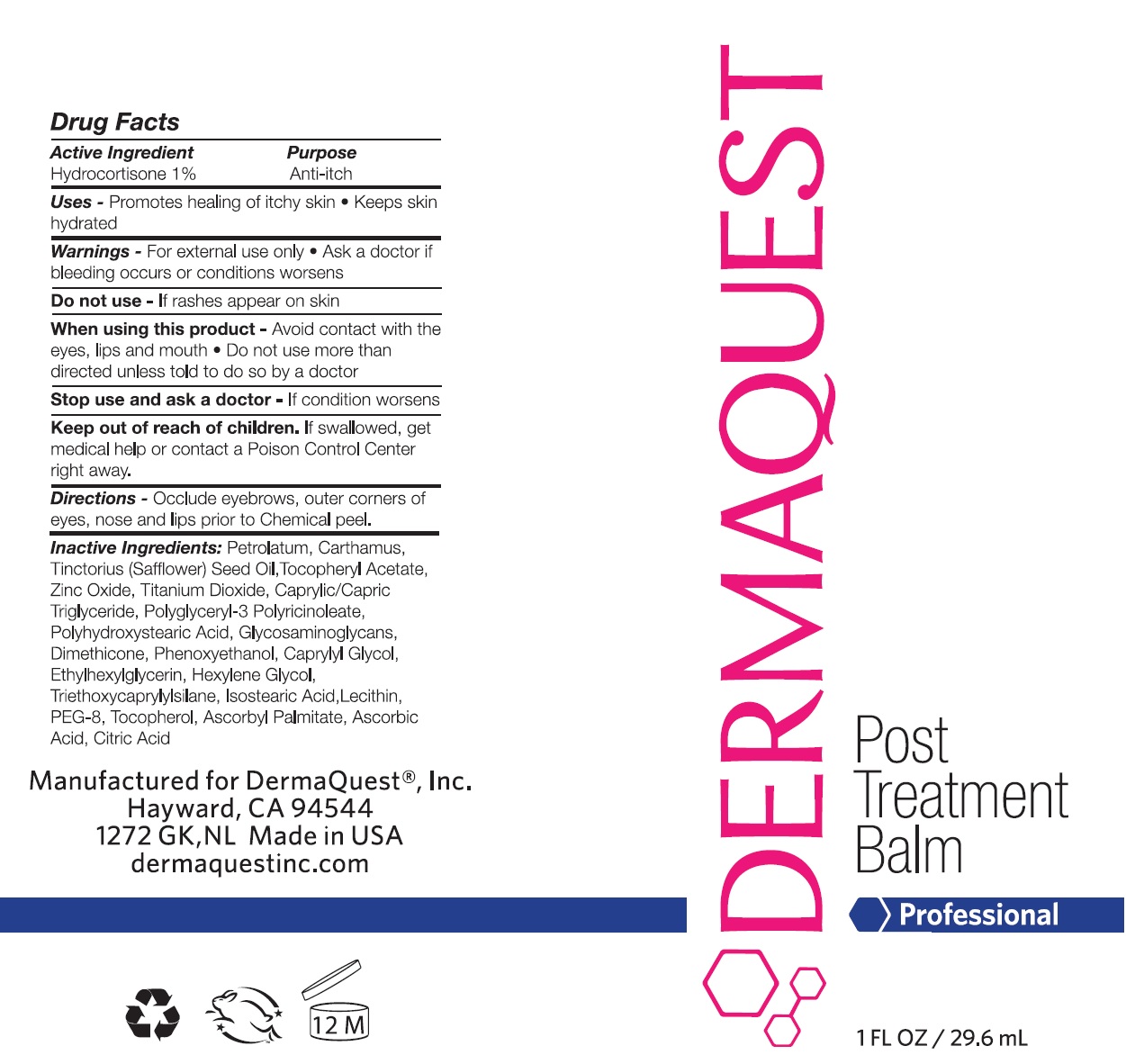
Post Treatment Balm Hydrocortisone 1 mg/g Cream, 56.7 g — NDC 62742-4077-1 (Billing 62742-4077-01)
This is a package of 56.7 g of Post Treatment Balm Hydrocortisone 1 mg/g Cream from Allure Labs Inc., marketed since May 2015 and currently FDA-listed. It is the main listing for this product, which comes in 2 package sizes.
Identity & classification
Regulatory identifiers FDA, NLM and CMS codes for this package
Where does this data come from?
- FDA openFDA NDC Directory · synced Oct 1, 2026
- FDA label on DailyMed · label index refreshed Oct 1, 2026
- RxNorm (NLM RxNav) · catalog refreshed Oct 1, 2026
- Medi-Span GPI (licensed)
- First Databank (licensed) · refreshed Oct 1, 2026
Clinical
- It depends on the product. Tablets and oral granules are used for adrenal insufficiency, among other conditions. Injections are used for severe allergic states and skin diseases. R...
- Don't stop it suddenly if you take it for adrenal insufficiency. Stopping abruptly can cause adrenal crisis, which can be fatal. Talk to your prescriber before making any changes.
- Common ones are fluid retention, higher blood pressure, changes in blood sugar, mood changes, bigger appetite and weight gain. Call your doctor for signs of infection, vision chang...
- Grapefruit juice and some antifungals and antibiotics can raise hydrocortisone levels. Some seizure medicines and rifampicin can lower them. Tell me about any diabetes medicines, w...
Patient education
Supplement & herbal interactions
Some supplements/herbs that may interact with Hydrocortisone — tap one for details:
Hydrocortisone may be associated with lower levels of 8 nutrients — worth a chat with your pharmacist, not a cause for alarm.
Where does this data come from?
- MedlinePlus (NLM) · refreshed Oct 1, 2026
- FDA label on DailyMed · label index refreshed Oct 1, 2026
Ask a licensed pharmacist directly — free, answered by our team.
Pricing
A drug doesn't have one price. Each row is a different public payment system, and none is what you'd pay at the counter — that depends on your insurance. The ⓘ on each row explains what it measures.
| Price system | Per g | Per package |
|---|---|---|
| Retail pharmacies payNADAC · weekly | Not in the retail survey — common for institutional, discontinued, or low-volume packs. | |
| Medicaid paysCMS SDUD · 12 mo | No recent Medicaid claims on file for this NDC — rare and low-volume NDCs are suppressed in the public data. | |
| Medicare drug plans payPart D · quarterly | No Part D plan price is available for this NDC in our data. | |
Where does this data come from?
- CMS NADAC weekly file
- CMS ASP pricing files · refreshed Sep 20, 2026
- CMS Medicaid State Drug Utilization Data · refreshed Oct 2, 2026
- CMS Part D plan pricing files · refreshed Sep 24, 2026
- VA National Acquisition Center price file
Packaging — all sizes for this product
| Package NDC | Description | Marketing start | Marketing end | Status |
|---|---|---|---|---|
| 62742-4077-01 You're viewing this Main listing | 56.7 g in 1 TUBE | 2015-05-12 | — | Active |
| 62742-4077-02 62742-4077-2 | 29.6 g in 1 TUBE | 2015-05-12 | — | Active |
Pack size FAQ
What quantity is in this package?
How does this package differ from NDC 62742-4077-02?
What NDC number is used to bill for this package of Post Treatment Balm Hydrocortisone 1 mg/g Cream?
Therapeutic equivalents
| Product | Labeler | Pack | NADAC/unit | TE | Status | Price vs. this |
|---|---|---|---|---|---|---|
| CVS Cools Itch Fast 1 mg/g 59779-0729-28 | CVS | 1 tube | — | — | FDA listed | — |
| Post Treatment Balm 1 mg/gthis 62742-4077-01 | Allure | 56.7 g | — | — | FDA listed | — |
Where does this data come from?
- FDA openFDA NDC Directory · synced Oct 1, 2026
- FDA Orange Book · refreshed Sep 3, 2026
- CMS NADAC weekly file
Availability & generic status
FDA-approved generic versions are listed, and recent pricing/market data suggests they may be available — see Therapeutic equivalents.
Where does this data come from?
- FDA Orange Book · refreshed Sep 3, 2026
Inactive Ingredients / Excipients
Inactive ingredients, also called excipients, are components of the drug product other than the active ingredient. They may include fillers, dyes, coatings, preservatives, flavors, or other formulation ingredients.
💡 Tap an ingredient (hover on desktop) to see what it is and why it’s used.
-
UNII 569DQM74SC
Acetate ion is a salt form derived from acetic acid. It's commonly used in medicines as a buffer to help maintain the correct pH level and stabilize the product.
-
UNII PQ6CK8PD0R
Ascorbic acid, also known as vitamin C, is a white crystalline powder. It serves as an antioxidant to prevent degradation of other ingredients and may also function as a preservative in the formulation.
-
UNII QN83US2B0N
Ascorbyl palmitate is a fat-soluble form of vitamin C used as an antioxidant in medicines. It prevents oils and fats in the product from breaking down and becoming less stable over time.
-
UNII 2968PHW8QP
A weak organic acid derived from citrus fruits or made through fermentation. It works as a buffer to control pH, a preservative to extend shelf life, and a flavoring agent in medications.
-
UNII 92RU3N3Y1O
Dimethicone is a silicone-based oil that acts as an anti-foaming agent and lubricant in medicines. It reduces gas bubbles in liquid formulations and helps coat and protect the stomach lining when ingested.
-
UNII 147D247K3P
Ethylhexylglycerin is a synthetic preservative used to prevent bacteria and mold from growing in medicines and personal care products. It helps keep the product safe and stable throughout its shelf life.
-
UNII U5T7CTT5KM
A natural sugar compound derived from animal cartilage or produced through fermentation. It acts as a binder and thickening agent, helping hold tablet ingredients together and giving liquid formulations body and texture.
-
UNII KEH0A3F75J
Hexylene glycol is a clear liquid alcohol used as a solvent and preservative in medicines. It helps dissolve other ingredients and keeps the product stable during storage.
-
UNII X33R8U0062
Isostearic acid is a fatty acid derived from vegetable oils. It acts as an emulsifier and lubricant in medicines, helping blend ingredients together and reducing friction during tablet or capsule manufacturing.
-
UNII 1DI56QDM62
A natural fatty substance from soybeans that helps mix oil and water-based ingredients together. It acts as an emulsifier and lubricant in medicines to improve texture and help the product break down properly in your body.
-
UNII C9H2L21V7U
A fat derived from coconut or palm oil containing shorter fatty acid chains. It serves as a solvent and carrier to help dissolve or suspend active ingredients, improving absorption and stability in liquid formulations.
-
UNII 4T6H12BN9U
Petrolatum is a purified mineral oil-based jelly derived from petroleum. In medicines, it acts as an emollient, lubricant, and moisture barrier to soften skin, reduce friction, and help prevent water loss from formulations.
-
UNII HIE492ZZ3T
Phenoxyethanol is a synthetic preservative and antimicrobial agent used to prevent bacterial and fungal growth in medicines and cosmetic products, extending shelf life and maintaining product safety.
-
UNII B697894SGQ
Polyethylene glycol 400 is a clear, thick liquid made from petroleum-derived polymers. It acts as a solvent and humectant in medicines, helping dissolve active ingredients and retain moisture in the formulation.
-
UNII 7Q0OK5DOT4
A plant-derived emulsifier made from glycerin and ricinoleic acid (from castor oil). It helps blend oil and water-based ingredients together in formulations and improves product texture and stability.
-
UNII YXH47AOU0F
A synthetic fatty acid used as a thickener and stabilizer in medicines. It helps create the right texture and prevents separation of ingredients in liquid or semi-solid formulations.
-
UNII 4VBL71TY4Y
Safflower is a plant-derived ingredient used as a natural colorant and flavoring agent in medicines. It may also serve as a filler to add bulk to the formulation.
-
UNII 65UEH262IS
Safflower oil is a plant-based oil extracted from safflower seeds. It's used in medicines as a solvent and carrier to help dissolve or suspend active ingredients, and sometimes as an emollient to improve texture.
-
UNII 15FIX9V2JP
Titanium dioxide is a bright white mineral powder commonly used as a colorant and opacifying agent. It makes pills and tablets white or lighter in color and helps make coatings non-transparent.
-
UNII R0ZB2556P8
Tocopherol is a form of vitamin E derived from plant oils. It acts as an antioxidant in medicines to prevent oils and fats from breaking down and spoiling during storage.
-
UNII LDC331P08E
A silicone-based compound that acts as a glidant and flow agent in solid medications. It reduces friction between powder particles, helping the medicine flow smoothly during manufacturing and tablet compression.
-
UNII SOI2LOH54Z
Zinc oxide is a white mineral powder used in medicines as a protective barrier agent and color additive. It helps shield skin in topical products and may also serve as a filler or opacifying ingredient.
22 inactive ingredients listed in the exact product block matched to this NDC.
Label-section wording can be broader than the structured product block and may mention additional formulation ingredients.
Where does this data come from?
ingredient classCode="IACT" elements from the exact product block matched by this NDC. Label-section narrative from DailyMed / the openFDA label index is shown separately when available.- FDA label on DailyMed · label index refreshed Oct 1, 2026
- FDA openFDA NDC Directory · synced Oct 1, 2026
Inactive ingredient FAQ
Are inactive ingredients the same for every manufacturer?
Why might an inactive ingredient be missing?
Can inactive ingredients matter?
Manufacturer & labeler
Where does this data come from?
- FDA openFDA NDC Directory · synced Oct 1, 2026
- Drugs@FDA
FDA label — Drug Facts FDA SPL
🎯 Indications and Usage ▾
Uses: Promotes healing of itchy skin. Keeps skin hydrated.
⏱️ Dosage and Administration ▾
Directions: Occlude eyebrows, outer corners of eyes, nose and lips prior to chemical peel.
⚠️ Warnings ▾
Warnings: For external use only. Ask a doctor if bleeding occurs or conditions worsens.
🧪 Active Ingredient ▾
Active Ingredient: Hydrocortisone 1%
🧪 Inactive Ingredients ▾
Inactive Ingredients: Petrolatum, Carthamus Tinctorius (Safflower) Seed Oil, Tocopheryl Acetate, Zinc Oxide , Titanium Dioxide, Caprylic/Capric Triglyceride, Glyceryl Isostearate, Polyhydroxystearic Acid , Glycosaminoglycans, Dimethicone, Triethoxycaprylylsilane, PEG-8 , Tocopherol , Ascorbyl Palmitate , Ascorbic Acid, Citric Acid
🎯 Purpose ▾
Purpose: Anti-itch
📄 Do Not Use ▾
Do not use - If rashes appear on skin.
📄 When Using This Product ▾
When using this Product: Avoid contact with the eyes, lips and mouth. Do not use more than directed unless told to do so by a doctor.
📄 Stop Use and Ask a Doctor If ▾
Stop use and ask a doctor - If conditions worsens.
📄 Keep Out of Reach of Children ▾
Keep out of reach of children: If swallowed, get medical help or contact a Poison Control Center right away.
📄 Package Label / Principal Display Panel ▾
Manufactured for DermaQuest®, Inc. Hayward, CA 94544 1272 GK, NL Made in USA dermaquestinc.com IMGDQIPTB1oz
Manufactured for DermaQuest®, Inc. Hayward, CA-94544 1272 GK, NL Made in USA dermaquestinc.com IMGDQIPTB2oz
Medicare Part D spend CMS · PART D · 2026 (Q1)
Reported adverse events (FAERS)
Top reported reactions
Age at onset
Reporter sex
Serious outcomes
Where does this data come from?
About this NDC listing & data coverage
What data is (and isn’t) available for this NDC — tap to expand
| NDC identity (package / product / labeler codes) | ✓ Available |
| Labeler | ✓ Available |
| Product & package description | ✓ Available |
| Marketing category & status | ✓ Available |
| Active ingredient / dosage form / route | ✓ Available |
| FDA label (SPL via DailyMed) | ✓ Available |
| Package photos | ✓ Available |
| Inactive ingredients (structured) | ✓ Available |
| NADAC pharmacy acquisition price (CMS) | — Not published for this NDC CMS publishes NADAC only for NDCs reported in its retail-pharmacy survey. |
| Orange Book / therapeutic-equivalence data | — Not published for this NDC Applies only to products approved under an NDA/ANDA; many listings are out of scope. |
| HCPCS J-code billing crosswalk | — Not published for this NDC Most self-administered / retail products have no J-code — that is normal. |
| Medicaid utilization (CMS SDUD) | — Not published for this NDC CMS reports utilization only for NDCs with Medicaid claims above its privacy threshold. |