
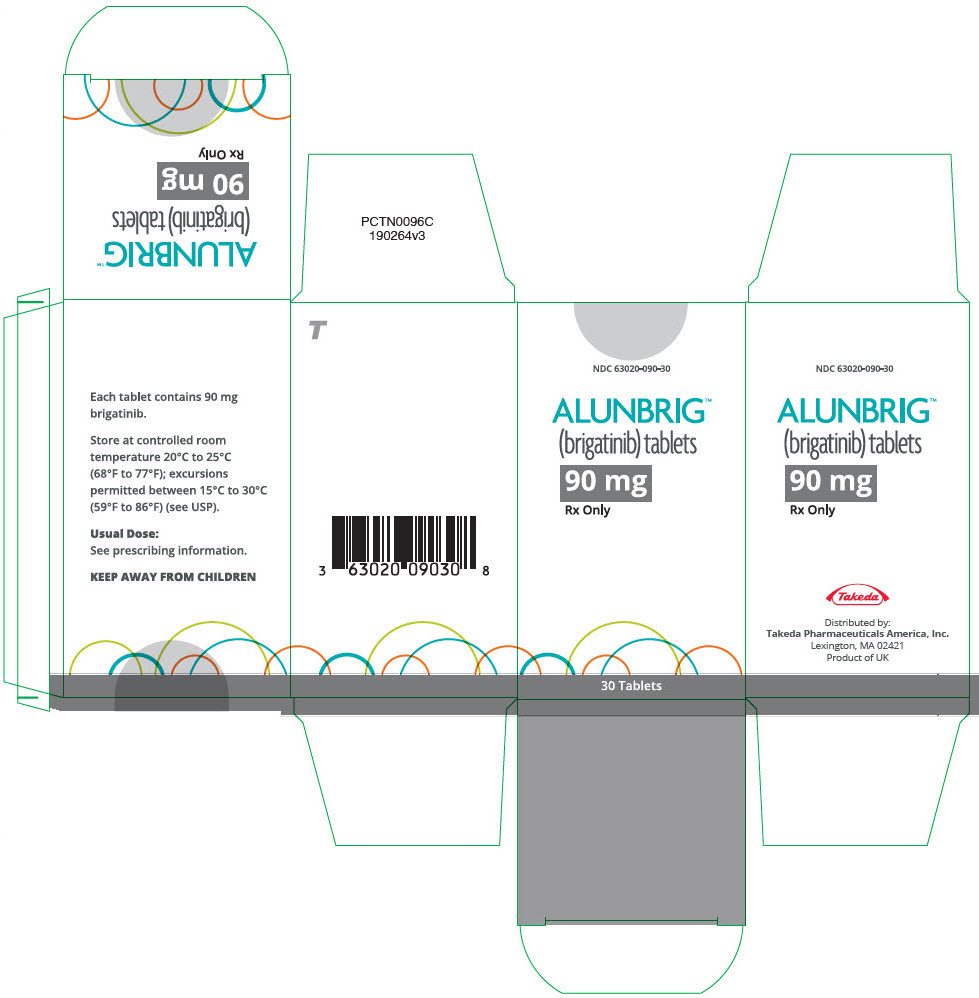
Alunbrig brigatinib 90 mg Tablet, Film Coated, 30-count
🆔 Identity & classification
Where does this data come from?
🏷️ RxNorm drug class
This medicine belongs to the Kinase Inhibitor class.
Where does this data come from?
🏭 Manufacturer & labeler
Where does this data come from?
🩺 Clinical
Brigatinib is used to treat a certain type of non-small cell lung cancer (NSCLC) that has spread to other parts of the bodys. Brigatinib is in a class of medications called kinase inhibitors. It works by blocking the action of an abnormal protein that signals cancer cells to multiply. This helps slow or stop the spread of cancer cells.
Read the full MedlinePlus article ↗- Alunbrig is used to treat a specific type of lung cancer called ALK-positive metastatic non-small cell lung cancer (NSCLC). The 'ALK-positive' part means your tumor has a genetic c...
- That step-up approach is intentional and built into how Alunbrig is prescribed. One of the more serious early risks with this medicine is lung inflammation — sometimes called pneum...
- Why do I have to start at a lower dose before going to the full dose?
- The most common day-to-day side effects include diarrhea, fatigue, nausea, rash, cough, muscle aches, headache, and high blood pressure. Those are worth mentioning at your next app...
Patient education
Supplement & herbal interactions
Some supplements/herbs that may interact with Brigatinib — tap one for details:
Where does this data come from?
Ask a licensed pharmacist directly — free, answered by our team.
💊 What it looks like
Where does this data come from?
🧪 Inactive Ingredients / Excipients
Inactive ingredients, also called excipients, are components of the drug product other than the active ingredient. They may include fillers, dyes, coatings, preservatives, flavors, or other formulation ingredients.
💡 Tap an ingredient (hover on desktop) to see what it is and why it’s used.
-
UNII EWQ57Q8I5X
Lactose monohydrate is a natural sugar derived from milk. It serves as a filler and binder in tablets and capsules, helping create the proper size, texture, and consistency of the medicine.
-
UNII 70097M6I30
Magnesium stearate is a salt made from magnesium and stearic acid, a fatty substance. It's used in tablets and capsules as a lubricant and glidant to help ingredients flow smoothly during manufacturing and prevent sticking.
-
UNII OP1R32D61U
Microcrystalline cellulose is a purified form of cellulose, a natural fiber from plant sources. It acts as a binder and filler in tablets and capsules, helping hold ingredients together and give the medicine its shape and size.
-
UNII ETJ7Z6XBU4
Silicon dioxide is a naturally occurring mineral used as a glidant and anti-caking agent. It helps powder ingredients flow smoothly and prevents clumping during manufacturing and storage.
-
UNII 5856J3G2A2
A starch-based powder made from potatoes and processed with sodium. It acts as a disintegrant, helping the tablet or capsule break apart quickly in the stomach so the medicine can be absorbed.
5 inactive ingredients listed in the exact product block matched to this NDC.
Where does this data come from?
ingredient classCode="IACT" elements from the exact product block matched by this NDC. Label-section narrative from DailyMed / the openFDA label index is shown separately when available.Inactive ingredient FAQ
Are inactive ingredients the same for every manufacturer?
Why might an inactive ingredient be missing?
Can inactive ingredients matter?
💲 Pricing
A drug doesn't have one price. Each row is a different public payment system, and none is what you'd pay at the counter — that depends on your insurance. The ⓘ on each row explains what it measures.
| Price system | Per each | Per package |
|---|---|---|
| Retail pharmacies payNADAC · weekly | Not in the retail survey — common for institutional, discontinued, or low-volume packs. | |
| Medicaid paysCMS SDUD · 12 mo | $693.43 | $20,802.97 / 30 tablets |
| Medicare drug plans payPart D · Q2 2026 | $712.93 | $21,388.04 / 30 tablets |
Where does this data come from?
🔁 Therapeutic equivalents
| Product | Labeler | Pack | NADAC/unit | TE | Status | Price vs. this |
|---|---|---|---|---|---|---|
| Alunbrig 90 mgthis 63020-0090-30 | Takeda | 30 tablets | — | — | FDA listed | — |
Where does this data come from?
⏳ Availability & generic status
We did not find an FDA-approved generic match for this exact strength, form and route. Patent/protection dates below may affect future generic timing.
Why the date isn’t exact: Generic timing can change because patents may be challenged, settled, licensed, added, removed, or worked around with a narrower label — and FDA approval does not always mean a pharmacy can get the generic today.
🛈 What do these terms mean?
- Patent
- Legal protection listed in the Orange Book that may delay generic approval or launch. Issued by the U.S. Patent & Trademark Office.
- Substance patent
- Covers the active drug molecule itself — the hardest to design around. A generic generally can’t launch until it expires.
- Formulation (product) patent
- Covers a specific formulation or dosage form. A generic can sometimes work around it with a different formulation.
- Method-of-use patent
- A patent covering one specific approved use of the drug — not necessarily the whole molecule. A generic can sometimes launch with a “skinny label” that carves out the protected use and keeps the others.
- Skinny label
- A generic label that omits a still-patented use when the FDA allows it — letting a generic reach the market for the unprotected uses.
- Exclusivity
- FDA-granted marketing protection, separate from patents — e.g. 5-yr new chemical entity, 7-yr orphan drug, or a +6-month pediatric extension.
- Paragraph IV
- A generic applicant’s formal challenge to a listed patent. It can potentially lead to earlier generic entry, but often involves litigation or a settlement.
- RLD / RS
- Reference Listed Drug — the brand product the FDA uses as the reference for generic applications. Reference Standard — the product the FDA expects generics to compare against in bioequivalence testing.
- TE / AB rating
- FDA therapeutic-equivalence rating. An AB rating generally means the FDA considers a generic therapeutically equivalent to — and substitutable for — the brand.
- LOE (loss of exclusivity)
- The latest patent or exclusivity currently listed — the loss-of-exclusivity / latest-listed-protection date shown on this page. Paragraph-IV challenges and settlements can move the real date earlier; FDA approval and a manufacturer’s decision to market can move it later.
Built from the FDA Orange Book. The bars above are scaled to each protection’s expiry; the red LOE marker is the last one to lapse.
| Patent | Type | Use code | Expires |
|---|---|---|---|
| US 9611283 ↗ | Method of use | U-2837 | Apr 10, 2034 |
| US 9611283 ↗ | Method of use | U-2837 | Apr 10, 2034 |
| US 9611283 ↗ | Method of use | U-2837 | Apr 10, 2034 |
| US 9273077 ↗ | Method of use | U-2837 | May 21, 2029 |
| US 9273077 ↗ | Method of use | U-2837 | May 21, 2029 |
| US 9273077 ↗ | Method of use | U-2837 | May 21, 2029 |
| US 10385078 ↗ | Drug substance | U-2837 | Nov 10, 2035 |
| US 10385078 ↗ | Drug substance | U-2837 | Nov 10, 2035 |
| US 10385078 ↗ | Drug substance | U-2837 | Nov 10, 2035 |
| US 9012462 ↗ | Drug substance | — | Apr 28, 2031 |
| US 9012462 ↗ | Drug substance | — | Apr 28, 2031 |
| US 9012462 ↗ | Drug substance | — | Apr 28, 2031 |
| Code | What it grants | Expires |
|---|---|---|
| ODE-300 | Orphan Drug Exclusivity (7-year) | May 22, 2027 |
| ODE-300 | Orphan Drug Exclusivity (7-year) | May 22, 2027 |
| ODE-300 | Orphan Drug Exclusivity (7-year) | May 22, 2027 |
Is there a generic version of ALUNBRIG 90 MG TABLET?
The FDA approved a generic — why can’t I get it at my pharmacy yet?
Why do different websites show different generic release dates?
What does “FDA listed” mean?
What does a patent or protection date mean here?
What does “current Orange Book estimate” mean?
Can a generic come out before the last patent expires?
Can a generic come out after the listed dates?
What is the difference between patents and exclusivity?
Why are there multiple patent dates?
Where does this data come from?
🗺️ Medicaid utilization & spend
💊 Medicaid utilization by pack size
📊 Medicare Part D spend CMS · PART D · 2026 (Q1)
🔬 Reported adverse events (FAERS)
Top reported reactions
Age at onset
Reporter sex
Serious outcomes
Where does this data come from?
📦 Packaging — all sizes for this product
| Package NDC | Description | Marketing start | Status |
|---|---|---|---|
| 63020-0090-07 | 7 TABLET, FILM COATED in 1 BOTTLE (63020-090-07) | 2017-10-02 | Active |
| 63020-0090-30 You're viewing this | 30 TABLET, FILM COATED in 1 BOTTLE (63020-090-30) | 2017-10-02 | Active |
You're viewing the largest of 2 pack sizes for this product.
Pack size FAQ
What quantity is in NDC 63020-0090-30?
What is the difference between NDC 63020-0090-30 and NDC 63020-0090-07?
What NDC number is used to bill for this package of Alunbrig brigatinib 90 mg Tablet, Film Coated?
🧭 About this NDC listing & data coverage
What data is (and isn’t) available for this NDC — tap to expand
| NDC identity (package / product / labeler codes) | ✓ Available |
| Labeler | ✓ Available |
| Product & package description | ✓ Available |
| Marketing category & status | ✓ Available |
| Active ingredient / dosage form / route | ✓ Available |
| FDA label (SPL via DailyMed) | ✓ Available |
| Package photos | ✓ Available |
| Inactive ingredients (structured) | ✓ Available |
| NADAC pharmacy acquisition price (CMS) | — Not published for this NDC CMS publishes NADAC only for NDCs reported in its retail-pharmacy survey. |
| Orange Book / therapeutic-equivalence data | ✓ Available |
| HCPCS J-code billing crosswalk | — Not published for this NDC Most self-administered / retail products have no J-code — that is normal. |
| Medicaid utilization (CMS SDUD) | ✓ Available |
Questions about this listing
Why is there no price listed?
Is the NDC printed on the package the same as the 11-digit billing NDC?
What do the three segments of this NDC mean?
Is this package still being marketed?
Does this product come in other package sizes?
Who lists this product with the FDA?
Do I need a prescription for this product?
Where does this data come from?
📄 Full prescribing information FDA SPL
🎯 Indications and Usage ▾
1 INDICATIONS AND USAGE ALUNBRIG is indicated for the treatment of adult patients with anaplastic lymphoma kinase (ALK)-positive metastatic non-small cell lung cancer (NSCLC) as detected by an FDA-approved test [see Dosage and Administration (2.1) ] . ALUNBRIG is a kinase inhibitor indicated for the treatment of adult patients with anaplastic lymphoma kinase (ALK)-positive metastatic non-small cell lung cancer (NSCLC) as detected by an FDA-approved test. ( 1 , 2.1 )
⏱️ Dosage and Administration ▾
2 DOSAGE AND ADMINISTRATION 90 mg orally once daily for the first 7 days; then increase to 180 mg orally once daily. May be taken with or without food. ( 2.2 )
2.1Patient Selection Select patients for the treatment of metastatic NSCLC with ALUNBRIG based on the presence of ALK positivity in tumor specimens [see Clinical Studies (14) ] . Information on FDA-approved tests for the detection of ALK rearrangements in NSCLC is available at http://www.fda.gov/CompanionDiagnostics.
2.2Recommended Dosage The recommended dosage for ALUNBRIG is: 90 mg orally once daily for the first 7 days; then increase the dose to 180 mg orally once daily. Administer ALUNBRIG until disease progression or unacceptable toxicity. If ALUNBRIG is interrupted for 14 days or longer for reasons other than adverse reactions, resume treatment at 90 mg once daily for 7 days before increasing to the previously tolerated dose.
ALUNBRIG may be taken with or without food. Instruct patients to swallow tablets whole. Do not crush or chew tablets.
If a dose of ALUNBRIG is missed or vomiting occurs after taking a dose, do not administer an additional dose and take the next dose of ALUNBRIG at the scheduled time.
2.3Dosage Modifications for Adverse Reactions ALUNBRIG dosage reductions for adverse reactions are summarized in Table 1. Table 1: Recommended ALUNBRIG Dosage Reductions Dosage Reduction Dosage First Second Third 90 mg once daily 60 mg once daily permanently discontinue N/A Not applicable 180 mg once daily 120 mg once daily 90 mg once daily 60 mg once daily Once reduced for adverse reactions, do not subsequently increase the dosage of ALUNBRIG. Permanently discontinue ALUNBRIG if patients are unable to tolerate the 60 mg once daily dose.
Recommendations for dosage modifications of ALUNBRIG for the management of adverse reactions are provided in Table 2. Table 2: Recommended ALUNBRIG Dosage Modifications for Adverse Reactions Adverse Reaction Severity Graded per National Cancer Institute Common Terminology Criteria for Adverse Events. Version 4.0 (NCI CTCAE v4).
Dosage Modifications bpm = beats per minute; DBP = diastolic blood pressure; HR = heart rate; SBP = systolic blood pressure; ULN = upper limit of normal Interstitial Lung Disease (ILD) /Pneumonitis [see Warnings and Precautions (5.1 )] Grade 1 If new pulmonary symptoms occur during the first 7 days of treatment, withhold ALUNBRIG until recovery to baseline, then resume at same dose and do not escalate to 180 mg if ILD/pneumonitis is suspected. If new pulmonary symptoms occur after the first 7 days of treatment, withhold ALUNBRIG until recovery to baseline, then resume at same dose.
If ILD/pneumonitis recurs, permanently discontinue ALUNBRIG. Grade 2 If new pulmonary symptoms occur during the first 7 days of treatment, withhold ALUNBRIG until recovery to baseline. Resume at next lower dose (Table 1) and do not dose escalate if ILD/pneumonitis is suspected.
If new pulmonary symptoms occur after the first 7 days of treatment, withhold ALUNBRIG until recovery to baseline. If ILD/pneumonitis is suspected, resume at next lower dose (Table 1); otherwise, resume at same dose. If ILD/pneumonitis recurs, permanently discontinue ALUNBRIG.
Grade 3 or 4 Permanently discontinue ALUNBRIG for ILD/pneumonitis. Hypertension [see Warnings and Precautions (5.2) ] Grade 3 hypertension (SBP greater than or equal to 160 mmHg or DBP greater than or equal to 100 mmHg, medical intervention indicated, more than one antihypertensive drug, or more intensive therapy than previously used indicated) Withhold ALUNBRIG until hypertension has recovered to Grade 1 or less (SBP less than 140 mmHg and DBP less than 90 mmHg), then resume ALUNBRIG at the same dose. Recurrence: withhold ALUNBRIG until recovery to Grade 1 or less, and resume at next lower dose (Table 1) or permanently discontinue treatment.
Grade 4 hypertension (life-threatening consequences, urgent intervention indicated) Withhold ALUNBRIG until recovery to Grade 1 or less, an…
💊 Dosage Forms and Strengths ▾
3 DOSAGE FORMS AND STRENGTHS 180 mg: oval, white to off-white film-coated tablets with "U13" debossed on one side and plain on the other side 90 mg: oval, white to off-white film-coated tablets with "U7" debossed on one side and plain on the other side 30 mg: round, white to off-white film-coated tablets with "U3" debossed on one side and plain on the other side Tablets: 180 mg, 90 mg, or 30 mg. ( 3 )
⛔ Contraindications ▾
4 CONTRAINDICATIONS None. None. ( 4 )
⚠️ Warnings and Cautions ▾
5 WARNINGS AND PRECAUTIONS Interstitial Lung Disease (ILD)/Pneumonitis : Monitor for new or worsening respiratory symptoms, particularly during the first week of treatment. Withhold ALUNBRIG for new or worsening respiratory symptoms and promptly evaluate for ILD/pneumonitis. Upon recovery, either dose reduce or permanently discontinue ALUNBRIG.
( 2.3 , 5.1 ) Hypertension : Monitor blood pressure after 2 weeks and then at least monthly during treatment. For severe hypertension, withhold ALUNBRIG, then dose reduce or permanently discontinue. ( 2.3 , 5.2 ) Bradycardia : Monitor heart rate and blood pressure regularly during treatment.
If symptomatic, withhold ALUNBRIG, then dose reduce or permanently discontinue. ( 2.3 , 5.3 ) Visual Disturbance : Advise patients to report visual symptoms. Withhold ALUNBRIG and obtain ophthalmologic evaluation, then dose reduce or permanently discontinue ALUNBRIG.
( 2.3 , 5.4 ) Creatine Phosphokinase (CPK) Elevation : Monitor CPK levels regularly during treatment. Based on the severity and with muscle pain or weakness, withhold ALUNBRIG, then resume or reduce dose. ( 2.3 , 5.5 ) Pancreatic Enzymes Elevation : Monitor lipase and amylase levels regularly during treatment.
Based on the severity, withhold ALUNBRIG, then resume or reduce dose. ( 2.3 , 5.6 ) Hepatotoxicity : Monitor alanine aminotransferase (ALT), aspartate aminotransferase (AST) and total bilirubin levels regularly during treatment. Based on severity, withhold dose, then resume at lower level.
( 2.3 , 5.7 ) Hyperglycemia : Assess fasting serum glucose prior to starting ALUNBRIG and regularly during treatment. If not adequately controlled with optimal medical management, withhold ALUNBRIG, then consider dose reduction or permanently discontinue, based on severity. ( 2.3 , 5.8 ) Photosensitivity : Advise patients to limit sun exposure.
Based on severity withhold ALUNBRIG, then resume at the same dose, reduce the dose, or permanently discontinue. ( 2.3 , 5.9 ) Embryo-Fetal Toxicity : Can cause fetal harm. Advise females of reproductive potential of the potential risk to a fetus and to use effective contraception.
( 5.10 , 8.1 , 8.3 )
5.1Interstitial Lung Disease (ILD)/Pneumonitis Severe, life-threatening, and fatal pulmonary adverse reactions consistent with interstitial lung disease (ILD)/pneumonitis have occurred with ALUNBRIG. In Trial ALTA 1L, ILD/pneumonitis occurred in 5.1% of patients receiving ALUNBRIG. ILD/pneumonitis occurred within 8 days of initiation of ALUNBRIG in 2.9% of patients, with Grade 3 to 4 reactions occurring in 2.2% of patients.
In Trial ALTA, ILD/pneumonitis occurred in 3.7% of patients in the 90 mg group (90 mg once daily) and 9.1% of patients in the 90→180 mg group (180 mg once daily with 7-day lead-in at 90 mg once daily). Adverse reactions consistent with possible ILD/pneumonitis occurred within 9 days of initiation of ALUNBRIG (median onset was 2 days) in 6.4% of patients, with Grade 3 to 4 reactions occurring in 2.7%. Monitor for new or worsening respiratory symptoms (e.g., dyspnea, cough, etc.), particularly during the first week of initiating ALUNBRIG.
Withhold ALUNBRIG in any patient with new or worsening respiratory symptoms, and promptly evaluate for ILD/pneumonitis or other causes of respiratory symptoms (e.g., pulmonary embolism, tumor progression, and infectious pneumonia). For Grade 1 or 2 ILD/pneumonitis, either resume ALUNBRIG with dose reduction according to Table 1 after recovery to baseline or permanently discontinue ALUNBRIG. Permanently discontinue ALUNBRIG for Grade 3 or 4 ILD/pneumonitis or recurrence of Grade 1 or 2 ILD/pneumonitis [see Dosage and Administration (2.3) , Adverse Reactions (6.1) ] .
5.2Hypertension In ALTA 1L, hypertension was reported in 32% of patients receiving ALUNBRIG; Grade 3 hypertension occurred in 13% of patients. In ALTA, hypertension was reported in 11% of patients in the 90 mg group who received ALUNBRIG and 21% of patients in the 90→180 mg group. Grade 3 hyp…
🤒 Adverse Reactions ▾
6 ADVERSE REACTIONS The following adverse reactions are discussed in greater detail in other sections of the prescribing information: Interstitial Lung Disease (ILD)/Pneumonitis [see Warnings and Precautions (5.1) ] Hypertension [see Warnings and Precautions (5.2) ] Bradycardia [see Warnings and Precautions (5.3) ] Visual Disturbance [see Warnings and Precautions (5.4) ] Creatine Phosphokinase (CPK) Elevation [see Warnings and Precautions (5.5) ] Pancreatic Enzymes Elevation [see Warnings and Precautions (5.6) ] Hepatotoxicity [see Warnings and Precautions (5.7) ] Hyperglycemia [see Warnings and Precautions (5.8) ] Photosensitivity [see Warnings and Precautions (5.9) ] The most common adverse reactions (≥25%) with ALUNBRIG were diarrhea, fatigue, nausea, rash, cough, myalgia, headache, hypertension, vomiting, and dyspnea.
( 6.1 ) To report SUSPECTED ADVERSE REACTIONS, contact Takeda Pharmaceuticals at 1-844-217-6468 or FDA at 1-800-FDA-1088 or www.fda.gov/medwatch.
6.1Clinical Trials Experience Because clinical trials are conducted under widely varying conditions, adverse reaction rates observed in the clinical trials of a drug cannot be directly compared to rates in the clinical trials of another drug and may not reflect the rates observed in practice. Advanced ALK-positive NSCLC Without Prior ALK-targeted Therapy In ALTA 1L, the safety of ALUNBRIG was evaluated in 136 patients with advanced ALK-positive NSCLC who had not previously received an ALK-targeted therapy [see Clinical Studies (14) ] .
The median duration of treatment with ALUNBRIG when administered as 90 mg orally once daily for the first 7 days; then increased to 180 mg orally once daily, was 24.3 months. A total of 106 (78%) patients were exposed to ALUNBRIG for greater than or equal to 6 months including 92 (68%) patients exposed for greater than or equal to 1 year. The median relative dose intensity was 97% for ALUNBRIG.
The study population (N = 275) characteristics were: median age 59 years (range: 27 to 89), age less than 65 years (68%), female (55%), White (59%), Asian (39%), Stage IV disease (93%), NSCLC adenocarcinoma histology (96%), never smoker (58%), ECOG Performance Status (PS) 0 or 1 (95%), and CNS metastases at baseline (30%) [see Clinical Studies (14) ] . Serious adverse reactions occurred in 33% of patients receiving ALUNBRIG. The most common serious adverse reactions were pneumonia (4.4%), ILD/pneumonitis (3.7%), pyrexia (2.9%), dyspnea (2.2%), pulmonary embolism (2.2%), and asthenia (2.2%).
Fatal adverse reactions occurred in 2.9% of patients and included pneumonia (1.5%), cerebrovascular accident (0.7%), and multiple organ dysfunction syndrome (0.7%). In ALTA 1L, 13% of patients receiving ALUNBRIG permanently discontinued ALUNBRIG for adverse reactions. The most frequent adverse reactions that led to discontinuation were ILD/pneumonitis (3.7%) and pneumonia (2.2%).
In ALTA 1L, 38% of patients required a dose reduction due to adverse reactions. The most common adverse reaction that led to dose reduction was increased creatine phosphokinase (15%), increased lipase (6.6%), increased amylase (4.4%), increased aspartate aminotransferase (2.2%), ILD/pneumonitis (2.2%) and hypertension (2.2%). Table 3 and Table 4 summarize the common adverse reactions and laboratory abnormalities observed in ALTA 1L.
Table 3: Adverse Reactions in ≥10% (All Grades Per National Cancer Institute Common Terminology Criteria for Adverse Events (CTCAE) version 4.03 ) or ≥2% (Grades 3-4) of Patients by Arm in ALTA 1L (N = 273) Adverse Reactions ALUNBRIG N = 136 Crizotinib N = 137 All Grades (%) Grades 3-4 (%) All Grades (%) Grades 3-4 (%) Gastrointestinal Disorders Diarrhea 53 2.2 57
2.9Nausea 30 2.2 58
2.9Abdominal pain Includes abdominal discomfort, abdominal distension, abdominal pain, abdominal pain lower, abdominal pain upper, and epigastric discomfort 24 0.7 33
3.6Vomiting 21 0.7 44
2.2 Constipation 18 0 42 0 Stomatitis Includes aphthous ulcer, mouth ulceration, o…
🔄 Drug Interactions ▾
7 DRUG INTERACTIONS CYP3A Inhibitors : Avoid coadministration of ALUNBRIG with strong or moderate CYP3A inhibitors. If coadministration of a strong or moderate CYP3A inhibitor is unavoidable, reduce the dose of ALUNBRIG. ( 2.4 , 7.1 ) CYP3A Inducers : Avoid coadministration of ALUNBRIG with strong or moderate CYP3A inducers. If coadministration of a moderate CYP3A inducer is unavoidable, increase the dose of ALUNBRIG. ( 2.5 , 7.1 )
7.1Effect of Other Drugs on ALUNBRIG Strong or Moderate CYP3A Inhibitors Coadministration of ALUNBRIG with a strong or moderate CYP3A inhibitor increased brigatinib plasma concentrations, which may increase the incidence of adverse reactions [see Clinical Pharmacology (12.3) ] . Avoid coadministration of ALUNBRIG with strong or moderate CYP3A inhibitors. If coadministration of strong or moderate CYP3A inhibitors cannot be avoided, modify dose as recommended [see Dosage and Administration (2.4) ] .
Strong or Moderate CYP3A Inducers Coadministration of ALUNBRIG with a strong or moderate CYP3A inducer decreased brigatinib plasma concentrations, which may decrease the efficacy of ALUNBRIG [see Clinical Pharmacology (12.3) ] . Avoid coadministration of ALUNBRIG with strong or moderate CYP3A inducers. If coadministration of moderate CYP3A inducers cannot be avoided, modify dose as recommended [see Dosage and Administration (2.5) ] .
👥 Use in Specific Populations ▾
8 USE IN SPECIFIC POPULATIONS Hepatic Impairment : Reduce the dose of ALUNBRIG for patients with severe hepatic impairment. ( 2.6 , 8.6 ) Renal Impairment : Reduce the dose of ALUNBRIG for patients with severe renal impairment. ( 2.7 , 8.7 ) Lactation : Advise not to breastfeed. ( 8.2 )
8.1Pregnancy Risk Summary Based on its mechanism of action and findings in animals, ALUNBRIG can cause fetal harm when administered to a pregnant woman [see Clinical Pharmacology (12.1) ] . There are no clinical data on the use of ALUNBRIG in pregnant women. Administration of brigatinib to pregnant rats during the period of organogenesis resulted in dose-related skeletal anomalies at doses as low as 12.5 mg/kg/day (approximately 0.7 times the human exposure by AUC at 180 mg once daily) as well as increased post-implantation loss, malformations, and decreased fetal body weight at doses of 25 mg/kg/day (approximately 1.26 times the human exposure at 180 mg once daily) or greater (see Data ) .
Advise pregnant women of the potential risk to a fetus. In the U.S. general population, the estimated background risk of major birth defects and miscarriage in clinically recognized pregnancies is 2% to 4% and 15% to 20%, respectively. Data Animal Data In an embryo-fetal development study in which pregnant rats were administered daily doses of brigatinib during organogenesis, dose-related skeletal (incomplete ossification, small incisors) and visceral anomalies were observed at doses as low as 12.5 mg/kg/day (approximately 0.7 times the human exposure by AUC at 180 mg once daily).
Malformations observed at 25 mg/kg/day (approximately 1.26 times the human AUC at 180 mg once daily) included anasarca (generalized subcutaneous edema), anophthalmia (absent eyes), forelimb hyperflexion, small, short and/or bent limbs, multiple fused ribs, bent scapulae, omphalocele (intestine protruding into umbilicus), and gastroschisis (intestines protruding through a defect in the abdominal wall) along with visceral findings of moderate bilateral dilatation of the lateral ventricles.
8.2Lactation Risk Summary There are no data regarding the secretion of brigatinib in human milk or its effects on the breastfed infant or milk production. Because of the potential for adverse reactions in breastfed infants, advise lactating women not to breastfeed during treatment with ALUNBRIG and for 1 week following the final dose.
8.3Females and Males of Reproductive Potential Pregnancy Testing Verify pregnancy status in females of reproductive potential prior to initiating ALUNBRIG [see Use in Specific Populations (8.1) ] . Contraception ALUNBRIG can cause fetal harm [see Use in Specific Populations (8.1) ] . Females Advise females of reproductive potential to use effective contraception during treatment with ALUNBRIG and for at least 4 months after the final dose.
Males Because of the potential for genotoxicity, advise males with female partners of reproductive potential to use effective contraception during treatment with ALUNBRIG and for at least 3 months after the final dose [see Nonclinical Toxicology (13.1) ] . Infertility Based on findings in male reproductive organs in animals, ALUNBRIG may cause reduced fertility in males [see Nonclinical Toxicology (13.1) ] .
8.4Pediatric Use The safety and effectiveness of ALUNBRIG in pediatric patients have not been established.
8.5Geriatric Use Of the 359 patients enrolled in the ALTA 1L ALUNBRIG arm and in ALTA, 26.7% were 65 and older and 7.5% were 75 and older. No overall differences in safety or effectiveness were observed between patients ≥65 years and younger patients.
8.6Hepatic Impairment No dose adjustment is recommended for patients with mild hepatic impairment (Child-Pugh A) or moderate hepatic impairment (Child-Pugh B). Reduce the dose of ALUNBRIG for patients with severe hepatic impairment (Child-Pugh C) [see Dosage and Administration (2.6) , Clinical Pharmacology (12.3) ] .
8.7 Renal Impairment No dose adjustment is recommended…
🤰 Pregnancy ▾
8.1Pregnancy Risk Summary Based on its mechanism of action and findings in animals, ALUNBRIG can cause fetal harm when administered to a pregnant woman [see Clinical Pharmacology (12.1) ] . There are no clinical data on the use of ALUNBRIG in pregnant women. Administration of brigatinib to pregnant rats during the period of organogenesis resulted in dose-related skeletal anomalies at doses as low as 12.5 mg/kg/day (approximately 0.7 times the human exposure by AUC at 180 mg once daily) as well as increased post-implantation loss, malformations, and decreased fetal body weight at doses of 25 mg/kg/day (approximately 1.26 times the human exposure at 180 mg once daily) or greater (see Data ) .
Advise pregnant women of the potential risk to a fetus. In the U.S. general population, the estimated background risk of major birth defects and miscarriage in clinically recognized pregnancies is 2% to 4% and 15% to 20%, respectively. Data Animal Data In an embryo-fetal development study in which pregnant rats were administered daily doses of brigatinib during organogenesis, dose-related skeletal (incomplete ossification, small incisors) and visceral anomalies were observed at doses as low as 12.5 mg/kg/day (approximately 0.7 times the human exposure by AUC at 180 mg once daily).
Malformations observed at 25 mg/kg/day (approximately 1.26 times the human AUC at 180 mg once daily) included anasarca (generalized subcutaneous edema), anophthalmia (absent eyes), forelimb hyperflexion, small, short and/or bent limbs, multiple fused ribs, bent scapulae, omphalocele (intestine protruding into umbilicus), and gastroschisis (intestines protruding through a defect in the abdominal wall) along with visceral findings of moderate bilateral dilatation of the lateral ventricles.
🧒 Pediatric Use ▾
8.4Pediatric Use The safety and effectiveness of ALUNBRIG in pediatric patients have not been established.
🧓 Geriatric Use ▾
8.5Geriatric Use Of the 359 patients enrolled in the ALTA 1L ALUNBRIG arm and in ALTA, 26.7% were 65 and older and 7.5% were 75 and older. No overall differences in safety or effectiveness were observed between patients ≥65 years and younger patients.
🧬 Clinical Pharmacology ▾
12 CLINICAL PHARMACOLOGY
12.1Mechanism of Action Brigatinib is a tyrosine kinase inhibitor (TKI) with in vitro activity at clinically achievable concentrations against multiple kinases including ALK, ROS1, insulin-like growth factor-1 receptor (IGF-1R), and FLT-3 as well as EGFR deletion and point mutations. Brigatinib inhibited autophosphorylation of ALK and ALK-mediated phosphorylation of the downstream signaling proteins STAT3, AKT, ERK1/2, and S6 in in vitro and in vivo assays. Brigatinib also inhibited the in vitro proliferation of cell lines expressing EML4-ALK and NPM-ALK fusion proteins and demonstrated dose-dependent inhibition of EML4-ALK-positive NSCLC xenograft growth in mice.
At clinically achievable concentrations (≤500 nM), brigatinib inhibited the in vitro viability of cells expressing EML4-ALK and 17 mutant forms associated with resistance to ALK inhibitors including crizotinib, as well as EGFR-Del (E746-A750), ROS1-L2026M, FLT3-F691L, and FLT3-D835Y. Brigatinib exhibited in vivo antitumor activity against 4 mutant forms of EML4-ALK, including G1202R and L1196M mutants identified in NSCLC tumors in patients who have progressed on crizotinib. Brigatinib also reduced tumor burden and prolonged survival in mice implanted intracranially with an ALK-driven tumor cell line.
12.2Pharmacodynamics Brigatinib exposure-response relationships and the time course of the pharmacodynamic response are unknown. Cardiac Electrophysiology The QT interval prolongation potential of ALUNBRIG was assessed in 123 patients following once daily ALUNBRIG doses of 30 mg (0.16 times the recommended dose of 180 mg) to 240 mg (1.3 times the recommended dose of 180 mg). ALUNBRIG did not prolong the QT interval to a clinically relevant extent.
12.3Pharmacokinetics The geometric mean (CV%) steady-state maximum concentration (C max ) of brigatinib at ALUNBRIG doses of 90 mg and 180 mg once daily was 552 (49%) ng/mL and 1452 (60%) ng/mL, respectively, and the corresponding area under the concentration-time curve (AUC 0-Tau ) was 8165 (45%) ng∙h/mL and 20276 (62%) ng∙h/mL. After a single dose and multiple dosing of ALUNBRIG, systemic exposure of brigatinib was dose proportional over the dose range of 60 mg (0.3 times the recommended dose of 180 mg) to 240 mg (1.3 times the recommended dose of 180 mg) once daily.
The mean accumulation ratio after repeat dosing was 1.9 to 2.4. Absorption Following administration of single oral doses of ALUNBRIG of 30 mg to 240 mg, the median time to peak concentration (T max ) ranged from 1 to 4 hours. Effect of Food Brigatinib C max was reduced by 13% with no effect on AUC in healthy subjects administered ALUNBRIG after a high fat meal (approximately 920 calories, 58 grams carbohydrate, 59 grams fat and 40 grams protein) compared to the C max and AUC after overnight fasting.
Distribution Brigatinib is 91% bound to human plasma proteins and the binding is not concentration-dependent. The blood-to-plasma concentration ratio is 0.69. Following oral administration of ALUNBRIG 180 mg once daily, the mean apparent volume of distribution (V z/ F) of brigatinib at steady-state was 307 L.
Elimination Following oral administration of ALUNBRIG 180 mg once daily, the mean apparent oral clearance (CL/F) of brigatinib at steady-state is
8.9L/h and the mean plasma elimination half-life is 25 hours. Metabolism Brigatinib is primarily metabolized by CYP2C8 and CYP3A4 in vitro . Following oral administration of a single 180 mg dose of radiolabeled brigatinib to healthy subjects, N-demethylation and cysteine conjugation were the two major metabolic pathways.
Unchanged brigatinib (92%) was the major circulating radioactive component. Excretion Following oral administration of a single 180 mg dose of radiolabeled brigatinib to healthy subjects, 65% of the administered dose was recovered in feces and 25% of the administered dose was recovered in urine. Unchanged brigatinib represented 41% and 86% of the total radioactivity in feces…
🧬 Mechanism of Action ▾
12.1Mechanism of Action Brigatinib is a tyrosine kinase inhibitor (TKI) with in vitro activity at clinically achievable concentrations against multiple kinases including ALK, ROS1, insulin-like growth factor-1 receptor (IGF-1R), and FLT-3 as well as EGFR deletion and point mutations. Brigatinib inhibited autophosphorylation of ALK and ALK-mediated phosphorylation of the downstream signaling proteins STAT3, AKT, ERK1/2, and S6 in in vitro and in vivo assays. Brigatinib also inhibited the in vitro proliferation of cell lines expressing EML4-ALK and NPM-ALK fusion proteins and demonstrated dose-dependent inhibition of EML4-ALK-positive NSCLC xenograft growth in mice.
At clinically achievable concentrations (≤500 nM), brigatinib inhibited the in vitro viability of cells expressing EML4-ALK and 17 mutant forms associated with resistance to ALK inhibitors including crizotinib, as well as EGFR-Del (E746-A750), ROS1-L2026M, FLT3-F691L, and FLT3-D835Y. Brigatinib exhibited in vivo antitumor activity against 4 mutant forms of EML4-ALK, including G1202R and L1196M mutants identified in NSCLC tumors in patients who have progressed on crizotinib. Brigatinib also reduced tumor burden and prolonged survival in mice implanted intracranially with an ALK-driven tumor cell line.
📦 How Supplied / Storage and Handling ▾
16 HOW SUPPLIED/STORAGE AND HANDLING 180 mg tablets: oval, white to off-white film-coated tablets with "U13" debossed on one side and plain on the other side; available in: Bottle of 23 tablets NDC 63020-180-23 Bottle of 30 tablets NDC 63020-180-30 90 mg tablets: oval, white to off-white film-coated tablets with "U7" debossed on one side and plain on the other side; available in: Bottle of 7 tablets NDC 63020-090-07 Bottle of 30 tablets NDC 63020-090-30 30 mg tablets: round, white to off-white film-coated tablets with "U3" debossed on one side and plain on the other side; available in: Bottle of 30 tablets NDC 63020-113-30 90 mg / 7 count tablets (NDC 63020-090-07) and 180 mg / 23 count tablets (NDC 63020-180-23) are also available in a single carton as a one-month initiation pack: One carton containing one bottle of 90 mg tablets (7 count) and one bottle of 180 mg tablets (23 count) NDC 63020-198-30 Store at controlled room temperature 20°C to 25°C (68°F to 77°F); excursions permitted between 15°C to 30°C (59°F to 86°F) (see USP).
📦 Storage and Handling ▾
Store at controlled room temperature 20°C to 25°C (68°F to 77°F); excursions permitted between 15°C to 30°C (59°F to 86°F) (see USP).
📋 Description ▾
11 DESCRIPTION Brigatinib is a kinase inhibitor. The chemical name for brigatinib is 5-chloro-N 4 -[2-(dimethylphosphoryl)phenyl]-N 2 -{2-methoxy-4-[4-(4-methylpiperazin-1-yl)piperidin-1-yl]phenyl}pyrimidine-2,4-diamine. The molecular formula is C 29 H 39 ClN 7 O 2 P which corresponds to a formula weight of 584.10 g/mol.
Brigatinib has no chiral centers. The chemical structure is shown below: Brigatinib is an off-white to beige/tan solid. The pK a s were determined to be: 1.73 ± 0.02 (base), 3.65 ± 0.01 (base), 4.72 ± 0.01 (base), and 8.04 ± 0.01 (base).
ALUNBRIG is supplied for oral use as film-coated tablets containing 180 mg, 90 mg or 30 mg of brigatinib and the following inactive ingredients: lactose monohydrate, microcrystalline cellulose, sodium starch glycolate (Type A), magnesium stearate, and hydrophobic colloidal silica. The tablet coating consists of talc, polyethylene glycol, polyvinyl alcohol, and titanium dioxide. Chemical Structure
💬 Information for Patients ▾
17 PATIENT COUNSELING INFORMATION Advise the patient to read the FDA-approved patient labeling (Patient Information). Interstitial Lung Disease (ILD)/Pneumonitis Inform patients of the symptoms and risks of serious pulmonary adverse reactions such as ILD/pneumonitis. Advise patients to immediately report any new or worsening respiratory symptoms [see Warnings and Precautions (5.1) ] .
Hypertension Advise patients of risks of hypertension and to promptly report signs or symptoms of hypertension [see Warnings and Precautions (5.2) ] . Bradycardia Advise patients to report any symptoms of bradycardia and to inform their healthcare provider about the use of heart and blood pressure medications [see Warnings and Precautions (5.3) ] . Visual Disturbance Advise patients to inform their healthcare provider of any new or worsening vision symptoms [see Warnings and Precautions (5.4) ] .
Creatine Phosphokinase (CPK) Elevation Inform patients of the signs and symptoms of creatine phosphokinase (CPK) elevation and the need for monitoring during treatment. Advise patients to inform their healthcare provider of any new or worsening symptoms [see Warnings and Precautions (5.5) ] . Pancreatic Enzymes Elevation Inform patients of the signs and symptoms of pancreatitis and the need to monitor for amylase and lipase elevations during treatment [see Warnings and Precautions (5.6) ] .
Hepatotoxicity Inform patients of the signs and symptoms of hepatotoxicity, and the need to monitor for aspartate aminotransferase (AST), alanine animotransferase (ALT) and total bilirubin elevations during treatment. Advise patients to inform their healthcare provider of any new or worsening symptoms [see Warnings and Precautions (5.7) ] . Hyperglycemia Inform patients of the risks of new or worsening hyperglycemia and the need to periodically monitor glucose levels.
Advise patients with diabetes mellitus or glucose intolerance that antihyperglycemic medications may need to be adjusted during treatment with ALUNBRIG [see Warnings and Precautions (5.8) ] . Photosensitivit y Inform patients of the signs and symptoms of photosensitivity. Advise patients to limit sun exposure while taking ALUNBRIG and for at least 5 days after the final dose.
Advise patients to wear a hat, protective clothing, and to use a broad-spectrum Ultraviolet A (UVA)/ Ultraviolet B (UVB) sunscreen and lip balm (SPF ≥30) to protect against sunburn [see Warnings and Precautions (5.9) ] . Females and Males of Reproductive Potential Embryo-Fetal Toxicity Advise females and males of reproductive potential that ALUNBRIG can cause fetal harm [see Warnings and Precautions (5.10) , Use in Specific Populations (8.1) ] . Advise females of reproductive potential to inform their healthcare provider of a known or suspected pregnancy and to use effective contraception during treatment with ALUNBRIG and for at least 4 months after the final dose [see Use in Specific Populations (8.3) ] .
Advise males with female partners of reproductive potential to use effective contraception during treatment with ALUNBRIG and for at least 3 months after the final dose [see Use in Specific Populations (8.3) ] . Lactation Advise females not to breastfeed during treatment with ALUNBRIG and for at least 1 week following the final dose [see Use in Specific Populations (8.2) ] . Infertility Advise males of reproductive potential of the potential for reduced fertility from ALUNBRIG [see Use in Specific Populations (8.3) , Nonclinical Toxicology (13.1) ] .
Drug Interactions Advise patients to inform their healthcare provider of all concomitant medications, including prescription medicines, over-the-counter drugs, vitamins, and herbal products. Inform patients to avoid grapefruit or grapefruit juice while taking ALUNBRIG [see Drug Interactions (7) ] . Dosing and Administration Instruct patients to start with 90 mg of ALUNBRIG once daily for the first 7 days and if tolerated, increase the dose to 180 mg once daily.
Advise patients to tak…