
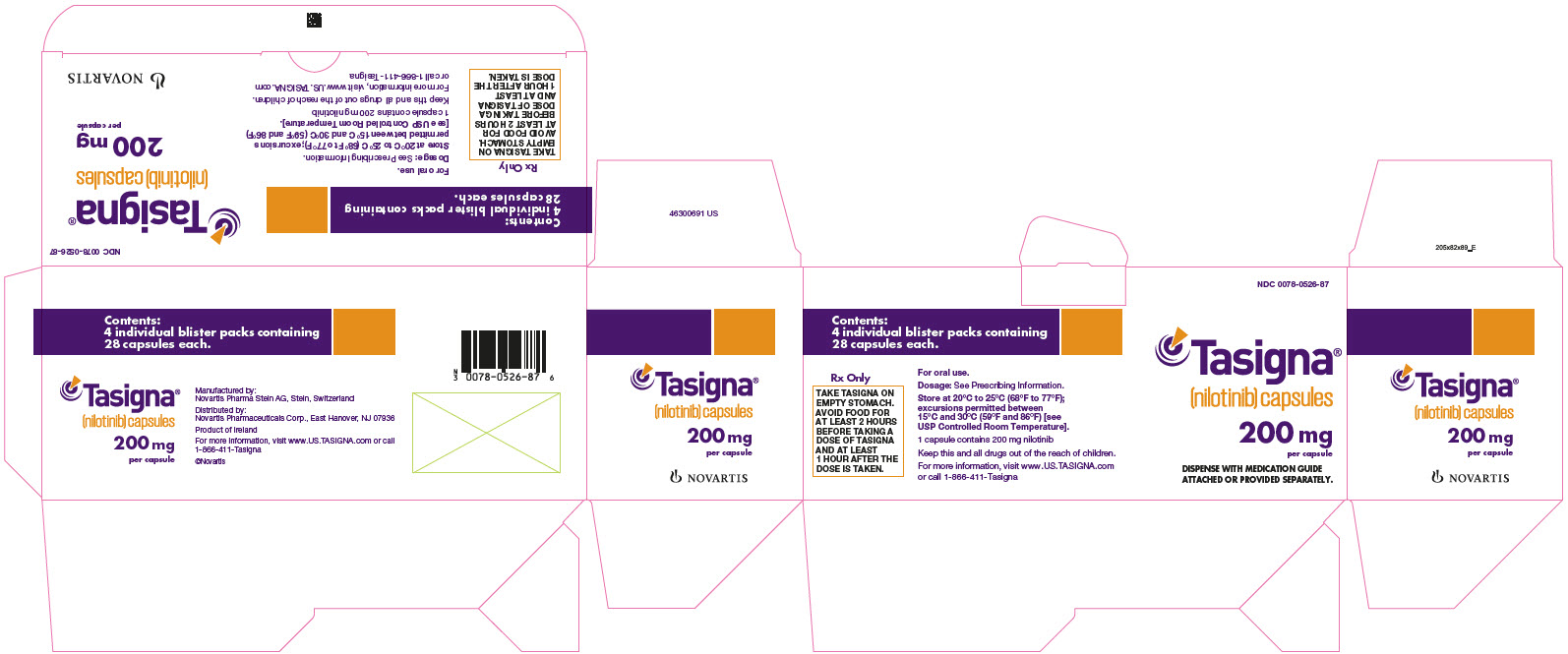
Tasigna nilotinib 200 mg Capsule, 28-count
Other active recalls for Nilotinib (different manufacturers) — 2 · tap to view
🆔 Identity & classification
Where does this data come from?
🏷️ RxNorm drug class
This medicine belongs to the Kinase Inhibitor class.
Where does this data come from?
🏭 Manufacturer & labeler
Where does this data come from?
🩺 Clinical
Nilotinib is used to treat certain types of chronic myeloid leukemia (CML; a type of cancer of the white blood cells). Nilotinib is in a class of medications called kinase inhibitors. It works by blocking the action of the abnormal protein in cancer cells. This helps to stop or slow the spread of cancer cells.
Read the full MedlinePlus article ↗Patient education
Supplement & herbal interactions
Some supplements/herbs that may interact with nilotinib — tap one for details:
Where does this data come from?
Ask a licensed pharmacist directly — free, answered by our team.
💊 What it looks like
Where does this data come from?
🧪 Inactive Ingredients / Excipients
Inactive ingredients, also called excipients, are components of the drug product other than the active ingredient. They may include fillers, dyes, coatings, preservatives, flavors, or other formulation ingredients.
💡 Tap an ingredient (hover on desktop) to see what it is and why it’s used.
-
UNII 68401960MK
Crospovidone is a synthetic polymer made from polyvinylpyrrolidone. It acts as a disintegrant, helping tablets break apart quickly in the stomach so the medicine dissolves and absorbs into the body.
-
UNII 1K09F3G675
Ferric oxide red is an inorganic iron compound used as a colorant in medicines. It gives tablets, capsules, or other dosage forms a red or reddish tint for identification and appearance.
-
UNII EX438O2MRT
Ferric oxide yellow is a naturally occurring iron compound used as a colorant in medications. It gives tablets, capsules, and other forms a yellow or golden hue for identification and appearance.
-
UNII 2G86QN327L
Gelatin is a protein derived from animal collagen, commonly used in medicines as a gelling agent and capsule material. It helps create soft or hard capsule shells that hold and release medication, and can also thicken liquid formulations.
-
UNII EWQ57Q8I5X
Lactose monohydrate is a natural sugar derived from milk. It serves as a filler and binder in tablets and capsules, helping create the proper size, texture, and consistency of the medicine.
-
UNII 70097M6I30
Magnesium stearate is a salt made from magnesium and stearic acid, a fatty substance. It's used in tablets and capsules as a lubricant and glidant to help ingredients flow smoothly during manufacturing and prevent sticking.
-
UNII LQA7B6G8JG
A synthetic polymer made by combining water-soluble compounds. It acts as a surfactant and solubilizer to help mix oil and water-based ingredients, improving the medicine's texture and how active ingredients dissolve.
-
UNII ETJ7Z6XBU4
Silicon dioxide is a naturally occurring mineral used as a glidant and anti-caking agent. It helps powder ingredients flow smoothly and prevents clumping during manufacturing and storage.
-
UNII 15FIX9V2JP
Titanium dioxide is a bright white mineral powder commonly used as a colorant and opacifying agent. It makes pills and tablets white or lighter in color and helps make coatings non-transparent.
9 inactive ingredients listed in the exact product block matched to this NDC.
Where does this data come from?
ingredient classCode="IACT" elements from the exact product block matched by this NDC. Label-section narrative from DailyMed / the openFDA label index is shown separately when available.Inactive ingredient FAQ
Are inactive ingredients the same for every manufacturer?
Why might an inactive ingredient be missing?
Can inactive ingredients matter?
💲 Pricing
A drug doesn't have one price. Each row is a different public payment system, and none is what you'd pay at the counter — that depends on your insurance. The ⓘ on each row explains what it measures.
| Price system | Per each | Per package |
|---|---|---|
| Retail pharmacies payNADAC · weekly | Not in the retail survey — common for institutional, discontinued, or low-volume packs. | |
| Medicaid paysCMS SDUD · 12 mo | No recent Medicaid claims on file for this NDC — rare and low-volume NDCs are suppressed in the public data. | |
| Medicare drug plans payPart D · Q2 2026 | $190.03 | $5,320.78 / 28 capsules |
Where does this data come from?
🔁 Therapeutic equivalents
| Product | Labeler | Pack | NADAC/unit | TE | Status | Price vs. this |
|---|---|---|---|---|---|---|
| Tasigna 200 mgthis 00078-0526-51 | Novartis | 28 capsules | — | AB | FDA listed | — |
| nilotinib 200 mg 13668-0711-57 | Torrent | 112 capsules | — | AB | FDA listed | — |
| Nilotinib 200 mg 31722-0780-33 | Camber | 112 capsules | — | AB | FDA listed | — |
| Nilotinib 200 mg 43598-0456-46 | Dr. | 112 capsules | — | AB | FDA listed | — |
| Nilotinib 200 mg 60505-3802-02 | Apotex | 1792 capsules | — | AB | FDA listed | — |
| nilotinib 200 mg 72205-0239-63 | Novadoz | 28 capsules | — | AB | FDA listed | — |
| nilotinib 200 mg 73190-0034-11 | AvKARE | 28 capsules | — | AB | FDA listed | — |
Where does this data come from?
⏳ Availability & generic status
The FDA lists approved generic versions of this medicine, but that does not always mean a pharmacy can get one today. Patent rules, launch agreements, supply and pricing can affect when generics actually arrive.
Why the date isn’t exact: Generic timing can change because patents may be challenged, settled, licensed, added, removed, or worked around with a narrower label — and FDA approval does not always mean a pharmacy can get the generic today.
🛈 What do these terms mean?
- Patent
- Legal protection listed in the Orange Book that may delay generic approval or launch. Issued by the U.S. Patent & Trademark Office.
- Substance patent
- Covers the active drug molecule itself — the hardest to design around. A generic generally can’t launch until it expires.
- Formulation (product) patent
- Covers a specific formulation or dosage form. A generic can sometimes work around it with a different formulation.
- Method-of-use patent
- A patent covering one specific approved use of the drug — not necessarily the whole molecule. A generic can sometimes launch with a “skinny label” that carves out the protected use and keeps the others.
- Skinny label
- A generic label that omits a still-patented use when the FDA allows it — letting a generic reach the market for the unprotected uses.
- Exclusivity
- FDA-granted marketing protection, separate from patents — e.g. 5-yr new chemical entity, 7-yr orphan drug, or a +6-month pediatric extension.
- Paragraph IV
- A generic applicant’s formal challenge to a listed patent. It can potentially lead to earlier generic entry, but often involves litigation or a settlement.
- RLD / RS
- Reference Listed Drug — the brand product the FDA uses as the reference for generic applications. Reference Standard — the product the FDA expects generics to compare against in bioequivalence testing.
- TE / AB rating
- FDA therapeutic-equivalence rating. An AB rating generally means the FDA considers a generic therapeutically equivalent to — and substitutable for — the brand.
- LOE (loss of exclusivity)
- The latest patent or exclusivity currently listed — the loss-of-exclusivity / latest-listed-protection date shown on this page. Paragraph-IV challenges and settlements can move the real date earlier; FDA approval and a manufacturer’s decision to market can move it later.
Built from the FDA Orange Book. The bars above are scaled to each protection’s expiry; the red LOE marker is the last one to lapse.
| Patent | Type | Use code | Expires |
|---|---|---|---|
| US 9061029 ↗ | Drug substance | U-1374 | Apr 7, 2032 |
| US 8389537 ↗ | Method of use | U-1374 | Jul 18, 2026 |
| US 8389537 ↗ | Method of use | U-1374 | Jul 18, 2026 |
| US 8415363 ↗ | Drug substance | U-1407 | Jul 18, 2026 |
| US 9061029 ↗ | Drug substance | U-1374 | Apr 7, 2032 |
| US 8415363 ↗ | Drug substance | U-1407 | Jul 18, 2026 |
| US 9061029 ↗ | Drug substance | U-1374 | Apr 7, 2032 |
| US 8415363 ↗ | Drug substance | U-1407 | Jul 18, 2026 |
| US 9061029 ↗ | Drug substance | U-3231 | Apr 7, 2032 |
| US 9061029 ↗ | Drug substance | U-3231 | Apr 7, 2032 |
| US 8389537 ↗ | Method of use | U-1374 | Jul 18, 2026 |
| US 8415363 ↗ | Drug substance | U-1374 | Jul 18, 2026 |
| US 9061029 ↗ | Drug substance | U-3231 | Apr 7, 2032 |
| US 8415363 ↗ | Drug substance | U-1374 | Jul 18, 2026 |
| US 8415363 ↗ | Drug substance | U-1374 | Jul 18, 2026 |
| US 8293756 ↗ | Drug product | — | Sep 25, 2027 |
| US 8501760 ↗ | Drug product | — | Jul 18, 2026 |
| US 8293756 ↗ | Drug product | — | Sep 25, 2027 |
| US 8163904 ↗ | Drug substance | — | Aug 23, 2028 |
| US 8501760 ↗ | Drug product | — | Jul 18, 2026 |
| US 8501760 ↗ | Drug product | — | Jul 18, 2026 |
| US 8163904 ↗ | Drug substance | — | Aug 23, 2028 |
| US 8293756 ↗ | Drug product | — | Sep 25, 2027 |
| US 8163904 ↗ | Drug substance | — | Aug 23, 2028 |
| US 8163904*PED ↗ | Drug product | — | Feb 23, 2029 |
| US 8389537*PED ↗ | Drug product | — | Jan 18, 2027 |
| US 8415363*PED ↗ | Drug product | — | Jan 18, 2027 |
| US 8163904*PED ↗ | Drug product | — | Feb 23, 2029 |
| US 8389537*PED ↗ | Drug product | — | Jan 18, 2027 |
| US 8415363*PED ↗ | Drug product | — | Jan 18, 2027 |
| US 8501760*PED ↗ | Drug product | — | Jan 18, 2027 |
| US 8501760*PED ↗ | Drug product | — | Jan 18, 2027 |
| US 8293756*PED ↗ | Drug product | — | Mar 25, 2028 |
| US 8293756*PED ↗ | Drug product | — | Mar 25, 2028 |
| US 9061029*PED ↗ | Drug product | — | Oct 7, 2032 |
| US 9061029*PED ↗ | Drug product | — | Oct 7, 2032 |
| US 8163904*PED ↗ | Drug product | — | Feb 23, 2029 |
| US 8415363*PED ↗ | Drug product | — | Jan 18, 2027 |
| US 8389537*PED ↗ | Drug product | — | Jan 18, 2027 |
| US 8293756*PED ↗ | Drug product | — | Mar 25, 2028 |
| US 8501760*PED ↗ | Drug product | — | Jan 18, 2027 |
| US 9061029*PED ↗ | Drug product | — | Oct 7, 2032 |
| Code | What it grants | Expires |
|---|---|---|
| ODE-380 | Orphan Drug Exclusivity (7-year) | Sep 23, 2028 |
| ODE-380 | Orphan Drug Exclusivity (7-year) | Sep 23, 2028 |
| ODE-380 | Orphan Drug Exclusivity (7-year) | Sep 23, 2028 |
| PED | Pediatric Exclusivity (+6 months) | Mar 23, 2029 |
| PED | Pediatric Exclusivity (+6 months) | Mar 23, 2029 |
| PED | Pediatric Exclusivity (+6 months) | Mar 23, 2029 |
Is there a generic version of TASIGNA 200 MG CAPSULE?
The FDA approved a generic — why can’t I get it at my pharmacy yet?
Why do different websites show different generic release dates?
What does “FDA listed” mean?
What does a patent or protection date mean here?
What does “current Orange Book estimate” mean?
Can a generic come out before the last patent expires?
Can a generic come out after the listed dates?
What is the difference between patents and exclusivity?
Why are there multiple patent dates?
Where does this data come from?
💊 Medicaid utilization by pack size
📊 Medicare Part D spend CMS · PART D · 2026 (Q1)
🔬 Reported adverse events (FAERS)
Top reported reactions
Age at onset
Reporter sex
Serious outcomes
Where does this data come from?
📦 Packaging — all sizes for this product
| Package NDC | Description | Marketing start | Status |
|---|---|---|---|
| 00078-0526-51 You're viewing this | 28 CAPSULE in 1 BLISTER PACK (0078-0526-51) | 2007-10-29 | Active |
| 00078-0526-87 | 4 BLISTER PACK in 1 CARTON (0078-0526-87) / 28 CAPSULE in 1 BLISTER PACK | 2007-10-29 | Active |
This pack shows little to no recent Medicaid volume — a different pack size carries most fills. See all packs ↓
Pack size FAQ
What quantity is in NDC 00078-0526-51?
What is the difference between NDC 00078-0526-51 and NDC 00078-0526-87?
What NDC number is used to bill for this package of Tasigna nilotinib 200 mg Capsule?
🧭 About this NDC listing & data coverage
What data is (and isn’t) available for this NDC — tap to expand
| NDC identity (package / product / labeler codes) | ✓ Available |
| Labeler | ✓ Available |
| Product & package description | ✓ Available |
| Marketing category & status | ✓ Available |
| Active ingredient / dosage form / route | ✓ Available |
| FDA label (SPL via DailyMed) | ✓ Available |
| Package photos | ✓ Available |
| Inactive ingredients (structured) | ✓ Available |
| NADAC pharmacy acquisition price (CMS) | — Not published for this NDC CMS publishes NADAC only for NDCs reported in its retail-pharmacy survey. |
| Orange Book / therapeutic-equivalence data | ✓ Available |
| HCPCS J-code billing crosswalk | — Not published for this NDC Most self-administered / retail products have no J-code — that is normal. |
| Medicaid utilization (CMS SDUD) | — Not published for this NDC CMS reports utilization only for NDCs with Medicaid claims above its privacy threshold. |
Questions about this listing
Why is there no price listed?
Is the NDC printed on the package the same as the 11-digit billing NDC?
What do the three segments of this NDC mean?
Is this package still being marketed?
Does this product come in other package sizes?
Who lists this product with the FDA?
Do I need a prescription for this product?
Where does this data come from?
📄 Full prescribing information FDA SPL
🚨 Boxed Warning ▾
WARNING: QT PROLONGATION and SUDDEN DEATHS Tasigna prolongs the QT interval. Prior to Tasigna administration and periodically, monitor for hypokalemia or hypomagnesemia and correct deficiencies [see Warnings and Precautions (5.2)] . Obtain ECGs to monitor the QTc at baseline, seven days after initiation, and periodically thereafter, and following any dose adjustments [see Warnings and Precautions (5.2, 5.3, 5.7, 5.12)] .
Sudden deaths have been reported in patients receiving Tasigna [see Warnings and Precautions (5.3)] . Do not administer Tasigna to patients with hypokalemia, hypomagnesemia, or long QT syndrome [see Contraindications (4), Warnings and Precautions (5.2)] . Avoid use of concomitant drugs known to prolong the QT interval and strong CYP3A4 inhibitors [see Drug Interactions (7.1, 7.2)] .
Avoid food 2 hours before and 1 hour after taking the dose [see Dosage and Administration (2.1)] . WARNING: QT PROLONGATION and SUDDEN DEATHS See full prescribing information for complete boxed warning. Tasigna prolongs the QT interval.
Prior to Tasigna administration and periodically, monitor for hypokalemia or hypomagnesemia and correct deficiencies. ( 5.2 ) Obtain ECGs to monitor the QTc at baseline, seven days after initiation, and periodically thereafter, and following any dose adjustments. ( 5.2 , 5.3 , 5.7 , 5.12) Sudden deaths have been reported in patients receiving Tasigna.
( 5.3) Do not administer Tasigna to patients with hypokalemia, hypomagnesemia, or long QT syndrome. ( 4 , 5.2) Avoid use of concomitant drugs known to prolong the QT interval and strong CYP3A4 inhibitors. ( 7.1 , 7.2) Avoid food 2 hours before and 1 hour after taking the dose.
( 2.1 )
🎯 Indications and Usage ▾
1 INDICATIONS AND USAGE Tasigna is a kinase inhibitor indicated for the treatment of: Adult and pediatric patients greater than or equal to 1 year of age with newly diagnosed Philadelphia chromosome positive chronic myeloid leukemia (Ph+ CML) in chronic phase. ( 1.1 ) Adult patients with chronic phase (CP) and accelerated phase (AP) Ph+ CML resistant to or intolerant to prior therapy that included imatinib. ( 1.2 ) Pediatric patients greater than or equal to 1 year of age with Ph+ CML-CP and CML-AP resistant or intolerant to prior tyrosine-kinase inhibitor (TKI) therapy.
( 1.3 )
1.1Adult and Pediatric Patients With Newly Diagnosed Ph+ CML-CP Tasigna is indicated for the treatment of adult and pediatric patients greater than or equal to 1 year of age with newly diagnosed Philadelphia chromosome positive chronic myeloid leukemia (Ph+ CML) in chronic phase.
1.2Adult Patients With Resistant or Intolerant Ph+ CML-CP and CML-AP Tasigna is indicated for the treatment of adult patients with chronic phase and accelerated phase Philadelphia chromosome positive chronic myelogenous leukemia (Ph+ CML) resistant or intolerant to prior therapy that included imatinib.
1.3Pediatric Patients With Resistant or Intolerant Ph+ CML-CP and CML-AP Tasigna is indicated for the treatment of pediatric patients greater than or equal to 1 year of age with chronic phase and accelerated phase Philadelphia chromosome positive chronic myeloid leukemia (Ph+ CML) with resistance or intolerance to prior tyrosine-kinase inhibitor (TKI) therapy.
⏱️ Dosage and Administration ▾
2 DOSAGE AND ADMINISTRATION Recommended Adult Dose: Newly diagnosed Ph+ CML-CP: 300 mg orally twice daily. Resistant or intolerant Ph+ CML-CP and CML-AP: 400 mg orally twice daily. ( 2.1 ) Recommended Pediatric Dose: Newly Diagnosed Ph+ CML-CP or Ph+ CML-CP and CML-AP resistant or intolerant to prior TKI therapy: 230 mg/m 2 orally twice daily, rounded to the nearest 50 mg dose (to a maximum single dose of 400 mg).
( 2.1 ) See Dosage and Administration for full dosing instructions and dose-reduction instructions for toxicity. ( 2.1 ) Reduce starting dose in patients with baseline hepatic impairment. ( 2.7 ) Eligible newly diagnosed adult patients with Ph+ CML-CP who have received Tasigna for a minimum of 3 years and have achieved a sustained molecular response (MR4.5) and patients with Ph+ CML-CP resistant or intolerant to imatinib who have received Tasigna for at least 3 years and have achieved a sustained molecular response (MR4.5) may be considered for treatment discontinuation.
( 2.2 , 2.3 , 5.16 )
2.1Recommended Dosage Dose Tasigna twice daily at approximately 12-hour intervals on an empty stomach. No food should be consumed for at least 2 hours before the dose is taken and for at least 1 hour after the dose is taken. Advise patients to swallow the capsules whole with water [see Boxed Warning, Clinical Pharmacology (12.3)].
For patients who are unable to swallow capsules, the contents of each capsule may be dispersed in 1 teaspoon of applesauce (puréed apple). The mixture should be taken immediately (within 15 minutes) and should not be stored for future use [see Clinical Pharmacology (12.3)] . Tasigna may be given in combination with hematopoietic growth factors, such as erythropoietin or G-CSF if clinically indicated.
Tasigna may be given with hydroxyurea or anagrelide if clinically indicated. Dosage in Adult Patients with Newly Diagnosed Ph+ CML-CP The recommended dosage of Tasigna is 300 mg orally twice daily. Dosage in Adult Patients with Resistant or Intolerant Ph+ CML-CP and CML-AP The recommended dosage of Tasigna is 400 mg orally twice daily.
Dosage in Pediatric Patients with Newly Diagnosed Ph+ CML-CP or Resistant or Intolerant Ph+ CML-CP and CML-AP The recommended dosage of Tasigna for pediatric patients is 230 mg/m 2 orally twice daily, rounded to the nearest 50 mg dose (to a maximum single dose of 400 mg) (see Table 1). If needed, attain the desired dose by combining different strengths of Tasigna capsules. Continue treatment as long as clinical benefit is observed or until unacceptable toxicity occurs.
Table 1: Pediatric Dosing of Tasigna (230 mg/m 2 Twice Daily, Maximum Single Dose of 400 mg) Body surface area Single dose Total daily dose Up to 0.32 m 2 50 mg 100 mg 0.33 – 0.54 m 2 100 mg 200 mg 0.55 – 0.76 m 2 150 mg 300 mg 0.77 – 0.97 m 2 200 mg 400 mg 0.98 – 1.19 m 2 250 mg 500 mg 1.20 – 1.41 m 2 300 mg 600 mg 1.42 – 1.63 m 2 350 mg 700 mg ≥ 1.64 m 2 400 mg 800 mg
2.2Discontinuation of Treatment After a Sustained Molecular Response (MR4.5) on Tasigna Patient Selection Eligibility for Discontinuation of Treatment Ph+ CML-CP patients with typical BCR-ABL transcripts, who have been taking Tasigna for a minimum of 3 years and have achieved a sustained molecular response (MR4.5, corresponding to = BCR-ABL/ABL ≤ 0.0032% IS), may be eligible for treatment discontinuation [see Clinical Studies (14.3, 14.4)] . Information on FDA authorized tests for the detection and quantitation of BCR-ABL transcripts to determine eligibility for treatment discontinuation is available at http://www.fda.gov/CompanionDiagnostics .
Patients with typical BCR-ABL transcripts (e13a2/b2a2 or e14a2/b3a2), who achieve the sustained MR4.5 criteria, are eligible for discontinuation of Tasigna. Patients must continue to be monitored for possible loss of molecular remission after treatment discontinuation. Use the same FDA-authorized test to consistently monitor molecular response levels while on and off treatment.
Consider discontinuation…
💊 Dosage Forms and Strengths ▾
3 DOSAGE FORMS AND STRENGTHS Capsules: 50 mg red opaque cap and light-yellow opaque body hard gelatin capsules with black radial imprint “NVR/ABL.” 150 mg red opaque hard gelatin capsules with black axial imprint “NVR/BCR.” 200 mg light-yellow opaque hard gelatin capsules with a red axial imprint “NVR/TKI.” Capsules: 50 mg, 150 mg, and 200 mg ( 3 )
⛔ Contraindications ▾
4 CONTRAINDICATIONS Tasigna is contraindicated in patients with hypokalemia, hypomagnesemia, or long QT syndrome [see Boxed Warning]. Tasigna is contraindicated in patients with hypokalemia, hypomagnesemia, or long QT syndrome. ( 4 )
⚠️ Warnings and Cautions ▾
5 WARNINGS AND PRECAUTIONS Myelosuppression: Monitor complete blood count (CBC) during therapy and manage by treatment interruption or dose reduction. ( 5.1 ) Cardiac and Arterial Vascular Occlusive Events: Evaluate cardiovascular status, monitor and manage cardiovascular risk factors during Tasigna therapy. ( 5.4 ) Pancreatitis and Elevated Serum Lipase: Monitor serum lipase; if elevations are accompanied by abdominal symptoms, interrupt doses and consider appropriate diagnostics to exclude pancreatitis.
( 5.5 ) Hepatotoxicity: Monitor hepatic function tests monthly or as clinically indicated. ( 5.6 ) Electrolyte Abnormalities: Tasigna can cause hypophosphatemia, hypokalemia, hyperkalemia, hypocalcemia, and hyponatremia. Correct electrolyte abnormalities prior to initiating Tasigna and monitor periodically during therapy.
( 5.7 ) Tumor Lysis Syndrome: Maintain adequate hydration and correct uric acid levels prior to initiating therapy with Tasigna. ( 5.8 ) Hemorrhage: Hemorrhage from any site may occur. Advise patients to report signs and symptoms of bleeding and medically manage as needed.
( 5.9 ) Fluid Retention: Monitor patients for unexpected rapid weight gain, swelling, and shortness of breath. Manage medically. ( 5.13 ) Effects on Growth and Development in Pediatric Patients: Growth retardation has been reported in pediatric patients treated with Tasigna.
Monitor growth and development in pediatric patients. ( 5.14 ) Embryo-Fetal Toxicity: Advise females of reproductive potential of potential risk to a fetus and to use effective contraception. ( 5.15 , 8.1 , 8.3 ) Treatment Discontinuation: Patients must have typical BCR-ABL transcripts.
An FDA-authorized test with a detection limit below MR4.5 must be used to determine eligibility for discontinuation. Patients must be frequently monitored by the FDA authorized test to detect possible loss of remission. ( 5.16 )
5.1Myelosuppression Treatment with Tasigna can cause Grade 3/4 thrombocytopenia, neutropenia, and anemia. Perform CBCs every 2 weeks for the first 2 months and then monthly thereafter, or as clinically indicated. Myelosuppression was generally reversible and usually managed by withholding Tasigna temporarily or dose reduction [see Dosage and Administration (2.5)] .
5.2QT Prolongation Tasigna has been shown to prolong cardiac ventricular repolarization as measured by the QT interval on the surface electrocardiogram (ECG) in a concentration-dependent manner [see Adverse Reactions (6.1), Clinical Pharmacology (12.2)]. Prolongation of the QT interval can result in a type of ventricular tachycardia called torsade de pointes, which may result in syncope, seizure, and/or death. Electrocardiograms should be performed at baseline, 7 days after initiation of Tasigna, and periodically as clinically indicated and following dose adjustments [see Dosage and Administration (2.4), Warnings and Precautions (5.12)] .
Tasigna should not be used in patients who have hypokalemia, hypomagnesemia, or long QT syndrome. Before initiating Tasigna and periodically, test electrolyte, calcium, and magnesium blood levels. Hypokalemia or hypomagnesemia must be corrected prior to initiating Tasigna and these electrolytes should be monitored periodically during therapy [see Warnings and Precautions (5.12)] .
Significant prolongation of the QT interval may occur when Tasigna is inappropriately taken with food and/or strong CYP3A4 inhibitors and/or medicinal products with a known potential to prolong QT. Therefore, coadministration with food must be avoided and concomitant use with strong CYP3A4 inhibitors and/or medicinal products with a known potential to prolong QT should be avoided [see Dosage and Administration (2.1), Drug Interactions (7.1, 7.2)] . The presence of hypokalemia and hypomagnesemia may further prolong the QT interval [see Warnings and Precautions (5.7, 5.12)] .
5.3Sudden Deaths Sudden deaths have been reported in 0.3% of patients with CML treated with Tasigna in clinical stu…
🤒 Adverse Reactions ▾
6 ADVERSE REACTIONS The following clinically significant adverse reactions can occur with Tasigna and are discussed in greater detail in other sections of labeling: Myelosuppression [see Warnings and Precautions (5.1)] QT Prolongation [see Boxed Warning, Warnings and Precautions (5.2)] Sudden Deaths [see Boxed Warning, Warnings and Precautions (5.3)] Cardiac and Arterial Vascular Occlusive Events [see Warnings and Precautions (5.4)] Pancreatitis and Elevated Serum Lipase [see Warnings and Precautions (5.5)] Hepatotoxicity [see Warnings and Precautions (5.6)] Electrolyte Abnormalities [see Boxed Warning, Warnings and Precautions (5.7)] Hemorrhage [see Warnings and Precautions (5.9)] Fluid Retention [see Warnings and Precautions (5.13)] The most commonly reported non-hematologic adverse reactions (≥ 20%) in adult and pediatric patients were nausea, rash, headache, fatigue, pruritus, vomiting, diarrhea, cough, constipation, arthralgia, nasopharyngitis, pyrexia, and night sweats.
Hematologic adverse drug reactions include myelosuppression: thrombocytopenia, neutropenia, and anemia. ( 6.1 ) To report SUSPECTED ADVERSE REACTIONS, contact Novartis Pharmaceuticals Corporation at 1-888-669-6682 or FDA at 1-800-FDA-1088 or www.fda.gov/medwatch .
6.1Clinical Trials Experience Because clinical trials are conducted under widely varying conditions, adverse reaction rates observed in the clinical trials of a drug cannot be directly compared to rates in the clinical trials of another drug and may not reflect the rates observed in practice. In Adult Patients With Newly Diagnosed Ph+ CML-CP The data below reflect exposure to Tasigna from a randomized trial in patients with newly diagnosed Ph+ CML in chronic phase treated at the recommended dose of 300 mg twice daily (n = 279).
The median time on treatment in the Tasigna 300 mg twice daily group was 61 months (range, 0.1 to 71 months). The median actual dose intensity was 593 mg/day in the Tasigna 300 mg twice daily group. The most common (greater than 10%) non-hematologic adverse drug reactions were rash, pruritus, headache, nausea, fatigue, alopecia, myalgia, and upper abdominal pain.
Constipation, diarrhea, dry skin, muscle spasms, arthralgia, abdominal pain, peripheral edema, vomiting, and asthenia were observed less commonly (less than or equal to 10% and greater than 5%) and have been of mild-to-moderate severity, manageable and generally did not require dose reduction. Increase in QTcF greater than 60 msec from baseline was observed in 1 patient (0.4%) in the 300 mg twice daily treatment group . No patient had an absolute QTcF of greater than 500 msec while on study drug.
The most common hematologic adverse drug reactions (all Grades) were myelosuppression, including: thrombocytopenia (18%), neutropenia (15%), and anemia (8%). See Table 9 for Grade 3/4 laboratory abnormalities. Discontinuation due to adverse reactions, regardless of relationship to study drug, was observed in 10% of patients.
In Adult Patients With Resistant or Intolerant Ph+ CML-CP and CML-AP In the single-arm, open-label multicenter clinical trial, a total of 458 patients with Ph+ CML-CP and CML-AP resistant to or intolerant to at least one prior therapy, including imatinib were treated (CML-CP = 321; CML-AP = 137) at the recommended dose of 400 mg twice daily. The median duration of exposure in days for CML-CP and CML-AP patients is 561 (range, 1 to 1096) and 264 (range, 2 to 1160), respectively. The median dose intensity for patients with CML-CP and CML-AP is 789 mg/day (range, 151 to 1110) and 780 mg/day (range, 150 to 1149), respectively, and corresponded to the planned 400 mg twice daily dosing.
The median cumulative duration in days of dose interruptions for the CML-CP patients was 20 (range, 1 to 345), and the median duration in days of dose interruptions for the CML-AP patients was 23 (range, 1 to 234). In patients with CML-CP, the most commonly reported non-hematologic adverse drug reactions (greater than or e…
🔄 Drug Interactions ▾
5.8Tumor Lysis Syndrome Tumor lysis syndrome (TLS) cases have been reported in Tasigna treated patients with resistant or intolerant CML. Malignant disease progression, high white blood cell (WBC) counts and/or dehydration were present in the majority of these cases. Due to potential for TLS, maintain adequate hydration and correct uric acid levels prior to initiating therapy with Tasigna.
7 DRUG INTERACTIONS Strong CYP3A Inhibitors: Avoid concomitant use with Tasigna, or reduce Tasigna dose if coadministration cannot be avoided. ( 7.1 ) Strong CYP3A Inducers: Avoid concomitant use with Tasigna. ( 7.1 ) Proton Pump Inhibitors: Use short-acting antacids or H2 blockers as an alternative to proton pump inhibitors. ( 7.1 )
7.1Effect of Other Drugs on Tasigna Strong CYP3A Inhibitors Concomitant use with a strong CYP3A inhibitor increased nilotinib concentrations compared to Tasigna alone [see Clinical Pharmacology (12.3)] , which may increase the risk of Tasigna toxicities. Avoid concomitant use of strong CYP3A inhibitors with Tasigna. If patients must be coadministered a strong CYP3A4 inhibitor, reduce Tasigna dose [see Dosage and Administration (2.8)] .
Strong CYP3A Inducers Concomitant use with a strong CYP3A inducer decreased nilotinib concentrations compared to Tasigna alone [see Clinical Pharmacology (12.3)] , which may reduce Tasigna efficacy. Avoid concomitant use of strong CYP3A inducers with Tasigna. Proton Pump Inhibitors Concomitant use with a proton pump inhibitor (PPI) decreased nilotinib concentrations compared to Tasigna alone [see Clinical Pharmacology (12.3)] , which may reduce Tasigna efficacy.
Avoid concomitant use of PPI with Tasigna. As an alternative to PPIs, use H2 blockers approximately 10 hours before or approximately 2 hours after the dose of Tasigna, or use antacids approximately 2 hours before or approximately 2 hours after the dose of Tasigna.
7.2Drugs That Prolong the QT Interval Avoid coadministration of Tasigna with agents that may prolong the QT interval, such as anti-arrhythmic drugs [see Boxed Warning, Dosage and Administration (2.4), Warnings and Precautions (5.2), Drug Interactions (7.1), Clinical Pharmacology (12.2)] .
👥 Use in Specific Populations ▾
8 USE IN SPECIFIC POPULATIONS Lactation: Advise women not to breastfeed. ( 8.2 )
8.1Pregnancy Risk Summary Based on findings from animal studies and the mechanism of action, Tasigna can cause fetal harm when administered to a pregnant woman [see Clinical Pharmacology (12.1)] . There are no available data in pregnant women to inform the drug-associated risk. In animal reproduction studies, administration of nilotinib to pregnant rats and rabbits during organogenesis caused adverse developmental outcomes, including embryo-fetal lethality, fetal effects, and fetal variations in rats and rabbits at maternal exposures (AUC) approximately 2 and 0.5 times, respectively, the exposures in patients at the recommended dose ( see Data ).
Advise pregnant women of the potential risk to a fetus. The background risk of major birth defects and miscarriage for the indicated population is unknown. All pregnancies have a background risk of birth defect, loss, or other adverse outcomes.
In the U.S. general population, the estimated background risk of major birth defects and miscarriage in clinically recognized pregnancies are 2% to 4% and 15% to 20%, respectively. Data Animal Data In embryo-fetal development studies in rats and rabbits, pregnant animals received oral doses of nilotinib up to 100 mg/kg/day and 300 mg/kg/day, respectively, during the period of organogenesis. In rats, oral administration of nilotinib produced embryo-lethality/fetal effects at doses ≥ 30 mg/kg/day.
At ≥ 30 mg/kg/day, skeletal variations of incomplete ossification of the frontals and misshapen sternebra were noted, and there was an increased incidence of small renal papilla and fetal edema. At 100 mg/kg/day, nilotinib was associated with maternal toxicity (decreased gestation weight, gravid uterine weight, net weight gain, and food consumption) and resulted in a single incidence of cleft palate and two incidences of pale skin were noted in the fetuses. A single incidence of dilated ureters was noted in a fetus also displaying small renal papilla at 100 mg/kg/day.
Additional variations of forepaw and hindpaw phalanx unossified, fused sternebra, bipartite sternebra ossification, and incomplete ossification of the cervical vertebra were noted at 100 mg/kg/day. In rabbits, oral administration of nilotinib resulted in the early sacrifice of two females, maternal toxicity and increased resorption of fetuses at 300 mg/kg/day. Fetal skeletal variations (incomplete ossification of the hyoid, bent hyoid, supernumerary short detached ribs and the presence of additional ossification sites near the nasals, frontals and in the sternebral column) were also increased at this dose in the presence of maternal toxicity.
Slight maternal toxicity was evident at 100 mg/kg/day but there were no reproductive or embryo-fetal effects at this dose. At 30 mg/kg/day in rats and 300 mg/kg/day in rabbits, the maternal systemic exposure (AUC) were 72700 ng*hr/mL and 17100 ng*hr/mL, respectively, representing approximately 2 and 0.5 times the exposure in humans at the highest recommended dose 400 mg twice daily. When pregnant rats were dosed with nilotinib during organogenesis and through lactation, the adverse effects included a longer gestational period, lower pup body weights until weaning and decreased fertility indices in the pups when they reached maturity, all at a maternal dose of 60 mg/kg (i.e., 360 mg/m 2 , approximately 0.7 times the clinical dose of 400 mg twice daily based on body surface area) .
At doses up to 20 mg/kg (i.e., 120 mg/m 2 , approximately 0.25 times the clinical dose of 400 mg twice daily based on body surface area) no adverse effects were seen in the maternal animals or the pups.
8.2Lactation Risk Summary There are no data on the presence of nilotinib or its metabolites in human milk or its effects on a breastfed child or on milk production. However, nilotinib is present in the milk of lactating rats. Because of the potential for serious adverse reactions in a breastfed…
🤰 Pregnancy ▾
8.1Pregnancy Risk Summary Based on findings from animal studies and the mechanism of action, Tasigna can cause fetal harm when administered to a pregnant woman [see Clinical Pharmacology (12.1)] . There are no available data in pregnant women to inform the drug-associated risk. In animal reproduction studies, administration of nilotinib to pregnant rats and rabbits during organogenesis caused adverse developmental outcomes, including embryo-fetal lethality, fetal effects, and fetal variations in rats and rabbits at maternal exposures (AUC) approximately 2 and 0.5 times, respectively, the exposures in patients at the recommended dose ( see Data ).
Advise pregnant women of the potential risk to a fetus. The background risk of major birth defects and miscarriage for the indicated population is unknown. All pregnancies have a background risk of birth defect, loss, or other adverse outcomes.
In the U.S. general population, the estimated background risk of major birth defects and miscarriage in clinically recognized pregnancies are 2% to 4% and 15% to 20%, respectively. Data Animal Data In embryo-fetal development studies in rats and rabbits, pregnant animals received oral doses of nilotinib up to 100 mg/kg/day and 300 mg/kg/day, respectively, during the period of organogenesis. In rats, oral administration of nilotinib produced embryo-lethality/fetal effects at doses ≥ 30 mg/kg/day.
At ≥ 30 mg/kg/day, skeletal variations of incomplete ossification of the frontals and misshapen sternebra were noted, and there was an increased incidence of small renal papilla and fetal edema. At 100 mg/kg/day, nilotinib was associated with maternal toxicity (decreased gestation weight, gravid uterine weight, net weight gain, and food consumption) and resulted in a single incidence of cleft palate and two incidences of pale skin were noted in the fetuses. A single incidence of dilated ureters was noted in a fetus also displaying small renal papilla at 100 mg/kg/day.
Additional variations of forepaw and hindpaw phalanx unossified, fused sternebra, bipartite sternebra ossification, and incomplete ossification of the cervical vertebra were noted at 100 mg/kg/day. In rabbits, oral administration of nilotinib resulted in the early sacrifice of two females, maternal toxicity and increased resorption of fetuses at 300 mg/kg/day. Fetal skeletal variations (incomplete ossification of the hyoid, bent hyoid, supernumerary short detached ribs and the presence of additional ossification sites near the nasals, frontals and in the sternebral column) were also increased at this dose in the presence of maternal toxicity.
Slight maternal toxicity was evident at 100 mg/kg/day but there were no reproductive or embryo-fetal effects at this dose. At 30 mg/kg/day in rats and 300 mg/kg/day in rabbits, the maternal systemic exposure (AUC) were 72700 ng*hr/mL and 17100 ng*hr/mL, respectively, representing approximately 2 and 0.5 times the exposure in humans at the highest recommended dose 400 mg twice daily. When pregnant rats were dosed with nilotinib during organogenesis and through lactation, the adverse effects included a longer gestational period, lower pup body weights until weaning and decreased fertility indices in the pups when they reached maturity, all at a maternal dose of 60 mg/kg (i.e., 360 mg/m 2 , approximately 0.7 times the clinical dose of 400 mg twice daily based on body surface area) .
At doses up to 20 mg/kg (i.e., 120 mg/m 2 , approximately 0.25 times the clinical dose of 400 mg twice daily based on body surface area) no adverse effects were seen in the maternal animals or the pups.
🧒 Pediatric Use ▾
8.4Pediatric Use The safety and effectiveness of Tasigna have been established in pediatric patients greater than or equal to 1 year of age with newly diagnosed and resistant or intolerant Ph+ CML in chronic phase [see Clinical Studies (14.5)] . There are no data for pediatric patients under 2 years of age. Use of Tasigna in pediatric patients 1 year to less than 2 years of age with newly diagnosed or resistant or intolerant Ph+ CML in chronic phase is supported by efficacy in pediatric patients 2 to 6 years of age for these indications.
The safety and effectiveness of Tasigna have been established in pediatric patients greater than or equal to 1 year of age with resistant or intolerant Ph+ CML in accelerated phase based on evidence of effectiveness from an adequate and well-controlled single-arm study in adults [see Clinical Studies (14.2)] with safety data from two pediatric studies as described in the next paragraph. Use of Tasigna in pediatric patients 1 to less than 18 years of age is supported by evidence from two clinical trials [see Clinical Studies (14.5)] .
The 25 patients with newly diagnosed Ph+ CML-CP were in the following age groups: 6 children (age 2 to less than 12 years) and 19 adolescents (age 12 to less than 18 years). The 44 patients with resistant or intolerant Ph+ CML-CP included 18 children (age 2 to less than 12 years) and 26 adolescents (age 12 to less than 18 years). All pediatric patients received Tasigna treatment at a dose of 230 mg/m 2 twice daily, rounded to the nearest 50 mg dose (to a maximum single dose of 400 mg).
No differences in efficacy or safety were observed between the different age subgroups in the two trials. The frequency, type, and severity of adverse reactions observed were generally consistent with those observed in adults, with the exception of the laboratory abnormalities of hyperbilirubinemia (Grade 3/4: 16%) and transaminase elevation (AST Grade 3/4: 2.9%, ALT Grade 3/4: 10%), which were reported at a higher frequency in pediatric patients than in adults [see Adverse Reactions (6.1)] . For pediatric growth and development, growth retardation has been reported in pediatric patients with Ph+ CML-CP treated with Tasigna [see Warnings and Precautions (5.14), Adverse Reactions (6.1)] .
The safety and effectiveness of Tasigna in pediatric patients below the age of 1 year with newly diagnosed, or resistant or intolerant Ph+ CML in chronic phase and accelerated phase, have not been established.
🧓 Geriatric Use ▾
8.5Geriatric Use In the clinical trials of Tasigna (patients with newly diagnosed Ph+ CML-CP and resistant or intolerant Ph+ CML-CP and CML-AP), approximately 12% and 30% of patients were 65 years or over, respectively. Patients with newly diagnosed Ph+ CML-CP: There was no difference in major molecular response between patients aged less than 65 years and those greater than or equal to 65 years. Patients with resistant or intolerant CML-CP: There was no difference in major cytogenetic response rate between patients aged less than 65 years and those greater than or equal to 65 years.
Patients with resistant or intolerant CML-AP: The hematologic response rate was 44% in patients less than 65 years of age and 29% in patients greater than or equal to 65 years. No major differences for safety were observed in patients greater than or equal to 65 years of age as compared to patients less than 65 years.
🆘 Overdosage ▾
10 OVERDOSAGE Overdose with nilotinib has been reported, where an unspecified number of Tasigna capsules were ingested in combination with alcohol and other drugs. Events included neutropenia, vomiting, and drowsiness. In the event of overdose, observe the patient and provide appropriate supportive treatment.
🧬 Clinical Pharmacology ▾
12 CLINICAL PHARMACOLOGY
12.1Mechanism of Action Nilotinib is an inhibitor of the BCR-ABL kinase. Nilotinib binds to and stabilizes the inactive conformation of the kinase domain of ABL protein. In vitro, nilotinib inhibited BCR-ABL mediated proliferation of murine leukemic cell lines and human cell lines derived from patients with Ph+ CML.
Under the conditions of the assays, nilotinib was able to overcome imatinib resistance resulting from BCR-ABL kinase mutations, in 32 out of 33 mutations tested. Nilotinib inhibited the autophosphorylation of the following kinases at IC50 values as indicated: BCR-ABL (20 to 60 nM), PDGFR (69 nM), c-KIT (210 nM), CSF-1R (125 to 250 nM), and DDR1 (3.7 nM).
12.2Pharmacodynamics Based on exposure-response analyses for efficacy, a relationship between drug exposure and a greater likelihood of response was observed in clinical studies. Based on exposure-response analyses for safety, a relationship between exposure and a greater likelihood of safety events, including a higher occurrence of total bilirubin elevations, was observed in clinical studies. Cardiac Electrophysiology Tasigna is associated with concentration-dependent QT prolongation.
At a dose of Tasigna 400 mg twice daily given without food in healthy subjects, the maximum mean placebo-adjusted QTcF changes were 10.4 msec (90% CI: 2.85, 18.0). After a single dose of Tasigna 800 mg (two times the maximum approved recommended dosage) given with a high fat meal to healthy subjects, the maximum mean placebo-adjusted QTcF changes were) 18.0 msec (90% CI: 9.65, 25.8). Peak plasma concentrations in the QT study were 26% lower than or comparable with those observed in patients enrolled in the single-arm study [see Boxed Warning, Warnings and Precautions (5.2), Adverse Reactions (6.1)] .
12.3Pharmacokinetics Steady-state nilotinib exposure was dose-dependent with less than dose-proportional increases in systemic exposure at dose levels higher than 400 mg given as once or twice daily dosing. In adult patients with resistant or intolerant Ph+ CML given Tasigna 400 mg twice daily, the steady-state mean (% CV) C max and AUC 0-12h were 2260 ng/mL (35%) and 18000 ng∙h/mL (33%), respectively. In adult patients with newly diagnosed Ph+ CML given Tasigna 300 mg twice daily, the steady-state mean (% CV) C max and AUC 0-12h were 1540 ng/mL (48%) and 13337 ng∙h/mL (46%), respectively.
Steady state conditions were achieved by Day 8. An increase in serum exposure to nilotinib between the first dose and steady state was approximately 2-fold for daily dosing and 3.8-fold for twice daily dosing. The average steady state nilotinib trough and peak concentrations did not change over 12 months.
Absorption Relative bioavailability of nilotinib capsule is approximately 50%, as compared to an oral drink solution (pH of 1.2 to 1.3). Peak concentrations of nilotinib are reached 3 hours after oral administration. Nilotinib is a substrate of P-gp in vitro .
Median steady-state trough concentration of nilotinib was decreased by 53% in patients with total gastrectomy compared to patients who had not undergone surgeries [see Warnings and Precautions (5.10)] . Effect of Food Compared to the fasted state, the systemic exposure (AUC) increased by 82% when the dose was given 30 minutes after a high fat meal (meal of 800 to 1000 calories with fat being 50% of total caloric content; approximately: 150 calories from protein, 250 calories from carbohydrates, and 500-600 calories from fat).
Single dose administration of two 200 mg nilotinib capsules each dispersed in 1 teaspoon of applesauce and administered within 15 minutes was shown to be bioequivalent to a single dose administration of two 200 mg intact capsules. Distribution The blood-to-serum ratio of nilotinib is 0.68. Serum protein binding is approximately 98%.
Elimination The mean (CV%) apparent elimination half-life is estimated to be approximately 17 hours (69%) and the mean (CV%) apparent clearance approximates 29 L/h (6…
🧬 Mechanism of Action ▾
12.1Mechanism of Action Nilotinib is an inhibitor of the BCR-ABL kinase. Nilotinib binds to and stabilizes the inactive conformation of the kinase domain of ABL protein. In vitro, nilotinib inhibited BCR-ABL mediated proliferation of murine leukemic cell lines and human cell lines derived from patients with Ph+ CML.
Under the conditions of the assays, nilotinib was able to overcome imatinib resistance resulting from BCR-ABL kinase mutations, in 32 out of 33 mutations tested. Nilotinib inhibited the autophosphorylation of the following kinases at IC50 values as indicated: BCR-ABL (20 to 60 nM), PDGFR (69 nM), c-KIT (210 nM), CSF-1R (125 to 250 nM), and DDR1 (3.7 nM).
📦 How Supplied / Storage and Handling ▾
16 HOW SUPPLIED/STORAGE AND HANDLING Tasigna (nilotinib) 50 mg capsules are red opaque cap and light yellow opaque body hard gelatin capsules, size 4 with black radial imprint “NVR/ABL.” Tasigna (nilotinib) 150 mg capsules are red opaque hard gelatin capsules, size 1 with black axial imprint “NVR/BCR.” Tasigna (nilotinib) 200 mg capsules are light yellow opaque hard gelatin capsules, size 0 with the red axial imprint “NVR/TKI.” Tasigna 50 mg capsules are supplied in bottles and Tasigna 150 mg and 200 mg capsules are supplied in blister packs.
50 mg Bottle of 120 capsules………………………………………………………………NDC 0078-0951-66 150 mg Carton of 4 blister packs of (4x28)…………………………………………………NDC 0078-0592-87 Blisters of 28 capsules………………………………………………………………NDC 0078-0592-51 200 mg Carton of 4 blister packs of (4x28)…………………………………………………NDC 0078-0526-87 Blisters of 28 capsules………………………………………………………………NDC 0078-0526-51 Tasigna (nilotinib) capsules should be stored at 20°C to 25°C (68°F to 77°F); excursions permitted between 15°C and 30°C (59°F and 86°F) [see USP Controlled Room Temperature].
📋 Description ▾
11 DESCRIPTION Tasigna contains nilotinib, which belongs to a pharmacologic class of drugs known as kinase inhibitors. Nilotinib drug substance, in the form of monohydrochloride monohydrate, is a white to slightly yellowish to slightly greenish yellow powder with the molecular formula and weight, respectively, of C 28 H 22 F 3 N 7 O•HCl • H 2 O and 584 g/mol (corresponding molecular formula and weight of nilotinib base, anhydrous are C 28 H 22 F 3 N 7 O and 529 g/mol, respectively). The solubility of nilotinib in aqueous solutions decreases with increasing pH.
Nilotinib is not optically active. The pK a 1 was determined to be 2.1; pK a 2 was estimated to be 5.4. The chemical name of nilotinib monohydrochloride monohydrate is 4-methyl-N-[3-(4-methyl-1H-imidazol-1-yl)-5-(trifluoromethyl)phenyl]-3-[[4-(3-pyridinyl)-2-pyrimidinyl]amino]-benzamide, monohydrochloride, monohydrate.
Its structure is shown below: Tasigna (nilotinib) capsules, for oral use, contain 50 mg, 150 mg, or 200 mg nilotinib base, anhydrous (equivalent to 55 mg, 166 mg, and 221 mg nilotinib monohydrochloride monohydrate respectively) with the following inactive ingredients: colloidal silicon dioxide, crospovidone, lactose monohydrate, magnesium stearate, and poloxamer 188. The capsules contain gelatin, iron oxide (red), iron oxide (yellow), iron oxide (black), and titanium dioxide. chemical structure of nilotinib
💬 Information for Patients ▾
17 PATIENT COUNSELING INFORMATION Advise the patient to read the FDA-approved patient labeling (Medication Guide). A Medication Guide is required for distribution with Tasigna. The complete text of the Medication Guide is reprinted at the end of this document.
Myelosuppression Advise patients that treatment with Tasigna can cause serious thrombocytopenia, neutropenia, and anemia. Advise patients to seek immediate medical attention if symptoms suggestive of low blood counts occur, such as fever, chills or other signs of infection, unexplained bleeding or bruising, or unexplained weakness or shortness of breath [see Warnings and Precautions (5. 1 )] .
QT Prolongation Advise patients that Tasigna can cause possibly life-threatening, abnormal heart beat. Advise patients to seek immediate medical attention if symptoms of abnormal heart beat occur, such as feeling light-headed, faint or experiencing an irregular heartbeat [see Warnings and Precautions (5. 2 )] .
Cardiac and Arterial Vascular Occlusive Events Advise patients that cardiovascular events (including ischemic heart disease, peripheral arterial occlusive disease, and ischemic cerebrovascular events) have been reported. Advise patients to seek immediate medical attention if any symptoms suggestive of a cardiovascular event occur, such as chest or leg pain, numbness or weakness, or problems walking or speaking occur suddenly [see Warnings and Precautions (5.4)] . Pancreatitis and Elevated Serum Lipase Advise patients that Tasigna can increase the risk of pancreatitis and that patients with a previous history of pancreatitis may be at greater risk.
Advise patients to seek immediate medical attention if symptoms suggestive of pancreatitis occur, such as sudden stomach area pain with accompanying nausea and vomiting [see Warnings and Precautions (5. 5 ) ] . Hepatotoxicity Advise patients that Tasigna can increase the risk of hepatotoxicity and that patients with previous history of liver diseases may be at risk.
Advise patients to seek immediate medical attention if any symptoms suggestive of hepatotoxicity occur, such as stomach pain, yellow skin and eyes, and dark-colored urine [see Warnings and Precautions (5.6)] . Tumor Lysis Syndrome Advise patients that Tasigna can cause TLS and to seek immediate medical attention if any symptoms suggestive of TLS occur, such as an abnormal heartbeat or less urine production [see Warnings and Precautions (5.8)] . Hemorrhage Advise patients that serious hemorrhagic events, including fatal events, have occurred in patients with CML treated with Tasigna.
Advise patients to seek immediate medical attention if symptoms suggestive of hemorrhage occur, such as uncontrolled bleeding, changes in eyesight, unconsciousness, or sudden headache or sudden confusion in surroundings [see Warnings and Precautions (5. 9 ) ] . Fluid Retention Advise patients that Tasigna can cause fluid retention and to seek immediate medical attention if any symptoms suggestive of fluid retention, such as shortness of breath, rapid weight gain, or swelling occur [see Warnings and Precautions (5.
13 ) ] . Effects on Growth and Development in Pediatric Patients Inform pediatric patients and their caregivers of the possibility of developing growth abnormalities. Growth retardation has been reported in pediatric patients treated with Tasigna.
Therefore, monitor growth and development in pediatric patients [see Warnings and Precautions (5.14)] . Treatment-Free Remission (TFR) Advise patients that frequent monitoring is required to detect possible loss of remission if TFR is attempted. Advise patients that musculoskeletal symptoms, such as muscle pain, pain in extremity, joint pain, bone pain, or spinal pain, may occur more frequently than before treatment discontinuation [see Warnings and Precautions (5.16)] .
Embryo-Fetal Toxicity Advise pregnant women of the potential risk to a fetus. Advise females of reproductive potential to inform their healthcare provider of a known or s…
💬 Medication Guide ▾
This Medication Guide has been approved by the U.S. Food and Drug Administration. Revised: February 2025 Medication Guide TASIGNA ® (ta-sig-na) (nilotinib) capsules What is the most important information I should know about Tasigna?
Tasigna can cause a possible life-threatening heart problem called QTc prolongation. QTc prolongation causes an irregular heartbeat, which may lead to sudden death. Your healthcare provider should check the electrical activity of your heart with a test called an electrocardiogram (ECG): • before starting Tasigna • 7 days after starting Tasigna • with any dose changes • regularly during Tasigna treatment You may lower your chances for having QTc prolongation with Tasigna if you: Take Tasigna on an empty stomach: Avoid eating food for at least 2 hours before the dose is taken, and Avoid eating food for at least 1 hour after the dose is taken.
Avoid grapefruit, grapefruit juice, and any supplement containing grapefruit extract during treatment with Tasigna. Food and grapefruit products increase the amount of Tasigna in your body. Avoid taking other medicines or supplements with Tasigna that can also cause QTc prolongation.
Tasigna can interact with many medicines and supplements and increase your chance for serious and life-threatening side effects. Do not take any other medicine during treatment with Tasigna unless your healthcare provider tells you it is okay to do so. If you cannot swallow Tasigna capsules whole, you may open the Tasigna capsule and sprinkle the contents of each capsule in 1 teaspoon of applesauce (puréed apple).
Swallow the mixture right away (within 15 minutes). For more information, see “How should I take Tasigna?” Call your healthcare provider right away if you feel lightheaded, faint, or have an irregular heartbeat during treatment with Tasigna. These can be symptoms of QTc prolongation.
What is Tasigna? Tasigna is a prescription medicine used to treat: adults and children who have been newly diagnosed with a certain type of leukemia called Philadelphia chromosome positive chronic myeloid leukemia (Ph+ CML) in chronic phase. adults with chronic phase Ph+ CML or accelerated phase Ph+ CML who: are no longer benefiting from other treatments, including imatinib (Gleevec), or have taken other treatments, including imatinib (Gleevec), and cannot tolerate them. children with chronic phase Ph+ CML or accelerated phase Ph+ CML who: are no longer benefiting from treatment with a tyrosine-kinase inhibitor medicine, or have taken a tyrosine-kinase inhibitor medicine and cannot tolerate it.
It is not known if Tasigna is safe and effective in children younger than 1 year of age with newly diagnosed, resistant, or intolerant Ph+ CML in chronic phase. The long-term effects of treating children with Tasigna for a long period of time are not known. Who should not take Tasigna?
Do not take if you have: low levels of potassium or magnesium in your blood long QTc syndrome Before taking Tasigna, tell your healthcare provider about all of your medical conditions, including if you: have heart problems have had a stroke or other problems due to decreased blood flow to the brain have problems with decreased blood flow to your legs have irregular heartbeat have QTc prolongation or a family history of it have liver problems have had pancreatitis have low blood levels of potassium or magnesium in your blood have a severe problem with lactose (milk sugar) or other sugars.
Tasigna capsules contain lactose. Most people who have mild or moderate lactose intolerance can take Tasigna. have bleeding problems had a surgical procedure involving the removal of the entire stomach (total gastrectomy) are pregnant or plan to become pregnant. Tasigna can harm your unborn baby.
Tell your healthcare provider right away if you are pregnant, or if you become pregnant during treatment with Tasigna. In females who are able to become pregnant: Your healthcare provider should do a pregnancy test before you start treatment with…