
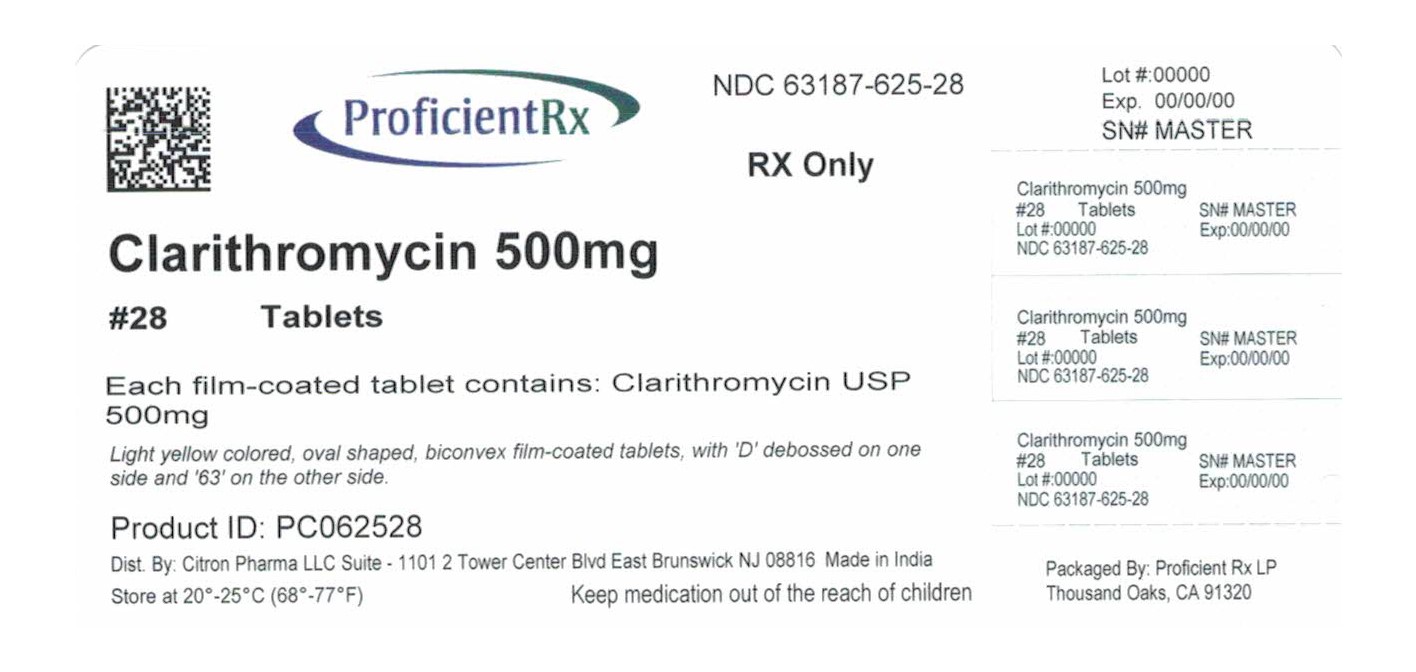
Clarithromycin 500 mg Tablet, Film Coated, 60-count — NDC 63187-625-30 (Billing 63187-0625-30)
This is a package of 60 tablets of Clarithromycin 500 mg Tablet, Film Coated from Proficient Rx LP, marketed since Jul 2012 and currently FDA-listed.
NDC database record
One package, one record: these facts belong to NDC 63187-625-30 alone.
- Record
- FDA NDC Directory package listing · Human prescription drug
- Code segments
- 63187 labeler · 625 product · 30 package
- Package marketed since
- Dec 1, 2018
- Sample package
- No — commercial package
- Listing certified through
- Dec 31, 2026
- Barcode (UPC-A, from the NDC)
- 3 6318762530 6
- FDA record last changed
- Jul 24, 2026
Identity & classification
Regulatory identifiers FDA, NLM and CMS codes for this package
- RxCUI (RxNorm): 197517
Where does this data come from?
- FDA openFDA NDC Directory · synced Oct 1, 2026
- FDA label on DailyMed · label index refreshed Oct 5, 2026
- RxNorm (NLM RxNav) · catalog refreshed Oct 1, 2026
- Medi-Span GPI (licensed)
- First Databank (licensed) · refreshed Oct 1, 2026
RxNorm drug class
This medicine belongs to the Macrolide Antimicrobial class.
Where does this data come from?
- RxClass (NLM) · catalog refreshed Oct 1, 2026
Clinical
- It is an antibiotic for mild to moderate bacterial infections, such as bronchitis flare-ups, sinus infections, pneumonia, throat, skin and ear infections. Some forms are also used...
- Take it by mouth exactly as your prescriber directed. Tablets can be taken with or without food. Extended-release tablets should be taken with food and swallowed whole. Finish the...
- Stomach upset, nausea, vomiting, diarrhea, belly pain, headache and a strange taste in your mouth are the most common. Call your doctor if you get a severe rash, yellow skin or eye...
- It interacts with many drugs, so give me your full list. Some, like simvastatin, lovastatin, colchicine in certain people, and pimozide, should not be combined with it. Blood thinn...
Patient education
Supplement & herbal interactions
Some supplements/herbs that may interact with Clarithromycin — tap one for details:
Clarithromycin may be associated with lower levels of 7 nutrients — worth a chat with your pharmacist, not a cause for alarm.
Where does this data come from?
- MedlinePlus (NLM) · refreshed Oct 1, 2026
- FDA label on DailyMed · label index refreshed Oct 5, 2026
Ask a licensed pharmacist directly — free, answered by our team.
Pricing
A drug doesn't have one price. Each row is a different public payment system, and none is what you'd pay at the counter — that depends on your insurance. The ⓘ on each row explains what it measures.
| Price system | Per each | Per package |
|---|---|---|
| Retail pharmacies payNADAC · weekly | Not in the retail survey — common for institutional, discontinued, or low-volume packs. | |
| Medicaid paysCMS SDUD · 12 mo | No recent Medicaid claims on file for this NDC — rare and low-volume NDCs are suppressed in the public data. | |
| Medicare drug plans payPart D · Q2 2026 | $0.6937 | $41.62 / 60 tablets |
Where does this data come from?
- CMS NADAC weekly file
- CMS ASP pricing files · refreshed Sep 20, 2026
- CMS Medicaid State Drug Utilization Data · refreshed Oct 5, 2026
- CMS Part D plan pricing files · refreshed Sep 24, 2026
- VA National Acquisition Center price file
Packaging — all sizes for this product
| Package NDC | Description | Marketing start | Marketing end | Status |
|---|---|---|---|---|
| 63187-0625-14 63187-625-14 Main listing | 14 TABLET, FILM COATED in 1 BOTTLE | 2018-12-01 | — | Active |
| 63187-0625-28 63187-625-28 | 28 TABLET, FILM COATED in 1 BOTTLE | 2018-12-01 | — | Active |
| 63187-0625-30 You're viewing this | 60 TABLET, FILM COATED in 1 BOTTLE | 2018-12-01 | — | Active |
| 63187-0625-60 63187-625-60 | 30 TABLET, FILM COATED in 1 BOTTLE | 2018-12-01 | — | Active |
| 63187-0625-90 63187-625-90 | 90 TABLET, FILM COATED in 1 BOTTLE | 2018-12-01 | — | Active |
You're viewing one of 5 pack sizes for this product.
Pack size FAQ
What quantity is in this package?
How does this package differ from NDC 63187-0625-14?
What NDC number is used to bill for this package of Clarithromycin 500 mg Tablet, Film Coated?
Therapeutic equivalents
| Product | Labeler | Pack | NADAC/unit | TE | Status | Price vs. this |
|---|---|---|---|---|---|---|
| Clarithromycin 500 mg 00527-1932-06 | Lannett | 60 tablets | $0.466 | AB | Availability likely | — |
| Clarithromycin 500 mg 00904-6872-04 | Major | 1 tablet | $0.466 | AB | Availability likely | — |
| Clarithromycin 500 mg 50268-0179-13 | AvPAK | 1 tablet | $0.466 | AB | Availability likely | — |
| Clarithromycin 500 mg 57237-0045-60 | Rising | 60 tablets | $0.466 | AB | Availability likely | — |
| Clarithromycin 500 mg 60687-0435-21 | American | 1 tablet | $0.466 | AB | Availability likely | — |
| Clarithromycin 500 mg 62135-0615-60 | Chartwell | 60 tablets | $0.466 | AB | Availability likely | — |
| Clarithromycin 500 mg 68002-0104-04 | American | 1 tablet | $0.466 | AB | Availability likely | — |
| Clarithromycin 500 mg 73473-0910-60 | Solaris | 60 tablets | $0.466 | AB | Availability likely | — |
| Clarithromycin 500 mg 00781-1962-60 | Sandoz | 60 tablets | $0.488 | AB | Availability likely | — |
| Clarithromycin 500 mg 43063-0530-14 | PD-Rx | 14 tablets | — | AB | FDA listed | — |
| Clarithromycin 500 mg 43063-0752-14 | PD-Rx | 14 tablets | — | AB | FDA listed | — |
| Clarithromycin 500 mg 43063-0823-20 | PD-Rx | 20 tablets | — | AB | FDA listed | — |
| Clarithromycin 500 mg 46708-0345-30 | Alembic | 30 tablets | — | AB | FDA listed | — |
| Clarithromycin 500 mg 50090-1830-00 | A-S | 20 tablets | — | AB | FDA listed | — |
| Clarithromycin 500 mg 50090-5282-00 | A-S | 20 tablets | — | AB | FDA listed | — |
| Clarithromycin 500 mg 51655-0668-20 | Northwind | 20 tablets | — | AB | FDA listed | — |
| Clarithromycin 500 mg 62332-0345-30 | Alembic | 30 tablets | — | AB | FDA listed | — |
| Clarithromycin 500 mg 63187-0376-20 | Proficient | 20 tablets | — | AB | FDA listed | — |
| Clarithromycin 500 mgthis 63187-0625-30 | Proficient | 60 tablets | — | AB | FDA listed | — |
| Clarithromycin 500 mg 65862-0226-10 | Aurobindo | 10 tablets | — | — | FDA listed | — |
| Clarithromycin 500 mg 67046-1515-03 | Coupler | 30 tablets | — | AB | FDA listed | — |
| Clarithromycin 500 mg 68071-3116-02 | NuCare | 20 tablets | — | AB | Discontinued | — |
| Clarithromycin 500 mg 68071-5045-02 | NuCare | 20 tablets | — | AB | FDA listed | — |
| Clarithromycin 500 mg 68788-8480-02 | Preferred | 20 tablets | — | AB | FDA listed | — |
| Clarithromycin 500 mg 70518-0204-00 | REMEDYREPACK | 30 tablets | — | AB | FDA listed | — |
| Clarithromycin 500 mg 71335-0017-01 | Bryant | 20 tablets | — | AB | FDA listed | — |
| Clarithromycin 500 mg 71335-1493-01 | Bryant | 20 tablets | — | AB | FDA listed | — |
| Clarithromycin 500 mg 72189-0299-20 | DirectRx | 20 tablets | — | AB | FDA listed | — |
| Clarithromycin 500 mg 72189-0639-10 | Direct_Rx | 10 tablets | — | AB | FDA listed | — |
| Clarithromycin 500 mg 76420-0051-14 | Asclemed | 14 tablets | — | AB | FDA listed | — |
| Clarithromycin 500 mg 82804-0069-20 | Proficient | 20 tablets | — | AB | FDA listed | — |
| Clarithromycin 500 mg 82804-0141-14 | Proficient | 14 tablets | — | AB | FDA listed | — |
| Clarithromycin 500 mg 82868-0085-20 | Northwind | 20 tablets | — | AB | FDA listed | — |
| Clarithromycin 500 mg 85766-0198-01 | Sportpharm | 100 tablets | — | AB | FDA listed | — |
| Clarithromycin 500 mg 85766-0203-01 | Sportpharm | 100 tablets | — | AB | FDA listed | — |
Where does this data come from?
- FDA openFDA NDC Directory · synced Oct 1, 2026
- FDA Orange Book · refreshed Oct 3, 2026
- CMS NADAC weekly file
Availability & generic status
This product is an FDA-approved generic. Other versions of the same drug are listed under Therapeutic equivalents, least expensive first.
Where does this data come from?
- FDA Orange Book · refreshed Oct 3, 2026
Inactive Ingredients / Excipients
Inactive ingredients, also called excipients, are components of the drug product other than the active ingredient. They may include fillers, dyes, coatings, preservatives, flavors, or other formulation ingredients.
Where does this data come from?
IACT rows and label-wide narrative are kept separate; availability and product-level specificity depend on the submitted label.- FDA label on DailyMed · label index refreshed Oct 5, 2026
- FDA openFDA NDC Directory · synced Oct 1, 2026
Inactive ingredient FAQ
Are inactive ingredients the same for every manufacturer?
Why might an inactive ingredient be missing?
Can inactive ingredients matter?
Manufacturer & labeler
More NDCs from Proficient Rx LP labeler code 63187
- Sumatriptan Succinate 25 mg Tablet NDC 63187-617-09
- CHANTIX varenicline tartrate Kit NDC 63187-618-53
- Sildenafil 20 mg Tablet, Film Coated NDC 63187-619-10
- Terazosin 10 mg Capsule NDC 63187-620-30
- Diethylpropion Hydrochloride ER 75 mg Tablet, Extended Release NDC 63187-621-30
- Triple Antibiotic Polymyxin B Sulfate, Bacitracin Zinc and Neomycin Sulfate 5000 [USP'U]/g; 3.5 mg/g; 400 [USP'U]/g Ointment NDC 63187-623-01
- Montelukast 5 mg Tablet, Chewable NDC 63187-626-30
- Ketorolac Tromethamine 5 mg/mL Solution NDC 63187-628-05
- Polymyxin B Sulfate and Trimethoprim 10000 [USP'U]/mL; 1 mg/mL Solution/ Drops NDC 63187-631-10
- Orphenadrine Citrate 100 mg Tablet, Extended Release NDC 63187-632-30
- Celecoxib 200 mg 200 mg Capsule NDC 63187-633-30
- Ondansetron Hydrochloride 4 mg Tablet, Film Coated NDC 63187-636-01
Where does this data come from?
- FDA openFDA NDC Directory · synced Oct 1, 2026
- Drugs@FDA
Full prescribing information FDA SPL
🎯 Indications and Usage ▾
INDICATIONS AND USAGE Clarithromycin tablets, USP are indicated for the treatment of mild to moderate infections caused by susceptible isolates of the designated bacteria in the conditions as listed below: Adults (Clarithromycin Tablets, USP) Pharyngitis/Tonsillitis due to Streptococcus pyogenes (The usual drug of choice in the treatment and prevention of streptococcal infections and the prophylaxis of rheumatic fever is penicillin administered by either the intramuscular or the oral route. Clarithromycin is generally effective in the eradication of S. pyogenes from the nasopharynx; however, data establishing the efficacy of clarithromycin in the subsequent prevention of rheumatic fever are not available at present).
Acute maxillary sinusitis due to Haemophilus influenzae , Moraxella catarrhalis, or Streptococcus pneumoniae. Acute bacterial exacerbation of chronic bronchitis due to Haemophilus influenzae , Haemophilus parainfluenzae , Moraxella catarrhalis , or Streptococcus pneumoniae. Community-Acquired Pneumonia due to Haemophilus influenzae , Mycoplasma pneumoniae , Streptococcus pneumoniae , or Chlamydophila pneumoniae (TWAR).
Uncomplicated skin and skin structure infections due to Staphylococcus aureus , or Streptococcus pyogenes (Abscesses usually require surgical drainage). Disseminated mycobacterial infections due to Mycobacterium avium , or Mycobacterium intracellulare Clarithromycin tablets, USP in combination with amoxicillin and PREVACID (lansoprazole) or PRILOSEC (omeprazole) Delayed-Release Capsules, as triple therapy, are indicated for the treatment of patients with Helicobacter pylori infection and duodenal ulcer disease (active or five-year history of duodenal ulcer) to eradicate H. pylori .
Clarithromycin tablets, USP in combination with PRILOSEC (omeprazole) capsules or TRITEC (ranitidine bismuth citrate) tablets are also indicated for the treatment of patients with an active duodenal ulcer associated with H. pylori infection. However, regimens which contain clarithromycin as the single antimicrobial agent are more likely to be associated with the development of clarithromycin resistance among patients who fail therapy. Clarithromycin-containing regimens should not be used in patients with known or suspected clarithromycin resistant isolates because the efficacy of treatment is reduced in this setting.
In patients who fail therapy, susceptibility testing should be done if possible. If resistance to clarithromycin is demonstrated, a non-clarithromycin-containing therapy is recommended. (For information on development of resistance see Microbiology section.) The eradication of H. pylori has been demonstrated to reduce the risk of duodenal ulcer recurrence.
Children (clarithromycin tablets, USP) Pharyngitis/Tonsillitis due to Streptococcus pyogenes. Community-Acquired Pneumonia due to Mycoplasma pneumoniae , Streptococcus pneumoniae , or Chlamydophila pneumoniae (TWAR) Acute maxillary sinusitis due to Haemophilus influenzae , Moraxella catarrhalis , or Streptococcus pneumoniae Acute otitis media due to Haemophilus influenzae , Moraxella catarrhalis , or Streptococcus pneumoniae NOTE: For information on otitis media, see CLINICAL STUDIES - Otitis Media. Uncomplicated skin and skin structure infections due to Staphylococcus aureus , or Streptococcus pyogenes (Abscesses usually require surgical drainage.) Disseminated mycobacterial infections due to Mycobacterium avium , or Mycobacterium intracellulare Prophylaxis Clarithromycin tablets, USP are indicated for the prevention of disseminated Mycobacterium avium complex (MAC) disease in patients with advanced HIV infection.
To reduce the development of drug-resistant bacteria and maintain the effectiveness of clarithromycin and other antibacterial drugs, clarithromycin should be used only to treat or prevent infections that are proven or strongly suspected to be caused by susceptible bacteria. When culture and susceptibility information are available, they should be…
⏱️ Dosage and Administration ▾
DOSAGE AND ADMINISTRATION Clarithromycin tablets may be given with or without food. Clarithromycin may be administered without dosage adjustment in the presence of hepatic impairment if there is normal renal function. In patients with severe renal impairment (CL CR < 30 mL/min), the dose of clarithromycin should be reduced by 50%.
However, when patients with moderate or severe renal impairment are taking clarithromycin concomitantly with atazanavir or ritonavir, the dose of clarithromycin should be reduced by 50% or 75% for patients with CL CR of 30 to 60 mL/min or < 30 mL/min, respectively. ADULT DOSAGE GUIDELINES Clarithromycin Tablets Infection Dosage (q 12 h) Duration (Days) Pharyngitis/Tonsillitis due to S. pyogenes 250 mg 10 Acute maxillary sinusitis due to 500 mg 14 H. influenzae M. catarrhalis S. pneumoniae Acute exacerbation of chronic bronchitis due to H. influenzae 500 mg 7 to 14 H. parainfluenzae 500 mg 7 M. catarrhalis 250 mg 7 to 14 S. pneumoniae 250 mg 7 to 14 Community-Acquired Pneumonia due to H. influenzae 250 mg 7 H. parainfluenzae - - M. catarrhalis - - S. pneumoniae 250 mg 7 to 14 C. pneumoniae 250 mg 7 to 14 M. pneumoniae 250 mg 7 to 14 Uncomplicated skin and skin structure 250 mg 7 to 14 S. aureus S. pyogenes H. pylori Eradication to Reduce the Risk of Duodenal Ulcer Recurrence Triple therapy: clarithromycin/lansoprazole/amoxicillin The recommended adult dose is 500 mg clarithromycin, 30 mg lansoprazole, and 1 gram amoxicillin, all given twice daily (q 12 h) for 10 or 14 days (see INDICATIONS AND USAGE and CLINICAL STUDIES sections).
Triple therapy: clarithromycin/omeprazole/amoxicillin The recommended adult dose is 500 mg clarithromycin, 20 mg omeprazole, and 1 gram amoxicillin, all given twice daily (q 12 h) for 10 days (see INDICATIONS AND USAGE and CLINICAL STUDIES sections). In patients with an ulcer present at the time of initiation of therapy, an additional 18 days of omeprazole 20 mg once daily is recommended for ulcer healing and symptom relief. Dual therapy: clarithromycin/omeprazole The recommended adult dose is 500 mg clarithromycin given three times daily (q 8 h) and 40 mg omeprazole given once daily (qAM) for 14 days (see INDICATIONS AND USAGE and CLINICAL STUDIES sections).
An additional 14 days of omeprazole 20 mg once daily is recommended for ulcer healing and symptom relief. Dual therapy: clarithromycin/ranitidine bismuth citrate The recommended adult dose is 500 mg clarithromycin given twice daily (q 12 h) or three times daily (q 8 h) and 400 mg ranitidine bismuth citrate given twice daily (q 12 h) for 14 days. An additional 14 days of 400 mg twice daily is recommended for ulcer healing and symptom relief.
Clarithromycin and ranitidine bismuth citrate combination therapy is not recommended in patients with creatinine clearance less than 25 mL/min (see INDICATIONS AND USAGE and CLINICAL STUDIES sections). Children The usual recommended daily dosage is 15 mg/kg/day divided q 12 h for 10 days. PEDIATRIC DOSAGE GUIDELINES Based on Body Weight Dosing Calculated on 7.5 mg/kg q 12 h Weight Dose Kg lbs (q 12 h) 9 20 62.5 mg 17 37 125 mg 25 55 187.5 mg 33 73 250 mg Mycobacterial Infections Prophylaxis The recommended dose of clarithromycin for the prevention of disseminated Mycobacterium avium disease is 500 mg b.i.d.
In children, the recommended dose is 7.5 mg/kg b.i.d. up to 500 mg b.i.d. No studies of clarithromycin for MAC prophylaxis have been performed in pediatric populations and the doses recommended for prophylaxis are derived from MAC treatment studies in children. Dosing recommendations for children are in the table above.
Treatment Clarithromycin is recommended as the primary agent for the treatment of disseminated infection due to Mycobacterium avium complex. Clarithromycin should be used in combination with other antimycobacterial drugs that have shown in vitro activity against MAC or clinical benefit in MAC treatment (see CLINICAL STUDIES ). The recommended dose for mycobacterial…
⛔ Contraindications ▾
CONTRAINDICATIONS Clarithromycin tablets are contraindicated in patients with a known hypersensitivity to clarithromycin or any of its excipients, erythromycin, or any of the macrolide antibiotics. Clarithromycin tablets are contraindicated in patients with a history of cholestatic jaundice/hepatic dysfunction associated with prior use of clarithromycin. Concomitant administration of clarithromycin and any of the following drugs is contraindicated: cisapride, pimozide, astemizole, terfenadine, and ergotamine or dihydroergotamine (see Drug Interactions ).
There have been postmarketing reports of drug interactions when clarithromycin and/or erythromycin are coadministered with cisapride, pimozide, astemizole, or terfenadine resulting in cardiac arrhythmias (QT prolongation, ventricular tachycardia, ventricular fibrillation, and torsades de pointes) most likely due to inhibition of metabolism of these drugs by erythromycin and clarithromycin. Fatalities have been reported. Concomitant administration of clarithromycin and colchicine is contraindicated in patients with renal or hepatic impairment.
Clarithromycin should not be given to patients with history of QT prolongation or ventricular cardiac arrhythmia, including torsades de pointes . Clarithromycin should not be used concomitantly with HMG-CoA reductase inhibitors (statins) that are extensively metabolized by CYP3A4 (lovastatin or simvastatin), due to the increased risk of myopathy, including rhabdomyolysis (see WARNINGS ). For information about contraindications of other drugs indicated in combination with clarithromycin tablets, refer to the CONTRAINDICATIONS section of their package inserts.
⚠️ Warnings ▾
WARNINGS Use In Pregnancy CLARITHROMYCIN SHOULD NOT BE USED IN PREGNANT WOMEN EXCEPT IN CLINICAL CIRCUMSTANCES WHERE NO ALTERNATIVE THERAPY IS APPROPRIATE. IF PREGNANCY OCCURS WHILE TAKING THIS DRUG, THE PATIENT SHOULD BE APPRISED OF THE POTENTIAL HAZARD TO THE FETUS. CLARITHROMYCIN HAS DEMONSTRATED ADVERSE EFFECTS OF PREGNANCY OUTCOME AND/OR EMBRYO-FETAL DEVELOPMENT IN MONKEYS, RATS, MICE, AND RABBITS AT DOSES THAT PRODUCED PLASMA LEVELS 2 TO 17 TIMES THE SERUM LEVELS ACHIEVED IN HUMANS TREATED AT THE MAXIMUM RECOMMENDED HUMAN DOSES (see PRECAUTIONS - Pregnancy ).
Hepatotoxicity Hepatic dysfunction, including increased liver enzymes, and hepatocellular and/or cholestatic hepatitis, with or without jaundice, has been reported with clarithromycin. This hepatic dysfunction may be severe and is usually reversible. In some instances, hepatic failure with fatal outcome has been reported and generally has been associated with serious underlying diseases and/or concomitant medications.
Symptoms of hepatitis can include anorexia, jaundice, dark urine, pruritus, or tender abdomen. Discontinue clarithromycin immediately if signs and symptoms of hepatitis occur. QT Prolongation Clarithromycin has been associated with prolongation of the QT interval and infrequent cases of arrhythmia.
Cases of torsades de pointes have been spontaneously reported during postmarketing surveillance in patients receiving clarithromycin. Fatalities have been reported. Clarithromycin should be avoided in patients with ongoing proarrhythmic conditions such as uncorrected hypokalemia or hypomagnesemia, clinically significant bradycardia (see CONTRAINDICATIONS ) and in patients receiving Class IA (quinidine, procainamide) or Class III (dofetilide, amiodarone, sotalol) antiarrhythmic agents.
Elderly patients may be more susceptible to drug-associated effects on the QT interval. Drug Interactions Serious adverse reactions have been reported in patients taking clarithromycin concomitantly with CYP3A4 substrates. These include colchicine toxicity with colchicine; rhabdomyolysis with simvastatin, lovastatin, and atorvastatin; and hypotension and acute kidney injury with calcium channel blockers metabolized by CYP3A4 (e.g., verapamil, amlodipine, diltiazem, nifedipine).
Most reports of acute kidney injury with calcium channel blockers metabolized by CYP3A4 involved elderly patients 65 years of age or older (see CONTRAINDICATIONS and PRECAUTIONS - Drug Interactions ). Clarithromycin should be used with caution when administered concurrently with medications that induce the cytochrome CYP3A4 enzyme (see PRECAUTIONS - Drug Interactions ). Colchicine Life-threatening and fatal drug interactions have been reported in patients treated with clarithromycin and colchicine.
Clarithromycin is a strong CYP3A4 inhibitor and this interaction may occur while using both drugs at their recommended doses. If coadministration of clarithromycin and colchicine is necessary in patients with normal renal and hepatic function, the dose of colchicine should be reduced. Patients should be monitored for clinical symptoms of colchicine toxicity.
Concomitant administration of clarithromycin and colchicine is contraindicated in patients with renal or hepatic impairment (see CONTRAINDICATIONS and PRECAUTIONS - Drug Interactions ). Benzodiazepines Increased sedation and prolongation of sedation have been reported with concomitant administration of clarithromycin and triazolobenzodiazepines, such as triazolam, and midazolam. Oral Hypoglycemic Agents/Insulin The concomitant use of clarithromycin and oral hypoglycemic agents and/or insulin can result in significant hypoglycemia.
With certain hypoglycemic drugs such as nateglinide, pioglitazone, repaglinide and rosiglitazone, inhibition of CYP3A enzyme by clarithromycin may be involved and could cause hypoglycemia when used concomitantly. Careful monitoring of glucose is recommended. Oral Anticoagulants There is a risk of serious hemorrhage and significan…
🤒 Adverse Reactions ▾
ADVERSE REACTIONS The most frequent and common adverse reactions related to clarithromycin therapy for both adult and pediatric populations are abdominal pain, diarrhea, nausea, vomiting and dysgeusia. These adverse reactions are consistent with the known safety profile of macrolide antibiotics. There was no significant difference in the incidence of these gastrointestinal adverse reactions during clinical trials between the patient population with or without preexisting mycobacterial infections.
Adverse Reactions Observed During Clinical Trials of Clarithromycin The following adverse reactions were observed in clinical trials with clarithromycin at a rate greater than or equal to 1%: Gastrointestinal Disorders Diarrhea, vomiting, dyspepsia, nausea, abdominal pain Hepatobiliary Disorders Liver function test abnormal Immune System Disorders Anaphylactoid reaction Infection and Infestations Candidiasis Nervous System Disorders Dysgeusia, headache Psychiatric Disorders Insomnia Skin and Subcutaneous Tissue Disorders Rash Other Adverse Reactions Observed During Clinical Trials of Clarithromycin The following adverse reactions were observed in clinical trials with clarithromycin at a rate less than 1%: Blood and Lymphatic System Disorders Leukopenia, neutropenia, thrombocythemia, eosinophilia Cardiac Disorders Electrocardiogram QT prolonged, cardiac arrest, atrial fibrillation, extrasystoles, palpitations Ear and Labyrinth Disorders Vertigo, tinnitus, hearing impaired Gastrointestinal Disorders Stomatitis, glossitis, esophagitis, gastrooesophageal reflux disease, gastritis, proctalgia, abdominal distension, constipation, dry mouth, eructation, flatulence General Disorders and Administration Site Conditions Malaise, pyrexia, asthenia, chest pain, chills, fatigue Hepatobiliary Disorders Cholestasis, hepatitis Immune System Disorders Hypersensitivity Infections and Infestations Cellulitis, gastroenteritis, infection, vaginal infection Investigations Blood bilirubin increased, blood alkaline phosphatase increased, blood lactate dehydrogenase increased, albumin globulin ratio abnormal Metabolism and Nutrition Disorders Anorexia, decreased appetite Musculoskeletal and Connective Tissue Disorders Myalgia, muscle spasms, nuchal rigidity Nervous System Disorders Dizziness, tremor, loss of consciousness, dyskinesia, somnolence Psychiatric Disorders Anxiety, nervousness Renal and Urinary Disorders Blood creatinine increased, blood urea increased Respiratory, Thoracic and Mediastinal Disorders Asthma, epistaxis, pulmonary embolism Skin and Subcutaneous Tissue Disorders Urticaria, dermatitis bullous, pruritus, hyperhidrosis, rash maculo-papular In the acute exacerbation of chronic bronchitis and acute maxillary sinusitis studies overall gastrointestinal adverse events were reported by a similar proportion of patients taking either clarithromycin tablets or clarithromycin extended-release tablets; however, patients taking clarithromycin extended-release tablets reported significantly less severe gastrointestinal symptoms compared to patients taking clarithromycin tablets.
In addition, patients taking clarithromycin extended-release tablets had significantly fewer premature discontinuations for drug-related gastrointestinal or abnormal taste adverse events compared to clarithromycin tablets. In community-acquired pneumonia studies conducted in adults comparing clarithromycin to erythromycin base or erythromycin stearate, there were fewer adverse events involving the digestive system in clarithromycin-treated patients compared to erythromycin-treated patients (13% vs. 32%; p < 0.01).
Twenty percent of erythromycin-treated patients discontinued therapy due to adverse events compared to 4% of clarithromycin-treated patients. In two U.S. studies of acute otitis media comparing clarithromycin to amoxicillin/potassium clavulanate in pediatric patients, there were fewer adverse events involving the digestive system in clarithromycin-treated patients com…
🔄 Drug Interactions ▾
Drug Interactions Clarithromycin use in patients who are receiving theophylline may be associated with an increase of serum theophylline concentrations. Monitoring of serum theophylline concentrations should be considered for patients receiving high doses of theophylline or with baseline concentrations in the upper therapeutic range. In two studies in which theophylline was administered with clarithromycin (a theophylline sustained-release formulation was dosed at either 6.5 mg/kg or 12 mg/kg together with 250 or 500 mg q 12 h clarithromycin), the steady-state levels of C max , C min , and the area under the serum concentration time curve (AUC) of theophylline increased about 20%.
Hypotension, bradyarrhythmias, and lactic acidosis have been observed in patients receiving concurrent verapamil, belonging to the calcium channel blockers drug class. Concomitant administration of single doses of clarithromycin and carbamazepine has been shown to result in increased plasma concentrations of carbamazepine. Blood level monitoring of carbamazepine may be considered.
When clarithromycin and terfenadine were coadministered, plasma concentrations of the active acid metabolite of terfenadine were threefold higher, on average, than the values observed when terfenadine was administered alone. The pharmacokinetics of clarithromycin and the 14-OH-clarithromycin were not significantly affected by coadministration of terfenadine once clarithromycin reached steady-state conditions. Concomitant administration of clarithromycin with terfenadine is contraindicated (see CONTRAINDICATIONS ).
Clarithromycin 500 mg every 8 hours was given in combination with omeprazole 40 mg daily to healthy adult subjects. The steady-state plasma concentrations of omeprazole were increased (C max , AUC 0-24 , and t ½ increases of 30%, 89%, and 34%, respectively), by the concomitant administration of clarithromycin. The mean 24-hour gastric pH value was 5.2 when omeprazole was administered alone and 5.7 when coadministered with clarithromycin.
Coadministration of clarithromycin with ranitidine bismuth citrate resulted in increased plasma ranitidine concentrations (57%), increased plasma bismuth trough concentrations (48%), and increased 14-hydroxy-clarithromycin plasma concentrations (31%). These effects are clinically insignificant. Simultaneous oral administration of clarithromycin tablets and zidovudine to HIV-infected adult patients may result in decreased steady-state zidovudine concentrations.
Following administration of clarithromycin 500 mg tablets twice daily with zidovudine 100 mg every 4 hours, the steady-state zidovudine AUC decreased 12% compared to administration of zidovudine alone (n=4). Individual values ranged from a decrease of 34% to an increase of 14%. When clarithromycin tablets were administered two to four hours prior to zidovudine, the steady-state zidovudine C max increased 100% whereas the AUC was unaffected (n=24).
Administration of clarithromycin and zidovudine should be separated by at least two hours. Simultaneous administration of clarithromycin tablets and didanosine to 12 HIV-infected adult patients resulted in no statistically significant change in didanosine pharmacokinetics. Following administration of fluconazole 200 mg daily and clarithromycin 500 mg twice daily to 21 healthy volunteers, the steady-state clarithromycin C min and AUC increased 33% and 18%, respectively.
Steady-state concentrations of 14-OH clarithromycin were not significantly affected by concomitant administration of fluconazole. No dosage adjustment of clarithromycin is necessary when coadministered with fluconazole. Ritonavir Concomitant administration of clarithromycin and ritonavir (n = 22) resulted in a 77% increase in clarithromycin AUC and a 100% decrease in the AUC of 14-OH clarithromycin.
Clarithromycin may be administered without dosage adjustment to patients with normal renal function taking ritonavir. Since concentrations of 14-OH clarithromycin are sig…
🤰 Pregnancy ▾
Pregnancy Teratogenic Effects Pregnancy Category C Four teratogenicity studies in rats (three with oral doses and one with intravenous doses up to 160 mg/kg/day administered during the period of major organogenesis) and two in rabbits at oral doses up to 125 mg/kg/day (approximately 2 times the recommended maximum human dose based on mg/m 2 ) or intravenous doses of 30 mg/kg/day administered during gestation days 6 to 18 failed to demonstrate any teratogenicity from clarithromycin. Two additional oral studies in a different rat strain at similar doses and similar conditions demonstrated a low incidence of cardiovascular anomalies at doses of 150 mg/kg/day administered during gestation days 6 to 15.
Plasma levels after 150 mg/kg/day were 2 times the human serum levels. Four studies in mice revealed a variable incidence of cleft palate following oral doses of 1000 mg/kg/day (2 and 4 times the recommended maximum human dose based on mg/m 2 , respectively) during gestation days 6 to 15. Cleft palate was also seen at 500 mg/kg/day.
The 1000 mg/kg/day exposure resulted in plasma levels 17 times the human serum levels. In monkeys, an oral dose of 70 mg/kg/day (an approximate equidose of the recommended maximum human dose based on mg/m 2 ) produced fetal growth retardation at plasma levels that were 2 times the human serum levels. There are no adequate and well-controlled studies in pregnant women.
Clarithromycin should be used during pregnancy only if the potential benefit justifies the potential risk to the fetus (see WARNINGS ).
🧒 Pediatric Use ▾
Pediatric Use Safety and effectiveness of clarithromycin in pediatric patients under 6 months of age have not been established. The safety of clarithromycin has not been studied in MAC patients under the age of 20 months. Neonatal and juvenile animals tolerated clarithromycin in a manner similar to adult animals.
Young animals were slightly more intolerant to acute overdosage and to subtle reductions in erythrocytes, platelets and leukocytes but were less sensitive to toxicity in the liver, kidney, thymus, and genitalia.
🧓 Geriatric Use ▾
Geriatric Use In a steady-state study in which healthy elderly subjects (age 65 to 81 years old) were given 500 mg every 12 hours, the maximum serum concentrations and area under the curves of clarithromycin and 14-OH clarithromycin were increased compared to those achieved in healthy young adults. These changes in pharmacokinetics parallel known age-related decreases in renal function. In clinical trials, elderly patients did not have an increased incidence of adverse events when compared to younger patients.
Dosage adjustment should be considered in elderly patients with severe renal impairment. Elderly patients may be more susceptible to development of torsades de pointes arrhythmias than younger patients (see WARNINGS and PRECAUTIONS ). Most reports of acute kidney injury with calcium channel blockers metabolized by CYP3A4 (e.g., verapamil, amlodipine, diltiazem, nifedipine) involved elderly patients 65 years of age or older (see WARNINGS ).
🆘 Overdosage ▾
OVERDOSAGE Overdosage of clarithromycin can cause gastrointestinal symptoms such as abdominal pain, vomiting, nausea, and diarrhea. Adverse reactions accompanying overdosage should be treated by the prompt elimination of unabsorbed drug and supportive measures. As with other macrolides, clarithromycin serum concentrations are not expected to be appreciably affected by hemodialysis or peritoneal dialysis.
🧬 Clinical Pharmacology ▾
CLINICAL PHARMACOLOGY Pharmacokinetics Clarithromycin is rapidly absorbed from the gastrointestinal tract after oral administration. The absolute bioavailability of 250 mg clarithromycin tablets was approximately 50%. For a single 500 mg dose of clarithromycin, food slightly delays the onset of clarithromycin absorption, increasing the peak time from approximately 2 to 2.5 hours.
Food also increases the clarithromycin peak plasma concentration by about 24%, but does not affect the extent of clarithromycin bioavailability. Food does not affect the onset of formation of the antimicrobially active metabolite, 14-OH clarithromycin or its peak plasma concentration but does slightly decrease the extent of metabolite formation, indicated by an 11% decrease in area under the plasma concentration-time curve (AUC). Therefore, clarithromycin tablets may be given without regard to food.
In nonfasting healthy human subjects (males and females), peak plasma concentrations were attained within 2 to 3 hours after oral dosing. Steady-state peak plasma clarithromycin concentrations were attained within 3 days and were approximately 1 to 2 mcg/mL with a 250 mg dose administered every 12 hours and 3 to 4 mcg/mL with a 500 mg dose administered every 8 to 12 hours. The elimination half-life of clarithromycin was about 3 to 4 hours with 250 mg administered every 12 hours but increased to 5 to 7 hours with 500 mg administered every 8 to 12 hours.
The nonlinearity of clarithromycin pharmacokinetics is slight at the recommended doses of 250 mg and 500 mg administered every 8 to 12 hours. With a 250 mg every 12 hours dosing, the principal metabolite, 14-OH clarithromycin, attains a peak steady-state concentration of about 0.6 mcg/mL and has an elimination half-life of 5 to 6 hours. With a 500 mg every 8 to 12 hours dosing, the peak steady-state concentration of 14-OH clarithromycin is slightly higher (up to 1 mcg/mL), and its elimination half-life is about 7 to 9 hours.
With any of these dosing regimens, the steady-state concentration of this metabolite is generally attained within 3 to 4 days. After a 250 mg tablet every 12 hours, approximately 20% of the dose is excreted in the urine as clarithromycin, while after a 500 mg tablet every 12 hours, the urinary excretion of clarithromycin is somewhat greater, approximately 30%. In comparison, after an oral dose of 250 mg (125 mg/5 mL) suspension every 12 hours, approximately 40% is excreted in urine as clarithromycin.
The renal clearance of clarithromycin is, however, relatively independent of the dose size and approximates the normal glomerular filtration rate. The major metabolite found in urine is 14-OH clarithromycin, which accounts for an additional 10% to 15% of the dose with either a 250 mg or a 500 mg tablet administered every 12 hours. Steady-state concentrations of clarithromycin and 14-OH clarithromycin observed following administration of 500 mg doses of clarithromycin every 12 hours to adult patients with HIV infection were similar to those observed in healthy volunteers.
In adult HIV-infected patients taking 500 or 1000 mg doses of clarithromycin every 12 hours, steady-state clarithromycin C max values ranged from 2 to 4 mcg/mL and 5 to 10 mcg/mL, respectively. The steady-state concentrations of clarithromycin in subjects with impaired hepatic function did not differ from those in normal subjects; however, the 14-OH clarithromycin concentrations were lower in the hepatically impaired subjects. The decreased formation of 14-OH clarithromycin was at least partially offset by an increase in renal clearance of clarithromycin in the subjects with impaired hepatic function when compared to healthy subjects.
The pharmacokinetics of clarithromycin was also altered in subjects with impaired renal function (see PRECAUTIONS and DOSAGE AND ADMINISTRATION ). Clarithromycin and the 14-OH clarithromycin metabolite distribute readily into body tissues and fluids. There are no data available on cerebrospinal…
📦 How Supplied / Storage and Handling ▾
HOW SUPPLIED Clarithromycin Tablets USP, 500 mg are light yellow colored, oval shaped, biconvex film-coated tablets, with 'D' debossed on one side and '63' on the other side. Bottles of 14 NDC 63187-625-14 Bottles of 28 NDC 63187-625-28 Bottles of 30 NDC 63187-625-30 Bottles of 60 NDC 63187-625-60 Bottles of 90 NDC 63187-625-90 Store at 20° to 25°C (68° to 77°F); excursions permitted to 15° to 30°C (59° to 86°F) [see USP Controlled Room Temperature].
📋 Description ▾
DESCRIPTION Clarithromycin is a semi-synthetic macrolide antibiotic. Chemically, it is 6- 0 -methylerythromycin. The molecular formula is C 38 H 69 NO 13 , and the molecular weight is 747.96.
The structural formula is: Clarithromycin is a white or almost white, crystalline powder. It is soluble in acetone, slightly soluble in methanol, ethanol, and acetonitrile, and practically insoluble in water. Clarithromycin tablets, USP are available as immediate-release tablets.
Each film-coated tablet contains 250 mg or 500 mg of clarithromycin and the following inactive ingredients: microcrystalline cellulose, croscarmellose sodium, colloidal silicon dioxide, magnesium stearate, povidone, hypromellose, titanium dioxide, hydroxypropyl cellulose, iron oxide yellow, propylene glycol, vanillin, and sorbic acid. Chemcial Structure
💬 Information for Patients ▾
Information to Patients Patients should be counseled that antibacterial drugs including clarithromycin should only be used to treat bacterial infections. They do not treat viral infections (e.g., the common cold). When clarithromycin is prescribed to treat a bacterial infection, patients should be told that although it is common to feel better early in the course of therapy, the medication should be taken exactly as directed.
Skipping doses or not completing the full course of therapy may (1) decrease the effectiveness of the immediate treatment and (2) increase the likelihood that bacteria will develop resistance and will not be treatable by clarithromycin or other antibacterial drugs in the future. Diarrhea is a common problem caused by antibiotics which usually ends when the antibiotic is discontinued. Sometimes after starting treatment with antibiotics, patients can develop watery and bloody stools (with or without stomach cramps and fever) even as late as two or more months after having taken the last dose of the antibiotic.
If this occurs, patients should contact their physician as soon as possible. Clarithromycin may interact with some drugs; therefore patients should be advised to report to their doctor the use of any other medications. Clarithromycin tablets can be taken with or without food and can be taken with milk.
Medicare Part D spend CMS · PART D · 2026 (Q1)
About this NDC listing & data coverage
What data is (and isn’t) available for this NDC — tap to expand
| NDC identity (package / product / labeler codes) | ✓ Available |
| Labeler | ✓ Available |
| Product & package description | ✓ Available |
| Marketing category & status | ✓ Available |
| Active ingredient / dosage form / route | ✓ Available |
| FDA label (SPL via DailyMed) | ✓ Available |
| Package photos | ✓ Available |
| Inactive ingredients (structured) | — Not published for this NDC The labeler did not submit a structured excipient list, or no SPL is available. |
| NADAC pharmacy acquisition price (CMS) | — Not published for this NDC CMS publishes NADAC only for NDCs reported in its retail-pharmacy survey. |
| Orange Book / therapeutic-equivalence data | ✓ Available |
| HCPCS J-code billing crosswalk | — Not published for this NDC Most self-administered / retail products have no J-code — that is normal. |
| Medicaid utilization (CMS SDUD) | — Not published for this NDC CMS reports utilization only for NDCs with Medicaid claims above its privacy threshold. |