
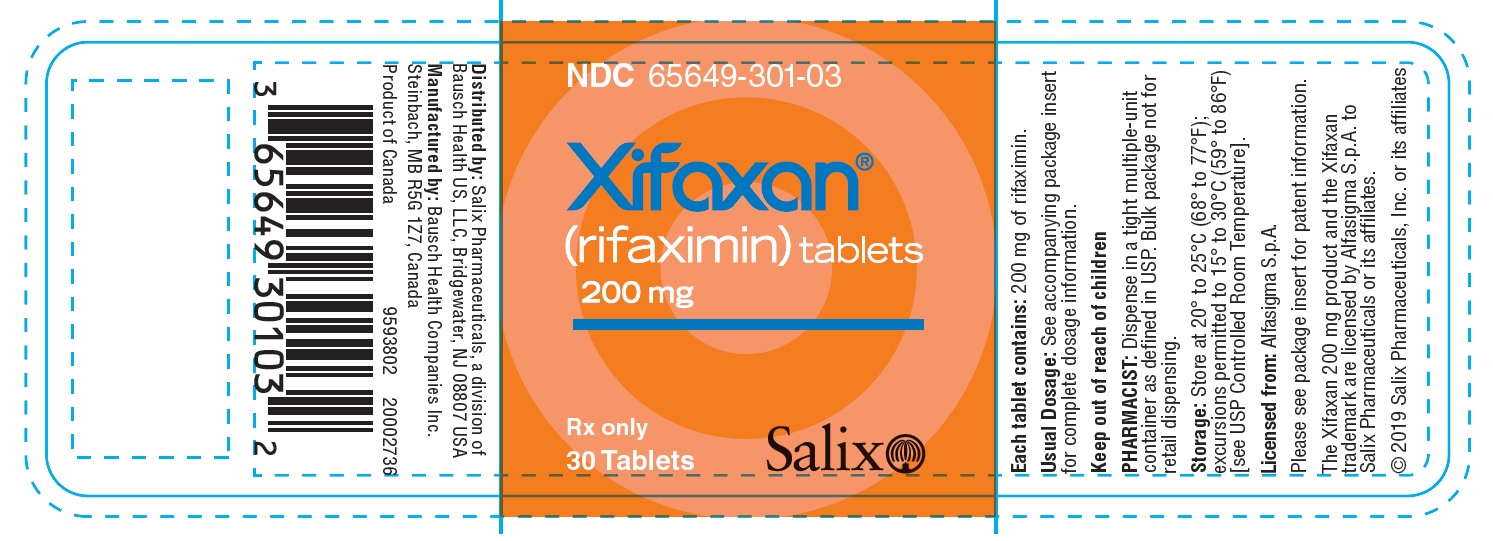
Xifaxan rifaximin 200 mg Tablet, 30-count — NDC 65649-301-03 (Billing 65649-0301-03)
This is a package of 30 tablets of Xifaxan rifaximin 200 mg Tablet from Salix Pharmaceuticals, Inc., marketed since Jul 2004 and currently FDA-listed; retail pharmacies pay about $10.11 per tablet (NADAC). It is this product's only package size.
NDC database record
One package, one record: these facts belong to NDC 65649-301-03 alone.
- Record
- FDA NDC Directory package listing · Human prescription drug
- Code segments
- 65649 labeler · 301 product · 03 package
- Package marketed since
- Jul 25, 2004
- Sample package
- No — commercial package
- Listing certified through
- Dec 31, 2027
- Billing quantity
- 30 EA per package
- Barcode (UPC-A, from the NDC)
- 3 6564930103 2
- Medicaid fills, this package
- 142 prescriptions in the last four reported quarters
- FDA record last changed
- Jul 24, 2026
Identity & classification
Regulatory identifiers FDA, NLM and CMS codes for this package
Drug-database identifiers Medi-Span GPI and First Databank GCN / HICL / AHFS classification
- GSN (GCN sequence number): 041880
- GCN: 93749
- GPI-14 (Medi-Span): 16000049000320
- HICL (First Databank): 020401
- AHFS class code: 08:12.28.30
- RxCUI (RxNorm): 429662
Where does this data come from?
- FDA openFDA NDC Directory · synced Oct 8, 2026
- FDA label on DailyMed · label index refreshed Oct 6, 2026
- RxNorm (NLM RxNav) · catalog refreshed Oct 1, 2026
- Medi-Span GPI (licensed)
- First Databank (licensed) · refreshed Oct 8, 2026
RxNorm drug class
This medicine belongs to the Rifamycin Antibacterial class.
Where does this data come from?
- RxClass (NLM) · catalog refreshed Oct 1, 2026
Clinical
- Rifaximin (Xifaxan tablets) treats travelers’ diarrhea caused by certain E. coli, lowers the chance that hepatic encephalopathy comes back, and treats IBS-D in adults. Which one ap...
- No. You can take it with or without food. Just follow the schedule on your label, since the number of days and doses a day differ by condition.
- Common ones include headache, nausea, dizziness, fatigue, and swelling in the legs, depending on the condition. If you take it for hepatic encephalopathy, side effects like swellin...
- Call if diarrhea gets worse, lasts more than 1 to 2 days on treatment, or comes with fever or blood. Also call for watery diarrhea after you finish, which can show up weeks later....
Patient education
Supplement & herbal interactions
Some supplements/herbs that may interact with Rifaximin — tap one for details:
Rifaximin may be associated with lower levels of 7 nutrients — worth a chat with your pharmacist, not a cause for alarm.
Where does this data come from?
- MedlinePlus (NLM) · refreshed Oct 1, 2026
- FDA label on DailyMed · label index refreshed Oct 6, 2026
Ask a licensed pharmacist directly — free, answered by our team.
Pricing
A drug doesn't have one price. Each row is a different public payment system, and none is what you'd pay at the counter — that depends on your insurance. The ⓘ on each row explains what it measures.
| Price system | Per ea | Per package |
|---|---|---|
| Retail pharmacies payNADAC · weekly | $10.109 | $303.28 / 30 tablets |
| Medicaid paysCMS SDUD · 12 mo | $11.20 | $335.99 / 30 tablets |
| Medicare drug plans payPart D · Q2 2026 | $12.58 | $377.31 / 30 tablets |
Where does this data come from?
- CMS NADAC weekly file · file of Feb 21, 2024
- CMS ASP pricing files · refreshed Sep 20, 2026
- CMS Medicaid State Drug Utilization Data · through Q4 2025
- CMS Part D plan pricing files · refreshed Sep 24, 2026
- VA National Acquisition Center price file
Packaging — all sizes for this product
| Package NDC | Description | Marketing start | Marketing end | Status |
|---|---|---|---|---|
| 65649-0301-03 You're viewing this Main listing | 30 TABLET in 1 BOTTLE | 2004-07-25 | — | Active |
Therapeutic equivalents
| Product | Labeler | Pack | NADAC/unit | TE | Status | Price vs. this |
|---|---|---|---|---|---|---|
| Xifaxan 200 mgthis 65649-0301-03 | Salix | 30 tablets | $10.109 | — | FDA listed | — |
| Xifaxan 200 mg 50090-2445-00 | A-S | 9 tablets | — | — | FDA listed | — |
Where does this data come from?
- FDA openFDA NDC Directory · synced Oct 8, 2026
- FDA Orange Book · refreshed Oct 3, 2026
- CMS NADAC weekly file · file of Feb 21, 2024
Availability & generic status
We did not find an FDA-approved generic match for this exact strength, form and route. Patent/protection dates below may affect future generic timing.
Why the date isn’t exact: Generic timing can change because patents may be challenged, settled, licensed, added, removed, or worked around with a narrower label — and FDA approval does not always mean a pharmacy can get the generic today.
🛈 What do these terms mean?
- Patent
- Legal protection listed in the Orange Book that may delay generic approval or launch. Issued by the U.S. Patent & Trademark Office.
- Substance patent
- Covers the active drug molecule itself — the hardest to design around. A generic generally can’t launch until it expires.
- Formulation (product) patent
- Covers a specific formulation or dosage form. A generic can sometimes work around it with a different formulation.
- Method-of-use patent
- A patent covering one specific approved use of the drug — not necessarily the whole molecule. A generic can sometimes launch with a “skinny label” that carves out the protected use and keeps the others.
- Skinny label
- A generic label that omits a still-patented use when the FDA allows it — letting a generic reach the market for the unprotected uses.
- Exclusivity
- FDA-granted marketing protection, separate from patents — e.g. 5-yr new chemical entity, 7-yr orphan drug, or a +6-month pediatric extension.
- Paragraph IV
- A generic applicant’s formal challenge to a listed patent. It can potentially lead to earlier generic entry, but often involves litigation or a settlement.
- RLD / RS
- Reference Listed Drug — the brand product the FDA uses as the reference for generic applications. Reference Standard — the product the FDA expects generics to compare against in bioequivalence testing.
- TE / AB rating
- FDA therapeutic-equivalence rating. An AB rating generally means the FDA considers a generic therapeutically equivalent to — and substitutable for — the brand.
- LOE (loss of exclusivity)
- The latest patent or exclusivity currently listed — the loss-of-exclusivity / latest-listed-protection date shown on this page. Paragraph-IV challenges and settlements can move the real date earlier; FDA approval and a manufacturer’s decision to market can move it later.
Built from the FDA Orange Book. The bars above are scaled to each protection’s expiry; the red LOE marker is the last one to lapse.
| Patent | Type | Use code | Expires |
|---|---|---|---|
| US 7928115 ↗ | Method of use | U-1121 | Jul 24, 2029 |
| US 8193196 ↗ | Drug substance | U-1707 | Sep 2, 2027 |
| US 8193196 ↗ | Drug substance | U-1708 | Sep 2, 2027 |
| US 8309569 ↗ delist req. | Method of use | U-1708 | Jul 18, 2029 |
| US 8309569 ↗ delist req. | Method of use | U-1707 | Jul 18, 2029 |
| US 8741904 ↗ | Drug substance | U-1708 | Feb 27, 2026 |
| US 8741904 ↗ | Drug substance | U-1707 | Feb 27, 2026 |
| US 8829017 ↗ | Method of use | U-1562 | Jul 24, 2029 |
| US 8642573 ↗ | Method of use | U-1481 | Oct 2, 2029 |
| US 9421195 ↗ | Method of use | U-1481 | Jul 24, 2029 |
| US 8969398 ↗ | Method of use | U-1481 | Oct 2, 2029 |
| US 8946252 ↗ | Method of use | U-1481 | Jul 24, 2029 |
| US 10335397 ↗ | Method of use | U-2579 | Jul 24, 2029 |
| US 10456384 ↗ | Method of use | U-2643 | Feb 26, 2029 |
| US 10456384 ↗ | Method of use | U-2644 | Feb 26, 2029 |
| US 9629828 ↗ | Method of use | U-1994 | Jul 24, 2029 |
| US 10314828 ↗ | Method of use | U-1481 | Jul 24, 2029 |
| US 10703763 ↗ | Method of use | U-2847 | Feb 27, 2026 |
| US 10703763 ↗ | Method of use | U-1708 | Feb 27, 2026 |
| US 10765667 ↗ | Method of use | U-2644 | Feb 26, 2029 |
| US 10765667 ↗ | Method of use | U-2643 | Feb 26, 2029 |
| US 10709694 ↗ | Method of use | U-2579 | Jul 24, 2029 |
| US 10703763 ↗ | Method of use | U-2848 | Feb 27, 2026 |
| US 8741904 ↗ | Drug substance | U-2848 | Feb 27, 2026 |
| US 8741904 ↗ | Drug substance | U-2847 | Feb 27, 2026 |
| US 11779571 ↗ | Method of use | U-3706 | Feb 26, 2029 |
| US 11564912 ↗ | Method of use | U-3511 | Feb 26, 2029 |
| US 11564912 ↗ | Method of use | U-3512 | Feb 26, 2029 |
| US 8518949 ↗ | Drug product | — | Feb 27, 2026 |
| US 9271968 ↗ | Drug product | — | Feb 27, 2026 |
| US 8193196 ↗ | Drug substance | — | Sep 2, 2027 |
| US 8518949 ↗ | Drug product | — | Feb 27, 2026 |
| US 9271968 ↗ | Drug product | — | Feb 27, 2026 |
Is there a generic version of XIFAXAN 200 MG TABLET?
The FDA approved a generic — why can’t I get it at my pharmacy yet?
Why do different websites show different generic release dates?
What does “FDA listed” mean?
What does a patent or protection date mean here?
What does “current Orange Book estimate” mean?
Can a generic come out before the last patent expires?
Can a generic come out after the listed dates?
What is the difference between patents and exclusivity?
Why are there multiple patent dates?
Where does this data come from?
- FDA Orange Book · refreshed Oct 3, 2026
What it looks like
Where does this data come from?
- FDA label on DailyMed · label index refreshed Oct 6, 2026
Inactive Ingredients / Excipients
Inactive ingredients, also called excipients, are components of the drug product other than the active ingredient. They may include fillers, dyes, coatings, preservatives, flavors, or other formulation ingredients.
🧪 Avoiding an ingredient? See Rifaximin inactive ingredients by manufacturer: every current product's list side by side, so you can ask your pharmacy for the version that does not list it.
💡 Tap an ingredient (hover on desktop) to see what it is and why it’s used.
-
UNII 7FLD91C86K
Edetate disodium is a chemical compound that binds and removes certain metal ions. In medicines, it acts as a preservative and stabilizer by preventing metals like calcium from interfering with the product's shelf life and consistency.
-
UNII 1K09F3G675
Ferric oxide red is an inorganic iron compound used as a colorant in medicines. It gives tablets, capsules, or other dosage forms a red or reddish tint for identification and appearance.
-
UNII GSY51O183C
Glyceryl palmitostearate is a waxy fat made from glycerin and fatty acids. It acts as a binder and lubricant in tablets and capsules, helping hold ingredients together and allowing smooth manufacturing.
-
UNII 3NXW29V3WO
Hypromellose is a plant-based thickener made from cellulose. It's used in medicines as a binder to hold ingredients together, a coating for tablets, and a thickener for liquids.
-
UNII OP1R32D61U
Microcrystalline cellulose is a purified form of cellulose, a natural fiber from plant sources. It acts as a binder and filler in tablets and capsules, helping hold ingredients together and give the medicine its shape and size.
-
UNII 6DC9Q167V3
Propylene glycol is a clear liquid derived from petroleum or vegetable sources. It acts as a solvent, humectant, and preservative in medicines, helping dissolve active ingredients and maintain product stability.
-
UNII ETJ7Z6XBU4
Silicon dioxide is a naturally occurring mineral used as a glidant and anti-caking agent. It helps powder ingredients flow smoothly and prevents clumping during manufacturing and storage.
-
UNII 5856J3G2A2
A starch-based powder made from potatoes and processed with sodium. It acts as a disintegrant, helping the tablet or capsule break apart quickly in the stomach so the medicine can be absorbed.
-
UNII 7SEV7J4R1U
A powder made from a naturally occurring mineral. In medicines, talc works as a glidant and anti-caking agent, helping tablets and capsules flow smoothly during manufacturing and preventing clumping.
-
UNII 15FIX9V2JP
Titanium dioxide is a bright white mineral powder commonly used as a colorant and opacifying agent. It makes pills and tablets white or lighter in color and helps make coatings non-transparent.
10 inactive ingredients listed in the exact product block matched to this NDC.
Where does this data come from?
ingredient classCode="IACT" elements from the exact product block matched by this NDC. Label-section narrative from DailyMed / the openFDA label index is shown separately when available.- FDA label on DailyMed · label index refreshed Oct 6, 2026
- FDA openFDA NDC Directory · synced Oct 8, 2026
Inactive ingredient FAQ
Are inactive ingredients the same for every manufacturer?
Why might an inactive ingredient be missing?
Can inactive ingredients matter?
Manufacturer & labeler
More NDCs from Salix Pharmaceuticals, Inc. labeler code 65649
- Trulance Immediate release Plecanatide 3 mg Tablet NDC 65649-003-01
- Apriso mesalamine 375 mg Capsule, Extended Release NDC 65649-103-01
- Relistor Methylnaltrexone bromide 150 mg Tablet NDC 65649-150-06
- MoviPrep POLYETHYLENE GLYCOL 3350, SODIUM SULFATE, SODIUM CHLORIDE, POTASSIUM CHLORIDE, ASCORBIC ACID, SODIUM ASCORBATE Kit NDC 65649-201-75
- Azasan Azathioprine 75 mg Tablet NDC 65649-231-41
- Azasan Azathioprine 100 mg Tablet NDC 65649-241-41
- Xifaxan rifaximin 550 mg Tablet NDC 65649-303-01
- DIURIL CHLOROTHIAZIDE 250 mg/5mL Suspension NDC 65649-311-12
- Plenvu POLYETHYLENE GLYCOL 3350, SODIUM SULFATE, SODIUM CHLORIDE, POTASSIUM CHLORIDE, ASCORBIC ACID, SODIUM ASCORBATE Kit NDC 65649-400-01
- Anusol HC hydrocortisone 25 mg/g Cream NDC 65649-401-30
- Anusol HC HYDROCORTISONE ACETATE 25 mg Suppository NDC 65649-411-12
- Proctocort HYDROCORTISONE 10 mg/g Cream NDC 65649-501-30
Where does this data come from?
- FDA openFDA NDC Directory · synced Oct 8, 2026
- Drugs@FDA
Full prescribing information FDA SPL
🎯 Indications and Usage ▾
1 INDICATIONS AND USAGE To reduce the development of drug-resistant bacteria and maintain the effectiveness of XIFAXAN and other antibacterial drugs, XIFAXAN when used to treat infection should be used only to treat or prevent infections that are proven or strongly suspected to be caused by susceptible bacteria. When culture and susceptibility information are available, they should be considered in selecting or modifying antibacterial therapy. In the absence of such data, local epidemiology and susceptibility patterns may contribute to the empiric selection of therapy.
XIFAXAN is a rifamycin antibacterial indicated for: • Treatment of travelers’ diarrhea (TD) caused by noninvasive strains of Escherichia coli in adult and pediatric patients 12 years of age and older. ( 1.1 ) • Reduction in risk of overt hepatic encephalopathy (HE) recurrence in adults. ( 1.2 ) • Treatment of irritable bowel syndrome with diarrhea (IBS-D) in adults.
( 1.3 ) Limitations of Use TD: Should not use in patients with diarrhea complicated by fever or blood in the stool or diarrhea due to pathogens other than Escherichia coli. ( 1.1, 5.1 )
1.1Travelers’ Diarrhea XIFAXAN is indicated for the treatment of travelers’ diarrhea (TD) caused by noninvasive strains of Escherichia coli in adults and pediatric patients 12 years of age and older. Limitations of Use XIFAXAN should not be used in patients with diarrhea complicated by fever or blood in the stool or diarrhea due to pathogens other than Escherichia coli [see Warnings and Precautions ( 5.1 ), Clinical Pharmacology ( 12.4 ), Clinical Studies ( 14.1 )].
1.2Hepatic Encephalopathy XIFAXAN is indicated for reduction in risk of overt hepatic encephalopathy (HE) recurrence in adults. In the placebo-controlled trial of XIFAXAN for HE, 91% of the patients were using lactulose concomitantly. Differences in the treatment effect of those patients not using lactulose concomitantly could not be assessed.
XIFAXAN has not been studied in patients with MELD (Model for End-Stage Liver Disease) scores >25, and only 8.6% of patients in the placebo-controlled trial had MELD scores over 19. There is increased systemic exposure in patients with more severe hepatic dysfunction [see Warnings and Precautions ( 5.4 ), Use in Specific Populations ( 8.7 ), Clinical Pharmacology ( 12.3 )].
1.3Irritable Bowel Syndrome with Diarrhea XIFAXAN is indicated for the treatment of irritable bowel syndrome with diarrhea (IBS-D) in adults.
⏱️ Dosage and Administration ▾
2 DOSAGE AND ADMINISTRATION Condition Recommended Oral Dosage TD ( 2.1 ) 200 mg 3 times a day for 3 days HE ( 2.2 ) 550 mg 2 times a day IBS-D ( 2.3 ) 550 mg 3 times a day for 14 days. Patients who experience recurrence can be retreated up to 2 times with the same regimen. XIFAXAN can be taken with or without food. ( 2.4 )
2.1Dosage for Travelers’ Diarrhea The recommended dosage of XIFAXAN is 200 mg taken orally three times a day for 3 days.
2.2Dosage for Hepatic Encephalopathy The recommended dosage of XIFAXAN is 550 mg taken orally two times a day.
2.3Dosage for Irritable Bowel Syndrome with Diarrhea The recommended dosage of XIFAXAN is 550 mg taken orally three times a day for 14 days. Patients who experience a recurrence of symptoms can be retreated up to two times with the same dosage regimen.
2.4Administration XIFAXAN can be taken with or without food [see Clinical Pharmacology ( 12.3 )].
💊 Dosage Forms and Strengths ▾
3 DOSAGE FORMS AND STRENGTHS XIFAXAN is a pink-colored biconvex tablet and is available in the following strengths: • 200 mg – a round tablet debossed with “Sx” on one side and plain on the other. • 550 mg – an oval tablet debossed with “rfx” on one side and plain on the other. 200 mg and 550 mg tablets ( 3 )
⛔ Contraindications ▾
4 CONTRAINDICATIONS XIFAXAN is contraindicated in patients with a hypersensitivity to rifaximin, any of the rifamycin antimicrobial agents, or any of the components in XIFAXAN. Hypersensitivity reactions have included exfoliative dermatitis, angioneurotic edema, and anaphylaxis [see Adverse Reactions ( 6.2 )] . History of hypersensitivity to rifaximin, rifamycin antimicrobial agents, or any of the components of XIFAXAN. ( 4 )
⚠️ Warnings and Cautions ▾
5 WARNINGS AND PRECAUTIONS • Travelers’ Diarrhea Not Caused by E. coli : XIFAXAN was not effective in diarrhea complicated by fever and/or blood in the stool or diarrhea due to pathogens other than E. coli . If diarrhea symptoms get worse or persist for more than 24 to 48 hours, discontinue XIFAXAN and consider alternative antibiotics. ( 5.1 ) • Clostridium difficile -Associated Diarrhea: Evaluate if diarrhea occurs after therapy or does not improve or worsens during therapy.
( 5.2 ) • Hepatic Impairment: Use with caution in patients with severe (Child-Pugh Class C) hepatic impairment. ( 5.4 , 8.7 ) • Concomitant P-glycoprotein (P-gp) inhibitors (e.g., cyclosporine): Caution should be exercised when concomitant use of XIFAXAN and a P-glycoprotein inhibitor is needed. ( 5.5, 7.1 )
5.1Travelers’ Diarrhea Not Caused by Escherichia coli XIFAXAN was not found to be effective in patients with diarrhea complicated by fever and/or blood in the stool or diarrhea due to pathogens other than Escherichia coli. Discontinue XIFAXAN if diarrhea symptoms get worse or persist more than 24 to 48 hours and alternative antibiotic therapy should be considered. XIFAXAN is not effective in cases of travelers’ diarrhea due to Campylobacter jejuni .
The effectiveness of XIFAXAN in travelers’ diarrhea caused by Shigella spp. and Salmonella spp. has not been proven. XIFAXAN should not be used in patients where Campylobacter jejuni, Shigella spp., or Salmonella spp. may be suspected as causative pathogens [ see Indications and Usage ( 1.1 )].
5.2Clostridium difficile- Associated Diarrhea Clostridium difficile- associated diarrhea (CDAD) has been reported with use of nearly all antibacterial agents, including XIFAXAN, and may range in severity from mild diarrhea to fatal colitis. Treatment with antibacterial agents alters the normal flora of the colon which may lead to overgrowth of C. difficile. C. difficile produces toxins A and B which contribute to the development of CDAD.
Hypertoxin producing strains of C. difficile cause increased morbidity and mortality, as these infections can be refractory to antimicrobial therapy and may require colectomy. CDAD must be considered in all patients who present with diarrhea following antibiotic use. Careful medical history is necessary since CDAD has been reported to occur over two months after the administration of antibacterial agents.
If CDAD is suspected or confirmed, ongoing antibiotic use not directed against C. difficile may need to be discontinued. Appropriate fluid and electrolyte management, protein supplementation, antibiotic treatment of C. difficile, and surgical evaluation should be instituted as clinically indicated.
5.3Development of Drug-Resistant Bacteria Prescribing XIFAXAN for travelers’ diarrhea in the absence of a proven or strongly suspected bacterial infection or a prophylactic indication is unlikely to provide benefit to the patient and increases the risk of the development of drug-resistant bacteria.
5.4Severe (Child-Pugh Class C) Hepatic Impairment There is increased systemic exposure in patients with severe hepatic impairment. The clinical trials were limited to patients with MELD scores <25. Therefore, caution should be exercised when administering XIFAXAN to patients with severe hepatic impairment (Child-Pugh Class C) [ see Use in Specific Populations ( 8.7 ), Clinical Studies ( 14.2 )].
5.5Concomitant Use with P-glycoprotein Inhibitors Concomitant administration of drugs that are P-glycoprotein (P-gp) inhibitors with XIFAXAN can substantially increase the systemic exposure to rifaximin. Caution should be exercised when concomitant use of XIFAXAN and a P-gp inhibitor such as cyclosporine is needed. In patients with hepatic impairment, a potential additive effect of reduced metabolism and concomitant P-gp inhibitors may further increase the systemic exposure to rifaximin [see Drug Interactions ( 7.1 ), Clinical Pharmacology ( 12.3 )].
🤒 Adverse Reactions ▾
6 ADVERSE REACTIONS The following clinically significant adverse reactions are described elsewhere in labeling: • Clostridium difficile -associated diarrhea [see Warnings and Precautions ( 5.2 )] Most common adverse reactions: • TD (≥2%): Headache ( 6.1 ) • HE (≥10%): Peripheral edema, nausea, constipation, dizziness, fatigue, urinary tract infection, insomnia, anemia, pruritus, and ascites ( 6.1 ) • IBS-D (≥2%): ALT increased, nausea ( 6.1 ) To report SUSPECTED ADVERSE REACTIONS, contact Salix Pharmaceuticals at 1-800-321-4576 or FDA at 1-800-FDA-1088 or www.fda.gov/medwatch.
6.1Clinical Trials Experience Because clinical trials are conducted under widely varying conditions, adverse reaction rates observed in the clinical trials of a drug cannot be directly compared to rates in the clinical trials of another drug and may not reflect the rates observed in practice. Travelers’ Diarrhea The safety of XIFAXAN 200 mg taken three times a day was evaluated in patients with travelers’ diarrhea consisting of 320 patients in two placebo-controlled clinical trials with 95% of patients receiving three or four days of treatment with XIFAXAN.
The population studied had a mean age of 31.3 (18-79) years of which approximately 3% were ≥65 years old, 53% were male and 84% were White, 11% were Hispanic. Discontinuations due to adverse reactions occurred in 0.4% of patients. The adverse reactions leading to discontinuation were taste loss, dysentery, weight decrease, anorexia, nausea and nasal passage irritation.
The adverse reaction that occurred at a frequency ≥2% in XIFAXAN-treated patients (n=320) at a higher rate than placebo (n=228) in the two placebo-controlled trials of TD was: • headache (10% XIFAXAN, 9% placebo) Hepatic Encephalopathy Trial 1 The data described in Table 1 reflect exposure to XIFAXAN in 348 patients, including 265 exposed for 6 months and 202 exposed for more than a year (mean exposure was 364 days). The safety of XIFAXAN 550 mg taken two times a day for reducing the risk of overt HE recurrence in adult patients was evaluated in a 6-month placebo-controlled clinical trial (n=140) and in a long-term follow-up study (n=280) [see Clinical Studies ( 14.2 )] .
The population studied had a mean age of 56 (range: 21 to 82) years; approximately 20% of the patients were ≥65 years old, 61% were male, 86% were White, and 4% were Black. Ninety-one percent of patients in the trial were taking lactulose concomitantly. The most common adverse reactions that occurred at an incidence ≥5% and at a higher incidence in XIFAXAN-treated subjects than in the placebo group in the 6-month trial are provided in Table 1.
Table 1: Common Adverse Reactions* from a Clinical Study of XIFAXAN in Adult Patients with Hepatic Encephalopathy (Trial 1) Adverse Reaction XIFAXAN Tablets 550 mg TWICE DAILY (N=140) n (%) Placebo (N=159) n (%) Peripheral edema 21 (15%) 13 (8%) Nausea 20 (14%) 21 (13%) Dizziness 18 (13%) 13 (8%) Fatigue 17 (12%) 18 (11%) Ascites 16 (11%) 15 (9%) Muscle spasms 13 (9%) 11 (7%) Pruritus 13 (9%) 10 (6%) Abdominal pain 12 (9%) 13 (8%) Anemia 11 (8%) 6 (4%) Depression 10 (7%) 8 (5%) Nasopharyngitis 10 (7%) 10 (6%) Abdominal pain upper 9 (6%) 8 (5%) Arthralgia 9 (6%) 4 (3%) Dyspnea 9 (6%) 7 (4%) Pyrexia 9 (6%) 5 (3%) Rash 7 (5%) 6 (4%) *Adverse reactions that occurred in ≥5% of XIFAXAN-treated patients and greater than in patients who received placebo Trial 2 The data described in Table 2 reflect exposure to XIFAXAN in 221 of 222 randomized subjects, exposed for a median duration of 169 days, with 113 exposed to XIFAXAN monotherapy and 108 exposed to XIFAXAN added onto lactulose in a six-month active-controlled trial [see Clinical Studies ( 14.2 )].
The population studied had a mean age of 58; approximately 63% of subjects were male. The most common adverse reactions that occurred at an incidence ≥5% are provided in Table 2. Table 2: Common Adverse Reactions* from a Clinical Study of XIFAXAN + Lactulose Compared to XIFAXAN Monotherapy… [Excerpted — this section continues on DailyMed.]
🔄 Drug Interactions ▾
7 DRUG INTERACTIONS Warfarin: Monitor INR and prothrombin time; dose adjustment of warfarin may be needed to maintain target INR range. ( 7.2 )
7.1P-glycoprotein Inhibitors Concomitant administration of cyclosporine, an inhibitor of P-gp and OATPs significantly increased the systemic exposure of rifaximin. In patients with hepatic impairment, a potential additive effect of reduced metabolism and concomitant P-gp inhibitors may further increase the systemic exposure to rifaximin. Caution should be exercised when concomitant use of XIFAXAN and a P-gp inhibitor such as cyclosporine is needed [see Warnings and Precautions ( 5.5 ), Clinical Pharmacology ( 12.3 )].
7.2Warfarin Changes in INR have been reported postmarketing in patients receiving rifaximin and warfarin concomitantly. Monitor INR and prothrombin time. Dose adjustment of warfarin may be needed to maintain target INR range. See prescribing information for warfarin.
7.3CYP3A4 Substrates An in vitro study has suggested that rifaximin induces CYP3A4 [see Clinical Pharmacology ( 12.3 )] . However, in patients with normal liver function, XIFAXAN at the recommended dosing regimen is not expected to induce CYP3A4. It is unknown whether rifaximin can have a significant effect on the pharmacokinetics of concomitant CYP3A4 substrates in patients with reduced liver function who have elevated rifaximin concentrations.
👥 Use in Specific Populations ▾
8 USE IN SPECIFIC POPULATIONS Pregnancy: May cause fetal harm ( 8.1 )
8.1Pregnancy Risk Summary There are no available data on XIFAXAN use in pregnant women to inform any drug-associated risks. Teratogenic effects were observed in animal reproduction studies following administration of rifaximin to pregnant rats and rabbits during organogenesis at doses approximately 0.9 to 5 times and 0.7 to 33 times, respectively of the recommended human doses of 600 mg to 1,650 mg per day. In rabbits, ocular, oral and maxillofacial, cardiac, and lumbar spine malformations were observed.
Ocular malformations were observed in both rats and rabbits at doses that caused reduced maternal body weight gain [see Data] . In the U.S. general population, the estimated background risk of major birth defects and miscarriage in clinically recognized pregnancies is 2 to 4% and 15 to 20%, respectively. Advise pregnant women of the potential risk to a fetus.
Data Animal Data Rifaximin was teratogenic in rats at doses of 150 to 300 mg/kg (approximately 2.5 to 5 times the recommended dose for TD [600 mg per day], and approximately 1.3 to 2.6 times the recommended dose for HE [1,100 mg per day], and approximately 0.9 to 1.8 times the recommended dose for IBS-D [1,650 mg per day] adjusted for body surface area). Rifaximin was teratogenic in rabbits at doses of 62.5 to 1,000 mg/kg (approximately 2 to 33 times the recommended dose for TD [600 mg per day], and approximately 1.1 to 18 times the recommended dose for HE [1,100 mg per day], and approximately 0.7 to 12 times the recommended dose for IBS-D [1,650 mg per day] adjusted for body surface area).
These effects include cleft palate, agnathia, jaw shortening, hemorrhage, eye partially open, small eyes, brachygnathia, incomplete ossification, and increased thoracolumbar vertebrae. A pre and postnatal development study in rats showed no evidence of any adverse effect on pre and postnatal development at oral doses of rifaximin up to 300 mg/kg per day (approximately 5 times the recommended dose for TD [600 mg per day], and approximately 2.6 times the recommended dose for HE [1,100 mg per day], and approximately 1.8 times the recommended dose for IBS-D [1,650 mg per day] adjusted for body surface area).
8.2Lactation Risk Summary There is no information regarding the presence of rifaximin in human milk, the effects of rifaximin on the breastfed infant, or the effects of rifaximin on milk production. The development and health benefits of breastfeeding should be considered along with the mother’s clinical need for XIFAXAN and any potential adverse effects on the breastfed infant from XIFAXAN or from the underlying maternal condition.
8.4Pediatric Use The safety and effectiveness of XIFAXAN has not been established in pediatric patients less than 12 years of age with TD or in patients less than 18 years of age for HE and IBS-D.
8.5Geriatric Use Of the total number of patients in the clinical study of XIFAXAN for HE, 19% of patients were 65 and over, while 2% were 75 and over. In the clinical studies of IBS-D, 11% of patients were 65 and over, while 2% were 75 and over. No overall differences in safety or effectiveness were observed between these subjects and younger subjects for either indication.
Clinical studies with XIFAXAN for TD did not include sufficient numbers of patients aged 65 and over to determine whether they respond differently than younger subjects. Other reported clinical experience has not identified differences in responses between the elderly and younger patients, but greater sensitivity of some older individuals cannot be ruled out.
8.6Renal Impairment The pharmacokinetics of rifaximin in patients with impaired renal function has not been studied.
8.7Hepatic Impairment Following administration of XIFAXAN 550 mg twice daily to patients with a history of hepatic encephalopathy, the systemic exposure (i.e., AUCτ) of rifaximin was about 10-, 14-, and 21-fold higher in those patients with mild (Chi… [Excerpted — this section continues on DailyMed.]
🤰 Pregnancy ▾
8.1Pregnancy Risk Summary There are no available data on XIFAXAN use in pregnant women to inform any drug-associated risks. Teratogenic effects were observed in animal reproduction studies following administration of rifaximin to pregnant rats and rabbits during organogenesis at doses approximately 0.9 to 5 times and 0.7 to 33 times, respectively of the recommended human doses of 600 mg to 1,650 mg per day. In rabbits, ocular, oral and maxillofacial, cardiac, and lumbar spine malformations were observed.
Ocular malformations were observed in both rats and rabbits at doses that caused reduced maternal body weight gain [see Data] . In the U.S. general population, the estimated background risk of major birth defects and miscarriage in clinically recognized pregnancies is 2 to 4% and 15 to 20%, respectively. Advise pregnant women of the potential risk to a fetus.
Data Animal Data Rifaximin was teratogenic in rats at doses of 150 to 300 mg/kg (approximately 2.5 to 5 times the recommended dose for TD [600 mg per day], and approximately 1.3 to 2.6 times the recommended dose for HE [1,100 mg per day], and approximately 0.9 to 1.8 times the recommended dose for IBS-D [1,650 mg per day] adjusted for body surface area). Rifaximin was teratogenic in rabbits at doses of 62.5 to 1,000 mg/kg (approximately 2 to 33 times the recommended dose for TD [600 mg per day], and approximately 1.1 to 18 times the recommended dose for HE [1,100 mg per day], and approximately 0.7 to 12 times the recommended dose for IBS-D [1,650 mg per day] adjusted for body surface area).
These effects include cleft palate, agnathia, jaw shortening, hemorrhage, eye partially open, small eyes, brachygnathia, incomplete ossification, and increased thoracolumbar vertebrae. A pre and postnatal development study in rats showed no evidence of any adverse effect on pre and postnatal development at oral doses of rifaximin up to 300 mg/kg per day (approximately 5 times the recommended dose for TD [600 mg per day], and approximately 2.6 times the recommended dose for HE [1,100 mg per day], and approximately 1.8 times the recommended dose for IBS-D [1,650 mg per day] adjusted for body surface area).
🧒 Pediatric Use ▾
8.4Pediatric Use The safety and effectiveness of XIFAXAN has not been established in pediatric patients less than 12 years of age with TD or in patients less than 18 years of age for HE and IBS-D.
🧓 Geriatric Use ▾
8.5Geriatric Use Of the total number of patients in the clinical study of XIFAXAN for HE, 19% of patients were 65 and over, while 2% were 75 and over. In the clinical studies of IBS-D, 11% of patients were 65 and over, while 2% were 75 and over. No overall differences in safety or effectiveness were observed between these subjects and younger subjects for either indication.
Clinical studies with XIFAXAN for TD did not include sufficient numbers of patients aged 65 and over to determine whether they respond differently than younger subjects. Other reported clinical experience has not identified differences in responses between the elderly and younger patients, but greater sensitivity of some older individuals cannot be ruled out.
🆘 Overdosage ▾
10 OVERDOSAGE No specific information is available on the treatment of overdosage with XIFAXAN. In clinical studies at doses higher than the recommended dose (greater than 600 mg per day for TD, greater than 1,100 mg per day for HE or greater than 1,650 mg per day for IBS-D), adverse reactions were similar in subjects who received doses higher than the recommended dose and placebo. In the case of overdosage, discontinue XIFAXAN, treat symptomatically, and institute supportive measures as required.
🧬 Clinical Pharmacology ▾
12 CLINICAL PHARMACOLOGY
12.1Mechanism of Action Rifaximin is an antibacterial drug [see Clinical Pharmacology ( 12.4 )].
12.3Pharmacokinetics Absorption In healthy subjects, the mean time to reach peak rifaximin plasma concentrations was about an hour and the mean C max ranged 2.4 to 4 ng/mL after a single dose and multiple doses of XIFAXAN 550 mg. Travelers’ Diarrhea Systemic absorption of XIFAXAN (200 mg three times daily) was evaluated in 13 subjects challenged with shigellosis on Days 1 and 3 of a three-day course of treatment. Rifaximin plasma concentrations and exposures were low and variable.
There was no evidence of accumulation of rifaximin following repeated administration for 3 days (9 doses). Peak plasma rifaximin concentrations after 3 and 9 consecutive doses ranged from 0.81 to 3.4 ng/mL on Day 1 and 0.68 to 2.26 ng/mL on Day 3. Similarly, AUC0-last estimates were 6.95 ± 5.15 ng•h/mL on Day 1 and 7.83 ± 4.94 ng•h/mL on Day 3.
XIFAXAN is not suitable for treating systemic bacterial infections because of limited systemic exposure after oral administration [see Warnings and Precautions ( 5.1 )] . Hepatic Encephalopathy Mean rifaximin exposure (AUCτ) in patients with a history of HE was approximately 12-fold higher than that observed in healthy subjects. Among patients with a history of HE, the mean AUC in patients with Child-Pugh Class C hepatic impairment was 2-fold higher than in patients with Child-Pugh Class A hepatic impairment [see Warnings and Precautions ( 5.4 ), Use in Specific Populations (8.7 )].
Irritable Bowel Syndrome with Diarrhea In patients with irritable bowel syndrome with diarrhea (IBS-D) treated with XIFAXAN 550 mg three times a day for 14 days, the median T max was 1 hour and mean C max and AUC were generally comparable with those in healthy subjects. After multiple doses, AUC tau was 1.65-fold higher than that on Day 1 in IBS-D patients (see Table 3). Table 3.
Mean (± SD) Pharmacokinetic Parameters of Rifaximin Following XIFAXAN 550 mg Three Times a Day in IBS-D Patients and Healthy Subjects Healthy Subjects IBS-D Patients Single- Dose (Day 1) n=12 Multiple- Dose (Day 14) n=14 Single- Dose (Day 1) n=24 Multiple- Dose (Day 14) n=24 C max (ng/mL) 4.04 (1.51) 2.39 (1.28) 3.49 (1.36) 4.22 (2.66) T max (h)ª 0.75 (0.5-2.1) 1.00 (0.5-2.0) 0.78 (0-2) 1.00 (0.5-2) AUC tau (ng•h/mL) 10.4 (3.47) 9.30 (2.7) 9.69 (4.16) 16.0 (9.59) Half-life (h) 1.83 (1.38) 5.63 (5.27) 3.14 (1.71) 6.08 (1.68) a.
Median (range) Food Effect in Healthy Subjects A high-fat meal consumed 30 minutes prior to XIFAXAN dosing in healthy subjects delayed the mean time to peak plasma concentration from 0.75 to 1.5 hours and increased the systemic exposure (AUC) of rifaximin by 2-fold but did not significantly affect C max . Dose-Proportionality After oral administration of XIFAXAN 200 mg, 400 mg, or 600 mg, rifaximin systemic exposures increased dose- dependently by approximately 2-fold for both AUC last and C max from 200 mg to 400 mg, but with a less than dose- proportional increase of 1.3-fold for both AUC last and C max from 400 mg to 600 mg administration.
Distribution Rifaximin is moderately bound to human plasma proteins. In vivo , the mean protein binding ratio was 67.5% in healthy subjects and 62% in patients with hepatic impairment when XIFAXAN was administered. Elimination The mean half-life of rifaximin in healthy subjects at steady-state was 5.6 hours and was 6 hours in IBS-D patients.
Metabolism In an in vitro study, rifaximin was metabolized mainly by CYP3A4. Rifaximin accounted for 18% of radioactivity in plasma suggesting that the absorbed rifaximin undergoes extensive metabolism. Excretion In a mass balance study, after administration of 400 mg 14 C-rifaximin orally to healthy volunteers, of the 96.94% total recovery, 96.62% of the administered radioactivity was recovered in feces mostly as the unchanged drug and 0.32% was recovered in urine mostly as metabolites with 0.03% as the unchanged drug.
Biliary excretio… [Excerpted — this section continues on DailyMed.]
🧬 Mechanism of Action ▾
12.1Mechanism of Action Rifaximin is an antibacterial drug [see Clinical Pharmacology ( 12.4 )].
📦 How Supplied / Storage and Handling ▾
16 HOW SUPPLIED/STORAGE AND HANDLING The 200 mg tablet is a pink-colored, round, biconvex tablet with “Sx” debossed on one side and plain on the other. It is available in the following presentation: • NDC 65649-301-03, bottles of 30 tablets The 550 mg tablet is a pink-colored, oval, biconvex tablet with “rfx” debossed on one side and plain on the other. It is available in the following presentations: • NDC 65649-303-02, bottles of 60 tablets • NDC 65649-303-03, carton of 60 tablets, Unit Dose Storage Store XIFAXAN Tablets at 20° to 25°C (68° to 77°F); excursions permitted to 15° to 30°C (59° to 86°F) [see USP Controlled Room Temperature].
📋 Description ▾
11 DESCRIPTION XIFAXAN tablets contain rifaximin, a non-aminoglycoside semi-synthetic, nonsystemic antibiotic derived from rifamycin SV. Rifaximin is a structural analog of rifampin. The chemical name for rifaximin is (2 S ,16 Z ,18 E ,20 S ,21 S ,22 R ,23 R ,24 R ,25 S ,26 S ,27 S ,28 E )-5,6,21,23,25-pentahydroxy-27-methoxy-2,4,11,16,20,22,24,26-octamethyl-2,7-(epoxypentadeca-[1,11,13]trienimino)benzofuro[4,5-e]pyrido[1,2-á]-benzimidazole-1,15(2 H )-dione,25- acetate.
The empirical formula is C43H51N3O11 and its molecular weight is 785.9. The chemical structure is represented below: XIFAXAN tablets for oral administration are film-coated and contain 200 mg or 550 mg of rifaximin. Inactive ingredients: Each 200 mg tablet contains colloidal silicon dioxide, disodium edetate, glycerol palmitostearate, hypromellose, microcrystalline cellulose, propylene glycol, red iron oxide, sodium starch glycolate, talc, and titanium dioxide.
Each 550 mg tablet contains colloidal silicon dioxide, glycerol palmitostearate, microcrystalline cellulose, polyethylene glycol/macrogol, polyvinyl alcohol, red iron oxide, sodium starch glycolate, talc, and titanium dioxide. chem structure
💬 Information for Patients ▾
17 PATIENT COUNSELING INFORMATION Persistent Diarrhea For those patients being treated for travelers’ diarrhea, discontinue XIFAXAN if diarrhea persists more than 24-48 hours or worsens. Advise the patient to seek medical care for fever and/or blood in the stool [see Warnings and Precautions ( 5.1 )]. Clostridium difficile- Associated Diarrhea Clostridium difficile -associated diarrhea (CDAD) has been reported with use of nearly all antibacterial agents, including XIFAXAN, and may range in severity from mild diarrhea to fatal colitis.
Treatment with antibiotics alters the normal flora of the colon which may lead to C. difficile . Patients can develop watery and bloody stools (with or without stomach cramps and fever) even as late as two or more months after having taken the last dose of the antibiotic. If diarrhea occurs after therapy or does not improve or worsens during therapy, advise patients to contact a physician as soon as possible [see Warnings and Precautions ( 5.2 )].
Administration with Food Inform patients that XIFAXAN may be taken with or without food. Antibacterial Resistance Counsel patients that antibacterial drugs including XIFAXAN should only be used to treat bacterial infections. They do not treat viral infections (e.g., the common cold).
When XIFAXAN is prescribed to treat a bacterial infection, patients should be told that although it is common to feel better early in the course of therapy, the medication should be taken exactly as directed. Skipping doses or not completing the full course of therapy may (1) decrease the effectiveness of the immediate treatment and (2) increase the likelihood that bacteria will develop resistance and will not be treatable by XIFAXAN or other antibacterial drugs in the future [see Warnings and Precautions ( 5.3 )]. Distributed by: Salix Pharmaceuticals, a division of Bausch Health US, LLC Bridgewater, NJ 08807 USA Patented.
See https://patents.salix.com for US patent information. The XIFAXAN 200 mg and 550 mg products and the XIFAXAN trademark are licensed by Alfasigma S.p.A. to Salix Pharmaceuticals or its affiliates. All other product/brand names are trademarks of the respective owners. © 2023 Salix Pharmaceuticals, Inc. or its affiliates Website: www.Salix.com 9693505-70016243-02 (insert) 9693605-70016244-02 (topsert)
🧬 Pharmacokinetics ▾
12.3Pharmacokinetics Absorption In healthy subjects, the mean time to reach peak rifaximin plasma concentrations was about an hour and the mean C max ranged 2.4 to 4 ng/mL after a single dose and multiple doses of XIFAXAN 550 mg. Travelers’ Diarrhea Systemic absorption of XIFAXAN (200 mg three times daily) was evaluated in 13 subjects challenged with shigellosis on Days 1 and 3 of a three-day course of treatment. Rifaximin plasma concentrations and exposures were low and variable.
There was no evidence of accumulation of rifaximin following repeated administration for 3 days (9 doses). Peak plasma rifaximin concentrations after 3 and 9 consecutive doses ranged from 0.81 to 3.4 ng/mL on Day 1 and 0.68 to 2.26 ng/mL on Day 3. Similarly, AUC0-last estimates were 6.95 ± 5.15 ng•h/mL on Day 1 and 7.83 ± 4.94 ng•h/mL on Day 3.
XIFAXAN is not suitable for treating systemic bacterial infections because of limited systemic exposure after oral administration [see Warnings and Precautions ( 5.1 )] . Hepatic Encephalopathy Mean rifaximin exposure (AUCτ) in patients with a history of HE was approximately 12-fold higher than that observed in healthy subjects. Among patients with a history of HE, the mean AUC in patients with Child-Pugh Class C hepatic impairment was 2-fold higher than in patients with Child-Pugh Class A hepatic impairment [see Warnings and Precautions ( 5.4 ), Use in Specific Populations (8.7 )].
Irritable Bowel Syndrome with Diarrhea In patients with irritable bowel syndrome with diarrhea (IBS-D) treated with XIFAXAN 550 mg three times a day for 14 days, the median T max was 1 hour and mean C max and AUC were generally comparable with those in healthy subjects. After multiple doses, AUC tau was 1.65-fold higher than that on Day 1 in IBS-D patients (see Table 3). Table 3.
Mean (± SD) Pharmacokinetic Parameters of Rifaximin Following XIFAXAN 550 mg Three Times a Day in IBS-D Patients and Healthy Subjects Healthy Subjects IBS-D Patients Single- Dose (Day 1) n=12 Multiple- Dose (Day 14) n=14 Single- Dose (Day 1) n=24 Multiple- Dose (Day 14) n=24 C max (ng/mL) 4.04 (1.51) 2.39 (1.28) 3.49 (1.36) 4.22 (2.66) T max (h)ª 0.75 (0.5-2.1) 1.00 (0.5-2.0) 0.78 (0-2) 1.00 (0.5-2) AUC tau (ng•h/mL) 10.4 (3.47) 9.30 (2.7) 9.69 (4.16) 16.0 (9.59) Half-life (h) 1.83 (1.38) 5.63 (5.27) 3.14 (1.71) 6.08 (1.68) a.
Median (range) Food Effect in Healthy Subjects A high-fat meal consumed 30 minutes prior to XIFAXAN dosing in healthy subjects delayed the mean time to peak plasma concentration from 0.75 to 1.5 hours and increased the systemic exposure (AUC) of rifaximin by 2-fold but did not significantly affect C max . Dose-Proportionality After oral administration of XIFAXAN 200 mg, 400 mg, or 600 mg, rifaximin systemic exposures increased dose- dependently by approximately 2-fold for both AUC last and C max from 200 mg to 400 mg, but with a less than dose- proportional increase of 1.3-fold for both AUC last and C max from 400 mg to 600 mg administration.
Distribution Rifaximin is moderately bound to human plasma proteins. In vivo , the mean protein binding ratio was 67.5% in healthy subjects and 62% in patients with hepatic impairment when XIFAXAN was administered. Elimination The mean half-life of rifaximin in healthy subjects at steady-state was 5.6 hours and was 6 hours in IBS-D patients.
Metabolism In an in vitro study, rifaximin was metabolized mainly by CYP3A4. Rifaximin accounted for 18% of radioactivity in plasma suggesting that the absorbed rifaximin undergoes extensive metabolism. Excretion In a mass balance study, after administration of 400 mg 14 C-rifaximin orally to healthy volunteers, of the 96.94% total recovery, 96.62% of the administered radioactivity was recovered in feces mostly as the unchanged drug and 0.32% was recovered in urine mostly as metabolites with 0.03% as the unchanged drug.
Biliary excretion of rifaximin was suggested by a separate study in which rifaximin was detected in the bile after cholecystectomy in patie… [Excerpted — this section continues on DailyMed.]
🔬 Clinical Studies ▾
14 CLINICAL STUDIES
14.1Travelers’ Diarrhea The efficacy of XIFAXAN given as 200 mg orally taken three times a day for 3 days was evaluated in 2 randomized, multi‑center, double-blind, placebo-controlled studies in adult subjects with travelers’ diarrhea. One study was conducted at clinical sites in Mexico, Guatemala, and Kenya (Study 1). The other study was conducted in Mexico, Guatemala, Peru, and India (Study 2).
Stool specimens were collected before treatment and 1 to 3 days following the end of treatment to identify enteric pathogens. The predominant pathogen in both studies was Escherichia coli . The clinical efficacy of XIFAXAN was assessed by the time to return to normal, formed stools, and resolution of symptoms.
The primary efficacy endpoint was time to last unformed stool (TLUS) which was defined as the time to the last unformed stool passed, after which clinical cure was declared. Table 5 displays the median TLUS and the number of patients who achieved clinical cure for the intent to treat (ITT) population of Study 1. The duration of diarrhea was significantly shorter in patients treated with XIFAXAN than in the placebo group.
More patients treated with XIFAXAN were classified as clinical cures than were those in the placebo group. Table 5. Clinical Response in Study 1 (ITT population) XIFAXAN (n=125) Placebo (n=129) Estimate (97.5% CI) Median TLUS (hours) 32.5 58.6 2 Hazard Ratio (p-value <0.001) (1.26, 2.50) Clinical cure, n (%) 99 (79) 78 (60) 19 Difference in rates (p-value <0.01) (5.3, 32.1) Microbiological eradication (defined as the absence of a baseline pathogen in culture of stool after 72 hours of therapy) rates for Study 1 are presented in Table 6 for patients with any pathogen at baseline and for the subset of patients with Escherichia coli at baseline.
Escherichia coli was the only pathogen with sufficient numbers to allow comparisons between treatment groups. Even though XIFAXAN had microbiologic activity similar to placebo, it demonstrated a clinically significant reduction in duration of diarrhea and a higher clinical cure rate than placebo. Therefore, patients should be managed based on clinical response to therapy rather than microbiologic response.
Table 6. Microbiologic Eradication Rates in Study 1 Subjects with a Baseline Pathogen XIFAXAN Placebo Overall 48/70 (69) 41/61 (67) E. coli 38/53 (72) 40/54 (74) The results of Study 2 supported the results presented for Study 1. In addition, this study provided evidence that subjects treated with XIFAXAN with fever and/or blood in the stool at baseline had prolonged TLUS.
These subjects had lower clinical cure rates than those without fever or blood in the stool at baseline. Many of the patients with fever and/or blood in the stool (dysentery-like diarrheal syndromes) had invasive pathogens, primarily Campylobacter jejuni , isolated in the baseline stool. Also in this study, the majority of the subjects treated with XIFAXAN who had Campylobacter jejuni isolated as a sole pathogen at baseline failed treatment and the resulting clinical cure rate for these patients was 23.5% (4/17).
In addition to not being different from placebo, the microbiologic eradication rates for subjects with Campylobacter jejuni isolated at baseline were much lower than the eradication rates seen for Escherichia coli . In an unrelated open-label, pharmacokinetic study of oral XIFAXAN 200 mg taken every 8 hours for 3 days, 15 adult subjects were challenged with Shigella flexneri 2a, of whom 13 developed diarrhea or dysentery and were treated with XIFAXAN. Although this open-label challenge trial was not adequate to assess the effectiveness of XIFAXAN in the treatment of shigellosis, the following observations were noted: eight subjects received rescue treatment with ciprofloxacin either because of lack of response to XIFAXAN treatment within 24 hours (2), or because they developed severe dysentery (5), or because of recurrence of Shigella flexneri 2a in the stool (1); five of t… [Excerpted — this section continues on DailyMed.]
🧪 Nonclinical Toxicology ▾
13 NONCLINICAL TOXICOLOGY
13.1Carcinogenesis, Mutagenesis, Impairment of Fertility Malignant schwannomas in the heart were significantly increased in male Crl:CD (SD) rats that received rifaximin by oral gavage for two years at 150 to 250 mg/kg per day (doses equivalent to 2.4 to 4 times the recommended dose of 200 mg three times daily for TD, and equivalent to 1.3 to 2.2 times the recommended dose of 550 mg twice daily for HE, based on relative body surface area comparisons). There was no increase in tumors in Tg.rasH2 mice dosed orally with rifaximin for 26 weeks at 150 to 2,000 mg/kg per day (doses equivalent to 1.2 to 16 times the recommended daily dose for TD and equivalent to 0.7 to 9 times the recommended daily dose for HE, based on relative body surface area comparisons).
Rifaximin was not genotoxic in the bacterial reverse mutation assay, chromosomal aberration assay, rat bone marrow micronucleus assay, rat hepatocyte unscheduled DNA synthesis assay, or the CHO/HGPRT mutation assay. There was no effect on fertility in male or female rats following the administration of rifaximin at doses up to 300 mg/kg (approximately 5 times the clinical dose of 600 mg per day for TD, and approximately 2.6 times the clinical dose of 1,100 mg per day for HE, adjusted for body surface area).
📄 Carcinogenesis, Mutagenesis, Impairment of Fertility ▾
13.1Carcinogenesis, Mutagenesis, Impairment of Fertility Malignant schwannomas in the heart were significantly increased in male Crl:CD (SD) rats that received rifaximin by oral gavage for two years at 150 to 250 mg/kg per day (doses equivalent to 2.4 to 4 times the recommended dose of 200 mg three times daily for TD, and equivalent to 1.3 to 2.2 times the recommended dose of 550 mg twice daily for HE, based on relative body surface area comparisons). There was no increase in tumors in Tg.rasH2 mice dosed orally with rifaximin for 26 weeks at 150 to 2,000 mg/kg per day (doses equivalent to 1.2 to 16 times the recommended daily dose for TD and equivalent to 0.7 to 9 times the recommended daily dose for HE, based on relative body surface area comparisons).
Rifaximin was not genotoxic in the bacterial reverse mutation assay, chromosomal aberration assay, rat bone marrow micronucleus assay, rat hepatocyte unscheduled DNA synthesis assay, or the CHO/HGPRT mutation assay. There was no effect on fertility in male or female rats following the administration of rifaximin at doses up to 300 mg/kg (approximately 5 times the clinical dose of 600 mg per day for TD, and approximately 2.6 times the clinical dose of 1,100 mg per day for HE, adjusted for body surface area).
📄 Package Label / Principal Display Panel ▾
PACKAGE/LABEL PRINCIPAL DISPLAY PANEL NDC 65649-303-02 XIFAXAN 550 mg Tablets, 60 Tablet Bottle Xifaxan ® (rifaxamin) tablets 550 mg Rx only 60 Tablets Salix 550 label
Package/Label Display Panel NDC 65649-301-03 XIFAXAN 200 mg Tablets, 30 Tablet Bottle Xifaxan® (rifaxamin) tablets 200 mg Rx only 30 Tablets Salix 200 label