
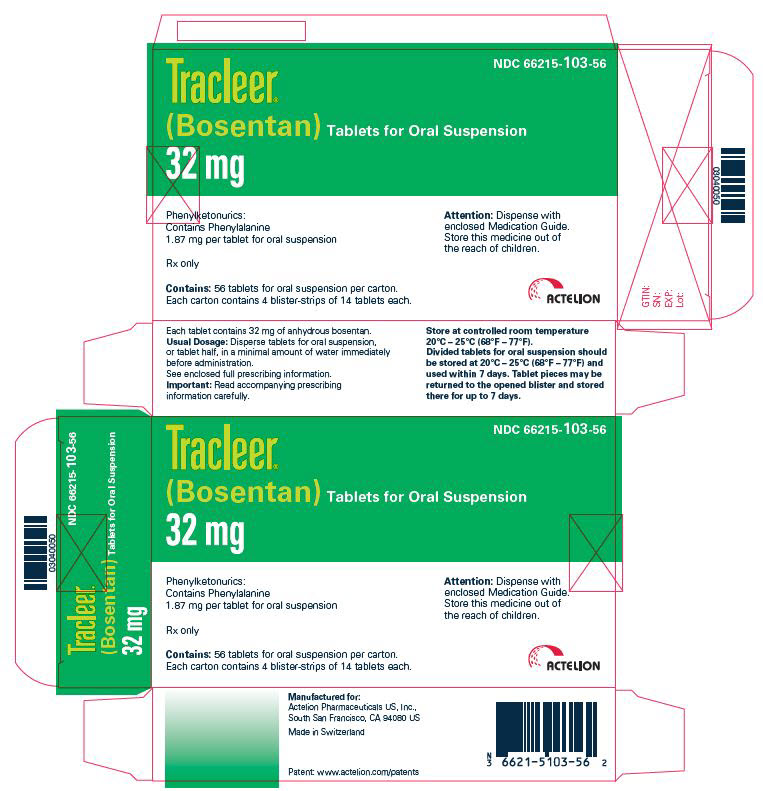
Tracleer bosentan 32 mg Tablet, For Suspension — NDC 66215-232-56 (Billing 66215-0232-56)
This is a package of Tracleer bosentan 32 mg Tablet, For Suspension from Actelion Pharmaceuticals US, Inc., marketed since Jul 2021 and currently FDA-listed. It is this product's only package size.
NDC database record
One package, one record: these facts belong to NDC 66215-232-56 alone.
- Record
- FDA NDC Directory package listing · Human prescription drug
- Code segments
- 66215 labeler · 232 product · 56 package
- Package marketed since
- Jul 29, 2021
- Sample package
- No — commercial package
- Listing certified through
- Dec 31, 2027
- Barcode (UPC-A, from the NDC)
- 3 6621523256 9
- Medicaid fills, this package
- 451 prescriptions in the last four reported quarters
- FDA record last changed
- Jul 24, 2026
Identity & classification
Regulatory identifiers FDA, NLM and CMS codes for this package
Drug-database identifiers Medi-Span GPI and First Databank GCN / HICL / AHFS classification
- GSN (GCN sequence number): 077706
- GCN: 43819
- GPI-14 (Medi-Span): 40160015007320
- HICL (First Databank): 022990
- AHFS class code: 24:12.92.00
- RxCUI (RxNorm): 349253
Where does this data come from?
- FDA openFDA NDC Directory · synced Oct 1, 2026
- FDA label on DailyMed · label index refreshed Oct 6, 2026
- RxNorm (NLM RxNav) · catalog refreshed Oct 1, 2026
- Medi-Span GPI (licensed)
- First Databank (licensed) · refreshed Oct 1, 2026
RxNorm drug class
This medicine belongs to the Endothelin Receptor Antagonist class.
Where does this data come from?
- RxClass (NLM) · catalog refreshed Oct 1, 2026
Clinical
Bosentan is used to treat pulmonary arterial hypertension (PAH, high blood pressure in the vessels that carry blood to the lungs). Bosentan is in a class of medications called endothelin receptor antagonists. It works by stopping the action of endothelin, a natural substance that causes blood vessels to narrow and prevents normal blood flow in people who have PAH.
Read the full MedlinePlus article ↗- It treats pulmonary arterial hypertension, or high blood pressure in the lung arteries. In adults it helps you exercise better and slows worsening. It is also used in children 3 ye...
- You take it by mouth twice a day, with or without food. Dispersible tablets get mixed in a little water right before you take them. Your dose depends on your age and weight, so fol...
- Bosentan can raise liver enzymes and, rarely, cause serious liver damage. Monthly tests catch problems early, often before you feel anything. Call us right away if you get nausea,...
- Only with strict precautions. Bosentan is likely to cause major birth defects, so you need a negative pregnancy test first and monthly tests. You must use two reliable birth contro...
Patient education
Supplement & herbal interactions
Some supplements/herbs that may interact with Bosentan — tap one for details:
Bosentan may be associated with lower levels of 1 nutrient — worth a chat with your pharmacist, not a cause for alarm.
Where does this data come from?
- MedlinePlus (NLM) · refreshed Oct 1, 2026
- FDA label on DailyMed · label index refreshed Oct 6, 2026
Ask a licensed pharmacist directly — free, answered by our team.
Pricing
A drug doesn't have one price. Each row is a different public payment system, and none is what you'd pay at the counter — that depends on your insurance. The ⓘ on each row explains what it measures.
| Price system | Per mL | Per package |
|---|---|---|
| Retail pharmacies payNADAC · weekly | Not in the retail survey — common for institutional, discontinued, or low-volume packs. | |
| Medicaid paysCMS SDUD · 12 mo | $219.97 | — |
| Medicare drug plans payPart D · Q2 2026 | $217.00 | — |
Where does this data come from?
- CMS NADAC weekly file
- CMS ASP pricing files · refreshed Sep 20, 2026
- CMS Medicaid State Drug Utilization Data · through Q1 2026
- CMS Part D plan pricing files · refreshed Sep 24, 2026
- VA National Acquisition Center price file
Packaging — all sizes for this product
| Package NDC | Description | Marketing start | Marketing end | Status |
|---|---|---|---|---|
| 66215-0232-56 You're viewing this Main listing | 4 BLISTER PACK in 1 CARTON / 14 TABLET, FOR SUSPENSION in 1 BLISTER PACK | 2021-07-29 | — | Active |
Therapeutic equivalents
| Product | Labeler | Pack | NADAC/unit | TE | Status | Price vs. this |
|---|---|---|---|---|---|---|
| Tracleer 32 mgthis 66215-0232-56 | Actelion | 14 tablets | — | AB | FDA listed | — |
| Bosentan 32 mg 68180-0340-13 | Lupin | 14 tablets | — | AB | FDA listed | — |
| bosentan 32 mg 70710-1508-08 | Zydus | 14 tablets | — | AB | FDA listed | — |
| bosentan 32 mg 70771-1908-08 | Zydus | 14 tablets | — | AB | FDA listed | — |
Where does this data come from?
- FDA openFDA NDC Directory · synced Oct 1, 2026
- FDA Orange Book · refreshed Oct 3, 2026
- CMS NADAC weekly file
Availability & generic status
The FDA lists approved generic versions of this medicine, but that does not always mean a pharmacy can get one today. Patent rules, launch agreements, supply and pricing can affect when generics actually arrive.
Why the date isn’t exact: Generic timing can change because patents may be challenged, settled, licensed, added, removed, or worked around with a narrower label — and FDA approval does not always mean a pharmacy can get the generic today.
🛈 What do these terms mean?
- Patent
- Legal protection listed in the Orange Book that may delay generic approval or launch. Issued by the U.S. Patent & Trademark Office.
- Substance patent
- Covers the active drug molecule itself — the hardest to design around. A generic generally can’t launch until it expires.
- Formulation (product) patent
- Covers a specific formulation or dosage form. A generic can sometimes work around it with a different formulation.
- Method-of-use patent
- A patent covering one specific approved use of the drug — not necessarily the whole molecule. A generic can sometimes launch with a “skinny label” that carves out the protected use and keeps the others.
- Skinny label
- A generic label that omits a still-patented use when the FDA allows it — letting a generic reach the market for the unprotected uses.
- Exclusivity
- FDA-granted marketing protection, separate from patents — e.g. 5-yr new chemical entity, 7-yr orphan drug, or a +6-month pediatric extension.
- Paragraph IV
- A generic applicant’s formal challenge to a listed patent. It can potentially lead to earlier generic entry, but often involves litigation or a settlement.
- RLD / RS
- Reference Listed Drug — the brand product the FDA uses as the reference for generic applications. Reference Standard — the product the FDA expects generics to compare against in bioequivalence testing.
- TE / AB rating
- FDA therapeutic-equivalence rating. An AB rating generally means the FDA considers a generic therapeutically equivalent to — and substitutable for — the brand.
- LOE (loss of exclusivity)
- The latest patent or exclusivity currently listed — the loss-of-exclusivity / latest-listed-protection date shown on this page. Paragraph-IV challenges and settlements can move the real date earlier; FDA approval and a manufacturer’s decision to market can move it later.
Built from the FDA Orange Book. The bars above are scaled to each protection’s expiry; the red LOE marker is the last one to lapse.
| Patent | Type | Use code | Expires |
|---|---|---|---|
| US 8309126 ↗ | Drug product | — | May 15, 2026 |
| US 7959945 ↗ | Drug product | — | Dec 28, 2027 |
Is there a generic version of TRACLEER 32 MG TABLET FOR SUSP?
The FDA approved a generic — why can’t I get it at my pharmacy yet?
Why do different websites show different generic release dates?
What does “FDA listed” mean?
What does a patent or protection date mean here?
What does “current Orange Book estimate” mean?
Can a generic come out before the last patent expires?
Can a generic come out after the listed dates?
What is the difference between patents and exclusivity?
Why are there multiple patent dates?
Where does this data come from?
- FDA Orange Book · refreshed Oct 3, 2026
What it looks like
Where does this data come from?
- FDA label on DailyMed · label index refreshed Oct 6, 2026
Inactive Ingredients / Excipients
Inactive ingredients, also called excipients, are components of the drug product other than the active ingredient. They may include fillers, dyes, coatings, preservatives, flavors, or other formulation ingredients.
🧪 Avoiding an ingredient? See Bosentan inactive ingredients by manufacturer: every current product's list side by side, so you can ask your pharmacy for the version that does not list it.
💡 Tap an ingredient (hover on desktop) to see what it is and why it’s used.
-
UNII 23OV73Q5G9
Acesulfame potassium is an artificial sweetener that tastes about 200 times sweeter than sugar. It's added to medicines to improve taste without adding calories or affecting blood sugar.
-
UNII L11K75P92J
A mineral salt made from calcium and phosphate. It acts as a filler and binder in tablets to add bulk and help hold the medicine together in solid form.
-
UNII Z0H242BBR1
Aspartame is an artificial sweetener made from amino acids. It's added to medicines to improve taste, making bitter or unpleasant-tasting drugs easier to take.
-
UNII M28OL1HH48
Croscarmellose sodium is a plant-based substance derived from cellulose. It acts as a disintegrant, helping tablets and capsules break down quickly in the digestive system so the medicine can be absorbed.
-
UNII 70097M6I30
Magnesium stearate is a salt made from magnesium and stearic acid, a fatty substance. It's used in tablets and capsules as a lubricant and glidant to help ingredients flow smoothly during manufacturing and prevent sticking.
-
UNII OP1R32D61U
Microcrystalline cellulose is a purified form of cellulose, a natural fiber from plant sources. It acts as a binder and filler in tablets and capsules, helping hold ingredients together and give the medicine its shape and size.
-
UNII ETJ7Z6XBU4
Silicon dioxide is a naturally occurring mineral used as a glidant and anti-caking agent. It helps powder ingredients flow smoothly and prevents clumping during manufacturing and storage.
-
UNII W4888I119H
Tartaric acid is a natural organic acid found in grapes and tamarinds. In medicines, it works as a buffer to control acidity, an antioxidant to prevent spoilage, and sometimes a flavoring or binding agent.
8 inactive ingredients listed in the exact product block matched to this NDC.
Where does this data come from?
ingredient classCode="IACT" elements from the exact product block matched by this NDC. Label-section narrative from DailyMed / the openFDA label index is shown separately when available.- FDA label on DailyMed · label index refreshed Oct 6, 2026
- FDA openFDA NDC Directory · synced Oct 1, 2026
Inactive ingredient FAQ
Are inactive ingredients the same for every manufacturer?
Why might an inactive ingredient be missing?
Can inactive ingredients matter?
Manufacturer & labeler
More NDCs from Actelion Pharmaceuticals US, Inc. labeler code 66215
- Tracleer bosentan 62.5 mg Tablet, Film Coated NDC 66215-101-03
- Tracleer bosentan 125 mg Tablet, Film Coated NDC 66215-102-03
- Zavesca miglustat 100 mg Capsule NDC 66215-201-90
- Veletri epoprostenol 1.5 mg/10mL Injection, Powder, Lyophilized, For Solution NDC 66215-402-01
- Veletri epoprostenol .5 mg/10mL Injection, Powder, Lyophilized, For Solution NDC 66215-403-01
- Opsumit macitentan 10 mg Tablet, Film Coated NDC 66215-501-15
- UPTRAVI Selexipag 200 ug Tablet, Coated NDC 66215-602-06
- UPTRAVI Selexipag 400 ug Tablet, Coated NDC 66215-604-06
- UPTRAVI Selexipag 600 ug Tablet, Coated NDC 66215-606-06
Where does this data come from?
- FDA openFDA NDC Directory · synced Oct 1, 2026
- Drugs@FDA
Full prescribing information FDA SPL
🚨 Boxed Warning ▾
WARNING: RISKS OF HEPATOTOXICITY and EMBRYO-FETAL TOXICITY Because of the risk of hepatotoxicity, TRACLEER is available only through a restricted program called the Bosentan Risk Evaluation and Mitigation Strategy (REMS). Under the Bosentan REMS, prescribers, patients, and pharmacies must enroll in the program [see Warnings and Precautions (5.2) ] . WARNING: RISKS OF HEPATOTOXICITY and EMBRYO-FETAL TOXICITY See full prescribing information for complete boxed warning.
TRACLEER is available only through a restricted distribution program called the Bosentan Risk Evaluation and Mitigation Strategy (REMS) because of the risk of hepatotoxicity ( 5.2 ): Elevations of liver aminotransferases (ALT, AST) and liver failure have been reported with TRACLEER ( 5.1 ). Measure liver aminotransferases prior to initiation of treatment and then monthly ( 2.1 , 5.1 ). Discontinue TRACLEER if aminotransferase elevations are accompanied by signs or symptoms of liver dysfunction or injury or increases in bilirubin ≥2×ULN ( 2.4 , 5.1 ).
Based on animal data, TRACLEER may cause fetal harm if used during pregnancy ( 4.1 , 5.3 , 8.1 ). Females of reproductive potential: Exclude pregnancy before initiating treatment. Use effective contraception prior to initiation of treatment, during treatment and for one month after stopping TRACLEER ( 2.1 , 4.1 , 5.3 , 8.1 , 8.3 ).
When pregnancy is detected, discontinue TRACLEER as soon as possible ( 5.3 ). Hepatotoxicity In clinical studies, TRACLEER caused at least 3-fold upper limit of normal (ULN) elevation of liver aminotransferases (ALT and AST) in about 11% of patients, accompanied by elevated bilirubin in a small number of cases. Because these changes are a marker for potential serious hepatotoxicity, serum aminotransferase levels must be measured prior to initiation of treatment and then monthly [see Dosage and Administration (2.4) , Warnings and Precautions (5.1) ] .
In the postmarketing period, in the setting of close monitoring, rare cases of unexplained hepatic cirrhosis were reported after prolonged (>12 months) therapy with TRACLEER in patients with multiple comorbidities and drug therapies. There have also been reports of liver failure. The contribution of TRACLEER in these cases could not be excluded.
In at least one case, the initial presentation (after >20 months of treatment) included pronounced elevations in aminotransferases and bilirubin levels accompanied by non-specific symptoms, all of which resolved slowly over time after discontinuation of TRACLEER. This case reinforces the importance of strict adherence to the monthly monitoring schedule for the duration of treatment and the treatment algorithm, which includes stopping TRACLEER with a rise of aminotransferases accompanied by signs or symptoms of liver dysfunction [see Dosage and Administration (2.4) ] .
Elevations in aminotransferases require close attention [see Dosage and Administration (2.4) ] . TRACLEER should generally be avoided in patients with elevated aminotransferases (>3×ULN) at baseline because monitoring for hepatotoxicity may be more difficult. If liver aminotransferase elevations are accompanied by clinical symptoms of hepatotoxicity (such as nausea, vomiting, fever, abdominal pain, jaundice, or unusual lethargy or fatigue) or increases in bilirubin ≥2×ULN, treatment with TRACLEER should be stopped.
There is no experience with the reintroduction of TRACLEER in these circumstances. Embryo-Fetal Toxicity TRACLEER is contraindicated for use during pregnancy because it may cause fetal harm if used by pregnant females based on animal data. Therefore, for females of reproductive potential, exclude pregnancy before the start of treatment with TRACLEER.
Advise use of effective contraception before initiation, during treatment and for one month after stopping TRACLEER. When pregnancy is detected, discontinue TRACLEER as soon as possible [see Dosage and Administration (2.1) , Contraindications (4.1) , Warnings and Precautions (5.3) ,… [Excerpted — this section continues on DailyMed.]
🎯 Indications and Usage ▾
1 INDICATIONS AND USAGE TRACLEER is indicated for the treatment of pulmonary arterial hypertension (PAH) (WHO Group 1): in adults to improve exercise ability and to decrease clinical worsening. Studies establishing effectiveness included predominantly patients with WHO Functional Class II-IV symptoms and etiologies of idiopathic or heritable PAH (60%), PAH associated with connective tissue diseases (21%), and PAH associated with congenital heart disease with left-to-right shunts (18%) [see Clinical Studies (14.1) ] . in pediatric patients aged 3 years and older with idiopathic or congenital PAH to improve pulmonary vascular resistance (PVR), which is expected to result in an improvement in exercise ability.
TRACLEER is an endothelin receptor antagonist indicated for the treatment of pulmonary arterial hypertension (PAH) (WHO Group 1): in adults to improve exercise ability and to decrease clinical worsening. Studies establishing effectiveness included predominantly patients with WHO Functional Class II-IV symptoms and etiologies of idiopathic or heritable PAH (60%), PAH associated with connective tissue diseases (21%), and PAH associated with congenital heart disease with left-to-right shunts (18%) ( 1 ). in pediatric patients aged 3 years and older with idiopathic or congenital PAH to improve pulmonary vascular resistance (PVR), which is expected to result in an improvement in exercise ability ( 1 ).
⏱️ Dosage and Administration ▾
2 DOSAGE AND ADMINISTRATION Patients older than 12 years of age: initiate at 62.5 mg orally twice daily; for patients weighing greater than 40 kg, increase to 125 mg orally twice daily after 4 weeks ( 2.2 ). Patients 12 years of age and younger: dosage is based on weight, see Table 1 ( 2.2 ). Reduce the dose and closely monitor patients developing aminotransferase elevations more than 3×Upper Limit of Normal (ULN) ( 2.4 ).
2.1Required Monitoring Healthcare professionals who prescribe TRACLEER must enroll in the Bosentan REMS and must comply with the required monitoring to minimize the risks associated with TRACLEER [see Warnings and Precautions (5.2) ]. Measure liver aminotransferase levels prior to initiation of treatment and then monthly [see Boxed Warning , Warnings and Precautions (5.1 , 5.2) ]. Exclude pregnancy before initiating treatment with TRACLEER in females of reproductive potential [see Boxed Warning , Contraindications (4.1) , Warnings and Precautions (5.3) , Use in Specific Populations (8.1 , 8.3) ] .
2.2Recommended Dosage Administer TRACLEER orally following the dosing recommendations in Table 1. Doses above 125 mg twice daily did not appear to confer additional benefit sufficient to offset the increased risk of hepatotoxicity. Table 1: Dosing Recommendations Initial 4 weeks Maintenance (after 4 weeks) Patients >12 years of age and >40 kg 62.5 mg twice daily 125 mg twice daily Patients >12 years of age and <40 kg 62.5 mg twice daily 62.5 mg twice daily Patients ≤12 years of age ≥4–8 kg 16 mg twice daily 16 mg twice daily >8–16 kg 32 mg twice daily 32 mg twice daily >16–24 kg 48 mg twice daily 48 mg twice daily >24–40 kg 64 mg twice daily 64 mg twice daily
2.3Administration TRACLEER film-coated tablets and tablets for oral suspension (dispersible tablets) should be administered orally twice daily. Disperse tablets for oral suspension, or dispersible tablet half, in a minimal amount of water immediately before administration. Store divided dispersible tablet pieces at 20 ºC to 25 ºC (68 ºF to 77 ºF) in the opened blister for up to 7 days.
2.4Dosage Adjustments for Aminotransferase Elevations If aminotransferase levels increase, adjust monitoring and treatment plan according to Table 2. Discontinue TRACLEER if liver aminotransferase elevations are accompanied by clinical symptoms of hepatotoxicity (such as nausea, vomiting, fever, abdominal pain, jaundice, or unusual lethargy or fatigue) or bilirubin ≥2 × Upper Limit of Normal (ULN). There is no experience with the reintroduction of TRACLEER in these circumstances.
Table 2: Dosage Adjustment and Monitoring in Patients Developing Aminotransferase Elevations >3×ULN ALT/AST levels Treatment and monitoring recommendations >3 and ≤5 × ULN Confirm by another aminotransferase test; if confirmed, in adults and pediatric patients >12 years and >40 kg , reduce the daily dose to 62.5 mg twice daily or interrupt treatment, and monitor aminotransferase levels at least every 2 weeks. If the aminotransferase levels return to pretreatment values, treatment may continue or be reintroduced at 62.5 mg twice daily, with reassessment of aminotransferase levels within 3 days. in all other pediatric patients , interrupt treatment with no prior dose reduction.
If the aminotransferase levels return to pretreatment values, reintroduce at the dose used prior to treatment interruption, with reassessment of aminotransferase levels within 3 days. >5 and ≤8 × ULN Confirm by another aminotransferase test; if confirmed, stop treatment and monitor aminotransferase levels at least every 2 weeks. Once the aminotransferase levels return to pretreatment values, in adults and pediatric patients >12 years and >40 kg , consider reintroduction of treatment at 62.5 mg twice daily, with reassessment of aminotransferase levels within 3 days. in all other pediatric patients , consider reintroduction at the dose used prior to treatment interruption, with reassessment of aminotransferase levels within 3 day… [Excerpted — this section continues on DailyMed.]
💊 Dosage Forms and Strengths ▾
3 DOSAGE FORMS AND STRENGTHS 62.5 mg tablets : round, biconvex, orange-white tablets, debossed with identification marking "62,5" 125 mg tablets : oval, biconvex, orange-white tablets, debossed with identification marking "125" 32 mg tablets for oral suspension : round, pale yellow to off-white tablets, bisected on one side and debossed with identification marking “32” on the other side. Film-coated tablet: 62.5 mg and 125 mg ( 3 ). Tablet for oral suspension: 32 mg ( 3 ).
⛔ Contraindications ▾
4 CONTRAINDICATIONS Pregnancy ( 4.1 ). Use with Cyclosporine A ( 4.2 ). Use with Glyburide ( 4.3 ). Hypersensitivity ( 4.4 ).
4.1Pregnancy Use of TRACLEER is contraindicated in females who are pregnant [see Boxed Warning , Dosage and Administration (2.1) , Warnings and Precautions (5.3) , Use in Specific Populations (8.1) ] .
4.2Use with Cyclosporine A Co-administration of cyclosporine A and bosentan resulted in markedly increased plasma concentrations of bosentan. Therefore, concomitant use of TRACLEER and cyclosporine A is contraindicated [see Drug Interactions (7.1) ] .
4.3Use with Glyburide An increased risk of liver enzyme elevations was observed in patients receiving glyburide concomitantly with bosentan. Therefore co-administration of glyburide and TRACLEER is contraindicated [see Drug Interactions (7.1) ] .
4.4Hypersensitivity TRACLEER is contraindicated in patients who are hypersensitive to bosentan or any component of the product. Observed reactions include Drug Reaction with Eosinophilia and Systemic Symptoms (DRESS), anaphylaxis, rash, and angioedema [see Adverse Reactions (6.2) , Description (11) ] .
⚠️ Warnings and Cautions ▾
5 WARNINGS AND PRECAUTIONS Fluid retention: May require intervention ( 5.4 ). Pulmonary veno-occlusive disease (PVOD): If signs of pulmonary edema occur, consider the diagnosis of associated PVOD and consider discontinuing TRACLEER ( 5.5 ). Decreased sperm counts ( 5.6 ). Decreases in hemoglobin and hematocrit: Monitor hemoglobin levels after 1 and 3 months of treatment, then every 3 months thereafter ( 5.7 ).
5.1Hepatotoxicity ALT or AST >3 × ULN were observed in 11% of TRACLEER-treated patients (n=658) compared to 2% of placebo-treated patients (n=280). Three-fold increases were seen in 12% of 95 pulmonary arterial hypertension (PAH) patients on 125 mg twice daily and 14% of 70 PAH patients on 250 mg twice daily. Eight-fold increases were seen in 2% of PAH patients on 125 mg twice daily and 7% of PAH patients on 250 mg twice daily.
Bilirubin increases to ≥3 × ULN were associated with aminotransferase increases in 2 of 658 (0.3%) of patients treated with TRACLEER. In a pooled analysis of four pediatric studies conducted in PAH (n=100), elevations in liver aminotransferases ≥3×ULN were observed in 2% of patients. The combination of hepatocellular injury (increases in aminotransferases of >3 × ULN) and increases in total bilirubin (≥2 × ULN) is a marker for potential serious hepatotoxicity.
Elevations of AST or ALT associated with TRACLEER are dose-dependent, occur both early and late in treatment, usually progress slowly, are typically asymptomatic, and usually have been reversible after treatment interruption or cessation. Aminotransferase elevations also may reverse spontaneously while continuing treatment with TRACLEER. Liver aminotransferase levels must be measured prior to initiation of treatment and then monthly and therapy adjusted accordingly [see Dosage and Administration (2.1 , 2.4) ] .
Discontinue TRACLEER if liver aminotransferase elevations are accompanied by clinical symptoms of hepatotoxicity (such as nausea, vomiting, fever, abdominal pain, jaundice, or unusual lethargy or fatigue) or increases in bilirubin ≥2 × ULN. Avoid initiation of TRACLEER in patients with elevated aminotransferases (>3 × ULN) prior to drug initiation because monitoring hepatotoxicity in these patients may be more difficult [see Boxed Warning , Dosage and Administration (2.6) , Use in Specific Populations (8.6) ] . In WHO Functional Class II patients, consider whether the benefits of TRACLEER are sufficient to offset the risk of hepatotoxicity, which may preclude future use as their disease progresses.
TRACLEER is only available through a restricted program under REMS [see Warnings and Precautions (5.2) ].
5.2Bosentan REMS Because of the risks of hepatotoxicity , TRACLEER is available only through a restricted program called the Bosentan REMS. As a component of the Bosentan REMS, prescribers, patients, and pharmacies must enroll in the program [see Boxed Warning , Warnings and Precautions (5.1) ] . Required components of the Bosentan REMS are: Healthcare professionals who prescribe TRACLEER must review the prescriber educational materials, enroll in the Bosentan REMS and comply with its requirements.
Healthcare professionals must (1) review serum aminotransferases (ALT/AST) and bilirubin, and agree to order and monitor these tests monthly. To receive TRACLEER, all patients must understand the risks and benefits, and complete a patient enrollment form with their prescriber. Pharmacies that dispense TRACLEER must enroll in the program and agree to comply with the Bosentan REMS requirements.
Further information about TRACLEER and the Bosentan REMS is available at www.BosentanREMSProgram.com or 1-866-359-2612.
5.3Embryo-Fetal Toxicity Based on data from animal reproduction studies, TRACLEER may cause fetal harm when administered to a pregnant female and is contraindicated in females who are pregnant. The available human data for endothelin receptor antagonists do not establish the presence or absence of major birth defects related to the u… [Excerpted — this section continues on DailyMed.]
🤒 Adverse Reactions ▾
6 ADVERSE REACTIONS The following important adverse reactions are described elsewhere in the labeling: Hepatotoxicity [see Boxed Warning , Warnings and Precautions (5.1) ] Embryo-fetal Toxicity [see Boxed Warning , Warnings and Precautions (5.3) ] Fluid Retention [see Warnings and Precautions (5.4) ] Common adverse reactions (≥3% more than placebo) for the film-coated tablet are respiratory tract infection and anemia ( 6.1 ). Common adverse reactions (≥15%) for the dispersible tablet are upper respiratory tract infections and pyrexia ( 6.1 ).
To report SUSPECTED ADVERSE REACTIONS, contact Actelion at 1-800-526-7736 or FDA at 1-800-FDA-1088 or www.fda.gov/medwatch.
6.1Clinical Trials Experience Because clinical trials are conducted under widely varying conditions, adverse reaction rates observed in the clinical trials of a drug cannot be directly compared to rates in the clinical trials of another drug and may not reflect the rates observed in practice. Safety data on TRACLEER were obtained from 13 clinical studies (9 placebo-controlled and 4 open-label) in 870 adult patients with PAH and other diseases. Doses up to 8 times the currently recommended clinical dose (125 mg twice daily) were administered for a variety of durations.
The exposure to TRACLEER in these trials ranged from 1 day to 4.1 years (n=94 for 1 year; n=61 for 1.5 years; and n=39 for more than 2 years). Exposure of PAH patients (n=328) to TRACLEER ranged from 1 day to 1.7 years (n=174 more than 6 months and n=28 more than 12 months). Treatment discontinuations due to adverse events other than those related to pulmonary hypertension during the clinical trials in adult patients with PAH were more frequent on TRACLEER (6%; 15/258 patients) than on placebo (3%; 5/172 patients).
In this database the only cause of discontinuations >1% and occurring more often on TRACLEER was abnormal liver function. The adverse drug events that occurred in ≥3% of the TRACLEER-treated patients and were more common on TRACLEER in placebo-controlled trials in PAH at doses of 125 or 250 mg twice daily are shown in Table 3: Table 3: Adverse Events Note: only AEs with onset from start of treatment to 1 calendar day after end of treatment are included. All reported events (at least 3%) are included except those too general to be informative, and those not reasonably associated with the use of the drug because they were associated with the condition being treated or are very common in the treated population.
Occurring in ≥3% of Patients Treated with TRACLEER 125-250 mg Twice Daily and More Common on TRACLEER in Placebo-Controlled Studies in Pulmonary Arterial Hypertension Adverse Event TRACLEER n=258 Placebo n=172 No. % No. % Respiratory Tract Infection Respiratory Tract Infection combines the terms "Nasopharyngitis", "Upper Respiratory Tract Infection" and "Respiratory Tract Infection". Combined data from Study 351, BREATHE-1 and EARLY 56 22% 30 17% Headache 39 15% 25 14% Edema 28 11% 16 9% Chest Pain 13 5% 8 5% Syncope 12 5% 7 4% Flushing 10 4% 5 3% Hypotension 10 4% 3 2% Sinusitis 9 4% 4 2% Arthralgia 9 4% 3 2% Serum Aminotransferases, abnormal 9 4% 3 2% Palpitations 9 4% 3 2% Anemia 8 3% - - TRACLEER was evaluated for safety in 119 pediatric patients in uncontrolled studies.
The safety profile was similar to that observed in adult patients with PAH. Decreased Sperm Counts An open-label, single-arm, multicenter, safety study evaluated the effect on testicular function of TRACLEER 62.5 mg twice daily for 4 weeks, followed by 125 mg twice daily for 5 months. Twenty-five male patients with WHO functional class III and IV PAH and normal baseline sperm count were enrolled.
Twenty-three completed the study and 2 discontinued due to adverse events not related to testicular function. There was a decline in sperm count of at least 50% in 25% of the patients after 3 or 6 months of treatment with TRACLEER. Sperm count remained within the normal range in all 22 patients with data after 6 months and n… [Excerpted — this section continues on DailyMed.]
🔄 Drug Interactions ▾
7 DRUG INTERACTIONS Cytochrome P450: Coadministration of TRACLEER with drugs metabolized by CYP2C9 and CYP3A can increase exposure to TRACLEER and/or the coadministered drug ( 4.2 , 4.3 , 7.1 ). Hormonal contraceptives: TRACLEER use decreases contraceptive exposure and reduces effectiveness ( 7.2 ).
7.1Cytochrome P450 Drug Interactions Bosentan is metabolized by CYP2C9 and CYP3A. Inhibition of these enzymes may increase the plasma concentration of bosentan [see Clinical Pharmacology (12.3) ] . Concomitant administration of both a CYP2C9 inhibitor (such as fluconazole or amiodarone) and a strong CYP3A inhibitor (e.g., ketoconazole, itraconazole) or a moderate CYP3A inhibitor (e.g., amprenavir, erythromycin, fluconazole, diltiazem) with TRACLEER will likely lead to large increases in plasma concentrations of bosentan.
Co-administration of such combinations of a CYP2C9 inhibitor plus a strong or moderate CYP3A inhibitor with TRACLEER is not recommended. Bosentan is an inducer of CYP3A and CYP2C9. Consequently plasma concentrations of drugs metabolized by these two isozymes will be decreased when TRACLEER is co-administered.
Bosentan had no relevant inhibitory effect on any CYP isozyme in vitro (CYP1A2, CYP2C9, CYP2C19, CYP2D6, CYP3A). Consequently, TRACLEER is not expected to increase the plasma concentrations of drugs metabolized by these enzymes. Figure 1.
CYP3A induction-mediated effect of bosentan on other drugs Figure 2. Effect of other drugs on bosentan Figure 1 Figure 2
7.2Hormonal Contraceptives Hormonal contraceptives, including oral, injectable, transdermal, and implantable forms, may not be reliable when TRACLEER is co-administered. Females should practice additional methods of contraception and not rely on hormonal contraception alone when taking TRACLEER [see Use in Specific Populations (8.3) ] . An interaction study demonstrated that co-administration of bosentan and a combination oral hormonal contraceptive produced average decreases of norethindrone and ethinyl estradiol levels of 14% and 31%, respectively.
However, decreases in exposure were as much as 56% and 66%, respectively, in individual subjects.
👥 Use in Specific Populations ▾
8 USE IN SPECIFIC POPULATIONS Nursing mothers: Choose breastfeeding or TRACLEER ( 8.2 ).
8.1Pregnancy Risk Summary Based on data from animal reproduction studies, TRACLEER may cause fetal harm, including birth defects and fetal death, when administered to a pregnant female and is contraindicated during pregnancy [see Contraindications (4.1) ] . Available data from postmarketing reports and published literature over decades of use with endothelin receptor antagonists (ERA) in the same class as TRACLEER have not identified an increased risk of major birth defects; however, these data are limited. Methodological limitations of these postmarketing reports and published literature include lack of a control group; limited information regarding dose, duration, and timing of drug exposure; and missing data.
These limitations preclude establishing a reliable estimate of the risk of adverse fetal and neonatal outcomes with maternal ERA use. In animal reproduction studies, oral administration of bosentan to pregnant rats at 2-times the maximum recommended human dose (MRHD) on a mg/m 2 basis caused teratogenic effects in rats, including malformations of the head, mouth, face, and large blood vessels [see Animal Data ] . Advise pregnant women of the potential risk to a fetus.
The estimated background risk of major birth defects and miscarriage for the indicated population is unknown. All pregnancies have a background risk of birth defect, loss, or other adverse outcomes. In the U.S. general population, the estimated background risk of major birth defects and miscarriage in clinically recognized pregnancies is 2–4% and 15–20%, respectively.
Data Animal Data Bosentan was teratogenic in rats given oral doses two times the MRHD (on a mg/m 2 basis). In an embryo-fetal toxicity study in rats, bosentan showed dose-dependent teratogenic effects, including malformations of the head, mouth, face and large blood vessels. Bosentan increased stillbirths and pup mortality at oral doses 2 and 10 times the MRHD (on a mg/m 2 basis).
Although birth defects were not observed in rabbits given oral doses of up to the equivalent of 10.5 g/day in a 70 kg person, plasma concentrations of bosentan in rabbits were lower than those reached in the rat. The similarity of malformations induced by bosentan and those observed in endothelin-1 knockout mice and in animals treated with other endothelin receptor antagonists indicates that embryo-fetal toxicity is a class effect of these drugs.
8.2Lactation Risk Summary Data from a case report describe the presence of bosentan in human milk. There is insufficient information about the effects of bosentan on the breastfed infant and no information on the effects of bosentan on milk production. Because of the potential for serious adverse reactions, such as fluid retention and hepatotoxicity, in breastfed infants from TRACLEER, advise women not to breastfeed during treatment with TRACLEER.
8.3Females and Males of Reproductive Potential Based on data from animal reproductive toxicity studies, TRACLEER may cause fetal harm, including birth defects and fetal death, when administered to a pregnant patient and is contraindicated during pregnancy [see Contraindications (4.1) , Use in Specific Populations (8.1) ] . Pregnancy Testing Verify that females of reproductive potential are not pregnant prior to initiating TRACLEER. The patient should contact her physician immediately for pregnancy testing if onset of menses is delayed or pregnancy is suspected.
If the pregnancy test is positive, the physician and patient must discuss the risks to her, the pregnancy, and the fetus [see Dosage and Administration (2.1) , Contraindications (4.1) , Warnings and Precautions (5.3) ] . Contraception Drug interaction studies show that bosentan reduces serum levels of the estrogen and progestin in oral contraceptives. Based on these findings, hormonal contraceptives (including oral, injectable, transdermal, and implantable contraceptives) may be les… [Excerpted — this section continues on DailyMed.]
🤰 Pregnancy ▾
8.1Pregnancy Risk Summary Based on data from animal reproduction studies, TRACLEER may cause fetal harm, including birth defects and fetal death, when administered to a pregnant female and is contraindicated during pregnancy [see Contraindications (4.1) ] . Available data from postmarketing reports and published literature over decades of use with endothelin receptor antagonists (ERA) in the same class as TRACLEER have not identified an increased risk of major birth defects; however, these data are limited. Methodological limitations of these postmarketing reports and published literature include lack of a control group; limited information regarding dose, duration, and timing of drug exposure; and missing data.
These limitations preclude establishing a reliable estimate of the risk of adverse fetal and neonatal outcomes with maternal ERA use. In animal reproduction studies, oral administration of bosentan to pregnant rats at 2-times the maximum recommended human dose (MRHD) on a mg/m 2 basis caused teratogenic effects in rats, including malformations of the head, mouth, face, and large blood vessels [see Animal Data ] . Advise pregnant women of the potential risk to a fetus.
The estimated background risk of major birth defects and miscarriage for the indicated population is unknown. All pregnancies have a background risk of birth defect, loss, or other adverse outcomes. In the U.S. general population, the estimated background risk of major birth defects and miscarriage in clinically recognized pregnancies is 2–4% and 15–20%, respectively.
Data Animal Data Bosentan was teratogenic in rats given oral doses two times the MRHD (on a mg/m 2 basis). In an embryo-fetal toxicity study in rats, bosentan showed dose-dependent teratogenic effects, including malformations of the head, mouth, face and large blood vessels. Bosentan increased stillbirths and pup mortality at oral doses 2 and 10 times the MRHD (on a mg/m 2 basis).
Although birth defects were not observed in rabbits given oral doses of up to the equivalent of 10.5 g/day in a 70 kg person, plasma concentrations of bosentan in rabbits were lower than those reached in the rat. The similarity of malformations induced by bosentan and those observed in endothelin-1 knockout mice and in animals treated with other endothelin receptor antagonists indicates that embryo-fetal toxicity is a class effect of these drugs.
🧒 Pediatric Use ▾
8.4Pediatric Use The efficacy of TRACLEER in patients <18 years is supported by data from an uncontrolled trial in which 19 pediatric patients were treated with TRACLEER. In this study, cardiopulmonary hemodynamic improvements were similar to those seen in adults treated with TRACLEER [see Clinical Studies (14.1) ] . Safety in pediatric patients is supported by data from 100 pediatric patients treated with TRACLEER for a median of 17 months [see Adverse Reactions (6.1) , Clinical Studies (14.1) ] .
Juvenile Animal Toxicity Data In a juvenile rat toxicity study, rats were treated from Day 4 postpartum to adulthood (Day 69 postpartum). Decreased body weights, absolute weights of testes and epididymides, and reduced number of sperm in epididymides were observed after weaning. No effect on testis histology or sperm morphology and function was seen.
The NOAEL was 4 times (at Day 4 postpartum) and 2 times (Day 69 postpartum) the human therapeutic exposure, respectively. No effects on general development, sensory, cognitive function and reproductive performance were detected at the highest dose tested in juvenile rats, 7 times the therapeutic exposure in children with PAH.
🧓 Geriatric Use ▾
8.5Geriatric Use Clinical studies of TRACLEER did not include sufficient numbers of subjects aged 65 and older to determine whether they respond differently from younger subjects.
🆘 Overdosage ▾
10 OVERDOSAGE Bosentan has been given as a single dose of up to 2400 mg in normal volunteers, or up to 2000 mg/day for 2 months in patients, without any major clinical consequences. The most common side effect was headache of mild to moderate intensity. In the cyclosporine A interaction study, in which doses of 500 and 1000 mg twice daily of bosentan were given concomitantly with cyclosporine A, trough plasma concentrations of bosentan increased 30-fold, resulting in severe headache, nausea, and vomiting, but no serious adverse events.
Mild decreases in blood pressure and increases in heart rate were observed. In the postmarketing period, there was one reported overdose of 10,000 mg of TRACLEER taken by an adolescent male patient. He had symptoms of nausea, vomiting, hypotension, dizziness, sweating, and blurred vision.
He recovered within 24 hours with blood pressure support. Bosentan is unlikely to be effectively removed by dialysis due to the high molecular weight and extensive plasma protein binding.
🧬 Clinical Pharmacology ▾
12 CLINICAL PHARMACOLOGY
12.1Mechanism of Action Bosentan is a specific and competitive antagonist at endothelin receptor types ET A and ET B . Bosentan has a slightly higher affinity for ET A receptors than for ET B receptors. The clinical impact of dual endothelin blockage is unknown.
Endothelin-1 (ET-1) is a neurohormone, the effects of which are mediated by binding to ET A and ET B receptors in the endothelium and vascular smooth muscle. ET-1 concentrations are elevated in plasma and lung tissue of patients with PAH, suggesting a pathogenic role for ET-1 in this disease.
12.3Pharmacokinetics General After oral administration, maximum plasma concentrations of bosentan are attained within 3–5 hours and the terminal elimination half-life is about 5 hours in healthy adult subjects. The exposure to bosentan after intravenous and oral administration is about twice as high in adult patients with PAH as it is in healthy adult subjects. In a relative bioavailability study in healthy adults, the peak plasma concentration and area under the plasma concentration-time curve for bosentan are on an average 14% and 11%, respectively, lower following administration of the oral dispersible tablet compared to the film-coated tablet.
Absorption The absolute bioavailability of bosentan in normal volunteers is about 50% and is unaffected by food. Bosentan is highly bound (>98%) to plasma proteins, mainly albumin. Bosentan does not penetrate into erythrocytes.
The volume of distribution is about 18 L. Elimination Metabolism Bosentan has three metabolites, one of which is pharmacologically active and may contribute 10%–20% of the effect of bosentan. Bosentan is an inducer of CYP2C9 and CYP3A and possibly also of CYP2C19.
Upon multiple oral dosing, plasma concentrations in healthy adults decrease gradually to 50–65% of those seen after single dose administration, probably the effect of auto-induction of the metabolizing liver enzymes. Steady-state is reached within 3–5 days. Excretion Bosentan is eliminated by biliary excretion following metabolism in the liver.
Less than 3% of an administered oral dose is recovered in urine. Total clearance after a single intravenous dose is about 4 L/h in patients with PAH. Specific Populations Pediatrics The average plasma exposure to bosentan at steady state (AUC ss ) in pediatric patients with PAH aged 3 to 15 years treated with 31.25, 62.5 or 125 mg (approximately 2 mg/kg) film-coated tablet twice daily is 37% lower than that observed in adult patients with PAH receiving 125 mg film-coated tablet twice daily.
Following administration of 4 mg/kg twice daily doses of dispersible tablet in patients with PAH aged 2 to 11 years, the average systemic exposure to bosentan at steady state is similar to that observed with 2 mg/kg. The average exposure to bosentan in these pediatric patients was approximately half the exposure in adult patients treated with 125 mg film-coated tablets twice daily. The exposure to bosentan at 2 mg/kg three times daily dosing of dispersible tablet is similar to that of 2 mg/kg twice daily dosing in patients with PAH aged 3 months to 12 years.
Based on these findings, exposure to bosentan reaches a plateau at lower doses in pediatric patients than in adults, and doses higher than 2 mg/kg twice daily do not increase the exposure to bosentan in pediatric patients. Hepatic Impairment In vitro and in vivo evidence showing extensive hepatic metabolism of bosentan suggests that liver impairment could significantly increase exposure to bosentan. In a study comparing 8 patients with mild liver impairment (Child-Pugh Class A) to 8 controls, the single- and multiple-dose pharmacokinetics of bosentan were not altered in patients with mild hepatic impairment.
In another small (N=8) pharmacokinetic study, the steady-state AUC of bosentan was on average 4.7 times higher and the active metabolite Ro 48-5033 was 12.4 times higher in 5 patients with moderately impaired liver function (Child-Pugh Class B… [Excerpted — this section continues on DailyMed.]
🧬 Mechanism of Action ▾
12.1Mechanism of Action Bosentan is a specific and competitive antagonist at endothelin receptor types ET A and ET B . Bosentan has a slightly higher affinity for ET A receptors than for ET B receptors. The clinical impact of dual endothelin blockage is unknown.
Endothelin-1 (ET-1) is a neurohormone, the effects of which are mediated by binding to ET A and ET B receptors in the endothelium and vascular smooth muscle. ET-1 concentrations are elevated in plasma and lung tissue of patients with PAH, suggesting a pathogenic role for ET-1 in this disease.
📦 How Supplied / Storage and Handling ▾
16 HOW SUPPLIED/STORAGE AND HANDLING 62.5 mg film-coated, round, biconvex, orange-white tablets, debossed with identification marking "62,5", packaged in a white high-density polyethylene bottle and a white polypropylene child-resistant cap or in foil blister-strips for hospital unit-dosing. NDC 66215-101-06: Bottle containing 60 tablets. NDC 66215-101-03: Carton of 30 tablets in 10 blister strips of 3 tablets.
125 mg film-coated, oval, biconvex, orange-white tablets, debossed with identification marking "125", packaged in a white high-density polyethylene bottle and a white polypropylene child-resistant cap or in foil blister-strips for hospital unit-dosing. NDC 66215-102-06: Bottle containing 60 tablets. NDC 66215-102-03: Carton of 30 tablets in 10 blister strips of 3 tablets.
32 mg tablets for oral suspension, pale yellow to off-white, round, bisected on one side and debossed with identification marking "32" on the other side, packaged in child-resistant Aluminum/Aluminum peel-push blisters. NDC 66215-232-56: Carton of 56 tablets for oral suspension in 4 blister-strips of 14 tablets. NDC 66215-232-14: Blister strip of 14 tablets for oral suspension.
Store at 20 ºC to 25 ºC (68 ºF to 77 ºF). Excursions are permitted between 15 °C and 30 °C (59 °F and 86 °F). [See USP Controlled Room Temperature]. These storage temperatures apply to both film-coated and dispersible tablets.
Divided dispersible tablets should be stored under the same conditions and used within 7 days. Tablet pieces may be returned to the opened blister and stored there out of reach of children for up to 7 days. Keep out of reach of children.
📦 Storage and Handling ▾
Store at 20 ºC to 25 ºC (68 ºF to 77 ºF). Excursions are permitted between 15 °C and 30 °C (59 °F and 86 °F). [See USP Controlled Room Temperature]. These storage temperatures apply to both film-coated and dispersible tablets.
Divided dispersible tablets should be stored under the same conditions and used within 7 days. Tablet pieces may be returned to the opened blister and stored there out of reach of children for up to 7 days. Keep out of reach of children.
📋 Description ▾
11 DESCRIPTION TRACLEER ® is the proprietary name for bosentan, an endothelin receptor antagonist that belongs to a class of highly substituted pyrimidine derivatives, with no chiral centers. It is designated chemically as 4-tert-butyl-N-[6-(2-hydroxy-ethoxy)-5-(2-methoxy-phenoxy)-[2,2´]-bipyrimidin-4-yl]- benzenesulfonamide monohydrate and has the following structural formula: Bosentan has a molecular weight of 569.64 and a molecular formula of C 27 H 29 N 5 O 6 S∙H 2 O. Bosentan is a white to yellowish powder.
It is poorly soluble in water (1.0 mg/100 mL) and in aqueous solutions at low pH (0.1 mg/100 mL at pH 1.1 and 4.0; 0.2 mg/100 mL at pH 5.0). Solubility increases at higher pH values (43 mg/100 mL at pH 7.5). In the solid state, bosentan is very stable, is not hygroscopic and is not light sensitive.
TRACLEER is available as 62.5 mg and 125 mg film-coated tablets for oral administration, and contains the following excipients: corn starch, ethylcellulose, glyceryl behenate, hydroxypropylmethylcellulose, iron oxide red, iron oxide yellow, magnesium stearate, povidone, pregelatinized starch, sodium starch glycolate, talc, titanium dioxide, and triacetin. Each TRACLEER 62.5 mg tablet contains 64.54 mg of bosentan monohydrate, equivalent to 62.5 mg of anhydrous bosentan. Each TRACLEER 125 mg tablet contains 129.08 mg of bosentan monohydrate, equivalent to 125 mg of anhydrous bosentan.
TRACLEER is also available as a 32 mg tablet for oral suspension and contains the following excipients: acesulfame potassium, aspartame (E951), calcium hydrogen phosphate anhydrous, cellulose microcrystalline, croscarmellose sodium, magnesium stearate, silica colloidal anhydrous, tartaric acid, and tutti frutti flavor. Each dispersible tablet contains 1.87 mg of phenylalanine. Each dispersible tablet contains 33.045 mg of bosentan monohydrate, equivalent to 32 mg anhydrous bosentan.
Chemical Structure
💬 Information for Patients ▾
17 PATIENT COUNSELING INFORMATION Advise the patient to read the FDA-approved patient labeling (Medication Guide) Restricted Access Advise the patient that TRACLEER is only available through a restricted access program called the Bosentan REMS and that TRACLEER is available only from certified pharmacies enrolled in the Bosentan REMS. As a component of the Bosentan REMS, prescribers must review the contents of the TRACLEER Medication Guide with the patient before initiating TRACLEER and patients must sign the Patient Enrollment Form to confirm that they understand the risks of TRACLEER.
Instruct patients that the risks associated with TRACLEER include hepatotoxicity. Discuss with the patient the requirement to measure serum aminotransferases monthly [see Dosage and Administration (2.1 , 2.4) , Warnings and Precautions (5.1 , 5.2) ] . Embryo-Fetal Toxicity Counsel female patients of reproductive potential about the need to use effective contraception prior to treatment, during treatment with TRACLEER and for one month after treatment discontinuation.
Females of reproductive potential should have a negative pregnancy test prior to treatment [see Dosage and Administration (2.1) , Warnings and Precautions (5.3) , Drug Interactions (7.2) , Use in Specific Populations (8.1 , 8.3) ] . Patients should be instructed to immediately contact their physician if they suspect they may be pregnant. Patients should seek additional contraceptive advice from a gynecologist or similar expert as needed.
Educate and counsel females of reproductive potential on the use of emergency contraception in the event of unprotected sex or contraceptive failure. Advise pre-pubertal females to report any changes in their reproductive status immediately to her prescriber. Lactation Advise women not to breastfeed during treatment with TRACLEER [see Use in Specific Populations (8.2) ].
Infertility Advise males of reproductive potential that TRACLEER may impair fertility [see Warnings and Precautions (5.6) , Adverse Reactions (6.1) , Use in Specific Populations (8.3) and Nonclinical Toxicology (13.1) ]. Phenylketonurics TRACLEER dispersible tablets contain phenylalanine, a component of aspartame. Each dispersible tablet contains 1.87 mg of phenylalanine.
Other Risks Associated with TRACLEER Instruct patients that the risks associated with TRACLEER also include the following: Decreases in hemoglobin and hematocrit – advise patients of the importance of hemoglobin testing, Decreases in sperm count, Fluid retention.
💬 Medication Guide ▾
Medication Guide TRACLEER ® (TRA-KLEER) (BOSENTAN) TABLETS This Medication Guide has been approved by the U.S. Food and Drug Administration. Revised: 11/2025 Read the Medication Guide that comes with TRACLEER before you start taking it and each time you get a refill.
There may be new information. This Medication Guide does not take the place of talking with your healthcare provider about your medical condition or your treatment. What is the most important information I should know about TRACLEER?
TRACLEER can cause serious side effects including: Liver damage. Liver damage may not cause symptoms at first. Only a blood test can show if you have early liver damage.
You must have your blood tested to check your liver function before you start TRACLEER and each month after that. Your healthcare provider will order these tests. Regular blood tests are important because they will help your healthcare provider adjust or stop your treatment before there is permanent damage.
Tell your healthcare provider if you have had liver problems, including liver problems while taking other medicines. Call your healthcare provider right away if you have any of these symptoms of liver problems while taking TRACLEER: nausea vomiting fever unusual tiredness stomach area (abdominal) pain yellowing of the skin or the whites of your eyes (jaundice) Because of the risk for liver damage, TRACLEER is only available through a restricted program called the Bosentan REMS. Before you begin taking TRACLEER, you must read and agree to all of the requirements of the Bosentan REMS.
Serious birth defects. TRACLEER can cause serious birth defects if taken during pregnancy. You should not be pregnant when you start taking TRACLEER or during TRACLEER treatment.
Serious birth defects from TRACLEER may happen early in pregnancy. Females who are able to get pregnant should have a negative pregnancy test before starting treatment with TRACLEER. Talk to your healthcare provider about your menstrual cycle.
Your healthcare provider will decide when to do a pregnancy test and will order a pregnancy test for you depending on your menstrual cycle. Females who are able to get pregnant are females who: have entered puberty, even if they have not started their menstrual period, and have a uterus, and have not gone through menopause. Menopause means that you have not had a menstrual period for at least 12 months for natural reasons, or that you have had your ovaries removed.
Females who are not able to get pregnant are females who: have not yet entered puberty, or do not have a uterus, or have gone through menopause. Menopause means that you have not had a menstrual period for at least 12 months for natural reasons, or that you have had your ovaries removed or are infertile for other medical reasons and this infertility is permanent and cannot be reversed. Females who are able to get pregnant should use effective birth control prior to starting treatment with TRACLEER, during treatment with TRACLEER, and for one month after stopping TRACLEER because the medicine may still be in the body.
Talk with your healthcare provider or gynecologist (a doctor who specializes in female reproduction) to find out about options for effective birth control that you may use to prevent pregnancy during treatment with TRACLEER. If you decide that you want to change the form of birth control that you use, talk with your healthcare provider or gynecologist to be sure that you choose another acceptable form of birth control. Do not have unprotected sex.
Talk to your healthcare provider or pharmacist right away if you have unprotected sex or if you think your birth control has failed. Your healthcare provider may talk with you about using emergency birth control. Tell your healthcare provider right away if you miss a menstrual period or think you may be pregnant.
If you are the parent or caregiver of a female child who started taking TRACLEER before reaching puberty, you should check your child regularly… [Excerpted — this section continues on DailyMed.]
🧬 Pharmacokinetics ▾
12.3Pharmacokinetics General After oral administration, maximum plasma concentrations of bosentan are attained within 3–5 hours and the terminal elimination half-life is about 5 hours in healthy adult subjects. The exposure to bosentan after intravenous and oral administration is about twice as high in adult patients with PAH as it is in healthy adult subjects. In a relative bioavailability study in healthy adults, the peak plasma concentration and area under the plasma concentration-time curve for bosentan are on an average 14% and 11%, respectively, lower following administration of the oral dispersible tablet compared to the film-coated tablet.
Absorption The absolute bioavailability of bosentan in normal volunteers is about 50% and is unaffected by food. Bosentan is highly bound (>98%) to plasma proteins, mainly albumin. Bosentan does not penetrate into erythrocytes.
The volume of distribution is about 18 L. Elimination Metabolism Bosentan has three metabolites, one of which is pharmacologically active and may contribute 10%–20% of the effect of bosentan. Bosentan is an inducer of CYP2C9 and CYP3A and possibly also of CYP2C19.
Upon multiple oral dosing, plasma concentrations in healthy adults decrease gradually to 50–65% of those seen after single dose administration, probably the effect of auto-induction of the metabolizing liver enzymes. Steady-state is reached within 3–5 days. Excretion Bosentan is eliminated by biliary excretion following metabolism in the liver.
Less than 3% of an administered oral dose is recovered in urine. Total clearance after a single intravenous dose is about 4 L/h in patients with PAH. Specific Populations Pediatrics The average plasma exposure to bosentan at steady state (AUC ss ) in pediatric patients with PAH aged 3 to 15 years treated with 31.25, 62.5 or 125 mg (approximately 2 mg/kg) film-coated tablet twice daily is 37% lower than that observed in adult patients with PAH receiving 125 mg film-coated tablet twice daily.
Following administration of 4 mg/kg twice daily doses of dispersible tablet in patients with PAH aged 2 to 11 years, the average systemic exposure to bosentan at steady state is similar to that observed with 2 mg/kg. The average exposure to bosentan in these pediatric patients was approximately half the exposure in adult patients treated with 125 mg film-coated tablets twice daily. The exposure to bosentan at 2 mg/kg three times daily dosing of dispersible tablet is similar to that of 2 mg/kg twice daily dosing in patients with PAH aged 3 months to 12 years.
Based on these findings, exposure to bosentan reaches a plateau at lower doses in pediatric patients than in adults, and doses higher than 2 mg/kg twice daily do not increase the exposure to bosentan in pediatric patients. Hepatic Impairment In vitro and in vivo evidence showing extensive hepatic metabolism of bosentan suggests that liver impairment could significantly increase exposure to bosentan. In a study comparing 8 patients with mild liver impairment (Child-Pugh Class A) to 8 controls, the single- and multiple-dose pharmacokinetics of bosentan were not altered in patients with mild hepatic impairment.
In another small (N=8) pharmacokinetic study, the steady-state AUC of bosentan was on average 4.7 times higher and the active metabolite Ro 48-5033 was 12.4 times higher in 5 patients with moderately impaired liver function (Child-Pugh Class B) and PAH associated with portal hypertension than in 3 patients with normal liver function and PAH of other etiologies. The pharmacokinetics of TRACLEER have not been evaluated in patients with severe liver impairment (Child-Pugh Class C) [see Dosage and Administration (2.2) , Warnings and Precautions (5.1) , Use in Specific Populations (8.6) ] .
Renal Impairment In patients with severe renal impairment (creatinine clearance 15–30 mL/min), plasma concentrations of bosentan were essentially unchanged and plasma concentrations of the three metabolites were increased about 2-fol… [Excerpted — this section continues on DailyMed.]
🔬 Clinical Studies ▾
14 CLINICAL STUDIES
14.1Pulmonary Arterial Hypertension WHO Functional Class III-IV Two randomized, double-blind, multi-center, placebo-controlled trials were conducted in 32 and 213 patients. The larger study (BREATHE-1) compared 2 doses (125 mg twice daily and 250 mg twice daily) of TRACLEER with placebo. The smaller study (Study 351) compared 125 mg twice daily with placebo.
Patients had severe (WHO functional Class III–IV) PAH: idiopathic or heritable PAH (72%) or PAH associated with scleroderma or other connective tissue diseases (21%), or to autoimmune diseases (7%). There were no patients with PAH associated with other conditions such as HIV disease or recurrent pulmonary emboli. In both studies, TRACLEER or placebo was added to patients' current therapy, which could have included a combination of digoxin, anticoagulants, diuretics, and vasodilators (e.g., calcium channel blockers, ACE inhibitors), but not epoprostenol.
TRACLEER was given at a dose of 62.5 mg twice daily for 4 weeks and then at 125 mg twice daily or 250 mg twice daily for either 12 (BREATHE-1) or 8 (Study 351) additional weeks. The primary study endpoint was 6-minute walk distance. In addition, symptoms and functional status were assessed.
Hemodynamic measurements were made at 12 weeks in Study 351. The mean age was about 49 years. About 80% of patients were female, and about 80% were Caucasian.
Patients had been diagnosed with pulmonary hypertension for a mean of 2.4 years. Submaximal Exercise Ability Results of the 6-minute walk distance at 3 months (Study 351) or 4 months (BREATHE-1) are shown in Table 4. Table 4: Effects of TRACLEER on 6-Minute Walk Distance BREATHE-1 Study 351 TRACLEER 125 mg twice daily (n=74) TRACLEER 250 mg twice daily (n=70) Placebo (n=69) TRACLEER 125 mg twice daily (n=21) Placebo (n=11) Distance in meters: mean ± standard deviation.
Changes are to week 16 for BREATHE-1 and to week 12 for Study 351. Baseline 326 ± 73 333 ± 75 344 ± 76 360 ± 86 355 ± 82 End point 353 ± 115 379 ± 101 336 ± 129 431 ± 66 350 ± 147 Change from baseline 27 ± 75 46 ± 62 -8 ± 96 70 ± 56 -6 ± 121 Placebo – subtracted 35 p=0.01; by Wilcoxon; 54 p=0.0001; by Wilcoxon; 76 p=0.02; by Student's t-test. In both trials, treatment with TRACLEER resulted in a significant increase in exercise ability.
The improvement in walk distance was apparent after 1 month of treatment (with 62.5 mg twice daily) and fully developed by about 2 months of treatment (Figure 5). It was maintained for up to 7 months of double-blind treatment. Walking distance was somewhat greater with 250 mg twice daily, but the potential for increased hepatotoxicity causes this dose not to be recommended [see Dosage and Administration (2.2) ] .
There were no apparent differences in treatment effects on walk distance among subgroups analyzed by demographic factors, baseline disease severity, or disease etiology, but the studies had little power to detect such differences. Figure 5. Mean Change in 6-min Walk Distance (BREATHE-1) Change from baseline in 6-minute walking distance from start of therapy to week 16 in the placebo and combined TRACLEER (125 mg twice daily and 250 mg twice daily) groups.
Values are expressed as mean ± standard error of the mean. Figure 5 Hemodynamic Changes Invasive hemodynamic parameters were assessed in Study 351. Treatment with TRACLEER led to a significant increase in cardiac index (CI) associated with a significant reduction in pulmonary artery pressure (PAP), pulmonary vascular resistance (PVR), and mean right atrial pressure (RAP) (Table 5).
The relationship between hemodynamic effects and improvements in 6-minute walk distance is unknown. Table 5: Change from Baseline to Week 12: Hemodynamic Parameters TRACLEER 125 mg twice daily Placebo Values shown are means ± SD CI (L/min/m 2 ) n=20 n=10 Baseline 2.35±0.73 2.48±1.03 Absolute Change 0.50±0.46 -0.52±0.48 Treatment Effect 1.02 p≤0.001; Mean PAP (mmHg) n=20 n=10 Baseline 53.7±13.4 55.7±10.5 Absolute Change -1.6±5.… [Excerpted — this section continues on DailyMed.]
🧪 Nonclinical Toxicology ▾
13 NONCLINICAL TOXICOLOGY
13.1Carcinogenesis, Mutagenesis, Impairment of Fertility Carcinogenesis and Mutagenesis Two years of dietary administration of bosentan to mice produced an increased incidence of hepatocellular adenomas and carcinomas in males at doses as low as 450 mg/kg/day (about 8 times the maximum recommended human dose [MRHD] of 125 mg twice daily, on a mg/m 2 basis). In the same study, doses greater than 2000 mg/kg/day (about 32 times the MRHD) were associated with an increased incidence of colon adenomas in both males and females.
In rats, dietary administration of bosentan for two years was associated with an increased incidence of brain astrocytomas in males at doses as low as 500 mg/kg/day (about 16 times the MRHD). In a comprehensive battery of in vitro tests (the microbial mutagenesis assay, the unscheduled DNA synthesis assay, the V-79 mammalian cell mutagenesis assay, and human lymphocyte assay) and an in vivo mouse micronucleus assay, there was no evidence for any mutagenic or clastogenic activity of bosentan. Impairment of Fertility/Testicular Function The development of testicular tubular atrophy and impaired fertility has been linked with the chronic administration of certain endothelin receptor antagonists in rodents.
Treatment with bosentan at oral doses of up to 1500 mg/kg/day (50 times the MRHD on a mg/m 2 basis) or intravenous doses up to 40 mg/kg/day had no effects on sperm count, sperm motility, mating performance or fertility in male and female rats. An increased incidence of testicular tubular atrophy was observed in rats given bosentan orally at doses as low as 125 mg/kg/ day (about 4 times the MRHD and the lowest doses tested) for two years but not at doses as high as 1500 mg/kg/day (about 50 times the MRHD) for 6 months.
Effects on sperm count and motility were evaluated only in the much shorter duration fertility studies in which males had been exposed to the drug for 4–6 weeks. An increased incidence of tubular atrophy was not observed in mice treated for 2 years at doses up to 4500 mg/kg/day (about 75 times the MRHD) or in dogs treated up to 12 months at doses up to 500 mg/kg/day (about 50 times the MRHD).
📄 Carcinogenesis, Mutagenesis, Impairment of Fertility ▾
13.1Carcinogenesis, Mutagenesis, Impairment of Fertility Carcinogenesis and Mutagenesis Two years of dietary administration of bosentan to mice produced an increased incidence of hepatocellular adenomas and carcinomas in males at doses as low as 450 mg/kg/day (about 8 times the maximum recommended human dose [MRHD] of 125 mg twice daily, on a mg/m 2 basis). In the same study, doses greater than 2000 mg/kg/day (about 32 times the MRHD) were associated with an increased incidence of colon adenomas in both males and females.
In rats, dietary administration of bosentan for two years was associated with an increased incidence of brain astrocytomas in males at doses as low as 500 mg/kg/day (about 16 times the MRHD). In a comprehensive battery of in vitro tests (the microbial mutagenesis assay, the unscheduled DNA synthesis assay, the V-79 mammalian cell mutagenesis assay, and human lymphocyte assay) and an in vivo mouse micronucleus assay, there was no evidence for any mutagenic or clastogenic activity of bosentan. Impairment of Fertility/Testicular Function The development of testicular tubular atrophy and impaired fertility has been linked with the chronic administration of certain endothelin receptor antagonists in rodents.
Treatment with bosentan at oral doses of up to 1500 mg/kg/day (50 times the MRHD on a mg/m 2 basis) or intravenous doses up to 40 mg/kg/day had no effects on sperm count, sperm motility, mating performance or fertility in male and female rats. An increased incidence of testicular tubular atrophy was observed in rats given bosentan orally at doses as low as 125 mg/kg/ day (about 4 times the MRHD and the lowest doses tested) for two years but not at doses as high as 1500 mg/kg/day (about 50 times the MRHD) for 6 months.
Effects on sperm count and motility were evaluated only in the much shorter duration fertility studies in which males had been exposed to the drug for 4–6 weeks. An increased incidence of tubular atrophy was not observed in mice treated for 2 years at doses up to 4500 mg/kg/day (about 75 times the MRHD) or in dogs treated up to 12 months at doses up to 500 mg/kg/day (about 50 times the MRHD).
📄 Recent Major Changes ▾
Boxed Warning 11/2025 Dosage and Administration ( 2.1 ) 11/2025 Contraindications ( 4.1 ) 11/2025 Warnings and Precautions ( 5.1 , 5.2 , 5.3 ) 11/2025
📄 Package Label / Principal Display Panel ▾
PRINCIPAL DISPLAY PANEL - 62.5 mg Tablet Bottle Carton NDC 66215-101-06 Tracleer ® (bosentan) tablets 62.5 mg Attention: Dispense with enclosed Medication Guide. Rx only 60 film-coated tablets janssen PRINCIPAL DISPLAY PANEL - 62.5 mg Tablet Bottle Carton
PRINCIPAL DISPLAY PANEL - 125 mg Tablet Bottle Carton NDC 66215-102-06 Tracleer ® (bosentan) tablets 125 mg Attention: Dispense with enclosed Medication Guide. Rx only 60 film-coated tablets janssen PRINCIPAL DISPLAY PANEL - 125 mg Tablet Bottle Carton
PRINCIPAL DISPLAY PANEL - 32 mg Tablet Blister Pack Carton - 232 NDC 66215-232-56 Tracleer ® (bosentan) Tablets for Oral Suspension 32 mg Phenylketonurics: Contains Phenylalanine 1.87 mg per tablet for oral suspension Rx only Contains: 56 tablets for oral suspension per carton. Each carton contains 4 blister-strips of 14 tablets each. Attention: Dispense with enclosed Medication Guide.
This package is child-resistant. Store this medicine out of the reach of children. janssen PRINCIPAL DISPLAY PANEL - 32 mg Tablet Blister Pack Carton - 232
Medicaid utilization & spend
Medicare Part D spend CMS · PART D · 2026 (Q1)
About this NDC listing & data coverage
What data is (and isn’t) available for this NDC — tap to expand
| NDC identity (package / product / labeler codes) | ✓ Available |
| Labeler | ✓ Available |
| Product & package description | ✓ Available |
| Marketing category & status | ✓ Available |
| Active ingredient / dosage form / route | ✓ Available |
| FDA label (SPL via DailyMed) | ✓ Available |
| Package photos | ✓ Available |
| Inactive ingredients (structured) | ✓ Available |
| NADAC pharmacy acquisition price (CMS) | — Not published for this NDC CMS publishes NADAC only for NDCs reported in its retail-pharmacy survey. |
| Orange Book / therapeutic-equivalence data | ✓ Available |
| HCPCS J-code billing crosswalk | — Not published for this NDC Most self-administered / retail products have no J-code — that is normal. |
| Medicaid utilization (CMS SDUD) | ✓ Available |