
TYVASO treprostinil 1.74 mg/2.9mL Inhalant, 4 ampules — NDC 66302-206-03 (Billing 66302-0206-03)
This is a package of 4 ampules of TYVASO treprostinil 1.74 mg/2.9mL Inhalant from United Therapeutics Corporation, marketed since Aug 2009 and currently FDA-listed.
NDC database record
One package, one record: these facts belong to NDC 66302-206-03 alone.
- Record
- FDA NDC Directory package listing · Human prescription drug
- Code segments
- 66302 labeler · 206 product · 03 package
- Package marketed since
- Aug 14, 2009
- Sample package
- No — commercial package
- Listing certified through
- Dec 31, 2027
- Barcode (UPC-A, from the NDC)
- 3 6630220603 9
- FDA record last changed
- Jul 24, 2026
Identity & classification
Regulatory identifiers FDA, NLM and CMS codes for this package
Drug-database identifiers Medi-Span GPI and First Databank GCN / HICL / AHFS classification
- GSN (GCN sequence number): 065502
- GCN: 27492
- GPI-14 (Medi-Span): 40170080002020
- HICL (First Databank): 036541
- AHFS class code: 24:12.92.00
- RxCUI (RxNorm): 857795
Where does this data come from?
- FDA openFDA NDC Directory · synced Oct 8, 2026
- FDA label on DailyMed · label index refreshed Oct 6, 2026
- RxNorm (NLM RxNav) · catalog refreshed Oct 1, 2026
- Medi-Span GPI (licensed)
- First Databank (licensed) · refreshed Oct 8, 2026
RxNorm drug class
This medicine belongs to the Prostacycline Vasodilator class.
Where does this data come from?
- RxClass (NLM) · catalog refreshed Oct 1, 2026
Clinical
- Treprostinil mimics a natural substance your body makes to keep blood vessel walls relaxed. In pulmonary arterial hypertension (PAH) — and in some lung-disease-related forms of hig...
- What exactly is treprostinil and why did my doctor prescribe it?
- The inhaled products are all used multiple times per day, spaced out across your waking hours. Tyvaso and Tyvaso DPI are typically used 4 times a day, roughly 4 hours apart. Yutrep...
- I'm on the inhaled version — how often do I need to use it each day?
Patient education
Supplement & herbal interactions
Some supplements/herbs that may interact with Treprostinil — tap one for details:
Treprostinil (Inh) may be associated with lower levels of 1 nutrient — worth a chat with your pharmacist, not a cause for alarm.
Where does this data come from?
- MedlinePlus (NLM) · refreshed Oct 1, 2026
- FDA label on DailyMed · label index refreshed Oct 6, 2026
Ask a licensed pharmacist directly — free, answered by our team.
Pricing
A drug doesn't have one price. Each row is a different public payment system, and none is what you'd pay at the counter — that depends on your insurance. The ⓘ on each row explains what it measures.
| Price system | Per each | Per package |
|---|---|---|
| Retail pharmacies payNADAC · weekly | Not in the retail survey — common for institutional, discontinued, or low-volume packs. | |
| Medicaid paysCMS SDUD · 12 mo | No recent Medicaid claims on file for this NDC — rare and low-volume NDCs are suppressed in the public data. | |
| Medicare drug plans payPart D · quarterly | No Part D plan price is available for this NDC in our data. | |
| Medicare Part B allowsASP · J7686 | $832.827 / J7686 unit | — |
Where does this data come from?
- CMS NADAC weekly file
- CMS ASP pricing files · refreshed Sep 20, 2026
- CMS Medicaid State Drug Utilization Data · refreshed Oct 8, 2026
- CMS Part D plan pricing files · refreshed Sep 24, 2026
- VA National Acquisition Center price file
Billing & reimbursement
Where does this data come from?
- CMS ASP NDC-HCPCS crosswalk · refreshed Sep 22, 2026
- DMEPDAC NDC-HCPCS crosswalk
- openFDA NSDE billing units · refreshed Oct 7, 2026
Packaging — all sizes for this product
| Package NDC | Description | Marketing start | Marketing end | Status |
|---|---|---|---|---|
| 66302-0206-01 66302-206-01 | 1 BOX in 1 KIT / 28 AMPULE in 1 BOX / 2.9 mL in 1 AMPULE | 2009-08-14 | — | Active |
| 66302-0206-02 66302-206-02 Main listing | 1 BOX in 1 KIT / 28 AMPULE in 1 BOX / 2.9 mL in 1 AMPULE | 2009-08-14 | — | Active |
| 66302-0206-03 You're viewing this | 4 AMPULE in 1 BOX / 2.9 mL in 1 AMPULE | 2009-08-14 | — | Active |
| 66302-0206-04 66302-206-04 | 1 BOX in 1 KIT / 4 AMPULE in 1 BOX / 2.9 mL in 1 AMPULE | 2009-08-14 | — | Active |
This pack shows little to no recent Medicaid volume — a different pack size carries most fills. See all packs ↓
Pack size FAQ
What quantity is in this package?
What NDC number is used to bill for this package of TYVASO treprostinil 1.74 mg/2.9mL Inhalant?
Therapeutic equivalents
| Product | Labeler | Pack | NADAC/unit | TE | Status | Price vs. this |
|---|---|---|---|---|---|---|
| Tyvaso 1.74 mg/2.9mLthis 66302-0206-03 | United | 4 ampules | — | — | FDA listed | — |
Where does this data come from?
- FDA openFDA NDC Directory · synced Oct 8, 2026
- FDA Orange Book · refreshed Oct 3, 2026
- CMS NADAC weekly file
Availability & generic status
We did not find an FDA-approved generic match for this exact strength, form and route. Patent/protection dates below may affect future generic timing.
Why the date isn’t exact: Generic timing can change because patents may be challenged, settled, licensed, added, removed, or worked around with a narrower label — and FDA approval does not always mean a pharmacy can get the generic today.
🛈 What do these terms mean?
- Patent
- Legal protection listed in the Orange Book that may delay generic approval or launch. Issued by the U.S. Patent & Trademark Office.
- Substance patent
- Covers the active drug molecule itself — the hardest to design around. A generic generally can’t launch until it expires.
- Formulation (product) patent
- Covers a specific formulation or dosage form. A generic can sometimes work around it with a different formulation.
- Method-of-use patent
- A patent covering one specific approved use of the drug — not necessarily the whole molecule. A generic can sometimes launch with a “skinny label” that carves out the protected use and keeps the others.
- Skinny label
- A generic label that omits a still-patented use when the FDA allows it — letting a generic reach the market for the unprotected uses.
- Exclusivity
- FDA-granted marketing protection, separate from patents — e.g. 5-yr new chemical entity, 7-yr orphan drug, or a +6-month pediatric extension.
- Paragraph IV
- A generic applicant’s formal challenge to a listed patent. It can potentially lead to earlier generic entry, but often involves litigation or a settlement.
- RLD / RS
- Reference Listed Drug — the brand product the FDA uses as the reference for generic applications. Reference Standard — the product the FDA expects generics to compare against in bioequivalence testing.
- TE / AB rating
- FDA therapeutic-equivalence rating. An AB rating generally means the FDA considers a generic therapeutically equivalent to — and substitutable for — the brand.
- LOE (loss of exclusivity)
- The latest patent or exclusivity currently listed — the loss-of-exclusivity / latest-listed-protection date shown on this page. Paragraph-IV challenges and settlements can move the real date earlier; FDA approval and a manufacturer’s decision to market can move it later.
Built from the FDA Orange Book. The bars above are scaled to each protection’s expiry; the red LOE marker is the last one to lapse.
| Patent | Type | Use code | Expires |
|---|---|---|---|
| US 10376525 ↗ | Method of use | U-1849 | May 14, 2027 |
| US 11826327 ↗ | Method of use | U-3749 | Feb 3, 2042 |
| US 9358240 ↗ | Method of use | U-1849 | May 5, 2028 |
| US 9593066 ↗ | Drug substance | — | Dec 15, 2028 |
| US 11723887 ↗ | Drug substance | — | Dec 15, 2028 |
| US 9339507 ↗ | Drug product | — | Mar 10, 2028 |
Is there a generic version of TYVASO 1.74 MG/2.9 ML SOLUTION?
The FDA approved a generic — why can’t I get it at my pharmacy yet?
Why do different websites show different generic release dates?
What does “FDA listed” mean?
What does a patent or protection date mean here?
What does “current Orange Book estimate” mean?
Can a generic come out before the last patent expires?
Can a generic come out after the listed dates?
What is the difference between patents and exclusivity?
Why are there multiple patent dates?
Where does this data come from?
- FDA Orange Book · refreshed Oct 3, 2026
Inactive Ingredients / Excipients
Inactive ingredients, also called excipients, are components of the drug product other than the active ingredient. They may include fillers, dyes, coatings, preservatives, flavors, or other formulation ingredients.
🧪 Avoiding an ingredient? See Treprostinil inactive ingredients by manufacturer: every current product's list side by side, so you can ask your pharmacy for the version that does not list it.
💡 Tap an ingredient (hover on desktop) to see what it is and why it’s used.
-
11.7 mg / 2.9 mL
UNII QTT17582CB
A strong acid used to adjust and maintain the proper pH level in liquid medicines, ensuring stability and preventing breakdown of active ingredients.
-
18.9 mg / 2.9 mL
UNII 451W47IQ8X
Sodium chloride is common table salt. It's used in medicines as a buffer to maintain proper pH, as a filler to add bulk, or to adjust the osmotic balance in liquid formulations.
-
0.6 mg / 2.9 mL
UNII 55X04QC32I
A strong alkaline chemical used to adjust and maintain the pH balance of liquid medicines. It helps keep the medicine stable and ensures it stays effective during storage.
-
18.3 mg / 2.9 mL
UNII B22547B95K
A salt derived from citric acid that helps maintain the proper acid-base balance in the medicine. It's used as a buffer to keep the product stable and at the right pH level.
-
UNII 059QF0KO0R
Water is a liquid solvent that dissolves and mixes ingredients together in liquid medicines, syrups, and injections. It helps distribute the active drug evenly throughout the product.
5 inactive ingredients listed in the exact product block matched to this NDC.
Where does this data come from?
ingredient classCode="IACT" elements from the exact product block matched by this NDC. Label-section narrative from DailyMed / the openFDA label index is shown separately when available.- FDA label on DailyMed · label index refreshed Oct 6, 2026
- FDA openFDA NDC Directory · synced Oct 8, 2026
Inactive ingredient FAQ
Are inactive ingredients the same for every manufacturer?
Why might an inactive ingredient be missing?
Can inactive ingredients matter?
Manufacturer & labeler
More NDCs from United Therapeutics Corporation labeler code 66302
- Remodulin treprostinil 20 mg/20mL Injection, Solution NDC 66302-101-01
- Remodulin treprostinil 50 mg/20mL Injection, Solution NDC 66302-102-01
- Remodulin treprostinil 100 mg/20mL Injection, Solution NDC 66302-105-01
- Remodulin treprostinil 200 mg/20mL Injection, Solution NDC 66302-110-01
- Remodulin treprostinil 8 mg/20mL Injection, Solution NDC 66302-114-01
- Sterile Diluent for Remodulin water 1 mL/mL Injection, Solution NDC 66302-150-50
- Orenitram treprostinil .125 mg Tablet, Extended Release NDC 66302-300-01
- Orenitram treprostinil .25 mg Tablet, Extended Release NDC 66302-302-01
- Orenitram treprostinil 1 mg Tablet, Extended Release NDC 66302-310-01
- Orenitram treprostinil 2.5 mg Tablet, Extended Release NDC 66302-325-01
- Orenitram treprostinil 5 mg Tablet, Extended Release NDC 66302-350-01
- Orenitram treprostinil Kit NDC 66302-361-28
Where does this data come from?
- FDA openFDA NDC Directory · synced Oct 8, 2026
- Drugs@FDA
Full prescribing information FDA SPL
🎯 Indications and Usage ▾
1 INDICATIONS AND USAGE Tyvaso is a prostacyclin mimetic indicated for the treatment of: Pulmonary arterial hypertension (PAH; WHO Group 1) to improve exercise ability. Studies establishing effectiveness predominately included patients with NYHA Functional Class III symptoms and etiologies of idiopathic or heritable PAH (56%) or PAH associated with connective tissue diseases (33%). ( 1.1 ) Pulmonary hypertension associated with interstitial lung disease (PH-ILD; WHO Group 3) to improve exercise ability.
The study establishing effectiveness predominately included patients with etiologies of idiopathic interstitial pneumonia (IIP) (45%) inclusive of idiopathic pulmonary fibrosis (IPF), combined pulmonary fibrosis and emphysema (CPFE) (25%), and WHO Group 3 connective tissue disease (22%). ( 1.2 )
1.1Pulmonary Arterial Hypertension Tyvaso is indicated for the treatment of pulmonary arterial hypertension (PAH; WHO Group 1) to improve exercise ability. Studies establishing effectiveness predominately included patients with NYHA Functional Class III symptoms and etiologies of idiopathic or heritable PAH (56%) or PAH associated with connective tissue diseases (33%). The effects diminish over the minimum recommended dosing interval of 4 hours; treatment timing can be adjusted for planned activities.
While there are long-term data on use of treprostinil by other routes of administration, nearly all controlled clinical experience with inhaled treprostinil has been on a background of bosentan (an endothelin receptor antagonist) or sildenafil (a phosphodiesterase type 5 inhibitor). The controlled clinical experience was limited to 12 weeks in duration [see Clinical Studies (14) ] .
1.2Pulmonary Hypertension Associated with ILD Tyvaso is indicated for the treatment of pulmonary hypertension associated with interstitial lung disease (PH-ILD; WHO Group 3) to improve exercise ability. The study establishing effectiveness predominately included patients with etiologies of idiopathic interstitial pneumonia (IIP) (45%) inclusive of idiopathic pulmonary fibrosis (IPF), combined pulmonary fibrosis and emphysema (CPFE) (25%), and WHO Group 3 connective tissue disease (22%) [see Clinical Studies (14) ] .
⏱️ Dosage and Administration ▾
2 DOSAGE AND ADMINISTRATION Use only with the Tyvaso Inhalation System. ( 2.1 ) Administer undiluted, as supplied. A single breath of Tyvaso delivers approximately 6 mcg of treprostinil.
( 2.1 ) Administer in 4 separate treatment sessions each day approximately 4 hours apart, during waking hours. ( 2.1 ) Initial dosage: 3 breaths (18 mcg) per treatment session. If 3 breaths are not tolerated, reduce to 1 or 2 breaths.
( 2.1 ) Dosage should be increased by an additional 3 breaths per treatment session at approximately 1- to 2-week intervals, if tolerated. ( 2.1 ) Titrate to target maintenance doses of 9 to 12 breaths per treatment session, 4 times daily. ( 2.1 )
2.1Usual Dosage in Adults Tyvaso is intended for oral inhalation using the Tyvaso Inhalation System, which consists of an ultrasonic, pulsed delivery device and its accessories. Tyvaso is dosed in 4 separate, equally spaced treatment sessions per day, during waking hours. Each treatment session will take 2 to 3 minutes.
The treatment sessions should be approximately 4 hours apart. Initial Dosage: Therapy should begin with 3 breaths of Tyvaso (18 mcg of treprostinil) per treatment session 4 times daily. If 3 breaths are not tolerated, reduce to 1 or 2 breaths and subsequently increase to 3 breaths, as tolerated.
Maintenance Dosage: Dosage should be increased by an additional 3 breaths per treatment session, 4 times daily at approximately 1- to 2-week intervals. Studies establishing effectiveness in patients with PAH and PH-ILD have used target doses of 9 to 12 breaths per treatment session, 4 times daily. If adverse effects preclude titration to target dose, Tyvaso should be continued at the highest tolerated dose.
If a scheduled treatment session is missed or interrupted, therapy should be resumed as soon as possible at the usual dose.
2.2Administration Tyvaso must be used only with the Tyvaso Inhalation System. Patients should follow the instructions for use for operation of the Tyvaso Inhalation System and for daily cleaning of the device components after the last treatment session of the day. To avoid potential interruptions in drug delivery because of equipment malfunction, patients should have access to a back-up Tyvaso Inhalation System device.
Do not mix Tyvaso with other medications in the Tyvaso Inhalation System. Compatibility of Tyvaso with other medications has not been studied. The Tyvaso Inhalation System should be prepared for use each day according to the instructions for use.
One ampule of Tyvaso contains a sufficient volume of medication for all 4 treatment sessions in a single day. Prior to the first treatment session, the patient should twist the top off a single Tyvaso ampule and squeeze the entire contents into the medicine cup. Between each of the 4 daily treatment sessions, the device should be capped and stored upright with the remaining medication inside.
At the end of each day, the medicine cup and any remaining medication must be discarded. The device must be cleaned each day according to the instructions for use. Avoid skin or eye contact with Tyvaso solution.
Do not orally ingest the Tyvaso solution.
💊 Dosage Forms and Strengths ▾
3 DOSAGE FORMS AND STRENGTHS Sterile solution for oral inhalation: 2.9 mL ampule containing 1.74 mg of treprostinil (0.6 mg per mL). Sterile solution for oral inhalation: 2.9 mL ampule containing 1.74 mg treprostinil (0.6 mg per mL). ( 3 )
⛔ Contraindications ▾
4 CONTRAINDICATIONS None. None. ( 4 )
⚠️ Warnings and Cautions ▾
5 WARNINGS AND PRECAUTIONS Tyvaso may cause symptomatic hypotension. ( 5.1 ) Tyvaso inhibits platelet aggregation and increases the risk of bleeding. ( 5.2 ) Tyvaso dosage adjustments may be necessary if inhibitors or inducers of CYP2C8 are added or withdrawn. ( 5.3 , 7.3 ) May cause bronchospasm: Patients with a history of hyperreactive airway disease may be more sensitive. ( 5.4 )
5.1Risk of Symptomatic Hypotension Treprostinil is a pulmonary and systemic vasodilator. In patients with low systemic arterial pressure, treatment with Tyvaso may produce symptomatic hypotension.
5.2Risk of Bleeding Tyvaso inhibits platelet aggregation and increases the risk of bleeding.
5.3Effect of Other Drugs on Treprostinil Co-administration of a cytochrome P450 (CYP) 2C8 enzyme inhibitor (e.g., gemfibrozil) may increase exposure (both C max and AUC) to treprostinil. Co-administration of a CYP2C8 enzyme inducer (e.g., rifampin) may decrease exposure to treprostinil. Increased exposure is likely to increase adverse events associated with treprostinil administration, whereas decreased exposure is likely to reduce clinical effectiveness [see Drug Interactions (7.3) and Clinical Pharmacology (12.3) ] .
5.4Bronchospasm Like other inhaled prostaglandins, Tyvaso may cause acute bronchospasm. Patients with asthma or chronic obstructive pulmonary disease (COPD), or other bronchial hyperreactivity, are at increased risk for bronchospasm. Ensure that such patients are treated optimally for reactive airway disease prior to and during treatment with Tyvaso Inhalation Solution.
🤒 Adverse Reactions ▾
6 ADVERSE REACTIONS The following potential adverse reactions are described in Warnings and Precautions (5): - Decrease in systemic blood pressure [see Warnings and Precautions (5.1) ] . - Bleeding [see Warnings and Precautions (5.2) ] . Most common adverse reactions (≥4%) are cough, headache, nausea, dizziness, flushing, throat irritation, pharyngolaryngeal pain, diarrhea, and syncope. ( 6 ) To report SUSPECTED ADVERSE REACTIONS, contact United Therapeutics Corp. at 1-866-458-6479 or FDA at 1-800-FDA-1088 or www.fda.gov/medwatch.
6.1Clinical Trials Experience Because clinical trials are conducted under widely varying conditions, adverse reaction rates observed in the clinical trials of a drug cannot be directly compared to rates in the clinical trials of another drug and may not reflect the rates observed in practice. Pulmonary Arterial Hypertension In a 12-week, placebo-controlled study (TRIUMPH I) of 235 patients with PAH (WHO Group 1 and nearly all NYHA Functional Class III), the most commonly reported adverse reactions on Tyvaso included cough and throat irritation, headache, gastrointestinal effects, muscle, jaw or bone pain, dizziness, flushing, and syncope.
Table 1 lists the adverse reactions that occurred at a rate of at least 4% and were more frequent in patients treated with Tyvaso than with placebo. Table 1: Adverse Events in ≥4% of PAH Patients Receiving Tyvaso and More Frequent More than 3% greater than placebo than Placebo in TRIUMPH I Adverse Event Treatment n (%) Tyvaso n=115 Placebo n=120 Cough 62 (54) 35 (29) Headache 47 (41) 27 (23) Throat Irritation / Pharyngolaryngeal Pain 29 (25) 17 (14) Nausea 22 (19) 13 (11) Flushing 17 (15) 1 (<1) Syncope 7 (6) 1 (<1) The safety of Tyvaso was also studied in a long-term, open-label extension study in which 206 patients were dosed for a mean duration of 2.3 years, with a maximum exposure of 5.4 years.
Eighty-nine percent (89%) of patients achieved the target dose of 9 breaths, 4 times daily. Forty-two percent (42%) achieved a dose of 12 breaths, 4 times daily. The adverse events during this chronic dosing study were qualitatively similar to those observed in the 12-week placebo-controlled trial.
In a prospective, observational study comparing patients taking Tyvaso (958 patient-years of exposure) and a control group (treatment with other approved therapies for PAH; 1094 patient-years), Tyvaso was associated with a higher rate of cough (16.2 vs. 10.9 per 100 patient-years), throat irritation (4.5 vs. 1.2 per 100 pt-years), nasal discomfort (2.6 vs.
1.3per 100 pt-years), and hemoptysis (2.5 vs. 1.3 per 100 pt-years) compared to the control group. Pulmonary Hypertension Associated with ILD In a 16-week, placebo-controlled study (INCREASE) of 326 patients with PH-ILD (WHO Group 3), adverse reactions were similar to the experience in studies of PAH.
6.2Post-Marketing Experience The adverse reaction of angioedema has been identified during the post-approval use of Tyvaso. Because this reaction is reported voluntarily from a population of uncertain size, it is not always possible to reliably estimate the frequency or establish a causal relationship to drug exposure.
🔄 Drug Interactions ▾
7 DRUG INTERACTIONS
7.1Bosentan In a human pharmacokinetic study conducted with bosentan (250 mg/day) and an oral formulation of treprostinil (treprostinil diolamine), no pharmacokinetic interactions between treprostinil and bosentan were observed.
7.2Sildenafil In a human pharmacokinetic study conducted with sildenafil (60 mg/day) and an oral formulation of treprostinil (treprostinil diolamine), no pharmacokinetic interactions between treprostinil and sildenafil were observed.
7.3Effect of Cytochrome P450 Inhibitors and Inducers In vitro studies of human hepatic microsomes showed that treprostinil does not inhibit cytochrome P450 (CYP) isoenzymes CYP1A2, CYP2A6, CYP2C8, CYP2C9, CYP2C19, CYP2D6, CYP2E1, and CYP3A. Additionally, treprostinil does not induce cytochrome P450 isoenzymes CYP1A2, CYP2B6, CYP2C9, CYP2C19, and CYP3A. Human pharmacokinetic studies with an oral formulation of treprostinil (treprostinil diolamine) indicated that co-administration of the cytochrome P450 (CYP) 2C8 enzyme inhibitor, gemfibrozil, increases exposure (both C max and AUC) to treprostinil.
Co-administration of the CYP2C8 enzyme inducer, rifampin, decreases exposure to treprostinil. It is unclear if the safety and efficacy of treprostinil by the inhalation route are altered by inhibitors or inducers of CYP2C8 [see Warnings and Precautions (5.3) ] .
7.4Effect of Other Drugs on Treprostinil Drug interaction studies have been carried out with treprostinil (oral or subcutaneous) co-administered with acetaminophen (4 g/day), warfarin (25 mg/day), and fluconazole (200 mg/day), respectively, in healthy volunteers. These studies did not show a clinically significant effect on the pharmacokinetics of treprostinil. Treprostinil does not affect the pharmacokinetics or pharmacodynamics of warfarin.
The pharmacokinetics of R- and S- warfarin and the international normalized ratio (INR) in healthy subjects given a single 25 mg dose of warfarin were unaffected by continuous subcutaneous infusion of treprostinil at an infusion rate of 10 ng/kg/min.
👥 Use in Specific Populations ▾
8 USE IN SPECIFIC POPULATIONS
8.1Pregnancy Risk Summary Limited case reports of treprostinil use in pregnant women are insufficient to inform a drug-associated risk of adverse developmental outcomes. However, there are risks to the mother and the fetus associated with pulmonary arterial hypertension (see Clinical Considerations ) . In animal studies, no adverse reproductive and developmental effects were seen for treprostinil at ≥9 and ≥145 times the human exposure when based on C max and AUC, respectively, following a single treprostinil dose of 54 mcg.
The estimated background risk of major birth defects and miscarriage for the indicated populations is unknown. All pregnancies have a background risk of birth defect, loss, or other adverse outcomes. In the U.S. general population, the estimated background risk of major birth defects and miscarriage in clinically recognized pregnancies is 2 to 4% and 15 to 20%, respectively.
Clinical Considerations Disease-associated maternal and embryo-fetal risk Pulmonary arterial hypertension is associated with an increased risk of maternal and fetal mortality. Data Animal reproduction studies have been conducted with treprostinil via continuous subcutaneous administration and with treprostinil diolamine administered orally. In studies with orally administered treprostinil diolamine, no adverse effect doses for fetal viability/growth, fetal development (teratogenicity), and postnatal development were determined in rats.
In pregnant rats, no evidence of harm to the fetus was observed following oral administration of treprostinil diolamine at the highest dose tested (20 mg/kg/day), which represents about 154 and 1479 times the human exposure, when based on C max and AUC, respectively, following a single Tyvaso dose of 54 mcg. In pregnant rabbits, external fetal and soft tissue malformations and fetal skeletal malformation occurred. The dose at which no adverse effects were seen (0.5 mg/kg/day) represents about 9 and 145 times the human exposure, when based on C max and AUC, respectively, following a single Tyvaso dose of 54 mcg.
No treprostinil treatment-related effects on labor and delivery were seen in animal studies. Animal reproduction studies are not always predictive of human response.
8.2Lactation Risk Summary There are no data on the presence of treprostinil in human milk, the effects on the breastfed infant, or the effects on milk production.
8.4Pediatric Use Safety and effectiveness in pediatric patients have not been established. Clinical studies of Tyvaso did not include patients younger than 18 years to determine whether they respond differently from older patients.
8.5Geriatric Use Across clinical studies used to establish the effectiveness of Tyvaso in patients with PAH and PH-ILD, 268 (47.8%) patients aged 65 years and over were enrolled. The treatment effects and safety profile observed in geriatric patients were similar to younger patients. In general, dose selection for an elderly patient should be cautious, reflecting the greater frequency of hepatic, renal, or cardiac dysfunction, and of concomitant diseases or other drug therapy.
8.6Patients with Hepatic Insufficiency Plasma clearance of treprostinil, delivered subcutaneously, was reduced up to 80% in subjects with mild-to-moderate hepatic insufficiency. Uptitrate slowly when treating patients with hepatic insufficiency because of the risk of an increase in systemic exposure which may lead to an increase in dose-dependent adverse effects. Treprostinil has not been studied in patients with severe hepatic insufficiency [see Clinical Pharmacology (12.3) ] .
8.7Patients with Renal Impairment No dose adjustments are required in patients with renal impairment. Treprostinil is not cleared by dialysis [see Clinical Pharmacology (12.3) ] .
🤰 Pregnancy ▾
8.1Pregnancy Risk Summary Limited case reports of treprostinil use in pregnant women are insufficient to inform a drug-associated risk of adverse developmental outcomes. However, there are risks to the mother and the fetus associated with pulmonary arterial hypertension (see Clinical Considerations ) . In animal studies, no adverse reproductive and developmental effects were seen for treprostinil at ≥9 and ≥145 times the human exposure when based on C max and AUC, respectively, following a single treprostinil dose of 54 mcg.
The estimated background risk of major birth defects and miscarriage for the indicated populations is unknown. All pregnancies have a background risk of birth defect, loss, or other adverse outcomes. In the U.S. general population, the estimated background risk of major birth defects and miscarriage in clinically recognized pregnancies is 2 to 4% and 15 to 20%, respectively.
Clinical Considerations Disease-associated maternal and embryo-fetal risk Pulmonary arterial hypertension is associated with an increased risk of maternal and fetal mortality. Data Animal reproduction studies have been conducted with treprostinil via continuous subcutaneous administration and with treprostinil diolamine administered orally. In studies with orally administered treprostinil diolamine, no adverse effect doses for fetal viability/growth, fetal development (teratogenicity), and postnatal development were determined in rats.
In pregnant rats, no evidence of harm to the fetus was observed following oral administration of treprostinil diolamine at the highest dose tested (20 mg/kg/day), which represents about 154 and 1479 times the human exposure, when based on C max and AUC, respectively, following a single Tyvaso dose of 54 mcg. In pregnant rabbits, external fetal and soft tissue malformations and fetal skeletal malformation occurred. The dose at which no adverse effects were seen (0.5 mg/kg/day) represents about 9 and 145 times the human exposure, when based on C max and AUC, respectively, following a single Tyvaso dose of 54 mcg.
No treprostinil treatment-related effects on labor and delivery were seen in animal studies. Animal reproduction studies are not always predictive of human response.
🧒 Pediatric Use ▾
8.4Pediatric Use Safety and effectiveness in pediatric patients have not been established. Clinical studies of Tyvaso did not include patients younger than 18 years to determine whether they respond differently from older patients.
🧓 Geriatric Use ▾
8.5Geriatric Use Across clinical studies used to establish the effectiveness of Tyvaso in patients with PAH and PH-ILD, 268 (47.8%) patients aged 65 years and over were enrolled. The treatment effects and safety profile observed in geriatric patients were similar to younger patients. In general, dose selection for an elderly patient should be cautious, reflecting the greater frequency of hepatic, renal, or cardiac dysfunction, and of concomitant diseases or other drug therapy.
🆘 Overdosage ▾
10 OVERDOSAGE In general, symptoms of overdose with Tyvaso include flushing, headache, hypotension, nausea, vomiting, and diarrhea. Provide general supportive care until the symptoms of overdose have resolved.
🧬 Clinical Pharmacology ▾
12 CLINICAL PHARMACOLOGY
12.1Mechanism of Action Treprostinil is a prostacyclin analogue. The major pharmacologic actions of treprostinil are direct vasodilation of pulmonary and systemic arterial vascular beds and inhibition of platelet aggregation.
12.2Pharmacodynamics In a clinical trial of 240 healthy volunteers, single doses of Tyvaso 54 mcg (the target maintenance dose per session) and 84 mcg (supratherapeutic inhalation dose) prolonged the corrected QTc interval by approximately 10 ms. The QTc effect dissipated rapidly as the concentration of treprostinil decreased.
12.3Pharmacokinetics Pharmacokinetic information for single doses of inhaled treprostinil was obtained in healthy volunteers in 3 separate studies. Treprostinil systemic exposure (AUC and C max ) post-inhalation was shown to be proportional to the doses administered (18 mcg to 90 mcg). Absorption In a 3-period crossover study, the bioavailability of 2 single doses of Tyvaso (18 mcg and 36 mcg) was compared with that of intravenous treprostinil in 18 healthy volunteers.
Mean estimates of the absolute systemic bioavailability of treprostinil after inhalation were approximately 64% (18 mcg) and 72% (36 mcg). Treprostinil plasma exposure data were obtained from 2 studies at the target maintenance dose, 54 mcg. The mean C max at the target dose was 0.91 and 1.32 ng/mL with corresponding mean T max of 0.25 and 0.12 hr, respectively.
The mean AUC for the 54-mcg dose was 0.81 and 0.97 hr∙ng/mL, respectively. Distribution Following parenteral infusion, the apparent steady state volume of distribution (V ss ) of treprostinil is approximately 14 L/70 kg ideal body weight. In vitro treprostinil is 91% bound to human plasma proteins over the 330 to 10,000 mcg/L concentration range.
Metabolism and Excretion Of subcutaneously administered treprostinil, only 4% is excreted unchanged in urine. Treprostinil is substantially metabolized by the liver, primarily by CYP2C8. Metabolites are excreted in urine (79%) and feces (13%) over 10 days.
Five apparently inactive metabolites were detected in the urine, each accounting for 10 to 15% of the dose administered. Four of the metabolites are products of oxidation of the 3-hydroxyloctyl side chain and 1 is a glucuroconjugated derivative (treprostinil glucuronide). The elimination of treprostinil (following subcutaneous administration of treprostinil) is biphasic, with a terminal elimination half-life of approximately 4 hours using a 2-compartment model.
Specific Populations Hepatic Insufficiency Plasma clearance of treprostinil, delivered subcutaneously, was reduced up to 80% in subjects presenting with mild-to-moderate hepatic insufficiency. Treprostinil has not been studied in patients with severe hepatic insufficiency [see Use in Specific Populations (8.6) ] . Renal Impairment In patients with severe renal impairment requiring dialysis (n=8), administration of a single 1 mg dose of orally administered treprostinil pre- and post-dialysis resulted in AUC 0-inf that was not significantly altered compared to healthy subjects [see Use in Specific Populations (8.7) ] .
🧬 Mechanism of Action ▾
12.1Mechanism of Action Treprostinil is a prostacyclin analogue. The major pharmacologic actions of treprostinil are direct vasodilation of pulmonary and systemic arterial vascular beds and inhibition of platelet aggregation.
📦 How Supplied / Storage and Handling ▾
16 HOW SUPPLIED/STORAGE AND HANDLING Tyvaso (treprostinil) inhalation solution is supplied in 2.9 mL clear LDPE ampules packaged as 4 ampules in a foil pouch. Tyvaso is a clear colorless to slightly yellow solution containing 1.74 mg treprostinil per ampule at a concentration of 0.6 mg/mL. Ampules of Tyvaso are stable until the date indicated when stored in the unopened foil pouch at 20-25°C (68-77°F) with excursions permitted to 15-30°C (59-86°F) [see USP Controlled Room Temperature].
Once the foil pack is opened, ampules should be used within 7 days. Because Tyvaso is light-sensitive, unopened ampules should be stored in the foil pouch. One ampule of Tyvaso should be used each day in the Tyvaso Inhalation System.
After a Tyvaso ampule is opened and transferred to the medicine cup, the solution should remain in the device for no more than 1 day (24 hours). Any remaining solution should be discarded at the end of the day. Tyvaso Inhalation System Starter Kit containing a 28-ampule carton of Tyvaso (7 foil pouches each containing four 2.9 mL ampules; each ampule contains 1.74 mg treprostinil [0.6 mg per mL]) and the Tyvaso Inhalation System.
(NDC 66302-206-01) Tyvaso Inhalation System Refill Kit containing a 28-ampule carton of Tyvaso (7 foil pouches each containing four 2.9 mL ampules; each ampule contains 1.74 mg treprostinil [0.6 mg per mL]) and accessories. (NDC 66302-206-02) Tyvaso 4 Pack Carton with 1 foil pouch containing four 2.9 mL ampules. Each ampule contains 1.74 mg treprostinil (0.6 mg per mL).
(NDC 66302-206-03) Tyvaso Inhalation System Institutional Starter Kit containing a 4-ampule carton of Tyvaso (1 foil pouch containing four 2.9 mL ampules; each ampule contains 1.74 mg treprostinil [0.6 mg per mL]) and the Tyvaso Inhalation System. (NDC 66302-206-04)
📦 Storage and Handling ▾
Ampules of Tyvaso are stable until the date indicated when stored in the unopened foil pouch at 20-25°C (68-77°F) with excursions permitted to 15-30°C (59-86°F) [see USP Controlled Room Temperature]. Once the foil pack is opened, ampules should be used within 7 days. Because Tyvaso is light-sensitive, unopened ampules should be stored in the foil pouch.
One ampule of Tyvaso should be used each day in the Tyvaso Inhalation System. After a Tyvaso ampule is opened and transferred to the medicine cup, the solution should remain in the device for no more than 1 day (24 hours). Any remaining solution should be discarded at the end of the day.
Tyvaso Inhalation System Starter Kit containing a 28-ampule carton of Tyvaso (7 foil pouches each containing four 2.9 mL ampules; each ampule contains 1.74 mg treprostinil [0.6 mg per mL]) and the Tyvaso Inhalation System. (NDC 66302-206-01) Tyvaso Inhalation System Refill Kit containing a 28-ampule carton of Tyvaso (7 foil pouches each containing four 2.9 mL ampules; each ampule contains 1.74 mg treprostinil [0.6 mg per mL]) and accessories. (NDC 66302-206-02) Tyvaso 4 Pack Carton with 1 foil pouch containing four 2.9 mL ampules.
Each ampule contains 1.74 mg treprostinil (0.6 mg per mL). (NDC 66302-206-03) Tyvaso Inhalation System Institutional Starter Kit containing a 4-ampule carton of Tyvaso (1 foil pouch containing four 2.9 mL ampules; each ampule contains 1.74 mg treprostinil [0.6 mg per mL]) and the Tyvaso Inhalation System. (NDC 66302-206-04)
📋 Description ▾
11 DESCRIPTION Tyvaso is a sterile formulation of treprostinil, a prostacyclin mimetic, intended for administration by oral inhalation using the Tyvaso Inhalation System. Tyvaso is supplied in 2.9 mL low density polyethylene (LDPE) ampules, containing 1.74 mg treprostinil (0.6 mg/mL). Each ampule also contains 18.9 mg sodium chloride, 18.3 mg sodium citrate dihydrate, 0.58 mg sodium hydroxide, 11.7 mg 1 N hydrochloric acid, and water for injection.
Sodium hydroxide and hydrochloric acid may be added to adjust pH between 6.0 and 7.2. Treprostinil is (1 R ,2 R ,3a S ,9a S )-[[2,3,3a,4,9,9a-hexahydro-2-hydroxy-1-[(3 S )-3-hydroxyoctyl]-1 H -benz[ f ]inden-5-yl]oxy]acetic acid. Treprostinil has a molecular weight of 390.52 and a molecular formula of C 23 H 34 O 5 .
The structural formula of treprostinil is: Chemical Structure
💬 Information for Patients ▾
17 PATIENT COUNSELING INFORMATION Advise the patient to read the FDA-approved patient labeling (Instructions for Use). Train patients in the administration process for Tyvaso, including dosing, Tyvaso Inhalation System set up, operation, cleaning, and maintenance, according to the instructions for use [see Dosage and Administration (2.1 , 2.2) ] . To avoid potential interruptions in drug delivery because of equipment malfunction, patients should have access to a back-up Tyvaso Inhalation System device [see Dosage and Administration (2.2) ] .
In the event that a scheduled treatment session is missed or interrupted, resume therapy as soon as possible [see Dosage and Administration (2.1) ] . If Tyvaso comes in contact with the skin or eyes, instruct patients to rinse immediately with water [see Dosage and Administration (2.2) ] .
🧬 Pharmacokinetics ▾
12.3Pharmacokinetics Pharmacokinetic information for single doses of inhaled treprostinil was obtained in healthy volunteers in 3 separate studies. Treprostinil systemic exposure (AUC and C max ) post-inhalation was shown to be proportional to the doses administered (18 mcg to 90 mcg). Absorption In a 3-period crossover study, the bioavailability of 2 single doses of Tyvaso (18 mcg and 36 mcg) was compared with that of intravenous treprostinil in 18 healthy volunteers.
Mean estimates of the absolute systemic bioavailability of treprostinil after inhalation were approximately 64% (18 mcg) and 72% (36 mcg). Treprostinil plasma exposure data were obtained from 2 studies at the target maintenance dose, 54 mcg. The mean C max at the target dose was 0.91 and 1.32 ng/mL with corresponding mean T max of 0.25 and 0.12 hr, respectively.
The mean AUC for the 54-mcg dose was 0.81 and 0.97 hr∙ng/mL, respectively. Distribution Following parenteral infusion, the apparent steady state volume of distribution (V ss ) of treprostinil is approximately 14 L/70 kg ideal body weight. In vitro treprostinil is 91% bound to human plasma proteins over the 330 to 10,000 mcg/L concentration range.
Metabolism and Excretion Of subcutaneously administered treprostinil, only 4% is excreted unchanged in urine. Treprostinil is substantially metabolized by the liver, primarily by CYP2C8. Metabolites are excreted in urine (79%) and feces (13%) over 10 days.
Five apparently inactive metabolites were detected in the urine, each accounting for 10 to 15% of the dose administered. Four of the metabolites are products of oxidation of the 3-hydroxyloctyl side chain and 1 is a glucuroconjugated derivative (treprostinil glucuronide). The elimination of treprostinil (following subcutaneous administration of treprostinil) is biphasic, with a terminal elimination half-life of approximately 4 hours using a 2-compartment model.
Specific Populations Hepatic Insufficiency Plasma clearance of treprostinil, delivered subcutaneously, was reduced up to 80% in subjects presenting with mild-to-moderate hepatic insufficiency. Treprostinil has not been studied in patients with severe hepatic insufficiency [see Use in Specific Populations (8.6) ] . Renal Impairment In patients with severe renal impairment requiring dialysis (n=8), administration of a single 1 mg dose of orally administered treprostinil pre- and post-dialysis resulted in AUC 0-inf that was not significantly altered compared to healthy subjects [see Use in Specific Populations (8.7) ] .
🧬 Pharmacodynamics ▾
12.2Pharmacodynamics In a clinical trial of 240 healthy volunteers, single doses of Tyvaso 54 mcg (the target maintenance dose per session) and 84 mcg (supratherapeutic inhalation dose) prolonged the corrected QTc interval by approximately 10 ms. The QTc effect dissipated rapidly as the concentration of treprostinil decreased.
🔬 Clinical Studies ▾
14 CLINICAL STUDIES
14.1Pulmonary Arterial Hypertension (WHO Group 1) TRIUMPH I, was a 12-week, randomized, double-blind, placebo-controlled, multicenter study of patients with PAH. The study population included 235 clinically stable subjects with PAH (WHO Group 1), nearly all with NYHA Class III (98%) symptoms who were receiving either bosentan (an endothelin receptor antagonist) or sildenafil (a phosphodiesterase-5 inhibitor) for at least 3 months prior to study initiation. Concomitant therapy also could have included anticoagulants, other vasodilators (e.g., calcium channel blockers), diuretics, oxygen, and digitalis, but not a prostacyclin.
These patients were administered either placebo or Tyvaso in 4 daily treatment sessions with a target dose of 9 breaths (54 mcg) per session over the course of the 12-week study. Patients were predominately female (82%), had the origin of PAH as idiopathic/heritable (56%), secondary to connective tissue diseases (33%) or secondary to HIV or previous use of anorexigens (12%); bosentan was the concomitant oral medication in 70% of those enrolled, sildenafil in 30%. The primary efficacy endpoint of the trial was the change in 6-Minute Walk Distance (6MWD) relative to baseline at 12 weeks.
6MWD was measured at peak exposure (between 10 and 60 minutes after dosing), and 3 to 5 hours after bosentan or 0.5 to 2 hours after sildenafil. Patients receiving Tyvaso had a placebo-corrected median change from baseline in peak 6MWD of 20 meters at Week 12 (p<0.001). The distribution of these 6MWD changes from baseline at Week 12 were plotted across the range of observed values (Figure 1).
6MWD measured at trough exposure (defined as measurement of 6MWD at least 4 hours after dosing) improved by 14 meters. There were no placebo-controlled 6MWD assessments made after 12 weeks. Figure 1: Distributions of 6MWD Changes from Baseline at Week 12 During Peak Plasma Concentration of Tyvaso The placebo-corrected median treatment effect on 6MWD was estimated (using the Hodges-Lehmann estimator) within various subpopulations defined by age quartile, gender, geographic region of the study site, disease etiology, baseline 6MWD quartile, and type of background therapy (Figure 2).
Figure 2: Placebo-Corrected Median Treatment Effect (Hodges-Lehmann Estimate with 95% CI) on 6MWD Change from Baseline at Week 12 During Peak Plasma Concentration of Tyvaso for Various Subgroups Figure 1 Figure 2
14.2Long-term Treatment of PAH In long-term follow-up of patients who were treated with Tyvaso in the pivotal study and the open-label extension (N=206), Kaplan-Meier estimates of survival at 1, 2, and 3 years were 97%, 91%, and 82%, respectively. These uncontrolled observations do not allow comparison with a control group not given Tyvaso and cannot be used to determine the long-term effect of Tyvaso on mortality.
14.3Pulmonary Hypertension Associated with ILD (WHO Group 3) INCREASE was a 16-week, randomized, double-blind, placebo-controlled, multicenter study that enrolled 326 patients with PH-ILD. Enrolled study patients predominately had etiologies of idiopathic interstitial pneumonia (45%) inclusive of idiopathic pulmonary fibrosis, combined pulmonary fibrosis and emphysema (25%), and WHO Group 3 connective tissue disease (22%). The mean baseline 6MWD was 260 meters.
Patients in the INCREASE study were randomized (1:1) to either placebo or Tyvaso in 4 daily treatment sessions with a target dose of 9 breaths (54 mcg) per session and a maximum dose of 12 breaths (72 mcg) per session over the course of the 16-week study. Approximately 75% of patients randomized to Tyvaso titrated up to a dose of 9 breaths, 4 times daily or greater, with 48% of patients randomized to Tyvaso reaching a dose of 12 breaths, 4 times daily during the study. The primary efficacy endpoint was the change in 6MWD measured at peak exposure (between 10 and 60 minutes after dosing) from baseline to Week 16.
Patients receiving Tyvaso had a placebo-corrected… [Excerpted — this section continues on DailyMed.]
🧪 Nonclinical Toxicology ▾
13 NONCLINICAL TOXICOLOGY
13.1Carcinogenesis, Mutagenesis, Impairment of Fertility A 2-year rat carcinogenicity study was performed with treprostinil inhalation at target doses of 5.26, 10.6, and 34.1 mcg/kg/day. There was no evidence for carcinogenic potential associated with treprostinil inhalation in rats at systemic exposure levels up to 35 times the clinical exposure at the target maintenance dose of 54 mcg. In vitro and in vivo genetic toxicology studies did not demonstrate any mutagenic or clastogenic effects of treprostinil.
Treprostinil sodium did not affect fertility or mating performance of male or female rats given continuous subcutaneous infusions at rates of up to 450 ng treprostinil/kg/min. In this study, males were dosed from 10 weeks prior to mating and through the 2-week mating period. Females were dosed from 2 weeks prior to mating until gestational day 6.
Oral administration of treprostinil diolamine to Tg.rasH2 mice at 0, 5, 10, and 20 mg/kg/day in males and 0, 3, 7.5, and 15 mg/kg/day in females daily for 26 weeks did not significantly increase the incidence of tumors. Treprostinil diolamine was tested in vivo in a rat micronucleus assay and did not induce an increased incidence of micronucleated polychromatic erythrocytes.
13.2Animal Toxicology and/or Pharmacology In a 2-year rat study with treprostinil inhalation at target doses of 5.26, 10.6, and 34.1 mcg/kg/day, there were more deaths (11) in the mid- and high-dose treprostinil groups during the first 9 weeks of the study, compared to 1 in control groups. At the high-dose level, males showed a higher incidence of inflammation in teeth and preputial gland, and females showed higher incidences of inflammation and urothelial hyperplasia in the urinary bladder. The exposures in rats at mid- and high-dose levels were about 15 and 35 times, respectively, the clinical exposure at the target maintenance dose of 54 mcg.
📄 Carcinogenesis, Mutagenesis, Impairment of Fertility ▾
13.1Carcinogenesis, Mutagenesis, Impairment of Fertility A 2-year rat carcinogenicity study was performed with treprostinil inhalation at target doses of 5.26, 10.6, and 34.1 mcg/kg/day. There was no evidence for carcinogenic potential associated with treprostinil inhalation in rats at systemic exposure levels up to 35 times the clinical exposure at the target maintenance dose of 54 mcg. In vitro and in vivo genetic toxicology studies did not demonstrate any mutagenic or clastogenic effects of treprostinil.
Treprostinil sodium did not affect fertility or mating performance of male or female rats given continuous subcutaneous infusions at rates of up to 450 ng treprostinil/kg/min. In this study, males were dosed from 10 weeks prior to mating and through the 2-week mating period. Females were dosed from 2 weeks prior to mating until gestational day 6.
Oral administration of treprostinil diolamine to Tg.rasH2 mice at 0, 5, 10, and 20 mg/kg/day in males and 0, 3, 7.5, and 15 mg/kg/day in females daily for 26 weeks did not significantly increase the incidence of tumors. Treprostinil diolamine was tested in vivo in a rat micronucleus assay and did not induce an increased incidence of micronucleated polychromatic erythrocytes.
📖 Instructions for Use ▾
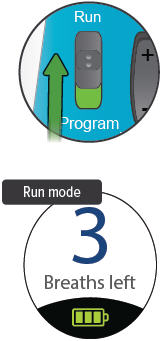
TYVASO ® INHALATION SYSTEM Instructions for Use Manual TYVASO ® (treprostinil) INHALATION SOLUTION Contents Overview of your TYVASO Inhalation System 4 Introduction 6 Safety and general instructions 8 Buttons, indicators, and markings 10 Inhalation device display screens 16 Programming your TYVASO Inhalation System before use 18 Charging device before use 20 Setting your prescribed dose 22 Adjusting device's audio volume 24 Preparing and using your TYVASO Inhalation System for daily treatments 26 Prepare a proper environment 28 Gather supplies 29 Fill water chamber and medicine cup 32 Assemble inhalation device 35 Power on inhalation device 40 Inhale your medicine 42 Cleaning and Storing your TYVASO Inhalation System 46 Storing between sessions during the day 48 End of day cleaning 52 Recharging the battery 57 Weekly cleaning 59 Monthly Refill Kit 60 Replacing your devices 61 Help / More information about your TYVASO Inhalation System 62 Troubleshooting 64 Specifications 76 Electromagnetic compatibility (EMC) 79 Glossary 87 Warranty information 90 Overview of your TYVASO Inhalation System Section overview This section introduces you to your TYVASO Inhalation System and provides important safety information about using your system.
What you will need: ▶ A clean place to review these instructions ▶ TYVASO Inhalation System to refer to while reading instructions What is covered in this section: A: Introduction 6 B: Safety and general instructions 8 C: Buttons, indicators, and markings 10 D: Inhalation device display screens 16 Important: Do not start treatment with TYVASO until you have been trained to use the TYVASO Inhalation System. Make sure you understand all of the directions. Always ask your doctor or specialty pharmacy provider if you have any questions or are unsure of anything you are taught.
A: Introduction Your doctor has prescribed TYVASO ® (treprostinil) Inhalation Solution. Please see the accompanying Prescribing Information for important safety information on TYVASO. TYVASO is breathed in (inhaled) using the TYVASO Inhalation System, which consists of the inhalation device and its accessories.
This Instructions for Use manual for the TYVASO Inhalation System provides important safety information. It is important that you read these instructions and the TYVASO Prescribing Information before setting up and using the TYVASO Inhalation System. If you have any questions, talk to your doctor or specialty pharmacy provider.
Before beginning treatment with TYVASO, you will receive either a Patient Starter Kit containing a 28-day supply of TYVASO or an Institutional Starter Kit containing a 4-day supply of medication. Both kits include 2 complete inhalation devices (all accessories and supplies included). When you refill your prescription for TYVASO each month, you will receive a Refill Kit that contains a 28-day supply of TYVASO and new accessories.
You will receive replacement devices every 2 years from your date of receipt of the TYVASO Inhalation System. CAUTION: Federal law restricts this device to sale by or on the order of a physician, or other licensed practitioner. Important: Keep this Instructions for Use manual in a safe place where you can easily get to it for reference.
For example, store the booklet in the TYVASO Inhalation System carrying case, along with your other supplies. TYVASO Inhalation System is intended solely for the delivery of TYVASO (treprostinil) Inhalation Solution. TYVASO is for administration only with the TYVASO Inhalation System.
B: Safety and general instructions The TYVASO Inhalation System should be handled carefully. Take the following precautions and follow all instructions in this document to avoid injury and ensure proper use: Delivering treatments: Read the instructions carefully and completely to prevent damage to your TYVASO Inhalation System and help you get the best results. This device should only be used on the order of your doctor or licensed healthcare practitioner.
Conduct… [Excerpted — this section continues on DailyMed.]
📄 Recent Major Changes ▾
Warnings and Precautions ( 5.4 ) 05/2022
📄 Package Label / Principal Display Panel ▾
PRINCIPAL DISPLAY PANEL - 4 Ampule Pouch Carton TYVASO ® (treprostinil) INHALATION SOLUTION Treprostinil 1.74 mg / 2.9 mL (0.6 mg/mL) Four 2.9 mL ampules For oral inhalation use only See package insert and Instructions For Use manual for dosage and administration Principal Display Panel - 4 Ampule Pouch Carton
PRINCIPAL DISPLAY PANEL - 28 Ampule Pouch Carton TYVASO ® (treprostinil) INHALATION SOLUTION Treprostinil 1.74 mg / 2.9 mL (0.6 mg/mL) Seven foil pouches each containing four 2.9 mL ampules For oral inhalation use only See package insert and Instructions For Use manual for dosage and administration. PRINCIPAL DISPLAY PANEL - 28 Ampule Pouch Carton
PRINCIPAL DISPLAY PANEL - Patient Starter Kit TYVASO Inhalation System Patient Starter Kit TYVASO ® (treprostinil) INHALATION SOLUTION Treprostinil 1.74 mg/2.9 mL (0.6 mg/mL) TYVASO is for oral inhalation use only and is intended for administration with the TYVASO Inhalation System. See package insert and Instructions for Use manual for dosage and administration. CONTENTS QTY CONTENTS QTY + 28 ampule carton of TYVASO (seven foil pouches, each containing four 2.9 mL ampules) 1 + AC wall plugs 2 + TYVASO Inhalation Device 2 + Water level cup 1 + TYVASO Inhalation System Instructions for Use manual 1 + Plugs for storage between treatment sessions 2 + Treatment Tracker 1 + Carrying case 1 + Sets of Dome assembly, Inhalation piece, Mouthpiece, and 2 Filter shells 2 + Distilled water carrier 1 + Medicine cups 32 + Filter membranes 65 Each ampule of TYVASO contains: treprostinil 1.74 mg.
Each ampule also contains 18.9 mg sodium chloride, 18.3 mg sodium citrate dihydrate, 0.6 mg sodium hydroxide, 11.7 mg 1N hydrochloric acid, and water for injection. Hydrochloric acid and sodium hydroxide may have been added to adjust pH. + One new ampule should be used each day. Each ampule of TYVASO (once opened and transferred to the medicine cup) should remain in the device for no more than 1 day.
Any remaining TYVASO and the medicine cup should be discarded at the end of each day. + Once a foil pouch is opened, use ampules within 7 days. + Store unused ampules of TYVASO in the foil pouch until use, protected from light. + Store at 25°C (77°F); excursions permitted to 15°C to 30°C (59°F to 86°F) [see USP Controlled Room Temperature]. Patient Starter Kit For Single Patient Use Only. Keep out of the reach of children.
NDC 66302-206-01 Rx only Manufactured by United Therapeutics Corporation Durham, NC 27713 United Therapeutics A PUBLIC BENEFIT CORPORATION 102129 Rev. 01/2026 MATERIAL: 102132 LOT: 2102958 EXP: 2028 – AUG Device SN#1: 25083422 Device SN#2: 25083257 PRINCIPAL DISPLAY PANEL - Patient Starter Kit
PRINCIPAL DISPLAY PANEL - Refill Kit TYVASO Inhalation System Refill Kit TYVASO ® (treprostinil) INHALATION SOLUTION Treprostinil 1.74 mg/2.9 mL (0.6 mg/mL) TYVASO is for oral inhalation use only and is intended for administration with the TYVASO Inhalation System. See package insert and Instructions for Use manual for dosage and administration. CONTENTS QTY CONTENTS QTY + 28 ampule carton of TYVASO (seven foil pouches, each containing four 2.9 mL ampules) 1 + Filter membranes 65 + Set of Dome assembly, Inhalation piece, Mouthpiece, and 2 Filter shells 1 + Plugs for storage between treatment sessions 2 + Medicine cups 32 + Treatment Tracker 1 Each ampule of TYVASO contains: treprostinil 1.74 mg.
Each ampule also contains 18.9 mg sodium chloride, 18.3 mg sodium citrate dihydrate, 0.6 mg sodium hydroxide, 11.7 mg 1N hydrochloric acid, and water for injection. Hydrochloric acid and sodium hydroxide may have been added to adjust pH. + One new ampule should be used each day. Each ampule of TYVASO (once opened and transferred to the medicine cup) should remain in the device for no more than 1 day.
Any remaining TYVASO and the medicine cup should be discarded at the end of each day. + Once a foil pouch is opened, use ampules within 7 days. + Store unused ampules of TYVASO in the foil pouch until use,… [Excerpted — this section continues on DailyMed.]
Medicaid utilization by pack size
Medicare Part D spend CMS · PART D · 2026 (Q1)
About this NDC listing & data coverage
What data is (and isn’t) available for this NDC — tap to expand
| NDC identity (package / product / labeler codes) | ✓ Available |
| Labeler | ✓ Available |
| Product & package description | ✓ Available |
| Marketing category & status | ✓ Available |
| Active ingredient / dosage form / route | ✓ Available |
| FDA label (SPL via DailyMed) | ✓ Available |
| Package photos | ✓ Available |
| Inactive ingredients (structured) | ✓ Available |
| NADAC pharmacy acquisition price (CMS) | — Not published for this NDC CMS publishes NADAC only for NDCs reported in its retail-pharmacy survey. |
| Orange Book / therapeutic-equivalence data | ✓ Available |
| HCPCS J-code billing crosswalk | ✓ Available |
| Medicaid utilization (CMS SDUD) | — Not published for this NDC CMS reports utilization only for NDCs with Medicaid claims above its privacy threshold. |